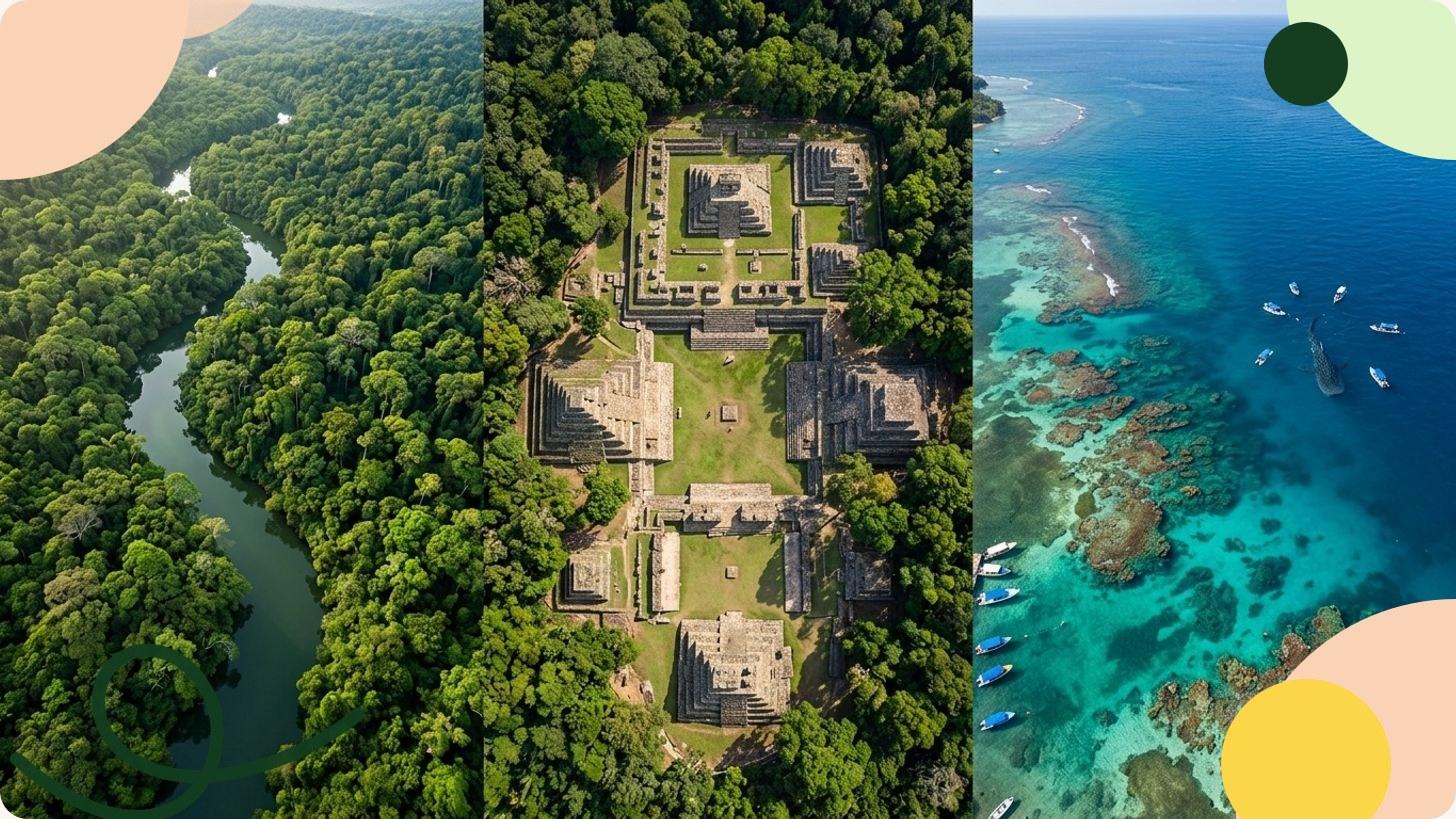

Honduras packs world-class Maya ruins, some of the Caribbean’s richest coral reefs, near-untouched jungle and a vibrant living culture shaped by the Garifuna and Lenca peoples into a single country. Less visited than its neighbours Guatemala or Costa Rica, it has held on to a rare authenticity that is increasingly hard to find in Central America.
Get travel insurance for HondurasIn the footsteps of the ancient Maya
1. Walk the ruins of Copán, a Maya city listed by UNESCO in 1980
Copán is one of the crown jewels of Classic Maya civilisation. Listed as a UNESCO World Heritage Site in 1980, the archaeological site sits in a forested valley in western Honduras, just a few kilometres from the Guatemalan border. Pyramids, ceremonial terraces, grand plazas and intricately carved stelae speak to the artistic sophistication of a city that reached its height between the 5th and 9th centuries.
2. Decipher the Hieroglyphic Stairway, the longest known Maya inscription
At the heart of the site stands the Hieroglyphic Stairway, completed around AD 755 by Copán’s fifteenth ruler. Its more than 1,800 glyphs carved into the risers make it the longest Maya inscription ever discovered: a stone library recording the genealogy of the city’s kings and the key moments of its dynastic history.
Colonial towns and Honduran culture
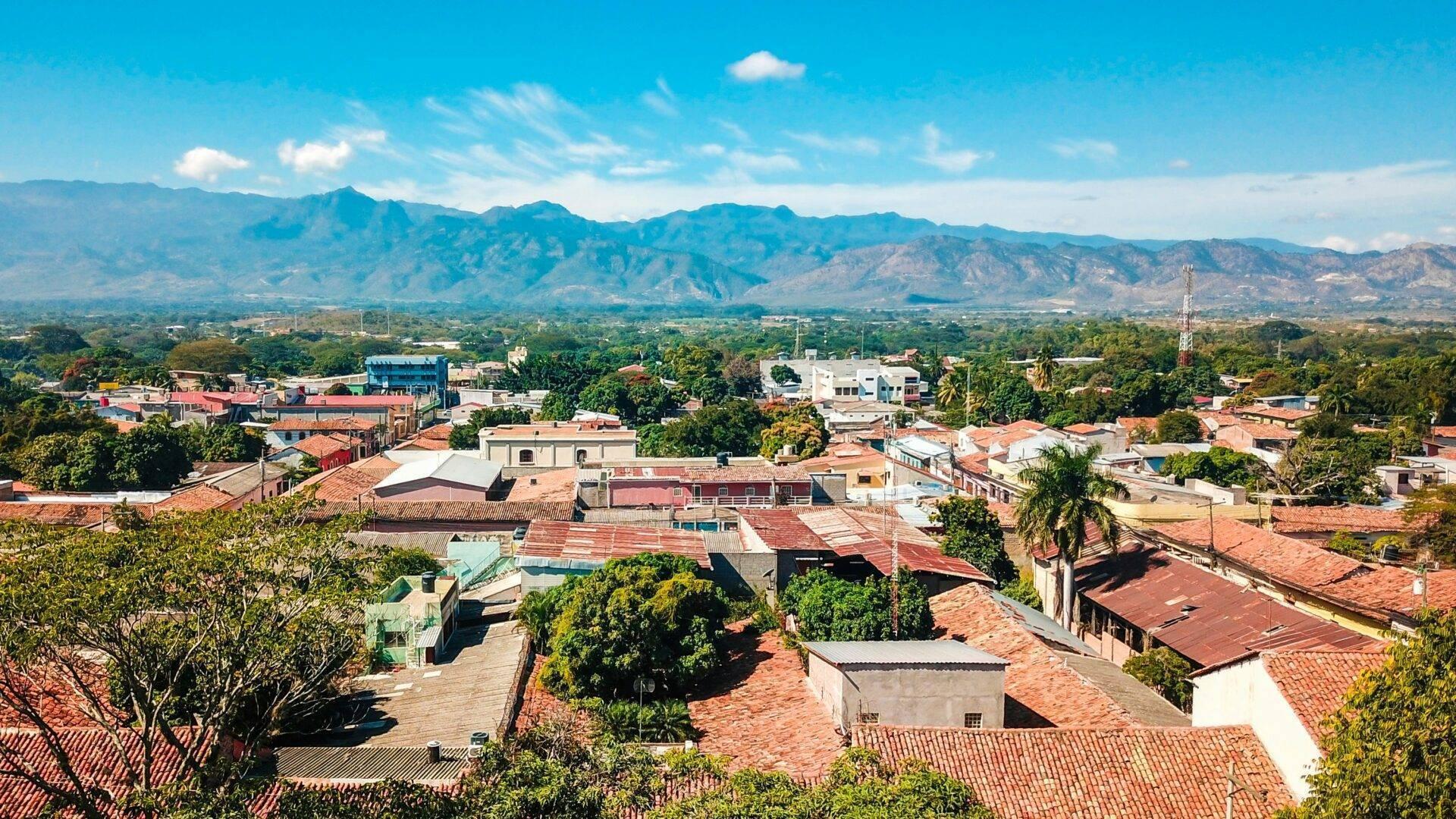
3. Stroll the cobbled streets of Gracias
Founded in the 16th century, Gracias was briefly the first capital of Spanish Central America. Its streets lined with brightly painted houses, and the Fortaleza de San Cristóbal built to defend the town against raids, make it one of Honduras’s best-preserved colonial towns.
4. Hike Celaque National Park to the highest peak in Honduras
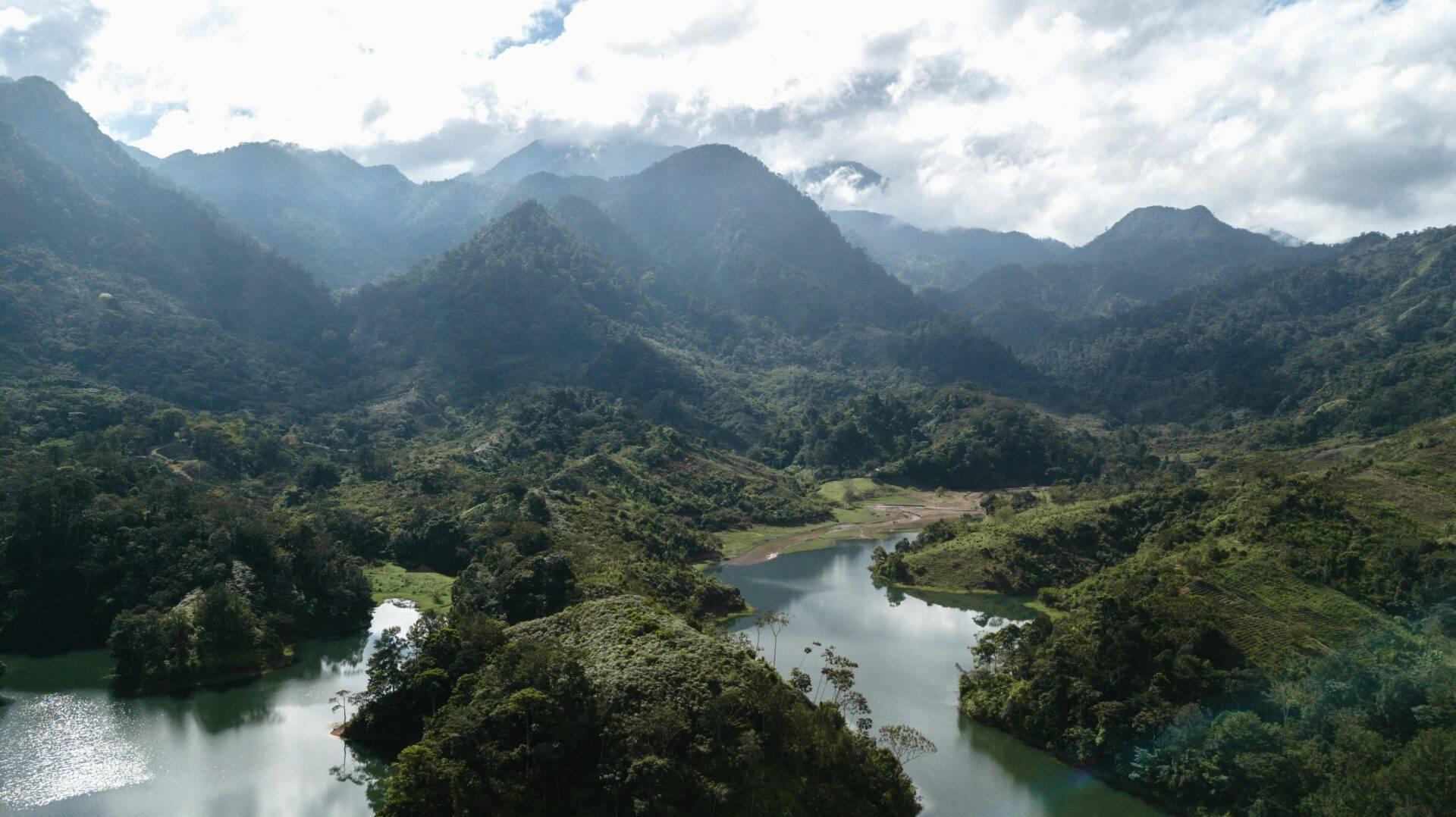
Celaque National Park, just a few kilometres from Gracias, is home to Honduras’s highest peak. The trek to the summit takes two days, winding through cloud forest draped in orchids and frequented by the resplendent quetzal.
5. Visit Comayagua and its cathedral’s colonial treasures
Honduras’s colonial capital for three centuries, Comayagua is home to a remarkable cathedral. Inside, an astronomical clock dating from the 12th century is considered one of the oldest in the world still in working order.
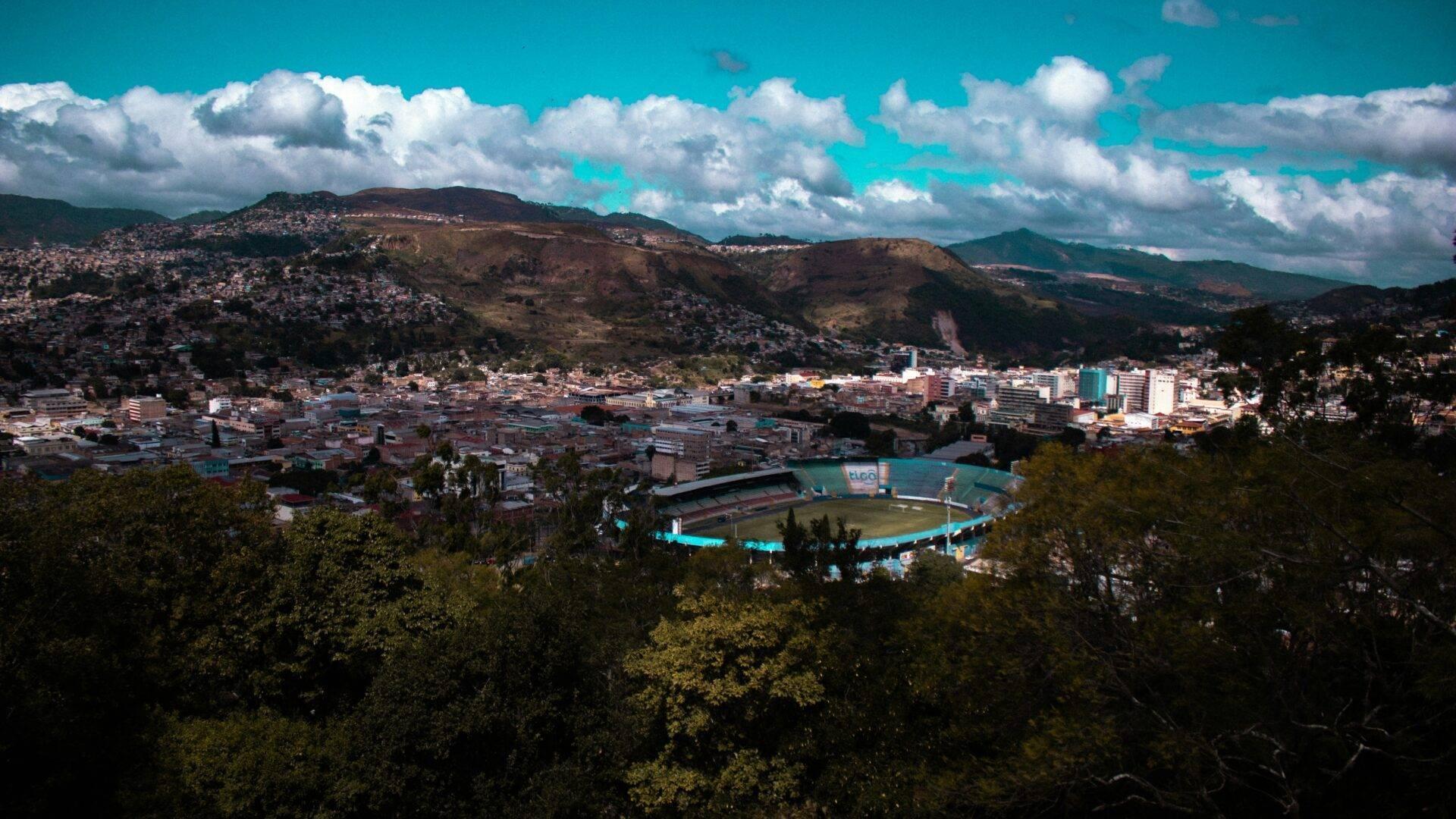
6. Explore Tegucigalpa, the capital nestled among the mountains
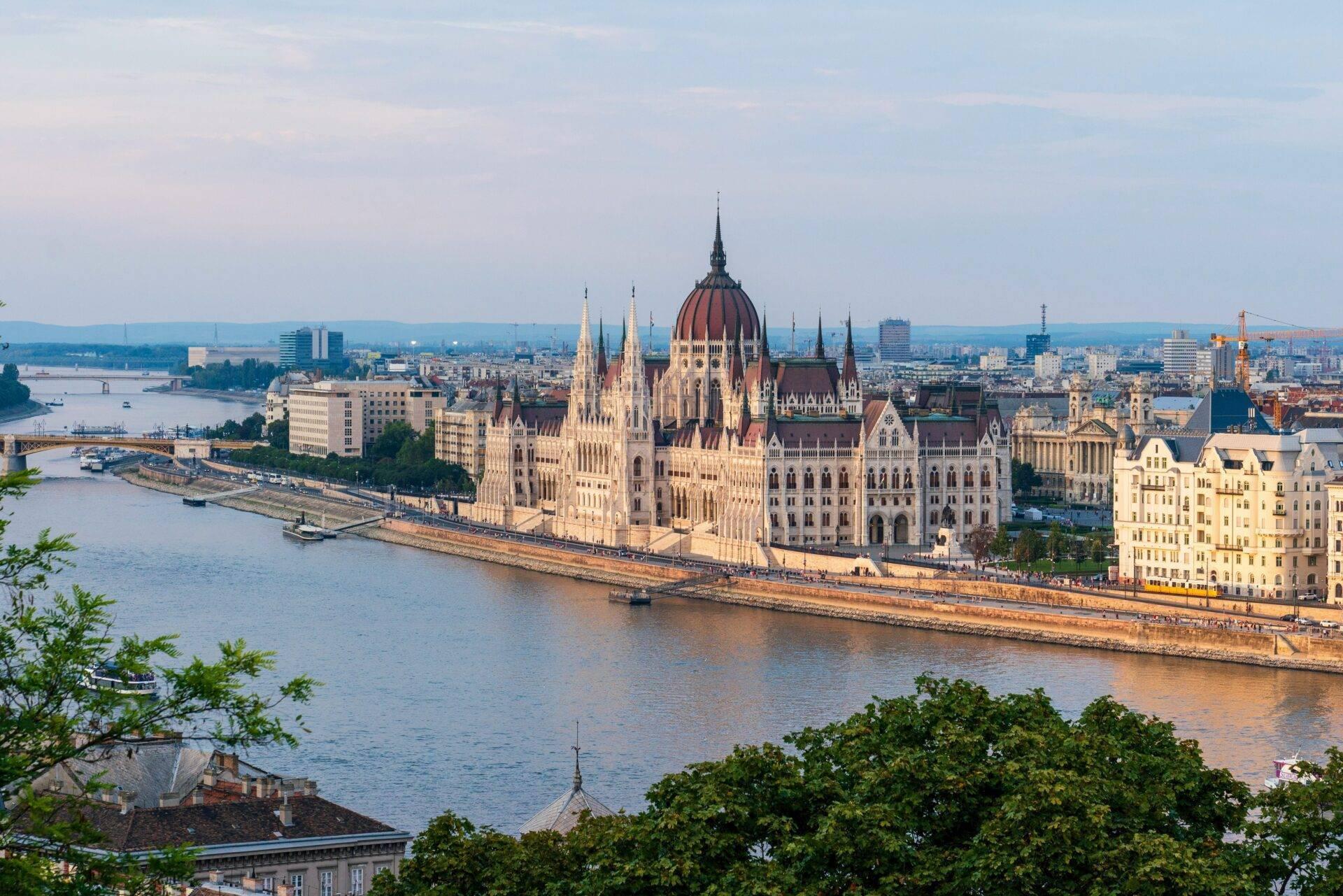
Tegucigalpa is more captivating than its reputation suggests. The National Identity Museum, the Basilica of Suyapa and the colonial district in the city centre are all worth a full day’s exploration. For practical trip planning, including visas, recommended vaccinations and entry requirements, our Honduras Travel Insurance page brings together all the up-to-date information you need.
7. Browse Lenca crafts at Valle de Ángeles
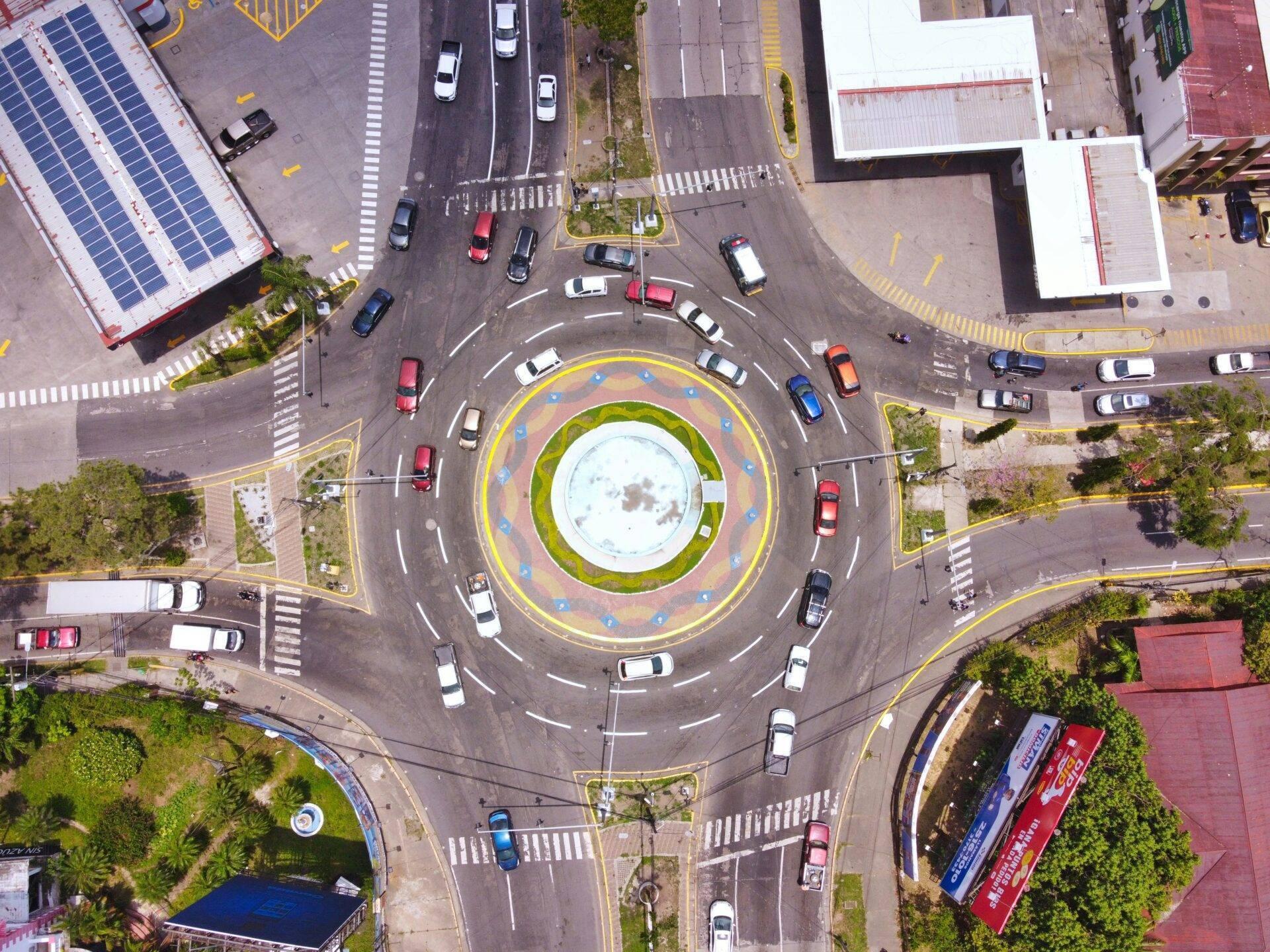
Just 22 km from Tegucigalpa, Valle de Ángeles is a village devoted to Honduran craftsmanship. Wood carvings, pottery, textiles with Lenca patterns and silver jewellery fill its open-air markets at very reasonable prices.
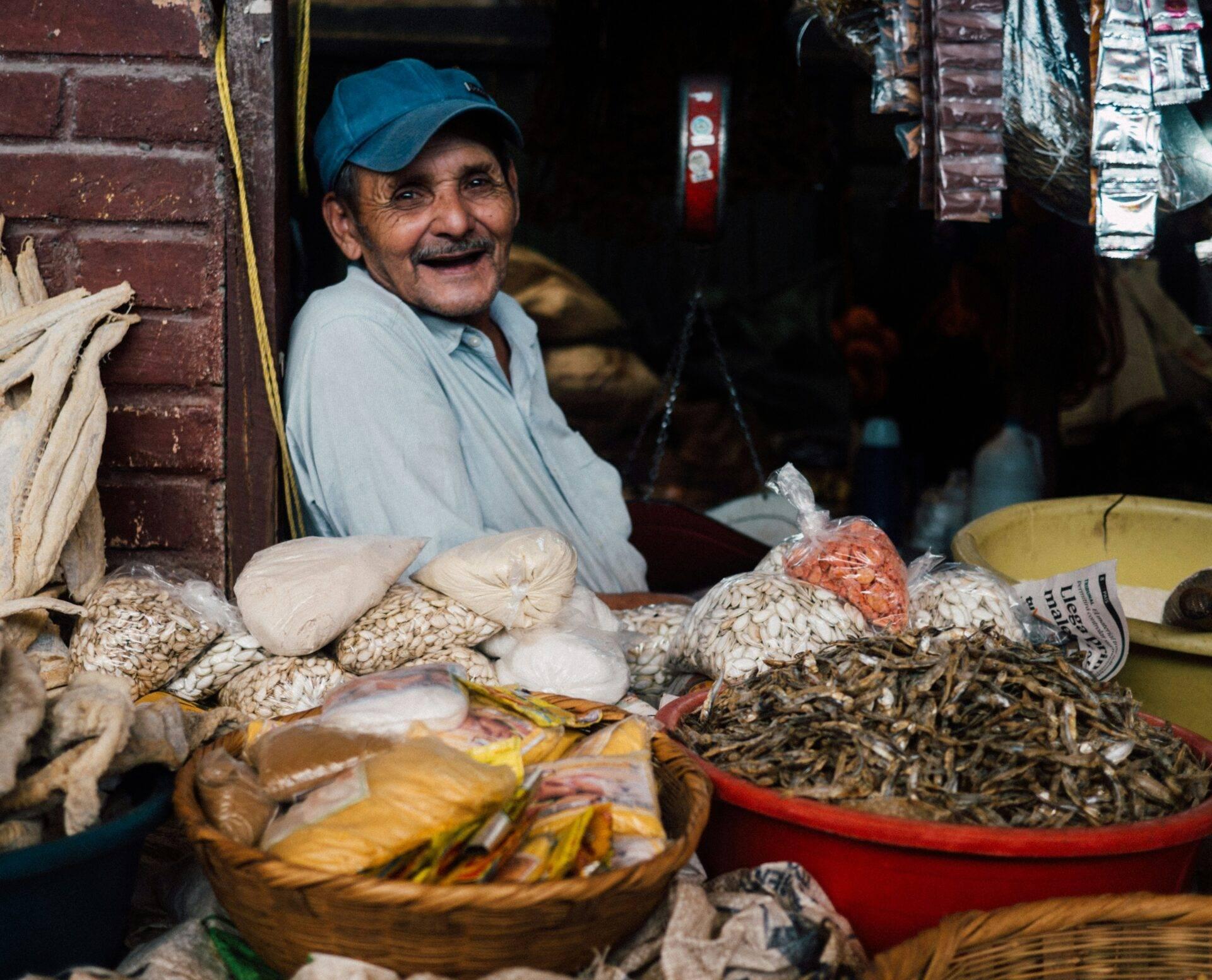
The Caribbean coast: beaches, mangroves and Garifuna culture
8. Explore the Laguna de Los Micos in Jeannette Kawas National Park
Tela is the gateway to Jeannette Kawas National Park, which shelters the Laguna de Los Micos: a mangrove lagoon reachable by kayak or dugout canoe, and home to howler monkeys, manatees and hundreds of tropical bird species.
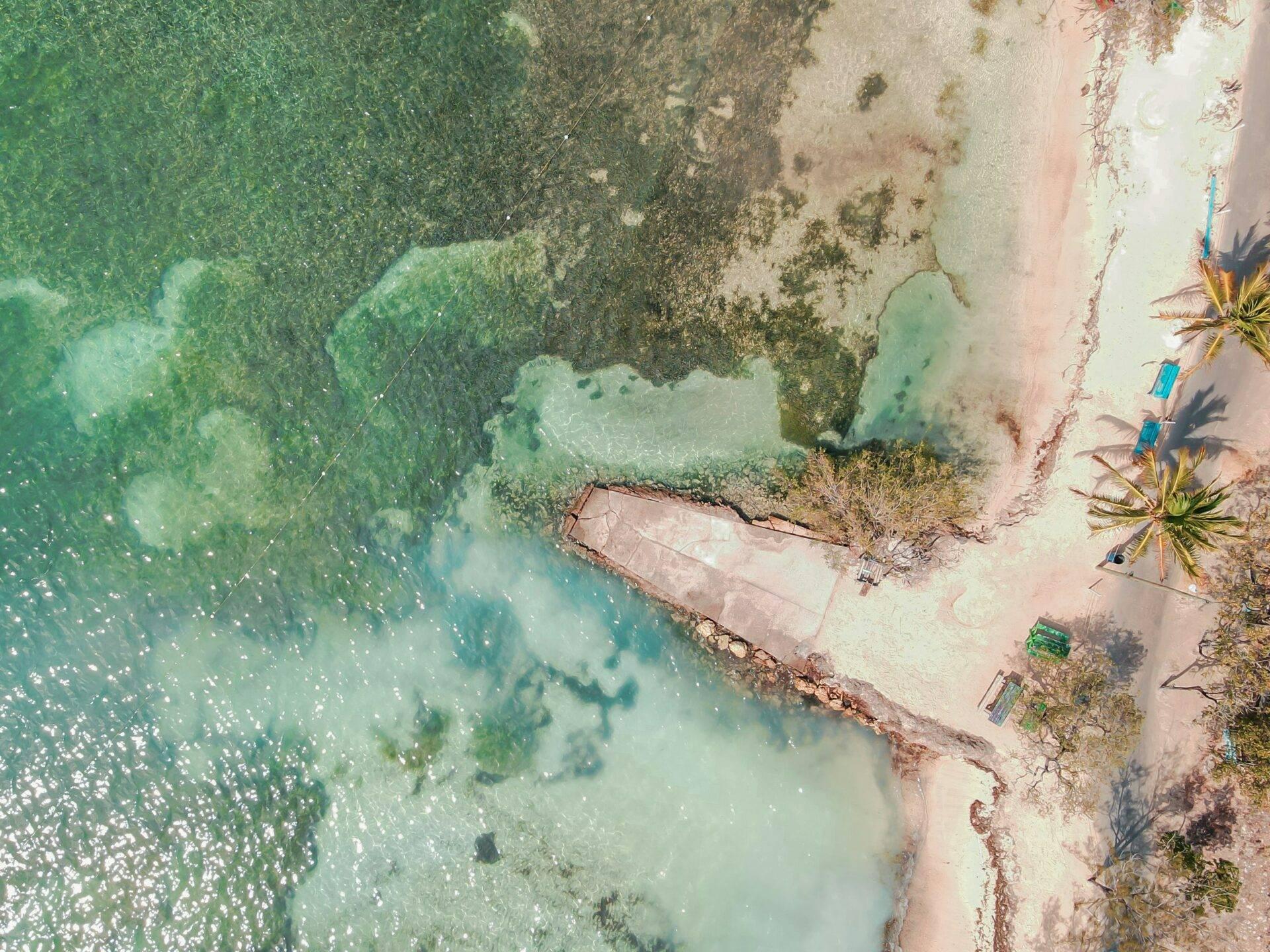
9. Immerse yourself in Garifuna culture
The Garifuna people arrived on the shores of Honduras on 12 April 1797, having been forcibly exiled by the British from the island of St Vincent. They have kept their language, their music (the punta rhythm) and a cuisine built around seafood and cassava very much alive. Garifuna villages between Tela and Trujillo welcome curious travellers warmly.
10. Use La Ceiba as your base for exploring
La Ceiba is the logistical hub of the north coast: ferries to the Bay Islands depart regularly from here, and local agencies organise excursions to Pico Bonito and the Río Cangrejal.
The Bay Islands: diving, snorkelling and white sand
11. Dive Roatán’s reef, the second-largest barrier reef in the world
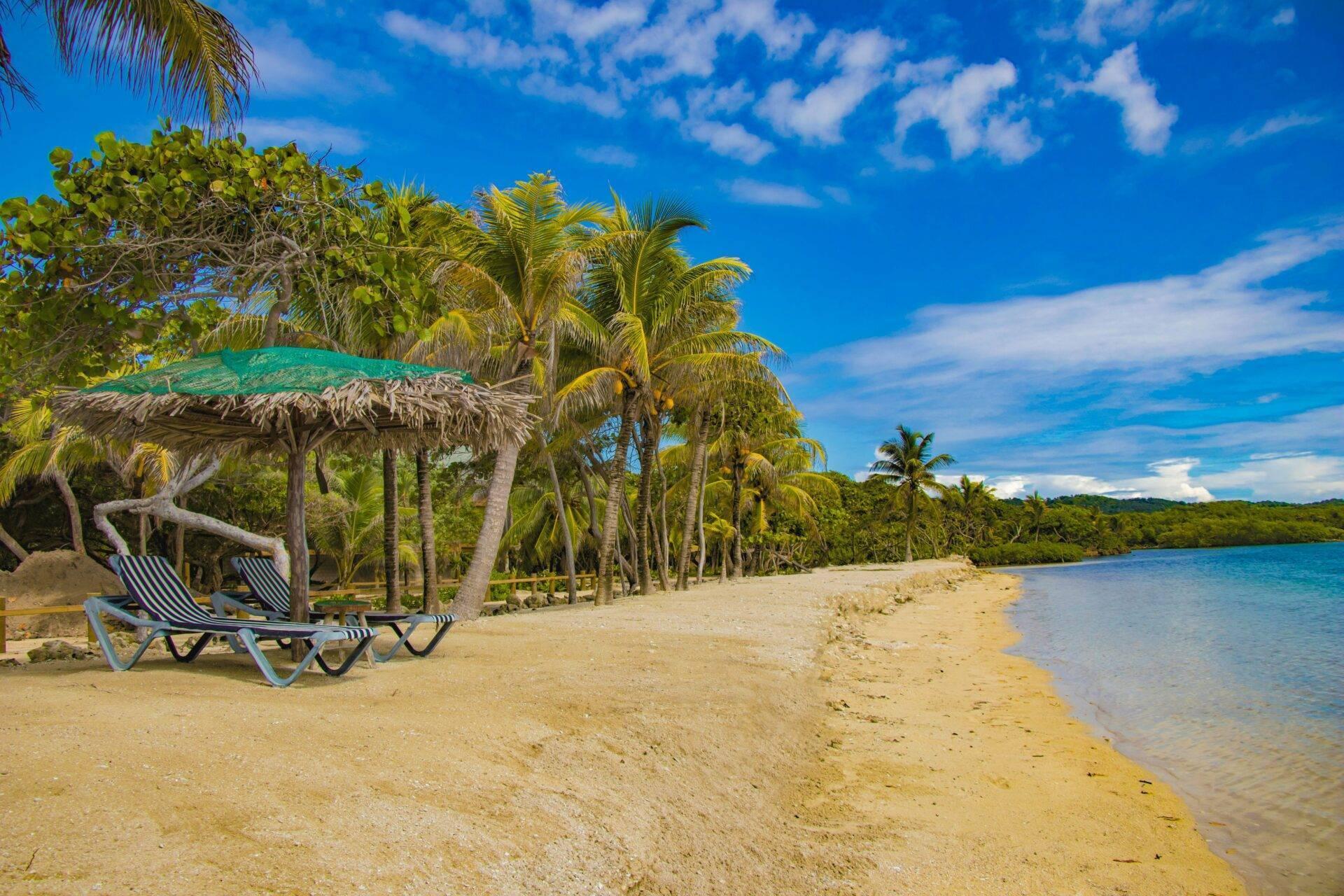
Roatán is the largest and most developed of the Bay Islands. Its waters run alongside the world’s second-largest barrier reef. The West End Wall dive site brings together sea turtles, stingrays, barracuda and colourful coral just a few metres down, within reach of divers of all levels.
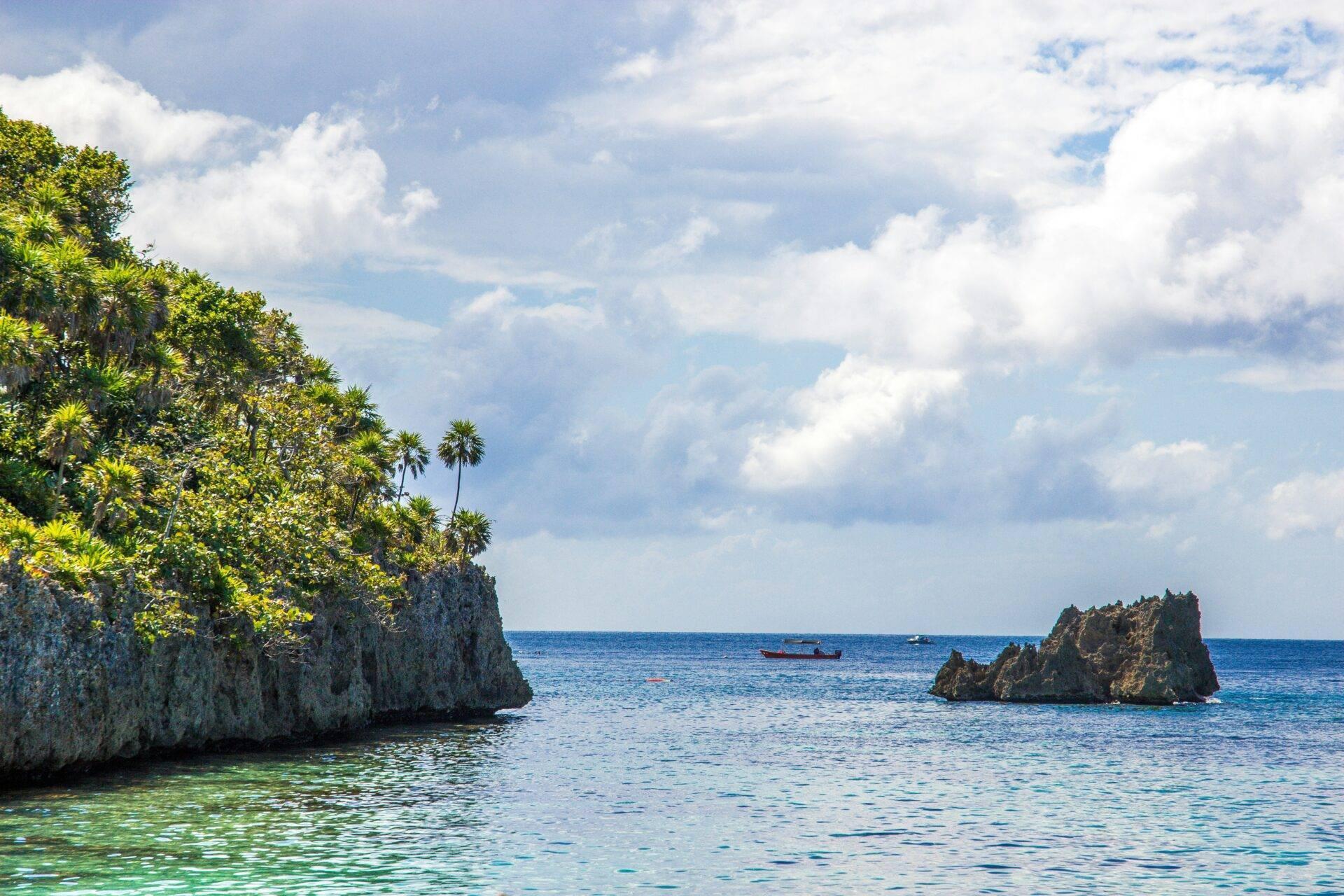
12. Swim with whale sharks at Utila
Utila is one of the few places on earth where whale sharks are present year-round, with sightings peaking between March and May. The island is also renowned as one of the most affordable places in the world to earn a PADI Open Water certification.
13. Escape to the Cayos Cochinos, a protected marine archipelago
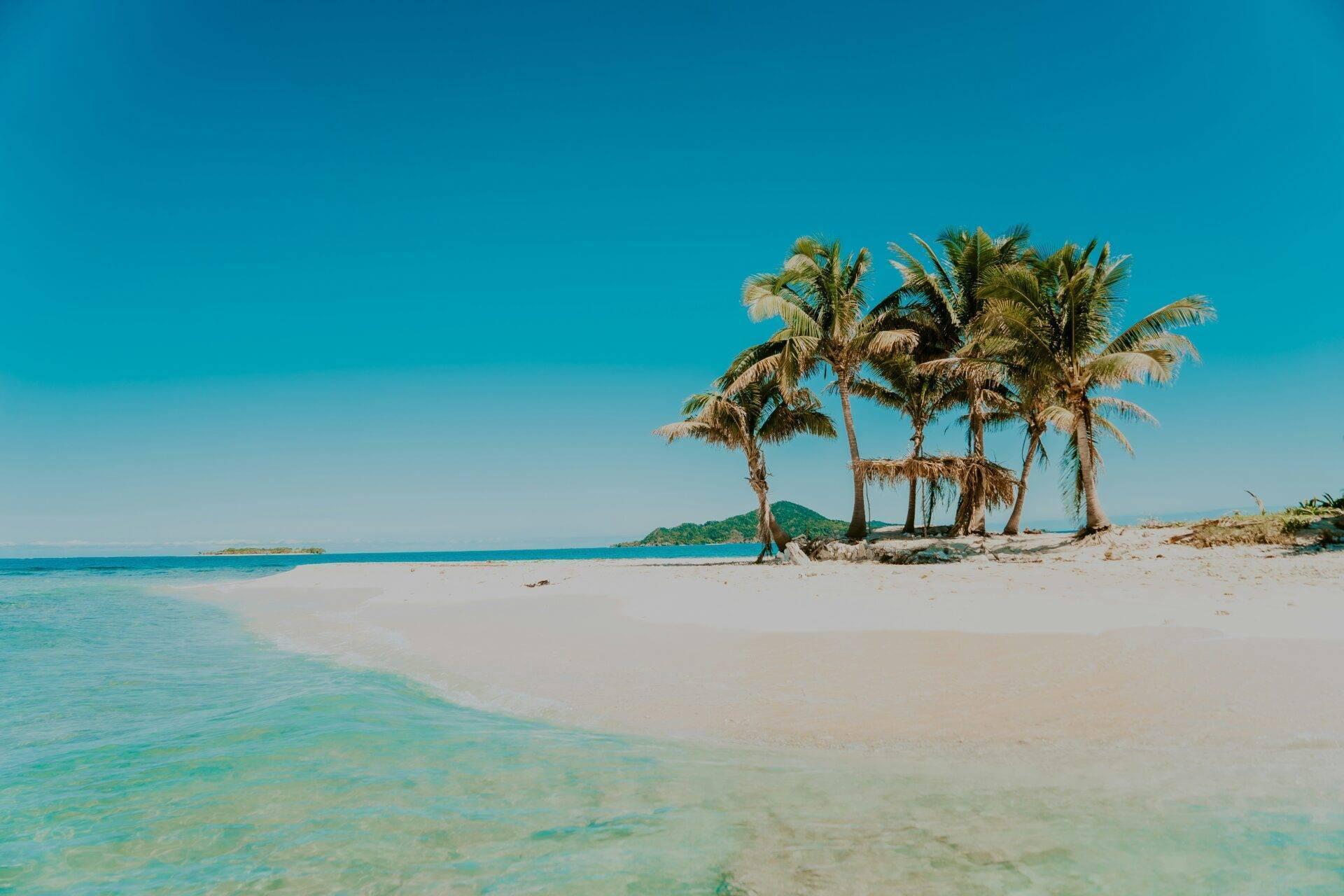
The Cayos Cochinos form an archipelago designated as a national marine reserve. On Chachahuate island, a Garifuna community welcomes visitors to share a meal of fresh fish and experience traditional island life.
National parks, lakes and untouched wilderness
14. Hike Pico Bonito National Park
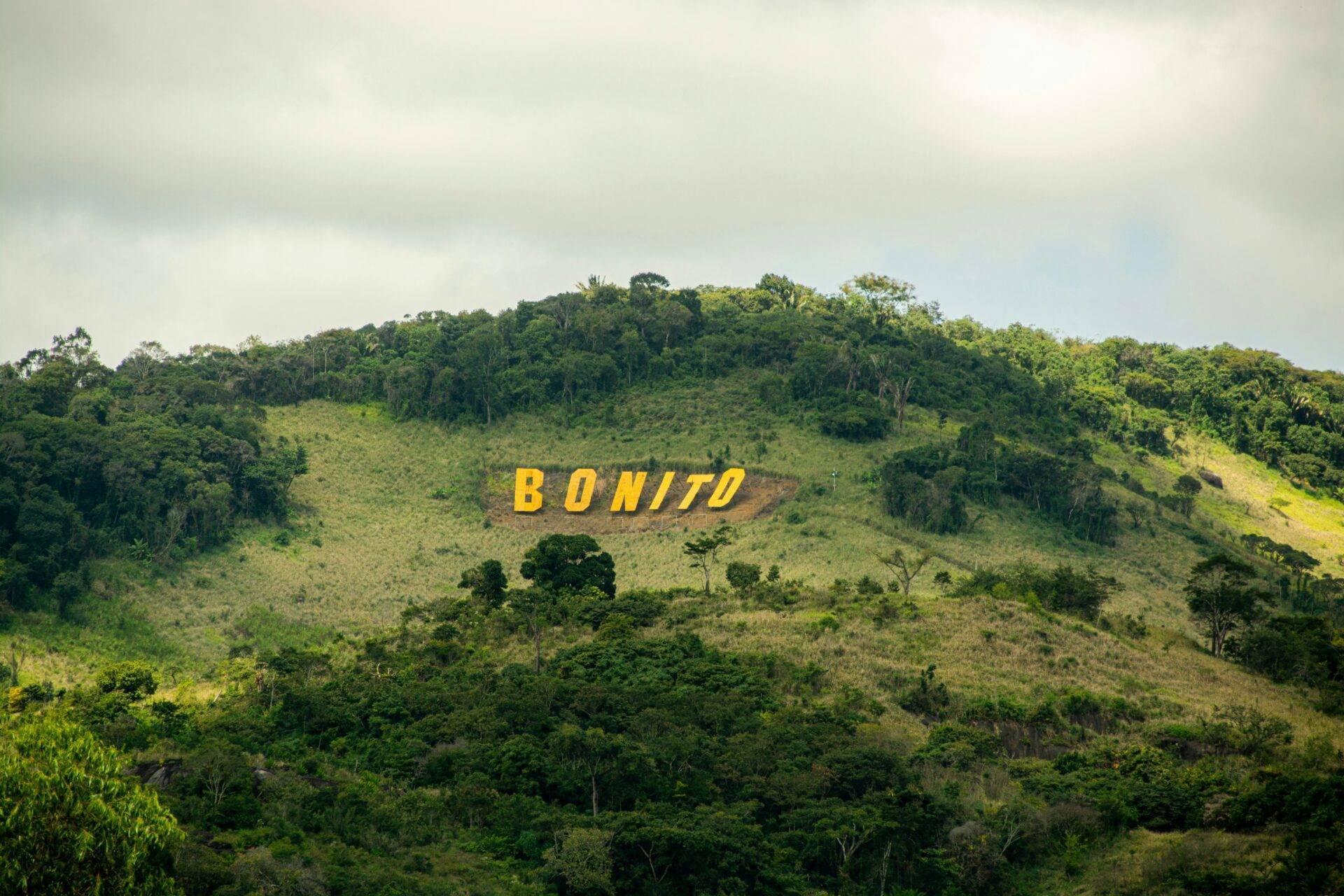
Pico Bonito National Park covers more than 500 km² in northern Honduras. Its trails wind through humid tropical forest alive with howler monkeys, toucans and hummingbirds. With a little luck, hikers catch a glimpse of the resplendent quetzal at higher elevations.
15. White-water raft the Río Cangrejal
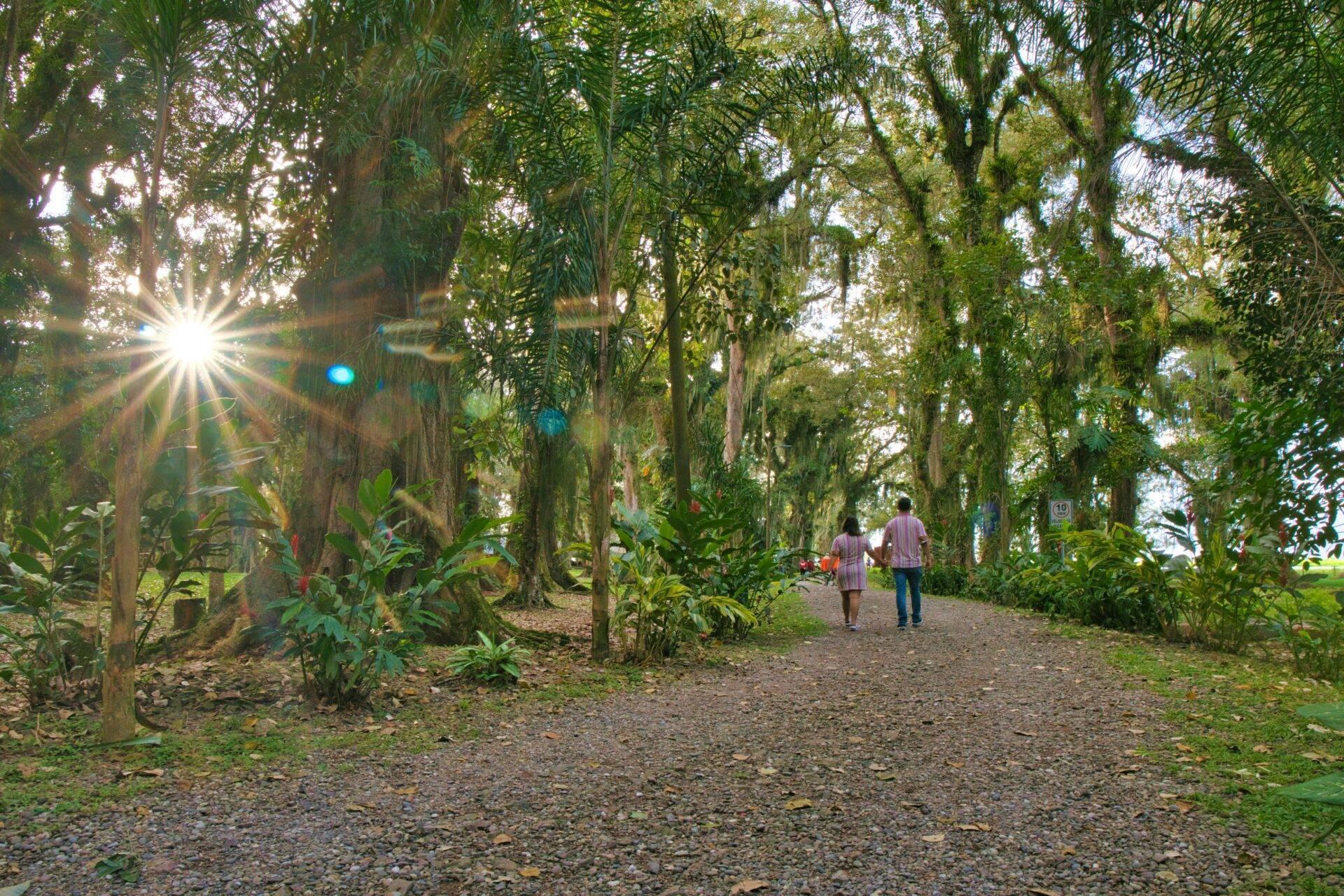
The Río Cangrejal rushes down the slopes of Pico Bonito towards La Ceiba with Class II to V rapids. It ranks among the best white-water rafting runs in Central America, guided by experienced local outfitters.
16. Spot over 407 bird species at Lake Yojoa
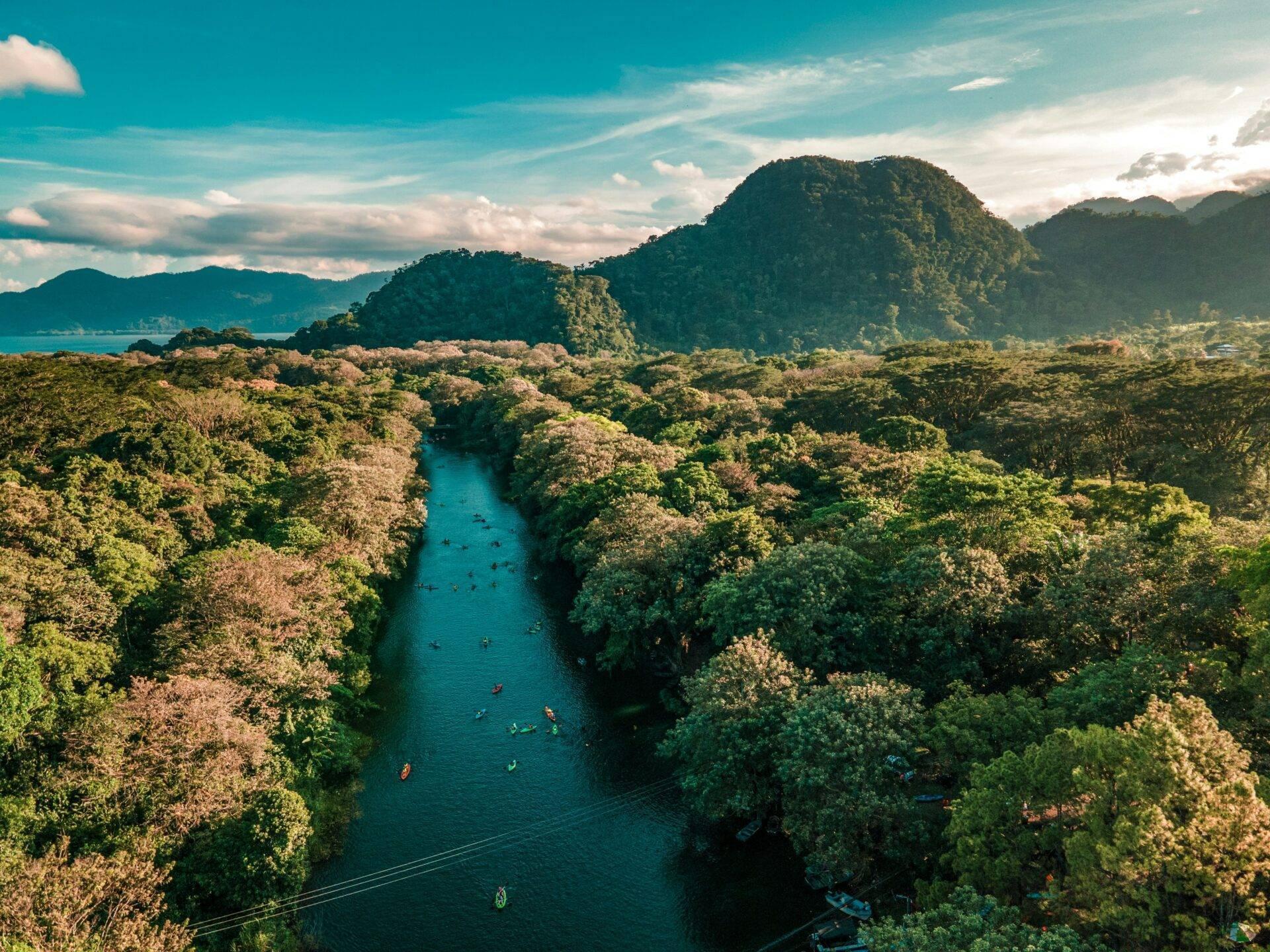
Lake Yojoa is Honduras’s largest natural lake. Its basin is home to over 407 recorded bird species: motmots, toucans, orioles and egrets are easily spotted at sunrise, set against a backdrop of volcanoes and Arabica coffee plantations.
17. Swim behind Pulhapanzak Waterfall (43 m)
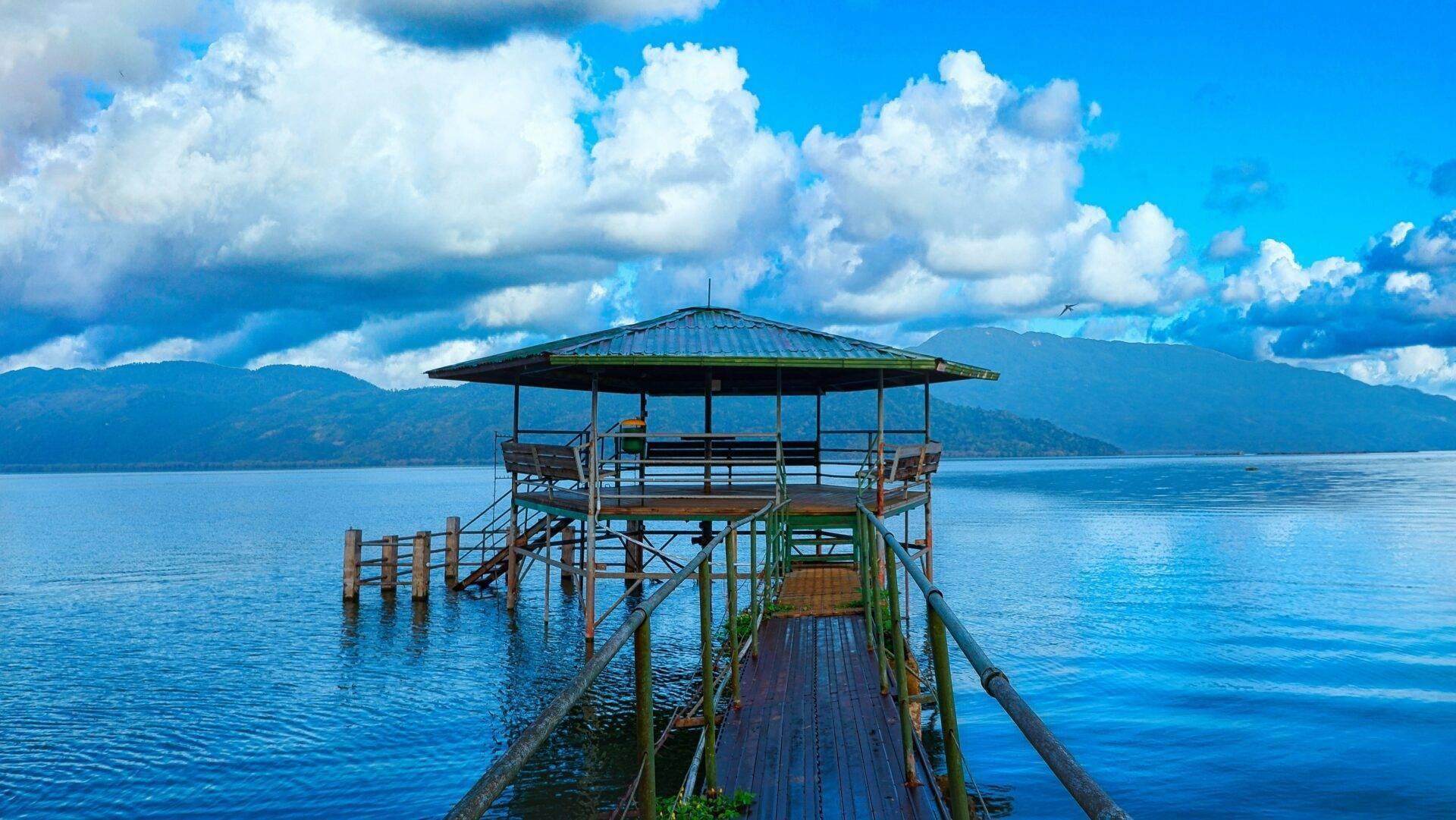
A short distance from Lake Yojoa, Pulhapanzak Waterfall drops 43 metres into a natural pool surrounded by forest. Visitors can swim at its base and, with a local guide, squeeze through the natural caves carved by the water behind the curtain of the falls.
18. Venture into La Mosquitia along the Río Plátano
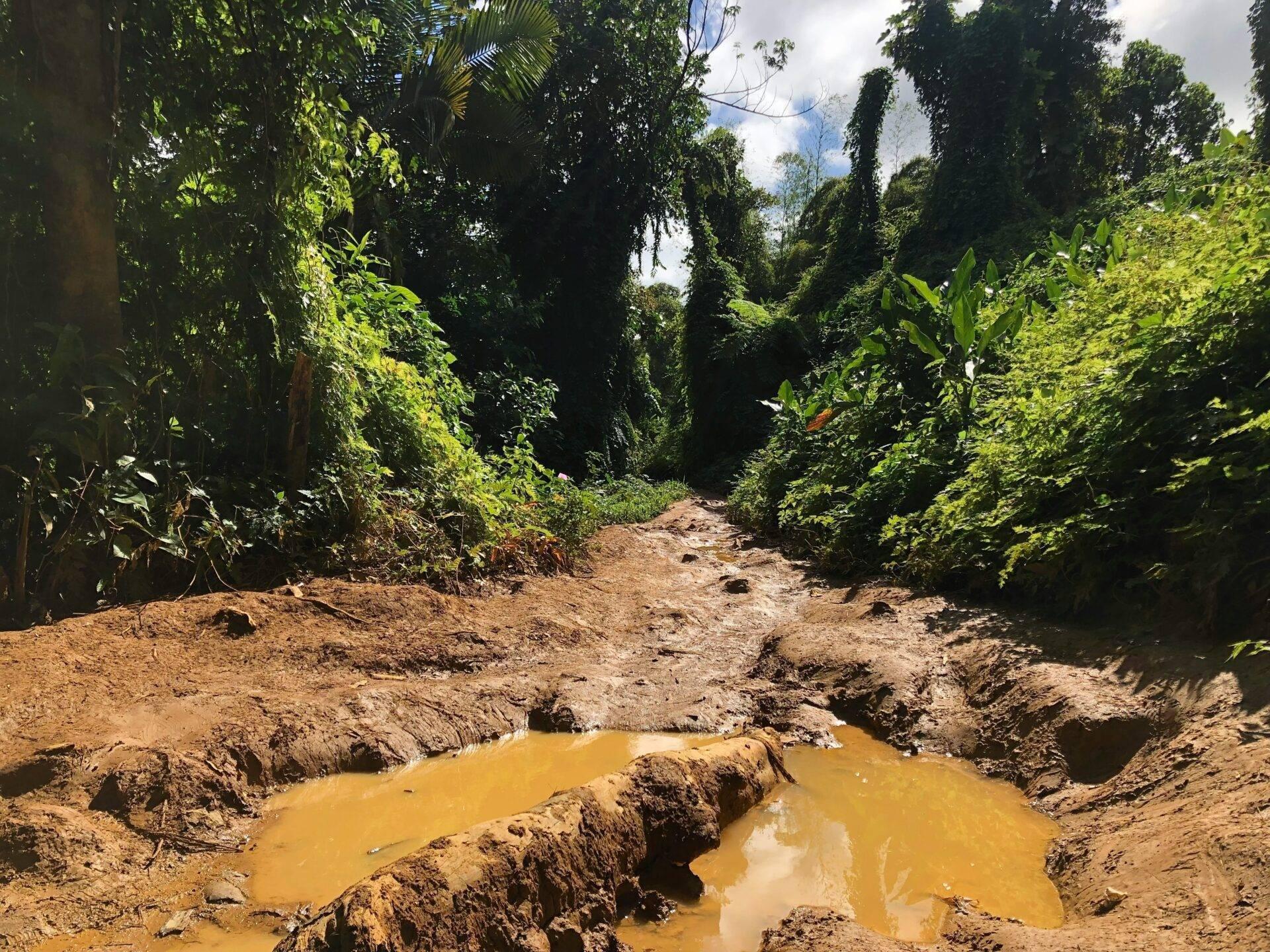
La Mosquitia is one of the most intact tropical rainforests in Central America. The Río Plátano Biosphere Reserve, inscribed on the UNESCO World Heritage List, protects exceptional biodiversity. It is reached by motorised dugout canoe from villages such as Brus Laguna, travelling upriver beneath a canopy of primary forest.
19. Watch capuchin monkeys, quetzals and sea turtles
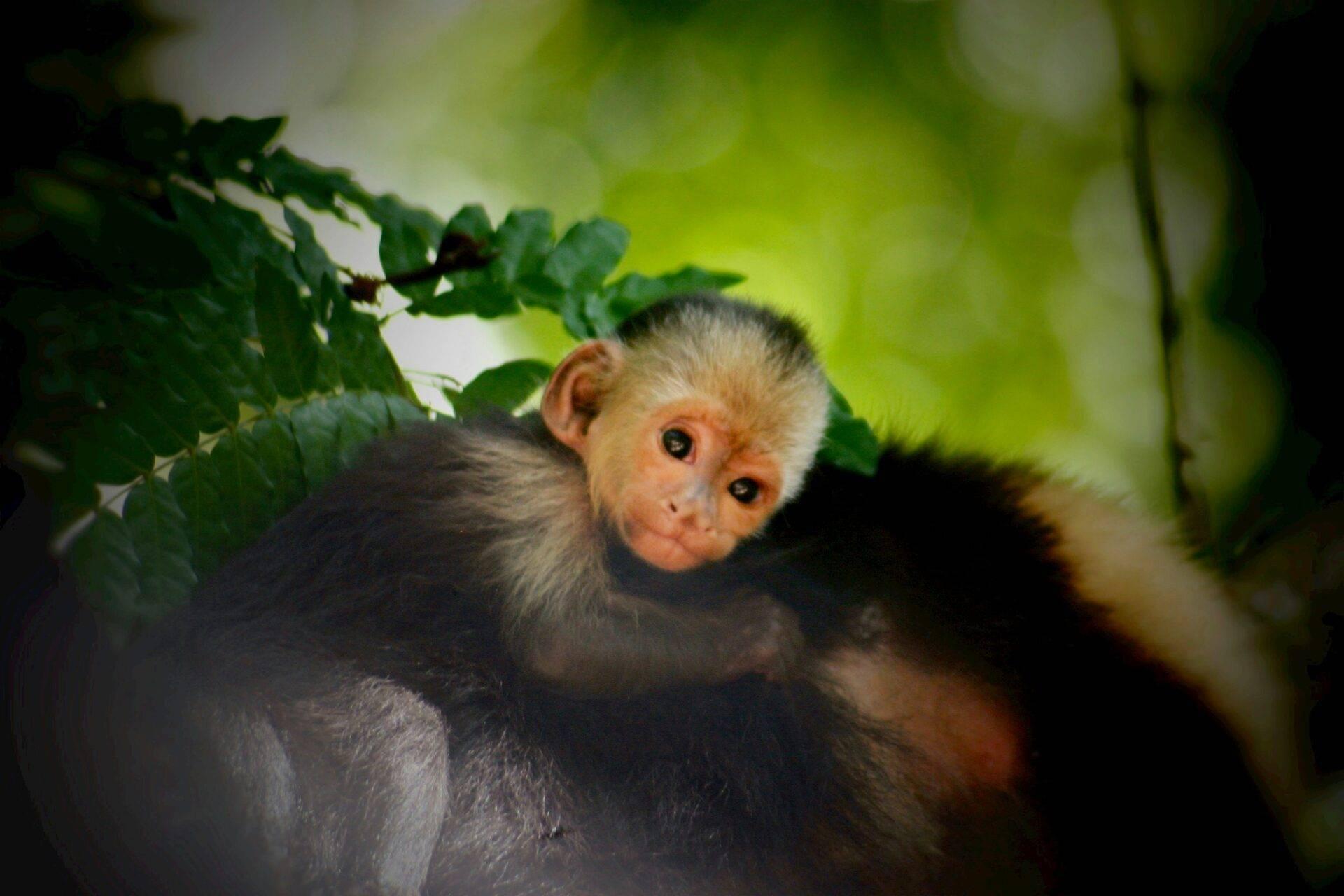
Honduras’s wildlife is among the richest in Central America. Capuchin and howler monkeys roam the forests of Pico Bonito and La Mosquitia. Sea turtles nest on certain Caribbean beaches in season. The resplendent quetzal makes its home in the cloud forests of Celaque.
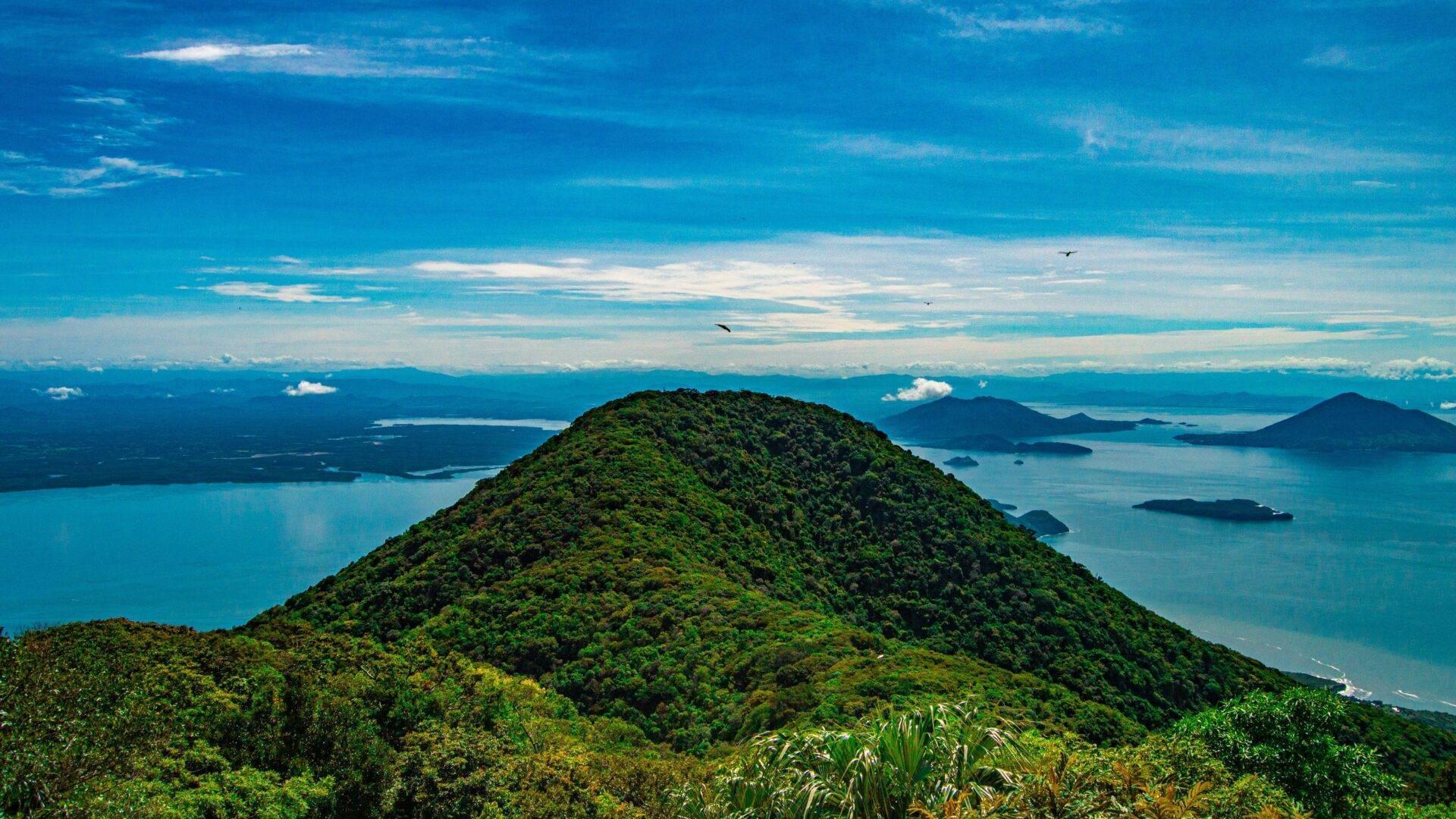
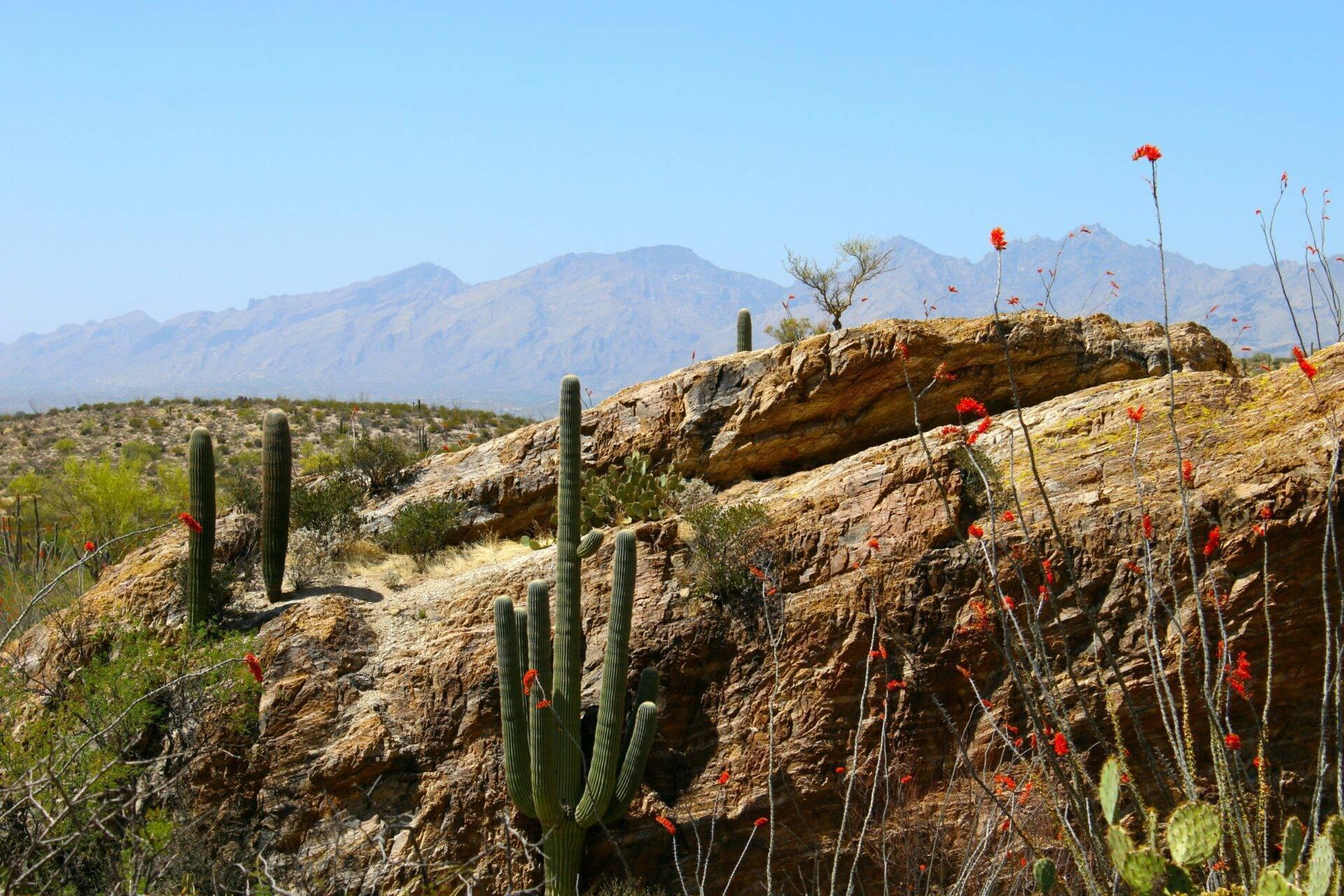
Honduras also has a drier face in the south-west: around the Gulf of Fonseca, shared between Honduras, El Salvador and Nicaragua, the landscape turns arid, with volcanic ridges and fishing communities along a Pacific coastline that remains largely off the tourist trail.
20. Taste baleadas and Honduran cuisine
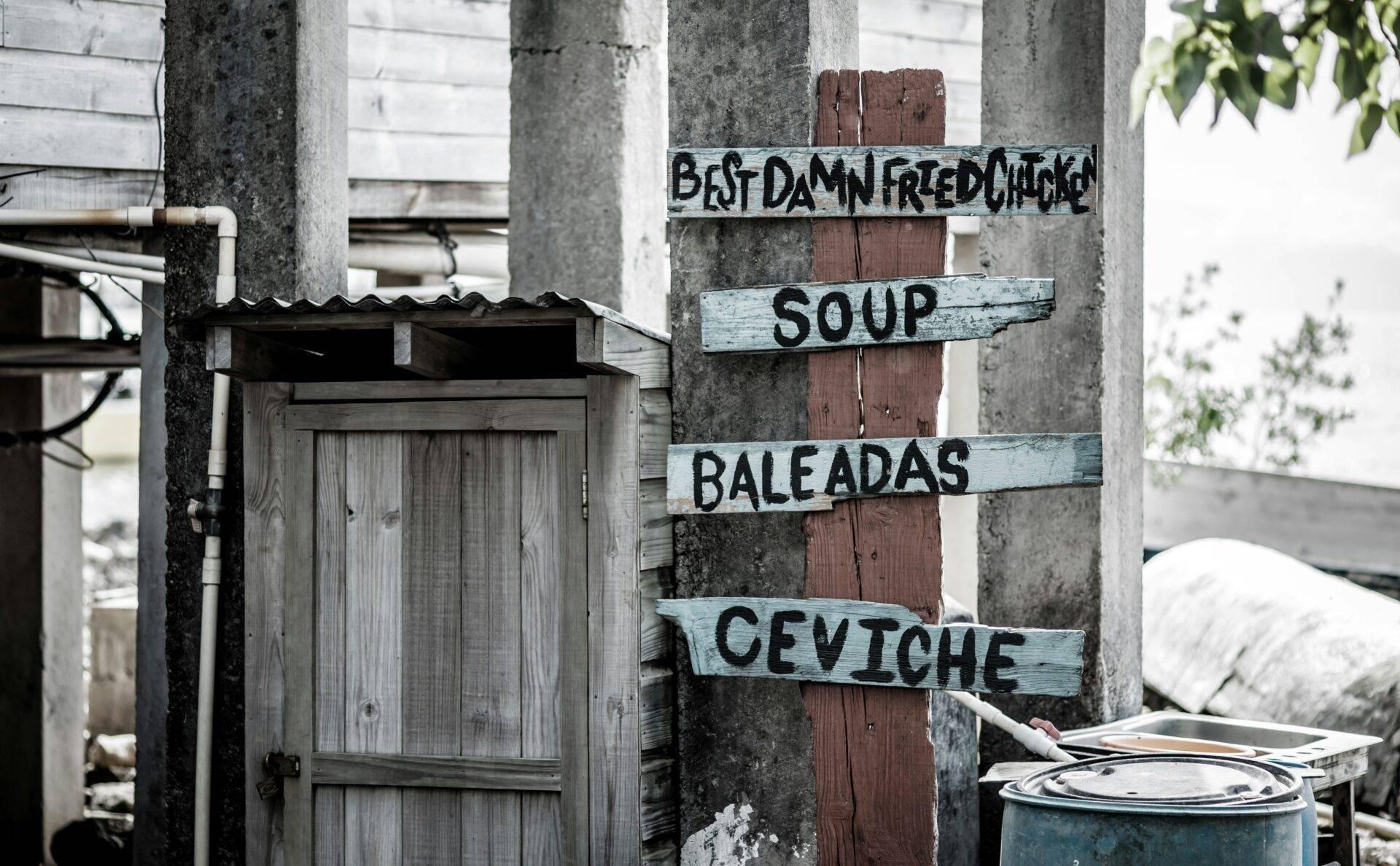
Baleadas, flour tortillas filled with black beans, sour cream and cheese, are the national dish, eaten at any time of day. On the Caribbean coast, sopa de caracol (conch and coconut milk soup), prawn ceviche and grilled fish dominate menus. The Arabica coffee grown around Copán has earned recognition in export markets worldwide.
For more adventures in Central and Latin America, explore our guides on things to do in Guatemala, the neighbouring country that shares the Maya heritage, things to do in Bolivia for South America, and the highlights of Chile for landscapes on an altogether different scale.
FAQ
When is the best time to visit Honduras?
The dry season, from November to May, is the most pleasant for the majority of the country. For diving in the Bay Islands, April and May offer the best visibility. Whale shark sightings at Utila are most reliable between March and May, though individuals can be spotted year-round.
Is Honduras safe for tourists?
As with any Central American destination, a degree of caution is wise. Tourist areas such as Roatán, Copán Ruinas and Tela are generally well-frequented and considered safer than the rest. It is advisable to check your government’s travel advice before departure and to take out travel insurance covering medical expenses and repatriation.
How do you get around Honduras?
The north coast (La Ceiba, Tela, San Pedro Sula) is well served by buses and shuttles. The Bay Islands are reached by ferry from La Ceiba to Roatán and Utila (around one hour’s crossing) or by plane from San Pedro Sula. La Mosquitia, more remote, is accessible by light aircraft from La Ceiba or by boat from Palacios.
Can you dive in Honduras with no prior experience?
Absolutely. Utila and Roatán are among the most affordable places in the world to earn a PADI Open Water certification, with beginner courses available year-round on both islands.
What formalities should you arrange before travelling to Honduras?
For practical information on visas, recommended vaccinations, currency and insurance cover, consult our Honduras Travel Insurance guide, which brings together all the up-to-date requirements.