
Guatemala packs Maya pyramids that pierce the jungle canopy, active volcanoes to climb by night, a sacred lake ringed by indigenous villages, and the liveliest markets in Central America into a single country. Here are 20 sights and experiences to weave into your itinerary, covering the country from the Petén rainforest in the north to the Pacific beaches in the south.
Insure my trip to GuatemalaThe Maya Cities of the Petén
Guatemala’s northern region, the Petén, is home to the remains of one of the most sophisticated pre-Columbian civilisations in the Americas. Tropical forest has reclaimed hundreds of archaeological sites, and only a handful have been cleared and opened to visitors.
1. Tikal, the city that rises above the jungle
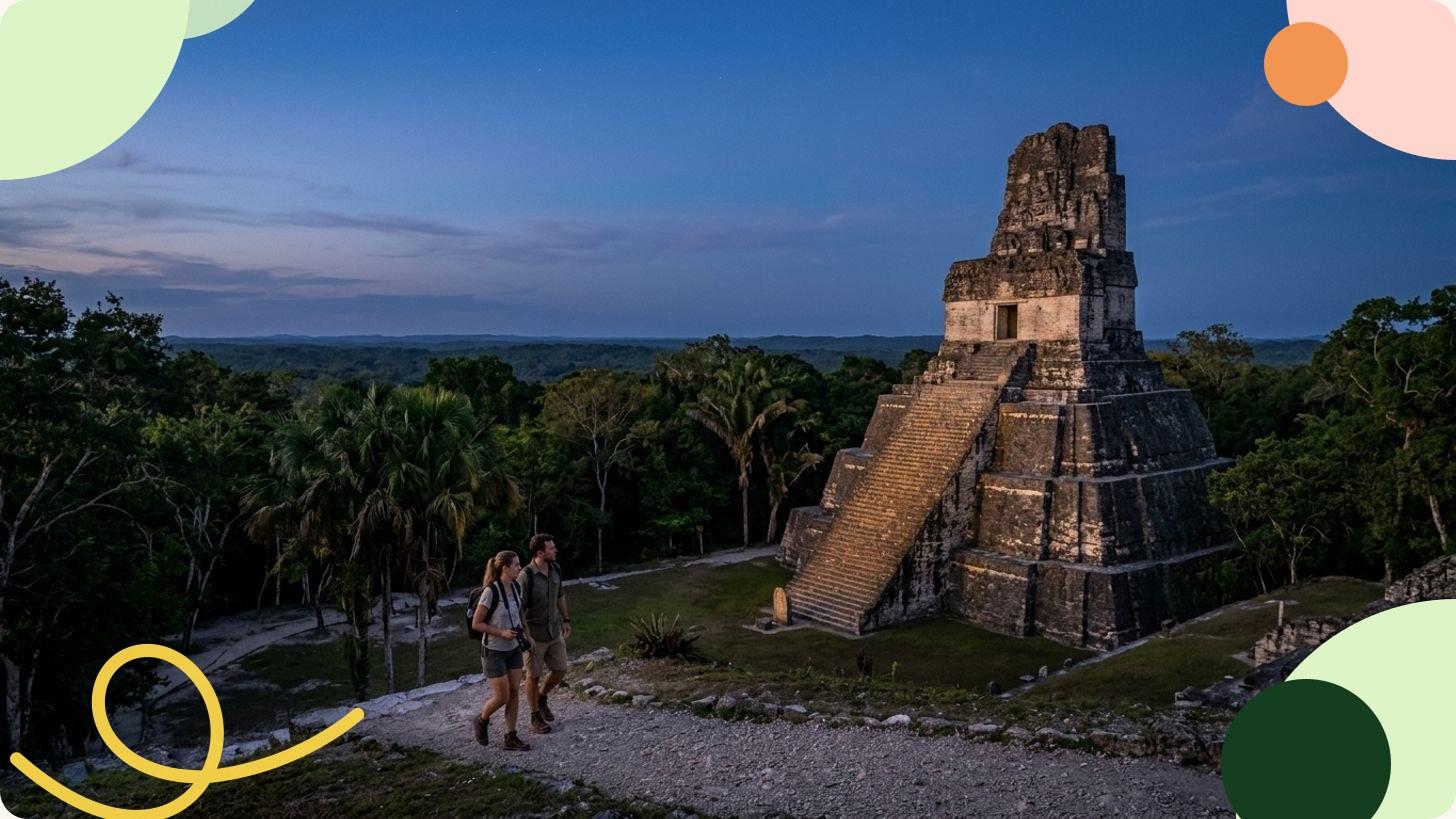
A UNESCO World Heritage Site since 1979, Tikal is Guatemala’s most spectacular Maya archaeological site. Its temples break through the Petén canopy: from the top of Temple IV, the view stretches over an endless sea of tropical vegetation. At sunrise, the structures emerge from a blanket of mist while howler monkeys announce the start of the day. Plan at least a full day here, two if possible, to make the most of the morning light and explore the Central Acropolis.
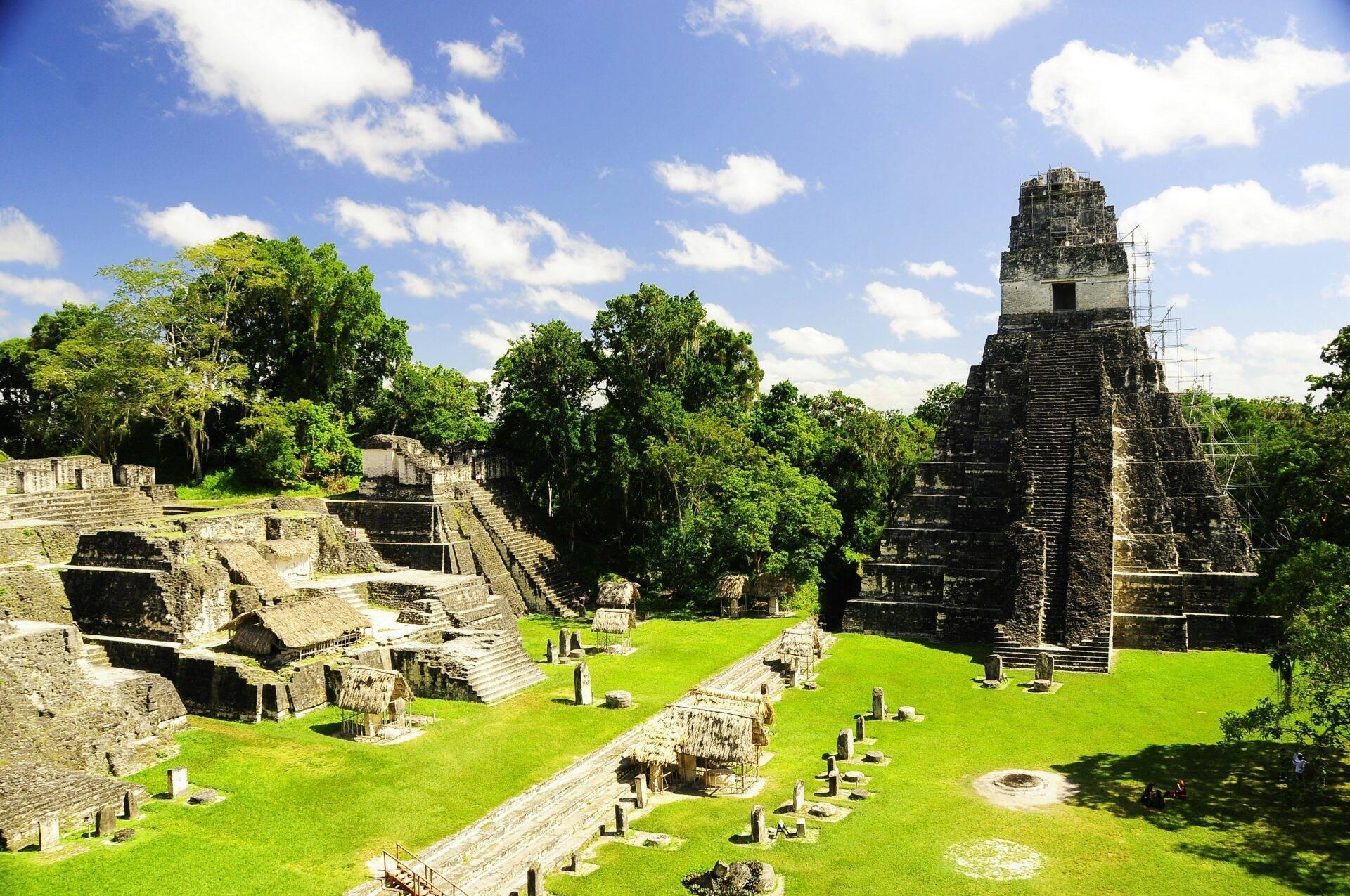
2. Yaxhá, ruins on the lakeshore
Guatemala’s third most significant Maya site, Yaxhá sits on a ridge overlooking the lake of the same name, between Laguna Yaxhá and Laguna Sacnab. Far less visited than Tikal, it offers a far more intimate atmosphere. Sunsets from its upper temples rank among the finest in the country. Wildlife is plentiful: spider monkeys, toucans, coatis and howler monkeys all roam the park. If you plan to extend your Maya journey through Central America, the ruins of Copán in Honduras make a remarkable stop just across the border.
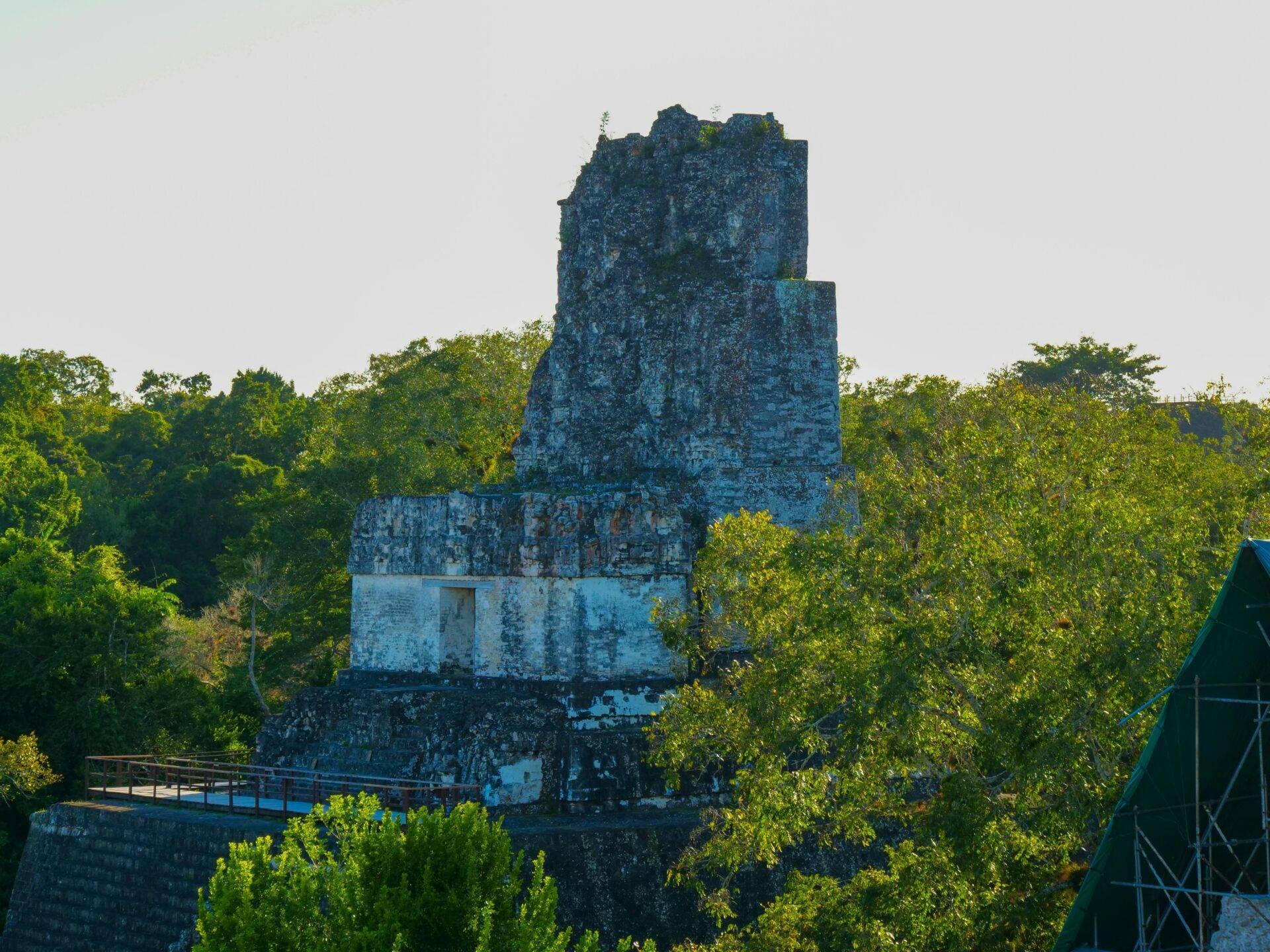
3. Flores, the colourful island gateway to the Petén
A small town built on an island in Lake Petén Itzá and connected to the mainland by a causeway, Flores is the ideal base for visiting Tikal and Yaxhá. Its colourful lanes, lakeside terrace cafés and pastel-coloured façades offer a welcome breath of fresh air after a day in the jungle.
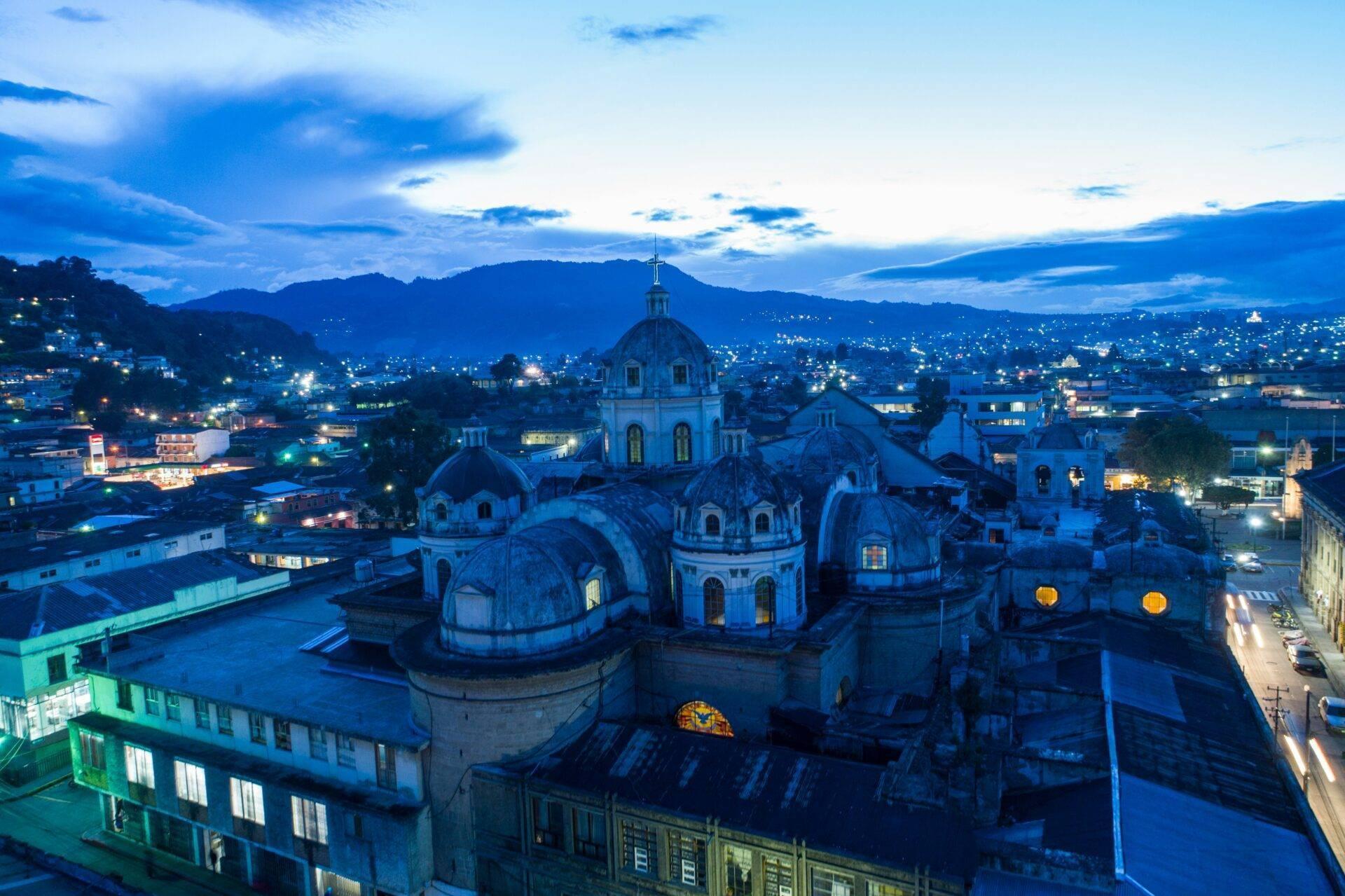
Antigua and the Colonial Highlands
Central Guatemala brings together the best-preserved colonial city in Central America, the western highlands and the national capital.
4. Antigua Guatemala, the UNESCO-listed colonial jewel
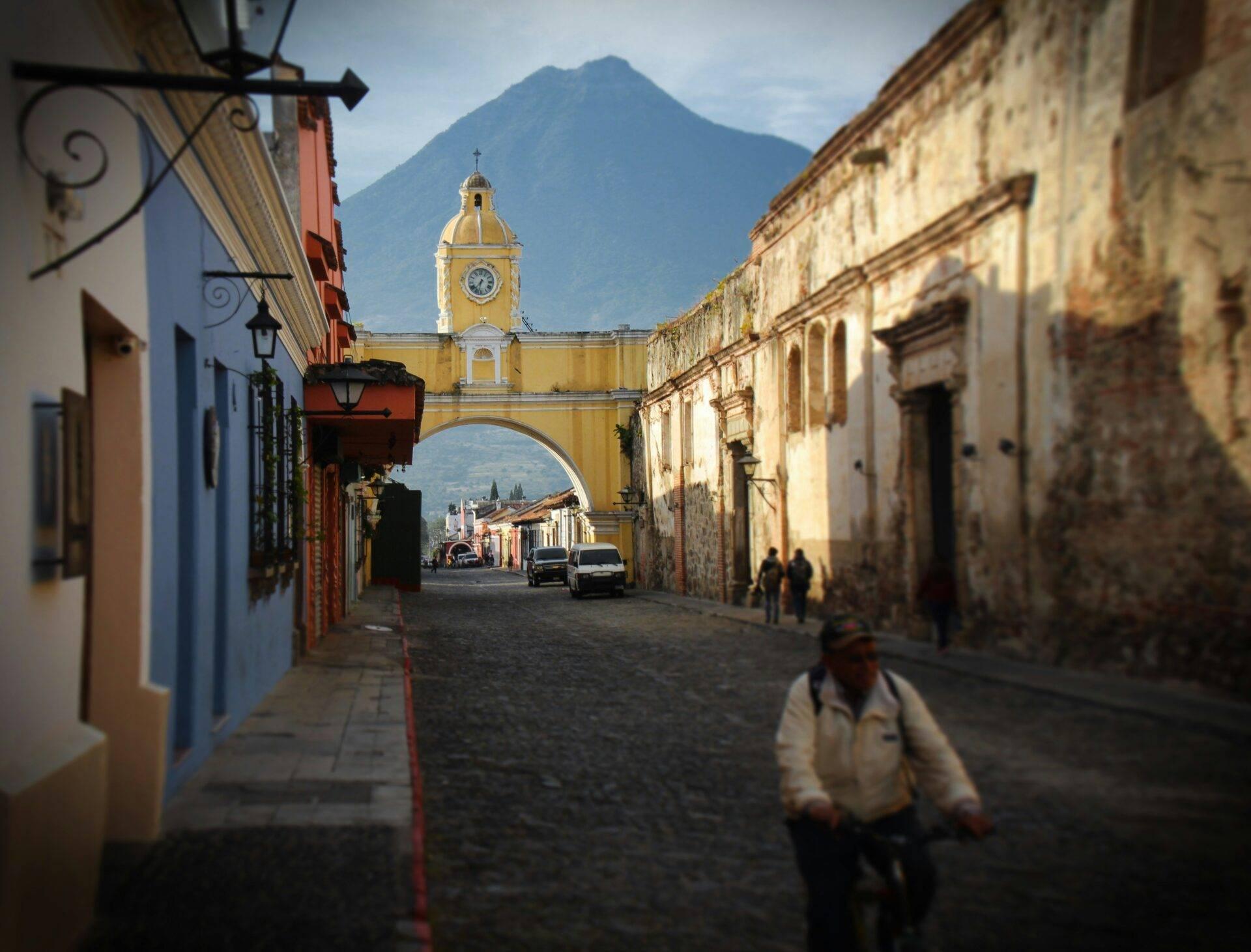
Ringed by the Agua, Fuego and Acatenango volcanoes, Antigua is Guatemala’s former colonial capital. Its cobbled streets, warm-toned façades and convents left partially in ruins by 18th-century earthquakes are UNESCO World Heritage listed. The Cerro de la Cruz, within easy walking distance of the centre, offers a sweeping view over the city’s rooftops with Volcán Agua as a backdrop. Antigua is also the main jumping-off point for treks on the surrounding volcanoes.
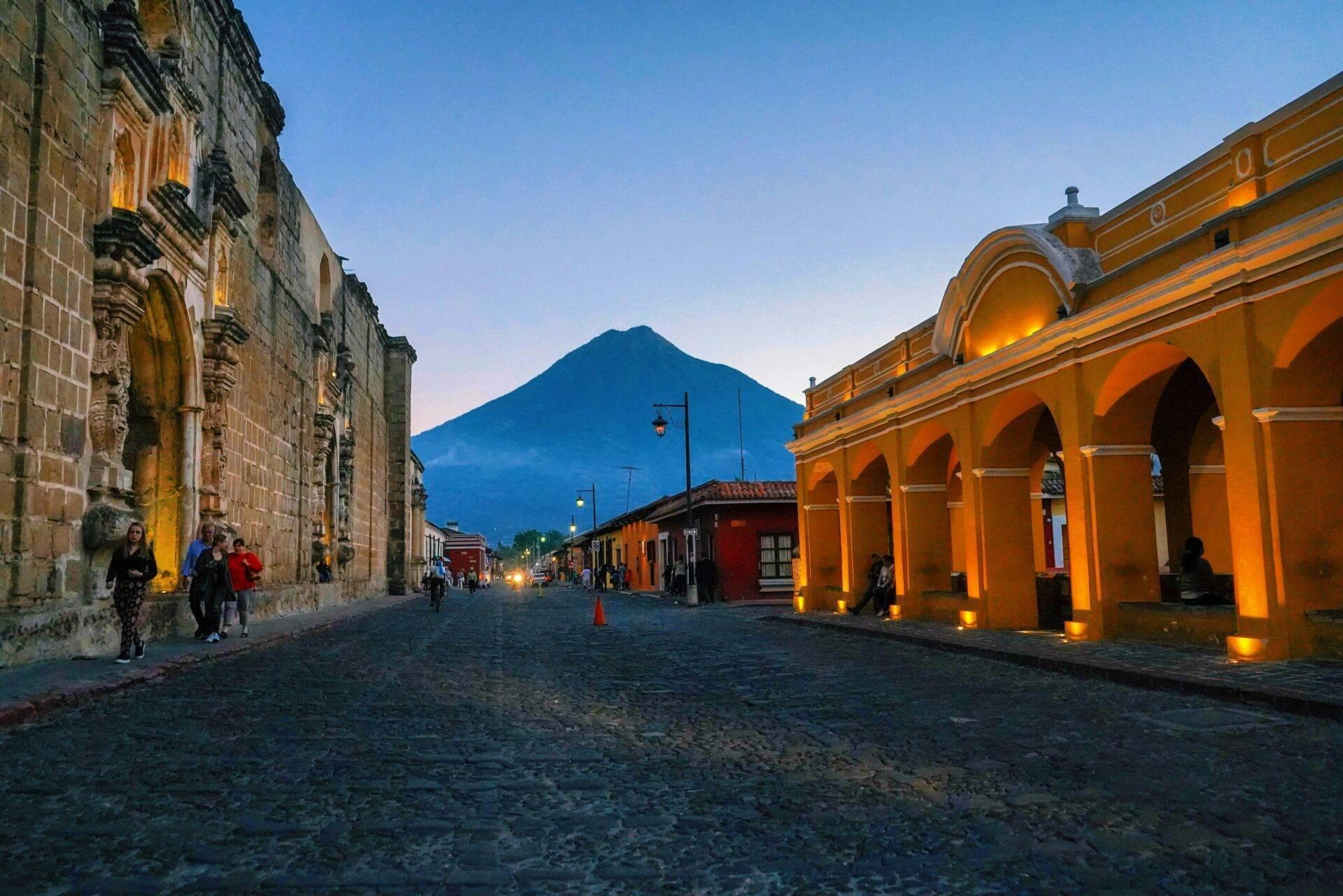
Flower-filled courtyards, speciality coffee shops run by local roasters and art galleries make Antigua a city worth lingering in for several days. The weekend craft market provides an excellent first encounter with the region’s Maya textiles.
5. Quetzaltenango, the highland city
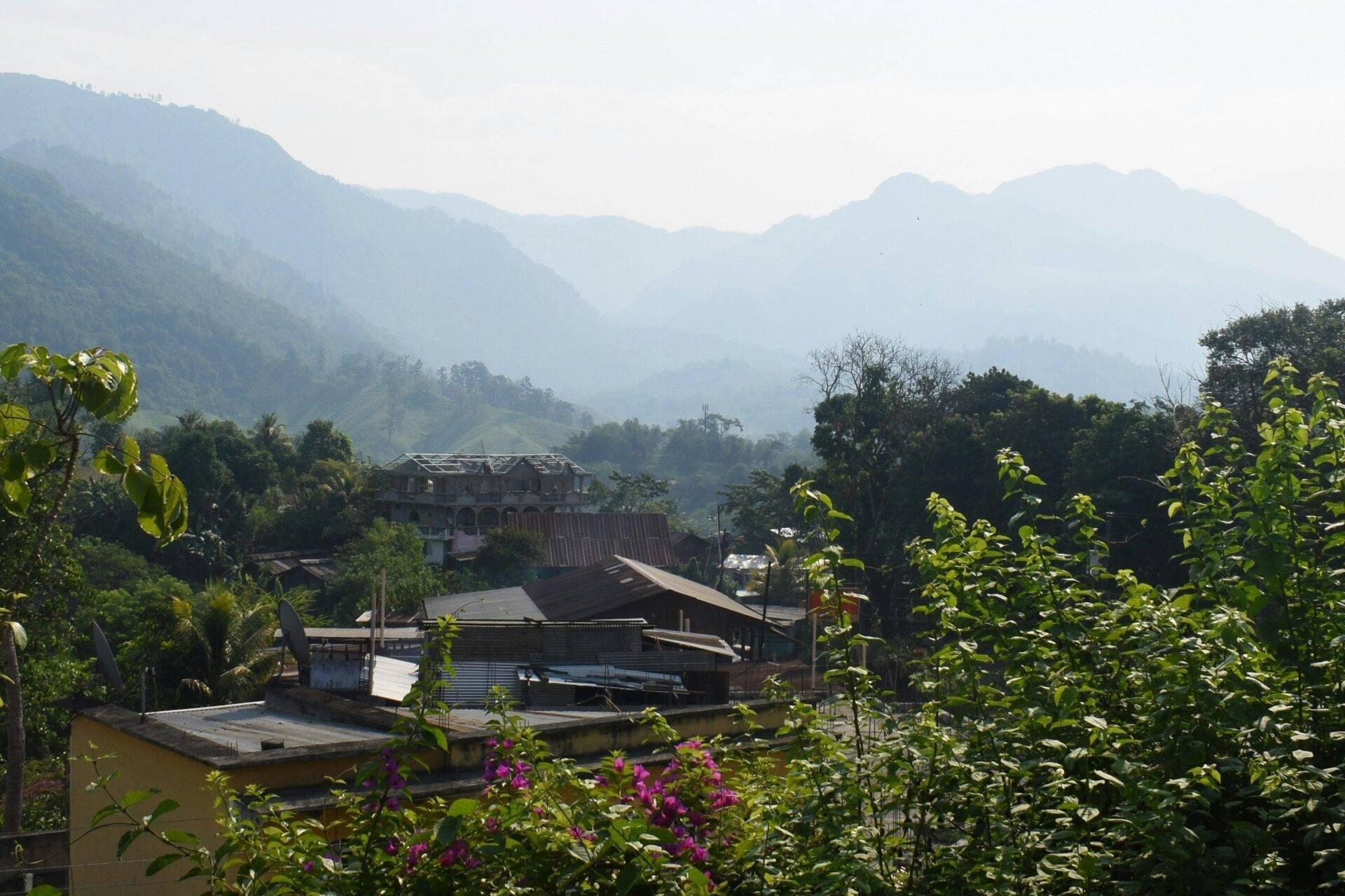
Quetzaltenango, known locally as “Xela”, is one of the country’s main cities. It sits in a volcanic basin in the western highlands and draws travellers for its Spanish-language schools, lively central market and easy access to surrounding Maya villages, including Zunil and San Francisco El Alto. The atmosphere here is more local and far less touristy than Antigua.
6. Guatemala City, the historic centre and national museum
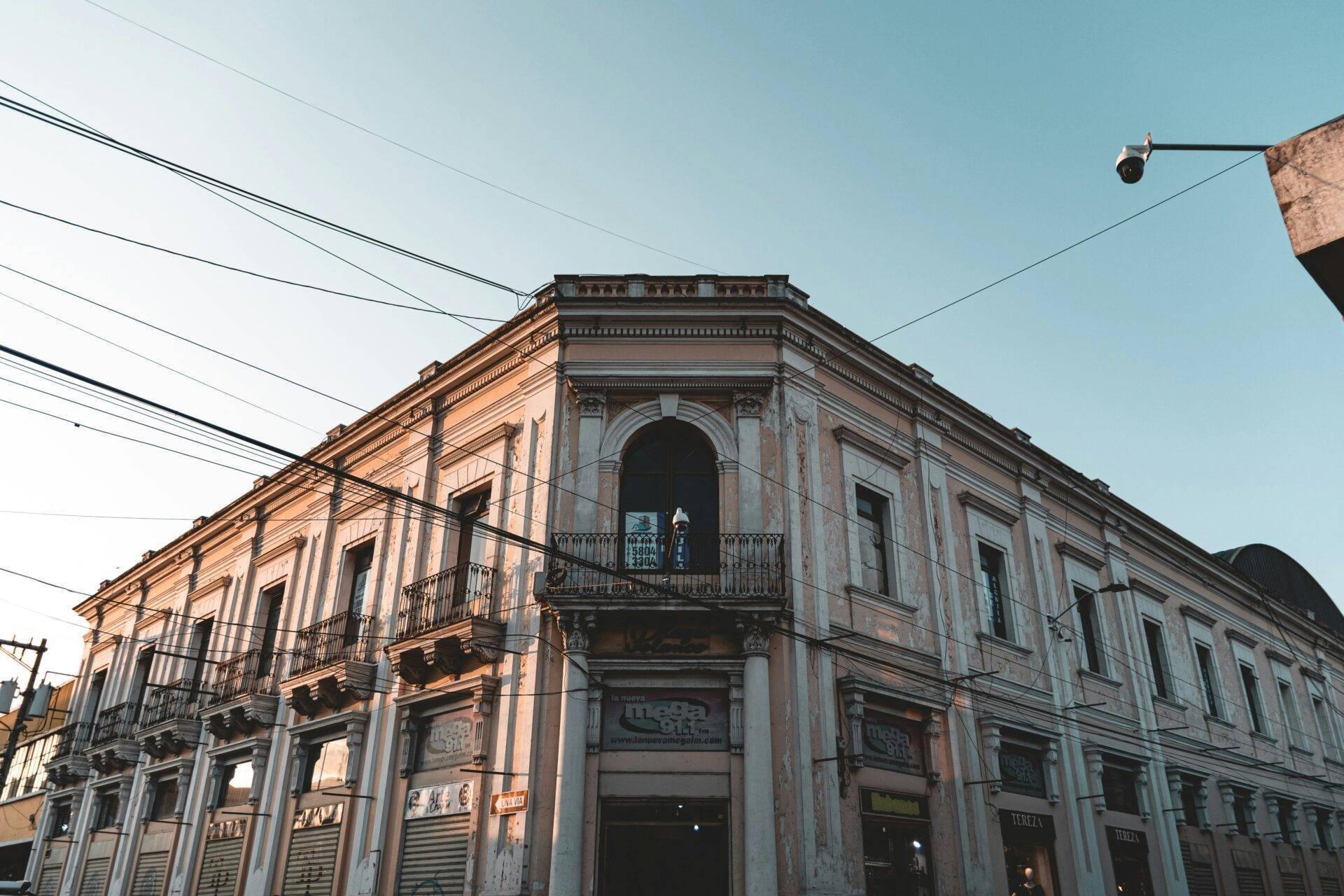
The Guatemalan capital is often dismissed as a transit stop, but it rewards a closer look. The Museo Nacional de Arqueología y Etnología holds one of the most important Maya collections in Central America. The restored Palacio Nacional and the buildings of Zona 1 bear witness to the country’s colonial and republican heritage.
Markets and Living Maya Culture
7. Chichicastenango market
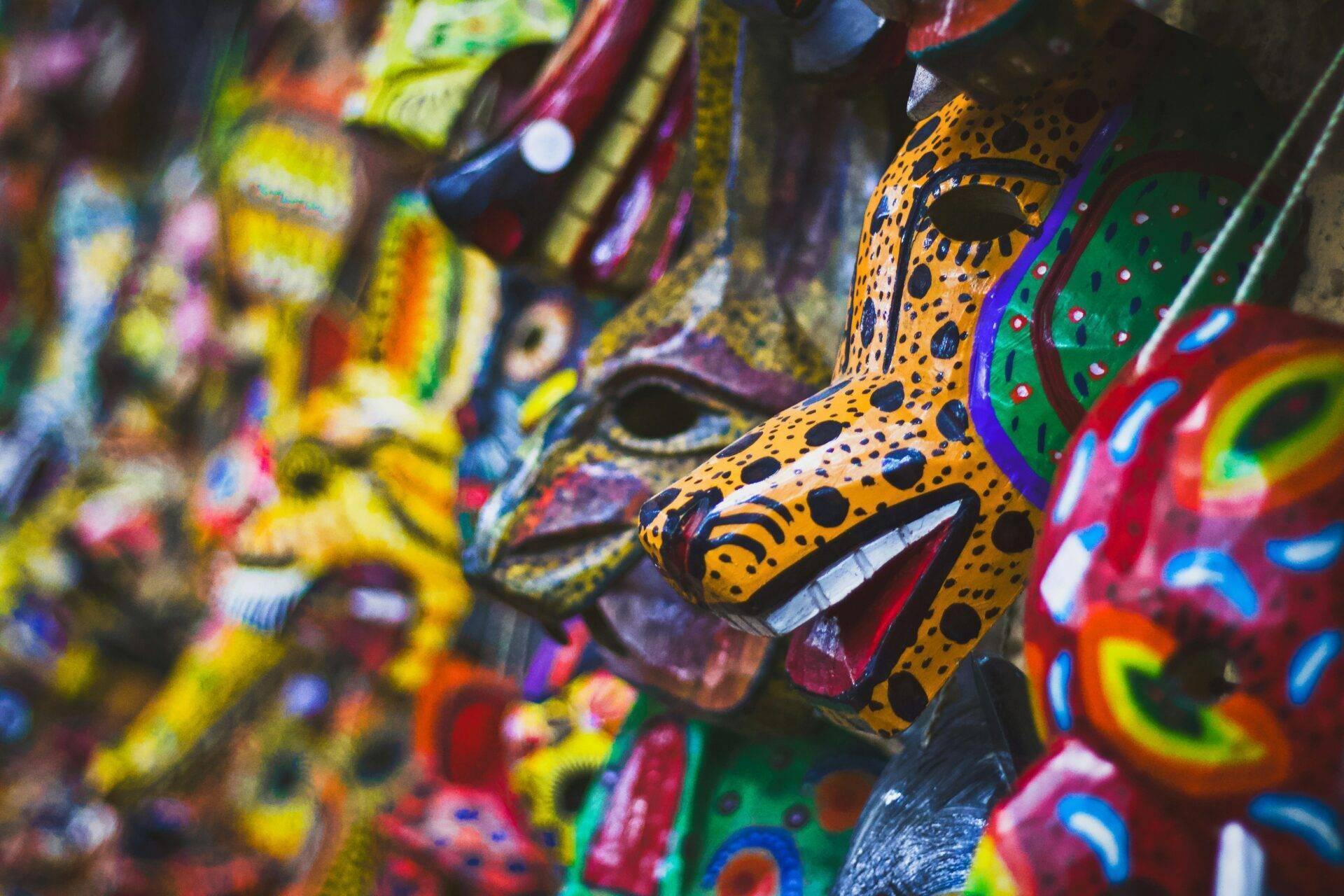
Every Thursday and Sunday, Chichicastenango transforms into one of the largest indigenous markets in Central America. From embroidered textiles and ceremonial masks to offering flowers and wood carvings, every stall reveals the craftsmanship of Kiche Maya artisans. The Santo Tomás church, at the top of the monumental staircase bordering the central square, is a place of syncretic worship where Maya rituals and Catholic liturgy have coexisted for centuries.
8. Todos Santos Cuchumatán, a village outside time
Perched in the Sierra de los Cuchumatanes, Todos Santos is one of the Maya villages that has best held on to its traditional dress and customs. Men still wear the region’s distinctive red-and-white striped trousers. Hiking trails through the surrounding pine forests and the annual horse race festival, held in late October or early November, make this a particularly special stop for travellers in search of authenticity. The road in from Huehuetenango, winding across the ridges of the Cuchumatanes, is a journey in itself.
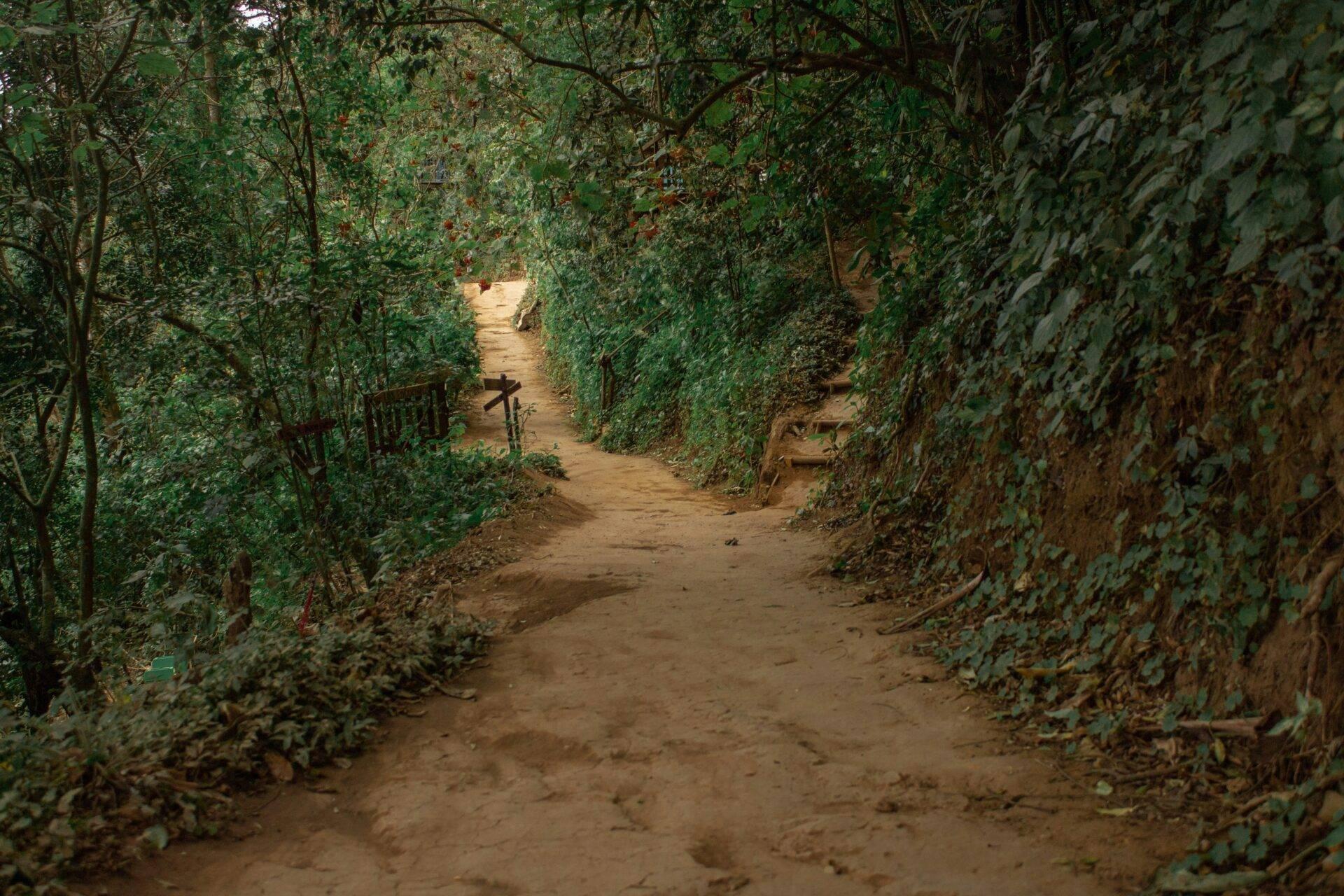
Lake Atitlán and its Maya Villages
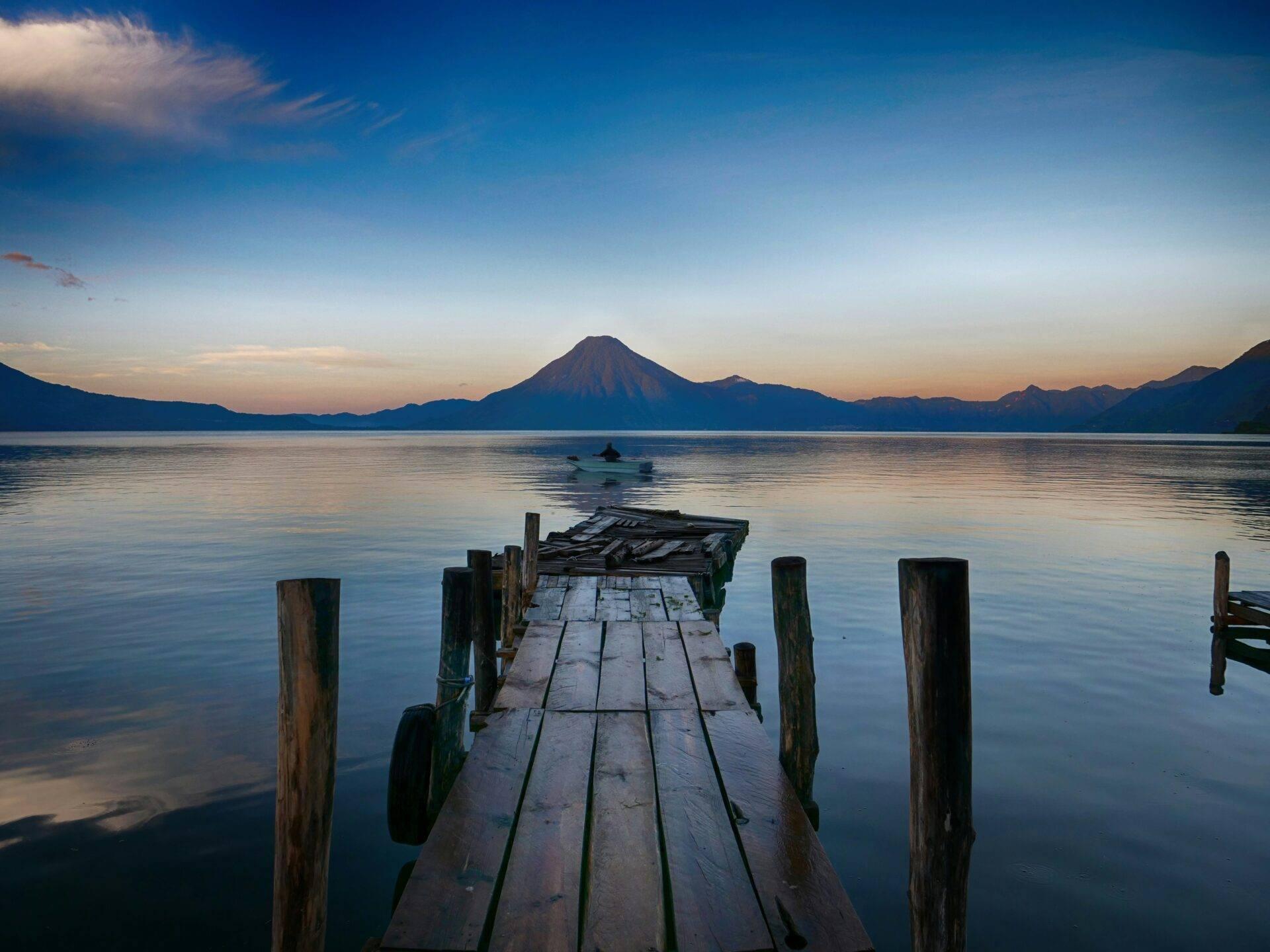
Framed by the San Pedro, Atitlán and Tolimán volcanoes, Lake Atitlán is one of Guatemala’s most celebrated destinations. Around ten Maya villages line its shores, each with its own cultural identity and craft specialities. Hopping between them by lancha (motorised boat) is an experience in its own right.
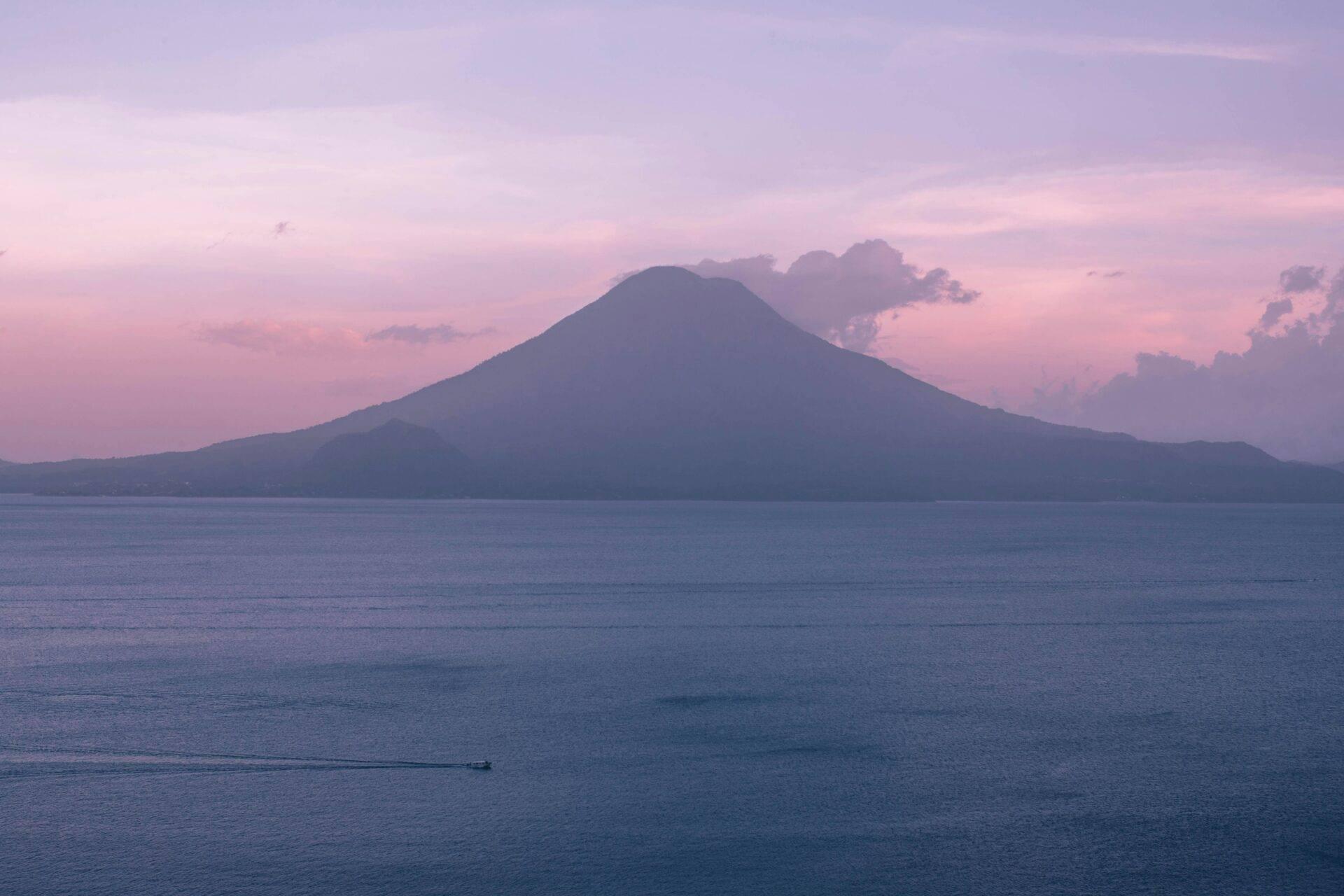
9. Panajachel, gateway to the lake
Panajachel is the main entry point for Lake Atitlán. Its Calle Santander is lined with artisan stalls, cafés and restaurants. The lanchas to San Marcos La Laguna, San Juan La Laguna and Santiago Atitlán all depart from its docks.
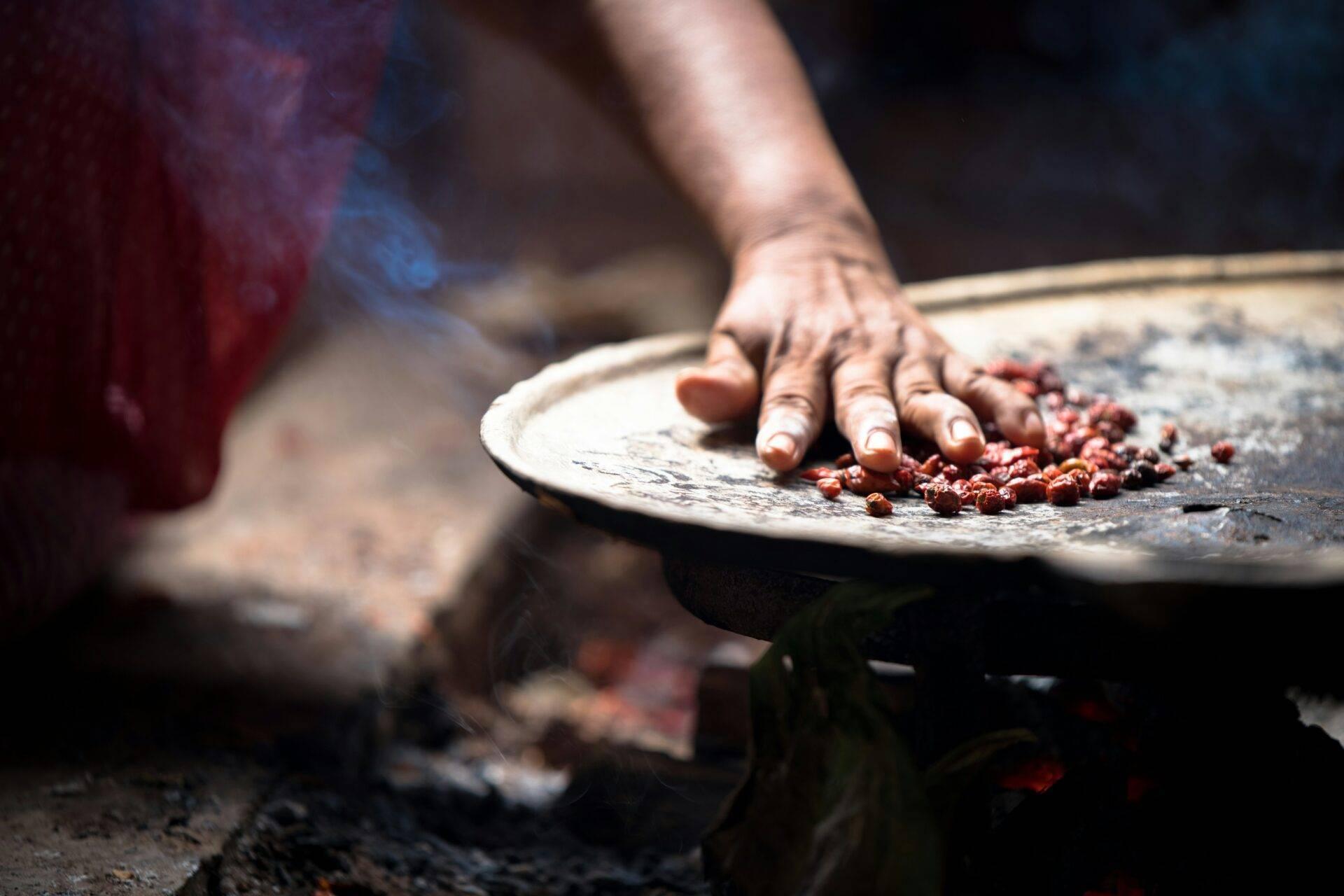
10. San Juan La Laguna, the village of weaving and cacao
San Juan La Laguna is known for its weaving cooperatives, which work with natural plant-based dyes. The village is also home to workshops producing artisan cacao using traditional Maya methods. Half a day is enough to explore the crafts, though the place more than rewards a longer stay.
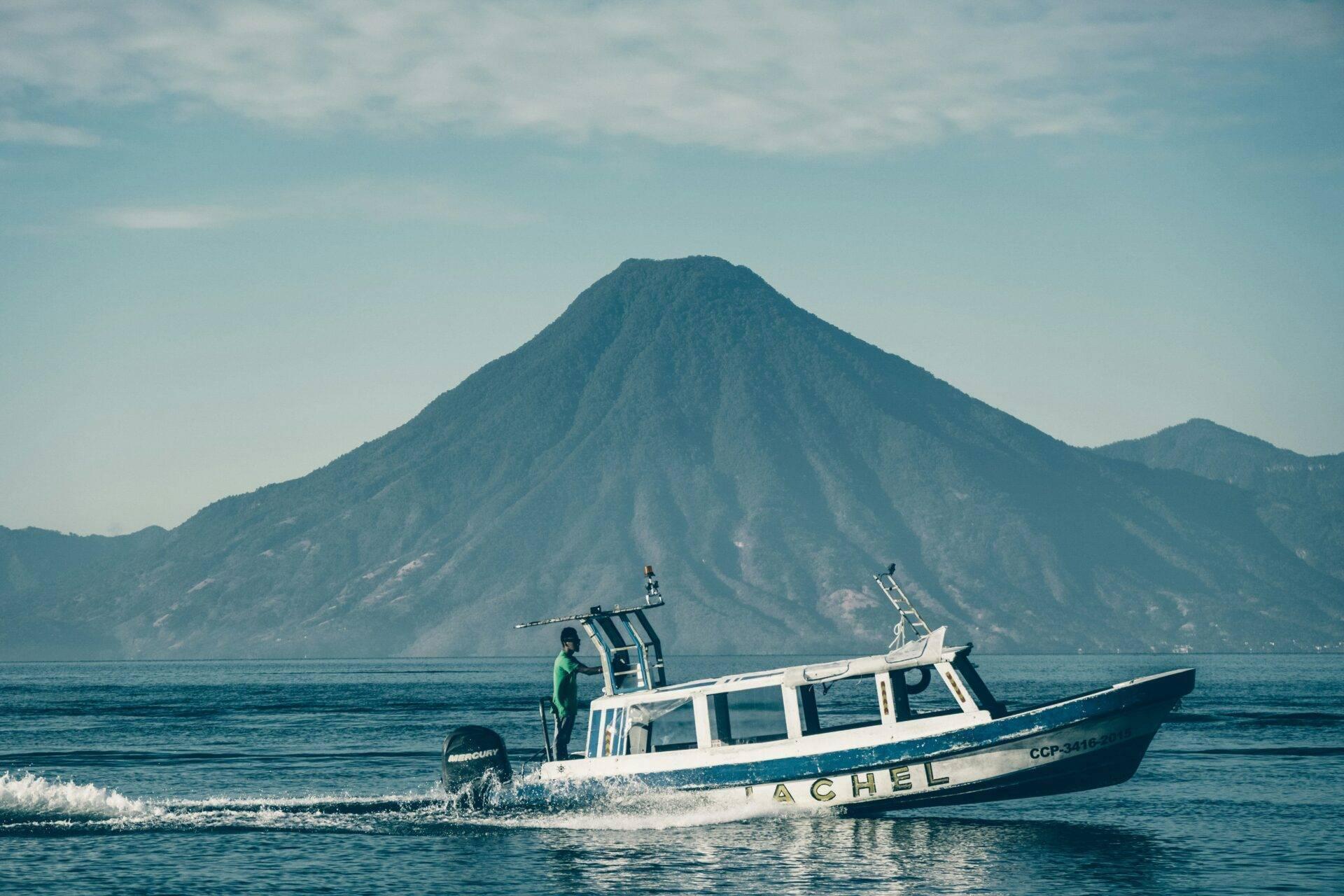
11. Sailing between villages at sunset
In the evening, when raking light sets all three volcanoes aglow, a lancha crossing from Panajachel to Santiago Atitlán or San Pedro La Laguna becomes a truly memorable experience. Santiago Atitlán is home to Maximón, a local syncretic deity who is the object of an active cult. San Pedro La Laguna has hiking trails up Volcán San Pedro and a thriving international community.
The Volcanoes: an Experience Like No Other
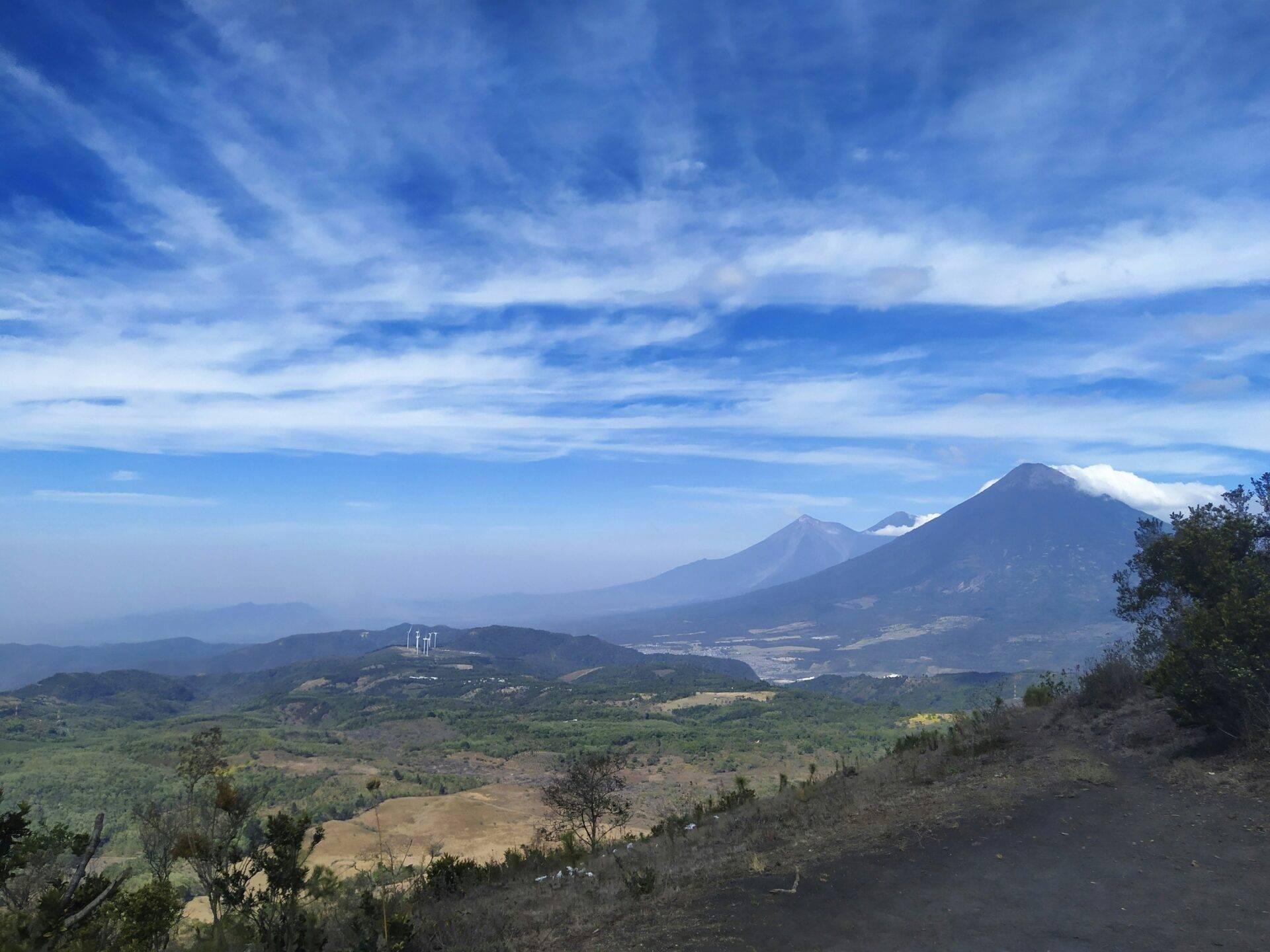
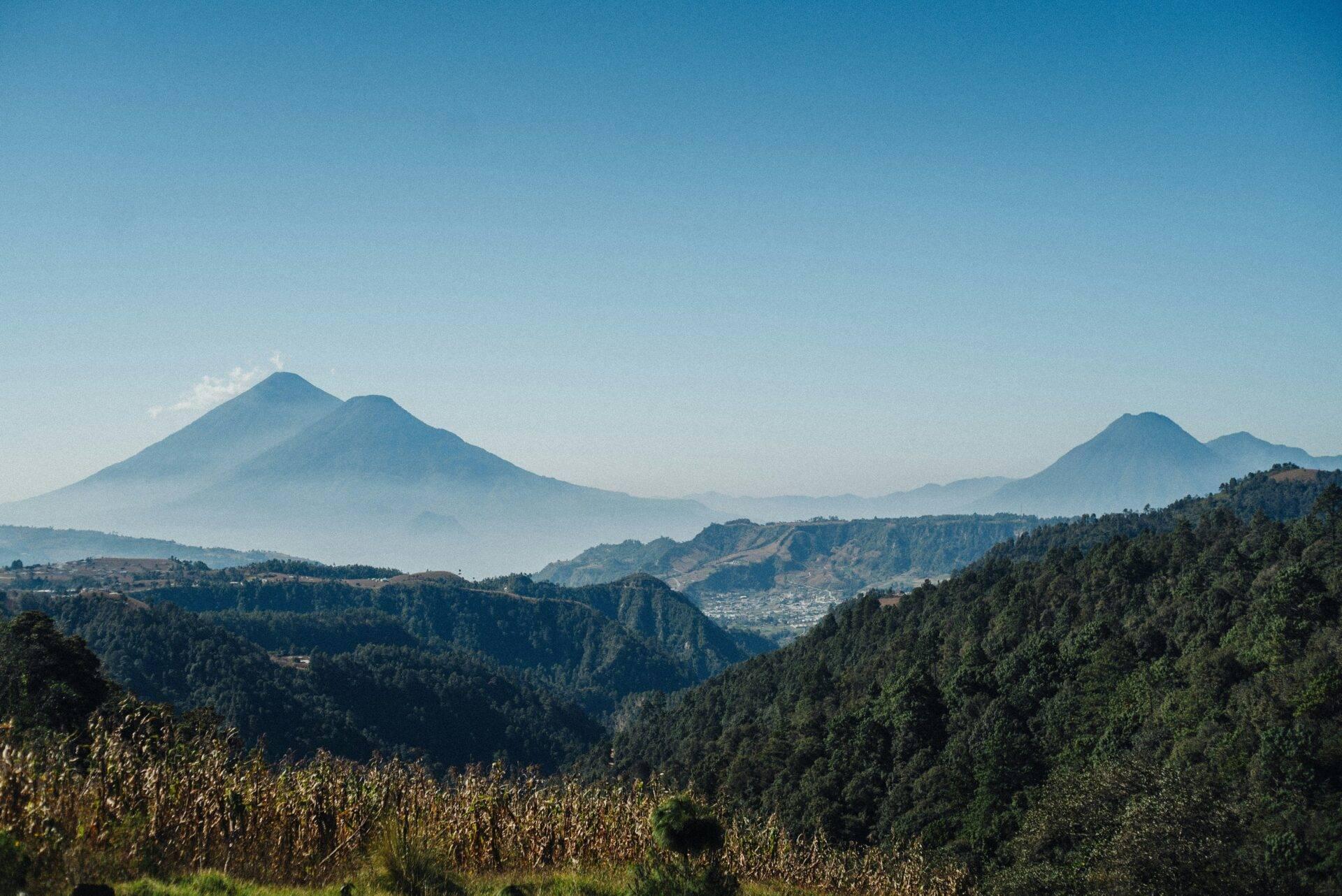
Guatemala has more than thirty volcanoes. Two treks stand out for their scenery and their accessibility from Antigua.
12. Acatenango: watching Fuego erupt from 3,976 metres
The Acatenango trek is one of Guatemala’s most powerful experiences. You camp near the summit (3,976 m) to watch the neighbouring Fuego volcano erupt through the night: a column of lava and ash surges skyward several times an hour in the darkness. Sunrise and sunset over the surrounding volcanoes complete the spectacle. Trips depart from Antigua with a local agency that provides camping gear and guides. A solid level of fitness is required.
13. Pacaya: walking on lava fields
Less demanding than Acatenango, Pacaya can be reached within a few hours from Antigua or Guatemala City. Its solidified lava fields, fumaroles and views over the neighbouring volcanoes make it an excursion that any level of hiker can tackle. Pacaya is in near-constant activity.
Adventure and Nature in the Jungles and Rivers
14. Semuc Champey, the jungle’s natural pools
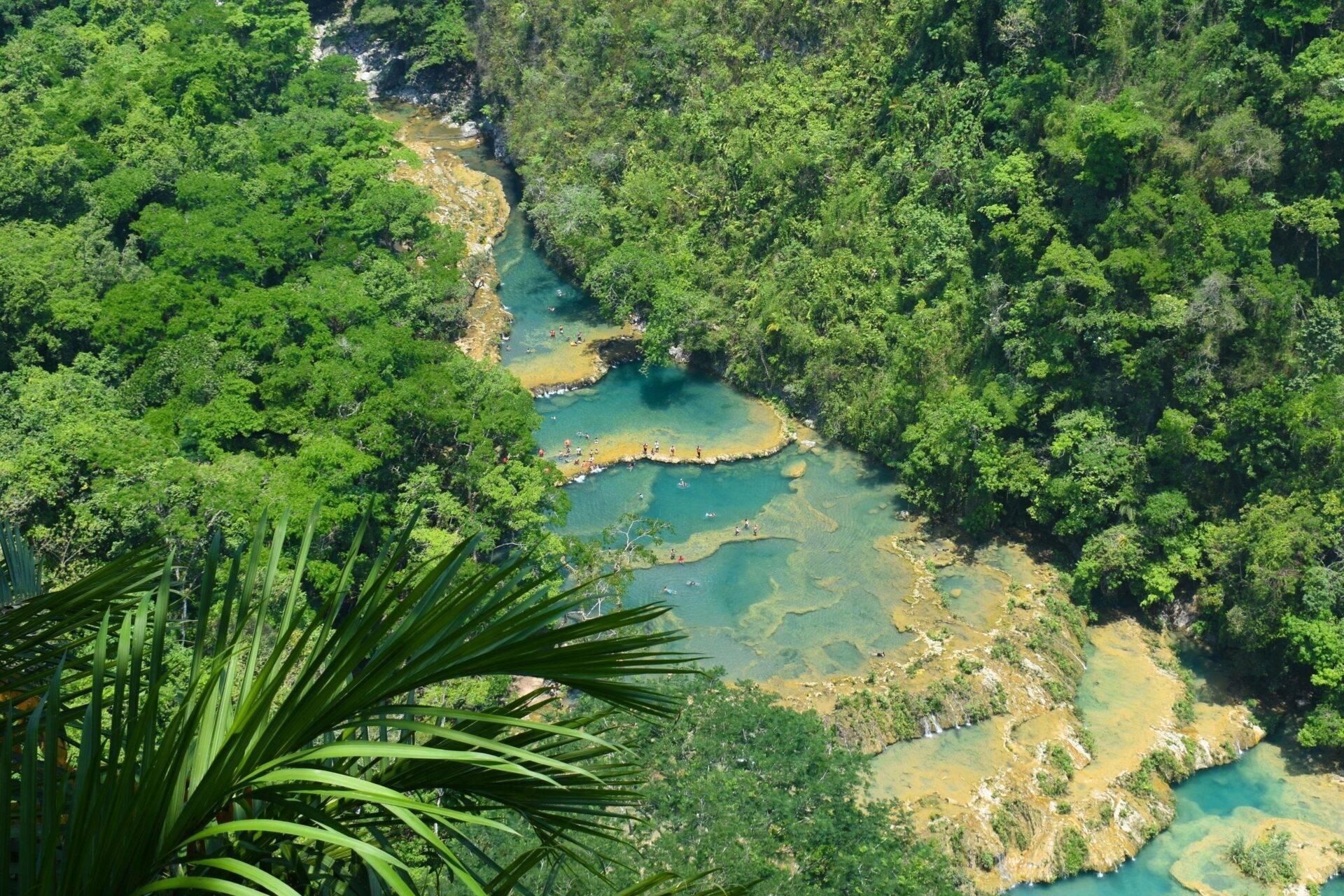
Tucked away in the Alta Verapaz region, Semuc Champey is a series of crystal-clear turquoise pools fed by the Cahabón River, which flows beneath them through a natural limestone tunnel. The view from the mirador overlooking the site is breathtaking. Access is from Lanquín, after a bumpy ride along forest tracks. Swimming in the pools is the centrepiece of any visit.
15. The Lanquín caves
A few kilometres from Semuc Champey, the Lanquín caves extend beneath the Alta Verapaz mountains. The Cahabón River has its source here, carving out galleries that can be explored on foot with a torch and a guide. The limestone formations and underground waters make this a natural complement to Semuc Champey, easily combined during the same stay in Lanquín.
16. Río Dulce, between the jungle and the Caribbean
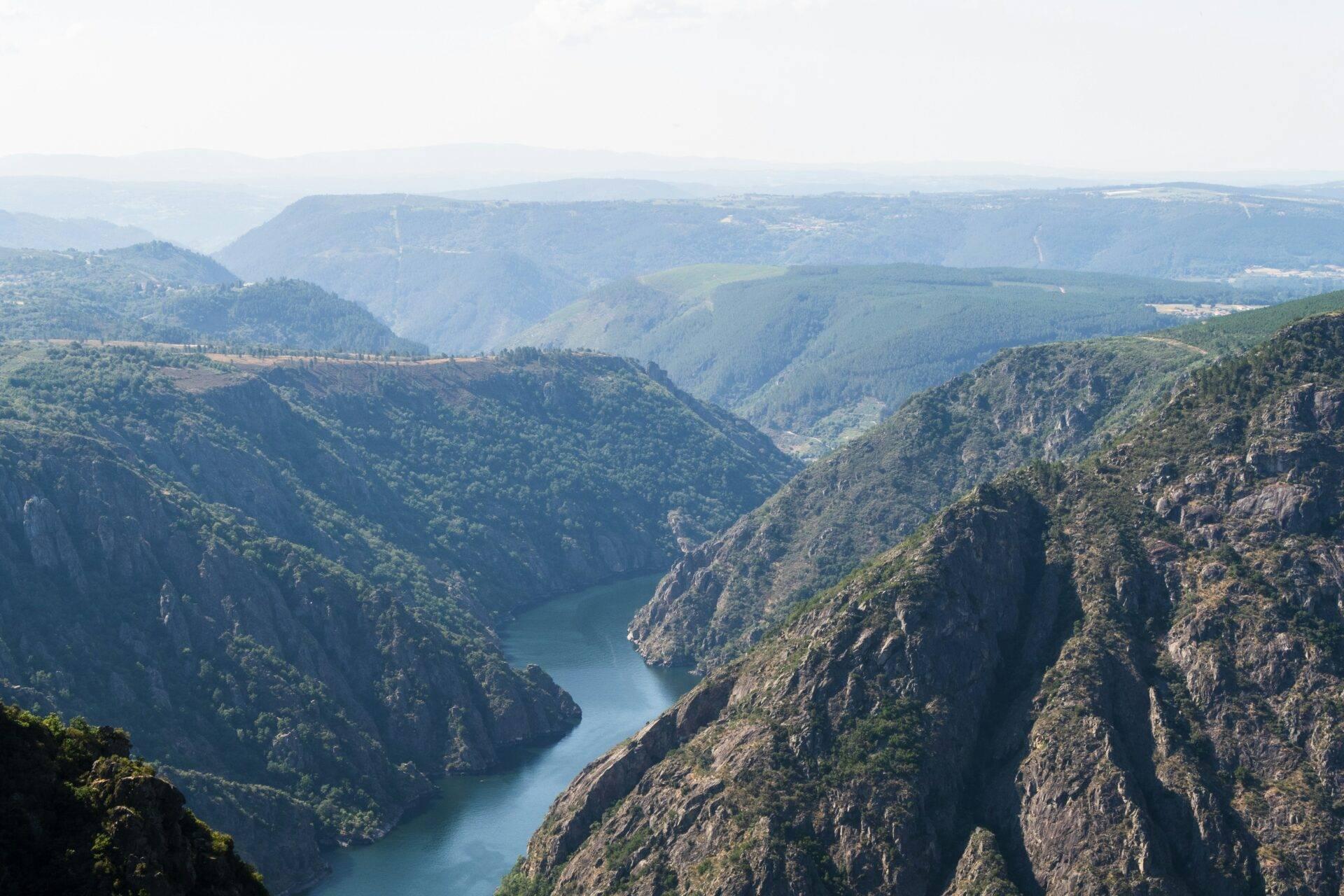
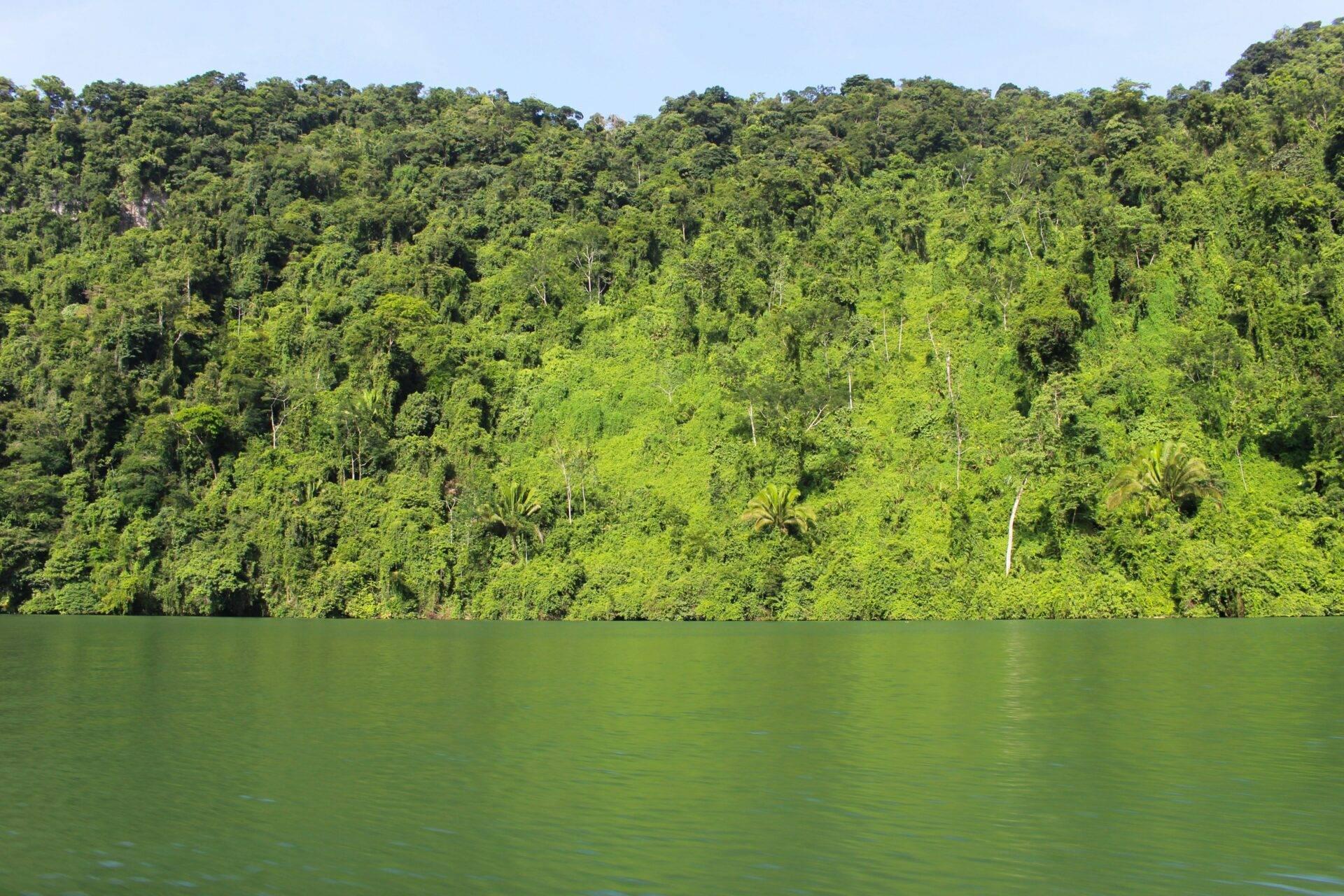
The Río Dulce river connects Lake Izabal to the Caribbean Sea through a steep gorge flanked by dense tropical vegetation. The boat journey between the village of Río Dulce and Livingston is a spectacular trip skirting Lake El Golfete (a nature reserve), hot springs and vine-draped cliffs. The descent typically takes half a day.
17. El Remate and Petén wildlife
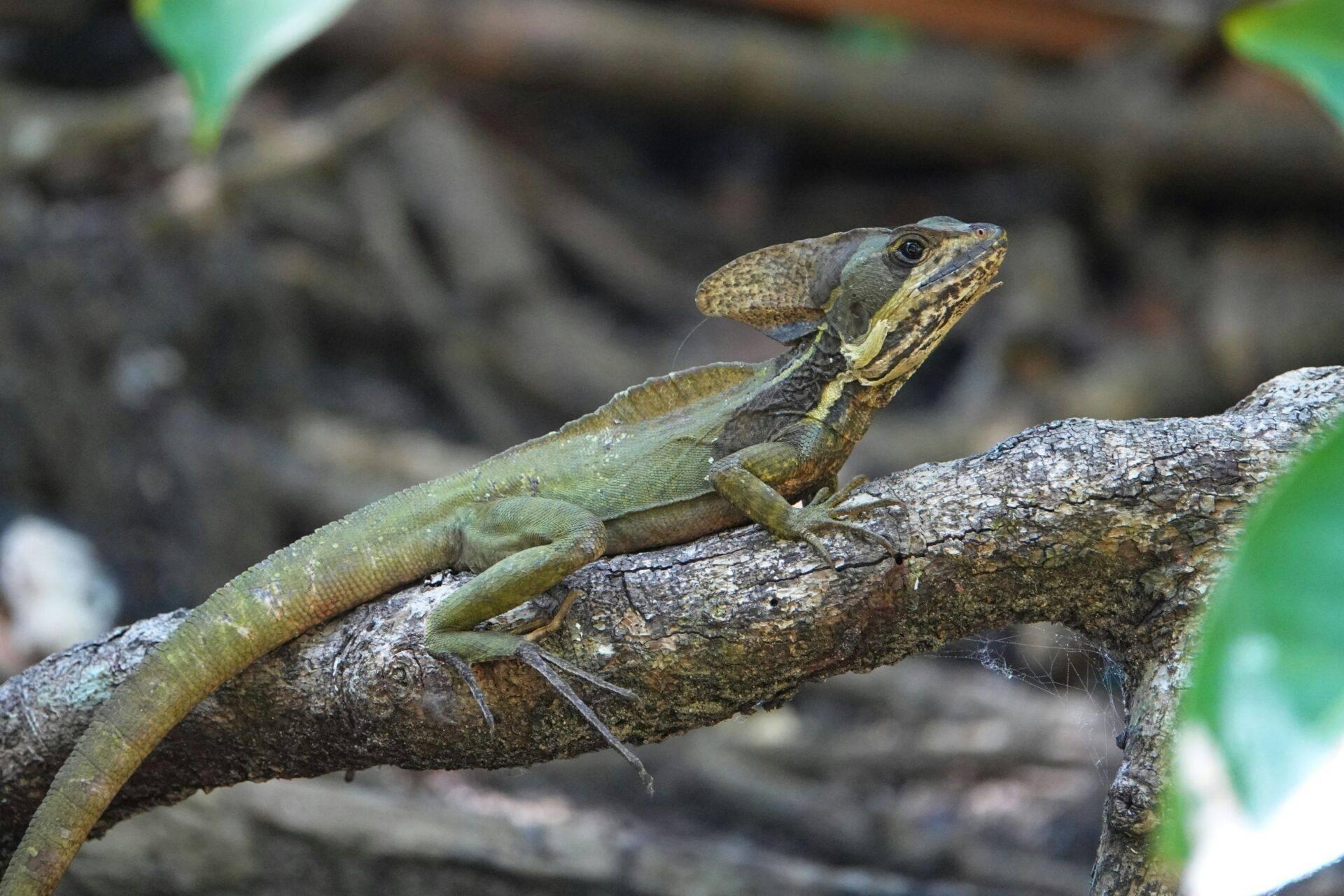
El Remate is a quiet village on the shores of Lake Petén Itzá, between Flores and Tikal. It makes an excellent base for an early-morning visit to Tikal and for spotting local wildlife along the lakeshore. The Cerro Cahuí biological reserve, accessible on foot from the village, has marked trails through the Petén jungle.
For practical travel information (health cover, entry requirements, health precautions), visit our Guatemala travel insurance page, which covers everything you need to know before you go.
Guatemala’s Coastlines
18. Livingston, Garífuna culture on the Caribbean shore
Accessible only by boat from Puerto Barrios or Río Dulce, Livingston is a Caribbean enclave within Guatemala. Garífuna culture, born from a blend of African, Amerindian and Caribbean influences, is very much alive here: punta music, a cuisine built around coconut and fresh fish, and local festivities that set the rhythm of village life. The atmosphere is unlike anywhere else in the country.
19. Monterrico, Pacific beaches and sea turtles
Guatemala’s Pacific coast is lined with beaches of black volcanic sand. Monterrico is the best known, prized for its surf and for sea turtle nesting between September and December. Local conservation projects allow visitors to watch hatchlings make their way into the Pacific surf in the evenings.
Guatemalan Crafts and Cuisine
20. Maya textiles and artisan cacao
Guatemala is one of the few countries where traditional Maya weaving has remained a living, everyday practice. Every community has its own patterns, colours and techniques: the huipiles, embroidered tunics worn by Maya women, vary from village to village. The cooperatives of San Juan La Laguna, San Antonio Palopó and Todos Santos offer the chance to meet the weavers and learn the meaning behind the geometric designs. Cacao, grown in the lowlands of Verapaz and along the coast, is processed using time-honoured artisan methods passed down through generations. Tasting and chocolate-making workshops in Antigua or San Juan La Laguna are a hands-on introduction to this deep-rooted chocolate culture.
If markets and highland traditions are what draw you in, Bolivia offers a similar journey in an entirely different Andean setting, from the Uyuni salt flats to the markets of La Paz.
When to Visit Guatemala
The dry season, from November to April, offers the best conditions: passable roads, clear skies and easier access to remote sites such as Semuc Champey or El Remate. The rainy season, from May to October, brings greener landscapes and fewer crowds, but some mountain roads can be cut off after heavy rainfall.
FAQ
Is Guatemala an accessible destination for independent travellers?
Yes. The main sites (Antigua, Atitlán, Chichicastenango, Tikal) are well served by tourist shuttles and local buses. More remote areas such as Todos Santos or Semuc Champey require more planning and usually an overnight stay. Hostels and local guesthouses are plentiful throughout the main circuits.
How long do you need to visit Guatemala?
Two weeks is enough to cover the highlights: Antigua, Lake Atitlán, Chichicastenango, a volcano trek and Tikal with Flores. A three-week to one-month trip allows you to add Semuc Champey, Río Dulce, Livingston and the Cuchumatanes villages.
What is the best time to visit Guatemala?
The dry season, from November to April, is the most favourable: roads are passable, skies are clear and archaeological sites are accessible even in remote regions. The rainy season (May to October) brings greener landscapes and fewer crowds, but mountain roads can be cut off.
Is the Acatenango trek difficult?
Acatenango demands a good level of fitness: roughly 1,400 metres of elevation gain on unstable terrain (volcanic sand), at altitude. The trek typically takes one night, departing in the early afternoon from Antigua. Local agencies provide camping equipment and guides.
Do you need to speak Spanish to travel in Guatemala?
Spanish is useful, especially outside tourist areas. In Maya villages, several indigenous languages (Tz’utujil, Kaqchikel, Kiche) are still widely spoken. In tourist hubs such as Antigua, Atitlán and Tikal, guides and hotels often speak English.
How do you get to Semuc Champey?
Semuc Champey is reached from Lanquín, a village in Alta Verapaz accessible from Cobán by bus. From Lanquín, a truck or shuttle covers the remaining few kilometres along forest tracks. The journey from Guatemala City is long (roughly five to six hours to Cobán), which makes planning at least two nights on site well worthwhile.