
The USA is a talking point in 2026. Between immigration policy, tighter border controls, and rising costs, 57% of French travellers who had planned a trip are now having second thoughts. Yet the reality on the ground is very different from what the headlines suggest: the country remains extraordinarily diverse, and its cities offer experiences you simply cannot find elsewhere. Yes, you should still go, but go with your eyes open.
What has actually changed in 2026
Some things have shifted, and it pays to be prepared.
The ESTA now costs $40, up from $21. This electronic travel authorisation remains compulsory for any tourist stay of under 90 days. Entry checks are more thorough: queues at customs can be longer, and some travellers face more detailed questioning.
National parks have become more expensive for non-residents. The America the Beautiful pass has risen to $250 (up from $80). The most popular parks (Yosemite, Arches, Rocky Mountain) also operate Timed Entry systems, with slots that need to be booked several weeks in advance.
Tips have gone up. The going rate at sit-down restaurants is now 20 to 25%, compared with 15 to 18% a few years ago. Worth factoring into your daily budget.
The wider world context matters too. The FIFA World Cup 2026 is partly being held in the USA this summer. France’s Foreign Ministry issued an “enhanced vigilance” alert on 11 June 2026. Nothing that justifies cancelling, but a good reason to stay alert in busy public spaces.
Why going is still the right call
French bookings to the USA are down 37% for summer 2026. This has a paradoxical effect: some sites and cities are less crowded than in previous summers. For anyone who likes to travel at a human pace, that makes a real difference.
On the ground, the political climate does not make itself felt in everyday interactions. Restaurants, museums, busy streets: American life is continuing as normal. French visitors are warmly received, and the tensions followed from afar are often amplified by media coverage, far removed from what travellers actually experience.
The great strength of the United States is its scale. By choosing a region, a city or an itinerary, you shape a journey that looks nothing like your neighbour’s. That is also why “the USA” cannot be reduced to a single verdict.
Protect my US trip7 cities that answer “yes”
Seven American cities, seven distinct characters. Each one answers the opening question in its own way.
Austin, Texas: the creative energy of the South
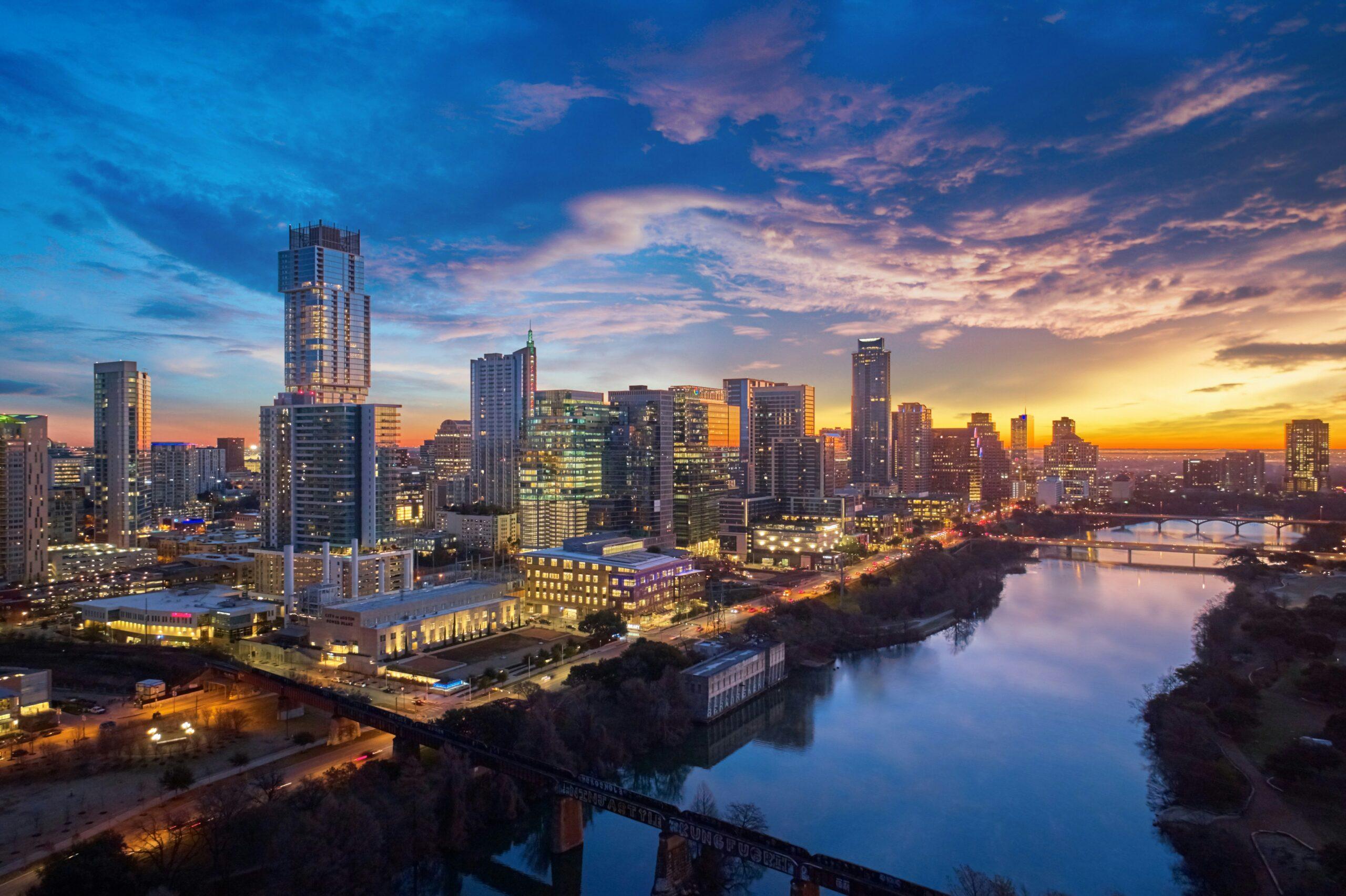
Austin sits at the heart of Texas, threaded by the Colorado River and surrounded by nature. From the moment you arrive, the atmosphere cuts against whatever image you might have of Texas: live music everywhere, food trucks on every corner, a palpable culture of making and doing.
South Congress blends independent shops with buzzing cafes. The Texas State Capitol dominates downtown and is free to visit. Barton Springs, a natural pool fed by underground springs, is the local gathering spot par excellence. At dusk, the Congress Avenue Bridge bat flight is a sight you will not forget.
Austin is as much something you live as something you visit. The city’s slogan, “Keep Austin Weird,” captures the atmosphere better than any description could.
Las Vegas, Nevada: far more than the casinos
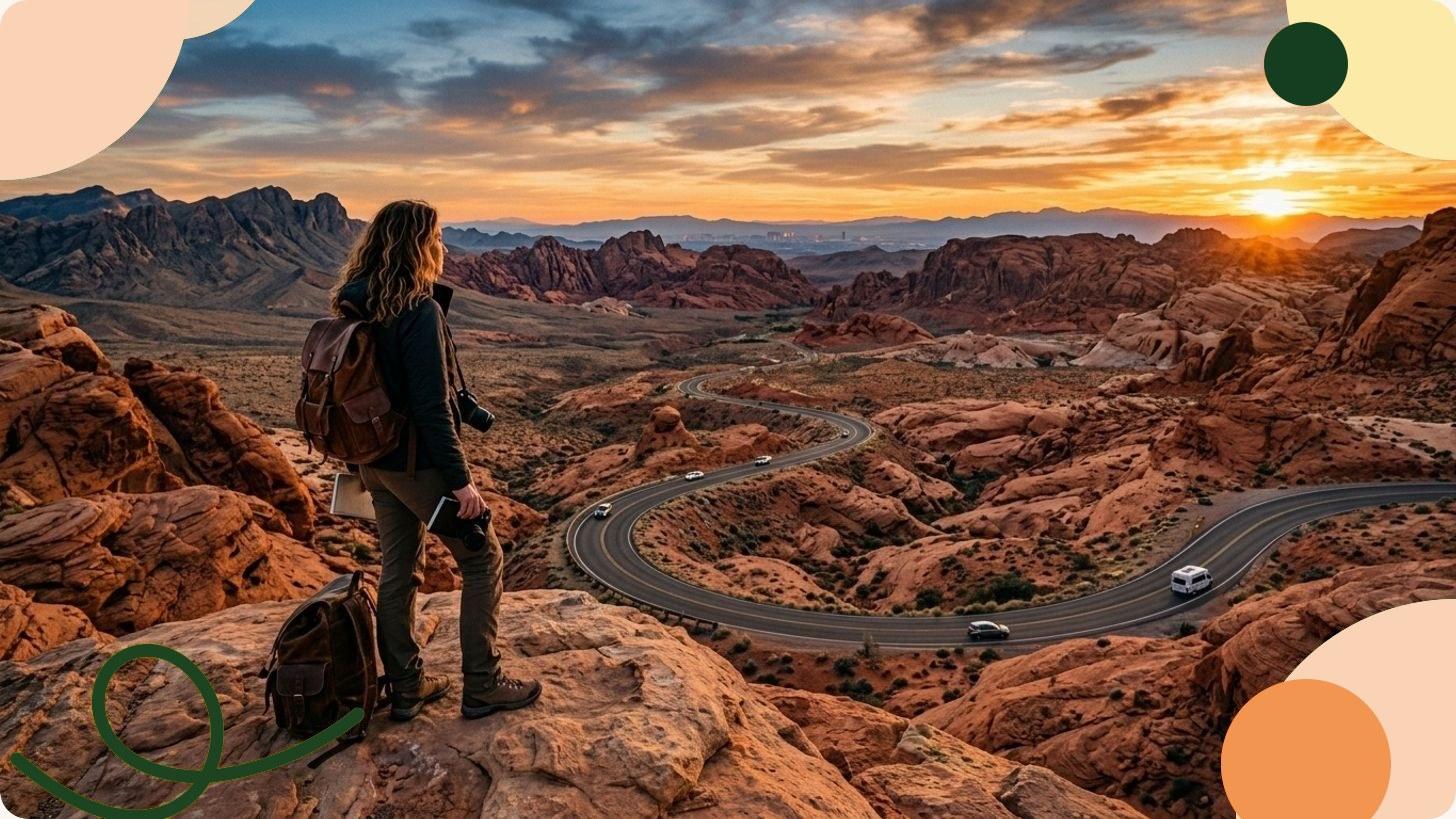
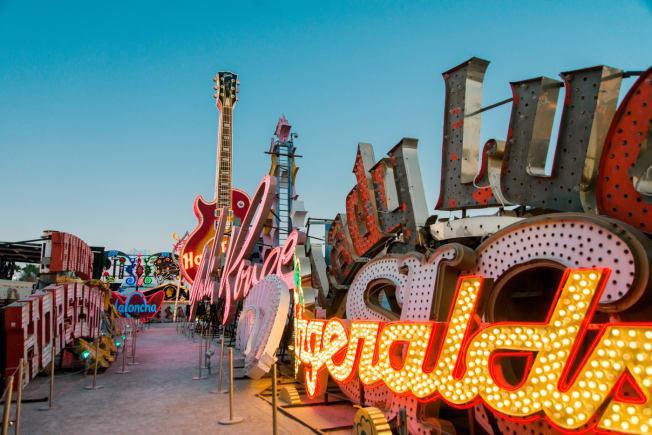
In the middle of the Nevada desert, Las Vegas is too often reduced to its casinos. The reality is far richer. Fremont Street, older and rawer than the Strip, offers a completely different atmosphere. A few minutes away: Red Rock Canyon. Within an hour’s drive: the Grand Canyon, Zion, Bryce Canyon, and Death Valley.
For anyone wanting to combine city energy with wide-open spaces, Las Vegas is hard to beat as a base. Our guide to the most beautiful national parks in the USA covers the routes and must-sees across the region.
The full spectacle of the Strip set against the raw beauty of the surrounding canyons: that contrast is what makes the experience unique.
Detroit, Michigan: raw, artistic, and in the midst of a renaissance
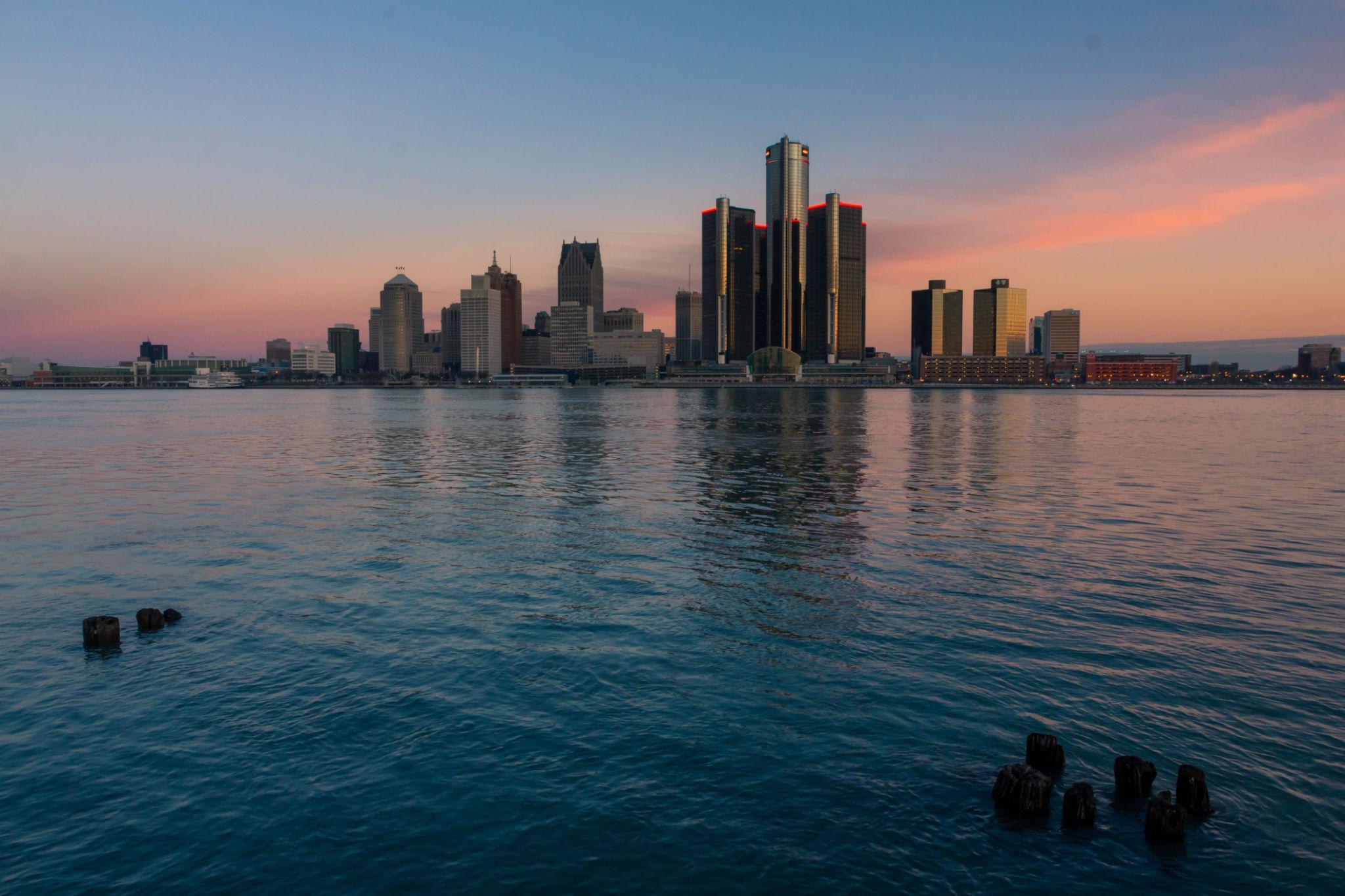
Detroit sits in northern Michigan, right on the Canadian border. The city has an atmosphere unlike anywhere else: industrial, artistic, and deeply alive. Its automotive past is still present, but it is the cultural renaissance that sets the tone today.
Downtown Detroit and Midtown are home to street art, galleries, and cafes carved out of former factories. The Detroit Institute of Arts is worth several hours of your time. The music scene is one of a kind: techno was born here, and the Motown legacy hangs in the air at bars and concert venues across the city.
Detroit is ideal for travellers who prefer less beaten-track experiences: urban photography, a food scene in full bloom, gigs in resolutely local venues.
Portland, Oregon: alternative America, between forest and Pacific
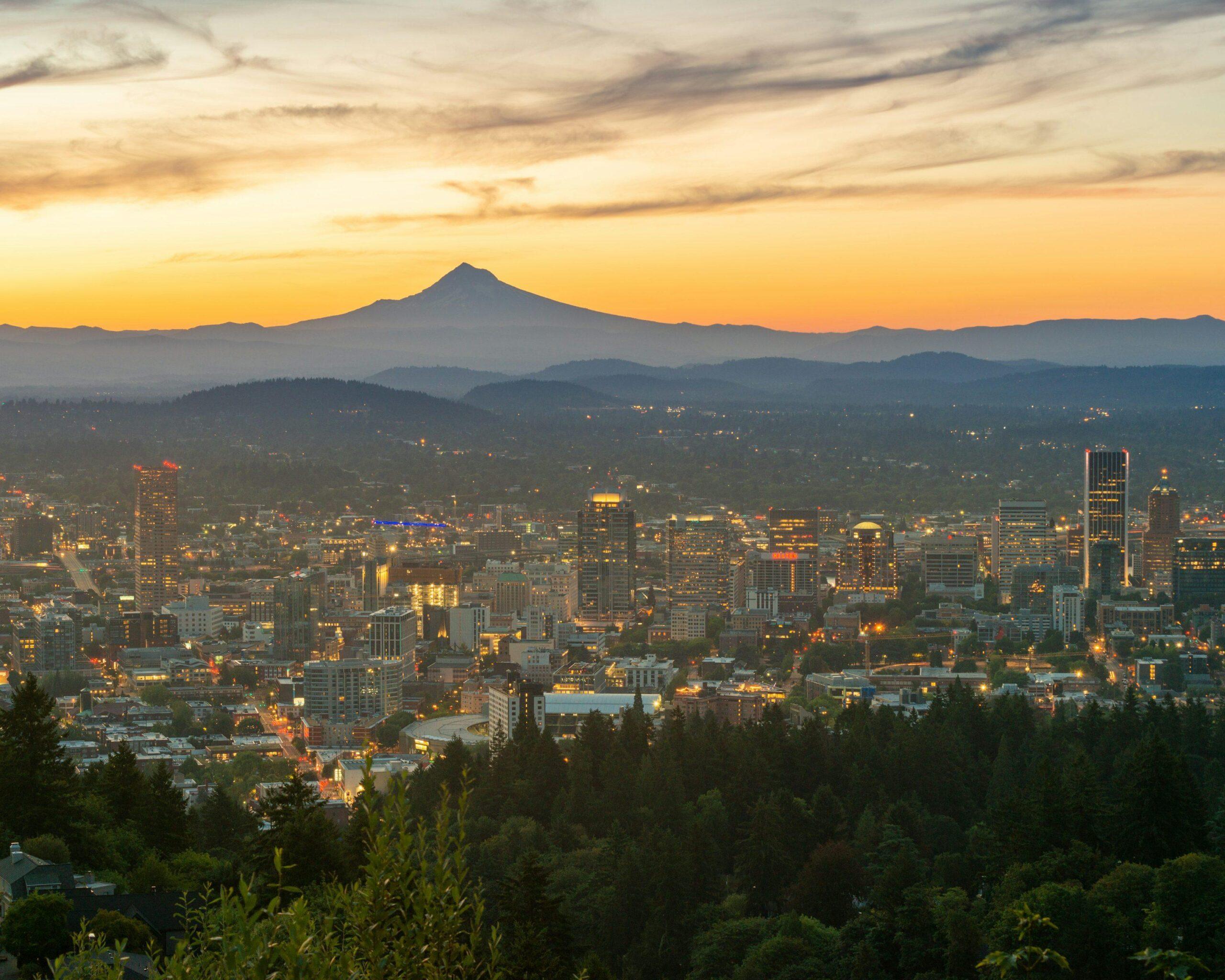
Portland lies in the Pacific Northwest, between the Cascade Range and the ocean. Its pace is different from that of America’s big cities: slower, more local, more considered.
The Pearl District mixes street art, independent bookshops, and direct-roast coffee shops. Forest Park, one of the largest urban parks in the country, stretches right through the city, perfect for an early morning hike before hitting the local markets. By evening, Portland’s craft breweries have a reputation that extends well beyond Oregon.
For an itinerary that gets off the beaten track, our guide on things to do in the USA offers a panorama of the best experiences by region.
New Orleans, Louisiana: the most musical city in the country
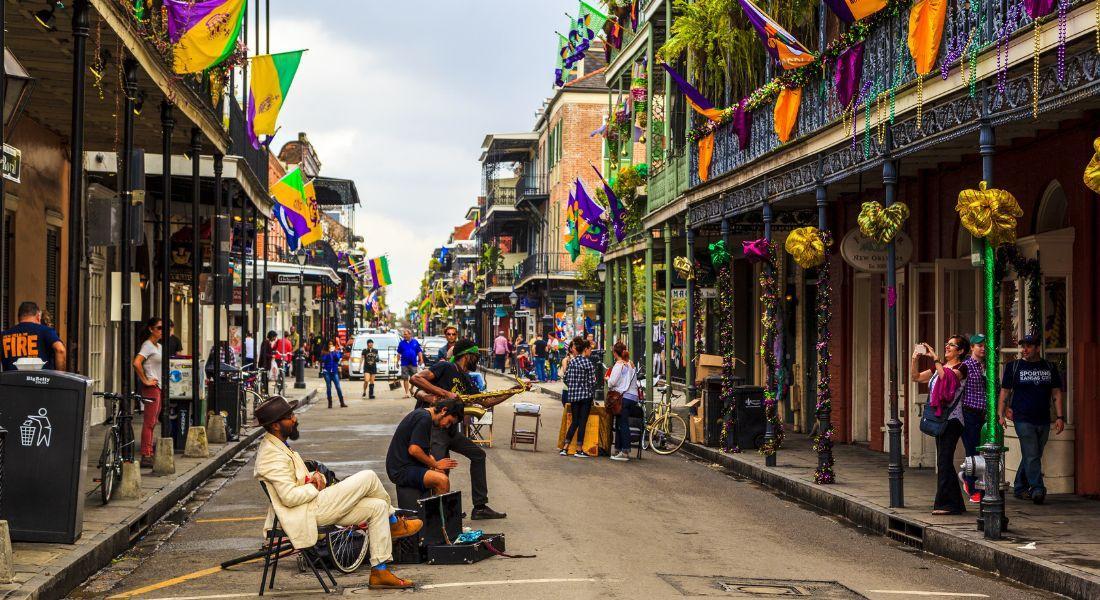
New Orleans sits in the south of Louisiana, between the Mississippi and the bayous. From the moment you arrive, the atmosphere is like nowhere else: French, Creole, African, and American cultures weave together through the streets, the food, and the music.
The French Quarter remains the essential neighbourhood, with its wrought-iron balconies, historic buildings, and jazz musicians playing live well into the night. Old streetcars criss-cross the city. The local cuisine is part of the experience: gumbo, jambalaya, beignets.
Years after Hurricane Katrina, New Orleans continues to radiate a rare energy. That is what makes it so hard to leave.
Salt Lake City, Utah: nature within reach of the city
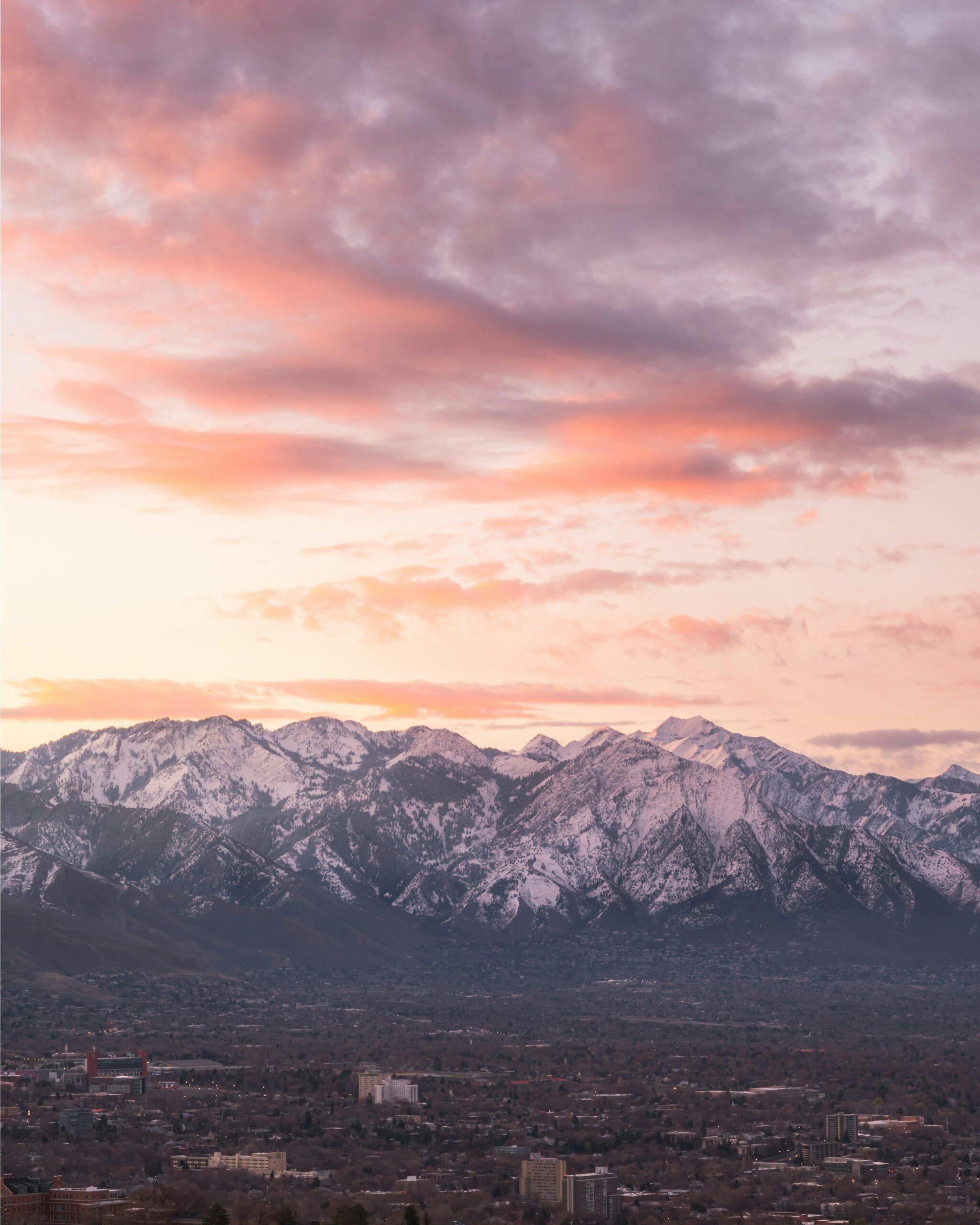
Salt Lake City lies in northern Utah, framed by the Rocky Mountains. The city often surprises visitors: you expect something austere, and you find a modern, well-organised city with extraordinary nature right on its doorstep.
Temple Square anchors the historic city centre. But what truly impresses is the proximity to remarkable landscapes. Within a few hours’ drive, Arches, Canyonlands, and Zion unfold one after another. Salt Lake City is an ideal starting point for a road trip through the American West, and it is consistently underestimated as such.
Chicago, Illinois: architecture on a grand scale
Chicago stretches along the shore of Lake Michigan in Illinois. As a major Midwestern metropolis it is often overshadowed by New York and Los Angeles, and yet. Its architecture is an attraction in its own right: the buildings lining the Chicago River have shaped the history of world architecture, and river cruises offer a breathtaking perspective on the entire city centre.
Millennium Park is home to Cloud Gate, the polished steel sculpture known as “The Bean.” The Art Institute of Chicago is one of the great museums on the continent. The Wicker Park and Logan Square neighbourhoods offer a thriving food, music, and arts scene. Blues music found unique fertile ground here, and some clubs still play in rooms steeped in history.
To go deeper on your choice of American destinations, our top 10 US cities breaks down each travel profile in detail.
FAQ
Should I be worried about US border controls in 2026?
Checks have been more stringent since early 2026: more thorough document verification, questions on entry, and potentially longer queues. The ESTA ($40 in 2026) must be obtained before departure. Up-to-date procedures can be found on the official France Diplomatie website.
Have travel costs to the USA really gone up?
Yes. The ESTA has risen from $21 to $40. The America the Beautiful pass for national parks now costs $250 for non-residents (up from $80). Tips at sit-down restaurants are now 20 to 25%. These increases are real and worth building into your budget before you go.
Are Americans hostile towards French tourists in 2026?
No. French travellers who have made the trip in 2025-2026 report a warm welcome and no hostility linked to their nationality. The political climate does not translate into mistrust of foreign tourists in everyday interactions.
What is the best time of year to visit the USA?
It depends on the destination. Spring (April-May) and autumn (September-October) are generally ideal for major cities and national parks: mild temperatures and smaller crowds. In 2026, World Cup host cities (New York, Miami, Los Angeles, Dallas, among others) will see heavy footfall in June and July.
Do I need travel insurance for the USA?
US medical costs are among the highest in the world: a hospital stay without adequate cover can run to several tens of thousands of dollars. Travel insurance covering medical care abroad and medical repatriation is strongly recommended, and this is also the position of the French Foreign Ministry.