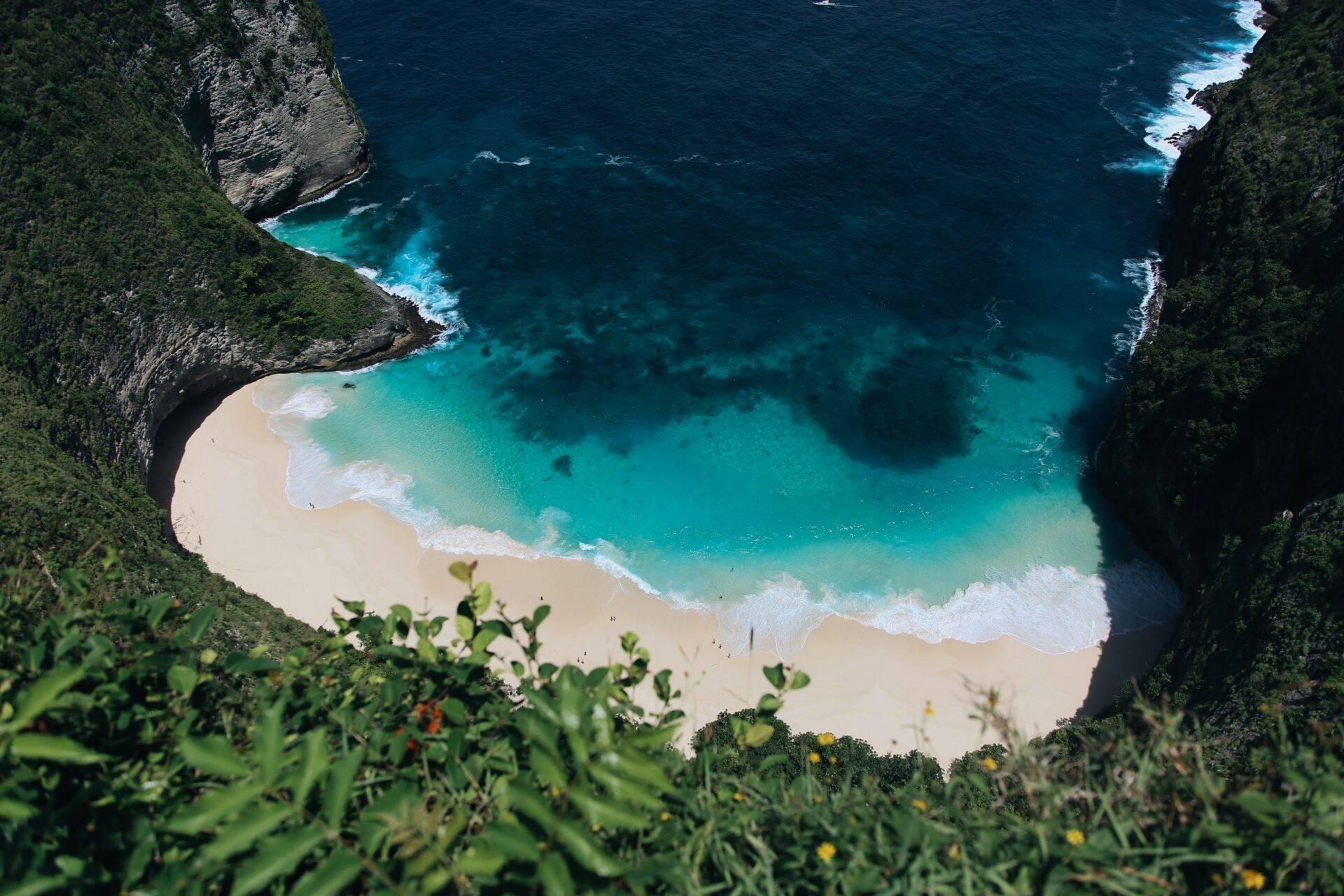
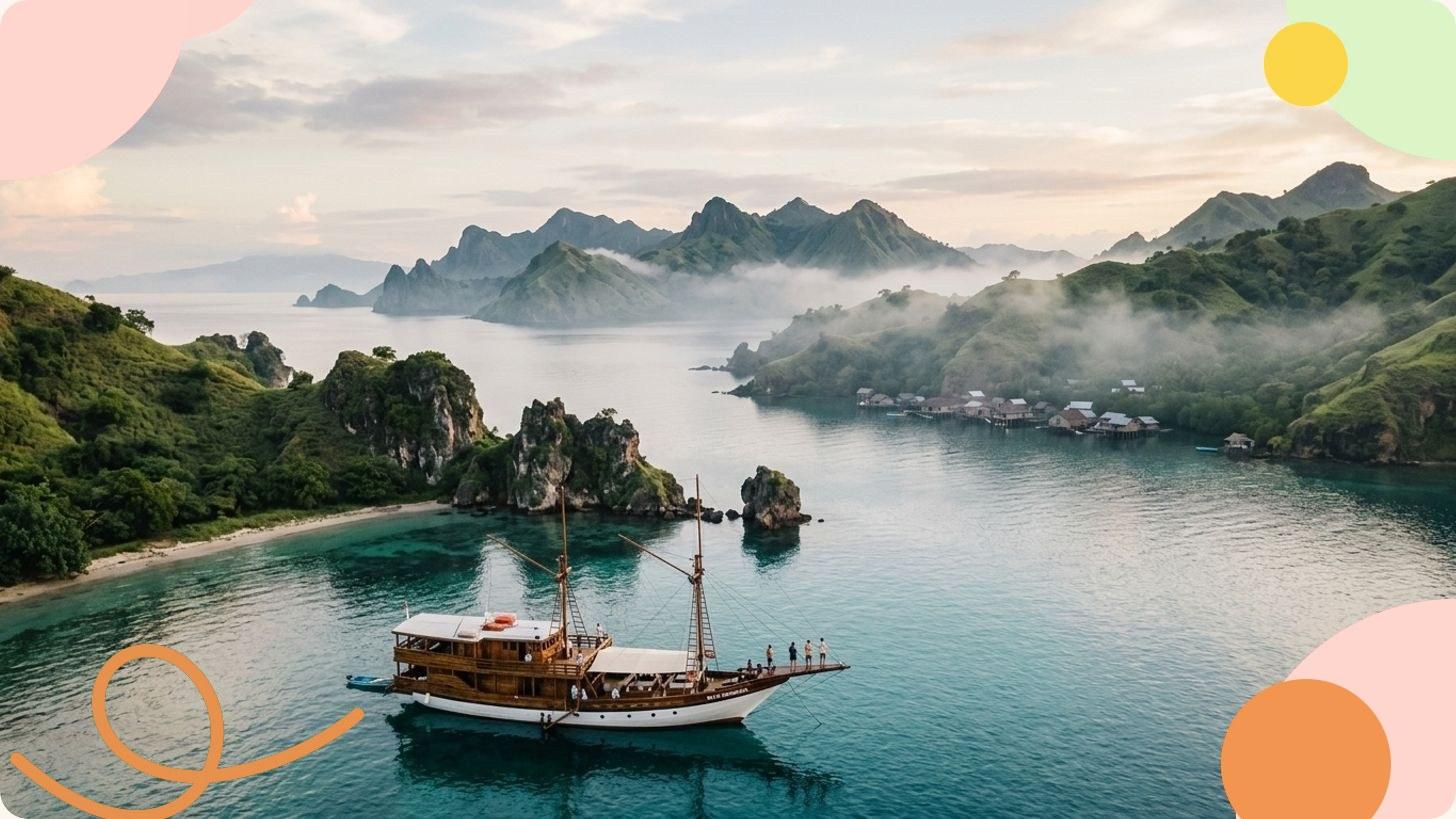

Bali draws the lion’s share of first-time visitors to Indonesia: some come back captivated, others put off by the crowds and the excesses of mass tourism. Lombok and the Gili Islands are next in line. Yet just a few hours away by plane or boat, six islands in the archipelago offer beaches that are still deserted, volcanoes without the queues and cultures found nowhere else in Indonesia.
Plan my trip to IndonesiaFlores: volcanoes, dragons and a village in the clouds
Long overlooked by the tourist trail, Flores delivers landscapes over a few days on the road that few islands in the archipelago can match: active volcanoes, terraced rice fields, remote villages and wild coastlines opening onto the Flores Sea.
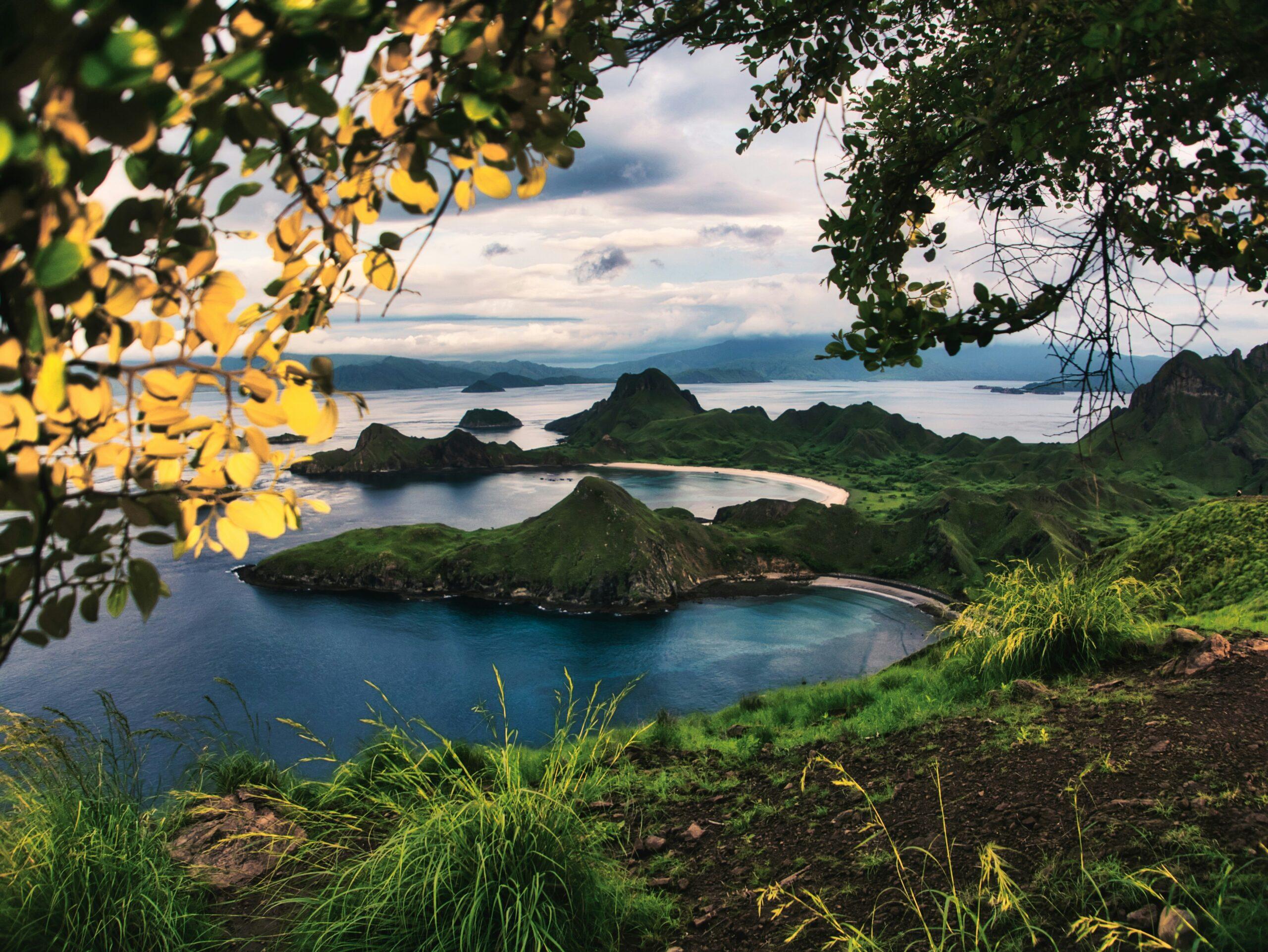
The standout attraction is the Kelimutu volcano and its three crater lakes, each a different colour, deep black, turquoise or burgundy depending on the season. The climb begins around 4 a.m. to reach the rim by sunrise.
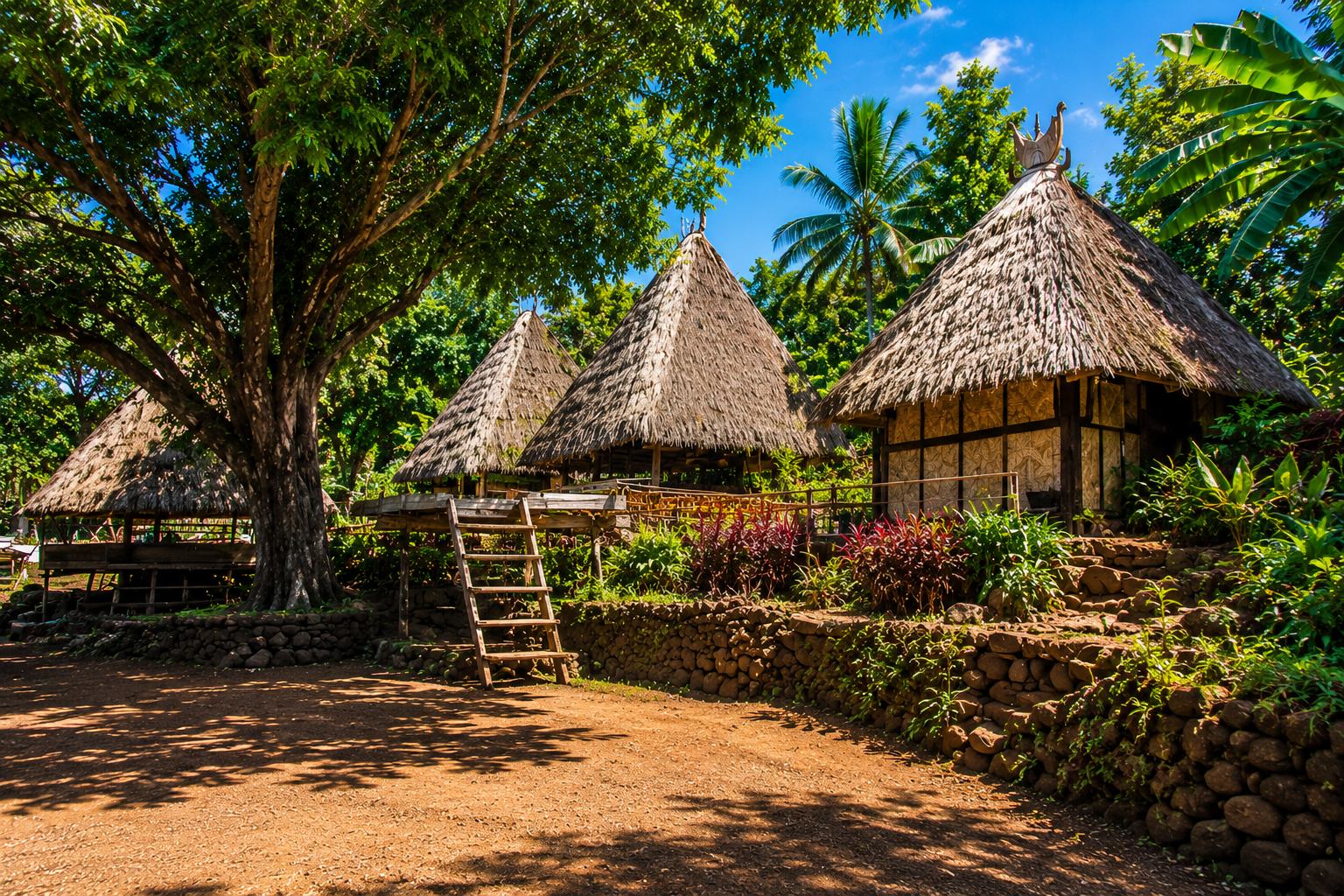
The village of Wae Rebo, perched at 1,100 metres above sea level, is reached after roughly three hours of trekking through mountain forest. Its seven mbaru niang conical-roofed houses, built according to Manggarai tradition, cannot be seen from any road.
Flores is also the gateway to Komodo National Park: Komodo dragons on land, manta rays below the surface and a handful of pink sand beaches reachable only by boat.
Alor: the island almost nobody knows
Tucked between Flores and East Timor, Alor remains one of Indonesia’s most under-the-radar destinations. No large resort complexes, no packed beaches. Traditional villages perched in the hills and dive sites that divers describe as among the richest in the archipelago make it a rare stop for travellers who prefer to avoid the crowds.
Its coves stay empty even at peak season. Travelling through Alor feels like discovering the Indonesia that existed before mass tourism.
Sumba: Indonesia’s Wild West
Southeast of Bali, Sumba catches visitors off guard from the moment they arrive. Golden hills, wind-swept plains and wild horses roaming free bear no resemblance to the classic image of a tropical island. You come for the scenery and stay for the ancestral villages and their remarkable architecture.
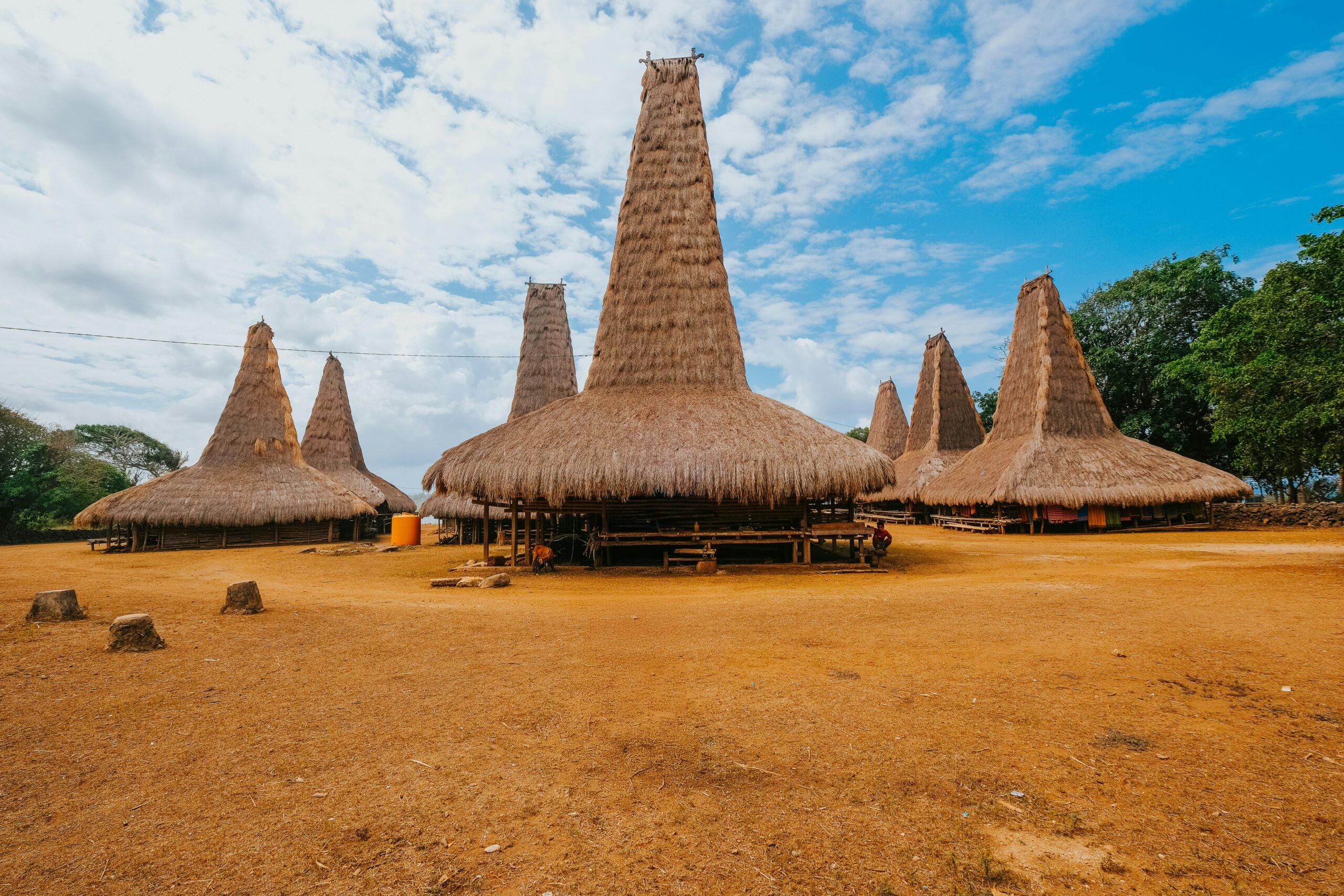
Not to be missed: the megalithic tombs of former chiefs, wild waterfalls such as Waimarang (around 83 km from Waingapu, the capital of East Sumba) and beaches that stretch for kilometres without a soul in sight.
The best time to visit Sumba is the dry season, May to November: the savannahs turn a warm ochre, roads remain passable and the beaches are fully accessible.
The Banda Islands: where nutmeg changed the world
At the heart of the Banda Sea, the Banda Islands slip beneath the radar of almost every traveller. For centuries they were the only place on Earth where nutmeg grew naturally, a spice once worth more than gold.
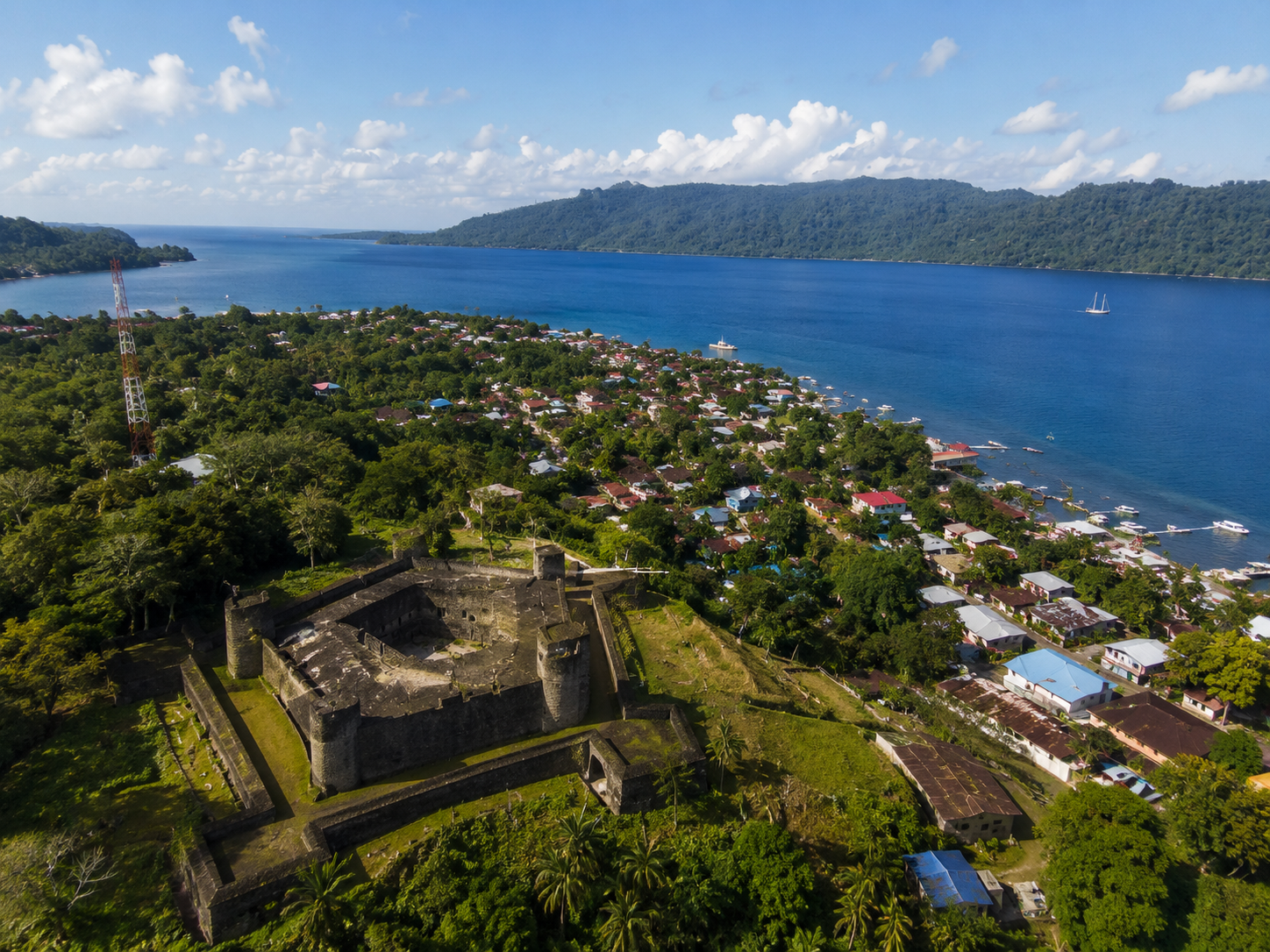
Banda Neira, the old colonial capital, holds most of the sights: forts built by the Dutch and Portuguese, historic mansions and the Gunung Api volcano that towers over the archipelago. The nutmeg plantations are still in production.
On the island you can dive pristine reefs, hike up the volcano or island-hop by local boat. Tourism here remains extremely low-key.
Raja Ampat: the richest reefs on the planet
At the far eastern tip of Indonesia, off the coast of West Papua, Raja Ampat holds an unrivalled concentration of marine biodiversity. The archipelago is home to more than 600 coral species, around 75% of all known species on Earth, and more than 1,700 species of fish.
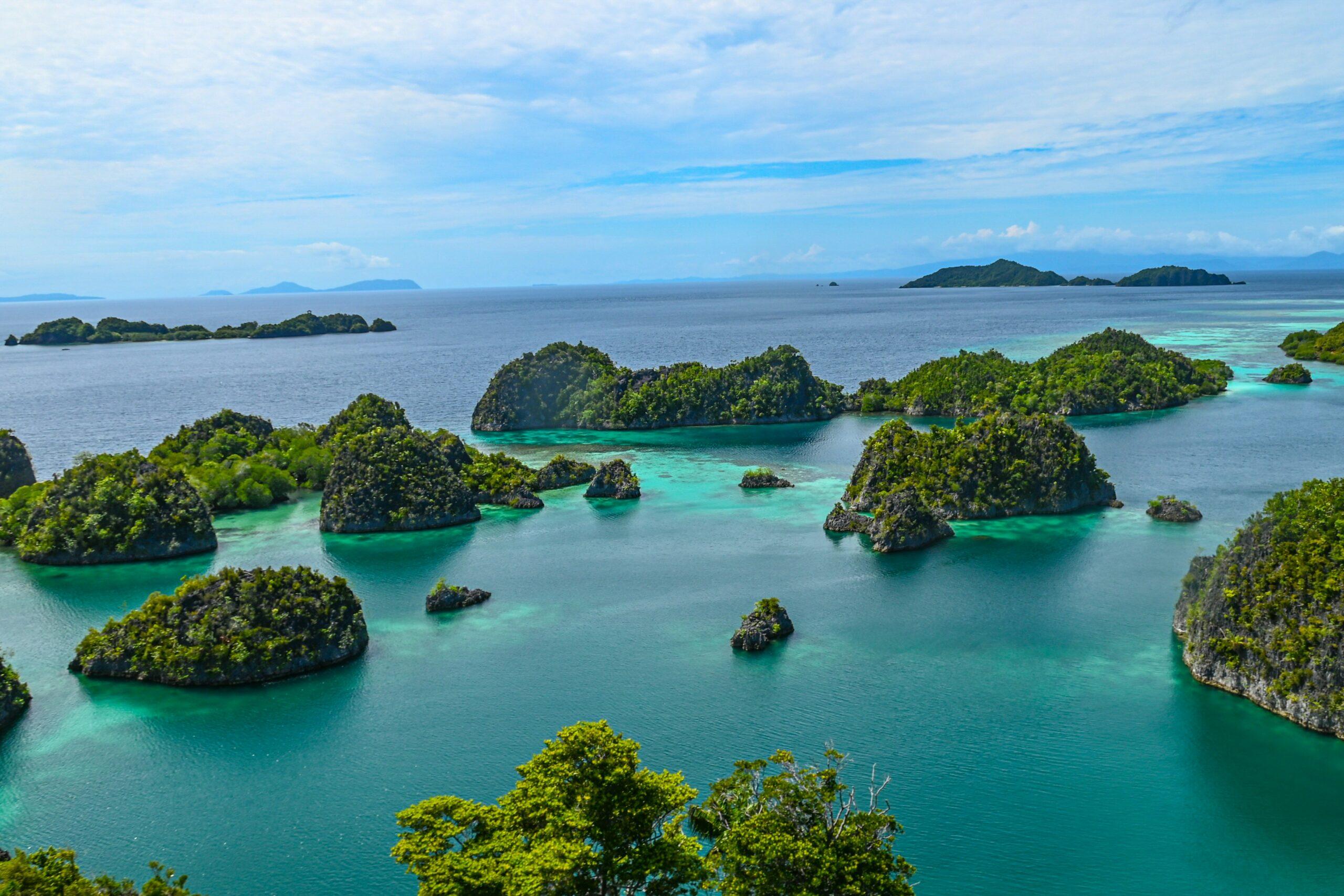
The viewpoints at Piaynemo and Wayag take in sweeping panoramas of a sea studded with karst pinnacles. The deserted beaches, reachable only by boat, remain completely untouched.
Beyond diving and snorkelling with manta rays, Raja Ampat is one of the world’s best destinations for spotting birds of paradise in their natural habitat.
Staying in Raja Ampat
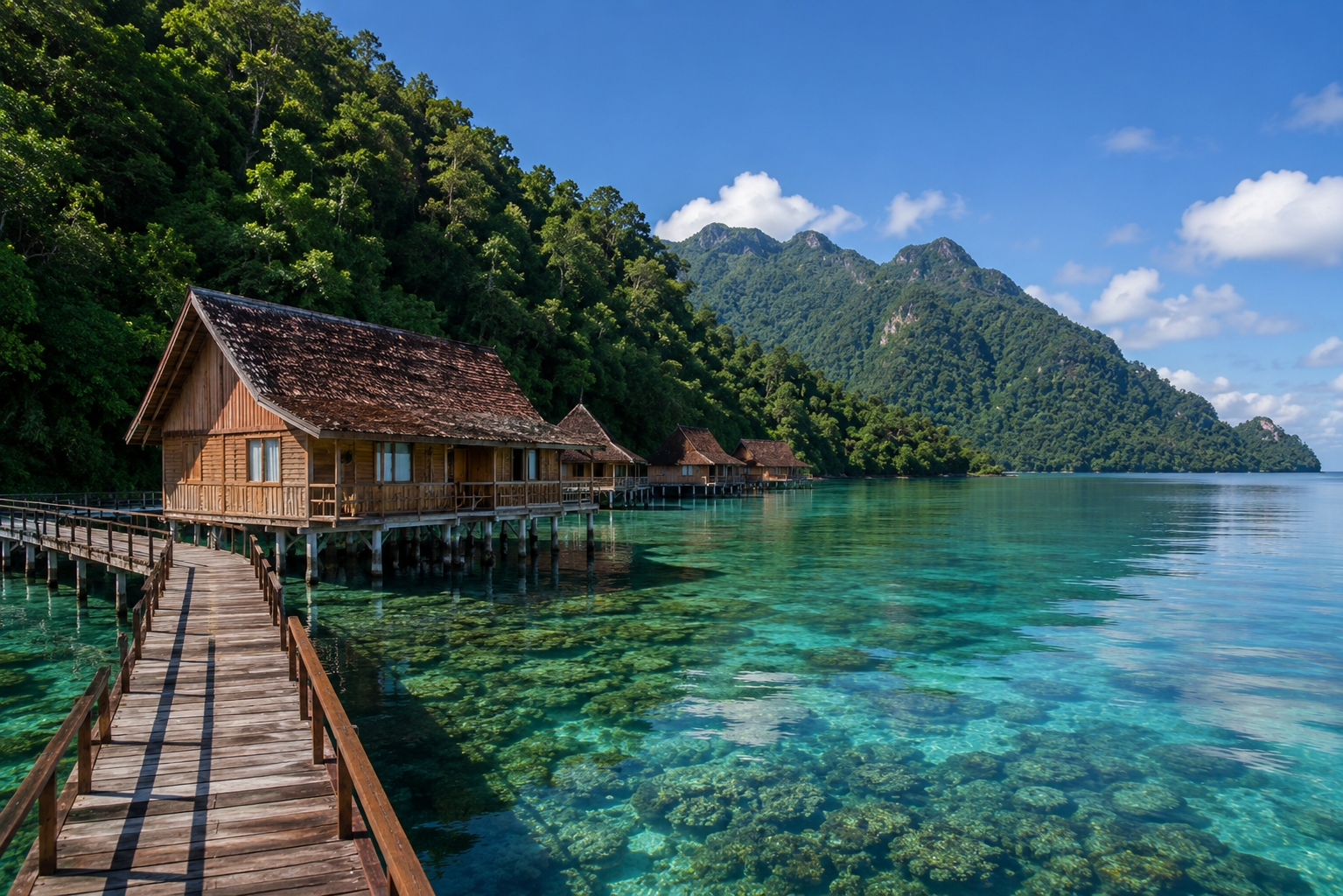
Accommodation is deliberately limited: a handful of eco-lodges and bungalows built in harmony with the marine environment. More than 2 million hectares are classified as marine protected areas, managed in part by local communities.
Tana Toraja (Sulawesi): honouring ancestors in the highlands
In the highlands of Sulawesi, Tana Toraja offers an experience utterly unlike anything else in the archipelago. The atmosphere is mountain cool, terraced rice paddies climb the hillsides and villages keep alive traditions found nowhere else in South-East Asia.
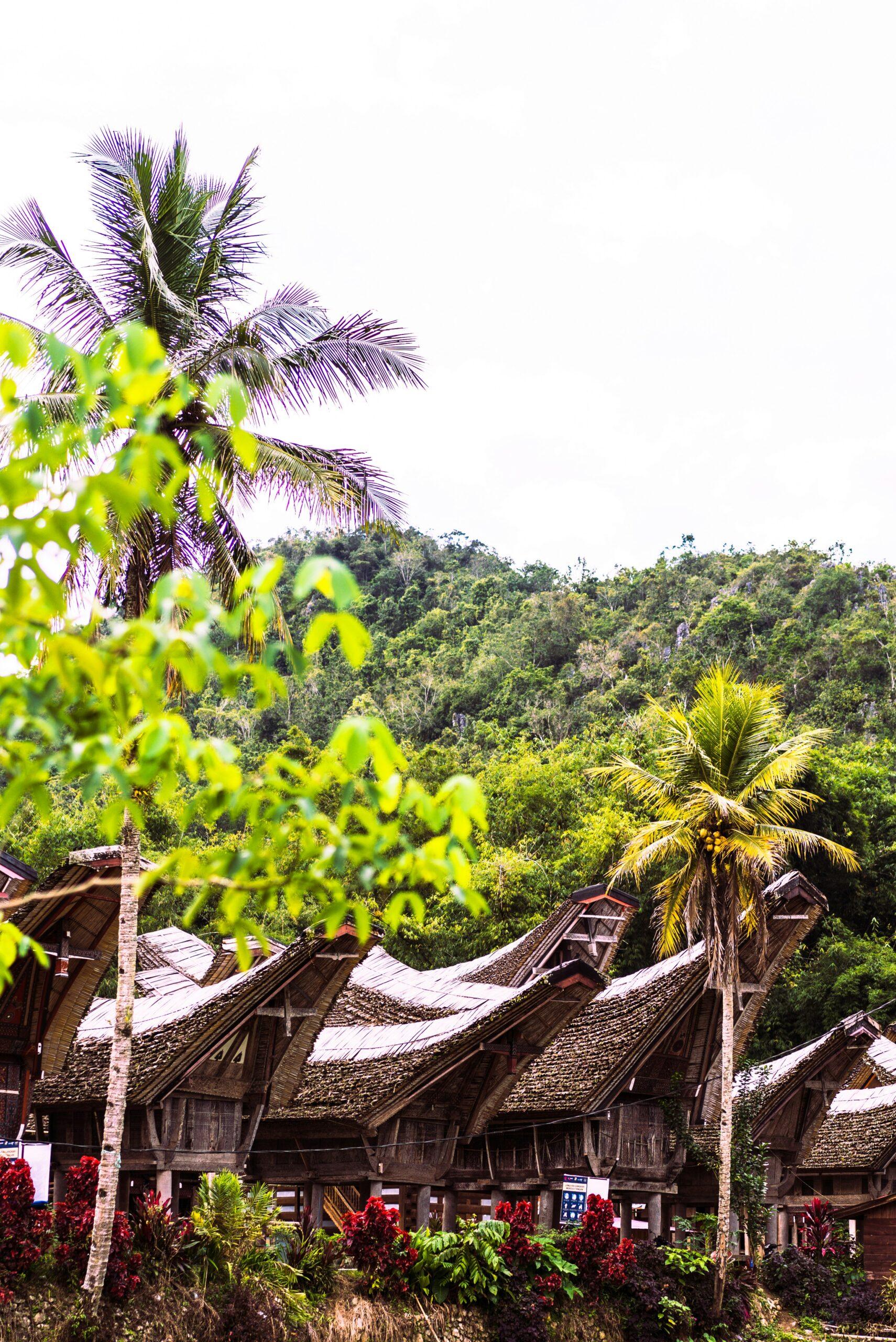
Tongkonan houses are the emblem of Torajan culture: raised on stilts, they are distinguished by their sweeping boat-shaped roofs, built without a single nail or screw. Each Tongkonan represents a family lineage and remains the focal point for birth, marriage and funeral ceremonies.
The region is also known for its funeral cliffs, carved into the rockface with tombs cut directly into the stone. The Rambu Solo ceremony, dedicated to mourning, can last from three to ten days and brings the entire village together around the deceased.
Tana Toraja suits travellers looking for a more contemplative Indonesia: walks through the valleys, local markets and encounters in villages where traditions are still very much alive.
Planning your trip to these islands
These destinations require more planning than a trip to Bali: fewer direct air connections, scarcer accommodation and lighter infrastructure. That is precisely what makes them worth it.
Before you go, check entry requirements, health advice and insurance cover on our Indonesia travel insurance page: in an archipelago this vast, a medical evacuation can involve several hours by boat before you even reach an airport.
FAQ
Is Flores or Bali better for a first trip to Indonesia?
Bali is the better choice for a first trip: well-developed infrastructure, easy transport and accommodation at every price point. Flores is for travellers who already know Bali and want a more immersive change of scene: hiking, volcanoes and far fewer tourists.
When is the best time to visit Sumba and Flores?
The dry season, May to November, is the ideal time for both islands. Roads remain passable, beaches are accessible and Sumba’s landscapes take on their golden hues. During the wet season, some mountain roads become impassable.
Is Raja Ampat accessible on a mid-range budget?
No. Raja Ampat remains an expensive destination: eco-lodges are few and charge premium rates. Boat transfers add considerably to the overall cost. A stay there is significantly pricier than Bali or Lombok.
How do you get to the Banda Islands from Bali?
The Banda Islands are reached via Ambon (a flight from Bali with a stopover, usually in Jakarta or Makassar), then by ferry or local plane to Banda Neira. Allow at least a full day of travel.
Do you need travel insurance for such remote destinations?
Yes. On islands as remote as Alor, Banda or Raja Ampat, a medical evacuation to a properly equipped hospital can take several hours. Cover with medical expenses and repatriation is essential. The recommended policies for Indonesia are detailed on Yupwego’s Indonesia travel insurance page.