
Stretching over 4,000 km from north to south, Chile packs in landscapes that the rest of the world can only offer separately: one of the driest deserts on the planet, active volcanoes, lakes in vivid shades, fjords and Patagonian glaciers. Here are 20 places and experiences, organised from north to south, to help you plan your itinerary.
The Far North: desert, volcanoes and starlit skies
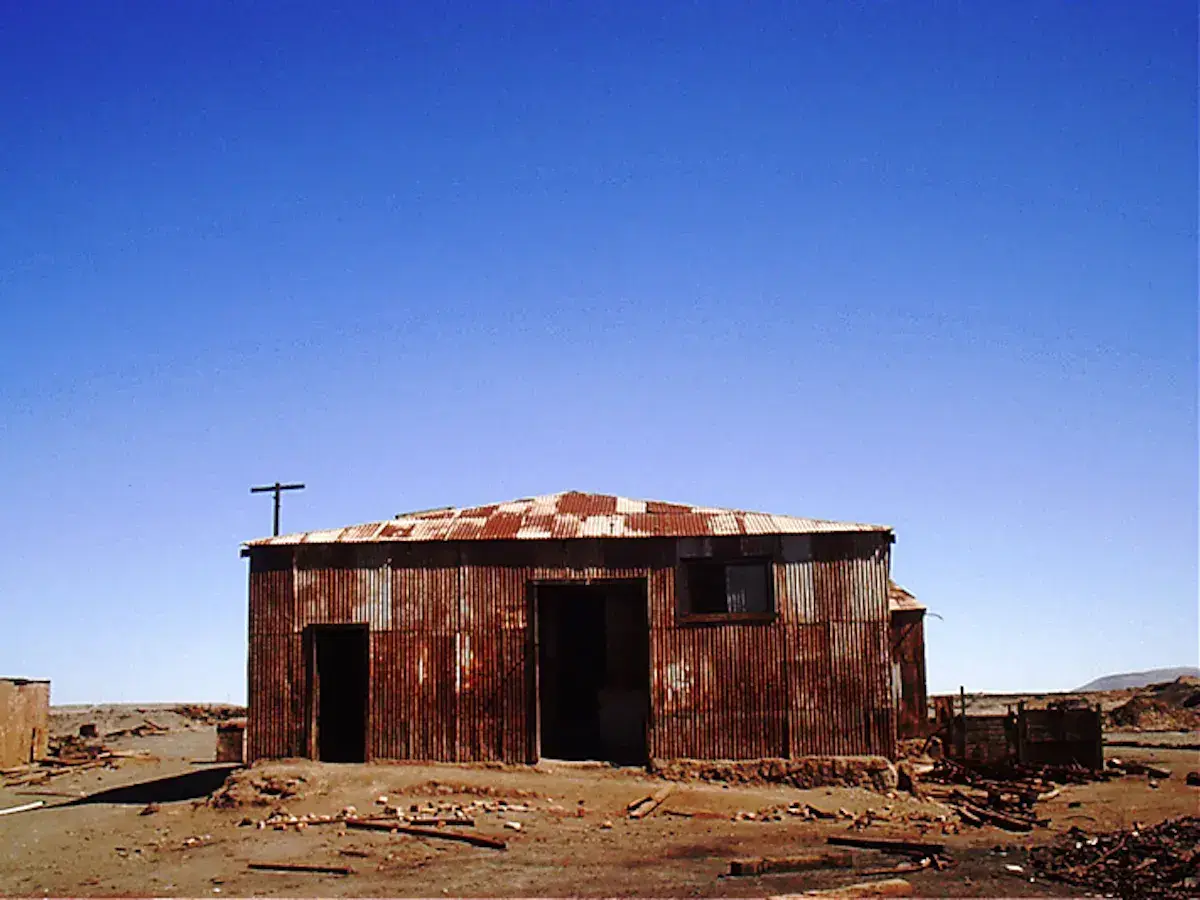
1. San Pedro de Atacama, base for exploring the desert
This village at 2,400 m above sea level is the natural base for exploring northern Chile. Within an hour’s drive, you can reach the Valle de la Luna, the geysers or the high-altitude lagoons. San Pedro is also one of the world’s finest stargazing spots: minimal light pollution and a near-permanently clear sky make it possible to see the Milky Way with the naked eye.
2. The Valle de la Luna at sunset
A few kilometres from San Pedro de Atacama, the Valle de la Luna takes its name from its salt formations and eroded rock that conjure a lunar landscape. Sunset is the highlight of the day: ridgelines and dunes shift gradually from orange to violet to deep red. Shuttle buses leave every evening from San Pedro to reach the site.
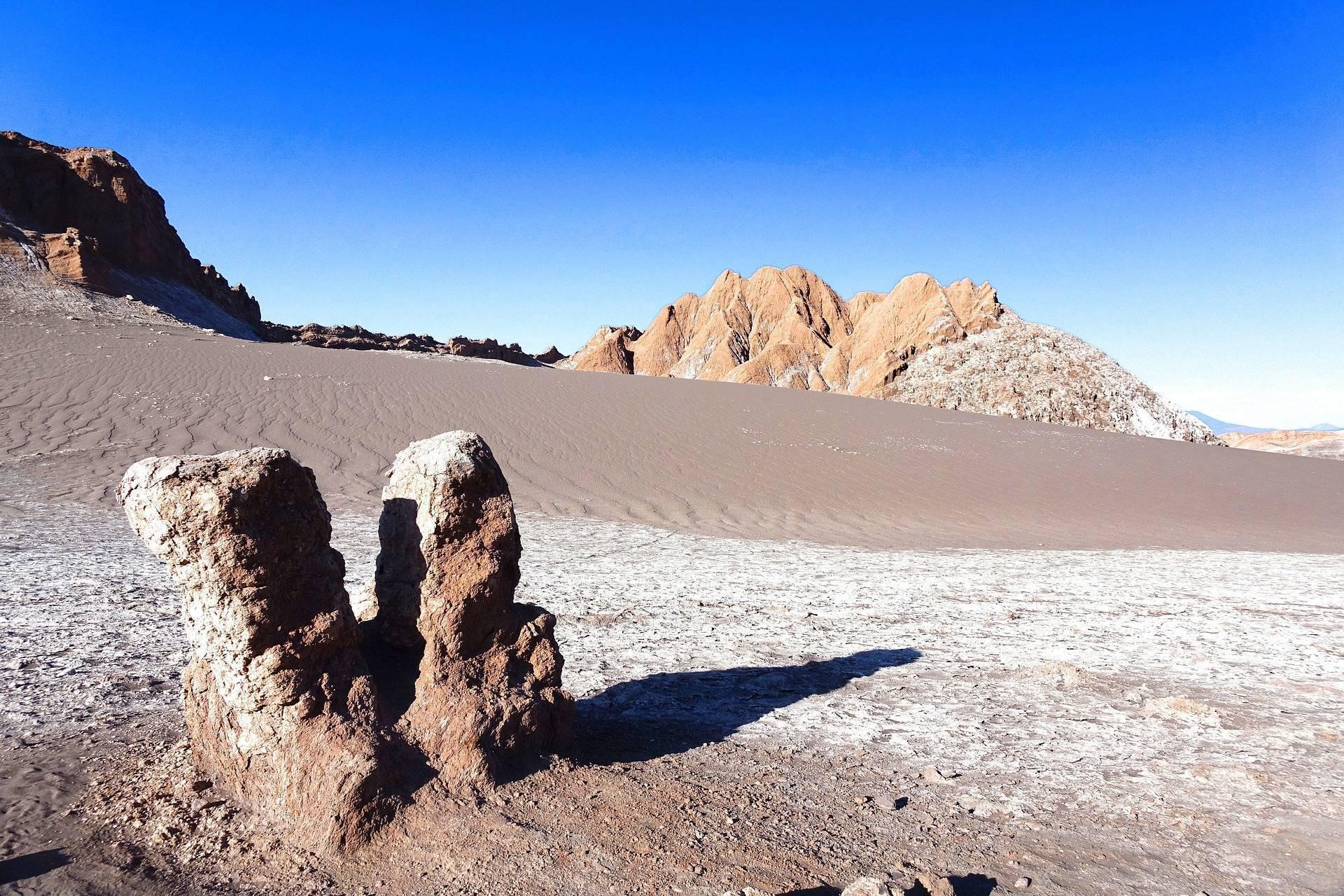
3. The El Tatio geysers at dawn
El Tatio is the largest geyser field in the Southern Hemisphere, with more than 80 active geysers at 4,320 m above sea level. The drill is well-established: leave San Pedro in the dark and arrive at sunrise, when the steam columns billow dramatically against the icy morning air. Hot springs on site make for a memorable early-morning soak amid ochre and white mineral scenery.
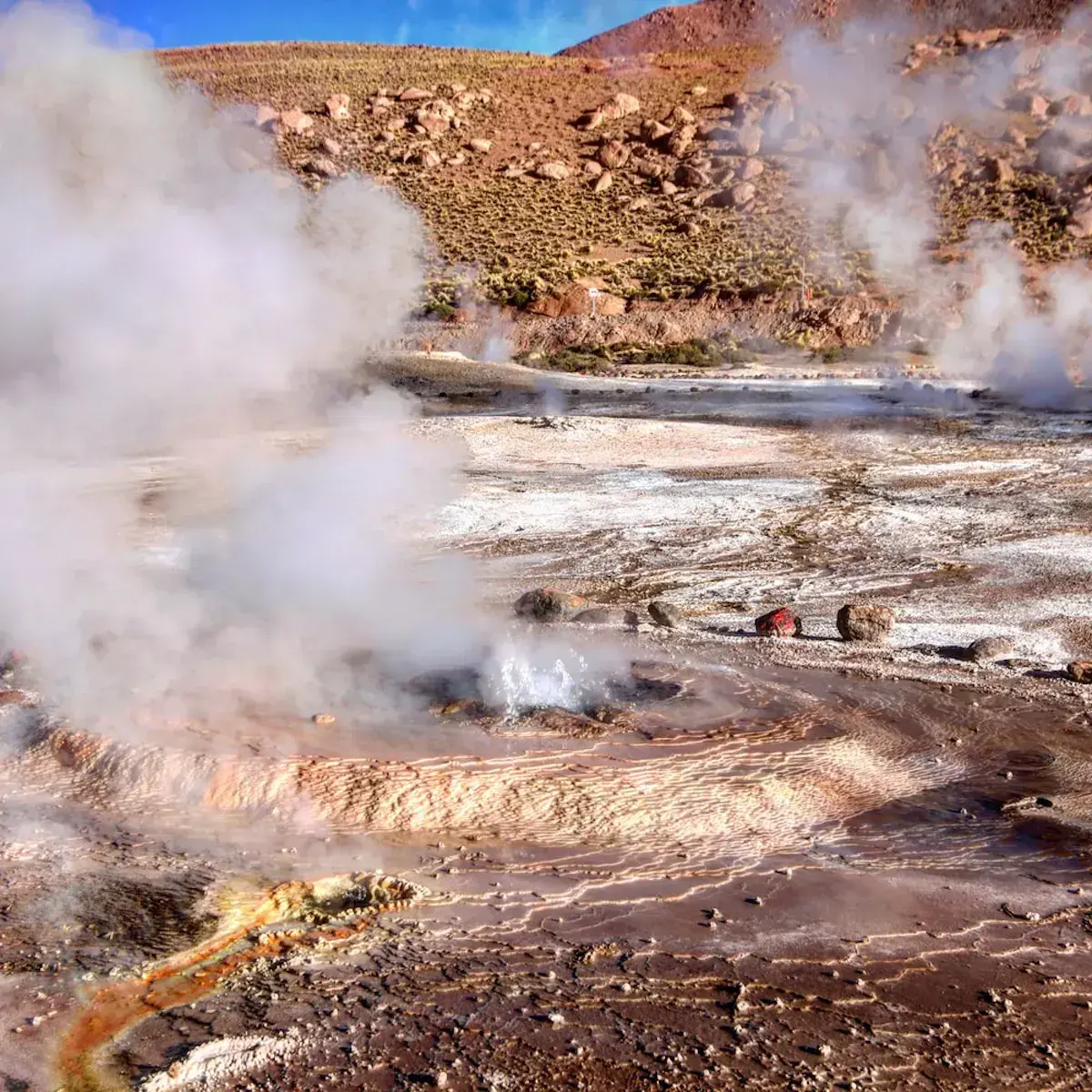
4. The Salar de Atacama and its flamingo lagoons
The Salar de Atacama is a vast dry salt flat dotted with mineral lagoons in pastel hues. Laguna Cejar is so salt-saturated that you float effortlessly. Laguna Chaxa and Laguna Miscanti are home to several species of Andean flamingos that feed here in a mineral environment unlike anywhere else on earth.
5. Lauca National Park and the Parinacota volcano
Bordering Bolivia, Lauca National Park is home to the Parinacota volcano, one of the highest peaks in the Andes. Flamingos, vicuñas and giant cacti populate this high-altitude plateau. The village of Putre, with its well-preserved colonial architecture, is worth a stop. The Jurasi hot springs offer the perfect way to unwind after hiking at altitude.
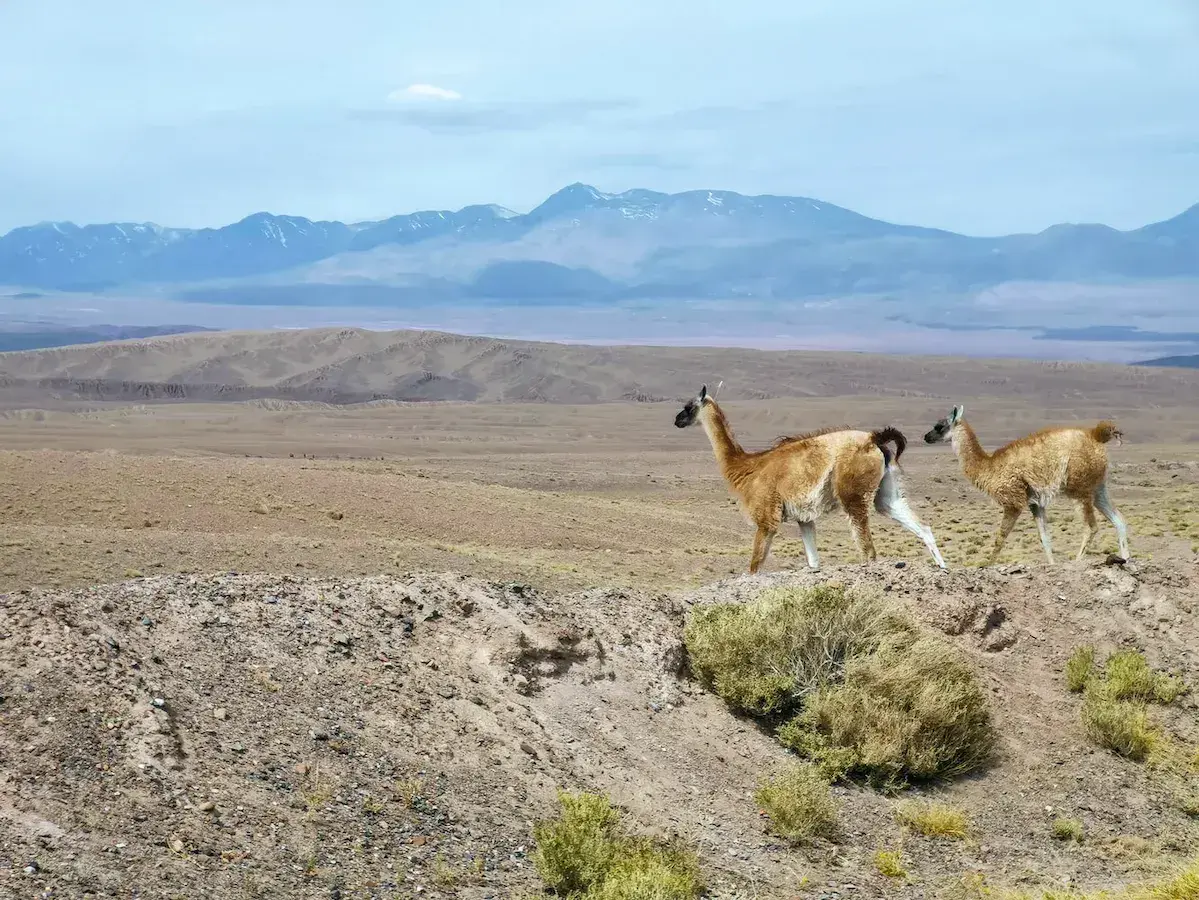
Santiago and Central Chile: cities, vineyards and a Pacific island
6. Santiago, between the Andes and modernity
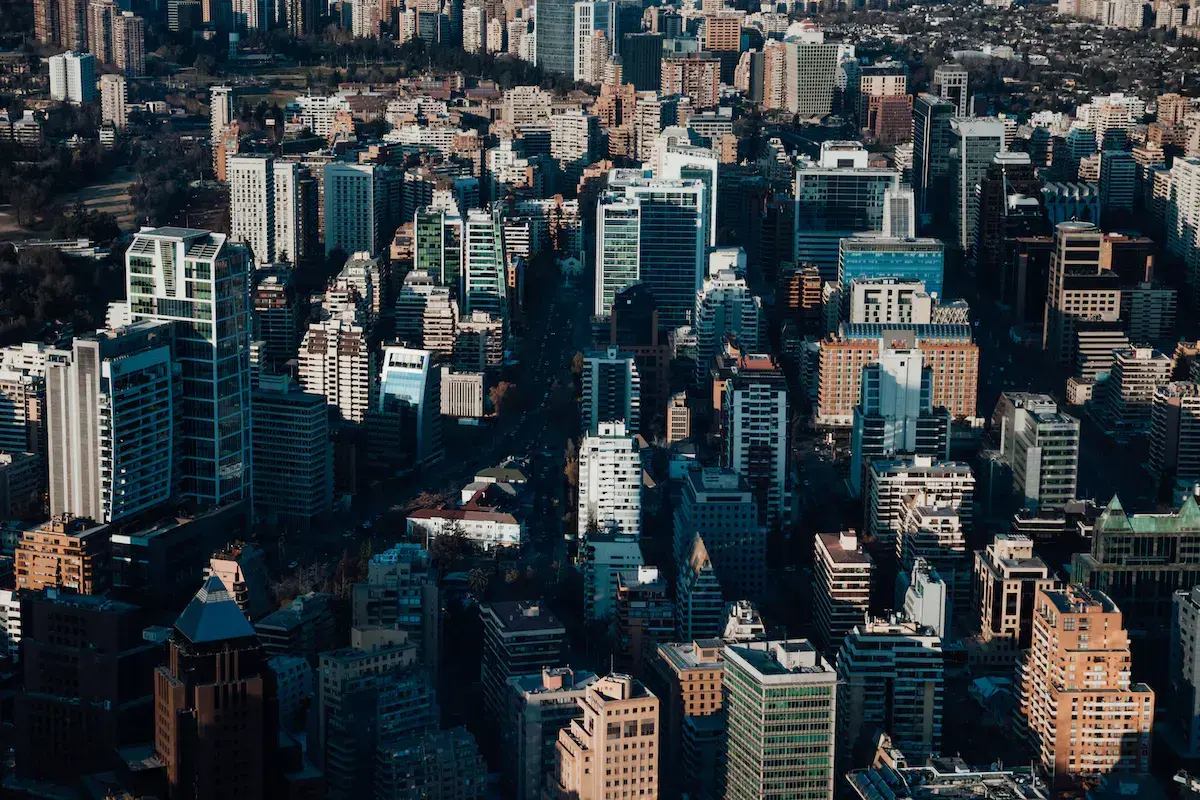
On a clear day, the snow-capped Andes form a dramatic backdrop to the skyscrapers of the Providencia district. Head up Cerro San Cristóbal for a panoramic view of the city. To get a sense of its character, wander through the historic centre: the Plaza de Armas with its colonial buildings on one side, and the Costanera Center tower, Latin America’s tallest, on the other. The Bellavista neighbourhood is where street art and nightlife converge.
7. Valparaíso, the city of 42 hills
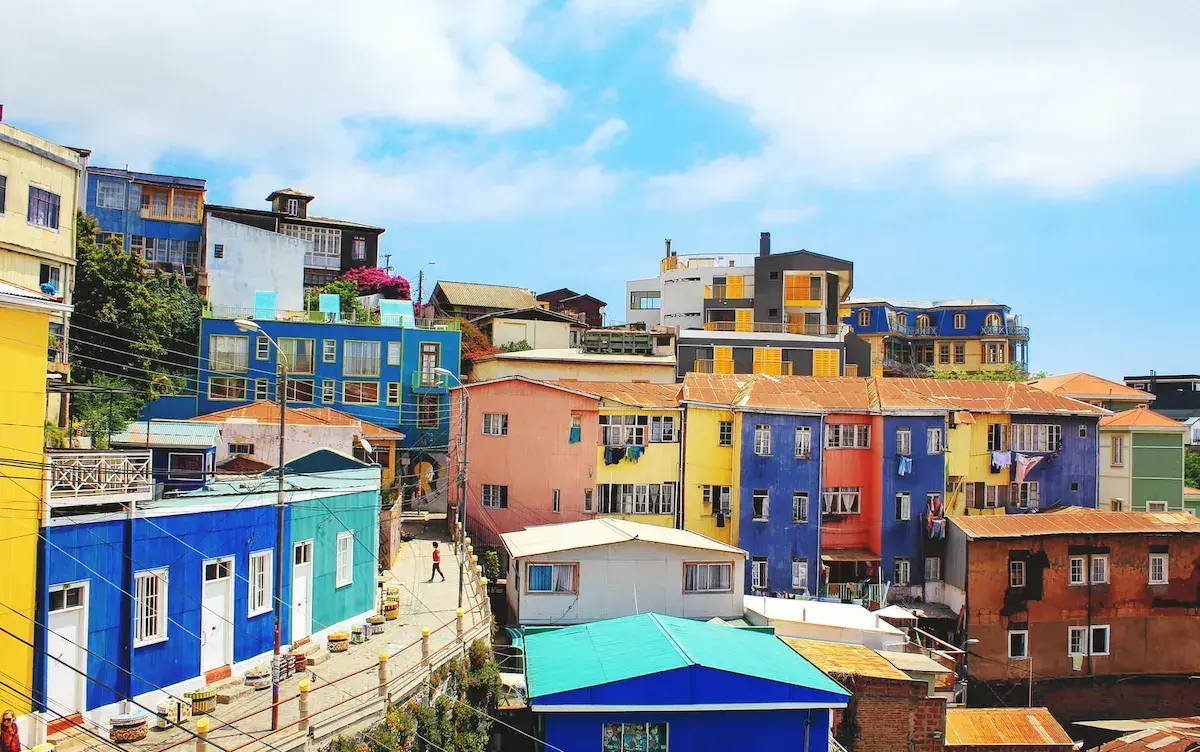
A UNESCO World Heritage Site, Valparaíso is unlike any other city in South America. Its 42 hills (cerros) hide a labyrinth of alleyways covered in murals and brightly painted houses. The ascensores, historic funiculars linking the port to each cerro, are an attraction in their own right. Pablo Neruda’s house-museum, La Sebastiana, offers a window into the soul of a poet deeply rooted in this city.
8. The central wine valleys, from Casablanca to Maipo
An hour from Santiago, the Casablanca Valley, close to the Pacific coast, produces highly regarded whites, with sauvignon blanc leading the way. The Maipo Valley, on the capital’s doorstep, is the heartland of Chilean cabernet sauvignon. Most estates welcome visitors for tours and tastings as a day trip from Santiago.
9. The Elqui Valley and astrotourism
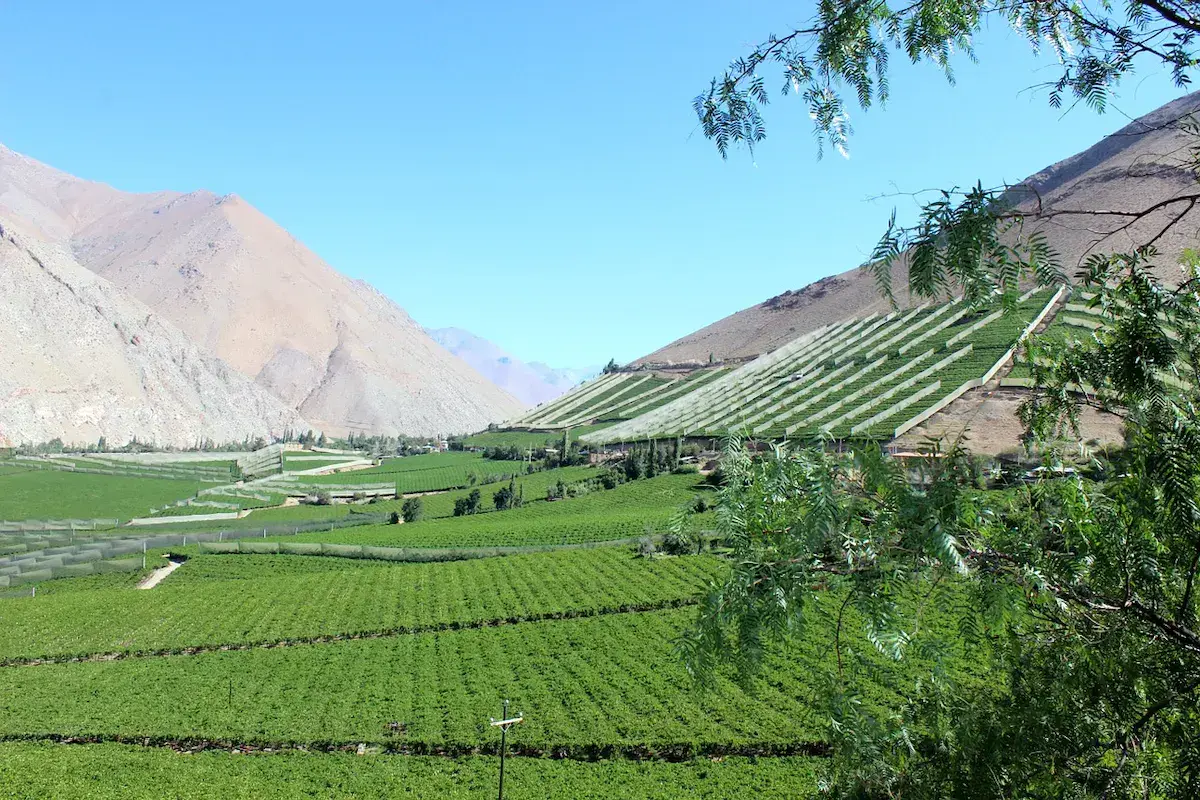
North of La Serena, the Elqui Valley is a lush agricultural valley carved between arid hillsides where the muscat grapes that produce pisco are grown. After dark, the complete absence of light pollution makes it one of the world’s premier astrotourism destinations: several observatories open their doors to visitors for a look at the southern sky.
10. Easter Island (Rapa Nui), 3,700 km offshore
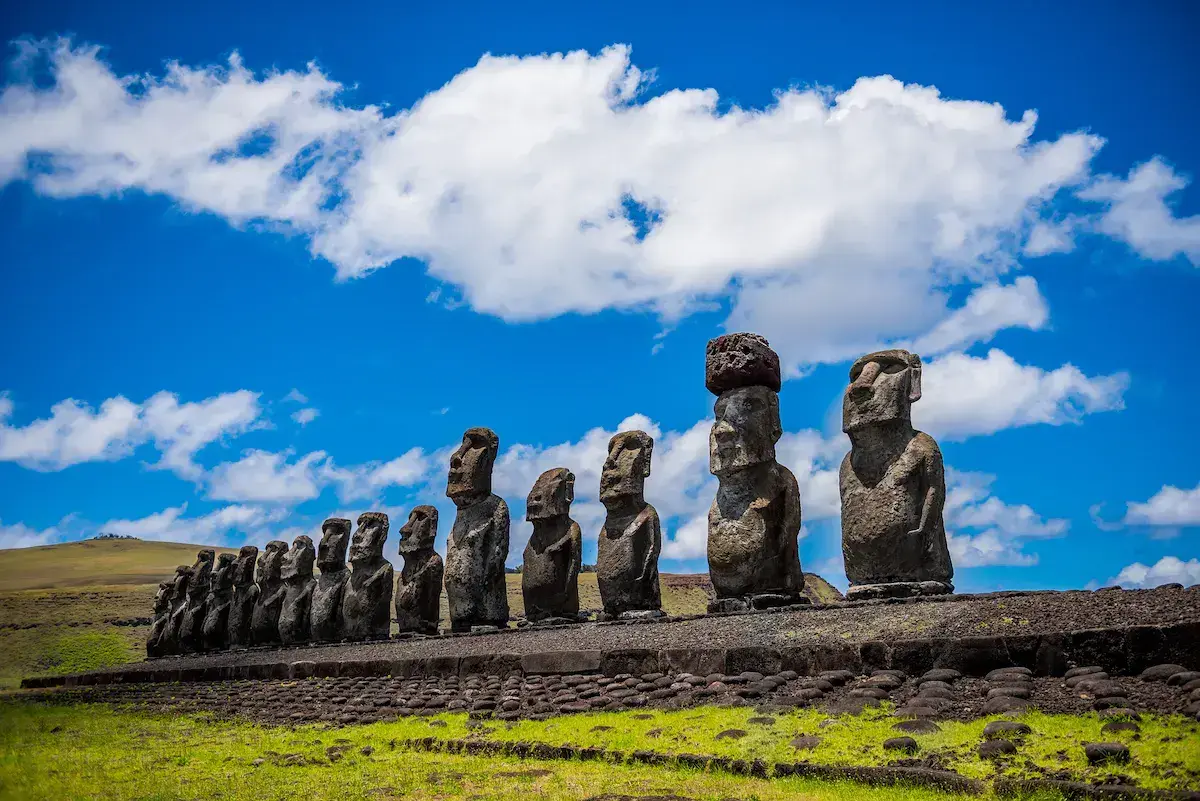
Easter Island is the most remote inhabited land on earth. LATAM Airlines operates flights from Santiago in around five and a half hours. The island is home to roughly 900 moai, the monolithic statues whose construction remains only partially understood. Ahu Tongariki, with its 15 restored moai facing the rising sun, is the most photographed site. The Rano Raraku quarry, where the statues were carved, is equally compelling. Allow four to five days to explore the main sites at a comfortable pace.
The South: lakes, volcanoes and forests
11. Pucón and the Villarrica volcano
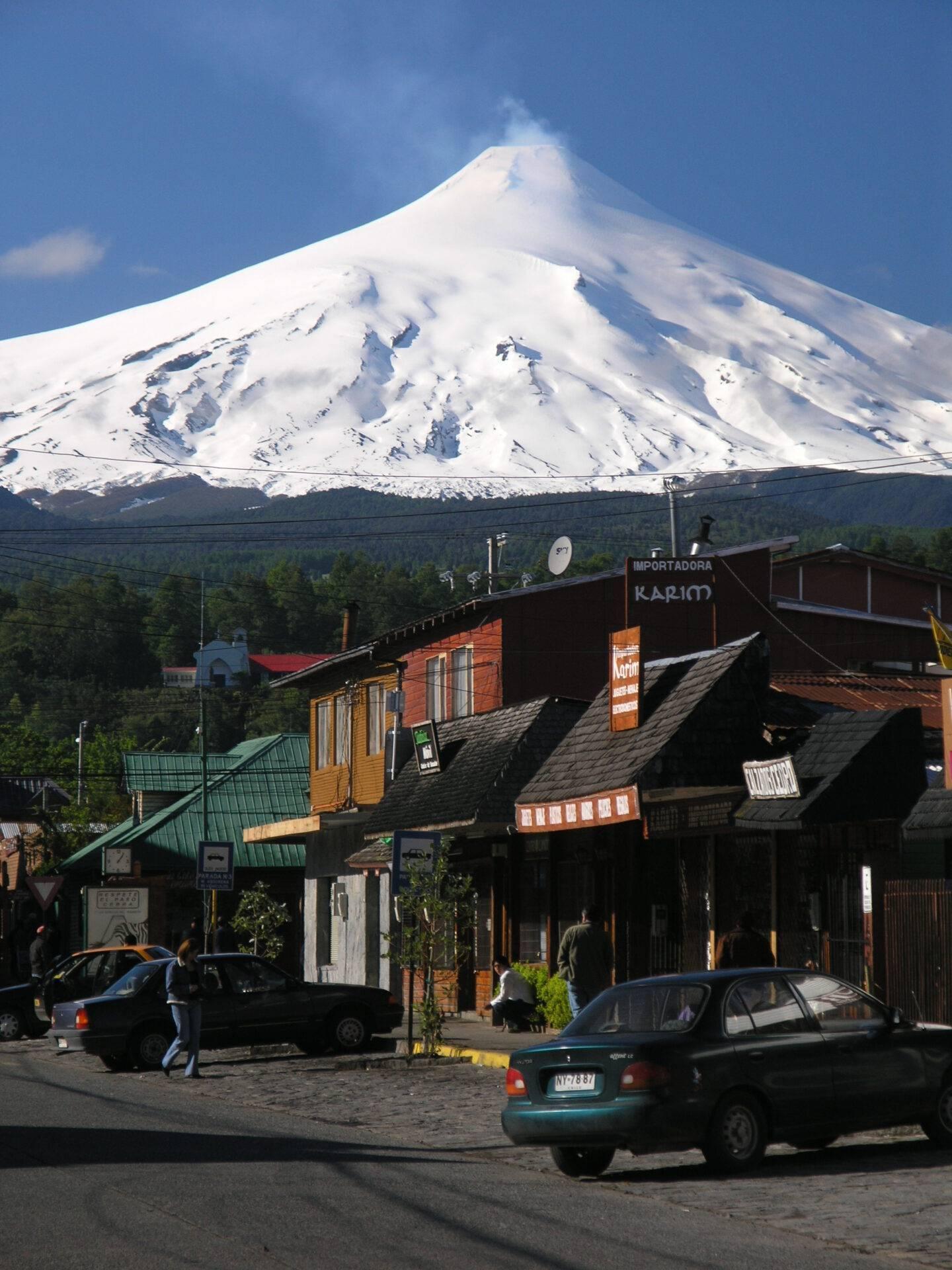
Pucón is Chile’s outdoor adventure capital. The guided ascent of Villarrica volcano, one of the most active in the Andes, takes around 8 hours return and rewards you with a direct view into the smoking crater. In winter, its slopes fill with snow for skiing. In summer, Lake Villarrica and its black-sand beaches are ideal for swimming.
12. Puerto Varas, Frutillar and the Osorno volcano
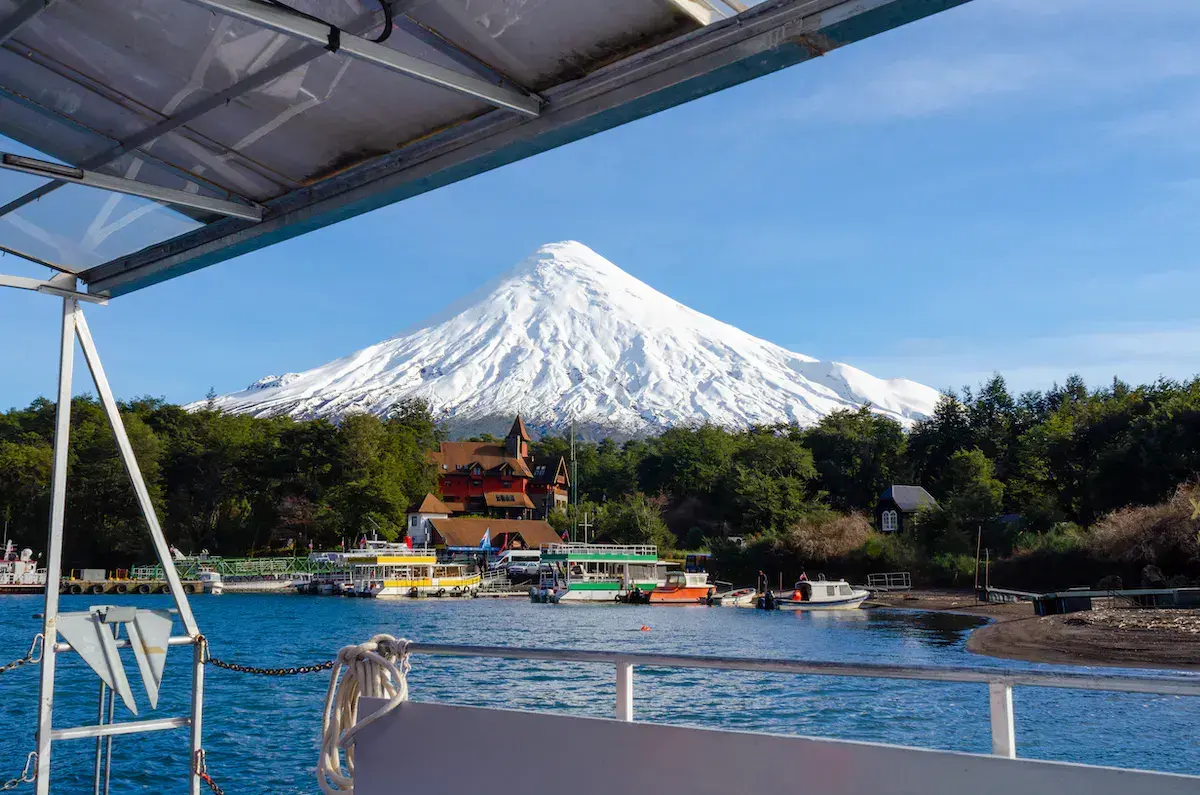
Founded in the 19th century by German settlers, Puerto Varas sits on the shore of Lake Llanquihue. The perfectly conical, snow-capped Osorno volcano dominates the horizon from the lake’s edge. Boat trips cross the water to get closer to the volcano. The nearby village of Frutillar, with its half-timbered houses and well-tended gardens, heightens the sense of a Bavarian enclave dropped at the end of the world.
13. Conguillío National Park and its thousand-year-old araucarias
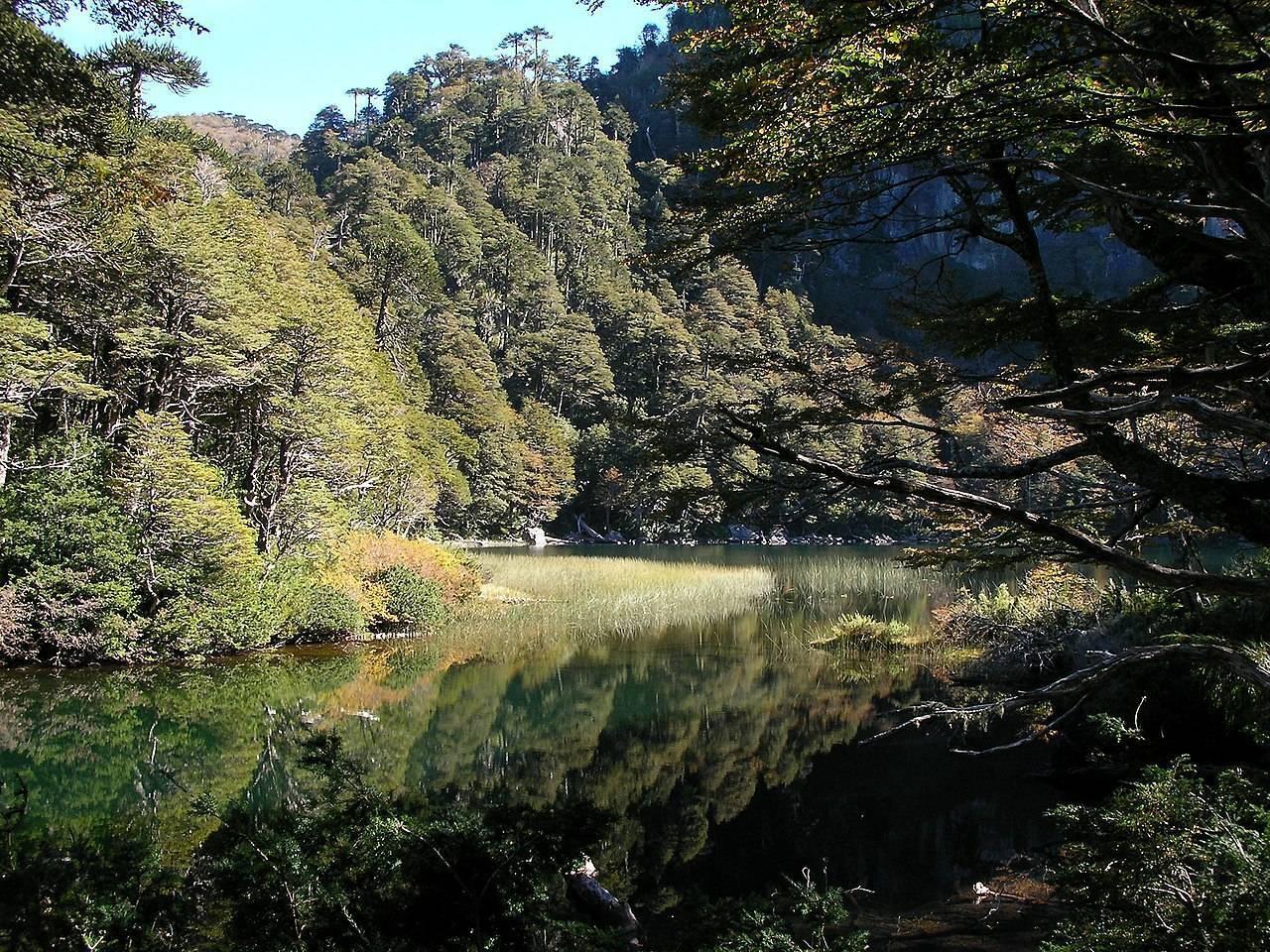
Dominated by the Llaima volcano, Chile’s second most active, Conguillío offers spectacular volcanic scenery. Its defining feature is a forest of araucaria trees, some over 1,800 years old, growing amid lava fields and lagoons. A quieter alternative to Torres del Paine, with a beauty that is entirely its own.
14. Vicente Pérez Rosales National Park
Chile’s oldest national park surrounds Lake Todos los Santos, known for its deep emerald-green waters. Osorno volcano and several snow-capped peaks are reflected in its surface. Boat excursions cross the park towards the Argentine border via a lake crossing that leads to Bariloche.
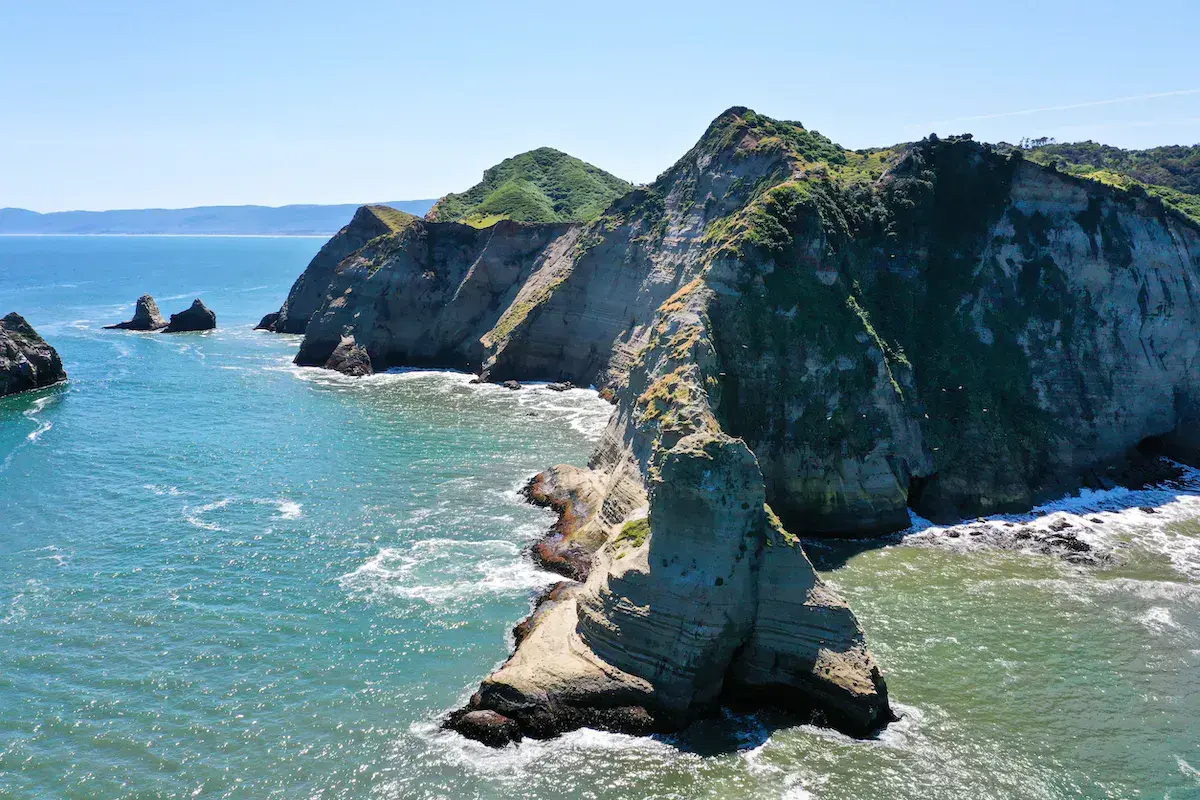
15. Chiloé Island: palafitos, timber churches and local cuisine
Chiloé is a world unto itself. The palafitos, colourful houses built on stilts along the fishing harbours, are the island’s defining image. Its 16 timber churches, built without a single nail using a unique architectural technique passed down from the Jesuit era, have been UNESCO World Heritage Sites since 2000. The local cuisine is worth the trip alone: curanto, a dish slow-cooked underground with seafood, meat and vegetables, is a culinary experience in its own right.
Patagonia: landscapes at the edge of the world
16. The Carretera Austral, a road trip to the ends of the earth
The Carretera Austral cuts deep into Chile’s wild Patagonian interior for hundreds of kilometres. It skirts fjords, winds through forests of southern beech and connects isolated villages. You can drive it (some sections remain unpaved), ride a motorbike or cycle. It is one of the great road trips of the Southern Hemisphere, rewarded at every bend with scenery that few other roads on earth can match.
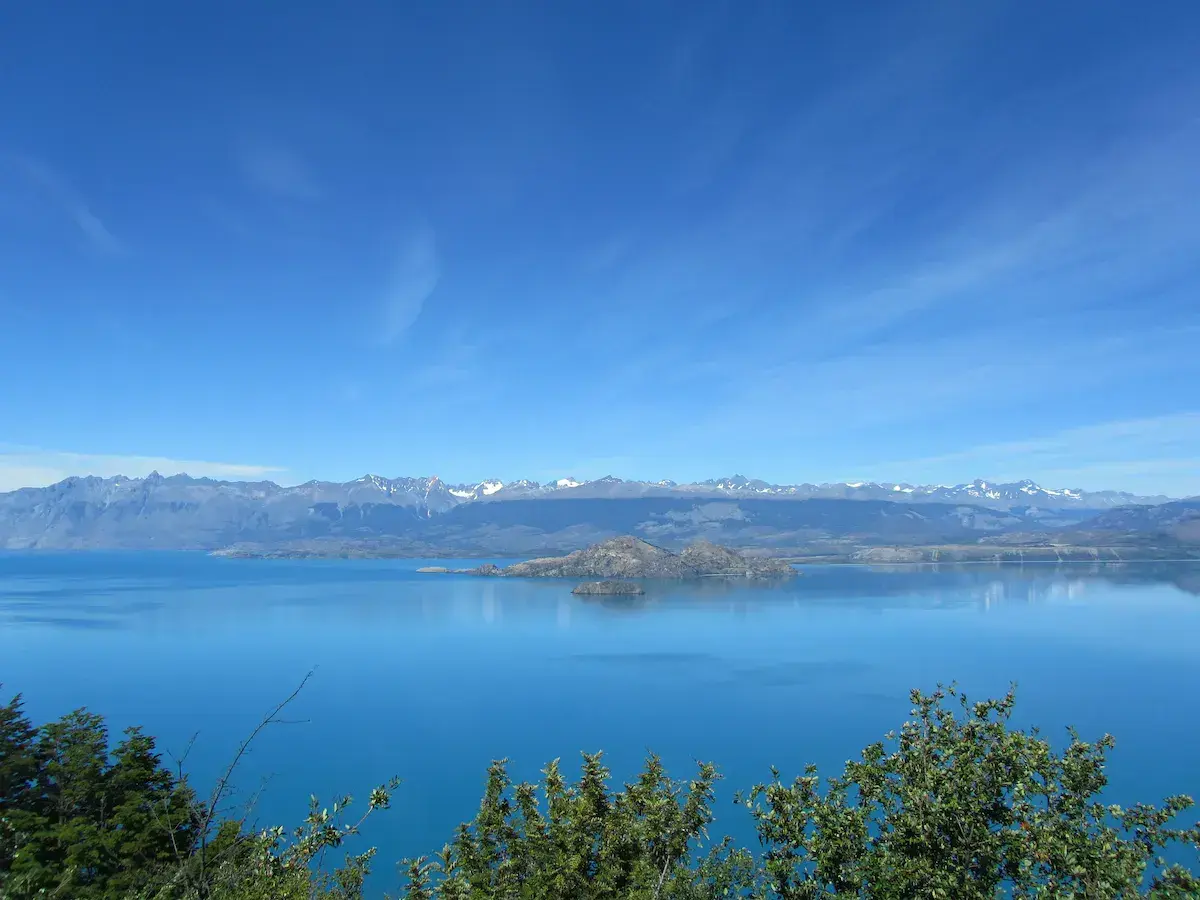
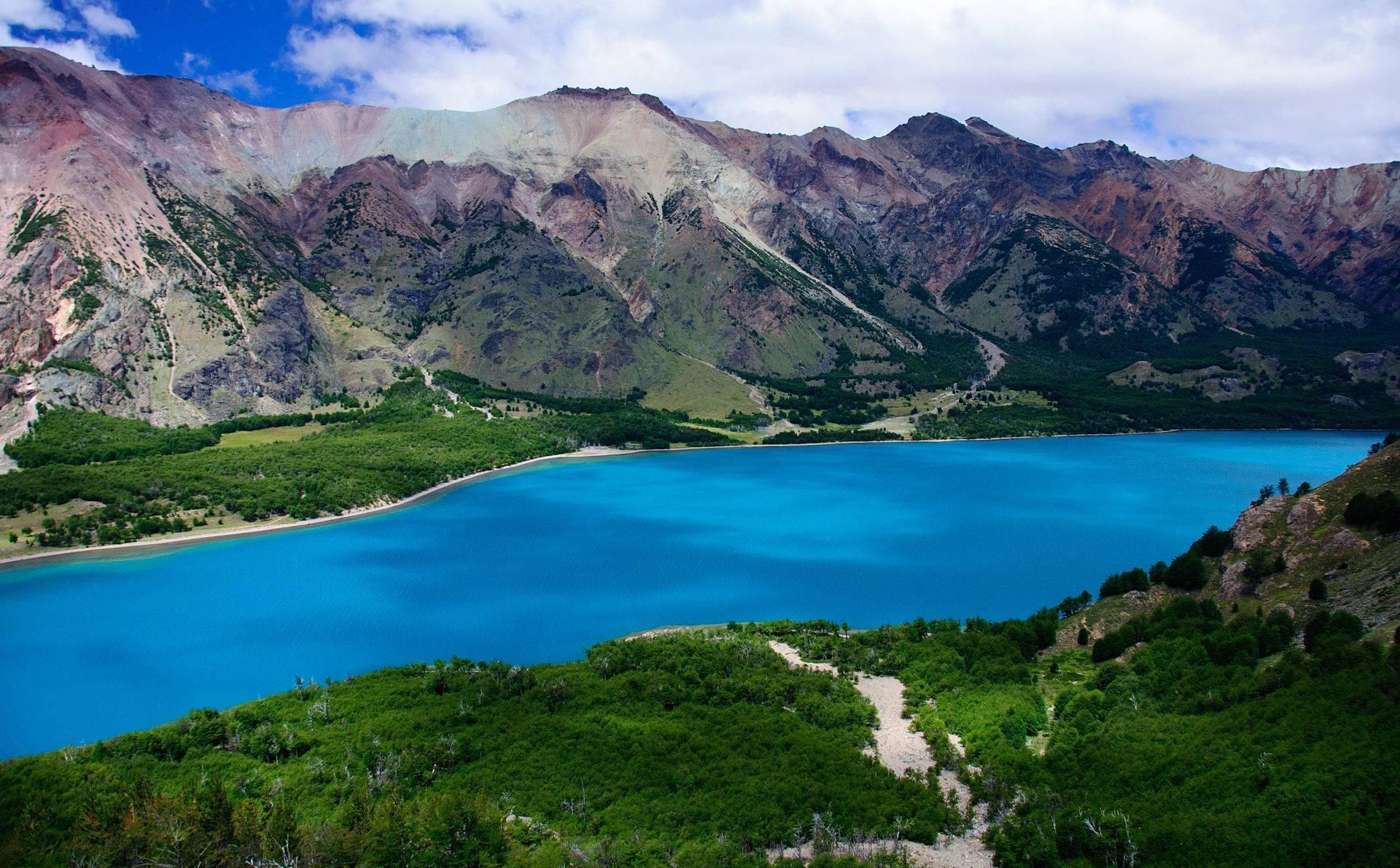
17. Lake General Carrera and the Marble Caves
Lake General Carrera is Chile’s largest lake, covering 1,850 km². On its shores, the Marble Caves are grottos and arches sculpted over millennia by the lake’s erosive action. Accessible only by boat or kayak from Puerto Rio Tranquilo, their walls shift in colour with the light and the turquoise of the water. The best time to visit is between September and February, when the water is at its clearest.
18. Torres del Paine, the W Trek and Glacier Grey
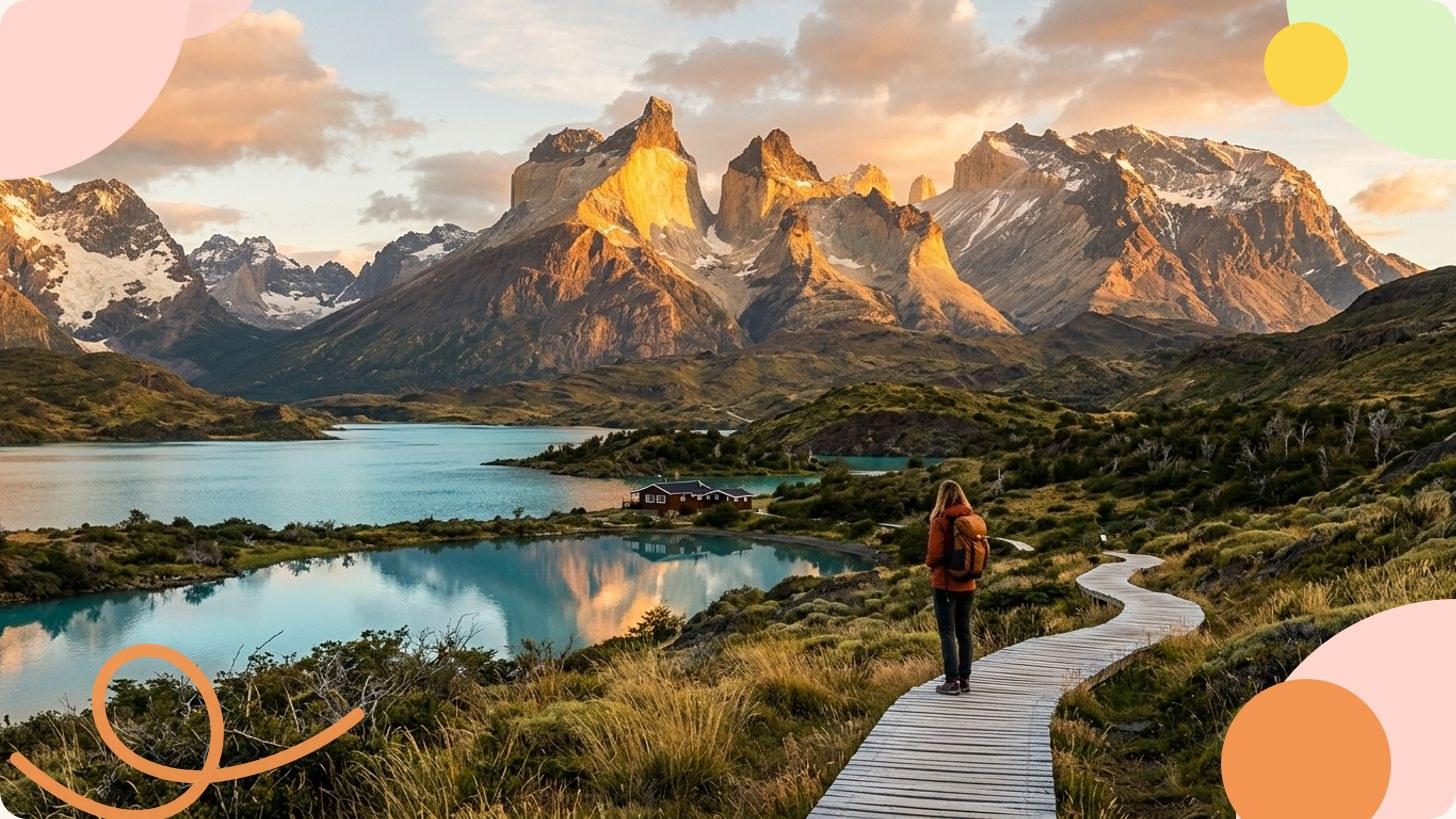
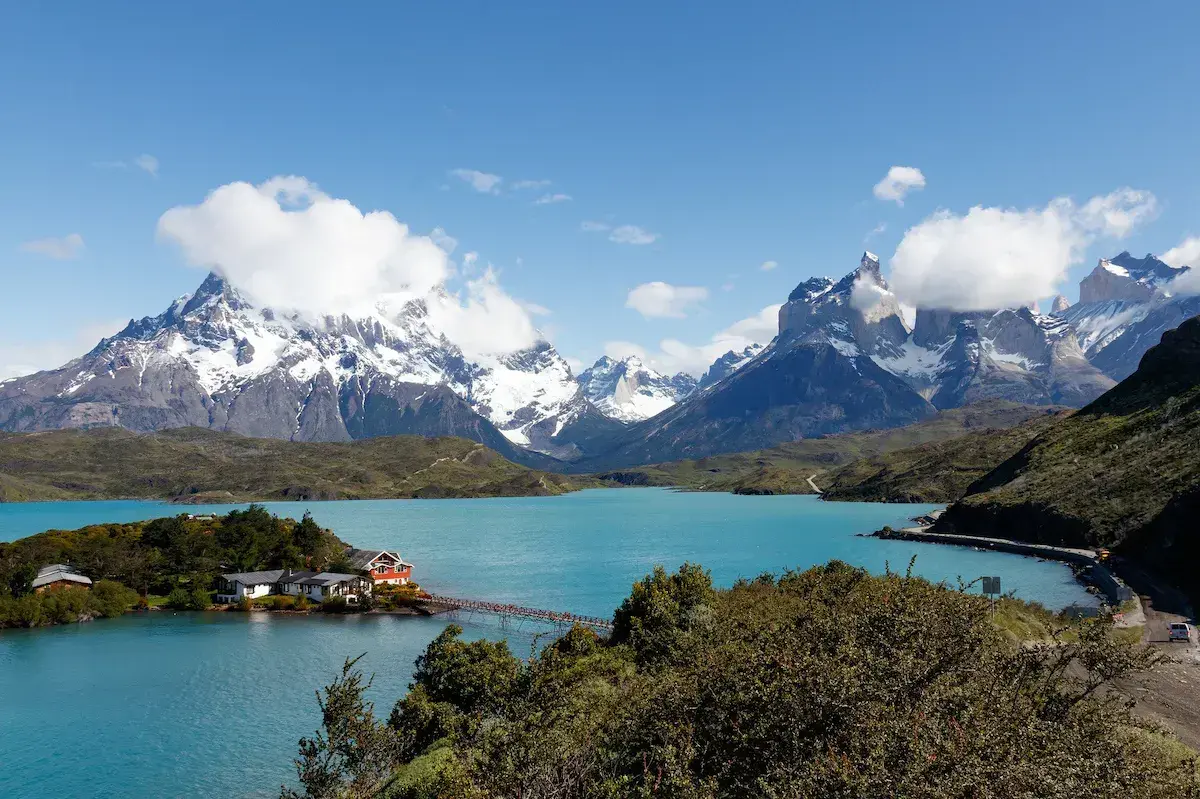
Torres del Paine is Chile’s flagship destination and one of the most beautiful parks in South America. The park is defined by three granite towers rising from the Patagonian steppe. The W Trek is the classic circuit: four to five days of walking connecting Glacier Grey, the Valle del Francés and the miradores above the Torres. The park’s fierce, unpredictable winds can make hiking genuinely demanding, so proper technical gear is essential. Wildlife is abundant: guanacos, pumas and condors all inhabit the park.
19. Puerto Natales and the Milodon Cave
Puerto Natales, the gateway to Torres del Paine, deserves more than a single night in transit. The town sits on the Última Esperanza fjord, whose calm waters mirror the snow-capped peaks. A few kilometres away, the Milodon Cave houses a replica of a mylodon, the large prehistoric mammal whose remains were discovered here in the late 19th century.
20. Punta Arenas and the Strait of Magellan
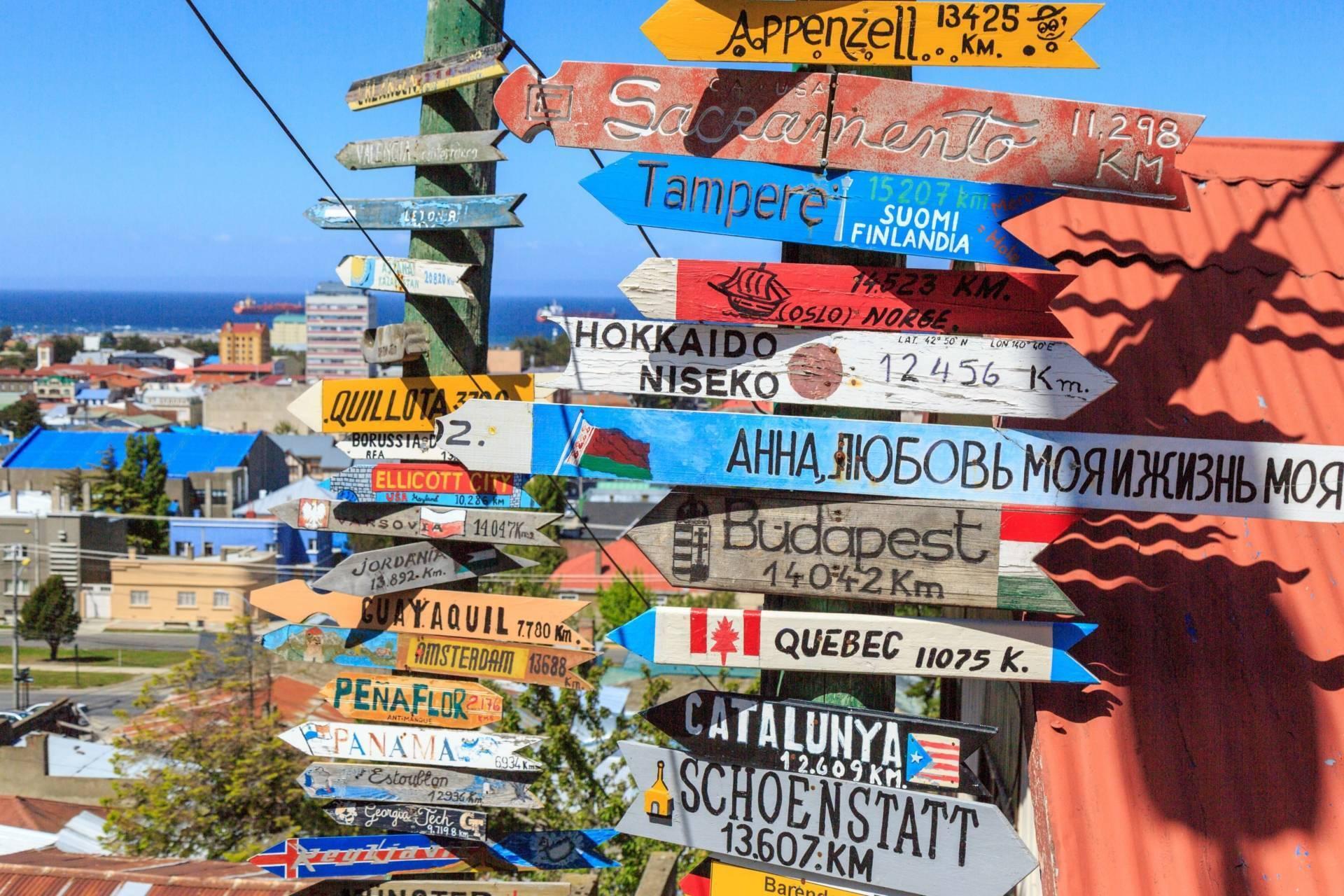
Punta Arenas is one of the world’s southernmost cities accessible by road. From the Plaza Muñoz Gamero and its monument to Magellan, to the municipal cemetery with its monumental tombs, the city breathes the history of great explorers. Excursions run to the penguin colony on Magdalena Island, accessible from November to March.
Which itinerary suits your trip length?
Ten days is enough to cover two regions: Atacama and Santiago, or Santiago combined with the Lake District. Two weeks allows a broader circuit with domestic flights, taking in the desert, Pucón, Puerto Varas and Torres del Paine. Three weeks lets you add Easter Island without sacrificing Chiloé or Patagonia, and is the recommended length for a first full trip.
If the Andean highlands appeal after your time in Chile, our guide to things to do in Bolivia covers landscapes that naturally extend northern Chile, including the Uyuni Salt Flat and Lake Titicaca.
Before you go, visit our Chile travel insurance page for entry requirements, recommended vaccinations and cover options tailored to your itinerary.
FAQ
How long do you need to visit Chile?
Three weeks is the ideal length for a first trip covering the Atacama, Santiago, Valparaíso, Easter Island and Torres del Paine. With two weeks, focus on two or three regions. Ten days works well for a single, targeted destination.
What is the best time of year to visit Chile?
The Atacama Desert can be visited year-round, though nights are cool whatever the season. Torres del Paine and Patagonia are at their best from November to March. Easter Island is most pleasant from September to November, before the busy summer season. Santiago, Valparaíso and Pucón can be explored without any major constraints throughout the year.
Can you visit Torres del Paine without being an experienced hiker?
The W Trek requires good fitness and gear suited to strong winds and rapidly changing weather. Boat and minibus excursions allow you to get close to Glacier Grey and the Torres without committing to several days of hiking.
How do you get to Easter Island from Santiago?
LATAM Airlines operates flights from Santiago in around five and a half hours. You will need to budget for the national park entrance fee, which changes periodically: check the current rate with Chile’s CONAF directly before you travel. Four to five days on the island is enough to visit all the main sites.
Can you combine Chile and Bolivia?
Yes, northern Chile and the Bolivian altiplano share similar landscapes and a common border. A few extra days is all you need to add the Uyuni Salt Flat on the Bolivian side. Find all the ideas in our guide to things to do in Bolivia.
Do you need travel insurance for Chile?
Activities in Chile, such as high-altitude hiking, trekking in Patagonia or climbing volcanoes, call for appropriate medical cover. Visit our Chile travel insurance page for the cover options recommended for your itinerary.