
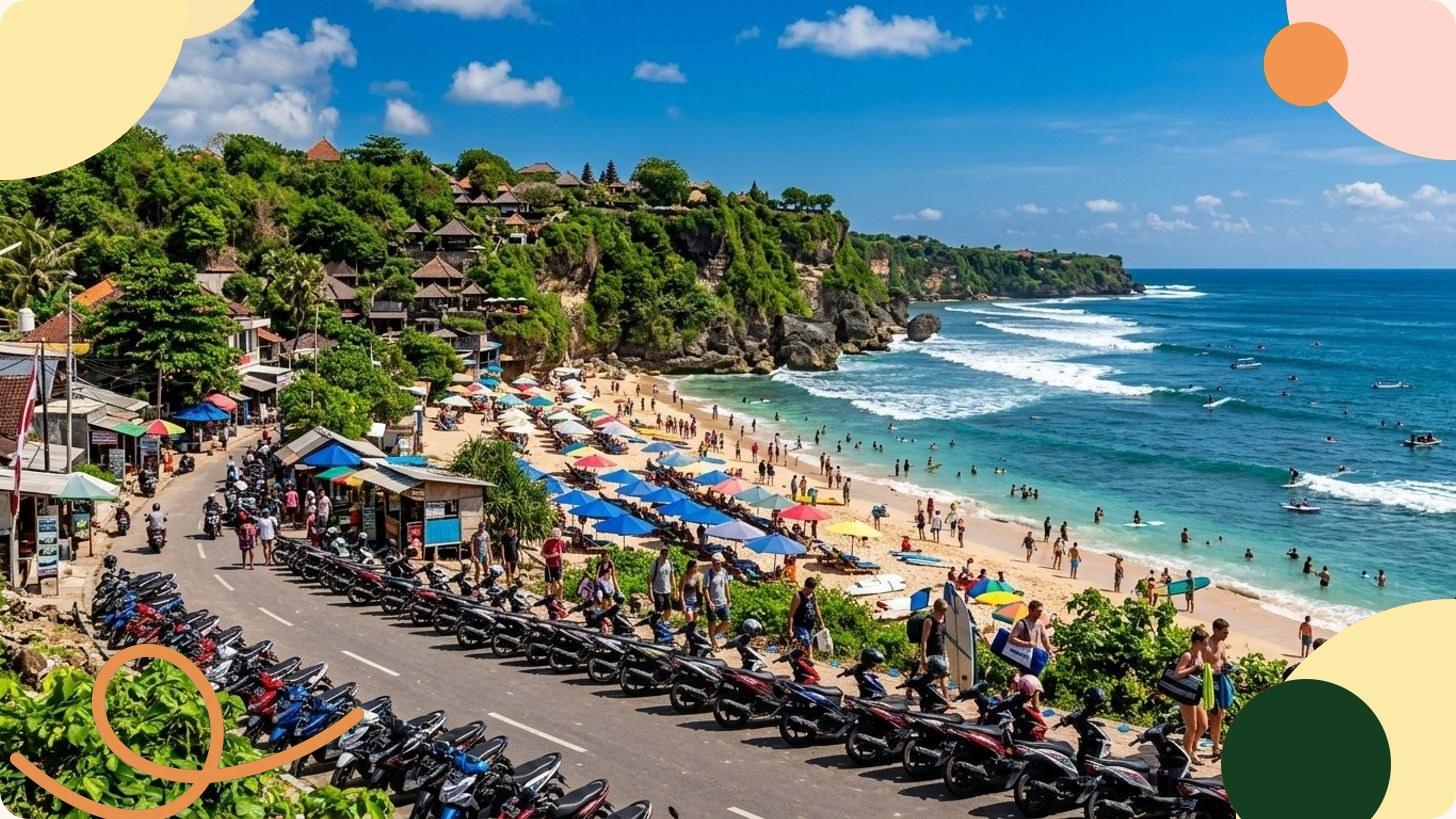

In 2026, Bali is the only destination in the world to appear simultaneously at the top of the most coveted travel rankings and the lists urging visitors to think twice. Overrated for those in search of the wild, pre-Instagram Indonesia of old; still exceptional for those willing to stray from the beaten path. The answer depends entirely on how you travel.
The Bali paradox: crowned and questioned in the same year
TripAdvisor ranked Bali the world’s number one destination in its 2026 Travelers’ Choice Awards, ahead of London, Paris and Dubai, based on millions of traveller reviews. That same island appeared at the top of Fodor’s No List the year before, the annual rundown of destinations to reconsider because of overtourism.
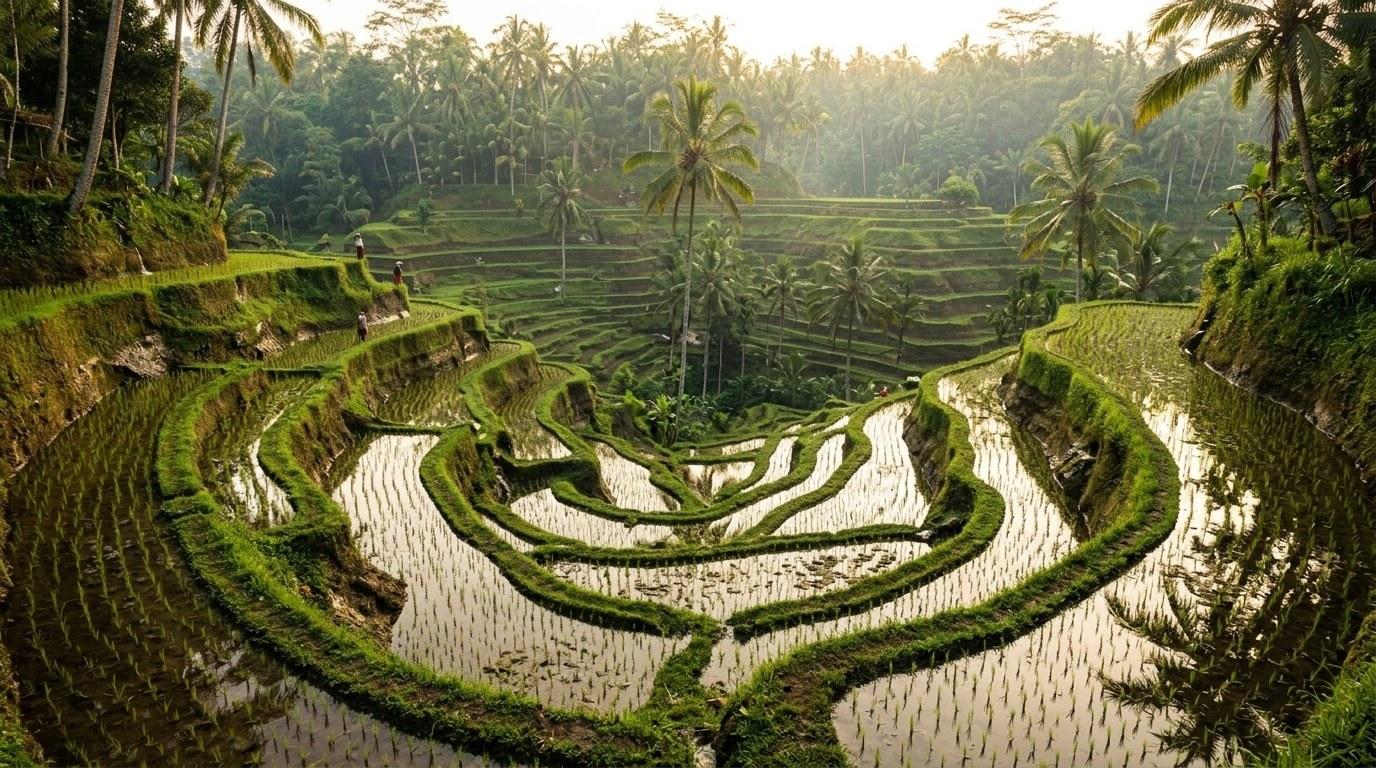
Both verdicts are rooted in fact. And that is precisely the real question to ask yourself before you book.
What 7 million tourists have changed about Bali
Bali welcomed 7.05 million international tourists in 2025, up from 6.28 million at its pre-pandemic peak in 2019. These visitors are concentrated in a narrow southern corridor stretching from Denpasar airport through Kuta, Seminyak and Canggu all the way up to Ubud.
Flagship sites overwhelmed
The gates of Lempuyang, the Tegallalang rice terraces, the beach clubs of Canggu: the same backdrops appear in every photo, regardless of who took them. Traffic in Seminyak and Canggu can grind to a halt for hours. On a map, Ubud looks close to the southern coast. By car, the journey can take two or three times as long depending on when you travel.
The problem is not the total number of visitors, but where they all go: virtually all 7 million are funnelled into a fraction of the island’s territory.
Measurable environmental pressure
In 2023, 5.3 million international visitors left behind nearly 303,000 tonnes of plastic waste, according to data cited by Fodor’s. Tourism is placing growing pressure on the island’s freshwater supply, and aquifers are beginning to run dry in some coastal areas.
Rising prices in tourist zones
Villas and guesthouses in the most heavily visited areas have seen prices climb significantly in recent years. Bali remains broadly cheaper than most European destinations, but the gap has narrowed considerably in the high-density tourist districts.
Insure my trip to IndonesiaThe Bali most travellers never see
Stepping outside the southern corridor transforms the experience entirely. This is not insider knowledge; it is simply information that few travellers actually act on.
The north: Singaraja and Lovina
The northern coast, around Singaraja and the Lovina shoreline, receives only a tiny fraction of the visitors who pour into Kuta. Waterfalls, Buddhist temples and a quiet coastline are all within easy reach, with no queues and noticeably lower prices.
The east: Amed and Tirta Gangga
The Amed area is a favourite among divers for its well-preserved wrecks and intact coral reefs. Tirta Gangga, with its royal water gardens inherited from Bali’s last kingdom, has an atmosphere the south has largely lost. The sunrise over Gunung Agung from this region is one of the most striking sights the island has to offer.
If venturing beyond Bali has crossed your mind, you will find practical ideas in our guide to Indonesian islands to explore after Bali and in our guide to choosing the right Indonesian island for your travel style.
Travelling Bali differently: what actually makes the difference
A few practical adjustments separate a disappointing trip from a lasting memory.
Go early. Temples and rice terraces are best before 8am. By 10am, the tour buses arrive.
Stay rather than transit. Packing in too many transfers leads to exhaustion and frustration. Two or three well-chosen bases beat a marathon itinerary every time.
Ignore the distances on the map. Bali is small. Traffic makes it feel enormous: always check real travel times before building your schedule, especially between the coast and Ubud.
Head north and east. It is the most effective way to find an island that still resembles the promises the south makes in its photos but rarely keeps.
The broader question of mass tourism and its impact on popular destinations goes well beyond Bali: it is reshaping the way people travel in many similar places around the world.
FAQ
Is Bali still a beautiful destination despite overtourism?
Yes, provided you venture beyond the overcrowded zones. The north and east of the island, the highland villages and lesser-known sites offer an experience far closer to the dream the photos sell than the overrun flagship spots of the south.
Is Bali expensive for a European traveller?
Less so than Europe, on the whole. But the gap has narrowed in the main tourist zones (Seminyak, Canggu, Ubud). Step away from the southern corridor and accommodation and food become considerably more affordable.
Does tourist saturation affect all of Bali?
No. Overtourism is concentrated in the southern corridor, from Kuta to Ubud. The north (Singaraja, Lovina) and east (Amed, Tirta Gangga) receive only a tiny fraction of visitors. Within the same island, you can have two radically different experiences.
Bali or another Indonesian island?
It depends what you are looking for. Bali offers well-developed infrastructure, a unique culture and easy access. Lombok, the Gili Islands, Flores and Sulawesi offer comparable scenery, often wilder, with far fewer crowds.
When is the best time to visit Bali?
The dry season (May to October) is the most favourable. April-May and September-October offer a good balance between fine weather and slightly lower visitor numbers. July and August remain the busiest months.