
Bolivia packs into one country landscapes that look as though they belong on another planet: a 10,582 km² salt desert, multicoloured lagoons fringed with flamingos, multiple UNESCO World Heritage Sites, some of the continent’s richest Amazonian jungle, and an Andean culture that is as vibrant as it is authentic. Here are the 20 experiences that make the trip worth every mile.
1 and 2. Uyuni Salt Flat and Isla Incahuasi: the great white of the Andes
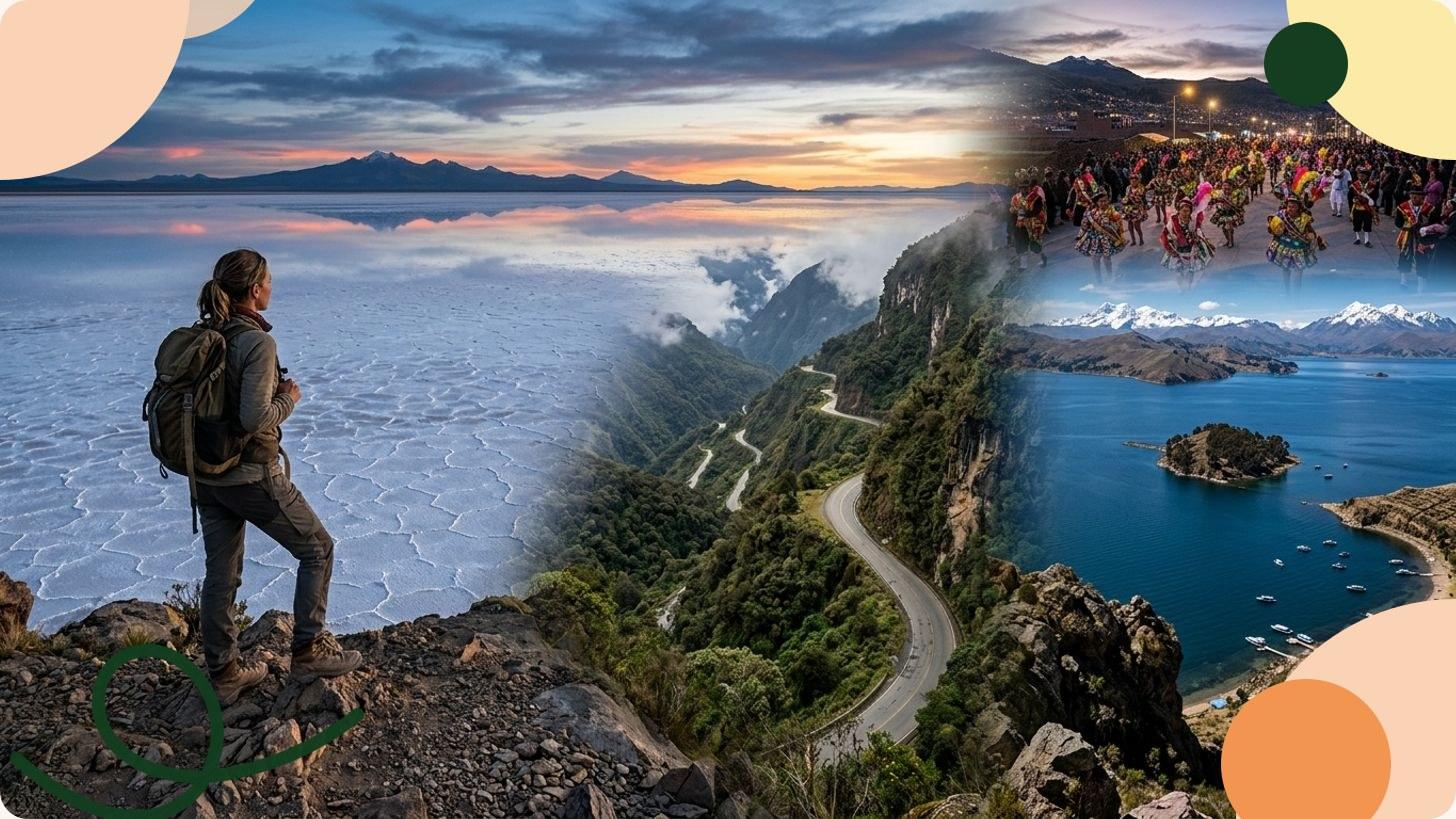
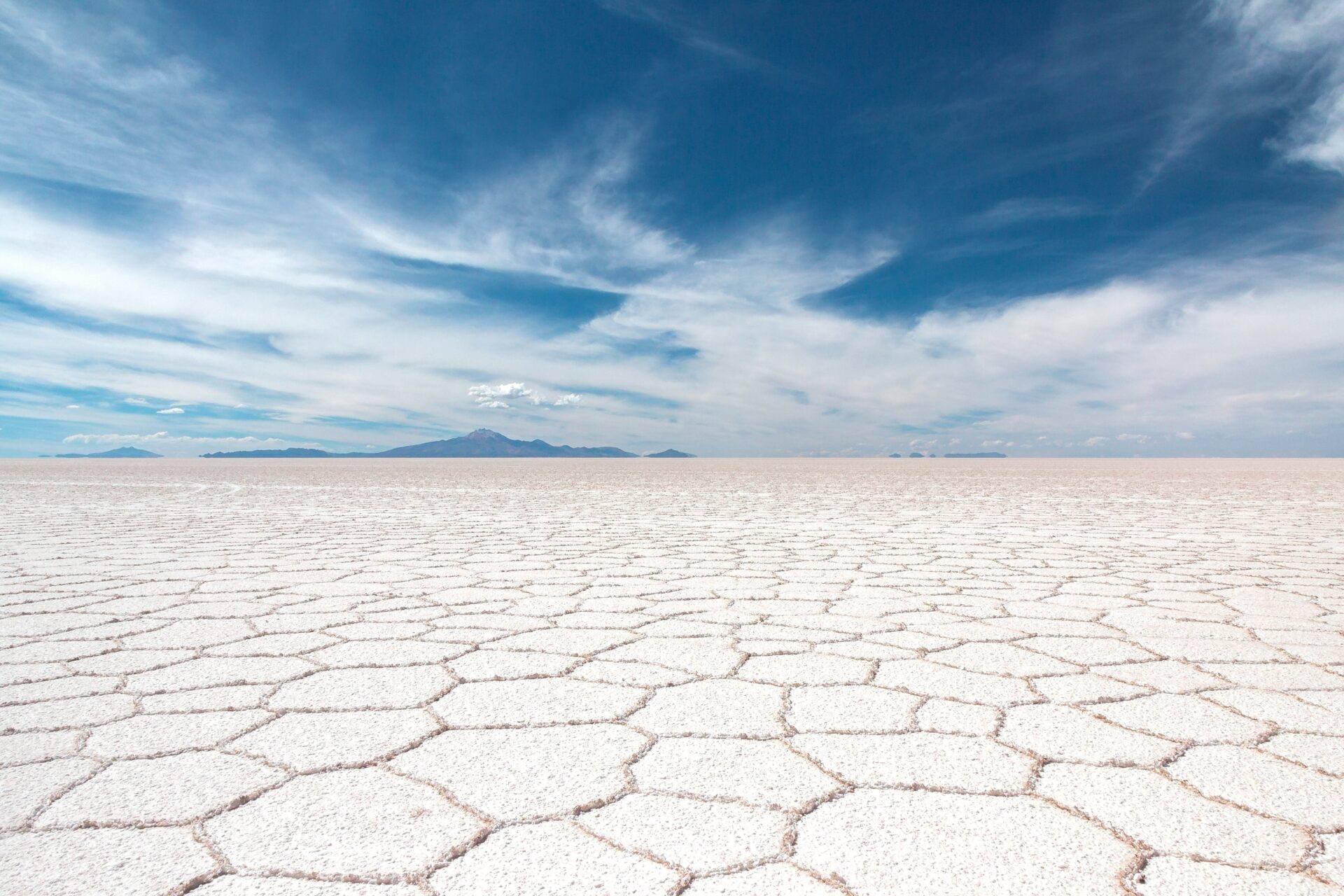
The Uyuni Salt Flat is the world’s largest salt desert, covering 10,582 km² of white crust perched at 3,658 m above sea level. Between November and March, a thin layer of water settles on the surface: sky and salt merge into a flawless reflection. In the dry season (April to October), the cracked crust forms geometric patterns stretching as far as the eye can see.
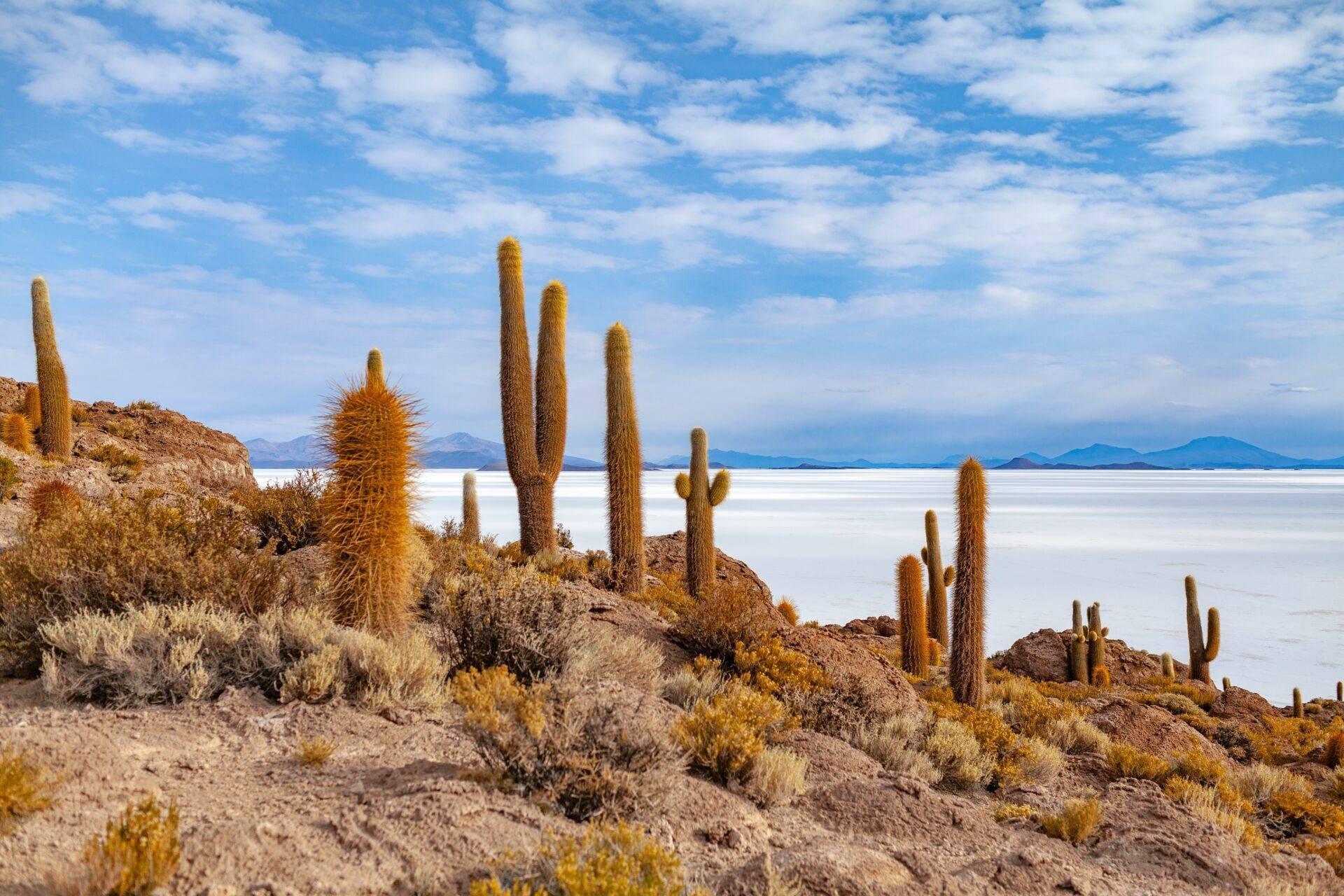
At the heart of the Salt Flat, Isla Incahuasi (stop 2) is a volcanic mound bristling with candelabra cacti that can reach over ten metres in height. From the summit, the view sweeps across dozens of kilometres of pure white. Arrive early, before the jeep convoys roll in.
3, 4 and 5. Southern Lipez Desert: coloured lagoons and geysers
At the far south-west of Bolivia, the Eduardo Avaroa National Reserve unfolds across a volcanic plateau sitting between 4,000 and 5,000 m above sea level. The route is covered by 4x4 jeep over three to four days from Uyuni.
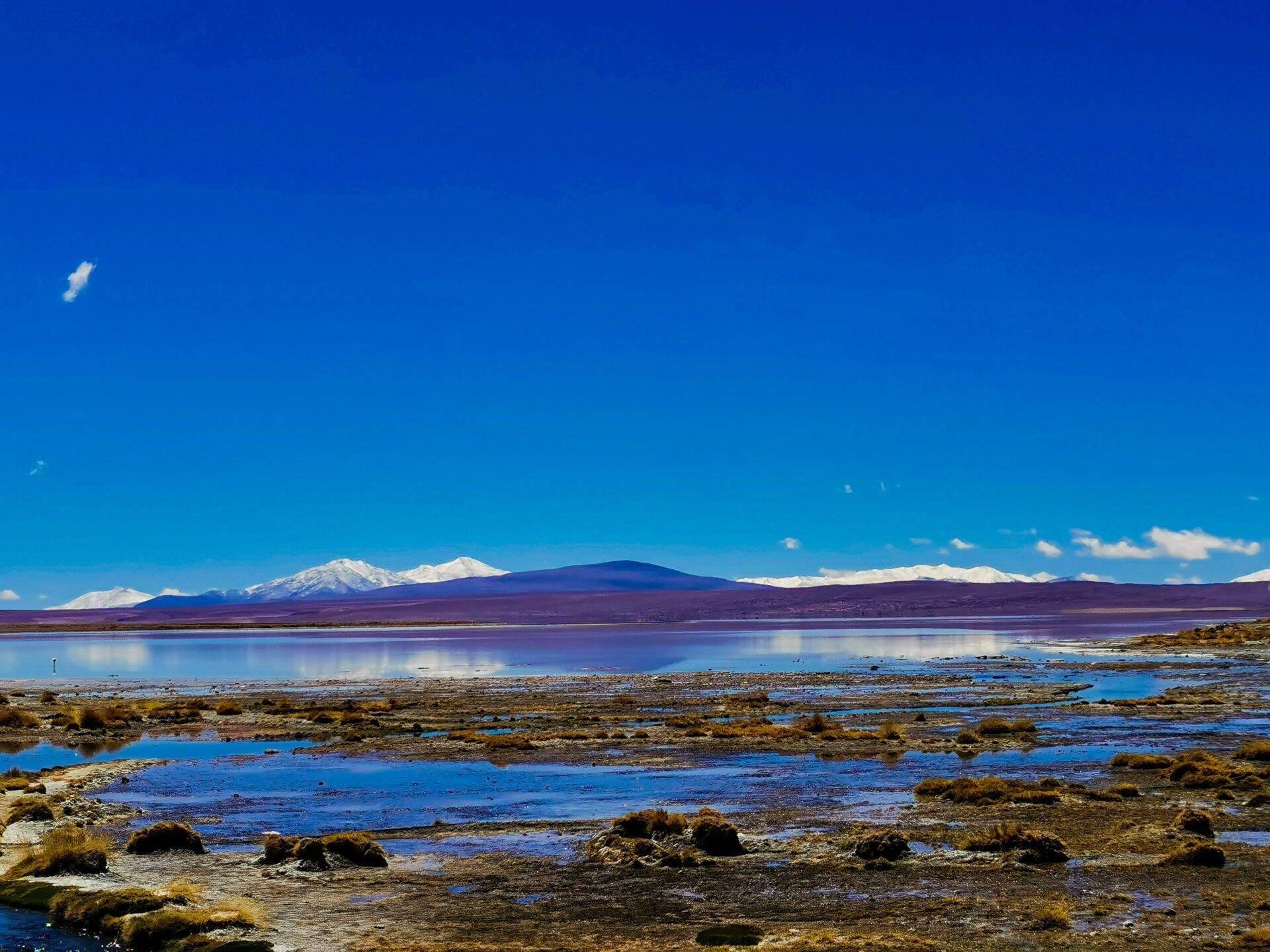
Laguna Colorada (3): red algae and sediments tint the waters a deep burgundy, striking against the white borax deposits along the shore. Thousands of Andean and James’s flamingos patrol the shallows, entirely unbothered by the gusting wind.
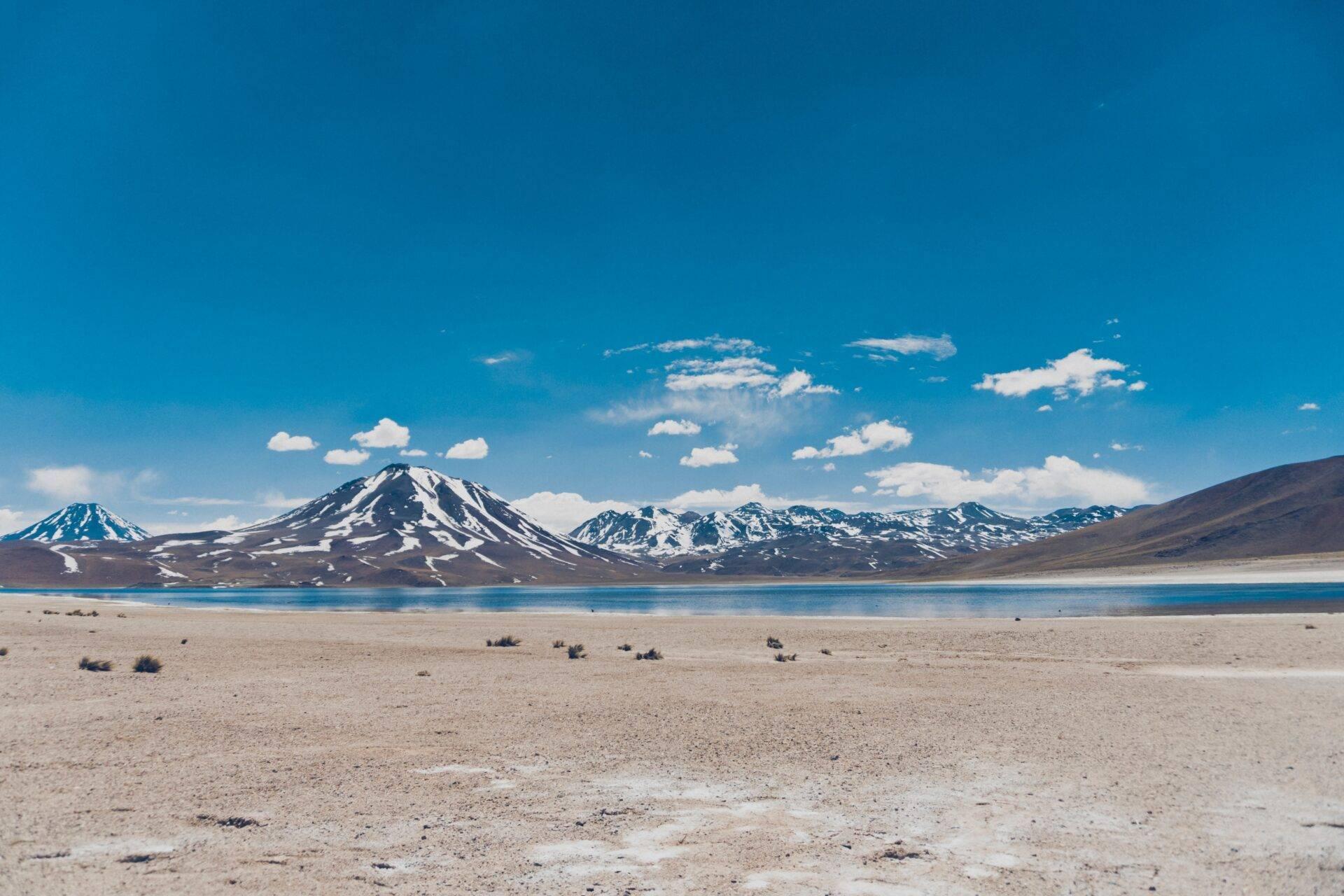
Laguna Verde and Licancabur Volcano (4): nestled against Licancabur Volcano, the lake shifts from emerald green to turquoise depending on how hard the wind stirs up the suspended minerals. Set out from camp at dawn to catch the first light on the water.
Sol de Mañana Geysers (5): at over 4,800 m, fumaroles burst from the ground at dawn in biting cold. Arrive at sunrise to make the most of the raking light on the steam plumes before they disperse.
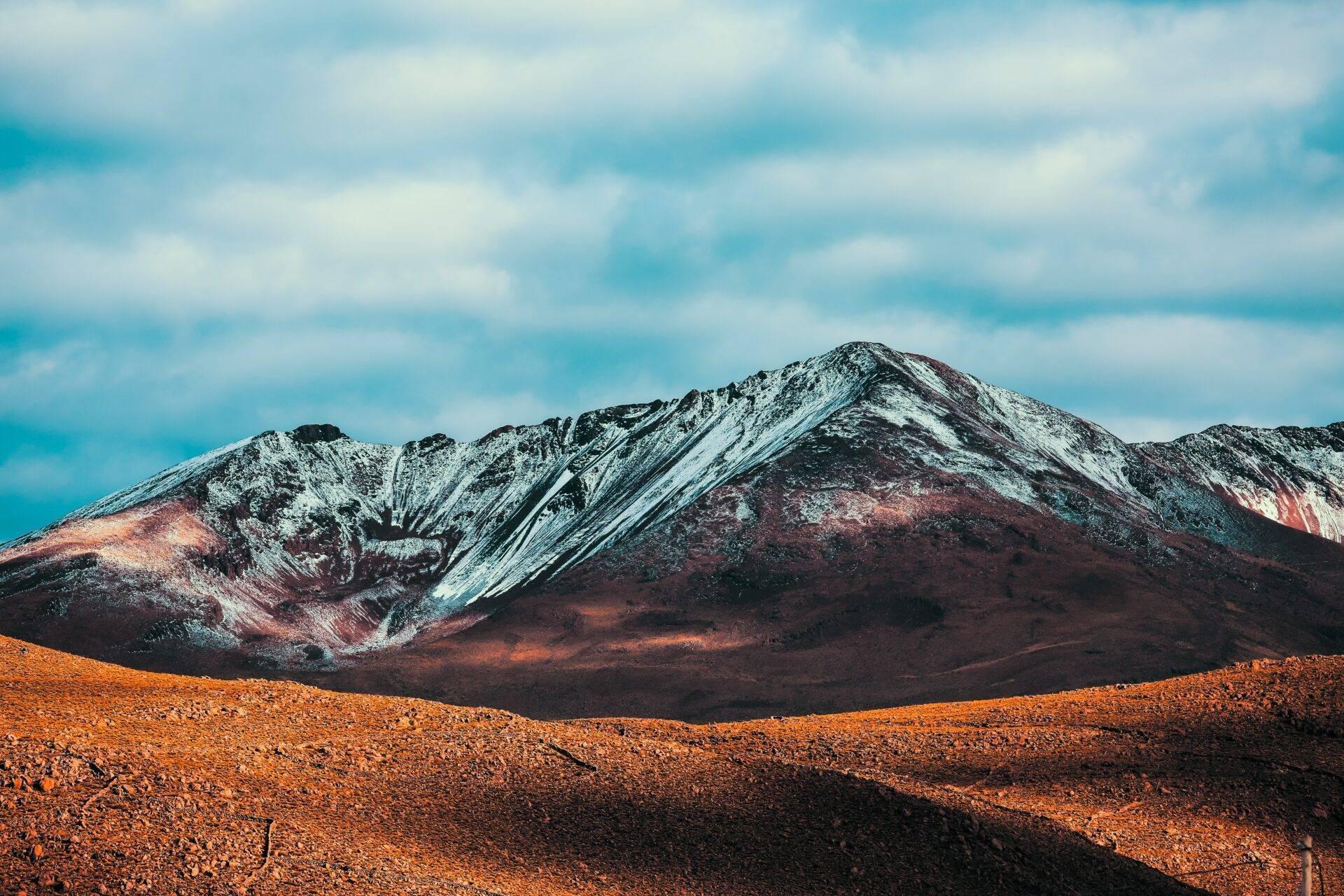
6 and 7. La Paz: life at 3,650 m and an urban cable car network
La Paz is the world’s highest administrative capital, sitting at around 3,650 m above sea level. The city sprawls across a natural bowl ringed by Andean peaks: from El Alto, the view plunges down over an ocean of red-brick rooftops.
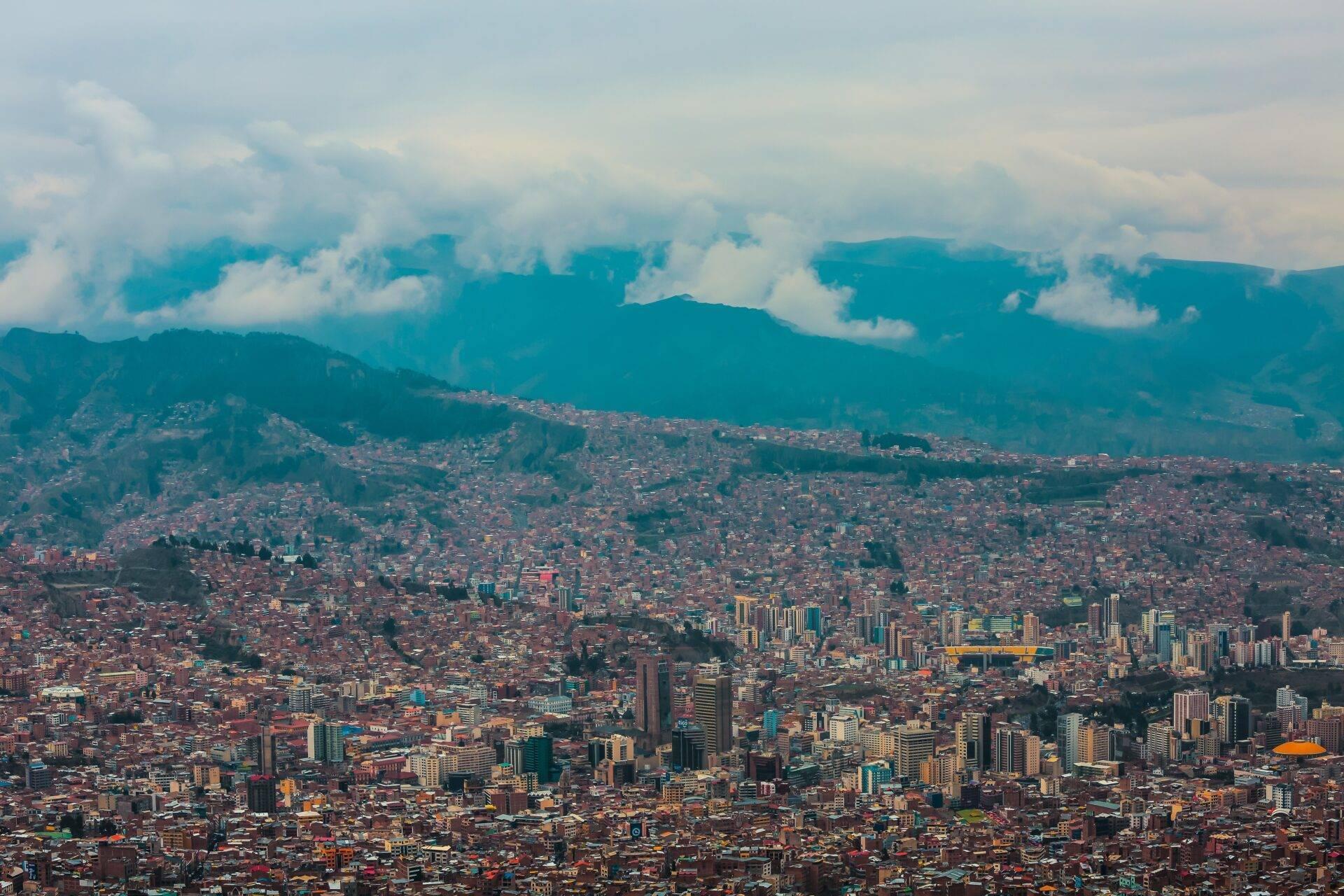
What to do in La Paz:
- Mercado de las Brujas (6): medicinal herbs, coca leaves, ritual offerings. A genuine local market, not a tourist set piece.
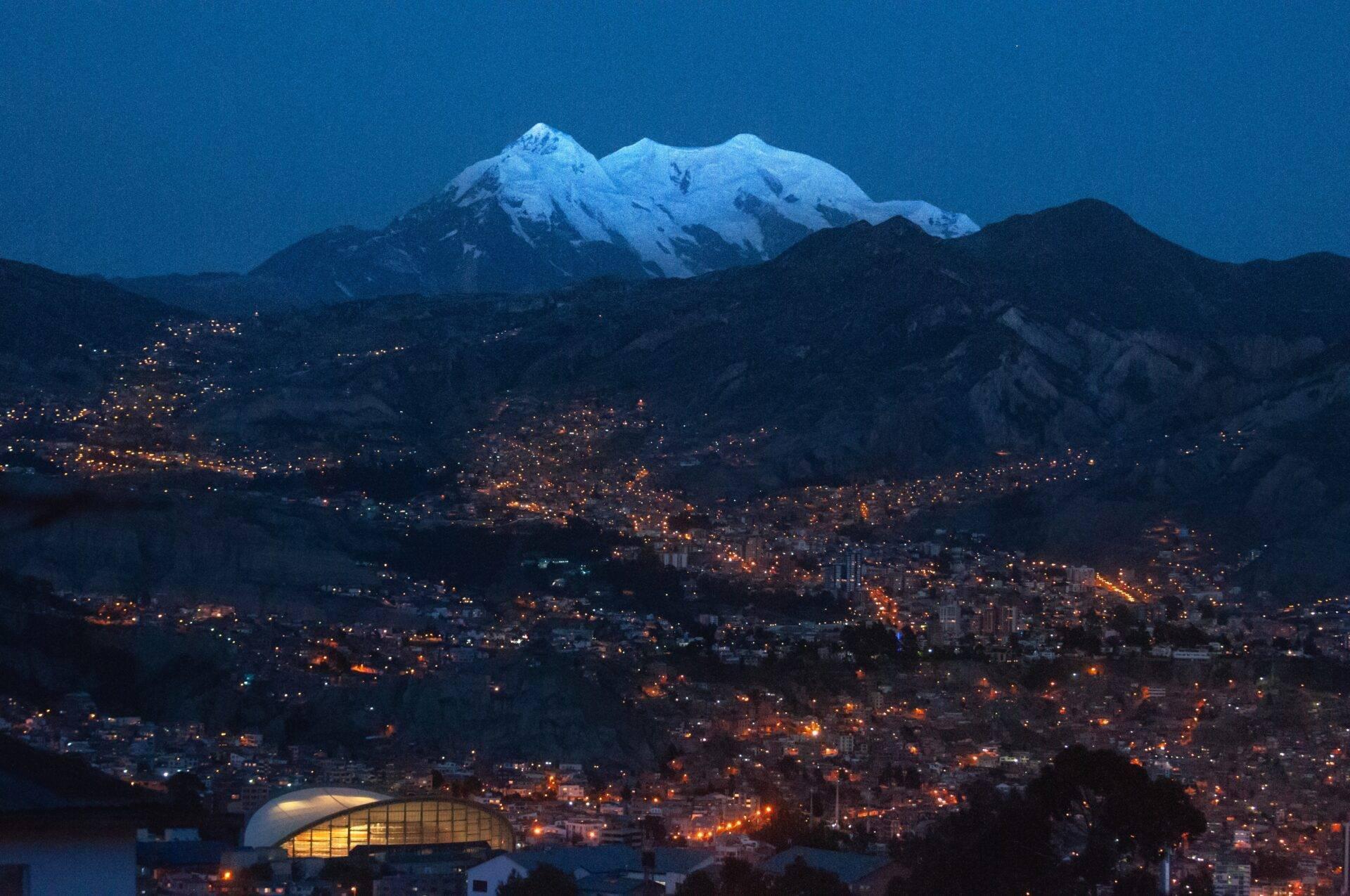
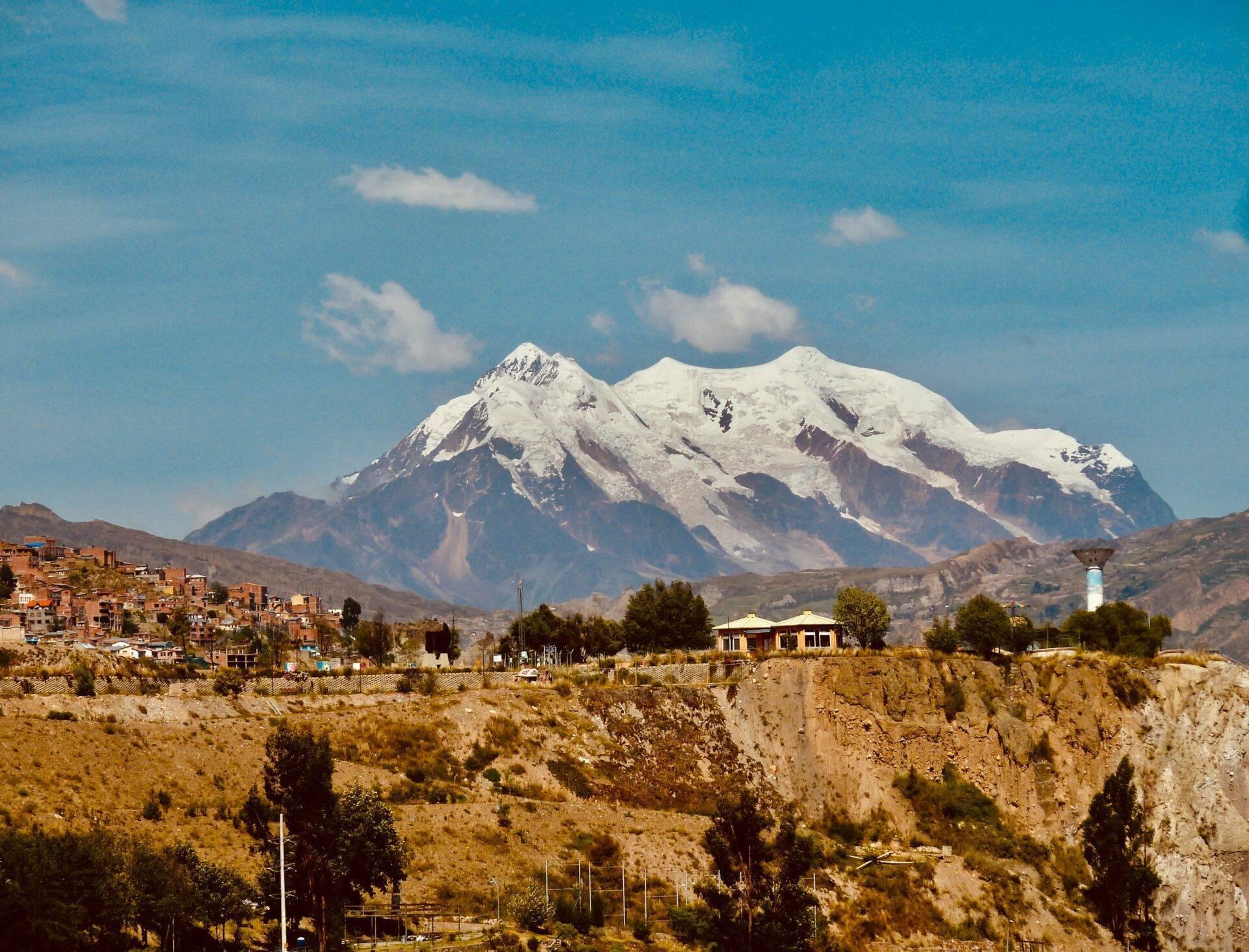
- Mi Teleférico cable car (7): ten lines weave above the rooftops of La Paz and El Alto. The red line delivers a sweeping panorama of the Illimani summit and the suspended neighbourhoods of El Alto.
- Valle de la Luna: some ten kilometres from the centre, erosion has carved clay pinnacles into extraordinary shapes inside a mineral canyon best explored on foot.
After dark, La Paz lights up its natural crater: thousands of lights carpet the slopes of the bowl below.
8. The Death Road: mountain biking through the Yungas
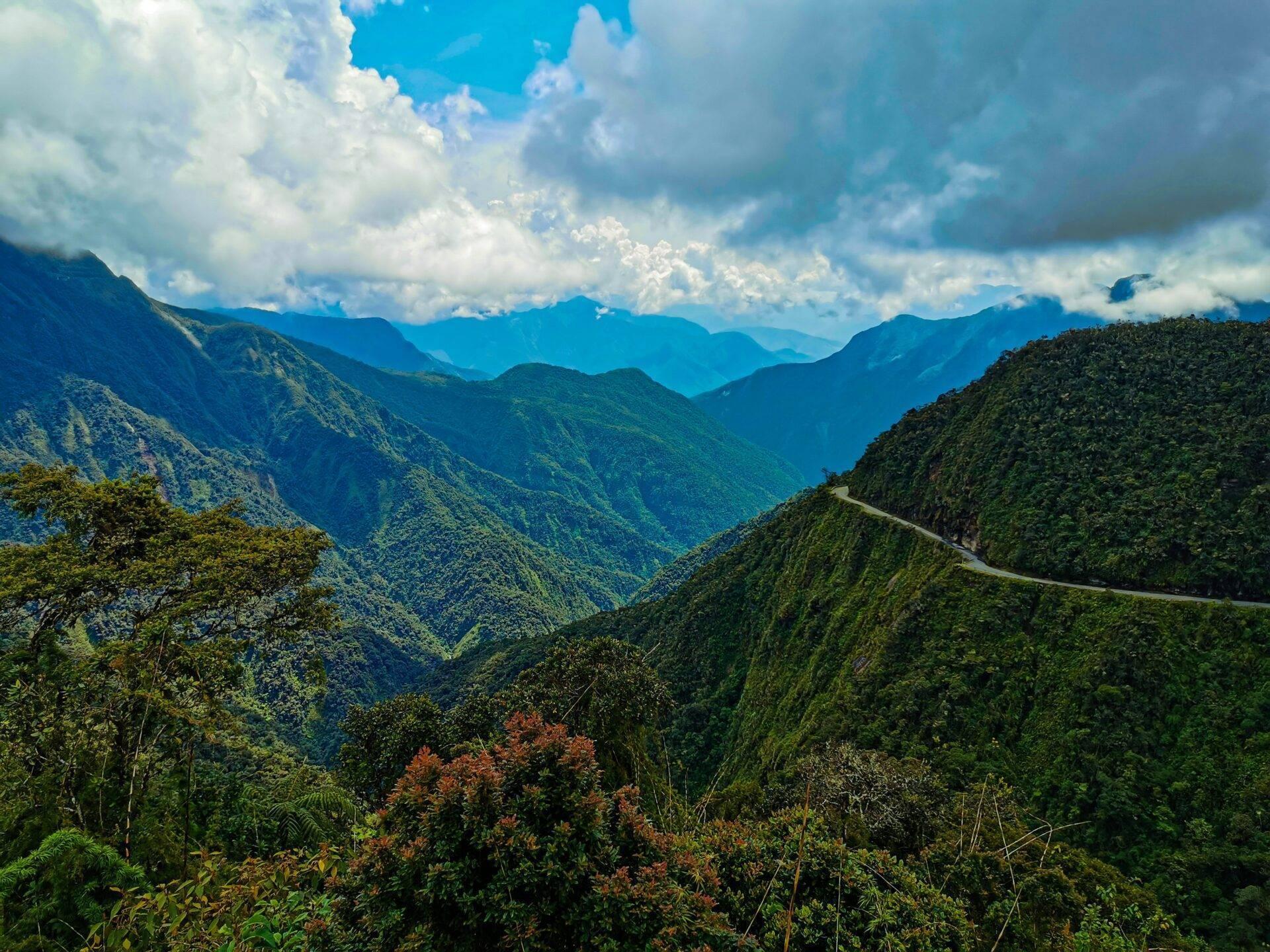
The Yungas Road, nicknamed the Death Road, links La Paz to the warm Yungas valleys, shedding several thousand metres of altitude through cloud forest. On a mountain bike, the descent takes three to four hours with a local operator. The vegetation shifts gradually from high-altitude Andean scrub to tropical jungle: the contrast is dramatic.
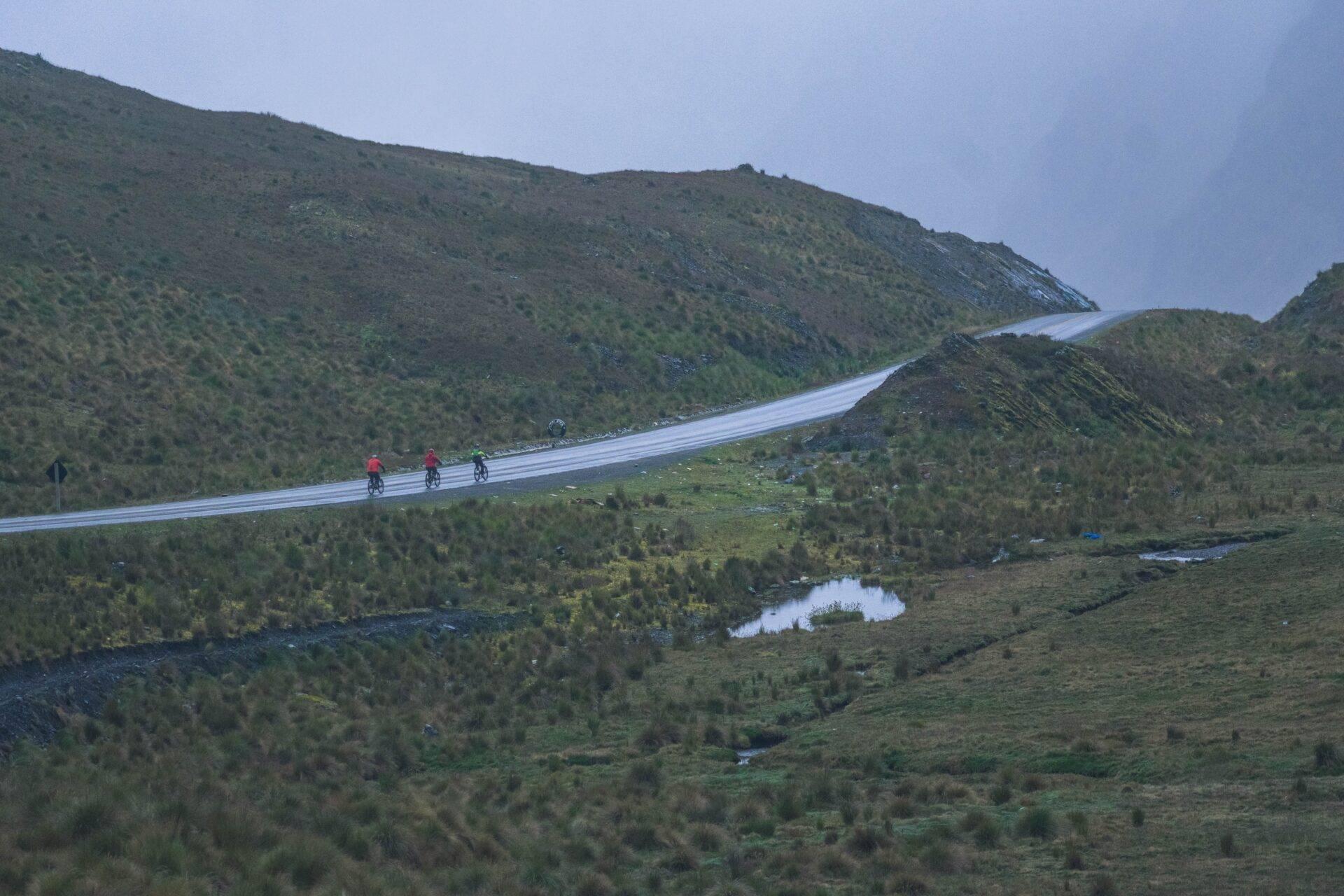
The Yungas Road also opens the door to the eastern Andean valleys, cloaked in dense forest that continues northwards into Madidi National Park.
9, 10 and 11. Lake Titicaca, Copacabana and Isla del Sol
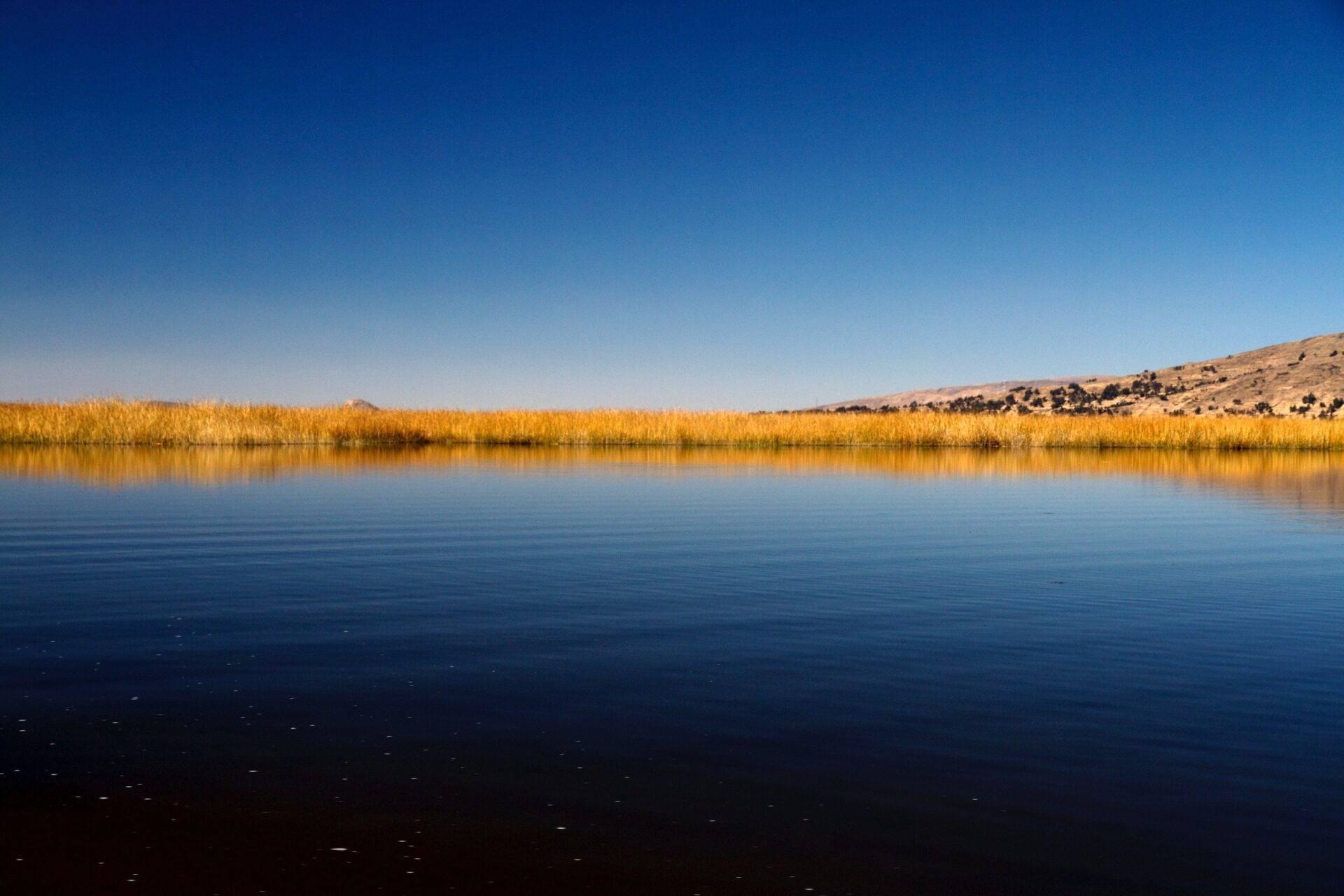
Lake Titicaca sits at 3,812 m above sea level, straddling Bolivia and Peru, making it the world’s highest navigable lake. Its waters shift between turquoise and navy depending on the light, framed by totora reed beds and snow-capped peaks.
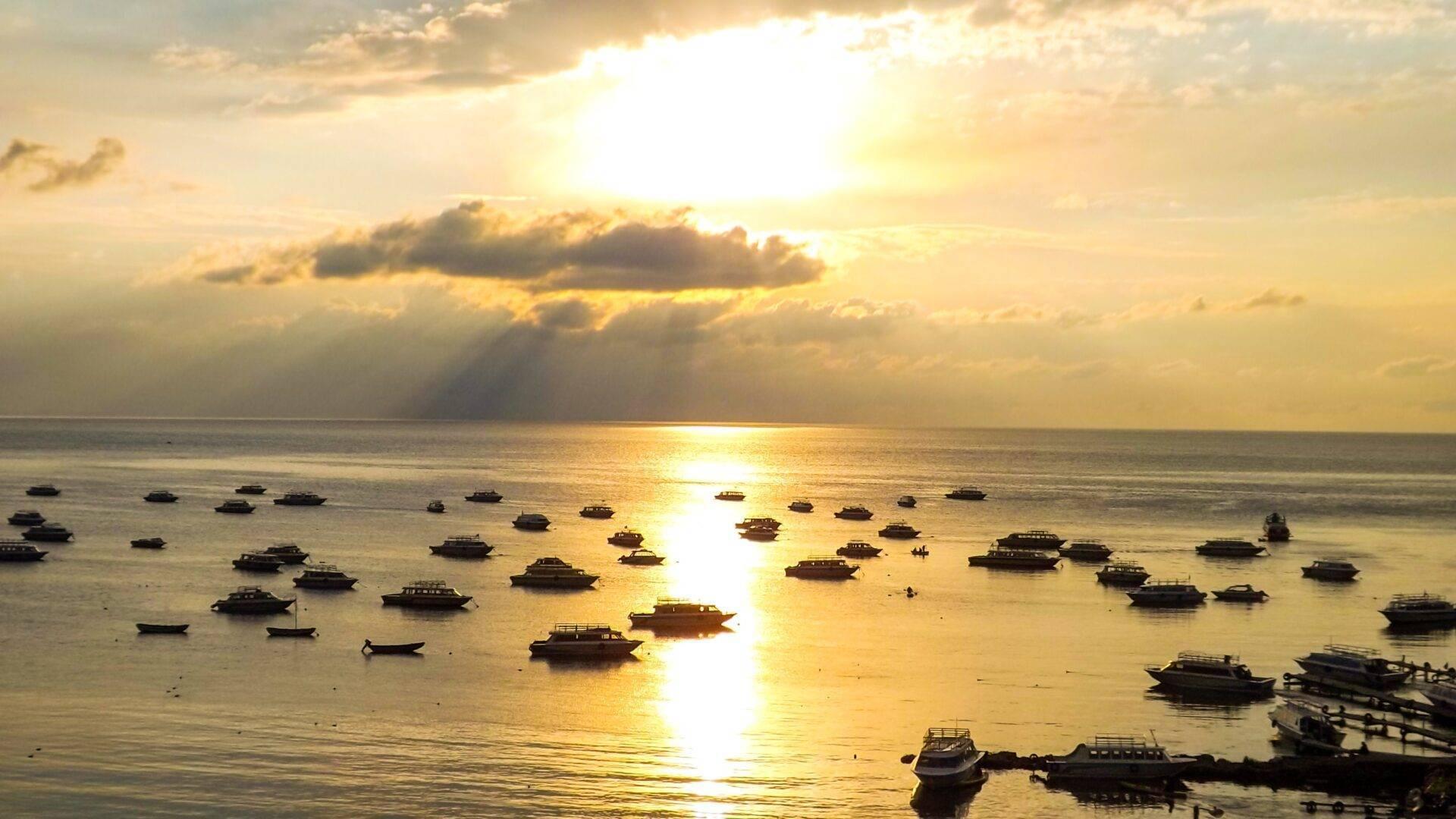
Copacabana (10), Bolivia’s main port on the lake, is also a place of pilgrimage. The Basilica of the Virgin of Copacabana draws thousands of the faithful every year. Fishing boats line the bay at sunset.
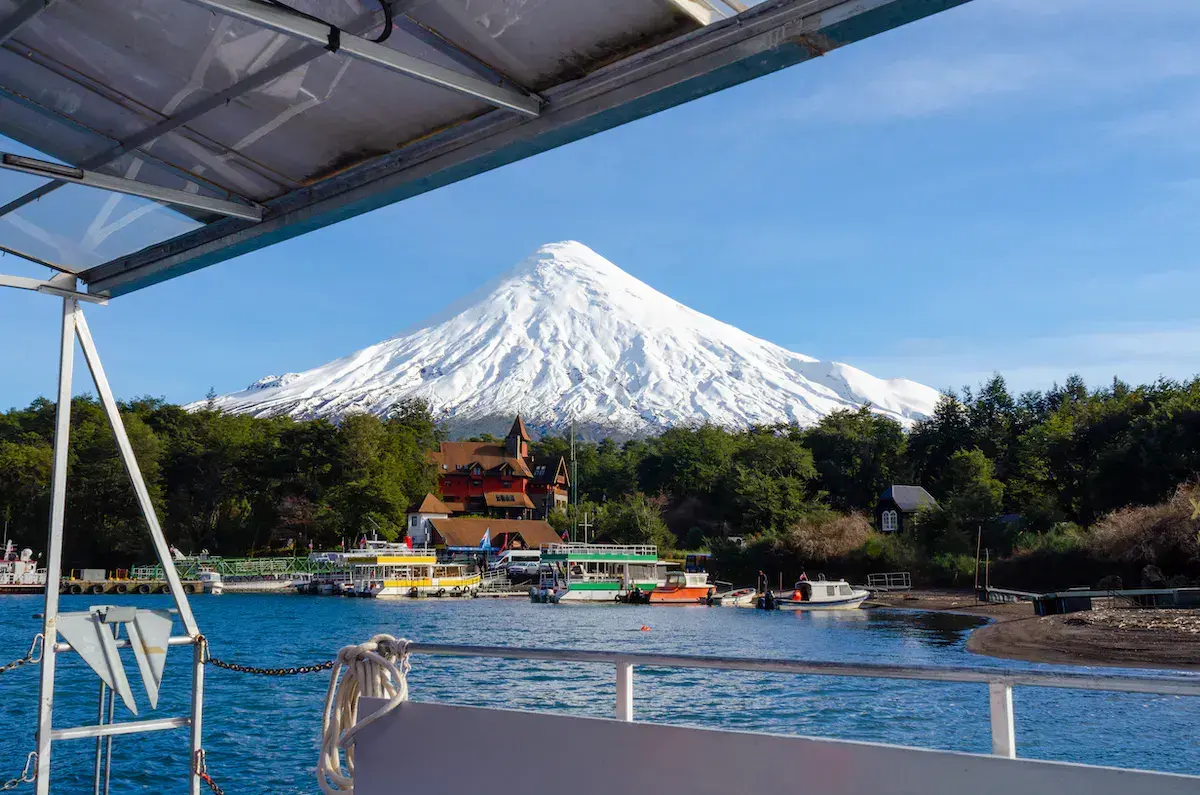
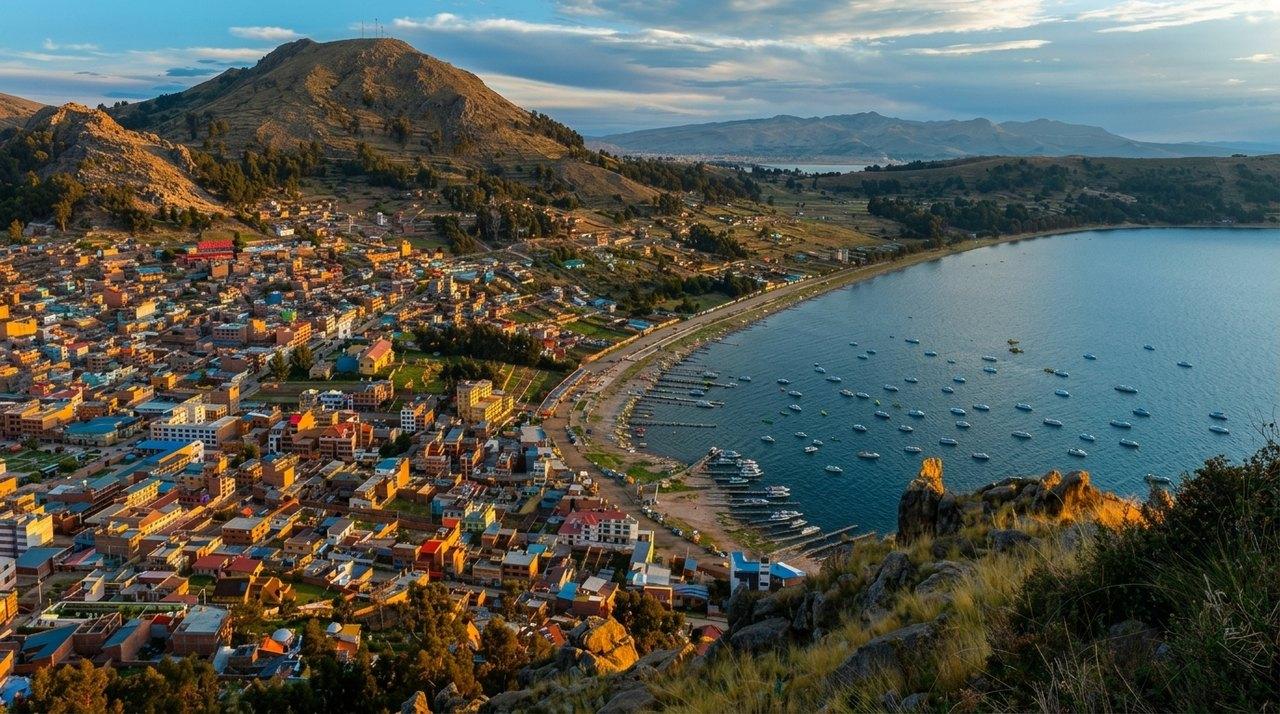
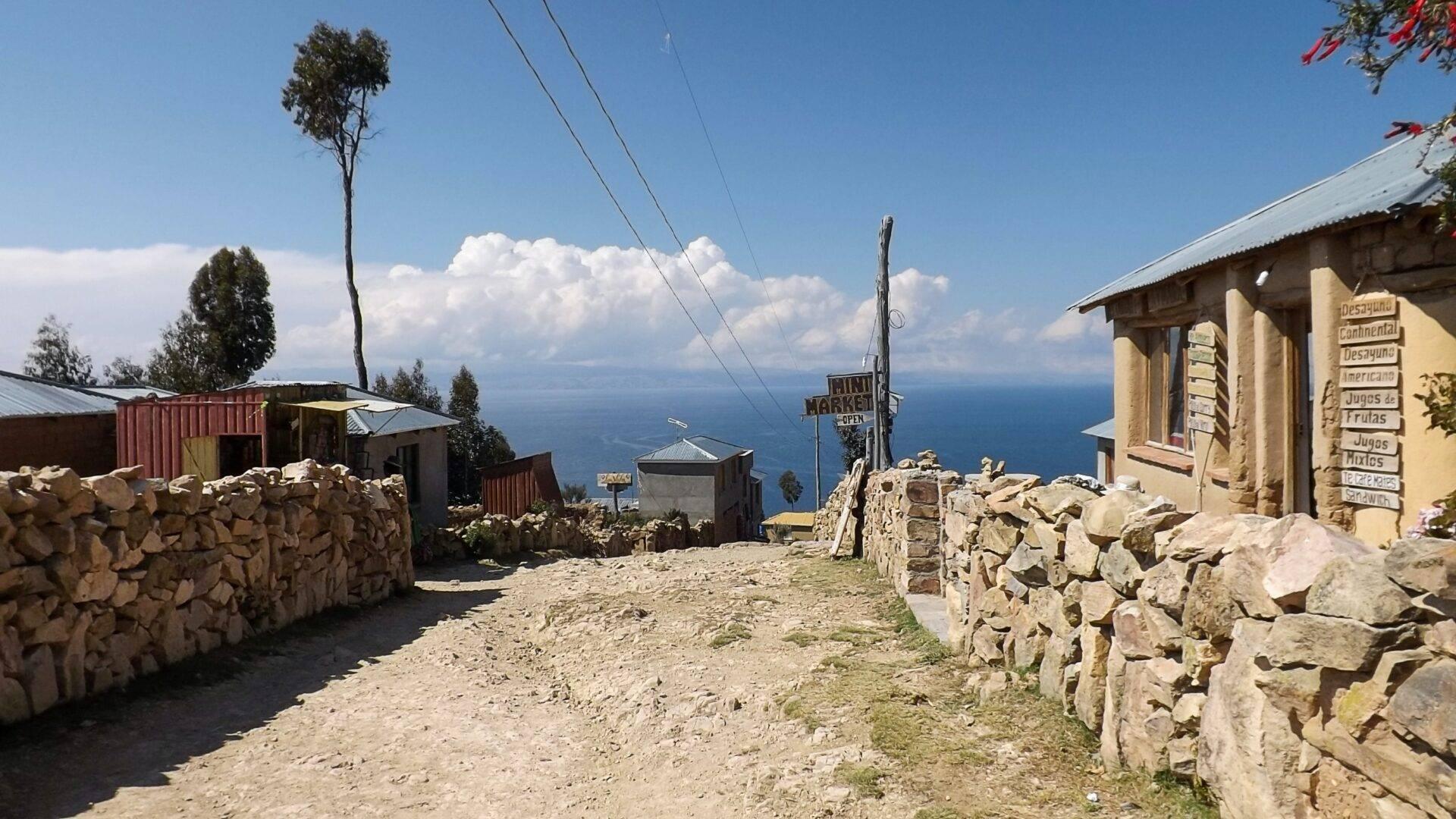
Isla del Sol (11): according to Inca cosmogony, this is the island where the sun was born. Footpaths connect the two villages (Yumani in the south, Challapampa in the north) through Inca ruins and millennia-old agricultural terraces. Allow a full day to cross the island on foot: the views of the Royal Cordillera peaks are exceptional.
Travellers looking to extend their adventure into Peru will find inspiration in our guide on things to do in Peru, including the Uros floating islands and the Cusco region.
12. Sucre, the white city on the UNESCO World Heritage List
Sucre is Bolivia’s constitutional capital, inscribed on the UNESCO World Heritage List for its well-preserved colonial architecture. Its whitewashed facades, convents and cobbled squares have earned it the nickname “the Paris of the Andes.”
Not to miss in Sucre:
- La Casa de la Libertad: the hall where Bolivia declared independence in 1825, now a museum.
- The ASUR Museum (Foundation for Andean and South American Anthropology): the Jalq’a and Tarabuco textiles on display here rank among the finest in South America.
- The central market: the place to try a salteña first thing in the morning, a pastry filled with meat and olives that is the city’s signature dish.
13. Potosí and Cerro Rico: history underground
Potosí, a UNESCO World Heritage city, was in the 17th century one of the largest cities in the world, built on the wealth of its silver mines. Cerro Rico looms over the city with its distinctive silhouette; mining cooperatives still work its tunnels today under harsh conditions. Local operators offer guided tours through the active galleries.
It is a physically demanding experience, with narrow tunnels, dust and high altitude, but one that is utterly unlike anything else you will find in travel.
14. Tiwanaku: pre-Inca city on the UNESCO World Heritage List
An hour from La Paz by bus, Tiwanaku is the main remnant of the civilisation that flourished between the 2nd and 10th centuries. It is inscribed on the UNESCO World Heritage List. The Puerta del Sol (Gateway of the Sun), a monolith carved from a single block of andesite, is the site’s defining symbol.
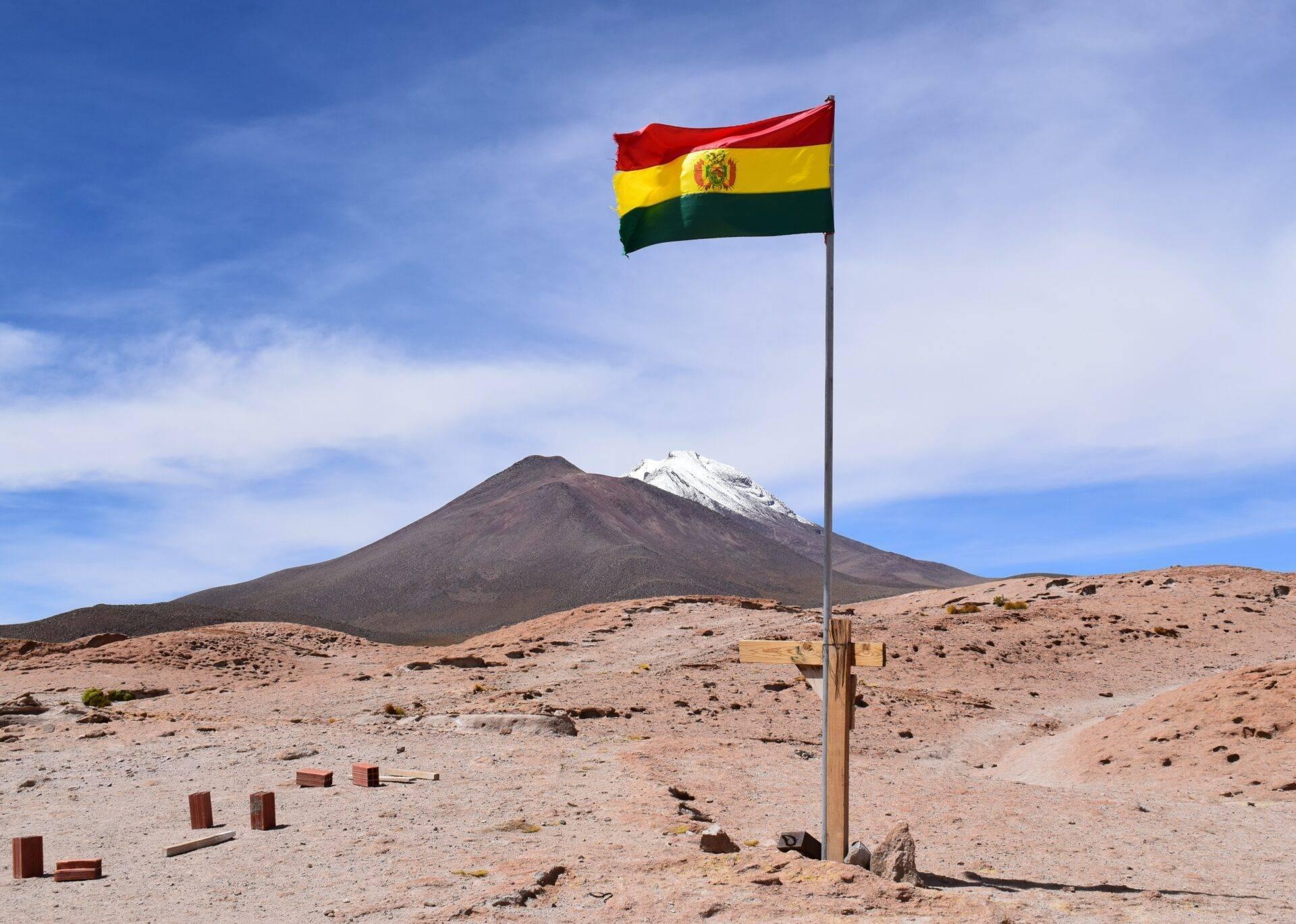
15. Sajama National Park: the roof of Bolivia
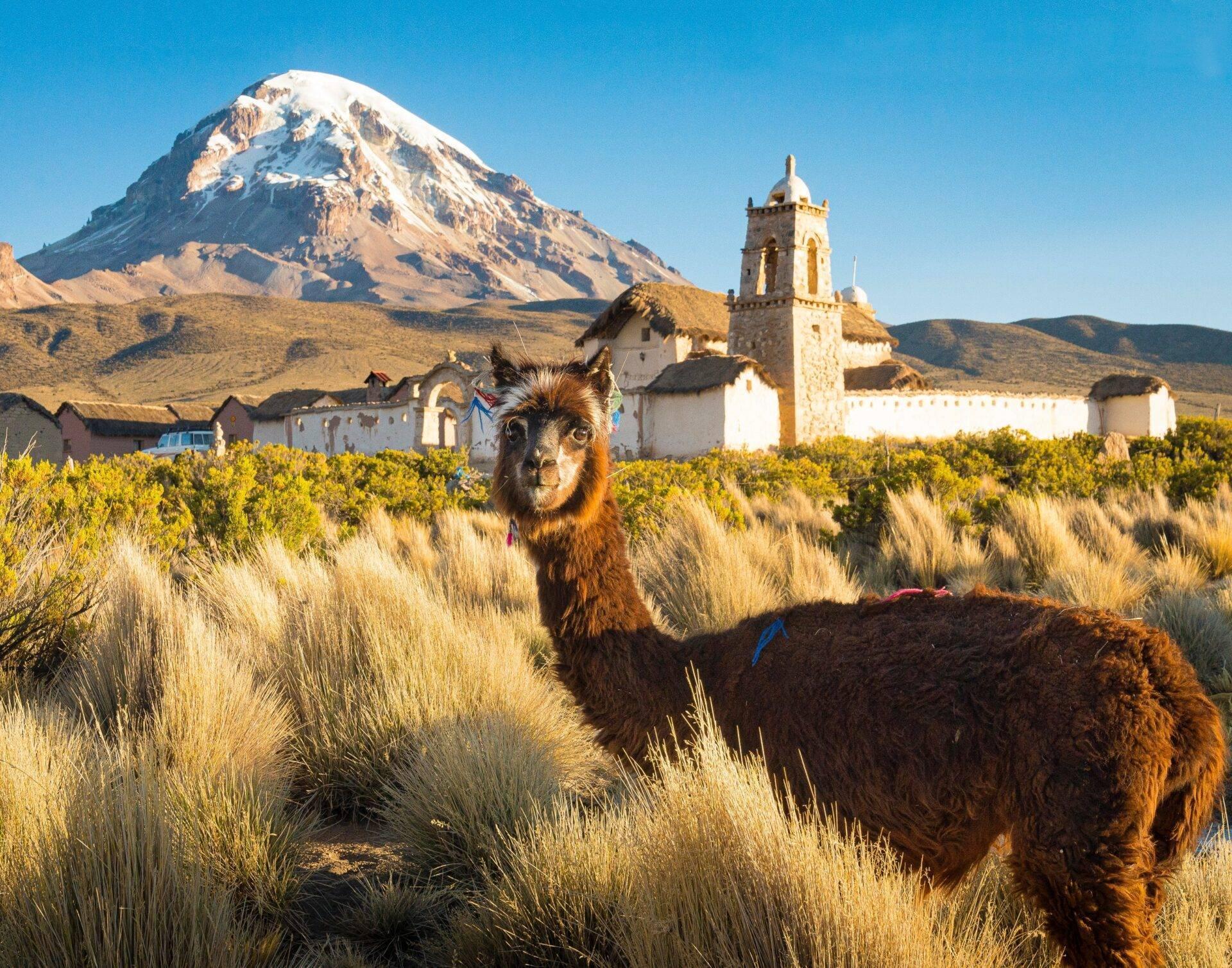
Nevado Sajama, at 6,542 m, is Bolivia’s highest peak. The national park surrounding it shelters queñoa forests described by UNESCO as the highest in the world, Andean wildlife (vicuñas, condors, rheas) and natural hot springs that the inhabitants of the village of Sajama have used for generations. Marked trails make trekking possible without mountaineering experience; the summit ascent requires experience and a certified guide.
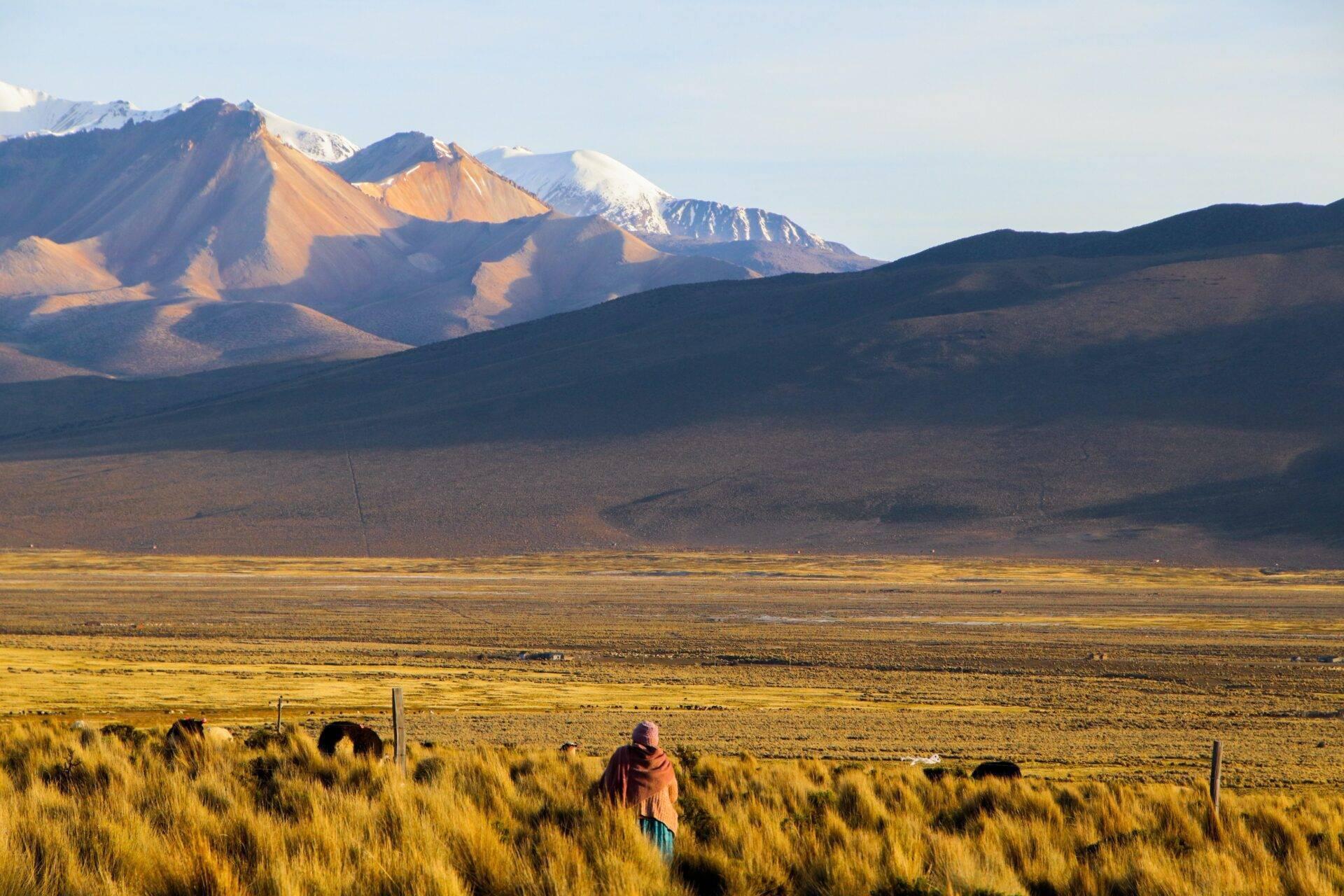
16 and 17. Rurrenabaque and Pilón Lajas Reserve: Bolivian Amazonia
Rurrenabaque, in the Beni department, is the gateway to the Bolivian Amazon, reachable in under an hour’s flight from La Paz.
Madidi National Park (16), adjoining the Pilón Lajas Biosphere Reserve (17), forms one of the most biodiverse natural spaces on earth: jaguars, tapirs, anacondas, howler monkeys and hundreds of bird species. Tacana community lodges allow you to sleep in the forest with guides from the local communities. Pampas tours, out in the grassy plains near the rivers, offer the chance to spot pink river dolphins and caimans from a dugout canoe.
Get my travel insurance quote18. Torotoro National Park: dinosaurs and basalt columns
Torotoro National Park, in the Potosí department, packs into a compact area a deep canyon, limestone caves (the Cueva de Umajalanta) and some of the best-preserved dinosaur footprints in South America. Visits to the fossil trails must be made with a park guide.
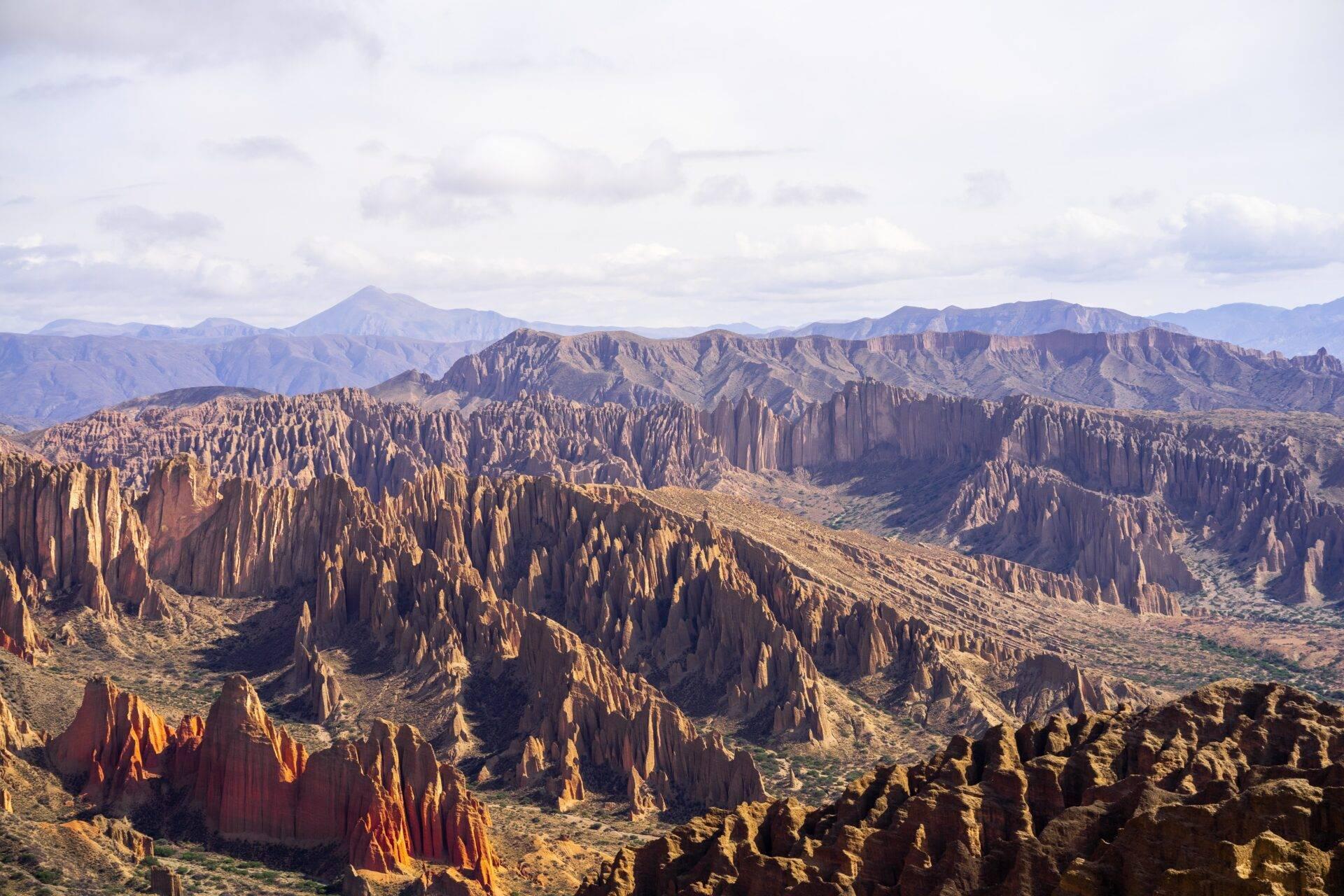
Access from Cochabamba requires a 4x4 on a dirt track. Allow at least one night on site to have enough time to cover the main circuits.
19. El Fuerte de Samaipata: the UNESCO-listed carved enigma
About a hundred kilometres from Santa Cruz, El Fuerte de Samaipata has been inscribed on the UNESCO World Heritage List since 1998. This remarkable pre-Columbian site features an enormous carved rock used for ceremonial purposes by the Chané and later the Incas between the 14th and 16th centuries. The village of Samaipata itself is a pleasant stop between the Andes and the eastern lowlands.
20. Oruro Carnival: UNESCO heritage and 28,000 dancers
The Oruro Carnival has been inscribed since 2008 on the UNESCO Representative List of the Intangible Cultural Heritage of Humanity (proclaimed in 2001). For six days, more than 28,000 dancers and 10,000 musicians parade through the streets of Oruro. The Diablada (Dance of the Devils) is the centrepiece of festivities that weave together pre-Columbian Andean beliefs with Catholic syncretism. The carnival takes place in February or March: book accommodation and transport several months in advance.
When to go to Bolivia
The dry season (April to October) suits almost all activities: clear skies, passable roads, the Salt Flat in its cracked white form, and comfortable high-altitude camps. The rainy season (November to March) transforms the Salt Flat into a giant mirror and coincides with the Oruro Carnival, but can complicate some mountain journeys.
To combine Bolivia with its Andean neighbours, our guide on things to do in Chile will help you plan the transition to the Atacama Desert, a direct continuation from the Southern Lipez by jeep track, or a journey south towards Patagonia.
Planning your trip: practicalities and insurance
The altitude, the remoteness of certain areas and the distance from medical facilities make solid insurance cover essential in Bolivia. Visit our Bolivia travel insurance page for everything on entry requirements, recommended vaccinations and medical cover suited to high altitude.
FAQ
How long does it take to visit Bolivia?
Three weeks is enough to cover the classics: Uyuni Salt Flat, Southern Lipez Desert, La Paz, Lake Titicaca, Sucre and Potosí. A month gives you time to add Rurrenabaque (the Amazon) and, if the dates work out, the Oruro Carnival.
What is the best time to visit the Uyuni Salt Flat?
It depends on the effect you are after. From November to March, a thin layer of water turns the Salt Flat into a giant mirror. From April to October, the surface is cracked and white: the weather is more stable for jeep excursions and the Southern Lipez circuit.
Is altitude sickness a problem in Bolivia?
It deserves serious attention. La Paz sits at around 3,650 m and the Southern Lipez Desert exceeds 4,000 m. A gradual acclimatisation reduces the risk. Chewing coca leaves or drinking coca tea is widespread on the altiplano and helps ease the symptoms.
Are the Potosí mines accessible to everyone?
The visit is not recommended for anyone with respiratory problems, heart conditions or claustrophobia: the tunnels are narrow, dusty and located at high altitude. For everyone else, operators in Potosí organise these tours with the necessary equipment, including helmets, lamps and protective clothing.
Do I need a visa to enter Bolivia?
Entry requirements for your nationality, along with recommended vaccinations, are detailed on Yupwego’s Bolivia travel insurance page.
Can Bolivia and Chile be combined in a single itinerary?
Yes: the Uyuni-Southern Lipez-San Pedro de Atacama circuit is one of the most popular Andean routes. Agencies in Uyuni offer this jeep transfer over around three days. For the rest of Chile, our guide on things to do in Chile will complete your planning.