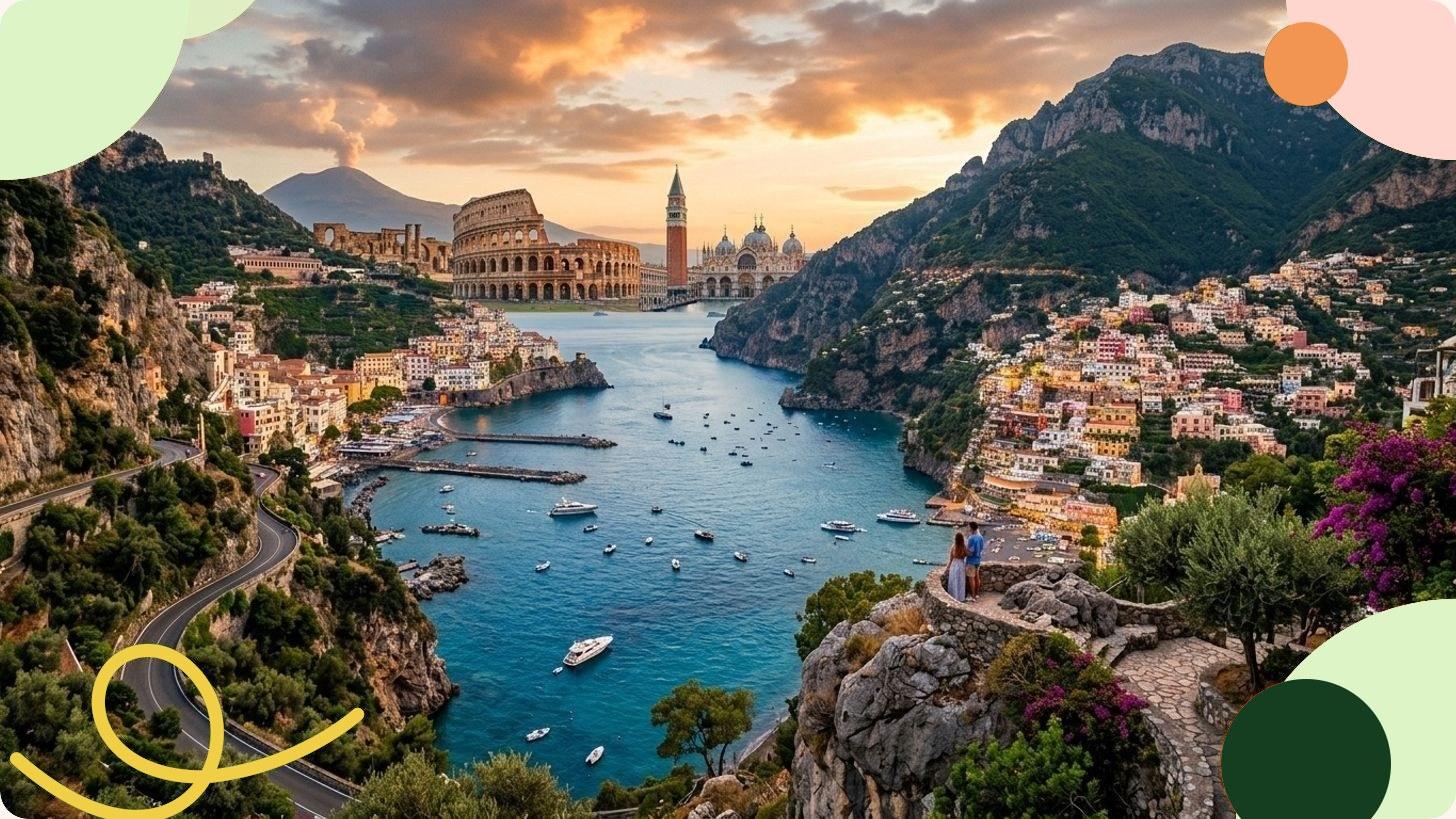

Italy packs into a single country what others spend a lifetime discovering: UNESCO-listed ancient ruins, the world’s greatest Renaissance art collections, breathtaking coastlines, and a cuisine that justifies the journey on its own. Here are the 20 experiences that deserve a place in your itinerary, organised by region to help you plan your trip.
Rome, the Eternal City
Twenty-eight centuries of history layered into a city you can walk across. Rome is the only place on earth where antiquity, medieval Christianity and the baroque sit within a few hundred metres of each other.
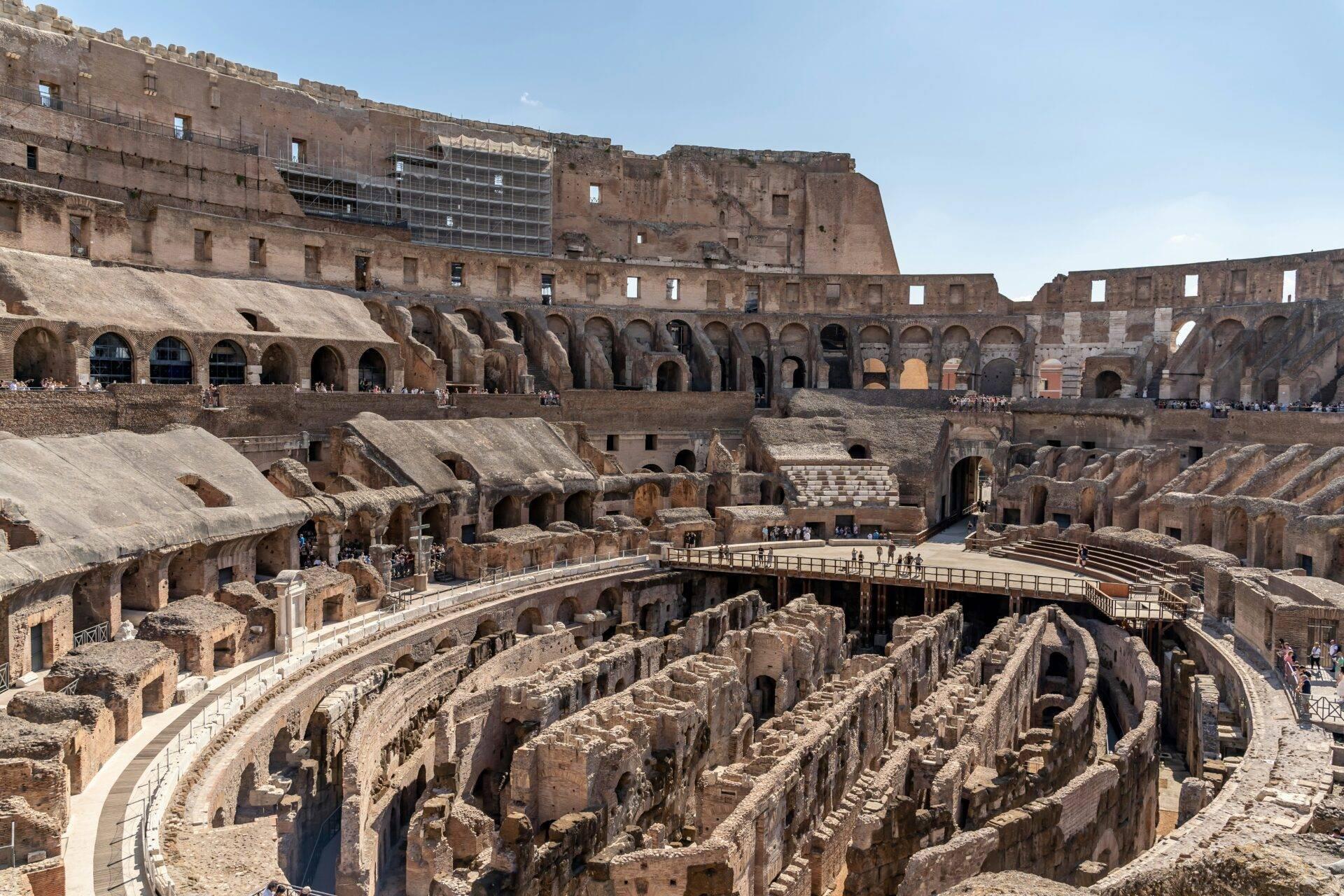
1. The Colosseum
Built under emperors Vespasian and Titus in the first century AD, the Flavian Amphitheatre could hold between 50,000 and 80,000 spectators according to historical estimates, seated by social rank on marble tiers. Today, you can venture down into the hypogeum: the underground passages where gladiators and animals waited before entering the arena.
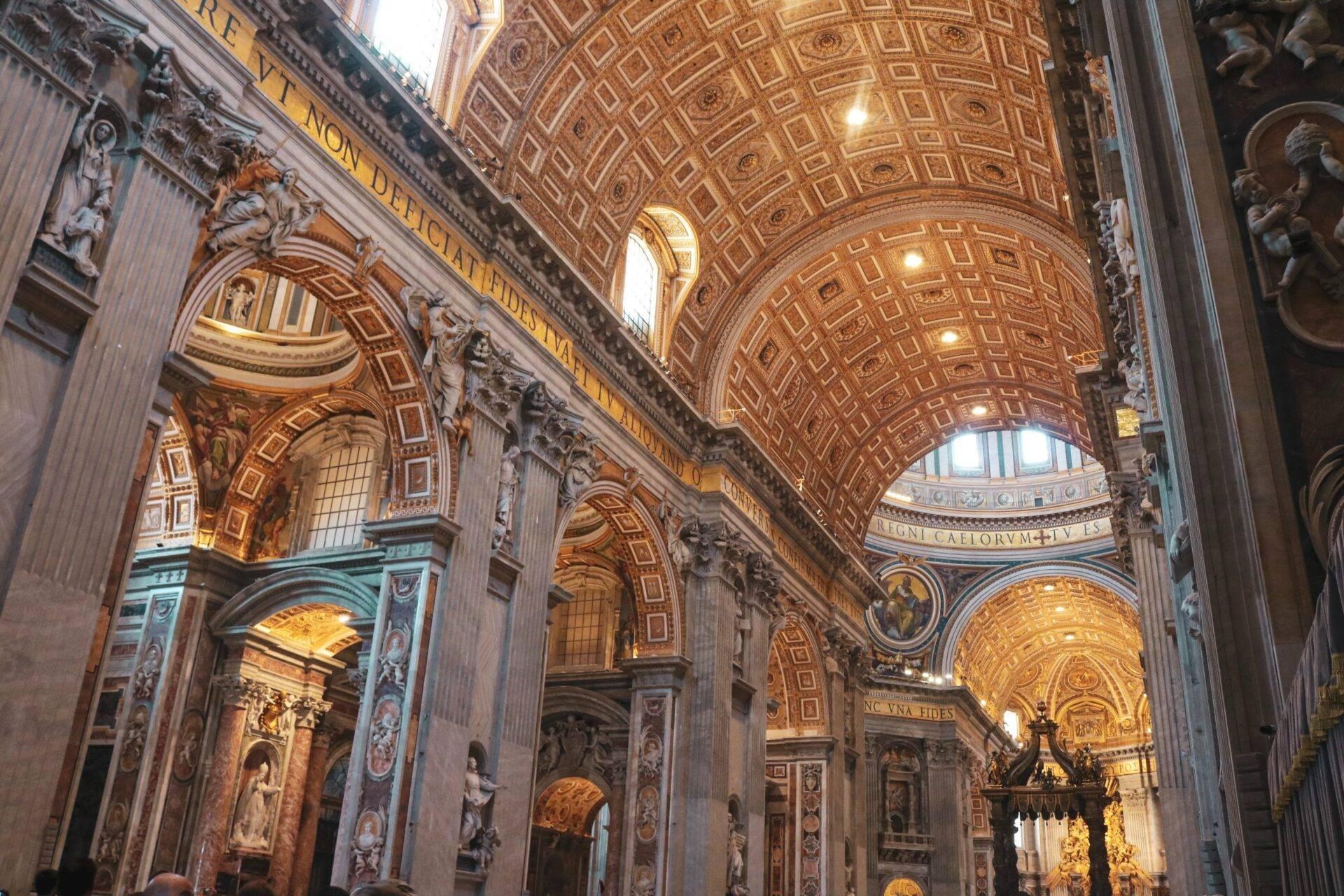
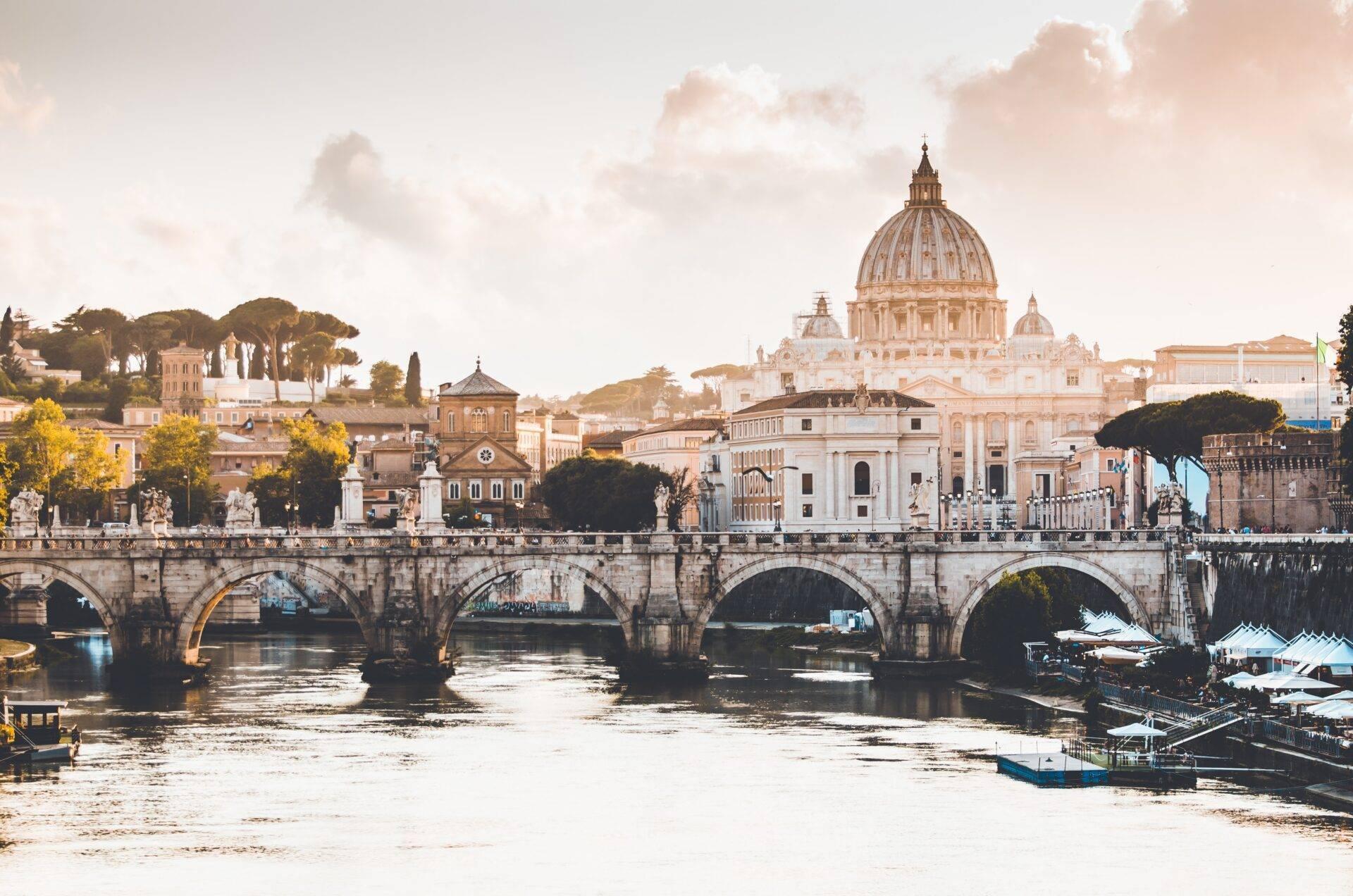
2. St Peter’s Basilica and Vatican City
The world’s largest church, designed over several decades by Renaissance architects including Michelangelo, who was responsible for the dome. From the top, Rome spreads out as far as the eye can see. The sweeping semicircular colonnade and piazza below host hundreds of thousands of the faithful during major papal ceremonies.
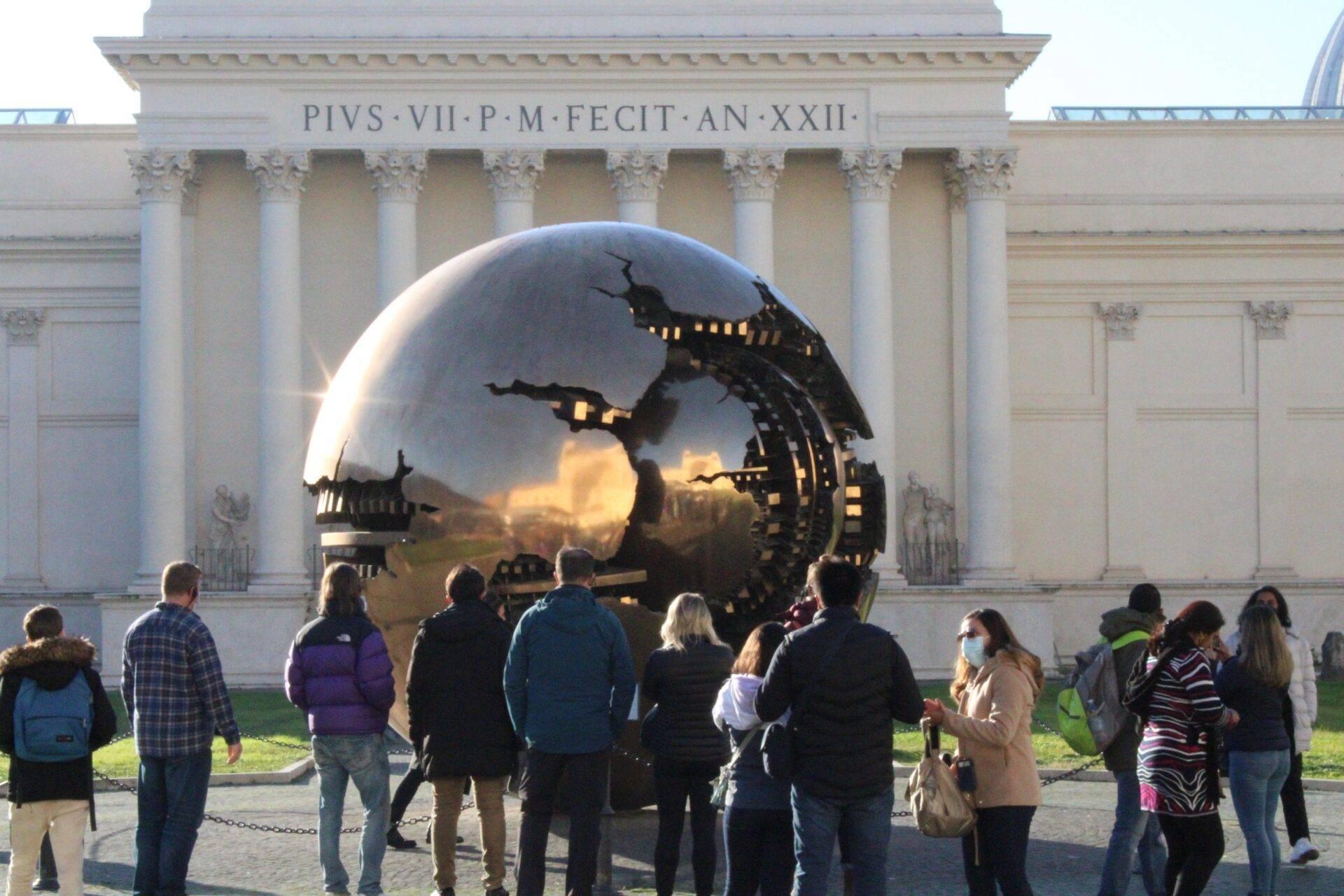
3. The Vatican Museums and the Sistine Chapel
Founded in the early 16th century, the Vatican Museums house one of the most important art collections in the world: Greek and Roman sculptures, tapestries, cartographic galleries and, at the end of the route, the Sistine Chapel. The ceiling painted by Michelangelo between 1508 and 1512 is one of the most reproduced works in the history of art.
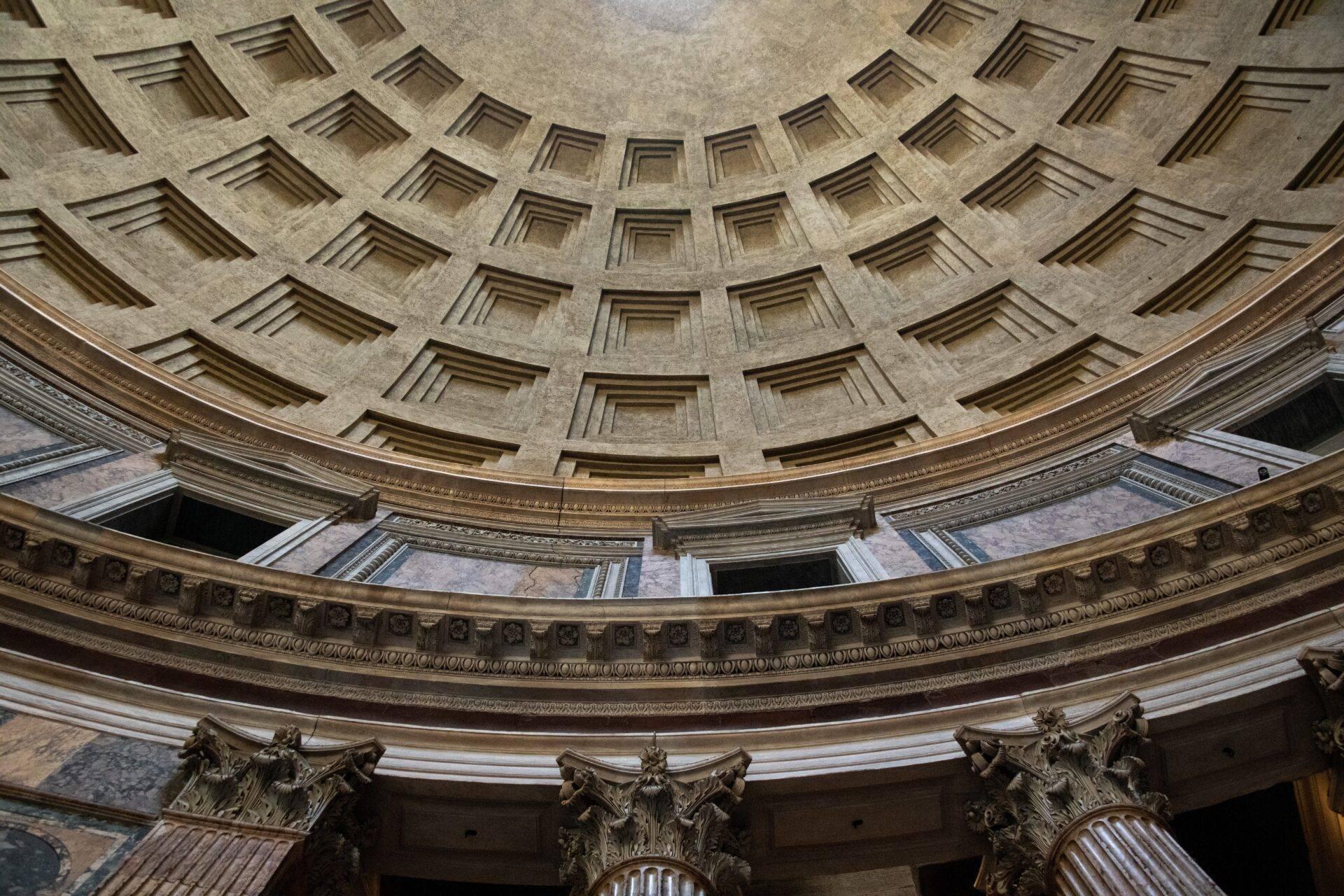
4. The Pantheon
Built by Emperor Hadrian in the second century AD, the Pantheon is one of the best-preserved Roman buildings in the world. Its 43-metre concrete dome, pierced at the top by an oculus open to the sky, remains a structural feat that engineers still study today.
5. The Trevi Fountain
Rome’s largest baroque fountain, designed by Nicola Salvi and completed in 1762. Tradition holds that tossing a coin over your shoulder guarantees a return trip to Rome.
6. Piazza Navona
Built on the site of a first-century ancient stadium, Piazza Navona is lined with three fountains, including Bernini’s celebrated Fountain of the Four Rivers. Its elongated proportions still echo the shape of the original racing track.
Our guide to things to do in Rome will help you plan your days in the capital, from the Roman Forum to the Trastevere neighbourhood.
Get my travel insurance quote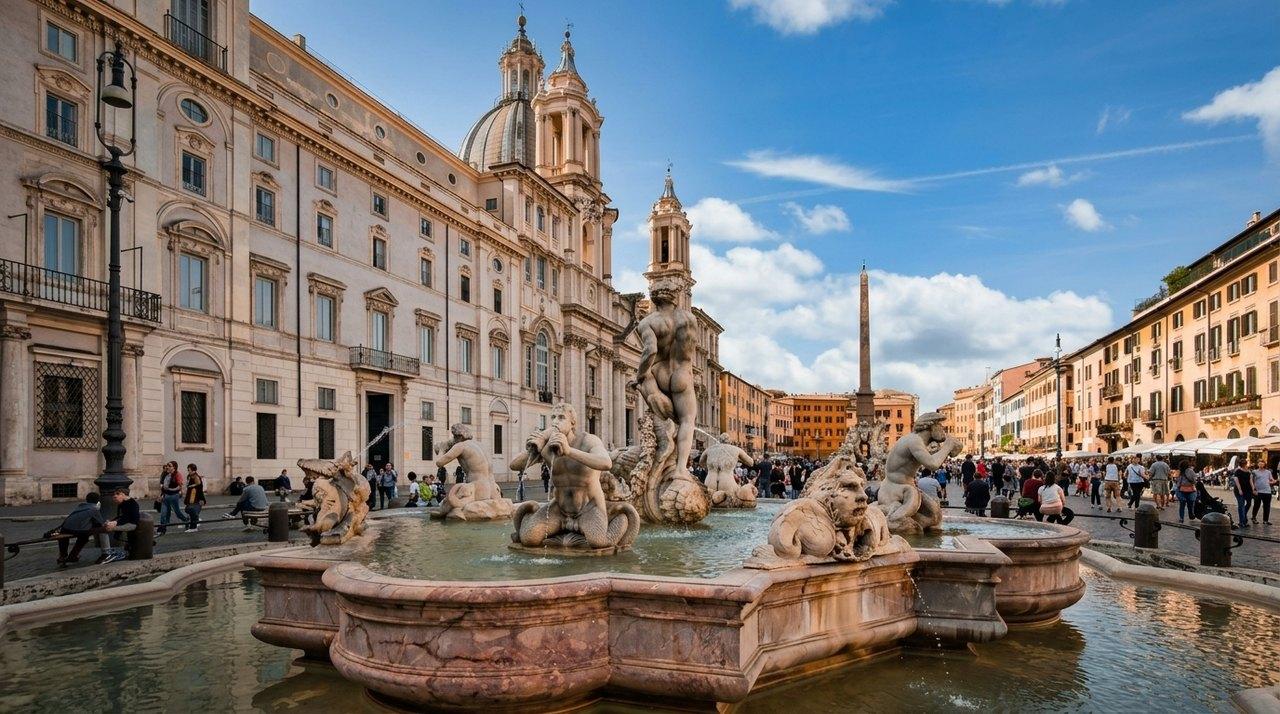
Venice, the City on the Water
Venice is built across 118 islands linked by more than 400 bridges, with not a single car in sight. You get around on foot or by boat – a constraint that completely transforms the experience of the city.
7. The Grand Canal
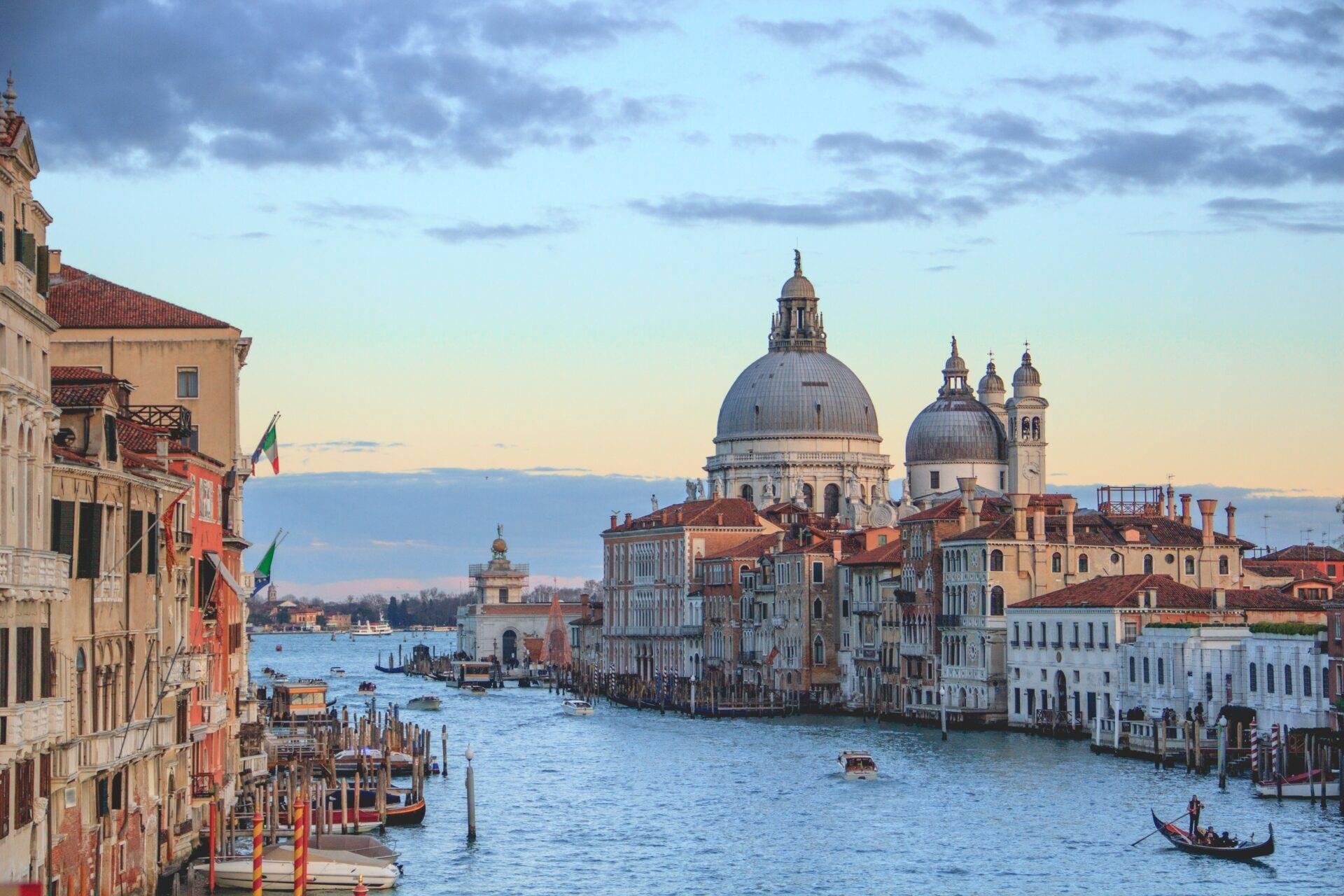
Venice’s main waterway stretches roughly 3.8 kilometres from Santa Lucia station to St Mark’s Square. The vaporetto (water bus) is the most affordable way to travel along it. The palaces lining its banks speak to the Serenissima’s commercial power in the 14th and 15th centuries.
8. The Doge’s Palace
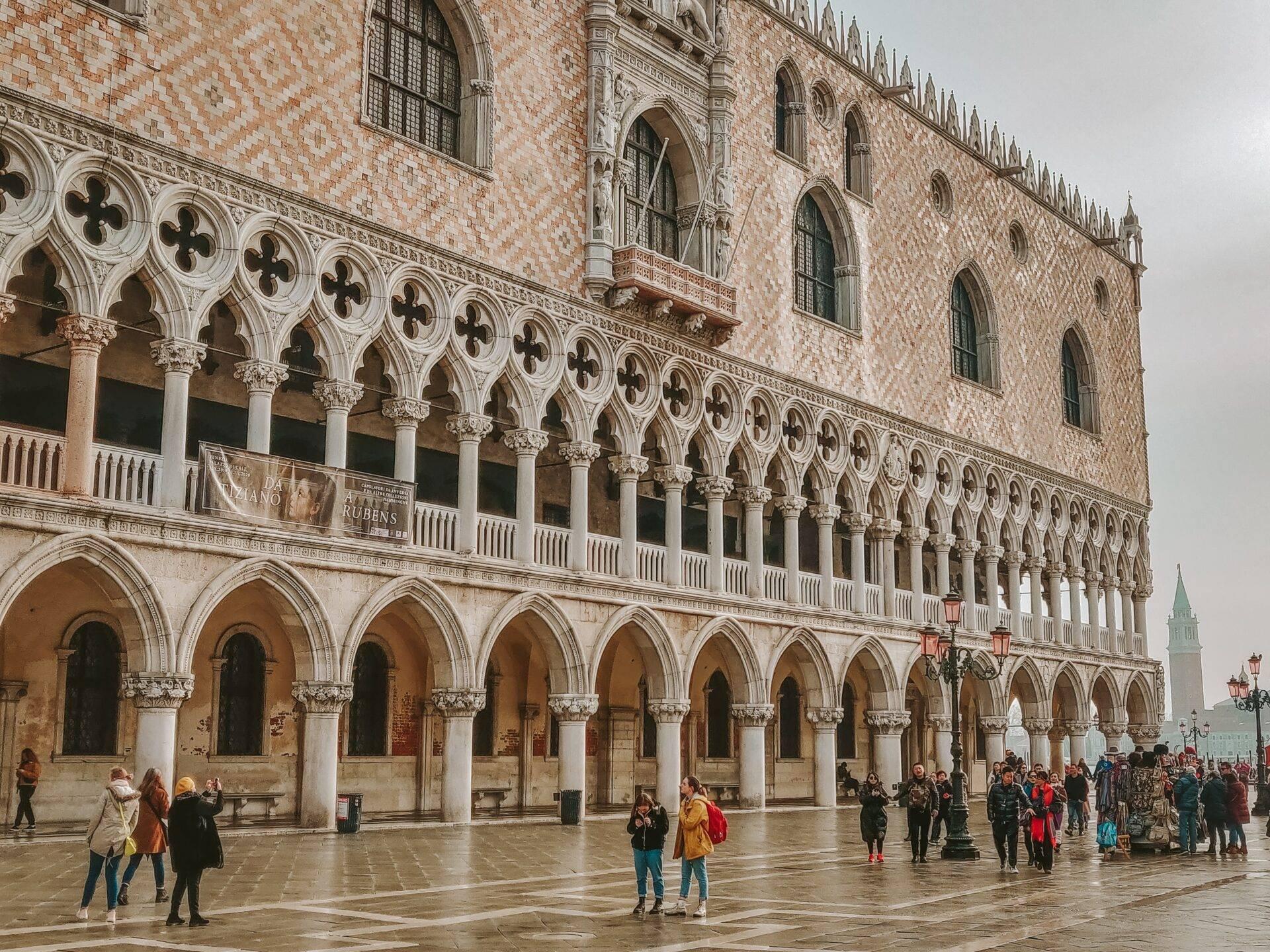
For several centuries the seat of the Venetian Republic’s government, the Doge’s Palace is a masterpiece of Venetian Gothic architecture. Inside, Tintoretto’s frescoes, gold-adorned council chambers and the Bridge of Sighs – which once connected the palace to the prisons – tell six centuries of power.
9. Piazza San Marco
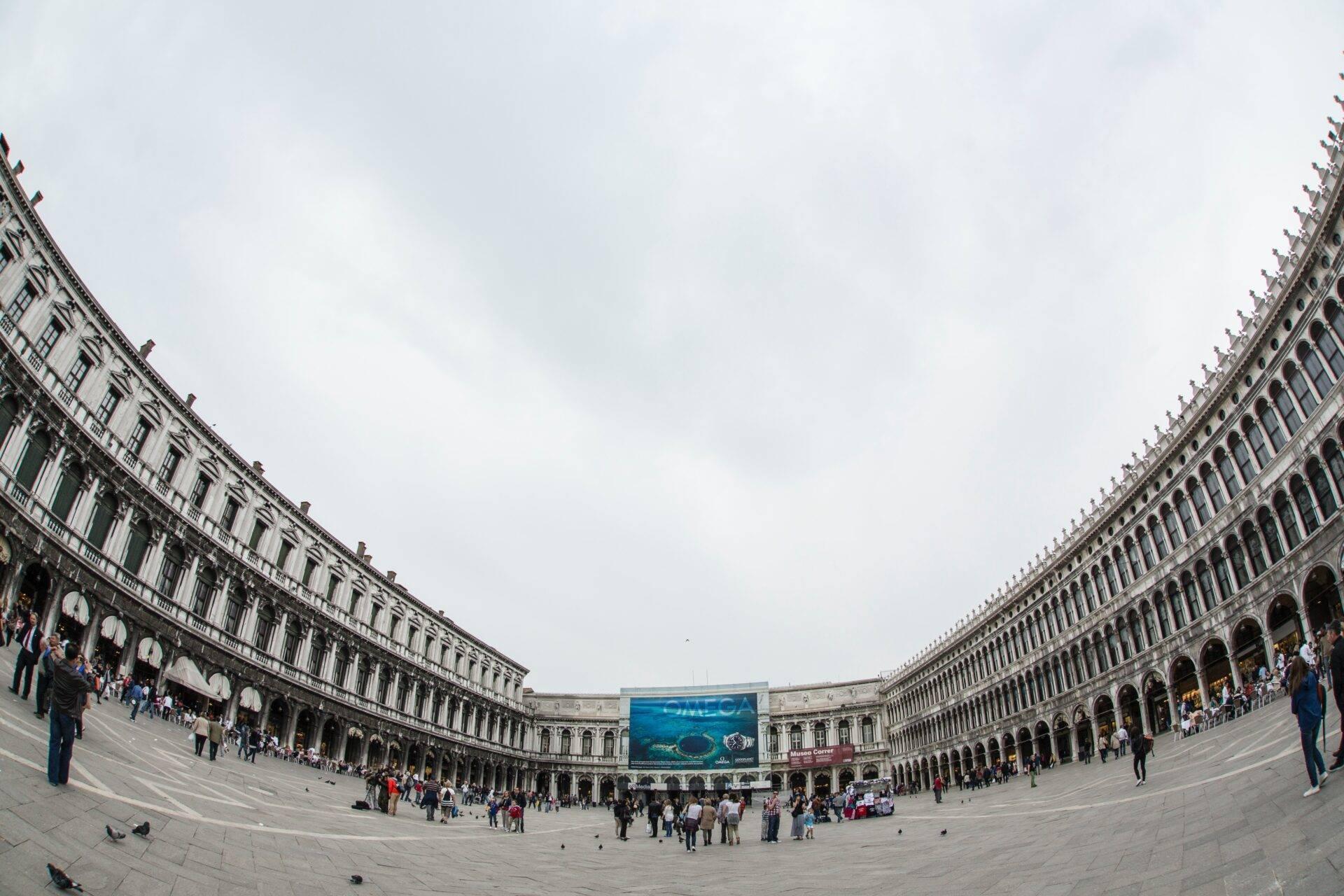
The only square in Venice to officially bear the title of “piazza”. It is surrounded by St Mark’s Basilica, the campanile and the Procuratie. In summer it fills up from early morning: a visit at dawn is far more rewarding.
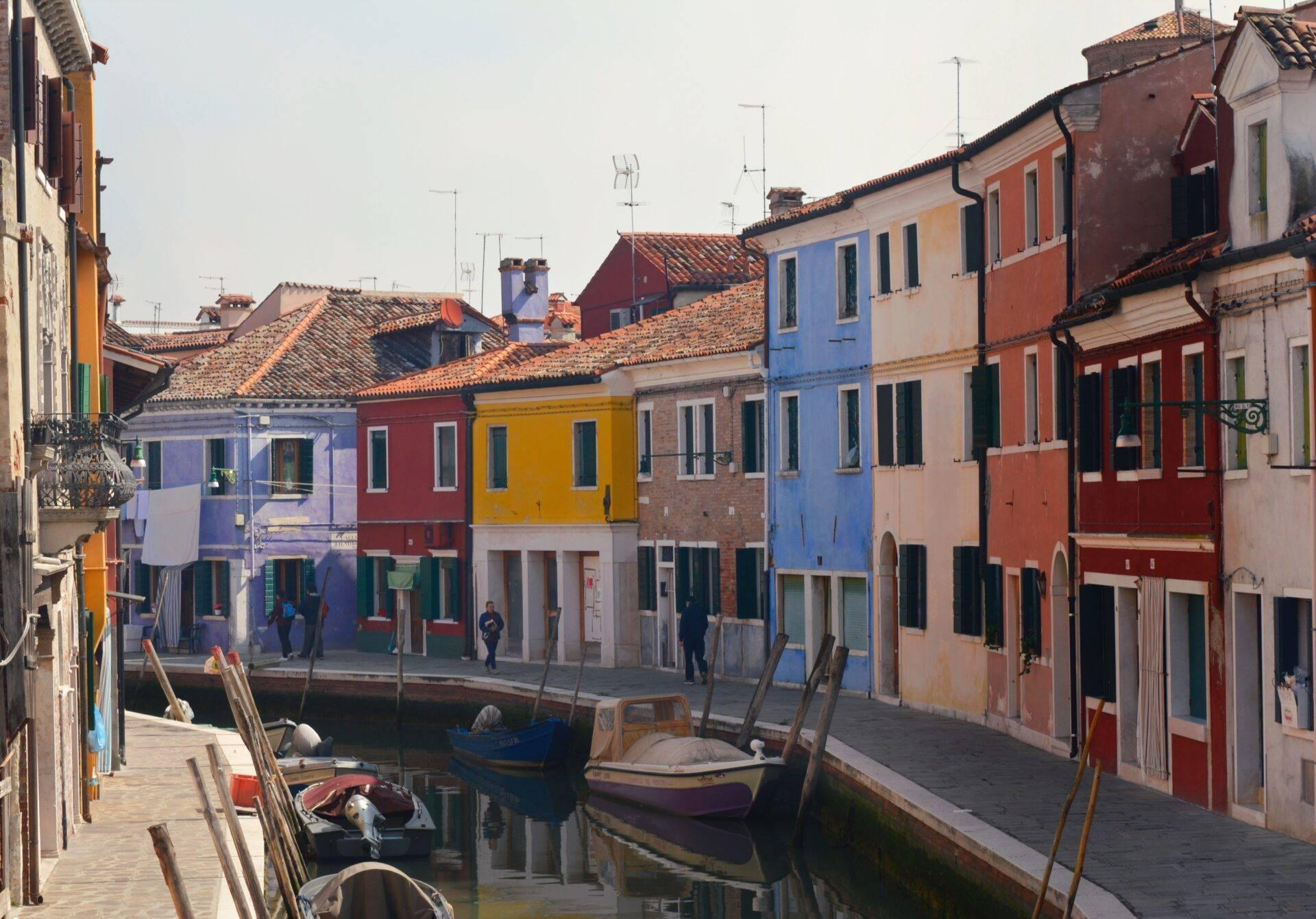
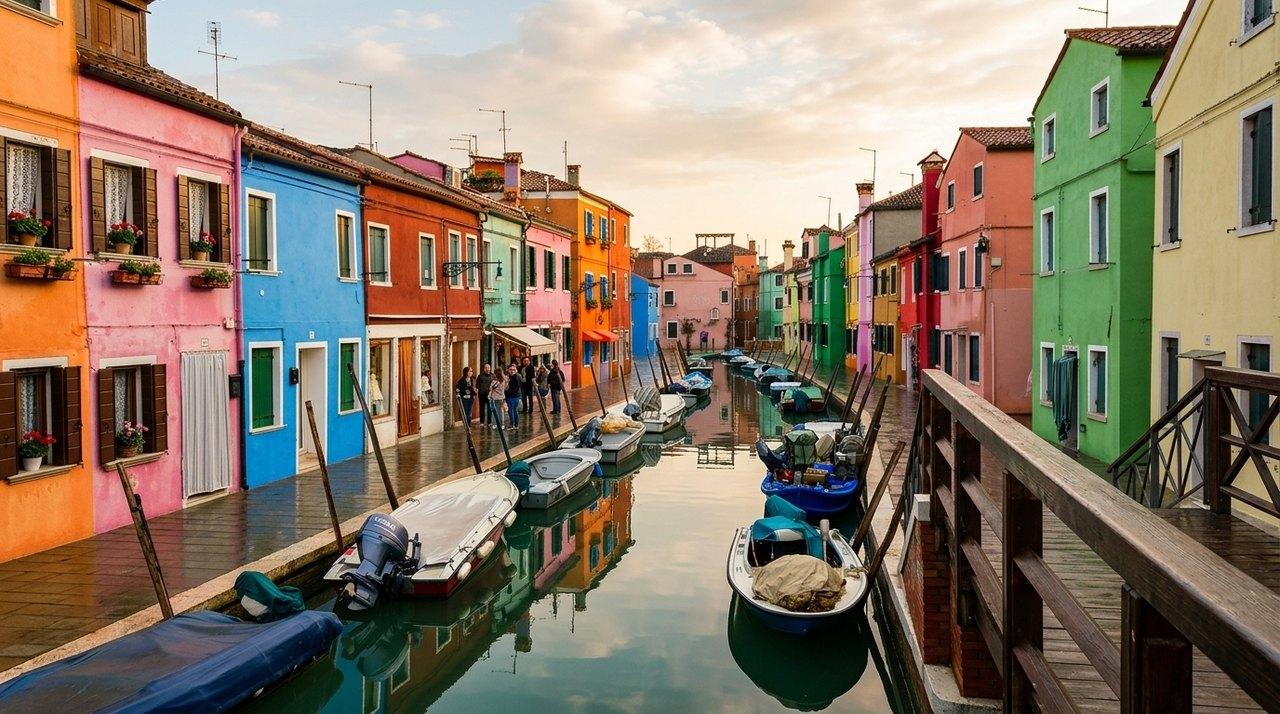
10. Burano, the Island of Painted Houses
A fishing village famed for its brightly coloured facades, Burano is reached by vaporetto from Venice. The island is also celebrated for its traditional handmade lace.
Our guide to things to do in Venice covers the 20 must-see experiences in the Serenissima, from the lagoon islands to evening vaporetto rides.
Florence and Tuscany
Florence is the city of Dante, Botticelli and Michelangelo. Its historic centre has been a UNESCO World Heritage Site since 1982. Less than 100 kilometres to the west, Pisa makes for a detour well worth taking.
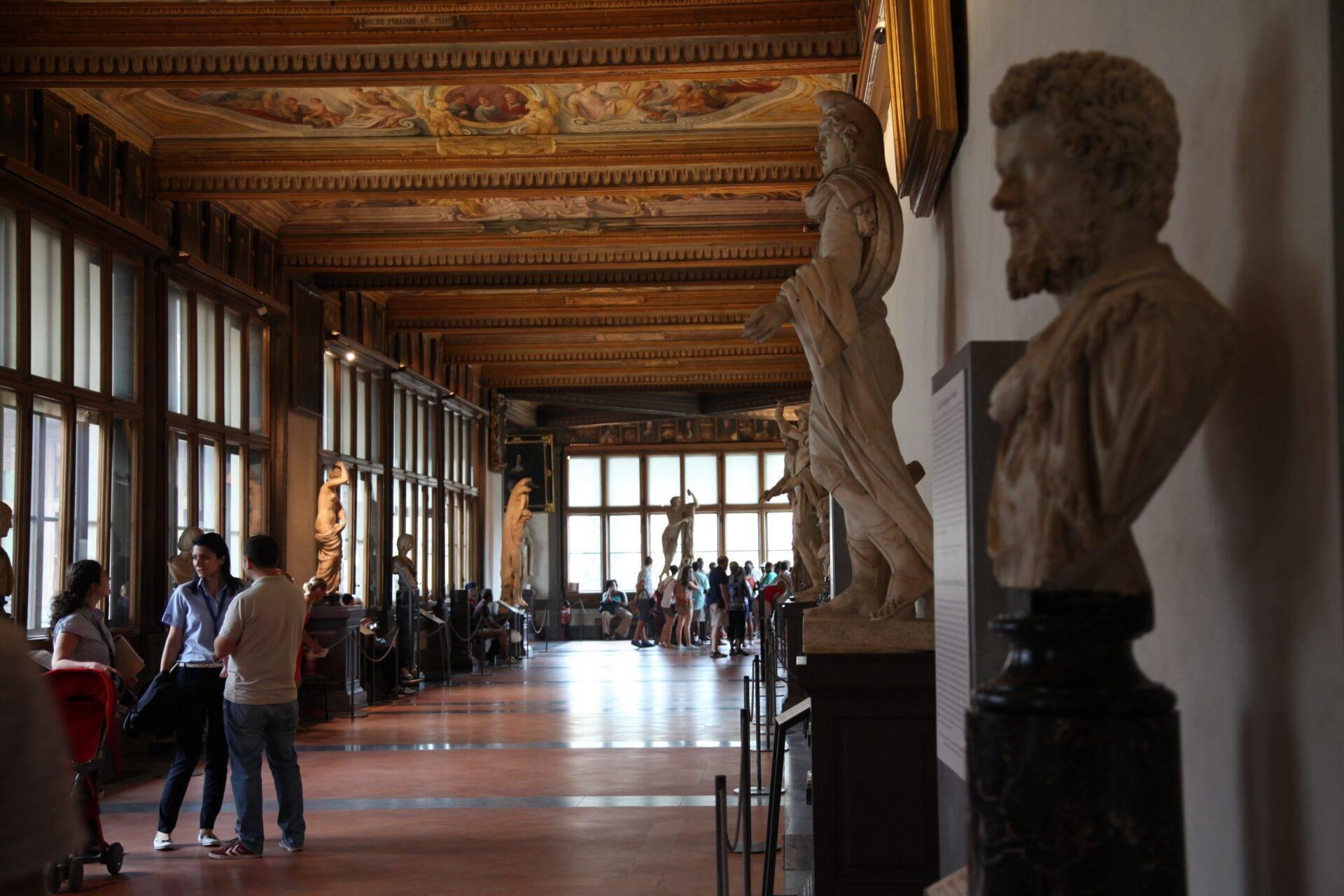
11. The Uffizi Gallery
Founded by the Medici family, the Uffizi brings together the masterpieces of the Italian Renaissance: Botticelli’s Primavera and The Birth of Venus, Michelangelo’s Holy Family, and portraits by Leonardo da Vinci. Booking several weeks in advance is essential during peak season.
12. The Duomo and the Florence Panorama
The Cathedral of Santa Maria del Fiore and Brunelleschi’s dome have dominated Florence’s rooftops since the 15th century. From Giotto’s campanile or the dome itself, the view over the city’s ochre rooftops and the rolling Tuscan hills is one of the most iconic sights in Italy.
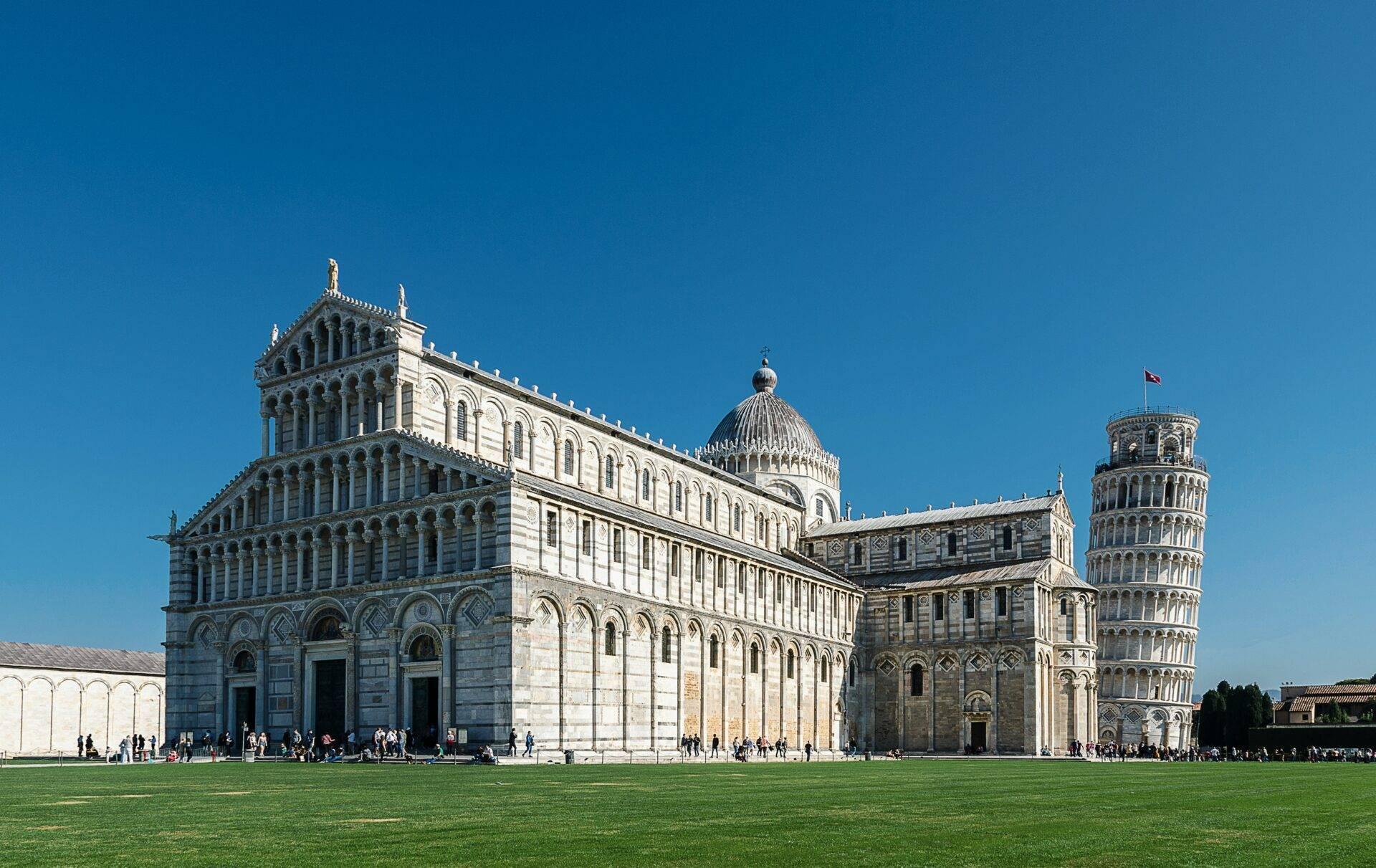
13. Pisa and the Piazza dei Miracoli
Pisa’s famous leaning campanile is one of the world’s most recognisable monuments. Construction began in 1173 and was completed in 1372 after two centuries of work interrupted by long pauses. Its tilt is the result of unstable ground beneath the foundations. The 293 steps of its spiral staircase lead to a panorama over the cathedral, the baptistery and the Tuscan countryside.
Milan, Capital of Culture and Style
Milan is Italy’s second largest city by population and its first by GDP. Beyond fashion and design, it is home to two monuments that any culture lover should know.
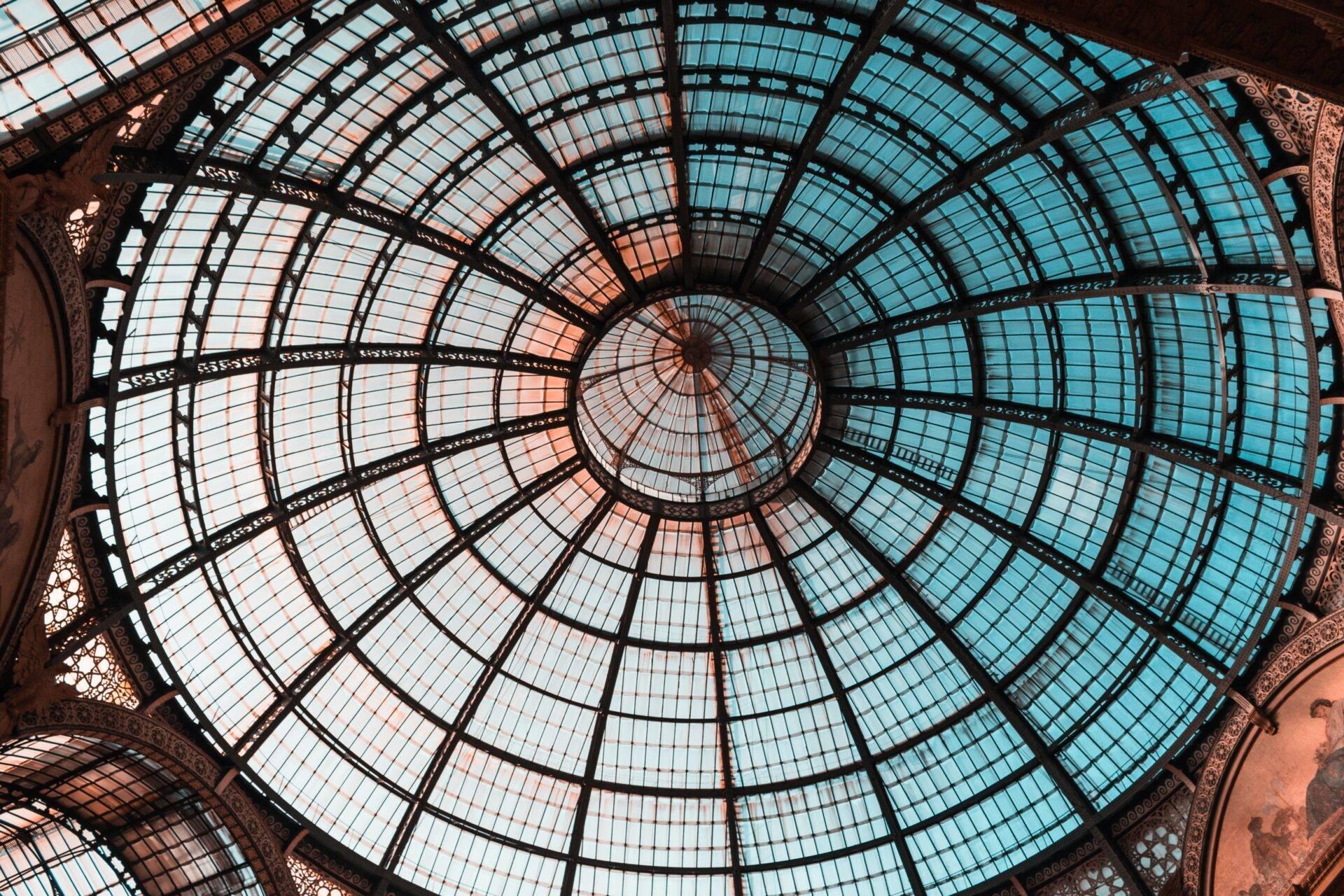
14. The Galleria Vittorio Emanuele II
Built between 1865 and 1877 by architect Giuseppe Mengoni, the Galleria is one of Europe’s earliest covered shopping arcades. Its central glass vault soars 47 metres high, sheltering luxury boutiques, historic cafes and restaurants. The mosaic floor – including the bull of Turin on which visitors make a wish by spinning on their heel – makes this far more than a tourist stopover.
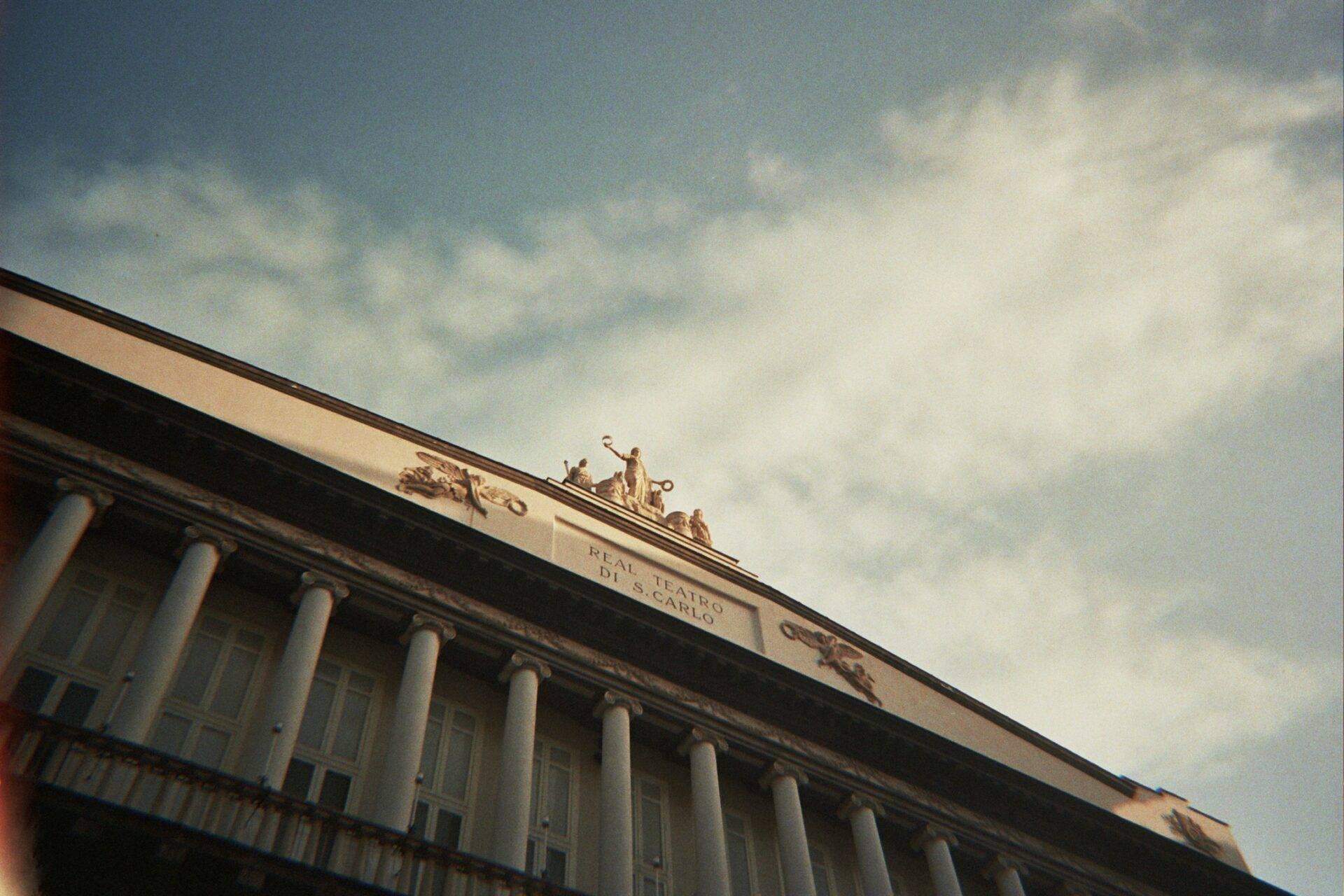
15. Teatro alla Scala
Inaugurated on 3 August 1778, La Scala is one of the world’s most celebrated opera houses. Its lyric season traditionally opens on 7 December, the feast day of Saint Ambrose, Milan’s patron saint. Outside performance season, the theatre’s museum opens access to backstage areas, period costumes and five centuries of operatic history.
The Coasts: from Liguria to Campania
Italy has more than 7,000 kilometres of coastline. Three stretches in particular combine natural beauty with UNESCO-listed heritage.
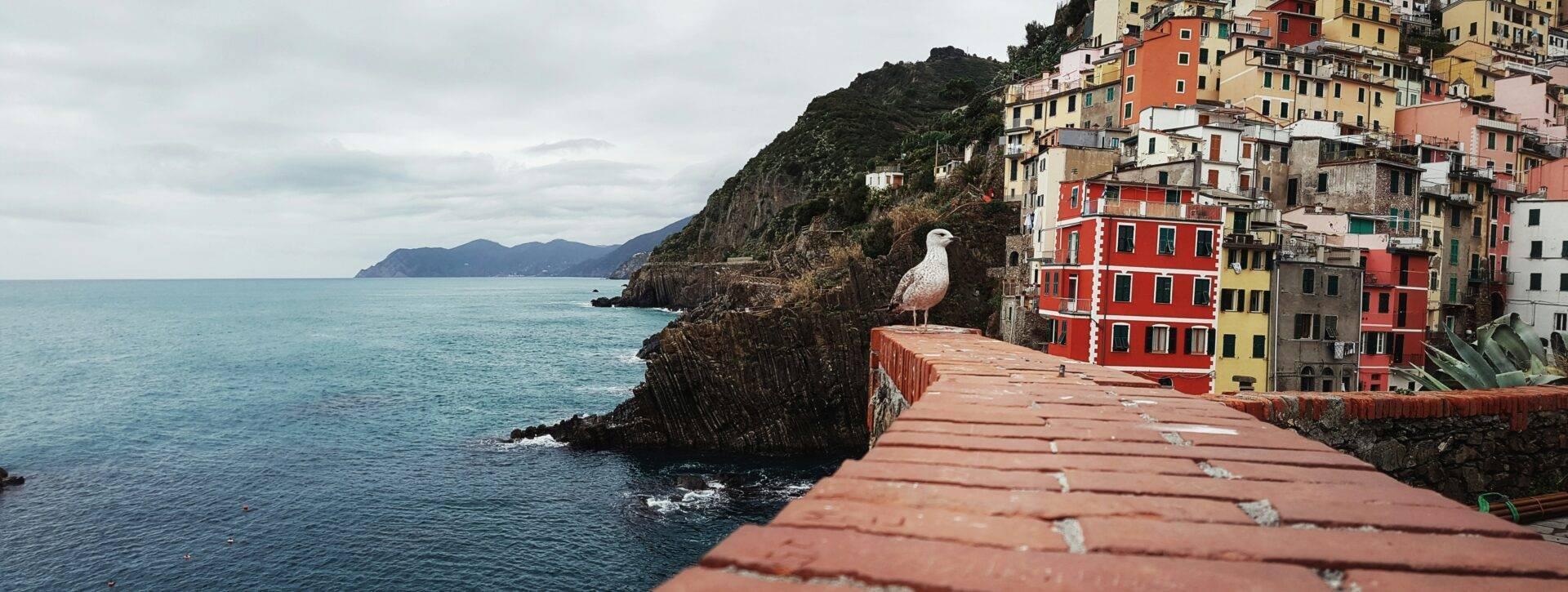
16. The Cinque Terre
Five villages clinging to the cliffs of the Ligurian Riviera: Monterosso al Mare, Vernazza, Corniglia, Manarola and Riomaggiore. Listed as a UNESCO World Heritage Site in 1997, they are connected by a coastal path that winds through terraced vineyards and olive groves.
17. The Amalfi Coast
A UNESCO World Heritage Site since 1997, the Amalfi Coast stretches between Positano and Vietri sul Mare. Villages perch above turquoise water, linked by a winding coastal road that is itself part of the spectacle. Ravello and its hanging gardens – particularly the Villa Rufolo and Villa Cimbrone – offer a breathtaking panorama over the coast.
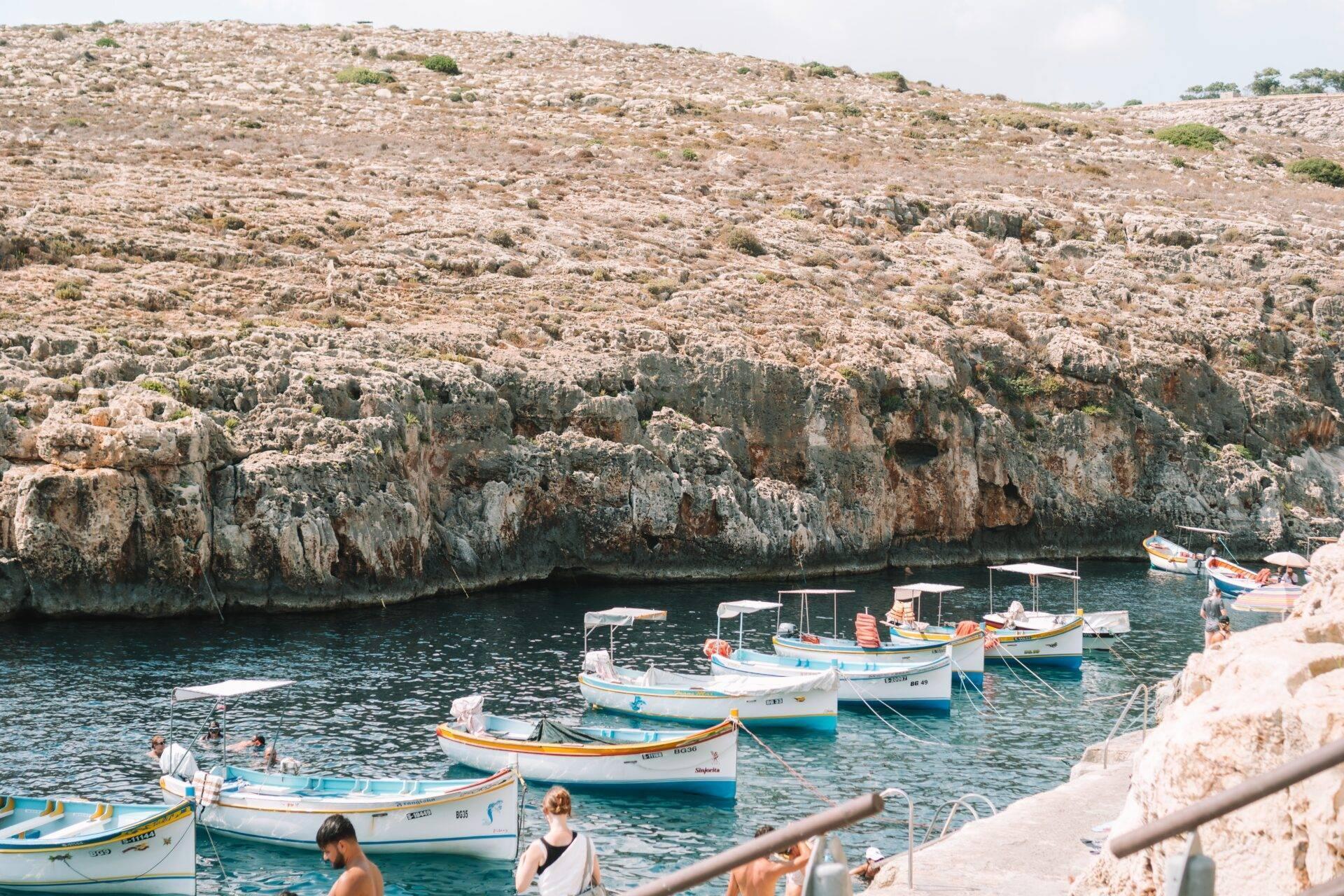
18. Pompeii
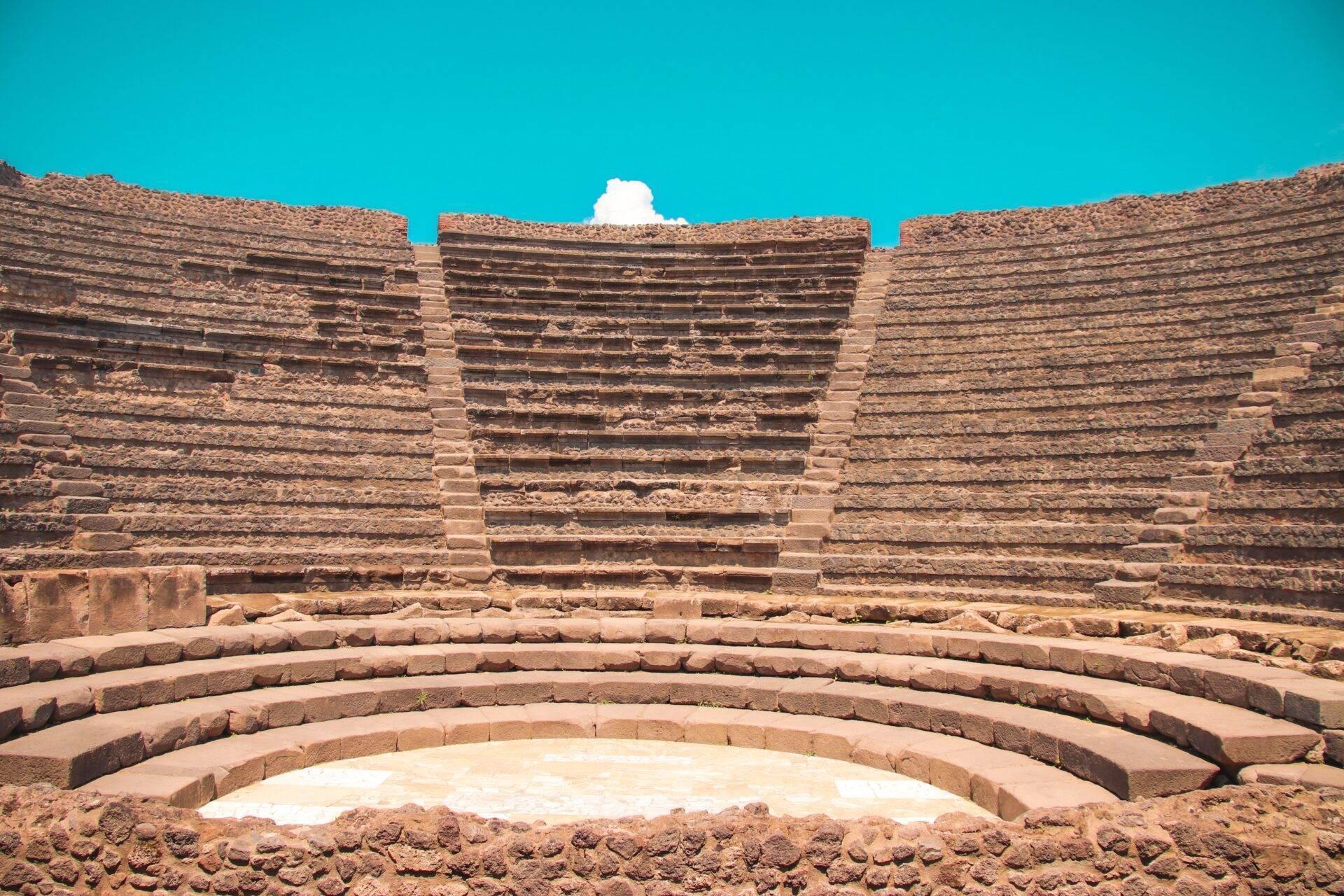
Buried under the ash of Vesuvius in 79 AD, Pompeii is the best-preserved archaeological site from Roman antiquity. Its 22 hectares of streets, houses, bathhouses and shops – frozen in time – were added to the UNESCO World Heritage List in 1997. The site welcomed 4.17 million visitors in 2024, and since November 2024 access has been capped at 20,000 visitors per day: book online before you travel.
Nature and Heritage: Lakes and Italian Gardens
19. Lake Como
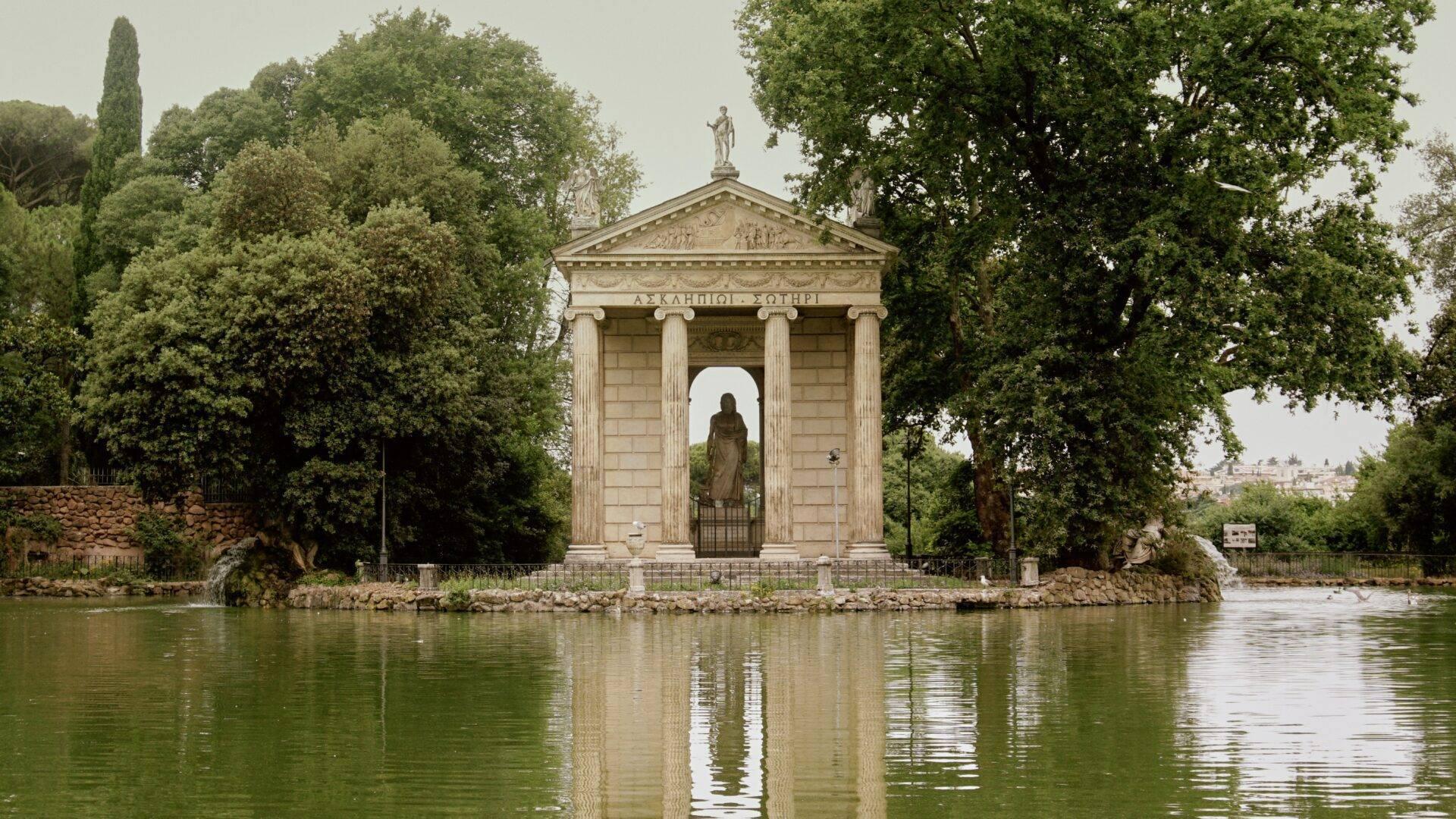
Ringed by mountains and neoclassical villas, Lake Como is one of the most spectacular pre-Alpine lakes in Europe. Bellagio, at the junction of the lake’s two arms, is easily explored by boat from Como or Varenna.
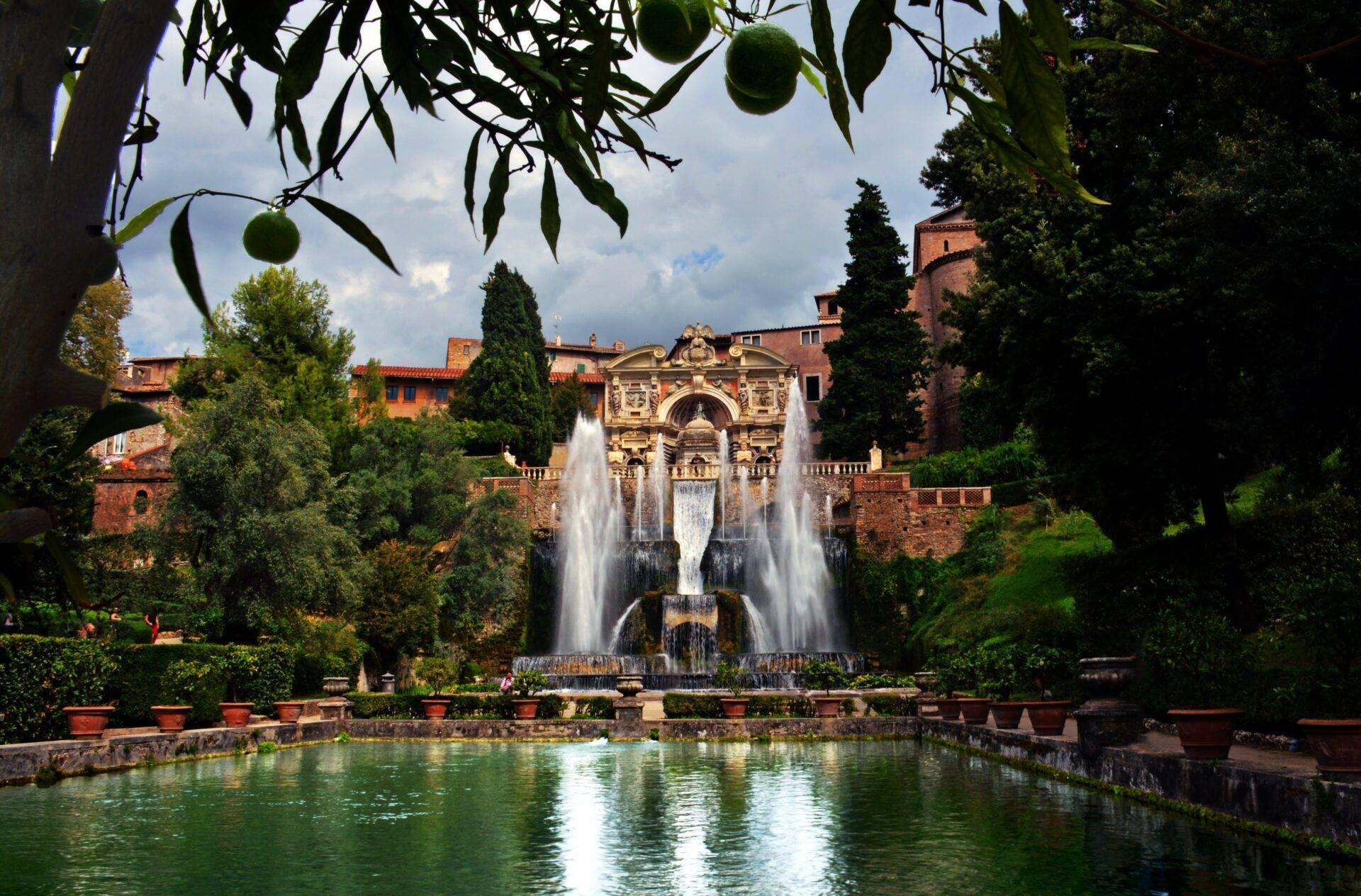
20. The Gardens of Villa d’Este, Tivoli
Thirty kilometres from Rome, the gardens of Villa d’Este rank among the finest examples of the Italian garden anywhere in the world. Designed in the 16th century for Cardinal Ippolito d’Este, they unfold across several hectares of hillside, with terraces, monumental fountains and cascading water features. The site has been a UNESCO World Heritage Site since 2001.
Planning Your Italian Itinerary
These 20 stops represent two to three weeks of travel at a comfortable pace. For journeys between cities, the Frecciarossa high-speed train (Trenitalia) connects Rome, Florence, Milan and Naples quickly. A car remains essential for rural Tuscany, the Amalfi Coast and the lake regions.
For trips covering several regions in one go, our Italy road trip guide suggests itineraries based on how long you have.
Before you leave, take a look at our Italy travel insurance page for entry requirements, recommended medical cover and practical details about the country.
FAQ
When is the best time to visit Italy?
Spring (April-May) and autumn (September-October) offer the best balance: pleasant temperatures, thinner crowds than high summer and lower accommodation prices. Summer remains ideal for the coast, but the major cities can be sweltering in July and August.
How long should I allow for a first trip to Italy?
The classic Rome-Florence-Venice circuit is doable in 8 to 10 days at a comfortable pace (3 nights in Rome, 2 in Florence, 2 in Venice). To add the Cinque Terre, the Amalfi Coast or the northern lakes, allow at least two weeks.
Do I need to book the Colosseum and the Uffizi Gallery in advance?
Yes, for both. Queues without a reservation can exceed two hours at the Colosseum in high season. The Uffizi often sells out several weeks ahead in April, May and July. Book online as soon as your itinerary is confirmed.
What is the most practical way to travel between Italian cities?
The Frecciarossa high-speed train (Trenitalia) connects Rome, Florence, Milan and Naples quickly. A car is needed for rural Tuscany, the Amalfi Coast and the lake regions.
Do I need travel insurance for Italy?
Italy is a member of the European Union. The European Health Insurance Card covers some treatment in the public sector, but does not cover care at private clinics, medical repatriation or trip cancellations. Travel insurance covers these situations. See our Italy travel insurance page for practical details and entry requirements.