

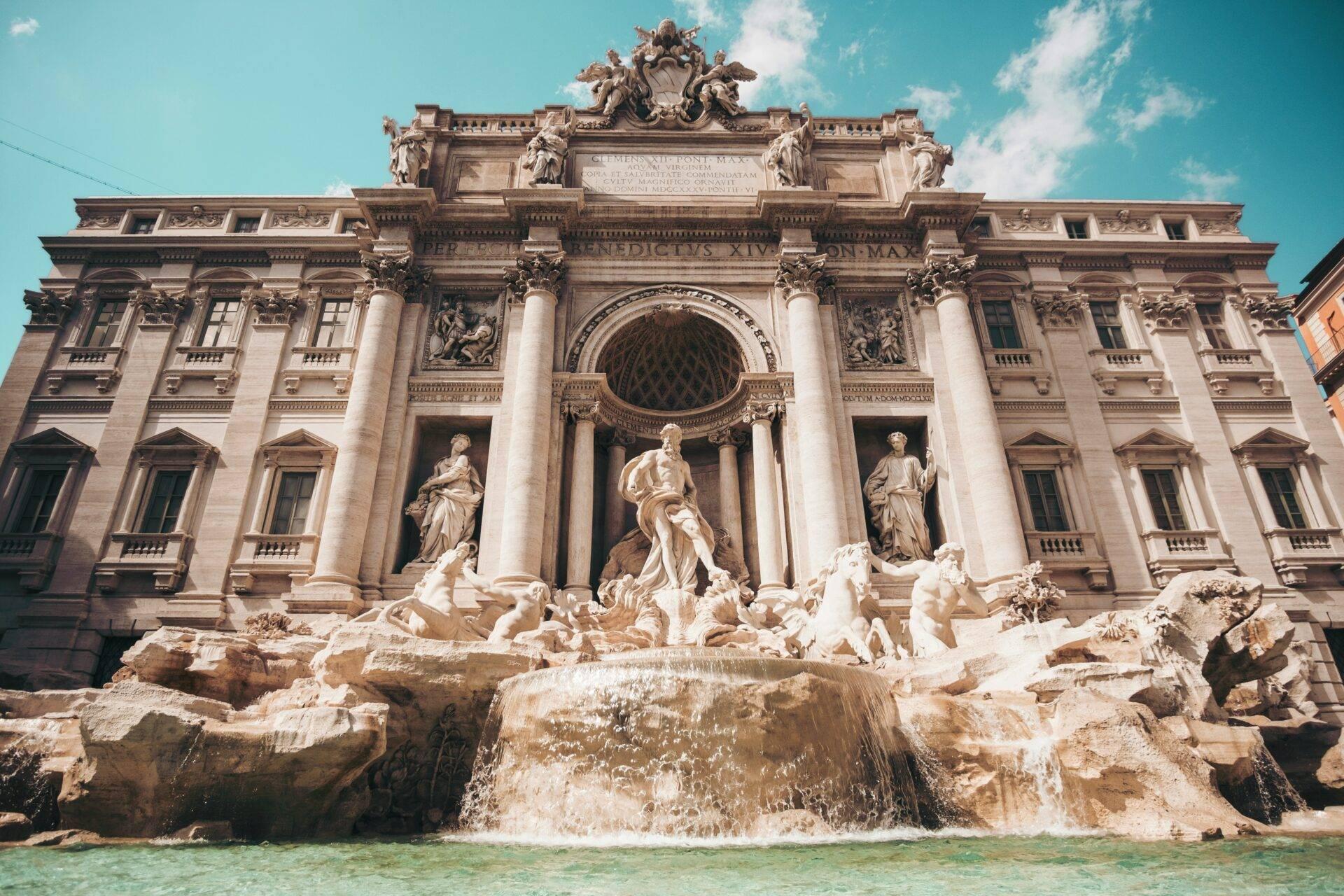
A road trip through Italy is freedom in its purest form: the freedom to pull over for an unplanned hilltop village, to veer off towards a Chianti vineyard or to linger one more night with the Tyrrhenian Sea outside your window. The classic route, taking in Rome, Tuscany, Venice and the Amalfi Coast, sits comfortably within two to three weeks. Here is how to plan it so you do not miss what matters most.
To spark ideas before you leave, browse our guide to the 20 unmissable things to do in Italy.
When to go on an Italy road trip
Spring (April-June) and autumn (September-October) attract the vast majority of seasoned road-trippers, and for good reason. Temperatures are pleasant, the back roads are driveable without sweltering heat and visitor numbers at the most popular sites remain manageable.
In July and August, temperatures regularly top 35°C across central and southern Italy. Coastal roads, particularly the Amalfi Coast and the Ligurian Riviera, grind to a standstill by mid-morning. If summer is your only option, head north to the Dolomites or the Alpine lakes, where the altitude transforms the experience entirely.

The key stops on the classic itinerary
Italy stretches more than 1,000 kilometres from north to south, so trying to cover everything in one trip is a fool’s errand. The Rome-Tuscany-Venice route captures the heart of the Grand Tour; the Amalfi Coast fits in naturally on a southward leg or on the way back via Naples. You can tackle the route in either direction depending on where you fly in.
Rome: 3 to 4 days to hit the ground running
Rome rewards those who arrive unhurried. The Colosseum, the Roman Forum and the Vatican fill two full days with ease. Days three and four are for wandering Trastevere, browsing the stalls at Campo de’ Fiori or returning to the Trevi Fountain at different hours, when the light and atmosphere shift completely.
See our guide on things to do in Rome for the must-see sights and best addresses.
Tuscany: the region made for slow driving
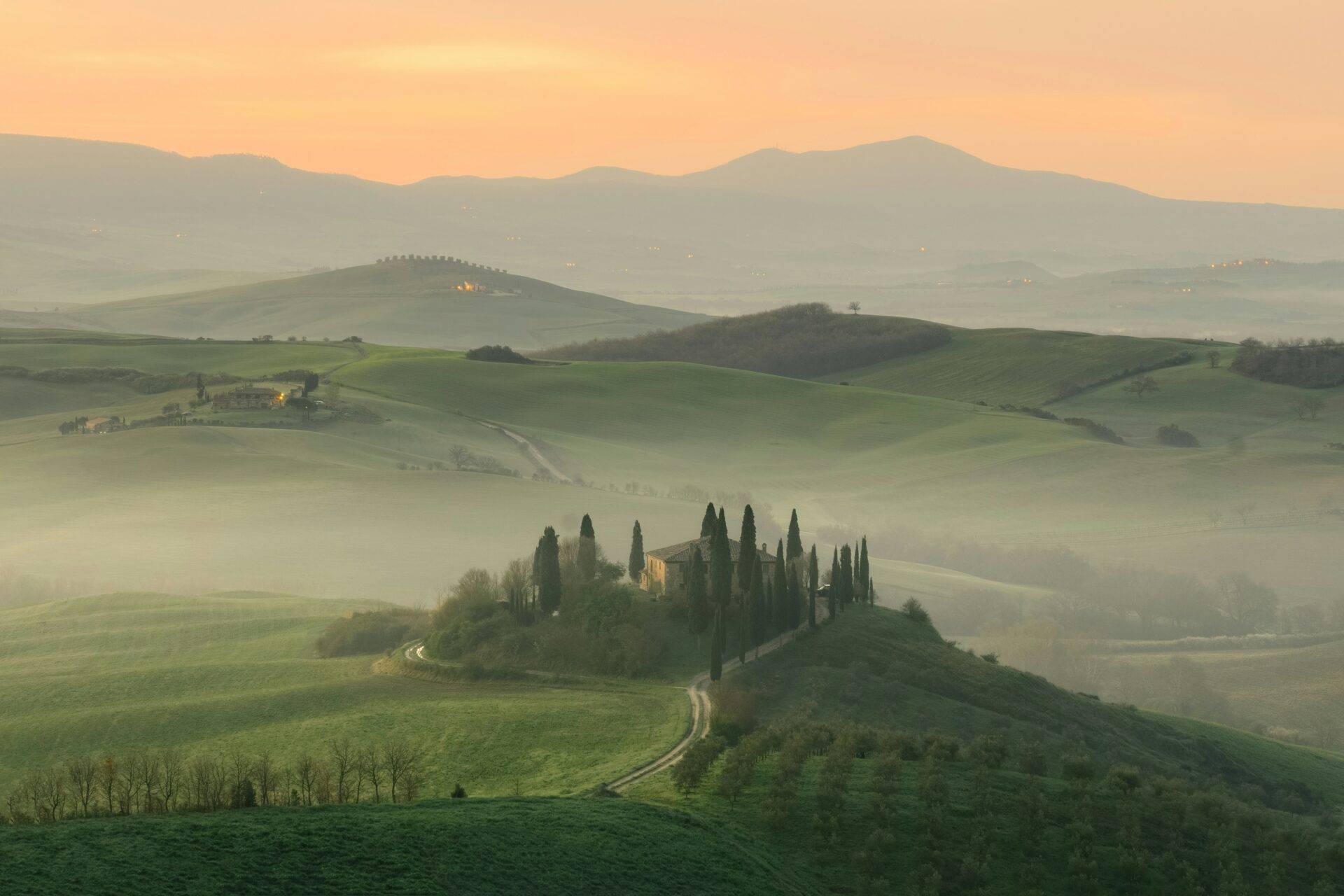
Between Florence and Siena, the Tuscan roads look like film sets: cypress trees lining the ridges, vineyards stretching to the horizon, medieval hilltop towns at every turn. Allow two to three days for Florence (the Uffizi, the Duomo, the Ponte Vecchio), a full day in Siena for the Piazza del Campo, then a night at an agriturismo in the Chianti or the Val d’Orcia. These working farm stays often serve their own wine, olive oil and cheese straight to the table, making for a genuine encounter with the people behind what you eat.
San Gimignano with its medieval towers, Montalcino and its Brunello cellars, Pienza with its sweeping views across the Val d’Orcia: Tuscany rewards those who drive slowly.
Venice: park the car, take the vaporetto
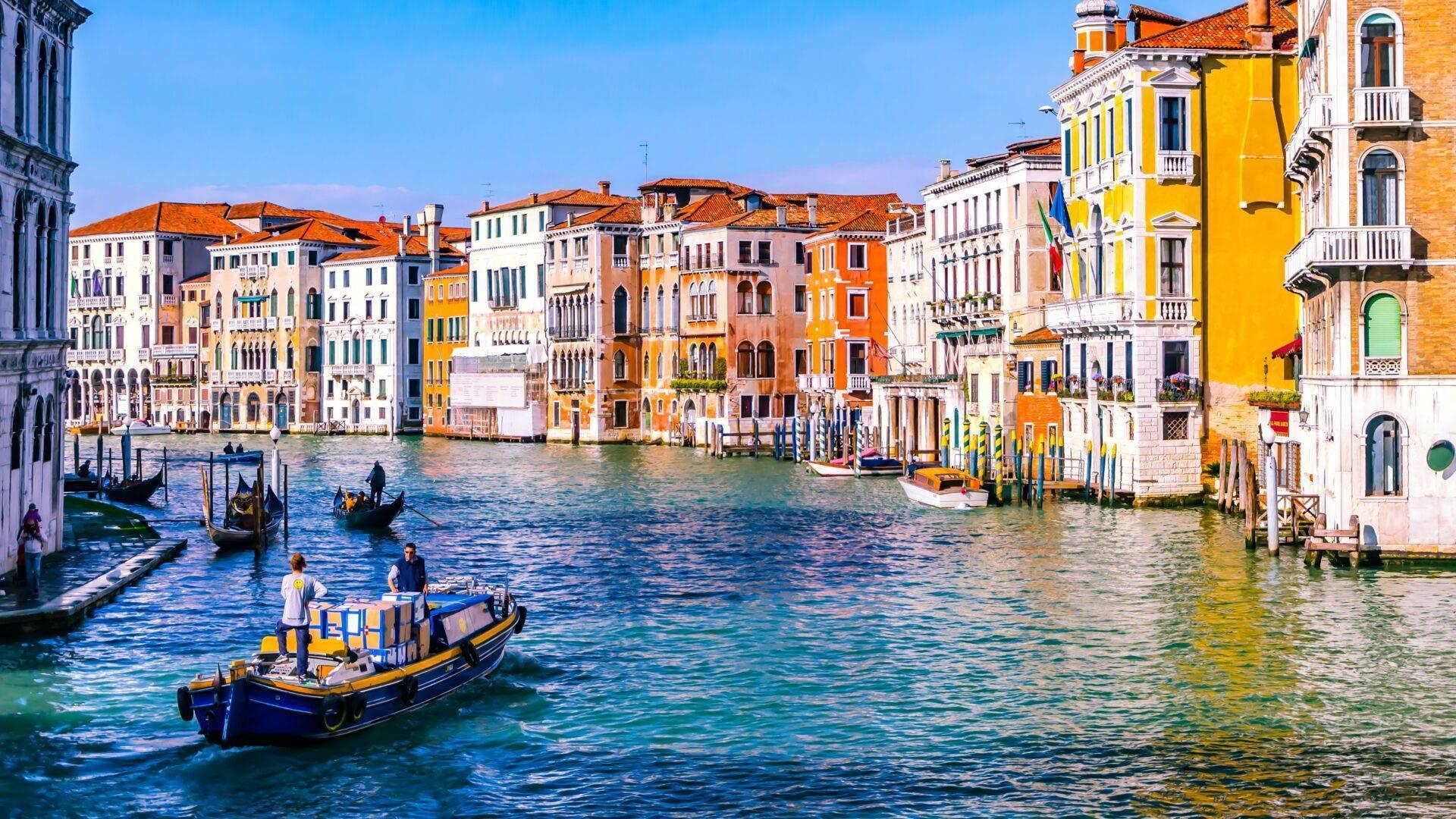
Venice is the one major stop where the car becomes redundant the moment you arrive. Park in Mestre or in one of the car parks at Piazzale Roma, then enter the city on foot or by vaporetto. Two days cover St Mark’s Square, the Doge’s Palace, the Rialto Bridge and the canals of Cannaregio; three days if you add Murano or Burano.
Find the 20 experiences not to miss: things to do in Venice.
The Amalfi Coast: a spectacular finale
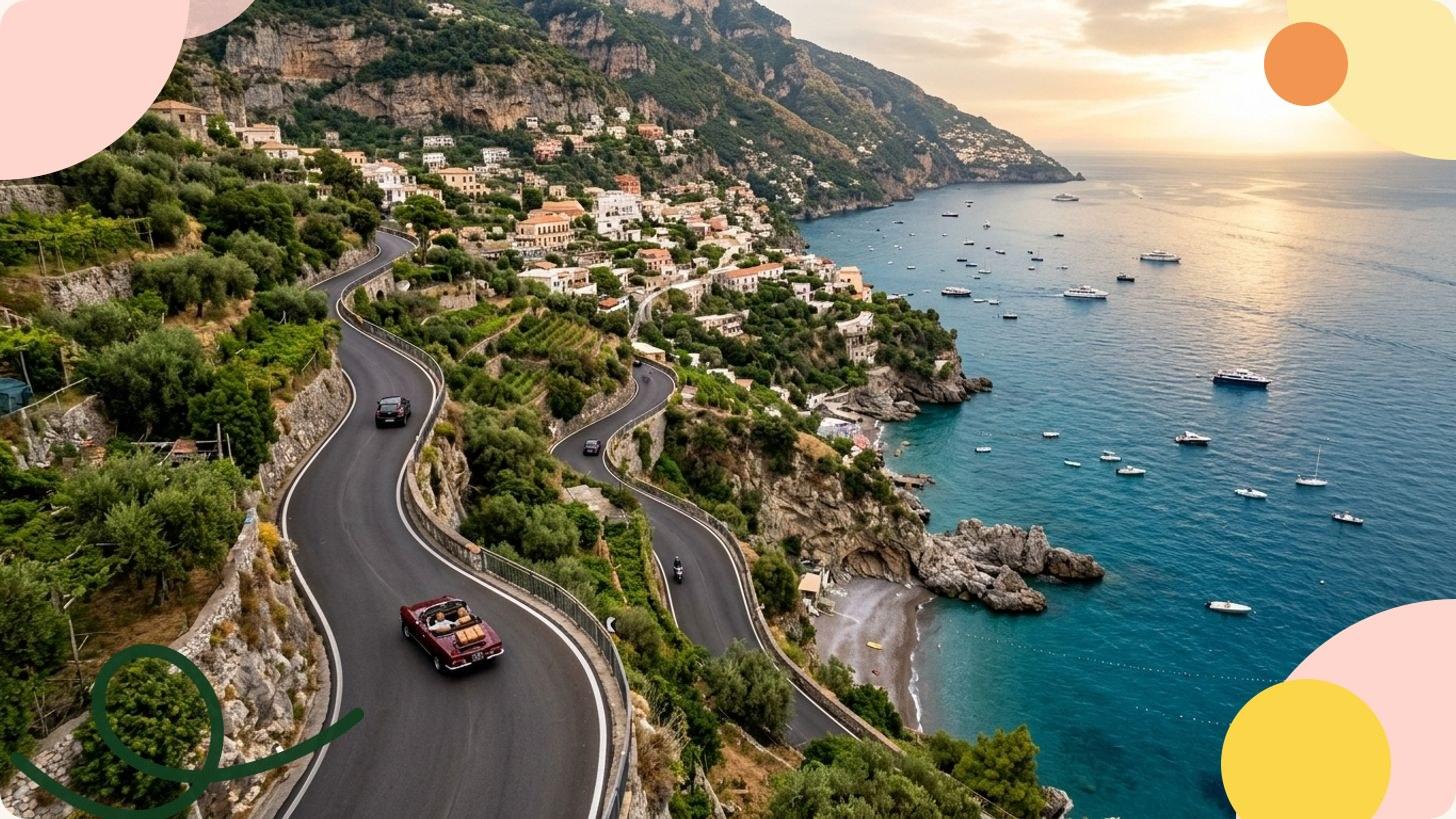
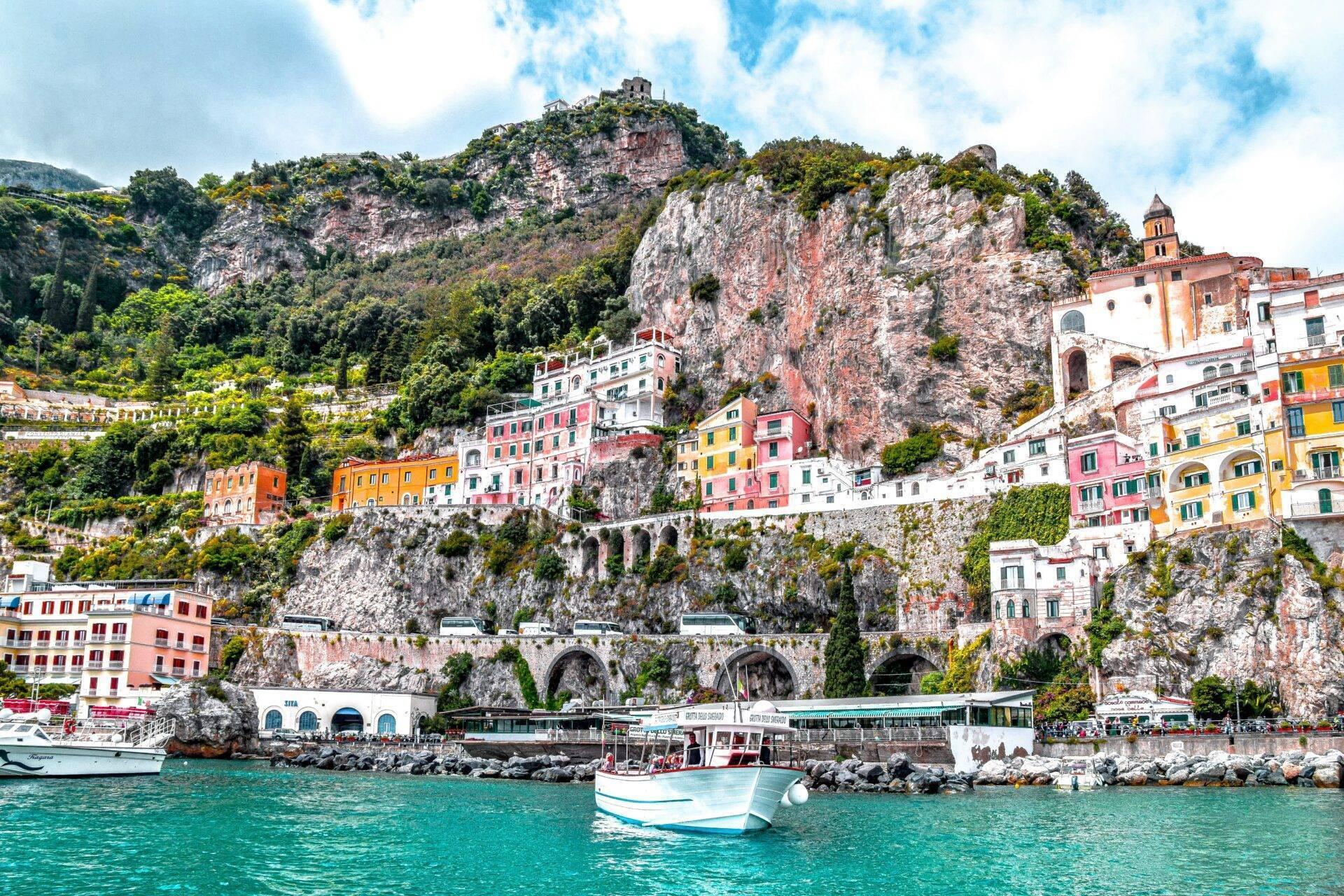
The Amalfi Coast stretches roughly 50 kilometres between Sorrento and Salerno. The road that hugs it is narrow, winding and utterly breathtaking: allow at least 2 to 3 days to cover the highlights (Positano, Amalfi, Ravello), or 5 days for a more unhurried exploration with extended stops by the sea. The ferry services between villages are often far more practical than the car for short hops.
Further north along the Ligurian Riviera, the Cinque Terre offer another take on this landscape of colourful cliff-side villages, with the added convenience of being reachable by train from Genoa or La Spezia.
ZTL zones: the trap to avoid in every major city
Limited traffic zones (ZTL, zona traffico limitato), marked by a round red sign on a white background, are found throughout Italy, including Rome, Florence, Siena and Naples. An unauthorised entry can cost between €80 and €200 in fines depending on the city, and each entry AND each exit are counted separately.
Three habits to avoid the fines:
- Park in a car park on the edge of the historic centre and walk in.
- Check the ZTL boundaries before each stop: they vary from city to city and often apply only during specific hours.
- If your hotel is inside a ZTL, contact them before you arrive: most properties can register your number plate with the local authority.
In Rome, Florence or Naples, the historic centre is far better explored on foot than from behind a steering wheel anyway.
Getting covered before you hit the road
An accident, a hospitalisation or a serious breakdown abroad can add up quickly. For everything relating to health cover, medical repatriation and travel formalities, visit Yupwego’s Italy travel insurance page.
FAQ
How long does an Italy road trip take?
Allow at least two weeks to cover Rome, Tuscany and Venice without rushing. Three weeks gives you room to add the Amalfi Coast and leave space for spontaneous detours, which are often the best memories you bring home.
Is it better to hire a car locally or drive from home?
Hiring locally avoids a long drive and keeps vehicle insurance straightforward. Make sure the rental agreement covers Italy and includes breakdown assistance.
What is a ZTL in Italy?
A limited traffic zone (zona traffico limitato) where only authorised vehicles are permitted. An unauthorised entry can cost between €80 and €200 in fines, with each entry AND exit counted separately.
What is the best time of year for an Italy road trip?
Spring (April-June) and autumn (September-October): comfortable temperatures, free-flowing roads outside tourist hotspots and more affordable accommodation than at the height of summer.
Can you do an Italy road trip with children?
Absolutely. Tuscany with its agriturismos, the northern lakes and the smaller medieval towns are all well suited to families. Keep daily drives to two or three hours and choose stops with plenty of outdoor space.