
Venice packs an extraordinary density of masterpieces into just a few square kilometres: Byzantine basilicas, Gothic palaces rising from the water, glassblowers’ workshops and canals lined with colourful facades. This guide covers the top 20 must-sees, organised by sestiere (historic neighbourhood) to save you crisscrossing the city, along with a 3-day itinerary tailored to first-time visitors.
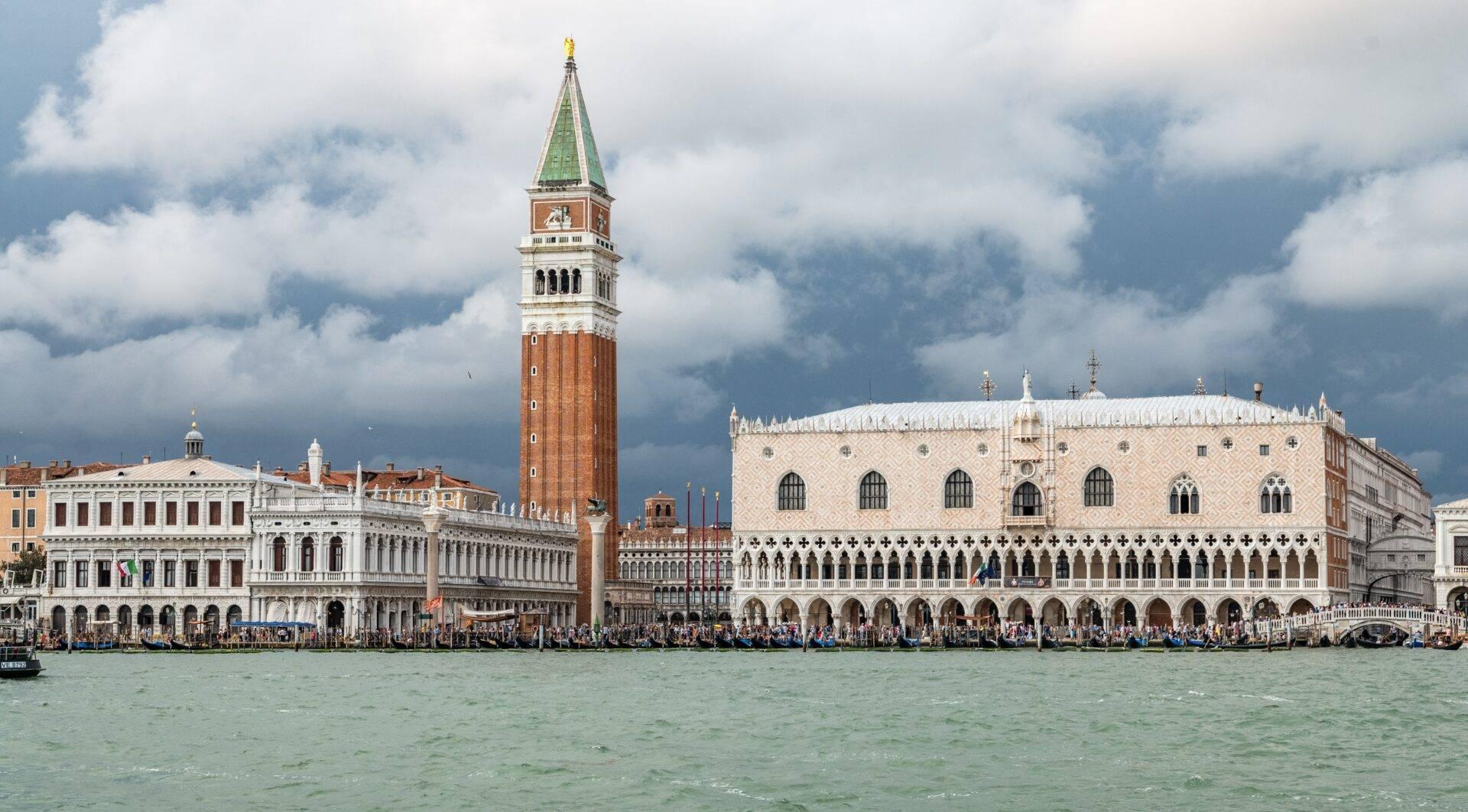
San Marco: the historic heart of Venice
The sestiere of San Marco is the natural starting point for any visit. It holds the greatest concentration of major monuments, along with the heaviest crowds: arrive before 9am to enjoy the sites in relative peace.
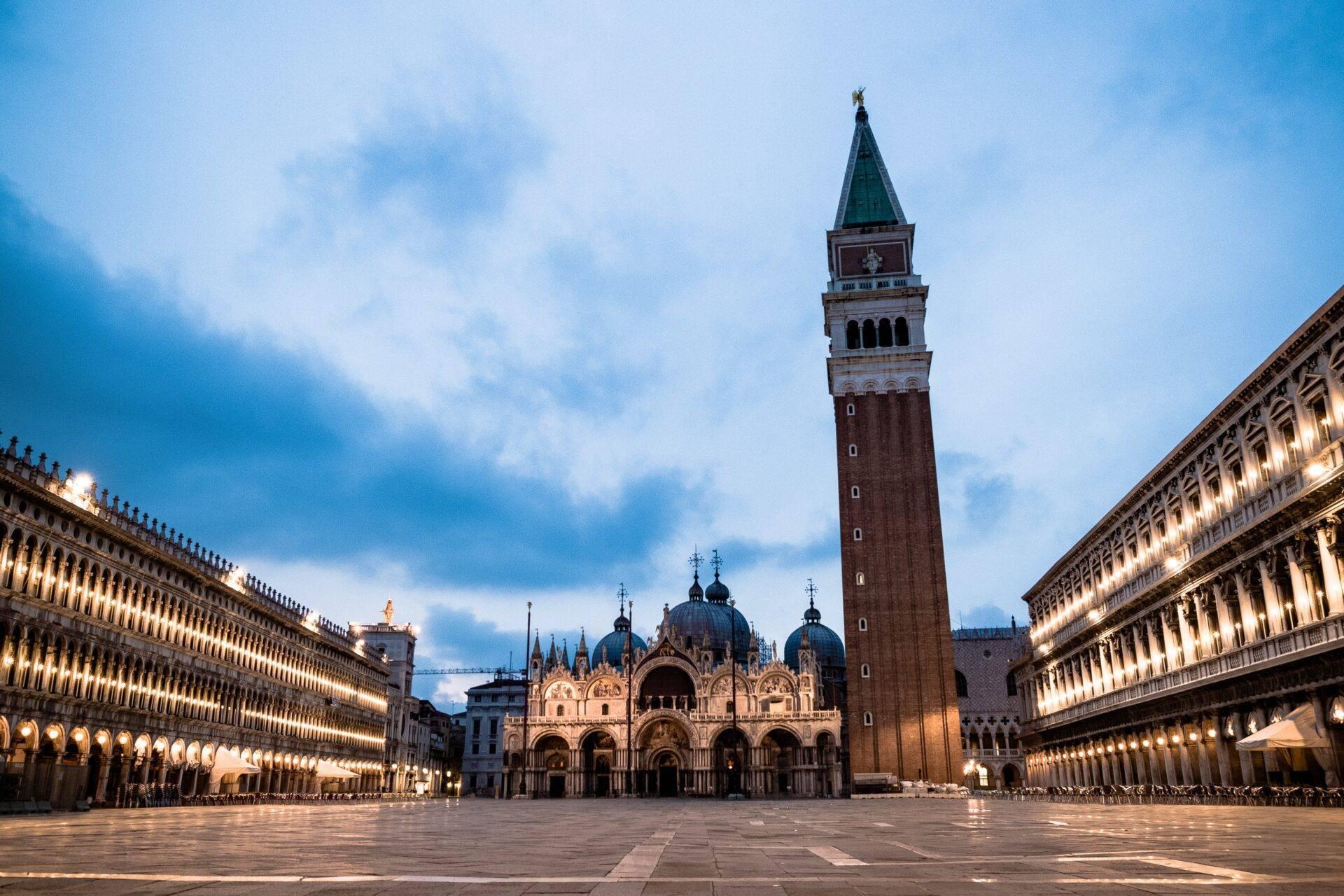
1. St Mark’s Square
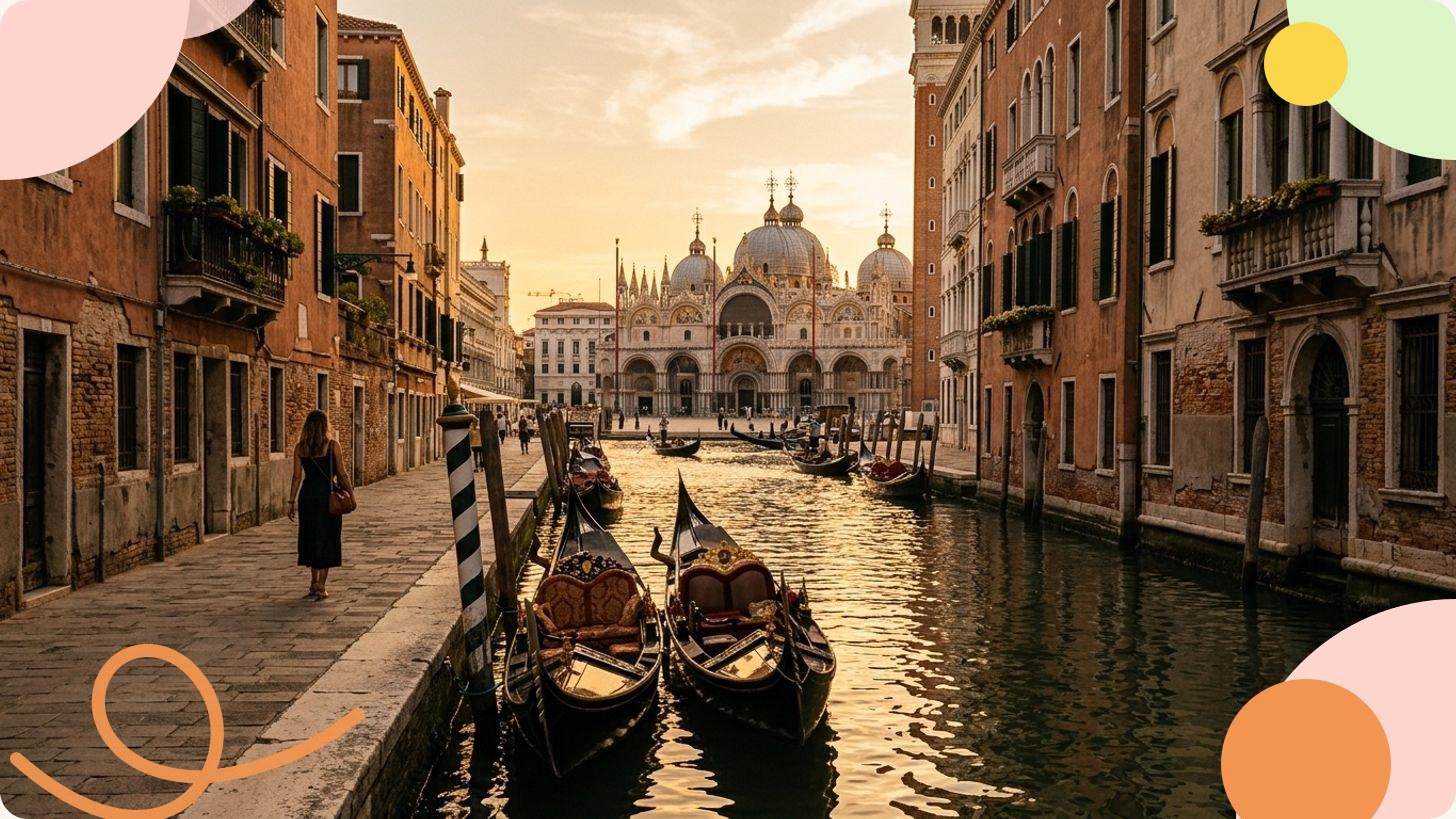
Napoleon called it “the finest drawing room in Europe.” The Piazza San Marco is framed by three exceptional buildings: the Basilica, the Doge’s Palace and the Procuratie, the long arcaded wings that once housed the offices of the Republic. The cafes beneath the arches serve espresso standing up, as Venetians have done for centuries.
2. St Mark’s Basilica
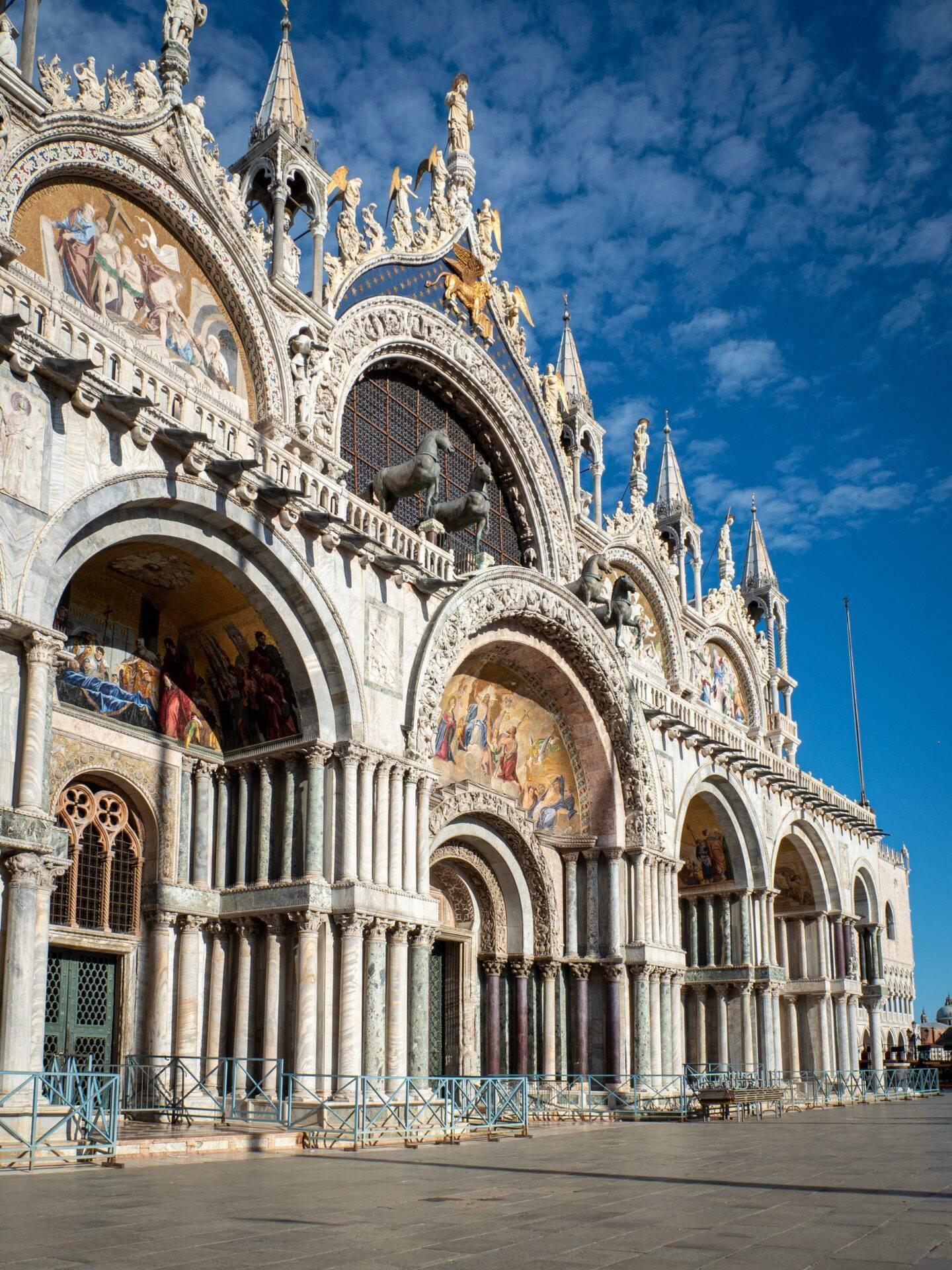
Built from the 9th century onwards to house the relics of Saint Mark, the basilica accumulated centuries of offerings from across the Eastern world: golden mosaics dating back to the 11th century, porphyry columns and bronze horses brought from Constantinople. Climb to the upper galleries for a sweeping view over the nave and the piazza. Booking online spares you a wait of several hours.
3. The Doge’s Palace
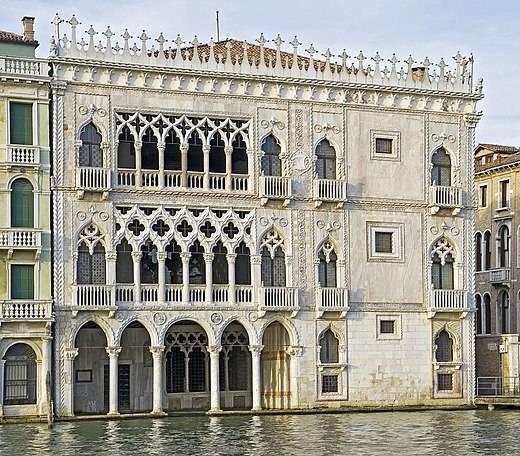
The Palazzo Ducale is at once a masterpiece of Venetian Gothic and a state museum. Its interior holds the largest ceremonial halls of the Italian Renaissance, adorned with works by Tintoretto and Veronese. The interior route includes a crossing of the Bridge of Sighs, the narrow passage linking the interrogation rooms to the cells, through which condemned prisoners caught their last glimpse of the lagoon.
4. The Clock Tower
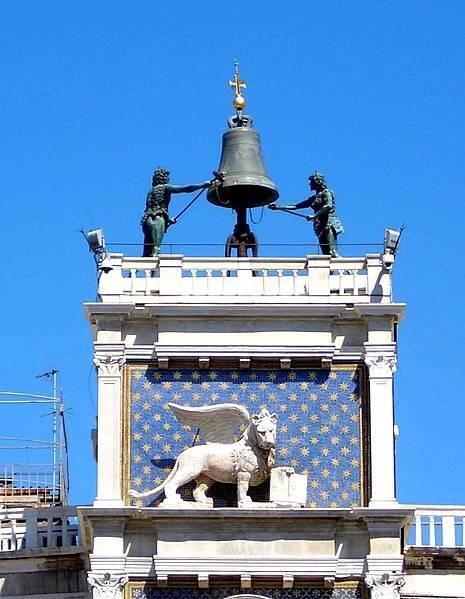
Overlooking the entrance to the Mercerie since 1499, the Torre dell’Orologio displays a 24-hour astronomical clock face decorated with the signs of the zodiac. Two bronze automatons, the Mori, strike the hours from its summit. The guided tour of the inner mechanism must be booked in advance; it is one of the most remarkable experiences the square has to offer.
5. The Museo Correr
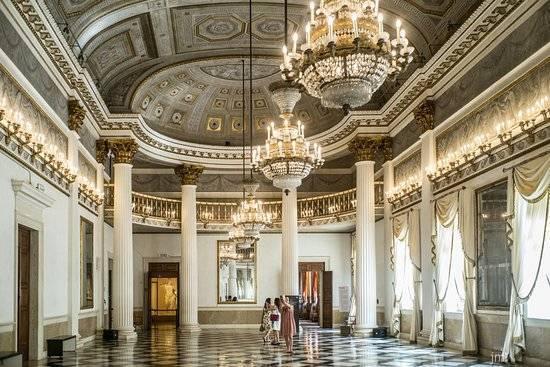
Far less crowded than its neighbours, the Museo Correr occupies a wing of the Procuratie and traces the history of the Venetian Republic. It takes its name from the nobleman Teodoro Correr, who bequeathed his collection to the city in 1830. Do not miss the section on the doges and the paintings by Giovanni Bellini.
6. La Fenice Opera House
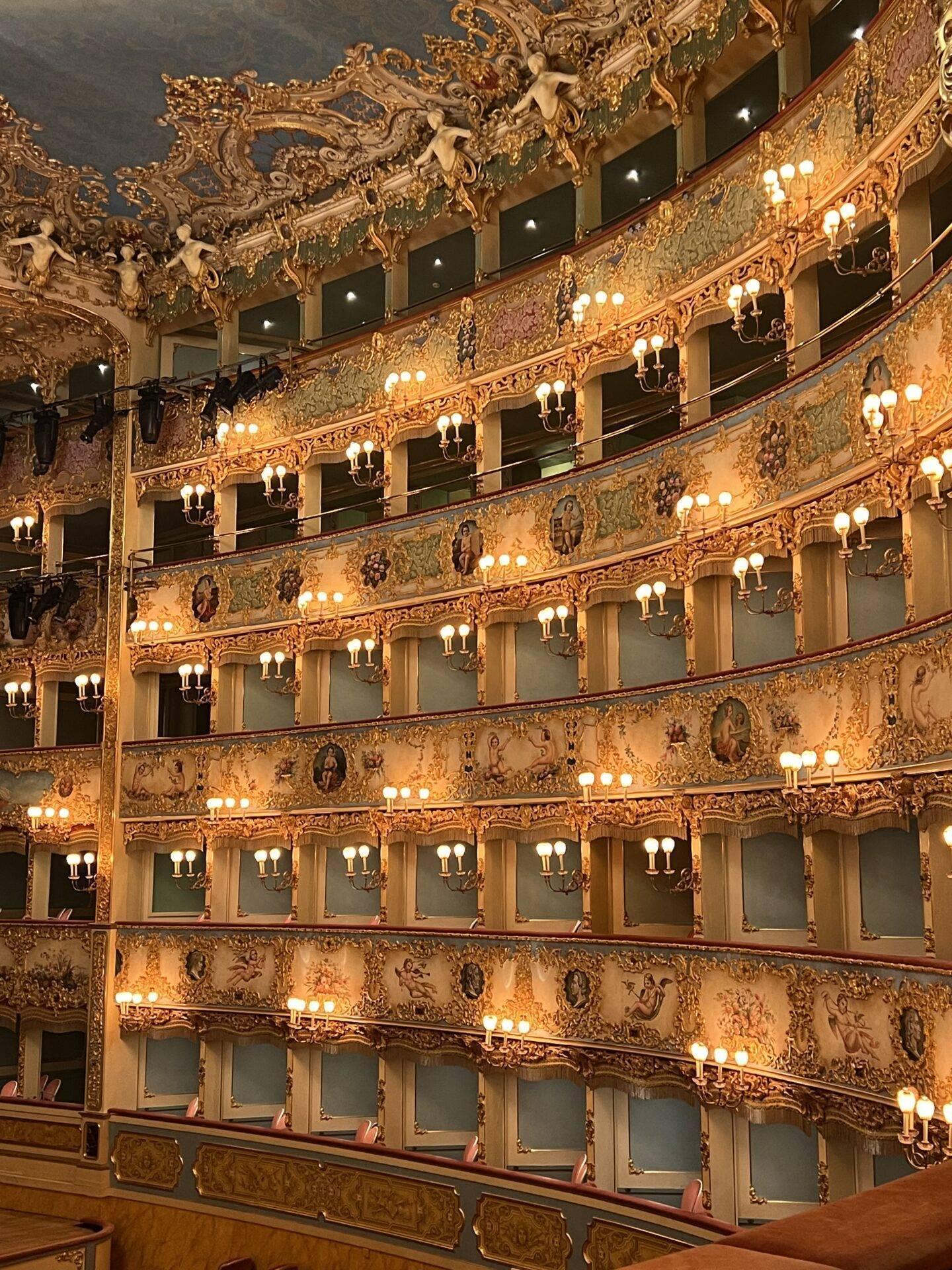
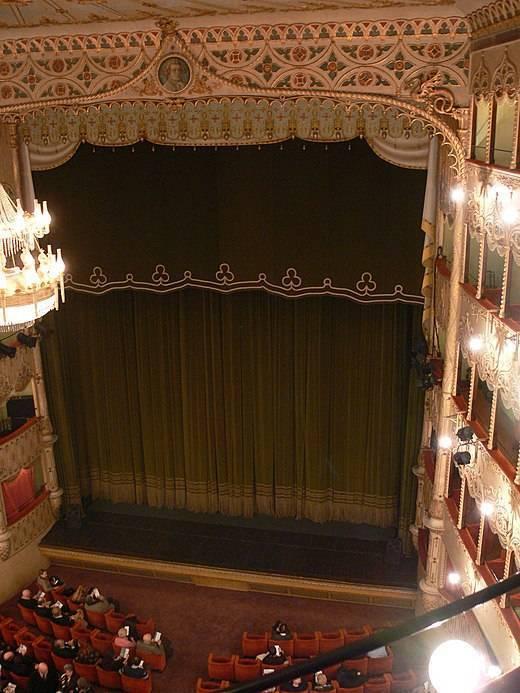
“La Fenice” (the Phoenix) takes its name from its capacity for rebirth: the theatre burned down twice, in 1836 and in January 1996 (the latter a case of arson), before being faithfully restored and reopened in November 2004. Giuseppe Verdi premiered Rigoletto here in 1851 and La Traviata in 1853. Guided tours run during the day; the opera season runs from November to June.
Dorsoduro: the artistic soul
The sestiere of Dorsoduro, in the southern part of the city, is home to the finest museums and a far more relaxed atmosphere than San Marco. Many students from Ca’ Foscari university live here, giving the neighbourhood an unhurried, lived-in energy.
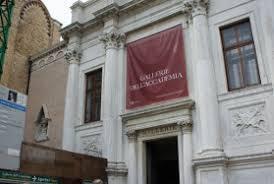
7. The Gallerie dell’Accademia
The world’s largest museum of Venetian painting spans eight centuries of art, from Bellini to Tiepolo, taking in Titian, Veronese and Tintoretto along the way. Housed in a former convent, it offers a chronological journey through the evolution of the Venetian school. Allow two to three hours at minimum and book online.
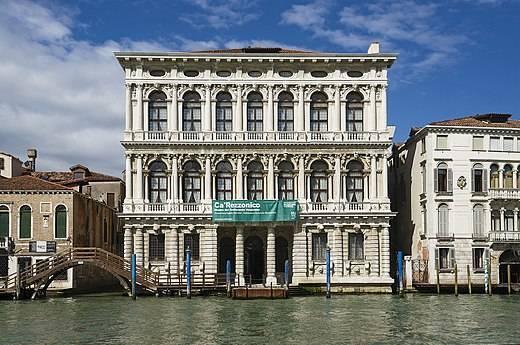
8. Ca’ Rezzonico
This magnificent Baroque palace on the Grand Canal houses the Museum of 18th-century Venice. Its Tiepolo frescoes and period-furnished rooms conjure up life among the great Venetian families at the height of Carnival. The terrace offers a direct view over the Grand Canal.
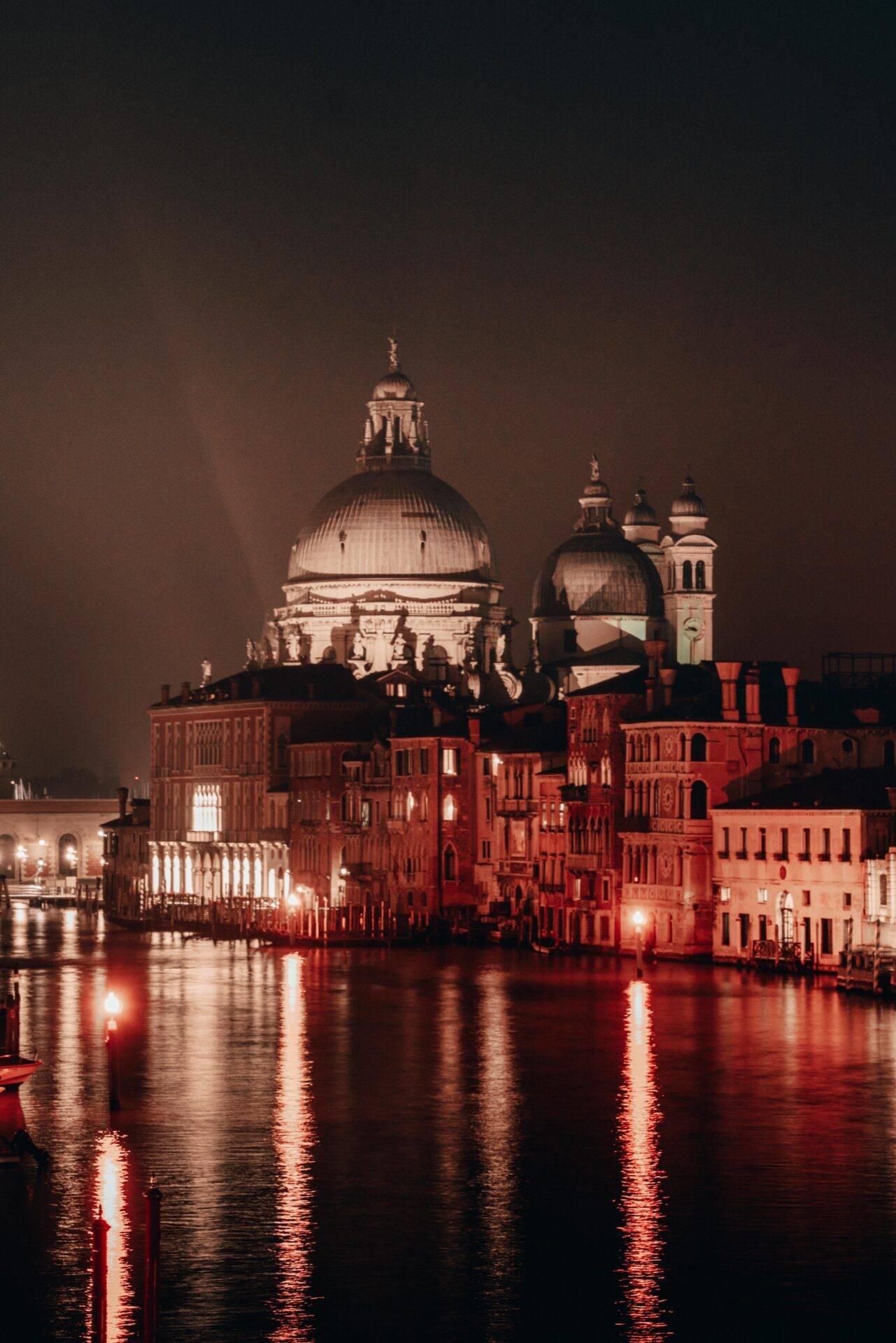
9. Santa Maria della Salute
Erected at the entrance to the Grand Canal in thanksgiving for the end of the 1630 plague epidemic, this Baroque basilica is one of the most photographed landmarks in Venice. Its twin domes dominate the lagoon skyline. Inside, canvases by Titian and Tintoretto fill the side chapels.
San Polo and Santa Croce: market and masterpiece
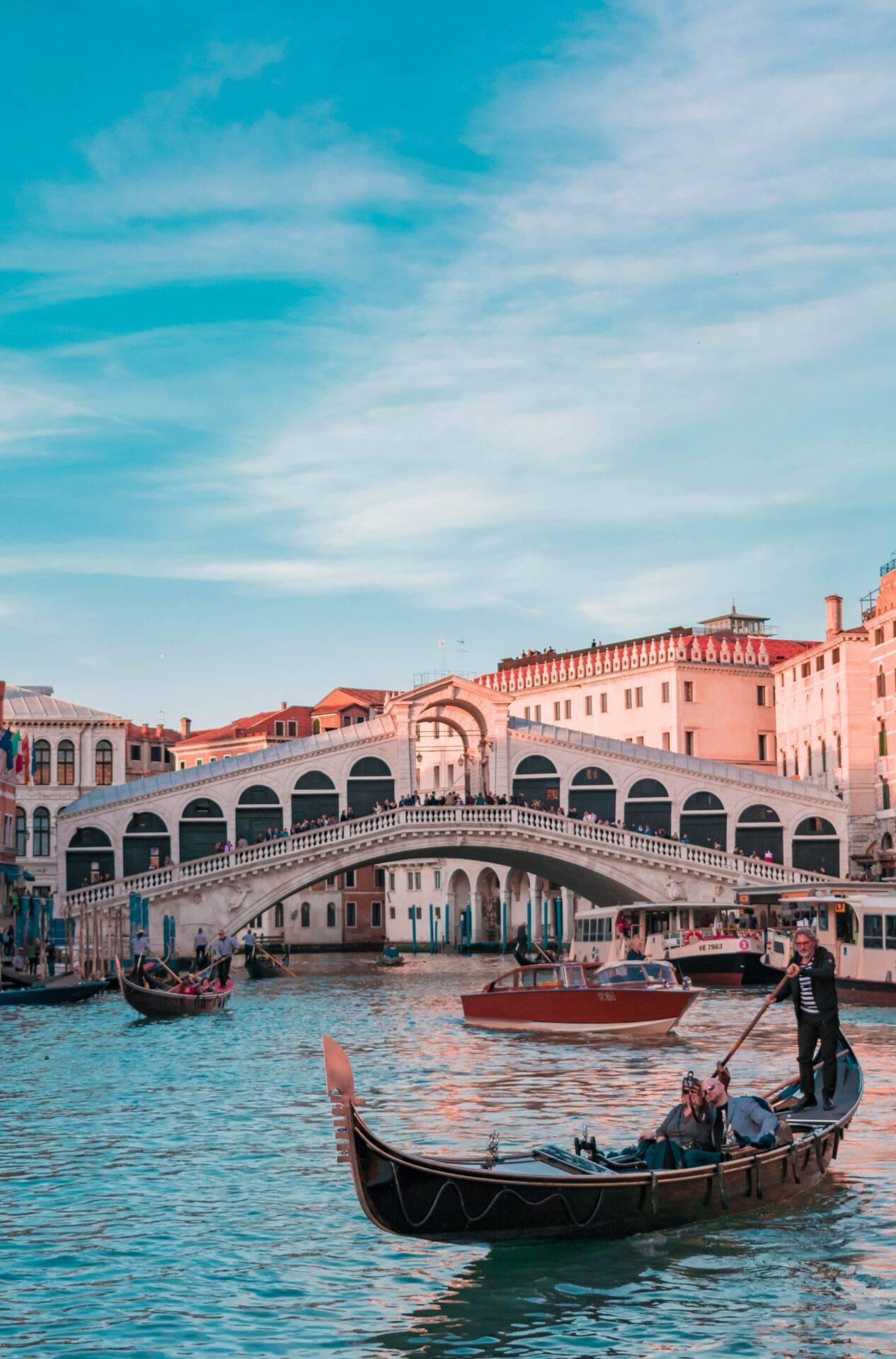
10. The Rialto Bridge
Redesigned in stone by the architect Antonio da Ponte and completed in 1591, the Rialto is the oldest of the four bridges spanning the Grand Canal. Its construction was considered so daring that some architects of the day predicted it would collapse. Head down to the Rialto Market on the San Polo side: one of the liveliest fish markets in Italy, in full swing from dawn.
11. The Scuola Grande di San Rocco
Less famous than the major museums, the Scuola Grande di San Rocco is nonetheless a visual revelation: Tintoretto spent more than twenty years here covering the ceilings and walls with monumental biblical cycles. Entry includes a tilted mirror for admiring the ceiling panels without craning your neck, a small detail that speaks volumes about the care put into the visitor experience.
12. The Grand Canal by vaporetto or gondola
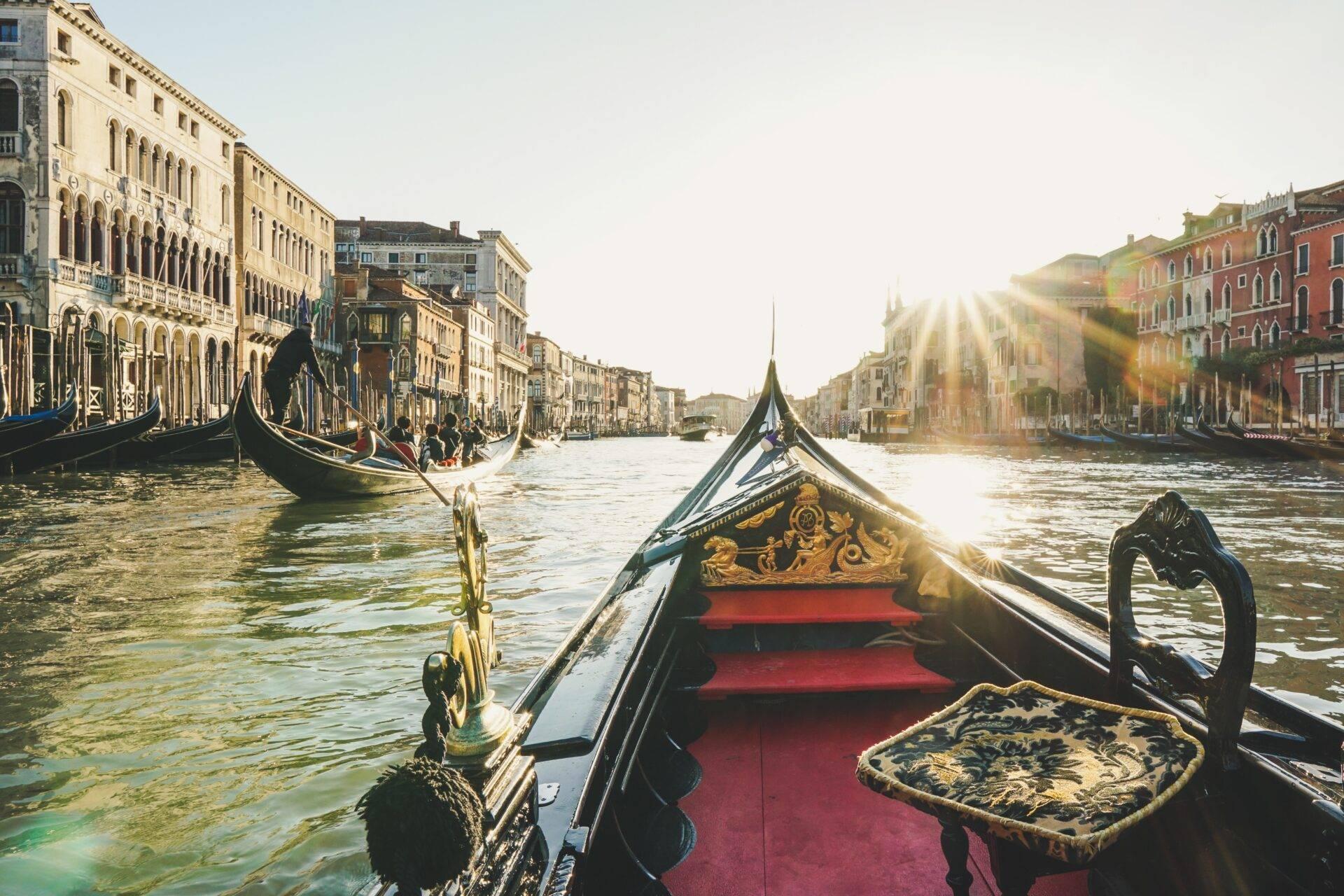
Winding for 3.8 kilometres, the Grand Canal is Venice’s main artery. Taking vaporetto line 1 from end to end remains the best introduction to the city: Gothic palaces, open-air markets and facades in red and ochre unfold in an unbroken sequence. The gondola, slower and quieter, offers a different perspective on the secondary canals, far from the well-worn tourist trails.
Castello: the arsenal of Venetian power
13. The Arsenale
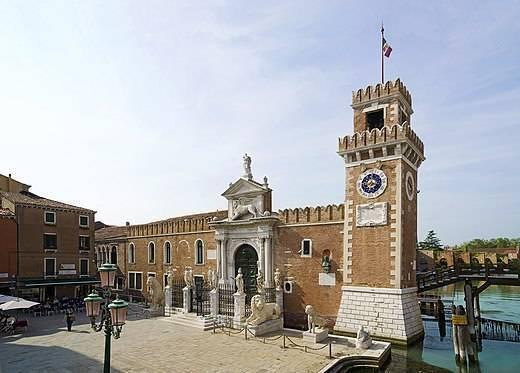
At its height, the Venice Arsenale employed 16,000 workers capable of assembling a galley in a matter of hours using production-line methods. This complex of shipyards covered around 15% of the island’s surface area and made Venice the foremost maritime power in the Mediterranean. Now repurposed as a cultural venue for the Art and Architecture Biennale, it remains one of the best-preserved medieval industrial complexes in Europe. The northern zone is open to the public free of charge.
Cannaregio: the Ghetto and the quiet canals
14. The Venice Ghetto
On 29 March 1516, the Senate of the Venetian Republic designated an island in the sestiere of Cannaregio to house the Jewish community: it was the first ghetto in history, and the word itself comes from the Venetian dialect “geto” (foundry), the name of the former industrial site on that spot. Unable to expand outwards, the houses on Campo del Ghetto Nuovo rose to seven storeys. The Jewish Museum and the synagogues tell five centuries of history. It is one of the most peaceful and least visited neighbourhoods in the city.
The islands of the lagoon
15. The island of Murano
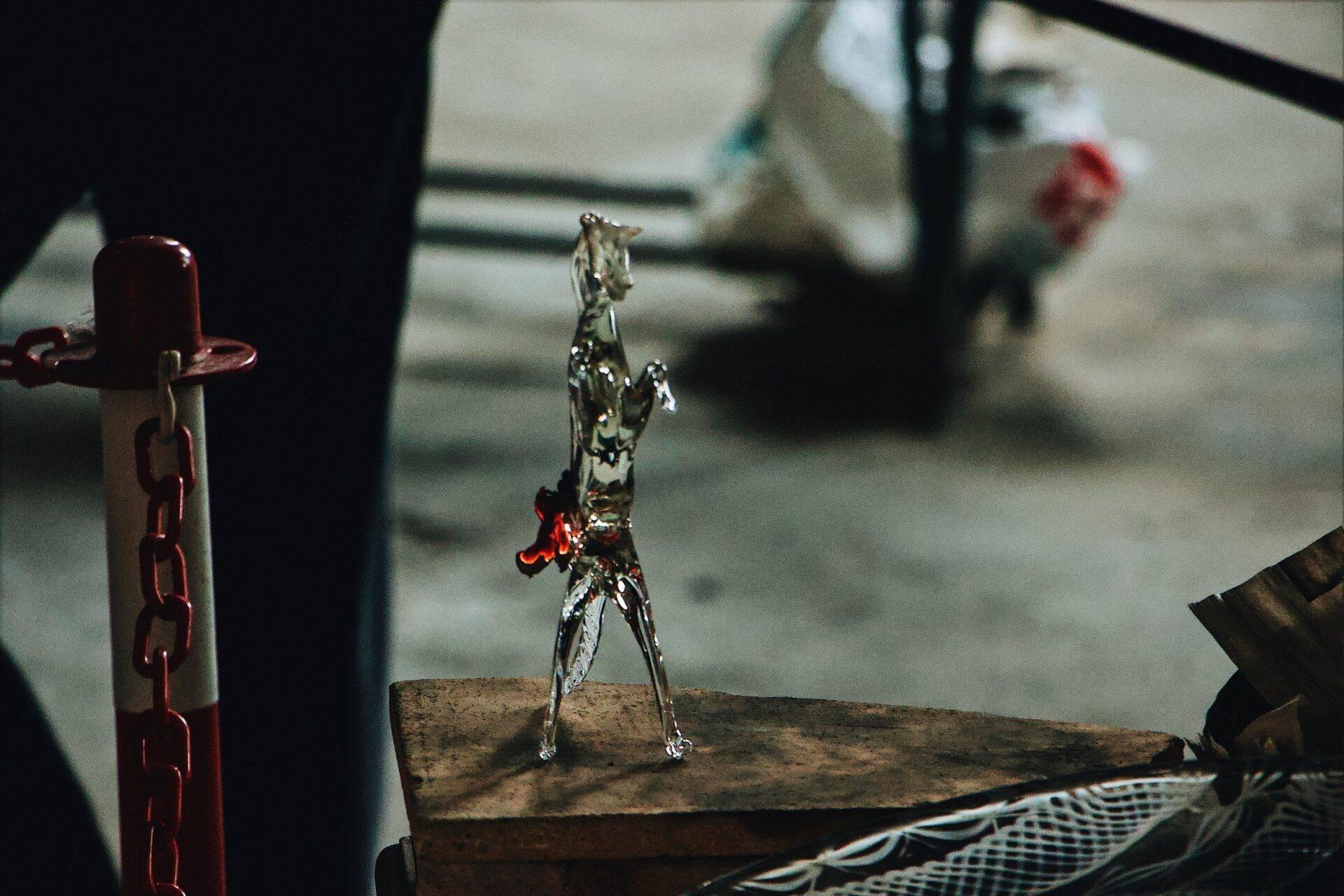
In 1291, the Venetian Republic ordered all master glassmakers to relocate to the island of Murano, officially to protect Venice from the risk of fire, but also to keep their trade secrets under close watch. For over seven centuries, artisans here have been perfecting the arts of blowing, filigree and coloured glass. Visit a workshop to see the transformation at first hand: the heat of the furnace and the glassblower’s precision are worth the trip alone.
16. The island of Burano
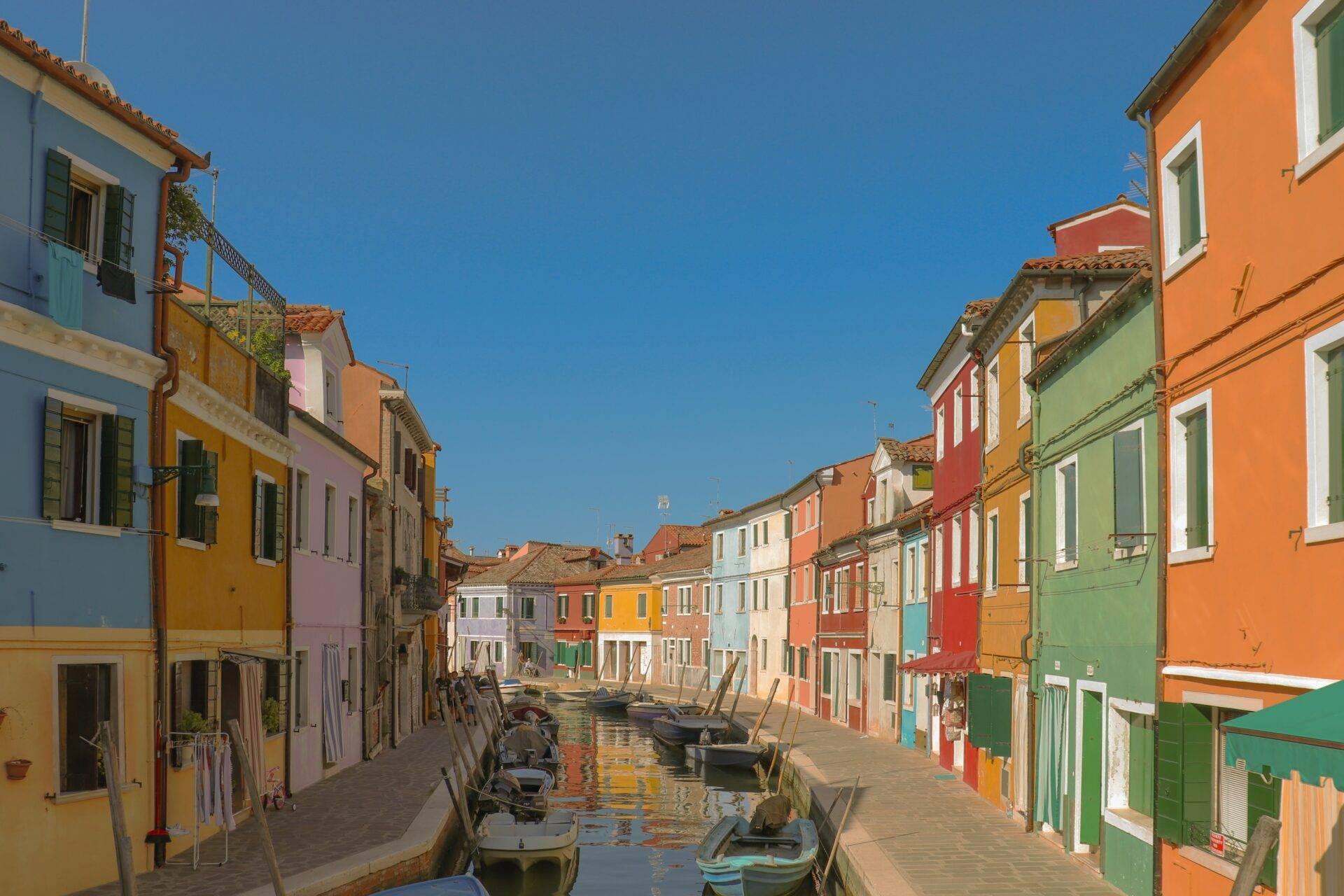
Forty minutes by vaporetto, Burano is a striking contrast to the grey stone of Venice: every house is painted a vivid shade, red, yellow or apple green, a tradition that helped fishermen spot their homes through the lagoon’s thick morning mists. Burano lace was the most prized in Europe during the 16th century; the Scuola dei Merletti, founded in 1872, still displays the finest surviving examples.
17. The island of Torcello
Torcello Cathedral, Santa Maria Assunta, was founded in 639, making it one of the oldest Christian buildings in the lagoon. At its peak, the island was home to around 20,000 inhabitants and rivalled Venice as a commercial centre. Almost nothing remains today beyond the cathedral and its Byzantine mosaics of the Last Judgement. The near-deserted silence makes it a striking counterpoint to the bustle of the city.
18. San Giorgio Maggiore
Facing the Doge’s Palace across the St Mark’s Basin, the island of San Giorgio Maggiore is home to a 16th-century Palladian church. Take the lift up its campanile for the most complete panorama over Venice and the lagoon, often far less crowded than the view from the Campanile in St Mark’s Square.
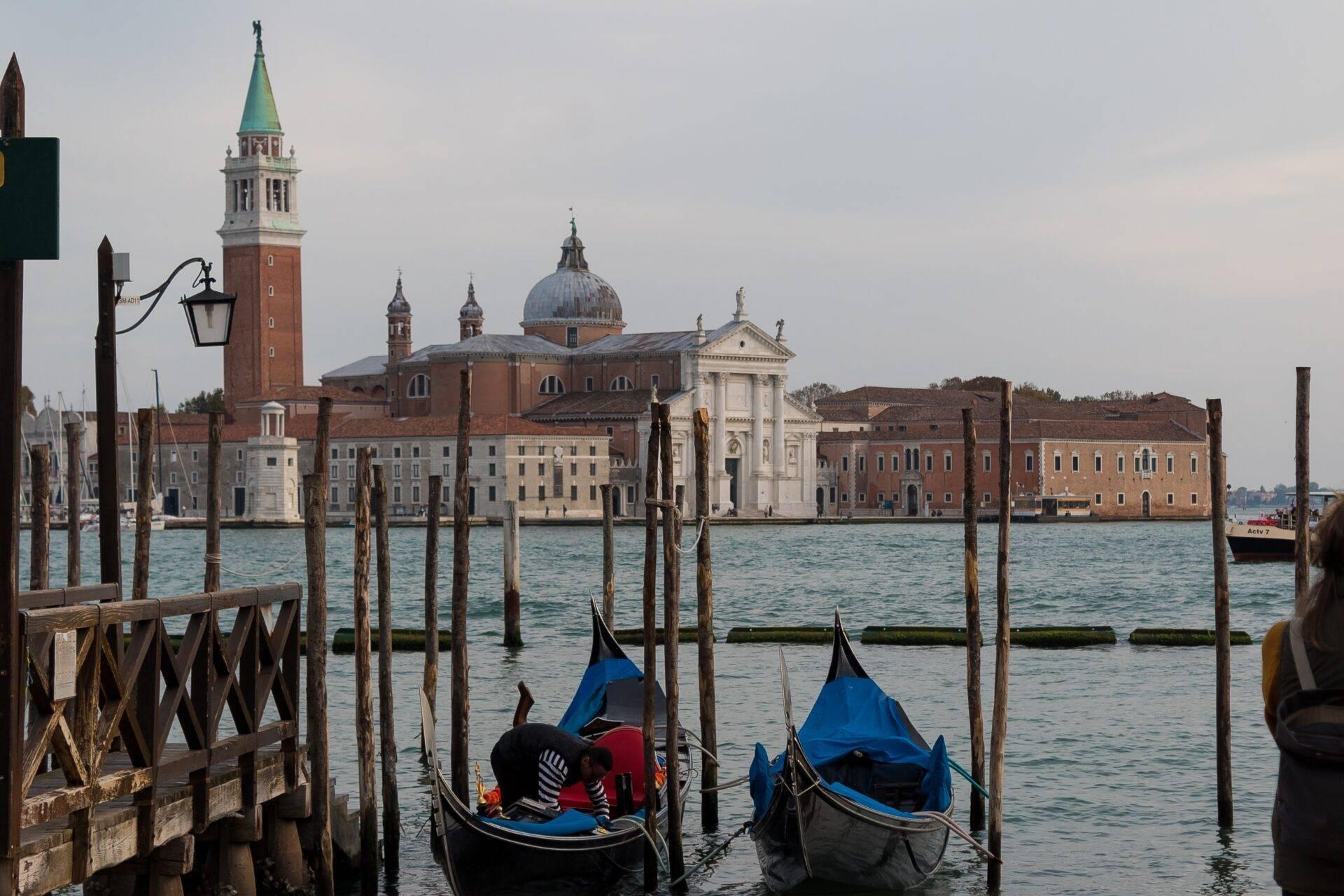
Two experiences best enjoyed outside peak hours
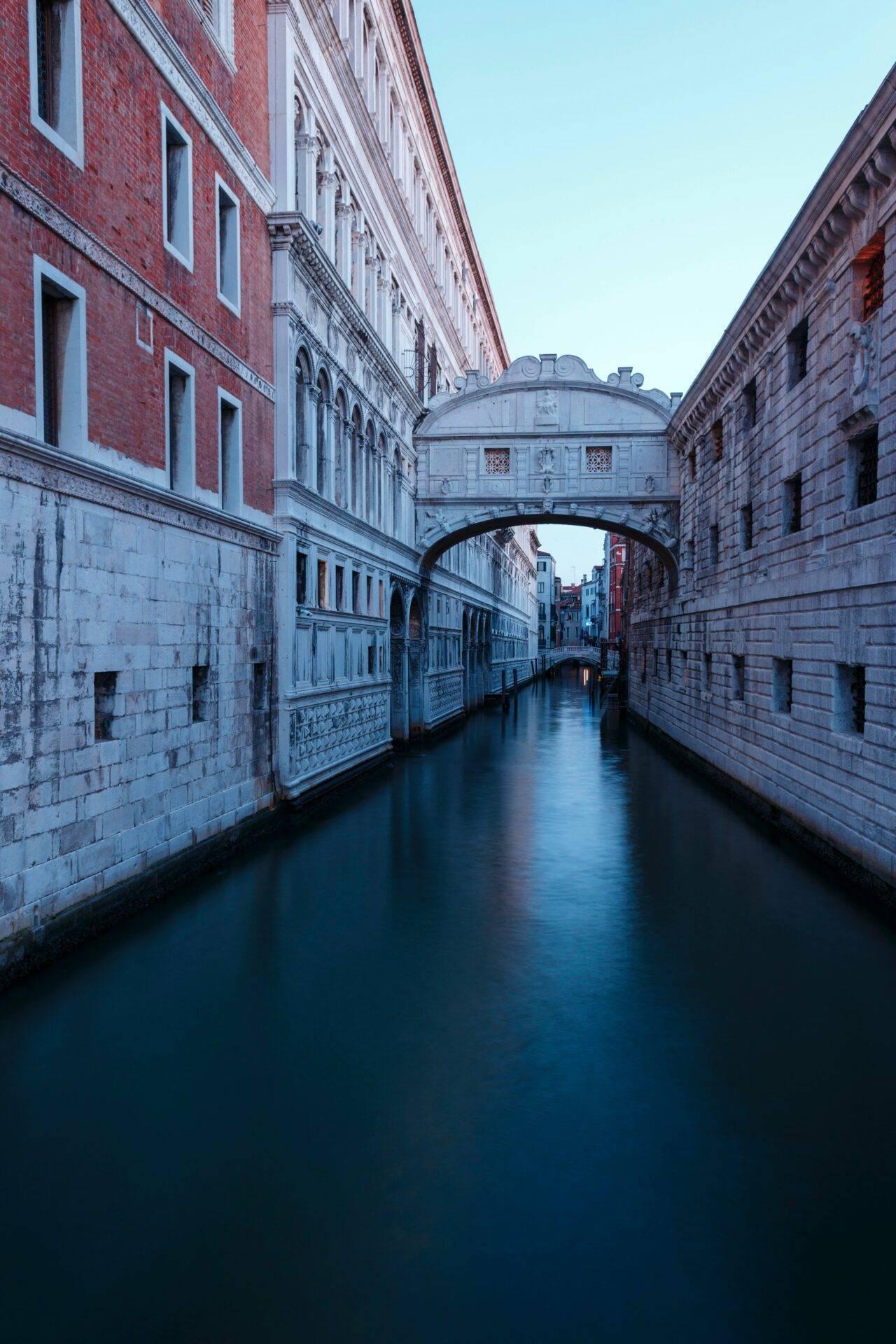
19. The Bridge of Sighs at dusk
The Ponte dei Sospiri connects the Doge’s Palace to the Prigioni Nuove and takes its name from the sighs of condemned prisoners catching their last glimpse of the lagoon through its small barred windows. View it from the Ponte della Canonica or the Ponte della Paglia in the late afternoon, when the light plays across the stonework and the tour groups begin to thin out.
20. Getting lost in the secondary campi and calli
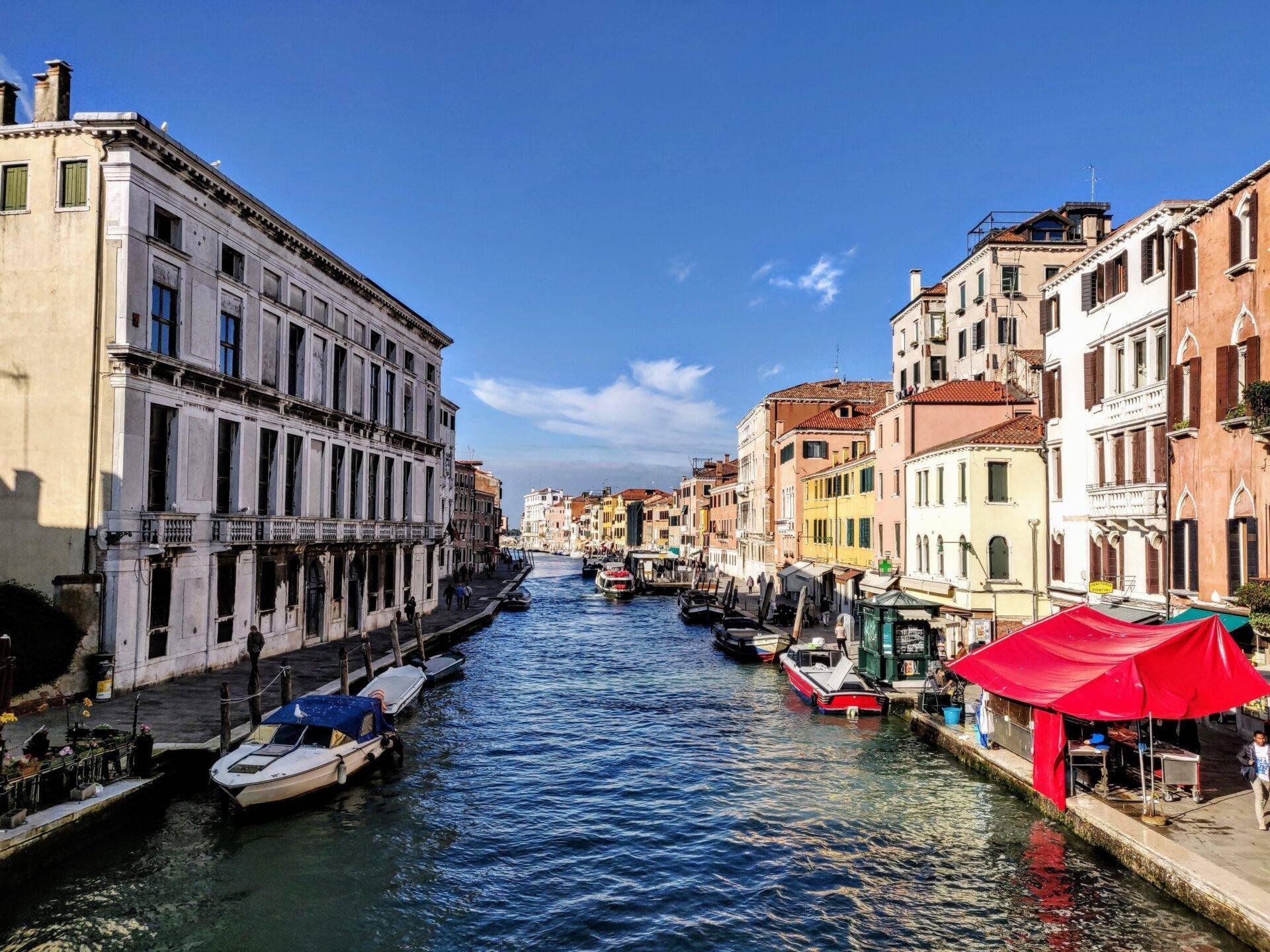
The true face of Venice reveals itself in its narrow lanes (calli) and small squares (campi), far from the main tourist circuit. Campo Santa Margherita in Dorsoduro is a favourite with students and locals; Campo Santi Giovanni e Paolo in Castello, with its imposing basilica and the equestrian statue of Colleoni, deserves a long pause; Campo San Polo is the largest square in Venice outside St Mark’s. Each one reveals a side of local life that the monuments alone cannot show.
3-day Venice itinerary
A route designed to alternate between iconic landmarks and quieter moments, while keeping unnecessary detours to a minimum.
Day 1: San Marco Morning at the Basilica (arrive before 9am, ticket booked online) and the Doge’s Palace. Lunch on Campo San Luca. Afternoon: Torre dell’Orologio (guided tour, book in advance), Museo Correr. Evening: a self-guided visit to La Fenice, or an opera performance if available.
Day 2: Dorsoduro, San Polo and the Grand Canal Morning: Gallerie dell’Accademia then Ca’ Rezzonico. Lunch in Dorsoduro. Afternoon: the Rialto Market (ideally visited in the morning), Scuola Grande di San Rocco, Santa Maria della Salute. End of day: a full end-to-end run of the Grand Canal on vaporetto line 1.
Day 3: The islands of the lagoon Early departure by vaporetto: Murano (glassblowing workshop in the morning), then Burano (lunch on the island, fish risotto), with an optional stop at Torcello. Return via San Giorgio Maggiore to climb the campanile in the late afternoon, with golden light falling across Venice.
To combine Venice with the rest of the country, our guide on things to do in Italy covers the 20 unmissable highlights of the Boot. If you fancy continuing by road, check out our tips for planning a road trip in Italy, or discover what to do in Florence, just two hours by train from Venice.
FAQ
How many days do you need to visit Venice?
Three days are enough to cover the main sestieri and a trip out to the islands (Murano and Burano). Two days will get you through the highlights of San Marco and Dorsoduro. A full week gives you time to explore Cannaregio, the Arsenale and Torcello, and to enjoy the city in the evening once the day-trippers have gone.
When is the best time to visit Venice to avoid the crowds?
November, January and early February (outside Carnival) are the quietest months. October and March are also pleasant options. Summer (July-August) and the Carnival weekend draw the biggest crowds. In high season, arrive at monuments as soon as they open and book tickets several days in advance.
Is it better to take a gondola or a vaporetto?
Vaporetto line 1 offers the best value for exploring the Grand Canal: a full end-to-end journey, stops in front of the main palaces and the cost of a day pass. A gondola is a different experience altogether, best suited to the secondary canals; book one outside peak hours to make the most of the quiet.
Do you need to book in advance to visit Venice?
Yes, particularly for St Mark’s Basilica (priority queue online), the Doge’s Palace, the Gallerie dell’Accademia and La Fenice. In high season, time slots fill up several days ahead. The Torre dell’Orologio can only be visited on a guided tour, which must be reserved in advance.
Are the islands of Murano and Burano worth the trip?
Murano and Burano are well worth a dedicated full day. Murano for the glassblowing workshops (some offer free demonstrations), Burano for its brightly coloured houses and centuries-old lace-making tradition. Torcello is better suited to returning visitors looking for a more contemplative setting.