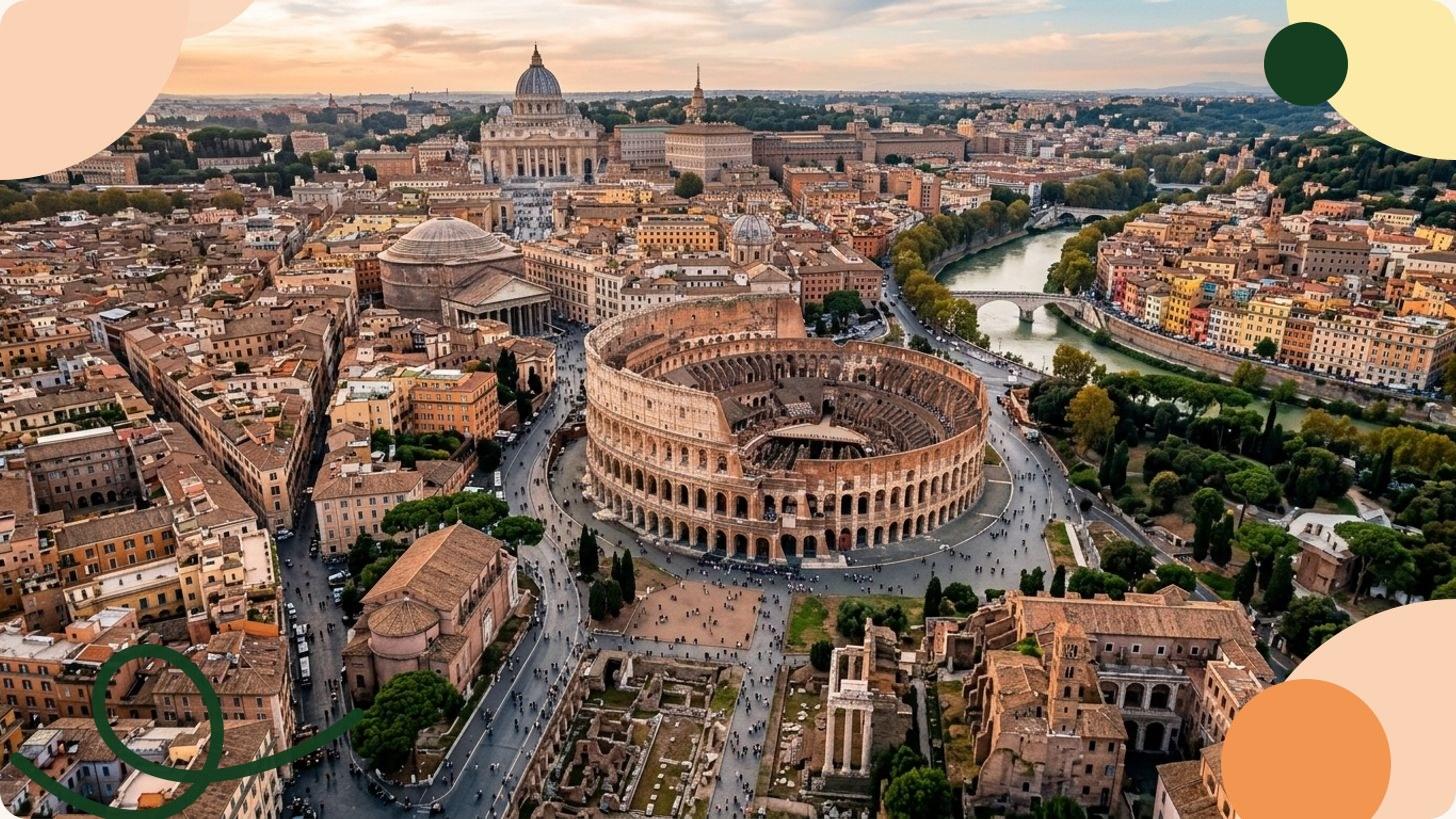

Rome packs more history into a few square kilometres than almost anywhere else on earth, with two millennia of Western civilisation concentrated into a single walkable city. Here are the ten experiences that deserve top billing on your itinerary, with up-to-date 2026 prices and practical booking advice.
The Colosseum: step inside the gladiators’ arena
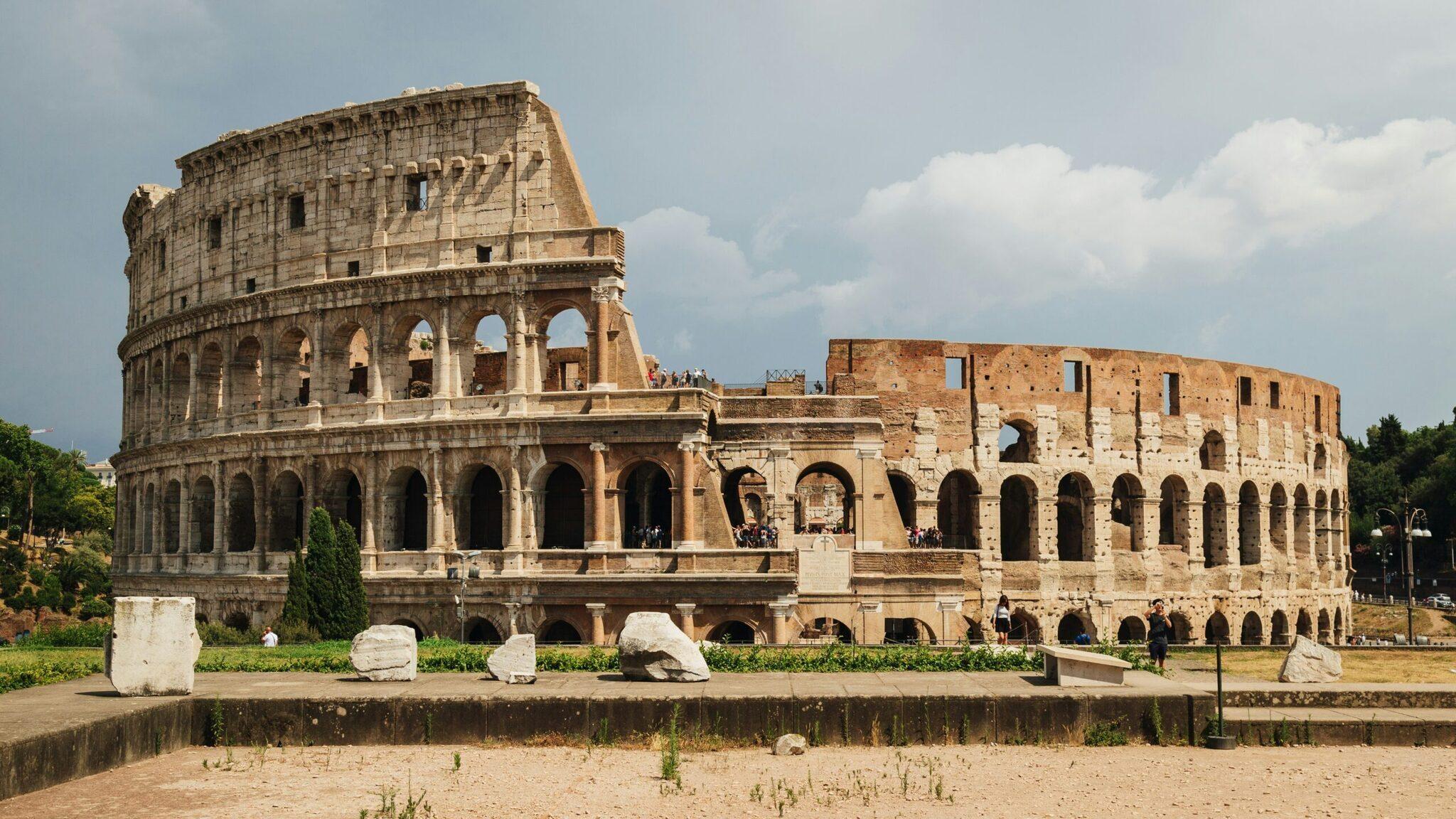
Inaugurated in AD 80 under Emperor Titus, the Colosseum could hold up to 50,000 spectators for gladiatorial combat, wild animal hunts and elaborate theatrical spectacles. A visit takes you through the galleries, up into the tiered seating and down into the underground passages where animals and fighters waited for their cue.
2026 tickets: The standard adult ticket costs €18 and includes entry to the Roman Forum and Palatine Hill. Full Experience options (arena floor or underground) run between €22 and €24. Under-18s enter free but must still book online (€2 non-refundable booking fee). Tickets go on sale 30 days before your visit date at 9am Rome time. In peak season (April to October), Full Experience slots sell out within minutes.
The Roman Forum and Palatine Hill
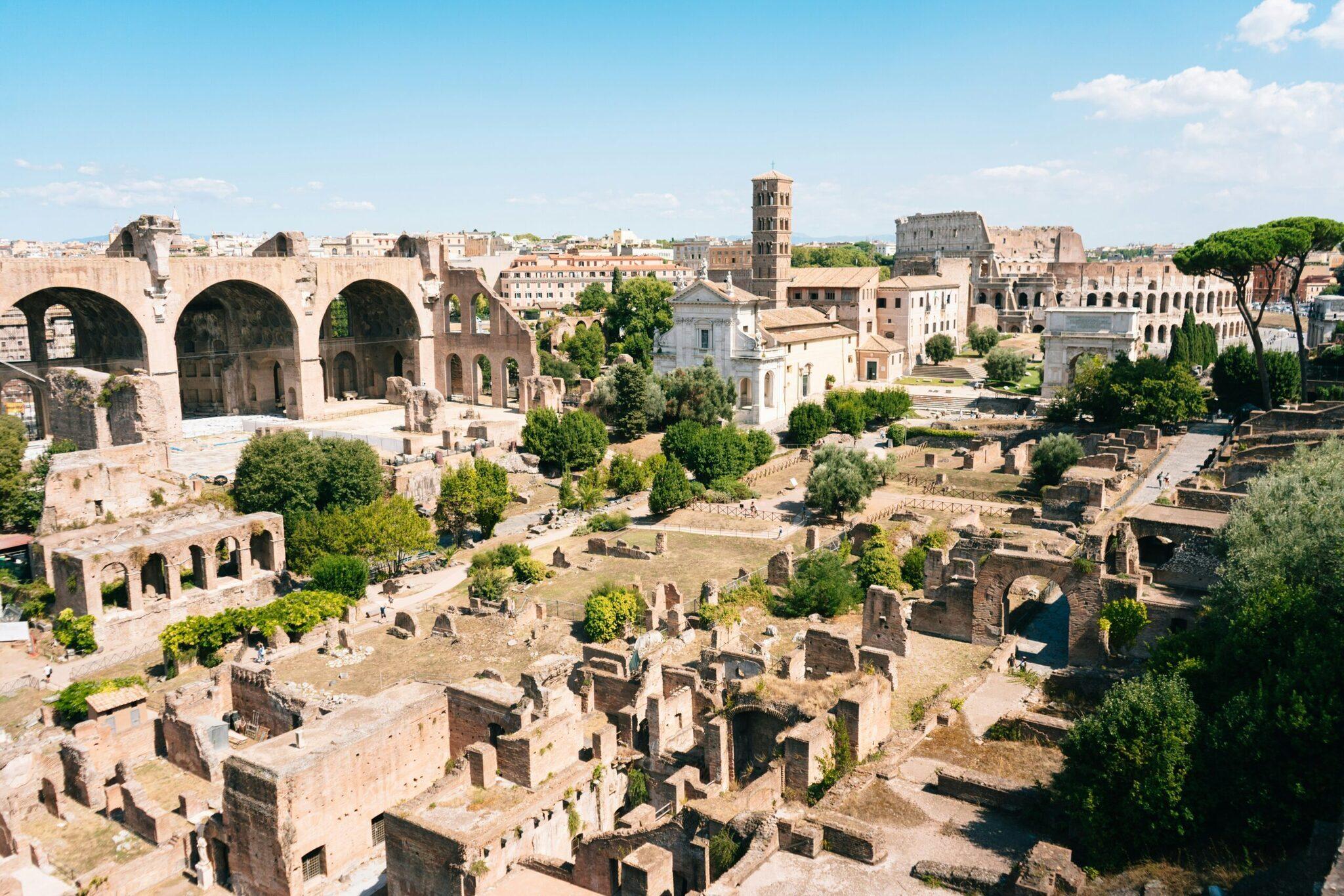
Included on the same ticket as the Colosseum, the Roman Forum was the political, commercial and judicial heart of ancient Rome. The remains of the Temple of Saturn, the Arch of Septimius Severus and the Curia Julia bring the public life of the Republic and Empire vividly to life.
Palatine Hill rises above the Forum and offers one of the most striking panoramas across the entire archaeological site. Legend has it that Romulus founded Rome here. Set aside at least half a day to do justice to all three sites on the combined ticket.
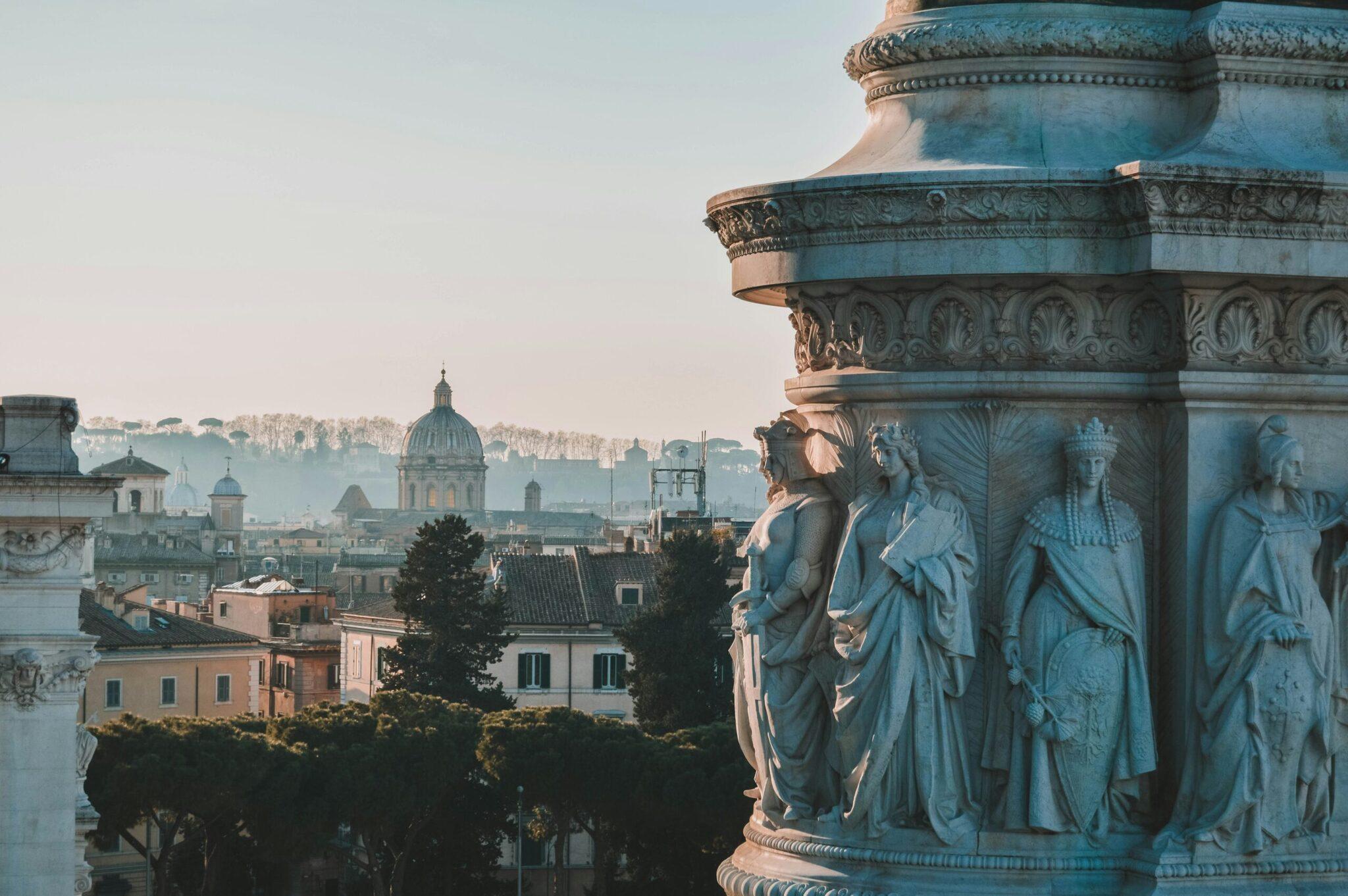
The Vatican: St Peter’s Basilica and the Vatican Museums
St Peter’s Basilica
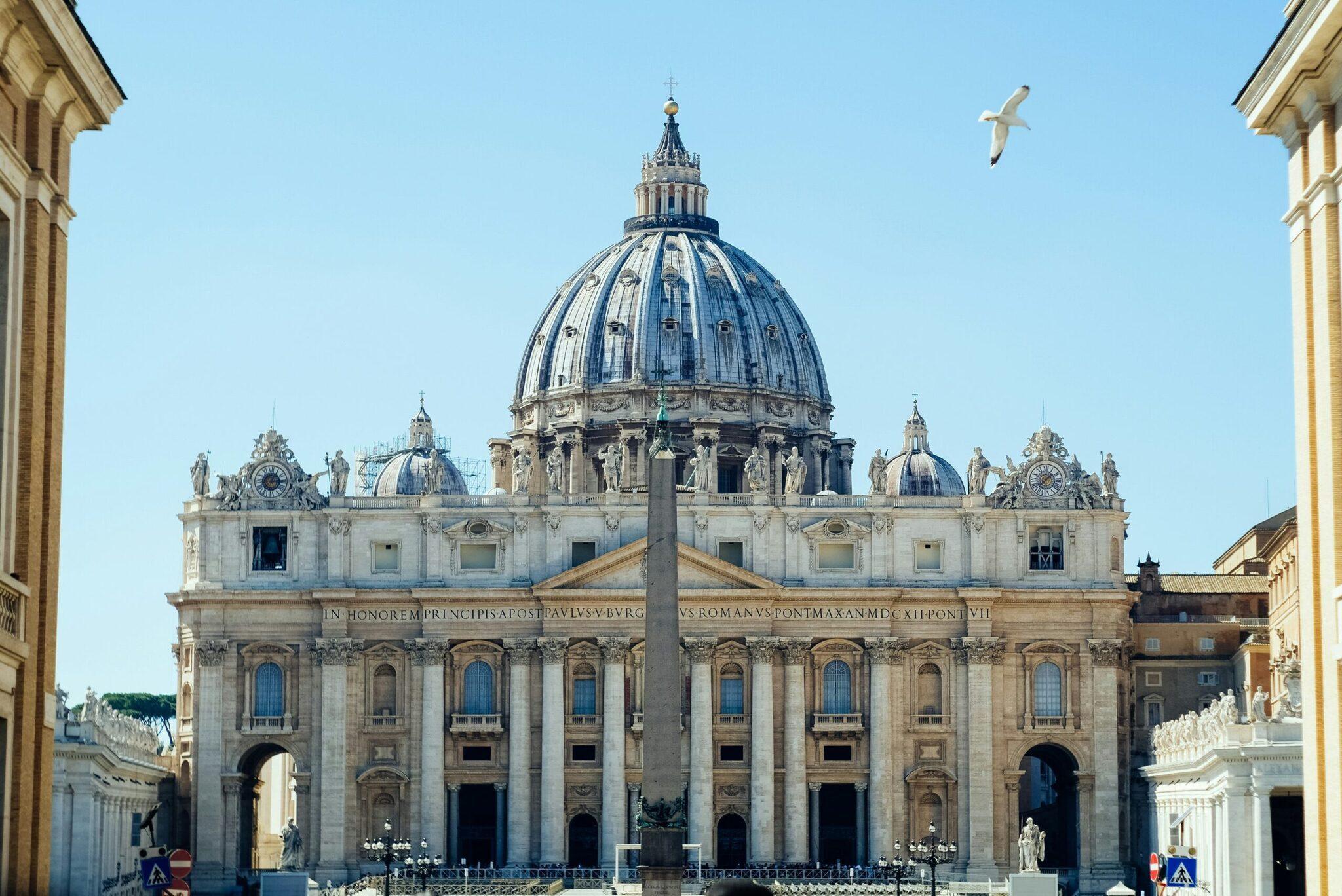
Entry to St Peter’s Basilica is free. The dome conceived by Michelangelo and completed in 1590 has dominated the Roman skyline for four centuries. Just inside the entrance, to the right, stands the Pietà, carved by Michelangelo at the age of 24. Climbing to the top of the dome is ticketed and rewards you with a sweeping 360-degree view over Rome and the papal gardens.
The Vatican Museums and the Sistine Chapel
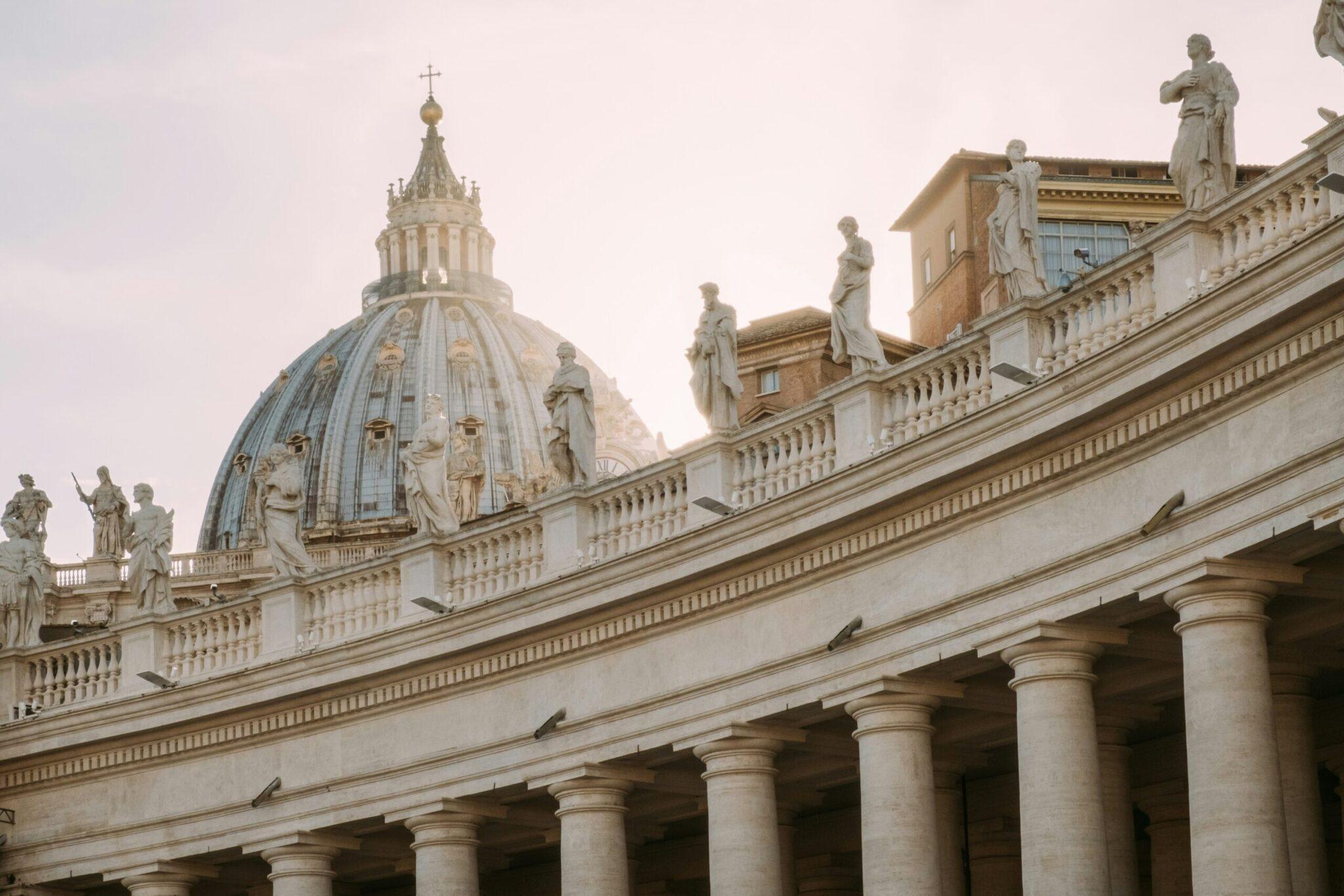
The 54 galleries of the Vatican Museums culminate in the Sistine Chapel, decorated by Michelangelo between 1508 and 1512. The official ticket price is €20 at the door or €25 online (€20 + €5 booking fee). Entry is free on the last Sunday of the month, though crowds on that day are at their heaviest.
Allow a minimum of three hours for the full visit. For a quieter experience in the Sistine Chapel, aim for the first entry slot of the day or an evening visit.
The Pantheon: 2,000 years of architecture, virtually intact
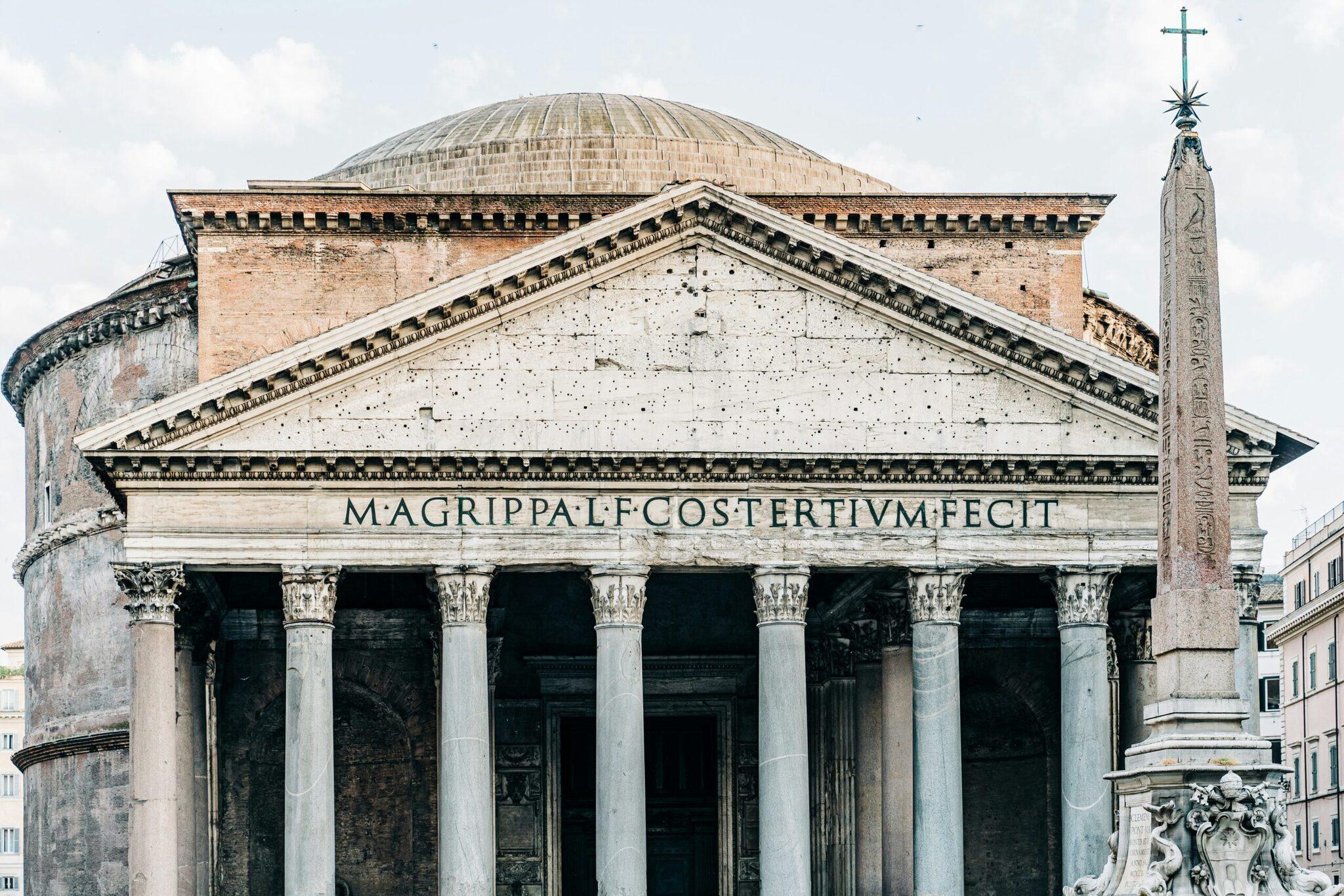
Built under Hadrian in the 2nd century AD, the Pantheon is one of the best-preserved ancient buildings in the world. Its dome, 43.3 metres in diameter, is pierced at the top by the oculus, flooding the interior with natural light and creating a mesmerising effect when it rains. Raphael and several Italian kings are buried inside.
2026 prices: €5 until 30 June 2026, then €7 from 1 July. Online booking is compulsory since 2023 via pantheonroma.com. Entry remains free on the first Sunday of the month, though advance booking is not available for those days.
The Trevi Fountain: go at night, not at midday
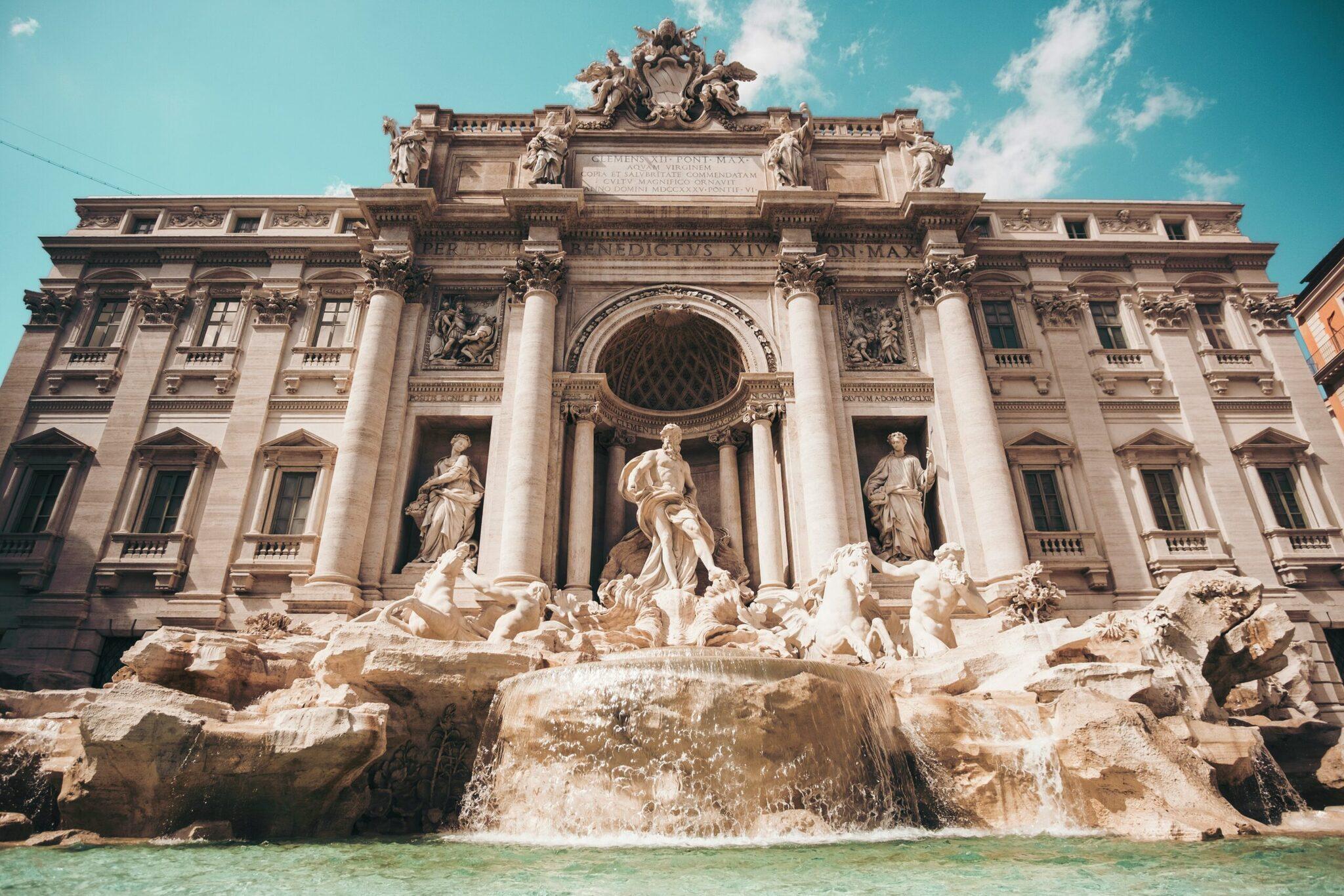
Designed by Nicola Salvi and completed in 1762, the Trevi Fountain depicts Neptune flanked by tritons and sea horses. It is the largest baroque fountain in Rome. The tradition of tossing a coin into the basin dates back at least to the 19th century.
The piece of advice everyone gives and few follow: arrive before 8am or after 10pm. At night the fountain is lit up and you can take it all in without the dense crowds that pack the square during the day.
Trastevere: Rome without the museum queues
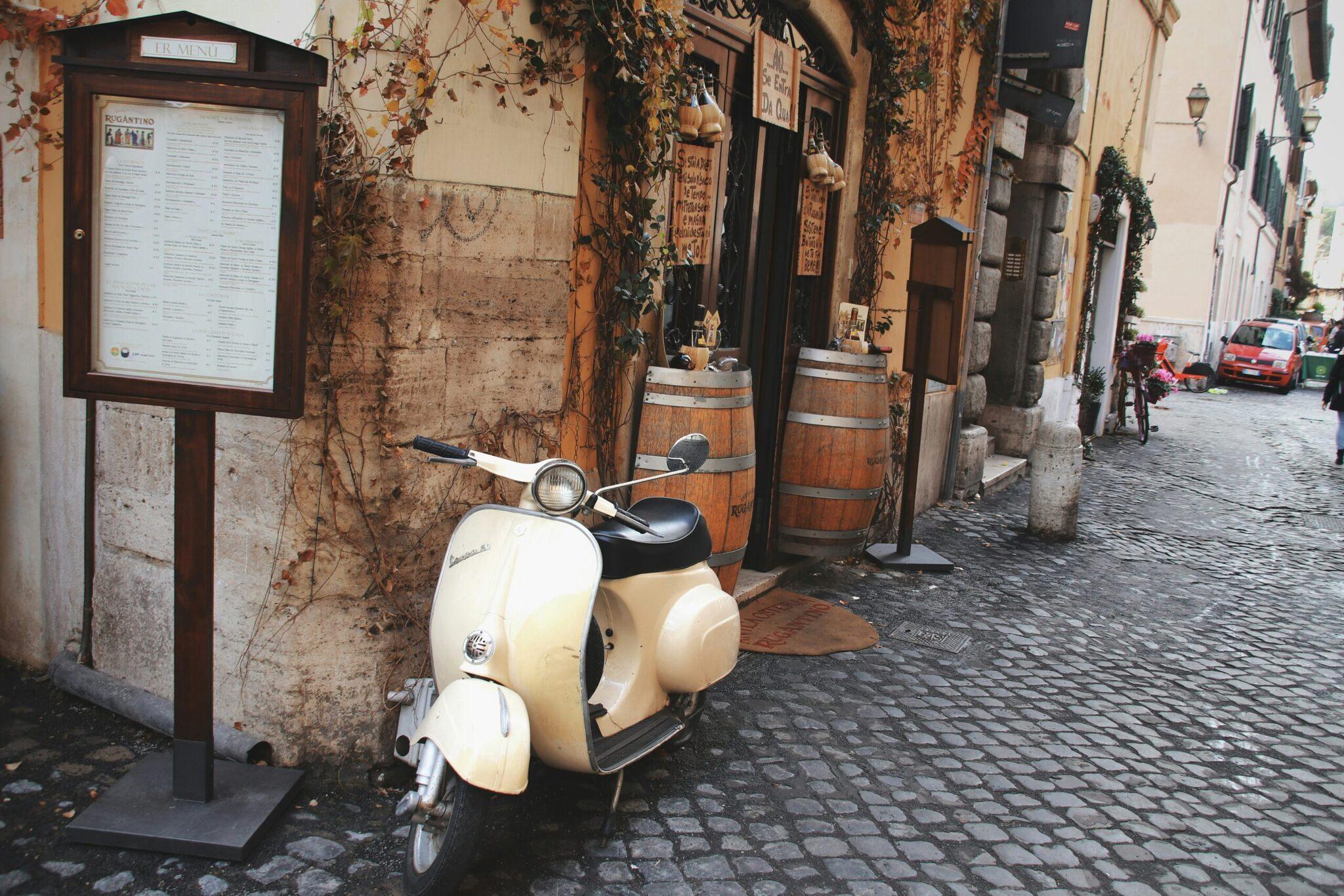
Trastevere is the neighbourhood where Rome breathes easy, with no audio guides or entrance gates in sight. Its cobbled streets wind between ochre facades, hanging gardens and trattorias whose tables spill out onto the squares. In the evenings, locals and visitors share the space in equal measure.
The Basilica of Santa Maria in Trastevere, founded in the 3rd century, is one of the oldest churches in Rome. Its 12th-century Byzantine mosaics can be seen free of charge. The whole neighbourhood is best explored on foot, with no ticket required.
The Borghese Gallery: book weeks in advance
The Borghese Gallery brings together Bernini sculptures, Caravaggio and Titian paintings, and an ancient collection assembled by Cardinal Scipione Borghese in the 17th century, all under one roof. The rules are strict: 180 visitors per two-hour slot, Tuesday to Sunday (slots at 9am, 11am, 1pm, 3pm and 5pm).
2026 prices: €16 + a compulsory €2 booking fee. In peak season (April to October), slots sell out 4 to 6 weeks in advance. Book at borghese.gallery before locking in the rest of your itinerary.
Roman food: what to eat
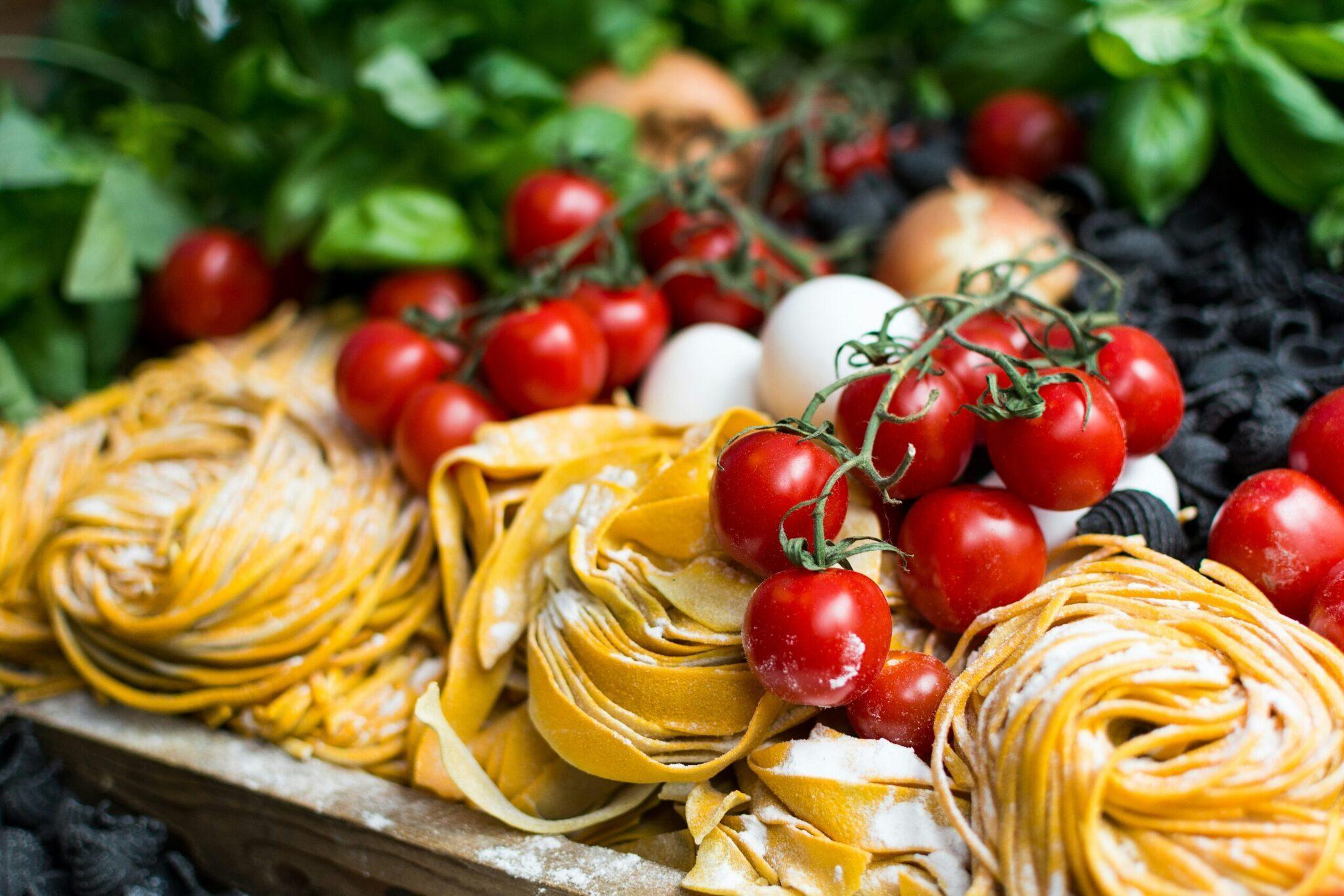
Roman cooking is built on simple ingredients and recipes refined over centuries. What is worth seeking out:
- Cacio e pepe: pasta with pecorino romano and black pepper. The creaminess of the sauce depends entirely on the cook’s technique.
- Carciofi alla romana: artichokes braised with garlic and mint, meltingly tender.
- Saltimbocca alla romana: veal escalope with prosciutto and sage, pan-fried in butter.
- Supplì: deep-fried rice balls filled with melted cheese, the definitive Roman street snack.
For dessert, look for gelaterie that keep their ice cream in covered containers rather than piled up in colourful mounds: a reliable sign that the texture has not been inflated with air.
Villa Borghese: Rome’s green lungs
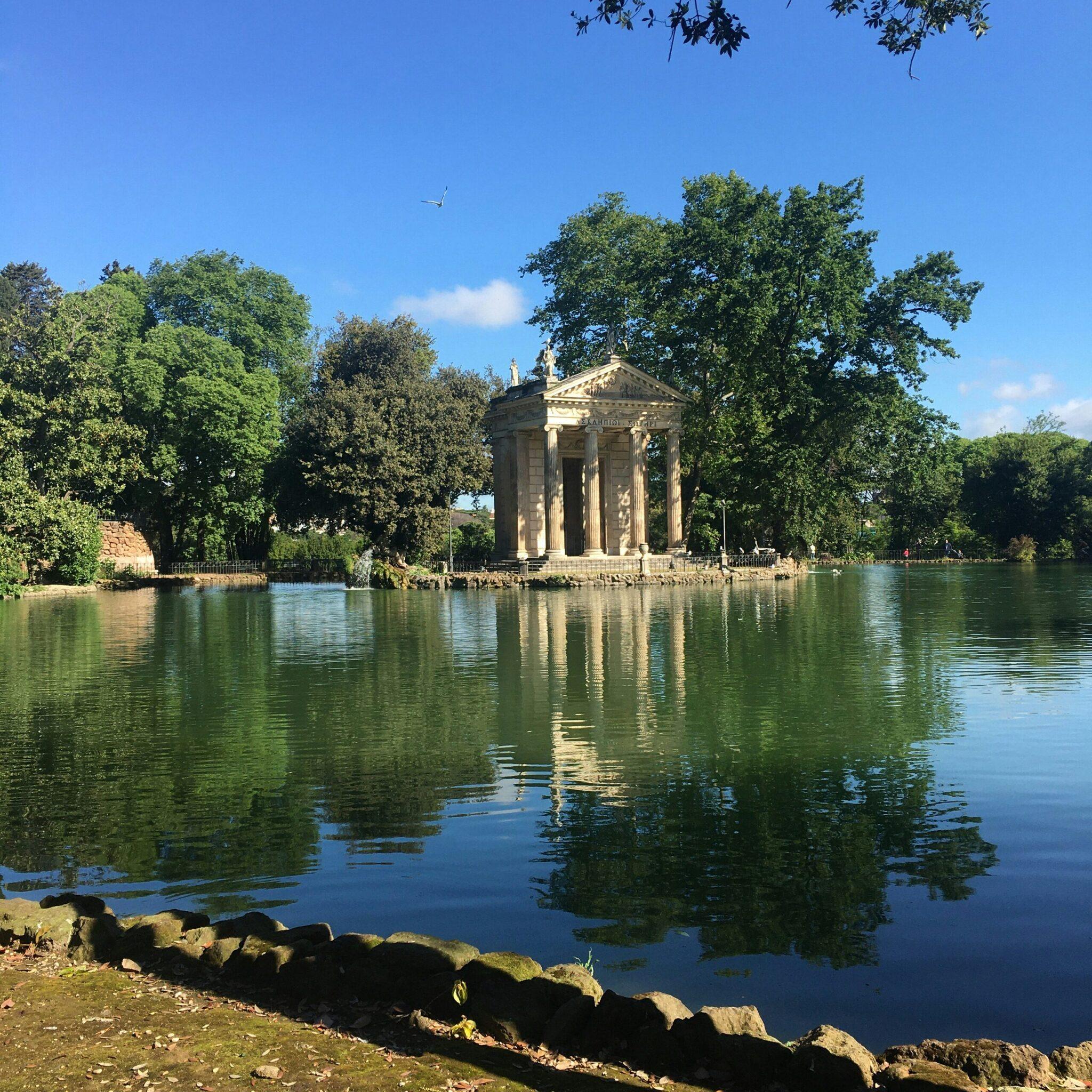
The Villa Borghese park spreads across 80 hectares on the heights of the Pincian Hill. You can hire bikes or rowing boats on the lake, or simply wander at your own pace. The Temple of Aesculapius, reflected in the park’s small lake, is one of the most photographed spots in Rome outside the major ancient monuments.
The Pincio terrace, at the edge of the park, offers a sweeping view over the city’s rooftops and domes. At sunset, it is one of the most beloved vantage points among Romans themselves.
Rome is often the starting point of a wider journey through Italy. Our guide to the 20 things to do in Italy offers ideas for exploring beyond the capital. If you are planning to drive across the peninsula, the Italy road trip guide lays out suggested itineraries stage by stage.
FAQ
Do I need to book the Colosseum in advance?
Yes, booking is strongly recommended, especially between April and October. Tickets go on sale 30 days before your visit date at 9am Rome time on colosseo.it. Full Experience slots sell out within minutes; without a reservation, queues can easily top two hours.
Is the Pantheon still free?
No. Since 2023, entry to the Pantheon in Rome is ticketed: €5 until 30 June 2026, then €7 from 1 July. Online booking is compulsory. Entry remains free on the first Sunday of the month, though you cannot book in advance for those days.
How do I visit the Sistine Chapel?
The Sistine Chapel is accessed through the Vatican Museums (€25 online, €20 at the door). There is no standalone “Sistine Chapel only” ticket. Allow a minimum of three hours for the full museum circuit. Entry is free on the last Sunday of the month.
What is the best time to visit Rome?
April-May and September-October strike the best balance: pleasant temperatures and lower visitor numbers than high summer. In July and August, museums are packed and temperatures regularly top 35°C. Winter is mild (10-15°C during the day) with very short queues, though some sites operate reduced hours.
How many days do you need in Rome?
Three days are enough to cover the highlights: Colosseum, Roman Forum, Vatican, Pantheon and Trastevere. Four to five days give you time to visit the Borghese Gallery and take a day trip outside the city (Ostia Antica or Tivoli).
Can you visit the Borghese Gallery without a reservation?
No. Booking is compulsory and no tickets are sold at the door on the day. In peak season, slots sell out 4 to 6 weeks in advance. Book before finalising the rest of your itinerary.