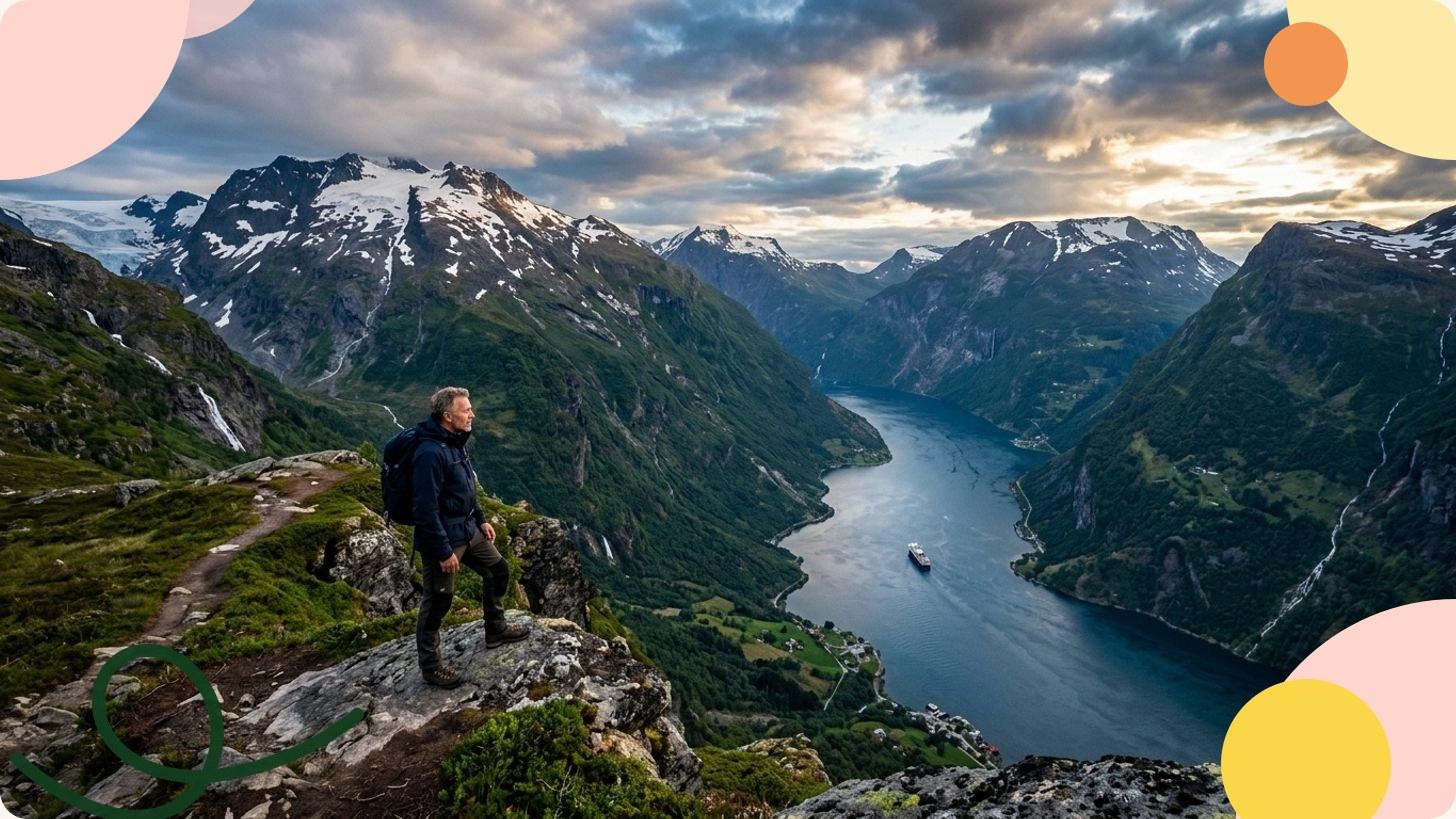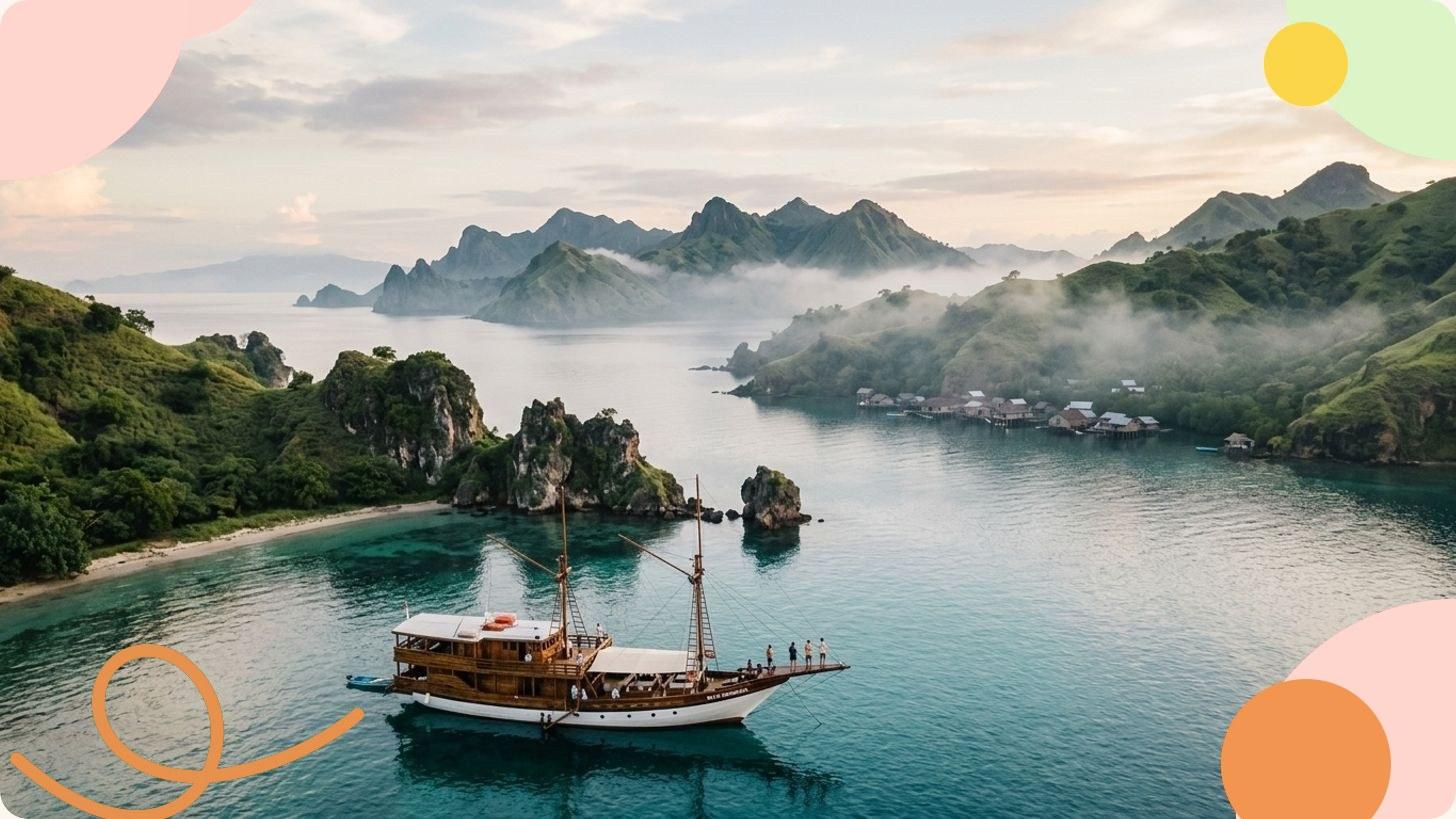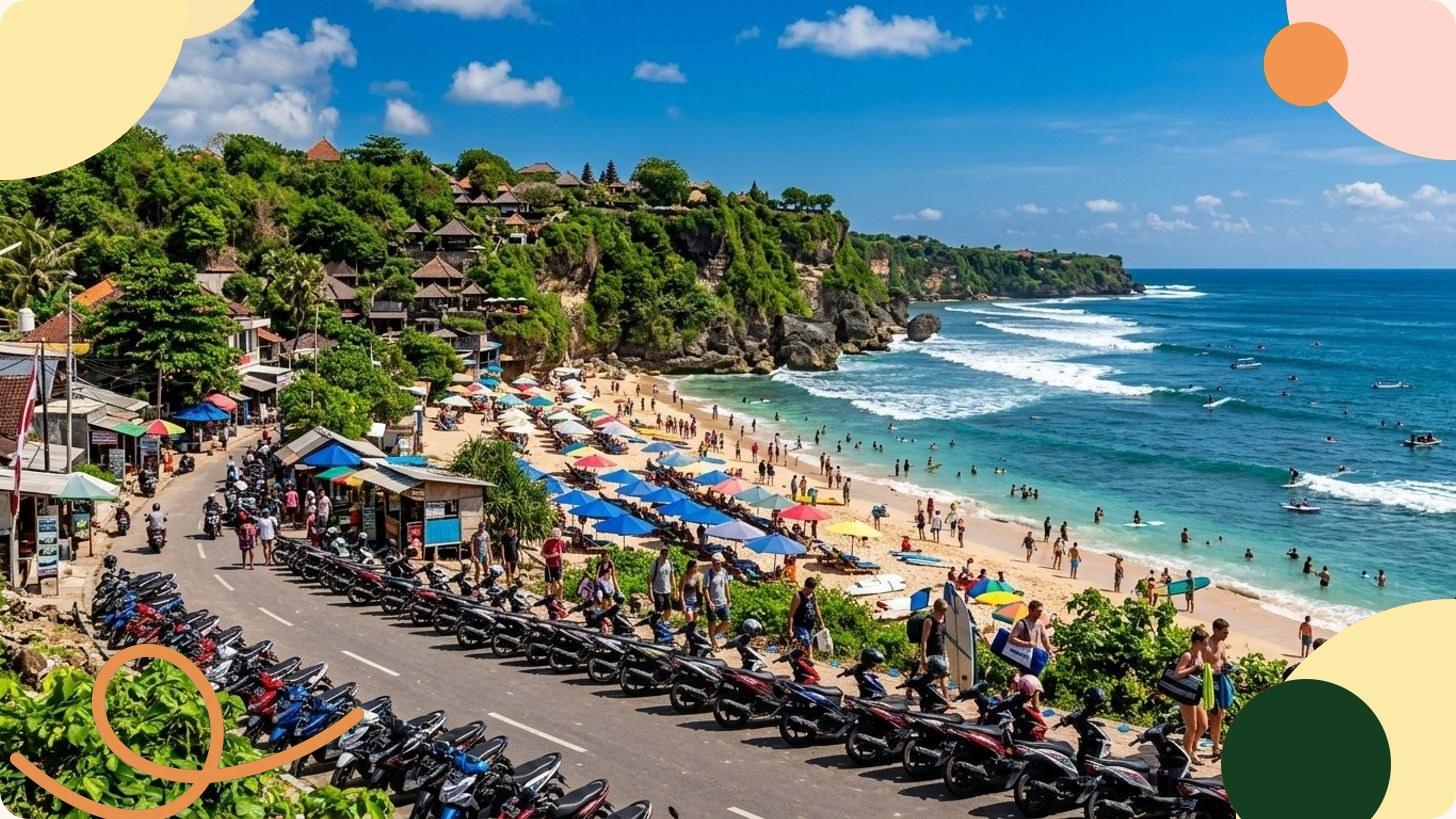
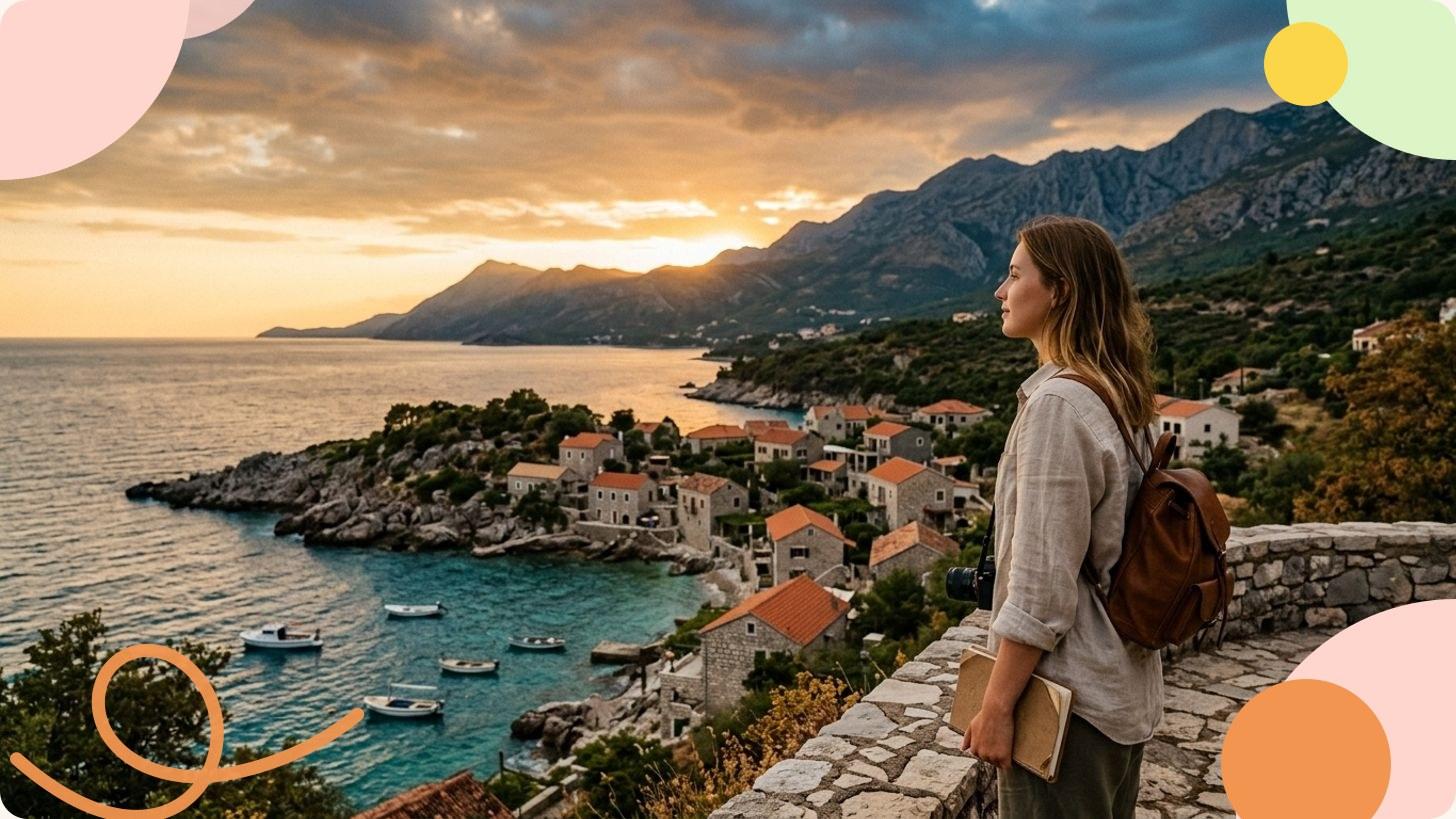

Pay to enter Venice, queue for a Santorini sunset, watch Japan raise its tourist taxes mid-season: summer 2026 has vindicated everyone who had a Plan B. That Plan B now has a name – the “destination dupe”: a cheaper, less crowded alternative to a headline destination that delivers the essential experience without the crowds. This is no longer a niche travel hack: 48% of French travellers say they want to avoid crowds in 2026.
Here are seven dupes that genuinely hold up – and what I check for each one before I pack my bags.
Plan my off-the-beaten-track tripAlbania instead of Greece
The star of the dupe world. Albania’s Riviera lines up Ksamil and Dhërmi beaches opposite Corfu, with waters as turquoise as anything in the Cyclades. Inland, Berat and Gjirokastër – both UNESCO World Heritage Sites – offer Ottoman old towns you can actually wander without being elbowed out of the way.
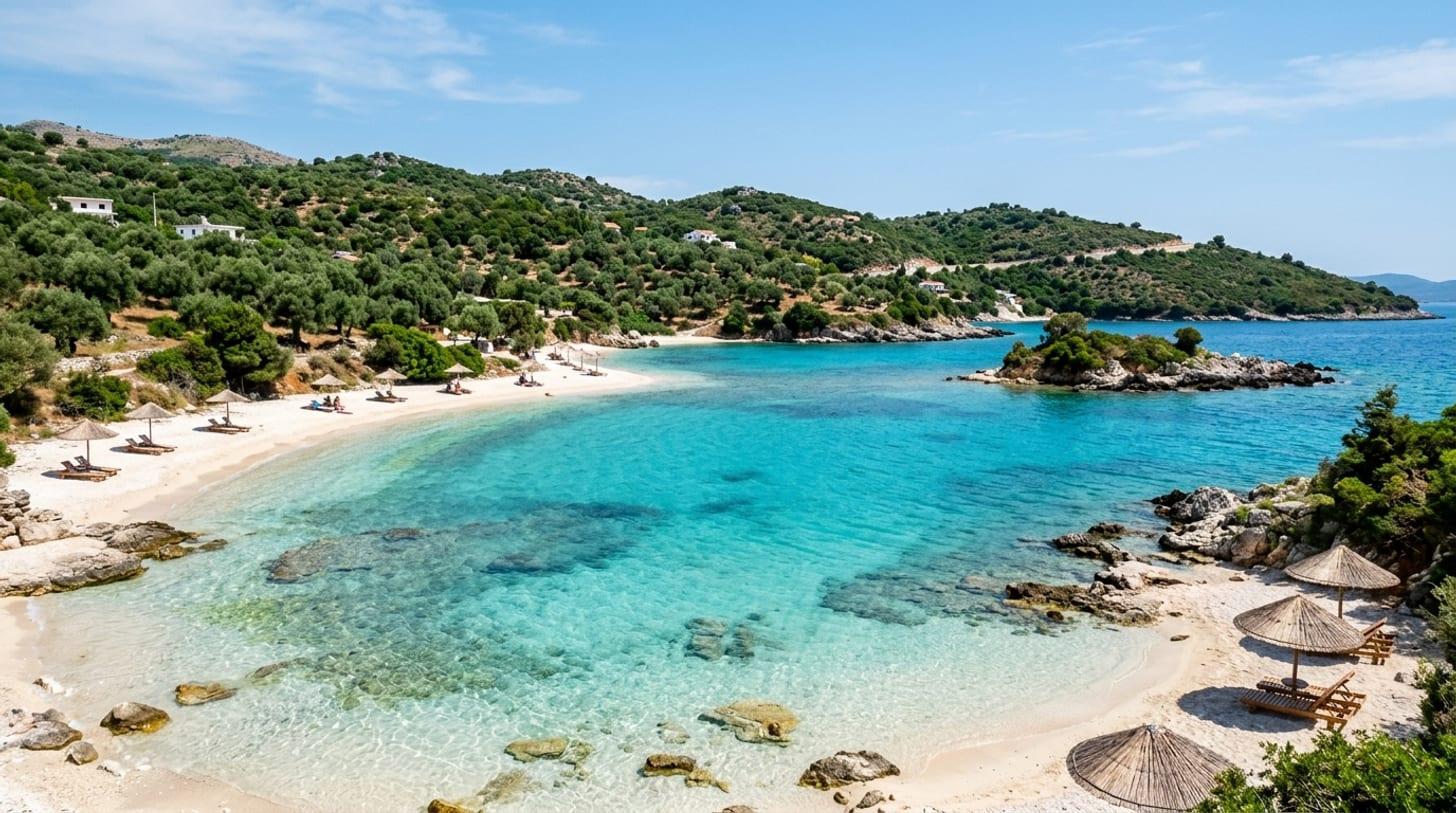
The flip side perfectly illustrates how the dupe cycle works: once a destination is discovered, the price gap closes fast. Albanian hotel prices surged 14% in summer 2025, while Greece added just 2%. Albania is still significantly cheaper, but the window is narrowing – now is the time to go. Our guide Travelling in Albania covers the key stops, and the Albania travel insurance page explains what you need to know health-wise: outside Tirana, hospital provision is limited and an evacuation to the capital or Italy is a real possibility worth planning for.
Montenegro instead of Croatia
Dubrovnik has been managing cruise-ship crowds for years. Two hours away by road, the Bay of Kotor offers the same theatre of stone and water: a deep bay hemmed in by mountains, Venetian villages and ramparts climbing sheer cliff faces. The Kotor region is a UNESCO World Heritage Site, and you can still move freely there in summer.
The country lends itself to a short road trip: Kotor, Perast, Jaz Beach, the Ostrog Monastery. Watch out, though, for narrow mountain roads and local driving habits – these are the leading cause of visitor claims across the Balkans.
Paros and Naxos instead of Santorini
Sometimes a dupe doesn’t mean changing country at all. Within the Cyclades, Paros and Naxos offer the same whitewashed villages, harbour-front tavernas and jaw-dropping sunsets – without the cruise ships or the queue for that iconic Oia photograph. Naxos adds some of the longest beaches in the Cyclades and a hilly hinterland where hiking is genuinely peaceful.
Same sea, same ferries, noticeably gentler hotel prices: this is the easiest dupe to try for a first foray.
Slovenia instead of Switzerland
Alpine lakes, emerald gorges, flower-filled villages: Slovenia packs the Alps into a tiny territory at a fraction of Swiss prices. Lake Bled with its island church, the Vintgar Gorge, Triglav National Park and the Soča Valley make for a perfect week’s itinerary.
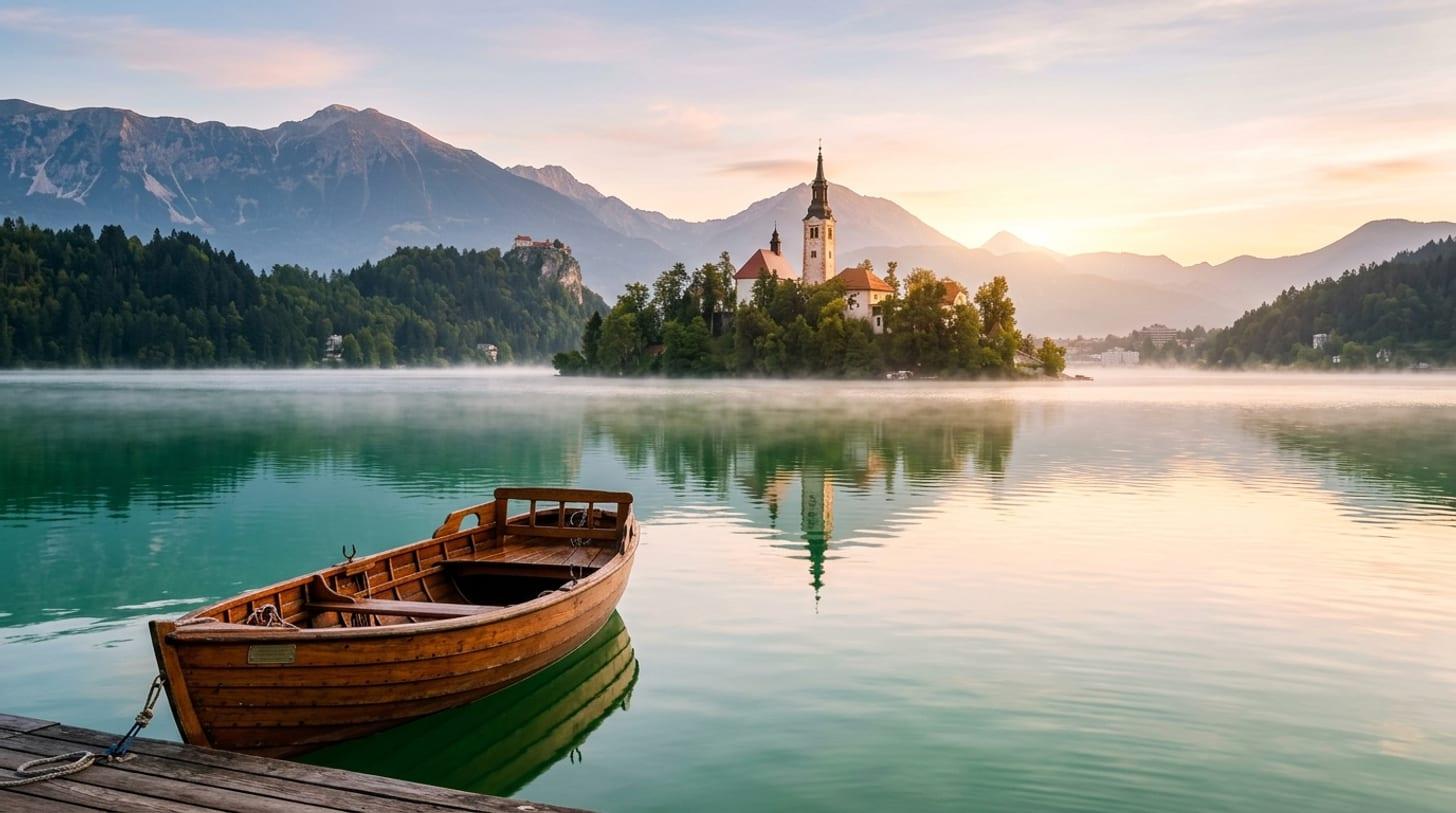
It is also a seriously outdoor-focused destination: white-water rafting, canyoning, via ferrata. Check that your policy covers these activities and mountain rescue costs – a point that is all too often passed off to local clubs.
Taiwan instead of Japan
Japan raised its tourist levies on 1 July 2026, in the middle of a record-breaking surge in visitors. Taiwan offers much of what makes its neighbour so beloved: temples, night markets, punctual trains, misty mountains and genuine warmth – with fewer visitors and a friendlier budget.
Taipei, Taroko Gorge and Sun Moon Lake fit comfortably into ten days. Cover details are on the Taiwan travel insurance page: healthcare is excellent but entirely your cost without coverage, and the island remains exposed to typhoons in summer.
Laos instead of Thailand
When Bangkok and the Thai islands feel saturated, Laos shifts the pace down a gear. Luang Prabang, a UNESCO World Heritage Site, lines up gilded temples and colonial houses along the Mekong. The Kuang Si waterfalls and villages of the north round out a journey that unfolds at the river’s own rhythm.
This is the most immersive dupe on the list, and the one requiring the most preparation: medical facilities are very limited, and evacuations to Thailand are common when things go seriously wrong. Full details on the Laos travel insurance and Thailand travel insurance pages.
The Ardèche Gorges instead of the Grand Canyon
The closest dupe of all – and the most unapologetically itself. No, the Ardèche does not have the sheer scale of Arizona, but the drop of its ochre cliffs, the panoramic belvedere road and the natural arch at Pont d’Arc hold their own on a June morning – without a transatlantic flight, a visa or jet lag. Canoeing the gorges (around thirty kilometres, solo or spread over two days with a booked overnight camp) remains one of the finest accessible adventures in the country.
Staying in France keeps things simple on the healthcare side – your social security cover travels with you. The insurance question shifts elsewhere: cancellation, trip interruption and personal liability matter most when the river is your main event, and canoeing is the leading cause of summer accidents in the valley.
The golden rule of dupes: same scenery, different risks
A dupe delivers the look of the original, rarely its infrastructure. Less well-equipped hospitals, rougher roads, slower emergency services, smaller embassies: the risk transfer is real, from Montenegro to Laos. It is the same paradox we explored with coolcation travel: you flee one discomfort and shift the risk somewhere else.
Three things to check before you go: your policy’s medical expenses and repatriation cover, whether your outdoor activities are included, and whether your destination requires proof of insurance on arrival – the full list is in our mandatory travel insurance article. And if you are still weighing up the original versus its dupe, our piece Has Bali become the world’s most overrated destination? should settle it: crowds are a choice, not an inevitability.
FAQ
What exactly is a destination dupe?
The term comes from dupe (double, copy): a lesser-known, more affordable destination that offers an experience close to a headline one. Albania for Greece, Montenegro for Croatia, Taiwan for Japan. The trend exploded as overtourism and new charges made the big-name destinations increasingly unappealing.
Are dupes actually cheaper?
Yes – but the gap closes quickly once a dupe gets noticed: Albanian hotel prices jumped 14% in a single summer, versus just 2% in Greece. The best deals come early, before a destination goes mainstream.
Where can I travel on a tight budget without the crowds?
For the Mediterranean, Albania and Montenegro combine short flights, a low cost of living and still-quiet beaches. In Asia, Laos remains one of the most affordable destinations on the continent. And without leaving France, the Breton and Normandy coasts offer the most budget-friendly version of a peaceful getaway.
Which dupe should I try first?
Paros or Naxos: same country, same ferries, same landscapes as Santorini – no need to adjust your bearings. For more of a change of scene on a short flight, Albania and Montenegro are the most accessible options from France.
Do I need different insurance for a destination dupe?
The same policy applies, but its value increases: dupes often have lighter medical infrastructure than established destinations, meaning evacuation or repatriation can become necessary sooner than you’d expect. Also check your outdoor activity cover – adventure sports feature heavily in these nature-forward destinations.
Is Venice really charging an entry fee in 2026?
Yes, for day visitors: the access charge has applied since 3 April 2026, between 08:30 and 16:00, at €5 for advance booking and €10 for last-minute. It is precisely this kind of measure that is driving the search for dupes.