
Summer 2026 has made its verdict clear. While a heatwave was grounding flights across southern Europe – more than 3,100 services delayed or cancelled in a single day in early July – a growing number of travellers had already set their sights elsewhere: northwards. Searches for the word “coolcation”, a blend of cool and vacation, have surged 300% in a year. Heading somewhere fresh is no longer an eccentric hiker’s preference – it has become a genuine holiday criterion in its own right.
Here are six destinations where you can breathe easy at 18°C while Seville swelters at 44°C, and what any good travel insurance broker checks before sending clients there.
Plan my cool-weather tripNorway: fjords at 18°C while the south bakes
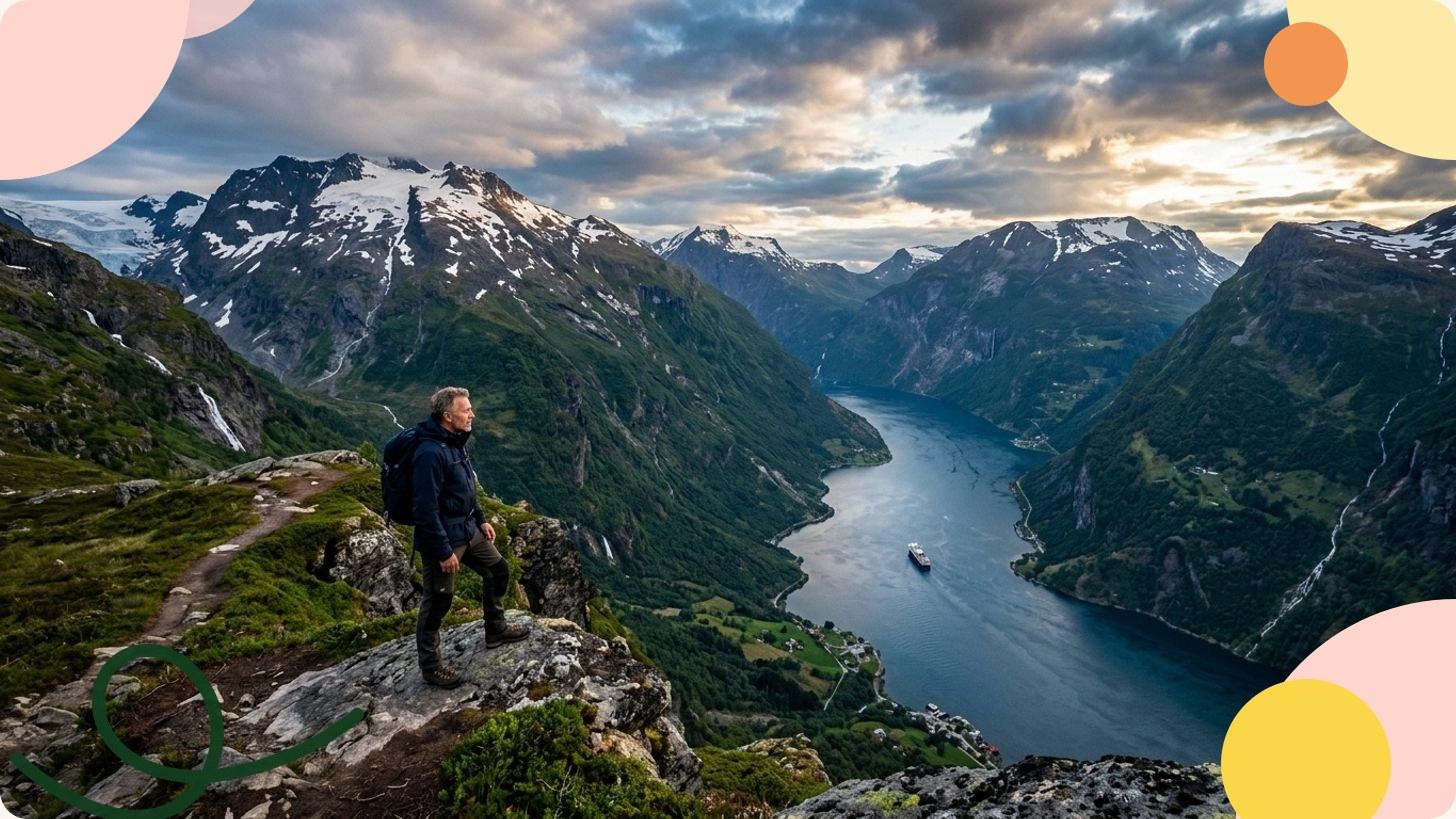
Norway is the big winner of the coolcation trend: bookings have risen by around 131% in a year. It is easy to see why. In July, temperatures in the western fjords hover between 15 and 20°C, with seemingly endless daylight above the Arctic Circle.
On the agenda: the UNESCO-listed Geirangerfjord and Nærøyfjord, the Lofoten road trip with its stilted fishing villages, or the hike up to Preikestolen overlooking the Lysefjord. Ferry connections and the Oslo-Bergen railway make it perfectly possible to get around without a car.
One often-overlooked point: Norway is one of the most expensive countries in Europe, and medical care is no exception. A consultation or an evacuation from a remote Lofoten trail comes at Norwegian prices.
Iceland: the undisputed cool-weather champion
Iceland tops the Summer Heat Escape Index 2026, ahead of Finland and Norway, and bookings have jumped 128% in a year. An Icelandic summer means 12 to 16°C, near-permanent daylight and landscapes that transform every quarter of an hour: waterfalls, lava fields, black sand beaches, hot springs.
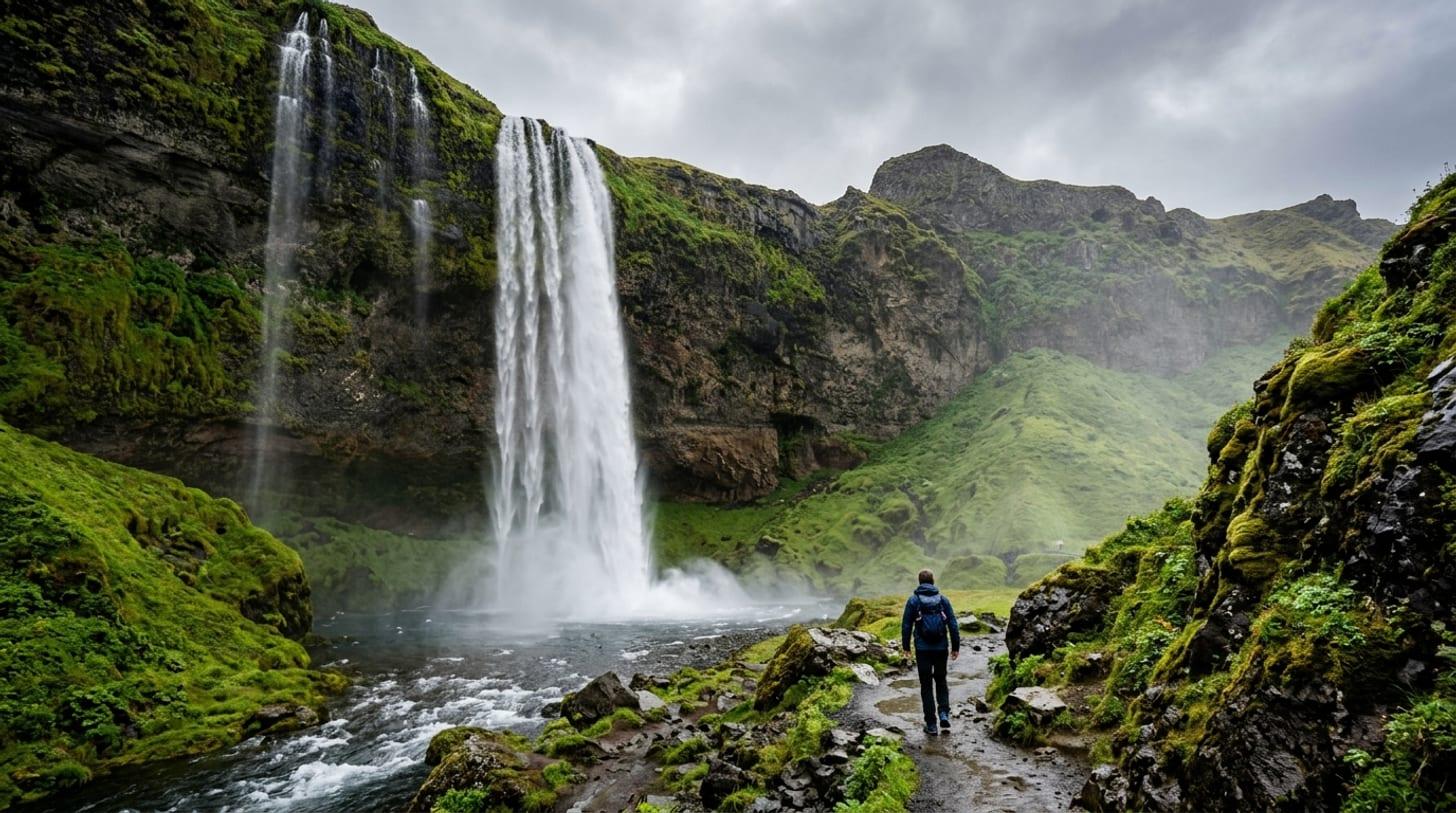
The Ring Road can be completed in around ten days. The central Highlands, accessible only in summer, offer the most spectacular treks in the country, including the famous Laugavegur trail.
Iceland is also a destination where the weather demands respect: unpredictable conditions, river crossings, areas with no mobile signal. Search and rescue operations are frequent, and the distances to medical facilities are long. Our detailed guidance is on the Iceland travel insurance page.
Scotland: castles, lochs and mist instead of scorching tarmac
The Highlands, the Isle of Skye, the North Coast 500: Scotland ticks every coolcation box with summer temperatures between 15 and 19°C. Edinburgh in August adds the cultural electricity of the Fringe Festival, the world’s largest performing arts event.
Since Brexit, one administrative detail changes the picture: the UK still accepts the EHIC for unplanned medical care, but local reimbursement conditions and co-payments apply – and there is no provision for medical repatriation back to France. The subject is covered in full on our UK travel insurance page.
Ireland: green and cool, two hours from home
Ireland makes coolcation genuinely accessible: short, frequent flights, summer temperatures around 16 to 19°C, and a spectacular west coast stretching from the Cliffs of Moher through Connemara along the Wild Atlantic Way.
It is an ideal destination for a first family coolcation: manageable distances, English everywhere, a decent road network. Driving on the left remains the main source of claims among visitors from the Continent – well worth checking your car hire policy carefully. Country-specific details are on our Ireland travel insurance page.
Sweden: archipelagos, lakes and red cabins
Less dramatic than neighbouring Norway, Sweden offers a gentler coolcation: the 30,000 islands of the Stockholm Archipelago, the shores of Lake Vänern, Swedish Lapland for the midnight sun. The allemansrätten – the right of public access to nature – permits wild camping almost anywhere, a rare freedom in Europe.
Kayaking between islands, cycling on Gotland, hiking the Kungsleden trail: here too, the main travel risk shifts firmly towards outdoor activity. Our cover-by-guarantee breakdown is on the Sweden travel insurance page.
Brittany and the Channel coast: cool without a passport
Coolcation does not have to mean going abroad. Summer bookings are drifting towards the Atlantic coast and the Channel, with Brittany leading domestic holiday intentions. Crozon, the Abers, the Pink Granite Coast and the Cotentin Peninsula all offer summers around 20 to 23°C, superb coastal paths and bracingly refreshing water.
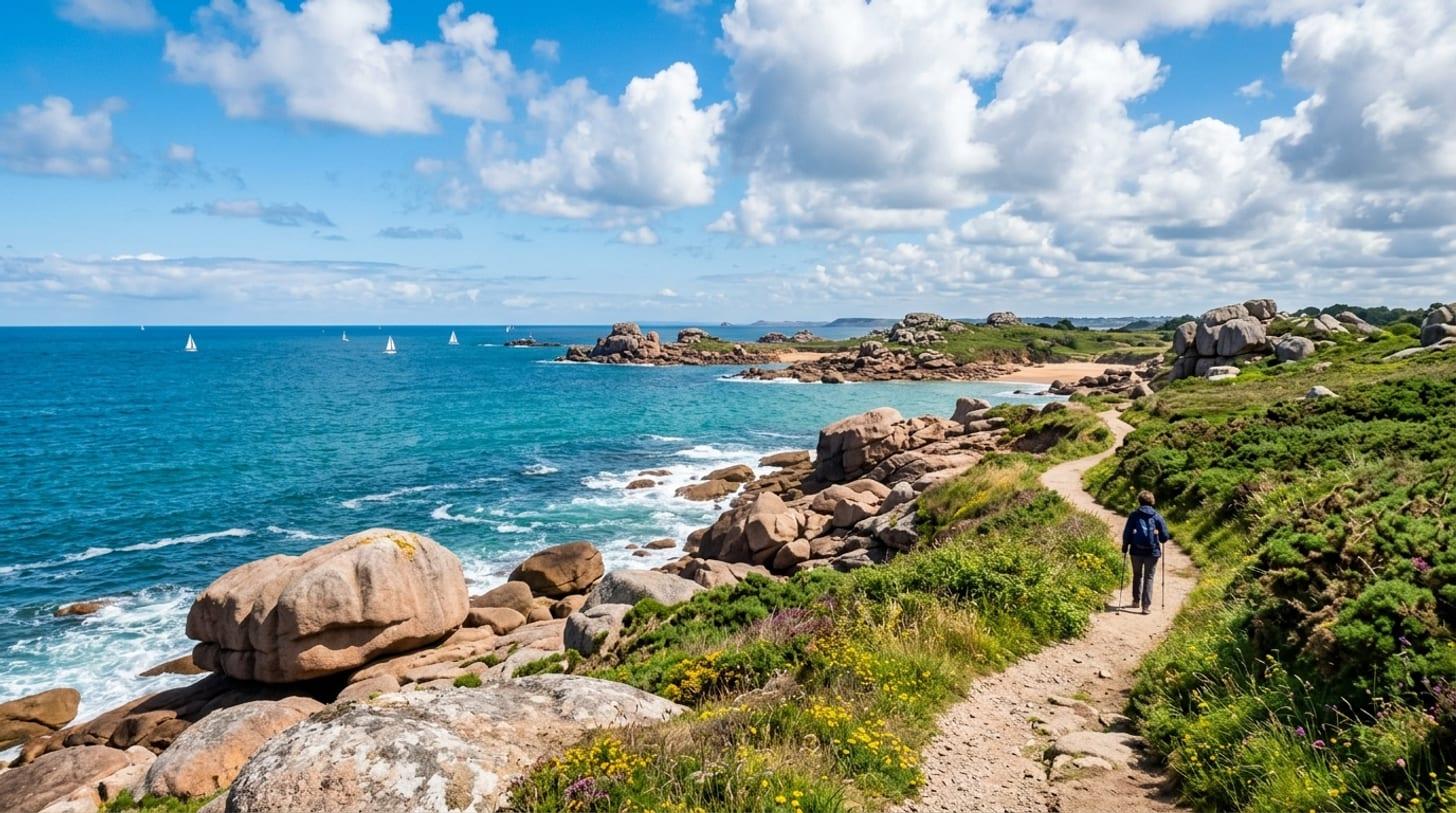
Staying in France does not remove every precaution if you are adding a Channel Island or a crossing to England to your itinerary: Jersey and Guernsey fall outside the standard EHIC arrangements, and a last-minute cancellation is still a cancellation wherever you happen to be.
Heading cool does not mean travelling risk-free
This is the coolcation paradox – and it is precisely where working with a broker like us makes a difference. You head north to avoid heatstroke, and in doing so you shift the risk elsewhere: isolated hiking terrain, changeable weather, cold water, long distances from medical care.
Three things to check before you go:
- The EHIC works – but it has gaps. It is valid in EU countries as well as Norway, Iceland, Liechtenstein, Switzerland and the UK. It gives access to local public healthcare, at local rates and conditions, often with significant excess charges in Nordic countries.
- No repatriation, no rescue. The EHIC does not cover medical repatriation home, nor search and rescue costs – precisely the two items that rack up a serious bill when something goes wrong on an Icelandic trail or in a fjord. Our article on repatriation insurance explains exactly what this cover includes.
- The activity matters more than the destination. Multi-day trekking, sea kayaking, wild camping: check that your policy covers what you are actually doing, not just the country you are visiting. For a clear overview of how travel insurance works, start with what travel insurance is for.
FAQ
What exactly is a coolcation?
The word blends cool and vacation: a holiday chosen for its fresh temperatures rather than its sunshine. The trend has taken off alongside repeated heatwaves across southern Europe – searches for the term have grown 300% in a year.
What is the most affordable coolcation destination?
Brittany and the Channel coast are unbeatable on value: no flight, no currency exchange, your usual social healthcare cover. Abroad, Ireland and Scotland offer the best freshness-to-budget ratio thanks to short, frequent flights. Norway and Iceland are the most spectacular but also the most expensive once you are there.
Is the EHIC enough for Norway or Iceland?
No. The EHIC is valid in both countries and gives access to the local public health system, but it does not cover medical repatriation home, search and rescue costs, or the portion of bills left to your charge under local rules. For any trip involving hiking or outdoor activities, a travel insurance policy fills those gaps.
Should you book earlier because of the coolcation trend?
Yes, particularly for Norway and Iceland, where bookings have jumped more than 125% in a year while accommodation supply – outside the capitals – remains limited. Lofoten lodges and stops along Iceland’s Ring Road sell out months in advance over summer.
What is the best time for a Nordic coolcation?
Mid-June to mid-August for Norway, Iceland and Sweden: endless daylight, open trails and seasonal transport links in full swing. June offers the best balance between crowds and weather. In Scotland and Ireland, May and September are often more settled and noticeably quieter.