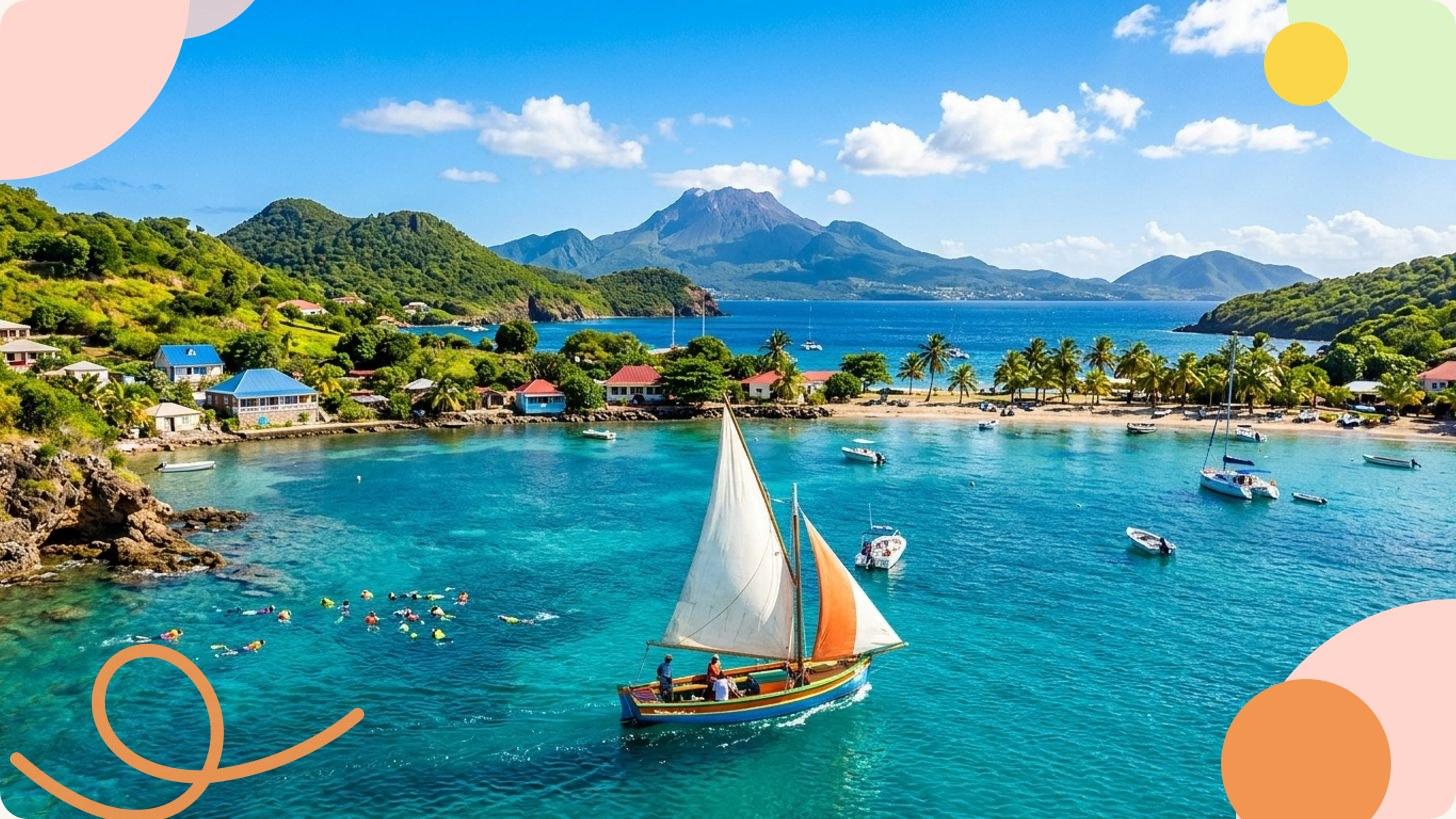

Guadeloupe packs an extraordinary range of experiences into a single archipelago: postcard beaches, an active volcano, waterfalls deep in tropical rainforest, unspoiled islands and a living Creole heritage. Here are 20 highlights, from the famous to the little-known, to help you build a memorable trip however long you have.
Beaches and Coastlines Not to Miss
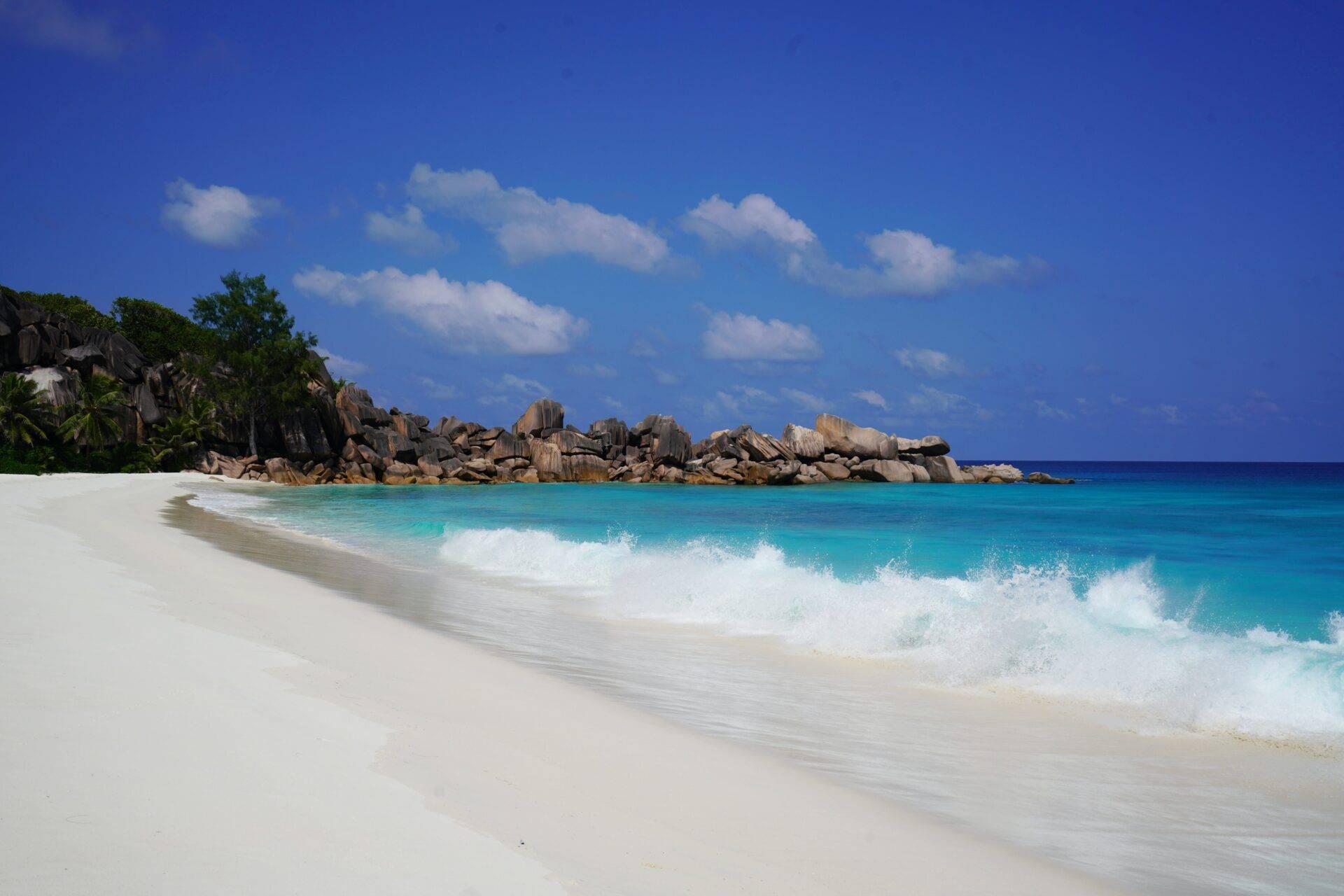
1. Grande Anse Beach (Basse-Terre)
Grande Anse Beach, on the north-west coast of Basse-Terre, consistently ranks among the finest beaches in Guadeloupe. Golden sand, clear water and a pristine forest backdrop make it the perfect place to unwind away from the crowds.
2. Plage de la Perle (Deshaies)
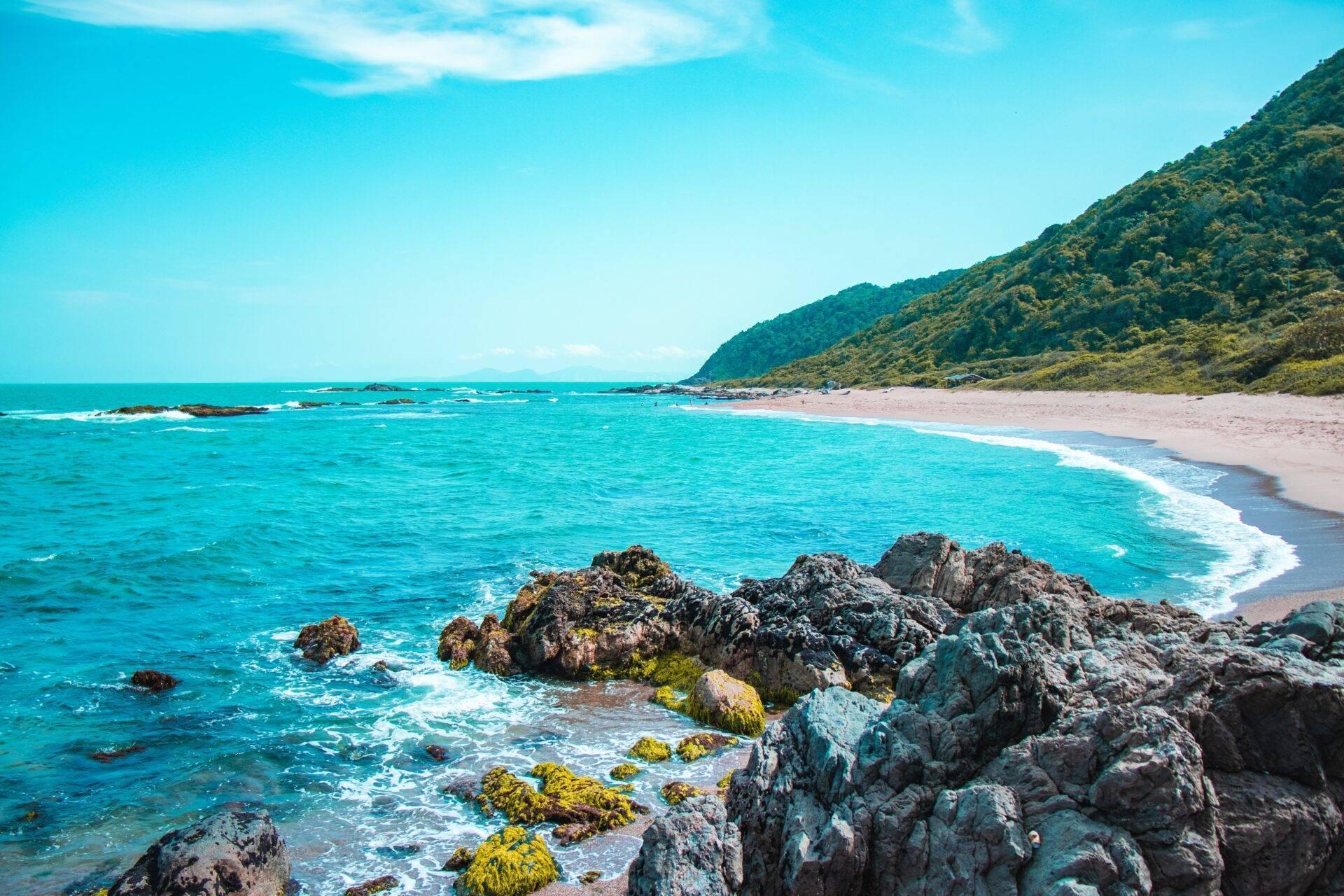
Reached via a winding forest road, La Perle beach is one of the quietest coves on the Caribbean coast. Fine sand, calm water and coconut palms leaning out over the sea: a genuine pocket of tranquillity.
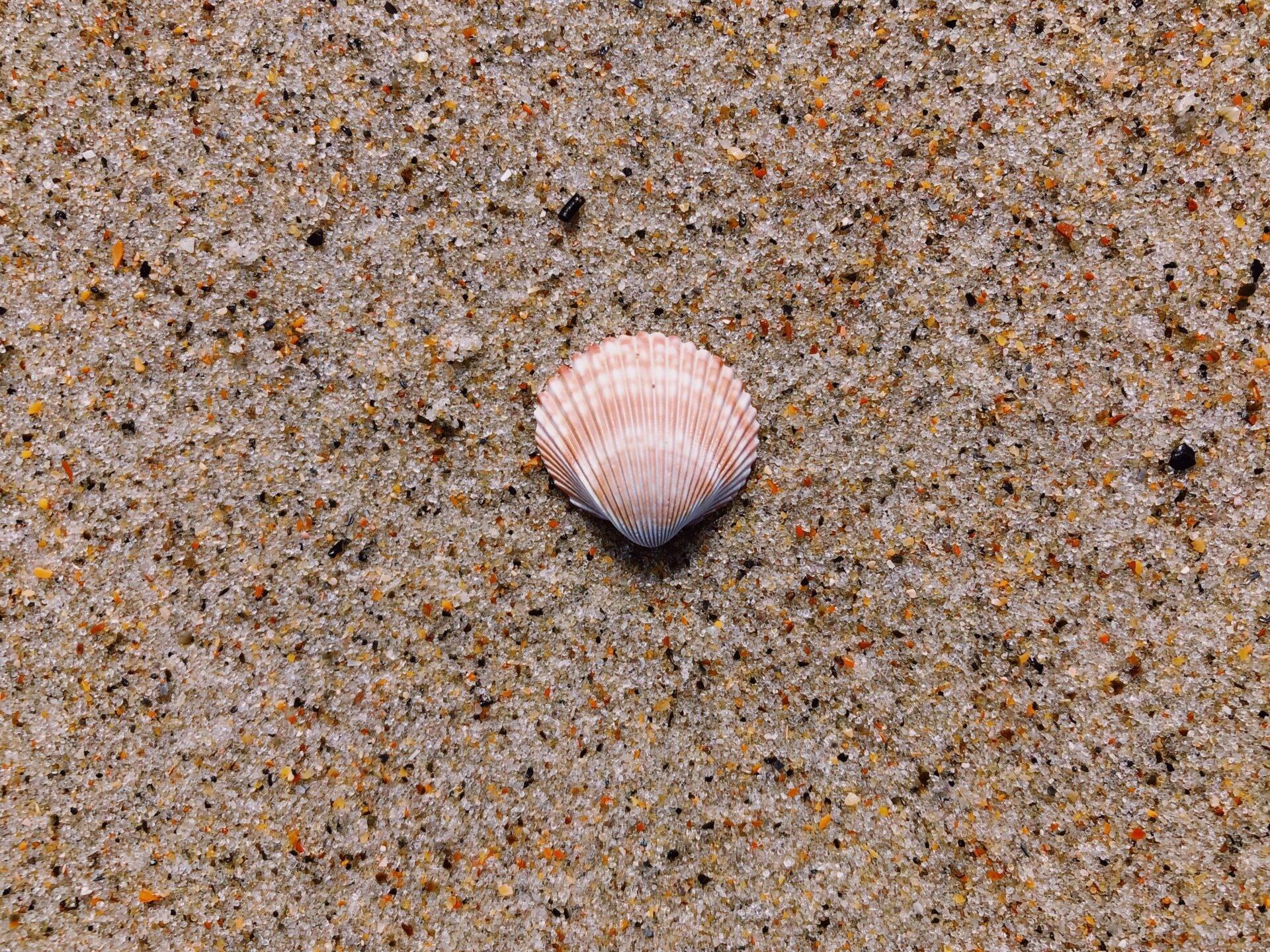
3. Malendure Beach
Malendure stands out for its dark, volcanic sand and its position directly opposite the Pigeon Islets. It is the ideal starting point for diving in the Cousteau Reserve.
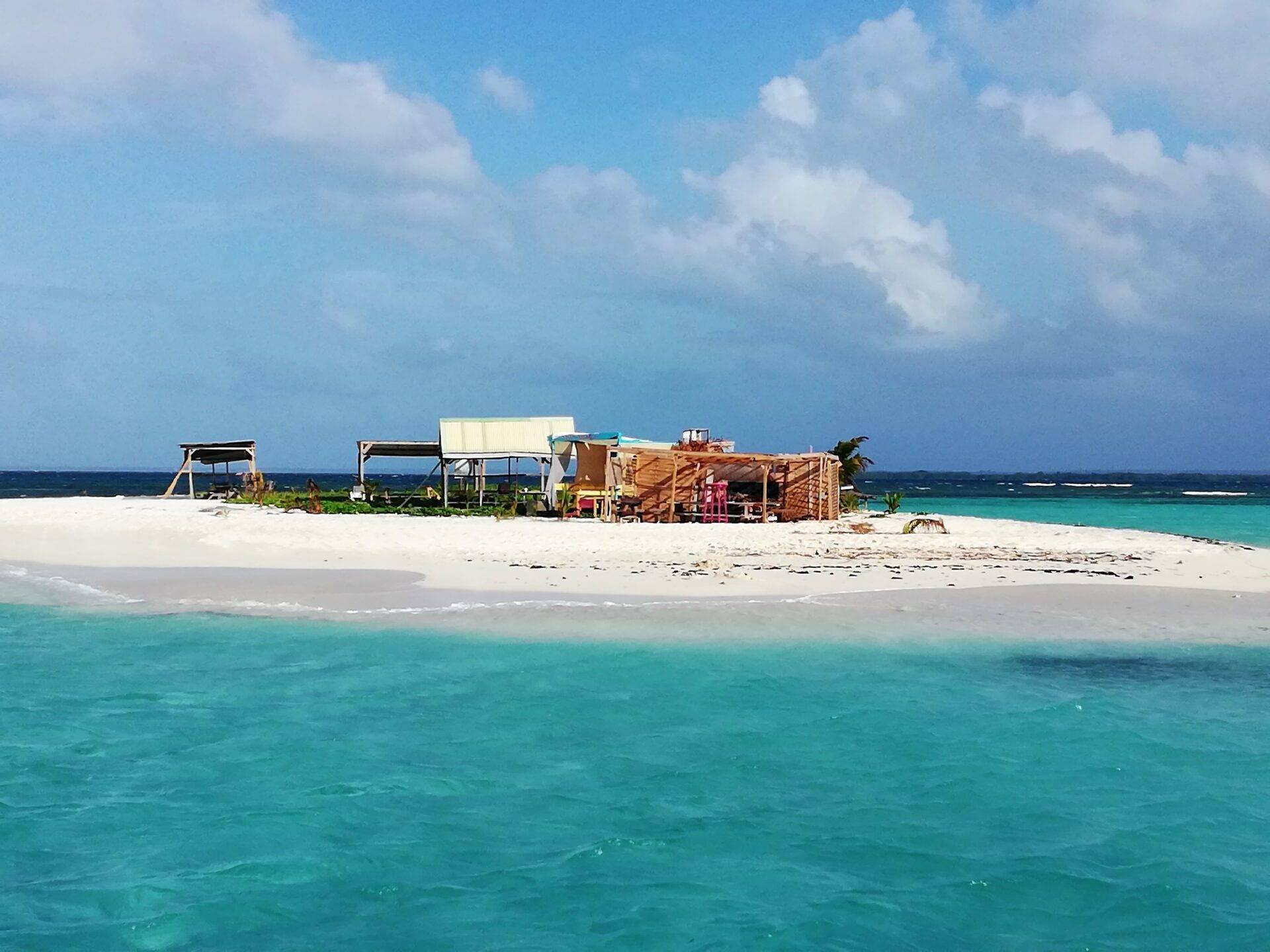
4. The Grande-Terre Lagoon
Between Sainte-Anne and Saint-François, the southern coast of Grande-Terre stretches for kilometres of white sand sheltered by a shallow lagoon. Perfect for families and water sports of all kinds.
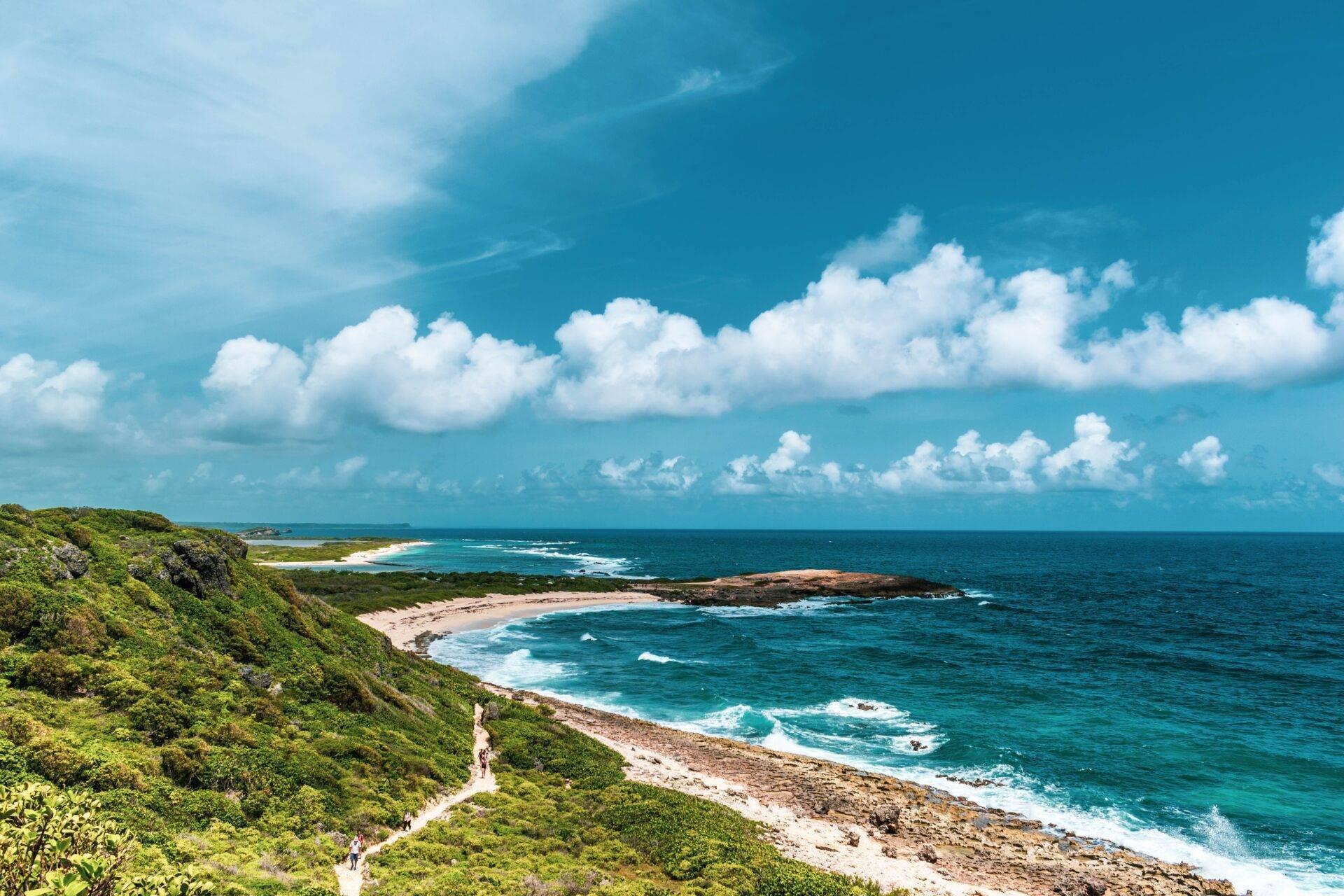
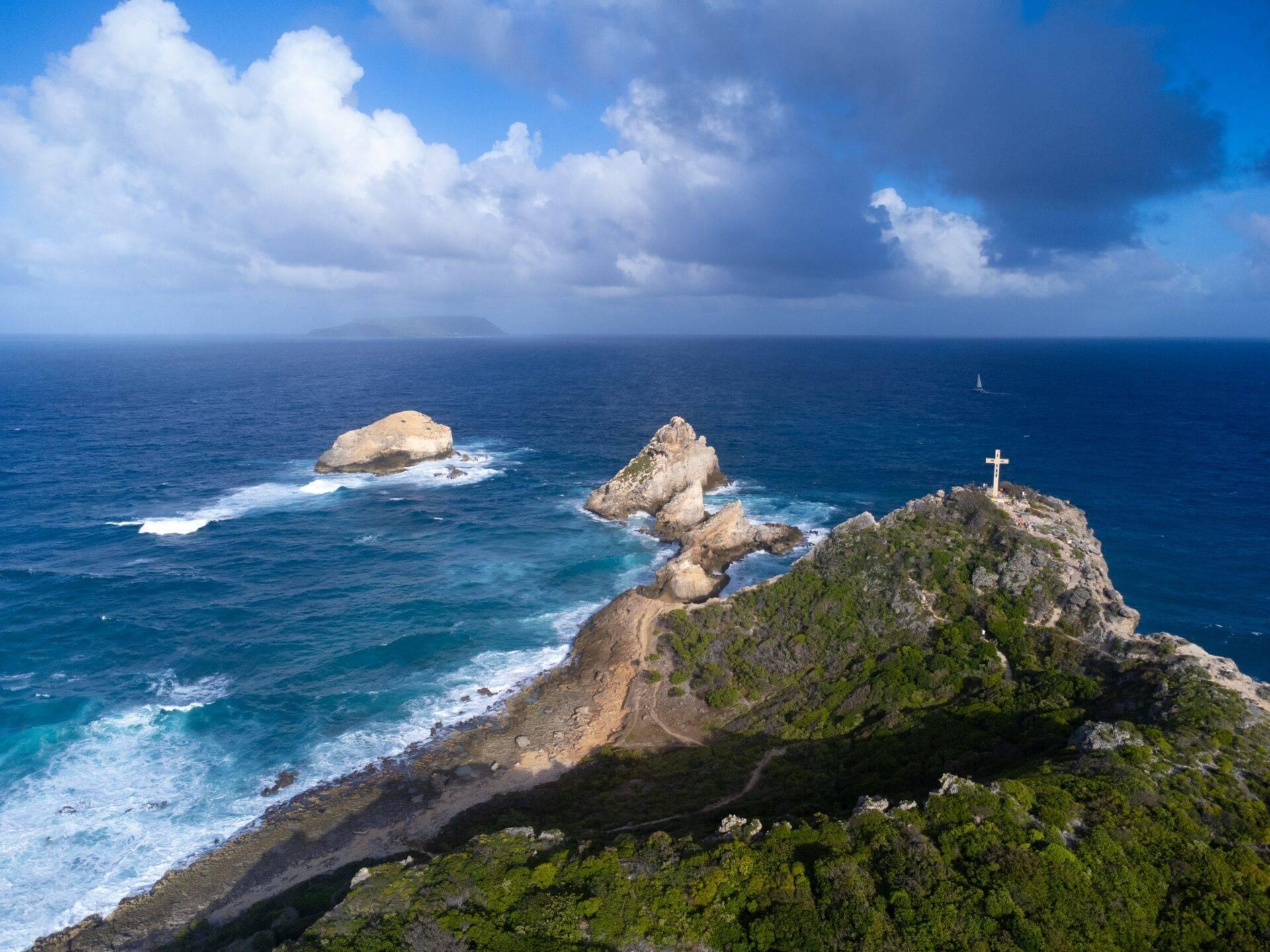
5. Pointe des Châteaux
At the eastern tip of Grande-Terre, the trade winds have sculpted spectacular limestone formations. A cross at the summit offers a 360-degree panorama over the Atlantic, La Désirade and the offshore islets. The contrast with the calm lagoon beaches is striking.
Nature, Volcanoes and Waterfalls: the Green Heart of Basse-Terre
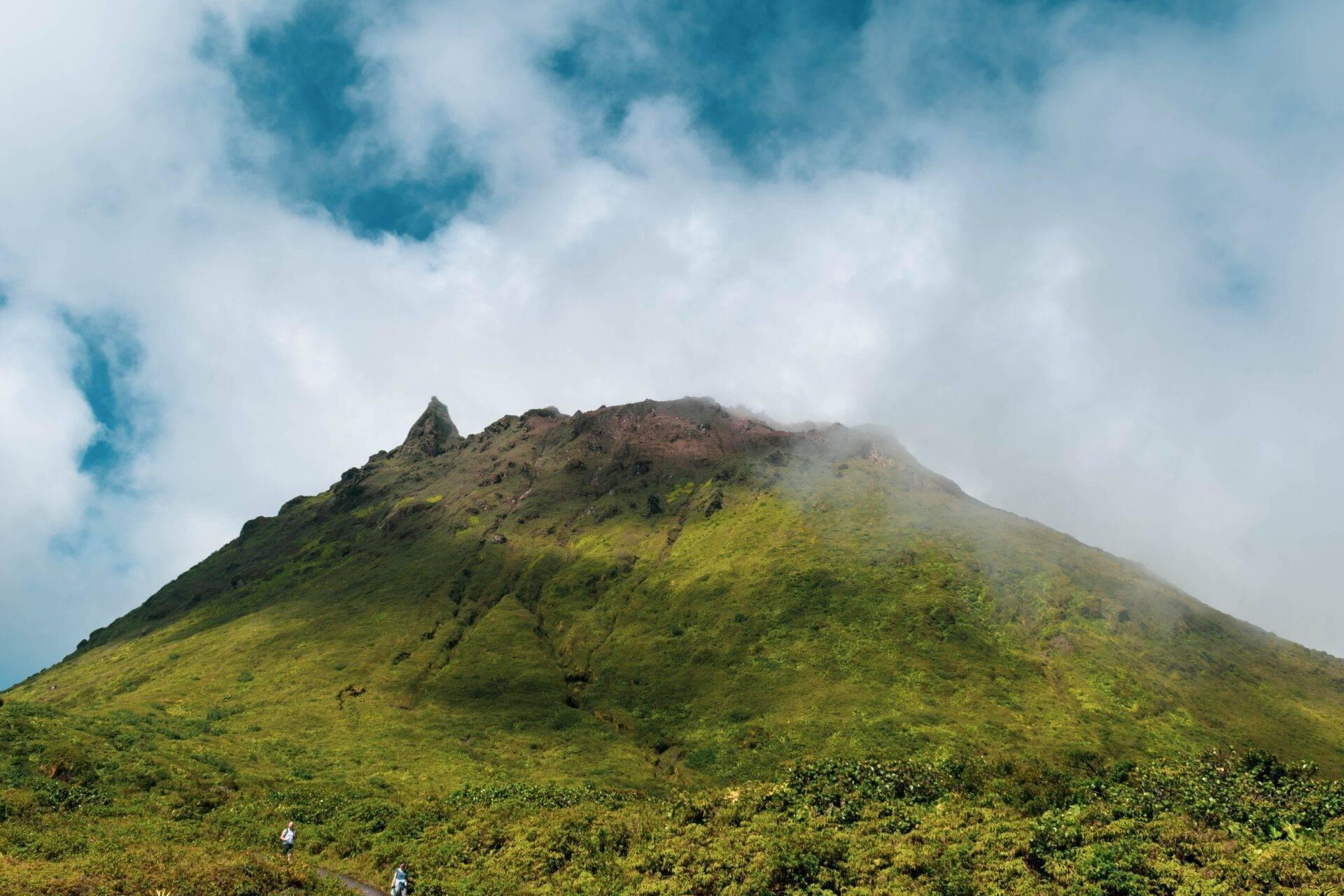
6. La Soufrière
La Soufrière rises to 1,467 m, the highest point in the Lesser Antilles. This active volcano smokes continuously through its sulphurous fumaroles and hot springs. Several marked trails from Saint-Claude lead to the summit. Check the official alert level before setting out.
7. Guadeloupe National Park
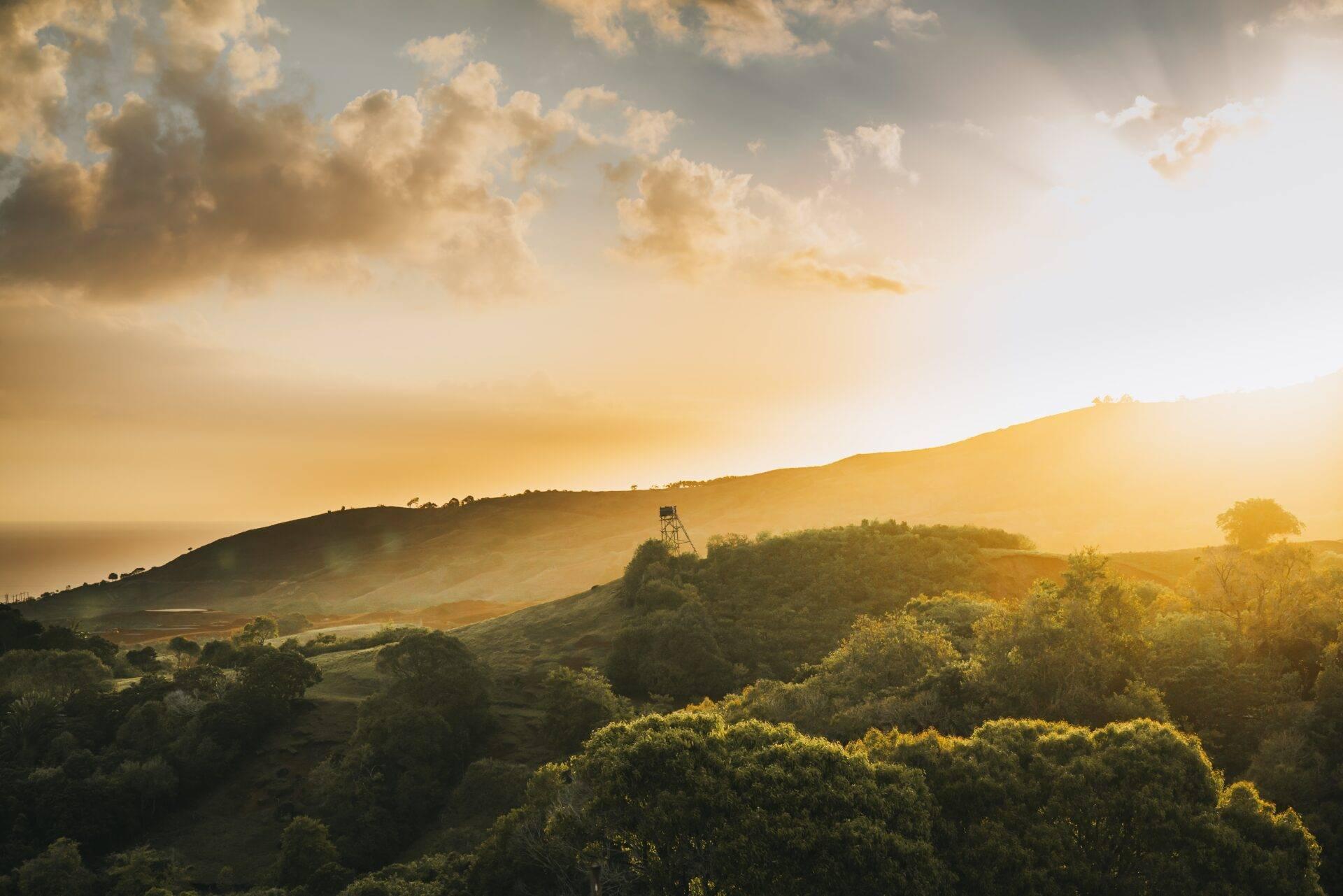
The National Park covers more than 21,000 hectares at the heart of Basse-Terre. It protects one of the last great tropical rainforests in the French Caribbean, from mountain savannas to mangrove zones. Dozens of marked trails wind through it.
8. The Carbet Falls
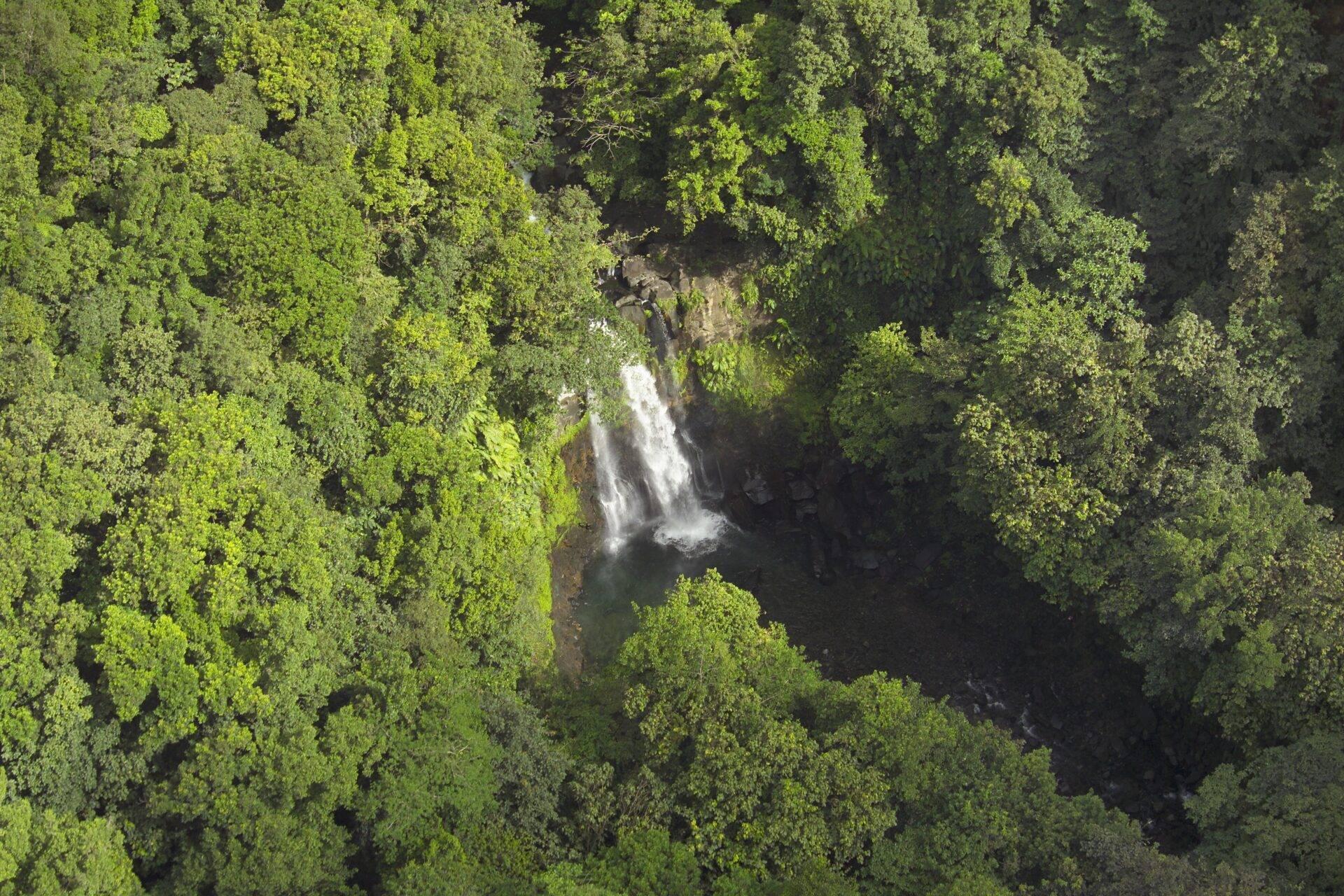
The Carbet Falls comprise three successive cascades within the National Park. The second, at 110 m, is the most spectacular: allow around 1 hour 30 minutes return from Capesterre-Belle-Eau. Check trail conditions before you go, as they can vary considerably.
9. Cascade aux Écrevisses
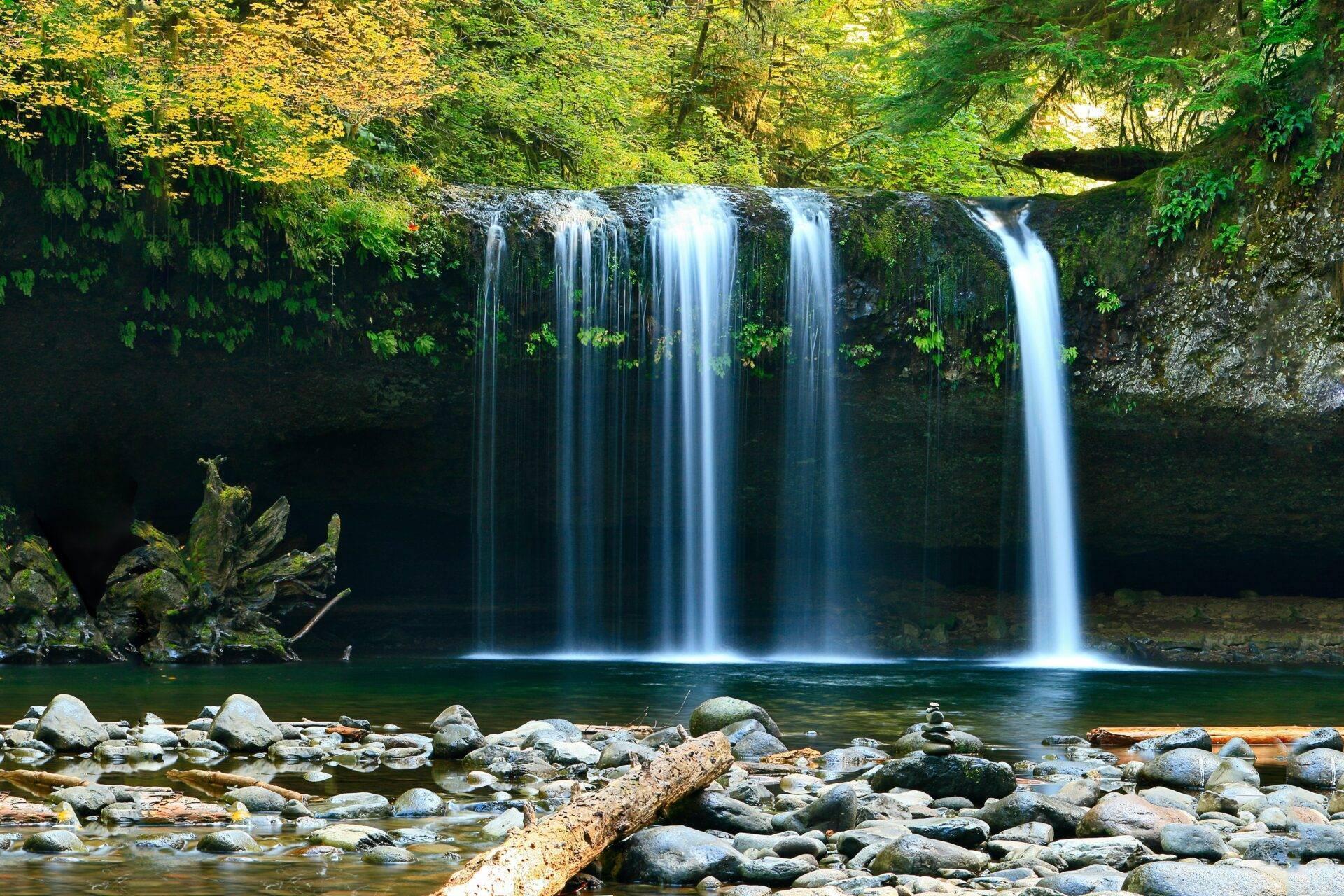
Just a few minutes’ walk from the main road across Basse-Terre, the Cascade aux Écrevisses is the easiest stop in the park. A refreshing natural pool surrounded by tree ferns, accessible for all the family.
10. Deshaies Botanical Garden
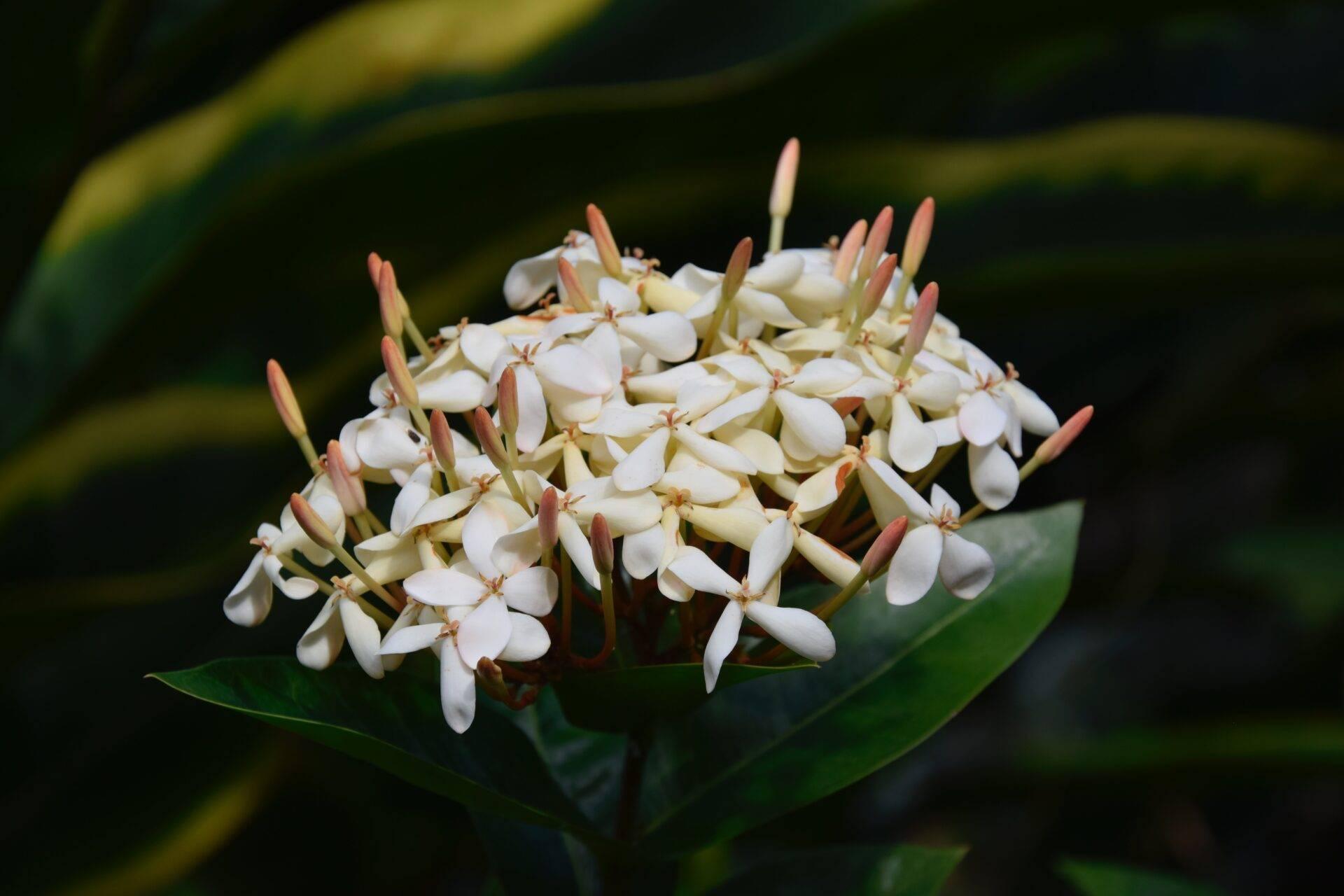
The Deshaies Botanical Garden covers 7 hectares on an estate that once belonged to French comedian Coluche. Over 1,000 tropical species grow here: bougainvillaea, royal palms, talipot palms and flame trees. Open daily from 9 am to 4.30 pm.
11. The Cousteau Reserve
The Cousteau Reserve encircles the Pigeon Islets off Malendure and covers more than 1,000 hectares of seabed. Jacques-Yves Cousteau ranked this site among the ten best diving spots in the world. Sea turtles, barracudas and healthy coral reefs await: dive clubs at Malendure run trips year-round.
Islands of the Archipelago: Each with Its Own Character
12. Les Îles des Saintes
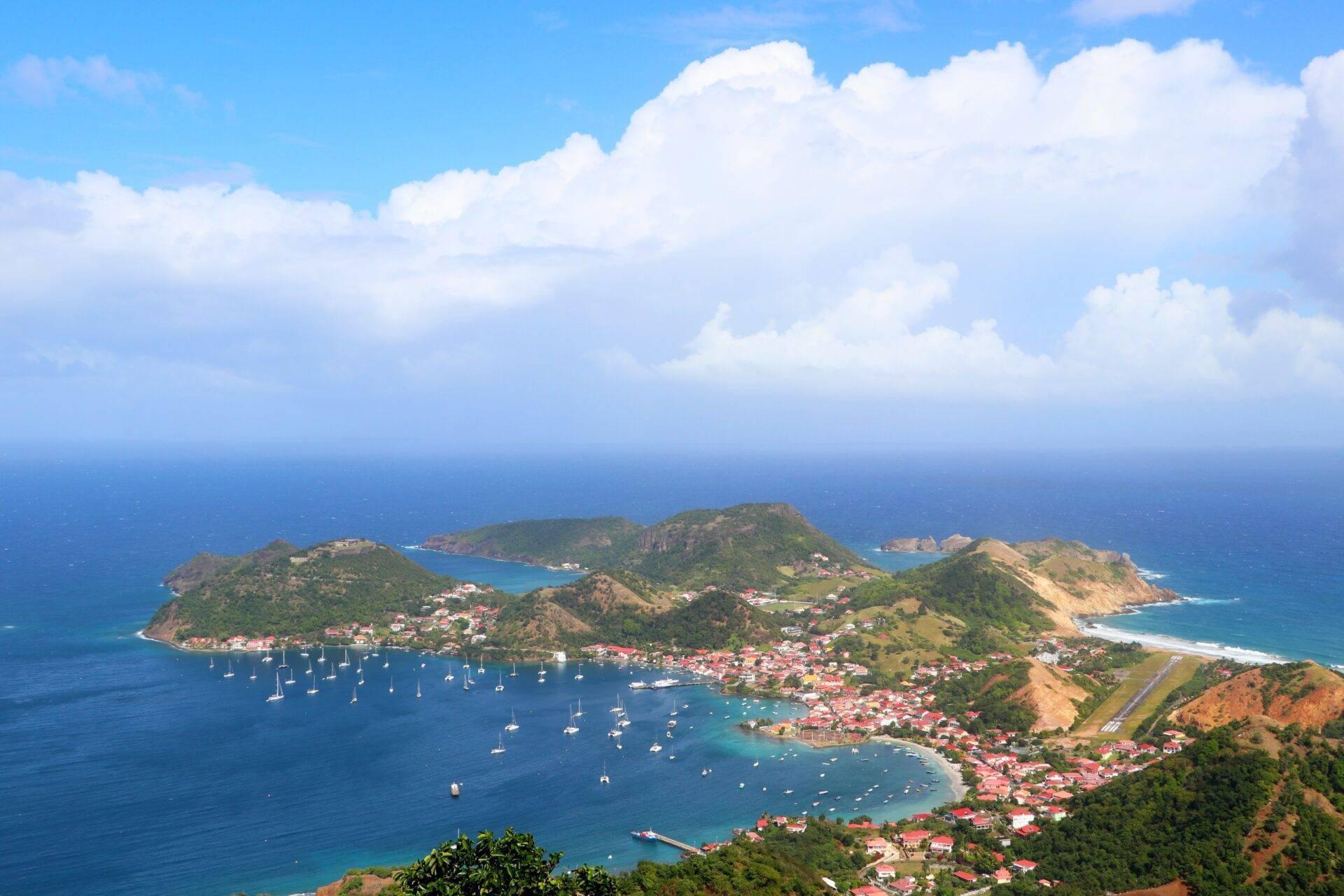
Les Saintes is an archipelago of eight islands and islets south of Basse-Terre. Terre-de-Haut, the main island, has colourful lanes, fresh fish restaurants and a bay often cited as one of the most beautiful in the Caribbean. Regular ferries run from Trois-Rivières and Basse-Terre.
13. La Désirade
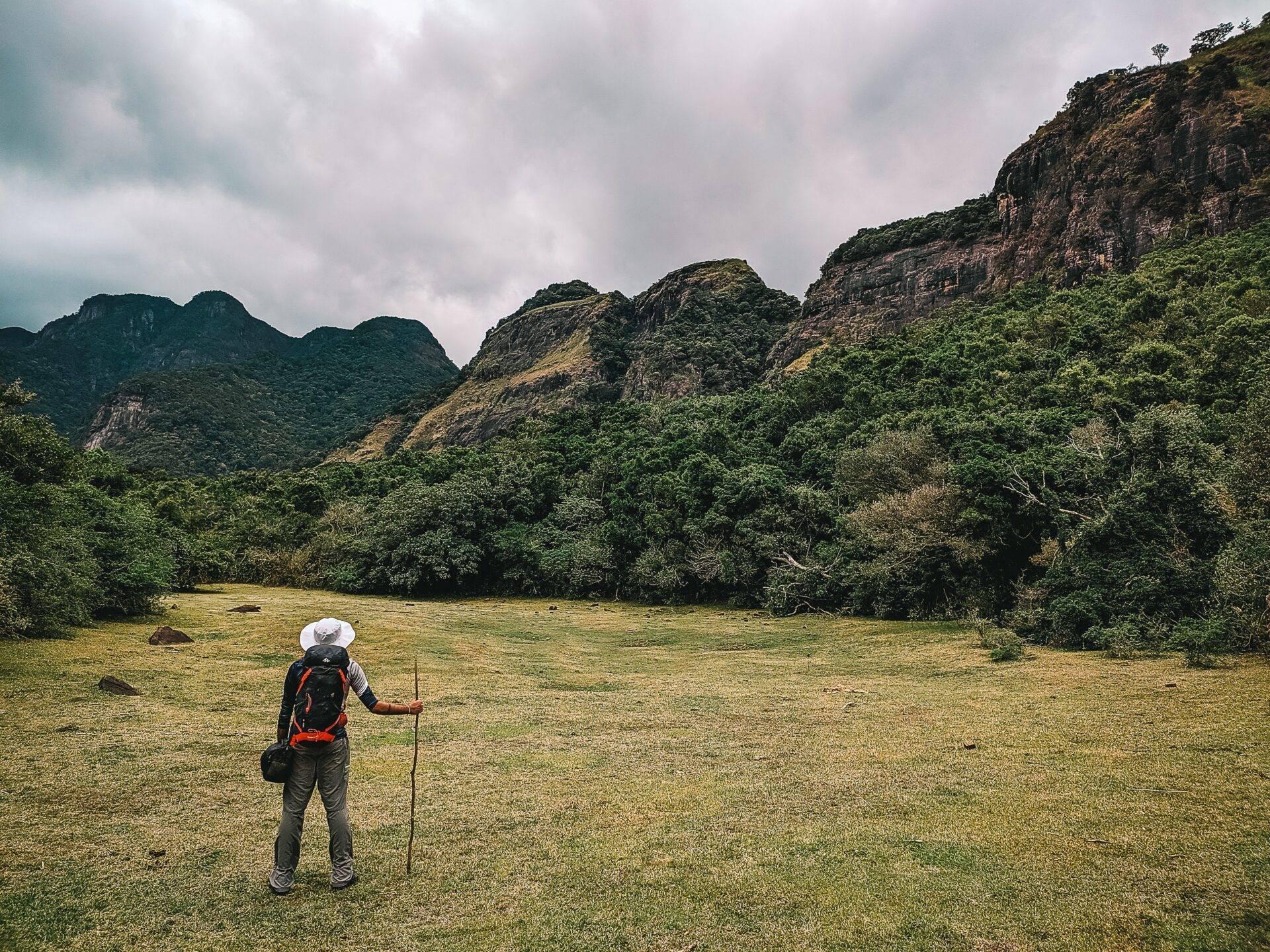
La Désirade is the least-known island in the archipelago: 22 km², few tourists, near-deserted beaches and a singular atmosphere. A trail climbs to Grand Morne for unobstructed views over Grande-Terre and the Atlantic.
14. Marie-Galante
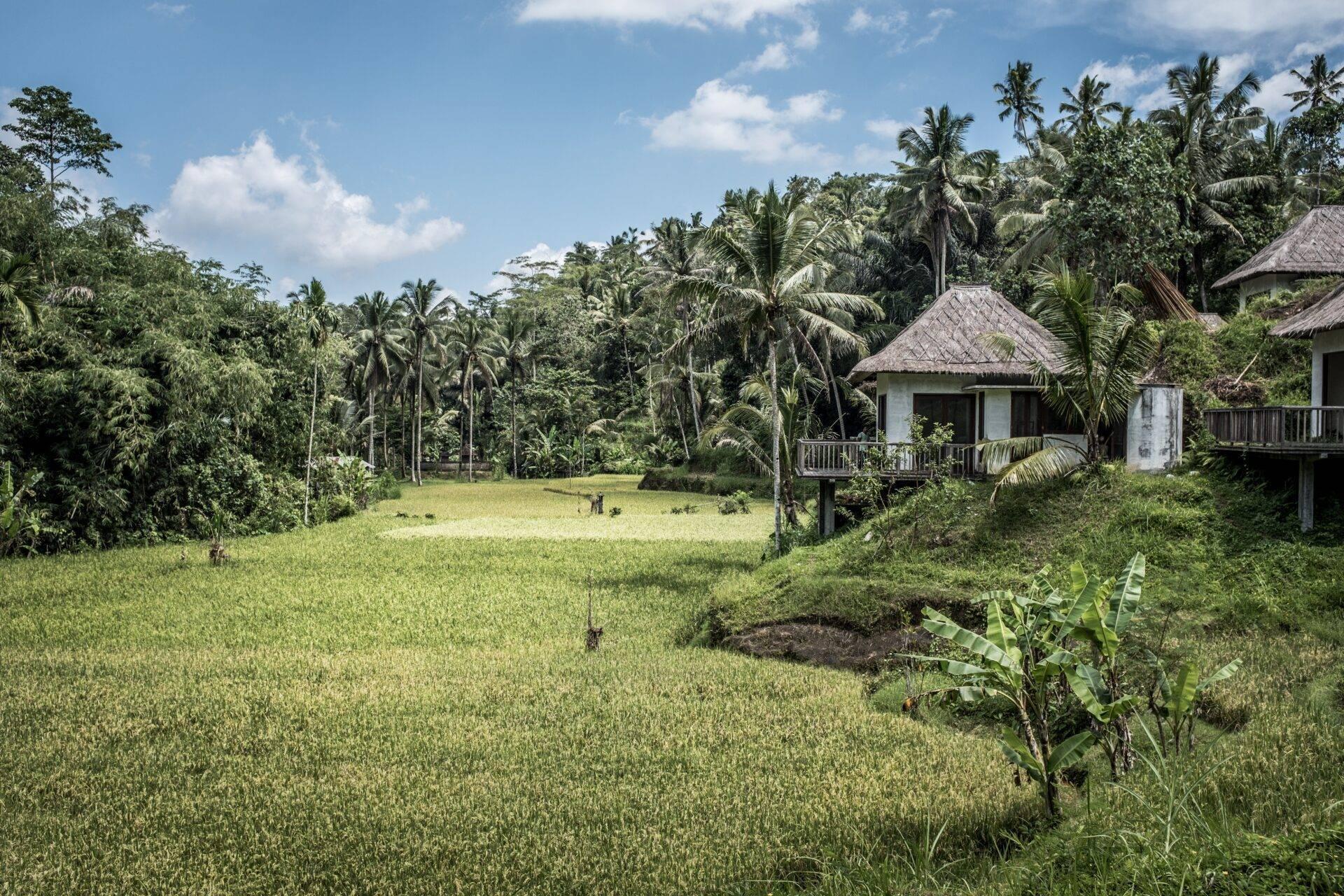
Marie-Galante, nicknamed “the island of a hundred windmills”, runs at a different pace. Sugar cane dominates its landscape, artisan rum distilleries welcome visitors, and white-sand beaches remain virtually deserted on weekdays. A short ferry crossing from Pointe-à-Pitre is all it takes to step into a completely different world.
Culture and Heritage: the Memory of the Archipelago
15. Mémorial ACTe (Pointe-à-Pitre)
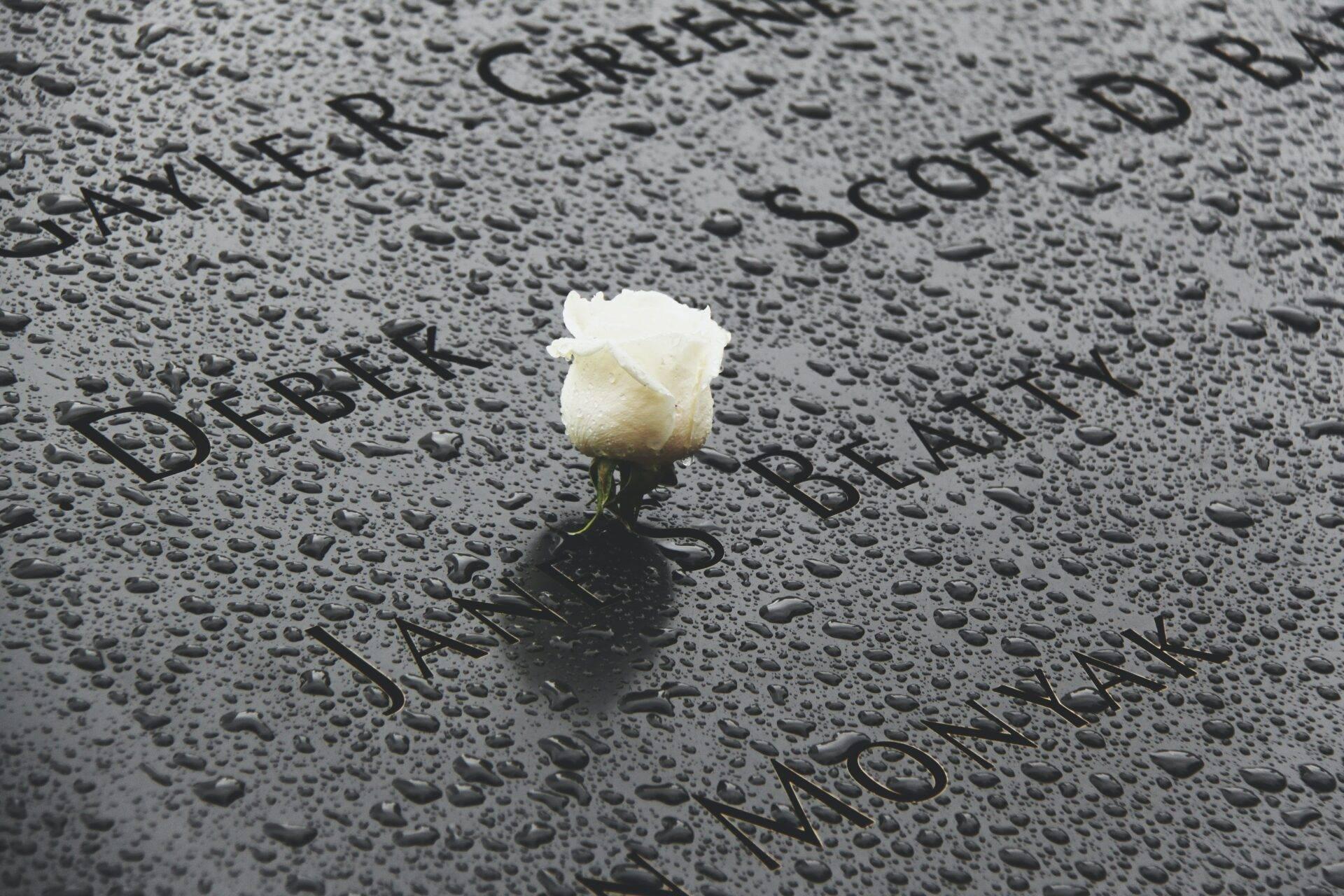
Opened in July 2015 on the site of the former Darboussier sugar refinery, the Mémorial ACTe is France’s first major museum dedicated to the memory of the slave trade and slavery. Its 7,800 m² permanent exhibition takes visitors from the earliest forms of slavery through to post-slavery societies. It was awarded the Council of Europe Prize in 2017.
16. The Cathedral of Saint-Pierre and Saint-Paul
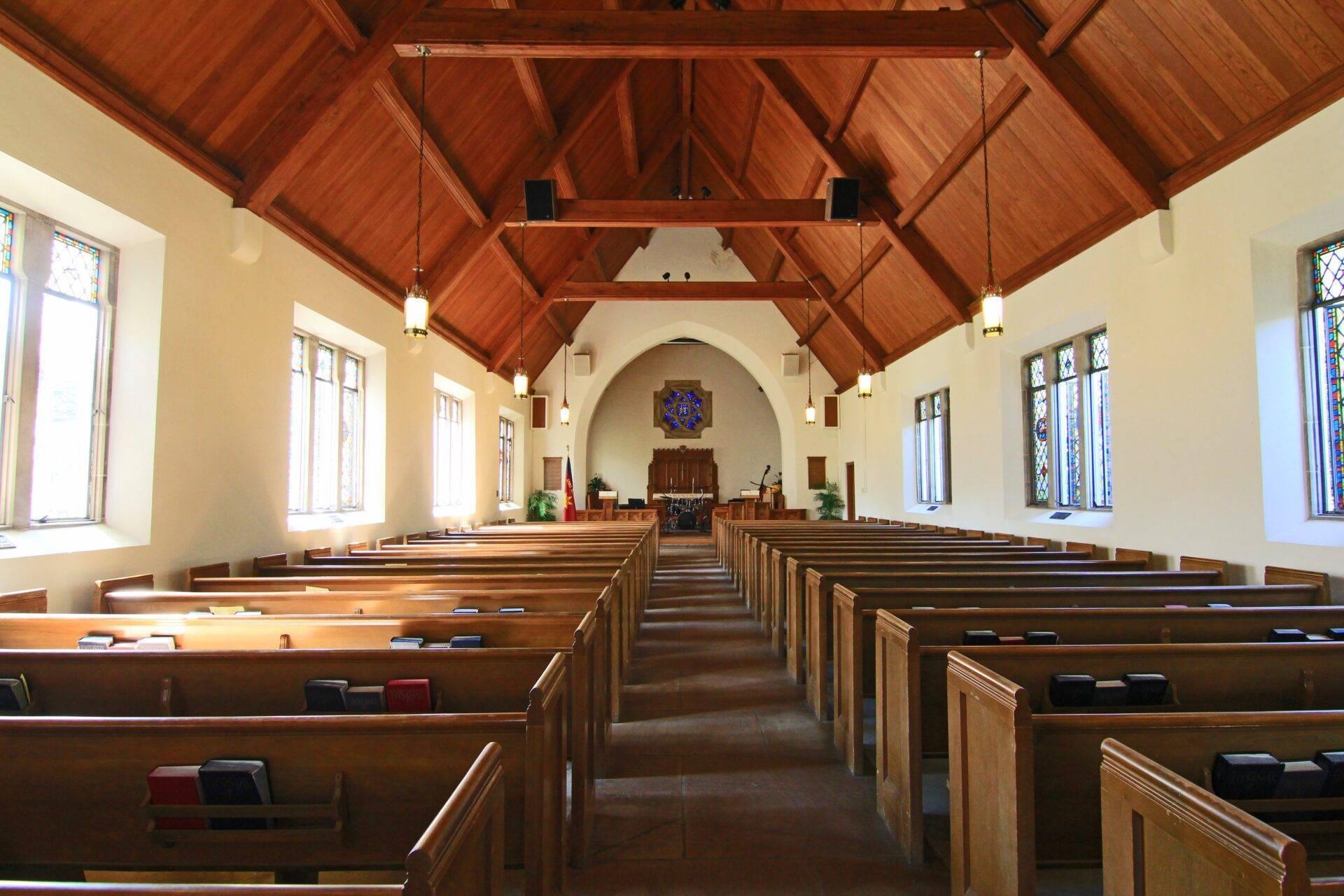
The cathedral of Pointe-à-Pitre, known as the “iron cathedral” for its earthquake-resistant metal frame, is the city’s most iconic religious building. Its stained-glass windows and carved wooden pews are well worth a pause when exploring the town centre.
17. Fort Napoléon (Terre-de-Haut)
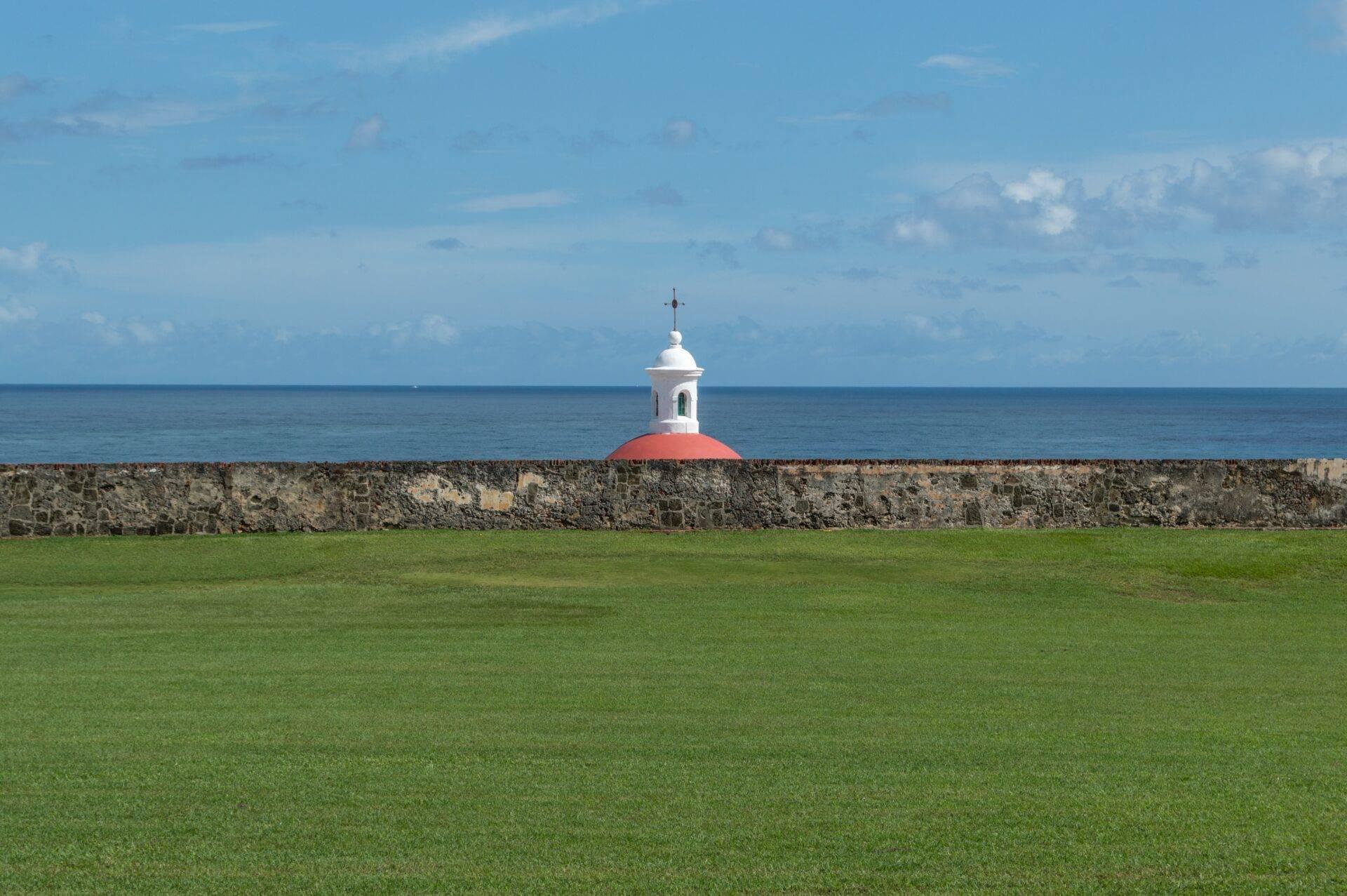
Built in the early 19th century, Fort Napoléon never saw combat. It now houses a museum dedicated to the 1782 Battle of the Saintes and a cactus garden, with open views over the bay of Terre-de-Haut.
18. The Rum Museum (Sainte-Rose)
The Rum Museum, housed in the Reimonenq estate at Sainte-Rose, traces the sugar history of Guadeloupe from the first cane mills to modern stills. The distillery is still in operation: the visit ends with a tasting of barrel-aged rums.
19. Pointe-à-Pitre Market
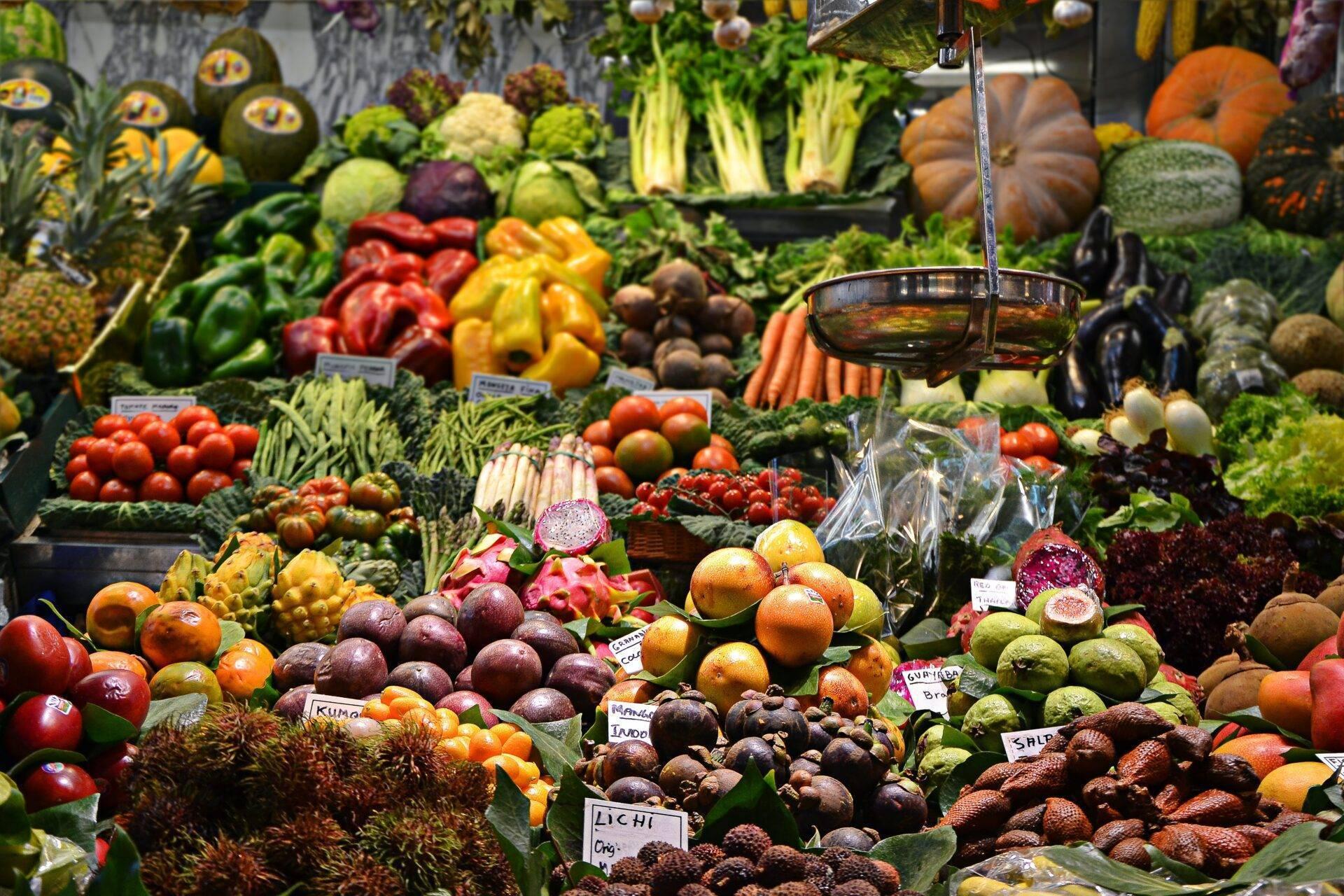
The central market of Pointe-à-Pitre is the beating heart of Creole culture. Spices, infused rum, madras fabric, seasonal fruits and local vegetables fill the stalls every morning. Arrive before 9 am to catch the market at its most vibrant.
20. The Port of Pointe-à-Pitre: Gateway to the Archipelago
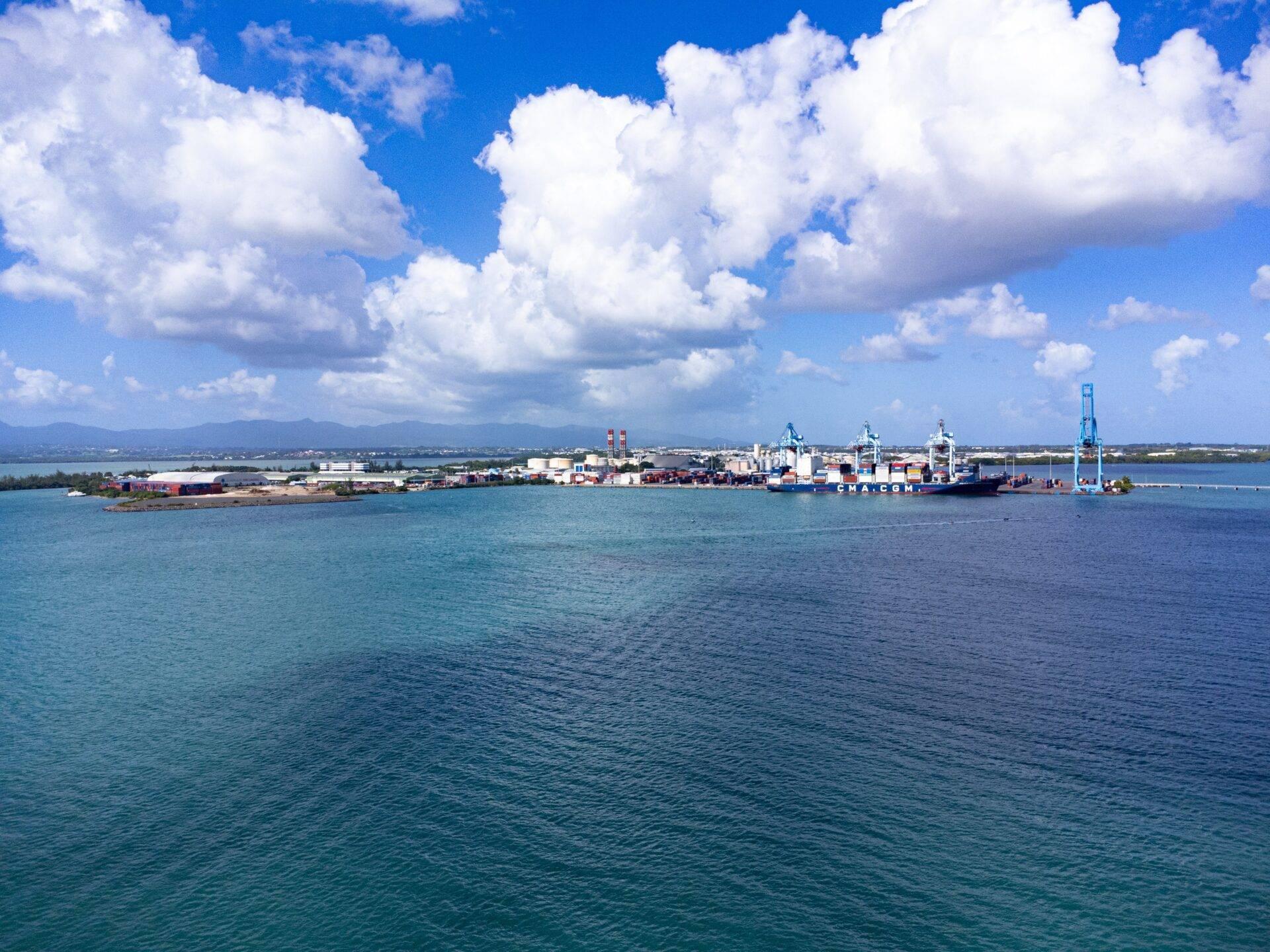
The port of Pointe-à-Pitre is the hub for inter-island connections. Ferries to Les Saintes, Marie-Galante and La Désirade all depart from here. A key starting point for any excursion to the neighbouring islands.
Worth Exploring Too: More Sun-Soaked Islands
If the French Caribbean has caught your eye, our guide on things to do in Martinique explores the neighbouring island with the same approach. For a change of scenery in the Indian Ocean, our selection of things to do in Mauritius offers great inspiration. And if the Atlantic calls, things to do in the Canary Islands presents another island profile just a few hours from Europe.
FAQ
What is the best time to visit Guadeloupe?
The dry season, from December to May (known locally as Carême), is the most pleasant: temperatures around 26-28°C, regular sunshine and moderate humidity. The rainy season, from June to November, remains perfectly manageable but brings showers and, between August and October, the risk of hurricanes.
Basse-Terre or Grande-Terre: which should I choose?
Basse-Terre is the island for nature lovers: volcano, waterfalls, tropical rainforest and diving at the Cousteau Reserve. Grande-Terre is the island of wide white-sand beaches and calm lagoons. The two islands are connected by a bridge, and most visitors explore both.
How many days do you need to see Guadeloupe properly?
One week is enough to cover the highlights of both main islands. Two weeks gives you time to explore Les Saintes, Marie-Galante and La Désirade as well. With fewer than five days, it is better to focus on one area.
What can families do in Guadeloupe?
The Cascade aux Écrevisses (a short forest walk), the Deshaies Botanical Garden, the Sainte-Anne lagoon and snorkelling at the Cousteau Reserve are all particularly well suited to children. The Pointe-à-Pitre market is also a sensory discovery enjoyed by all ages.
Can you visit La Désirade and Marie-Galante in a day?
Yes, both islands are accessible as day trips from Pointe-à-Pitre via regular ferry services. Marie-Galante works well as a full-day excursion. To fully soak up the atmosphere of each island, staying overnight is the best option.