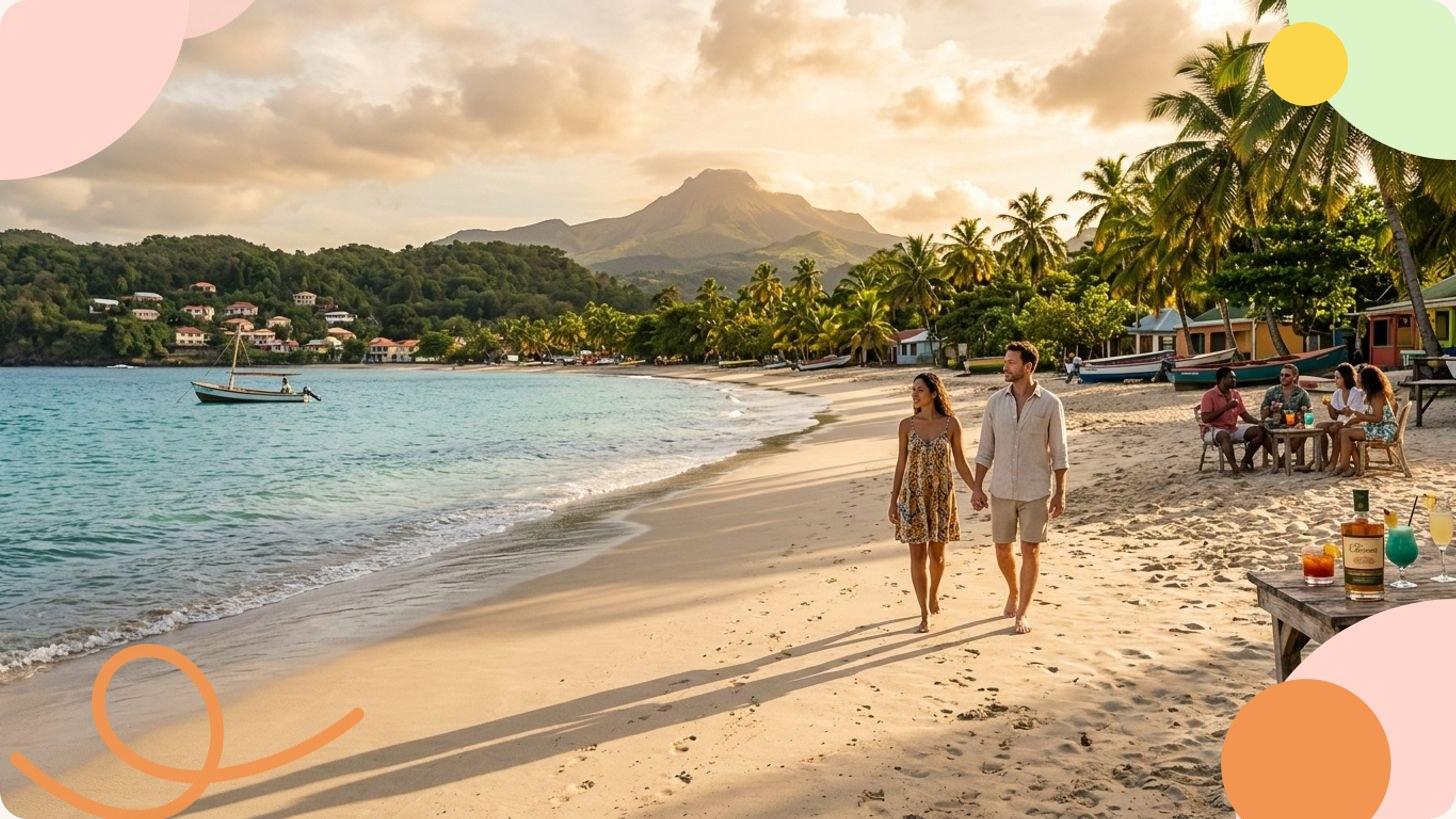

Martinique distils everything the Caribbean has to offer into a single island: white-sand beaches shaded by coconut palms, active volcanoes cloaked in rainforest, agricultural rum with a designation unique in the world, and fishing villages where sea turtles glide close enough to touch. Here are the 20 experiences that define the island, from the volcanic north to the sun-drenched south, from the Route de la Trace to century-old distilleries.
Get travel insurance for MartiniqueTowns and villages to explore
Fort-de-France, the Creole heart of the island
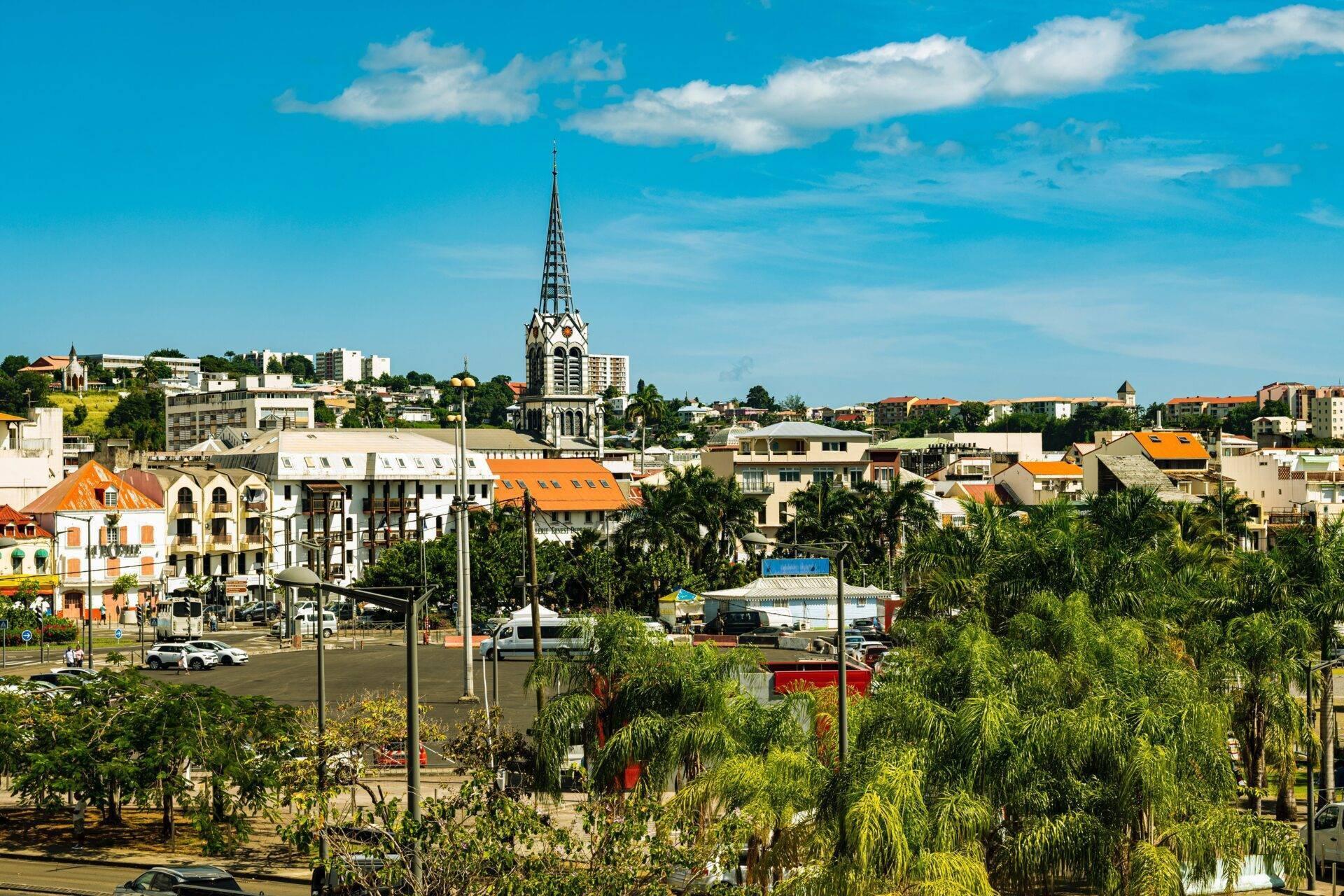
Fort-de-France is the natural entry point into Martinican life. The central market overflows with spices, tropical fruits and local produce. The Schoelcher Library, with its ornate metal-framed architecture, ranks among the most remarkable buildings in the French Caribbean. Saint-Louis Cathedral dominates the skyline, while La Savane, the wide park facing the bay, is the perfect place for an evening stroll. The city is also the departure point for water taxis to Les Trois-Îlets and boat trips to the surrounding islets.
Saint-Pierre, a city of ruins and world-class wreck diving
Before 1902, Saint-Pierre was known as the “Little Paris of the Antilles.” Within minutes, the pyroclastic flow from Mount Pelée levelled the city and killed nearly 30,000 people. The ruins of the theatre, the old prison and the Fort church are open to visitors today, and a museum recounts the catastrophe of 8 May 1902. Beneath the harbour, dozens of shipwrecks dating from the eruption make Saint-Pierre one of the most extraordinary dive sites in the Caribbean.
Anse d’Arlet, the fishing village where turtles come to shore
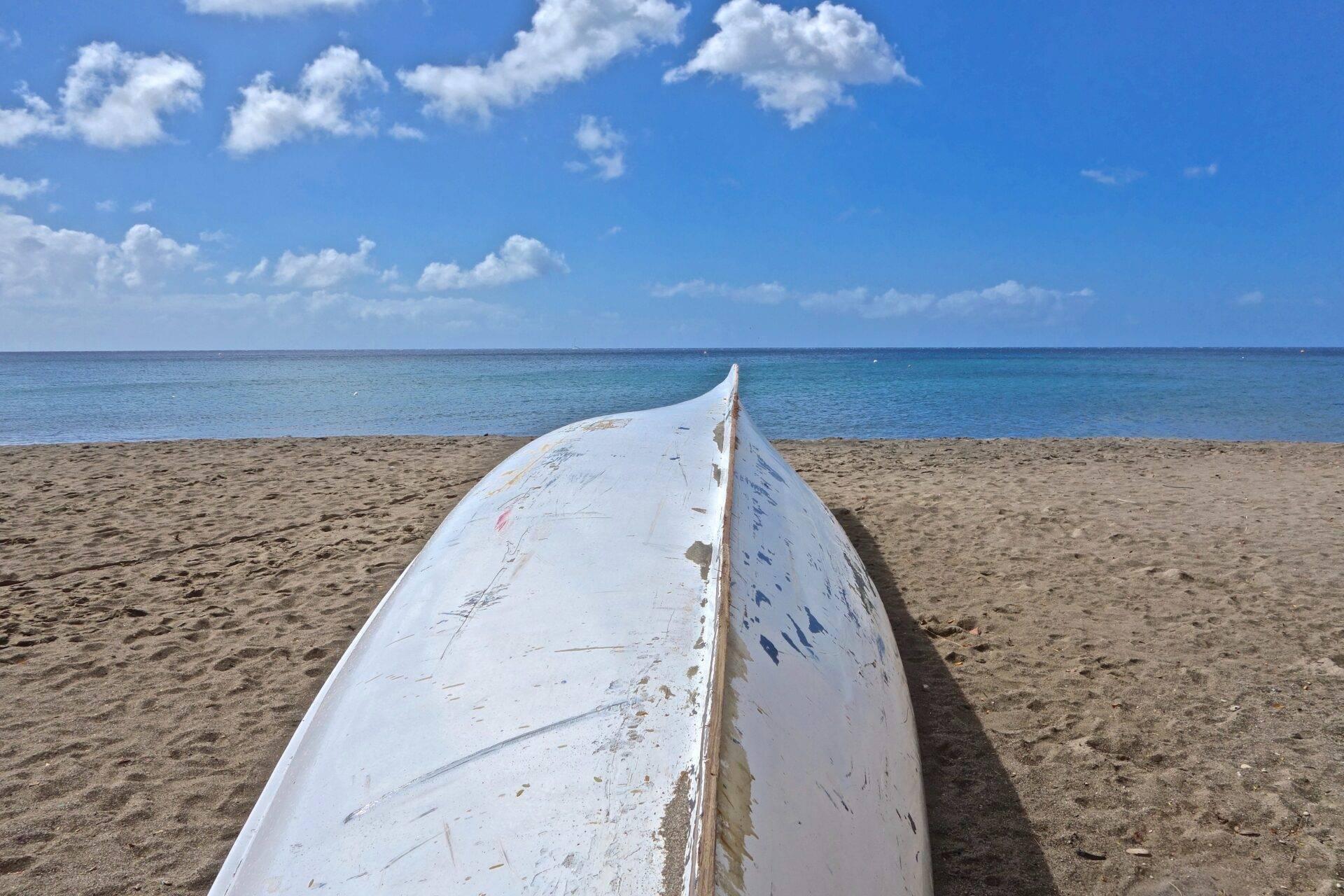
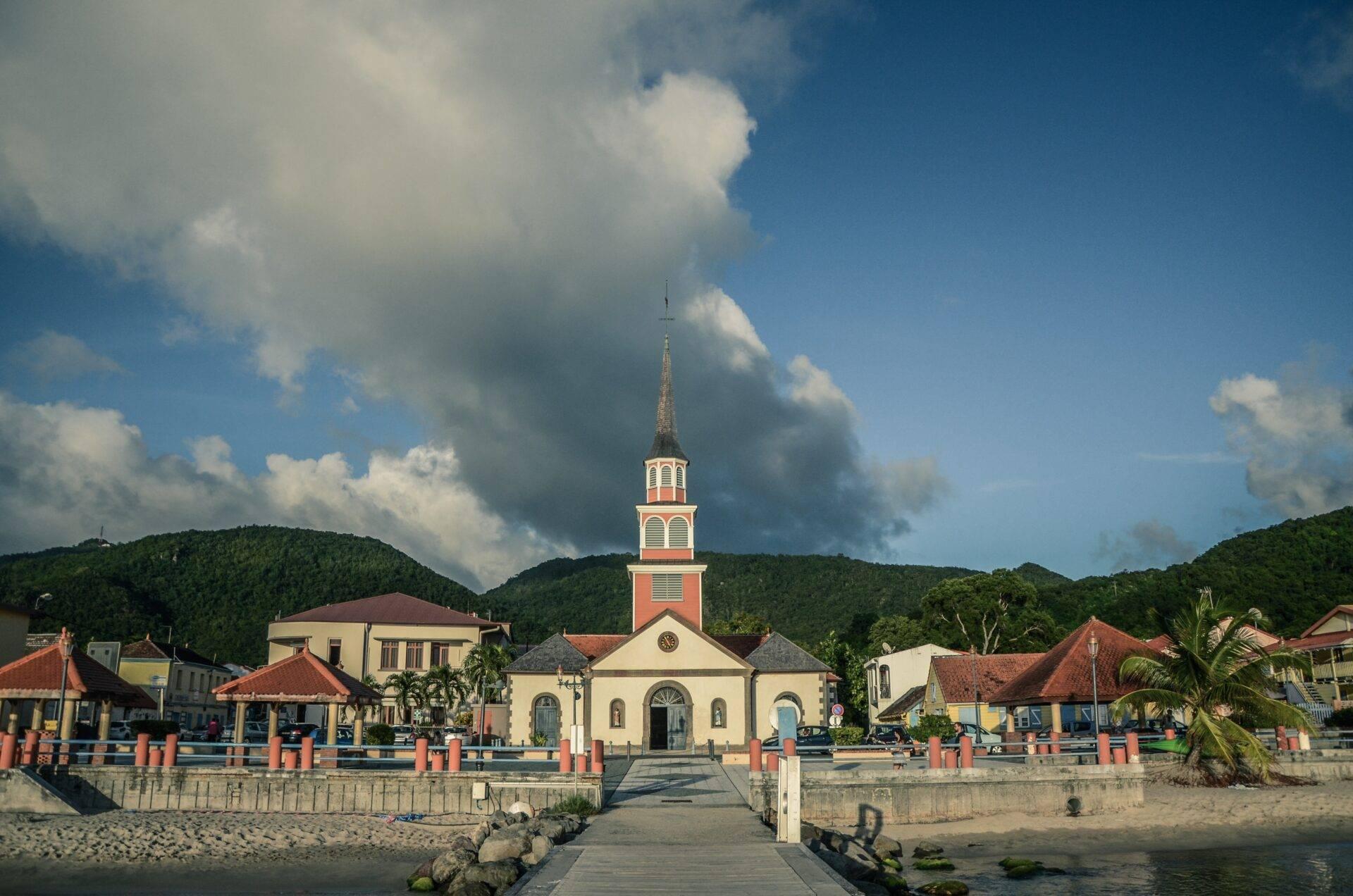
Anse d’Arlet is one of the most photographed villages in Martinique. The Saint-Henri church juts out almost into the sea, colourful fishing boats rest on the sand, and sea turtles feed just metres from the shore. No boat charter or guided excursion is needed: a snorkel mask from the beach is all it takes to observe them. This is one of the few places on the island where the experience is freely accessible from the water’s edge.
Beaches not to miss
Grande Anse des Salines, the island’s benchmark beach
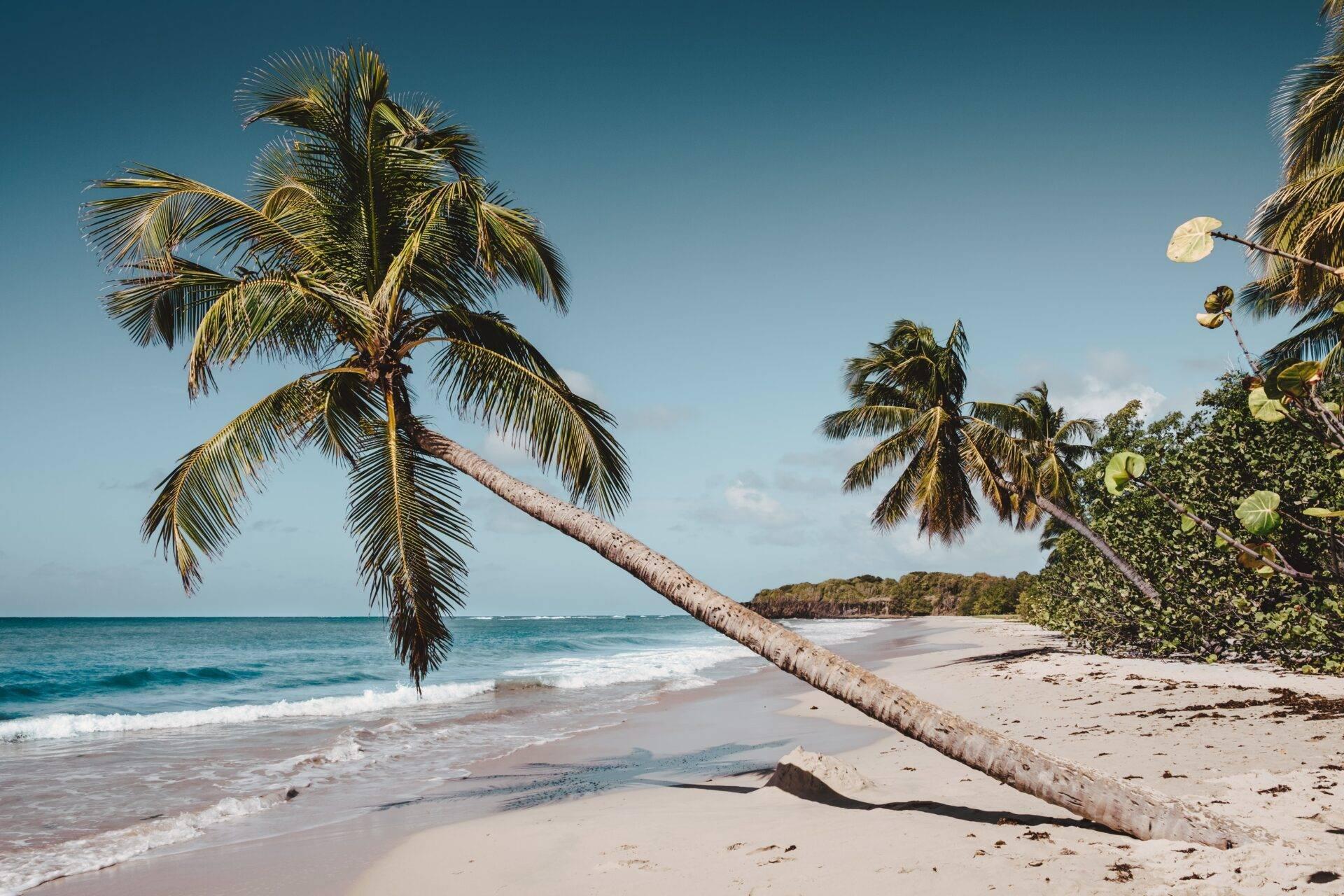
Stretching for over a kilometre, Grande Anse des Salines unfurls its fine golden sand beneath coconut palms leaning over jade-green water. Rated among the finest beaches in the French Caribbean, it sits at the island’s southernmost tip in the commune of Sainte-Anne. The shallow, sandy seabed makes it ideal for families and snorkellers alike.
The wild beaches of the north, between rainforest and volcanic rock
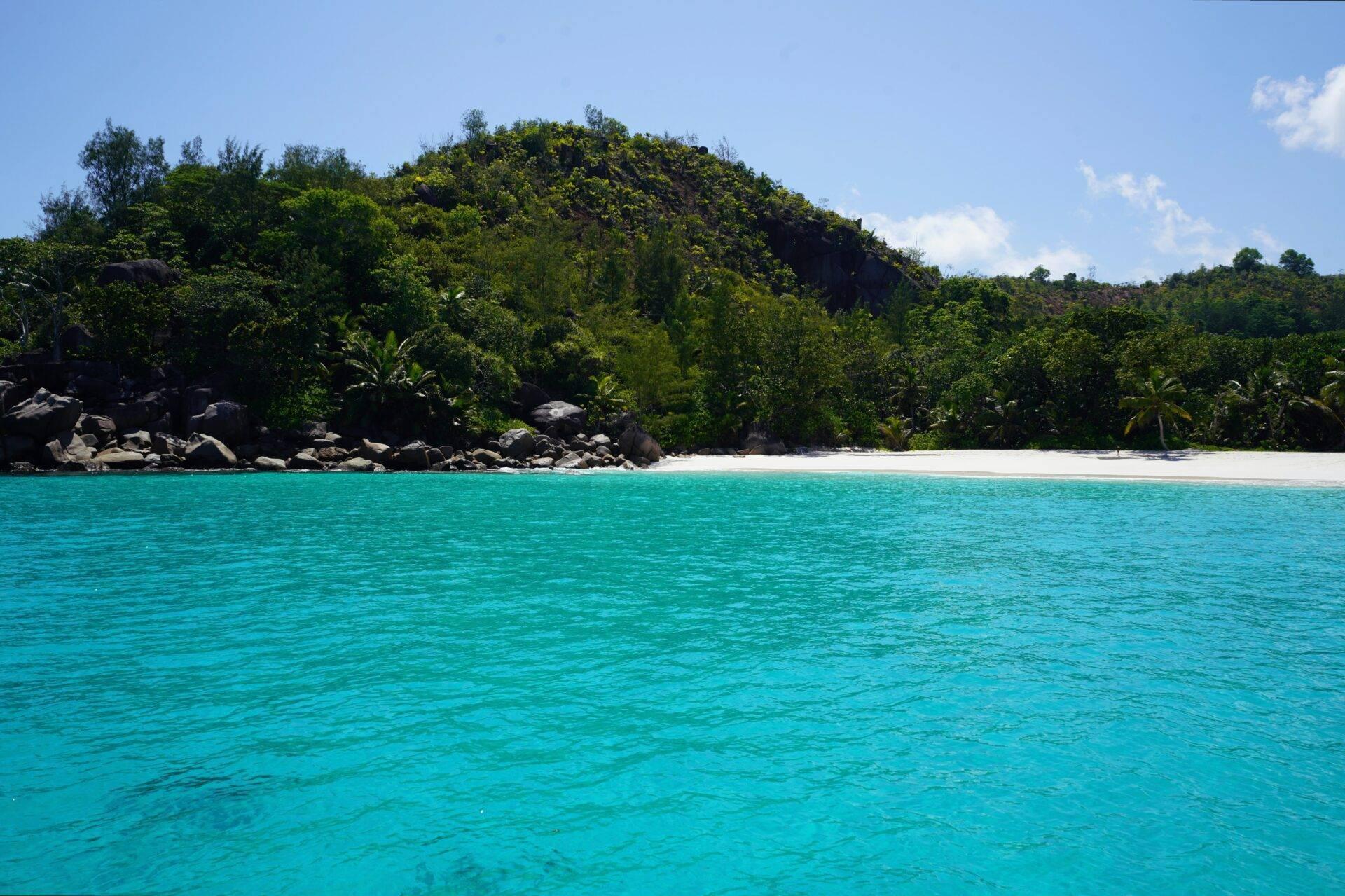
In the north of the island, Anse Couleuvre and Anse Céron present a very different side of Martinique: dark volcanic sand shading towards grey, ancient rainforest tumbling to the waterline, and tracks that see few visitors. These beaches draw travellers looking to escape the developed resort areas and discover a stretch of coastline that has remained genuinely unspoilt.
Rocher du Diamant, a volcanic sentinel in the Caribbean Sea
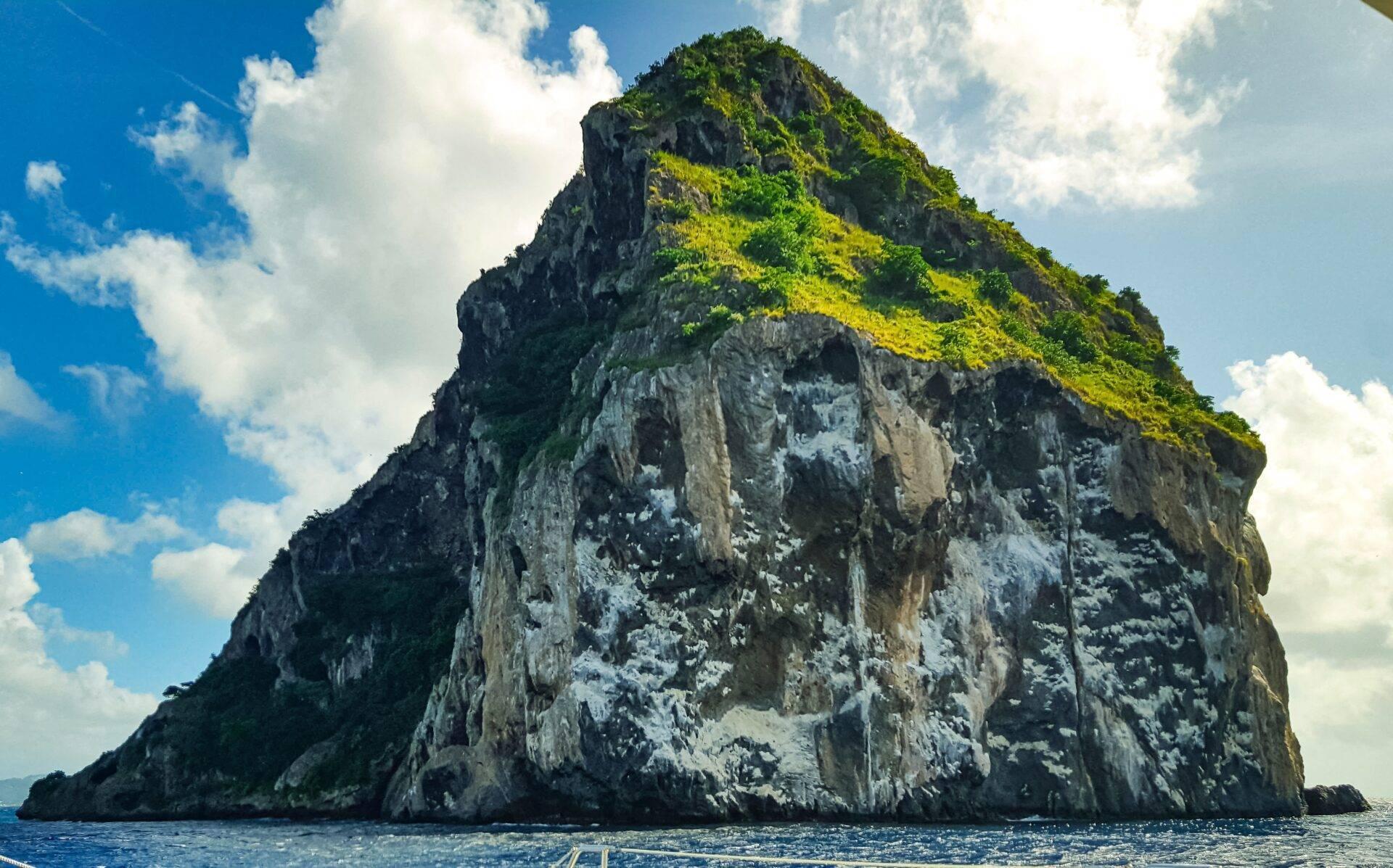
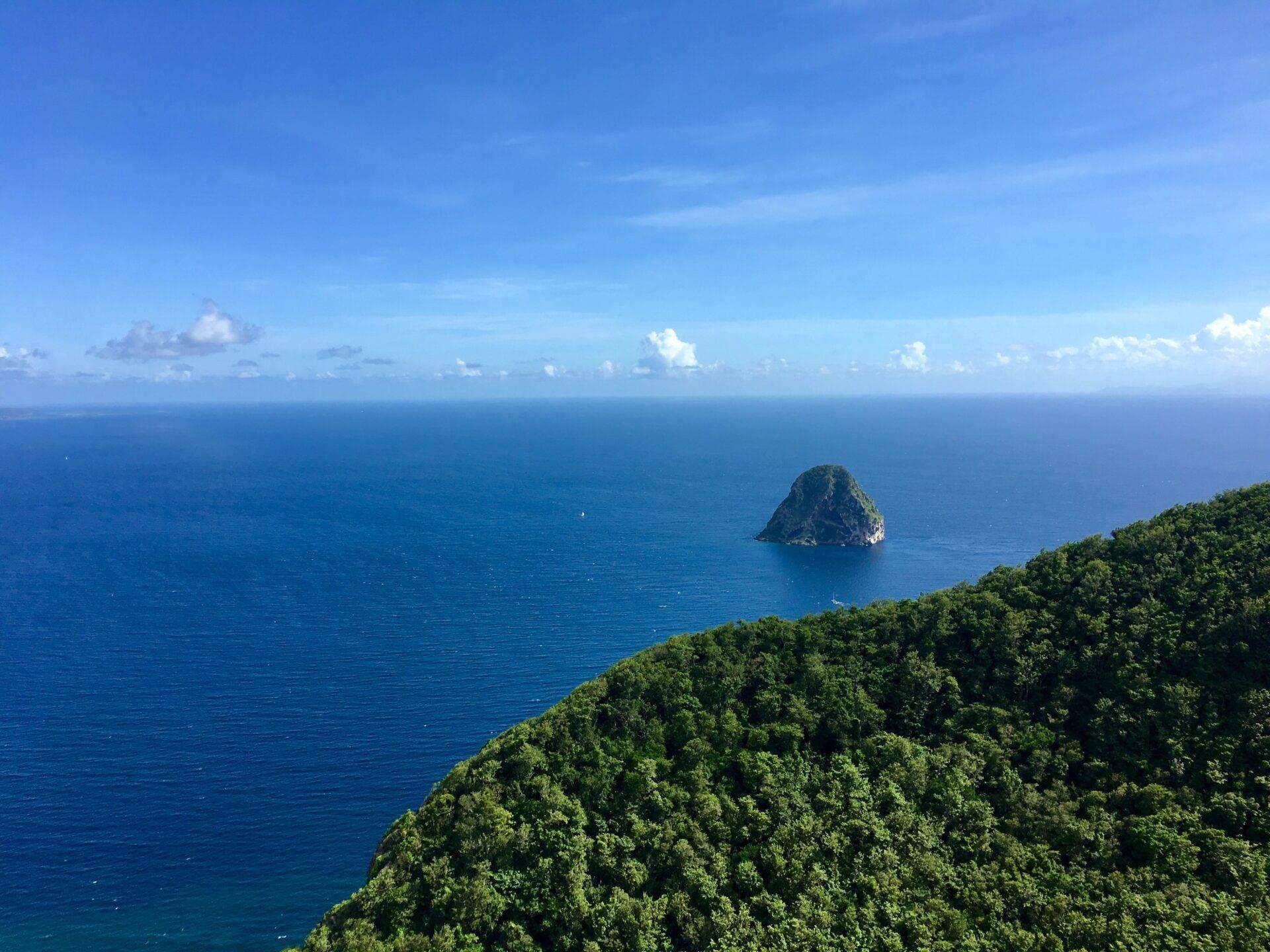
Rising 175 metres from the Caribbean Sea off the southern coast, Rocher du Diamant is visible from the beach of the village of Le Diamant. This volcanic islet is a celebrated dive site, its underwater flanks colonised by corals, sea fans and shoals of colourful fish. At sunset, the rock is bathed in shades of orange and red, producing one of the most photographed silhouettes in Martinique.
Pointe du Bout, watersports and relaxed beach life facing Fort-de-France
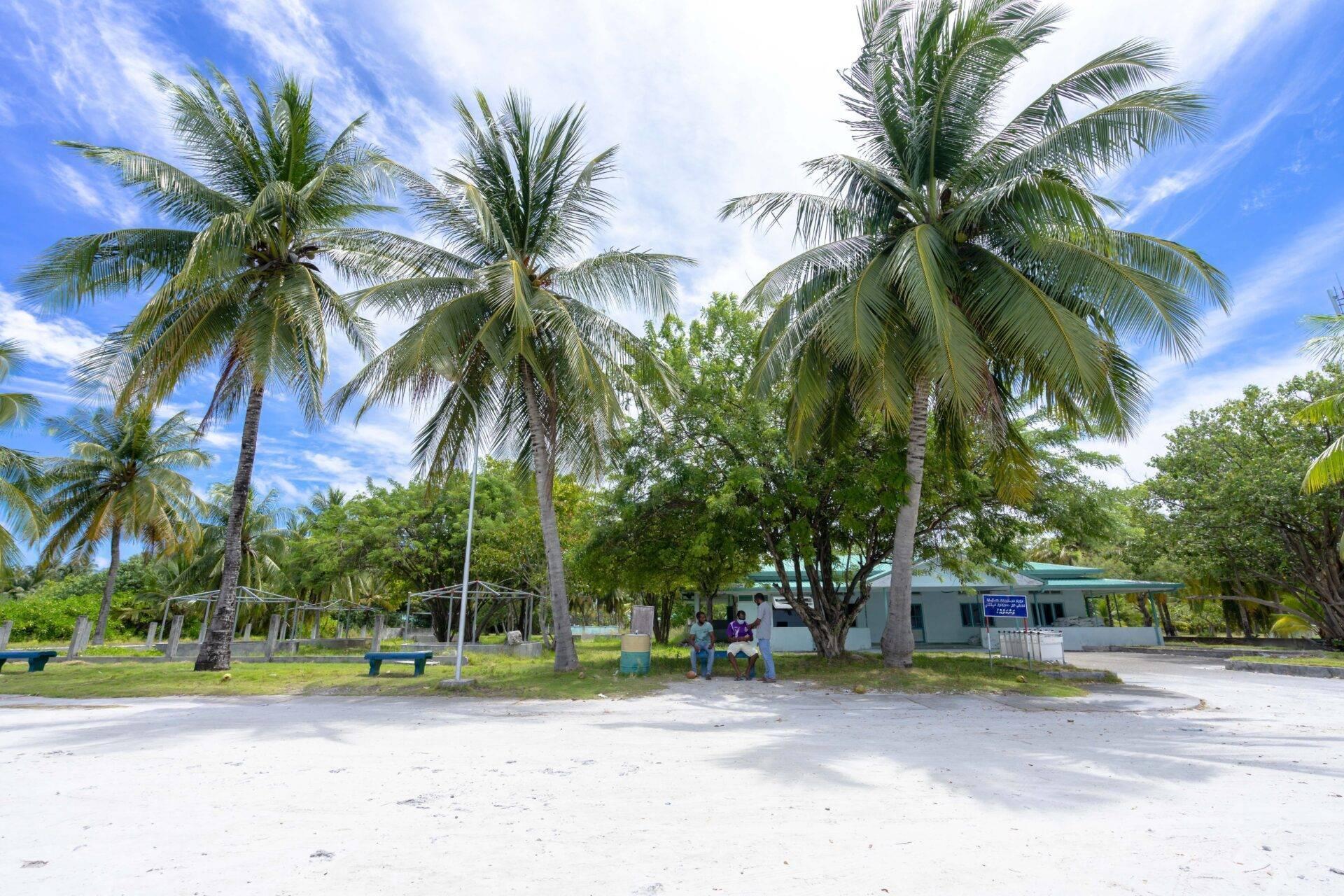
The marina at Pointe du Bout and the village of Les Trois-Îlets bring together restaurants, shops and water activities in a laid-back setting. A regular water taxi connects Fort-de-France directly to Pointe du Bout, making it an easy half-day escape. Kayaks, pedalos and sailing boats are available for hire on site to explore the bay at your own pace.
Tropical gardens and rainforest
Jardin de Balata, over 3,000 species in the hills above Fort-de-France
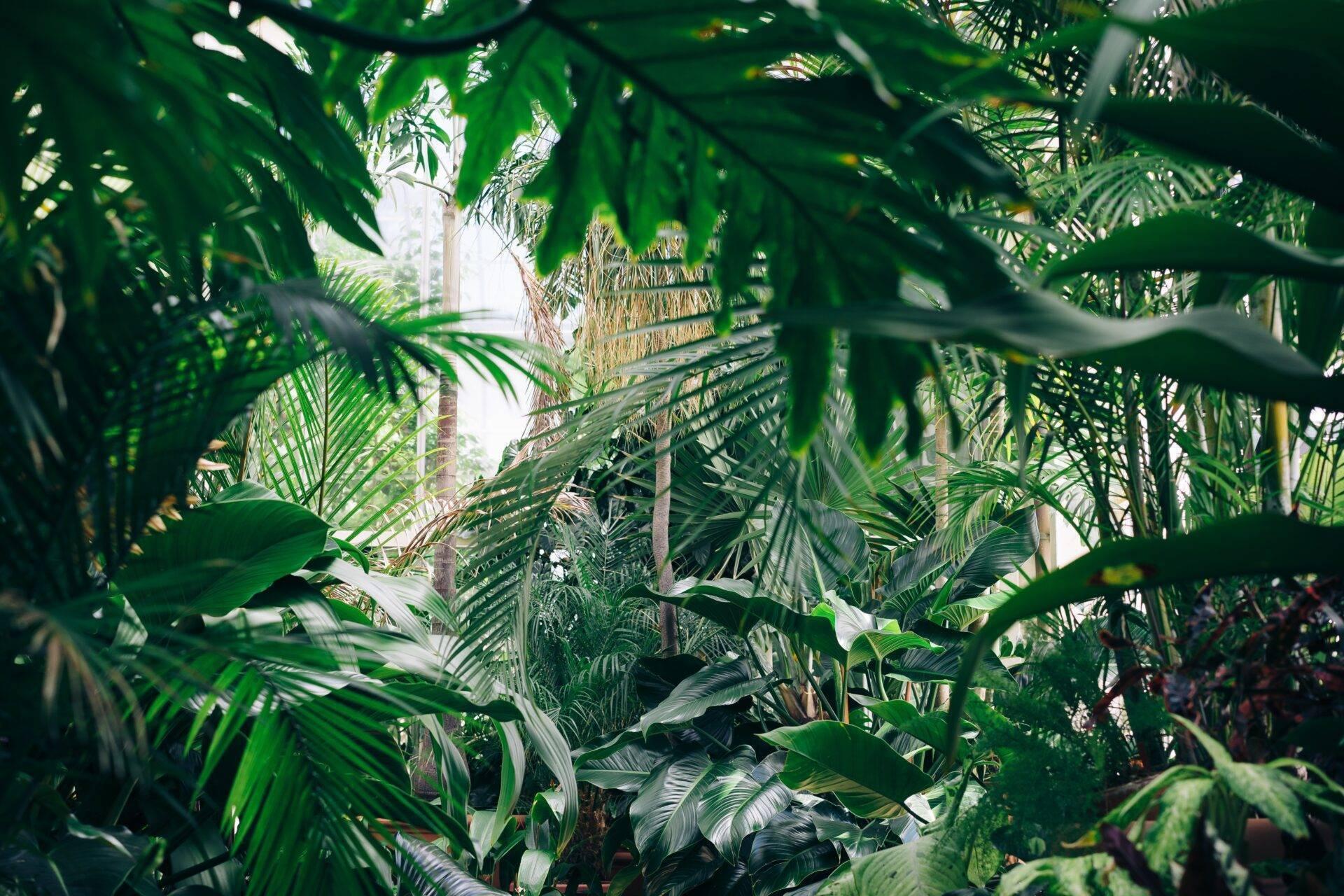
Perched in the hills above Fort-de-France, Jardin de Balata brings together more than 3,000 tropical species across roughly two hectares. Orchids, bromeliads, heliconias and ancient trees line paths crossed by suspension bridges over the canopy. From several viewpoints, the outlook over the Pitons du Carbet is breathtaking. It is a walk that blends botanical discovery with unexpected panoramas of the island’s mountainous interior.
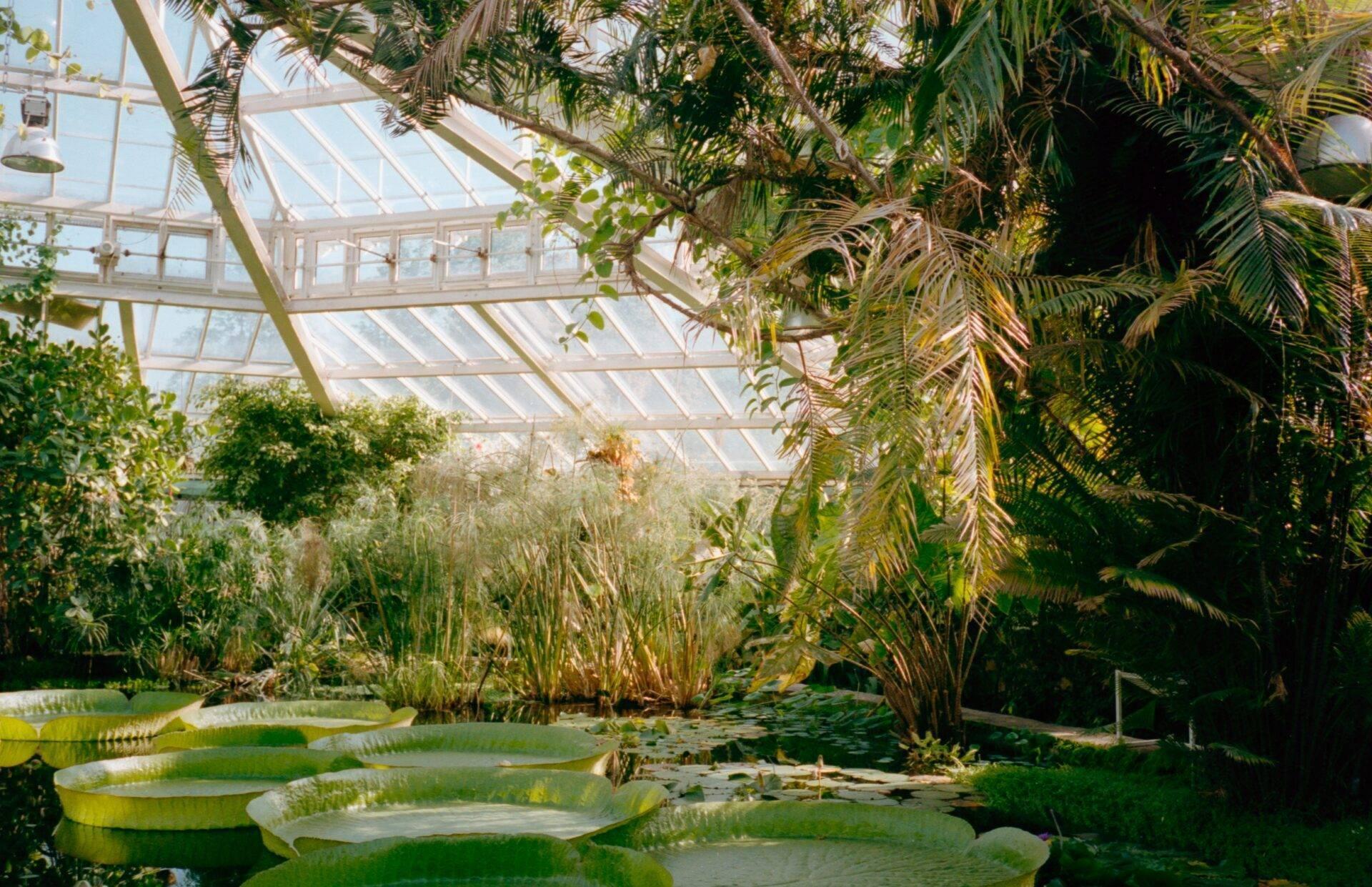
Martinique’s extraordinary plant diversity also finds expression in its covered botanical spaces, where aquatic tropical species and rare plants bear witness to the exceptional richness of Caribbean flora.
La Route de la Trace, into the green heart of Martinique
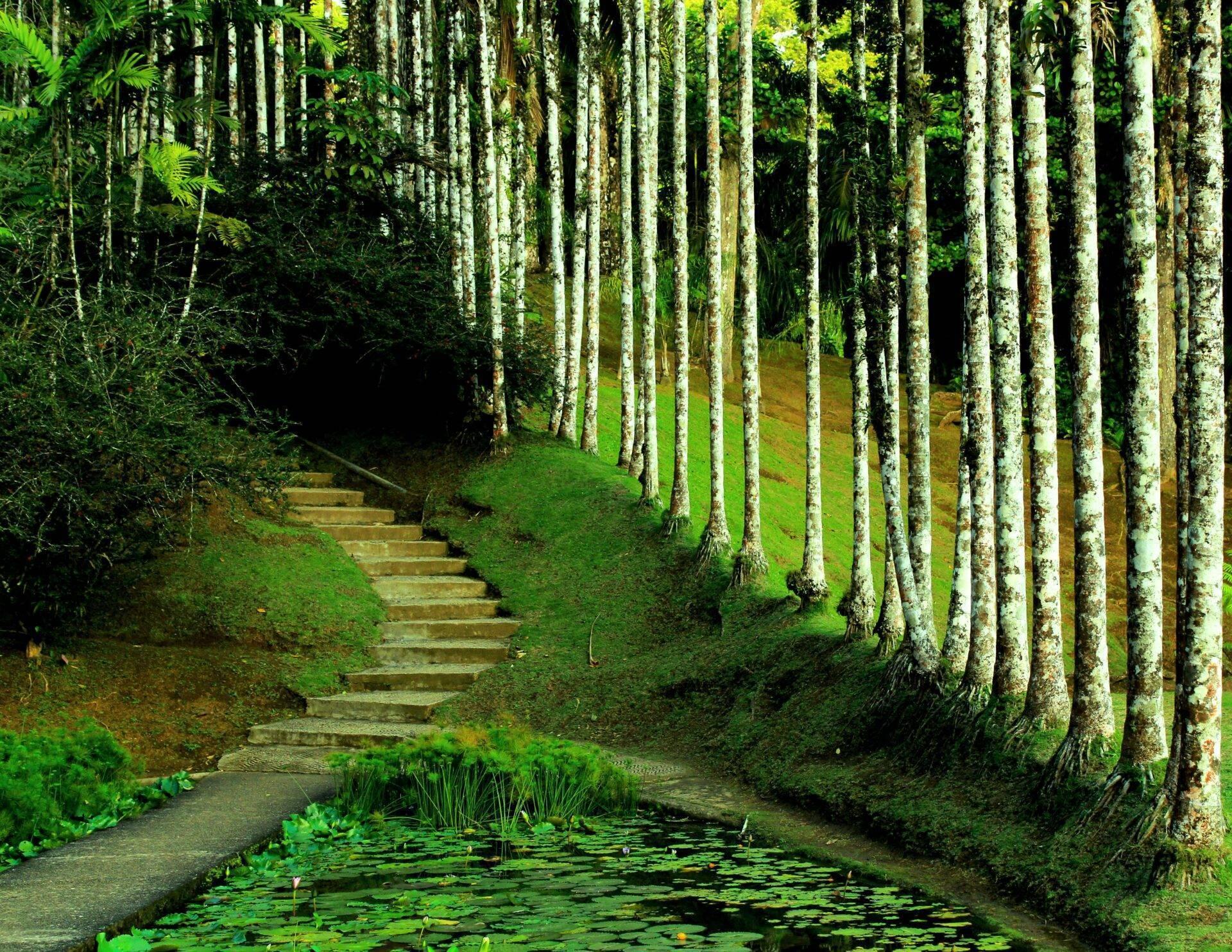
La Route de la Trace (RN3) winds through the central massif past bamboo groves, primary rainforest and humid gorges. Several stops are worth making along the route: the Gorges de la Falaise, where a river hike leads through volcanic canyon walls; the Saut du Gendarme waterfall; and viewpoints over the Pitons du Carbet. This is the definitive itinerary for exploring the volcanic, forested side of Martinique beyond its beaches.
Hikes and viewpoints
Mount Pelée, the ascent that justifies the whole trip
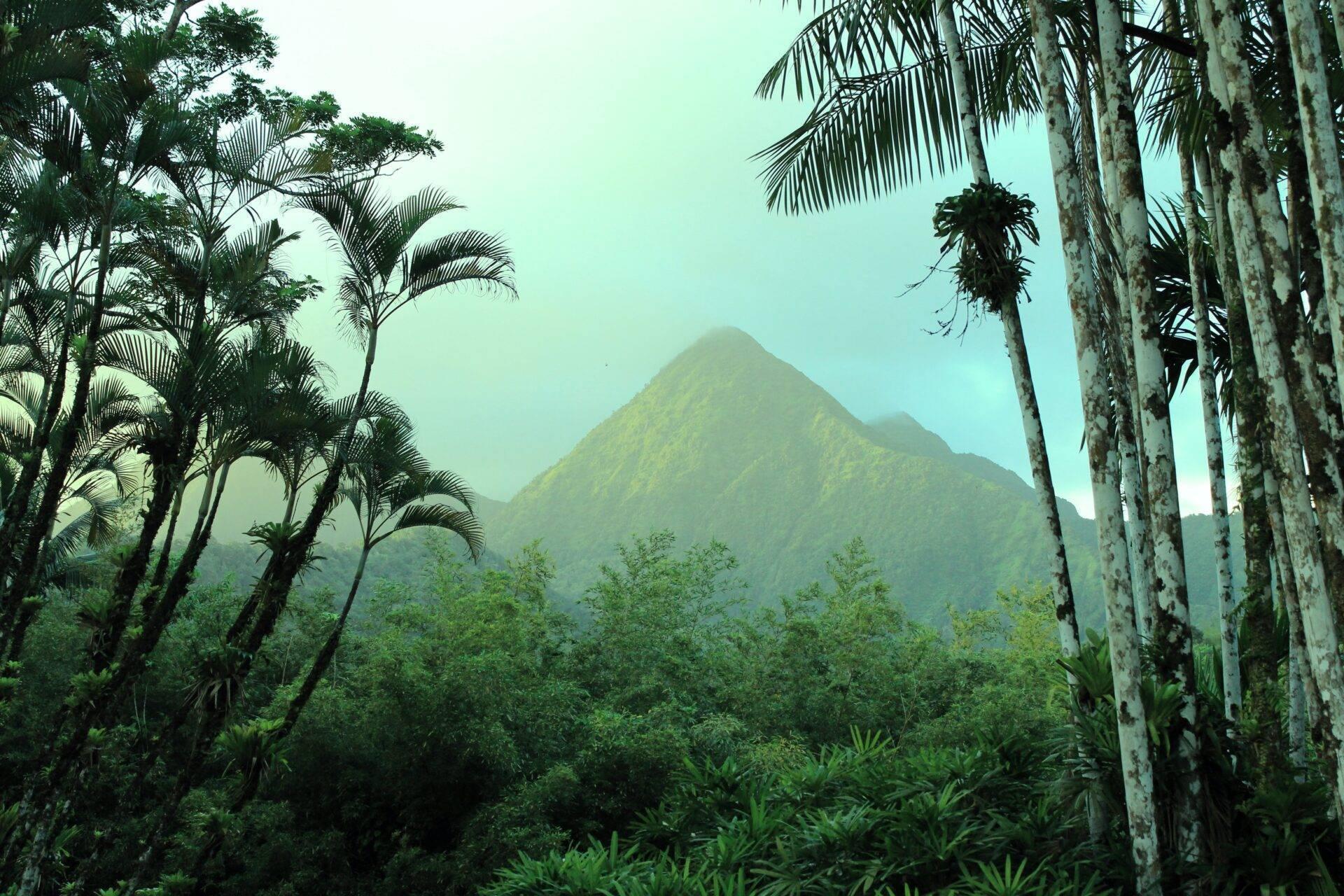
At 1,397 metres, Mount Pelée is Martinique’s highest point and one of the most active volcanoes in the Lesser Antilles. The trail from the Aileron trailhead (northern approach) is well marked and suitable for anyone in reasonable physical shape: allow 3 to 4 hours return. At the summit, a 360-degree view takes in the entire island and, on a clear day, the neighbouring islands. The climb passes through lunar landscapes that stand in sharp contrast to the primary forest lower down the slopes.
Les Pitons du Carbet, the iconic ridgeline at the heart of the island
The five Pitons du Carbet form the spine of the island’s interior. Their jagged profile is visible from Fort-de-France, Jardin de Balata and the entire length of la Route de la Trace. For experienced hikers, the ascent of Piton Lacroix rewards with simultaneous views of both coastlines. For everyone else, the roadside viewpoints alone reveal the grandeur of this volcanic massif.
La Presqu’île de la Caravelle, a nature reserve between the trade winds and the cliffs
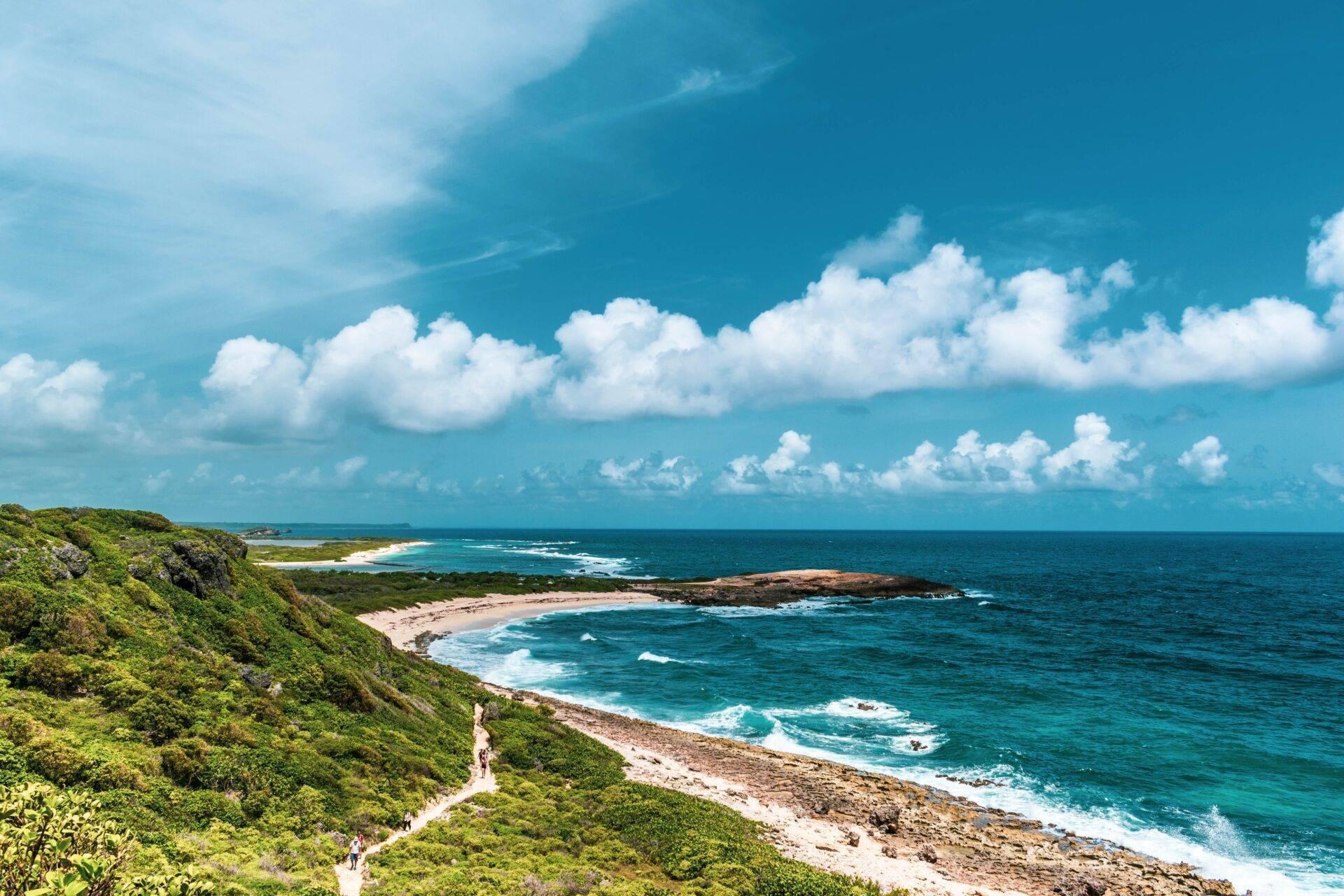
Classified as a regional nature reserve, the Caravelle Peninsula juts into the Atlantic with wind-swept cliffs and sheltered coves. Marked trails lead to the ruins of the Château Dubuc at the tip of the peninsula, adding a layer of history to the landscape. The beach at Caravelle, exposed to the prevailing trade winds, is one of the best kitesurfing and windsurfing spots on the island.
The François shallows, walking on water
Between Le Robert and Le François, immaculate sandbanks rise just below the surface, leaving the water knee-deep and creating the surreal impression of walking on the sea. The shallows are reached by boat from local marinas. Surrounding them, uninhabited islets invite kayaking, paddleboarding and snorkelling in sheltered lagoons teeming with marine life.
Rum, food and Creole culture
AOC rum distilleries, a farming heritage unlike anywhere else on earth
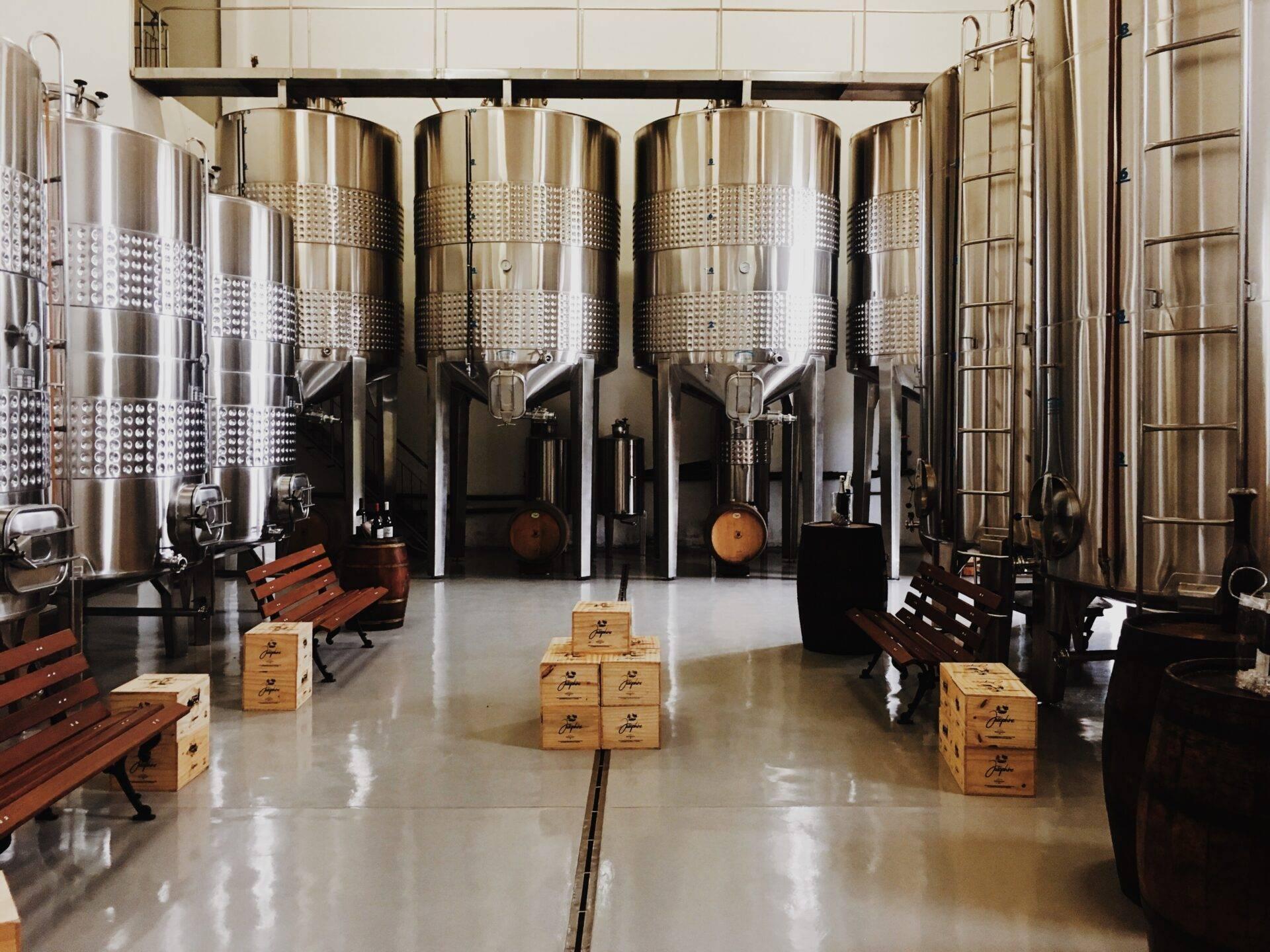
Martinique is the only island in the world whose agricultural rum holds a full Appellation d’Origine Contrôlée, awarded on 5 November 1996. Unlike rums made from molasses, Martinican agricultural rum is distilled directly from freshly pressed cane juice, giving it distinctive vegetal and floral aromas. The distilleries of Depaz (Saint-Pierre), Neisson (Le Carbet) and Trois Rivières (Rivière-Pilote) welcome visitors year-round with guided tastings.
Habitation Clément, rum, colonial history and contemporary art in one estate
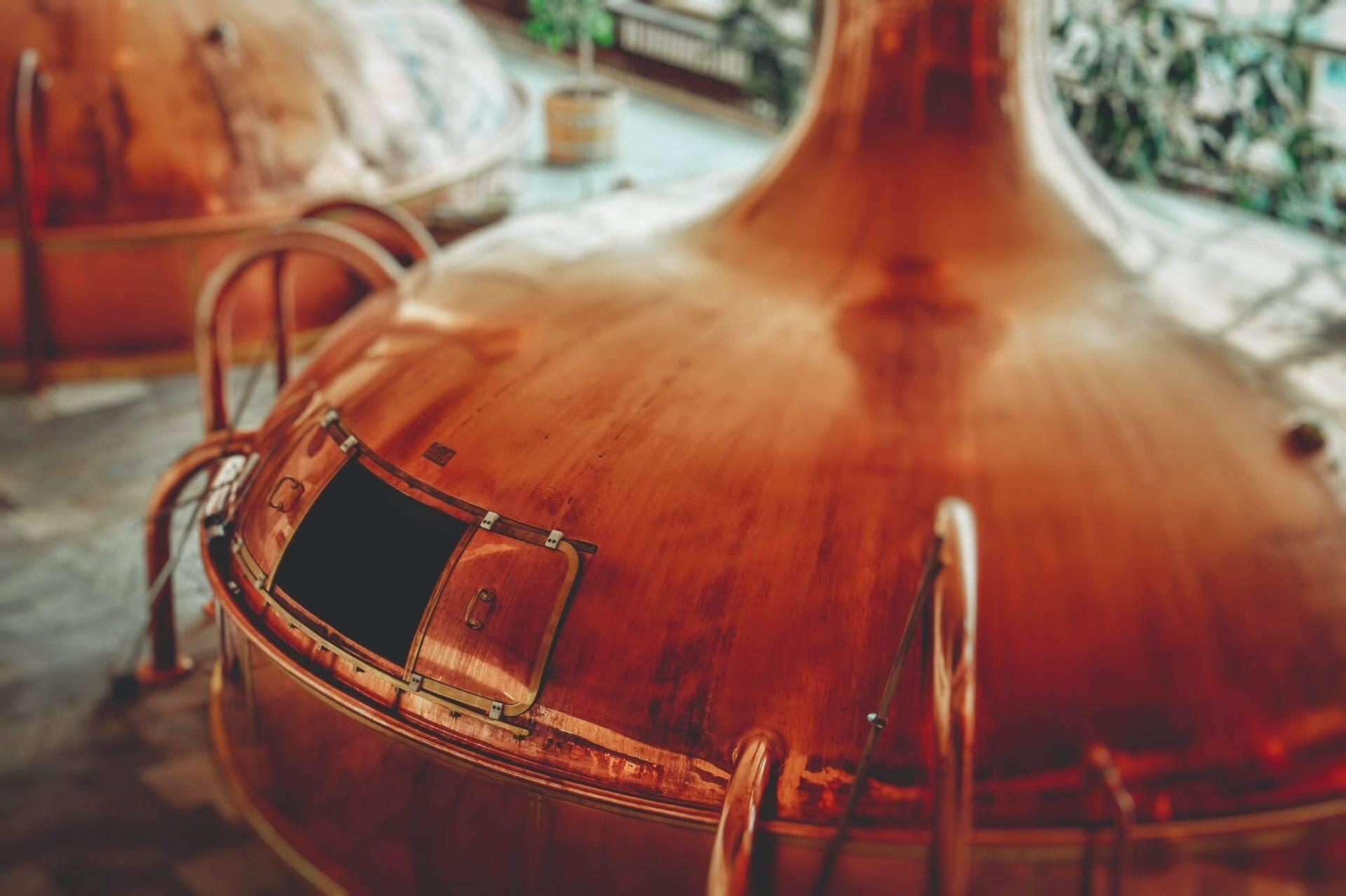
Habitation Clément, in Le François, is simultaneously a working distillery, a rum museum and a contemporary art space. The historic estate includes a restored Creole plantation house, tropical gardens and centuries-old warehouses. The foundation that manages the site regularly hosts exhibitions by Caribbean and international artists, making it one of the few places on the island where gastronomy, history and contemporary creativity share the same setting.
Musée de la Banane, the island’s other green gold
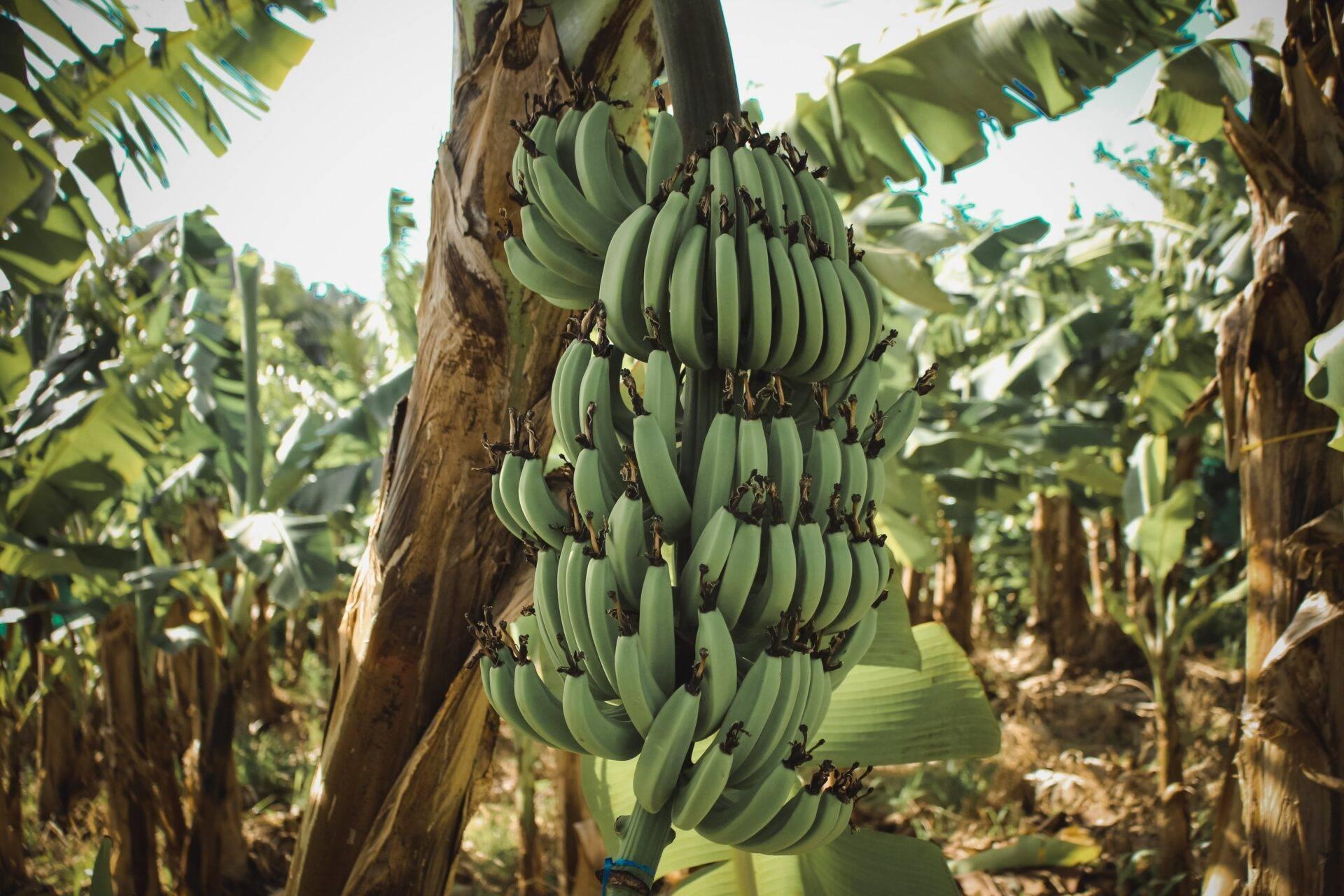
In Sainte-Marie, the Banana Museum traces the central role of this fruit in the island’s economy and identity. The visit includes a walk through a working banana plantation and an exhibition on local varieties, growing techniques and the history of an industry that still shapes much of the agricultural landscape. A rewarding and off-the-beaten-track stop, ideal for those wanting to look beyond the beach.
La Savane des Esclaves, memory and dignity reclaimed
In Les Trois-Îlets, La Savane des Esclaves is a fully reconstructed village built on thorough research into the daily lives of enslaved people in the 18th century. Rebuilt huts, tools, medicinal plants and contextual explanations bring to life a chapter of history that was suppressed for too long. This memorial site pairs naturally with a visit to the Mémorial de l’Anse Cafard in Le Diamant, a monument dedicated to the victims of a slave ship wreck.
Museums and art galleries
Musée Paul Gauguin, where Martinique shaped a painter’s eye
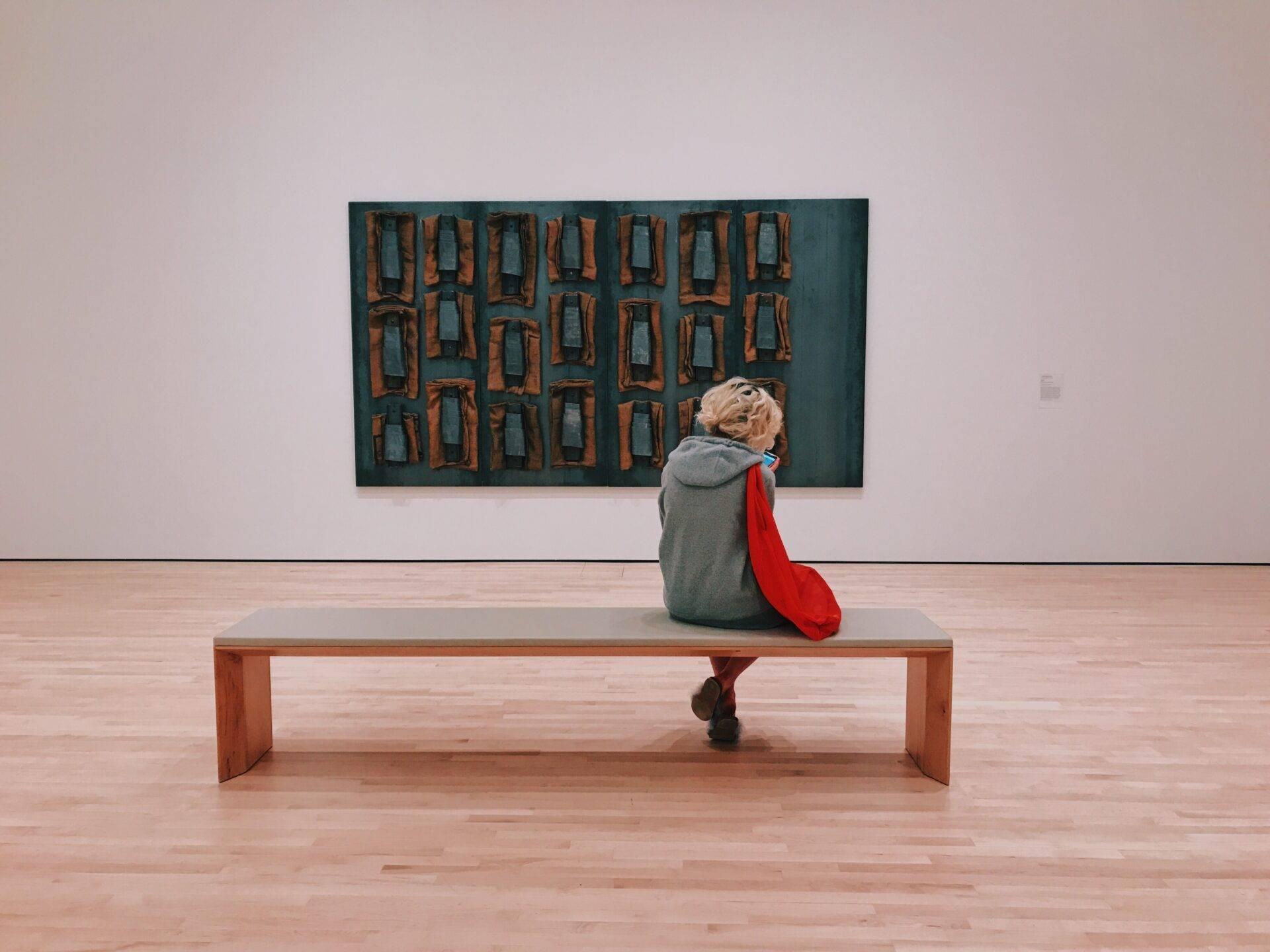
In 1887, Paul Gauguin spent several months in Martinique, mainly in Le Carbet, before his departure for Polynesia. The museum bearing his name in Le Carbet charts this pivotal stay and shows how the light, colours and vegetation of Martinique transformed his approach to painting. The exhibitions feature documents, reproductions and accounts relating to this formative period in his artistic life.
Contemporary Martinican art, a scene alive with energy
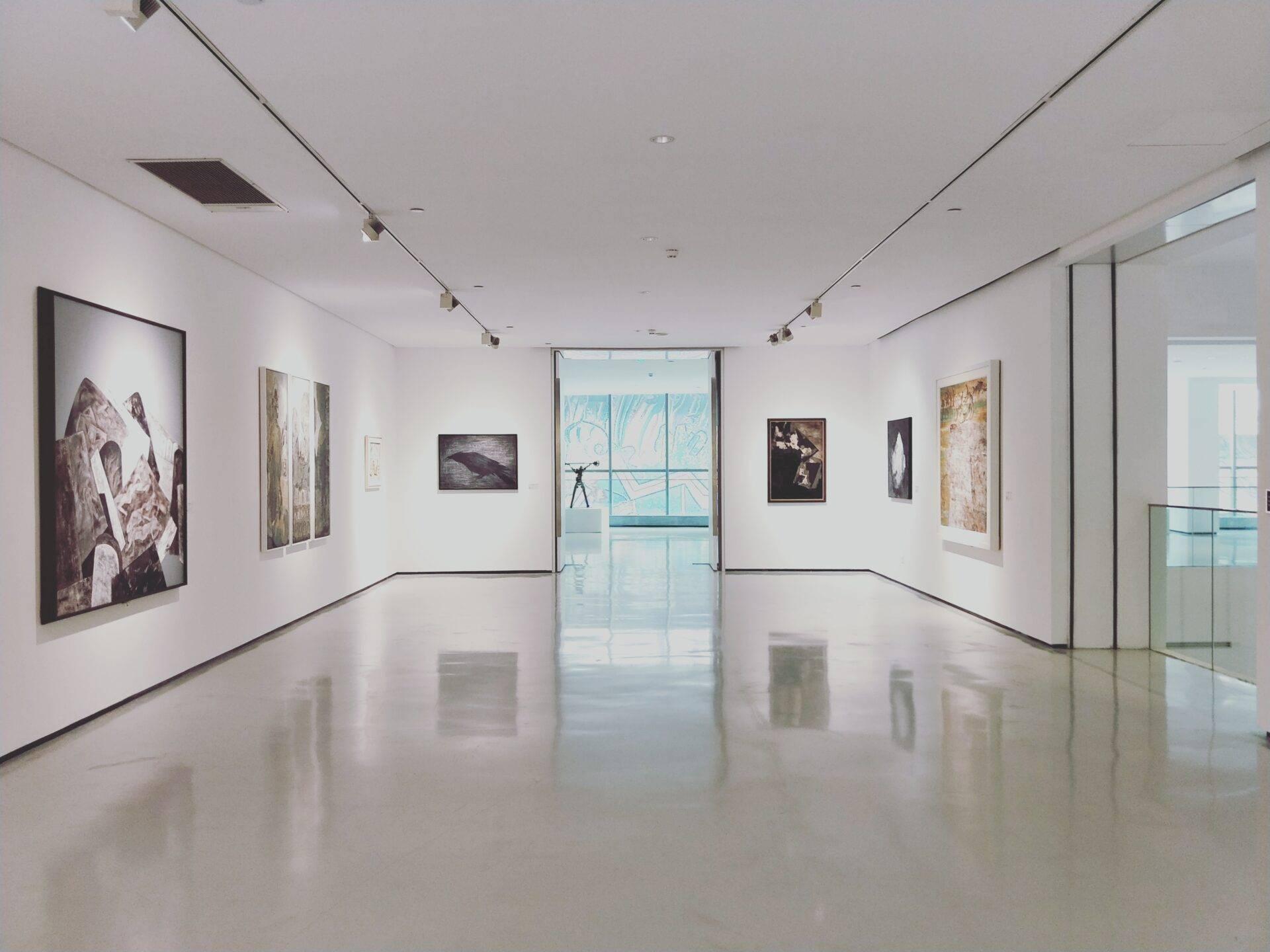
The contemporary art scene in Martinique is far more vibrant than most visitors from Europe expect. The Fondation Clément in Le François regularly hosts exhibitions by Caribbean and international artists in a remarkable setting. Fort-de-France also has several independent galleries and the Atrium, the island’s leading cultural centre.
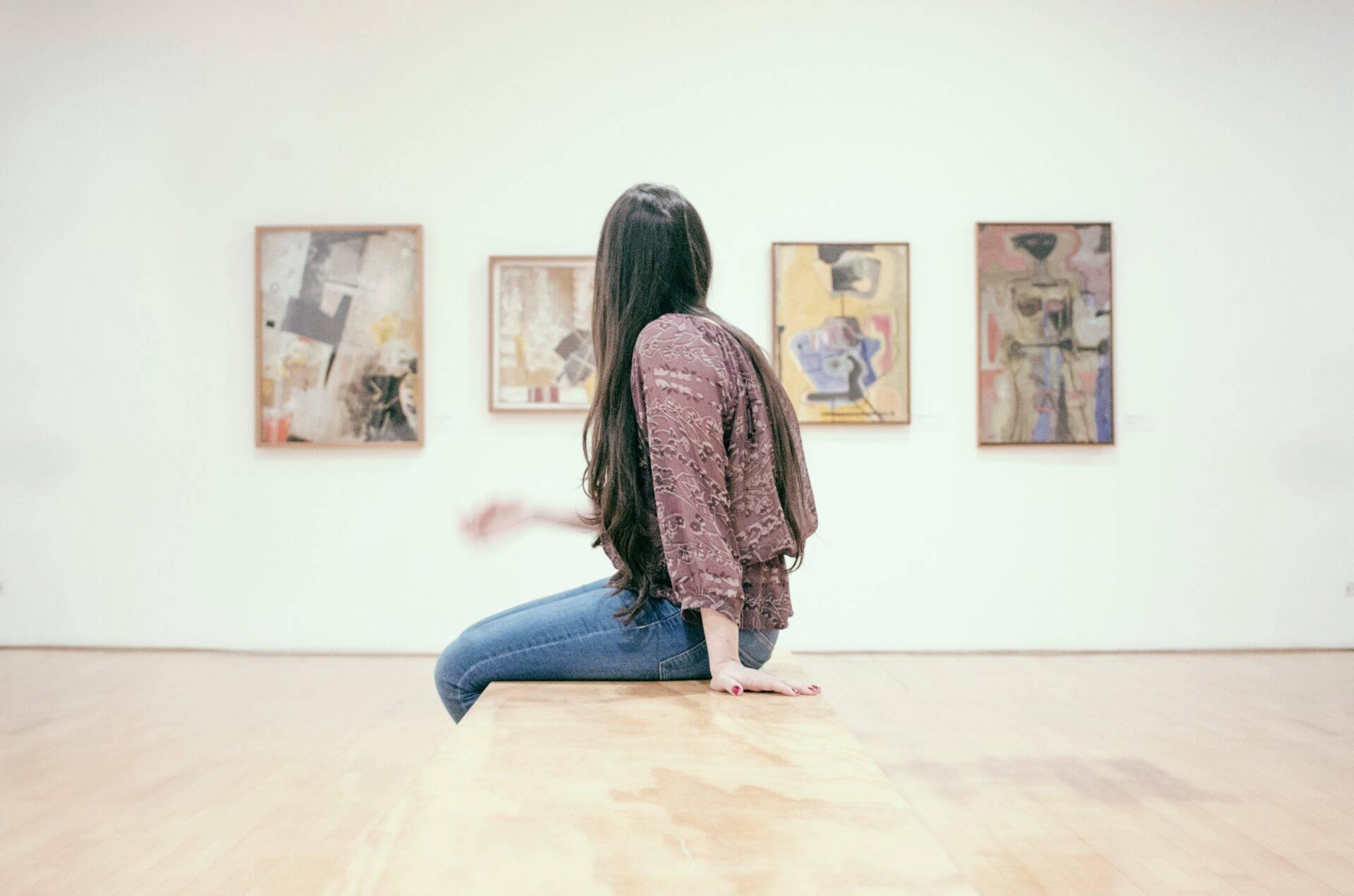
Standing in front of a contemporary Martinican canvas means engaging with a Creole culture in full creative flow, one that fuses African, European and Caribbean influences in a way that is entirely its own.
Musée de la Pagerie, in the footsteps of Empress Joséphine
In Les Trois-Îlets, a restored former sugar estate is the birthplace of Marie-Josèphe-Rose Tascher de la Pagerie, born in 1763, who would become Empress Joséphine and Napoleon’s first wife. The museum traces her life through archives, portraits and personal objects. The ruins of the sugar mill on the estate also illustrate the realities of colonial-era production.
For more inspiration in the French Caribbean, the 20 essentials of Guadeloupe are waiting: two neighbouring islands, two entirely different atmospheres. And if you are considering other horizons, our guide on things to do in Italy may inspire your next big adventure.
FAQ
What is the best time of year for activities in Martinique?
From December to April, the dry season offers the most favourable conditions for hiking, diving and watersports. It is also the peak season, with more visitors on the beaches. From May to June, crowds thin out while the weather remains pleasant for most activities. Summer and autumn bring the rainy season and the period of hurricane risk across the Caribbean.
Can you spot sea turtles in Martinique without diving equipment?
Yes, at Anse d’Arlet. Sea turtles feed just below the surface a few metres from the shore. A snorkel mask from the beach is all you need; no excursion or boat is required. This is one of the rare experiences of its kind that is freely available from the water’s edge in Martinique.
Is the hike up Mount Pelée suitable for non-athletes?
The trail from the Aileron trailhead (northern approach) is well marked and accessible to anyone in good physical condition. Allow 3 to 4 hours return. The paths can be slippery after rain. Walking boots, a windproof layer and plenty of water are essential. Starting early in the morning gives you the best chance of clear visibility at the summit.
Is Martinican agricultural rum really different from other rums?
Yes, fundamentally. It is distilled from freshly pressed cane juice, not molasses. This process produces vegetal and floral aromas that industrial rums simply do not have. Martinique is the only island in the world with an AOC for its agricultural rum, awarded in November 1996, which guarantees strict production standards set out in a precise specification.
How do you visit the rum distilleries in Martinique?
Most of the major distilleries, including Depaz, Neisson, Trois Rivières and Habitation Clément, offer guided tours with tastings. It is worth checking opening times before you go, particularly outside the main season. Hiring a car is virtually essential if you want to visit several sites in a single day.
How long do you need to explore Martinique?
One week is enough to cover the highlights: the southern beaches, Fort-de-France, Mount Pelée and a handful of distilleries. Two weeks allow you to explore the Atlantic coast, the Caravelle Peninsula, the François shallows and the island’s museums at a more leisurely pace. A hire car remains the most practical way to travel freely from one end of the island to the other.