
The Canary Islands bring together seven islands of wildly contrasting characters, all within roughly four hours’ flight of mainland Europe. Glowing volcanoes on Lanzarote, Saharan dunes on Gran Canaria, subtropical rainforest on La Gomera, surf beaches on Fuerteventura: nowhere else in the Atlantic offers such a breadth of landscapes. Here are 20 unmissable things to see and do, island by island.
Get Canary Islands travel insuranceTenerife: from Spain’s highest peak to cobbled colonial lanes
1. Climb Mount Teide, the roof of Spain
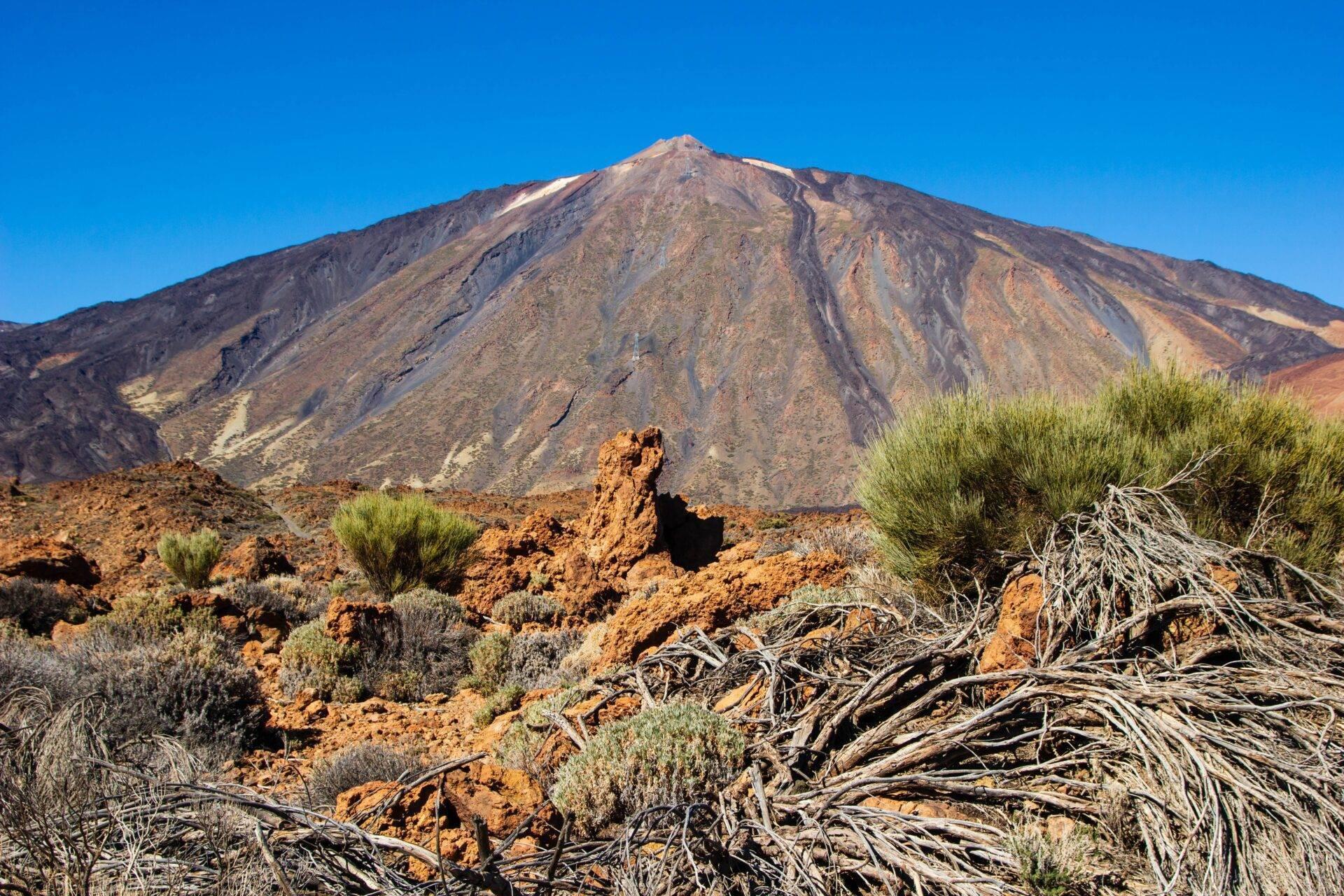
Rising to 3,718 metres, Teide is Spain’s highest mountain. The national park surrounding it is a UNESCO World Heritage Site: its frozen lava flows, mineral-streaked rock formations and ancient craters create a landscape that feels closer to the moon than mainland Spain.
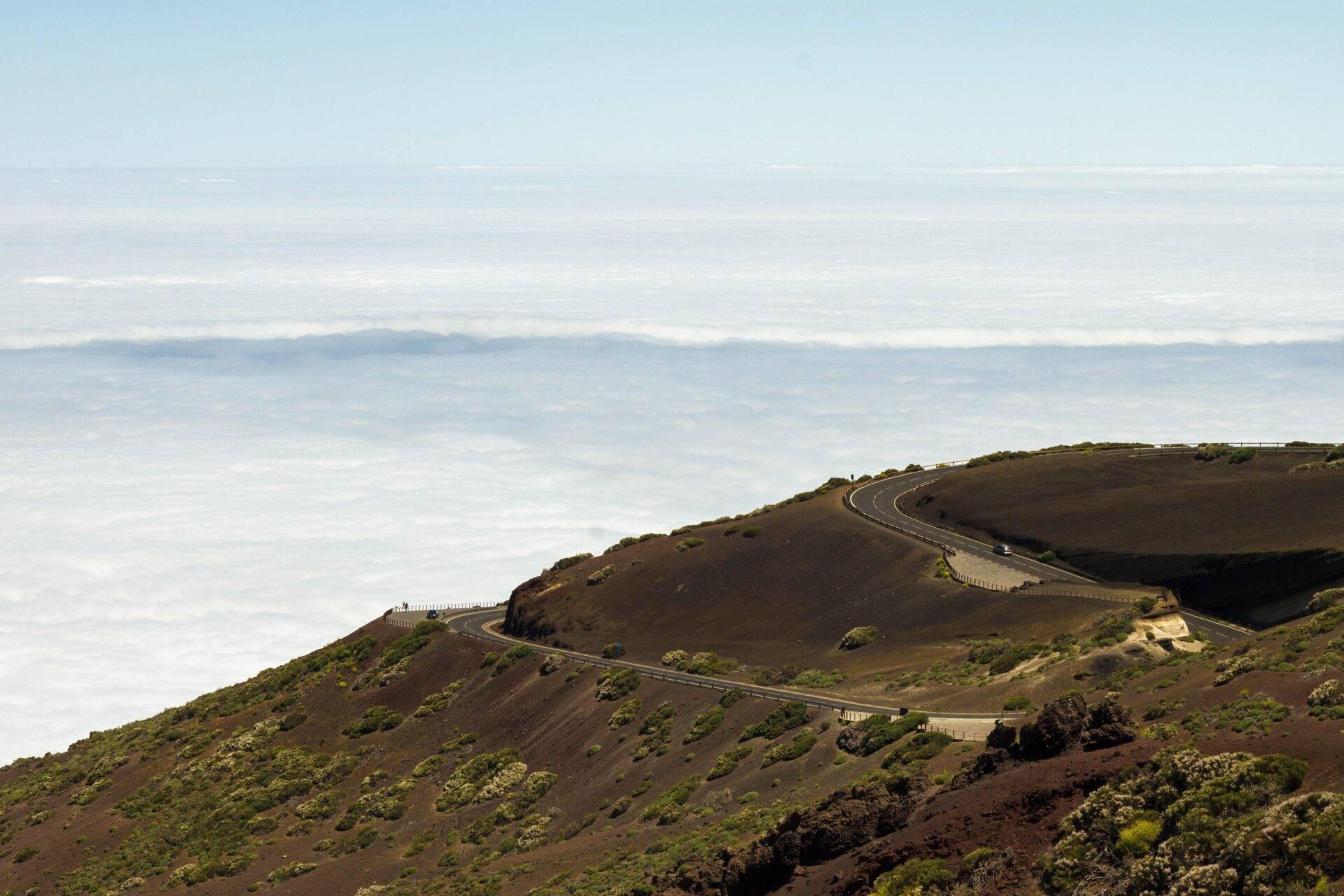
A cable car climbs to 3,555 m. To reach the summit crater, a free permit is required and must be booked in advance on the park’s official website, as numbers are strictly limited.
2. Wander the streets of La Laguna
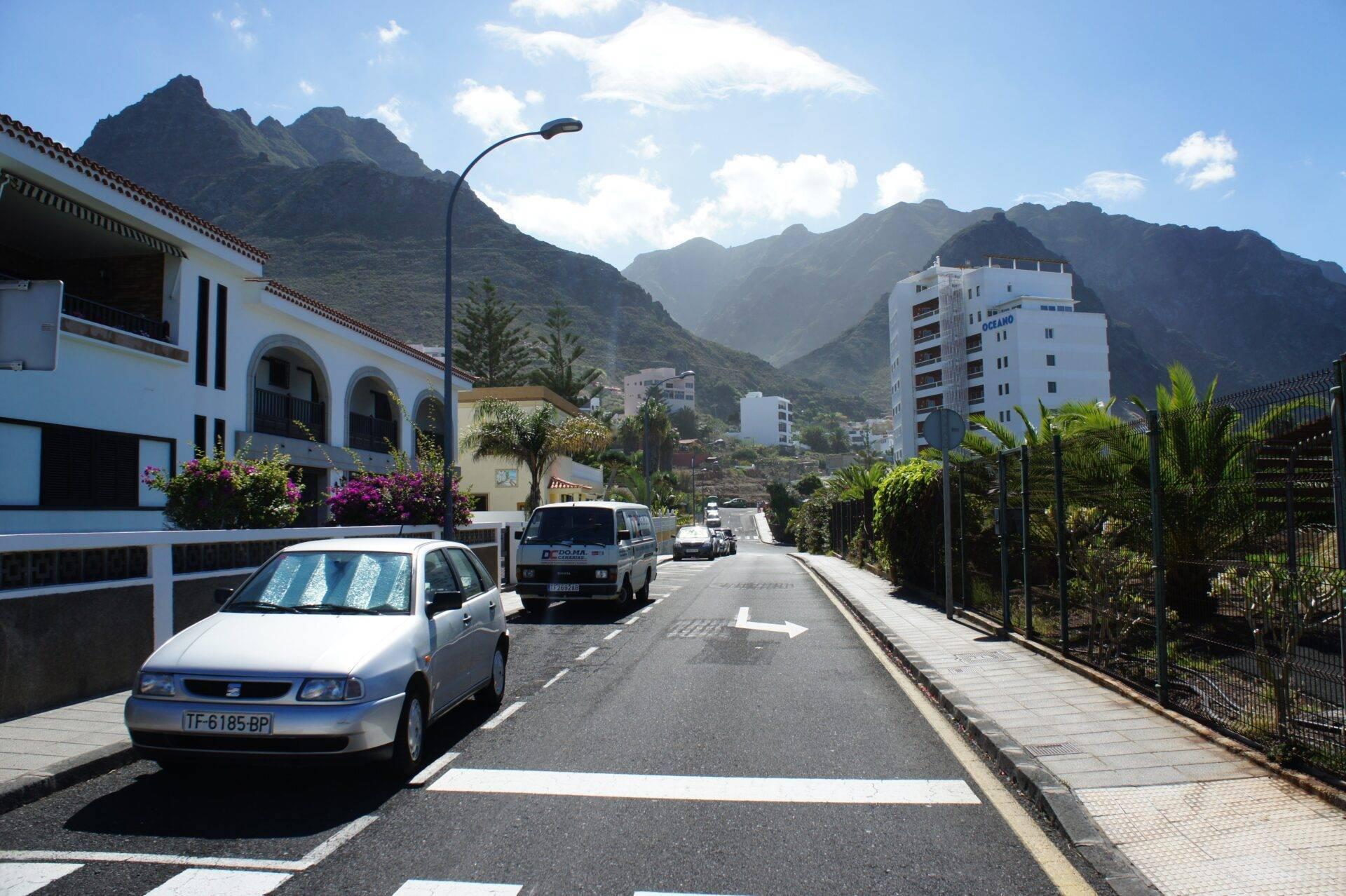
San Cristóbal de La Laguna was founded in the 15th century as the first planned Spanish colonial city built without defensive walls. Its historic quarter, inscribed on the UNESCO World Heritage List, served as the blueprint for numerous cities across Latin America. Street by street, colourful facades, courtyard palaces and a cathedral blending Gothic and Baroque detail reveal a colonial past that feels remarkably intact.
3. Descend into the Cueva del Viento
Born from the lava flows of Pico Viejo, the volcano adjacent to Teide, the Cueva del Viento is one of the world’s largest volcanic caves, with over 18 kilometres of tunnels. Small-group guided tours lead through dark passages and chambers of spectacular geological formations, shaped from volcanic rock over millennia.
4. The natural rock pools of Garachico
Once Tenerife’s main port, Garachico was buried by a lava flow during a volcanic eruption that permanently sealed off its bay. That same cooled lava has carved natural pools into the rock, now among the island’s most beloved swimming spots. The historic centre preserves a fine colonial heritage just a short walk from the pools.
5. Unravel the mystery of the Güímar Pyramids
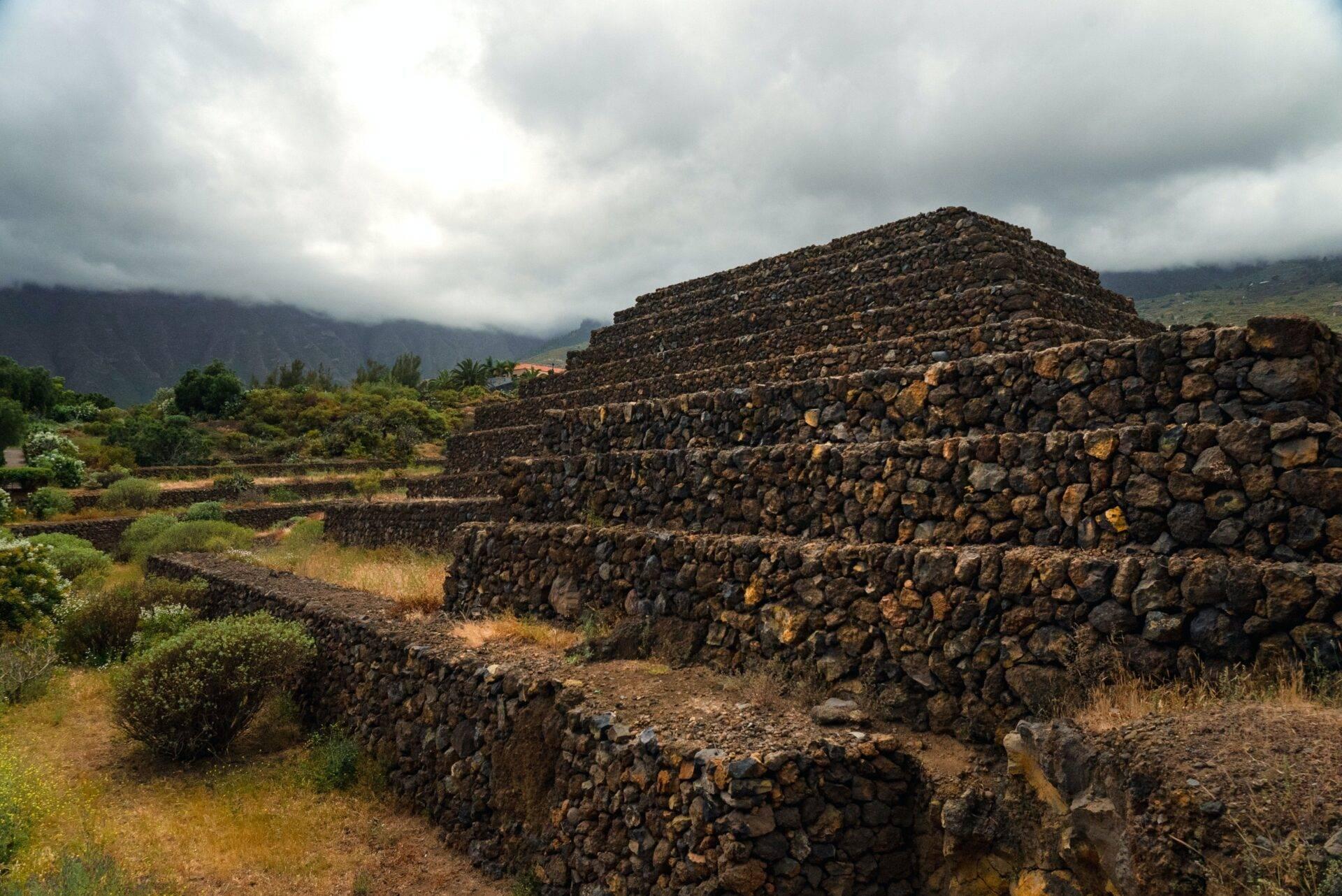
Six stepped pyramidal structures built from volcanic stone stand in the town of Güímar. Their origins remain hotly debated among experts: Guanche constructions with an astronomical or ceremonial purpose, or the result of ancient agricultural land-clearing? A botanical garden surrounds the site, weaving mystery, history and nature into a single visit.
Lanzarote: lunar landscapes and art within the volcano
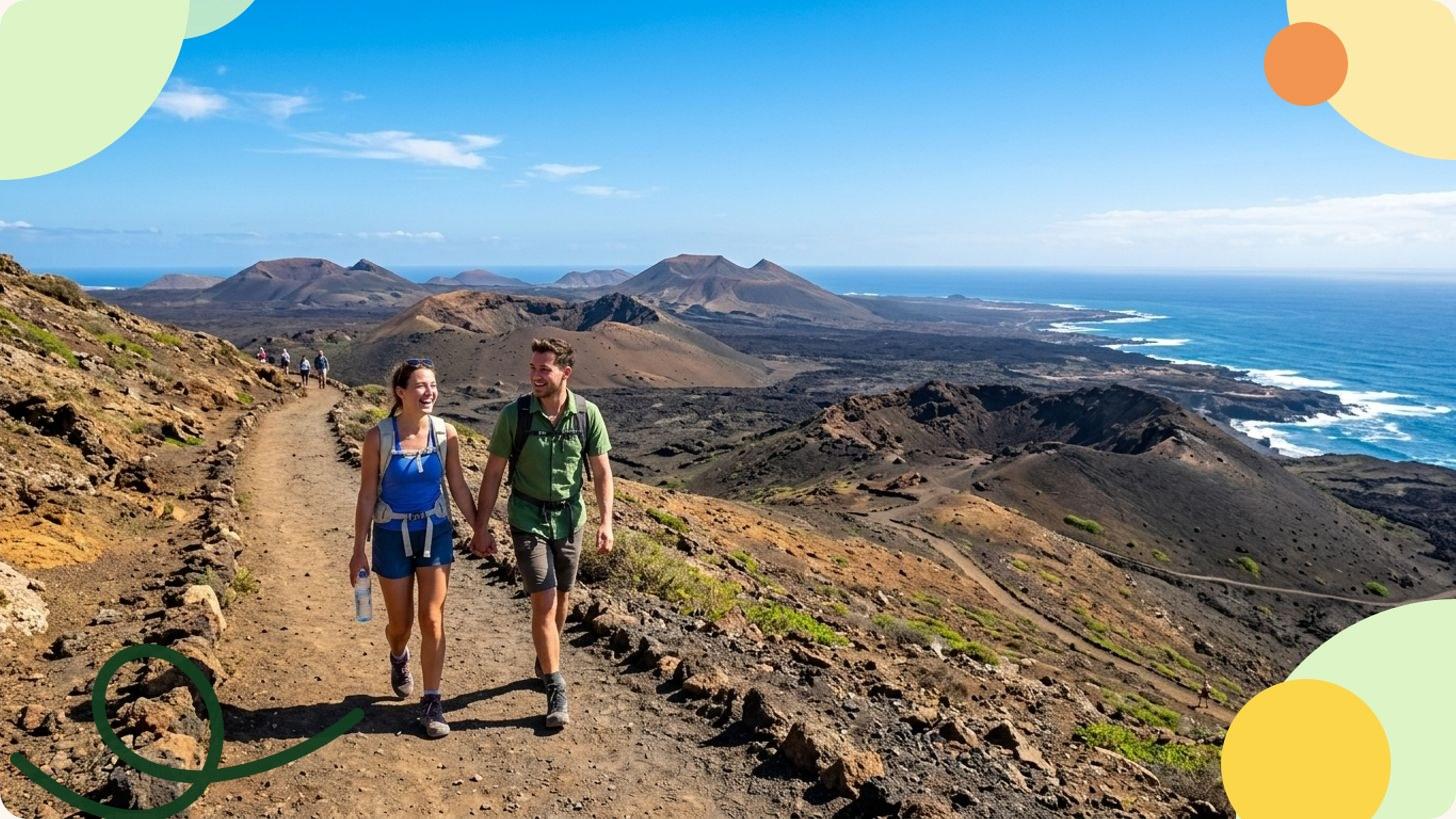
6. Cross Timanfaya National Park
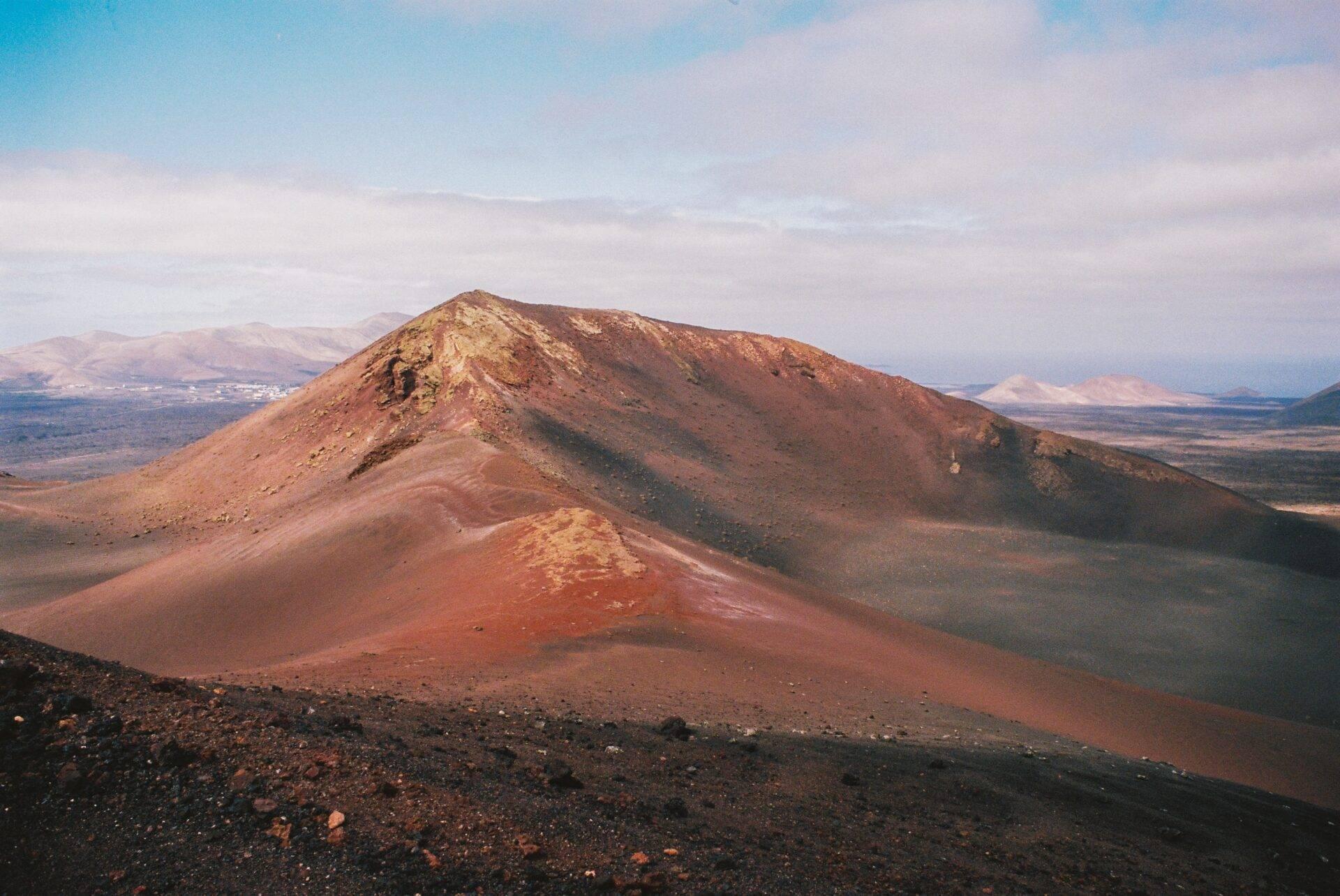
More than 25 volcanoes make up Timanfaya, a lava desert covering a large swathe of central-western Lanzarote. The park is toured by coach along roads closed to pedestrians. At the Islote de Hilario, the geothermal heat still active beneath the surface produces some genuinely astonishing demonstrations.
7. Swim in the coves of Papagayo
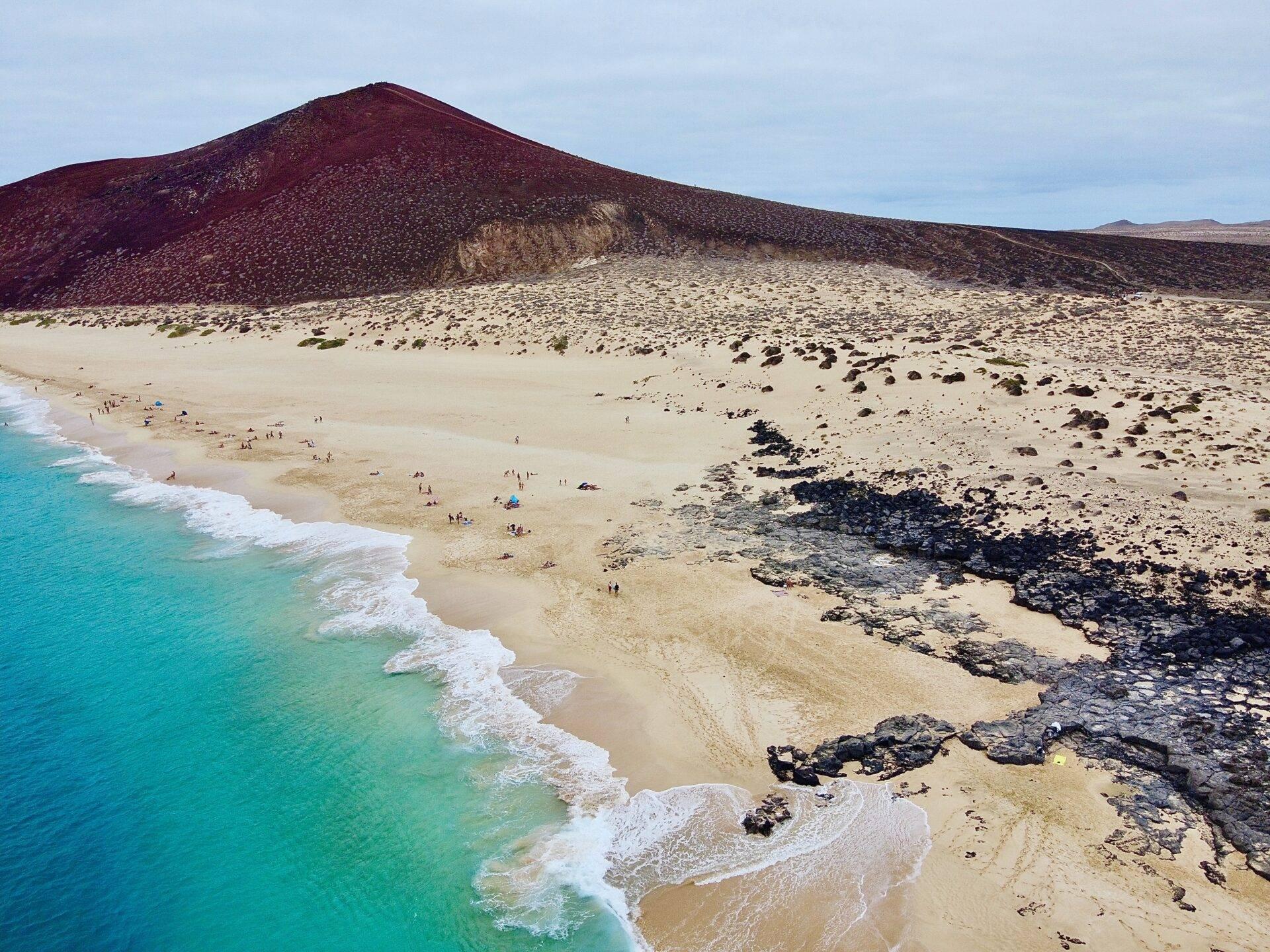
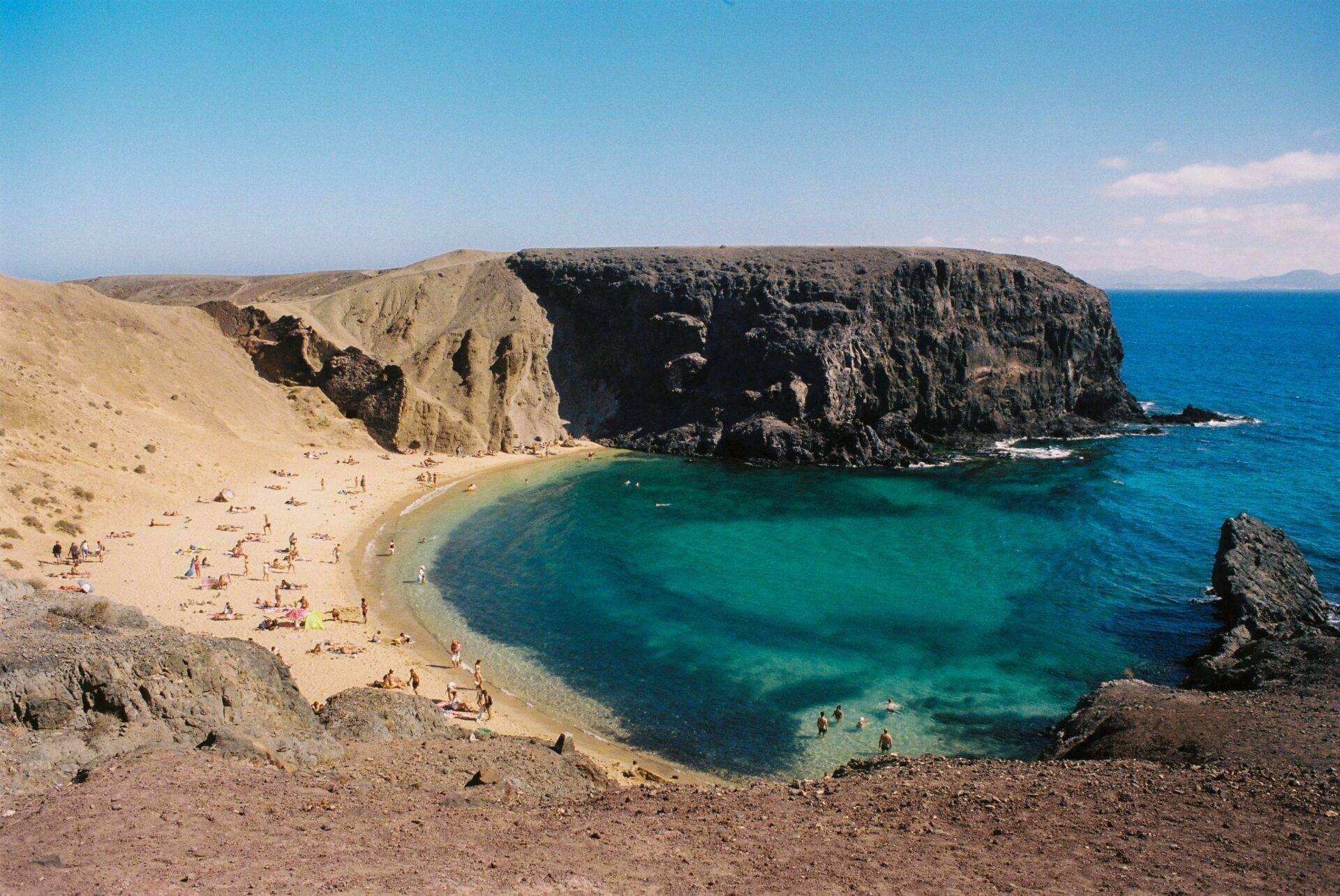
The Los Ajaches natural park in southern Lanzarote conceals several small beaches of pale sand. The most famous, Playa de Papagayo, stretches beneath a volcano in shades of red and black. Access is via a track from Playa Blanca (an entry fee is charged to enter the park). The calm, shallow waters are ideal for both swimming and snorkelling.
8. Visit the Cueva de los Verdes
Formed around 3,000 years ago during an eruption of the La Corona volcano, the Cueva de los Verdes is a lava tube that plunges underground before reaching the sea. The guided tour reveals carefully lit galleries where the colours and textures of the rock create a truly otherworldly atmosphere. This underground network is part of the same geological system as the Jameos del Agua, which can be visited as an optional add-on.
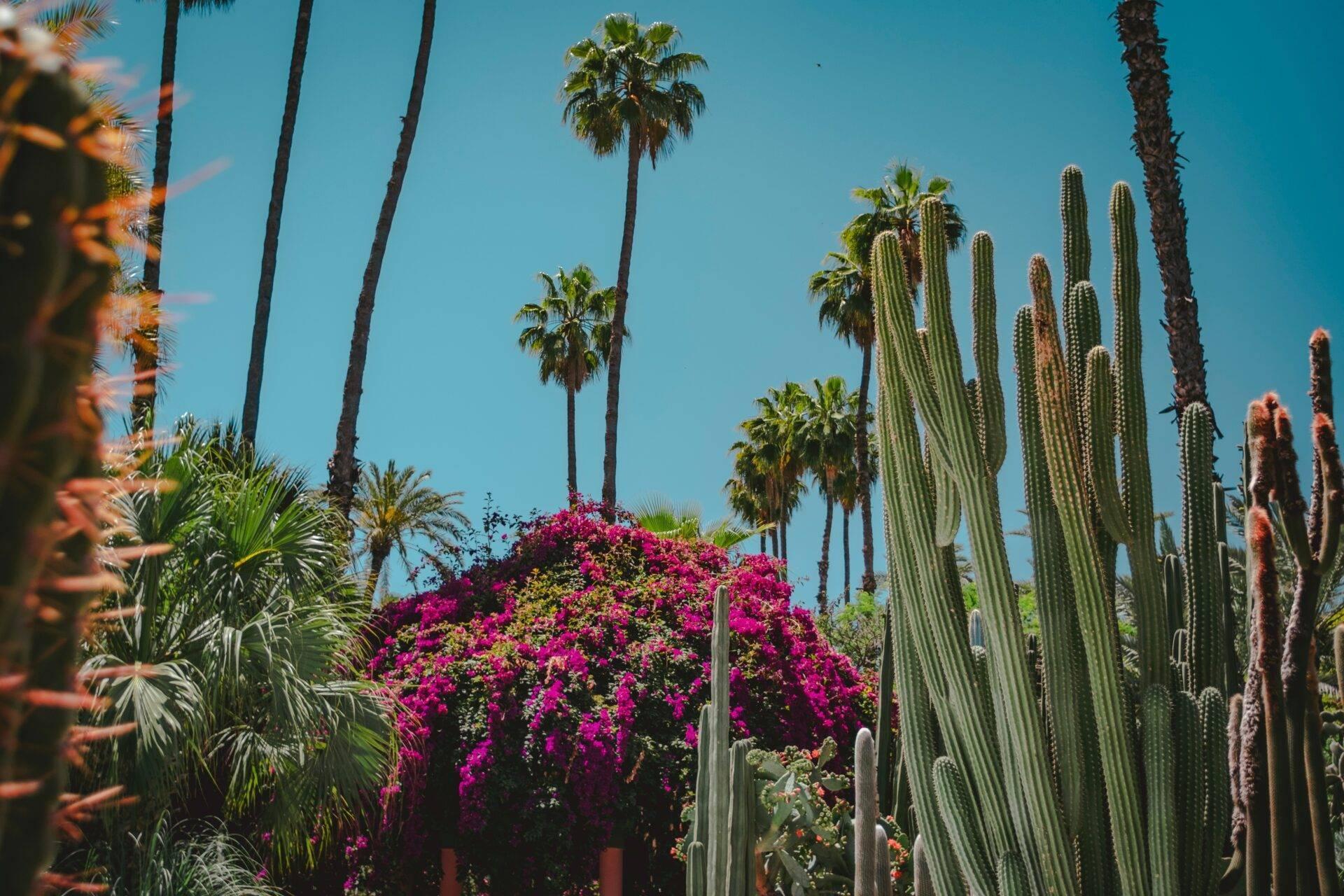
9. César Manrique’s Cactus Garden
Lanzarote-born artist César Manrique transformed a former lava quarry into a garden housing more than 1,400 species of cactus from around the world. The natural contours of the volcanic rock provide the backdrop for this extraordinary collection. Palms and bougainvillea add splashes of colour to a site that reconciles contemporary art with arid nature.
10. The vineyards of La Geria
In the La Geria region, each vine is planted in its own crater scooped out of lapilli, the volcanic ash, and sheltered by a semicircular dry-stone wall. This unique method captures overnight moisture in an almost desert-like environment. The Malvasia Volcánica wines produced here are one of Lanzarote’s great culinary prides, best enjoyed straight from the local bodegas.
Gran Canaria: dunes, city beaches and mountain peaks
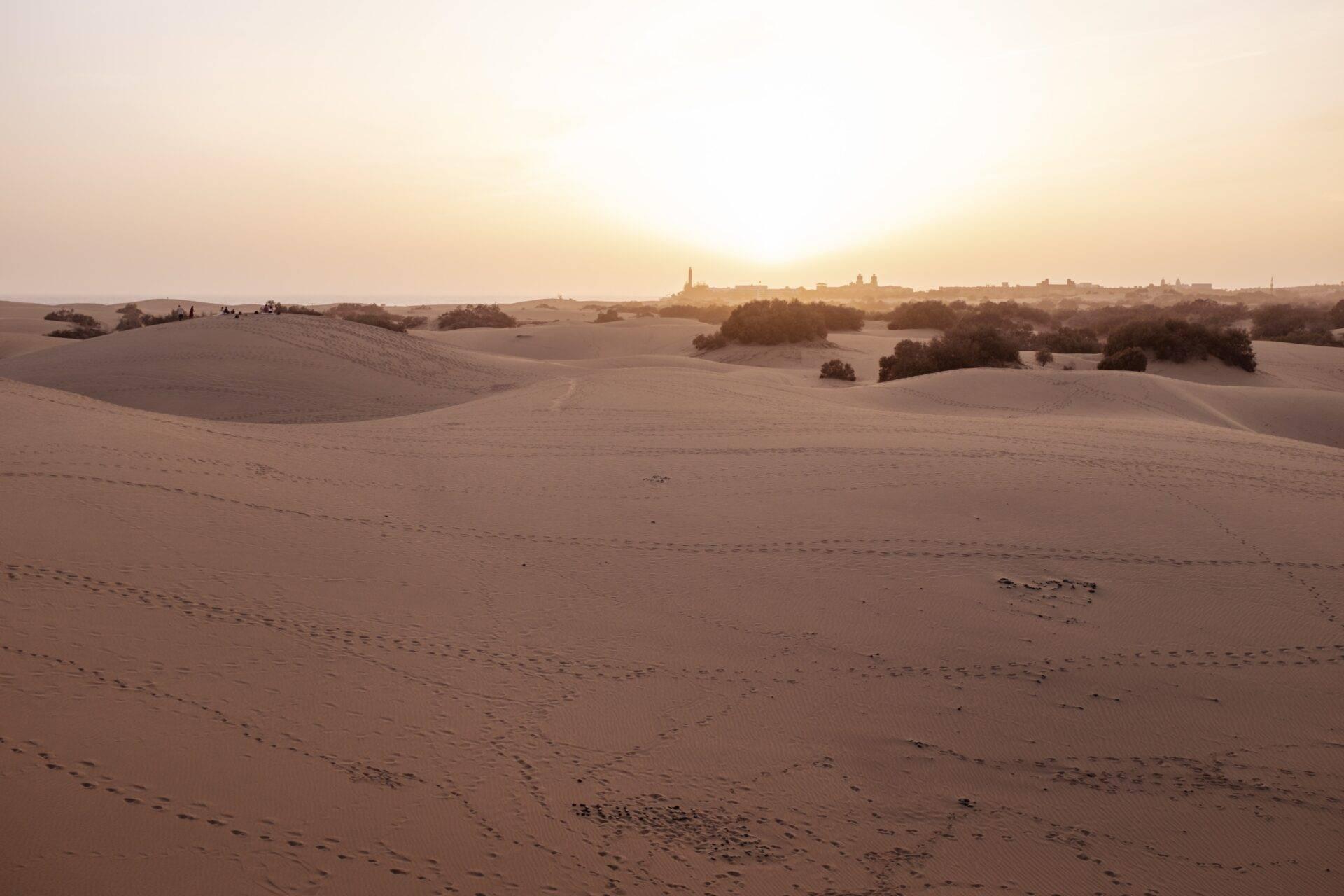
11. Lose yourself in the Maspalomas dunes
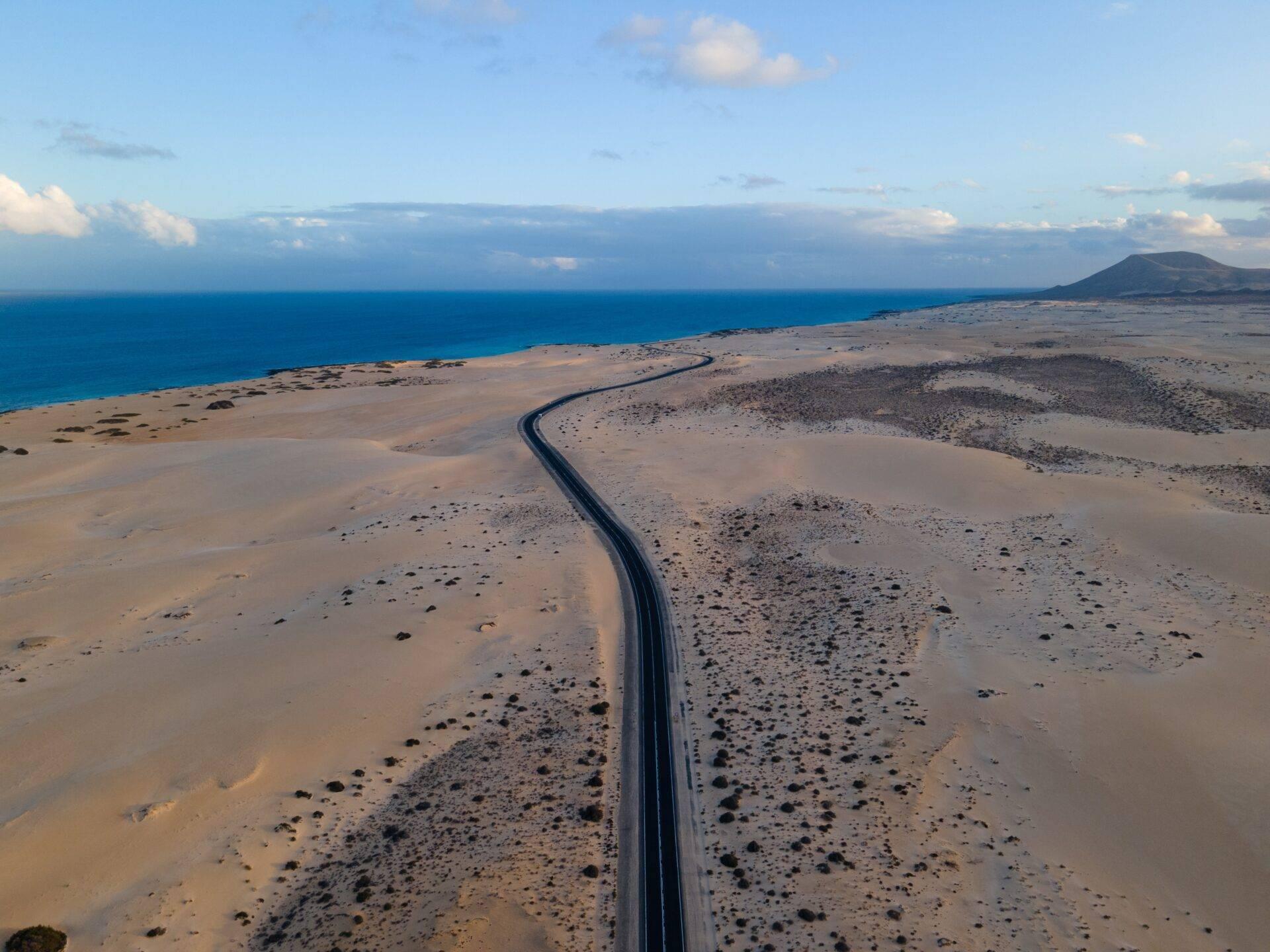
In the south of Gran Canaria, the Maspalomas dunes form a miniature Sahara right on the edge of the Atlantic. The fine sand formations shift constantly in the wind, creating an ever-changing landscape. Watching the sunset from the dunes, as the sand shifts from gold to deep orange, is one of the most striking moments the islands have to offer.
12. Stroll along Las Canteras beach
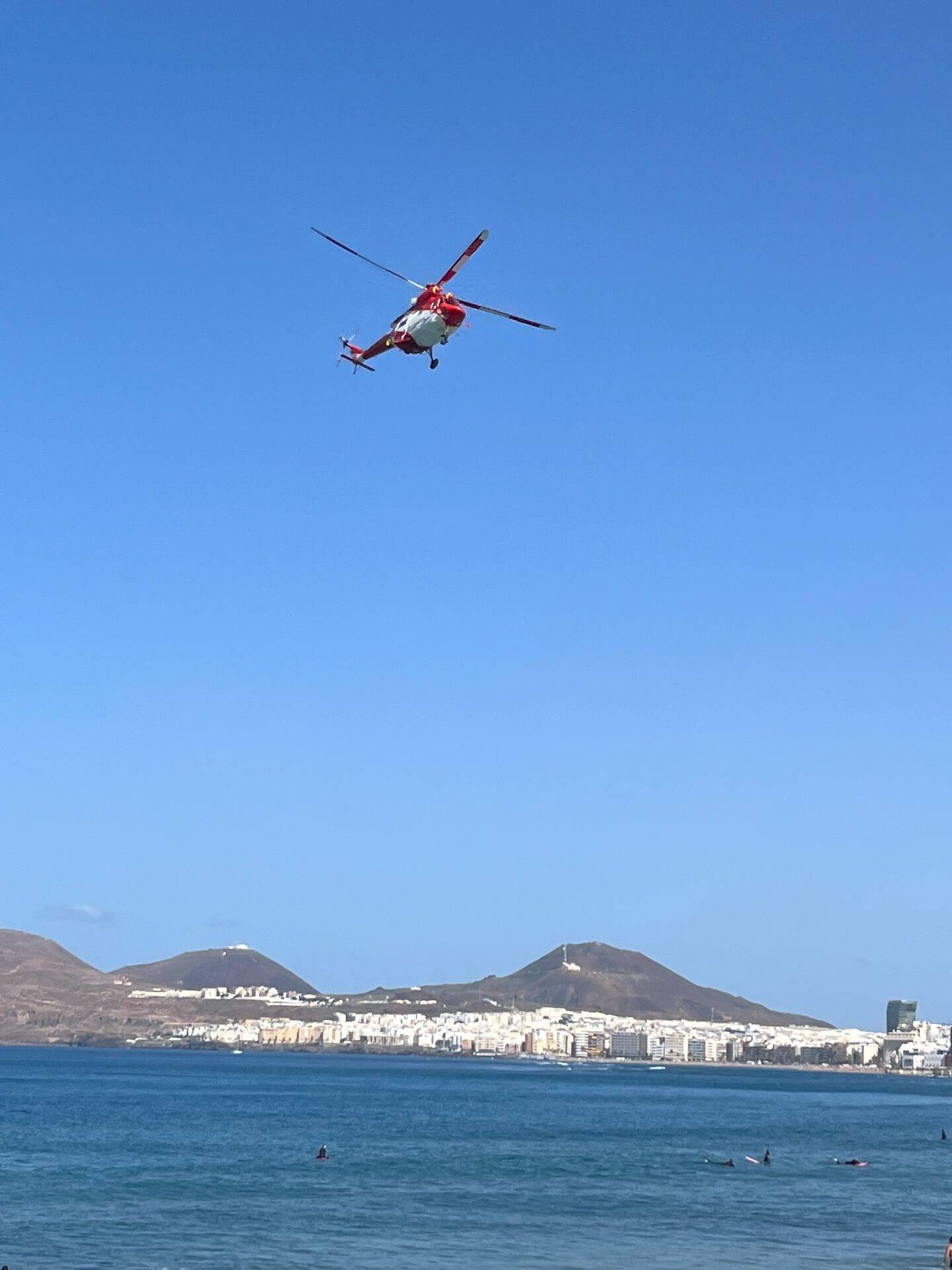
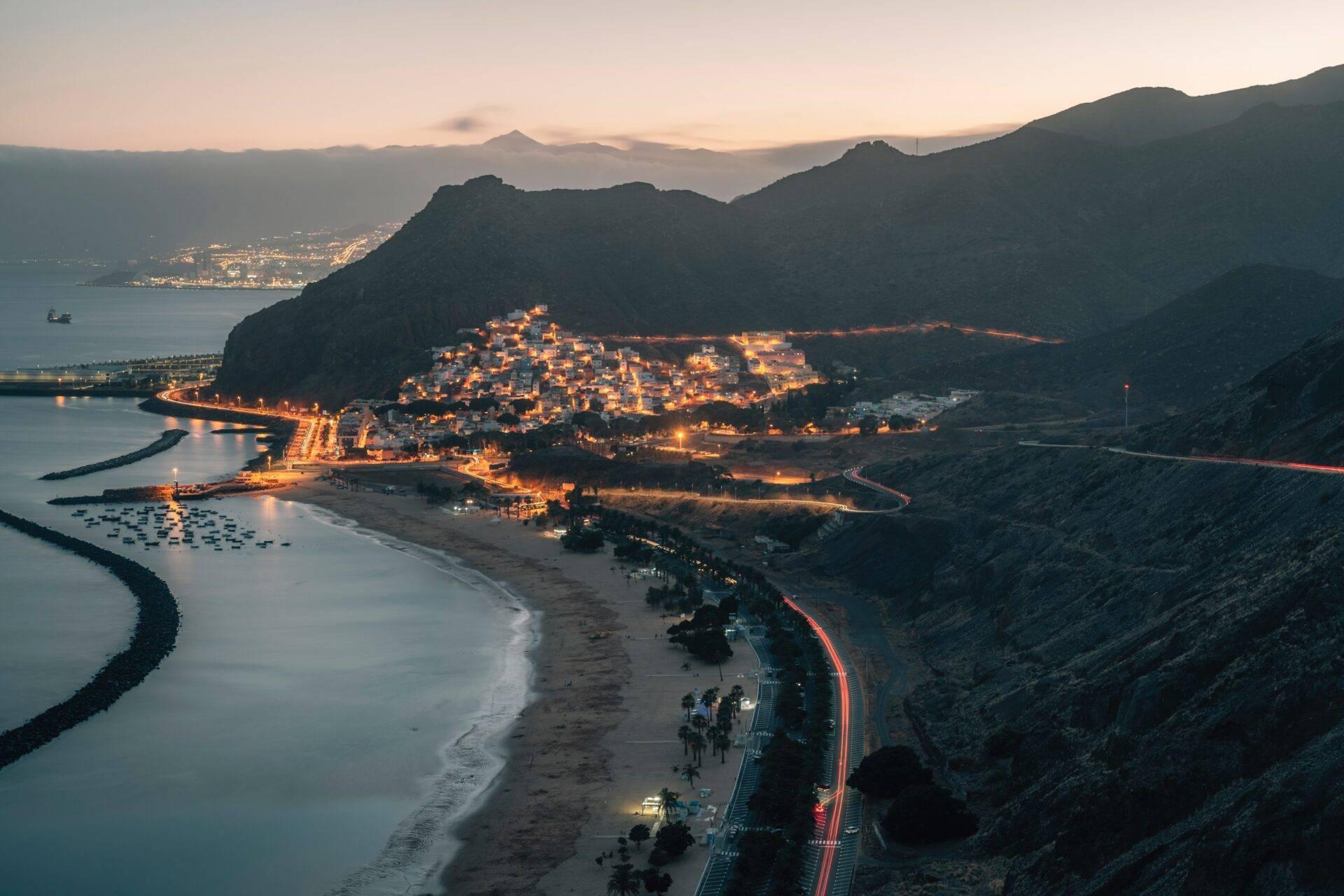
Las Canteras, right in the heart of Las Palmas, is a three-kilometre urban beach protected by a natural rock bar that keeps the waves at bay. The Paseo de las Canteras running alongside it is lined with restaurants, terraces and shops. It is both a bathing spot and a genuine slice of everyday life for the city’s residents.
13. Hike to Roque Nublo
Roque Nublo is a volcanic basalt monolith rising from the central highlands of Gran Canaria, considered sacred by the Guanche people. The hike from the Tejeda area is manageable for most walkers and rewards with a panoramic view over the entire island on a clear day.
14. Puerto de Mogán, the charm of a fishing harbour
Often nicknamed the “Little Venice of Gran Canaria”, Puerto de Mogán charms with its canals, flower-draped footbridges and white houses framed by bougainvillea. The harbour still sees genuine fishing activity, and the waterfront restaurants serve fresh catch. Arriving early in the morning lets you enjoy the village before the crowds descend.
Fuerteventura: wild beaches and open-ocean winds
15. Cofete beach, the edge of the world
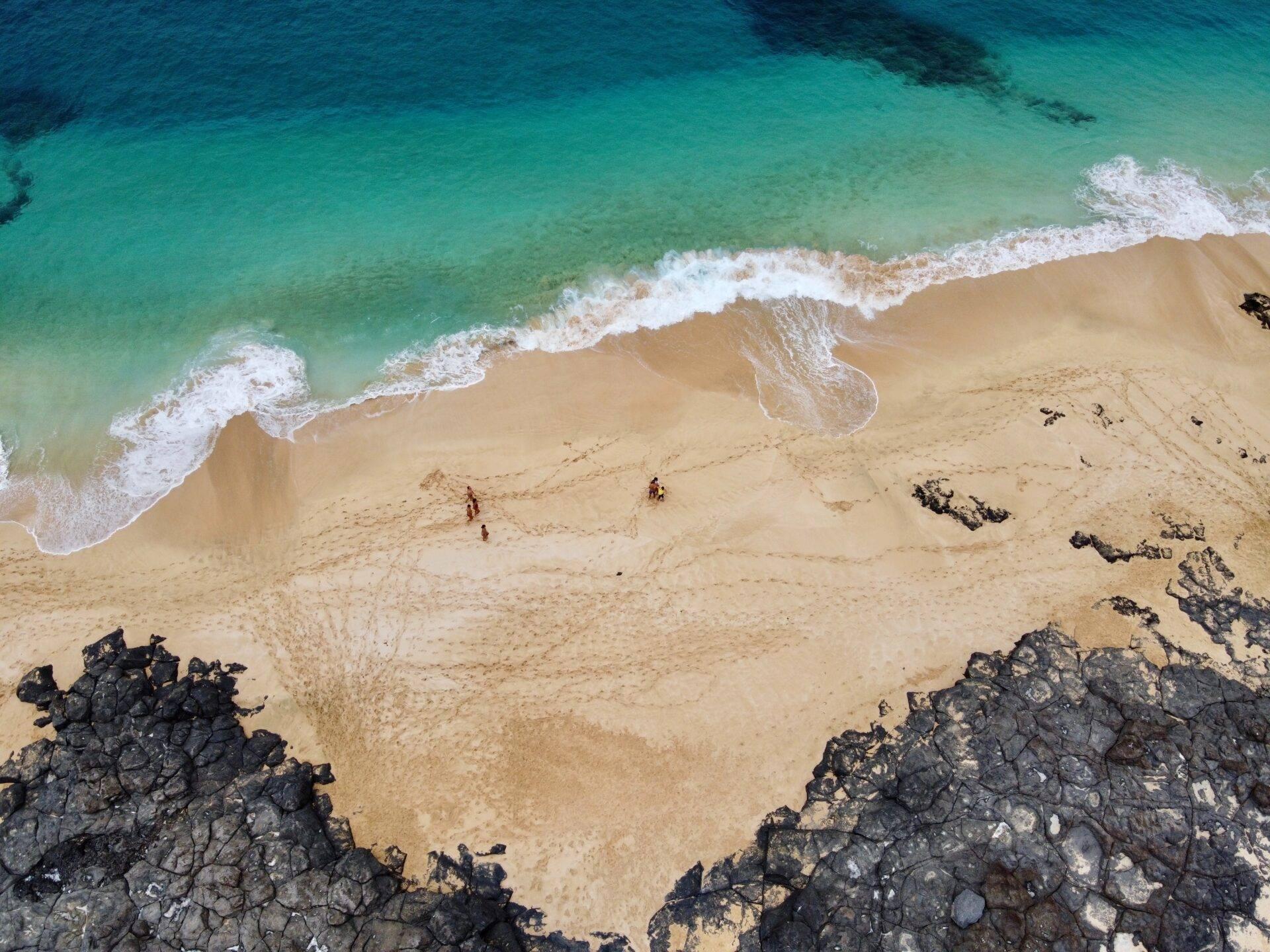
Cofete is a long, wild beach on the Jandía peninsula in southern Fuerteventura. It is reached via an unpaved track or a 4x4 excursion. There are no services or shops on site: bring your own water and food. The swell is powerful and swimming is often inadvisable, but the end-of-the-world scenery more than justifies the journey.
16. Corralejo Natural Park, between dunes and watersports
In northern Fuerteventura, Corralejo Natural Park protects several kilometres of pale dunes and accessible beaches, set well apart from built-up areas. It is also one of the Canary Islands’ premier spots for windsurfing and kitesurfing: consistent, predictable winds attract riders of all levels alongside a clutch of watersports schools.
La Gomera: a forest outside of time
17. Hike through Garajonay National Park
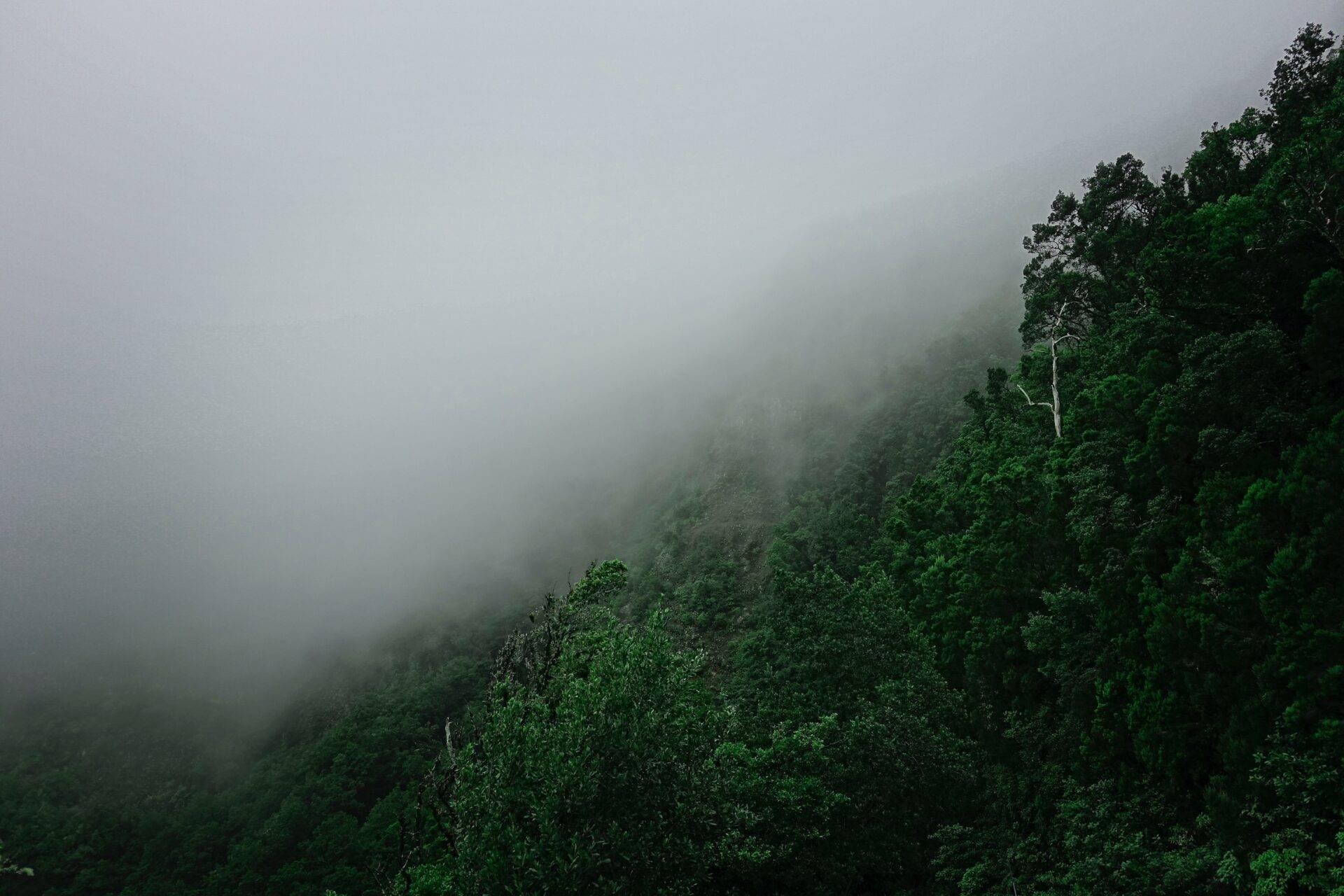
The laurel forest blanketing Garajonay National Park is a relic of the subtropical woodlands that once covered Europe and North Africa millions of years ago. Listed as a UNESCO World Heritage Site, the park reaches its highest point at Garajonay peak (1,487 metres). A network of maintained trails winds through this dense, mist-soaked forest, bathed by the trade winds, in a silence that could not be further from Tenerife’s busy coastline.
Experiences to seek out across the whole archipelago
18. Surfing, windsurfing and kitesurfing on legendary breaks
The Canary Islands rank among the most sought-after watersports destinations in Europe. Famara (Lanzarote), El Cotillo (Fuerteventura) and Playa de las Américas (Tenerife) draw surfers of every level. The steady Atlantic wind makes Fuerteventura and Lanzarote go-to destinations for kitesurfers and windsurfers alike.
19. Watch whales and dolphins from the sea
The waters between Tenerife and La Gomera are home to resident populations of pilot whales and bottlenose dolphins. Boat trips departing from Tenerife’s southern coast offer the chance to see these cetaceans in the wild, at any time of year.
20. Try papas arrugadas con mojo
Papas arrugadas are small potatoes boiled in heavily salted water until the skin wrinkles and crusts with salt crystals. They are served with mojo rojo (chilli and garlic) or mojo verde (coriander and garlic). This dish is found in every tavern across the archipelago, from mountain villages to beachfront restaurants: it is the unmissable starter of the Canary Islands.
Planning your trip to the Canary Islands
For entry requirements, health information and medical cover in case of emergency, visit our Canary Islands travel insurance page.
Archipelagos and islands with a strong natural character often share the same striking contrasts between volcanoes and sea. If you are weighing up destinations or planning your next trip, take a look at things to do in Guadeloupe or things to do in Cuba. And for a more far-flung adventure off the beaten track, things to do in Madagascar offers volcanoes and unspoilt beaches well away from the crowds.
FAQ
Which Canary Island is best for a first visit?
Tenerife is often the most versatile starting point: Teide, La Laguna and the southern beaches offer remarkable variety within a week. Gran Canaria is equally strong, with the Maspalomas dunes and the urban beach at Las Canteras. Choose Lanzarote if raw volcanic scenery is your main priority.
When is the best time to visit the Canary Islands?
Spring (March to May) and autumn (October to December) are the most pleasant seasons, with temperatures of around 20-25°C and notably fewer visitors than in summer. Summer remains sunny but very busy, particularly on the southern beaches.
How long do you need to visit the Canary Islands?
A week is enough to explore one island properly. To combine two or three, allow at least a fortnight. Regular ferries connect the main islands in a matter of hours; domestic flights also serve La Palma and El Hierro.
Can you combine several islands in one trip?
Yes. Regular ferries run between Tenerife, La Gomera, Gran Canaria, Fuerteventura and Lanzarote. The usual advice is to resist trying to see everything in a week: two or three islands explored properly are worth far more than seven rushed.
Are the Canary Islands good for families with children?
The Canary Islands are an excellent family destination. The sheltered beaches at Las Canteras, Papagayo and Puerto de Mogán are well suited to younger children. For dedicated family attractions, Siam Park on Tenerife is a water park widely regarded as one of the best in Europe.