
In under 2,000 km², Mauritius packs in lagoon beaches, hikes through ancient forest, two UNESCO World Heritage Sites and a Creole cuisine unlike anything else in the world. Whether you have a week or two, here are the places and experiences that make for an unforgettable trip.
For practical pre-departure information (visas, health, currency and travel insurance), see our guide to travel insurance for Mauritius.
When to Visit Mauritius
The dry season from May to October is the most popular time to travel. Temperatures range between 18°C and 25°C, skies are mostly clear, and the trade winds keep things refreshing without disrupting boat trips. This is the best window for hiking, water sports and beach time.
The austral summer from November to April is hotter and more humid, with temperatures between 27°C and 33°C. January and February carry a cyclone risk worth factoring into your plans. That said, underwater visibility is at its best from November to March, making this the prime season for diving and snorkelling.
For the best balance of weather, crowds and flight prices, May, September and October stand out: dry conditions, clear water and more affordable fares than August.
If you are thinking about travelling in December or January, our round-up of sunny Christmas destinations and guide to the best sun destinations in January can help you narrow things down.
Protect my Mauritius tripPort Louis: the open-air capital
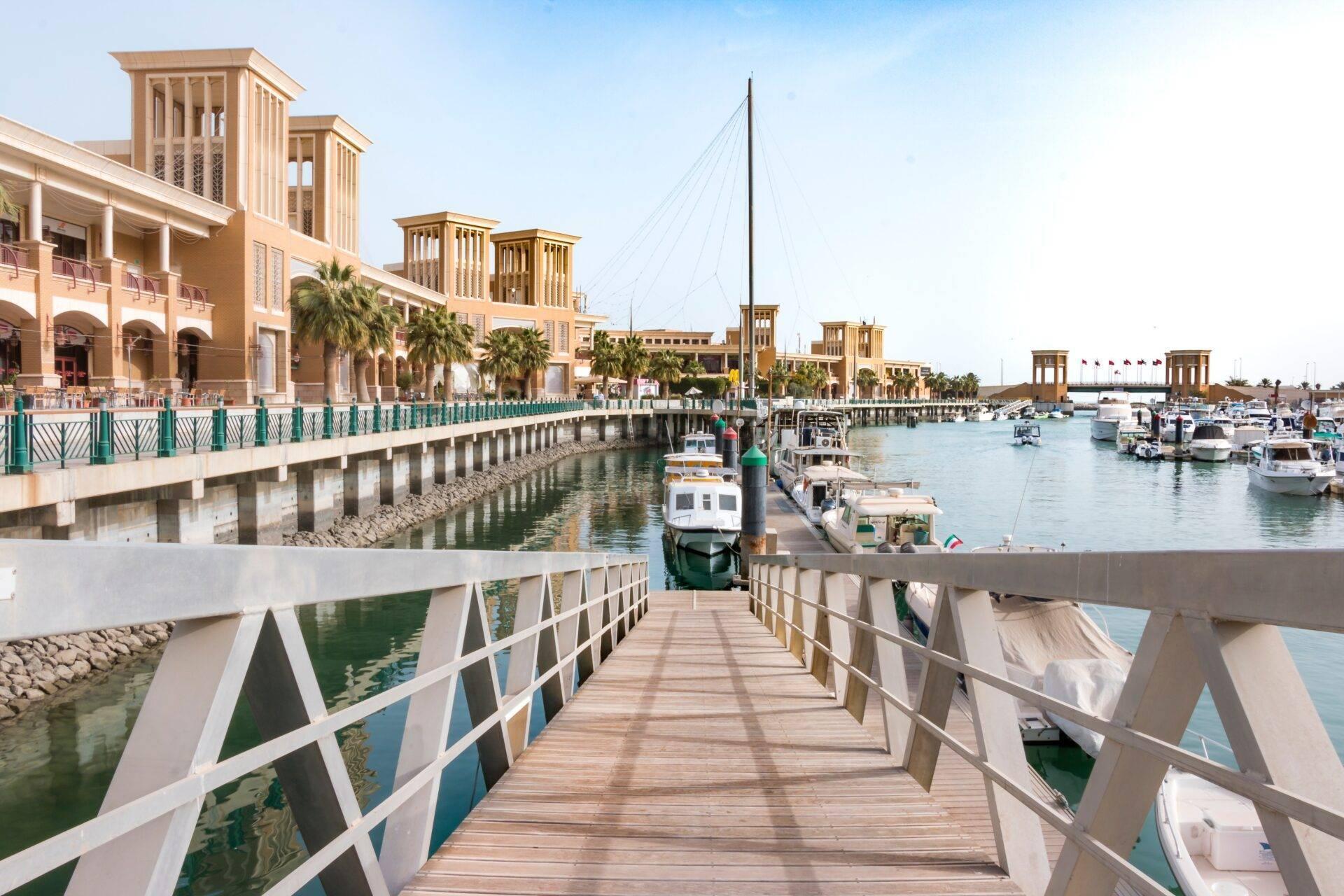
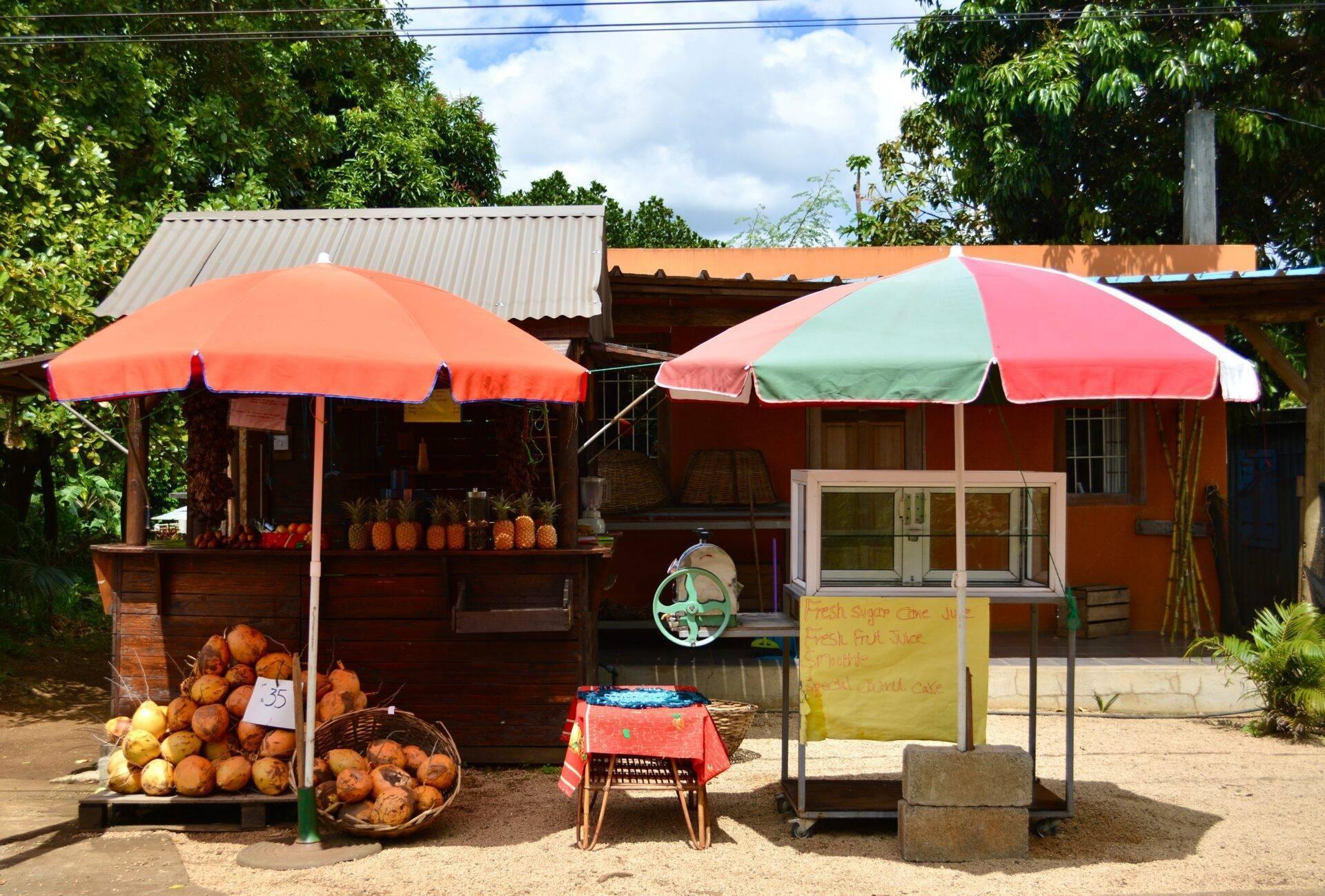
Port Louis, on the north-west coast, is far more than an administrative stopover. The central market overflows with tropical fruits, spices and street food: chilli cakes, dhall puri flatbreads, samosas. It is the most direct way to experience Mauritian food without any pretension.
The Caudan Waterfront offers a pleasant harbour-side stroll with views across the port. Nearby, Aapravasi Ghat is a UNESCO World Heritage Site: its ruins and archives document the history of indentured immigration to Mauritius in the 19th century.
Beaches Not to Miss
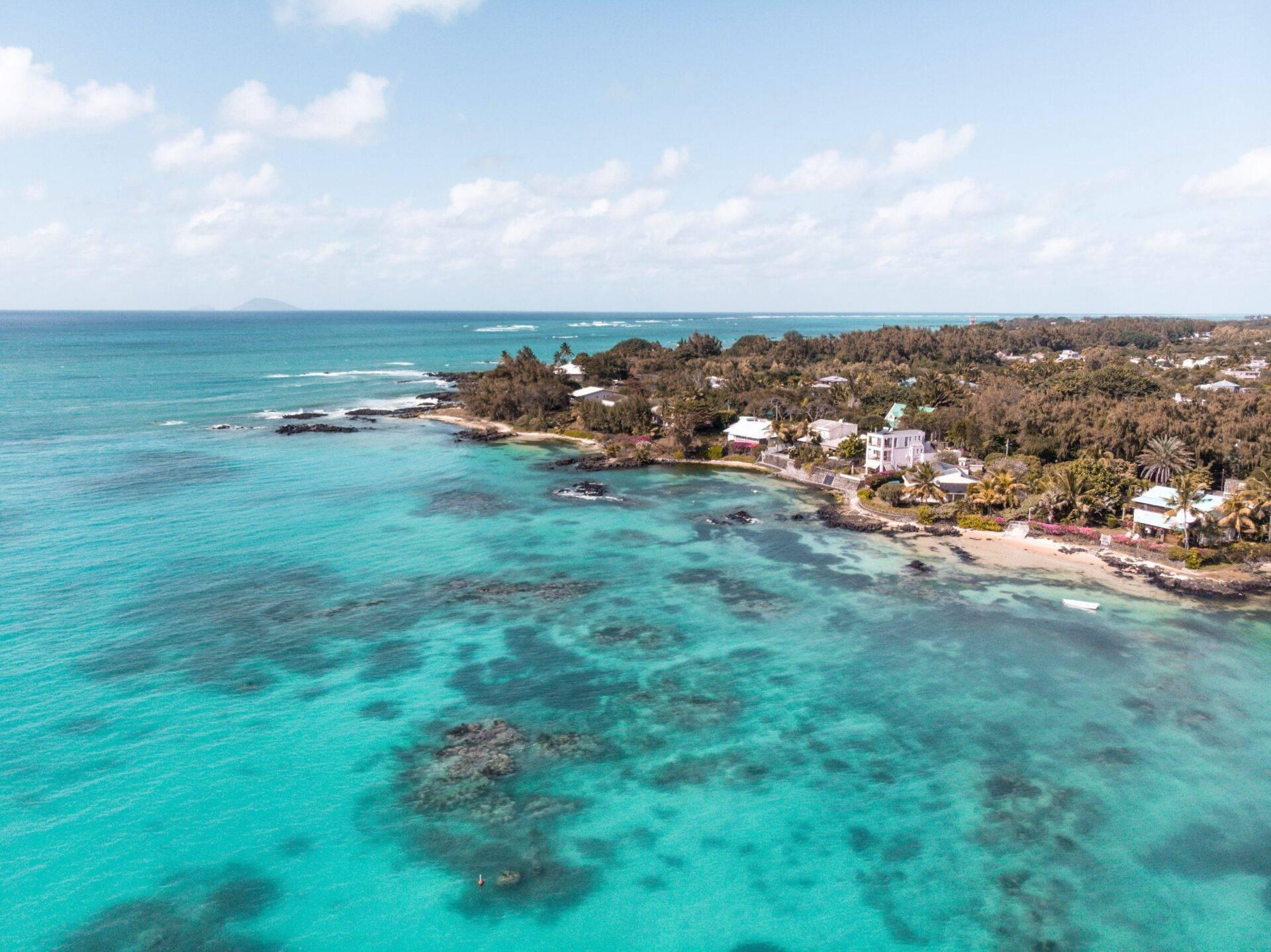
Mauritius has no single beach; it has several distinct atmospheres depending on which coast you choose. To the west, beaches open onto spectacular ocean sunsets. To the east, lagoons are generally calmer and the water clearer.
Flic en Flac: sunsets on the west coast
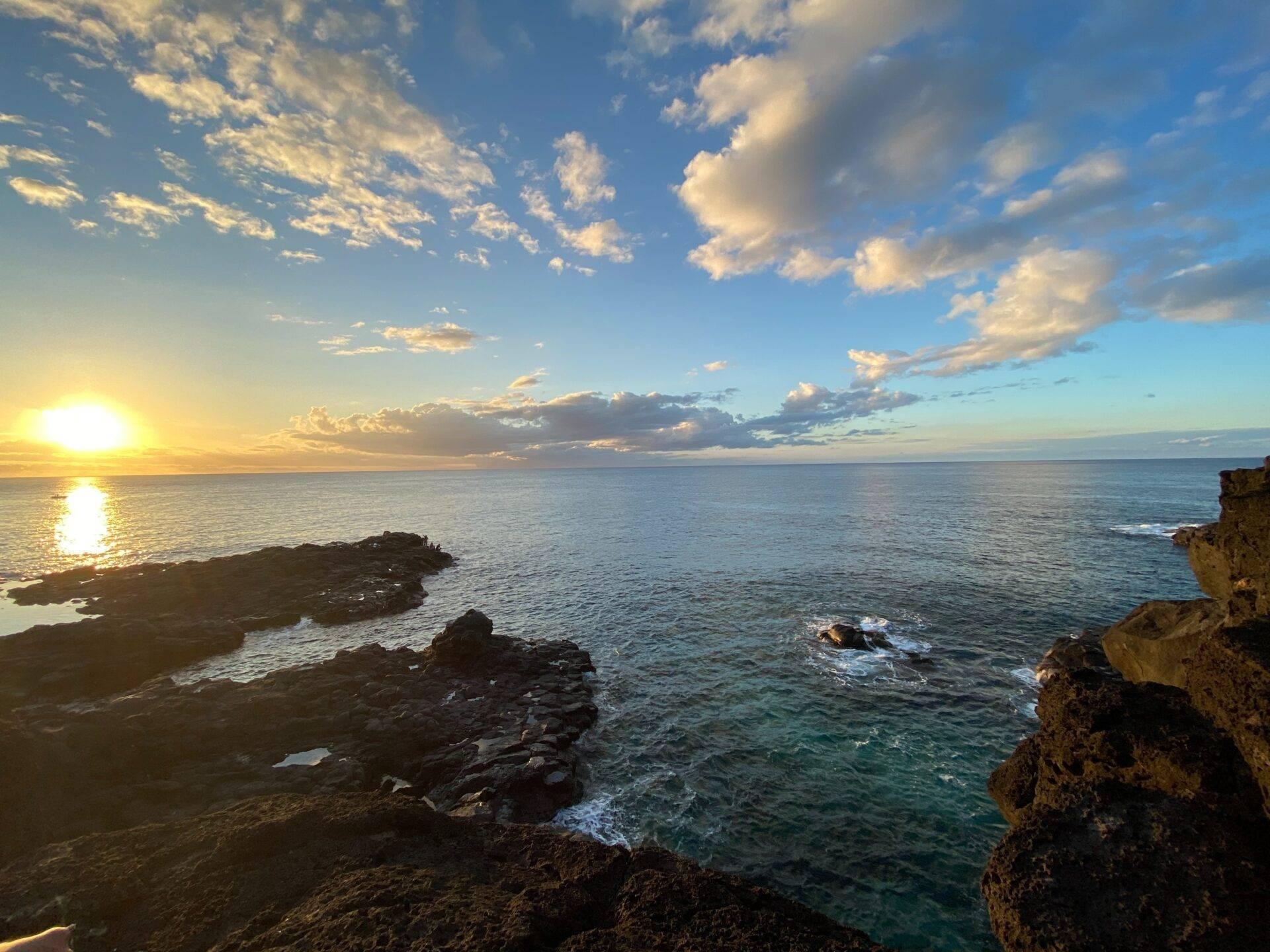
Flic en Flac stretches for several kilometres along the west coast. Its signature is Indian Ocean sunsets, best enjoyed from the beach or a waterfront table. The beach is public and the water shallow. Divers will find coral reefs accessible just a short swim from shore.
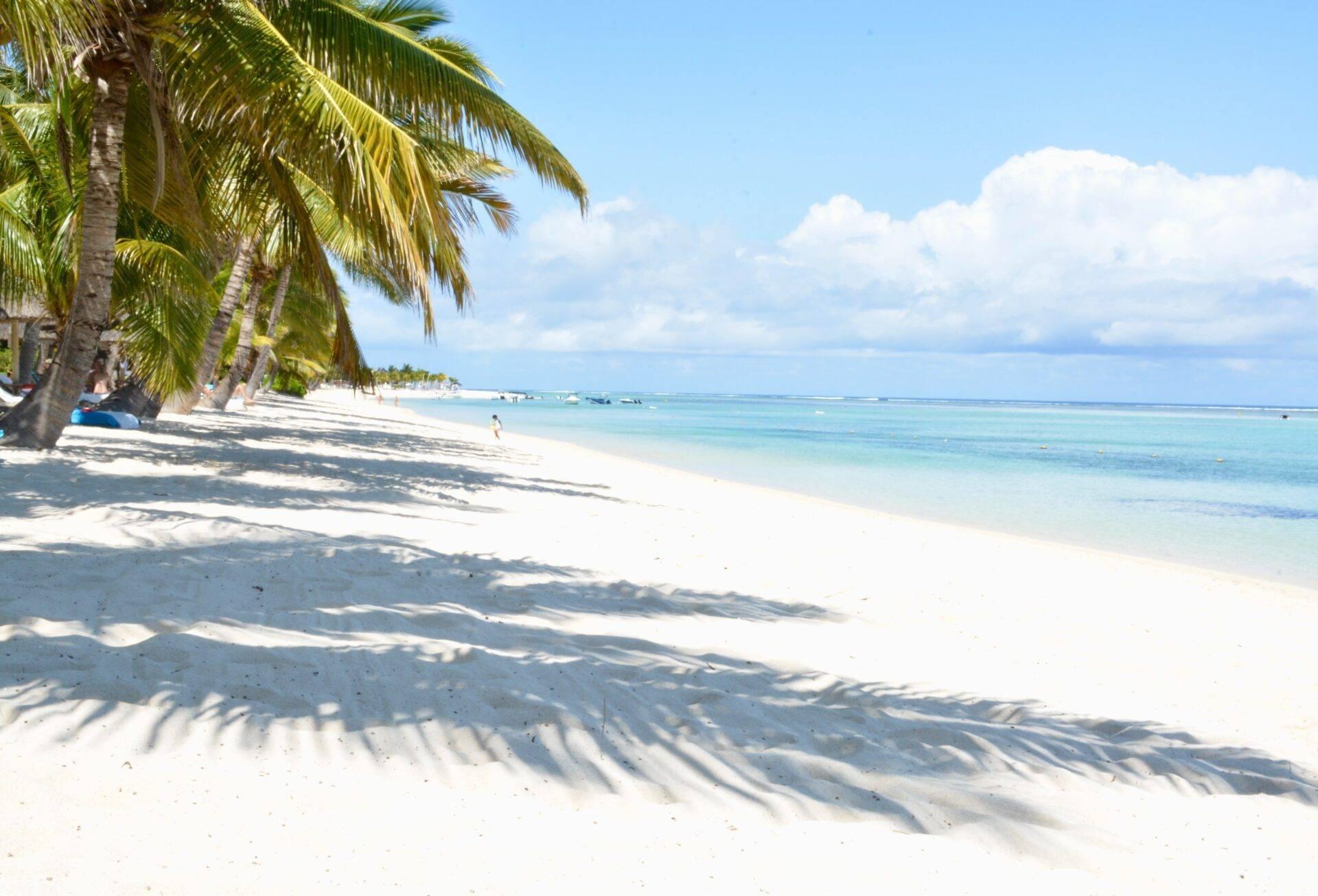
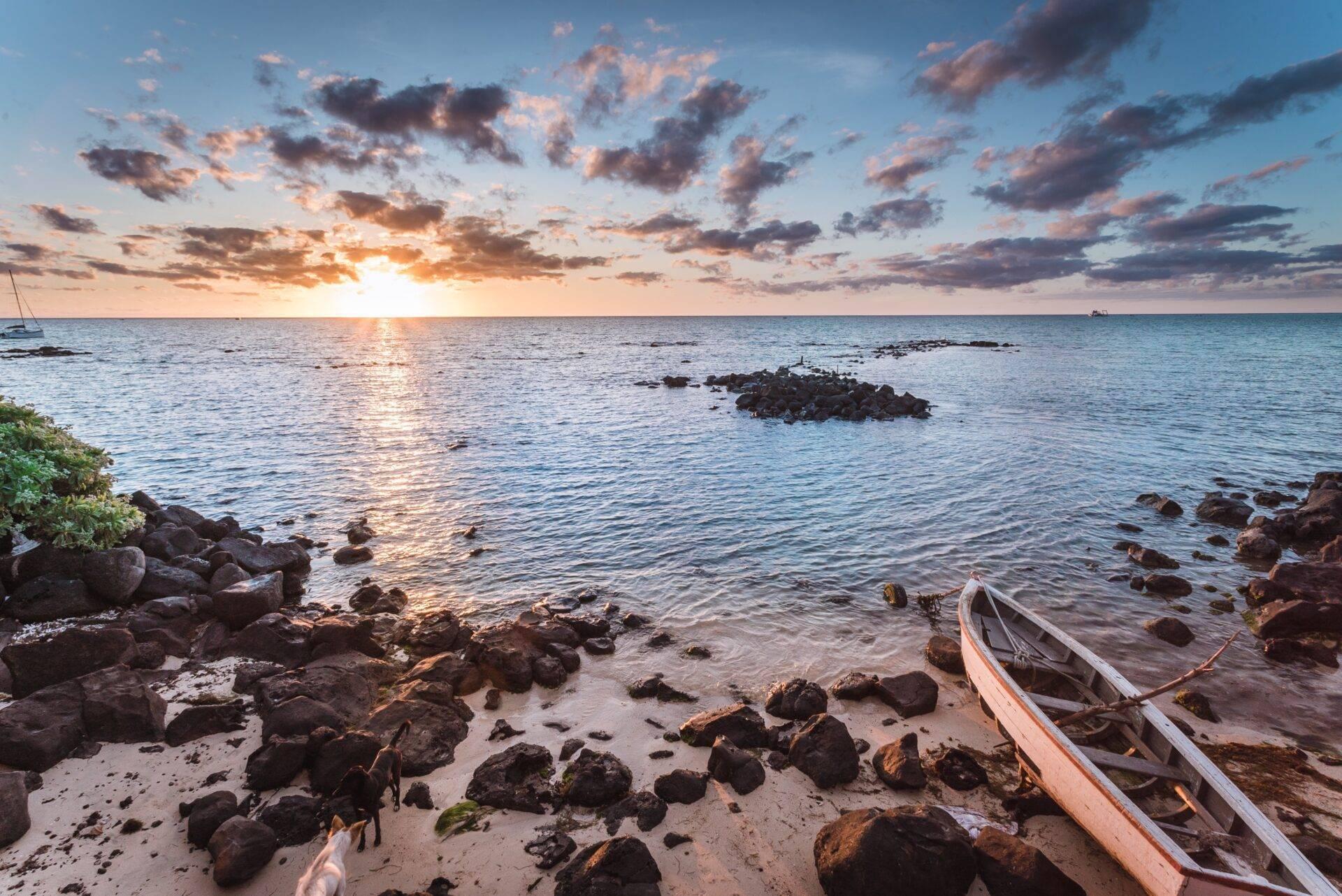
Trou aux Biches: a sheltered northern lagoon
Trou aux Biches has a lagoon protected by a coral reef, with gentle, calm waters perfect for family swimming. The sandy floor is clear, and the colours shift from turquoise to emerald green depending on the time of day.
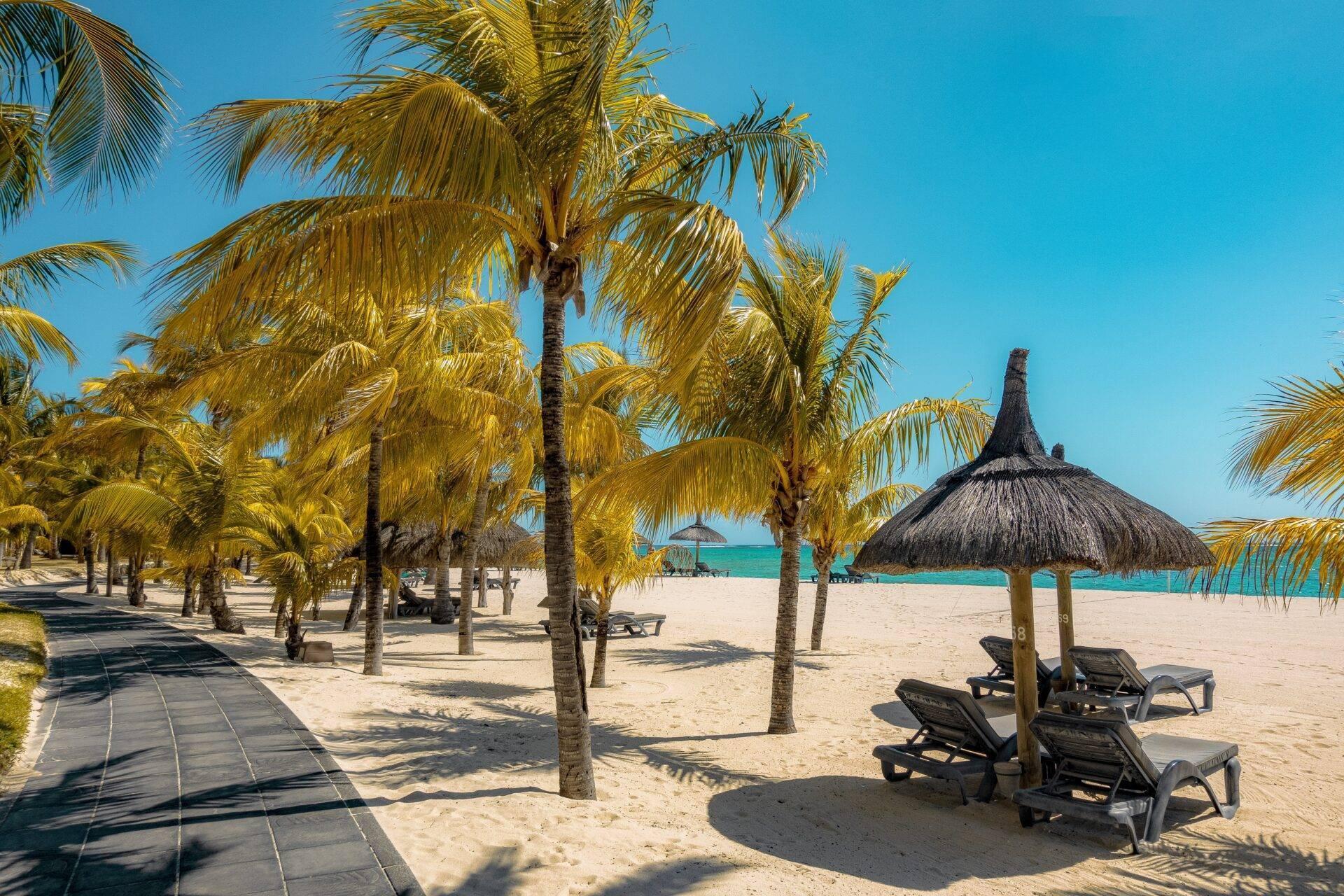
Mont Choisy and Pereybere: two peaceful spots on the north coast
Mont Choisy is a long public beach popular with locals and visitors alike. A little further east along the north coast, Pereybere is a more intimate cove with direct access to coral reefs from the shore, ideal for snorkelling.
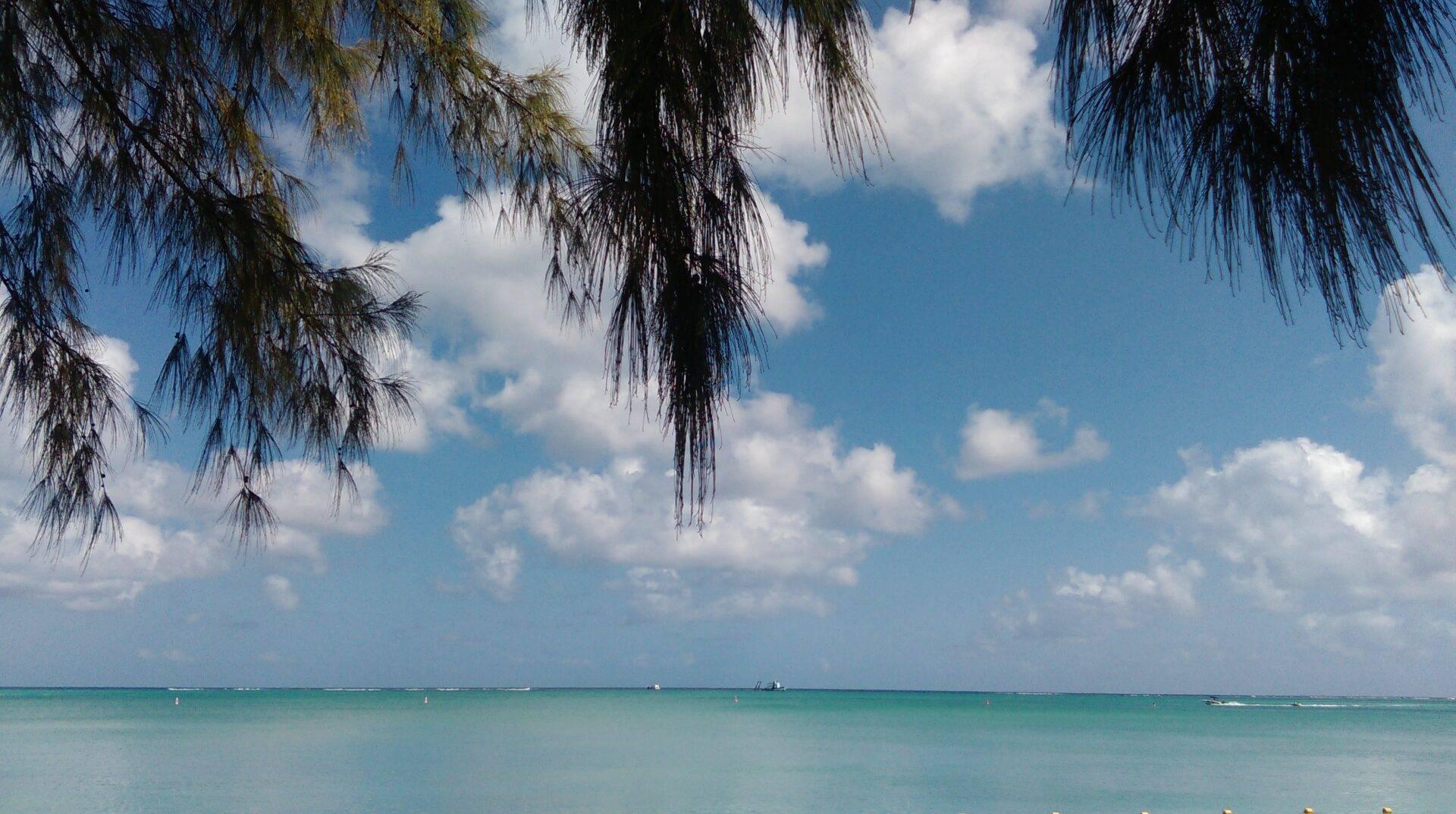
Belle Mare: the east coast and its resorts
Belle Mare, on the east coast, is known for its immaculate beaches and the large resort hotels that line them. The sea here is typically very calm, making it an ideal base for snorkelling, dinghy sailing or simply unwinding.
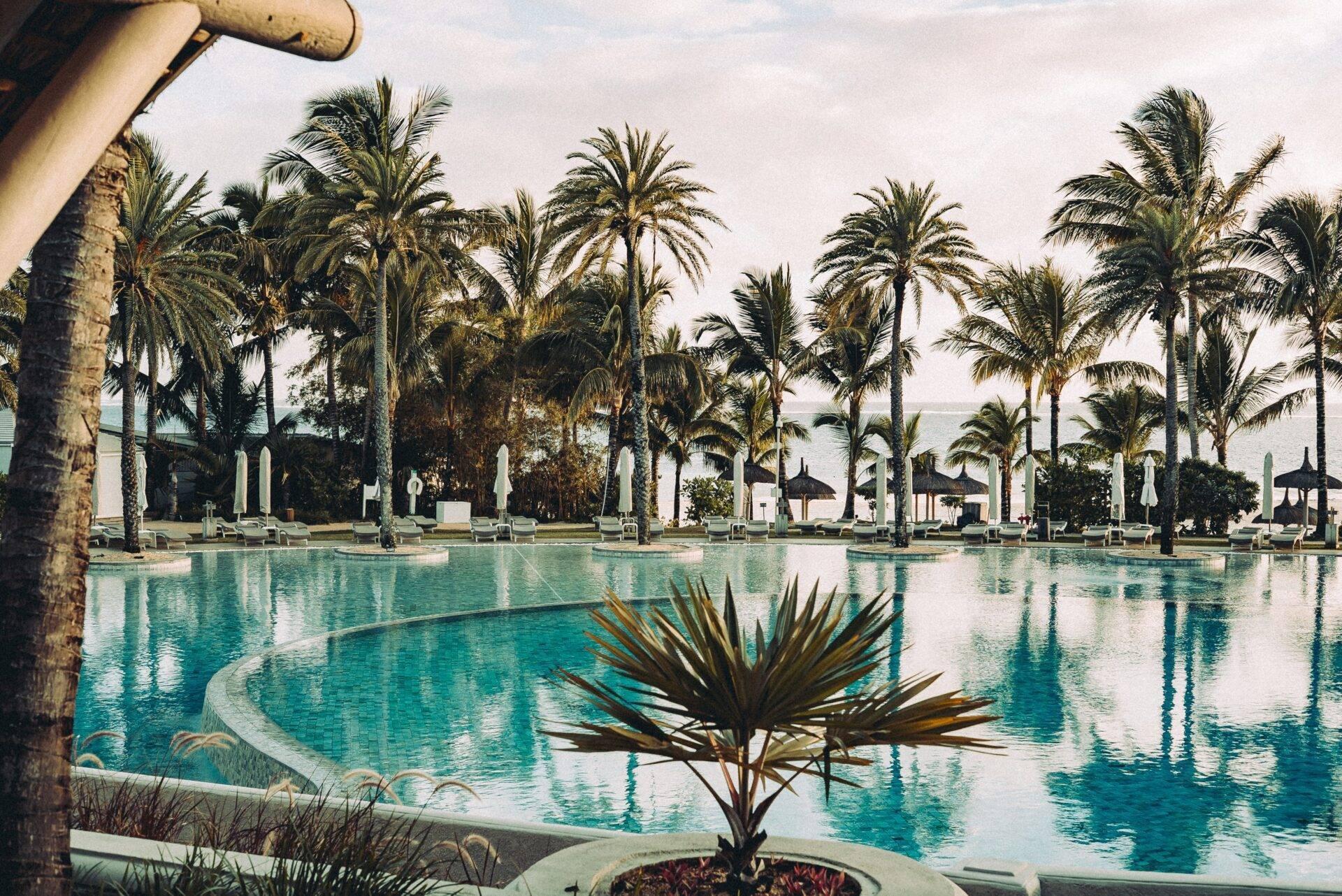
Le Morne: UNESCO panoramas and kitesurfing
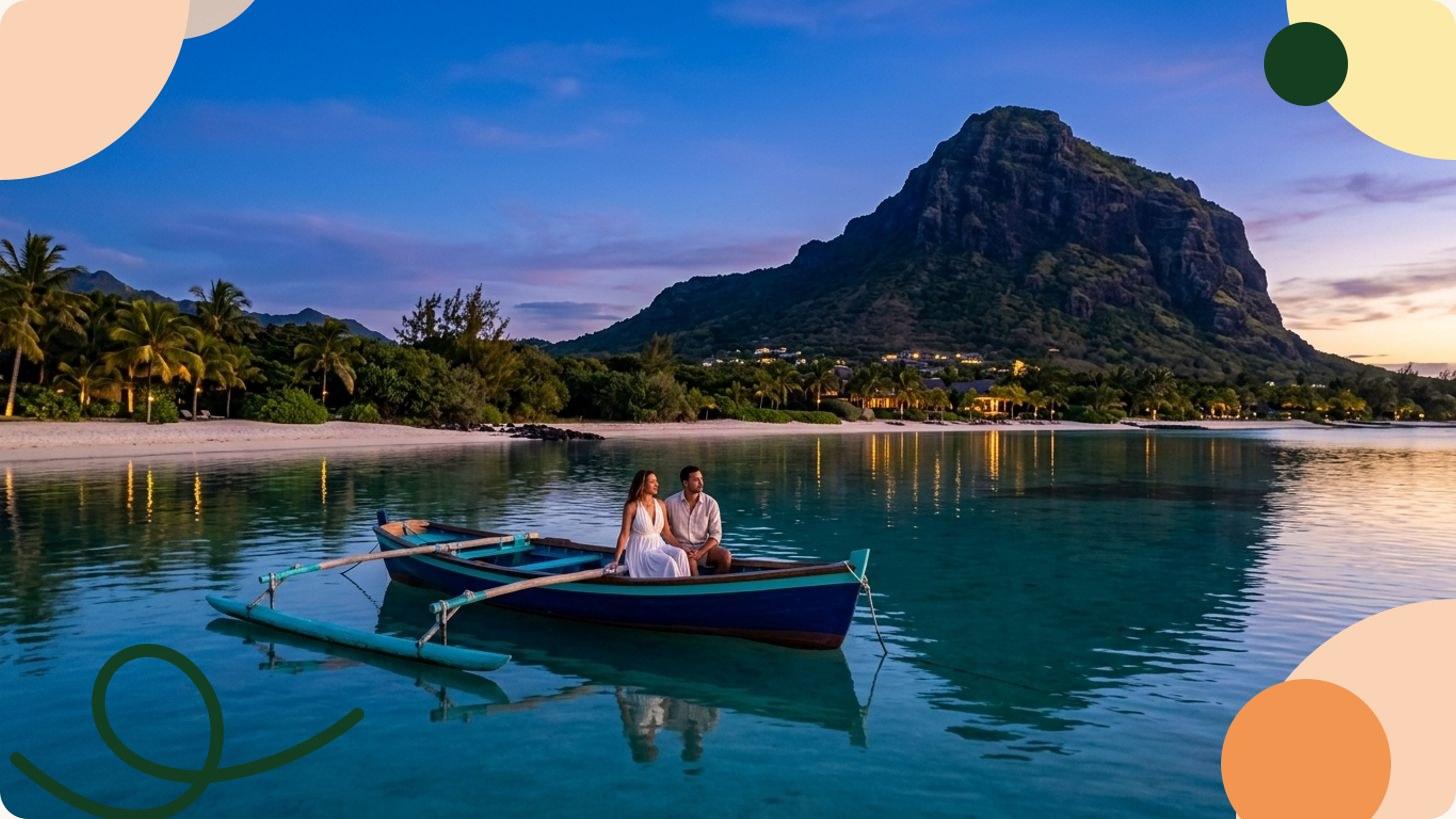
Le Morne Brabant occupies the south-west peninsula. Its mountain, rising to over 550 metres, is a UNESCO World Heritage Site, looming over a flat-water bay that ranks among the best kitesurfing and windsurfing spots in the Indian Ocean.
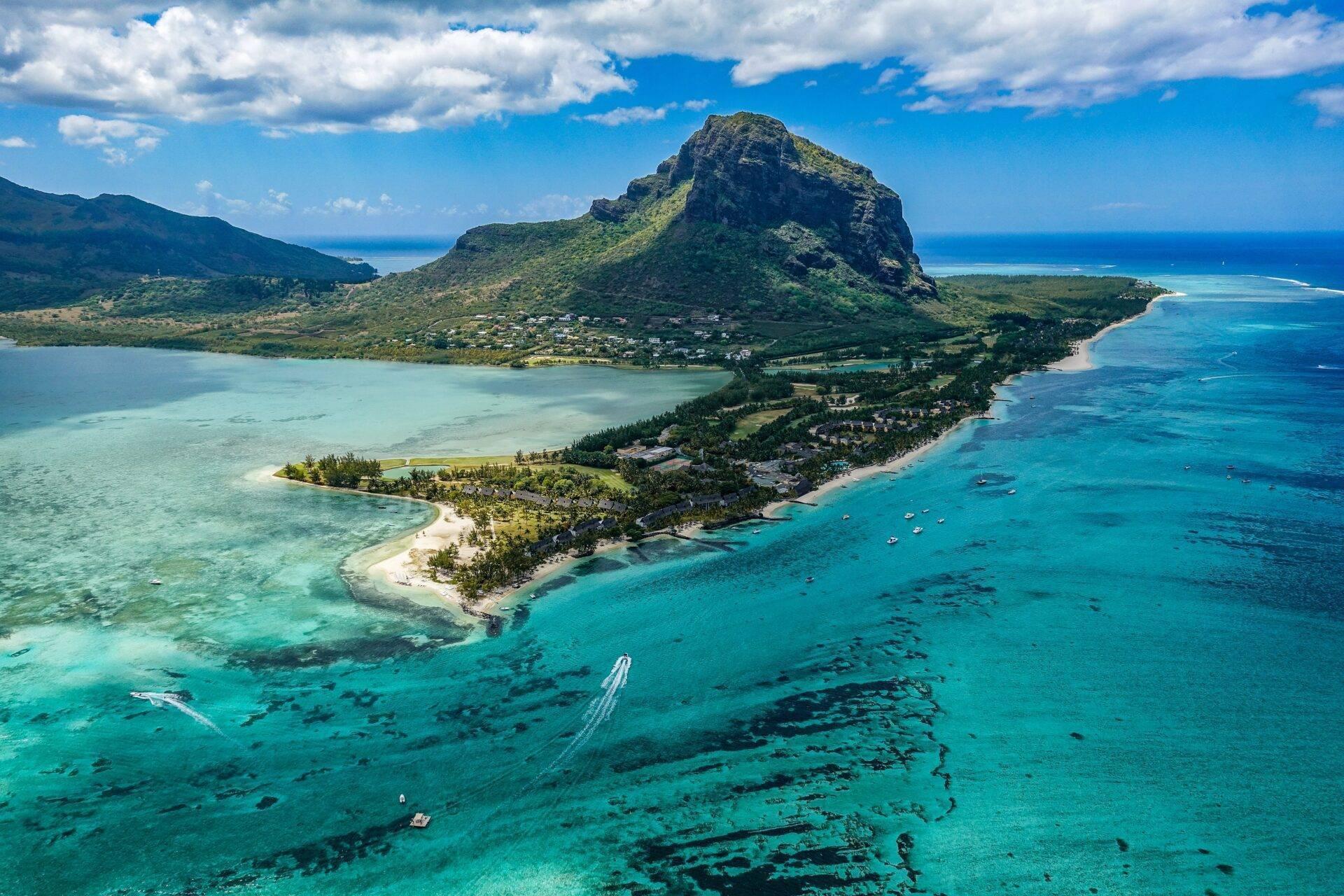
The beach at its foot is one of the most photographed in Mauritius. At low tide, underwater sand currents create the illusion, visible from the air, of a submerged waterfall, best seen by helicopter or light aircraft from the coast.
Island Day Trips: the islets around Mauritius
The island is ringed by small islets reachable in a day by catamaran or speedboat. These excursions are among the most memorable experiences a trip to Mauritius has to offer.
Île aux Cerfs
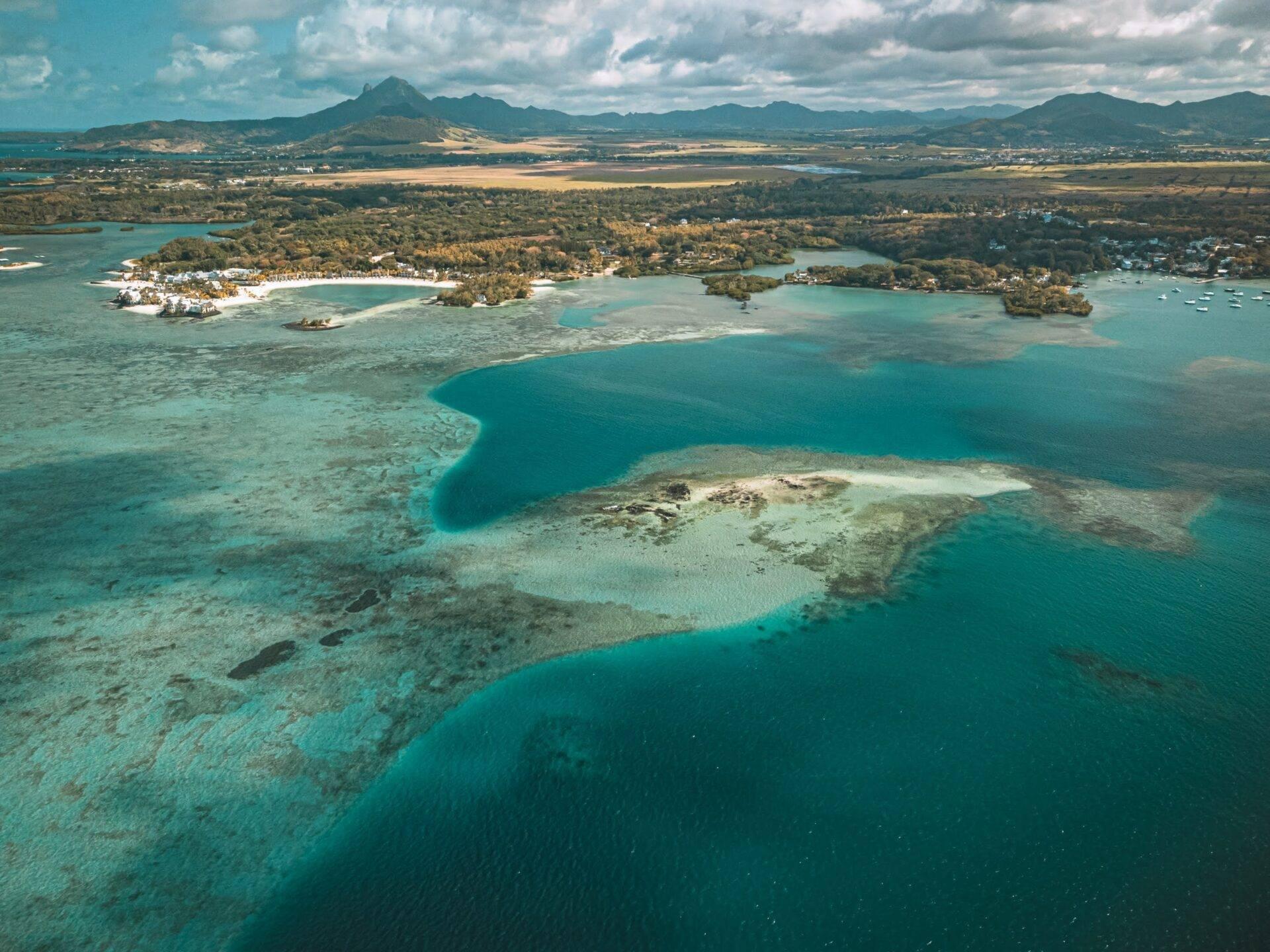
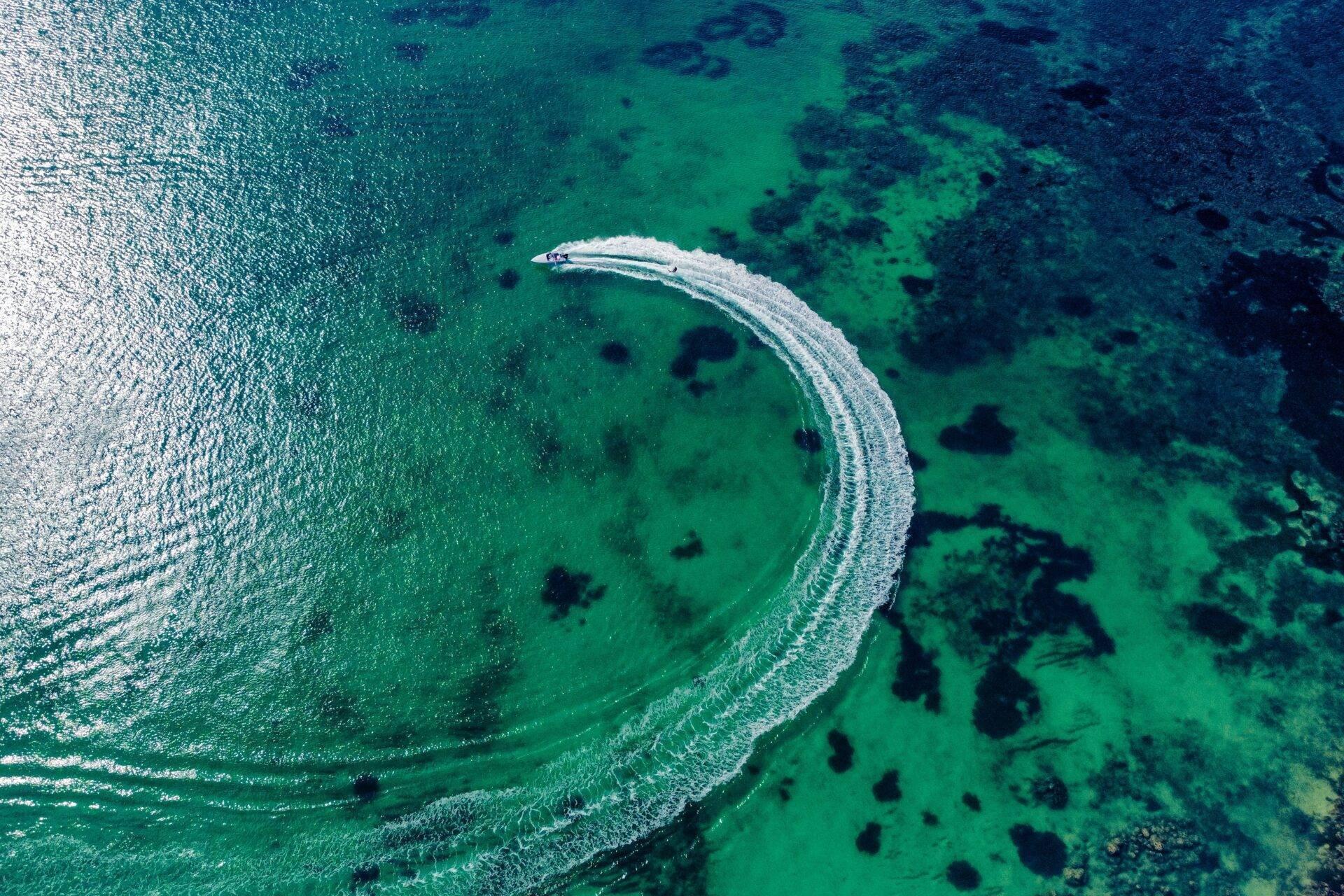
Reached from Trou d’Eau Douce on the east coast, Île aux Cerfs is a sand-fringed islet surrounded by crystal-clear lagoon water. Activities on offer include snorkelling, parasailing and water-skiing. Golf courses hug part of the shoreline. The main beach fills up quickly in high season: book your transfer in advance and head out early in the morning.
The northern islets: Coin de Mire and Gabriel
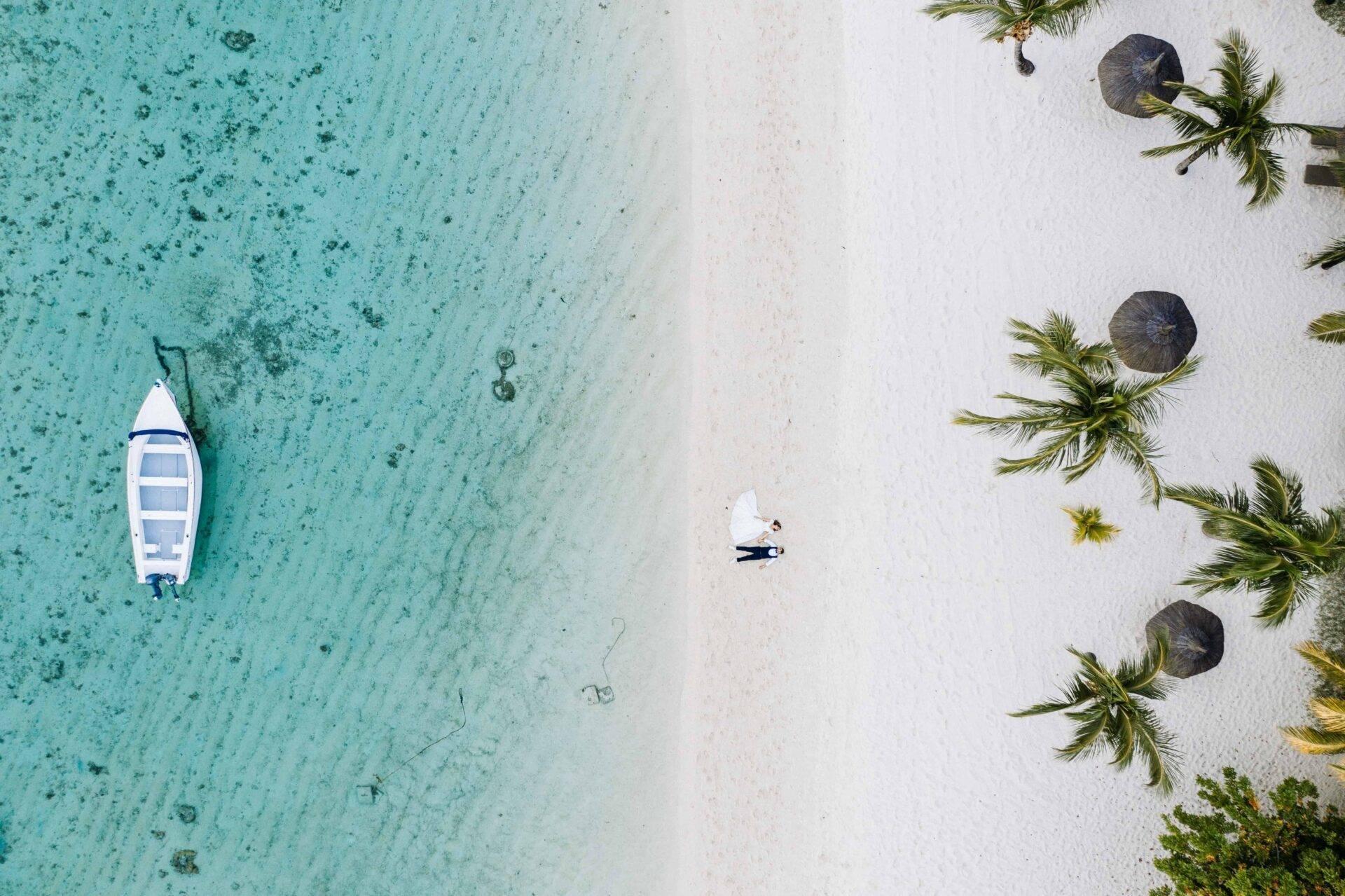
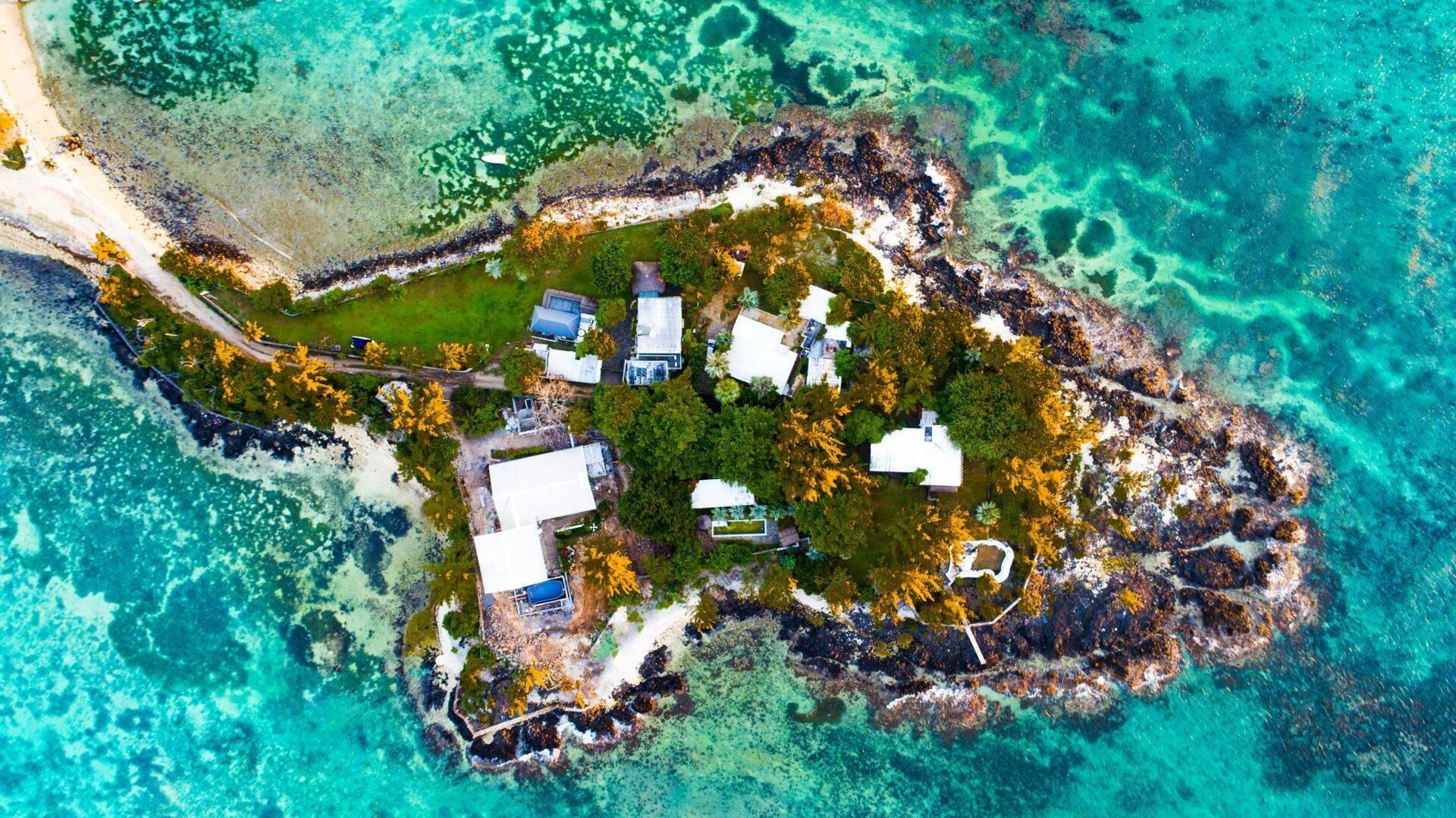
Off the coast of Grand Baie, the islets of Coin de Mire, Île Plate and Île Gabriel can all be visited on a single day trip. The water is particularly clear and the marine life largely unspoilt.
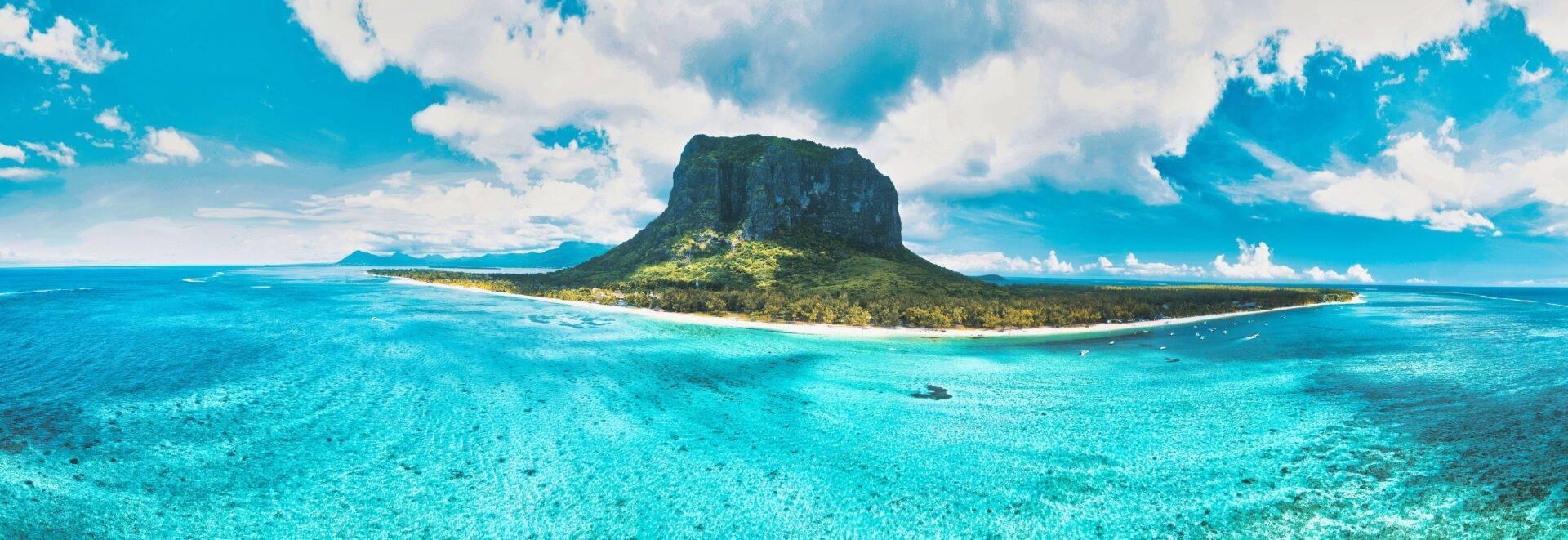
Boats leave early in the morning from Grand Baie and typically include a snorkelling stop and lunch on board.
Swimming with dolphins at Tamarin
On the west coast, spinner dolphins frequent the lagoon at Tamarin at dawn. Local operators run speedboat trips to spot them and swim alongside them in open water. Departures are around 6am, before the dolphins head out to sea.
Grand Baie: the lively north
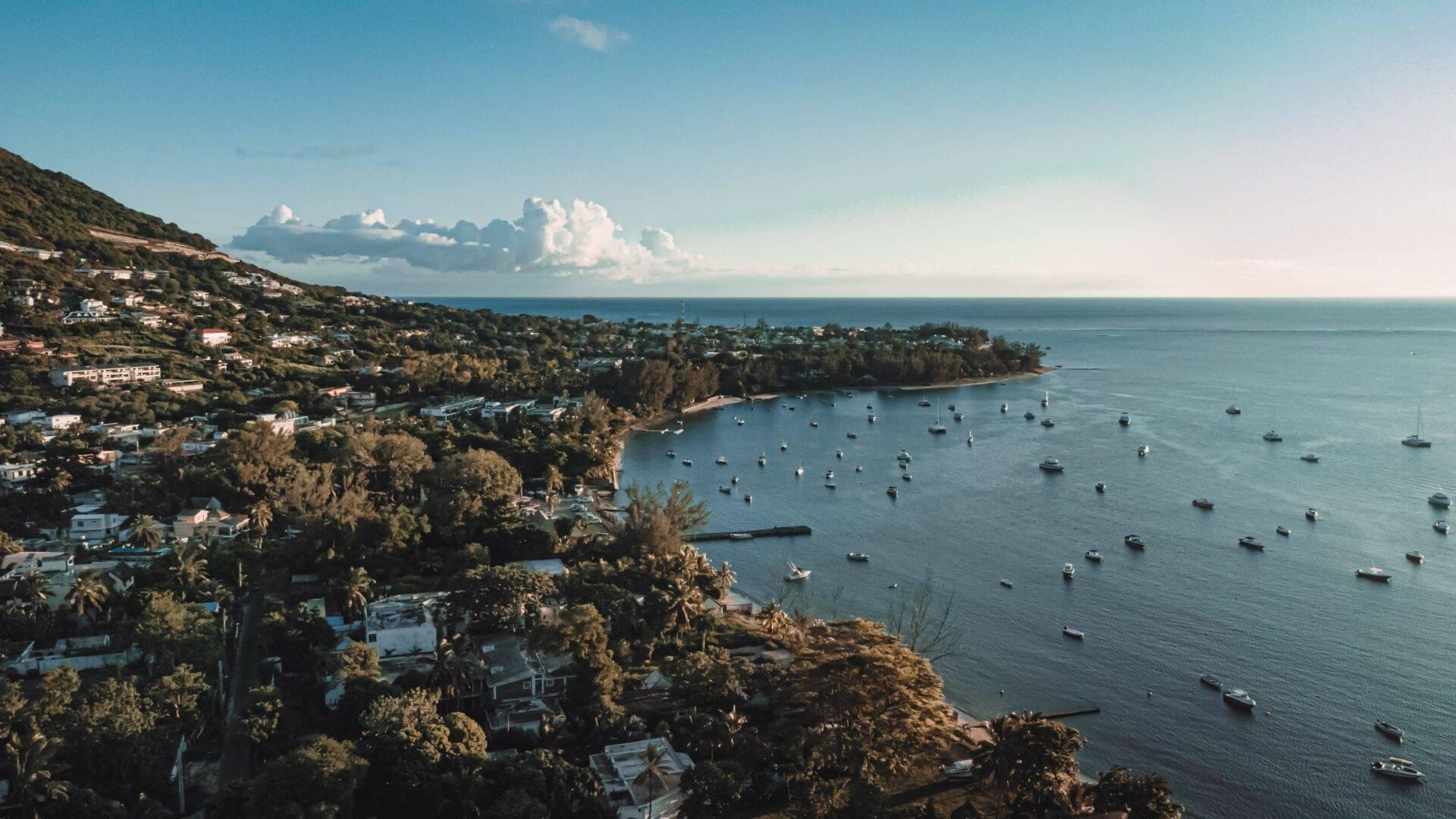
Grand Baie is the island’s busiest beach resort, located in the north-west. Its promenade is lined with restaurants, shops and water-sports operators. It is also the main departure point for day trips to the northern islets.
The nightlife here is livelier than anywhere else on the island. For a quieter atmosphere, nearby Trou aux Biches and Mont Choisy let you combine buzz and calm depending on your mood.
Natural Sites: the highlands and gorges
Chamarel: waterfall and Seven Coloured Earth
The village of Chamarel, in the south-west, is home to two natural phenomena found nowhere else in Mauritius. The Chamarel waterfall, the island’s highest, plunges into a gorge of ancient forest. A short walk away, the Seven Coloured Earth is a geological formation created by the erosion of volcanic ash: seven distinct hues, from ochre to violet, which naturally revert to their separate tones even when mixed together.
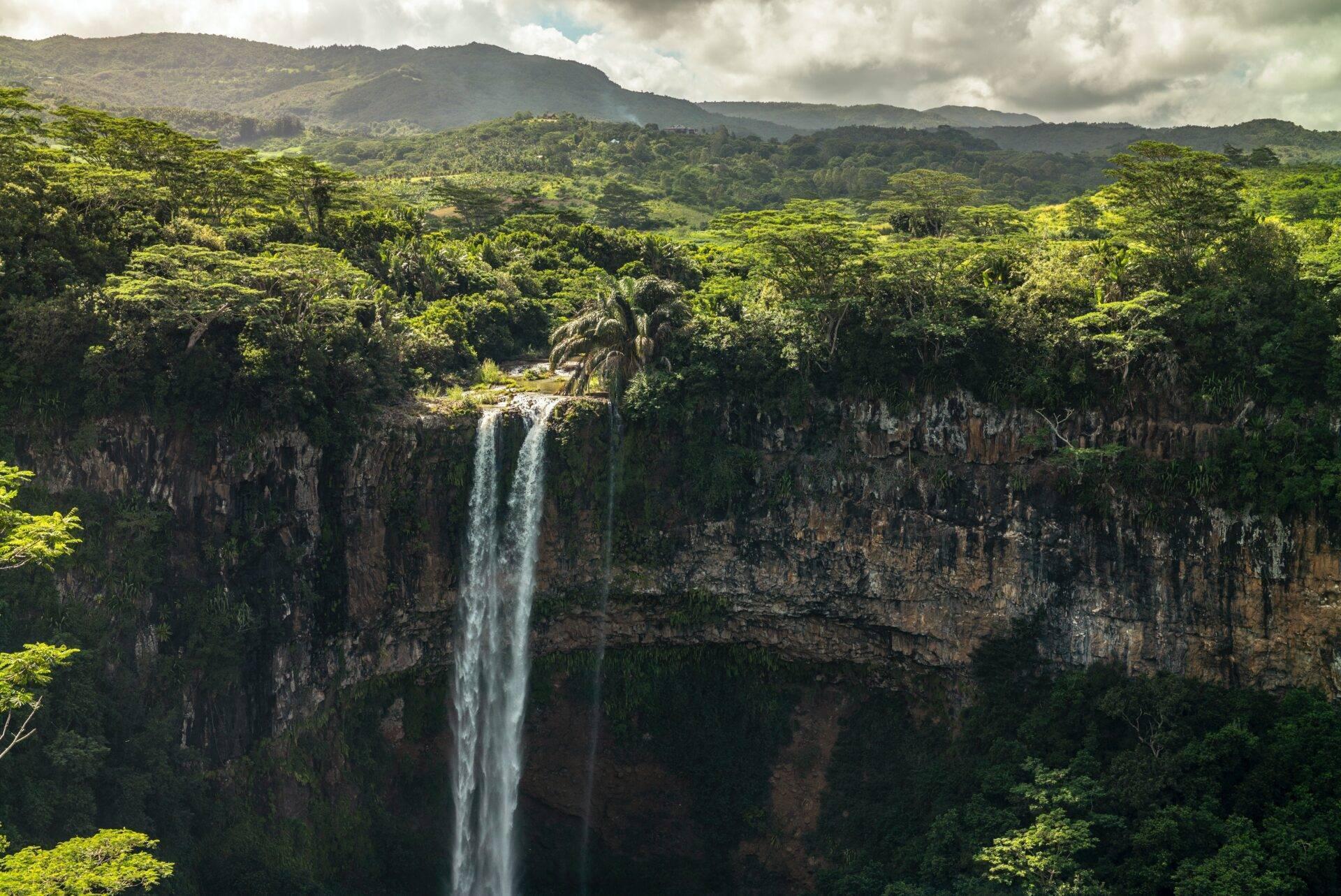
Entry to the geopark covers the waterfall, the Seven Coloured Earth, a giant Aldabra tortoise park and the Chamarel coffee plantation, for around 12 euros per person. Allow at least two hours on site, more if you want to add the guided rum distillery visit.
Black River Gorges National Park
This nature reserve, Mauritius’s largest, covers the highlands of the south-west. Several hiking trails wind through endemic forest home to macaque monkeys and rare birds. The gorges offer sweeping views across the lagoon on the west coast.
Grand Bassin: the sacred lake
Grand Bassin is a volcanic crater lake at the heart of the highlands. A central spiritual site for Mauritius’s Hindu community, it draws thousands of pilgrims each year during the Maha Shivaratri festival, which falls in February or March according to the lunar calendar.
Pamplemousses Botanical Garden
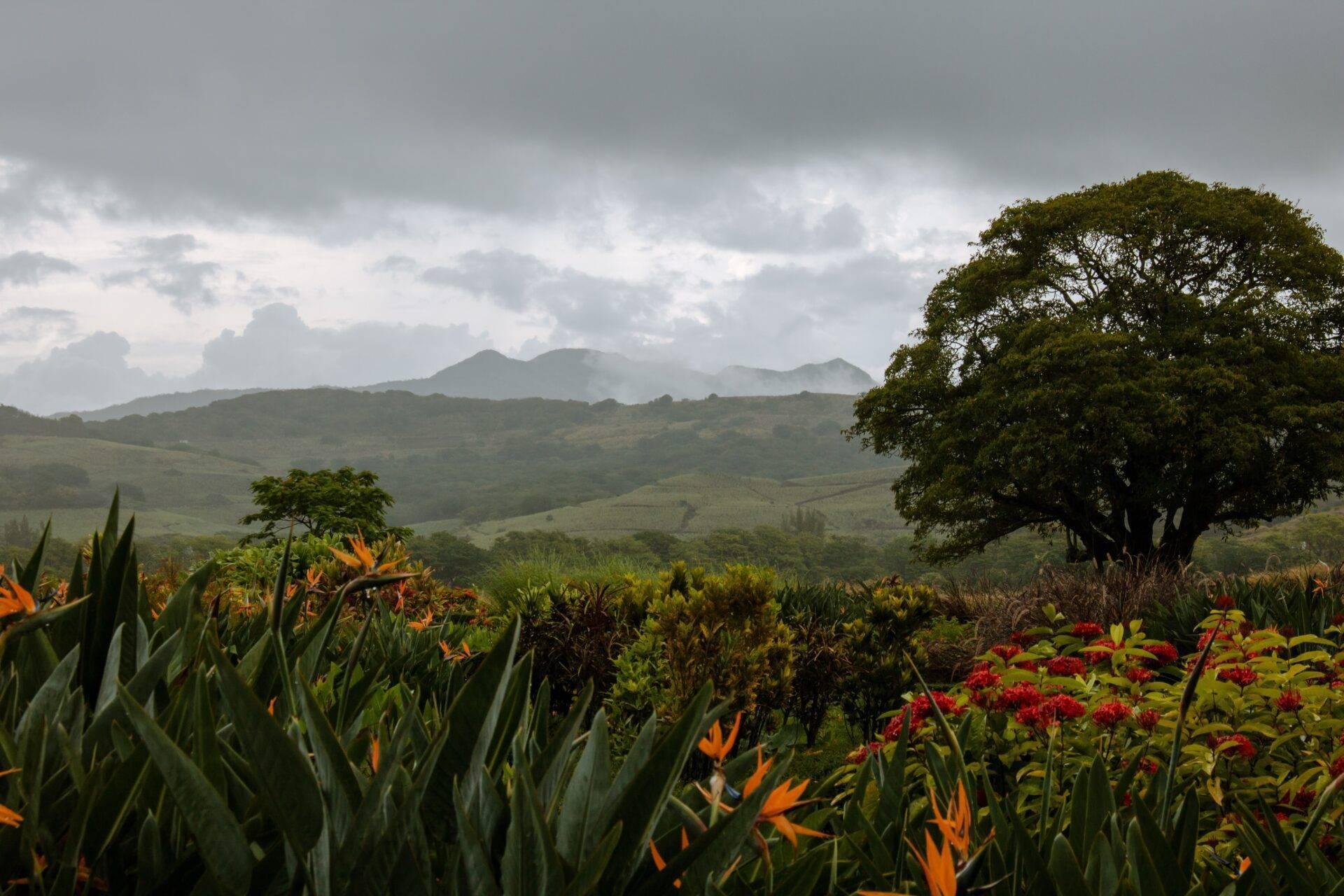
This colonial botanical garden in the north of the island is well worth a half-day visit. It is home to rare tropical species, including the giant Victoria amazonica water lily.
Food and Culture
Mauritian cuisine is a direct reflection of the island’s history: Indian, Chinese, Creole and French influences layered over centuries of blending. Chilli cakes (spiced lentil fritters) and dhall puri (flatbreads stuffed with lentils and chutneys) are best eaten standing at a street corner. The markets of Mahébourg and the central market in Port Louis are the best places to try them with no frills attached.
In restaurants, Creole cooking (rougail, fish curry, vegetable achards) sits alongside grilled seafood. The Chamarel rum distillery offers tours and tastings for those who want to round off the experience.
Sample Itineraries by Trip Length
One week: focus on the north (Grand Baie, Trou aux Biches, northern islets day trip), the south-west (Le Morne, Chamarel) and a day at Île aux Cerfs. Port Louis is worth a morning.
Two weeks: add the east coast (Belle Mare, Mahébourg), a dolphin trip from Tamarin, Black River Gorges National Park and Grand Bassin. A helicopter flight over the underwater waterfall off Le Morne makes for a fitting finale.
If you are weighing up tropical island destinations, our guide to things to do in Guadeloupe covers another favourite among island-hopping travellers.
FAQ
When is the best time to visit Mauritius?
The dry season from May to October is ideal for beaches, hiking and water sports, with temperatures between 18°C and 25°C. For diving, November to March offers the best underwater visibility. If possible, avoid January and February: frequent rain and a real cyclone risk.
How many days do you need to visit Mauritius?
A week is enough to cover the highlights: the north coast, Le Morne, Chamarel and Île aux Cerfs. Two weeks allow for a more thorough exploration, including the east coast, the highlands and various boat excursions.
Which sites in Mauritius are UNESCO World Heritage Sites?
There are two: Le Morne Brabant, the mountain on the south-west peninsula linked to the history of resistance to slavery, and Aapravasi Ghat in Port Louis, the landing point for indentured workers in the 19th century.
Is Île aux Cerfs worth visiting?
Yes, for the quality of its lagoon and the range of water activities on offer. It fills up quickly in high season: book your boat transfer in advance and arrive early to make the most of the beach.
Can you swim with dolphins in Mauritius?
Early-morning excursions from Tamarin, on the west coast, allow you to spot and swim with spinner dolphins in their natural environment. Departures are around 6am.
Is Mauritius a good destination for families with children?
Very much so. The sheltered lagoons at Trou aux Biches, Mont Choisy and Belle Mare offer shallow, safe waters. The Chamarel geopark (giant tortoises, waterfall, Seven Coloured Earth) and Pamplemousses Botanical Garden are particularly popular with families.