
Cuba blends UNESCO-listed colonial cities, white-sand beaches, ever-present music and untamed natural landscapes. For a two-week trip, Havana, Viñales, Trinidad, Varadero and Cayo Coco make a solid foundation. Travellers with more time will add Baracoa, Camagüey or the Zapata Peninsula. Here are the 20 experiences that define a trip to Cuba.
Havana: three reasons to linger
The capital deserves at least two days. Its density of monuments, atmospheres and contrasts makes it the natural starting point before exploring the rest of the island.
1. Old Havana, a UNESCO World Heritage Site
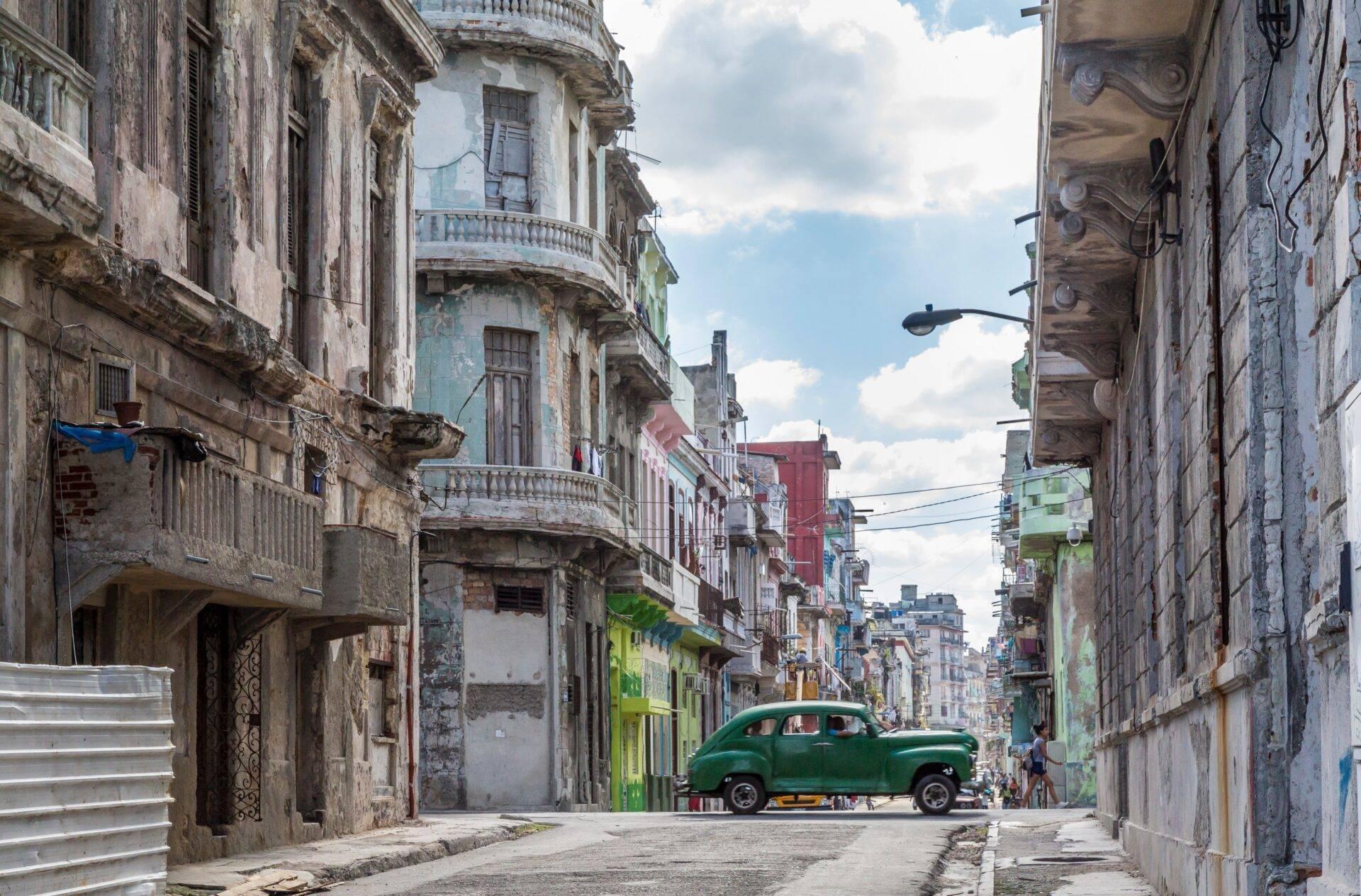
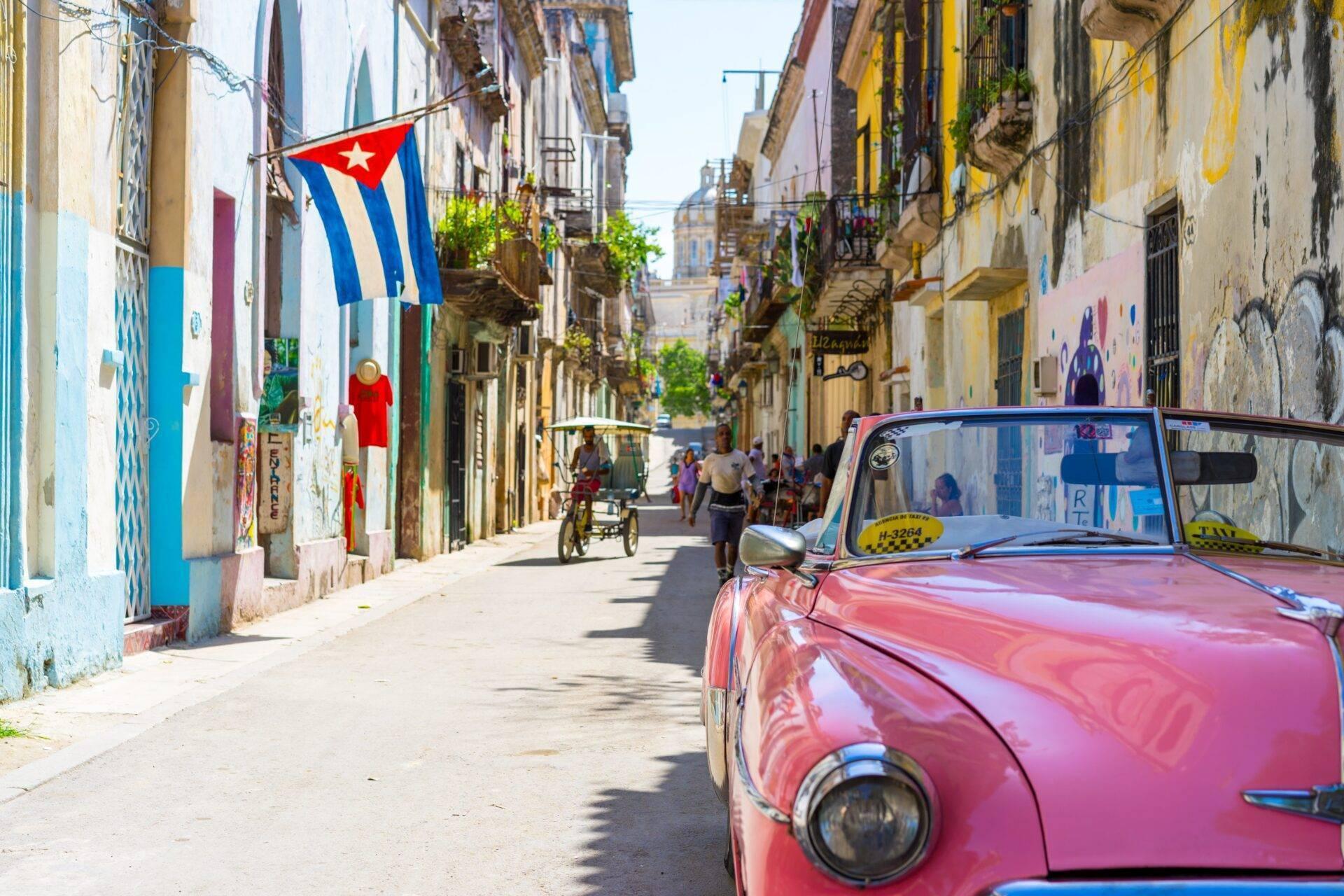
La Habana Vieja spreads five centuries of colonial history across a few kilometres on foot. The Plaza de Armas, the Plaza Vieja, the cathedral and the Castillo de la Real Fuerza follow one another seamlessly. The pastel facades with their peeling paintwork tell as much as any museum: the wealth of the past and the realities of the present coexist at every street corner.
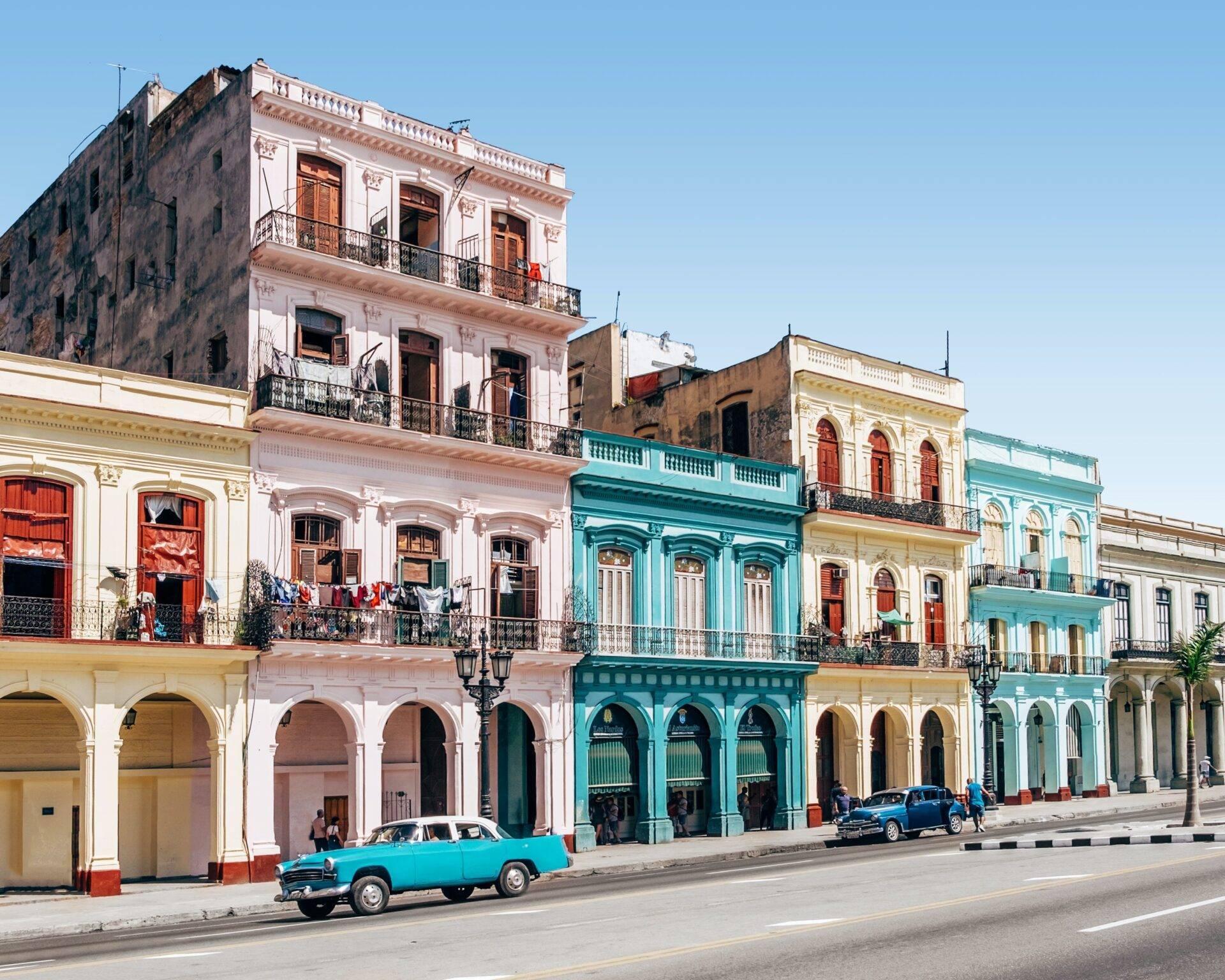
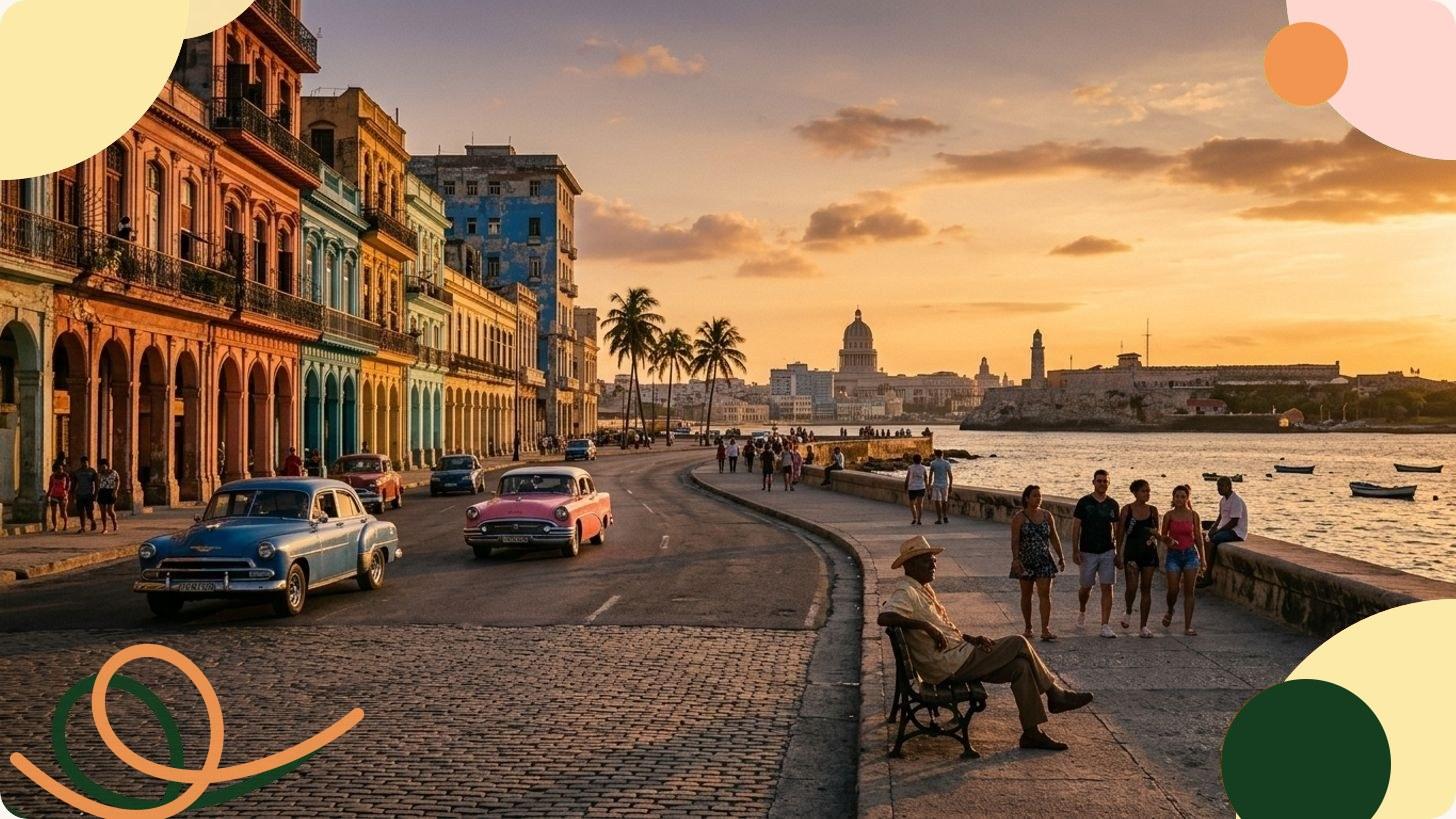
2. The Malecón: 7 km of seafront along the Straits of Florida
This seawall runs along Havana’s northern coast for 7 km. In the evenings, Havanans gather here spontaneously to chat, play guitar or watch the sea. It is one of the few spaces where travellers and locals mix naturally, with no staged attractions in sight.
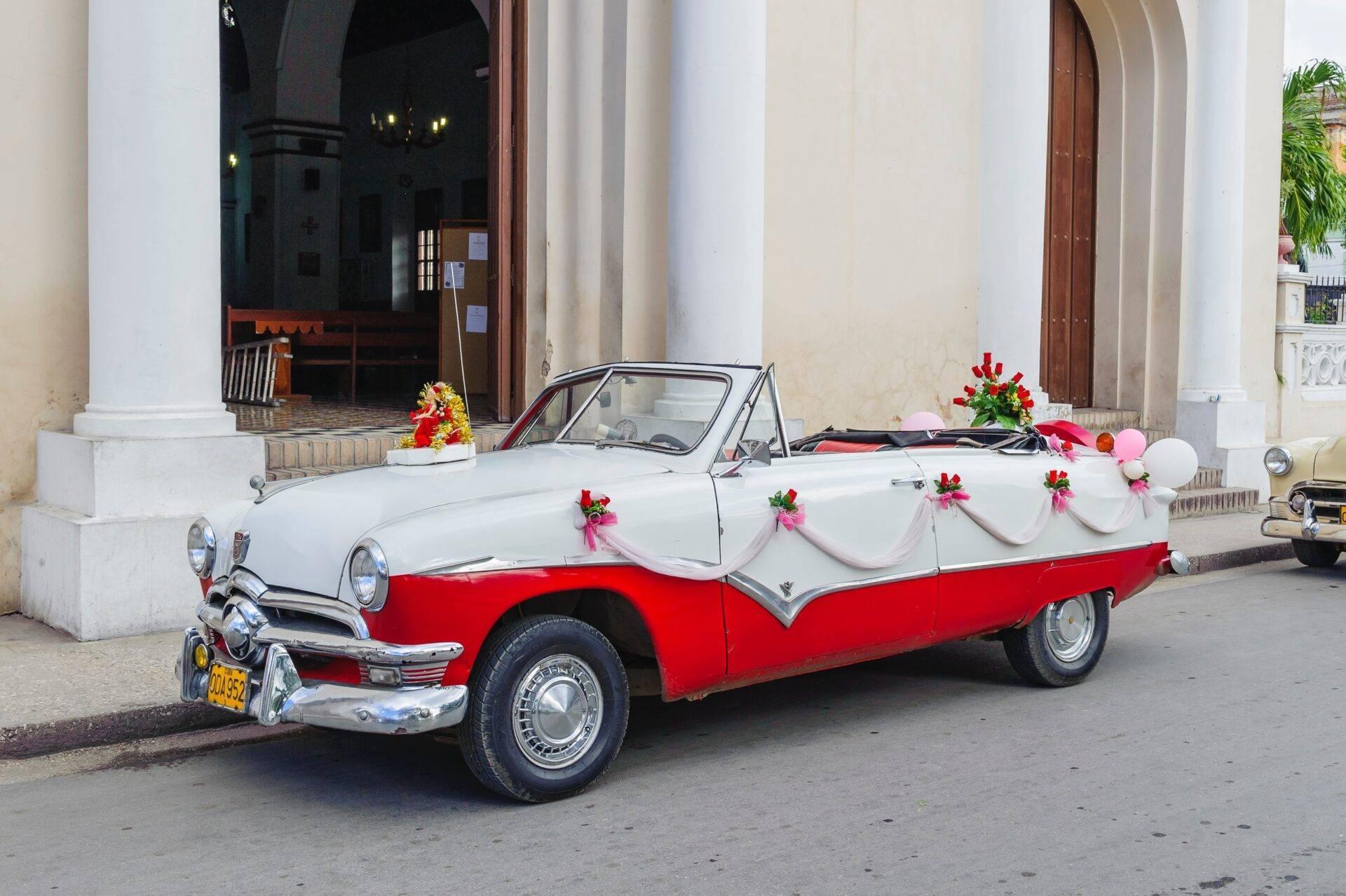
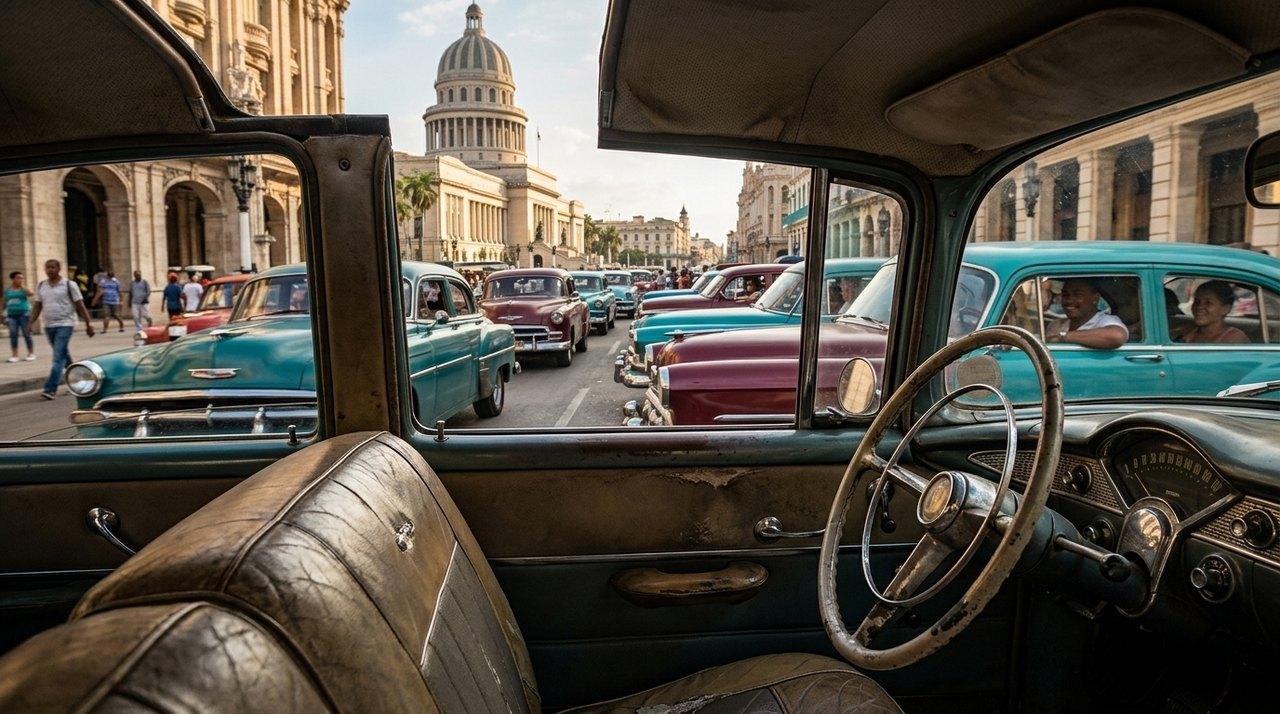
3. Almendrones: riding in a pre-1960 American car
Cuba has tens of thousands of pre-1960 American cars still on the road. These almendrones serve as shared taxis in all the major cities. Hiring a vintage convertible for a tour of Havana remains one of the most memorable ways to discover the capital, as long as you agree on the price before getting in.
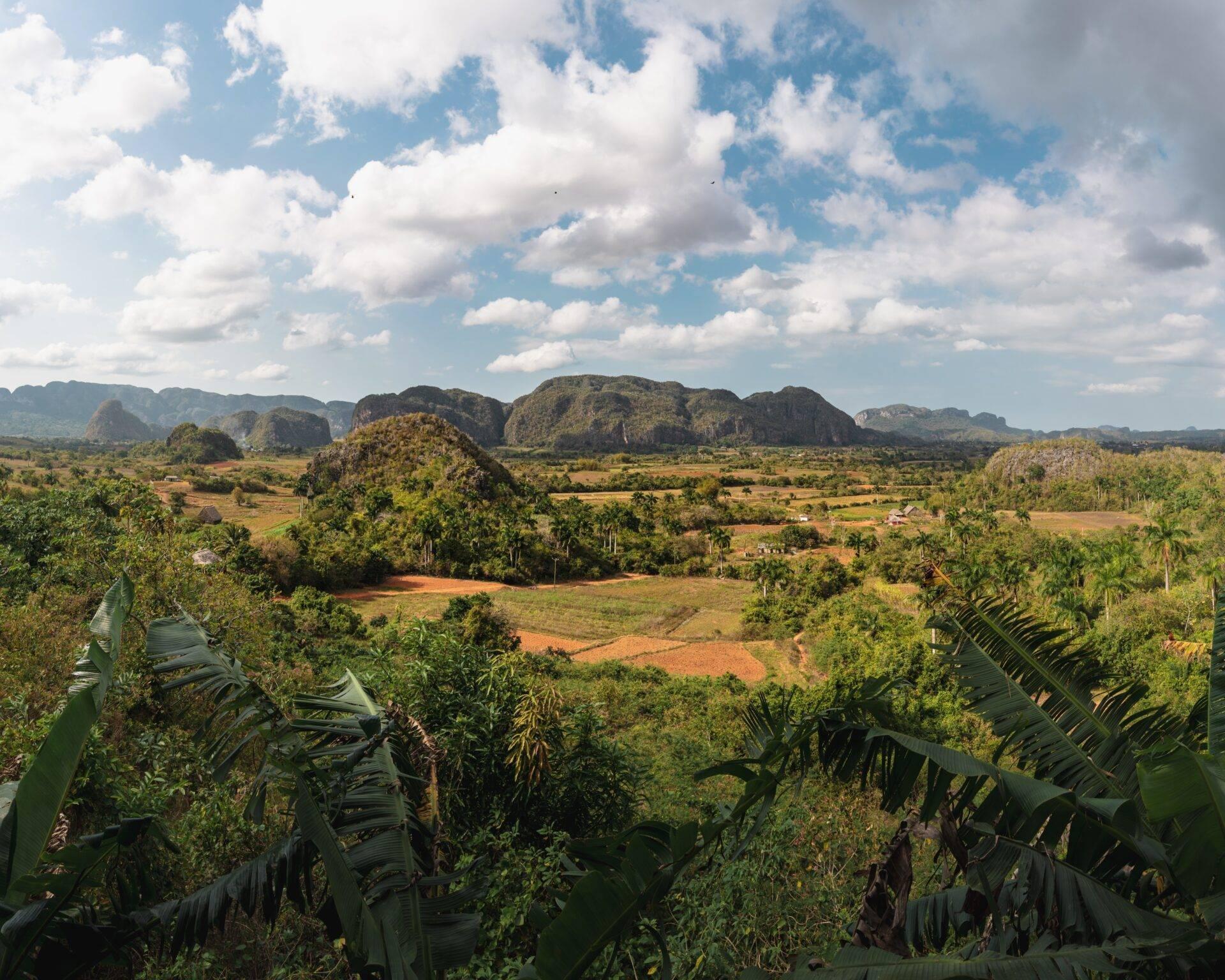
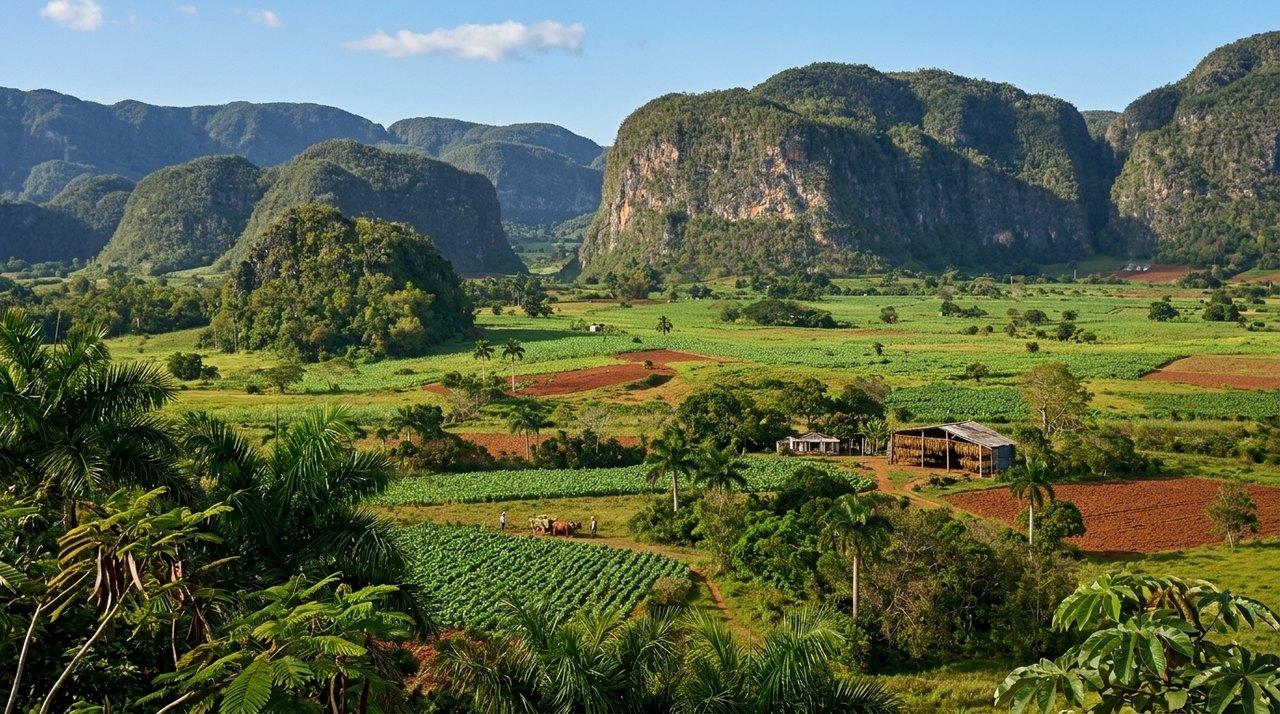
4. The Viñales Valley: mogotes and tobacco farming
Listed as a UNESCO World Heritage Site since 1999, the Viñales Valley owes its unique landscape to the mogotes: large, rounded limestone formations that rise abruptly from the plain, surrounded by tobacco fields and tropical forest. The Mirador de Los Jazmines offers the valley’s most photographed panorama, especially at sunrise.
On nearby tobacco farms, growers show how dried leaves become the cigars exported around the world. A hike or a horse ride through the valley rounds off the experience without overdoing it.
Cuba’s Beaches
Cuba is not a one-beach destination. Varadero for easy access, Cayo Coco for nature and flamingos, Playa Pesquero for peace and quiet: each has its own character.
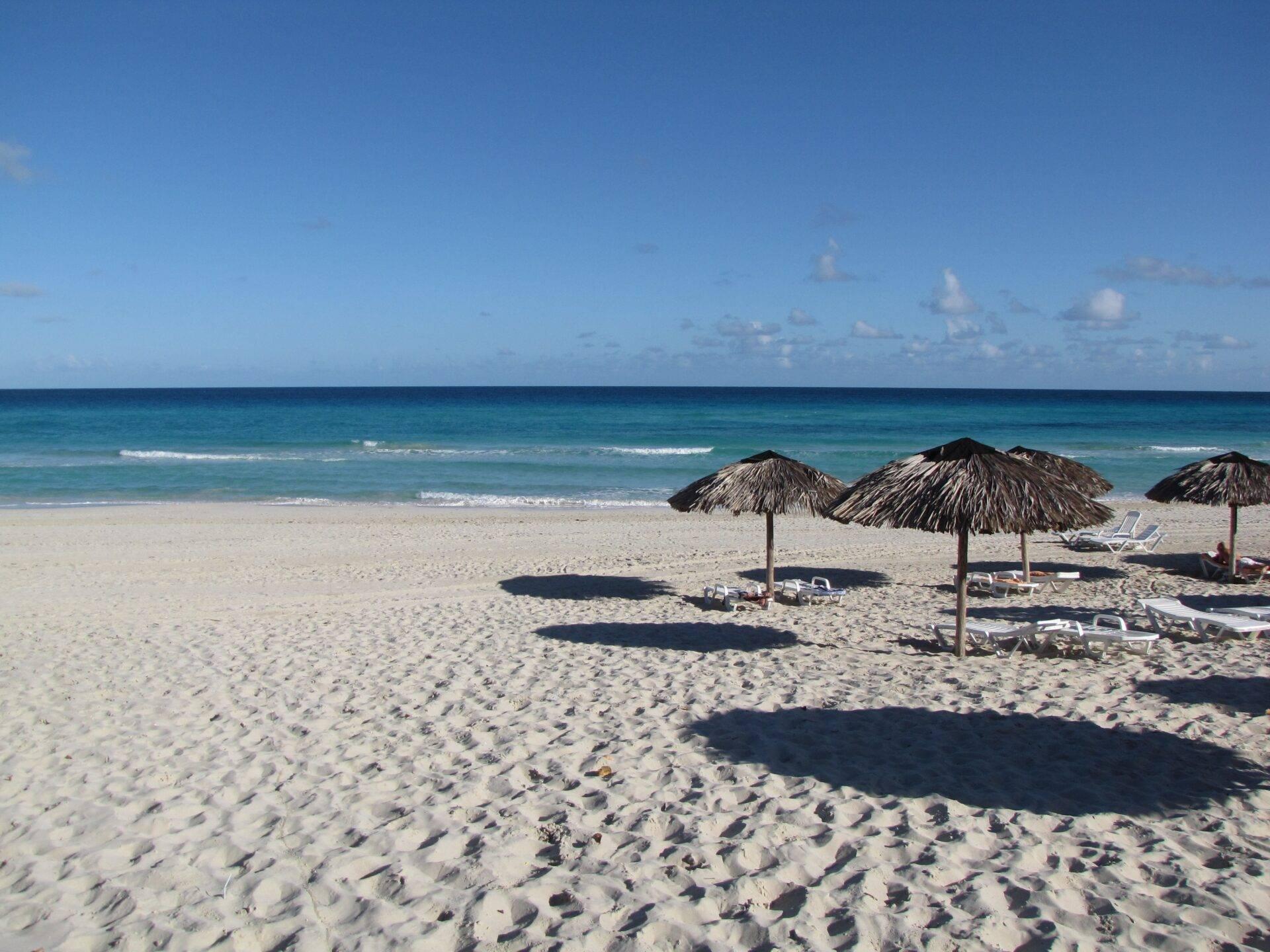
5. Varadero: Cuba’s most famous beach, two hours from Havana
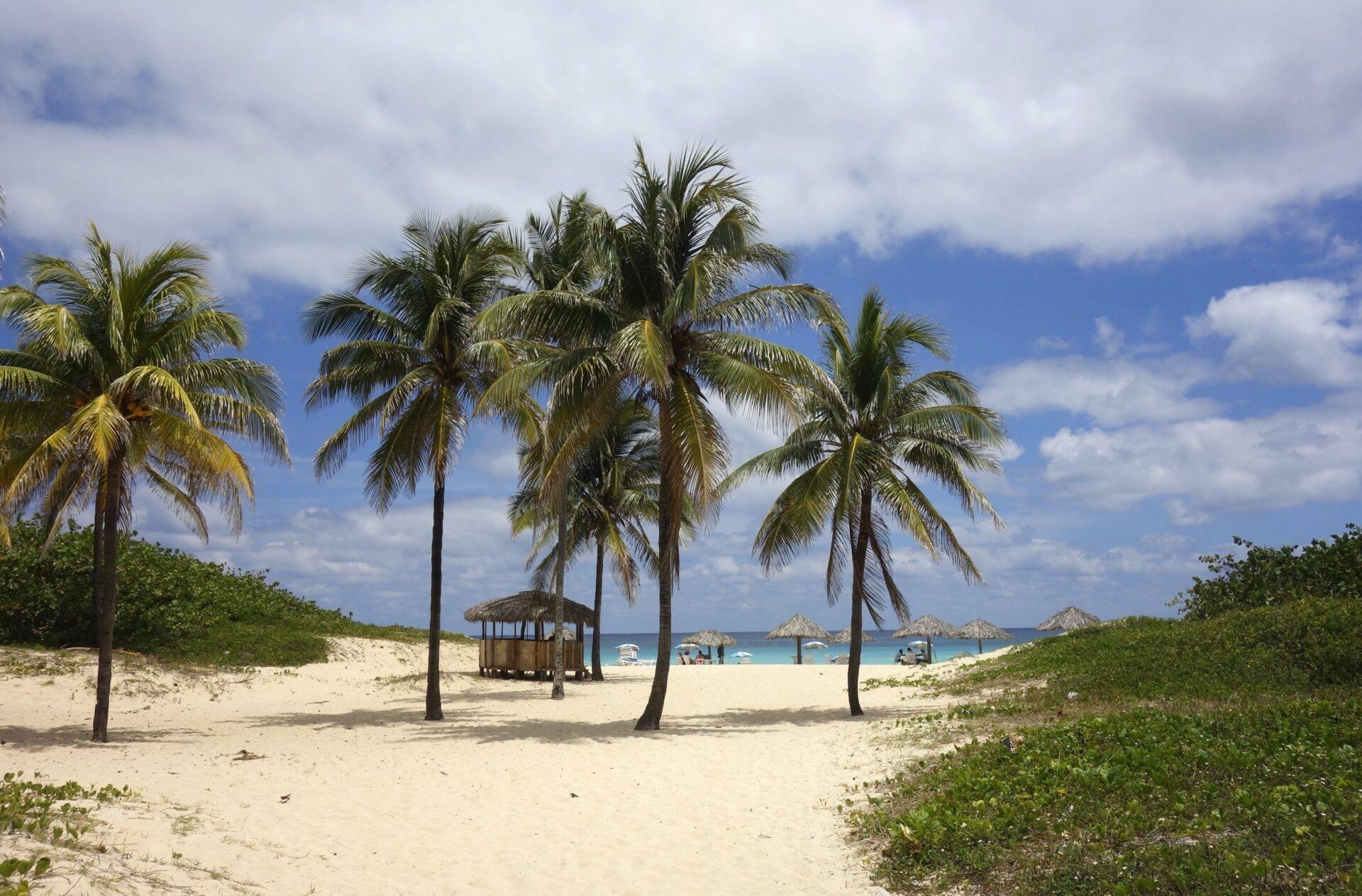
The Hicacos Peninsula stretches along one of the longest beaches in the Caribbean, with turquoise waters and easy access from the capital. Snorkellers will find underwater caves accessible on excursions from the shore.
6. Cayo Coco: coral reef and flamingos
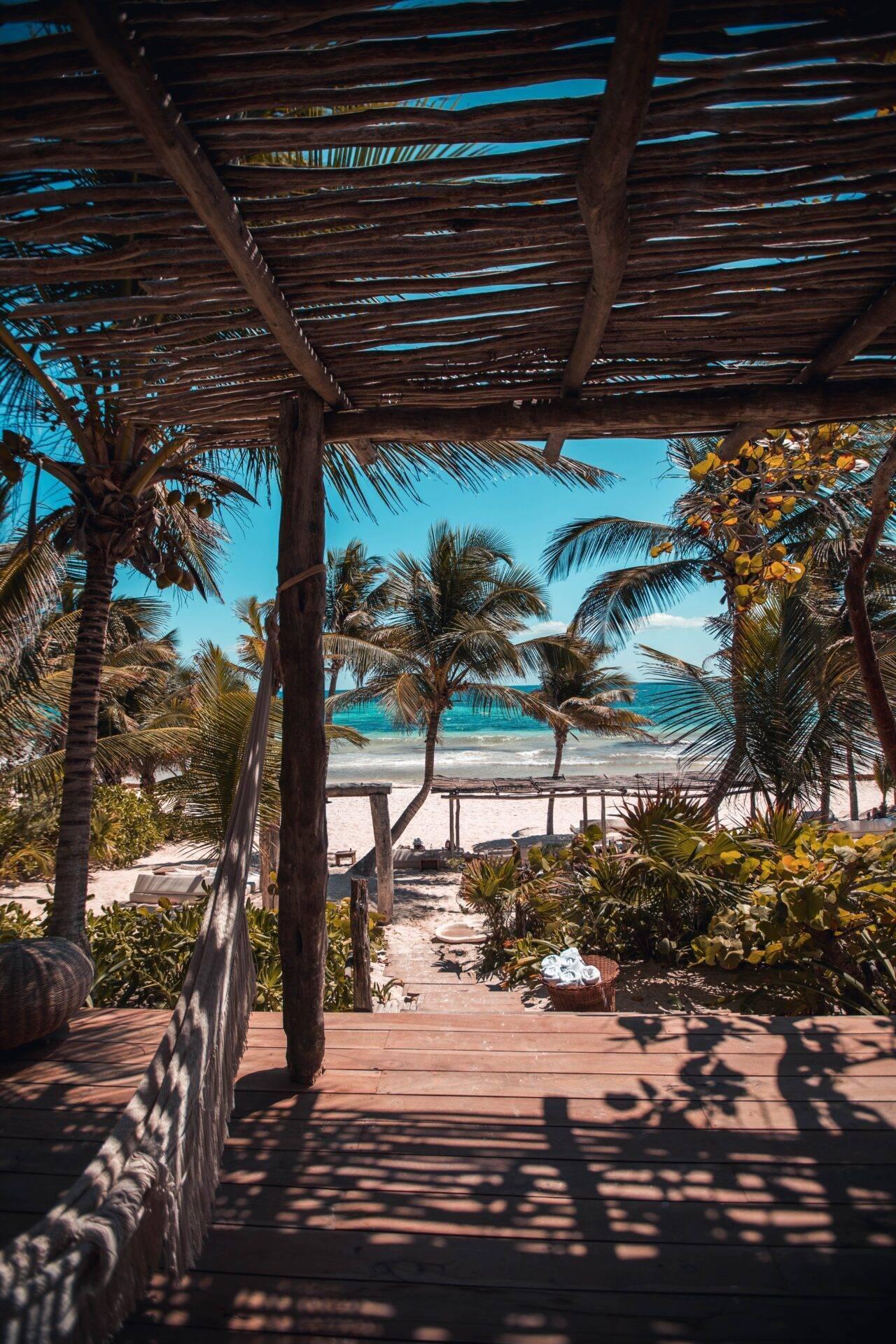
Connected to mainland Cuba by a causeway over the sea, Cayo Coco shelters its beaches behind a coral reef that keeps the water exceptionally calm and clear. Inland lagoons are home to flamingos visible right from the access causeway. It is one of the country’s most unspoilt beaches, reachable without a boat crossing.
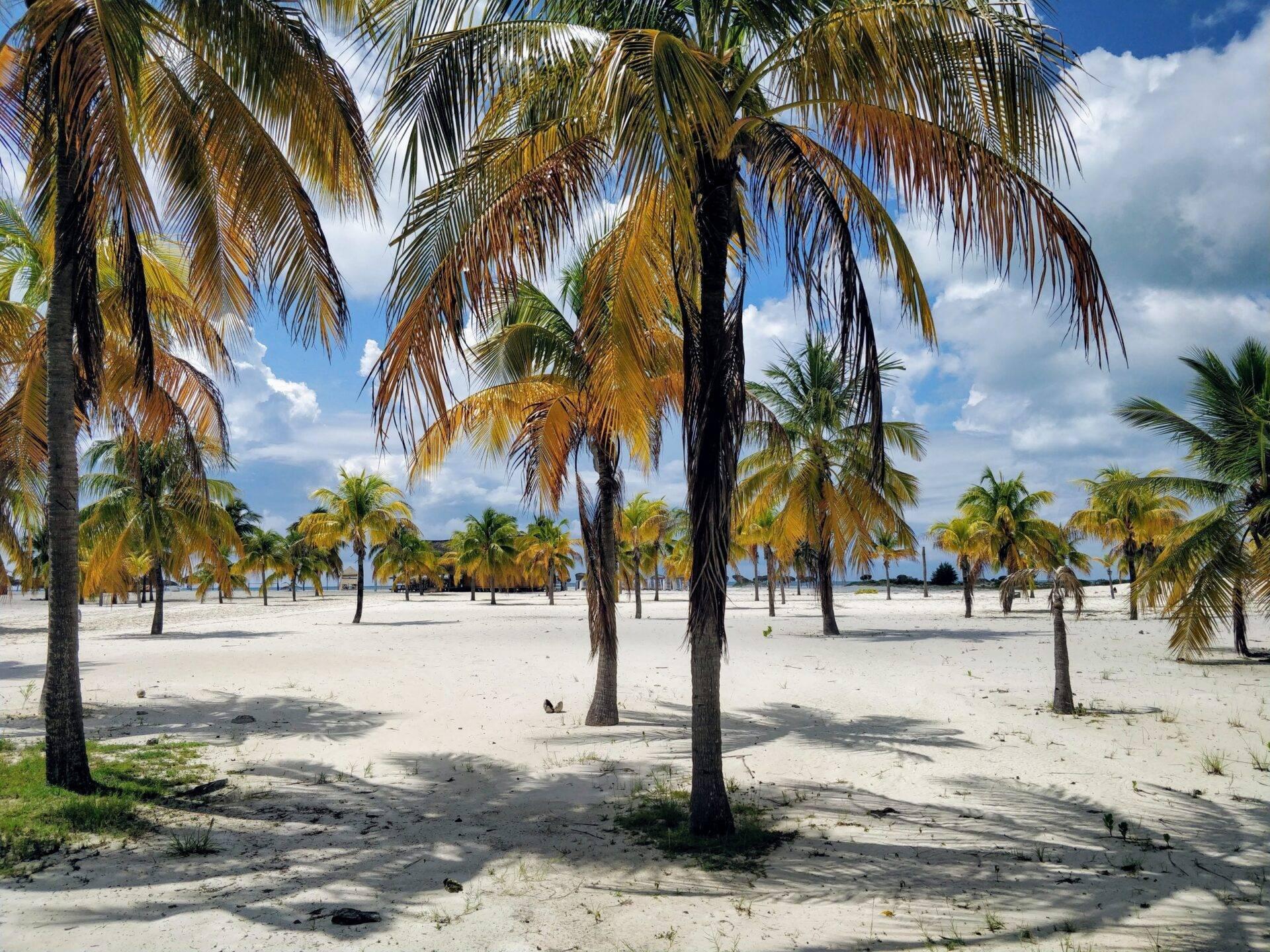
7. Playa Pesquero: peace and reefs near Holguín
In Holguín, in eastern Cuba, Playa Pesquero rarely features on standard itineraries. Its white sand and coral reefs, accessible directly from the beach, make it a quieter alternative to Varadero, prized for its tranquillity.
Cuba’s Colonial Cities
8. Trinidad: the best-preserved colonial city in the Caribbean
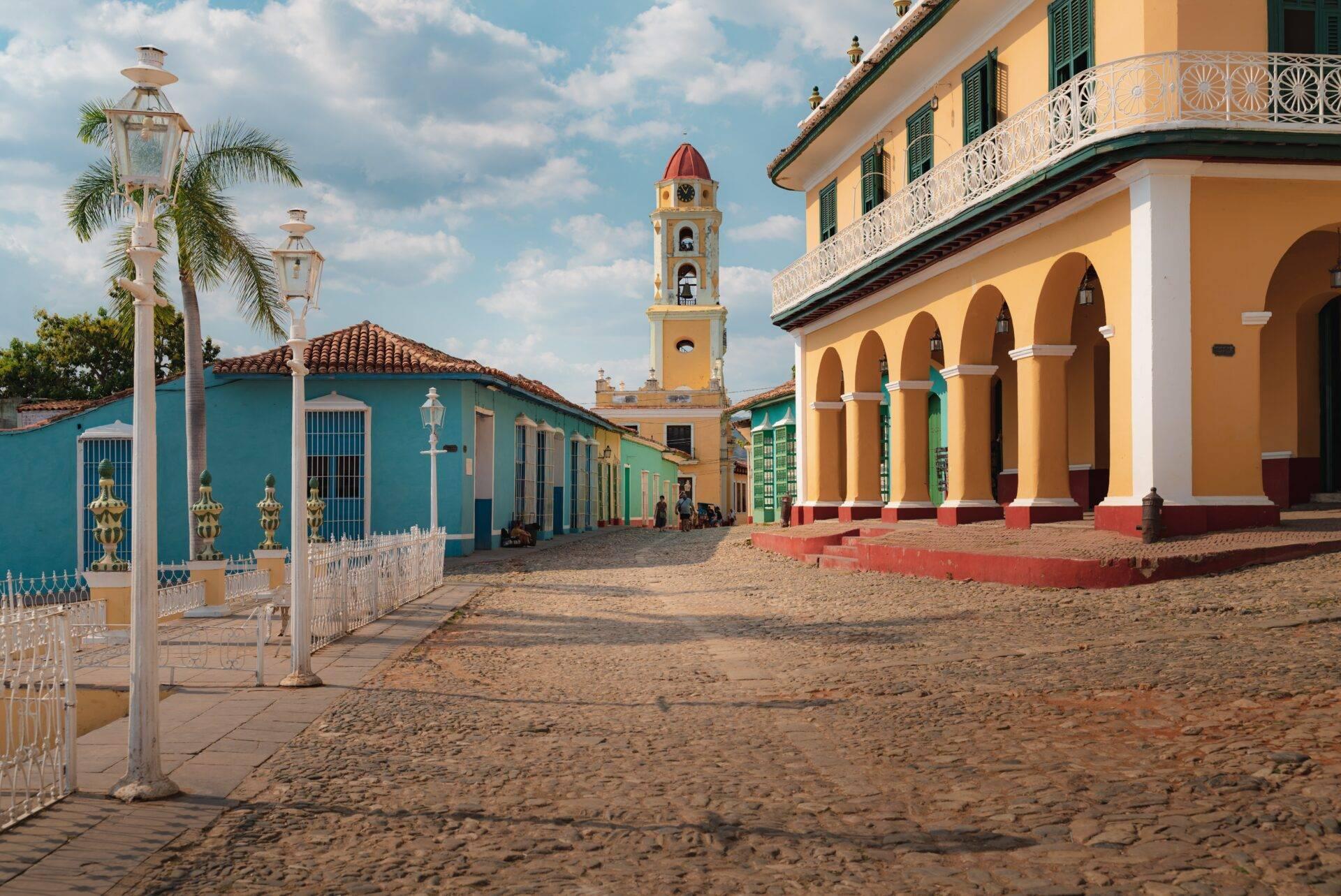
A UNESCO World Heritage Site, Trinidad is often described as the best-preserved colonial city in the entire Caribbean. Its cobbled streets, low-slung brightly coloured houses and wrought-iron balconies have changed little since the 19th century. The Plaza Mayor and the Palacio Cantero are the two standout sights; at night, the city’s bars play Cuban music until dawn.
9. Cienfuegos, the Pearl of the South, founded by the French
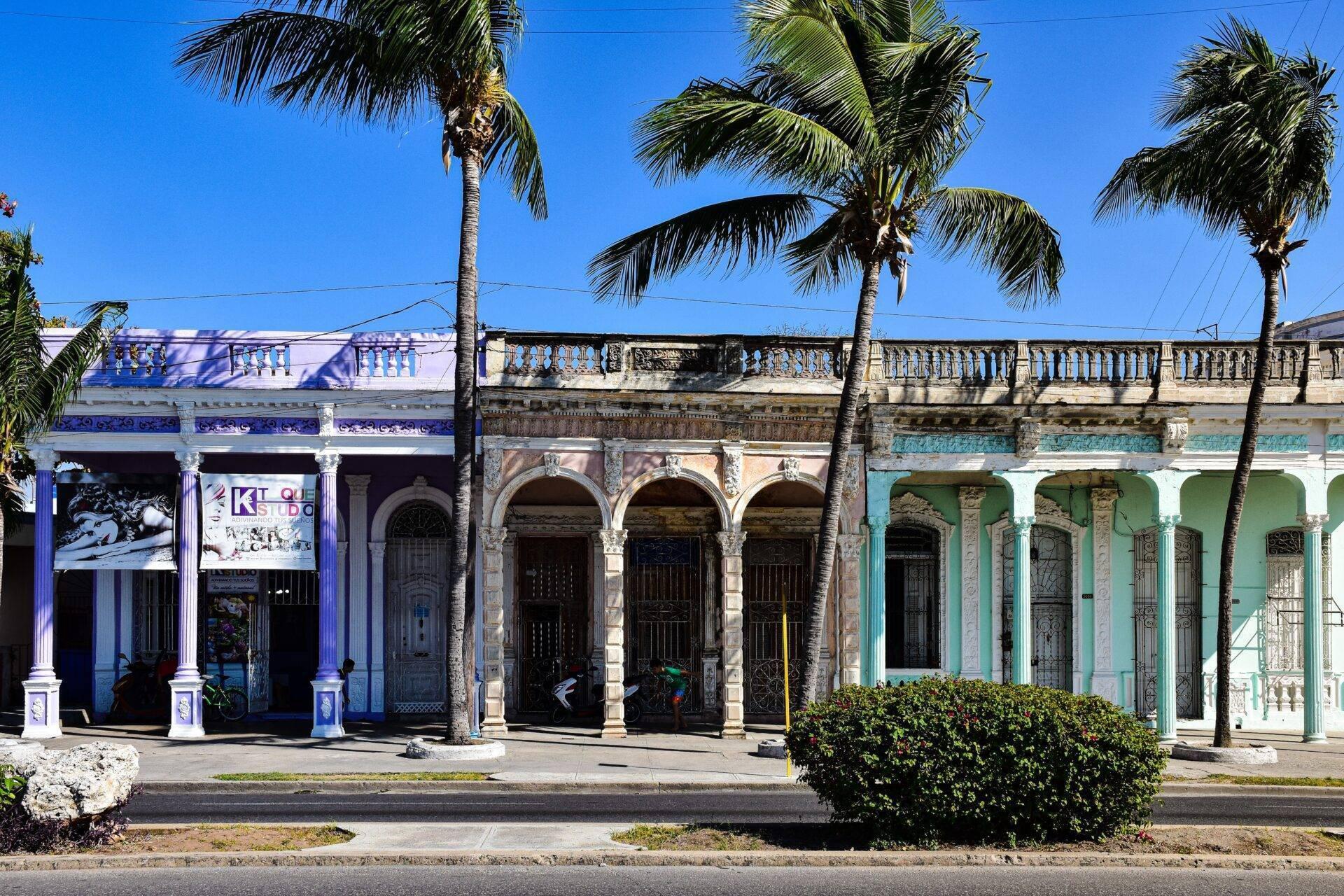
Founded in 1819 by French settlers, Cienfuegos stands apart from other Cuban cities through its strict, orderly neoclassical architecture. Its historic centre has been a UNESCO World Heritage Site since 2005. Parque José Martí, the Palacio de Valle and the local Malecón are worth a half-day on foot. The street names still bear the mark of the city’s Francophone origins.
10. Camagüey: streets designed to confuse pirates
Camagüey owes its labyrinthine layout to a deliberate strategy: the 16th-century founders laid out winding streets and dead ends to deter pirate raids. Today, getting lost in its alleys is a pleasure in itself. The Plaza de San Juan de Dios, cobbled and framed by orange-painted buildings, forms the historic heart of the old quarter.
11. Santa Clara: the decisive battle of the revolution
Santa Clara is where the final battle of the Cuban Revolution was fought, in December 1958. The Che Guevara Mausoleum, which holds the remains of the revolutionary and several of his comrades, is the city’s most visited site. The Parque Vidal, brought to life by local music in the evenings, is a reminder that Santa Clara is also a city very much alive.
12. Santiago de Cuba: birthplace of Cuban son
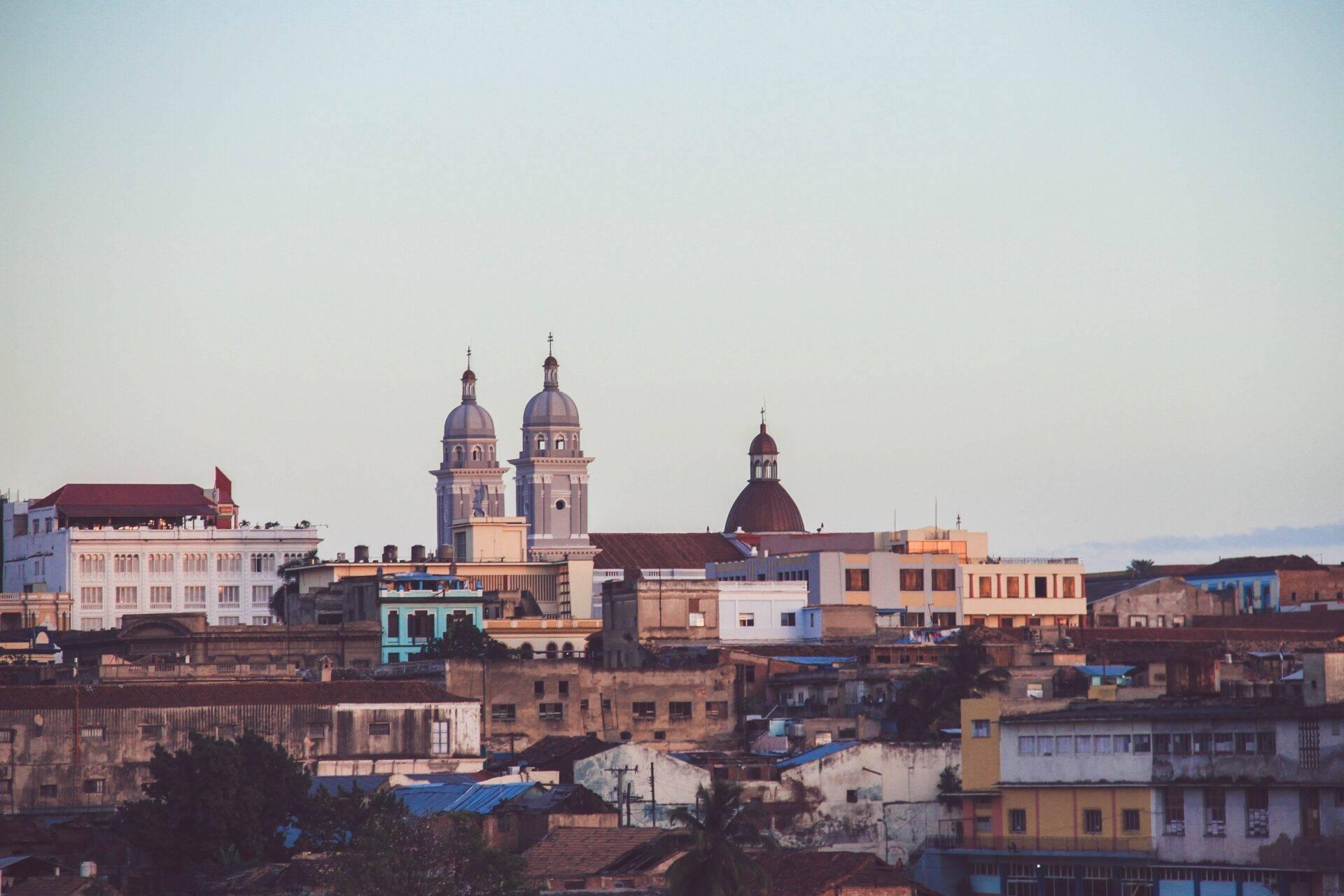
Cuba’s second city has a character all its own, blending African, Caribbean and Spanish heritage that gave rise to Cuban son and rumba. The Parque Céspedes and the Castillo del Morro overlook the bay from the heights above the city. Santiago is less geared towards mass tourism than Havana, which makes it feel far more authentic.
13. The Santiago de Cuba Carnival
Every year in late July, the Santiago de Cuba Carnival turns the city into an open-air stage: costumed comparsas, percussion, floats and nights that stretch until dawn. It is Cuba’s biggest carnival, more intense than Havana’s, and one of the oldest in the Caribbean. The Santiago Carnival Museum hosts costume exhibitions and live performances throughout the year for those visiting out of season.
14. Baracoa: Cuba’s oldest city
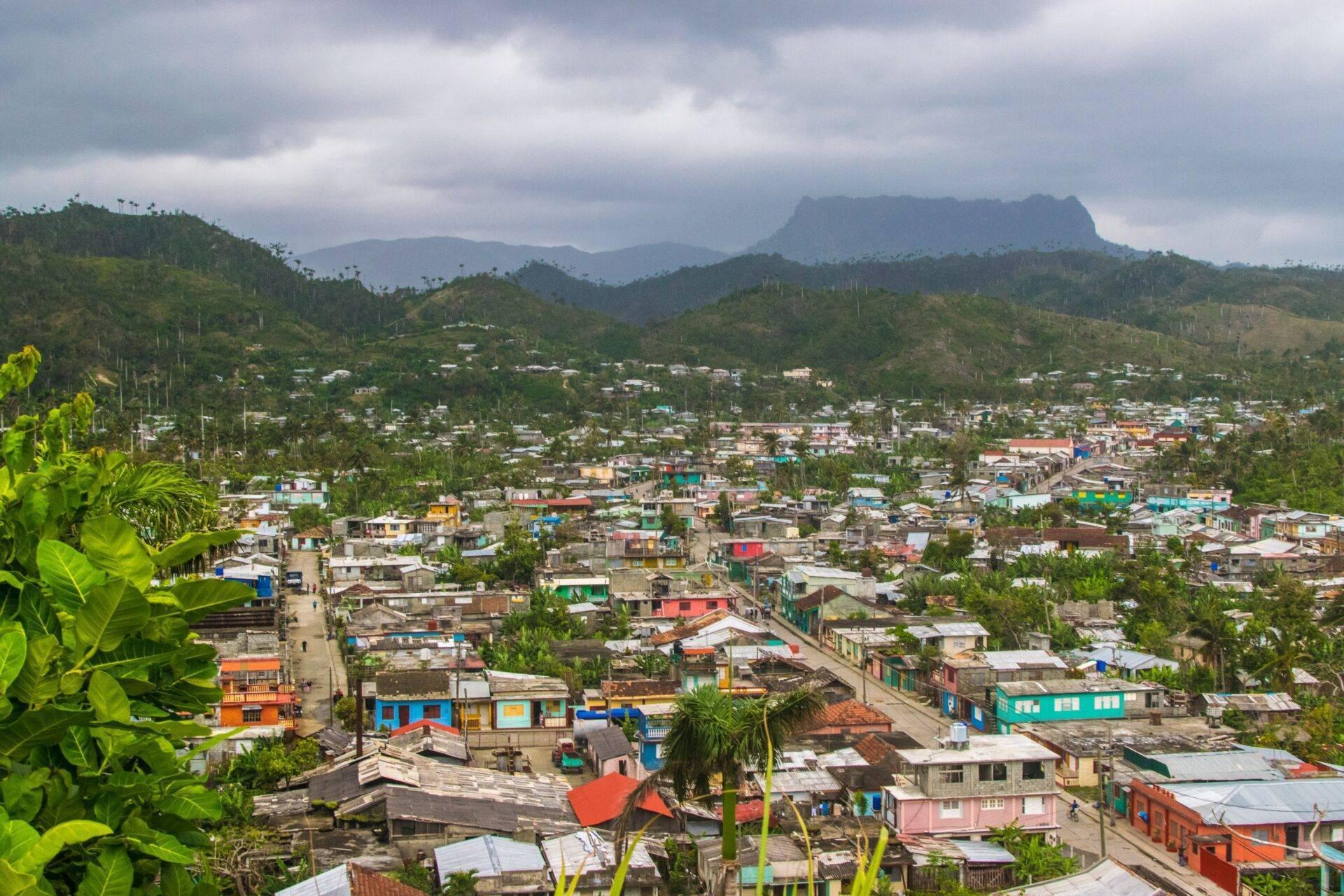
Founded on 15 August 1511 by Diego Velázquez de Cuéllar, Baracoa is Cuba’s oldest Spanish settlement. Wedged between the Caribbean Sea and the mountains, it was almost entirely cut off from the rest of the island by road until 1965. This relative isolation has preserved its authentic character: a lively local market, a cuisine distinct from the rest of Cuba, and El Yunque, the flat-topped mountain that dominates the bay from every point in the city.
Nature and Adventure in Cuba
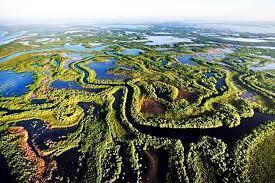
15. The Zapata Peninsula: the Caribbean’s largest wetland
The Ciénaga de Zapata is the largest wetland in the Caribbean, designated a UNESCO Biosphere Reserve. It shelters more than 200 bird species, including an estimated population of around 25,000 flamingos that frequent the Laguna de las Salinas, particularly between November and April. Around 40% of Cuba’s bird species live within this reserve, making it one of the richest birdwatching destinations in the Caribbean.
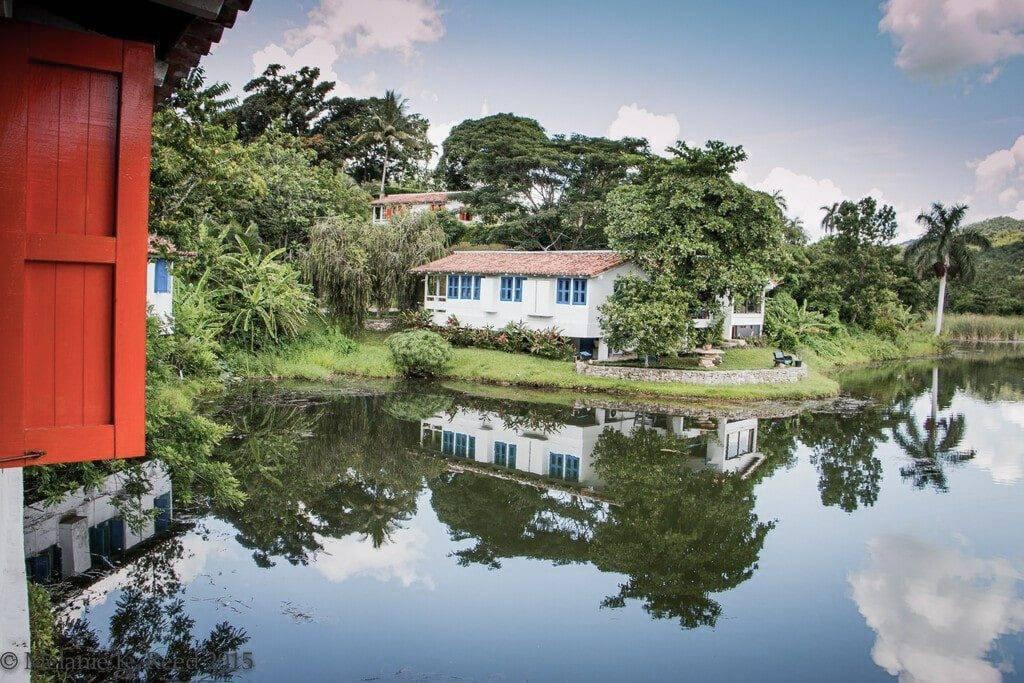
16. Playa Girón: diving in the Bay of Pigs
Playa Girón is known in the history books for the failed Bay of Pigs invasion of 1961. Underwater, the atmosphere shifts entirely: the bay holds underwater caves, coral drop-offs and abundant marine life, making it one of the best coastal dive spots in the country.
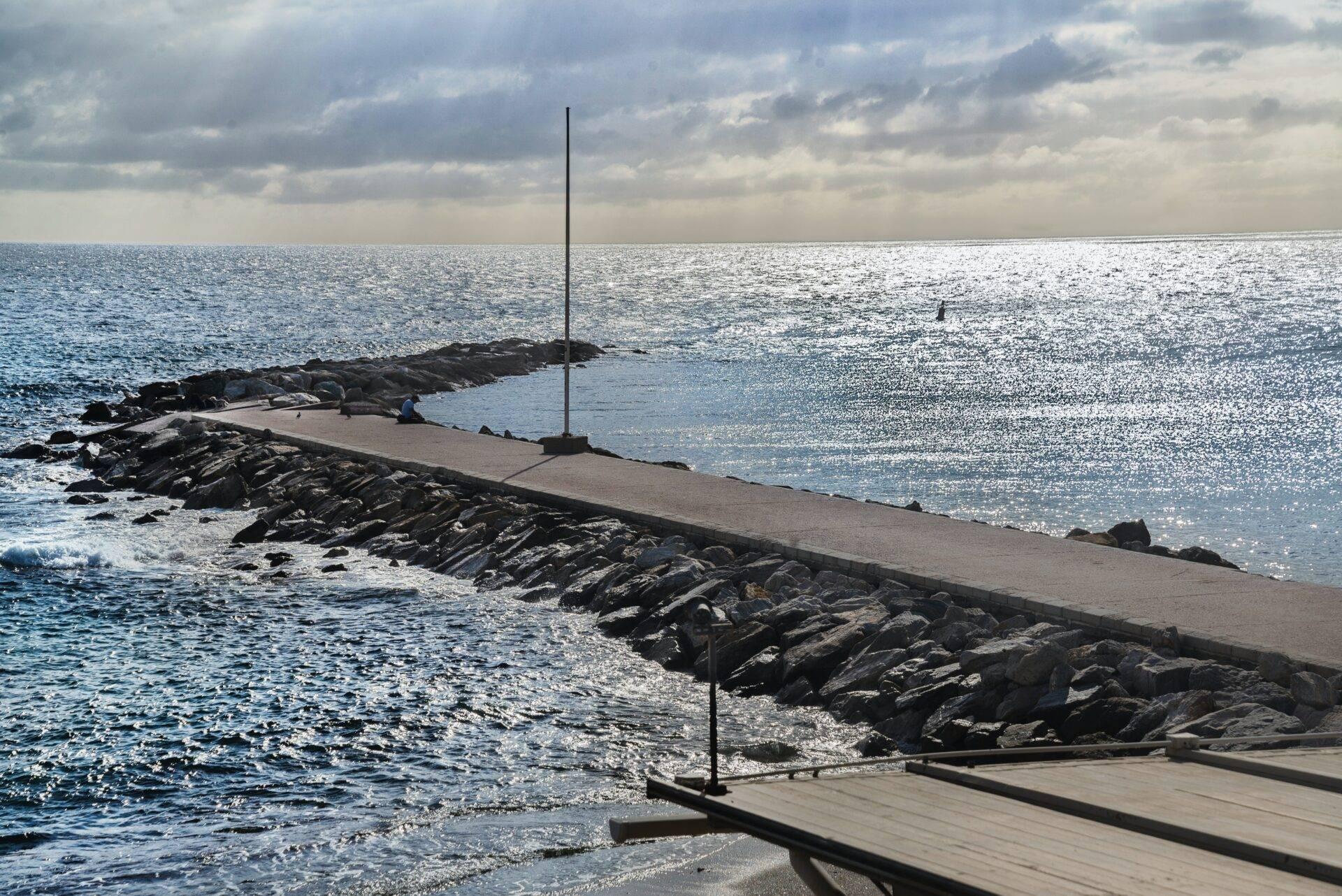
17. Diving: wrecks and walls around Isla de la Juventud
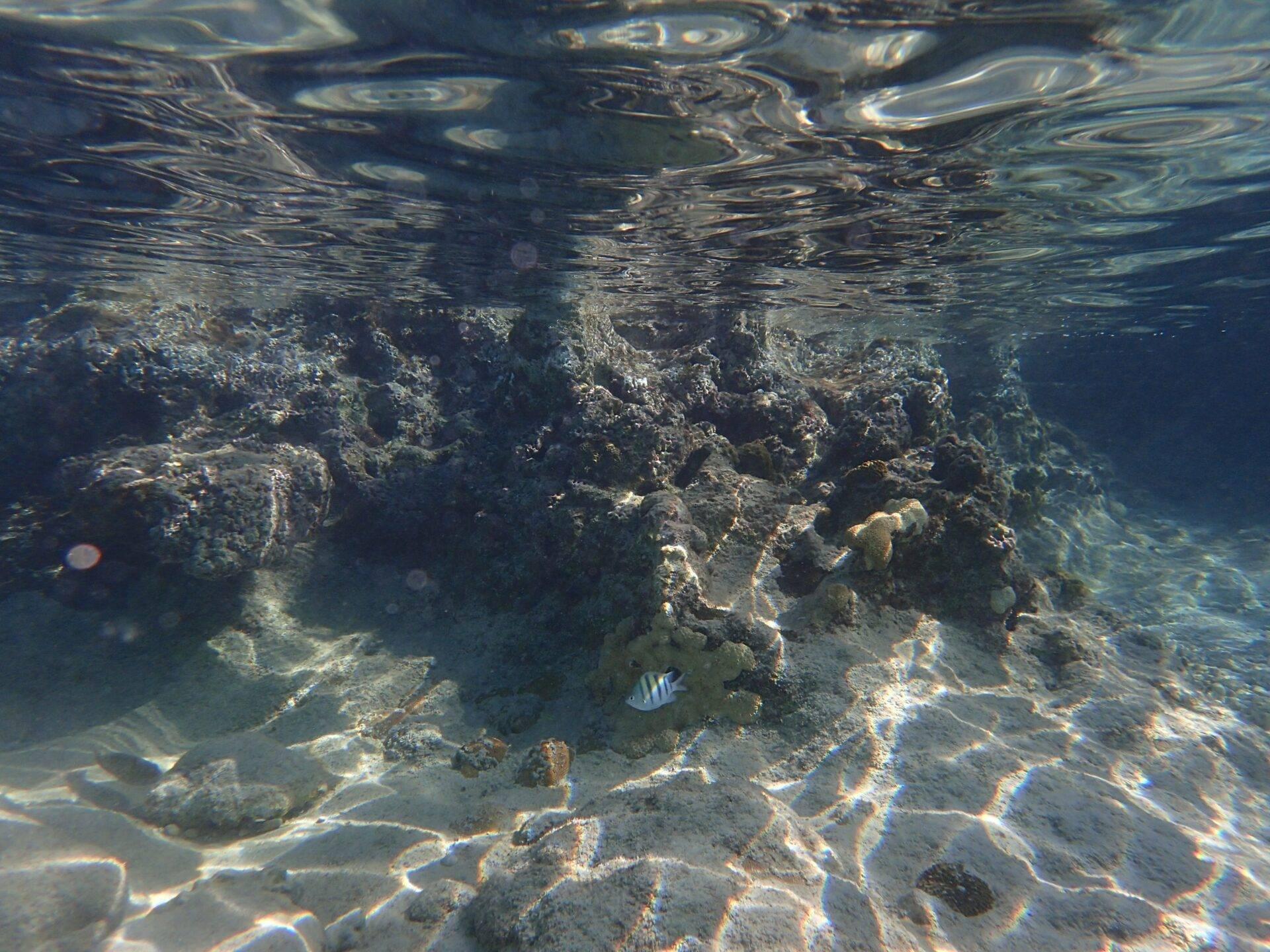
Isla de la Juventud, off the southwest coast, has 56 registered dive sites: coral-encrusted wrecks, underwater tunnels and deep walls teeming with marine life. María la Gorda, at the western tip of the main island, is also renowned for the exceptional clarity of its waters.
Three Essential Cuban Experiences
18. Music: a session at a casa de la trova
In Cuba, music is not watched in concert halls: it is played in cafés, courtyards and alleyways. The casas de la trova, found in almost every major city, welcome musicians several times a week to an audience of locals and travellers alike. An hour spent there is worth more than any organised show.
19. Rum, mojitos and daiquiris
Cuba is the birthplace of the mojito and the daiquiri. At a paladar (a Cuban private restaurant), a freshly made mojito with local mint and lime bears no resemblance to the exported versions. Prices remain very reasonable by European standards.
20. Isla de la Juventud: slow travel and world-class diving
Off the southwest coast, Isla de la Juventud rarely features on standard itineraries, which is precisely its appeal. Life moves slowly, the beaches are uncrowded, and its 56 dive sites rank among the finest in the Caribbean. For fans of off-the-beaten-track Caribbean islands, this is a destination worth keeping in mind.
Before You Go: Planning Your Trip to Cuba
Cuba holds a few practical surprises for unprepared travellers. For everything relating to entry requirements, health recommendations and access to medical care, our Cuba travel insurance guide brings together up-to-date information. Medical costs for foreigners can be significant on the island: adequate cover avoids having to pay large sums upfront in the event of hospitalisation.
Fans of Latin American travel can also draw inspiration from our guide on things to do in Chile, another destination of striking contrasts between colonial cities and vast open landscapes.
FAQ
When is the best time to visit Cuba?
The dry season, from November to April, brings pleasant temperatures and little rainfall. July and August allow you to attend the Santiago de Cuba Carnival (late July), but temperatures are high and humidity is intense. September and October fall in the peak of hurricane season and are best avoided if possible.
How many days do you need to visit Cuba?
Two weeks allows you to cover Havana (2-3 days), Viñales, Trinidad, Cienfuegos and one or two beaches. To add Santiago de Cuba and Baracoa, allow 18 to 21 days. A first trip of one week focused on Havana and Varadero is a common option for a first taste of the island.
Which is the most beautiful city in Cuba?
Trinidad is most often cited as the top choice for its intact colonial centre, a UNESCO World Heritage Site, and its constant musical atmosphere. Old Havana impresses with its scale and energy; Cienfuegos charms with its elegant French-influenced neoclassical architecture.
Is Cuba suitable for travellers who do not like beaches?
Absolutely. UNESCO-listed colonial cities, Afro-Cuban music, birdwatching in the Zapata Peninsula, scuba diving and sites of revolutionary history offer a full two weeks of itinerary without setting foot on a beach.
How do you travel between cities in Cuba?
Viazul buses and shared taxis (colectivos) connect the main cities reliably. In town, almendrones (vintage shared cars) are the typical local transport. A hire car with driver remains the most flexible option for secondary roads.