
From Cuba to the Caymans, the Caribbean has no single identity: every island has its own rhythm and its own reasons to be remembered. Here are seven that genuinely stand out, with a clear case for each one.
Cuba: an island in a class of its own
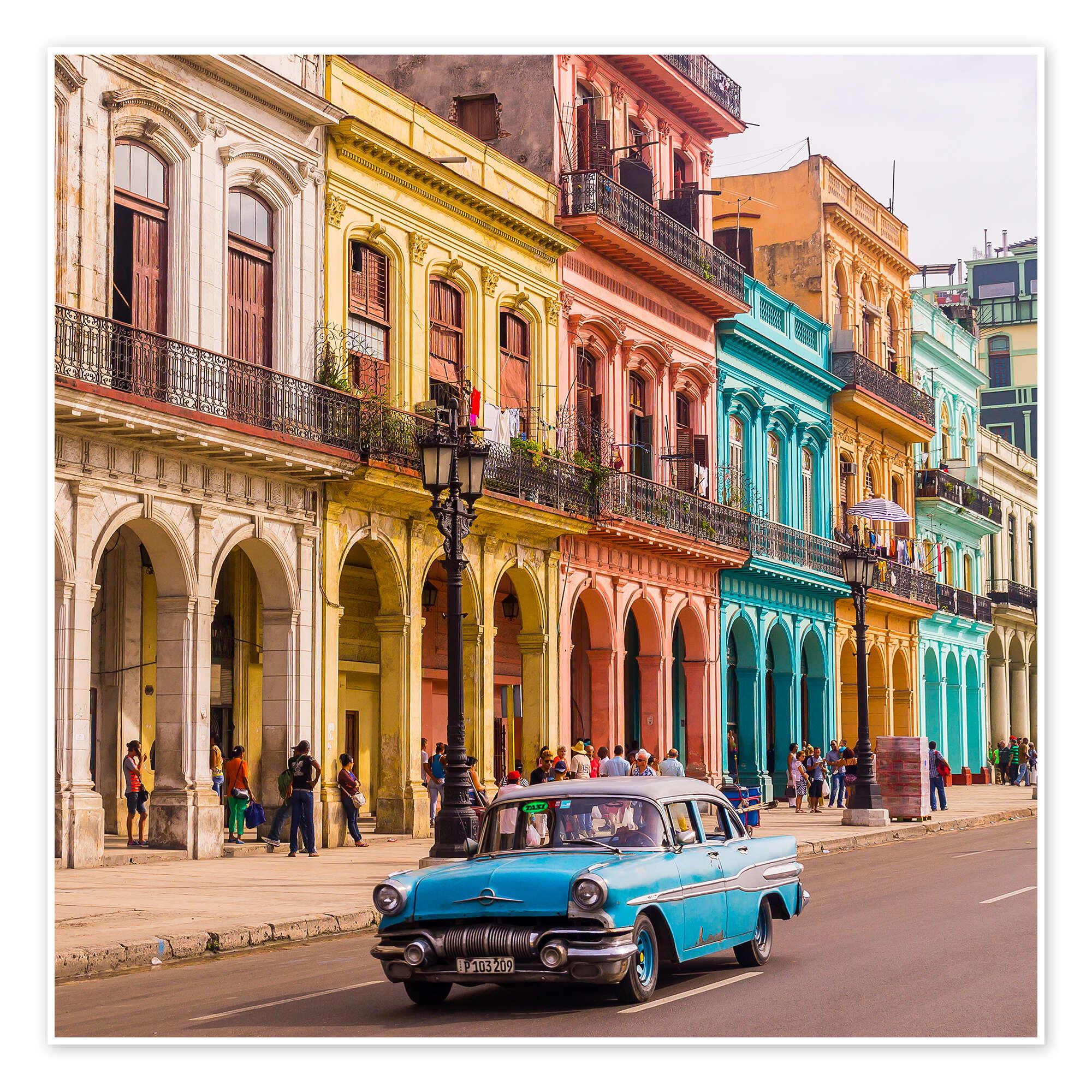
Cuba is the largest island in the Caribbean, and the most singular. Vintage American cars from the 1950s, pastel colonial facades, music spilling out of every doorway: you sense immediately that this country has an identity like no other. Havana sets the tone the moment you arrive, but Cuba reveals itself further in the Viñales Valley, a landscape of karst hills in the west, and on the near-deserted beaches of the northern cayos.
What sets Cuba apart is its raw authenticity. Nothing is staged for the tourist; everything is simply alive. For a cultural trip with genuine human depth, Cuba is one of the finest options in the Caribbean. For a full breakdown of what to do there, our guide What to Do in Cuba: 20 Must-See Sights and Experiences covers it all in detail.
Dominican Republic: far more than Punta Cana
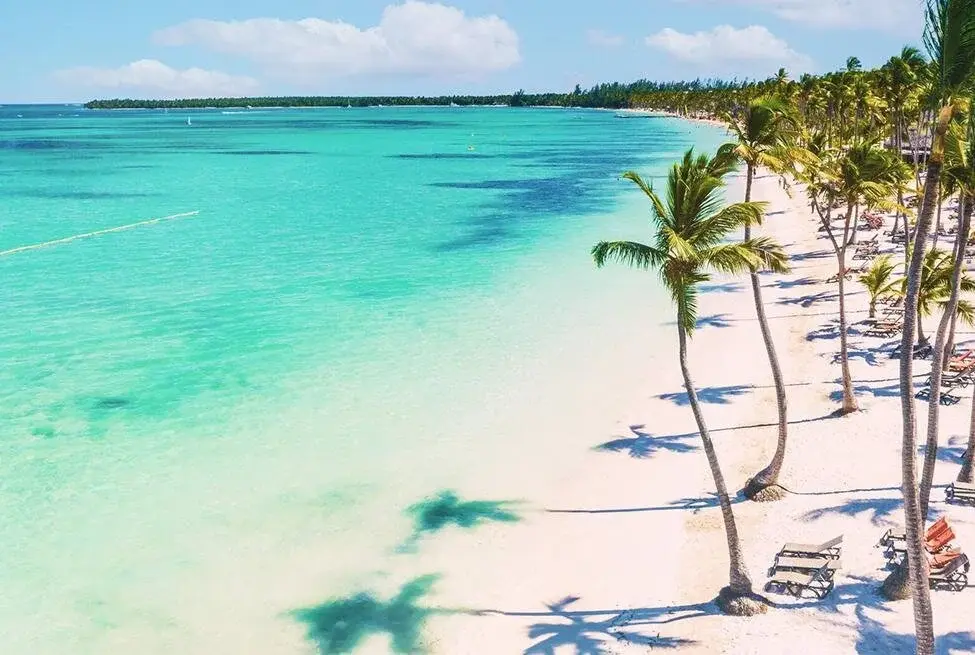
The Dominican Republic is too often reduced to its all-inclusive resorts. That is to miss the bigger picture. The country has waterfalls tucked inside its national parks, still-wild beaches along its northern coast, and a Latin culture that comes fully alive the moment you step outside the hotel zones.
The beaches are stunning, the sea is warm, and logistics are refreshingly straightforward. But it is when you leave the resort bubble that the country shows its true character.
Jamaica: where reggae was born
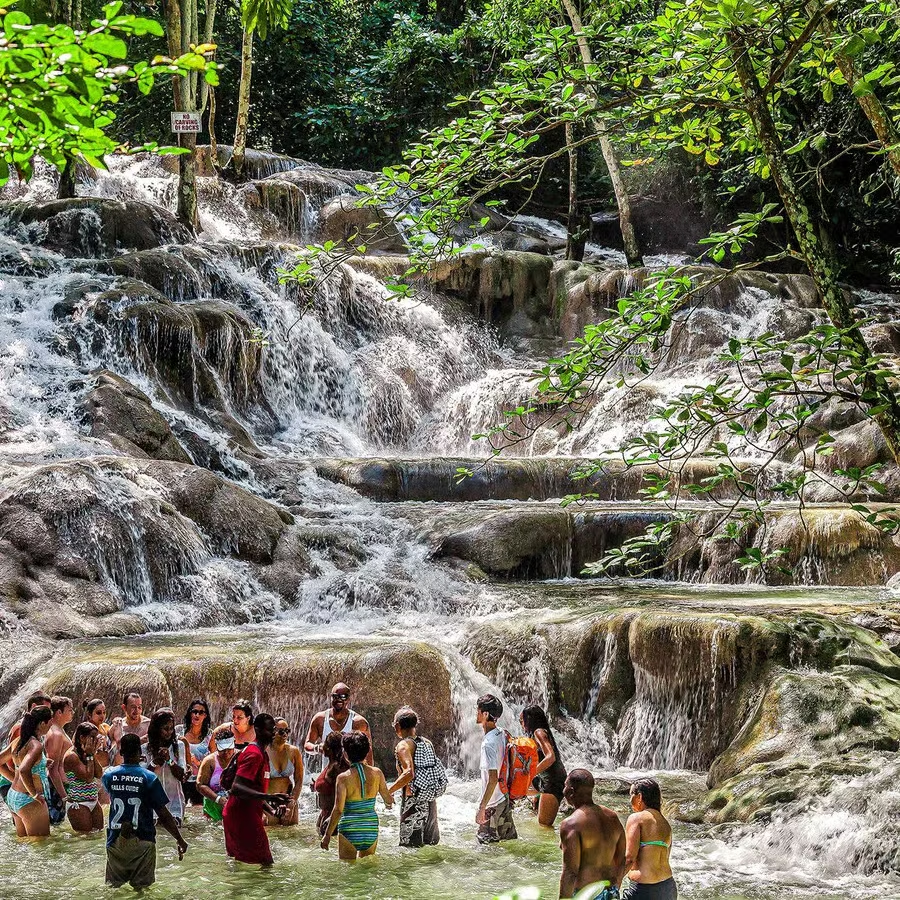
The birthplace of reggae and Rastafari culture, Jamaica pulses to a rhythm you feel from the moment you land. The music is in the streets. But the island is also about scenery: the Blue Mountains in the interior, Dunn’s River Falls a few minutes from Ocho Rios, and the calm, glassy waters of Negril in the west.
Jamaica is not a polished or predictable destination. It has character and an energy that stays with you long after you leave. For travellers who want an island with a genuine identity, it ranks among the very best choices in the Caribbean.
Aruba: guaranteed sunshine, no fine print
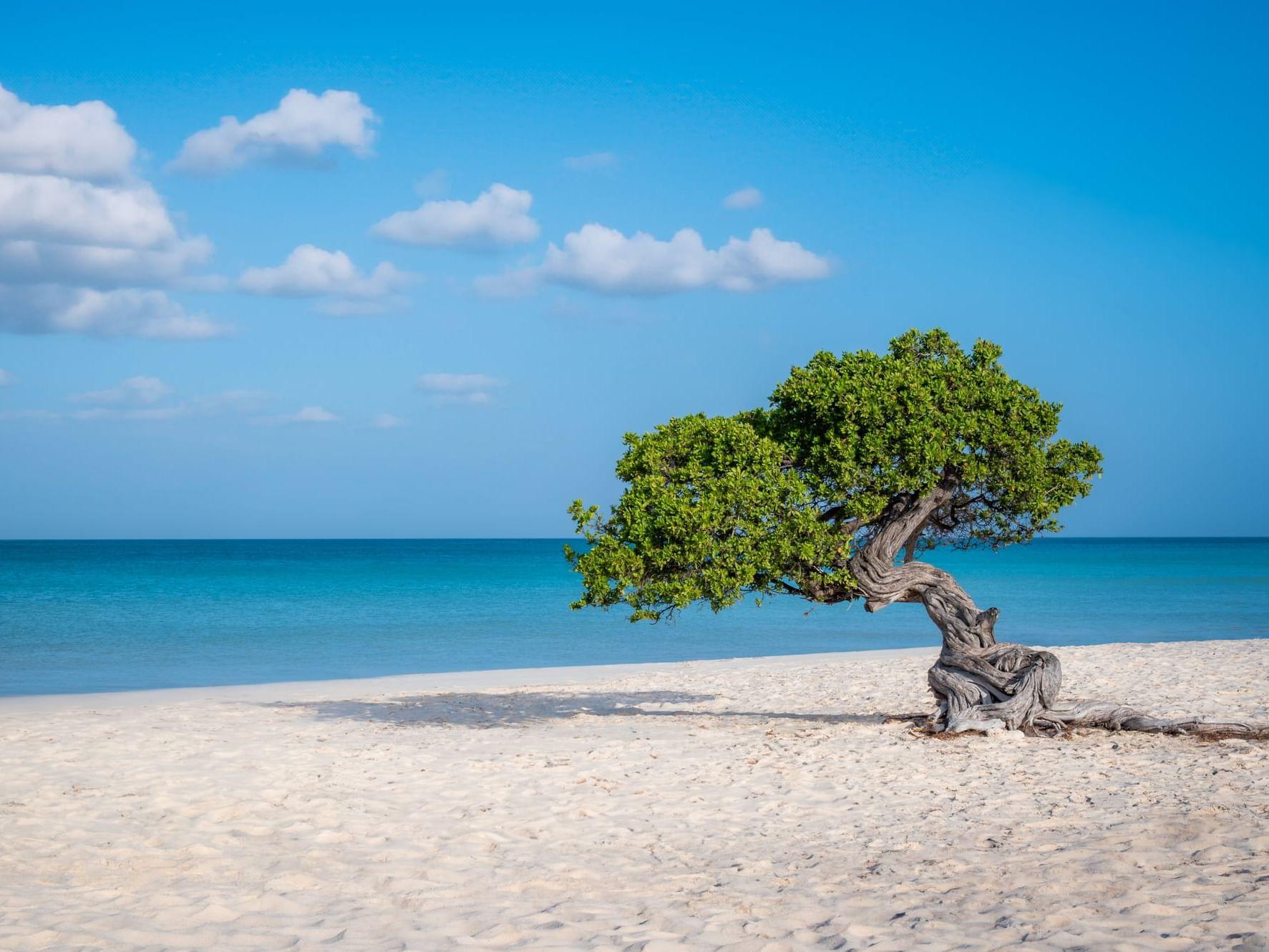
Aruba is one of the driest destinations in the Caribbean: the island receives just 300 to 400 mm of rainfall per year, spread across barely thirty days. Temperatures hold steady at around 30°C throughout the year. The upshot is simple: no nasty weather surprises, no matter when you book.
Nicknamed “One Happy Island”, Aruba wins visitors over with its beaches, including Eagle Beach and Palm Beach, and with its surprisingly rugged interior: cacti, dramatic rock formations and a windswept northern coastline lashed by the trade winds. Beneath the surface, the wreck of the Antilla makes for a remarkable dive site.
The Bahamas: an archipelago of 700 islands
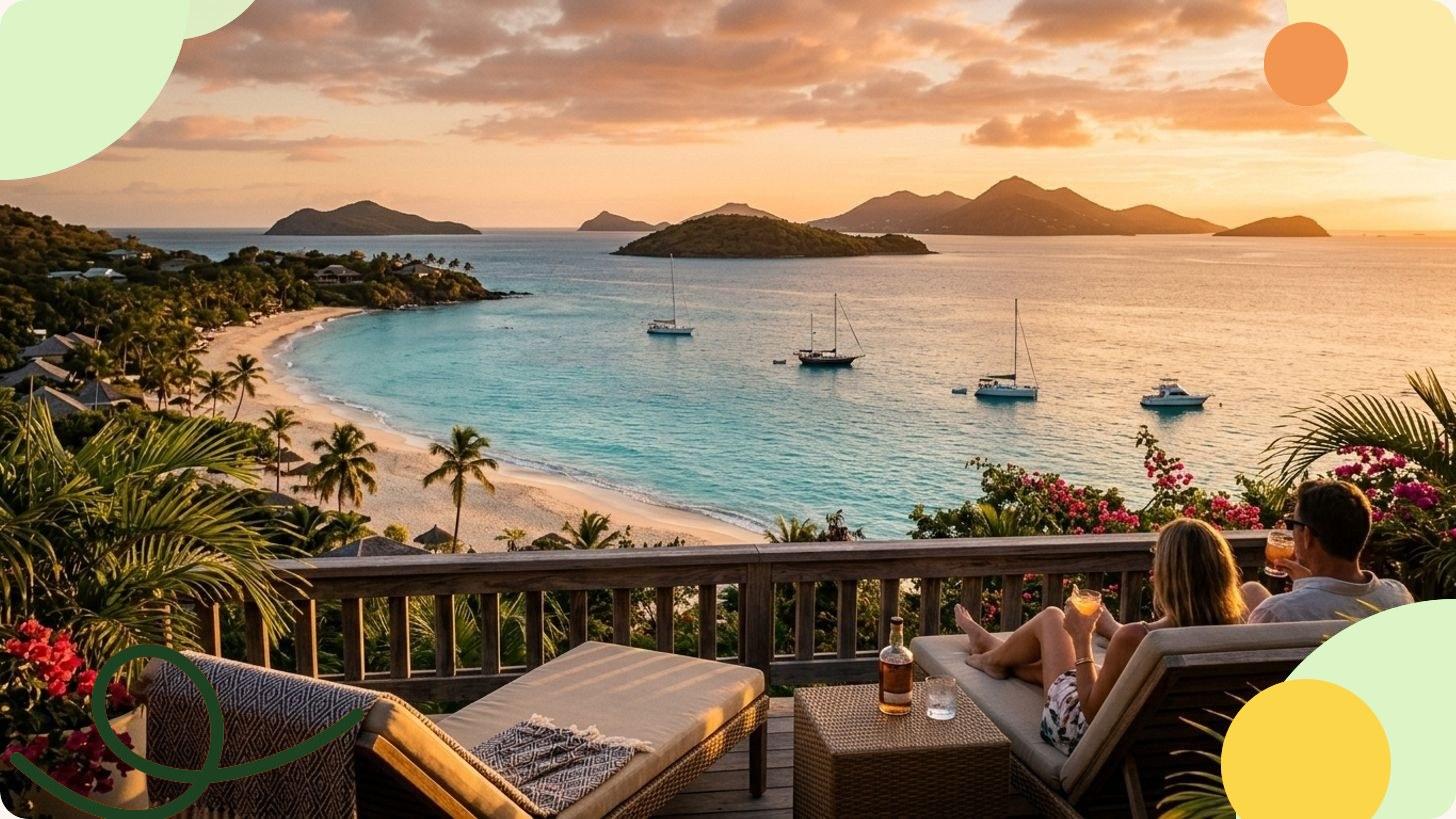
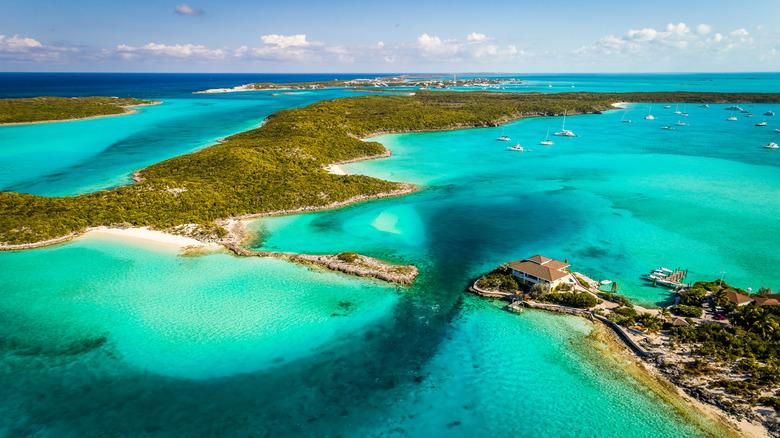
With more than 700 islands and cays, the Bahamas are a world unto themselves. Nassau and Paradise Island deliver buzz and grand hotels. The Exumas reveal a quieter, wilder side of the archipelago: water in an almost unreal shade of blue, deserted beaches, and the famous swimming pigs of Big Major Cay (Pig Beach), reached by boat.
The water in the Bahamas is among the clearest in the region, making it an ideal base for snorkelling and diving. If you are chasing a postcard setting that actually delivers, the Bahamas are hard to beat.
Puerto Rico: the Caribbean with solid foundations
Puerto Rico is a US territory, which means the US dollar, direct flights from the mainland, and healthcare standards on a par with the rest of the country. Yet the island has not lost its Caribbean and Latin soul.
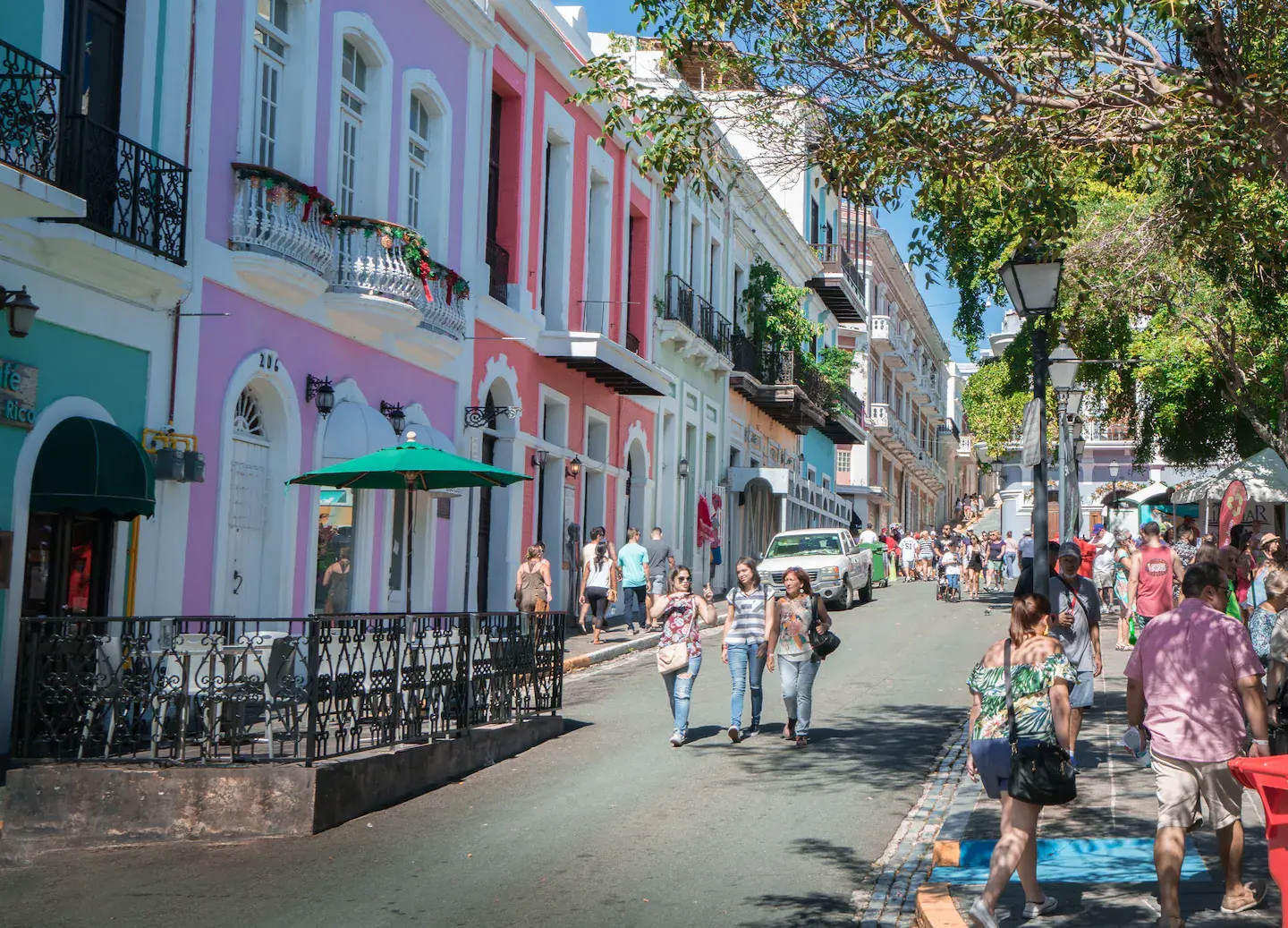
Old San Juan is one of the oldest cities in the New World. Its blue-cobbled streets and colonial fortresses, Castillo San Felipe del Morro and Castillo San Cristóbal, date back to the 16th century. Around 45 minutes from the capital, El Yunque National Forest covers 28,000 acres and stands as the only national tropical rainforest in the United States. With a historic old town, jungle and beaches all within reach, Puerto Rico is one of the most well-rounded destinations in the Caribbean.
Cayman Islands: world-class diving and an immaculate beach
The Caymans are known for Seven Mile Beach, a 6.3-mile ribbon of white sand with perfectly clear water, consistently cited as one of the finest beaches in the Caribbean. But their true reputation is made underwater.
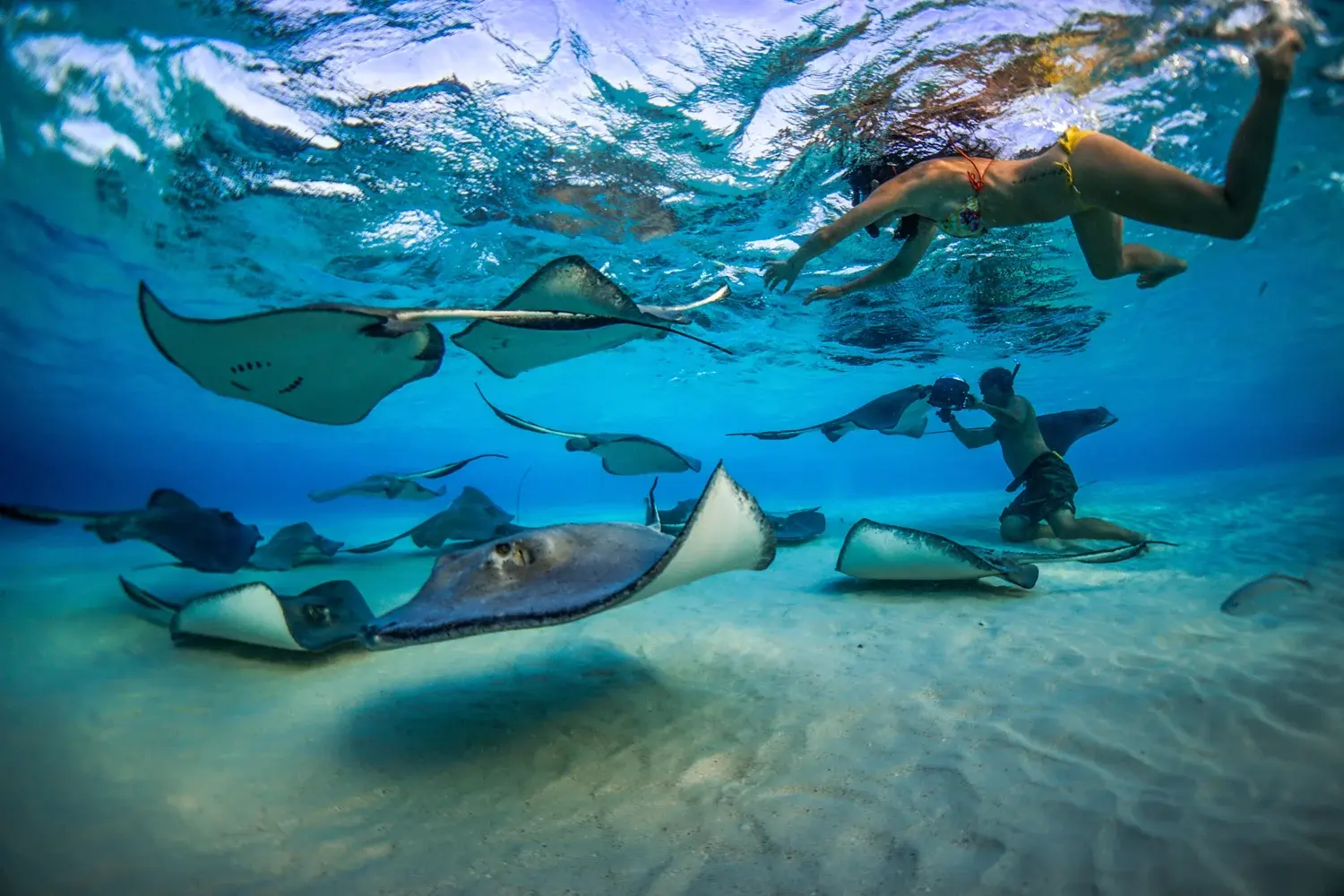
Water temperatures range from 24 to 29°C year-round. Snorkellers flock to Stingray City, where southern stingrays glide freely through the shallows. Divers explore the wreck of the USS Kittiwake, one of the island’s flagship dive sites. The atmosphere is calm, the hotels are well-appointed, and the standard of service is consistently high.
When is the best time to visit the Caribbean?
The ideal window runs from December to April: mild temperatures, little rain and calm seas right across the basin. Travelling in May or June means more accessible fares with still-generous sunshine. September and October fall at the peak of hurricane season.
Not sure which destination suits your travel month? Our guide Where to Find Winter Sun in February? gives you practical ideas for the colder months.
FAQ
Which is the most beautiful Caribbean island?
The answer depends on what you are looking for. For beaches, Aruba and the Bahamas consistently top the rankings. For culture and authenticity, Cuba has no equal in the region. For diving, the Cayman Islands stand out for the richness of their underwater world and the exceptional clarity of the water.
Which island should I choose for a first trip to the Caribbean?
Puerto Rico is an excellent entry point: English is spoken everywhere, the infrastructure is solid, and the island combines beaches, jungle and a historic old town. Aruba is also a superb choice for first-time visitors, thanks to its exceptionally stable climate and high standard of services.
What is the best time to visit the Caribbean?
From December to April, conditions are at their most settled across the whole region: mild temperatures, low rainfall and calm seas. September and October mark the peak of hurricane season and are best avoided where possible.
Do I need travel insurance for the Caribbean?
Medical costs are high in many Caribbean destinations, particularly those with standards close to those of the United States, such as Puerto Rico or the Bahamas. Travel insurance covers on-the-spot care and repatriation if needed, so you are never left scrambling for large sums upfront.
Is Aruba really one of the driest Caribbean islands?
Yes. Aruba receives just 300 to 400 mm of rainfall per year, spread across around thirty days. That is significantly less than most of its Caribbean neighbours, which experience a rainy season between June and November, and it is exactly what earned the island its nickname: “One Happy Island”.