

Vietnam unfolds over 1,650 kilometres from north to south, taking in ethnic minority highlands, karst valleys, historic port towns and tropical islands. Two weeks covers the essentials; a month leaves room to venture well off the beaten track.
The North: Hanoi, Karst Valleys and Ethnic Highlands
Hanoi: Historic Temples and Urban Energy
Hanoi blends a thousand-year-old historic quarter, French colonial architecture and street scenes of startling intensity. The Old Quarter’s 36 streets, Hoan Kiem Lake, the Temple of Literature and the night markets are all best explored on foot. Train Street (Phố đường tàu) packs an almost implausible amount of urban energy into just a few metres.

For a closer look at the capital, see our guide Things to Do in Hanoi.
Ninh Binh: Karst as Far as the Eye Can See
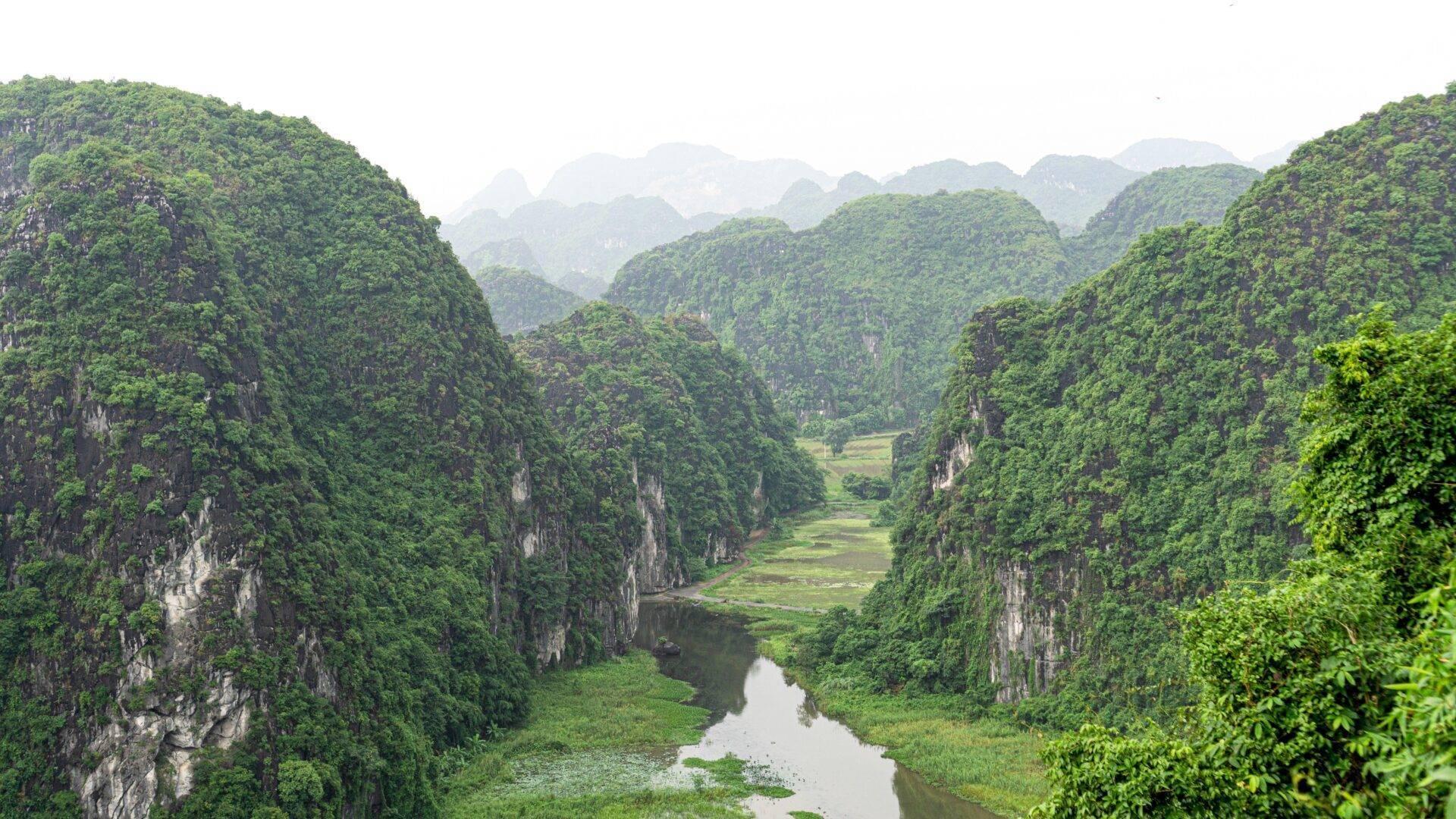
Nicknamed ‘Ha Long Bay on land’, Ninh Binh owes its reputation to karst formations that rise dramatically from the rice paddies. At Tam Coc, flat-bottomed rowing boats glide beneath three natural rock arches carved into limestone cliffs. At Hoa Lu, the ancient capital of the Dinh and Le dynasties, temples and wooded hills await.
Pu Luong: Vietnam’s Under-the-Radar Nature Reserve
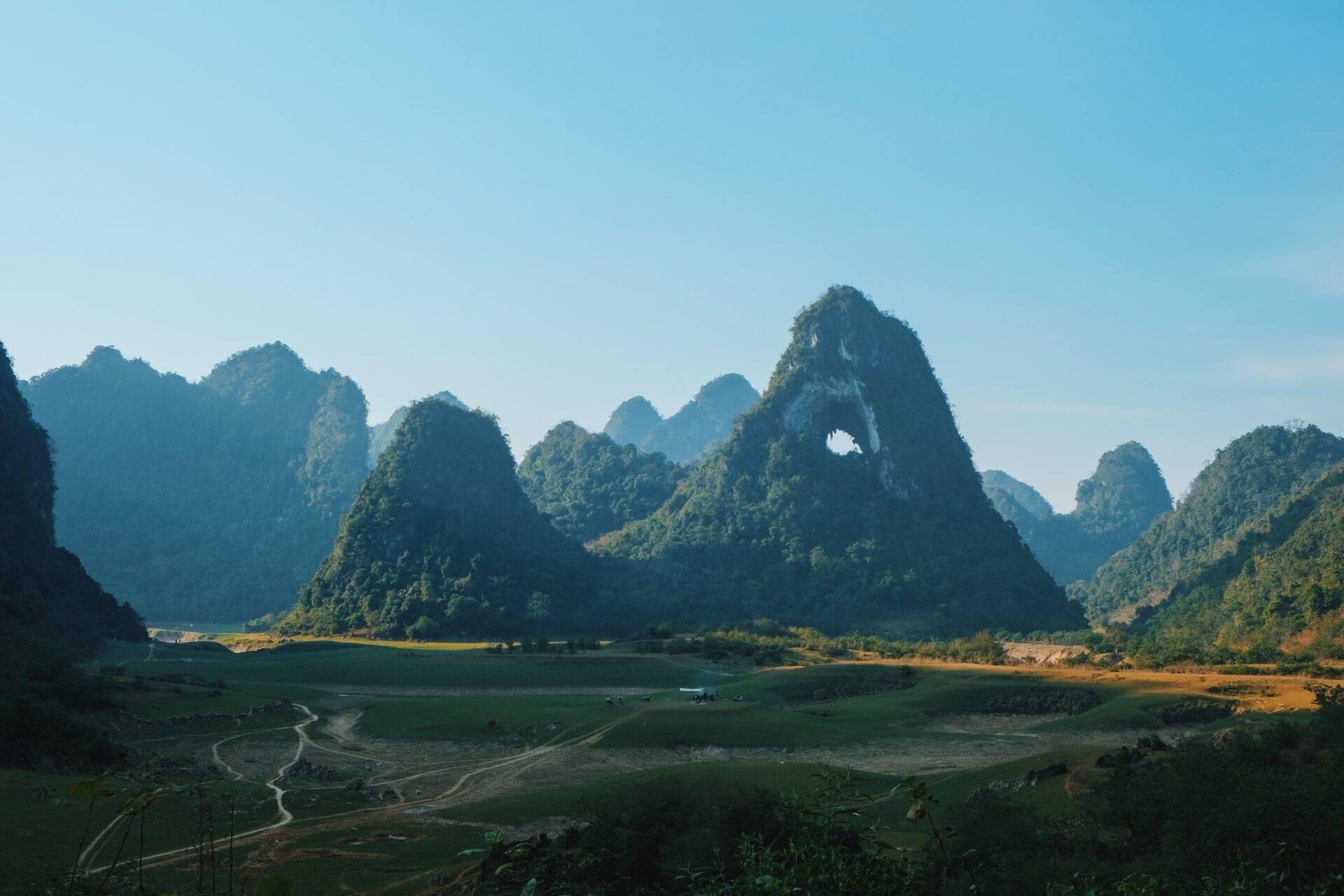
Located in Thanh Hoa Province, around 130 km south-west of Hanoi, the Pu Luong Nature Reserve remains largely under the radar. Its terraced rice fields, green valleys and ethnic minority villages offer genuine immersion in rural Vietnamese life, without the crowds of better-known destinations.
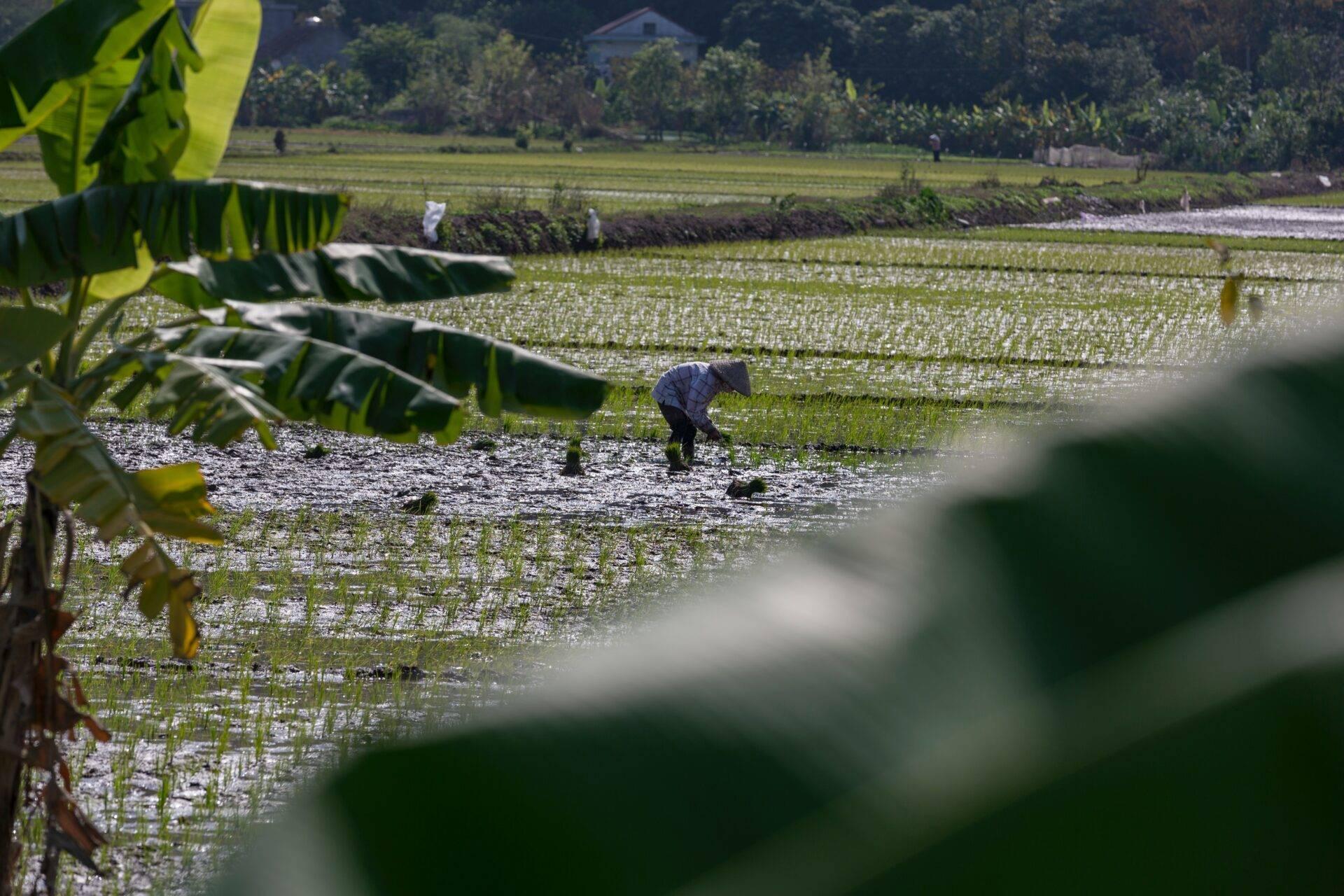
Sapa: Hmong and Dao Terraced Highlands
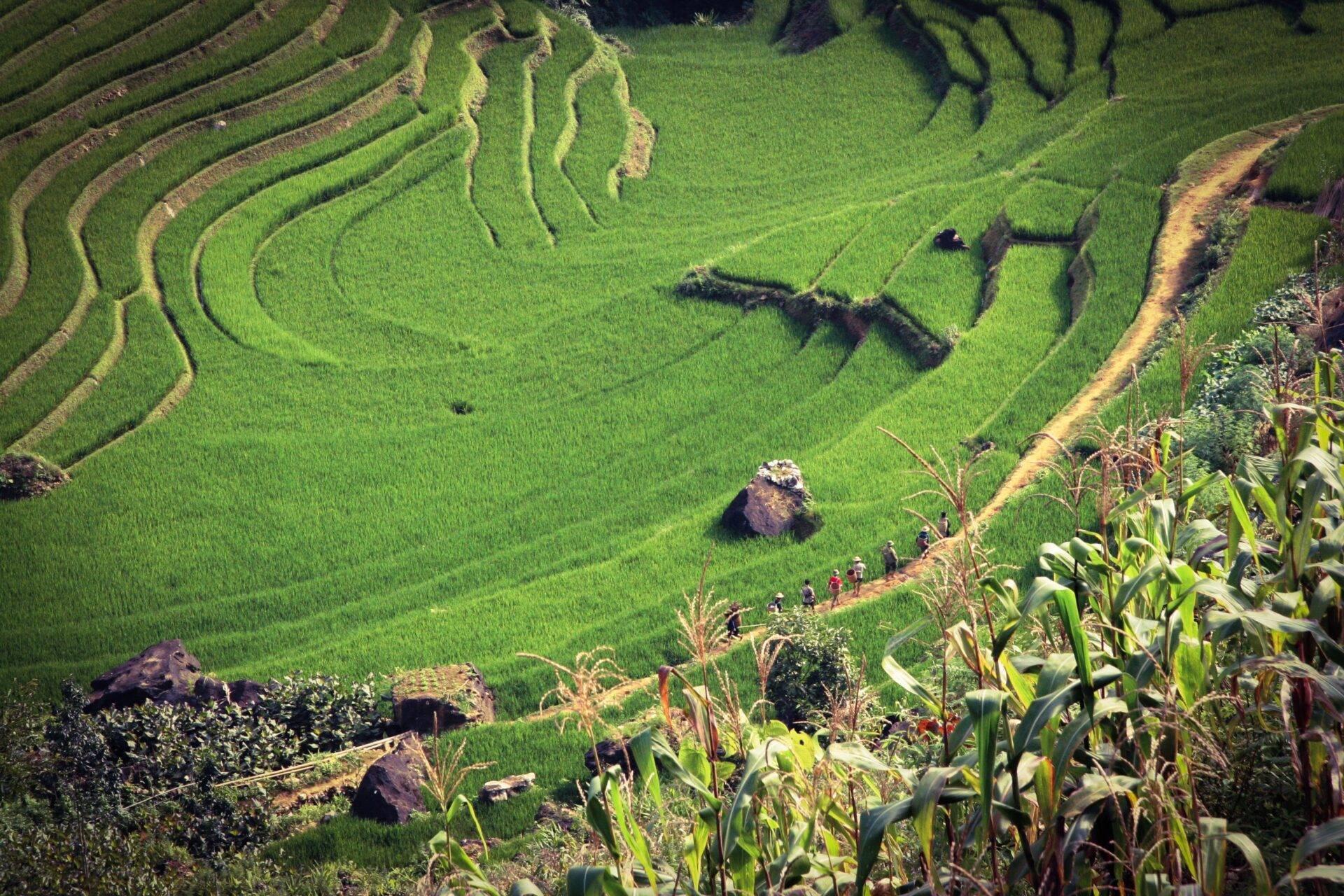
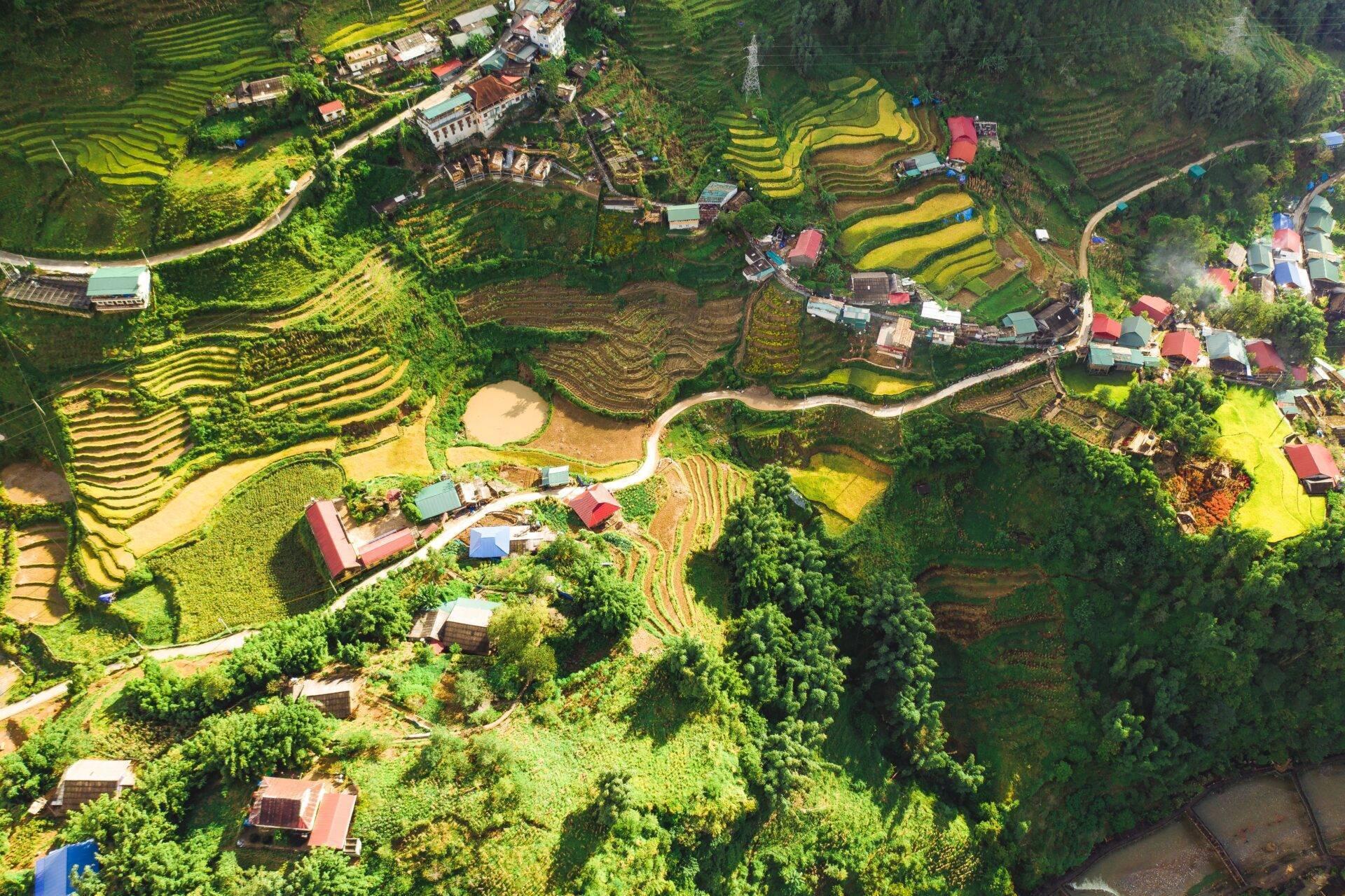
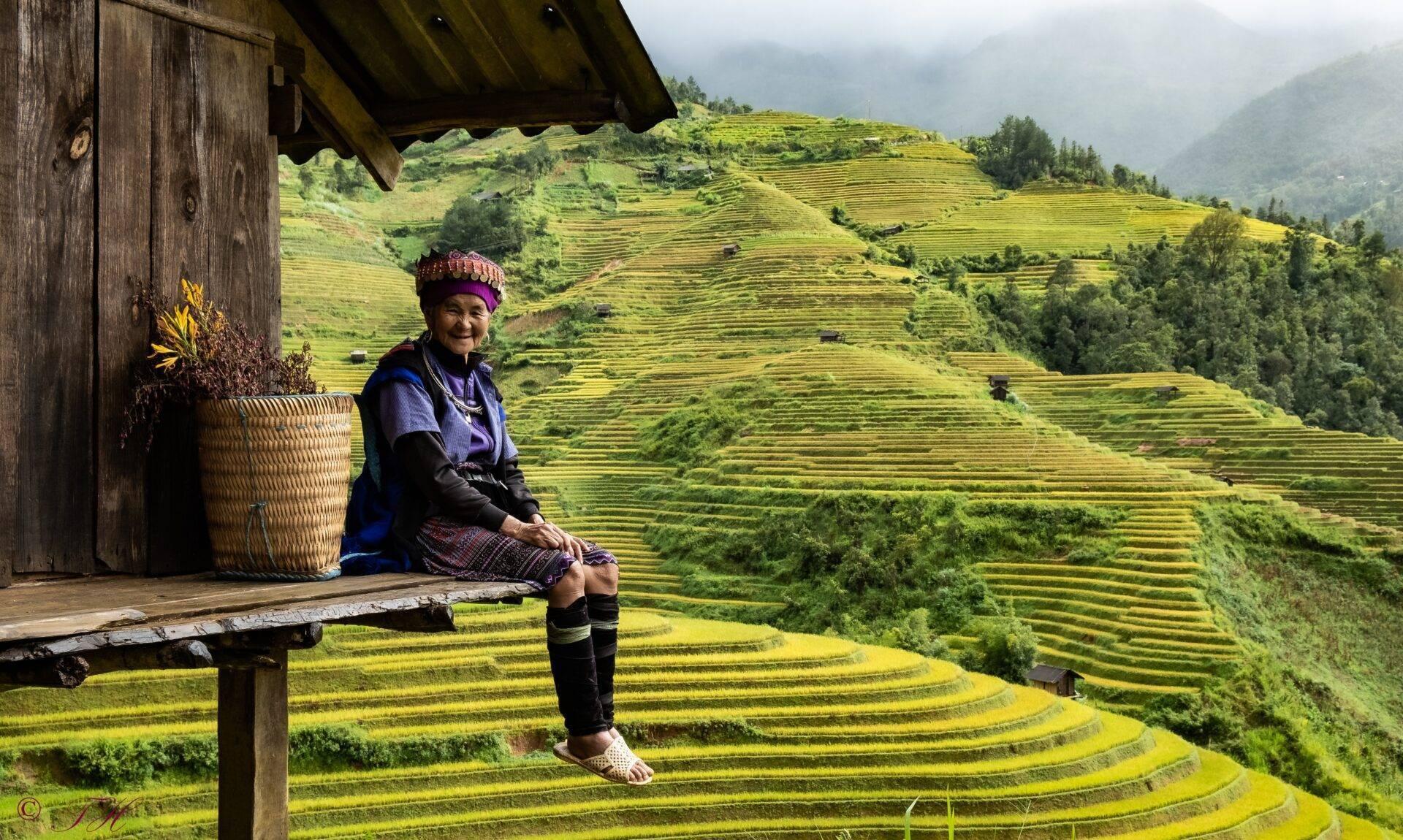
Nestled in the northern highlands, Sapa is the launchpad for treks to Hmong and Dao ethnic minority villages. Terraced rice fields cascade down the slopes of the Hoang Lien Son range, offering particularly spectacular views between September and October at harvest time.
Ha Giang: The Legendary Motorbike Loop
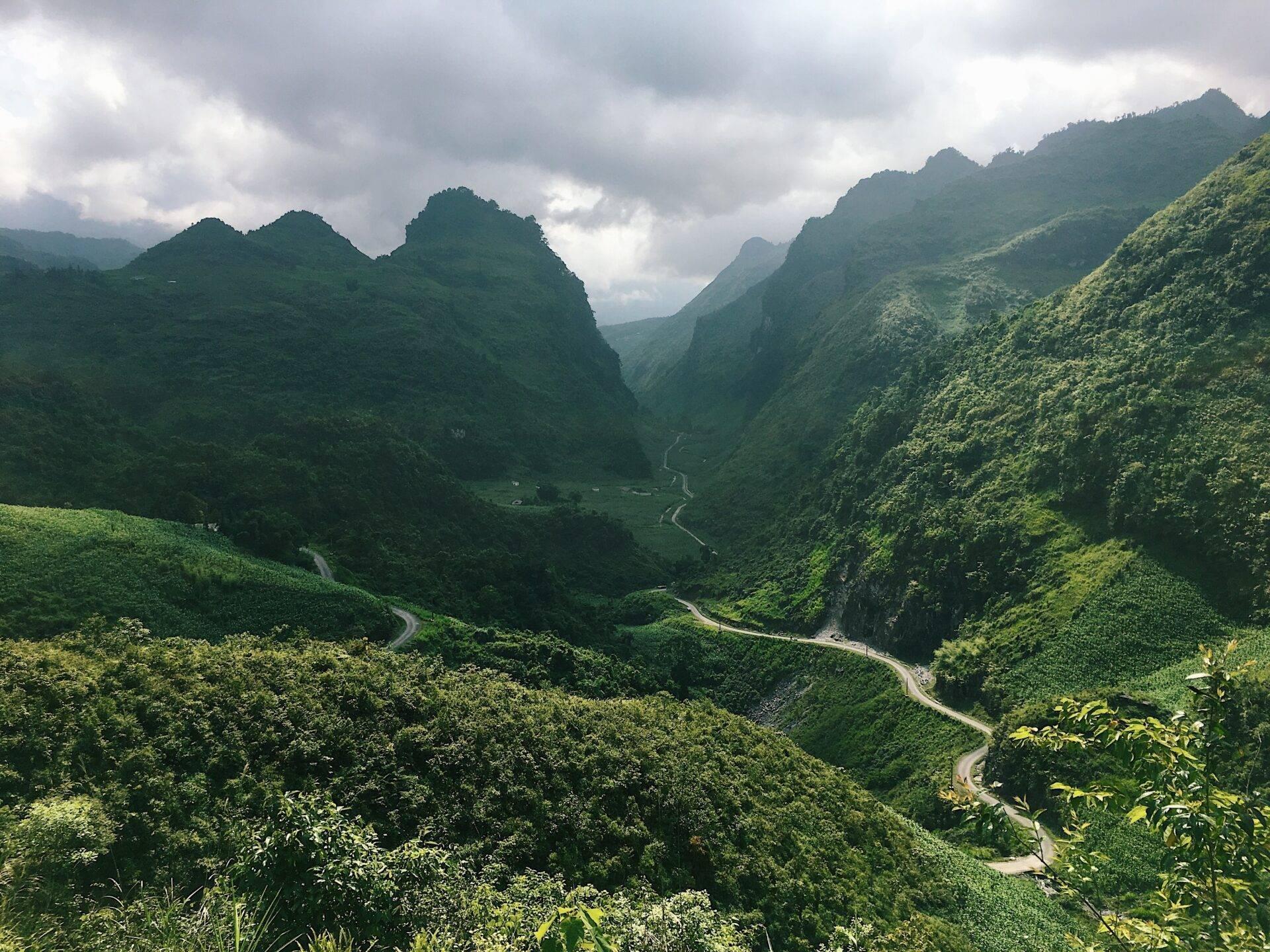
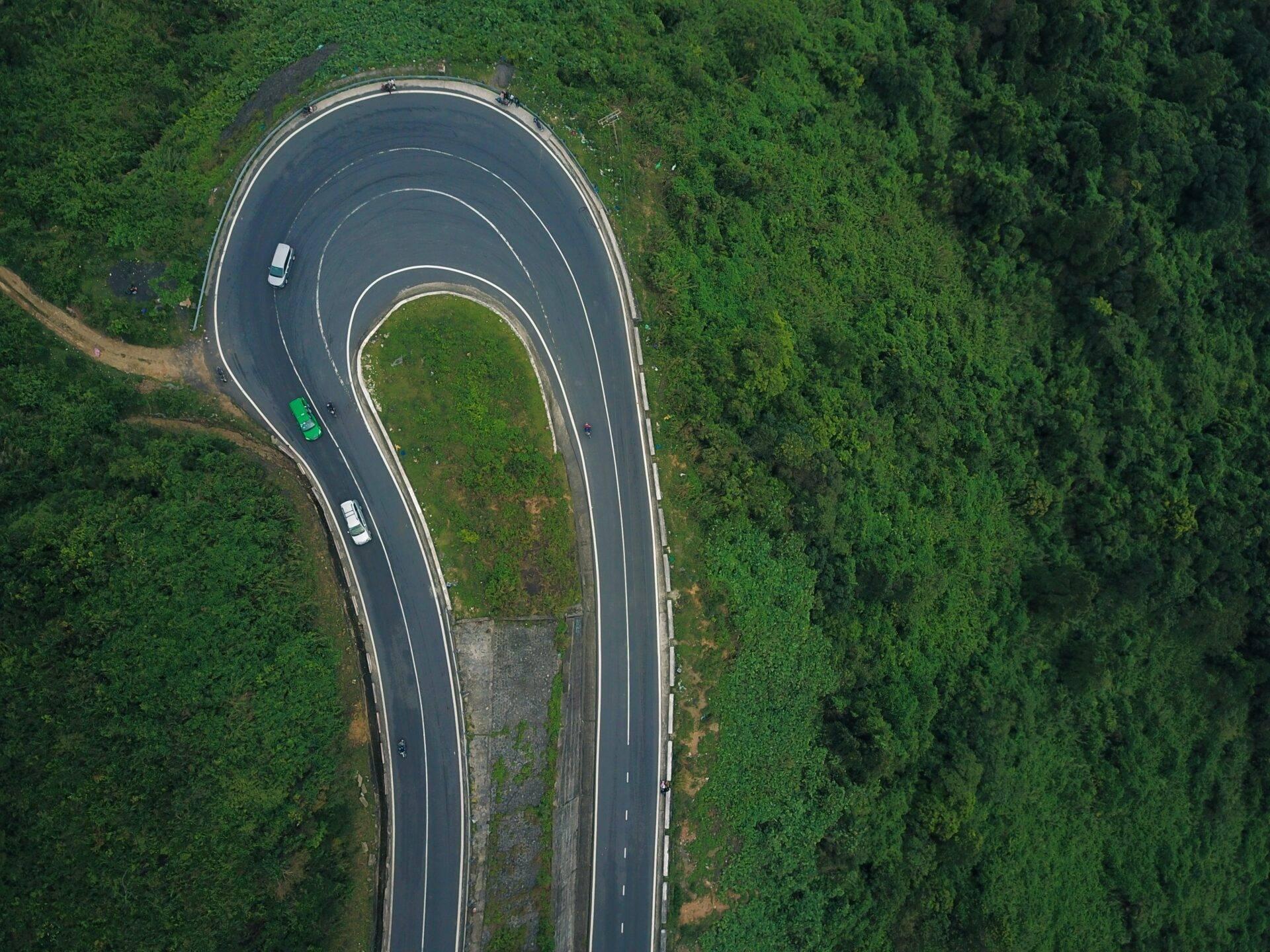
Ha Giang, in Vietnam’s far north, is the standout destination for travellers chasing dramatic mountain roads. The Ha Giang Loop takes 4 to 5 days to complete by motorbike, winding through vertiginous passes, deep valleys and isolated Hmong and Tay villages. The Ma Pi Leng Pass is one of the most photographed viewpoints in the country.
Ha Long Bay: A UNESCO World Heritage Jewel
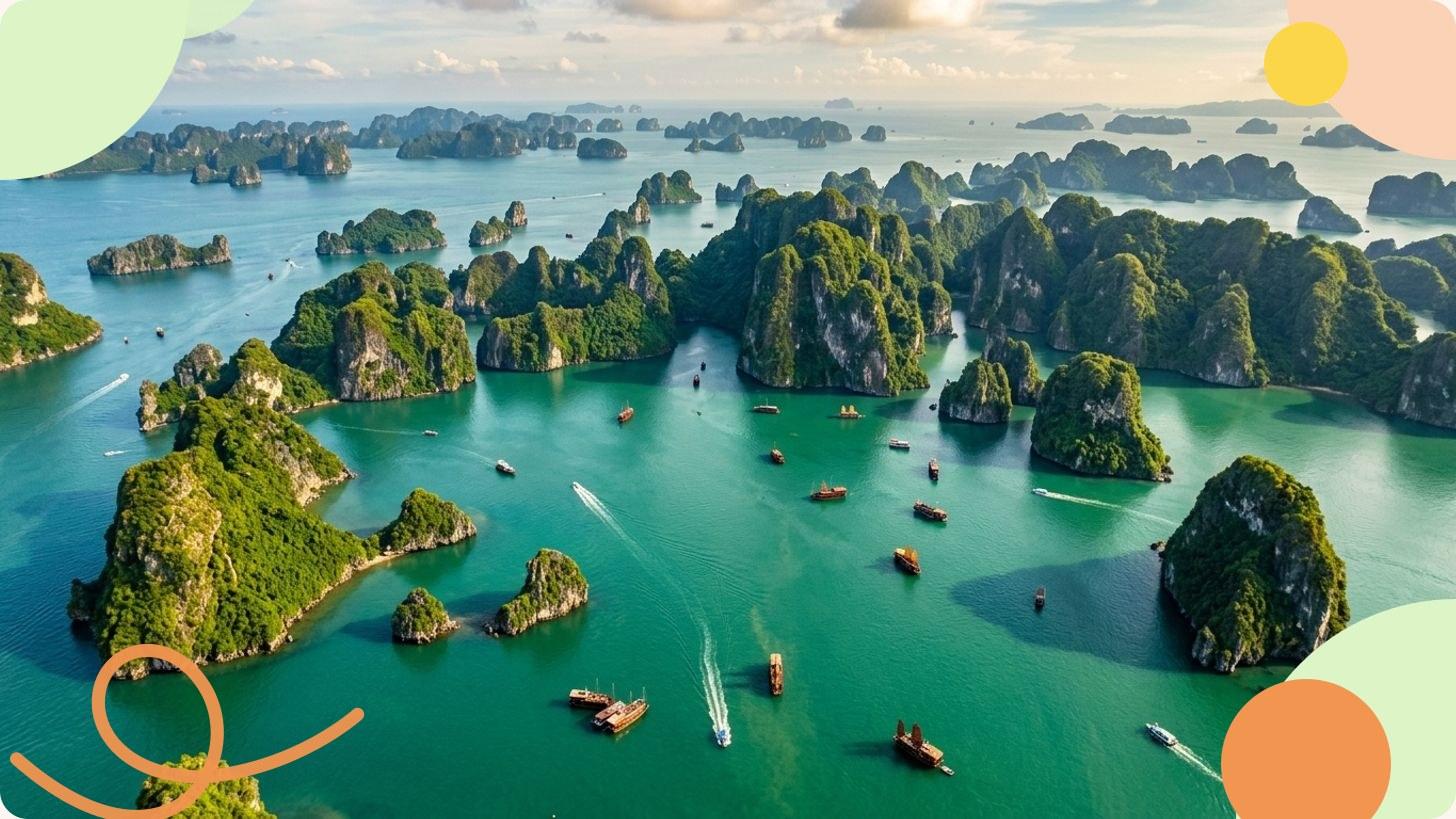
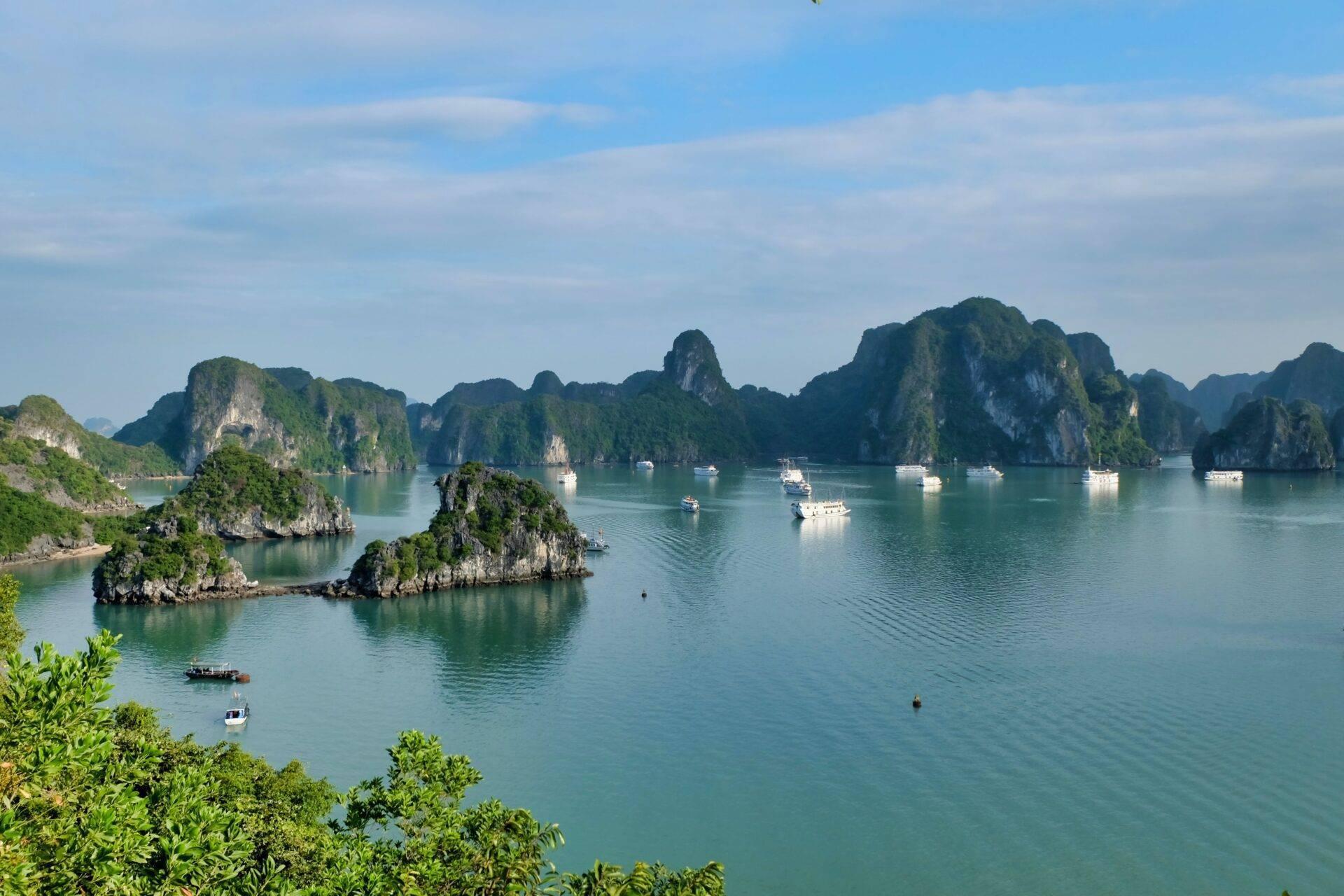
A UNESCO World Heritage Site, Ha Long Bay is home to thousands of limestone islands and islets rising from the emerald waters of the Gulf of Tonkin. A cruise aboard a traditional junk lets you weave between the rock formations, explore caves and catch a glimpse of floating fishing villages. It is one of the most visited destinations in the country: choose a reputable operator and book ahead to avoid disappointment.
The Centre: From Hue to Hoi An via Phong Nha
Hue: The Ancient Imperial Capital of the Nguyen Dynasty
Vietnam’s unified capital from 1802, Hue served as the country’s political, cultural and religious heart under the Nguyen dynasty until 1945. The Imperial City, the Forbidden Purple City, the royal mausoleums and the Thien Mu Pagoda together form the Hue Monuments Complex, inscribed as a UNESCO World Heritage Site in 1993. The Perfume River, which winds through the city, connects these sites and can be explored by dragon boat.
Hoi An: The Lantern-Lit Ancient Town
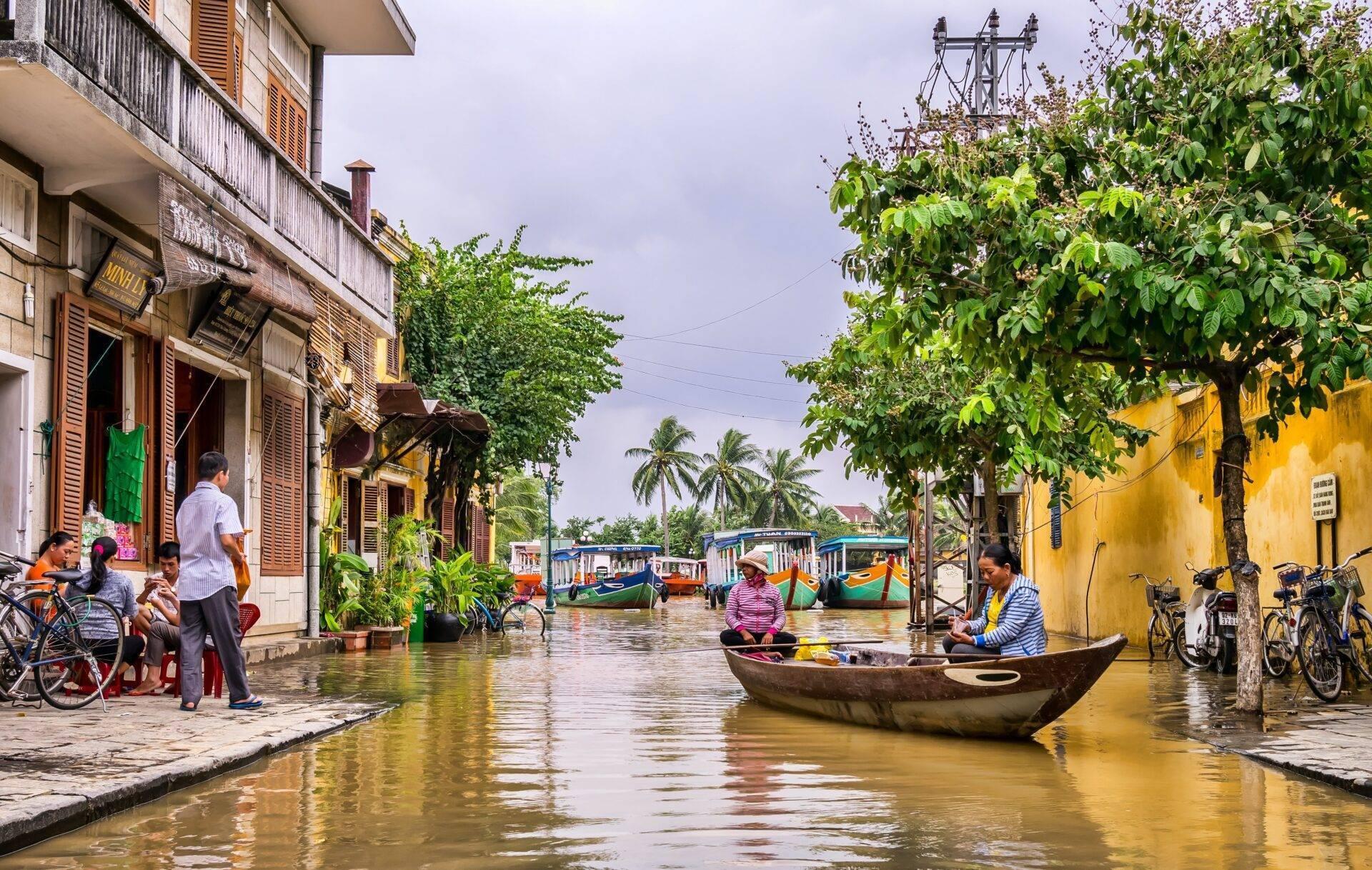
Hoi An is a UNESCO World Heritage Site, celebrated for its wooden merchant houses that blend Chinese, Japanese and European influences. The Ancient Town is best explored on foot, along its narrow lanes and the banks of the Thu Bon River. Come evening, paper lanterns cast a warm glow over the waterfront. Nearby beaches such as An Bang are just a few kilometres from the historic centre.
Phong Nha: Caves on a Colossal Scale
Phong Nha-Ke Bang National Park, a UNESCO World Natural Heritage Site, is home to Son Doong Cave: at 9 kilometres long with passages reaching 200 metres in height, it is the largest cave in the world. Other caves, including Phong Nha itself, accessible by boat along an underground river, and Thien Duong (Paradise Cave), can be visited on a day trip.
South-Central Beaches: Da Nang and Nha Trang
Da Nang has grown into a lively beach destination, sitting at the meeting point of the sea and the Marble Mountains, within easy reach of Hoi An and the Hai Van Pass. Its modern port makes it a practical base for exploring the central region.
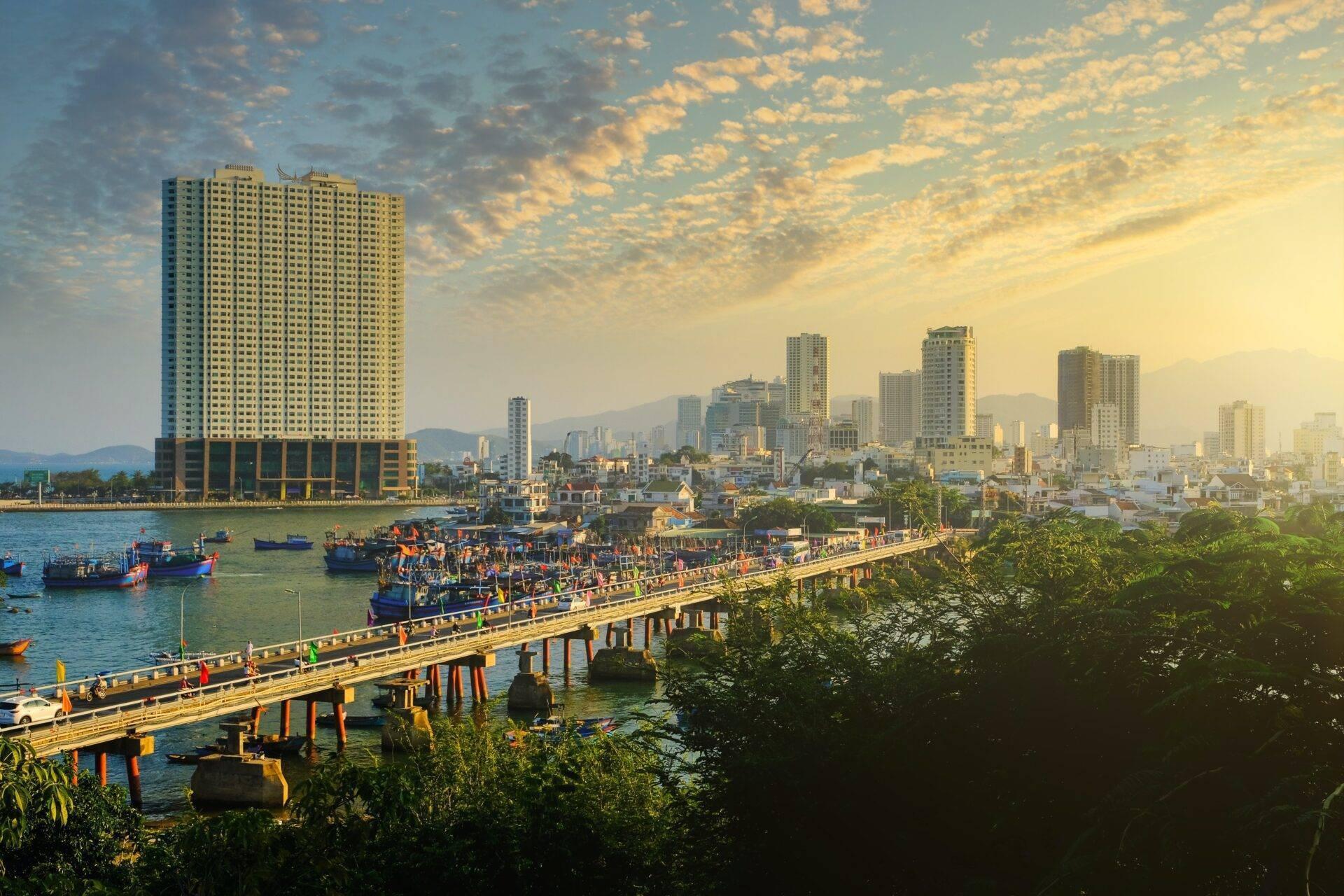
Further south, Nha Trang is known for its long sandy beaches and solid diving conditions in the bay.
The South: Ho Chi Minh City, Mui Ne and the Mekong Delta
Ho Chi Minh City: The Southern Metropolis
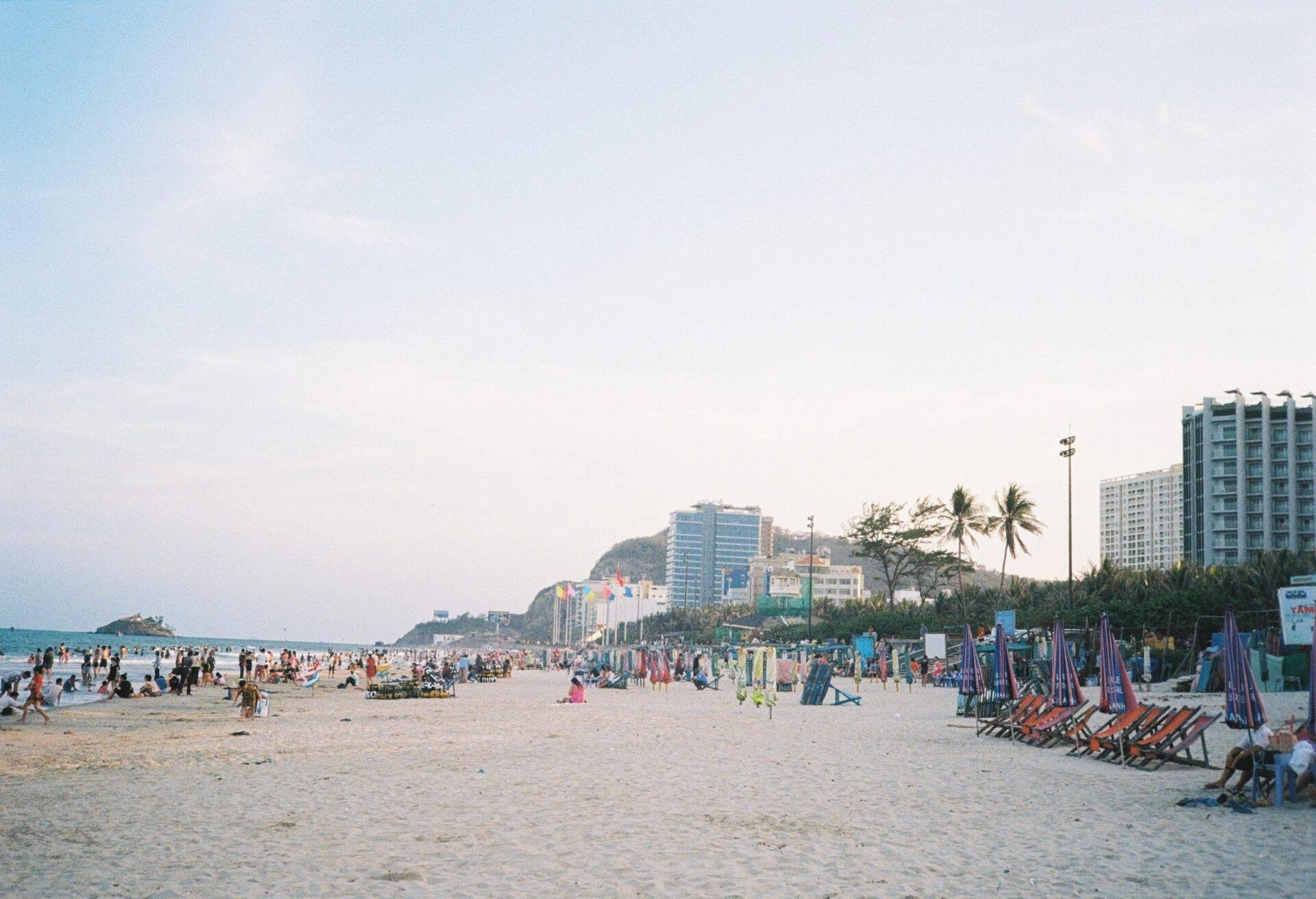
Once known as Saigon, Ho Chi Minh City is Vietnam’s economic powerhouse. The War Remnants Museum, the Reunification Palace, covered markets and pagodas paint a dense, layered picture of the country’s history. The city is the gateway to the Mekong Delta and the southern beaches.
Mui Ne: Desert Dunes by the Sea
Mui Ne combines beach life with unexpectedly desert-like scenery. The Red Dunes, around 11 km from the beach, can be tackled by sand sledge or quad bike. The White Dunes, some 35 km from the main beach, rise between two freshwater lakes and are best explored on foot or by Jeep at sunrise.

The Mekong Delta: Life on the Waterways
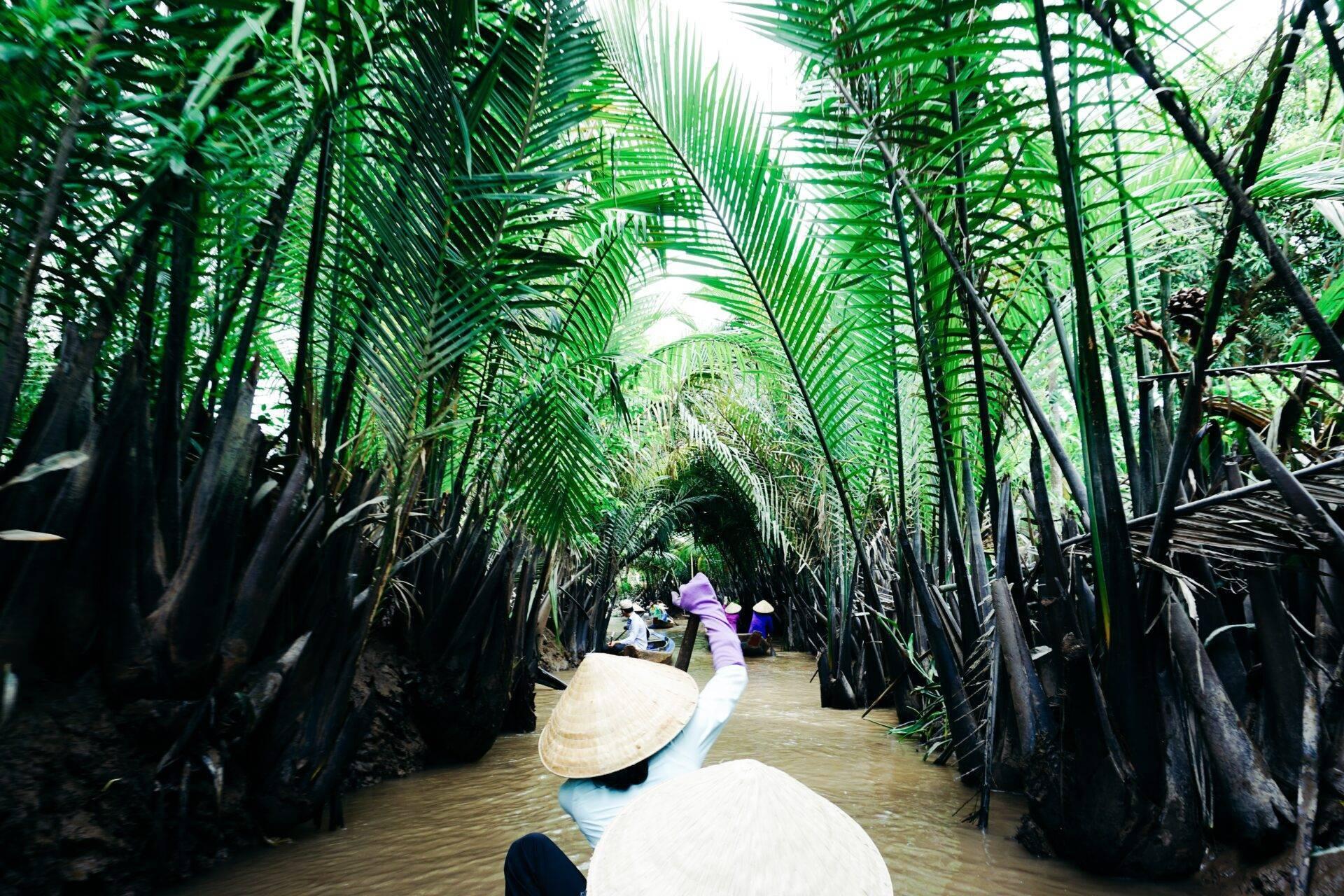
The Mekong Delta fans out across a vast network of waterways in southern Vietnam. Floating markets, coconut plantations and mangrove tunnels are best explored by rowing boat or sampan. It is one of the country’s most agricultural regions, where locals have cultivated rice and tropical fruit for generations.
Phu Quoc: Island at the Edge of the Gulf of Thailand
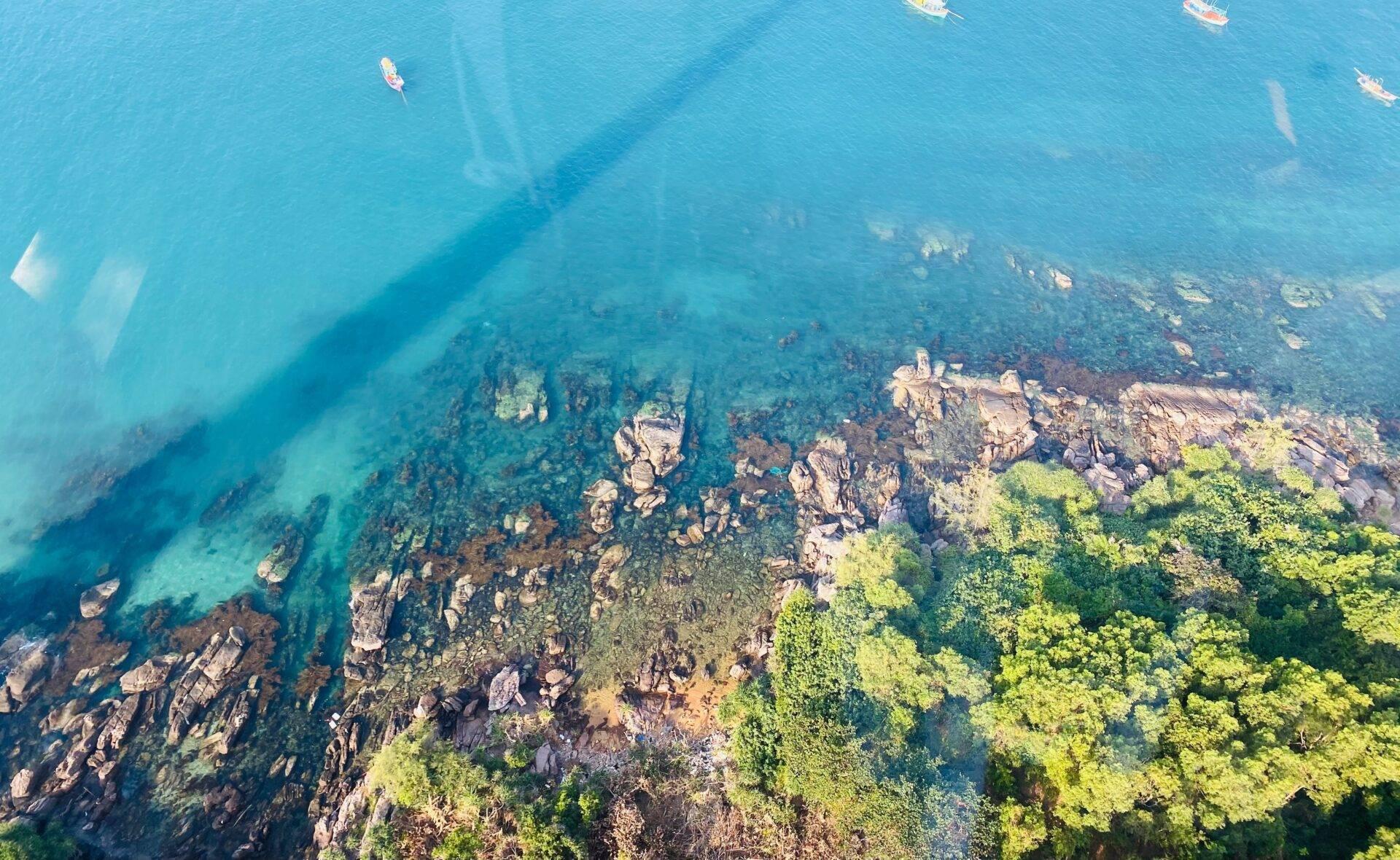
Phu Quoc, off Vietnam’s southern coast, draws visitors with its white-sand beaches and clear waters ideal for diving and snorkelling. The island is also home to traditional fishing villages, pepper plantations and a national park covering much of the interior forest.
When to Visit Vietnam
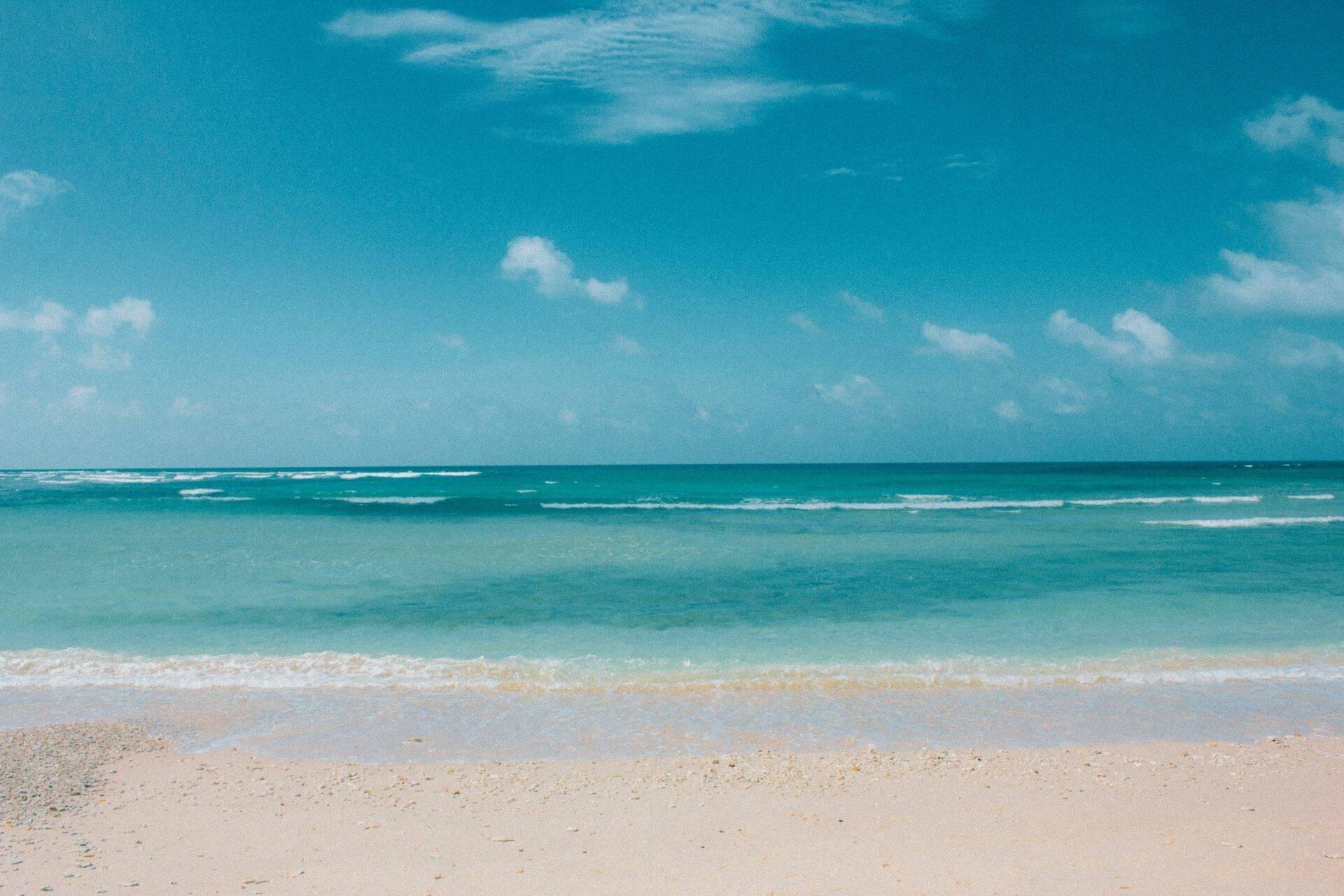
The best time to visit Vietnam varies considerably by region and season.
North: November to April brings dry weather and temperatures between 15 and 25 °C, ideal for trekking around Sapa or tackling the Ha Giang Loop.
Centre: February to July offers the most favourable conditions for Hue and Hoi An. The central coast is exposed to typhoons between October and December.
South and islands: November to April, the dry season, is the most pleasant time for Ho Chi Minh City, the Mekong Delta and Phu Quoc.
For a first trip combining all three regions, March-April and October-November offer the best all-round conditions.
Which Itinerary to Choose in Vietnam
2 Weeks: The Classic North-Centre Route
A first two-week trip typically follows the route Hanoi, Ninh Binh, Ha Long Bay, Hue, Hoi An. This circuit covers the essentials: historic capital, karst scenery, imperial heritage and an ancient port town.
3 Weeks: From the North to the Southern Islands
Three weeks allows you to add Ho Chi Minh City, the Mekong Delta and Phu Quoc, or to push further north towards Sapa and Ha Giang. Some travellers continue on to neighbouring Cambodia, with Angkor just a few hours from Ho Chi Minh City: our guide Things to Do in Cambodia is a good starting point for planning that leg.
Before You Go
Visas, recommended vaccinations, local currency and medical cover: all the practical information you need to plan your Vietnam trip with confidence is available in our Vietnam travel insurance guide.
FAQ
How long should I spend in Vietnam?
Two weeks is enough to cover the north and centre (Hanoi, Ha Long Bay, Hue, Hoi An). Three weeks gives you time to reach the south or squeeze in a trip to Phu Quoc. A month leaves room for detours such as Ha Giang, Pu Luong or Phong Nha.
Should I hire a motorbike in Vietnam?
A motorbike is the most popular option for independent travellers, especially for the Ha Giang Loop or the mountain roads of the north. It requires riding experience and a high degree of caution. Proper medical cover is essential in the event of an accident.
Where should I start: Hanoi or Ho Chi Minh City?
If you fly into the north, start in Hanoi and work your way south. If you land in the south, begin with Ho Chi Minh City and head north. The two cities have very different personalities: Hanoi is more measured and steeped in history, while Ho Chi Minh City is fast-paced and commercially driven.
Can you see Hoi An in a day?
The Ancient Town can be covered in a day, but two to three days allows you to soak up the atmosphere at its best: early morning before the crowds arrive and in the evening when the lanterns are lit. It also leaves time to explore nearby beaches such as An Bang.
Is Ha Long Bay too touristy?
Ha Long Bay is one of the most visited destinations in South-East Asia. An overnight cruise aboard a traditional junk remains the most comfortable way to experience it. For similar scenery with fewer visitors, Bai Tu Long Bay and Lan Ha Bay are worth considering as alternatives.