
Hanoi packs a thousand years of Vietnamese history into one city, alongside preserved French colonial architecture and some of Asia’s most vibrant street food. The Old Quarter, Hoan Kiem Lake, the great heritage sites and the pottery village of Bat Trang fill three to four days with ease.
Explore the Old Quarter on Foot
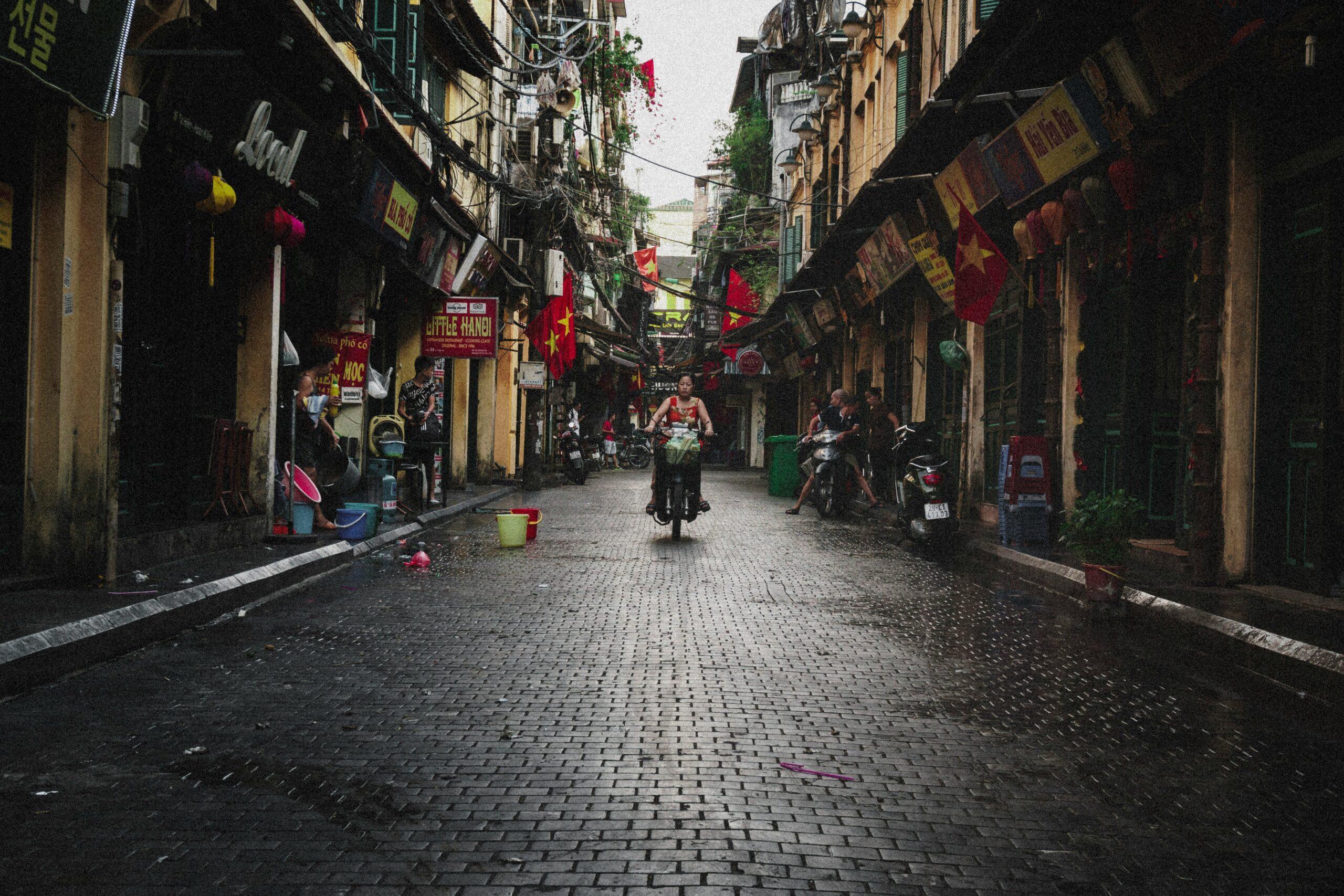
Hanoi’s Old Quarter, built around 36 historic streets, is best discovered without a fixed route. Each street still bears the name of the craft once practised there: silk, votive paper, medicinal herbs. Corner shops, temples tucked into shadowy alleys, multi-storey tube houses and lively markets all coexist in a neighbourhood that has managed to stay human in scale. Dong Xuan Market, one of the city’s oldest covered markets, is well worth a detour for its atmosphere and its stalls of local produce.
Egg Coffee and Street Food: the Flavours of the Old Quarter
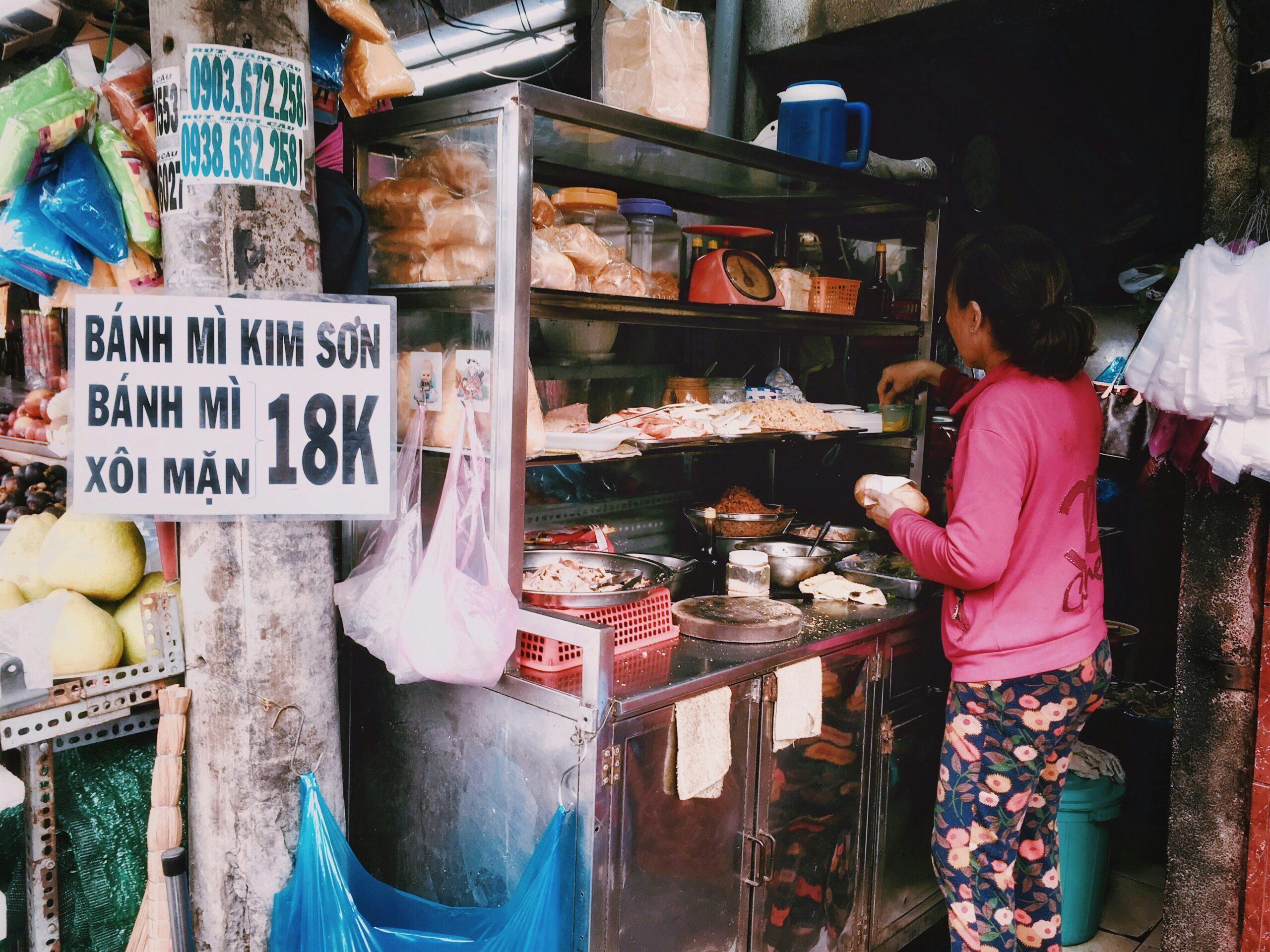
Pho, bun cha, banh mi: the stalls set up on the pavements from early morning until late at night. The unmissable address is Café Giang on Nguyen Huu Huan Street: Nguyen Van Giang opened here in 1946 after perfecting egg coffee (ca phe trung) in the 1920s, when fresh milk was hard to come by. The family recipe, still a closely guarded secret, combines beaten egg yolks, sugar, condensed milk and robusta coffee.
Get travel insurance for VietnamTake in the Pace of Hoan Kiem Lake
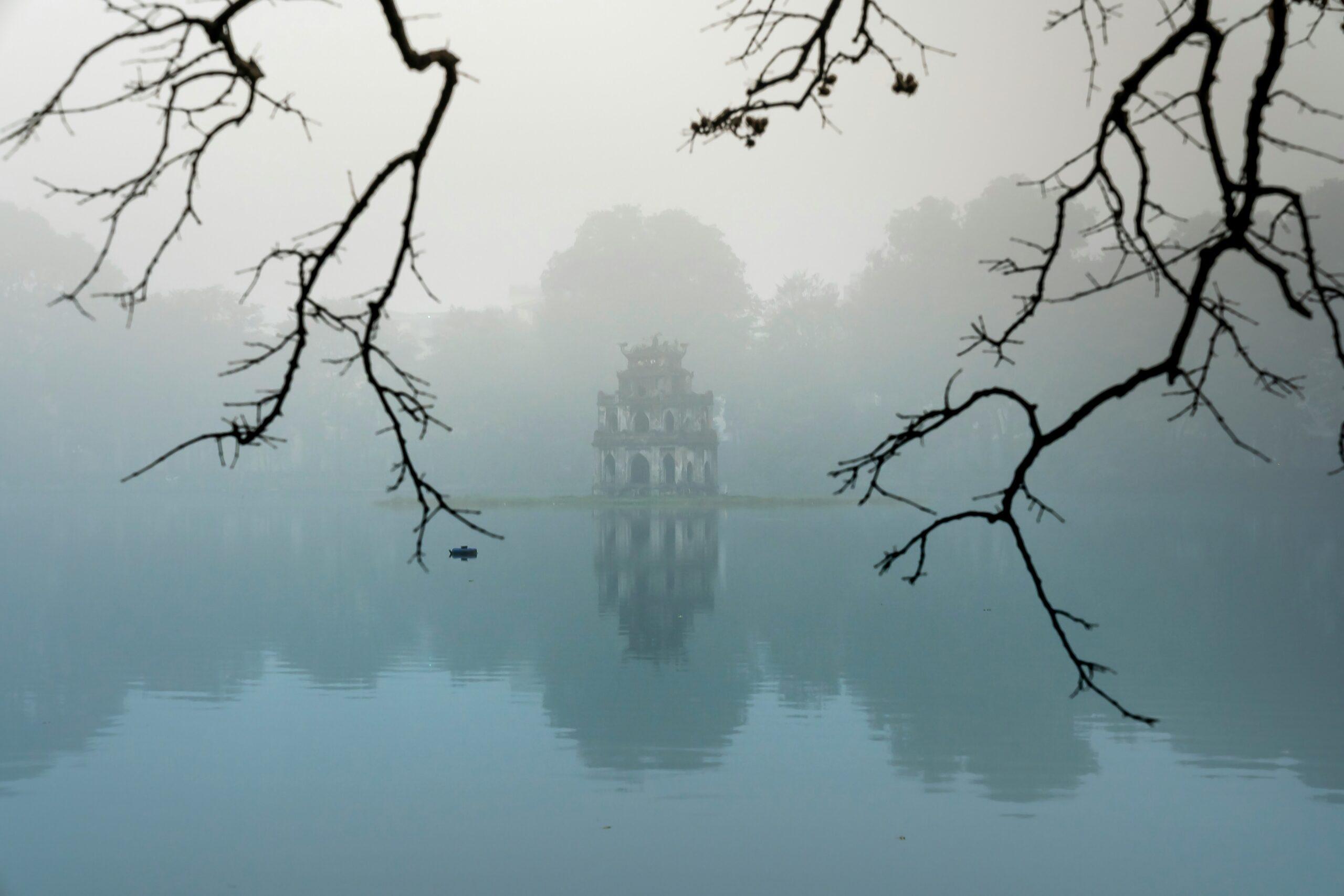
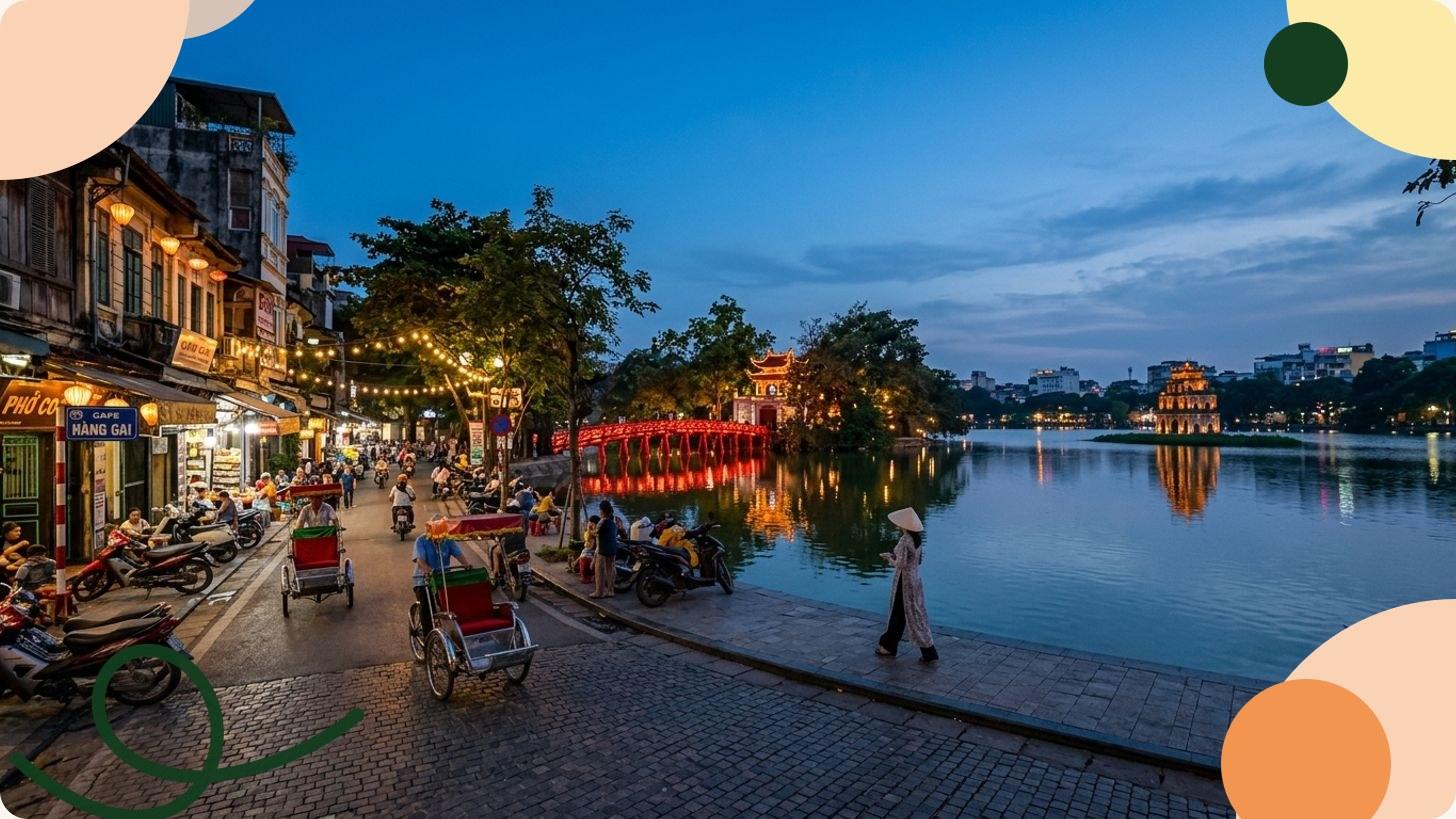
Hoan Kiem Lake is the beating heart of Hanoi. In the morning, locals come here for tai chi and jogging; at weekends, the banks go car-free and the area draws an easy mix of residents and visitors. The red Huc Bridge leads to Ngoc Son Temple, perched on a small island in the middle of the lake.
The Turtle Tower, standing at the centre of the lake, embodies the legend of the magical sword returned to the sacred turtle by King Le Loi: one of the most recognisable images in the city, in any season.
Three Heritage Sites Worth Putting in the Diary
Ho Chi Minh Mausoleum
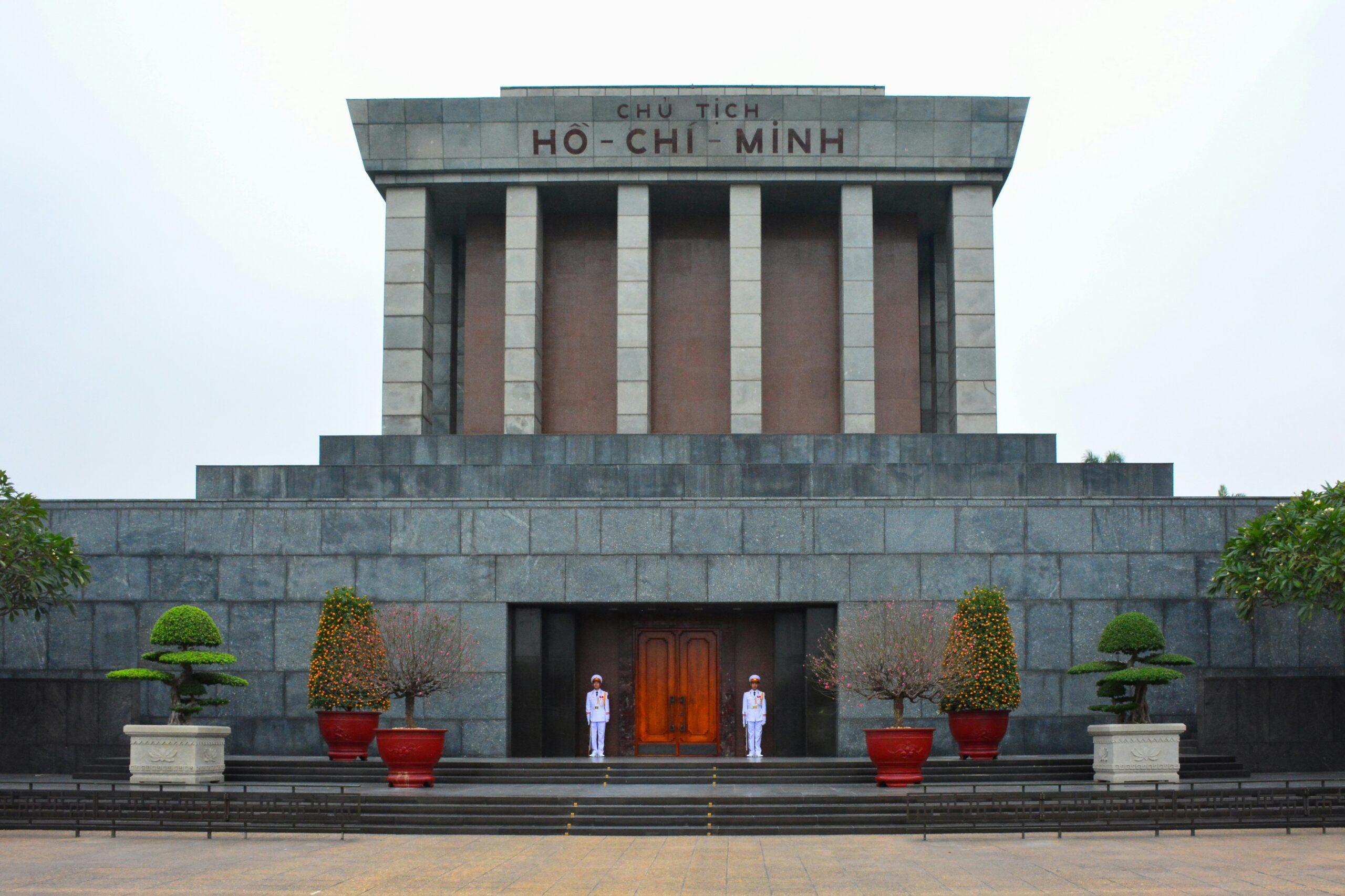
On Ba Dinh Square, the grey granite mausoleum honours the leader who proclaimed Vietnamese independence in 1945. Visitors are required to dress modestly and maintain complete silence. Queues can be long in high season: arrive early in the morning to keep waiting time to a minimum.
Temple of Literature
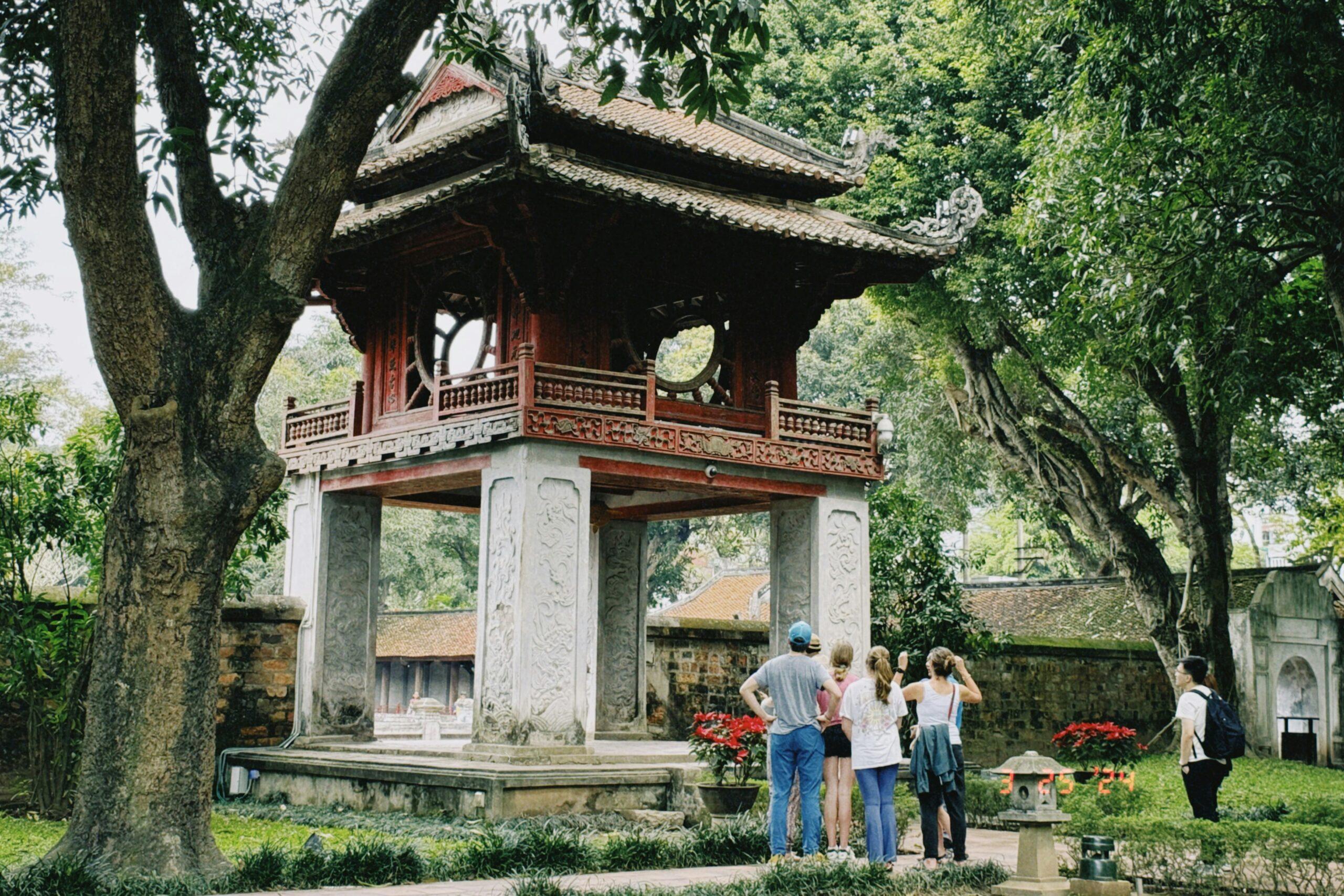
Founded in 1070 under the Ly dynasty, Van Mieu is Vietnam’s first university, dedicated to Confucius. Five successive courtyards unfold between lotus ponds and stone steles engraved with the names of scholars who passed the imperial examinations from the 15th century onwards. The site combines tranquillity, architectural coherence and genuine historical depth. It is one of the places in Hanoi where you truly feel the age of Vietnamese civilisation.
Imperial Citadel of Thang Long
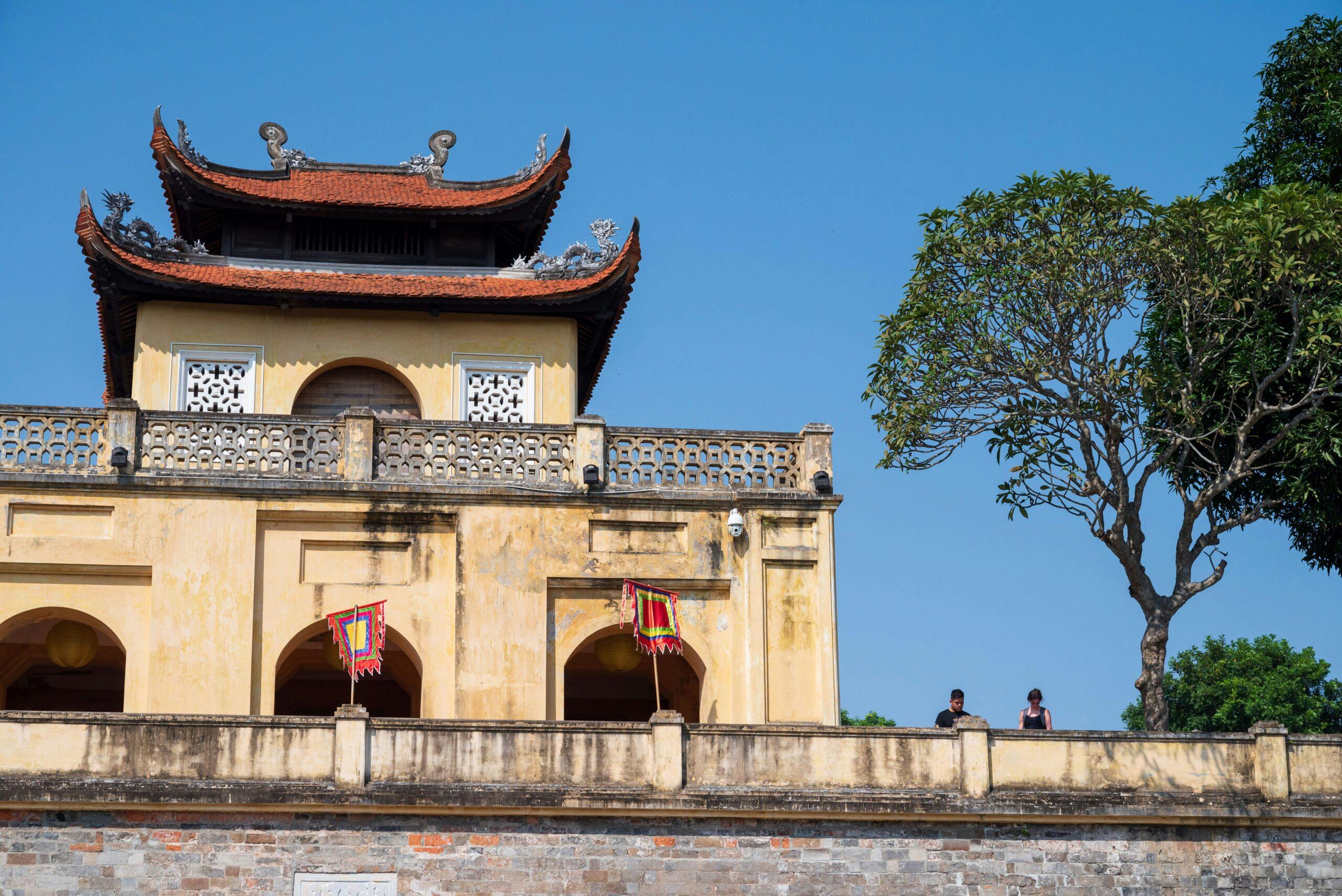
UNESCO World Heritage-listed since 2010, the Citadel brings together 1,300 years of royal presence on a single site. Highlights include the Doan Mon gate, the foundations of the Kinh Thien palace and Bunker D67, the command post used during the Vietnam War. Since January 2025, the Flag Tower has been officially added to the visitor circuit following its transfer to the Heritage Conservation Centre. The site is open Tuesday to Sunday, 8 am to 5 pm (closed Mondays); admission is 100,000 VND per adult.
Catch a Water Puppet Show
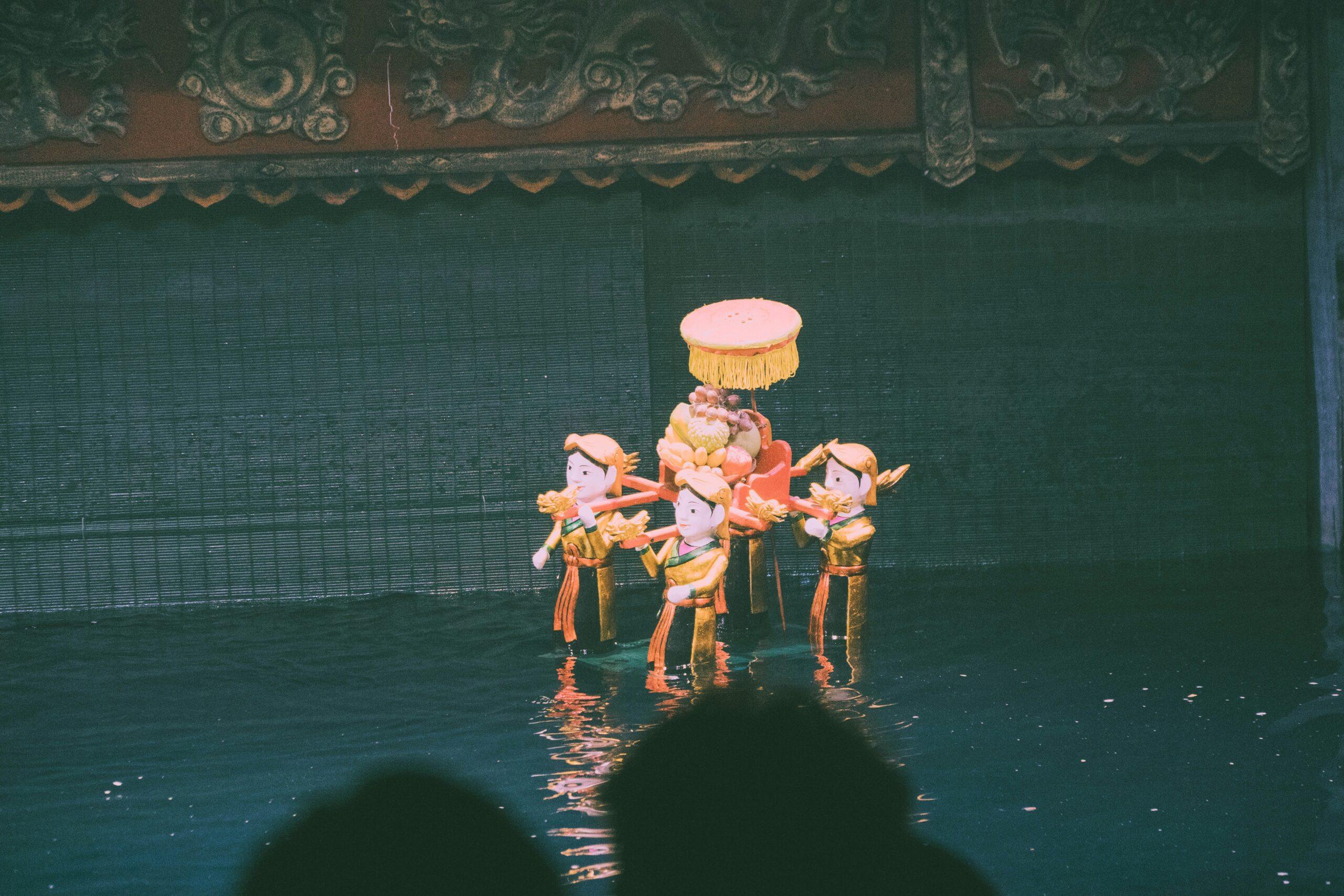
Water puppetry is a performing art that originated in the rice paddies of northern Vietnam more than a thousand years ago. Thang Long Theatre, at 57B Dinh Tien Hoang near Hoan Kiem Lake, is the only theatre in Asia to stage performances 365 days a year, with five to seven shows daily. Each performance retells local legends accompanied by live traditional music. Tickets can be booked online at nhahatmuaroithanglong.vn; book ahead in high season, especially for weekend evening shows.
Day Trip to Bat Trang, the Ceramics Village
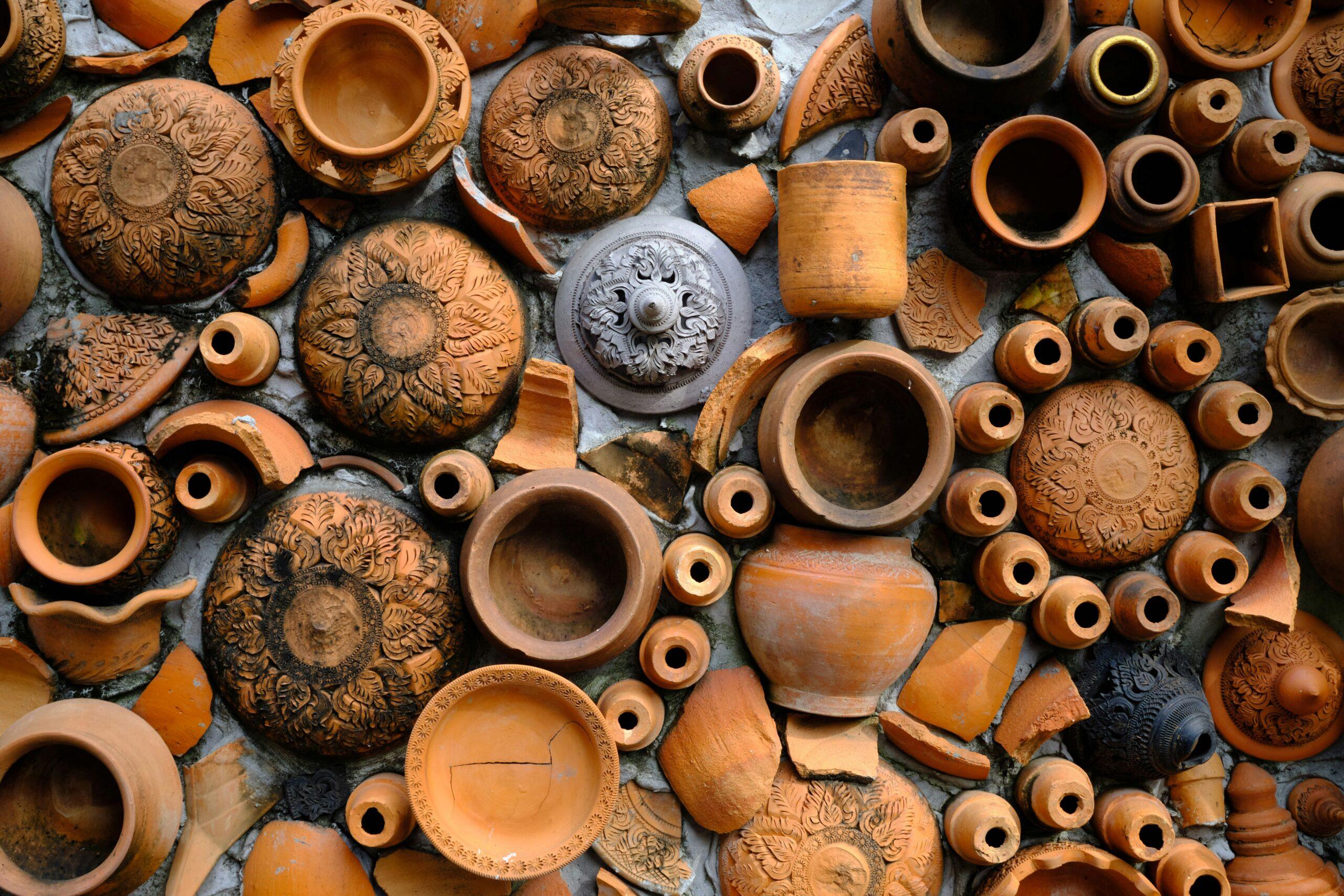
Fourteen kilometres south-east of the city centre, Bat Trang is an artisan village with a ceramics tradition stretching back several centuries. Bus no. 47, departing from Long Bien station, connects the city centre in around 40 minutes. Workshops on site let you throw your own piece and decorate it before it goes into the kiln. It is also the right place to pick up handmade ceramics at prices well below those in the tourist shops of the centre.
Hanoi as a Gateway to Northern Vietnam
Hanoi is the ideal base for exploring northern Vietnam: Halong Bay, Sapa and Ninh Binh are all within a few hours of the capital. For a fuller itinerary, our guide on things to do in Vietnam covers the country’s key stops from north to south.
Fans of Asian capitals will also find plenty of inspiration in our round-ups of things to do in Tokyo and things to do in Seoul, two destinations that match Hanoi for cultural depth.
FAQ
How long do you need to visit Hanoi?
Two to three days are enough for the main sights: the Old Quarter, Hoan Kiem Lake, the Temple of Literature and the Imperial Citadel. Add a fourth day if you want to include a trip out to Bat Trang.
What is the best time to visit Hanoi?
Spring (February to April) and autumn (September to November) bring mild temperatures and little rain. Summer (June to August) is hot, humid and frequently interrupted by heavy downpours.
Is the Imperial Citadel closed on certain days?
Yes, the site is closed on Mondays. It is open Tuesday to Sunday from 8 am to 5 pm.
How do I book water puppet show tickets?
Tickets can be booked directly at nhahatmuaroithanglong.vn. Book ahead in high season, particularly for Saturday evening performances.
How do I get from central Hanoi to Bat Trang?
Take bus no. 47 from Long Bien station: the journey takes around 40 minutes. By Grab or taxi, allow roughly 30 minutes depending on traffic.
Do I need travel insurance for Hanoi?
Medical care in Vietnam must be paid for by foreign visitors, often upfront. Travel insurance covering medical costs and repatriation means you do not have to shoulder these unexpected expenses alone.