
Cambodia reveals itself at different paces. The temples of Angkor and Phnom Penh are essential on any first visit. With ten days or more, you can also venture to Battambang, Tonle Sap lake, the southern beaches and their islands. What stays constant from one stop to the next: a thousand-year-old Khmer culture, genuine hospitality and landscapes that catch you off guard at every turn.
The Temples of Angkor: An Absolute Must
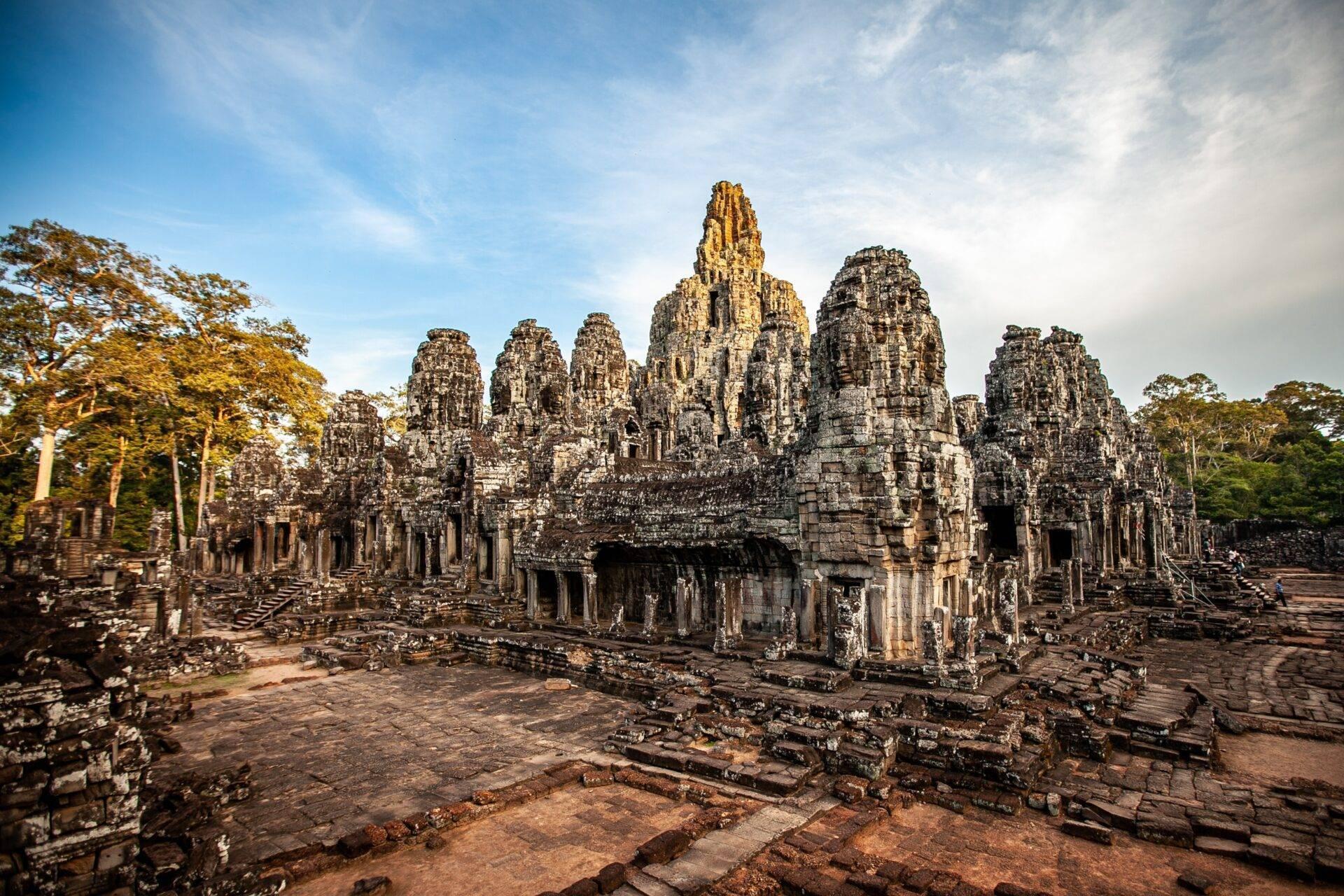
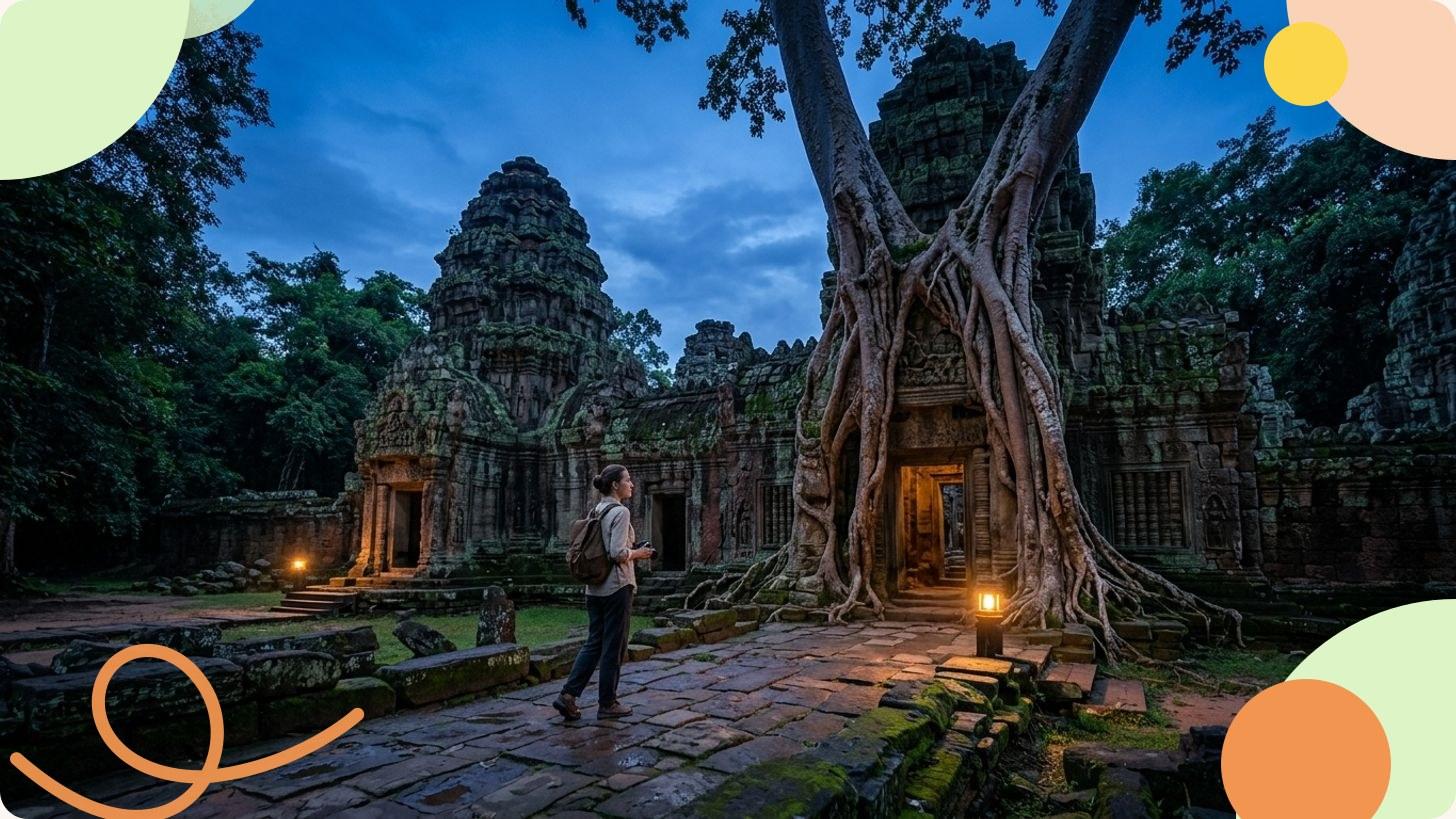
The Angkor complex, just a few kilometres from Siem Reap, contains 72 major temples spread across more than 400 km². Angkor Wat, built in the 12th century, is the world’s largest religious monument and features on the Cambodian national flag. The sandstone bas-reliefs running along its galleries tell centuries of Hindu and Khmer mythology. Ta Prohm, swallowed by the roots of giant silk-cotton trees, offers a striking contrast to the geometric precision of Angkor Thom and its Bayon with its stone faces.
The Angkor pass comes in three options: $37 for one day, $62 for three days (valid over ten days), and $72 for seven days (valid over one month). Children under 12 enter free on presentation of a passport. The pass can now be purchased online through the official Angkor Enterprise portal, which saves you queuing at the ticket office. Two to three days are enough to cover the highlights at a comfortable pace: the small circuit takes in Angkor Wat, Angkor Thom and Ta Prohm; the grand circuit adds Preah Khan, Neak Pean and Pre Rup.
Arrive before 6:30am to catch the raking light on the lotus-shaped towers and avoid the morning crowds. An extra day allows you to reach Phnom Kulen, a sacred mountain with waterfalls and lingas carved into the riverbed, around 40 kilometres from Siem Reap.
Insure my trip to CambodiaPhnom Penh: A Capital of Two Faces
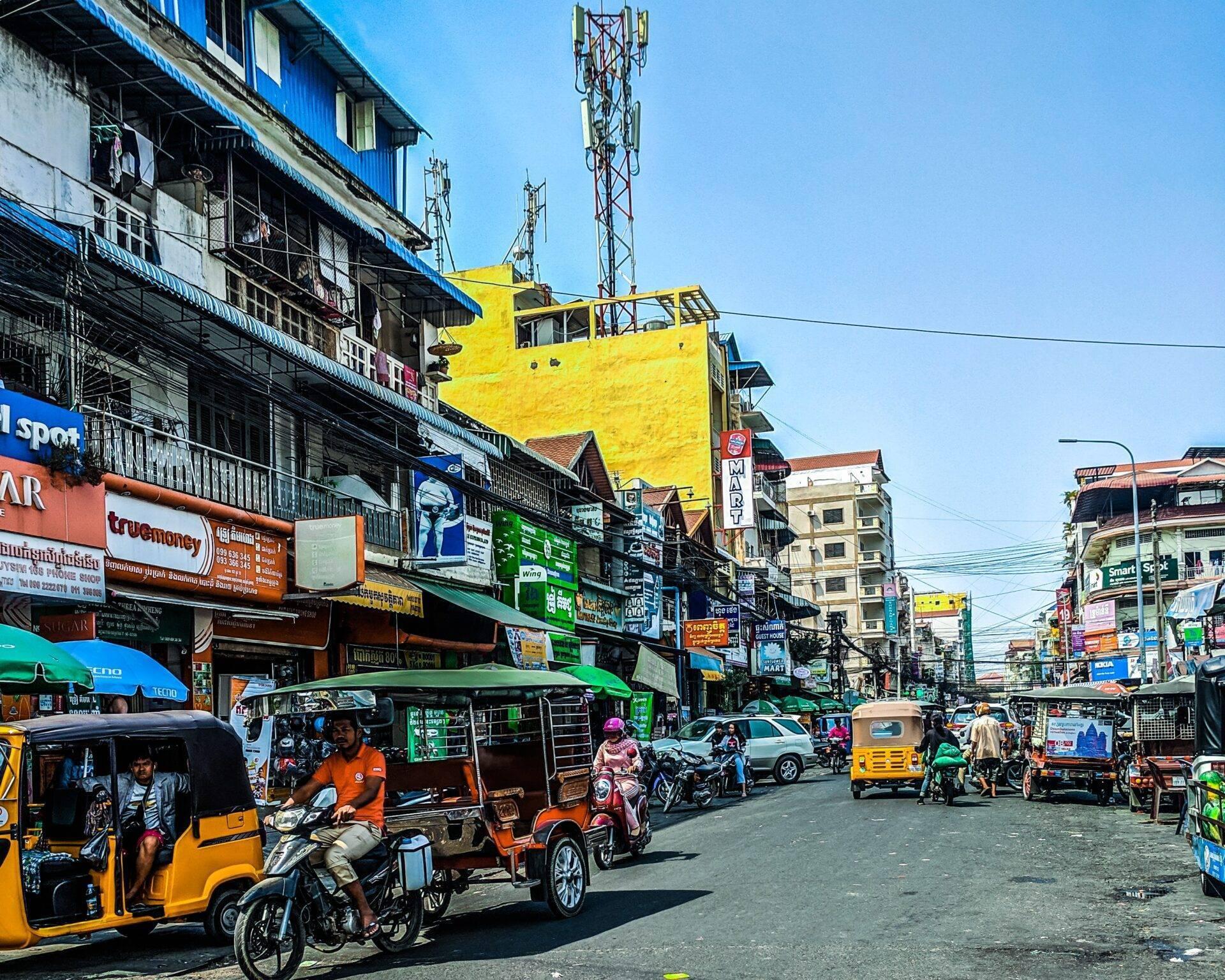
Phnom Penh is not a transit capital. The Royal Palace, with its gilded rooftops and the Silver Pagoda, sets the tone from the moment you arrive. The National Museum houses one of the most important collections of Khmer art in the world.
But the city also carries its history: the Tuol Sleng Genocide Museum (the former S-21 prison) and the Choeung Ek Memorial are essential visits for understanding what Cambodia endured under the Khmer Rouge regime. These are sober, necessary places, not ones to skip.
Once that weight has been felt, Phnom Penh reveals another side: colourful markets, cafes along the Mekong, a food scene that blends street food with serious restaurant cooking, and a lively nightlife along the Riverside. Plan for at least two nights.
Koh Rong and the Southern Islands
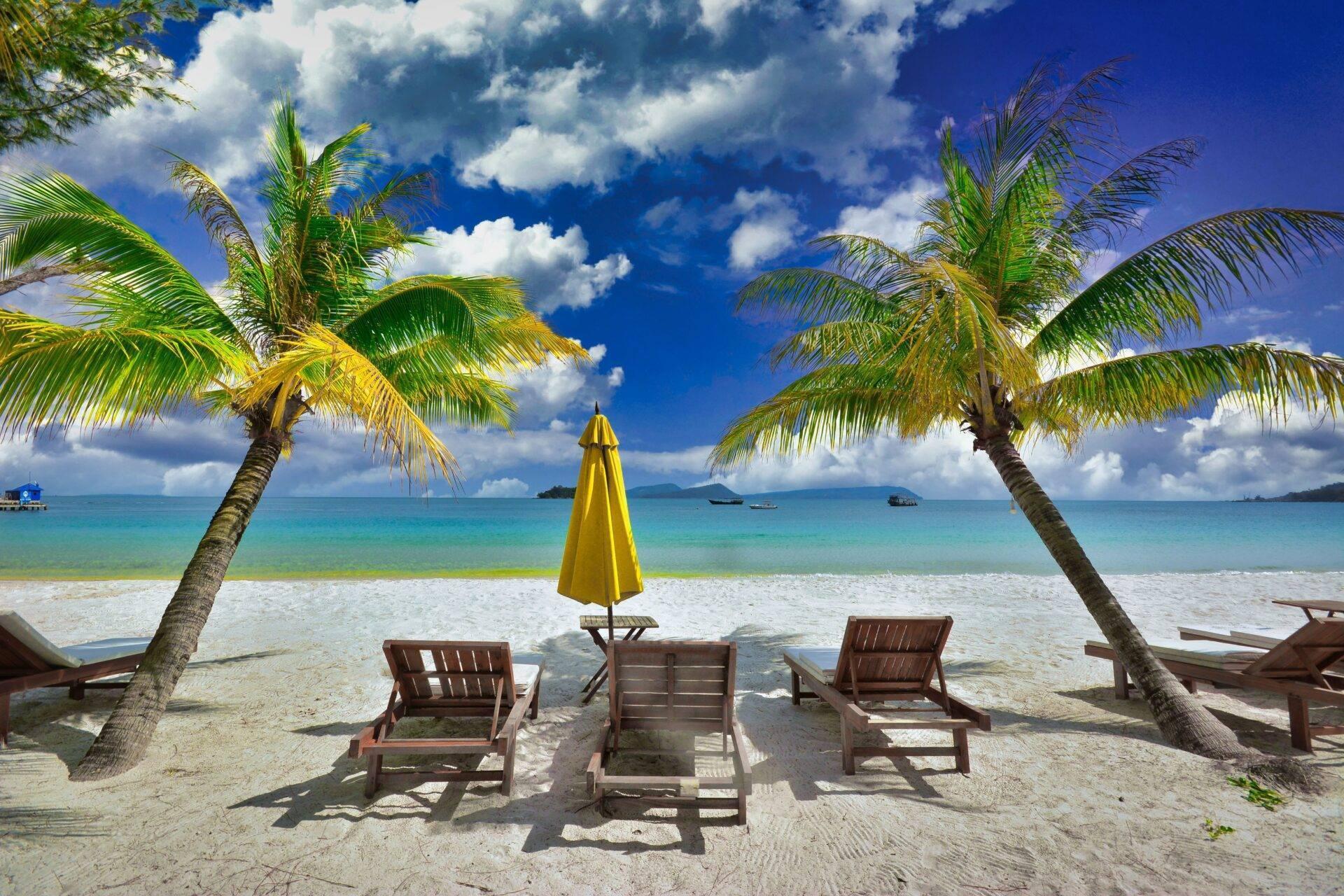
Cambodia’s southern coast opens onto islands that have largely kept their unspoilt character. Koh Rong is the largest and best known: pristine white sand, turquoise waters, jungle that tumbles right down to the shoreline. Depending on which part of the island you head to, the atmosphere shifts from the lively scene around Koh Tuch to complete silence on the eastern beaches, reached on foot or by boat.
For those who are primarily after peace and quiet, neighbouring Koh Rong Samloem is often the better choice: its beaches stay less crowded and the absence of roads gives it a genuine end-of-the-world feel.
Tonle Sap Lake and Its Floating Villages
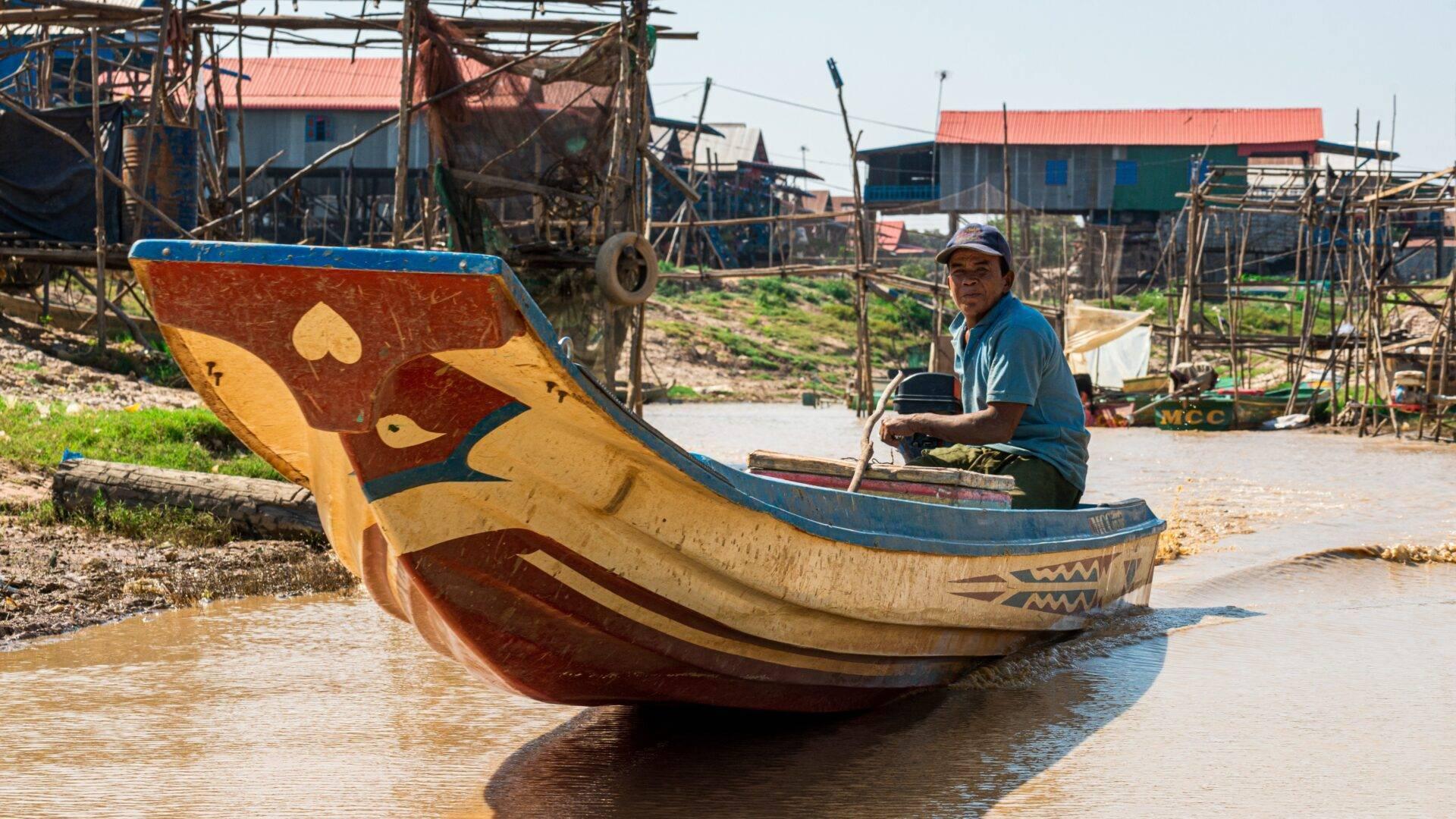
Tonle Sap is South-East Asia’s largest freshwater lake, designated a UNESCO Biosphere Reserve in 1997. It is home to more than 300 species of fish and dozens of lake villages whose inhabitants have lived from fishing for generations.
Kompong Khleang, around 55 kilometres from Siem Reap, is the largest floating village in the province, with more than 10,000 residents. Less visited than Chong Kneas, the usual choice for day trips, it offers genuine immersion into local daily life: houses on stilts, floating markets, children fishing from wooden walkways. Allow half a day from Siem Reap.
Battambang: The Overlooked City of the North-West
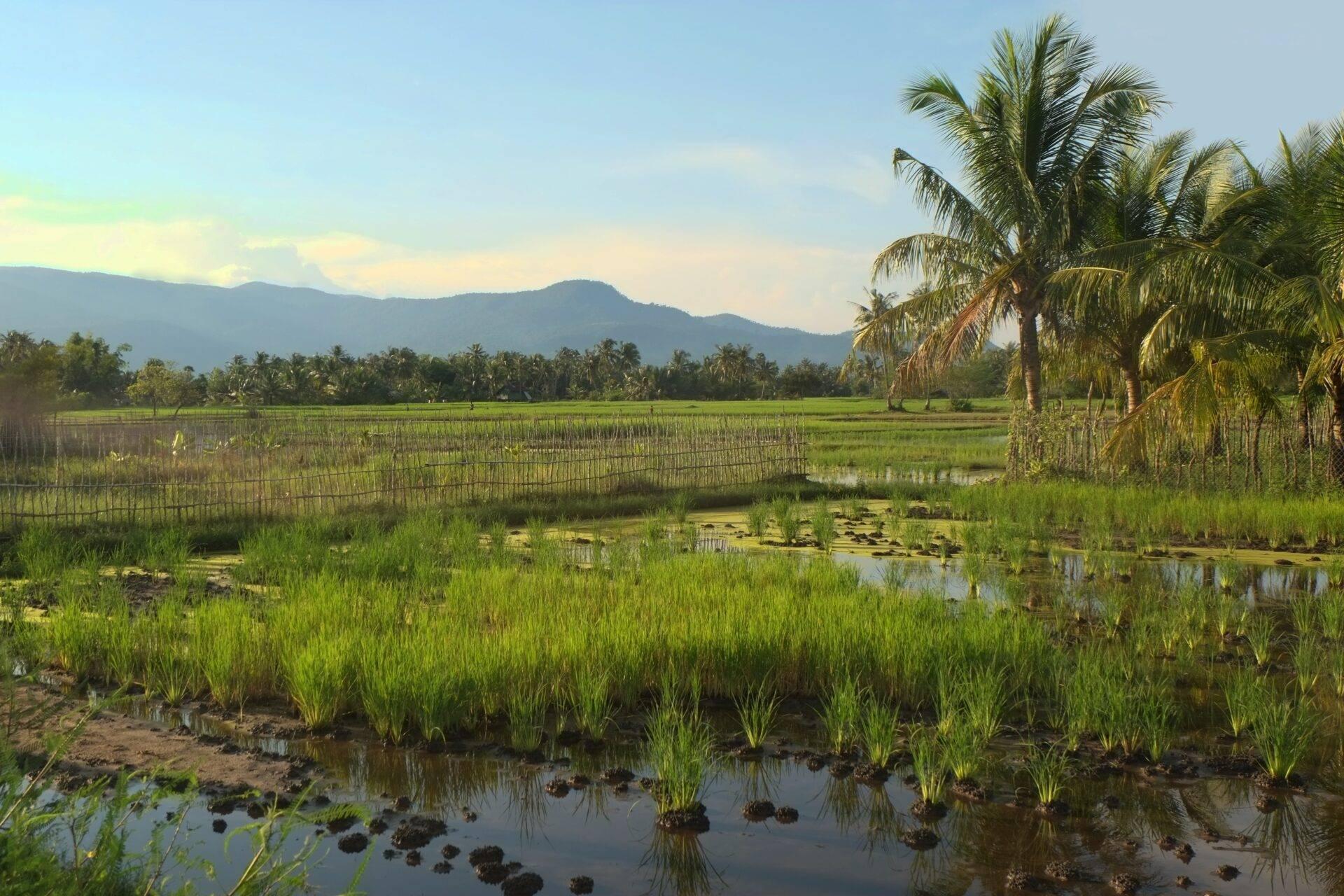
Battambang is Cambodia’s second city and, since October 2023, the first Cambodian city to join the UNESCO Creative Cities Network in the Gastronomy category. The region produces the country’s most prized rice and a local cuisine that Cambodians themselves rave about: fermented fish, amok, street skewers and kralan, sticky rice cooked inside bamboo.
The city retains an intact colonial charm, with its French-era buildings and shaded streets. The surrounding countryside is ideal for exploring by bicycle. The bamboo train, a platform set on rails that glides through the landscape along the old colonial railway line, is an unusual experience that travellers tend to remember long after. The caves of Phnom Sampeau, around 20 kilometres away, combine Buddhist heritage with sweeping views across the plains.
If you are coming from Siem Reap, the boat crossing on Tonle Sap is itself a beautiful introduction to the Cambodian landscape, though it is best done during the dry season when water levels allow it.
Kampot, Kep and Rabbit Island
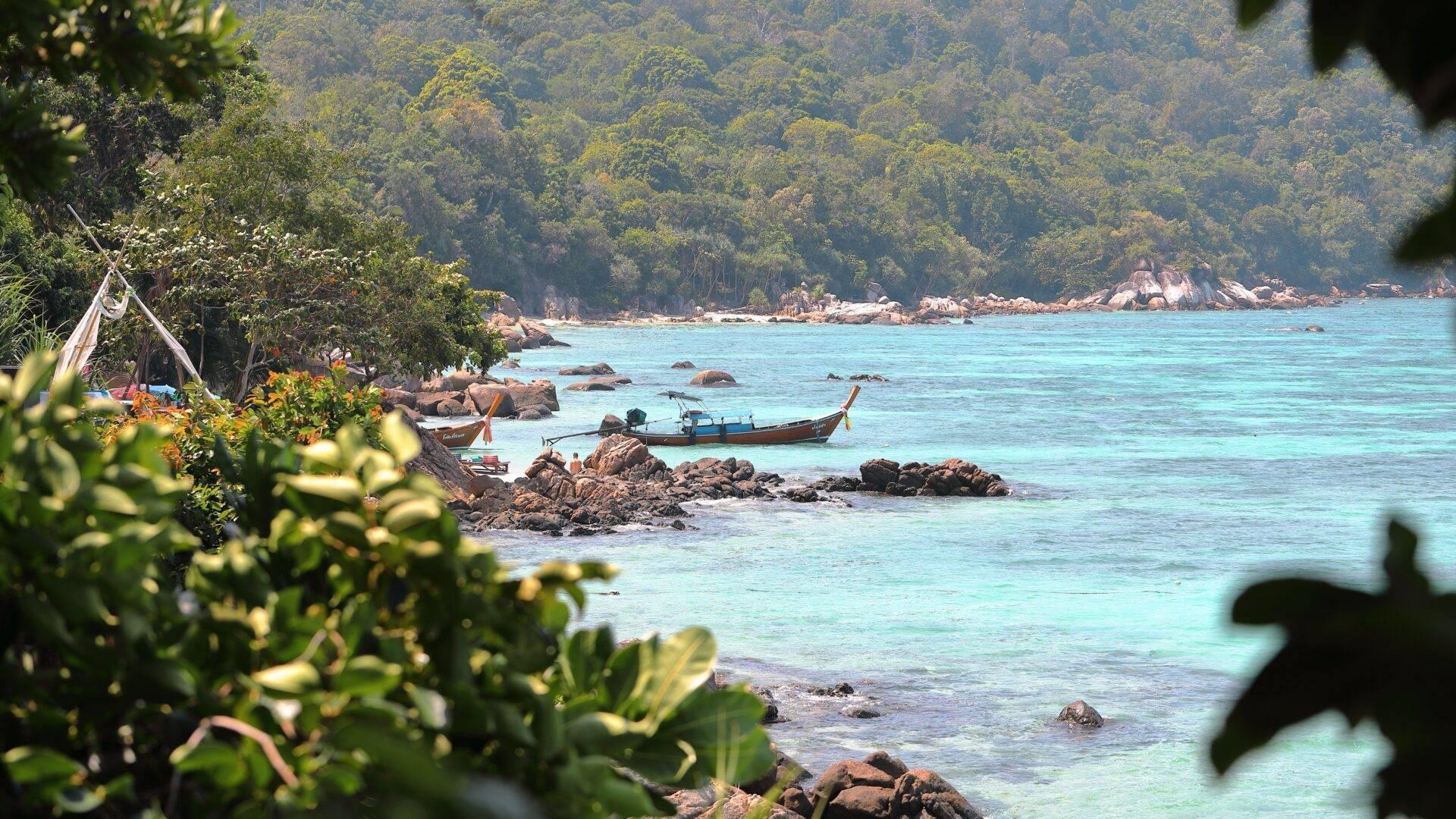
Kampot is the kind of place where travellers plan two nights and end up staying five. Its French colonial houses line the banks of the Prek Kampong Bay river, its cafes look out over the Cardamom Mountains, and the surrounding area is home to some of Asia’s most renowned pepper plantations.
Around 20 kilometres away, Kep is a former French seaside resort, now quietly genteel, and famous for its crabs cooked with Kampot pepper at the seafront restaurants.
Koh Tonsay, known as Rabbit Island, is reached by boat from Kep. Small, car-free and unhurried, it offers simple guesthouses, hammocks strung between palm trees and swimming in the Gulf of Thailand. A perfect stop for switching off. Kampot and Kep also lend themselves to a natural connection with neighbouring Vietnam: our guide Things to do in Vietnam has all the ideas you need for the next leg of your trip.
When to Visit Cambodia
The dry season, from November to March, is the recommended period. Daytime temperatures sit between 28 and 30°C, skies are clear and all sites are accessible. December and January draw the most visitors; February and March offer a good balance between pleasant weather and more manageable crowds.
The rainy season (May to October) is not without its appeal: Tonle Sap reaches its highest water levels in September and October, transforming the lake and its floating villages into a spectacular sight. Prices drop, crowds thin and the vegetation takes on an intensity that the dry season simply cannot match.
If you are combining Cambodia with Thailand, our guide Things to do in Bangkok rounds out this itinerary before or after your time in Cambodia.
Suggested 10-Day Itinerary
For a first visit, here is a realistic framework:
- Days 1-2: Phnom Penh (Royal Palace, Tuol Sleng, markets)
- Days 3-5: Siem Reap and the temples of Angkor (small and grand circuits)
- Day 6: Excursion to Tonle Sap lake and Kompong Khleang
- Day 7: Battambang (bamboo train, cycling in the countryside)
- Days 8-10: Kampot, Kep and Koh Tonsay
For everything related to entry formalities, health on the ground and medical cover, find the practical details on our Cambodia travel insurance page.
FAQ
How many days do you need to visit the temples of Angkor?
Two to three days are enough to cover the highlights without rushing: the small circuit takes in Angkor Wat, Angkor Thom and Ta Prohm; the grand circuit adds Preah Khan, Neak Pean and Pre Rup. A single day is too short to appreciate the carved details and avoid the busiest hours.
What is the best month to travel to Cambodia?
November to March for the dry season and optimal conditions: clear skies, temperatures between 28 and 30°C, all sites accessible. December and January attract the most visitors; February and March offer a good balance between pleasant weather and more moderate crowds.
Which island should you choose in Cambodia?
Koh Rong for a livelier atmosphere and varied beaches. Koh Rong Samloem for peace and quiet, uncrowded beaches and crystal-clear waters. Koh Tonsay (Rabbit Island) for a short, restful stop from Kep, with no cars and no hustle.
What is there to do in Cambodia beyond the temples of Angkor?
Phnom Penh for Khmer history and city life. Battambang for colonial architecture, gastronomy and the bamboo train. Kampot for pepper plantations and a relaxed riverside atmosphere. Tonle Sap lake for the floating villages. The southern coast and islands for beaches and snorkelling.
Is Battambang worth visiting?
Yes, especially with ten days or more. Since October 2023, Battambang has been Cambodia’s first UNESCO Creative City of Gastronomy, reflecting a strong culinary identity that travellers passing only through Siem Reap and Phnom Penh often miss entirely.