
South Africa is one of the most varied destinations on the planet: in two weeks, you can go from a Big Five safari to wine tasting on mountain estates, from watching whales from clifftops to coming face to face with great white sharks in a dive cage. Here are the ten experiences that make the journey worth it.
Safari in Kruger: Meeting the Big Five
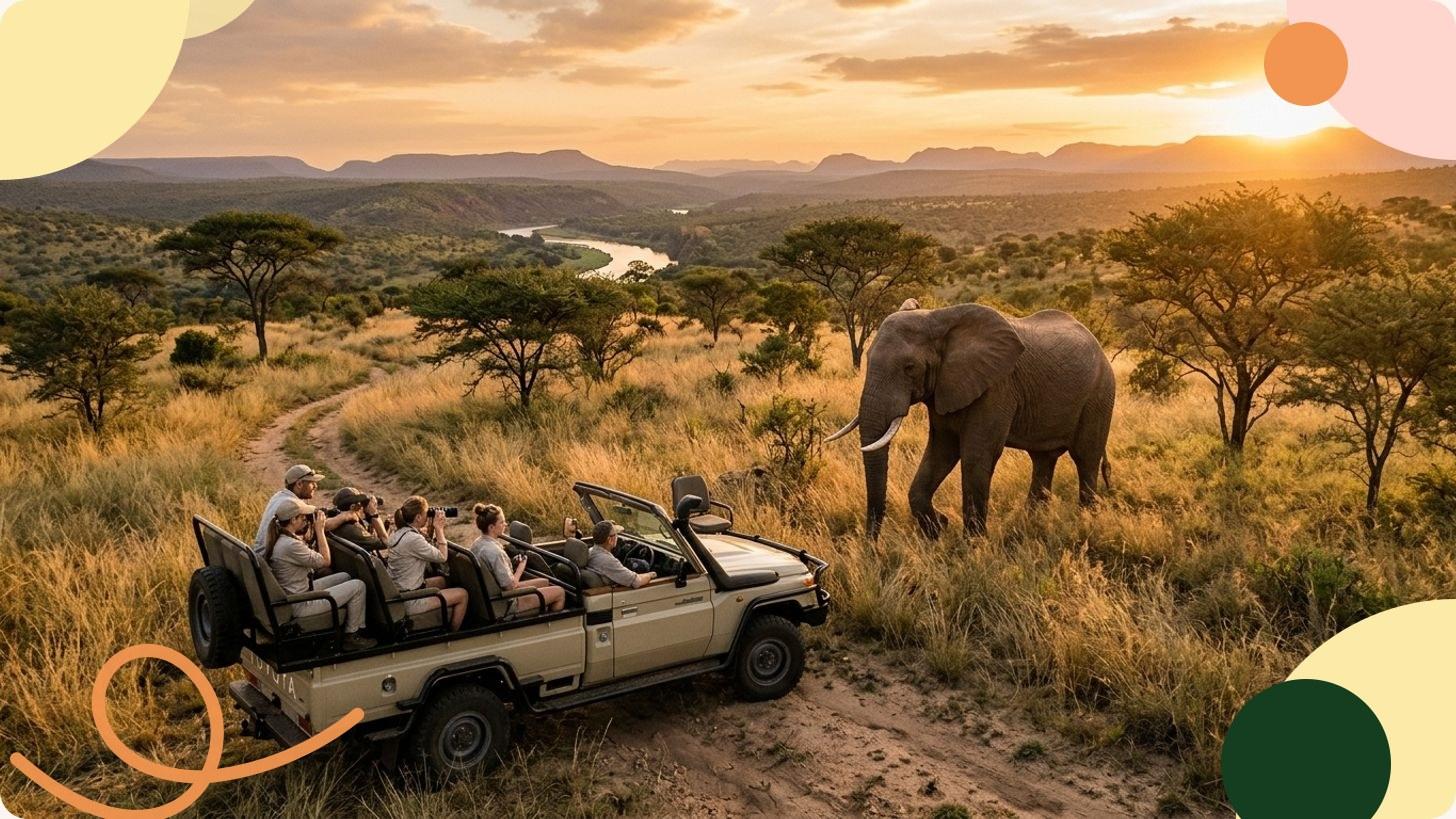
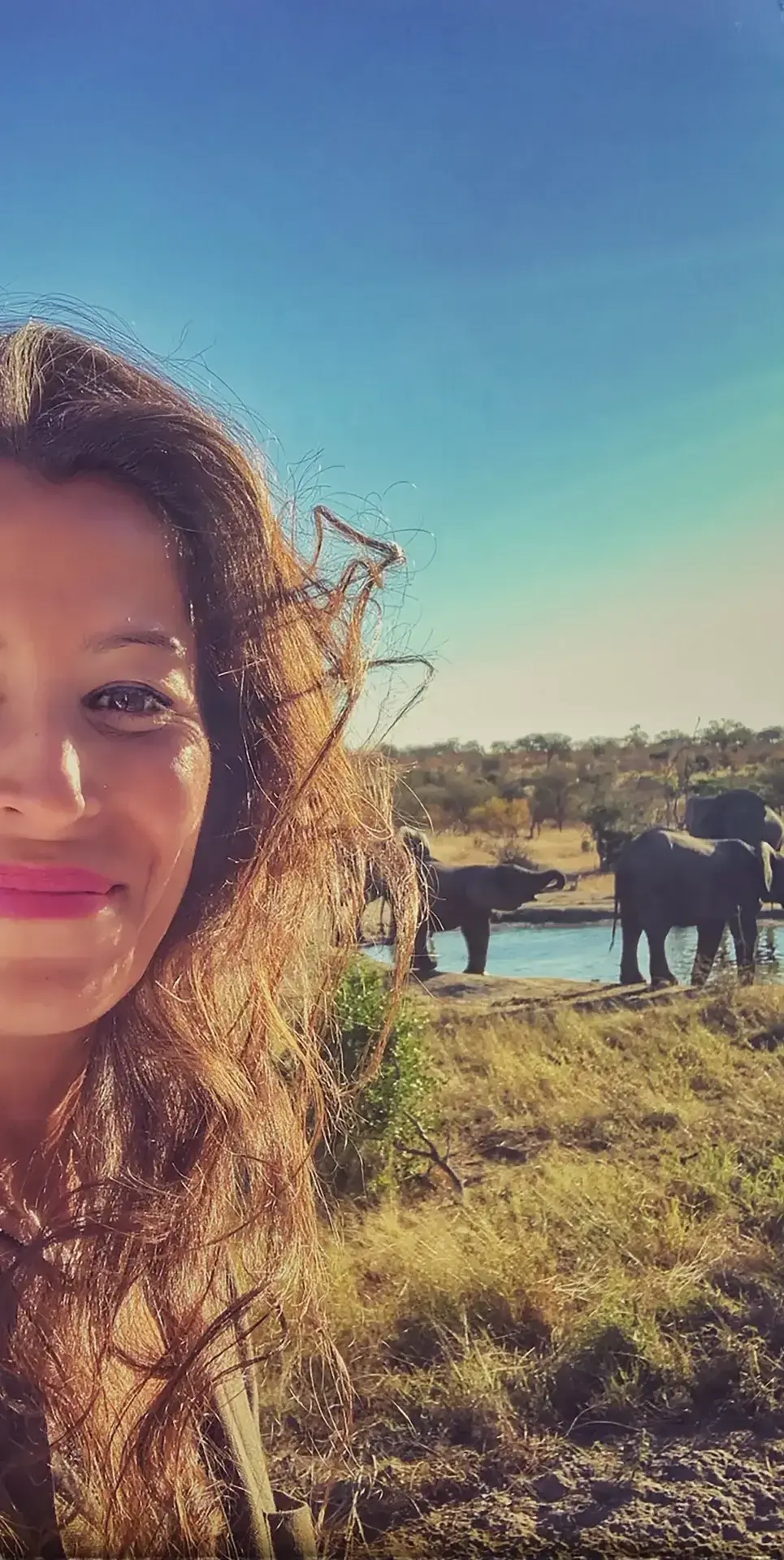
If one experience defines South Africa, it is a safari in Kruger National Park. One of the largest reserves on the continent, Kruger is home to all five iconic Big Five animals: lion, elephant, rhino, leopard and buffalo. Giraffes, hippos, zebras and hundreds of bird species complete the picture.
There are two ways to explore the park: self-driving along marked roads in your own vehicle, or heading out with a ranger into zones reserved for guided vehicles. A ranger-led game drive gives you access to off-road terrain, expert knowledge of animal behaviour, and a far better chance of getting close to the big predators.
For help choosing between a private lodge, a public camp or one of the neighbouring reserves, our guide Safari in South Africa covers all the options in detail.
Get my travel insurance quoteJohannesburg: From Soweto to the Maboneng Art Quarter
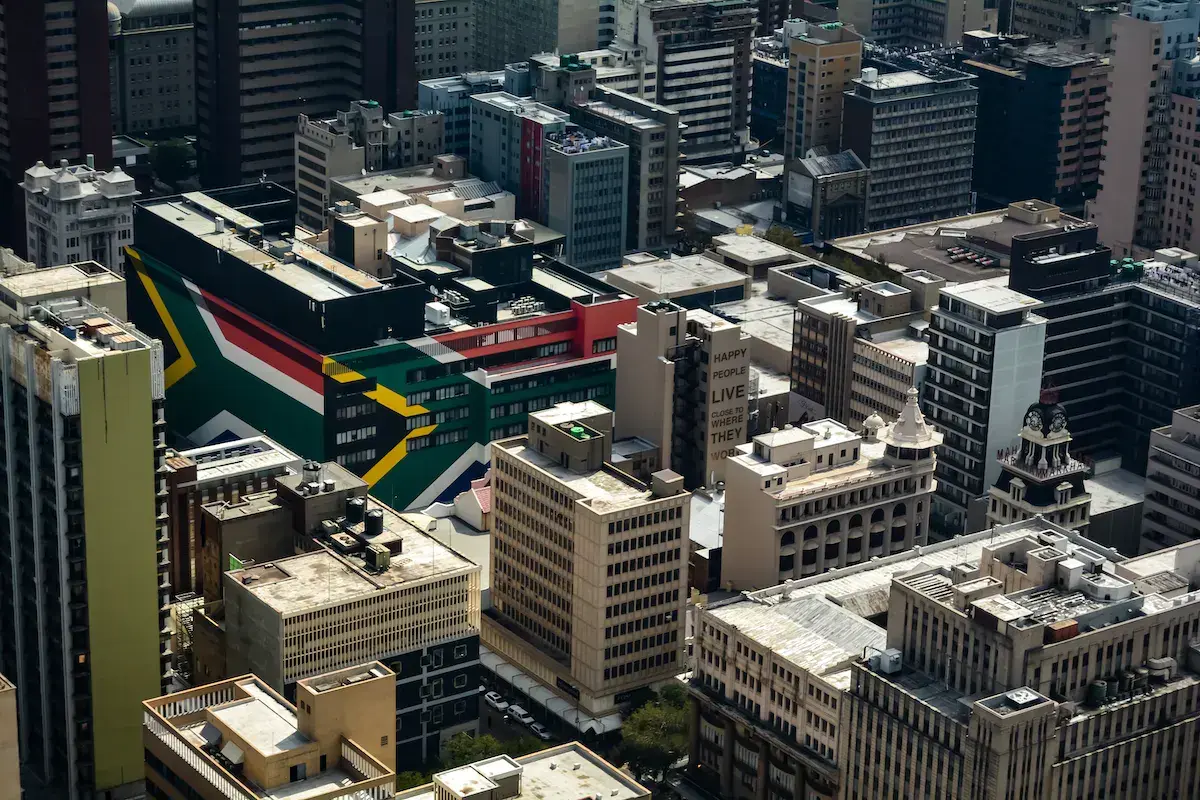
Johannesburg is South Africa’s largest city and the most powerful place of memory in the struggle against apartheid. The township of Soweto holds the essential sites: Nelson Mandela’s former home, now a museum, the Apartheid Museum, and the Hector Pieterson Memorial, dedicated to the victims of the 16 June 1976 uprising.
The city has a contemporary side too. The districts of Braamfontein and Maboneng are home to art galleries, fashionable restaurants and live music venues well worth a few hours of your time.
Spending several days in the city? Our article Things to Do in Johannesburg goes into detail on the best museums, guided tours and addresses to note down.
Blyde River Canyon: The World’s 3rd Largest Canyon
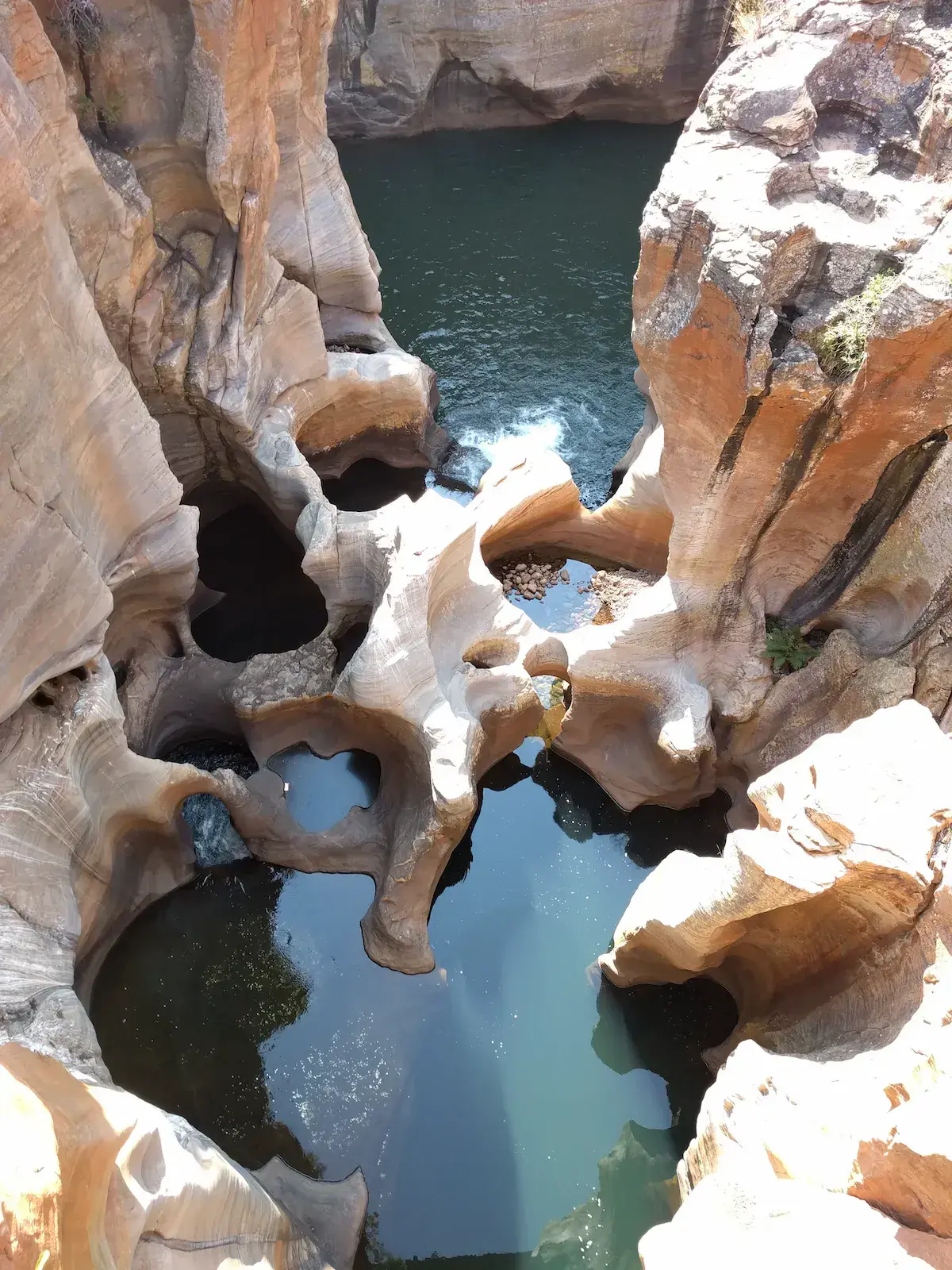
Located in Mpumalanga, roughly an hour’s drive from Kruger, Blyde River Canyon stretches 26 kilometres and plunges to depths of 800 metres. It is the third largest canyon on Earth, after the Grand Canyon and Fish River Canyon, and the world’s largest green canyon thanks to its exceptionally dense subtropical vegetation.
Three highlights not to miss:
- Bourke’s Luck Potholes, cylindrical rock pools carved into the cliff face by river erosion
- The Three Rondavels, three rounded rock formations whose dome-like shape echoes traditional African huts
- The waterfalls of Lisbon Falls (over 94 m drop) and Berlin Falls (over 80 m)
For those after a thrill, zip-lining and canyoning are available in the area. If you plan on tackling these activities, check that your cover includes adventure sports before you leave home.
Drakensberg National Park: Hiking and Towering Waterfalls
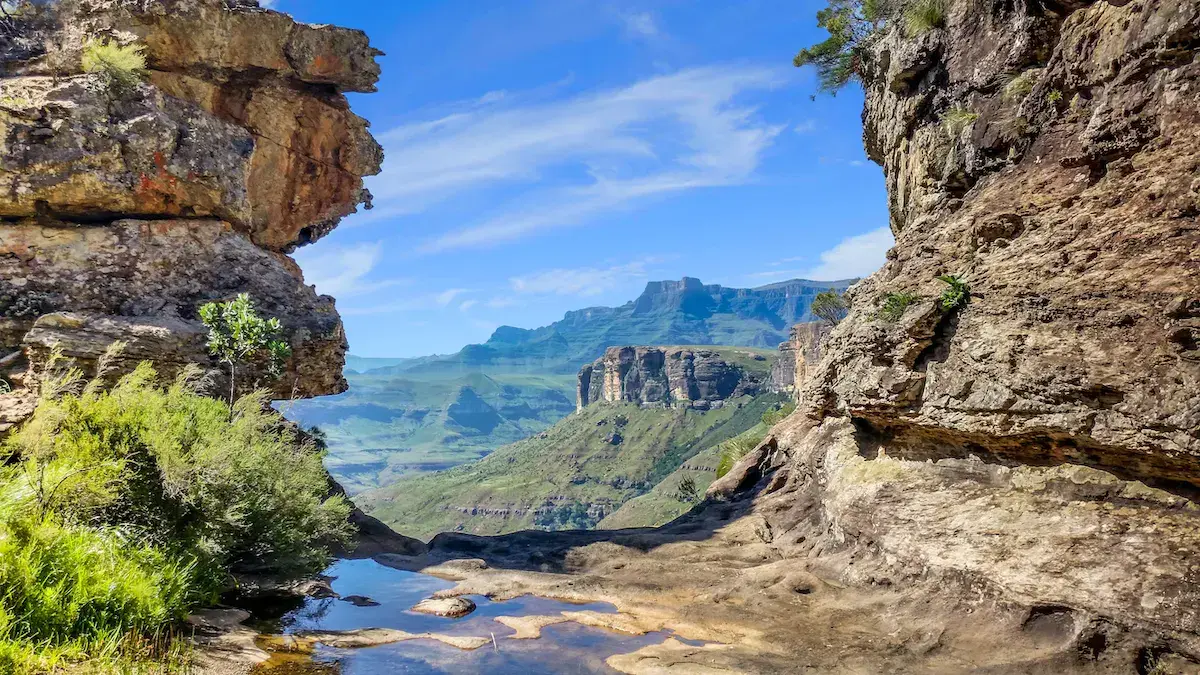
The uKhahlamba-Drakensberg National Park, a UNESCO World Heritage Site since 2000, is a mountain range running along the border between South Africa and Lesotho. Its name means “dragon’s mountain” in Afrikaans, and the landscape delivers on that promise: the highest peak, Thabana Ntlenyana, rises to 3,482 metres.
Trails exist for every level. The Amphitheatre, a dramatic rock cirque at 2,930 metres above sea level, offers one of the most spectacular panoramas in the country. It is from here that the Tugela Falls descend: their five successive cascades total 948 metres, placing them among the highest waterfalls in the world. During the southern hemisphere summer, natural pools at the base of the falls are even inviting for a swim.
Cape Town: Table Mountain, Robben Island and Bo-Kaap
Cape Town is often the first stop and the most striking. Table Mountain, the flat-topped massif looming over the city, can be reached by cable car or on foot via trails ranging from 3 to 10 kilometres. The view over the bay and the Atlantic from the summit alone is worth the climb.
Other unmissable sights:
- Robben Island, the prison island where Nelson Mandela was held for eighteen years, reachable by ferry from the V&A Waterfront
- The Cape of Good Hope, at the tip of the Cape Peninsula
- Bo-Kaap, the Cape Malay quarter with its brightly painted houses, perfect for travel photography
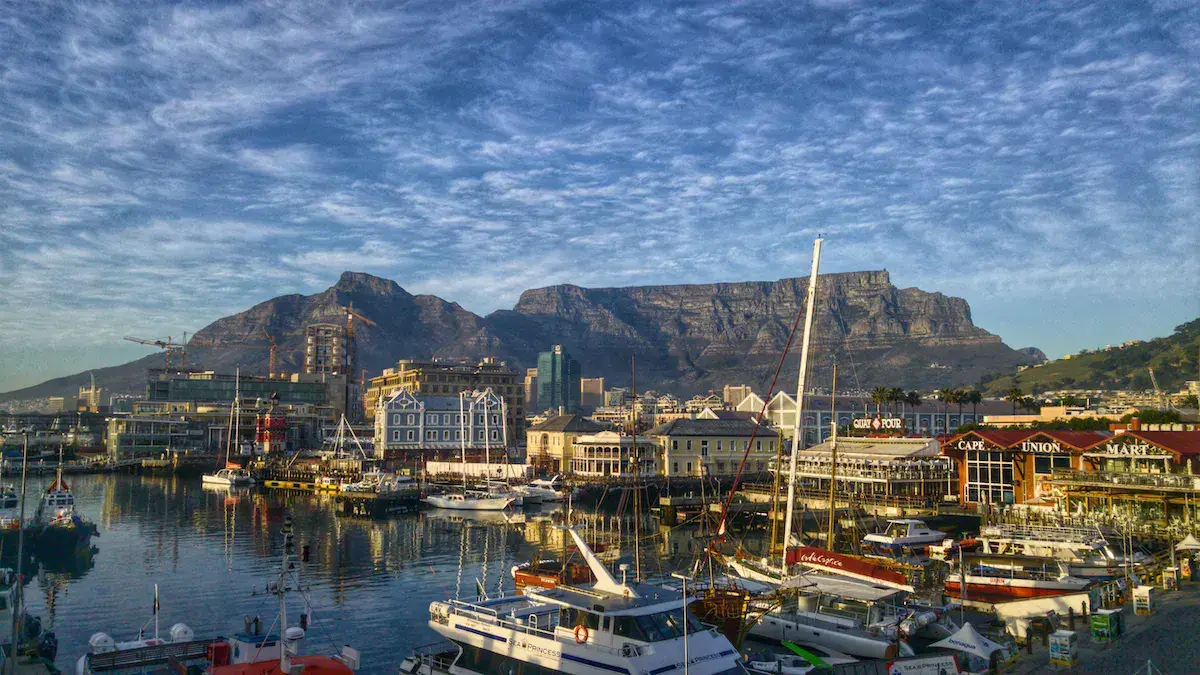
Cape Town deserves several days. Beaches, museums, markets and restaurants: it is all covered in our guide Things to Do in Cape Town.
The Garden Route: From Cape Town to Port Elizabeth
The Garden Route follows South Africa’s southern coastline for several hundred kilometres, between Cape Town and Port Elizabeth (Gqeberha). It weaves together beaches, lagoons, dense forests and seaside villages.
Stops worth making:
- The Cango Caves, a prehistoric limestone cave system near Oudtshoorn
- Oudtshoorn, the ostrich capital, with its working farms open to visitors
- Knysna and Plettenberg Bay, for their turquoise waters and sheltered lagoons
- Tsitsikamma National Park, where ancient forest meets the ocean
- Addo Elephant National Park, easily reached from Port Elizabeth
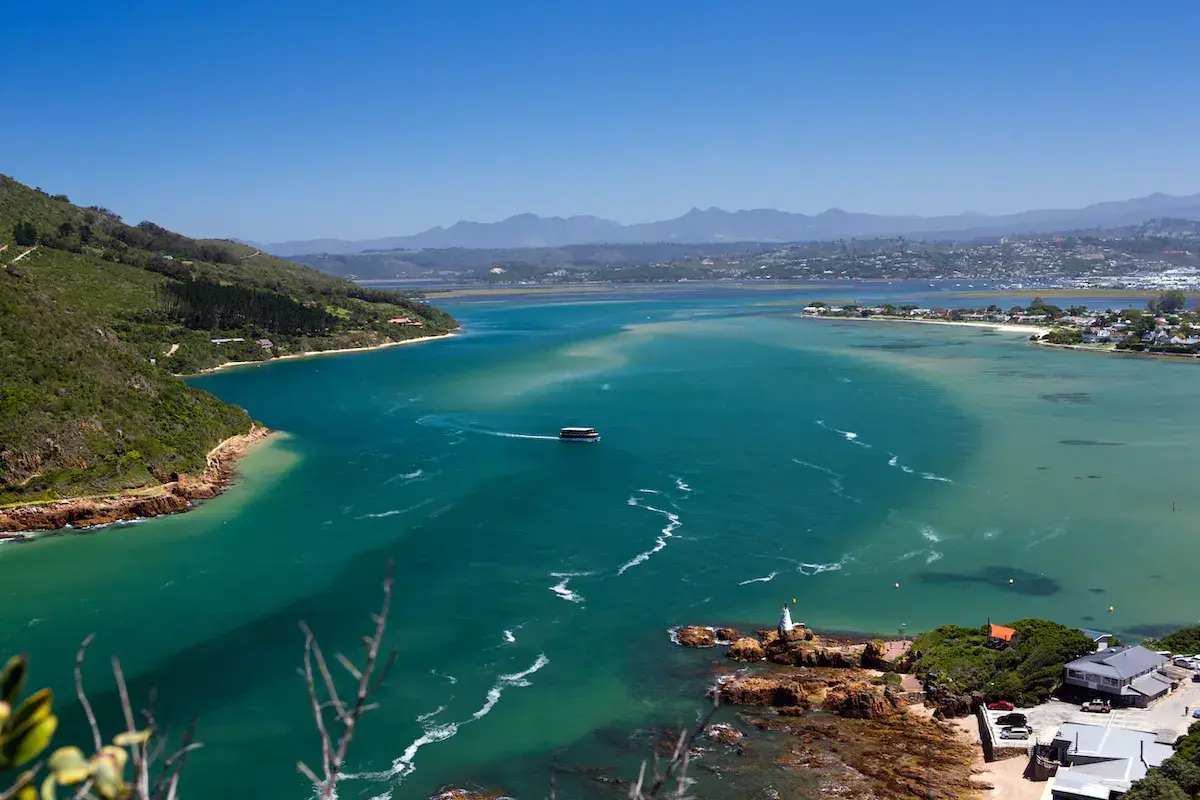
Whale Watching in Hermanus
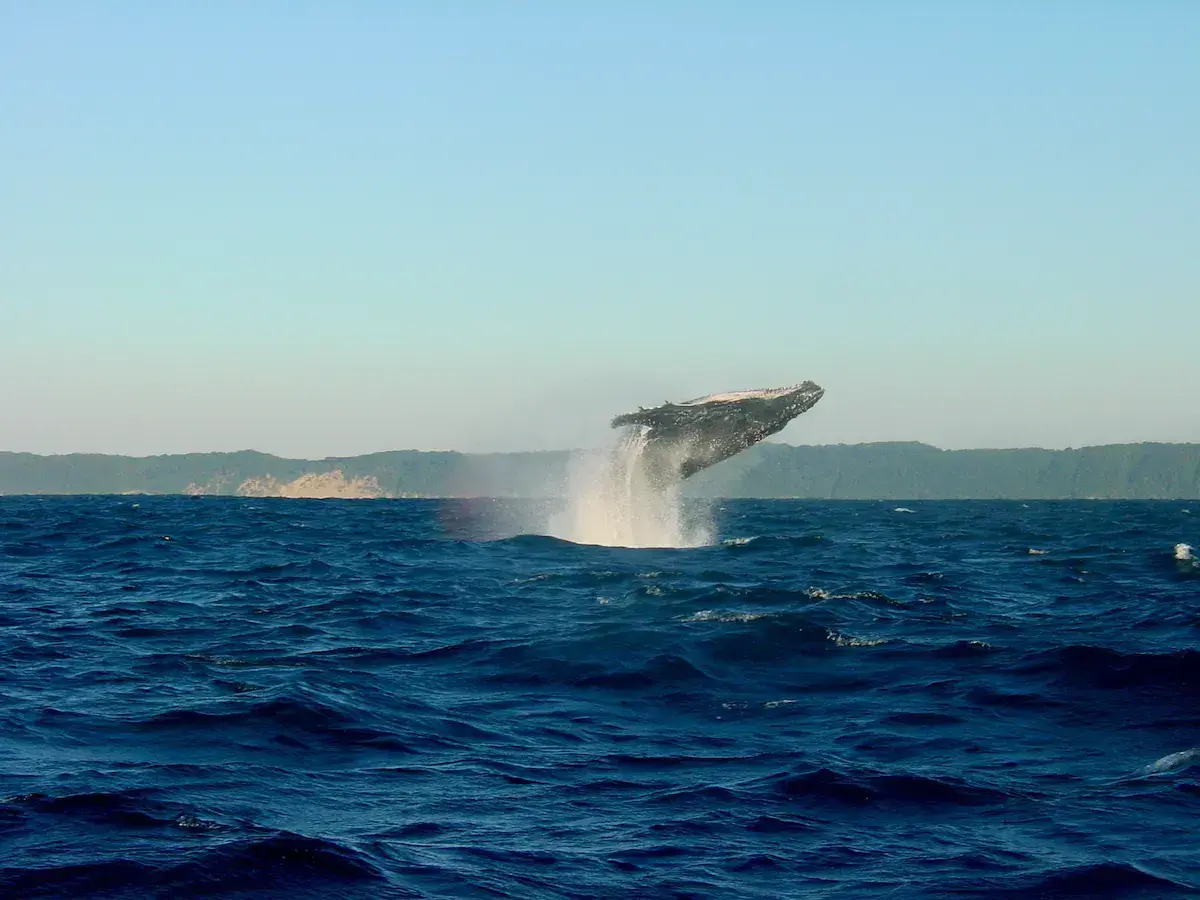
Hermanus, roughly 120 kilometres south-east of Cape Town, is one of the best places in the world to watch southern right whales from dry land, no boat required. From July to early November, dozens of whales frequent the bay to calve and raise their young. The peak viewing period falls in September and October.
An official “whale crier” signals the whales’ positions from the clifftops throughout the season. For an even closer encounter, boat trips depart from the local harbour.
Shark Cage Diving in Gansbaai
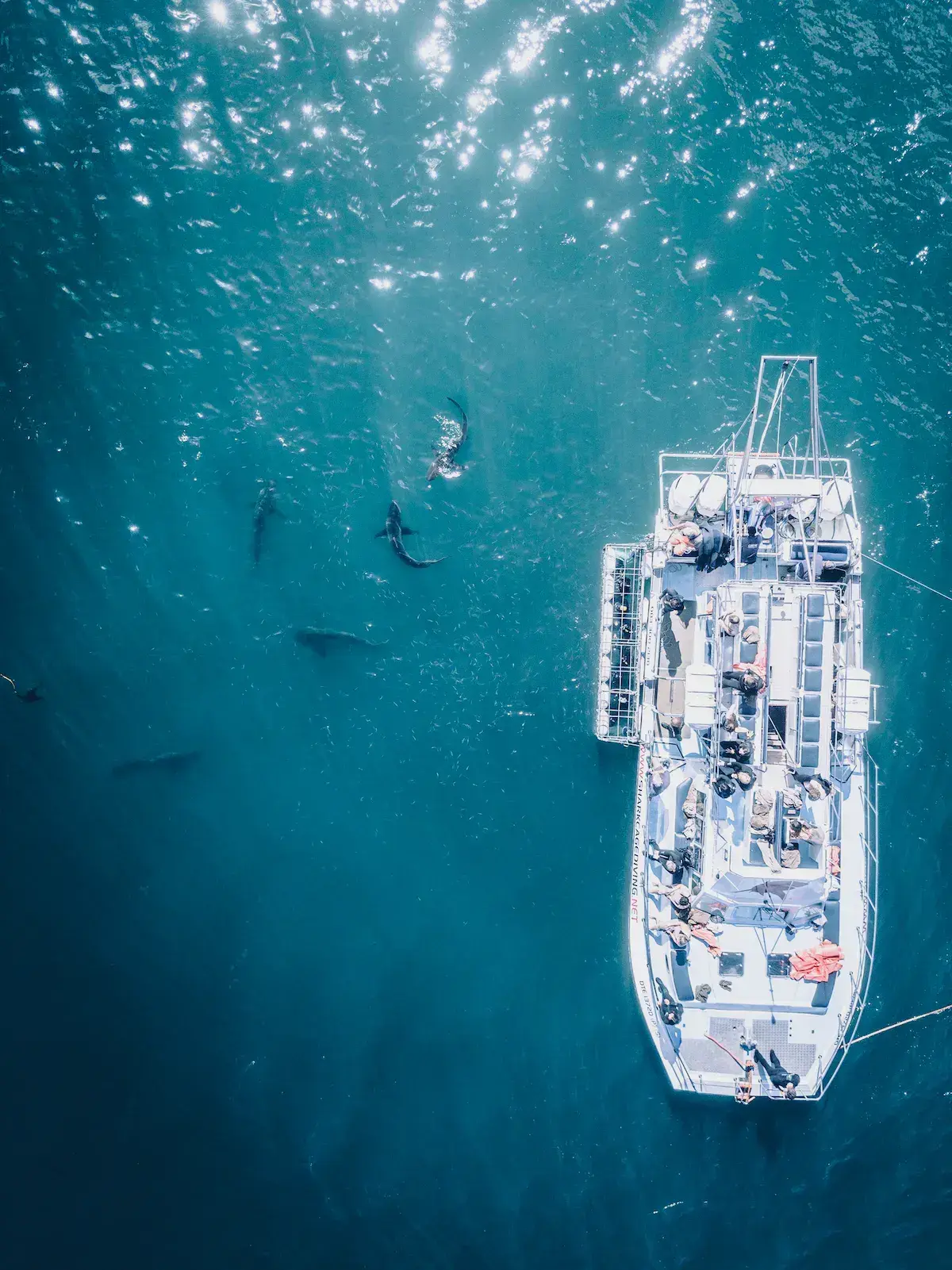
Around thirty kilometres from Hermanus, the village of Gansbaai is one of the few places in the world where you can come face to face with great white sharks from inside a submerged cage. Several operators run half-day trips from the harbour under strict regulations (DFFE code of conduct, cages certified annually by a registered engineer).
It is not an activity for everyone, but those who take the plunge never forget it.
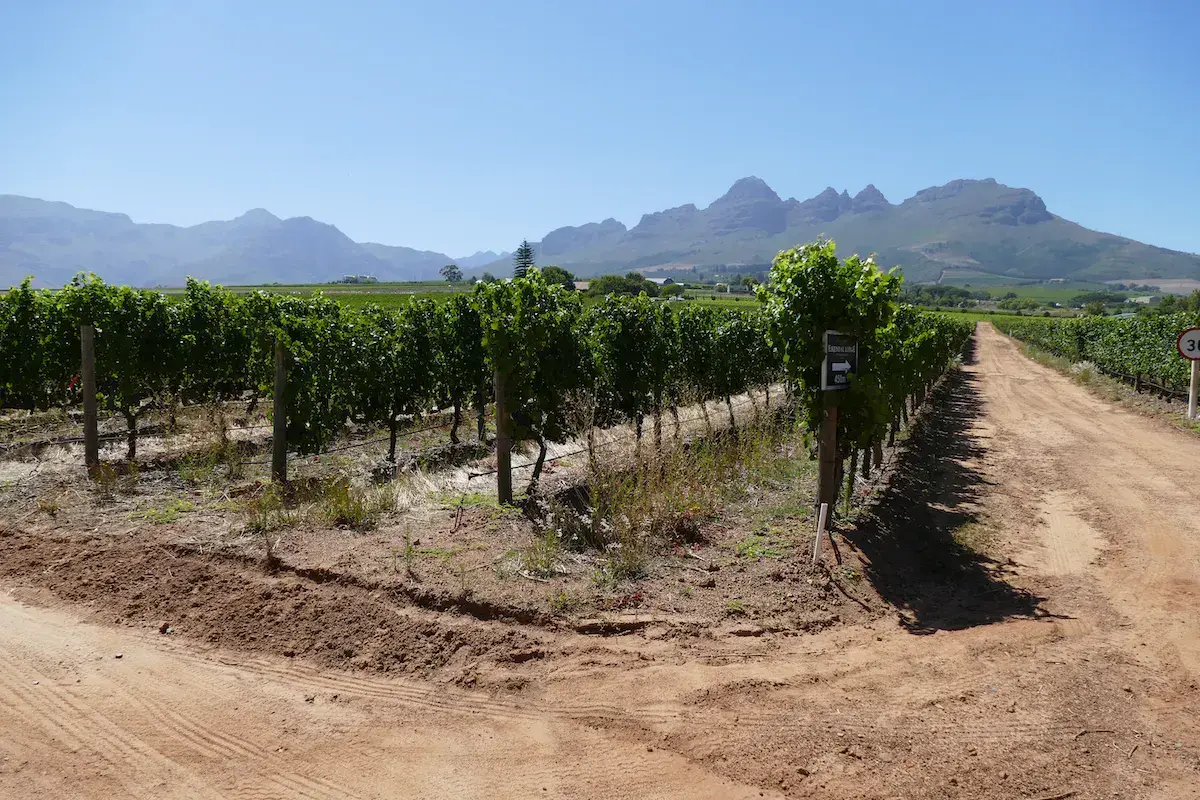
The Cape Winelands: Mountain Vineyards at Stellenbosch and Franschhoek
Less than an hour from Cape Town, the Cape Winelands produce virtually all of South Africa’s finest wines. Two villages share the spotlight.
Stellenbosch is surrounded by more than 150 wine estates. Its Cape Dutch architecture, oak-lined streets and university make it a pleasure to visit well beyond a simple cellar tour.
Franschhoek (literally “the French corner”) was founded in the 17th century by Huguenot refugees. The valley is packed with fine-dining restaurants and artisan producers. The Wine Tram, a hop-on hop-off tram serving around a dozen estates, is an inspired way to explore them without worrying about who is driving.
iSimangaliso Wetland Park: A Water Safari in Hippo Country
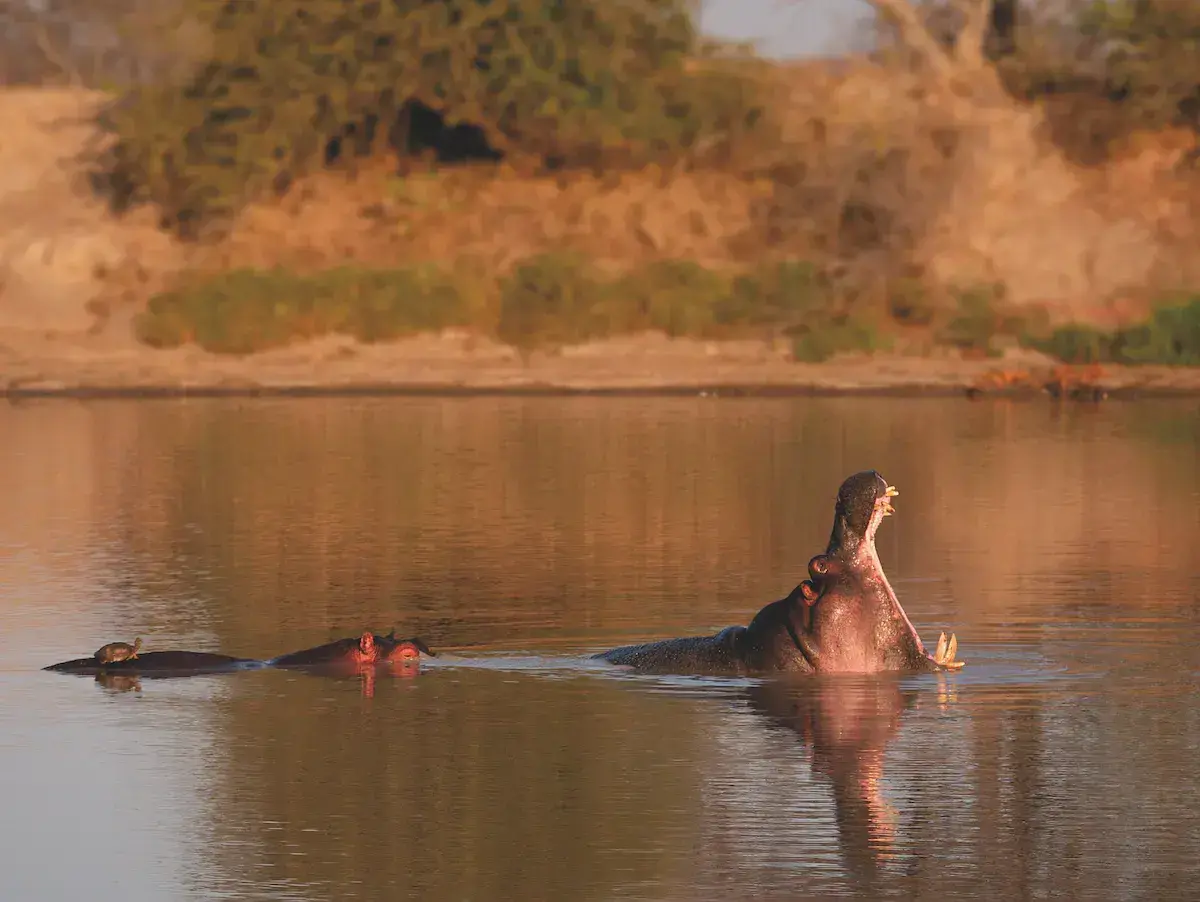
iSimangaliso Wetland Park, inscribed as a UNESCO World Heritage Site in 1999, protects 397,000 hectares of extraordinary ecosystems in KwaZulu-Natal: coral reefs, sandy beaches, dunes, marshes, estuaries and mangrove forests.
The St Lucia estuary is home to around 1,200 hippos. Boat cruises allow you to observe them at a safe distance, alongside crocodiles and a remarkable variety of birdlife. It is one of the few places in the world where rhino, elephant, hippo and coelacanth share the same ecosystem.
Before you go, find all the practical information you need (visa requirements, health, currency, entry formalities) and the right travel insurance cover for this trip on our page Travel Insurance for South Africa.
FAQ
When is the best time to visit South Africa?
The answer depends on your itinerary. For a Kruger safari, the dry season (May to September) is ideal: vegetation is less dense, animals gather around waterholes and temperatures are more comfortable. For whale watching in Hermanus, you need to visit between July and early November, with a peak in September-October. For Cape Town and the Garden Route, the southern hemisphere summer (October to April) offers the best coastal conditions.
How long should I allow for a trip to South Africa?
Two weeks give you enough time to combine Cape Town, the Garden Route, the Cape Winelands and Kruger. To add the Drakensberg, iSimangaliso and Johannesburg, plan for closer to three weeks.
Can I visit South Africa without hiring a car?
Long-distance buses such as the Baz Bus connect several stops along the Garden Route without the need for your own vehicle. That said, a hire car remains the most practical option for moving freely between destinations, particularly when it comes to accessing the national parks.
What wildlife can I see outside Kruger?
Rhino and elephant are also found in other reserves such as Hluhluwe-iMfolozi and Addo Elephant Park. Whales and penguins can be spotted along the Atlantic coast, while hippos thrive in iSimangaliso. South African wildlife is extraordinarily diverse and accessible across many different regions of the country.