
A South Africa safari is one of the most accessible wildlife experiences on the African continent: several parks and reserves let you encounter the Big Five (lion, leopard, elephant, rhino, buffalo) just a few hours from Johannesburg. From Kruger to the private reserves of Sabi Sands and on to the plains of KwaZulu-Natal, here is how to plan a trip that genuinely matches what you are looking for.
When to go on safari in South Africa
The dry season, from May to September, offers the best game-viewing conditions. Between June and August, the vegetation thins out: sightlines between trees open up, and animals congregate around permanent waterholes. Temperatures range from 8°C to 28°C, nights are cool and the days are perfect for driving with the windows down.
One thing to keep in mind: the dry season coincides with the South African school holidays. Lodges and camps in Kruger fill up months in advance. If you are targeting June to August, book at least four to six months ahead.
The wet season (October to April) has its own appeal: newborn animals are plentiful, migratory birds arrive, and the landscape turns lush and green. The trade-off is reduced visibility for game viewing.
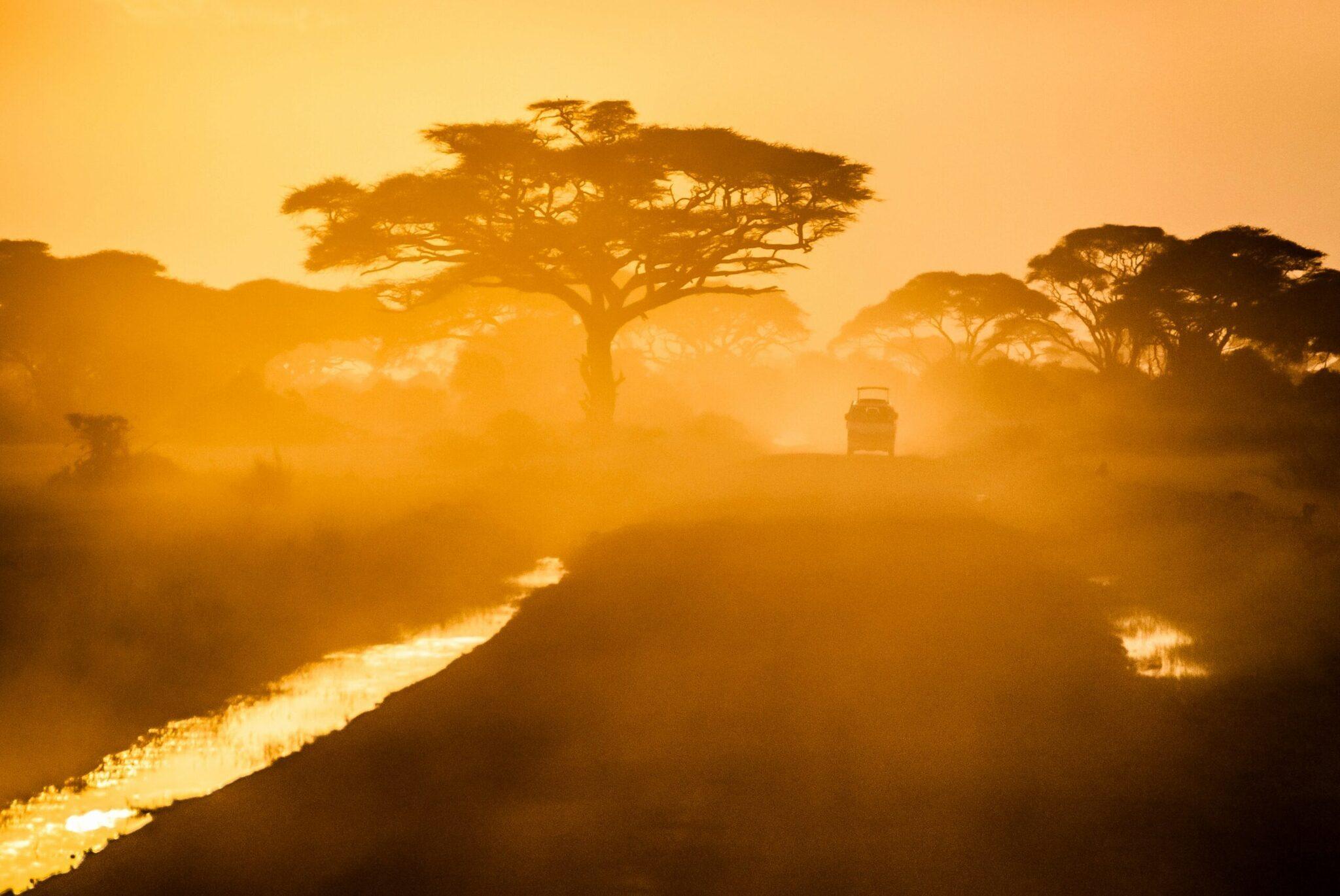
Kruger National Park: the benchmark South Africa safari
At roughly 20,000 km², Kruger is one of the largest reserves in sub-Saharan Africa. It is home to the Big Five as well as cheetahs, wild dogs, giraffes and one of the richest bird populations on the continent. The park is open for self-drive: you follow the marked roads in your own vehicle, at your own pace.
Three approaches stand out:
- Guided 4x4 safari: a ranger takes you out at first light or in the evening, when wildlife is most active.
- Walking safari: accompanied by armed rangers, you read animal tracks, identify plants and begin to understand the ecosystem from ground level.
- Night safari: at certain camps, after-dark drives give you a chance to encounter nocturnal species rarely seen during the day.
Accommodation ranges from tent camping to five-star lodges. SANParks camps (the national parks agency) offer a solid middle ground and tend to book out well in advance.
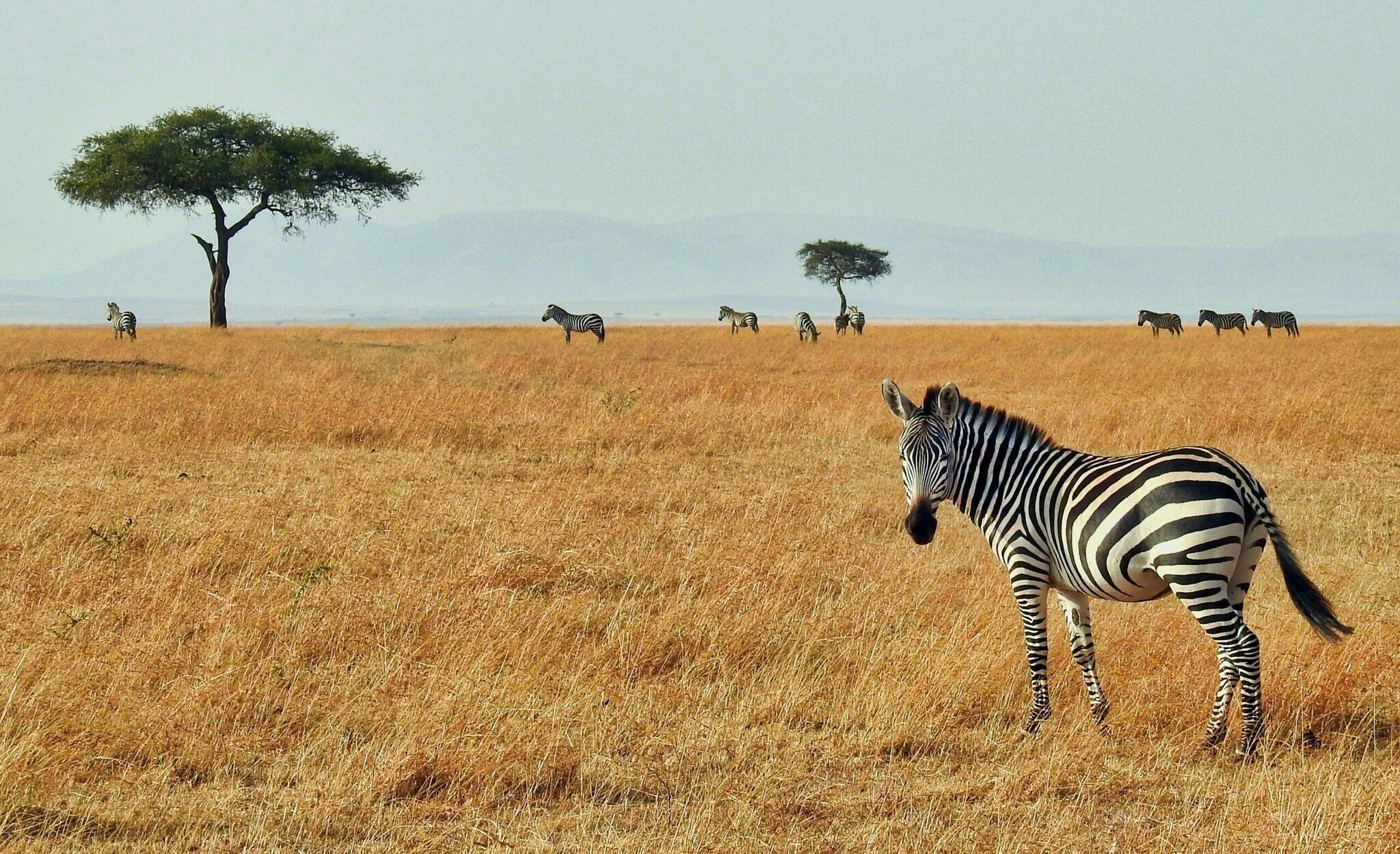
The Panorama Route: a detour few travellers regret
Just west of Kruger’s gateway, the Mpumalanga province is home to one of southern Africa’s most spectacular canyons: the Blyde River Canyon. The Panorama Route connects Bourke’s Luck Potholes, the Three Rondavels viewpoint and God’s Window, a sweeping overlook onto the rainforest and the Lowveld plains below.
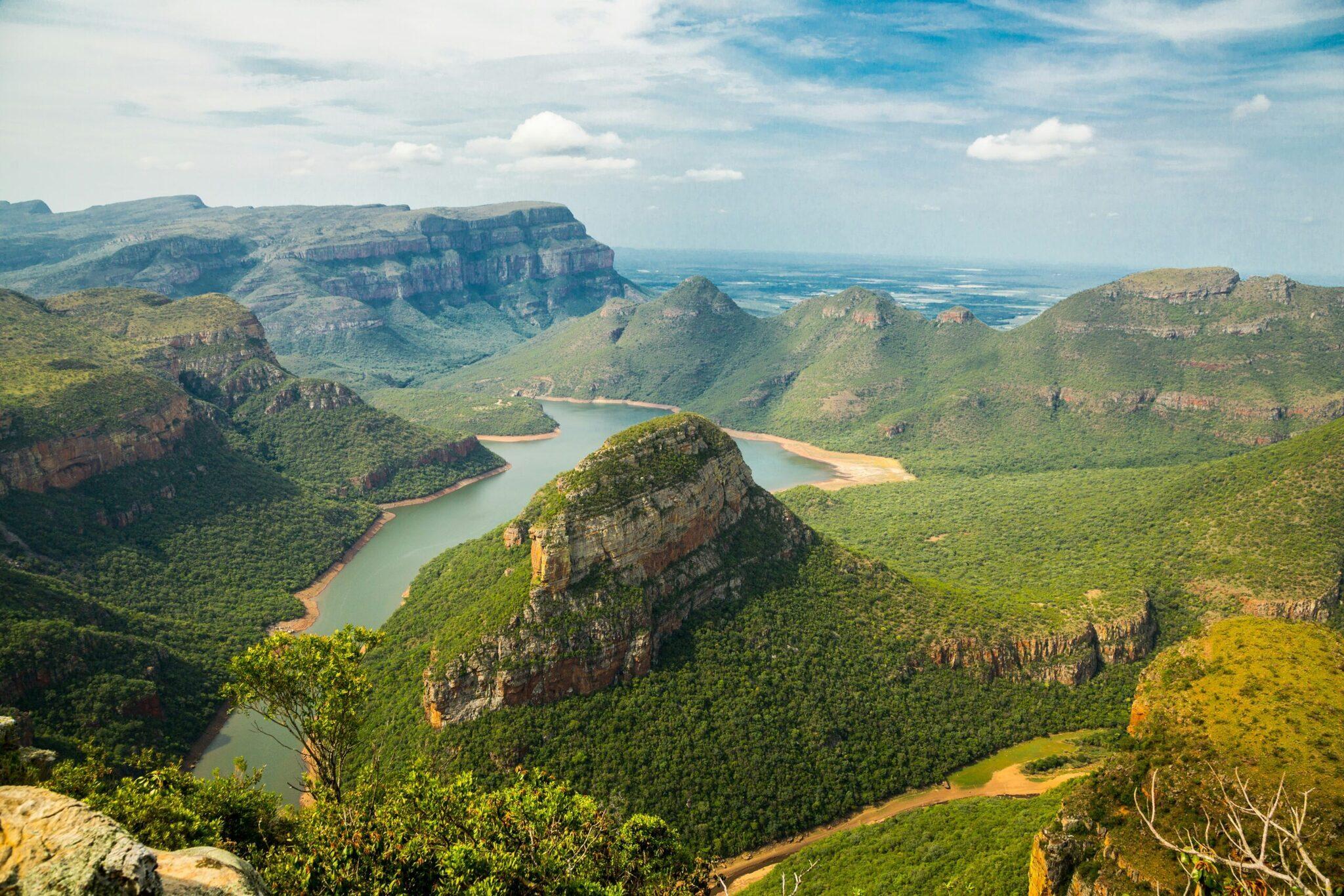
If you have ten days or more, combining Kruger with the Panorama Route remains the classic circuit for the region.
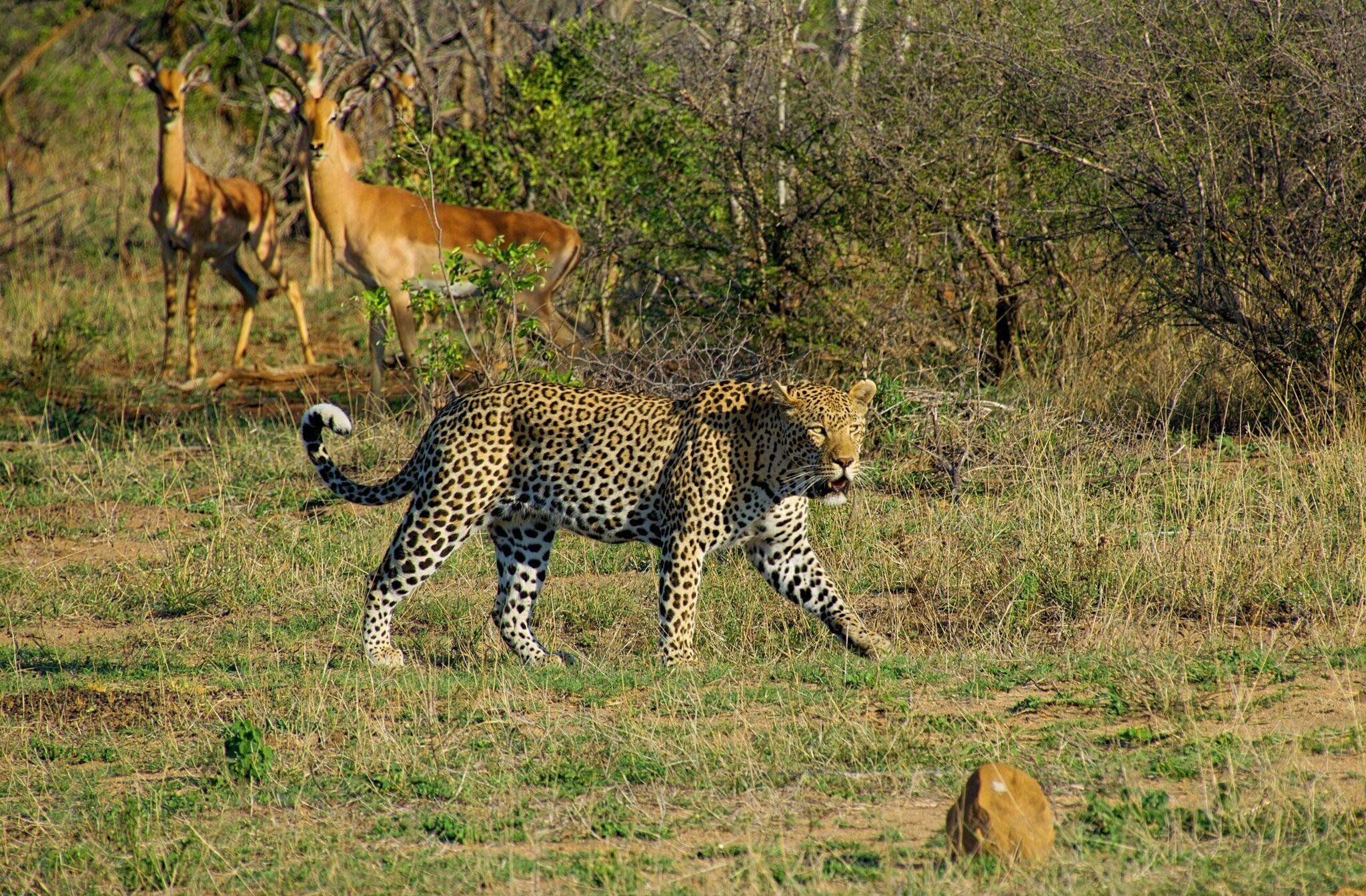
Sabi Sands: where leopards let you watch them
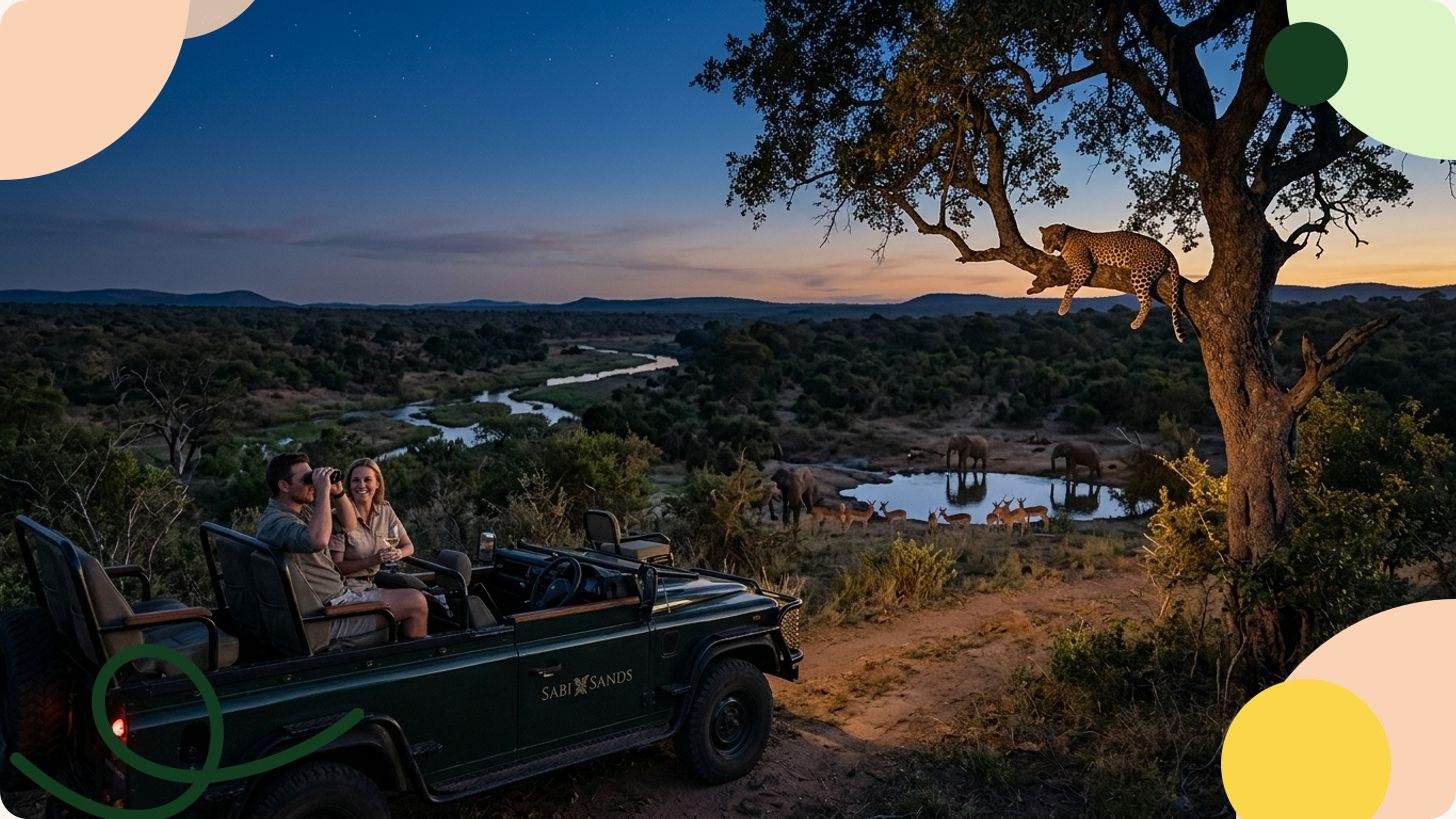
The Sabi Sands private reserve covers 65,000 hectares on Kruger’s western border, sharing 50 kilometres of unfenced boundary with the national park. Animals move freely between the two areas. This continuity generates high wildlife densities and, above all, leopards so habituated to vehicles that the reserve has earned a worldwide reputation for big-cat sightings.
The difference from the public Kruger is tangible: vehicles leave the tracks to follow an animal through the bush, groups are limited to six to eight guests, and guides are certified naturalists. The trade-off is a price tag considerably higher than a SANParks camp.
The neighbouring Timbavati reserve offers a comparable experience, with similar wildlife access and a strong track record for lion sightings.
Hluhluwe-Imfolozi: birthplace of the white rhino
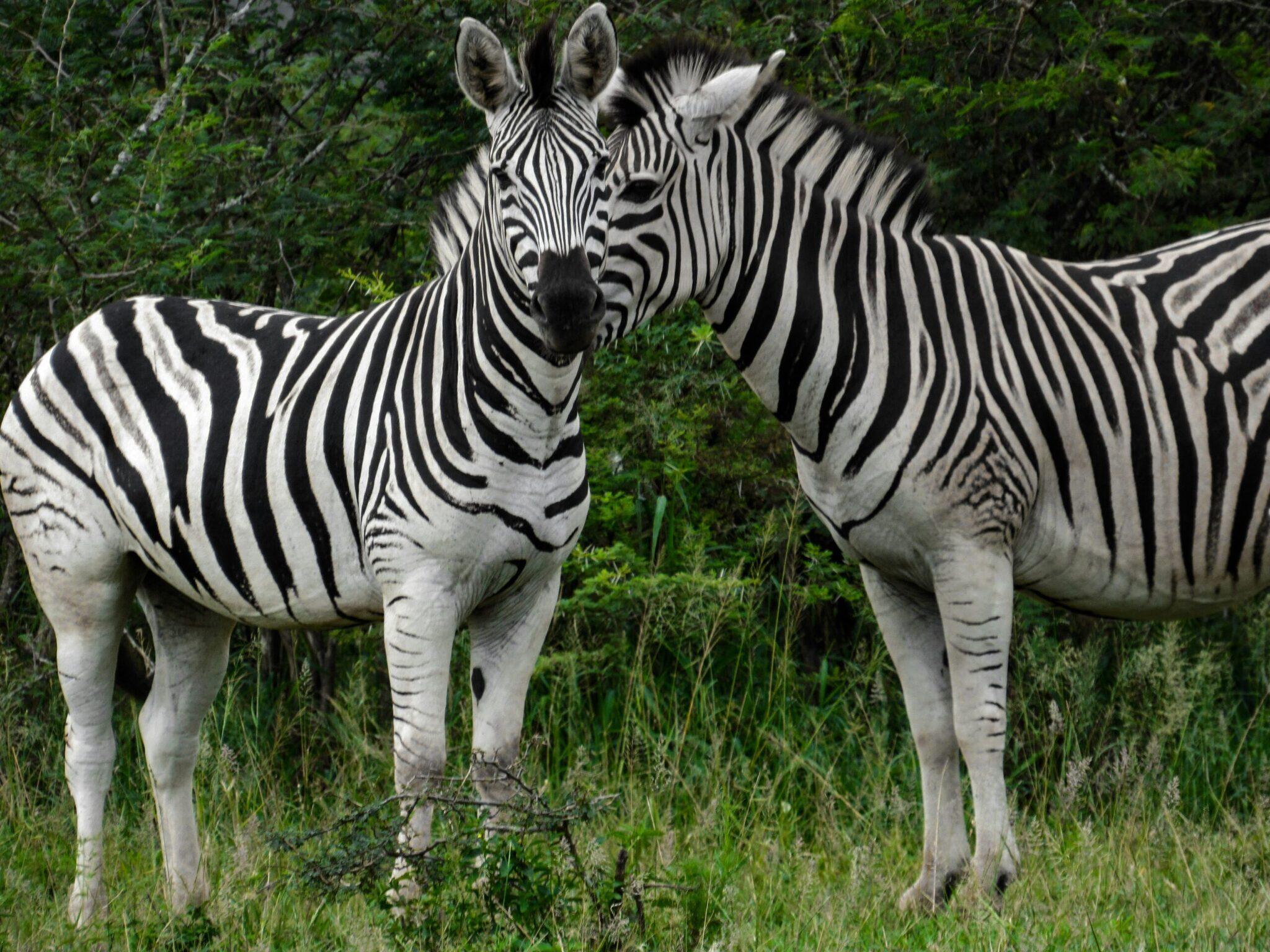
Founded in 1895 in KwaZulu-Natal, Hluhluwe-Imfolozi covers 960 km² of wooded hills and deep valleys. It is Africa’s oldest reserve, and its crowning achievement is a precise one: it was here that the white rhino was pulled back from the brink of extinction in the first half of the twentieth century. Every white rhino population in the world carries a trace of this park’s genetic legacy.
It is also the only state-managed park in KwaZulu-Natal to harbour all of the Big Five, alongside wild dogs and more than 340 bird species. Less visited than Kruger, it has a wilder atmosphere, free from the tourist pressure of peak season.
Four ways to experience safari beyond the 4x4
Walking safari: reading the bush from the ground
A walking safari slows everything down, and that is the point. Led by an armed ranger, you study a paw print, catch the scent of a predator, spot a medicinal plant. The bush becomes something to read rather than merely watch. This format makes most sense after you have already been out in a vehicle at least once.
Birding safari: a different kind of attention
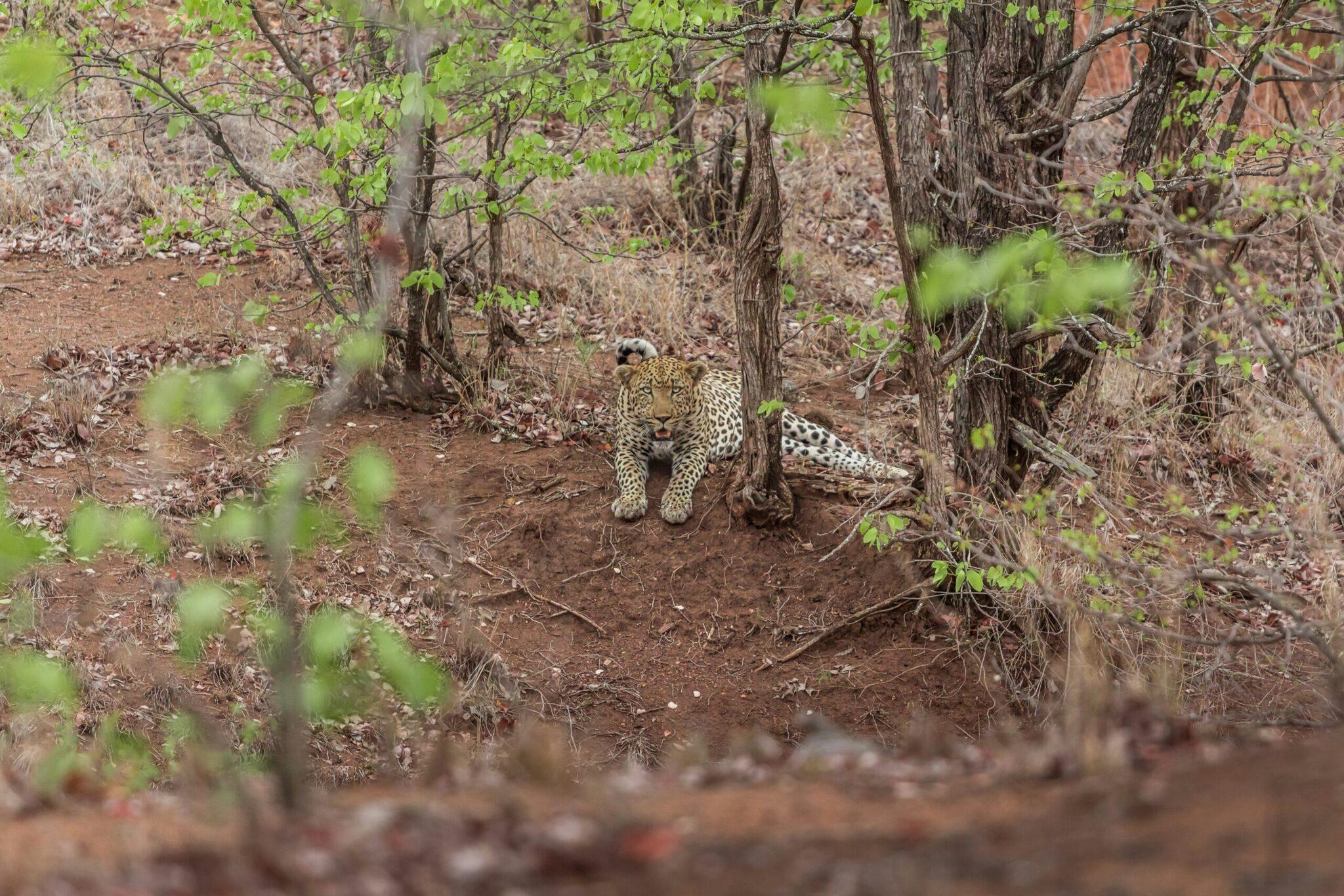
Kruger is one of South Africa’s richest birding destinations, with raptors, bee-eaters, fish eagles and waterside species all observable from the riverbanks. For travellers worried about not spotting a lion on their first morning, the birds guarantee that every hour in the bush offers something worth watching.
Photography safari: learning to chase the light
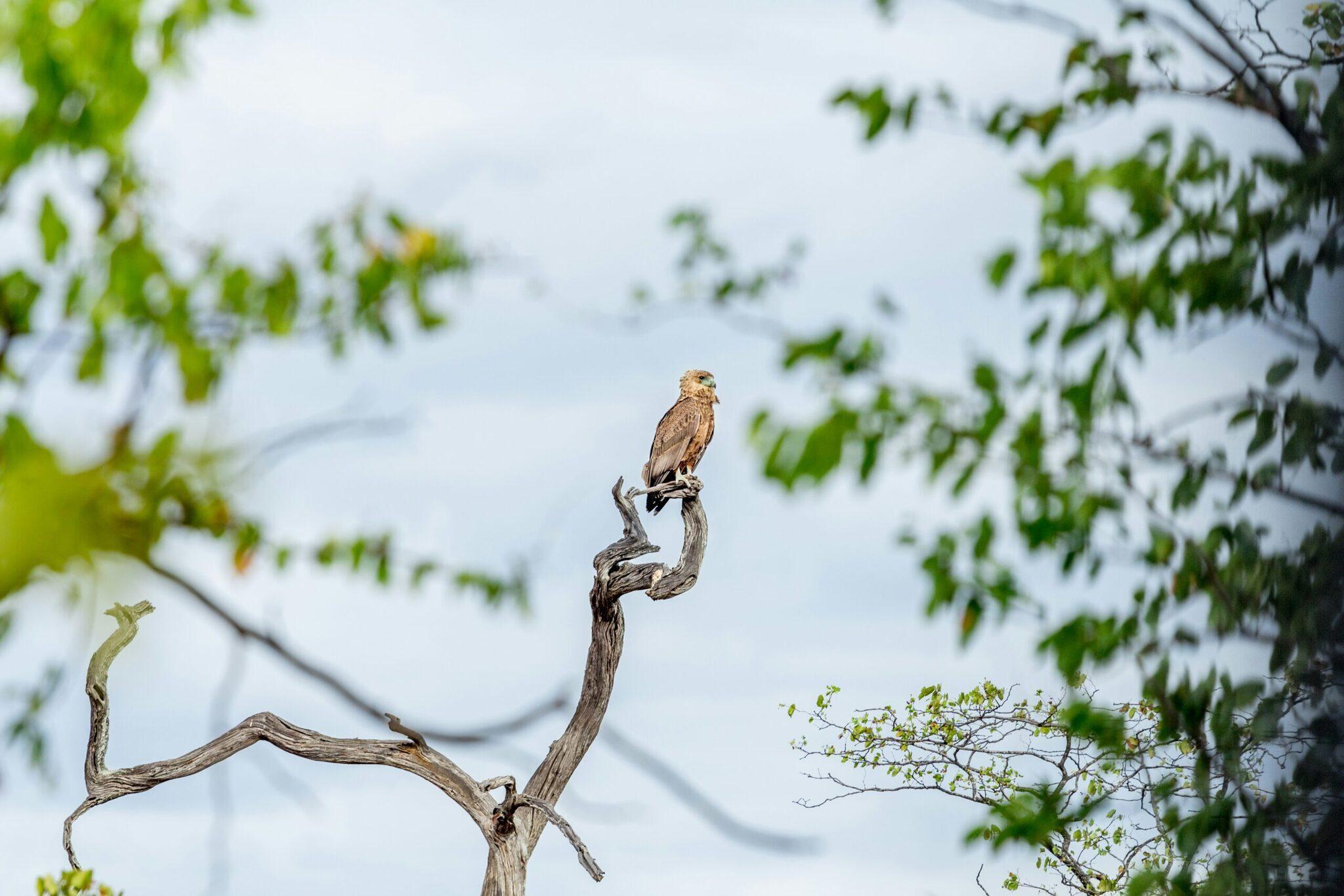
The golden light of dawn and dusk transforms every shot. Nature photography guides build their outings around this: pre-sunrise departures, careful vehicle positioning, long patient waits at the right spot. It is a way to come home with something other than the generic safari photos you see everywhere.
Hot-air balloon safari: drifting over the savanna in silence
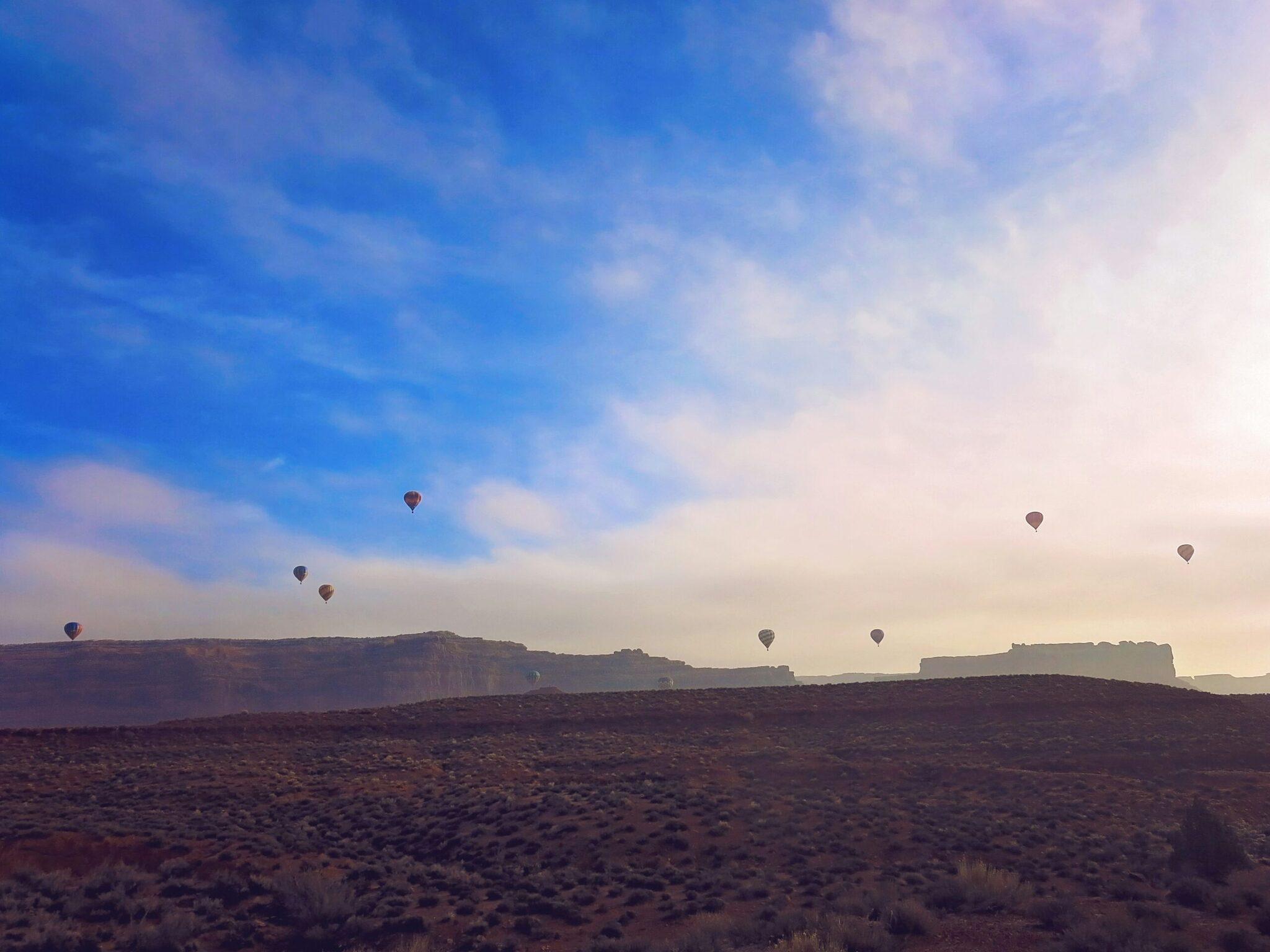
Pilanesberg National Park, set inside an ancient volcanic crater roughly three hours’ drive from Johannesburg (see also things to do in Johannesburg for combining a city break with your safari), offers hot-air balloon flights at sunrise. The flight lasts between 45 minutes and an hour. The real draw is watching wildlife with no engine noise at all, from a height that reveals the full geography of the savanna. The experience ends back on the ground with a brunch.
Zulu culture: another side of KwaZulu-Natal
If you are already in the Hluhluwe-Imfolozi area, a visit to a traditional Zulu village fits naturally into the itinerary. Beyond the tourist-facing folklore, some villages offer a genuine conversation about history, traditional medicine and the architecture of one of southern Africa’s most influential peoples. For a broader look at things to do in South Africa, our full guide fills in the cultural side of the picture.
Planning your safari: the practical side
For all the essentials before you leave, including entry formalities, health precautions and medical cover in remote areas, visit our South Africa travel insurance page. A medical incident in the bush can require a helicopter evacuation, and standard bank-card cover often falls well short in those situations.
Thinking about an East Africa safari as well? Our guide to safari in Tanzania helps you compare the two destinations.
FAQ
When is the best time for a safari in South Africa?
June to August (the southern dry season) offers the best conditions: sparse vegetation, animals visible at waterholes and comfortable temperatures. It is peak season, so book your lodges and camps several months ahead.
Can you see the Big Five in more than one reserve?
Yes. Kruger, Sabi Sands, Hluhluwe-Imfolozi and Pilanesberg all harbour the Big Five. Each offers a different experience: Kruger for independence, Sabi Sands for exclusivity and leopard sightings, Hluhluwe-Imfolozi for rhinos and conservation history, Pilanesberg for its proximity to Johannesburg.
Do you need a guide, or can you self-drive?
Both are possible in Kruger: self-drive on the marked roads, or a guided safari with a ranger. In private reserves such as Sabi Sands or Timbavati, a guide is compulsory and off-road driving is permitted.
How long should you allow for a South Africa safari?
Allow at least five to seven days to do justice to a single park. Ten to fifteen days lets you combine Kruger, the Panorama Route and KwaZulu-Natal, with a possible extension to Johannesburg or Cape Town.
South Africa safari vs Tanzania: what is the difference?
South Africa is more suited to independent travel and is generally more affordable to enter. Tanzania offers the Great Migration in the Serengeti, a spectacle unlike anything else. Our guide to safari in Tanzania covers the key differences to help you decide.