
Cape Town packs a remarkable range of experiences into a relatively small area: a summit named one of the New Seven Wonders of Nature, a former island prison turned museum of freedom, white-sand beaches battered by the Atlantic, and a wine route just 40 minutes from the city centre. Whether you have a long weekend or a full week, here are the ten activities that make the journey truly worthwhile.
Get my travel insurance quoteTable Mountain, the iconic peak above the Cape
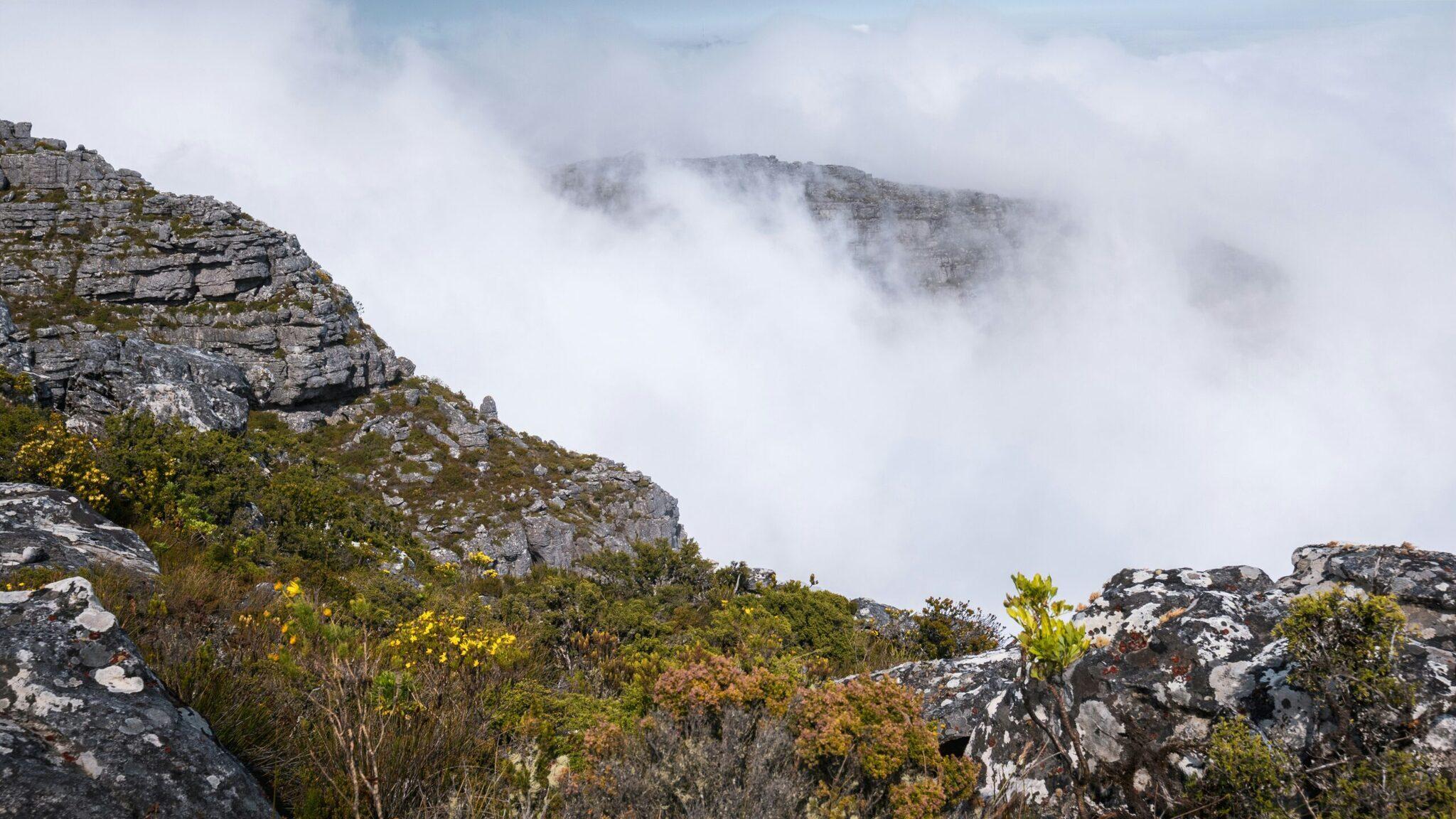
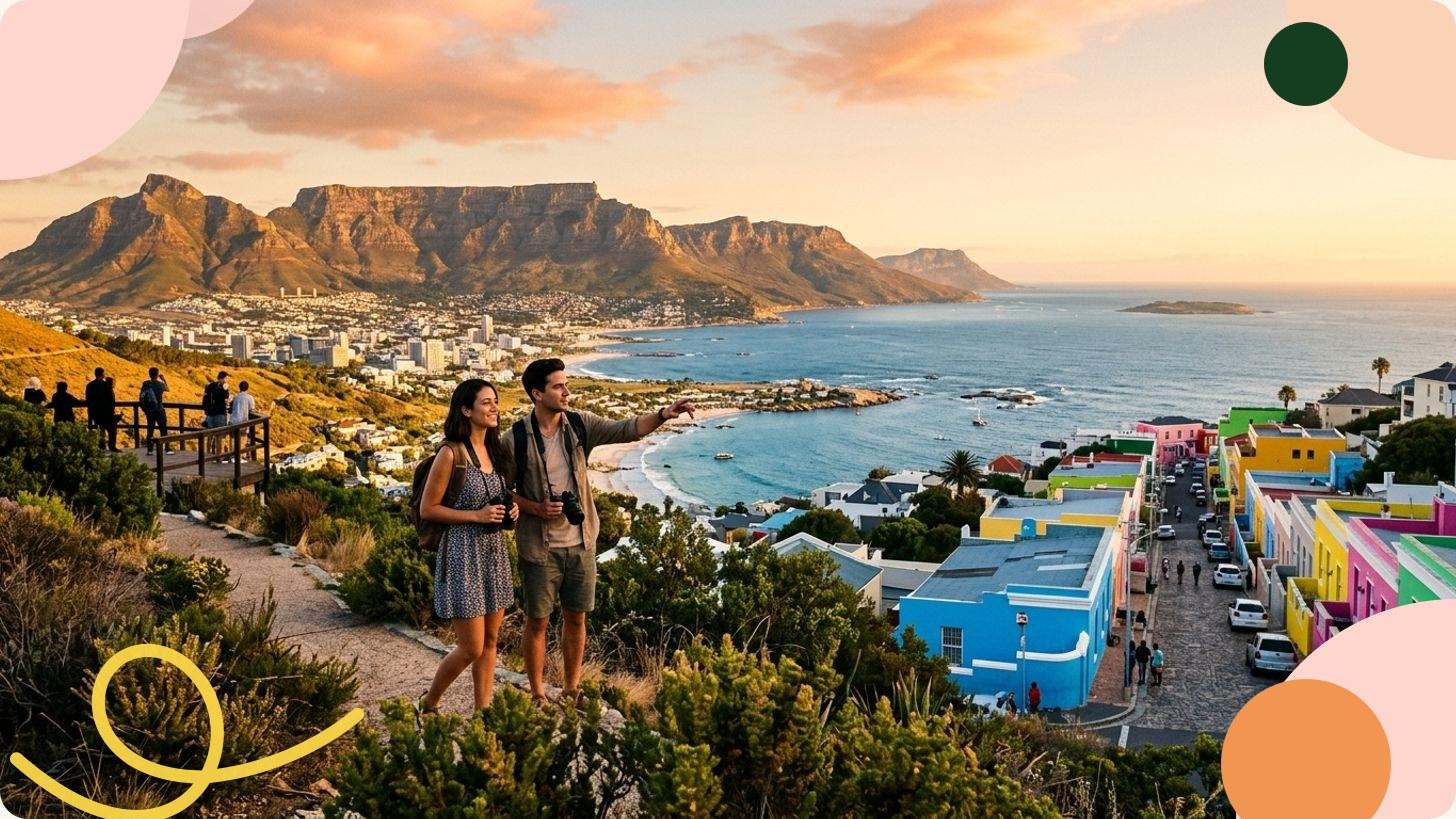
Table Mountain rises to 1,086 metres and dominates the entire Cape Peninsula. Voted one of the New Seven Wonders of Nature in 2011 and inscribed as a UNESCO World Heritage Site as part of the Cape Floristic Region in 2004, it is home to the fynbos, a low-growing endemic vegetation of exceptional richness.
Two options take you to the summit: the panoramic rotating cable car, which offers 360-degree views, and several marked hiking trails for the more adventurous. Check conditions before you head out: the mountain sometimes disappears beneath a thick cloud known as the “tablecloth”, which can close the cable car without warning. Online booking is recommended in peak season (December to January).
To see how these highlights fit into a broader overview, take a look at our guide on things to do in South Africa.
Robben Island, a living museum of apartheid
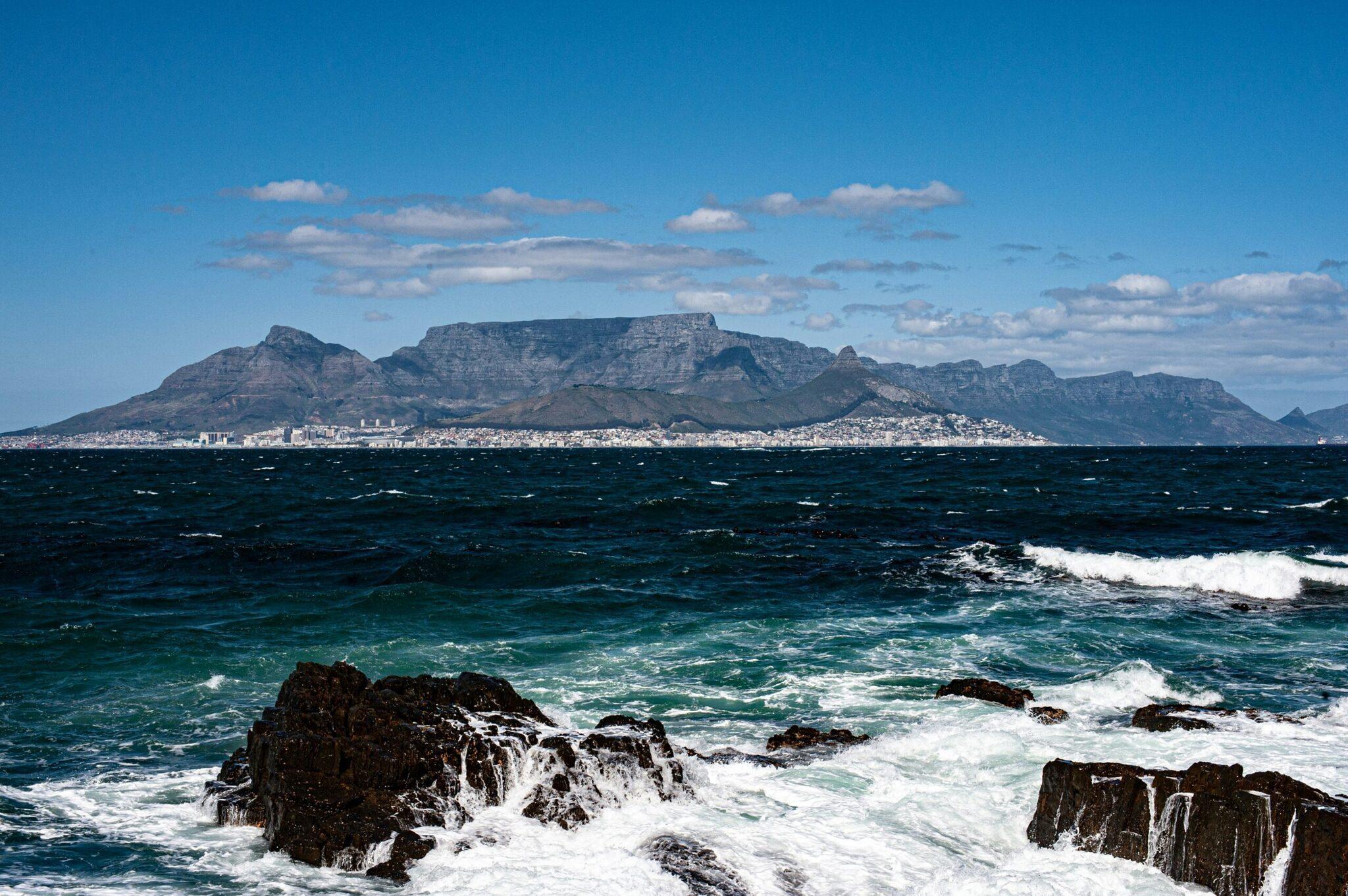
Robben Island is one of the most affecting visits in all of South Africa. Nelson Mandela was held here for 18 of his 27 years in prison. A UNESCO World Heritage Site since 1999, the island runs guided tours led by former political prisoners, giving them a human dimension that no guidebook can replicate.
Ferries leave from the Nelson Mandela Gateway at the V&A Waterfront. The crossing takes around 30 minutes each way, and the full guided tour lasts three and a half to four hours. Departures are generally at 9am, 11am, 1pm and 3pm. Book your tickets online well in advance: places can sell out weeks ahead, particularly from December to March.
The V&A Waterfront, where working harbour meets contemporary culture
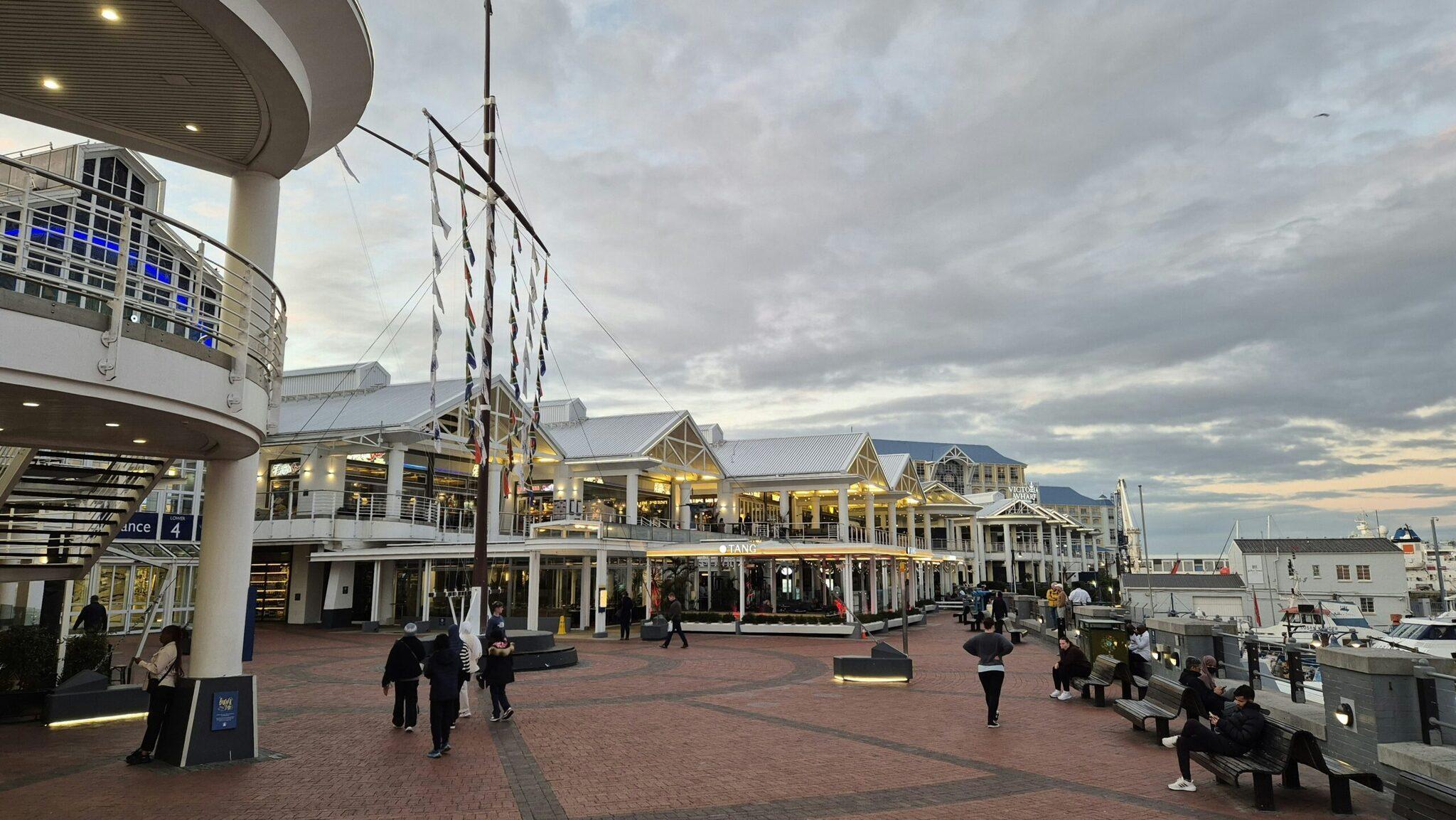
Cape Town’s former harbour basin is now one of the city’s most vibrant districts. Stroll between shops, waterside restaurants and craft markets. Two spots deserve a dedicated visit: the Zeitz MOCAA, a museum of contemporary African art housed in a converted grain silo, and the Two Oceans Aquarium, which showcases the remarkable meeting point of Atlantic and Indian Ocean waters. The Waterfront is also the departure point for Robben Island ferries and sunset cruises.
Kirstenbosch Botanical Garden
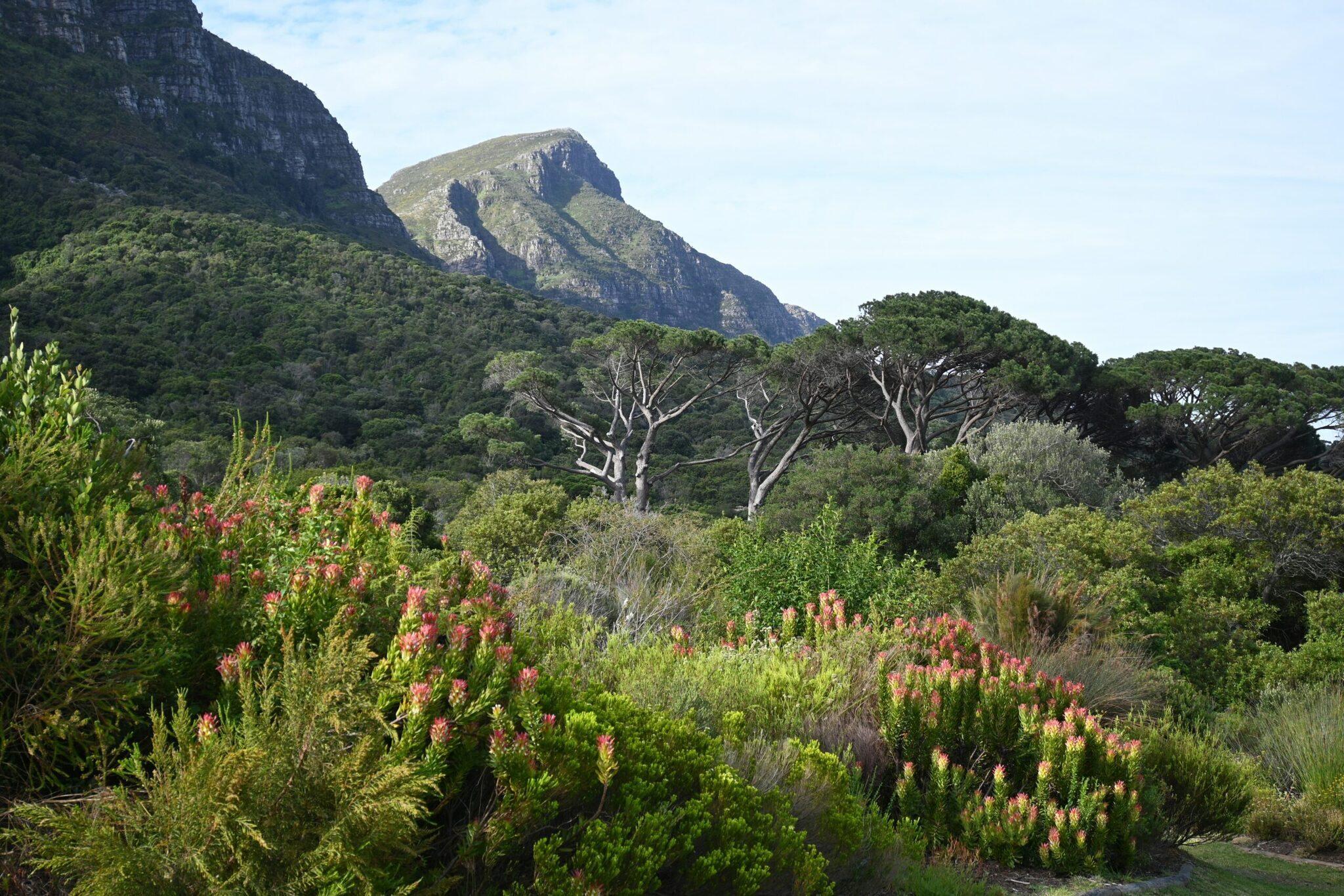
The Kirstenbosch botanical gardens spread across the eastern slopes of Table Mountain, within the UNESCO-designated Cape Floristic Region. The garden is dedicated entirely to South Africa’s indigenous flora and combines walking paths, sculptures and viewpoints looking up towards the mountain.
From November to March, sunset concerts are held every Sunday (and on certain weekday evenings in December and January): gates open at 4pm and concerts run until 7pm. The picnic-on-the-lawn format, blankets and hampers very much encouraged, makes this one of the most beloved events on Cape Town’s cultural calendar.
Bo-Kaap, the neighbourhood of colourful houses
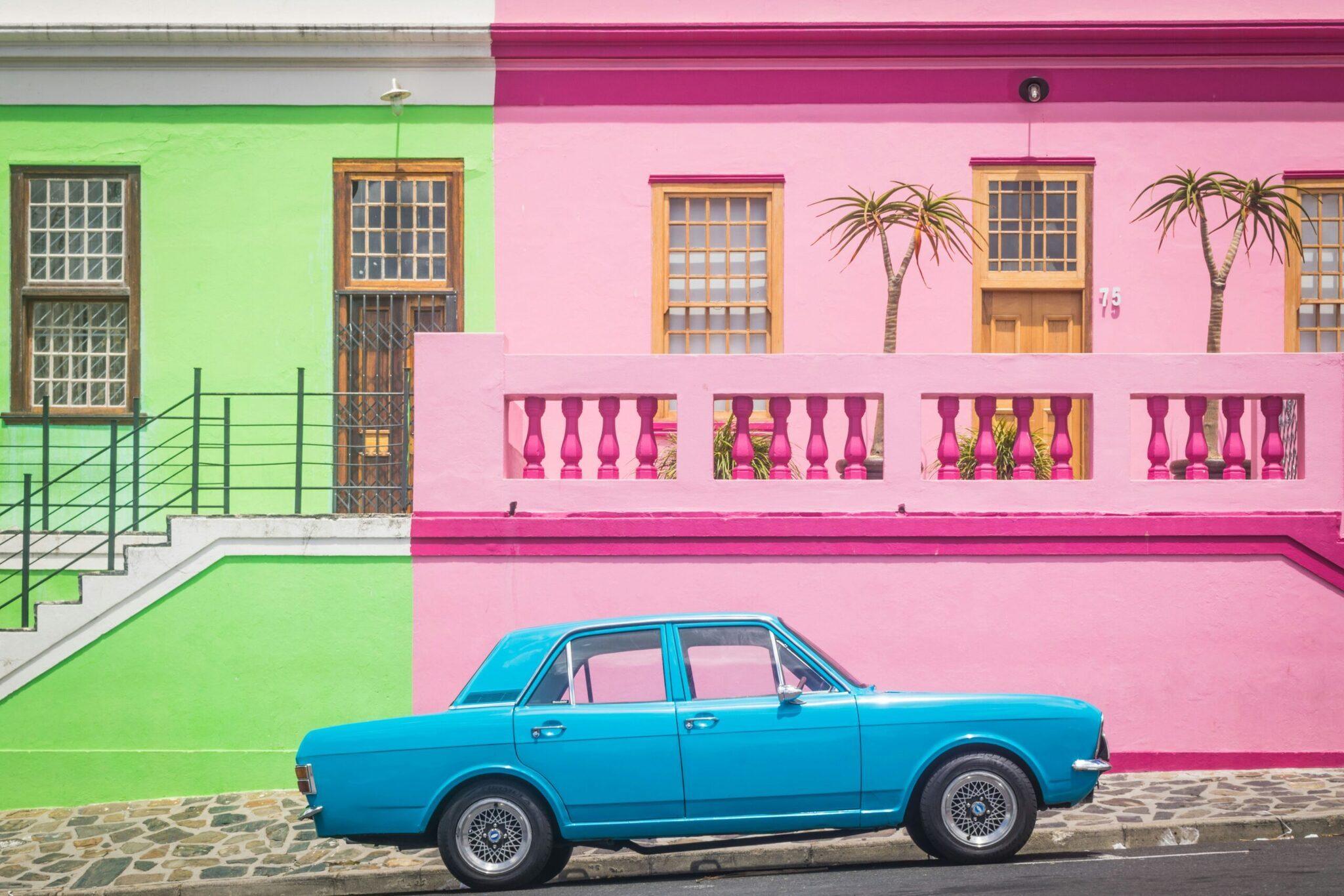
Perched on the slopes of Signal Hill, Bo-Kaap is the historic neighbourhood of Cape Town’s Malay community, whose ancestors were brought as slaves from South-East Asia in the 17th and 18th centuries. Its cobbled streets and brightly painted facades make it one of the most photographed neighbourhoods in South Africa.
The Bo-Kaap Museum traces this singular history. The neighbourhood’s restaurants serve Cape Malay cuisine: bobotie, samoosas and fragrant curries. A few minutes’ walk away, Long Street extends the exploration with its eclectic shops by day and lively bars by night.
Camps Bay and the beaches of the peninsula
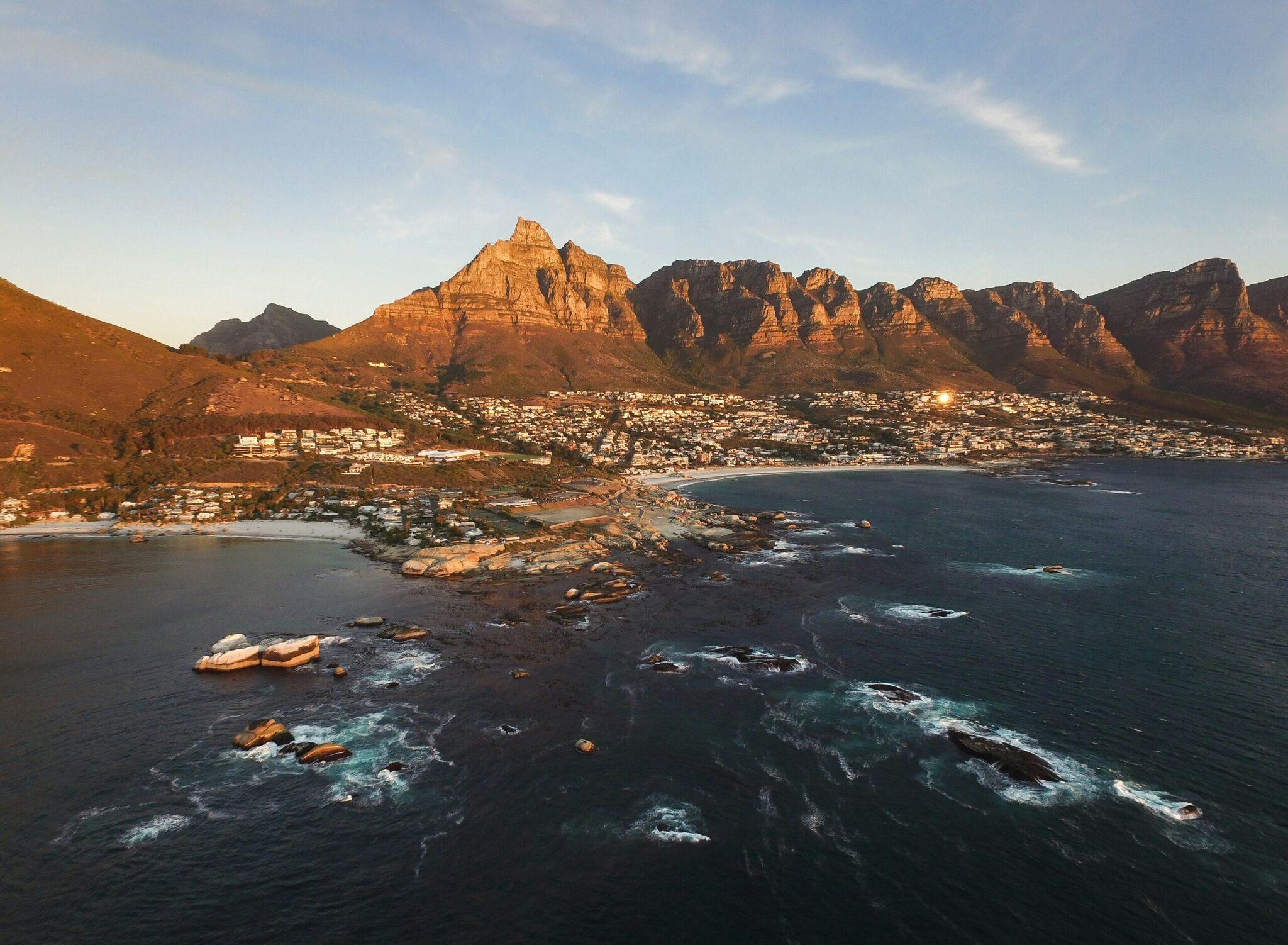
Camps Bay is Cape Town’s signature beach: white sand, turquoise water and the peaks of the Twelve Apostles as a backdrop. The beachfront promenade is lined with terrace restaurants and seafood spots. The Atlantic water stays cool even in summer, so the beach lends itself more to relaxing and taking in the scenery than to long swims.
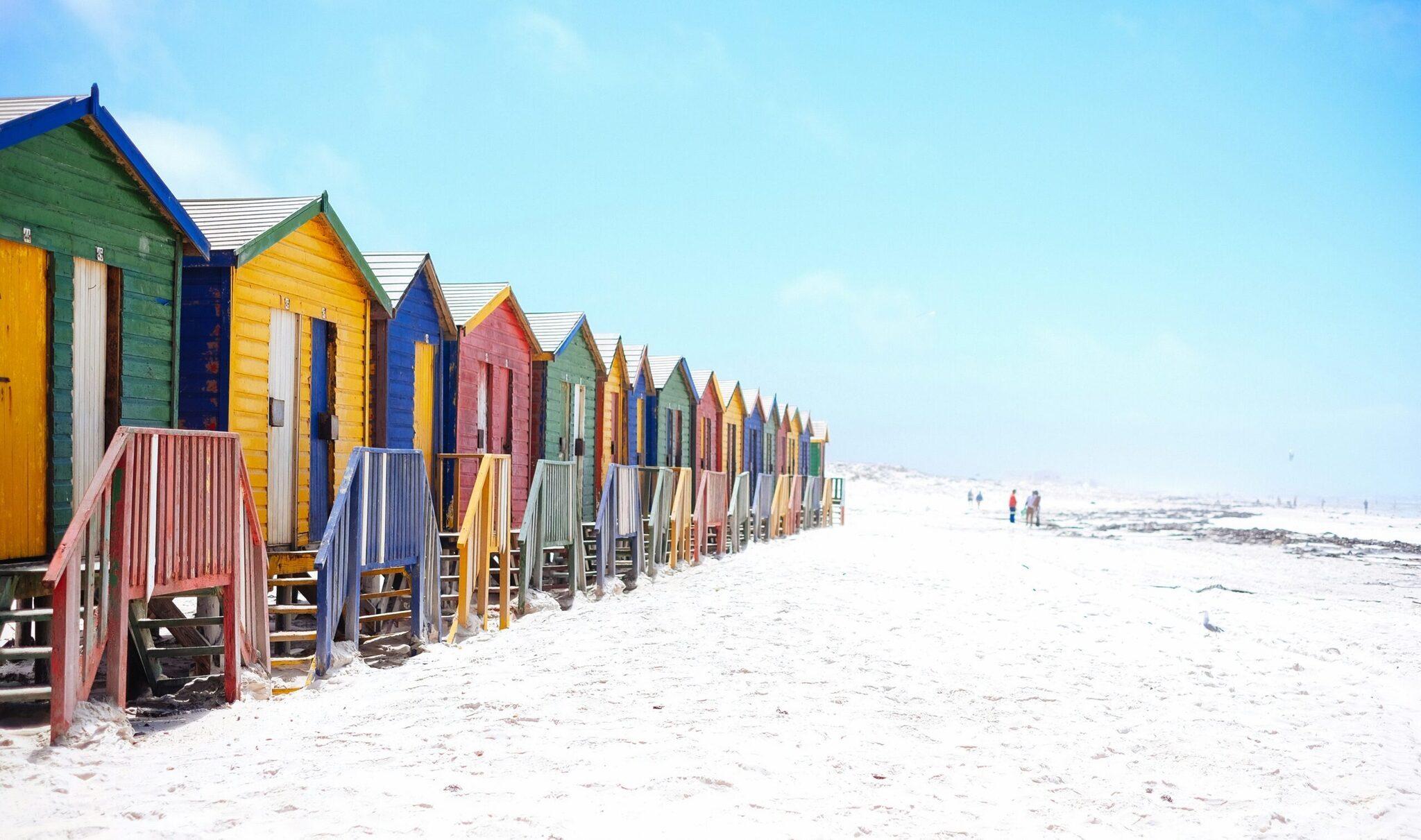
The peninsula offers beaches to suit every taste: Clifton for its sheltered coves, Muizenberg for surfing and its charming painted wooden beach huts, and Boulders Beach for watching a colony of African penguins within the national park. Our selection of the most beautiful beaches in South Africa covers all the coastal options in detail.
The Cape of Good Hope and its national park
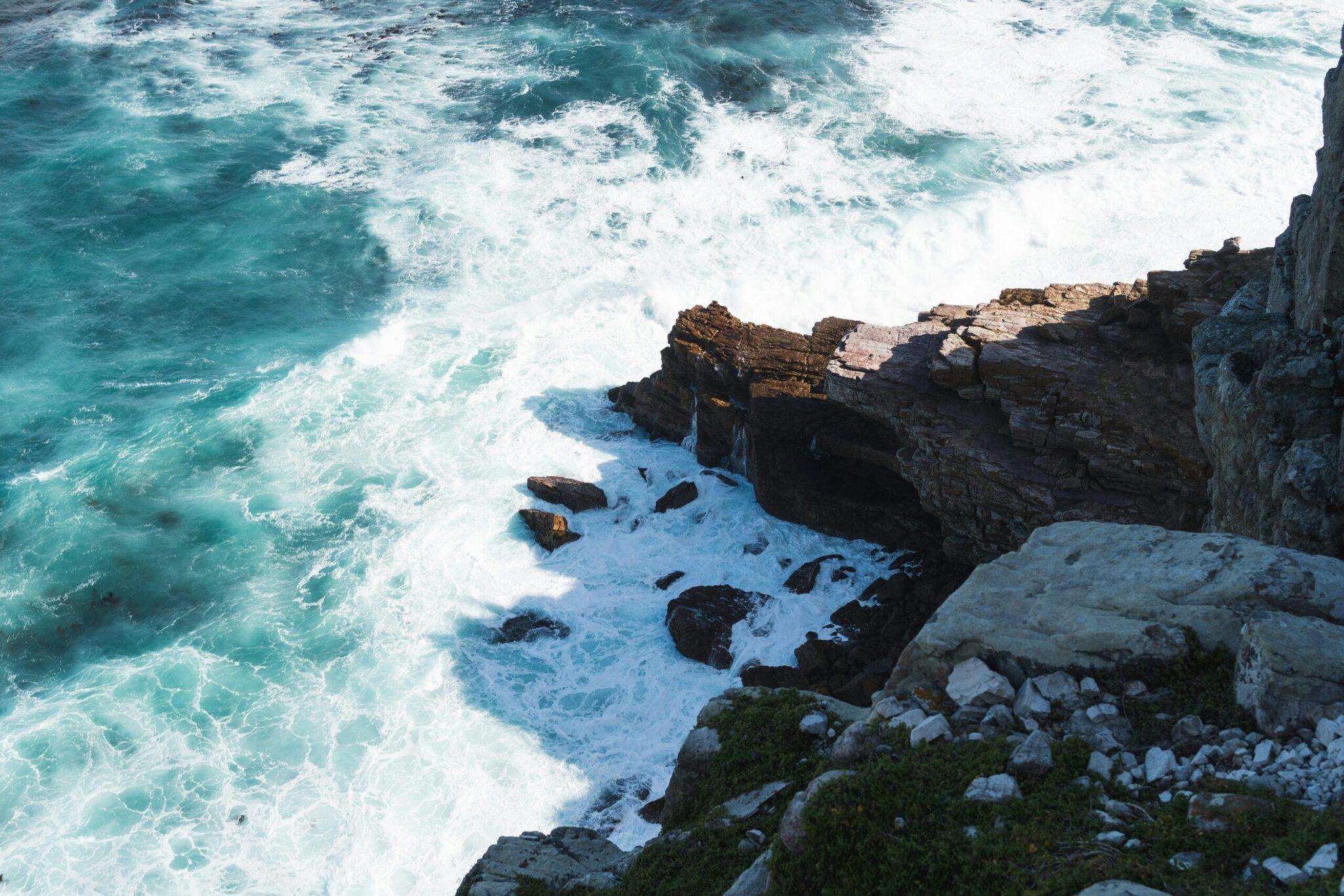
The Cape of Good Hope marks the south-western tip of the peninsula, within Table Mountain National Park. The cliffs dropping into the Atlantic, the wind-swept heathland and the wildlife, including baboons, ostriches and bontebok, make this a nature excursion in its own right, around an hour’s drive from the city centre.
What to know before you go
The park’s baboons are accustomed to visitors and may approach vehicles. Keep your windows and doors closed, and never leave food in plain sight. Rangers are on hand throughout the park to assist visitors.
The wine route around Stellenbosch
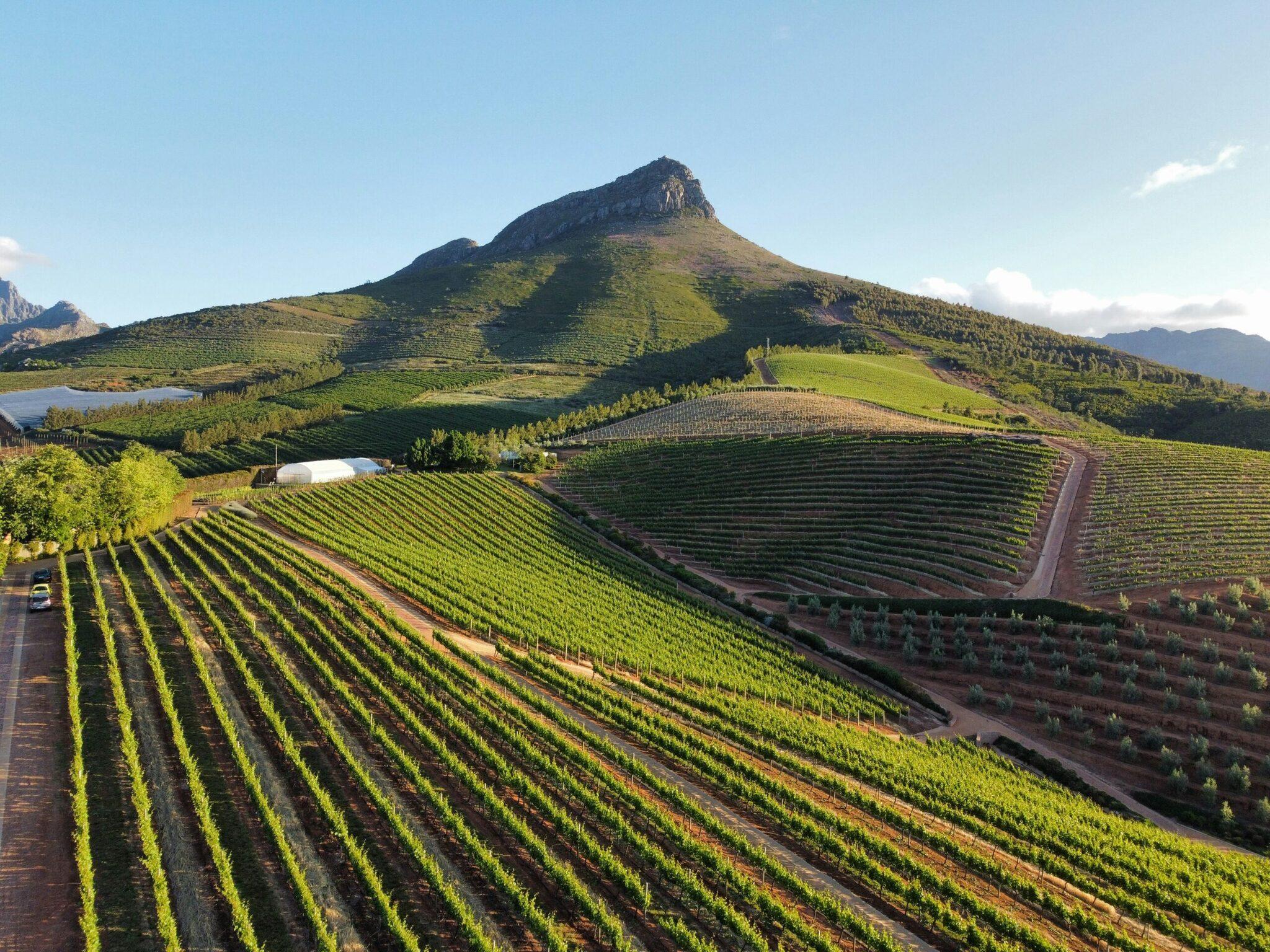
Around 40 minutes east of Cape Town, Stellenbosch sits at the heart of South African wine country. Estates offer tastings, cellar tours and vineyard picnics with views across the Winelands peaks. The pinotage, a grape variety unique to South Africa, features prominently alongside the region’s chenin blanc and cabernet sauvignon.
Stellenbosch is also a university town with a beautifully preserved Cape Dutch historic centre. The Franschhoek Valley, 20 minutes away, makes an ideal complementary stop.
FAQ
What is the best time to visit Cape Town?
The Southern Hemisphere summer, from November to April, offers the best sunshine and pleasant temperatures. It is also the season for the Kirstenbosch sunset concerts and the liveliest time for the Camps Bay terraces. Winter (June to August) is cooler and occasionally rainy, but the city remains enjoyable and noticeably less crowded.
How many days do you need to visit Cape Town?
Allow at least five to seven days to cover the main sights: Table Mountain, Robben Island (a half-day), the Cape of Good Hope (a full day), the V&A Waterfront and Bo-Kaap in the city, plus a day trip to Stellenbosch.
Should you book the Table Mountain cable car in advance?
Online booking is recommended, especially from December to January. The cable car can close without warning in strong winds or fog: check the weather conditions the day before your visit on the official Table Mountain website.
How do you get to Robben Island from Cape Town?
The ferry departs from the Nelson Mandela Gateway at the V&A Waterfront. The crossing takes around 30 minutes, and the full guided tour lasts three and a half to four hours. Book your tickets online in advance, as places can sell out weeks ahead in peak season.
Is Cape Town a safe destination for travellers?
Cape Town is a major city that welcomes large numbers of international tourists. As with any big city, basic caution is advisable: avoid walking alone at night, keep your belongings in sight in tourist areas, and ask your accommodation for advice on which neighbourhoods to steer clear of.