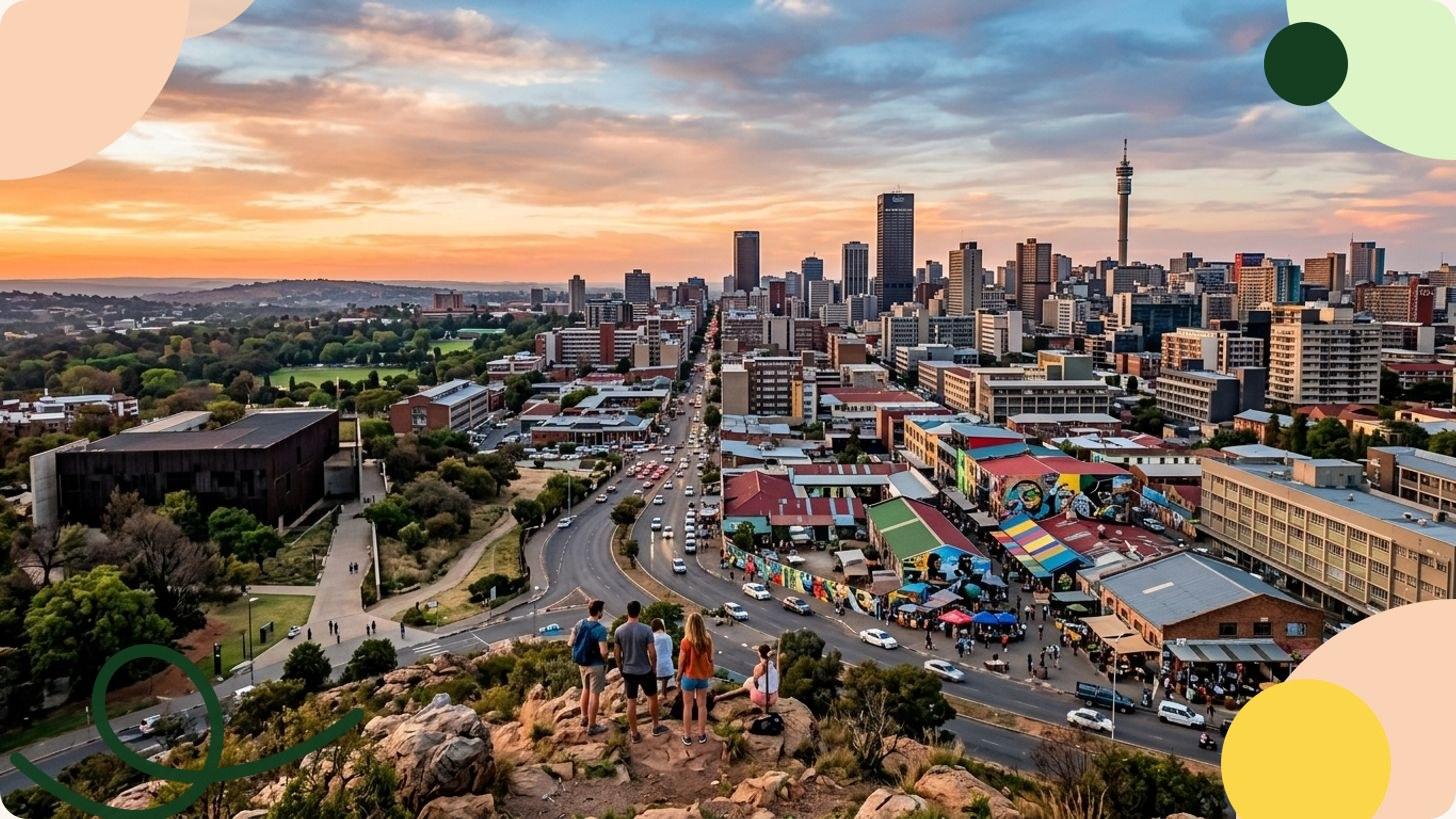

Johannesburg has far more to offer than its title of South Africa’s economic capital might suggest. In just two days, you can move from a museum documenting 50 years of racial segregation to the murals of Maboneng, from an urban safari 11 km from the centre to a producers’ market in a repurposed car park. The city reveals itself neighbourhood by neighbourhood, from Soweto to Braamfontein and Constitution Hill.
The Apartheid Museum: 22 Rooms, a Century of History
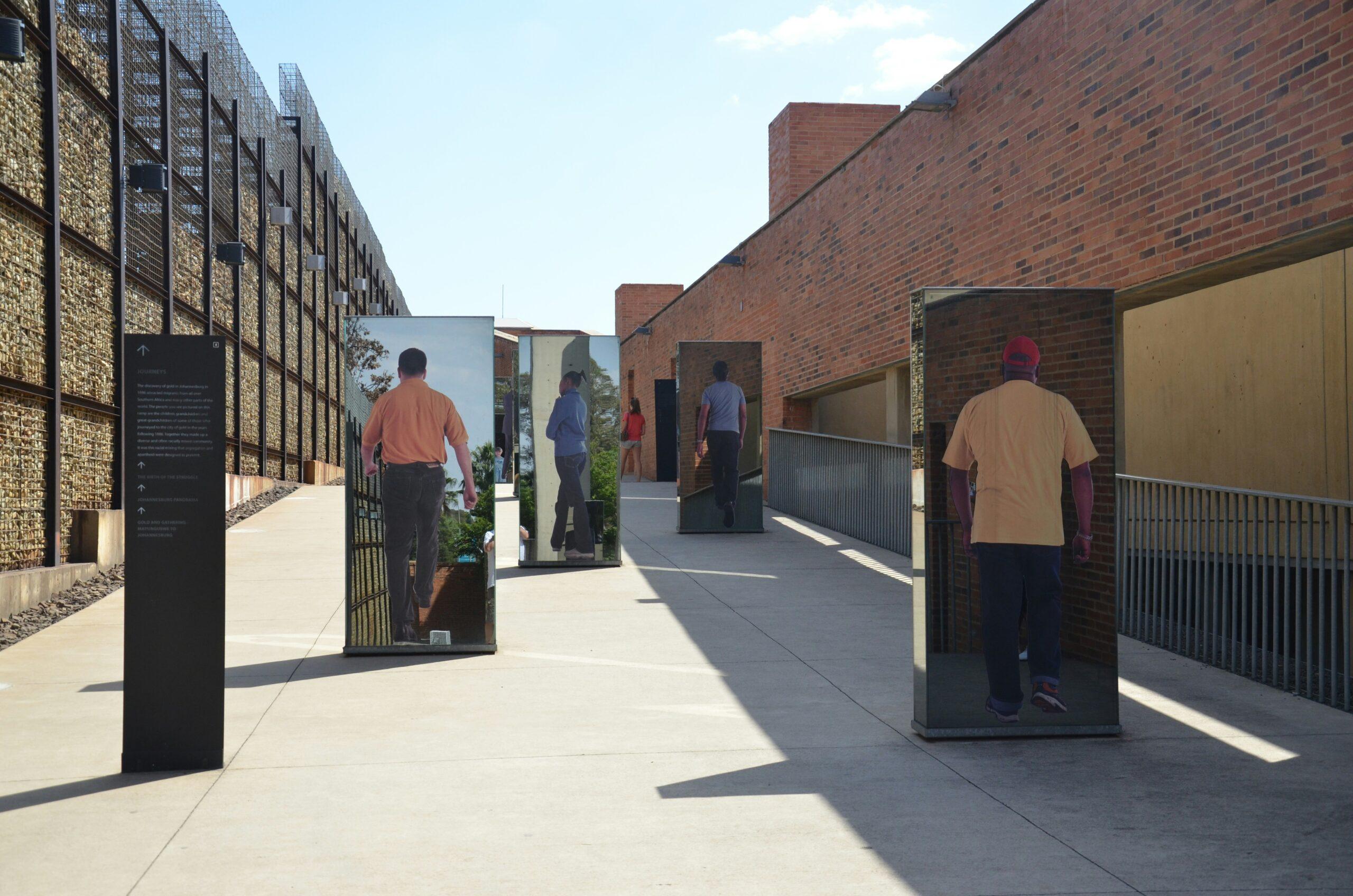
Opened in 2001, the Apartheid Museum is recognised worldwide as the definitive account of 20th-century South African history. From the very first moment, you are handed a ticket at random, either “white” or “non-white”, and directed to the corresponding entrance: the immersion begins before you reach a single display panel.
The 22 exhibition spaces trace the birth, rise and fall of the segregationist regime. One room features ropes suspended from the ceiling, each representing a political prisoner executed during the apartheid era. Allow at least two hours. The museum is open Tuesday to Sunday from 9am to 5pm, and is not recommended for children under 11 due to the nature of the content.
Maboneng and Braamfontein: Joburg’s Creative Side
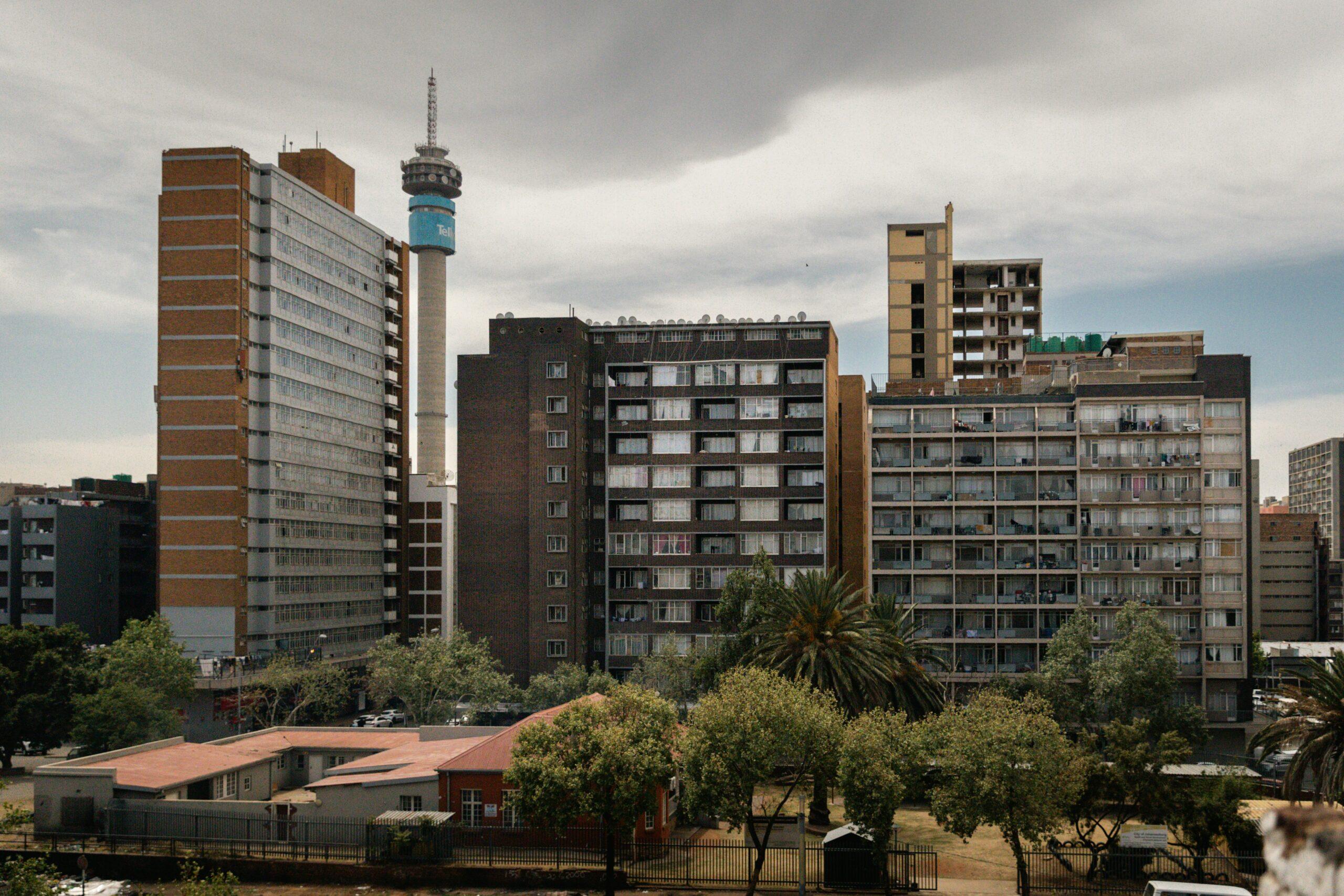
“Maboneng” means “place of light” in Sotho. This inner-city neighbourhood, regenerated from the 2010s onwards, brings together art galleries, artists’ studios, independent boutiques and street food.
Every Sunday from 10am to 3pm, Market on Main takes over Arts on Main: regional produce, local design and street food in a relaxed atmosphere. A short walk away, Braamfontein’s Neighbourgoods Market fills a multi-storey car park every Saturday (9am to 3pm), with world cuisine, artisan chocolate and craft beer.
Soweto and Vilakazi Street: Where History Was Made
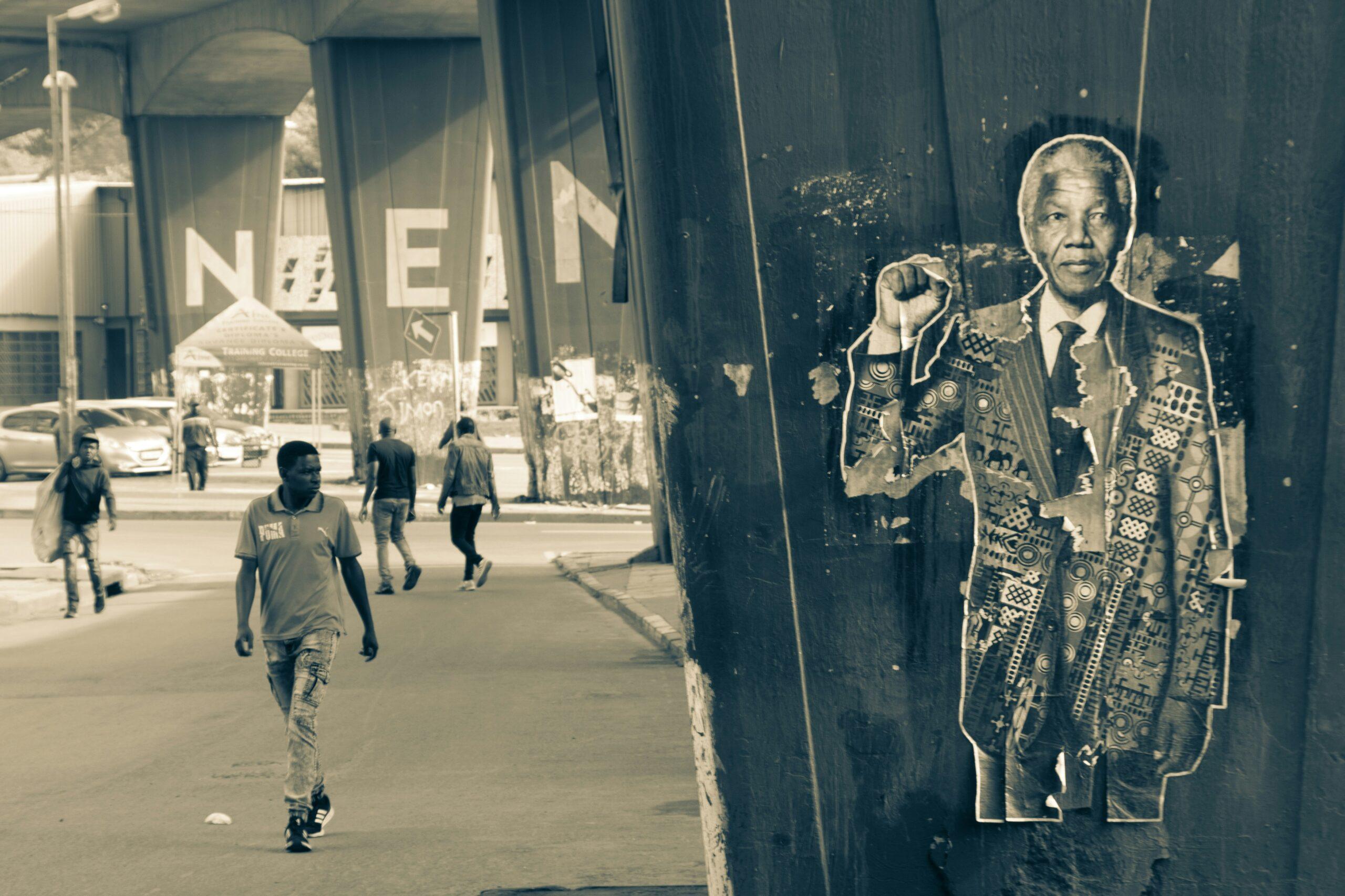
No neighbourhood in Johannesburg carries as much symbolic weight as Soweto. Vilakazi Street is the only street in the world to have been home to two Nobel Peace Prize laureates: Nelson Mandela and Desmond Tutu. Mandela’s family home, now a museum, preserves his personal belongings and the stories of his years fighting against segregation.
To explore the country further, our guide Things to Do in South Africa gives you a full overview of the country’s regions and must-have experiences.
Constitution Hill: From Prison to Constitutional Court
In Braamfontein, Constitution Hill is a former prison complex where both Nelson Mandela and Mahatma Gandhi were held. Today home to South Africa’s Constitutional Court, the site offers guided tours that weave together testimonies from former prisoners and visits to the contemporary courtrooms.
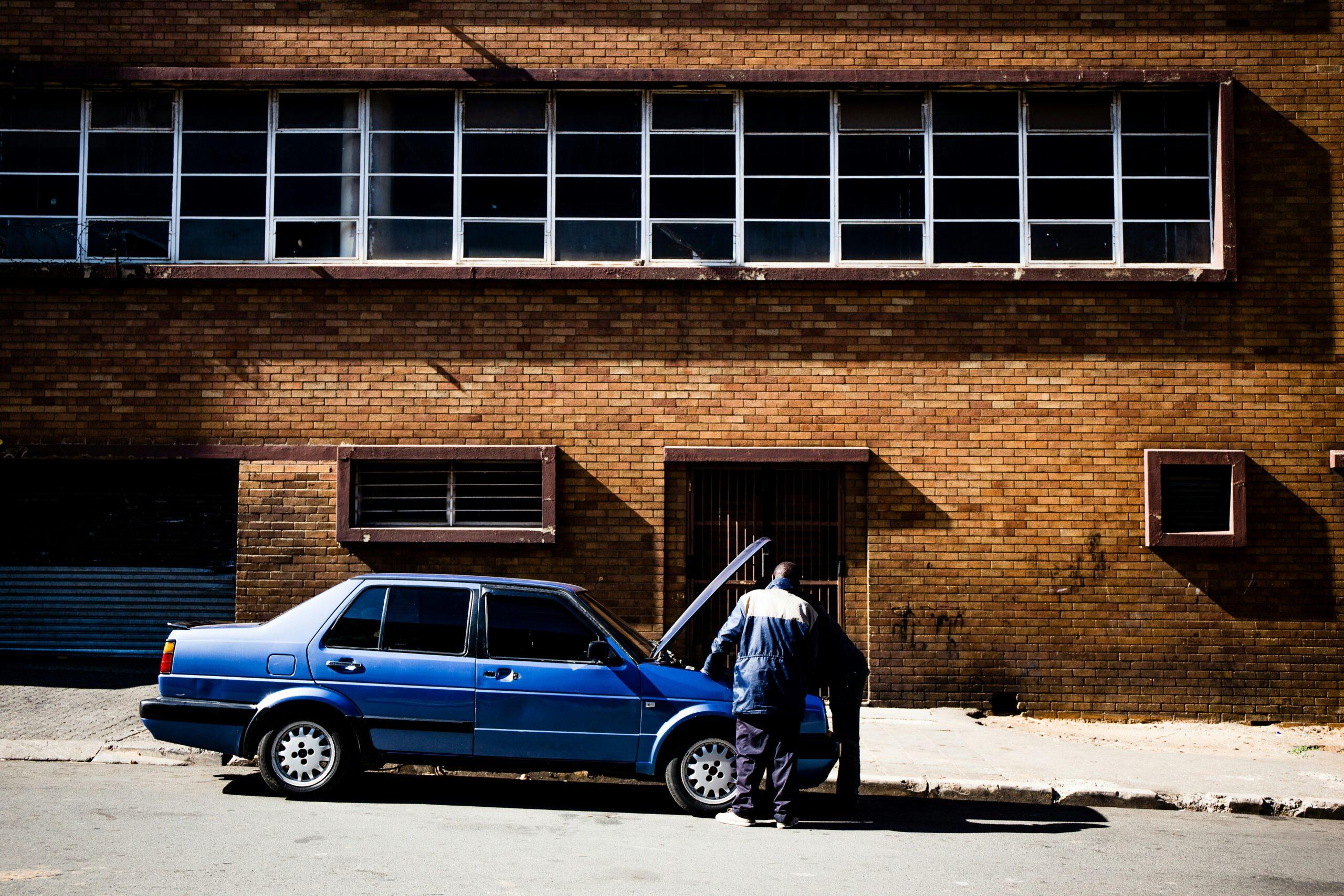
The courthouse’s architecture, partially built using bricks salvaged from the old prison, is a tangible expression of the transition between two eras.
Gold Reef City: The History of Gold Beneath Your Feet
Built on the site of a former gold mine, Gold Reef City combines a theme park with a mining museum that tells the story of how Johannesburg came to be. The highlight is a descent into a genuine underground shaft, which brings to life the working conditions of miners in the late 19th century. An ideal stop for families, blending history with hands-on discovery.
Klipriviersberg Nature Reserve: Safari 11 km from the Centre
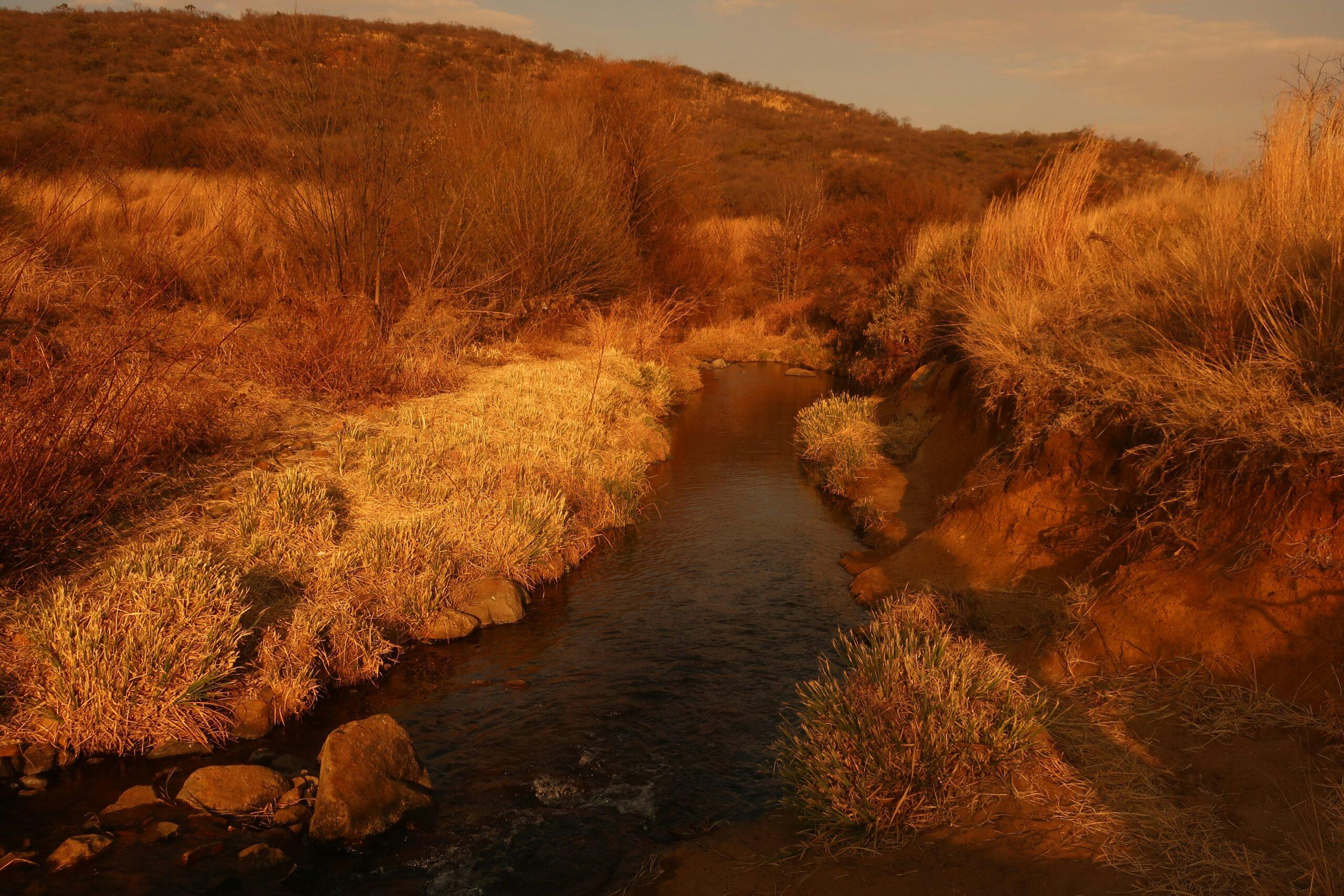
Just 11 kilometres south of Johannesburg, Klipriviersberg Nature Reserve stretches across 680 hectares, making it the city’s largest proclaimed nature reserve. Visitors can spot black wildebeest, blesbok, springbok, red hartebeest and zebra, around 240 large mammals in total. Several hiking trails cross the reserve, all accessible without a guide.
If safari appeals more than the urban scene, our guide Safari in South Africa explains how to choose the right destination and season within the country.
Johannesburg Botanical Garden: A Green Escape
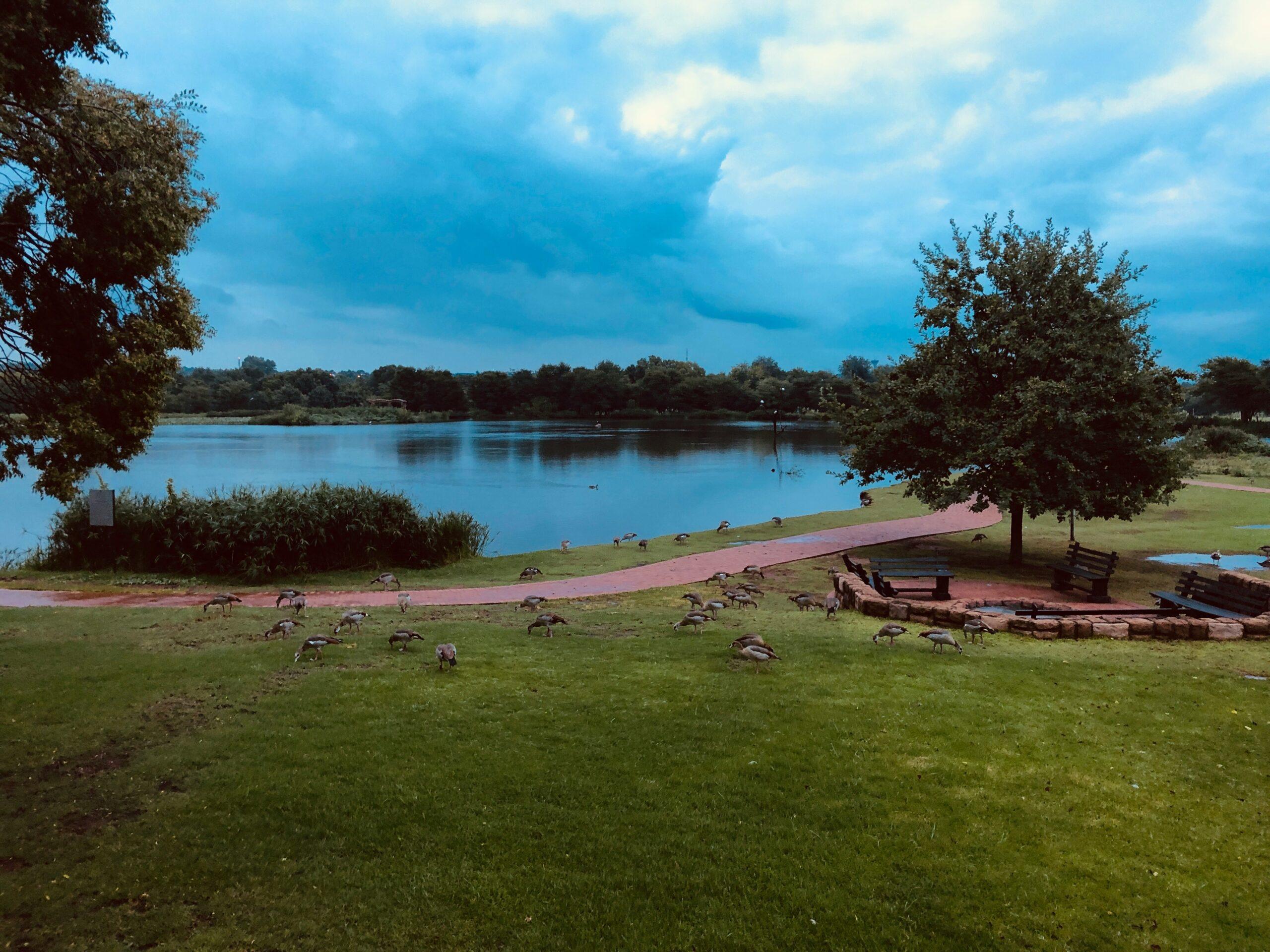
The Johannesburg Botanical Garden offers a rare breathing space in a metropolis of this density. A rose garden, herb garden and ornamental ponds draw walkers and birdwatchers alike. The visit pairs well with the galleries of the nearby Rosebank neighbourhood.
FAQ
How Many Days Should I Spend in Johannesburg?
Two to three days are enough to cover the major historical sites (Apartheid Museum, Constitution Hill, Soweto) and explore creative neighbourhoods such as Maboneng and Braamfontein. Add an extra day for a safari at Klipriviersberg or an excursion outside the city.
Is Johannesburg Safe for Tourists?
Safety varies considerably by neighbourhood. Tourist areas (Maboneng, Sandton, Rosebank, and Soweto with a guide) are visited without major incident by well-organised travellers. Avoid walking alone at night and stick to official taxis or ride-hailing apps such as Bolt or Uber.
What Is the Best Time to Visit Johannesburg?
May to September (the austral winter) brings dry, sunny days, ideal for exploring Klipriviersberg or wandering through Soweto. Summer (November to February) is warmer and punctuated by late-afternoon thunderstorms.
How Do You Get Around Johannesburg?
A hire car is the most practical option for reaching more distant sites (Soweto, Klipriviersberg, Gold Reef City). In the city centre and Maboneng, ride-hailing apps are more convenient than public transport.
Can You Go on Safari from Johannesburg?
Yes. Klipriviersberg Nature Reserve offers an urban safari just 11 km from the centre. For a national park experience, Pilanesberg Game Reserve is around two and a half hours’ drive away. Our guide Safari in South Africa details the options based on your available time and budget.