
Portugal packs remarkable diversity into just a few hundred kilometres: a hilly capital draped in azulejo tiles, UNESCO-listed terraced vineyards, ochre cliffs tumbling into the Atlantic and medieval villages frozen in time. Here are 20 experiences that showcase the very best of the country, from the banks of the Tagus to the westernmost point of continental Europe. To weigh Portugal against other summer destinations, our guide travelling this summer: Portugal, Croatia, Norway can help you choose.
Lisbon and surroundings
1. Wandering Alfama and soaking up fado
Alfama is Lisbon’s oldest neighbourhood. Its cobbled lanes wind down towards the Tagus past azulejo-clad facades, shuttered houses and miradouros (viewpoints) that open up sweeping views over the city. In the evenings, casas de fado host concerts of this melancholic music, listed as part of UNESCO’s Intangible Cultural Heritage. For a deeper dive into the capital’s activities and best addresses, see our guide things to do in Lisbon.
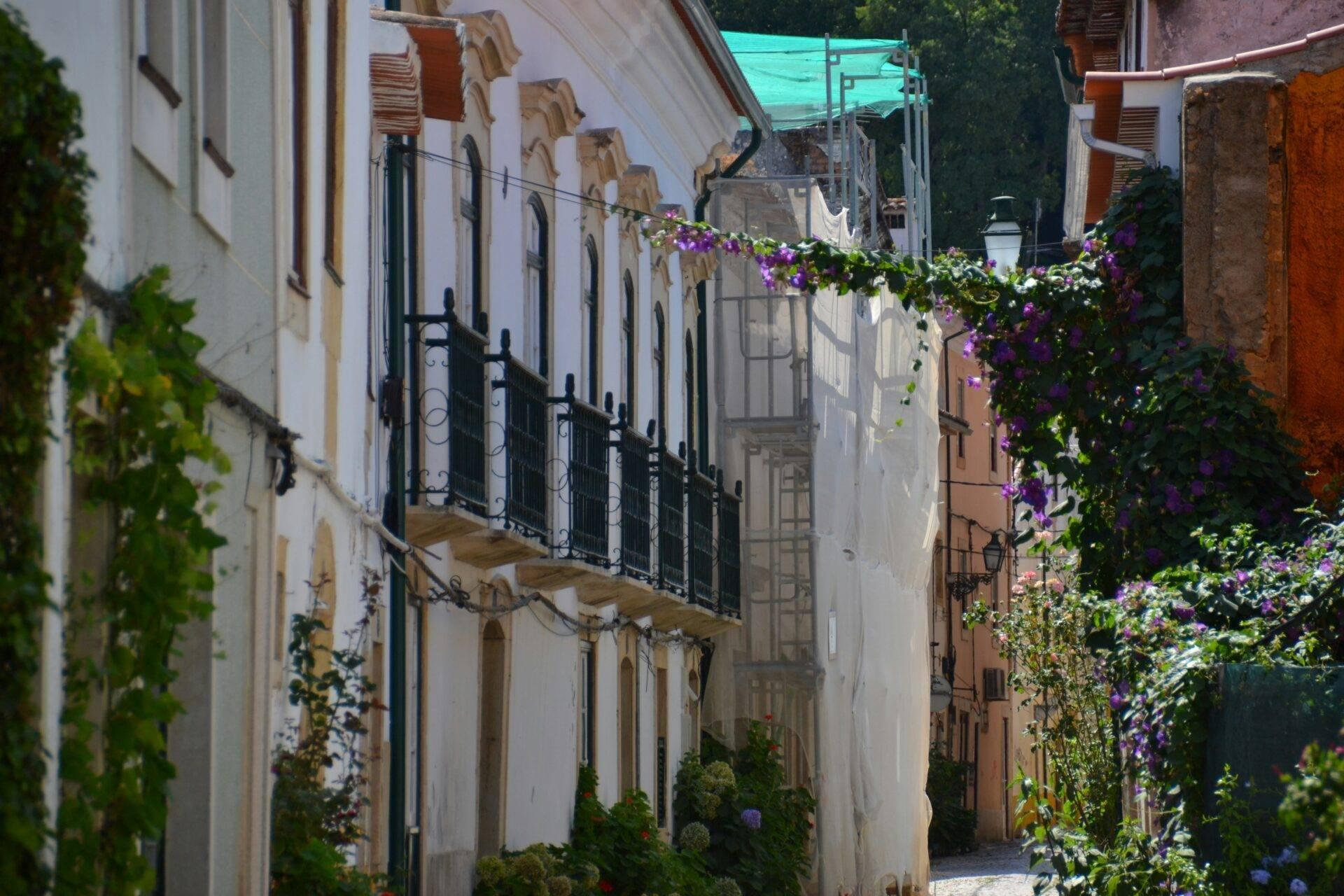
2. Discovering Belém: the tower, the monastery and pastéis de nata
The Belém district, downstream along the Tagus, is home to the most iconic monuments of Portugal’s Age of Discovery. The Tower of Belém (16th century) and the Jerónimos Monastery, two masterpieces of Manueline architecture and both UNESCO-listed, can be explored in a few hours. Just nearby, the Antiga Confeitaria de Belém has been making pastéis de nata to the monastery’s original recipe since 1837. The Praça do Comércio, a grand esplanade opening onto the Tagus, marks the ceremonial gateway into the city.
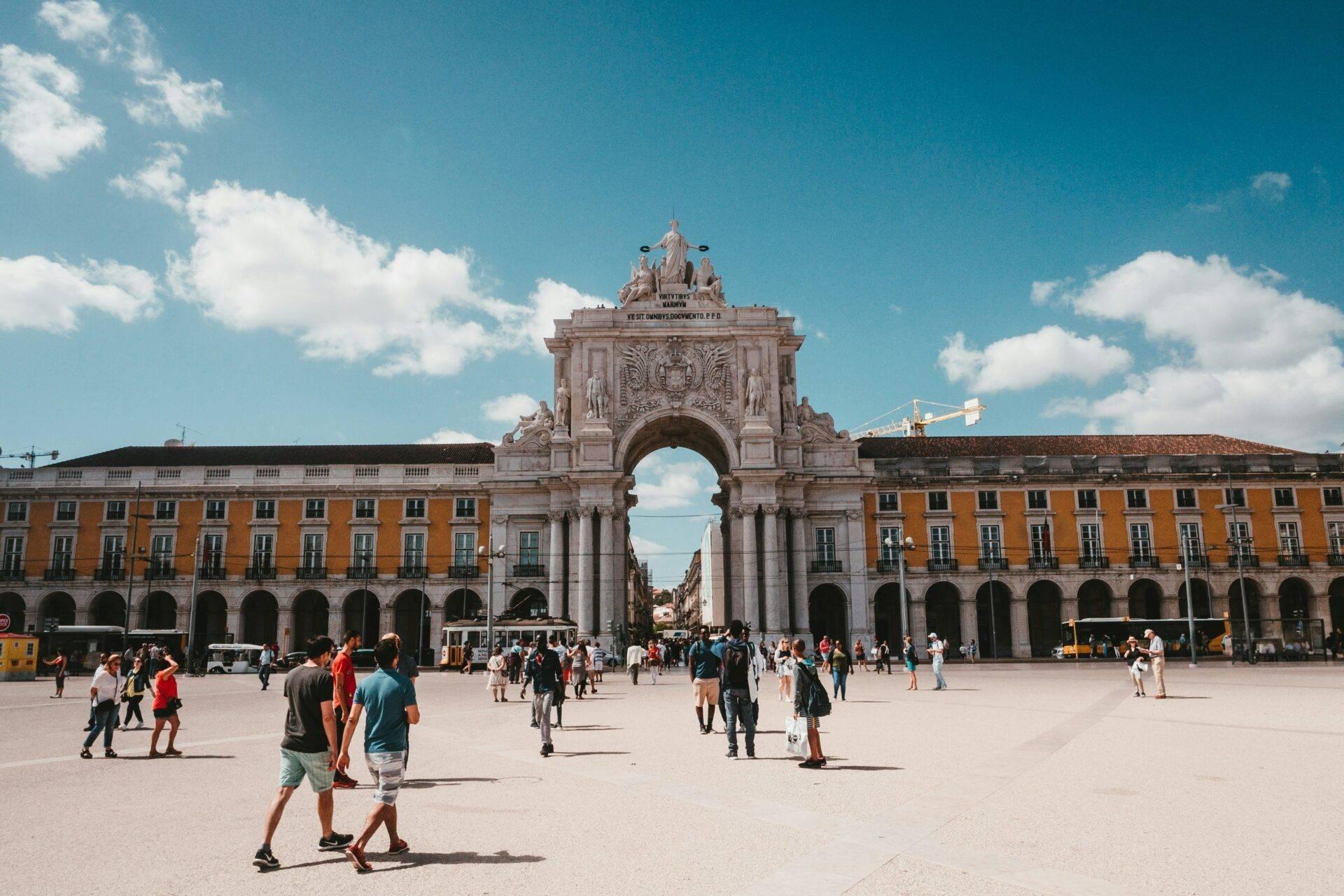
3. A day trip to the Arrábida Natural Park
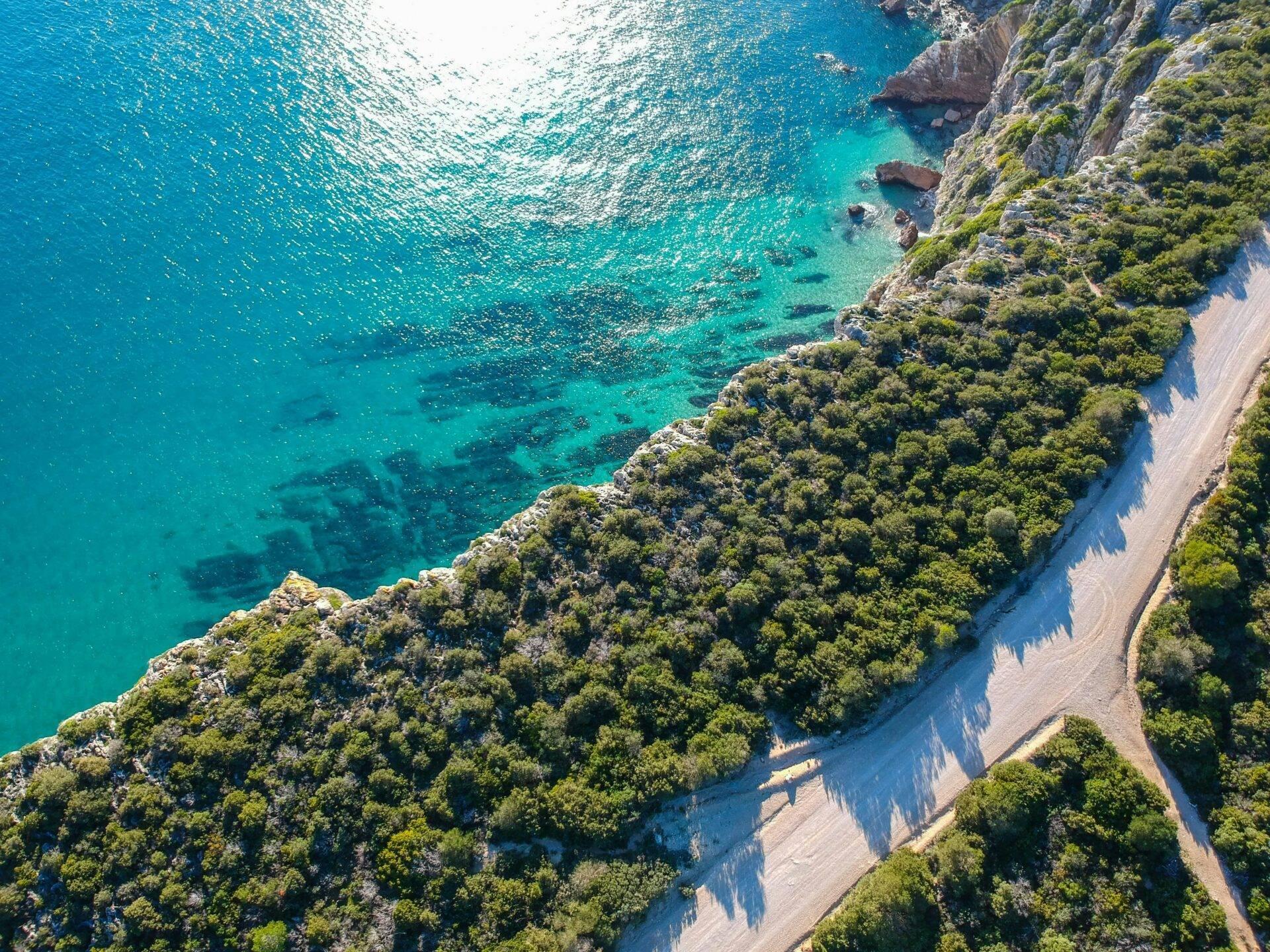
Less than an hour south of Lisbon, the Setúbal Peninsula is home to one of Portugal’s most unspoiled corners. Limestone cliffs blanketed in Mediterranean scrub plunge into water of a striking blue-green. The beaches of Galapinhos and Portinho da Arrábida are reachable by car from Setúbal or by boat from the marina.
Porto and the Douro Valley
4. Exploring the Ribeira and crossing the Dom Luís I Bridge
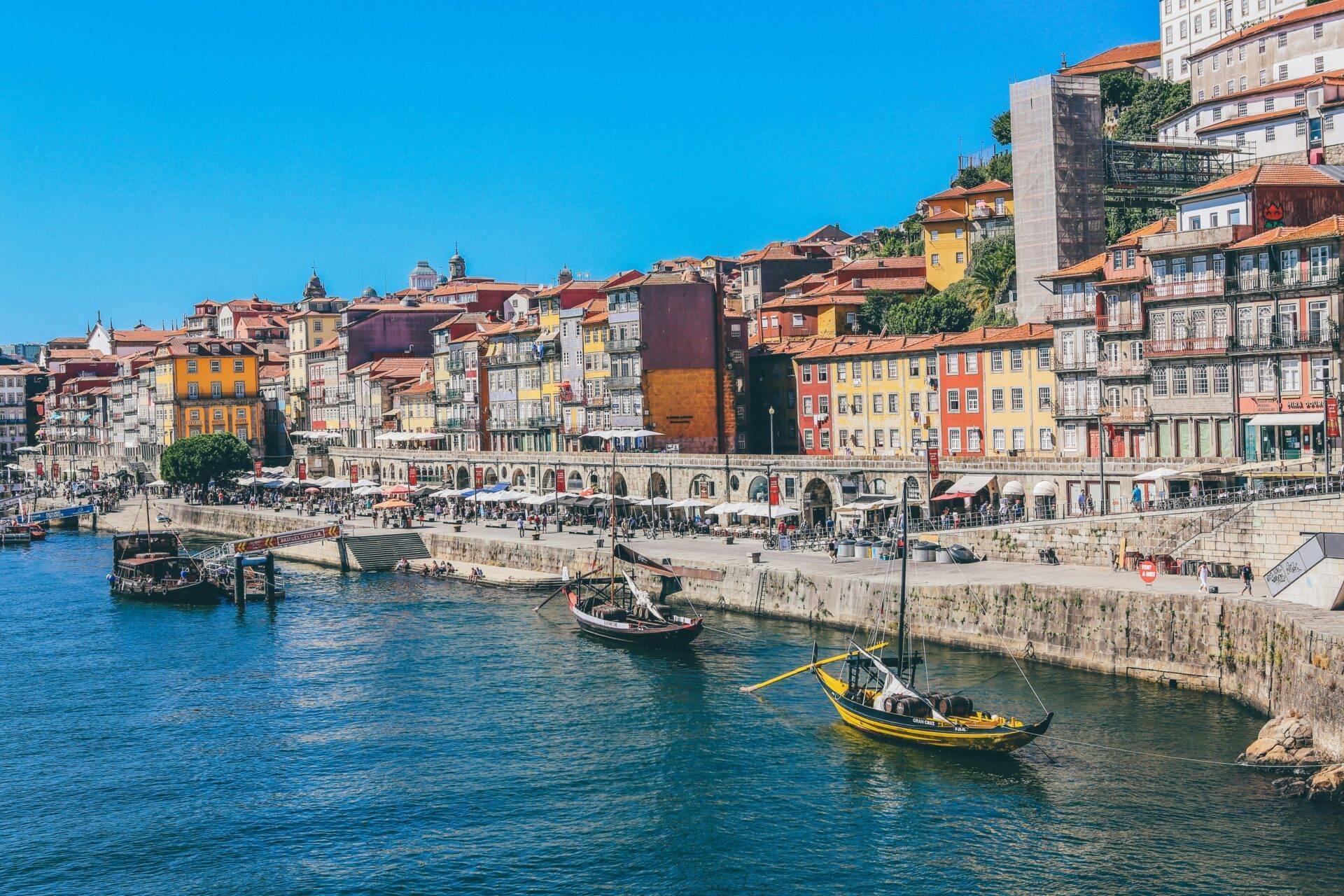
The Ribeira district, a UNESCO World Heritage Site, runs along the Douro with its colourful 18th- and 19th-century facades. The Dom Luís I Bridge, inaugurated in 1886 by engineer Théophile Seyrig, connects Porto to Vila Nova de Gaia on two levels. From the upper deck, the view across both riverbanks and the wine cellars of Gaia is one of the most iconic sights in Portugal. Our guide things to do in Porto covers the addresses and must-see visits in the city in full detail.
5. Tasting port wine and sailing the Douro Valley
In Vila Nova de Gaia, the great port wine houses, Taylor’s, Graham’s and Sandeman among them, offer tours and tastings. The Douro Valley, a UNESCO World Heritage Site, is best discovered by boat or train from Porto: terraced vineyards cover the hillsides to the horizon, dotted with quintas (wine estates) open for visits by prior arrangement.
Protect my trip to PortugalSintra and Cascais
6. Marvelling at Sintra’s palaces
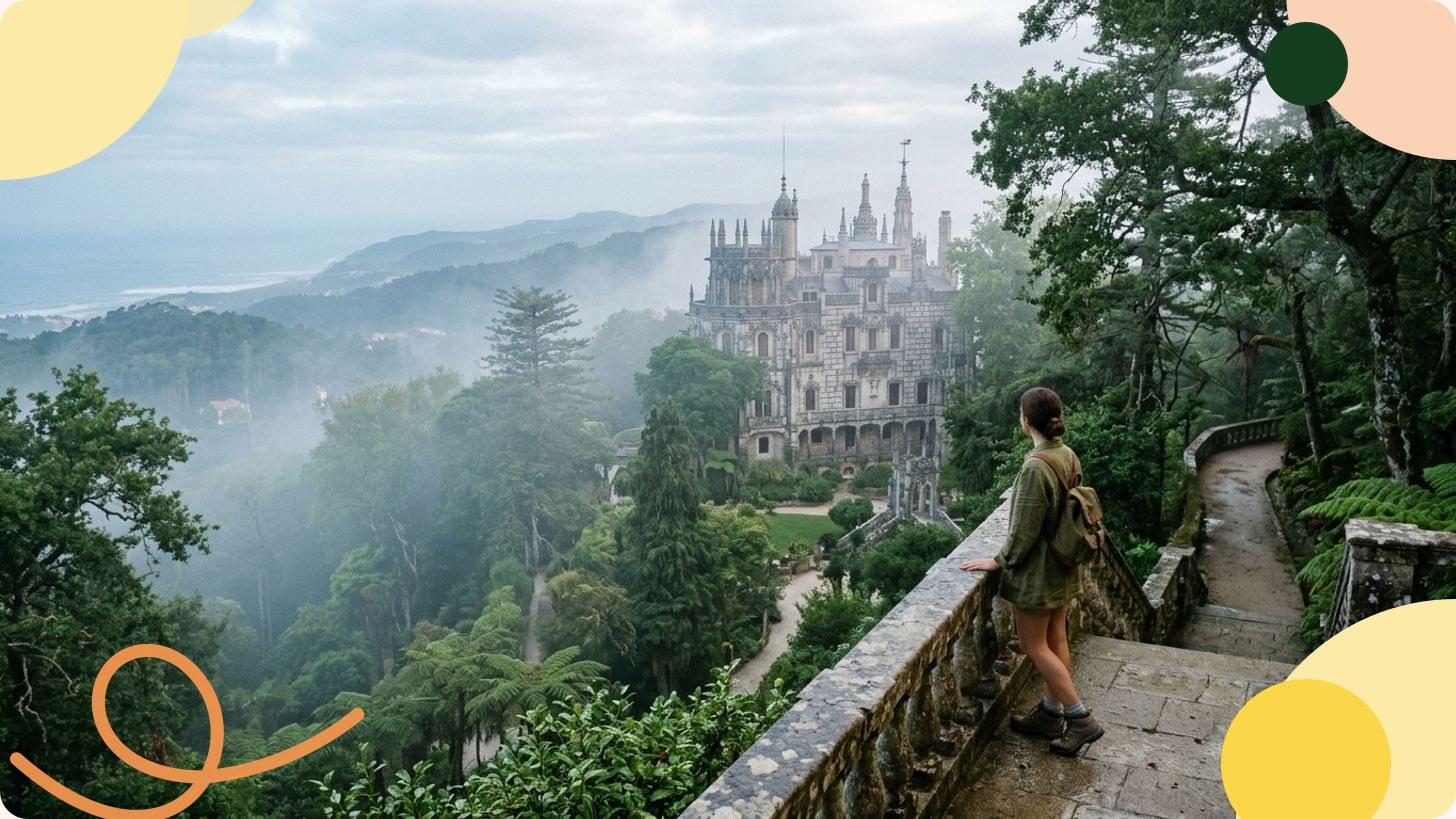
Just 30 km from Lisbon, Sintra is a UNESCO World Heritage Site for its cultural landscape. The Palace of Pena, with its neo-Moorish towers and vivid colours, crowns the wooded hills of the Serra de Sintra. The Quinta da Regaleira enchants with its esoteric gardens and inverted initiatory well. The Palace of Monserrate, more understated, captivates with its hybrid architecture and exotic planting.
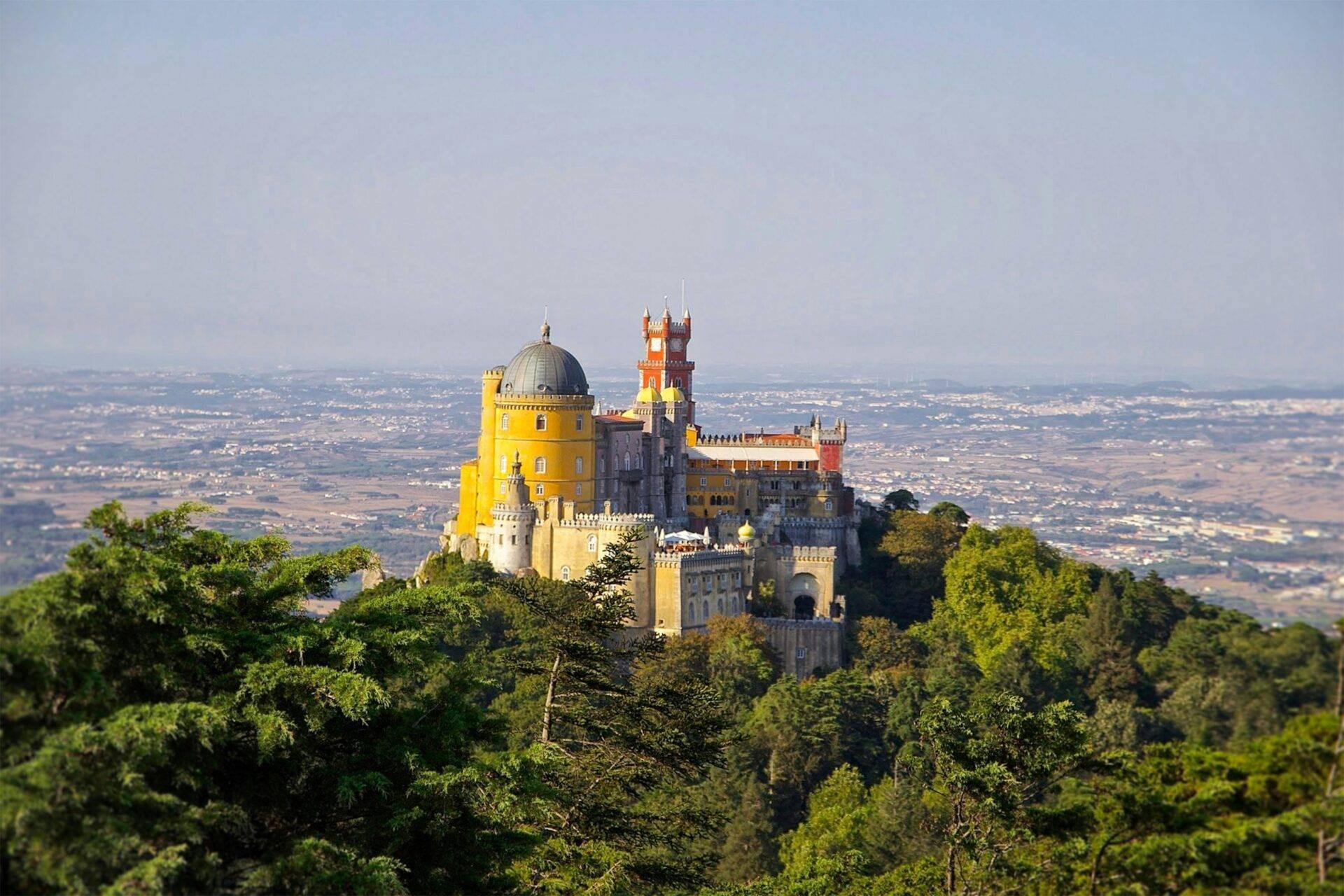
7. Following the coast to Cascais and Cabo da Roca
Heading down towards the Atlantic from Sintra, the coastal road passes through Cascais, once a royal seaside retreat. The 16th-century citadel, the harbour and the seafront promenade are all worth a stop. Cabo da Roca, the westernmost point of continental Europe, symbolically marks the edge of the known world for Portugal’s explorers: the cliffs drop sheer into the Atlantic.
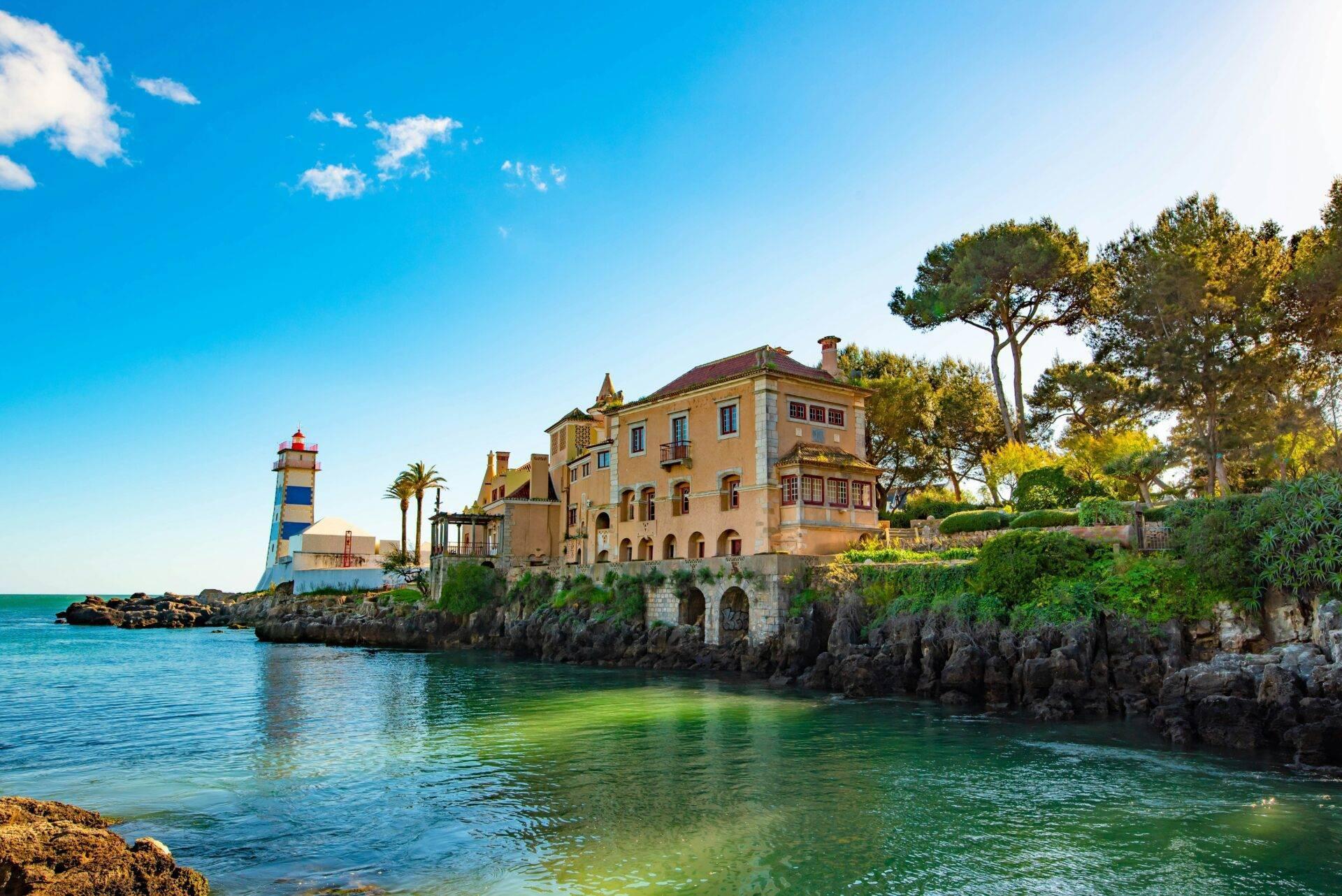
The Algarve: cliffs, beaches and watersports
Portugal’s southernmost region enjoys generous sunshine, fine sandy beaches and rock formations sculpted by millions of years of Atlantic erosion.
8. Taking in Ponta da Piedade at Lagos
The rock formations at Ponta da Piedade, a few kilometres west of Lagos, are among the most photographed in the country: arches, caves and deep-orange limestone stacks rise from crystal-clear water. Visiting by kayak or inflatable boat from Lagos lets you enter sea caves that are inaccessible on foot.
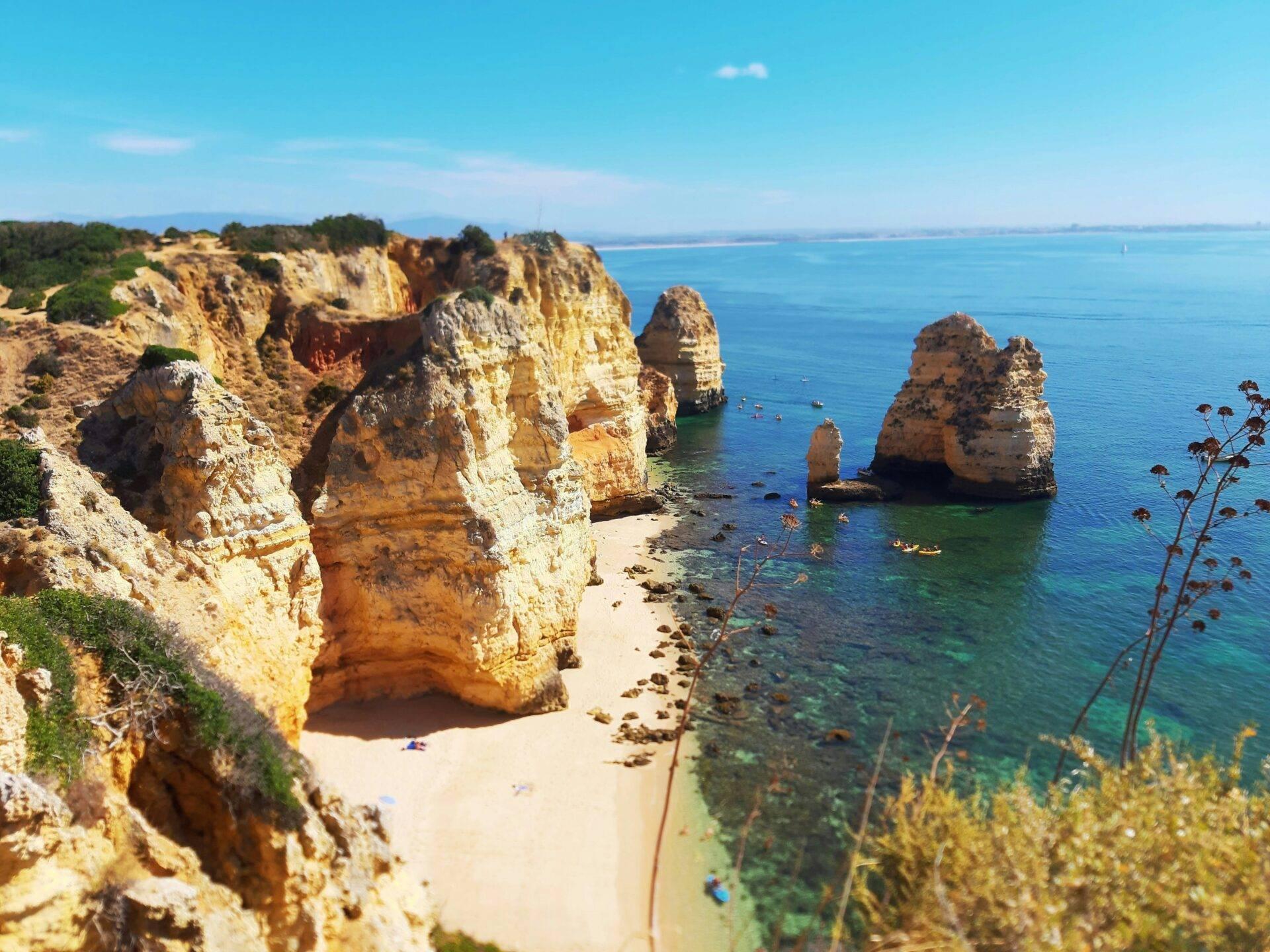
9. Swimming in coves between white cliffs
The Algarve has dozens of beaches nestled between the cliffs, reached by steps carved into the rock. Praia da Marinha, Praia de Benagil and Praia do Carvalho are among the most popular, offering calm water and gentle waves.
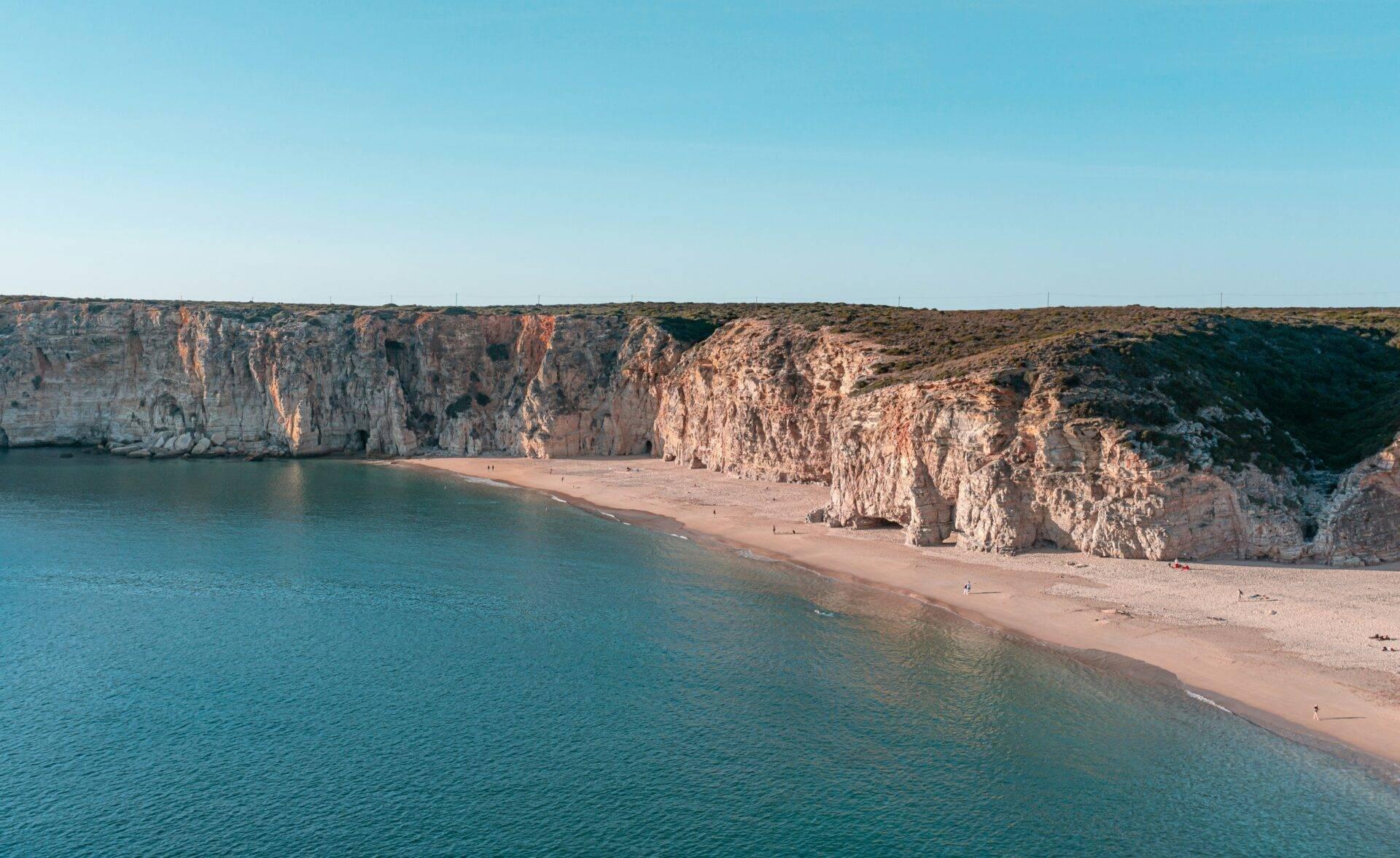
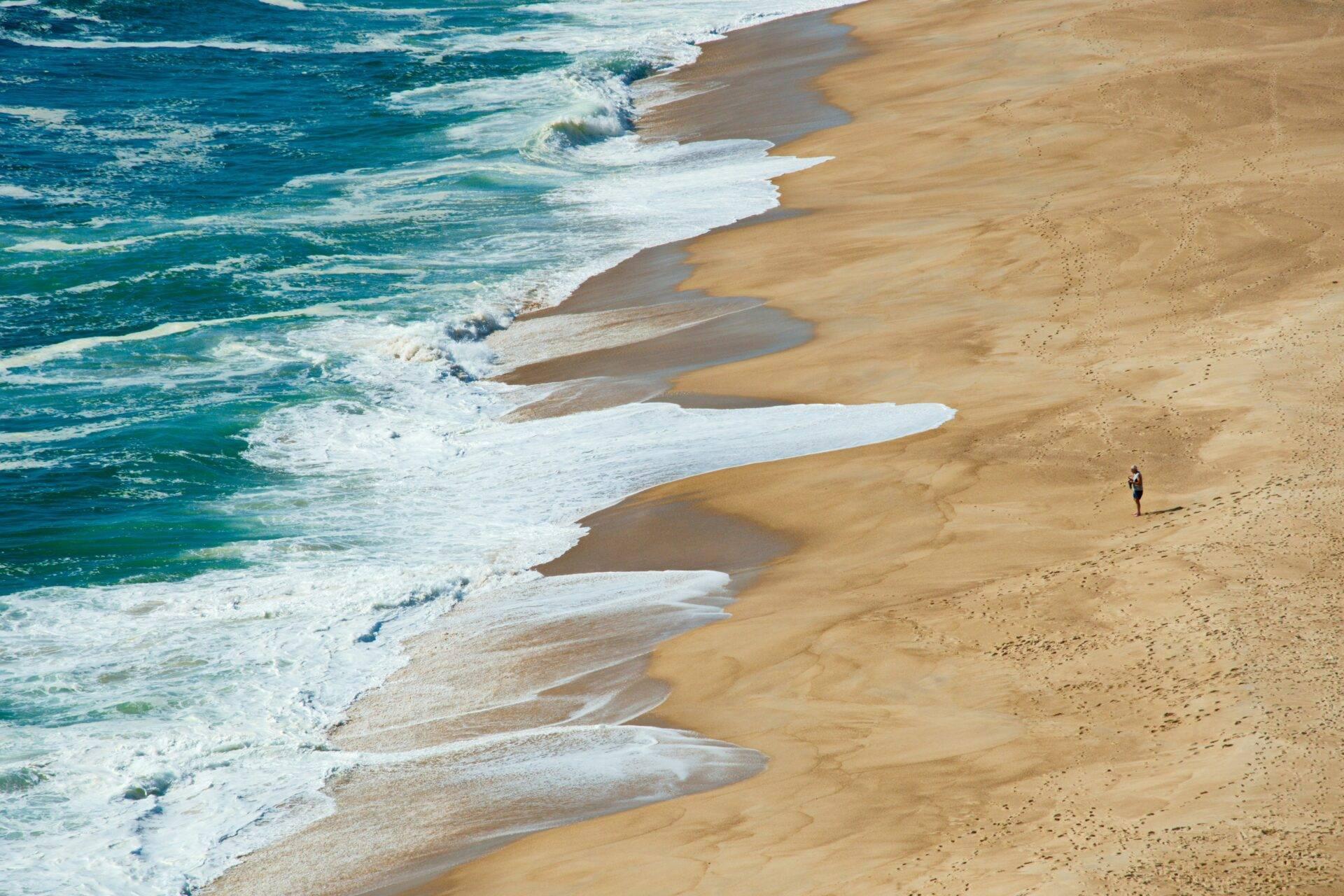
10. Enjoying the Algarve’s long sandy beaches
Between the rocky coves, the Algarve opens up into wide stretches of golden sand battered by Atlantic waves, ideal for swimming, sunbathing or an early morning walk.
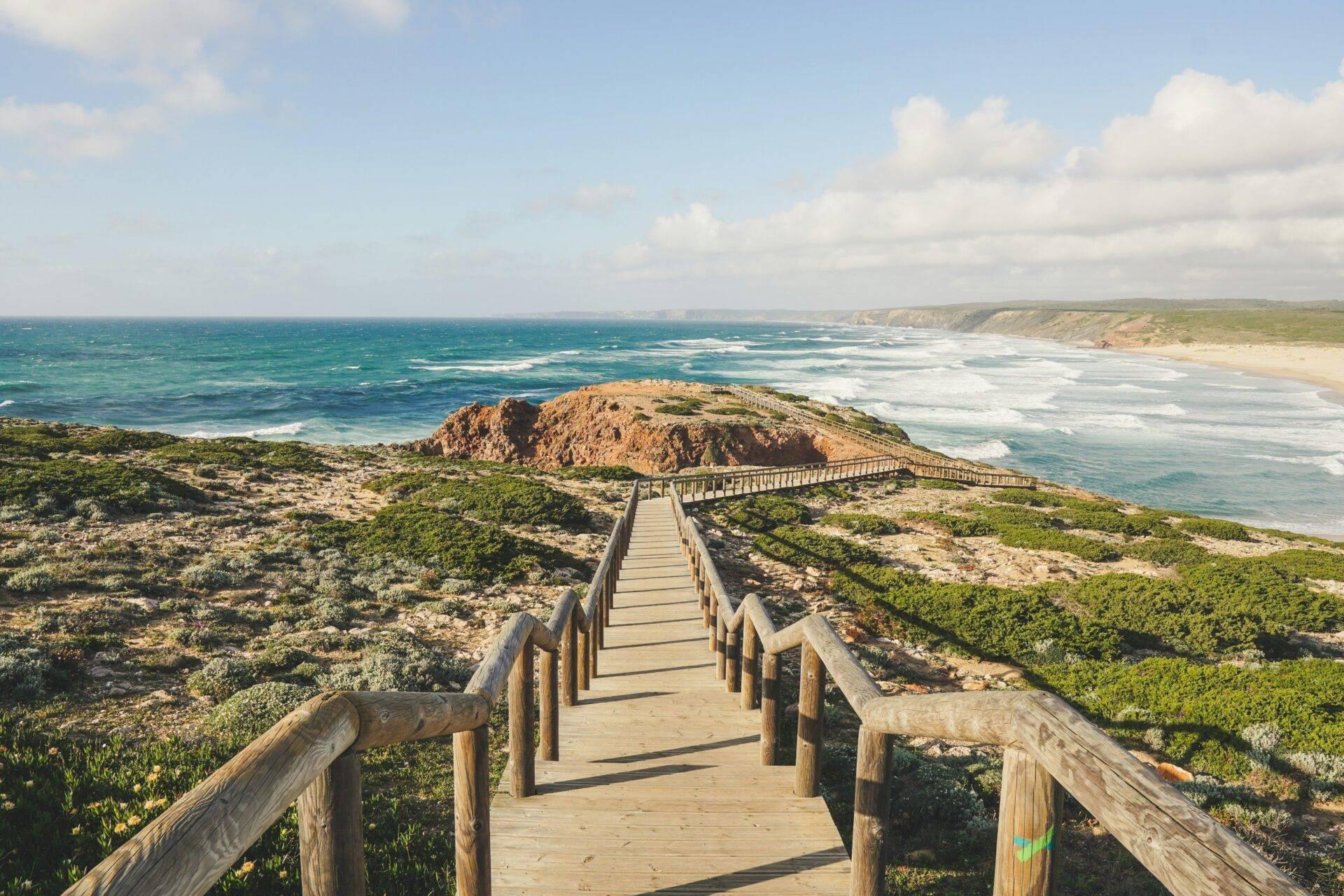
11. Walking the Seven Hanging Valleys trail
Between Carvoeiro and Armação de Pêra, this coastal path follows limestone plateaus high above the Atlantic. Wooden boardwalks installed along the cliff edge let you hug the coastline with breathtaking views over the ocean.
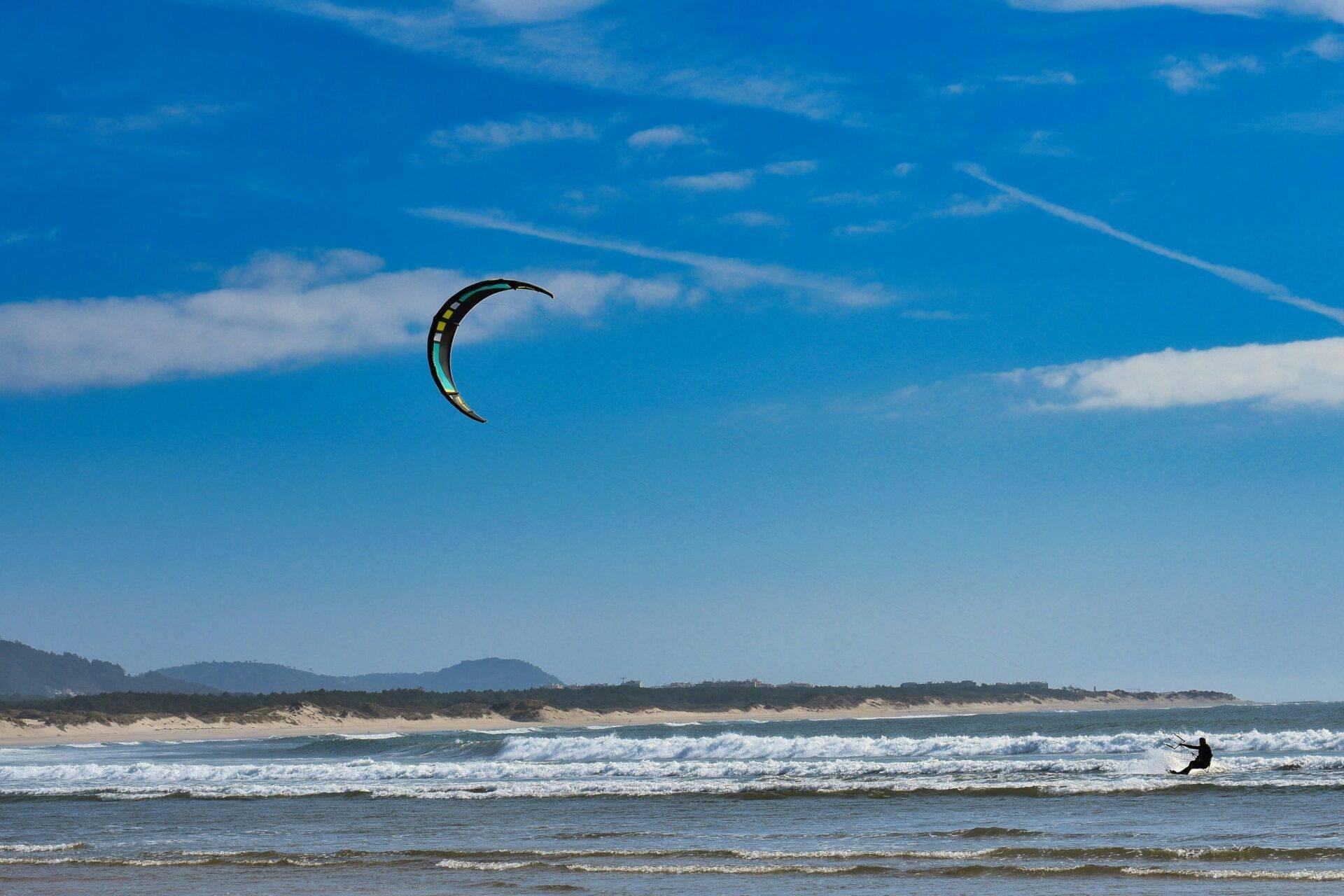
12. Surfing or kitesurfing on the Atlantic coast
The Portuguese Atlantic coast is one of Europe’s finest surfing destinations. Peniche, two hours from Lisbon, hosts international competitions at the Supertubos break. The Algarve also offers excellent kitesurfing conditions on wind-exposed beaches, including Meia Praia near Lagos.
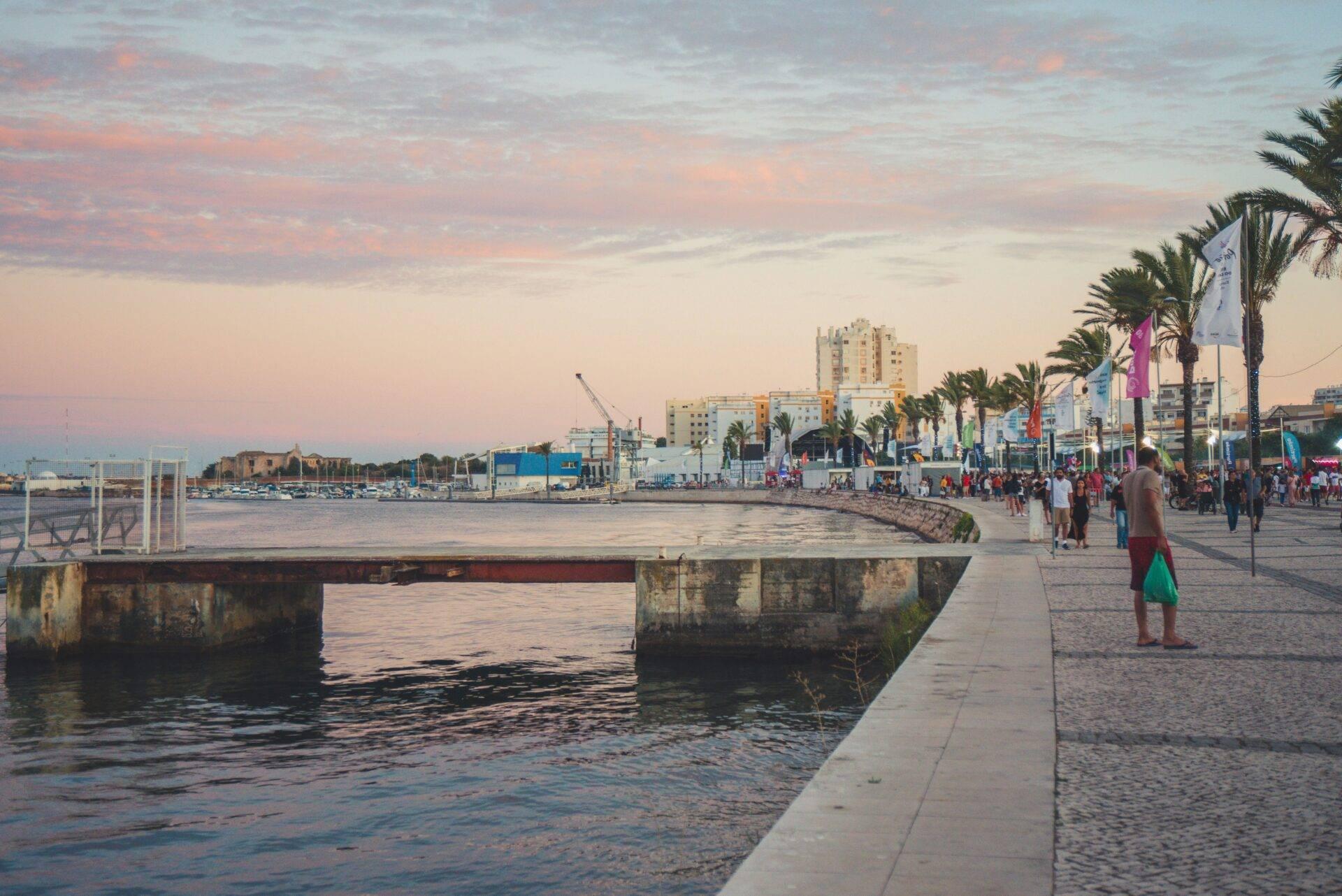
13. An evening stroll along the waterfront at sunset
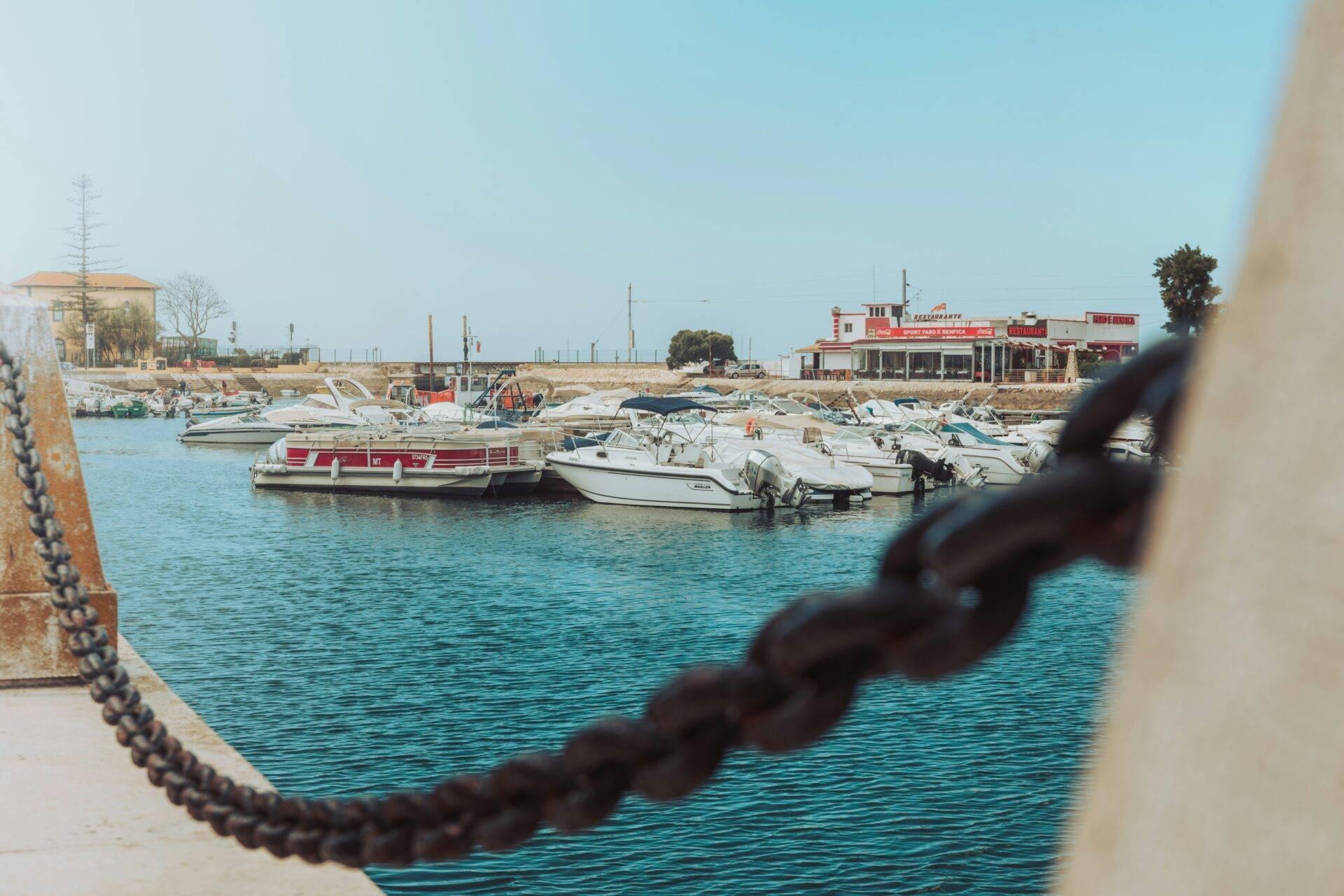
Several Algarve towns have lively coastal promenades at dusk: palm trees are silhouetted against an orange sky, moored boats are reflected in the calm harbour water, and terrace bars come alive over the first glasses of vinho verde.
14. Exploring the Ria Formosa at Faro
The Ria Formosa is a protected lagoon stretching 60 km along the Algarve coast. A nature reserve since 1978 and a natural park since 1987, it shelters remarkable biodiversity, including numerous species of migratory birds. By boat from Faro, you can reach barrier islands such as Ilha Deserta and Ilha do Farol, fringed by uncrowded beaches.
Heritage towns and villages
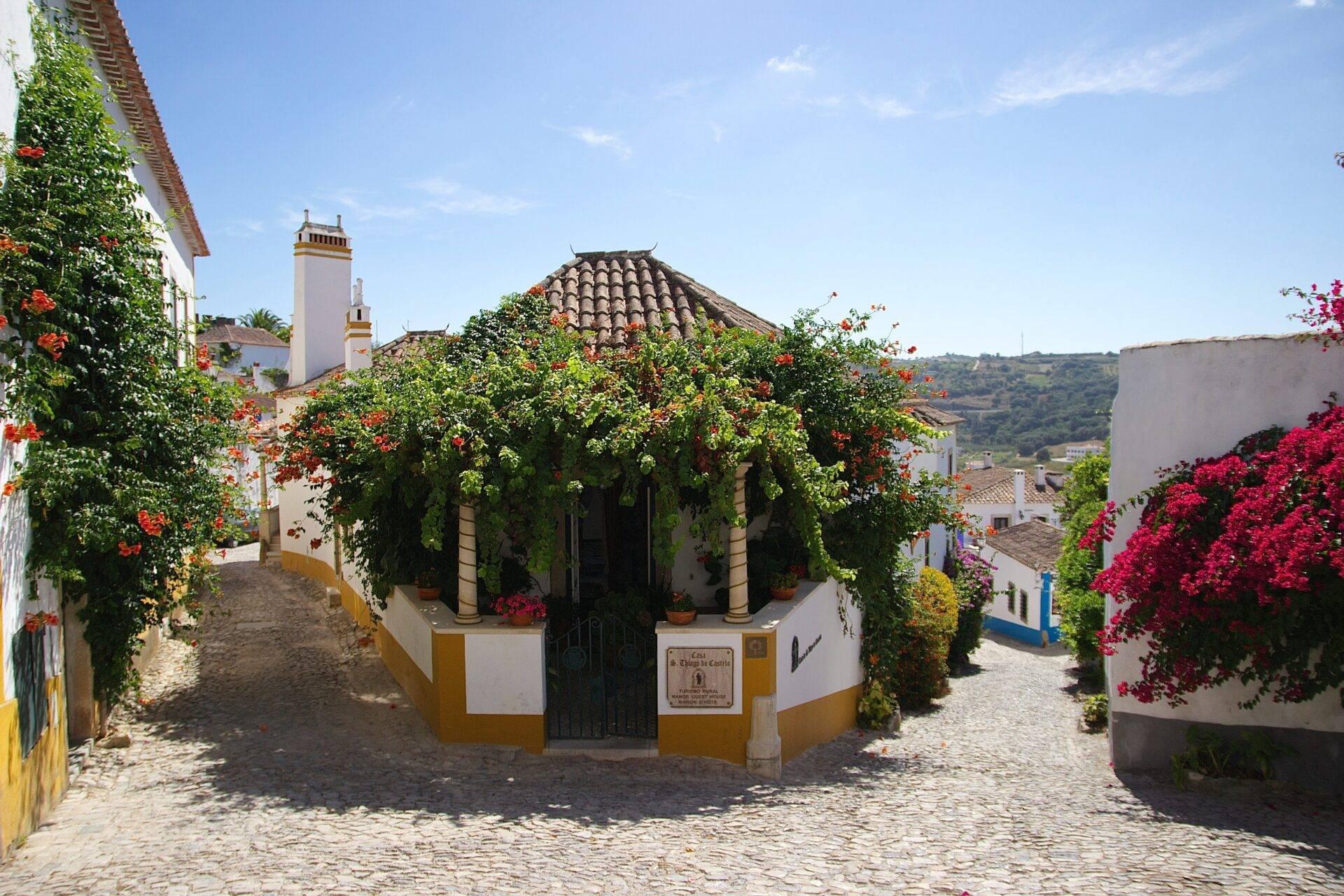
15. Strolling around Óbidos, the walled village
Óbidos is encircled by medieval ramparts that you can walk in their entirety. Inside, the blue-and-white lanes are dotted with bougainvillea and small shops. The local ginjinha, a cherry liqueur made with aguardente, is served in a small dark chocolate cup.
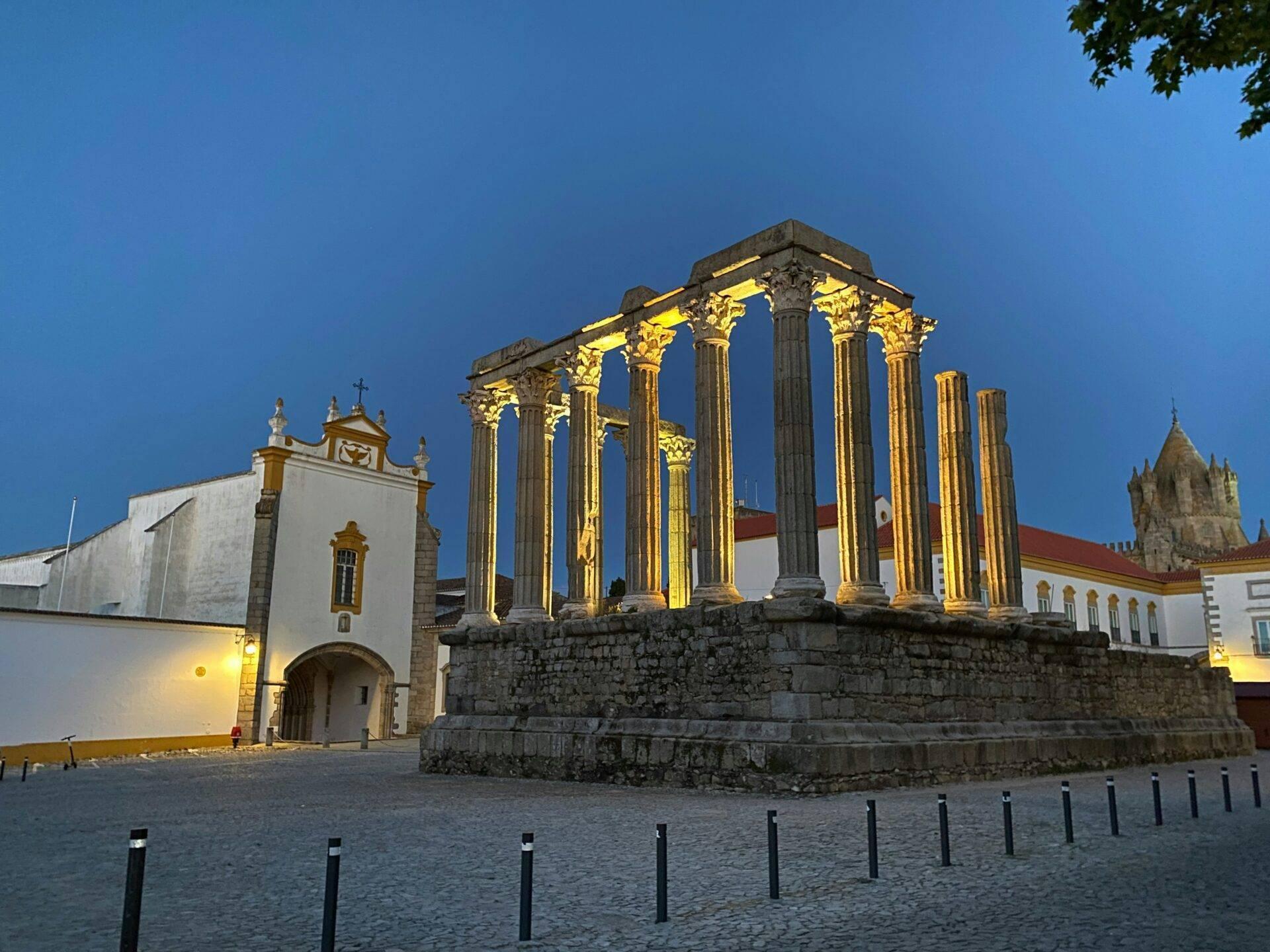
16. Tracing the layers of history in Évora
Évora’s UNESCO-listed historic centre layers civilisations on top of one another. The Roman temple from the 2nd century, whose Corinthian columns still dominate the skyline, stands alongside the 13th-century Gothic cathedral. The Chapel of Bones (Igreja de São Francisco), built in the 16th century by Franciscan monks, has its interior walls lined with the remains of around 5,000 people.
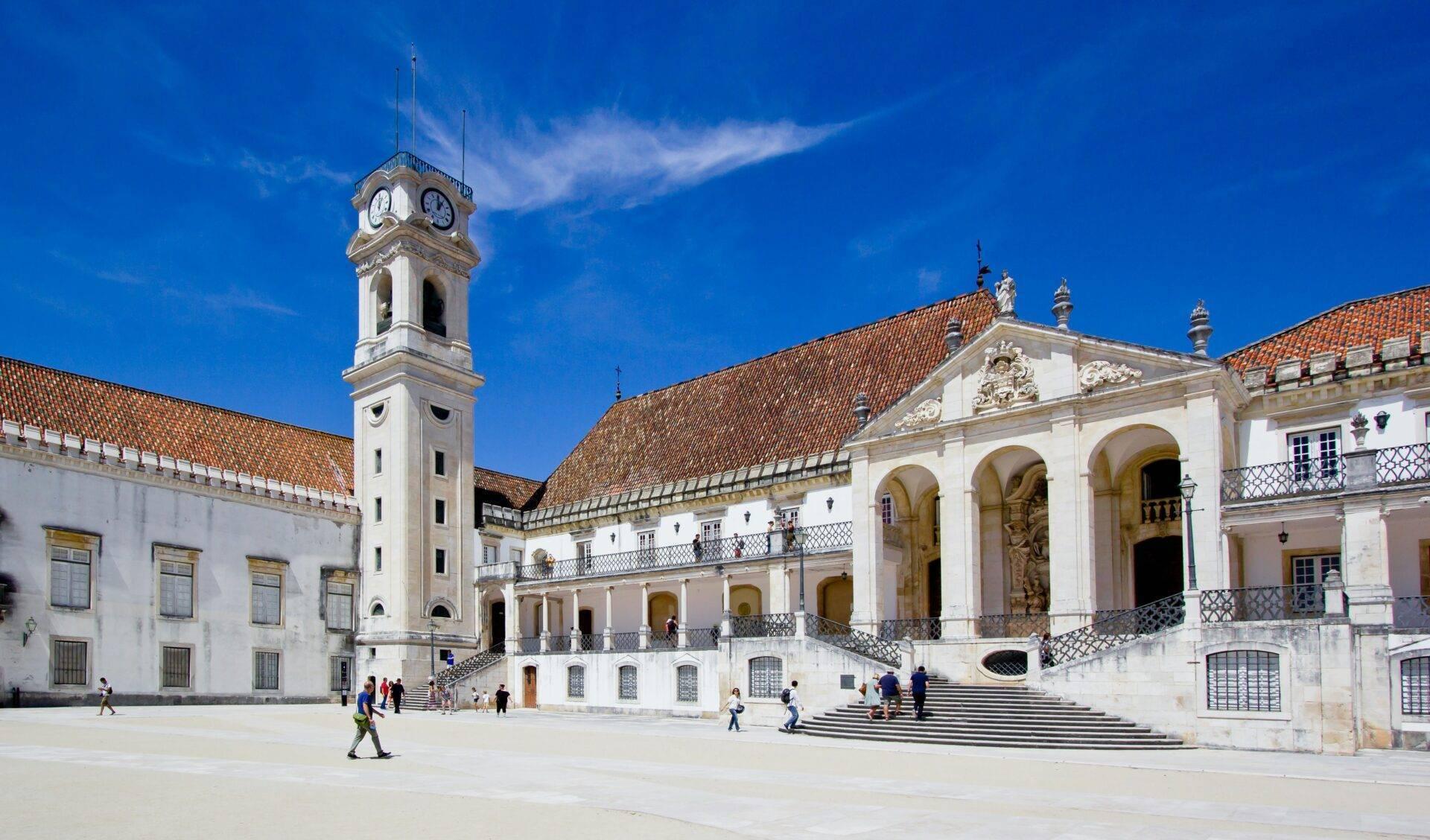
17. Visiting the University of Coimbra and the Joanina Library
The University of Coimbra, founded in 1290, is one of the oldest in Europe. The Joanina Library, completed in 1728 under the reign of João V, holds around 60,000 volumes from the 16th to the 18th century in a Baroque hall with shelves lacquered in black and gold. At night, bats roost inside the library and hunt insects to protect the ancient books.
18. Climbing the 573 steps of the Bom Jesus sanctuary in Braga
The Baroque sanctuary of Bom Jesus do Monte, inscribed on the UNESCO World Heritage List in 2019, is reached by a stairway of 573 steps adorned with fountains and statues representing the five senses and the Christian virtues. The hydraulic funicular, inaugurated on 25 March 1882, is considered the world’s oldest still in service to operate on a water counterweight.

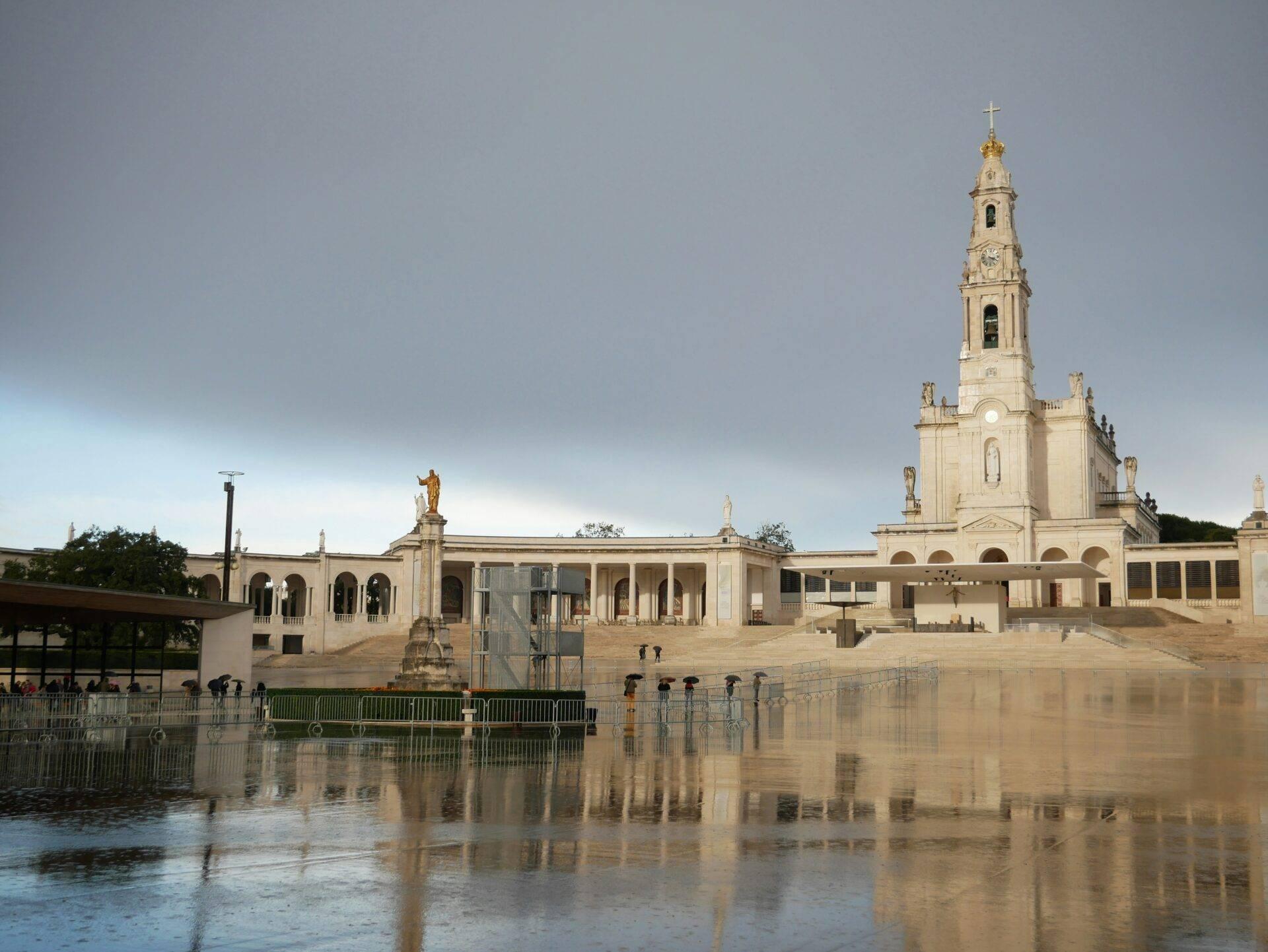
19. Visiting the sanctuary of Fátima
Fátima welcomes several million pilgrims from around the world each year. The sanctuary commemorates the apparitions of the Virgin Mary to three young shepherds in 1917. The pilgrimages of 12-13 May and 12-13 October draw the largest crowds, with candlelit processions. Outside these dates, the site remains open and peaceful.
Aveiro: the Portuguese Venice
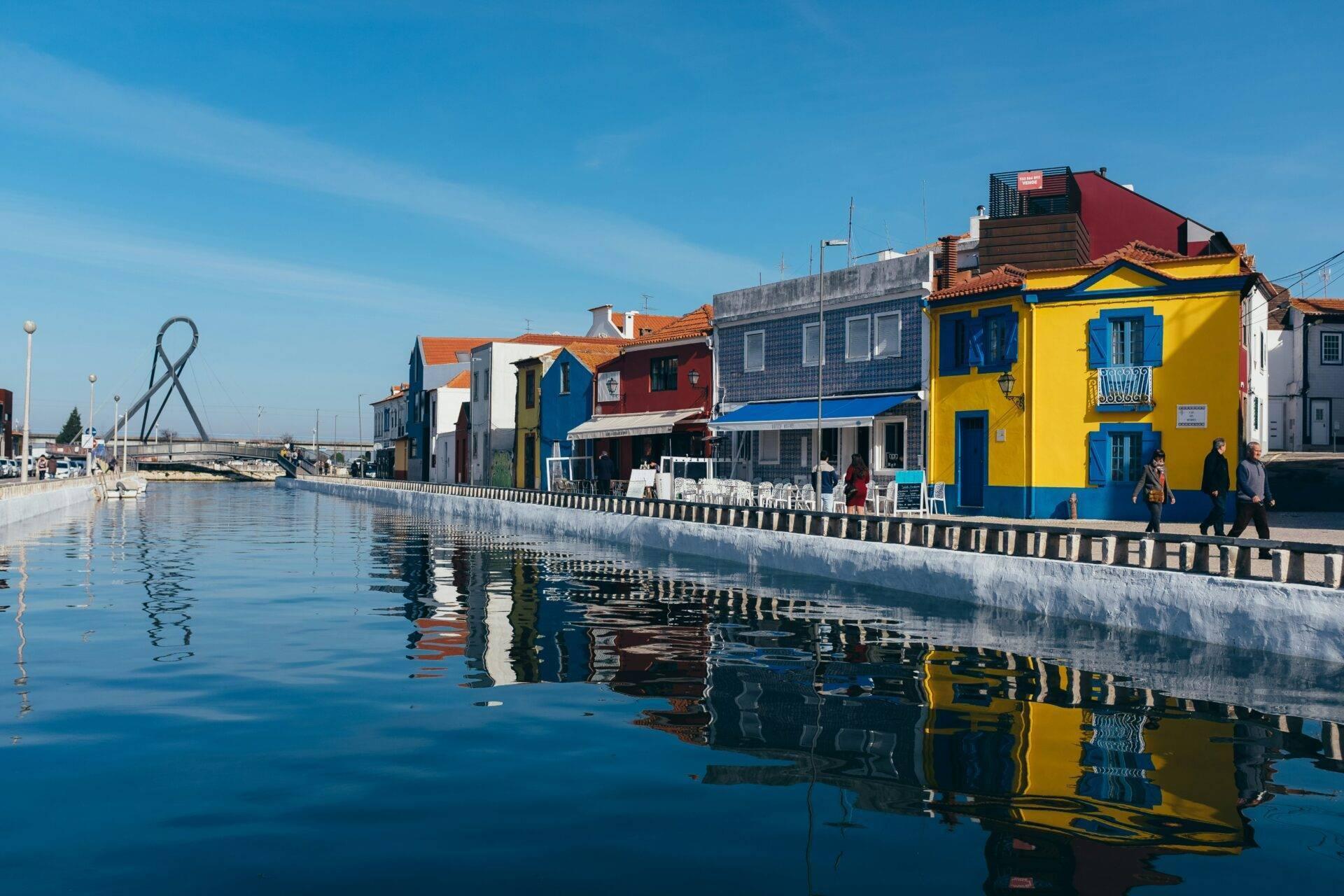
20. Gliding along the canals and discovering the palheiros of Costa Nova
Aveiro is best explored by moliceiro, a flat-bottomed boat with ornately painted prows that once carried seaweed across the lagoons. The quaysides are lined with Art Nouveau buildings covered in decorative facades. Eight kilometres away, the village of Costa Nova do Prado is famous for its palheiros, fishermen’s houses with facades painted in vertical white-and-coloured stripes.
FAQ
What is the best time to visit Portugal?
Spring (April to June) and early autumn (September-October) offer the best balance of warmth, crowd levels and prices. The Algarve is pleasant from March onwards. For the giant waves of Nazaré, the season runs from October to March. If you are travelling early in the year, our roundup where to go in March suggests other destination ideas.
How long do you need to visit Portugal?
A week is enough to cover Lisbon (2 to 3 days) and Porto (2 days), or alternatively Lisbon and the Algarve. Two weeks give you time to add Sintra, Évora, Coimbra and the interior regions. A month lets you see everything, including the Azores and Madeira.
Can you visit Lisbon and Porto on the same trip?
Yes. The Alfa Pendular train between Lisbon’s Oriente station and Porto’s Campanhã takes around 3 hours. A return trip within a week is entirely manageable.
Do you need to speak Portuguese to travel in Portugal?
English is widely spoken in hotels, restaurants and tourist sites across the major cities. A few words of Portuguese, obrigado/obrigada (thank you) or por favor (please), are always appreciated, particularly in rural areas.
Do you need travel insurance for Portugal, even within the EU?
Portugal is a member of the European Union. The European Health Insurance Card (EHIC) covers part of the cost of emergency treatment in public facilities. It does not cover medical repatriation, flight cancellations or delays, lost luggage or water sports activities. A Yupwego travel insurance policy fills these gaps and covers medical costs upfront: you pay nothing out of pocket on the spot if something goes wrong.