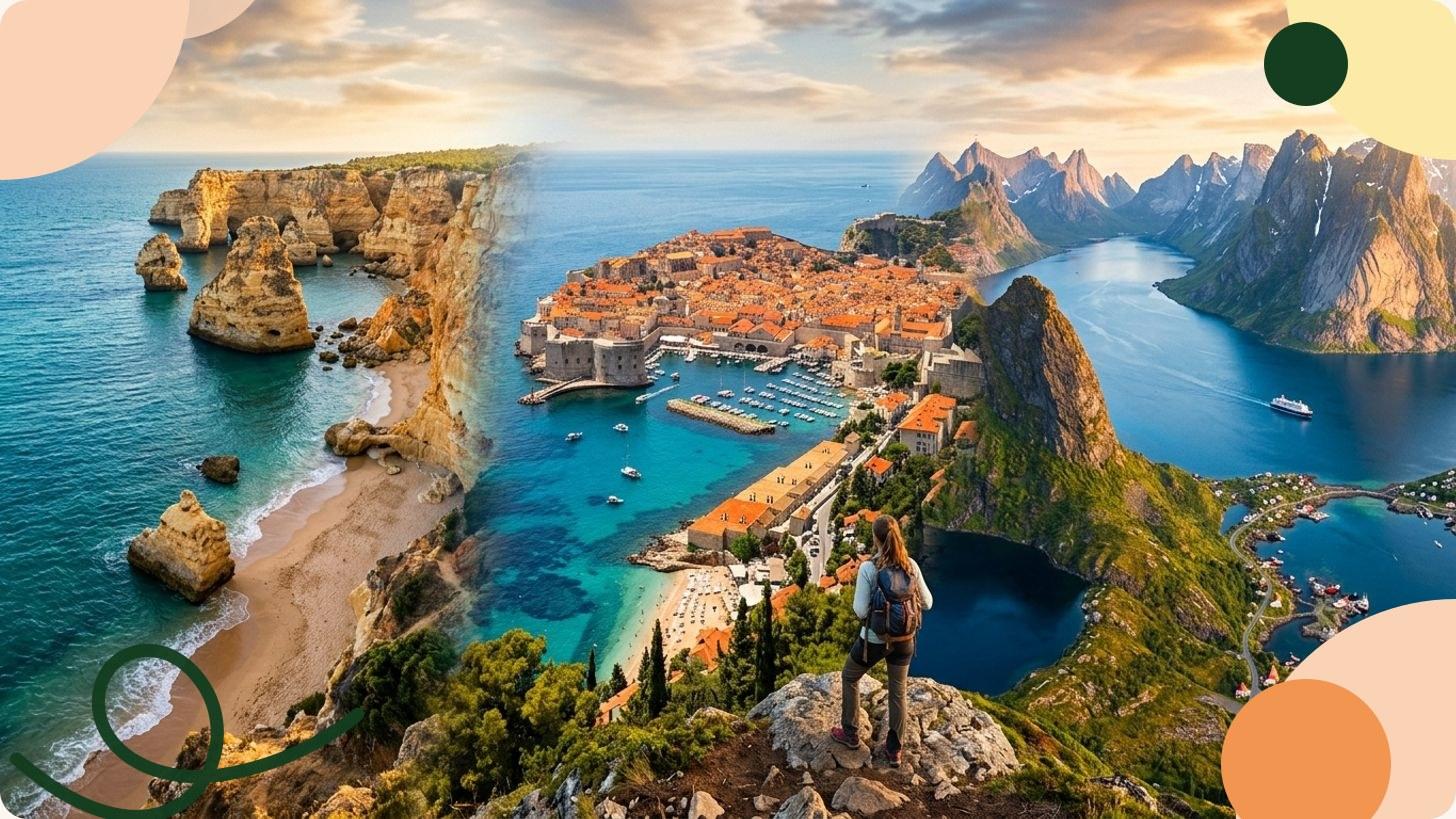

Portugal, Croatia and Norway offer three radically different ways to spend a summer in Europe. One for its golden beaches and hand-painted tiles, another for its crystal waters and ancient city walls, the third for its fjords and a sun that simply refuses to set. Here is what each one has to offer, whether you are choosing between them or planning all three.
Summer in Europe: Portugal
Portugal is one of Europe’s most versatile destinations: Lisbon and Porto for culture and food, the Algarve for beaches, and the interior for something altogether wilder. It was named Best Destination in Europe at the World Travel Awards 2025, and it is easy to see why.
Albufeira
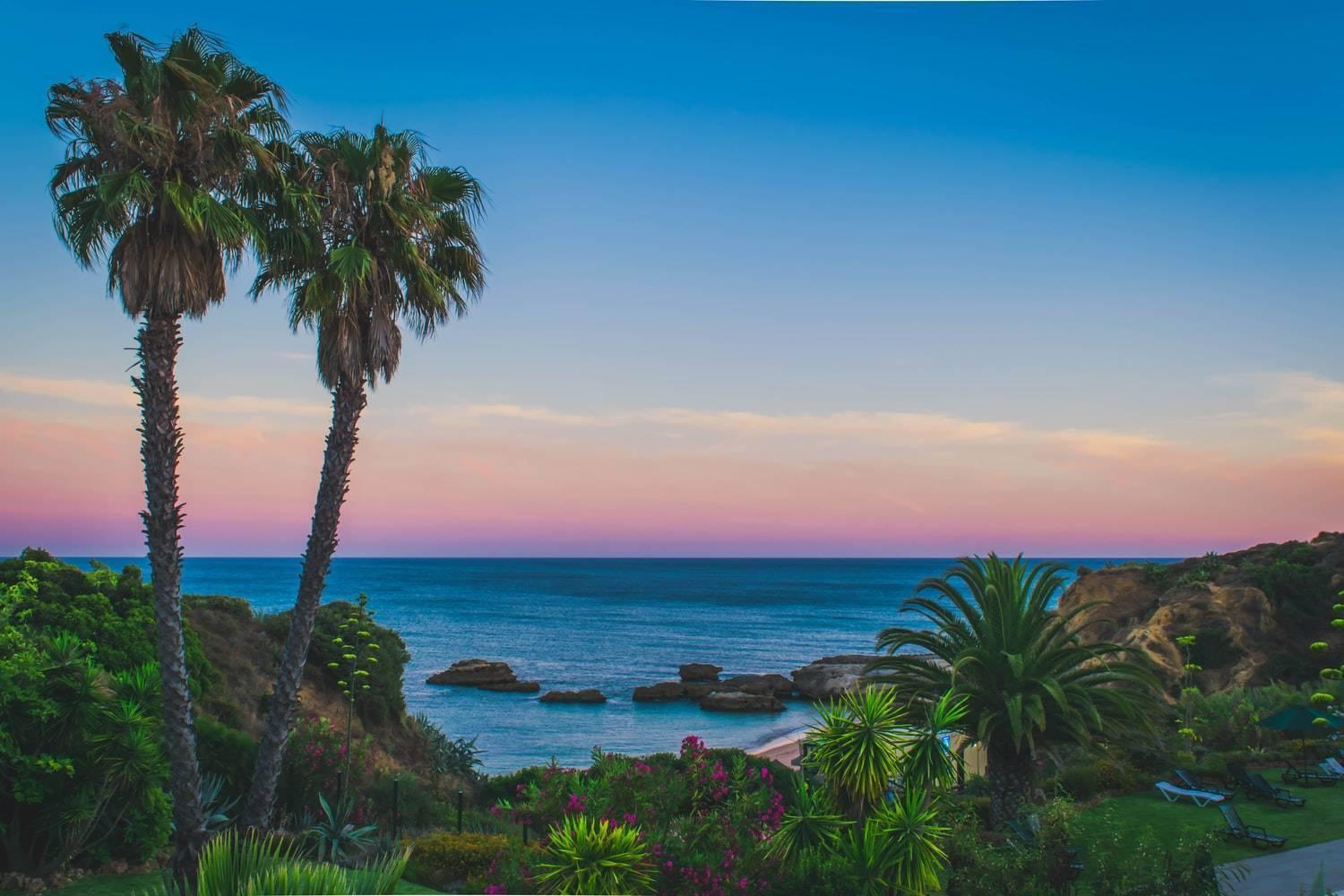
Tucked along Portugal’s southern Algarve coast, this former fishing village has grown into one of the region’s most popular resorts, built on sandy beaches and a lively atmosphere. The old town is ideal for a family stroll, its winding lanes lined with restaurants serving local specialities. For something livelier, the new town’s ‘The Strip’ is where the bars and clubs cluster.
Nearby: the fortress town of Silves, boat trips along the coast to spot dolphins, and water parks for younger travellers. Albufeira is the ideal base for a relaxed holiday that still has plenty to keep everyone busy.
Porto
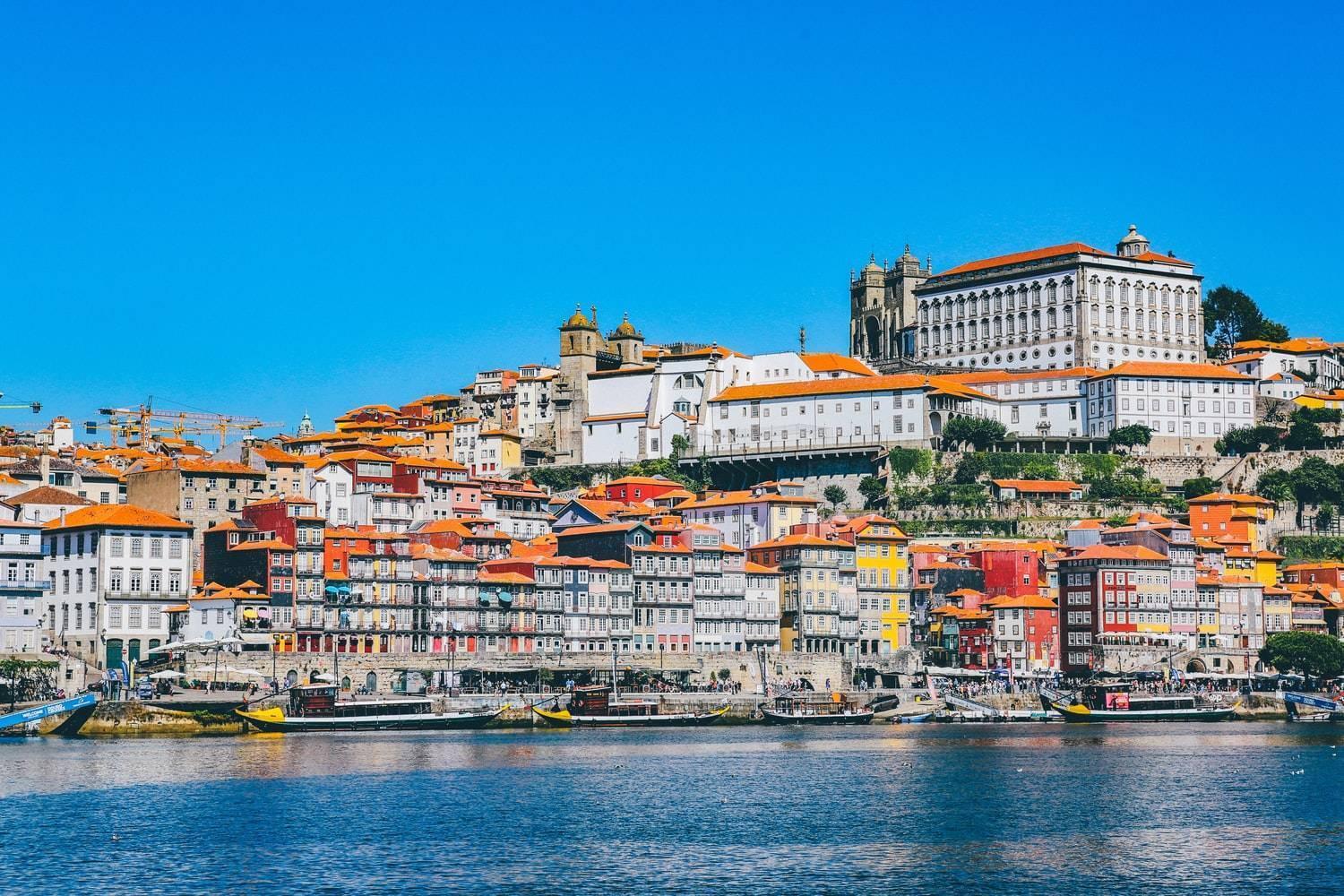
Porto deserves far more than a fleeting visit. The Ribeira quarter, with its colourful facades tumbling down to the Douro, is made for unhurried wandering. The ideal move: find a spot along the quayside with a Super Bock, the local beer, and let the afternoon take care of itself.
A visit to the port wine lodges of Vila Nova de Gaia, across the river, is not to be missed. This is where bottles of vinho do Porto are aged and shipped: a fortified wine that took its name from the city because it was from Porto’s harbour that Douro Valley producers exported it to the world. The designation dates to the 17th century, and the wine quickly became a great success in England.
Another stop worth making: Livraria Lello, a neo-Gothic masterpiece whose interior staircase is among the most photographed in the country. And before you leave, a francesinha is non-negotiable: a generously filled meat sandwich topped with melted cheese, served drenched in a spiced tomato sauce.
Lisbon
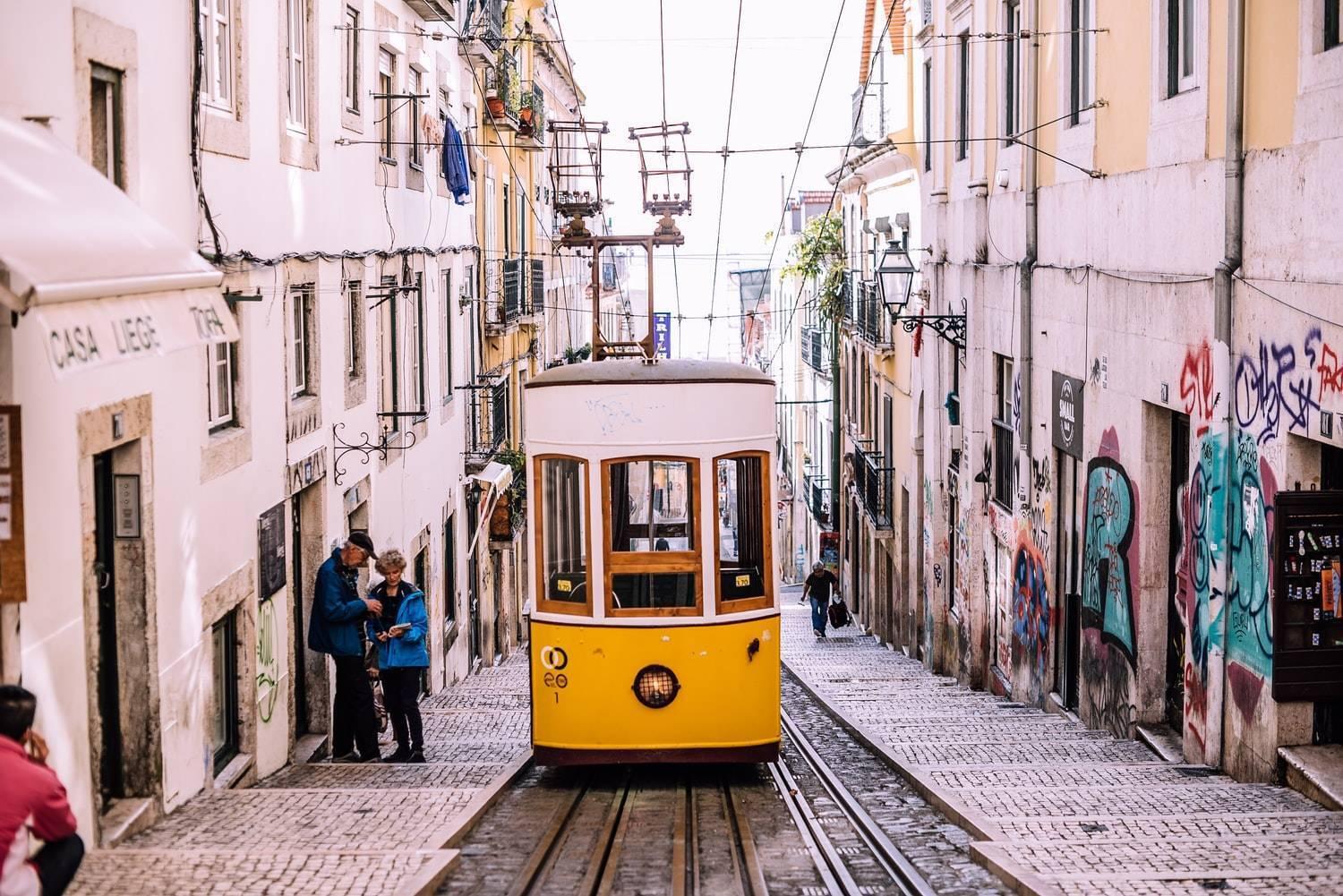
The capital packs centuries of history into a remarkably compact area. São Jorge Castle commands the city from its hilltop, with sweeping terrace views across Lisbon and the Tagus. The Tower of Belém, a UNESCO World Heritage Site, is worth the visit for its distinctive Manueline architecture alone.
For a break between sights, the Time Out Market brings together some of the city’s best food producers and restaurants under one roof. When the July heat becomes too much, the beaches at Cascais and Estoril are under 30 minutes by train from the city centre.
The Benagil Cave
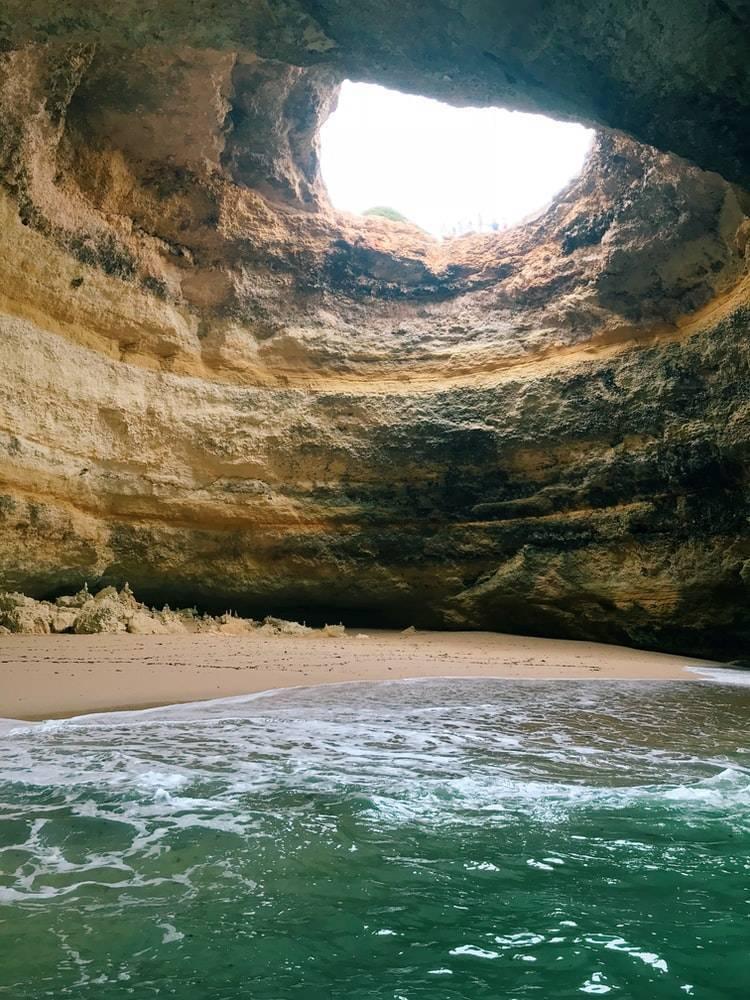
Carved by the sea over millennia, the Benagil Cave on the Algarve coast features a natural vaulted opening that sends light straight down onto the beach inside. The colours it produces have no real equivalent anywhere else on the European coastline.
The cave can be reached by swimming, but currents can be strong. The safest option is one of the boat trips that depart regularly from Albufeira or Carvoeiro.
Monsanto
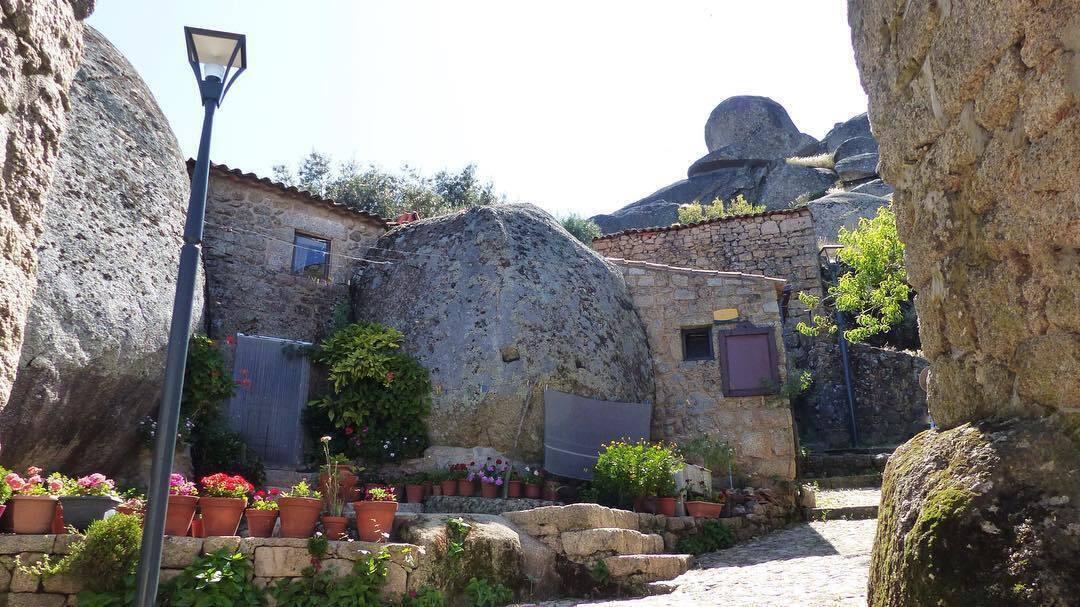
For a taste of rural Portugal, Monsanto is well worth a detour. Built into the mountainside, this inland village is literally wedged among the boulders: houses rise between granite blocks and lanes thread their way around them. The ruins of a fort at the hilltop offer a panoramic view across the surrounding region.
Portugal has no shortage of places to fill an itinerary: 20 things to see and do in Portugal will give you plenty more to add to the list.
Get my travel insurance quoteSummer in Europe: Croatia
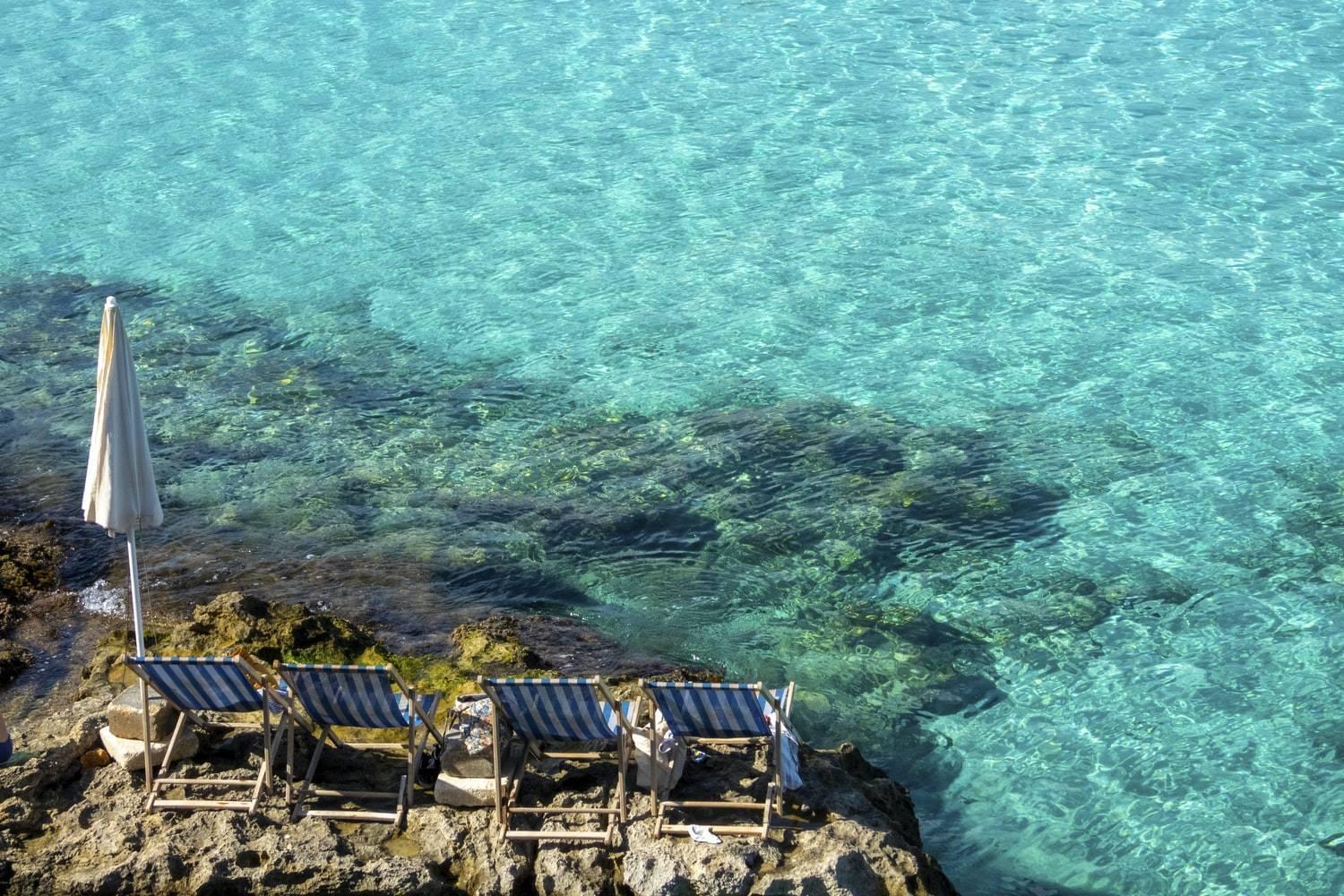
Known as the ‘Pearl of the Adriatic’, Croatia draws visitors every summer with its Dalmatian coast and impossibly clear waters. A short flight from most European cities, it packs sea, ancient heritage and wild nature into a surprisingly compact space. For practical information before you go, the Croatia travel insurance page covers medical cover details and entry requirements.
Split and Diocletian’s Palace
Split is the main city on Croatia’s central Dalmatian coast. Its Diocletian’s Palace, built at the turn of the 3rd and 4th centuries, is one of the best-preserved Roman complexes in Europe. What sets it apart: the palace is not a sealed-off museum but the living heart of the city, with restaurants, shops and residents all coexisting within walls that are seventeen centuries old.
Dubrovnik and its city walls
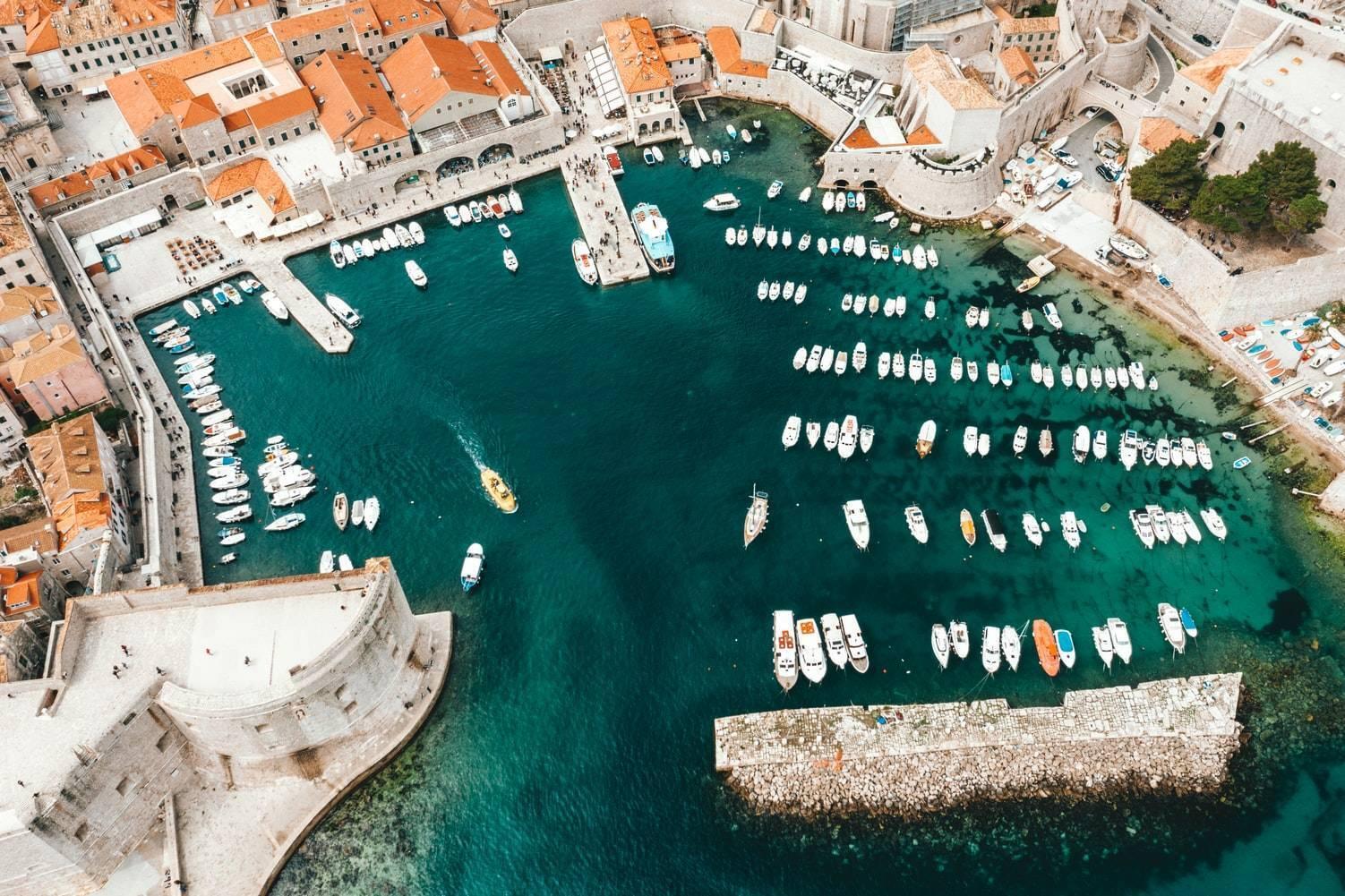
Dubrovnik is Croatia’s most iconic image. Its medieval walls, walkable along a rampart path of nearly two kilometres, deliver a striking contrast between grey stone and the blue of the Adriatic below. The old town is a UNESCO World Heritage Site.
In high summer, crowds are significant. Visiting early in the morning, before the cruise ships arrive, makes for a completely different experience.
The islands of Dalmatia
Between Split and Dubrovnik, a string of islands forms one of the most varied coastlines in the eastern Mediterranean:
- Hvar: Croatia’s sunniest island, with a fortified old town, fields of lavender and the hidden coves of the Pakleni Islands just offshore.
- Brač: Zlatni Rat beach, a tongue of pebble and sand that juts into the sea, is the postcard image of Dalmatia.
- Mljet: national park, saltwater lakes and ancient ruins, the most unspoilt island in southern Dalmatia.
Summer in Europe: Norway
Norway in summer comes as a surprise to those who picture it as nothing but cold and rain. From mid-May to late July, the sun barely sets north of the Arctic Circle, giving endless daylight hours for hiking, sailing between fjords or exploring coastal villages. Summer temperatures remain mild, making the destination perfectly accessible without any winter gear.
Bergen, gateway to the fjords
Bergen is the natural starting point for exploring the western fjords. Its Bryggen wharf, a row of colourful wooden houses along the harbour, is a UNESCO World Heritage Site. The city makes an ideal base for reaching the Sognefjord, Europe’s longest fjord at 205 kilometres, or the narrower, more dramatic Nærøyfjord, both UNESCO-listed since 2005.
The Geirangerfjord and the Flåmsbana
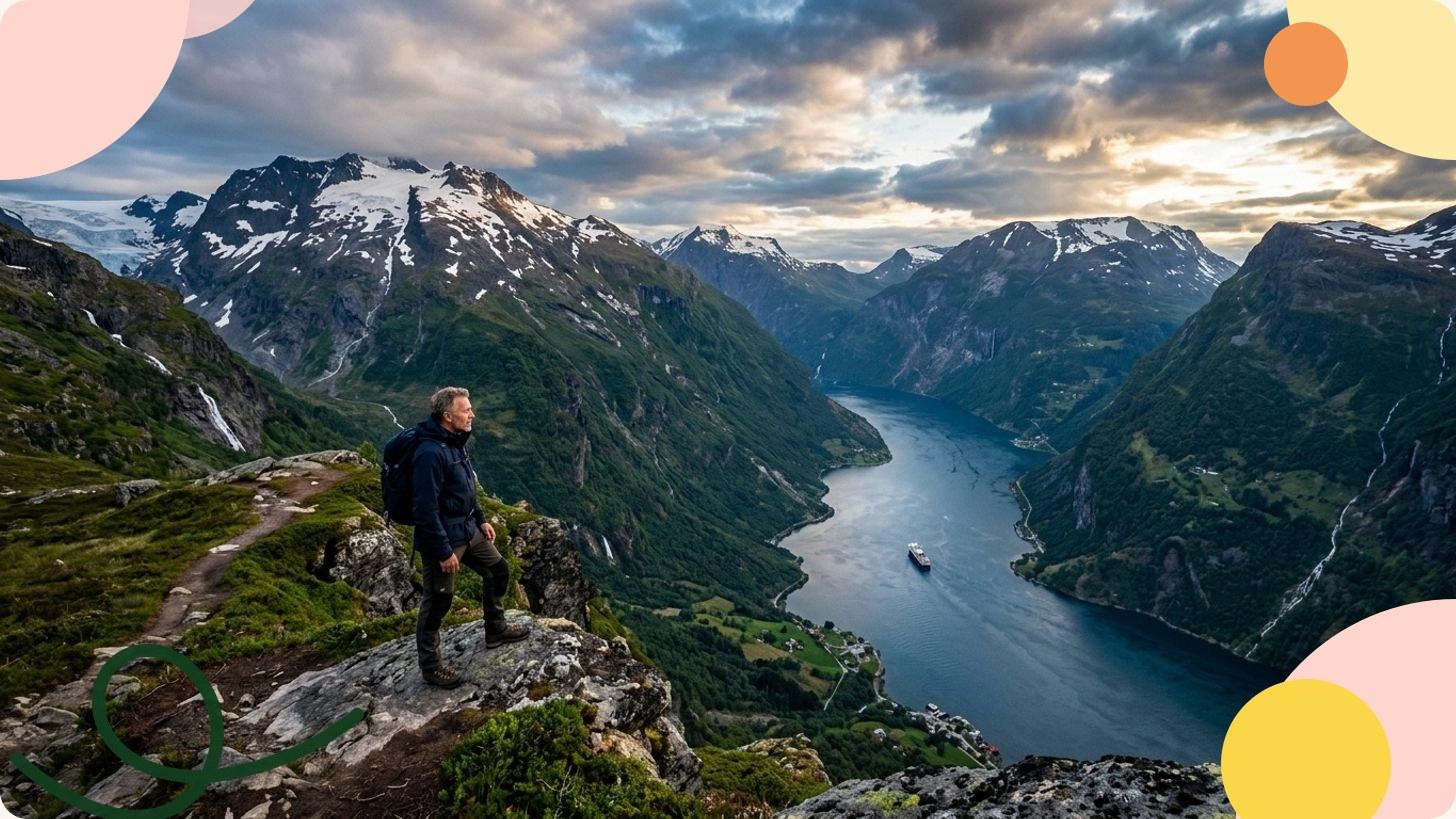
The Geirangerfjord is one of the most photographed natural sites in Scandinavia. Its sheer walls are home to iconic waterfalls, the Seven Sisters and the Bridal Veil. Listed as a UNESCO World Heritage Site since 2005, it can be crossed by ferry in summer from Geiranger or Hellesylt.
From Flåm, the Flåmsbana railway descends 20 kilometres to the Aurlandsfjord through gorges and past waterfalls, dropping 900 metres in altitude: one of the most spectacular train journeys in Europe.
Preikestolen
Above the Lysefjord, Preikestolen is a flat-topped rock ledge sitting 604 metres above the fjord waters, with a sheer vertical drop to the water below. The return hike takes around four hours and is well within reach of any reasonably fit walker. The view from the top justifies every metre of the climb.
For a detailed itinerary, 20 things to see and do in Norway will give you a solid foundation to build from.
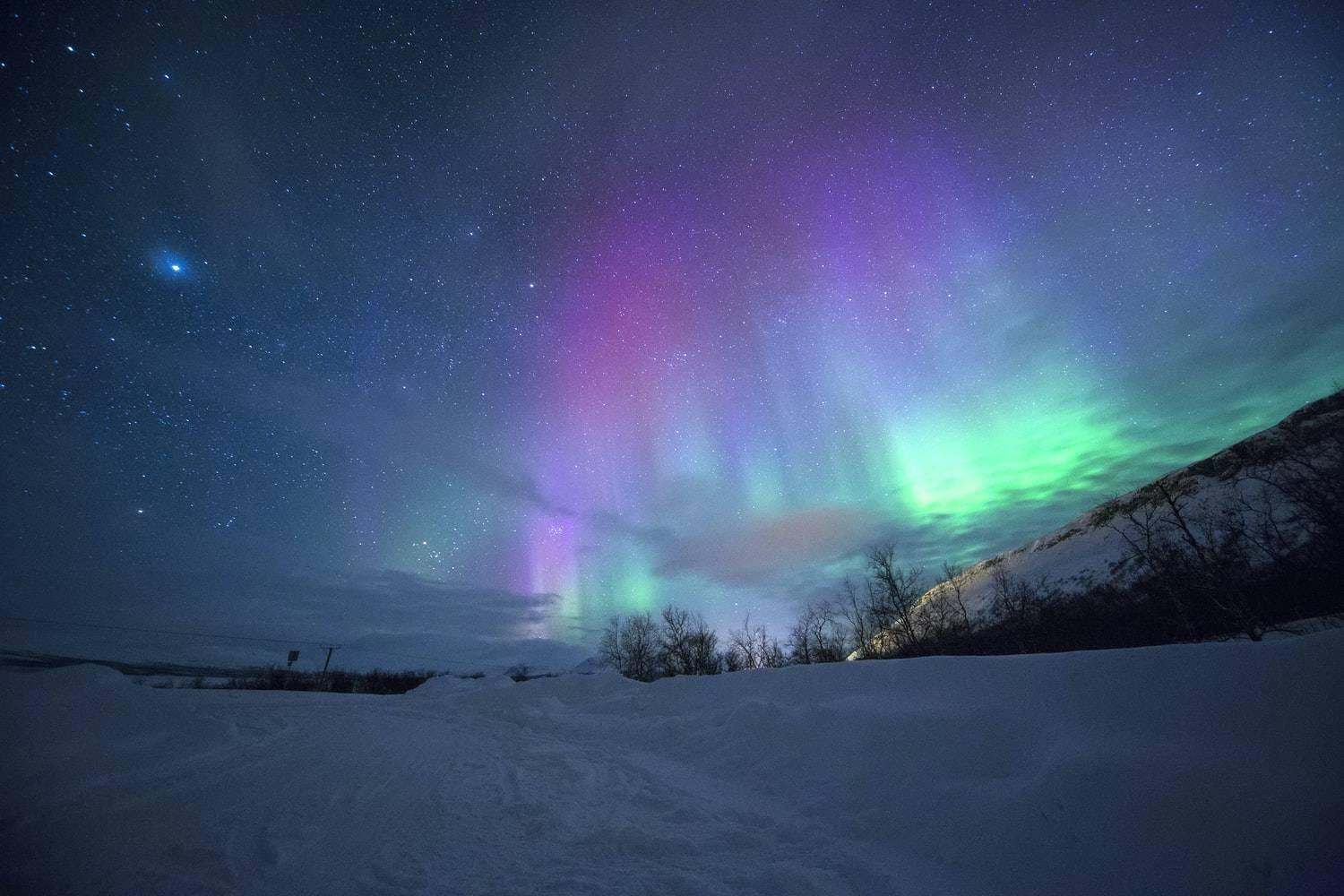
Norway has another side that summer cannot show: return in autumn or winter and the northern lights illuminate the arctic forests above the snow.
These three destinations cover only a fraction of Europe’s summer options. The article Summer travel in Europe: Greece, Cyprus, Iceland explores equally varied itineraries to complete your shortlist.
FAQ
Are Portugal, Croatia and Norway easy to reach from Europe?
Yes, all three are served by direct flights from major European cities. Portugal (Lisbon, Porto, Faro) and Croatia (Split, Dubrovnik) are two to three hours away by air. Norway (Oslo, Bergen) is two to three hours from most western European hubs. Portugal can also be reached by car via Spain, and Croatia via Italy.
Which summer destination is right for you: Portugal, Croatia or Norway?
It depends on what you are looking for. Portugal suits those who want to mix beaches, historic cities and great food. Croatia is the choice for lovers of crystal-clear sea, islands and ancient heritage. Norway appeals to hikers and travellers after wide open spaces, with the rare phenomenon of the midnight sun as a bonus.
When is the best time to visit Norway for the midnight sun?
The midnight sun is visible from mid-May to late July north of the Arctic Circle. For the western fjords (Bergen, Geirangerfjord), June and early July offer the best light with still-manageable crowds. By July and August, popular sites are considerably busier.
Do I need travel insurance for Portugal, Croatia or Norway?
The European Health Insurance Card (EHIC) covers emergency treatment in public facilities in Portugal and Croatia (EU members), and in Norway (European Economic Area). It does not cover medical repatriation or treatment in the private sector. Supplementary travel insurance, such as the cover offered by Yupwego, takes care of these situations as well as other unexpected events.