
Lisbon packs a remarkable variety of neighbourhoods into a surprisingly compact area: Alfama with its medieval alleyways, Belém with its Age of Discovery monuments, Parque das Nações with its contemporary architecture, and Bairro Alto with its after-dark energy. What follows covers the main districts and the experiences that make the journey worthwhile.
Alfama: the medieval quarter, the castle and fado
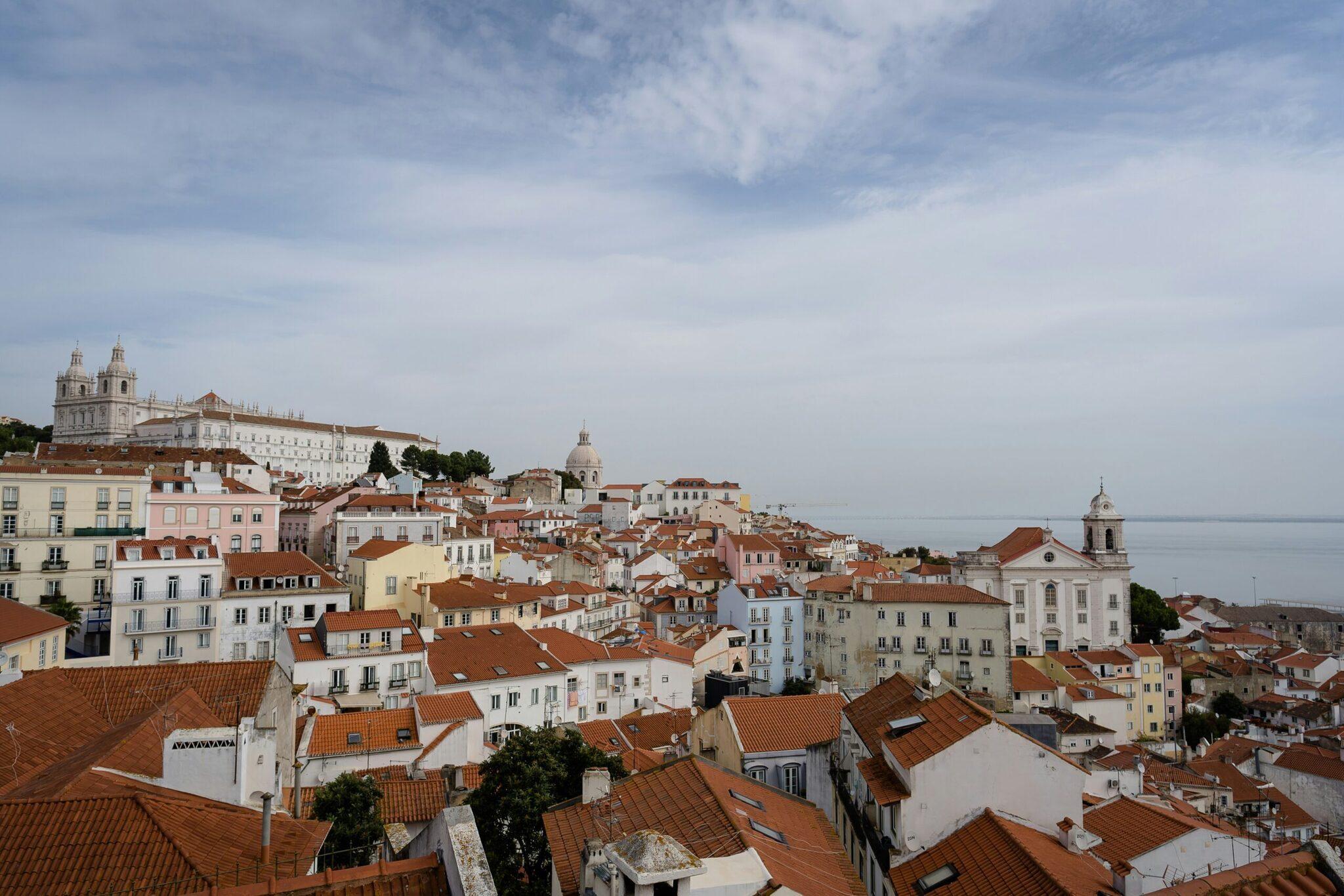
Alfama is the only Lisbon neighbourhood to have survived the 1755 earthquake intact. Its steep alleyways, azulejo-tiled houses and belvederes (miradouros) reward aimless exploration: the natural approach is to climb towards São Jorge Castle and then walk back down to the river. From the castle, the view across the terracotta rooftops and the Tagus is one of the most memorable panoramas in the Portuguese capital.
After dark, Alfama comes alive in its fado houses (casas de fado). Fado, inscribed on UNESCO’s Intangible Cultural Heritage list, is best heard in an intimate room over a glass of wine, performed by singers who have often spent decades refining this precise and melancholy repertoire.
Protect my Lisbon tripTram 28: a journey through historic Lisbon
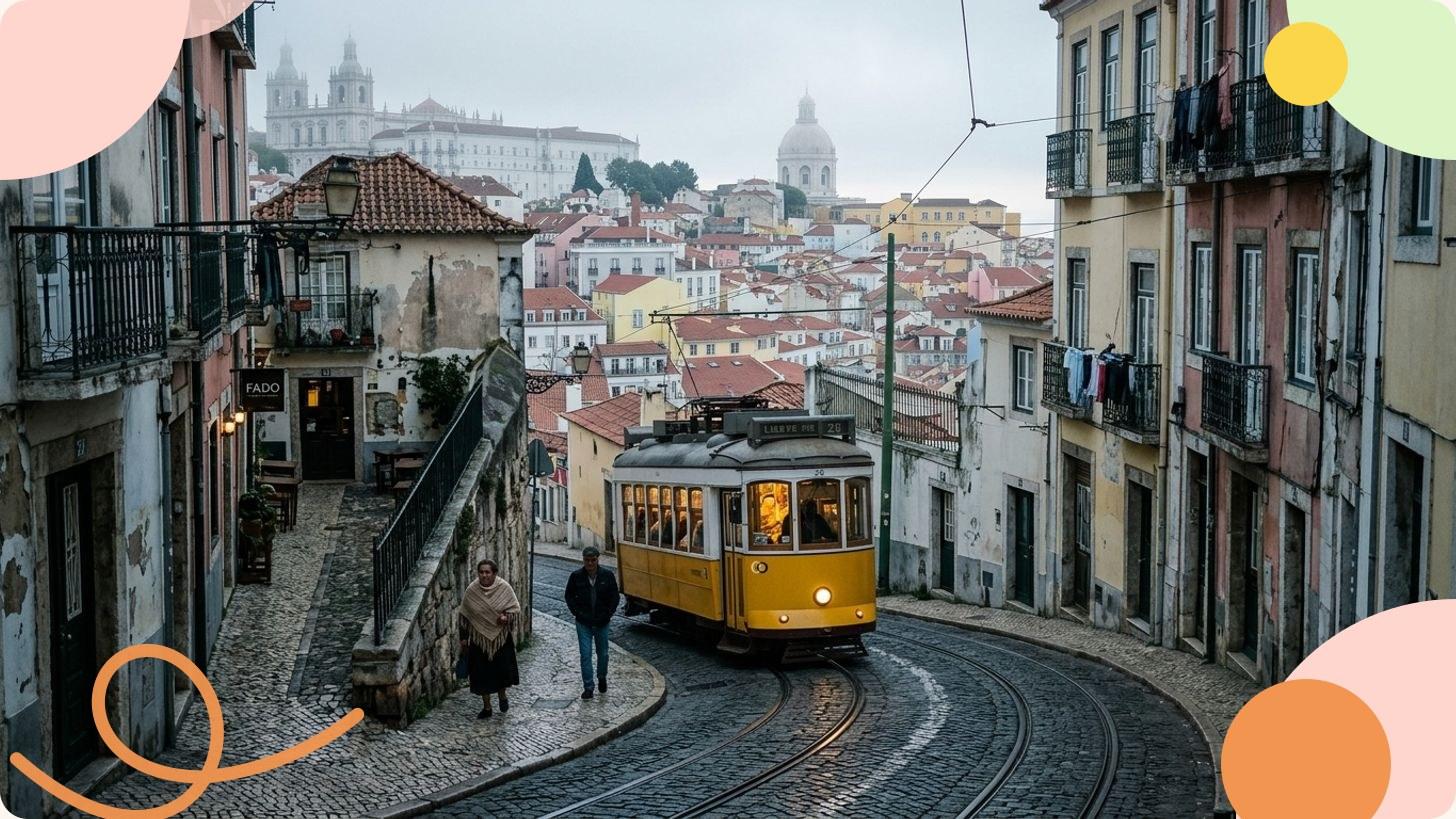
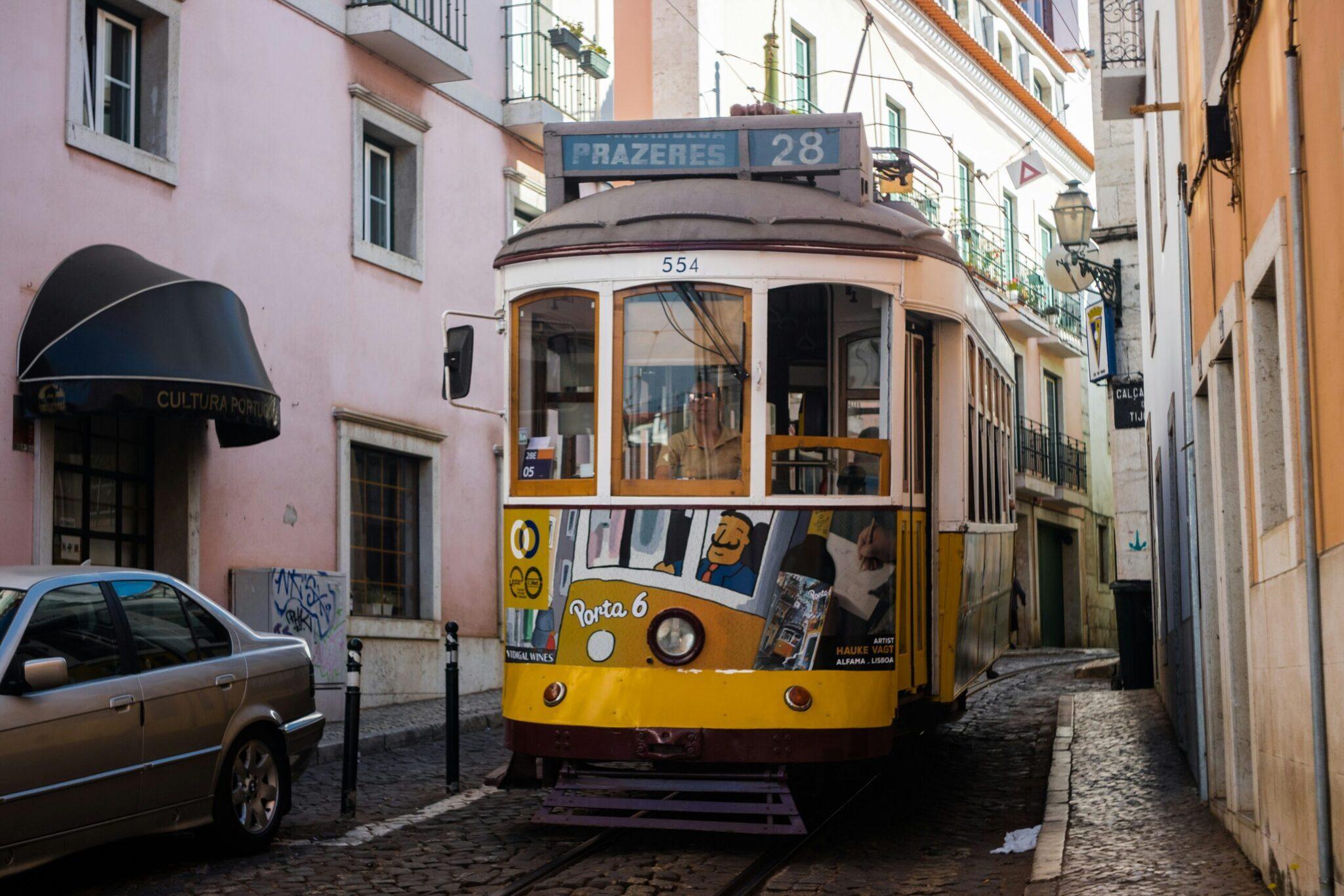
Tram 28 is more than a photogenic icon: it is a working public transport line connecting Martim Moniz to Campo de Ourique, threading past the Sé Cathedral, Alfama, Chiado and the Basílica da Estrela. In high season, the carriages are packed during peak hours and pickpockets are active on this tourist-heavy route. To enjoy the ride without the stress, board early in the morning or in the evening, ideally at the terminus, to secure a seat.
Belém: Age of Discovery monuments and pastéis
The district of Belém, to the west of the city, contains two major attractions less than ten minutes’ walk apart.
The Jerónimos Monastery
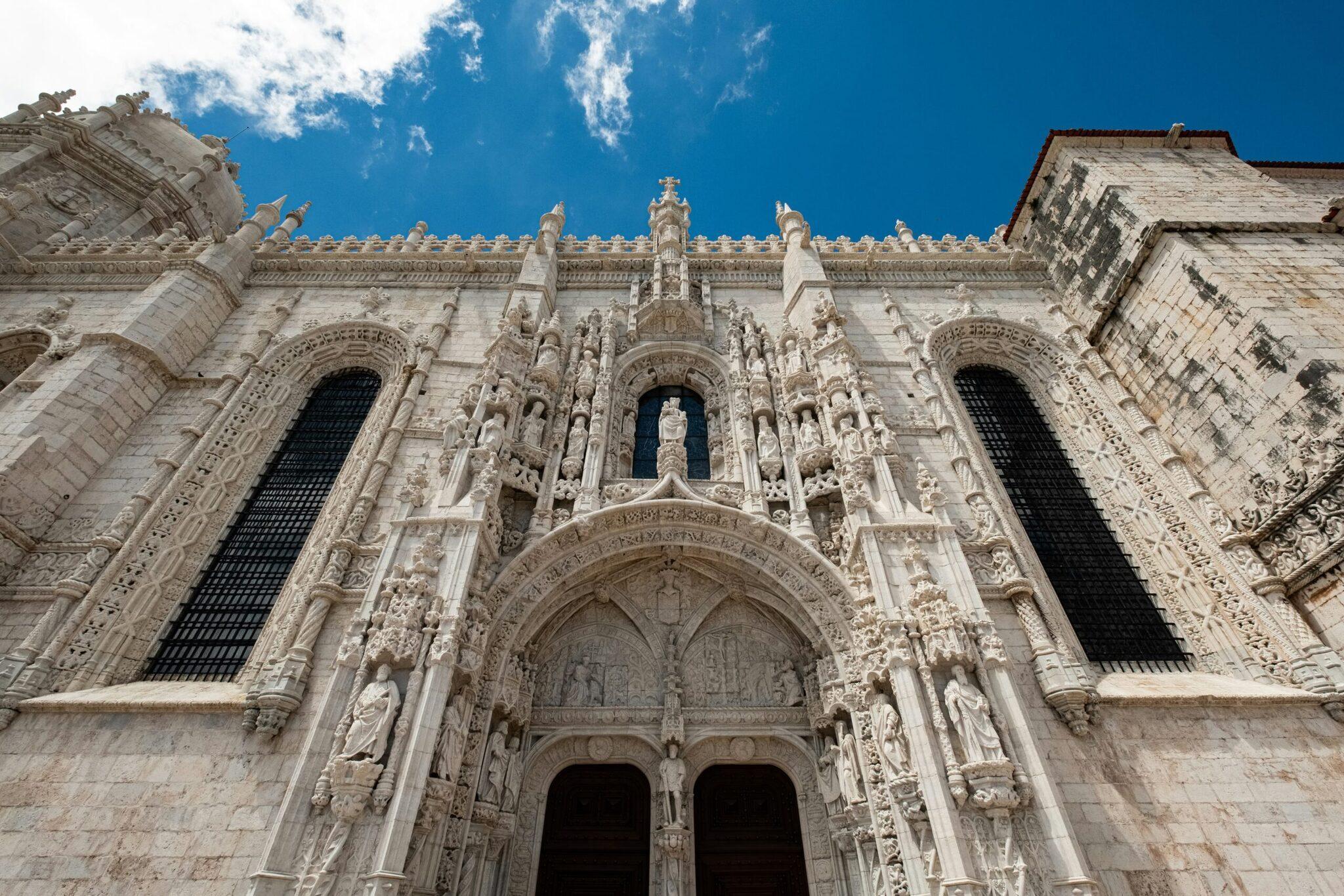
Built from 1501 to mark Vasco da Gama’s return from India, the Mosteiro dos Jerónimos is a UNESCO World Heritage Site. Its Manueline architecture blends pointed arches, stone-carved rigging and exotic motifs inspired by the East. The church shelters the tombs of Vasco da Gama and the poet Luís de Camões; the two-storey cloister is among the finest in Europe.
Individual admission is €18. The monastery is closed on Mondays (10am to 6:30pm May to September, 10am to 5pm October to April). In high season, queues on the day can easily exceed two hours: book online in advance.
Pastéis de Belém
Five minutes’ walk from the monastery, the Pastéis de Belém bakery has been making Portugal’s most celebrated custard tarts since 1837. The original recipe remains a closely guarded secret. Served warm with cinnamon and icing sugar in vast rooms lined with azulejo tiles, these pastéis de nata stand well apart from the imitations sold throughout the city. A short queue is normal; it moves quickly.

Praça do Comércio and the Tagus waterfront
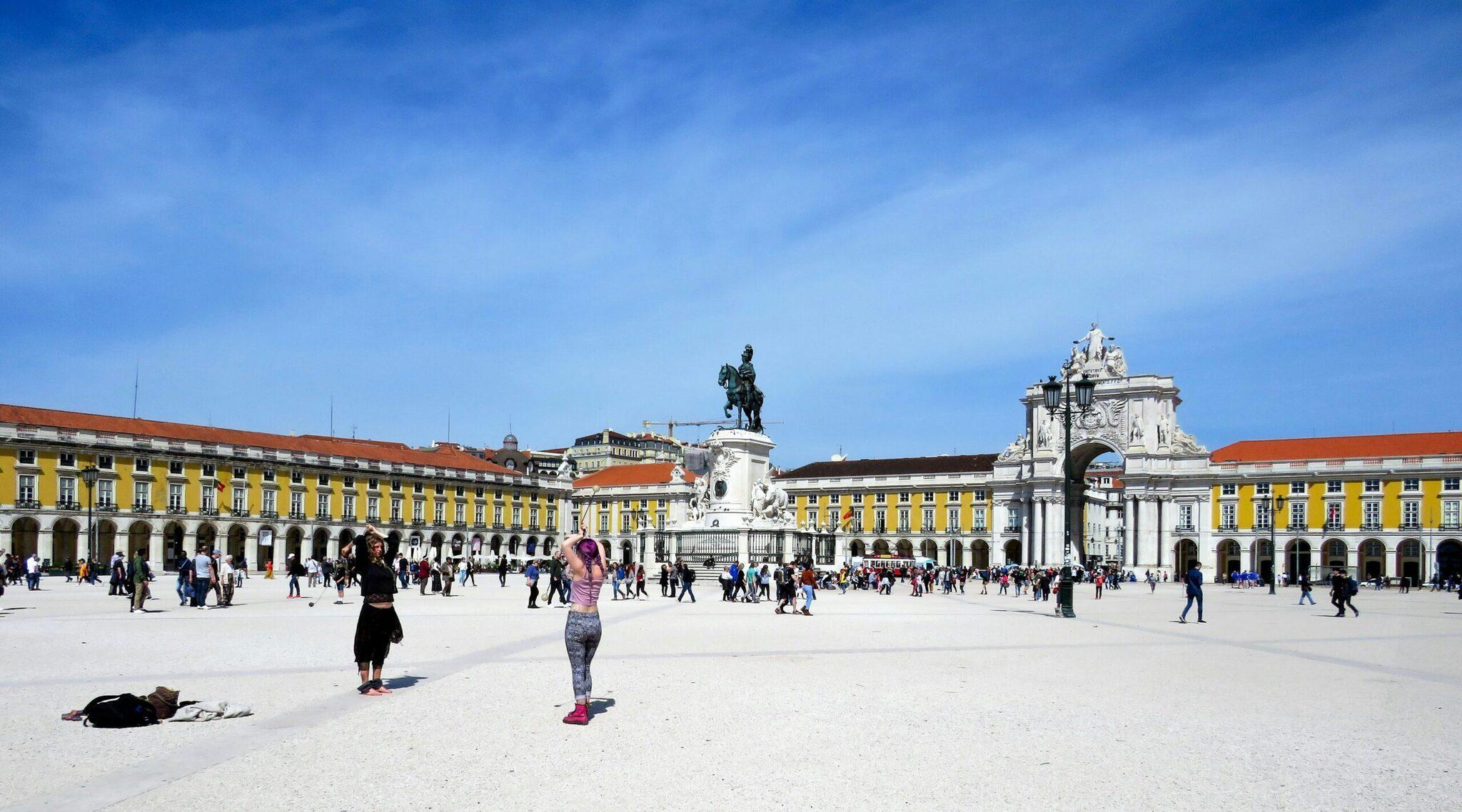
The Praça do Comércio is one of Europe’s largest squares to sit directly on a waterfront. Once a royal palace before the 1755 earthquake, it was rebuilt in the Pombaline style: yellow arcades, a U-shaped layout open to the water and an equestrian statue of Dom José I at its centre. The Rua Augusta Arch to the north can be climbed for views over the Baixa and the river.
It is also the departure point for Tagus river cruises, which offer a different perspective on Belém, the 25 de Abril Bridge and the Cristo Rei statue seen from the water.
Parque das Nações: the Lisbon of 1998
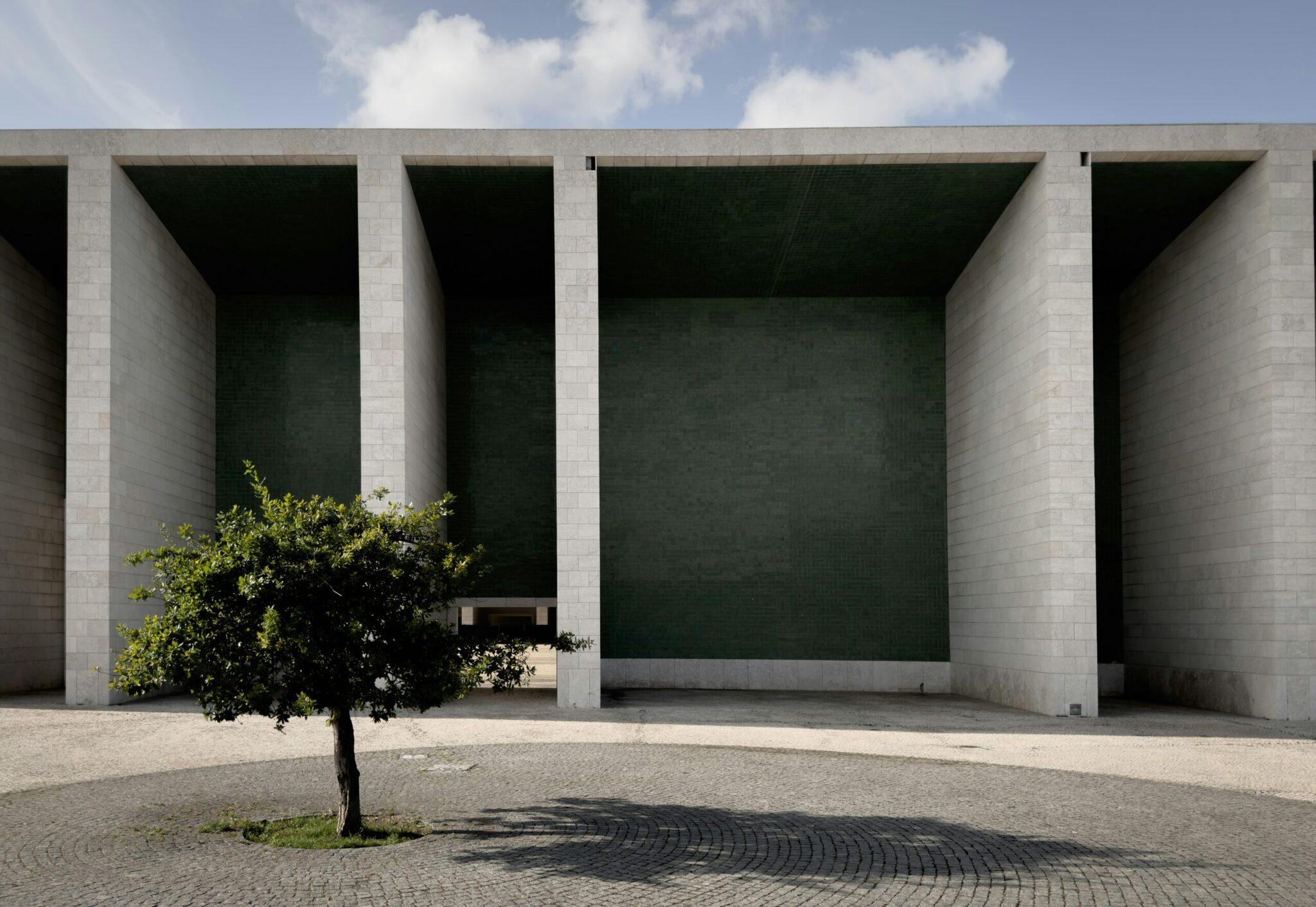
Built on former industrial wasteland to host the 1998 World Exposition, Parque das Nações is Lisbon’s newest district. The Oceanário de Lisboa, one of Europe’s largest aquariums, is its headline attraction. The riverside promenade, a cable car crossing above the Tagus and the silhouette of the Vasco da Gama Bridge on the horizon give this area an atmosphere entirely unlike the rest of the city. A good option for late afternoon, with its waterside terrace restaurants.
The Gulbenkian Museum and Gardens
The Calouste Gulbenkian Foundation houses one of the world’s most remarkable private art collections: Egyptian and Graeco-Roman antiquities, Islamic and Asian art, paintings by Rembrandt, Rubens and Monet, and jewellery by René Lalique. Completely renovated in 2024 by Japanese architect Kengo Kuma, the museum now features a new entrance hall clad in Portuguese ceramic tiles. It opens Wednesday to Monday, 10am to 6pm (closed Tuesday).
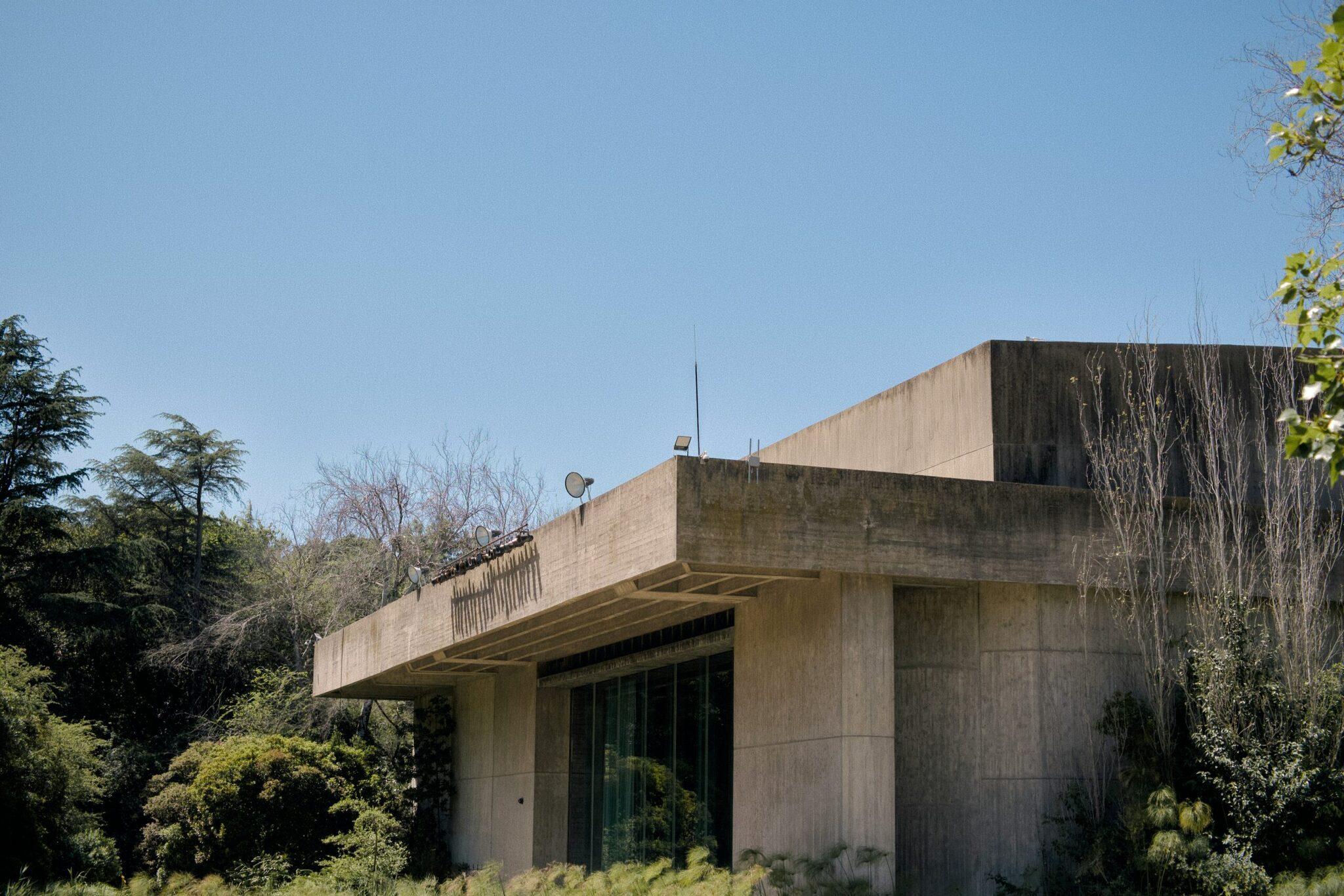
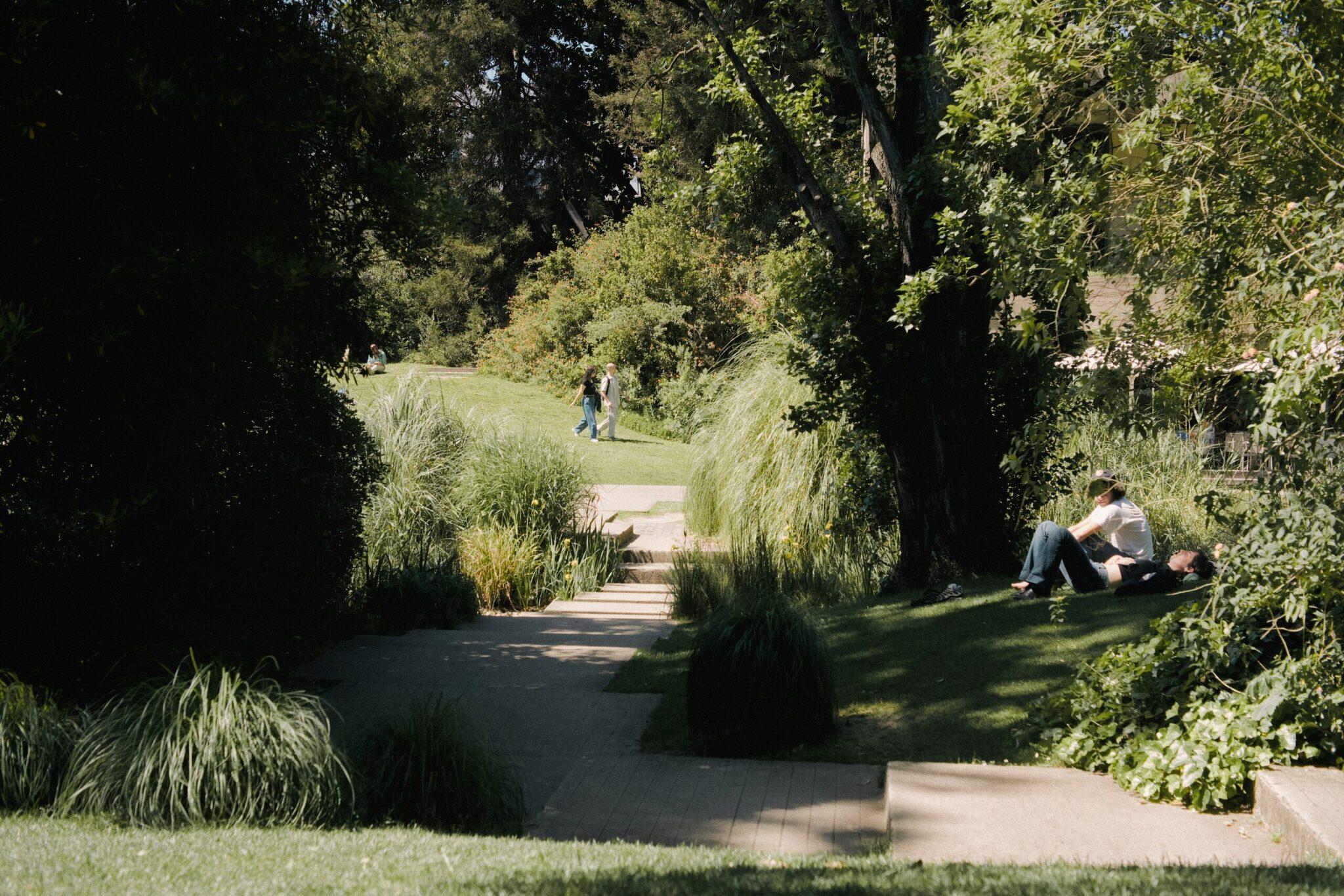
The Foundation’s gardens, designed by landscape architects Gonçalo Ribeiro Telles and António Viana Barreto, are worth a visit in their own right. Ponds, contemporary sculptures, shaded lawns: this is one of the few places in Lisbon where time genuinely slows down.
Time Out Market: food at Cais do Sodré
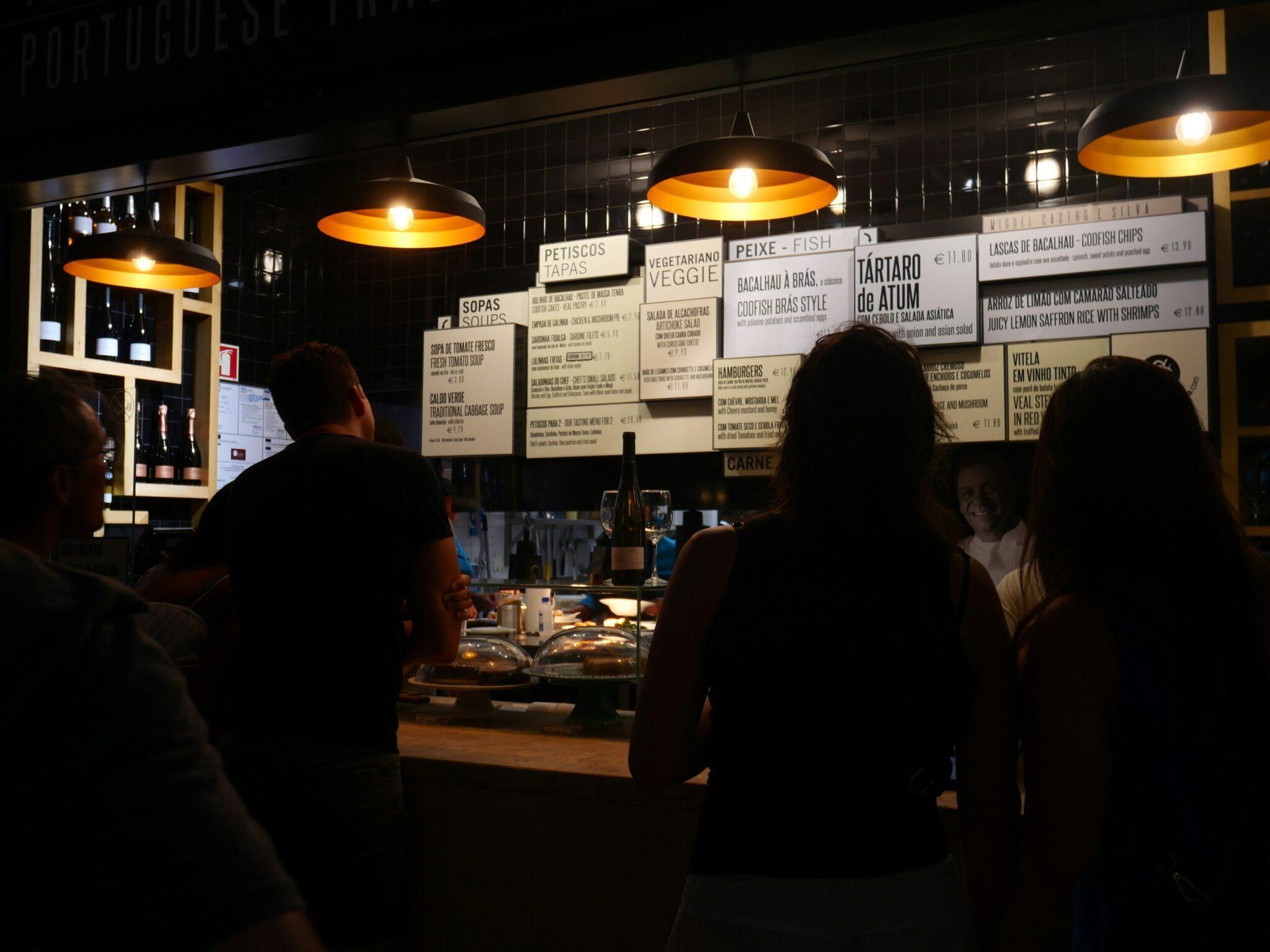
Installed in the Mercado da Ribeira since 2014, Time Out Market Lisboa brings together 26 food stalls and 8 bars under one roof. Several of Portugal’s most acclaimed chefs are represented here, including Henrique Sá Pessoa (Alma, Michelin star). The market is open Sunday to Wednesday until midnight, and until 2am Thursday to Saturday. It also makes a natural entry point for exploring the nightlife of the Cais do Sodré neighbourhood.
Bairro Alto: boutiques by day, bars by night
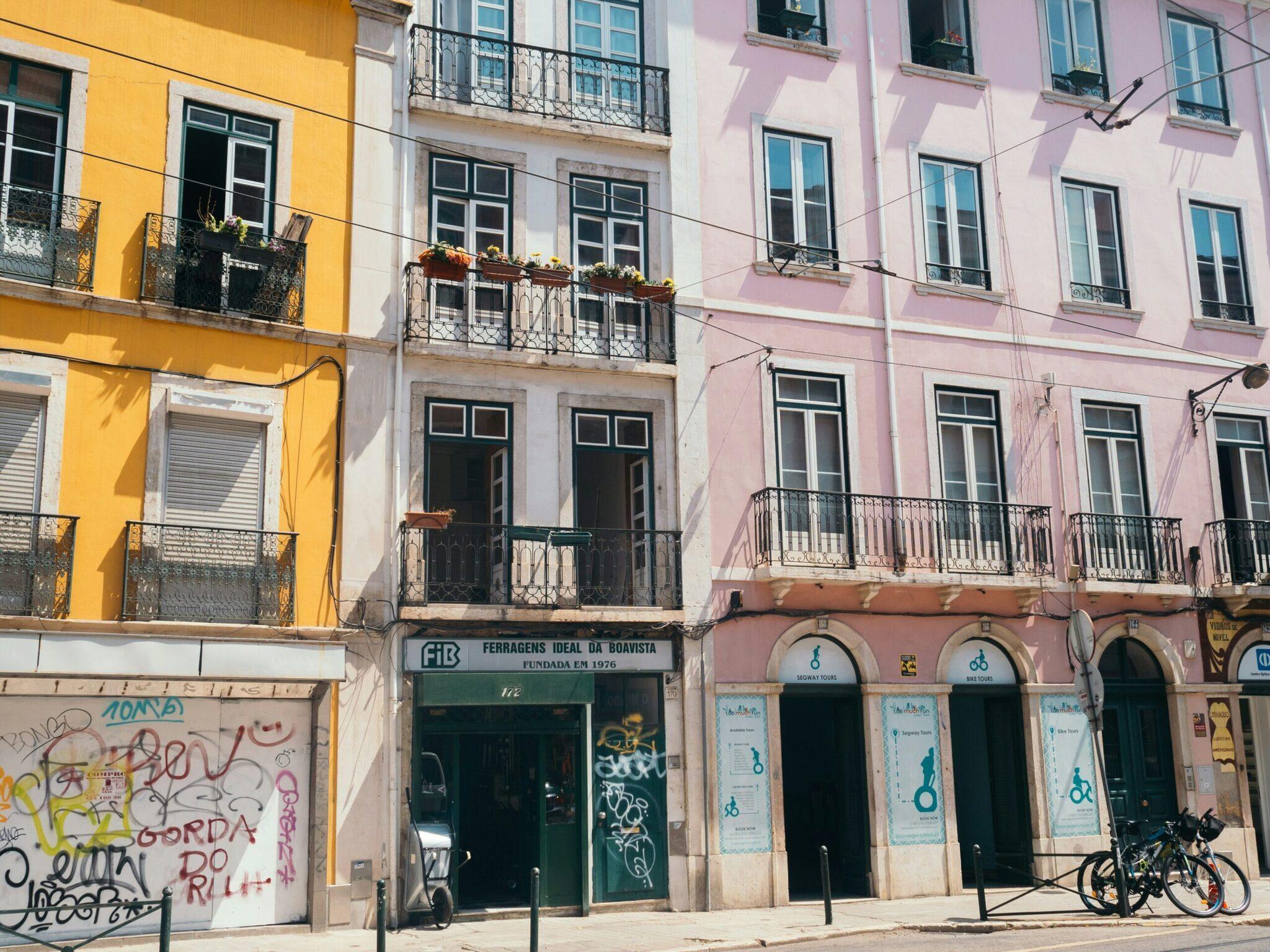
By day, Bairro Alto is a quiet district of cobbled streets lined with independent designers, record shops and art galleries. After dark, bars throw open their doors and music spills out onto the pavements. The Miradouro de São Pedro de Alcântara, reached via the Glória funicular, is one of Lisbon’s most spectacular viewpoints, particularly at sunset.
Extending your stay in Portugal
Lisbon is often the gateway to a wider journey through Portugal. Porto, three hours north by train, offers a compelling contrast with its Port wine cellars along the Douro and its medieval neighbourhoods. Read our guide on what Porto has to offer before finalising your itinerary.
For a trip spanning the whole country, our selection of 20 unmissable things to do in Portugal will guide you from Sintra to the Algarve and the Douro valley.
FAQ
How many days do you need in Lisbon?
Three days is enough to cover the essentials: Alfama, Belém, Chiado and Parque das Nações. Five to seven days allows time for day trips to Sintra, Cascais or Setúbal.
Is Tram 28 really a must?
Yes, as long as you ride it outside peak hours. In high season, the carriages are packed and pickpockets are active on this tourist route. Aim for early morning or the evening, and board at the Martim Moniz terminus to guarantee a seat.
Should you book the Jerónimos Monastery in advance?
In high season (spring and summer), booking online in advance is strongly recommended: queues on the day can exceed two hours. Individual admission is €18. The monastery is closed on Mondays.
What is the best time to visit Lisbon?
March to June and September to October offer the best balance of mild weather and manageable crowds. July and August are the hottest and busiest months.
Where can you find the best pastéis de nata in Lisbon?
The Pastéis de Belém bakery, in the Belém district, has been the benchmark since 1837. It is five minutes’ walk from the Jerónimos Monastery. The tarts are served warm, with cinnamon and icing sugar.
Where to eat in Lisbon without disappointment?
Time Out Market (Cais do Sodré) brings 26 food counters together under one roof, including several tables from acclaimed chefs. For a more local experience, the tascas (traditional tavernas) of Alfama and Mouraria offer hearty daily specials at reasonable prices.