
In March, the world opens up in every direction: Japan is approaching its first cherry blossoms, the Mediterranean is warming up nicely, and the Americas offer remarkable conditions on both sides of the equator. Here are six destinations that truly deliver in March, with the practical information you need to find the one that fits your trip.
Kyoto (late March): cherry blossoms before the April rush
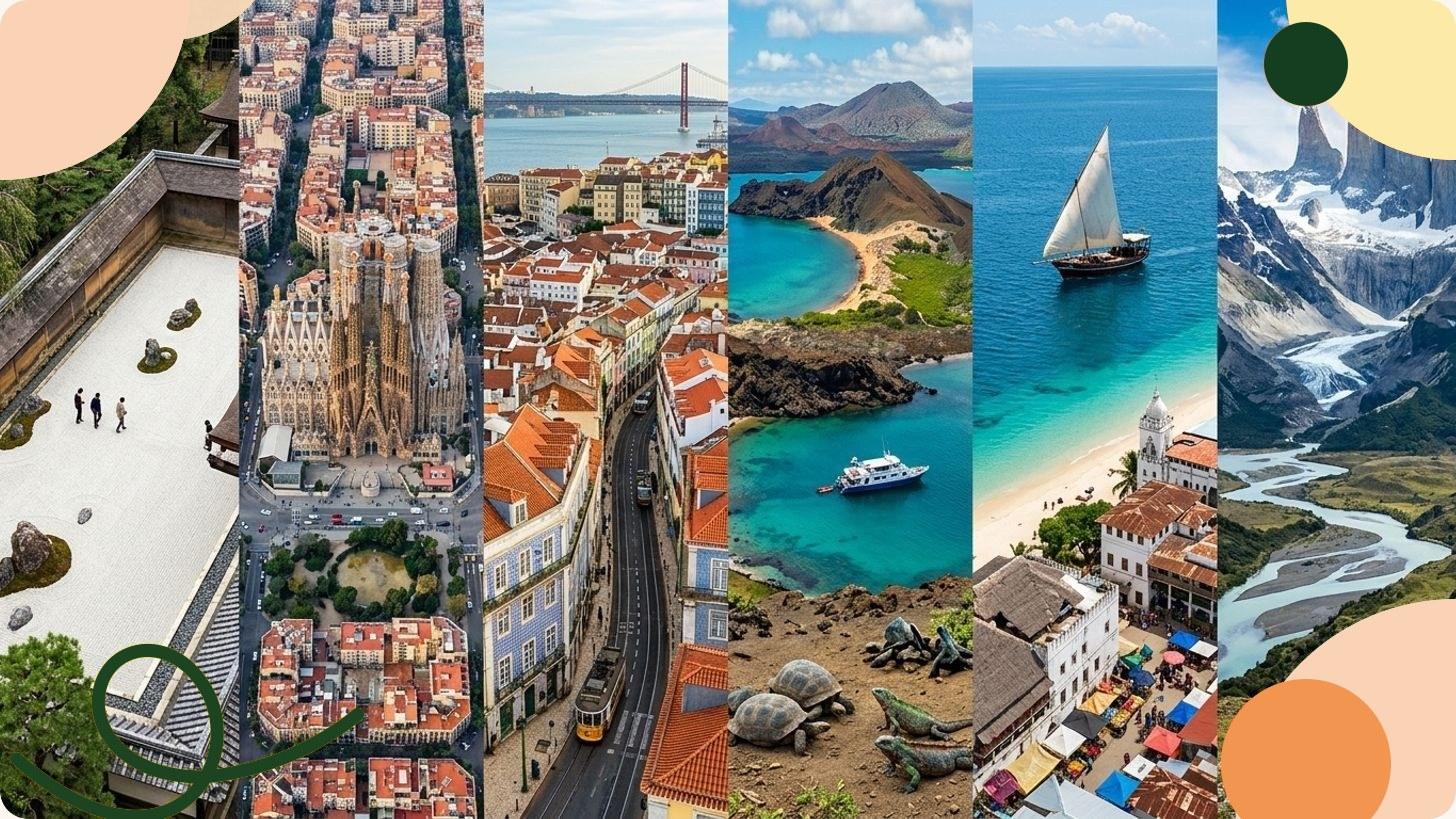
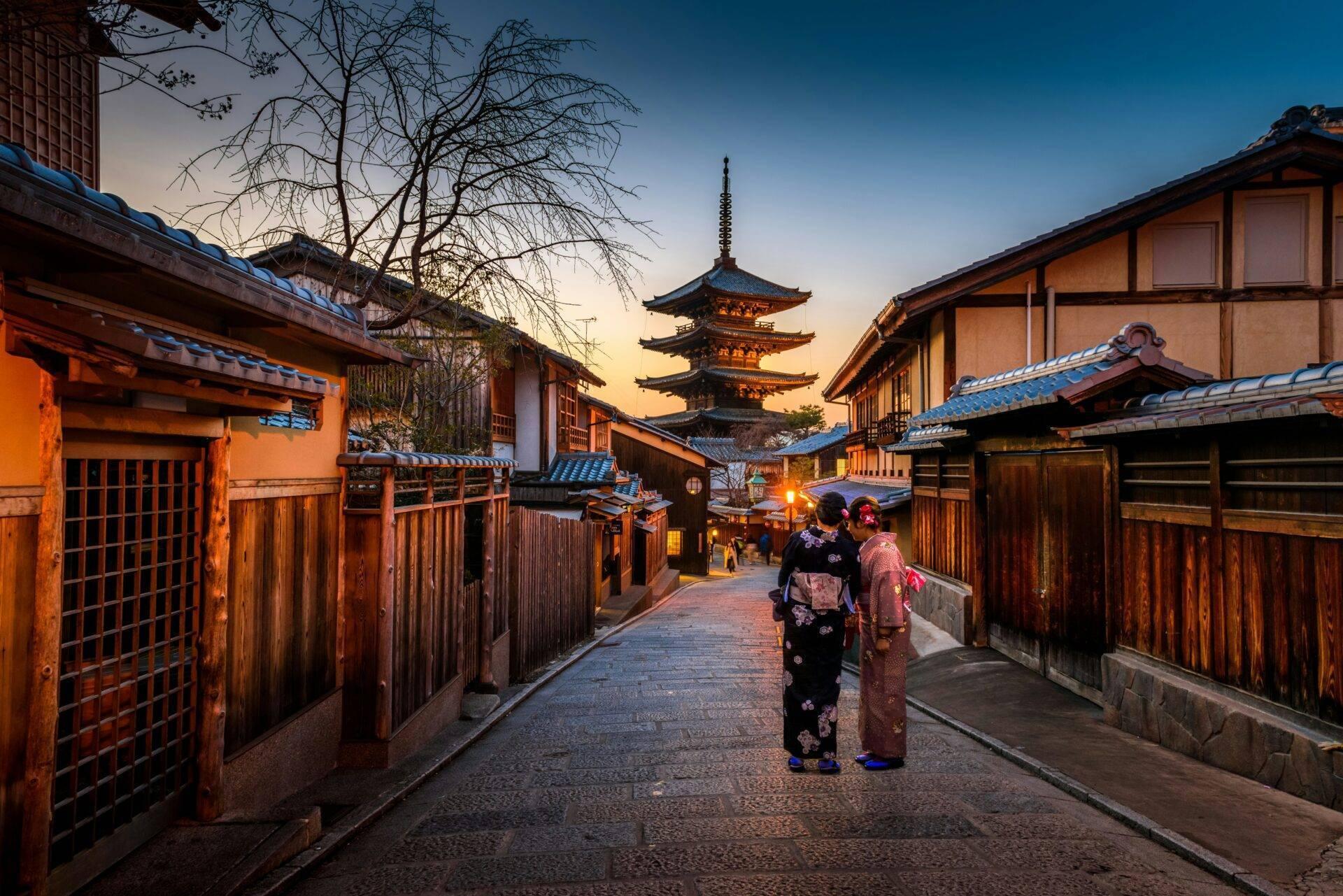
Cherry blossom season in Kyoto typically runs from mid-March through early April, varying year to year. Heading there at the end of March puts you right at the start of hanami: the first buds are opening in Maruyama Park and along the Philosopher’s Path, before the queues and tour groups set in.
The Gion district is a pleasure to walk at this time of year. The early spring light on the wooden facades, the cobbled lanes almost empty in the morning, the chance to spot maiko in traditional dress without jostling for pavement space: this is a side of Kyoto that mid-April visitors simply never get to see.
To plan your stay, our guide Things to do in Kyoto covers the sights that genuinely matter. Still weighing up the destination? Why visit Japan? gives you the real reasons to go.
Barcelona: spring warmth and a neighbourhood celebration
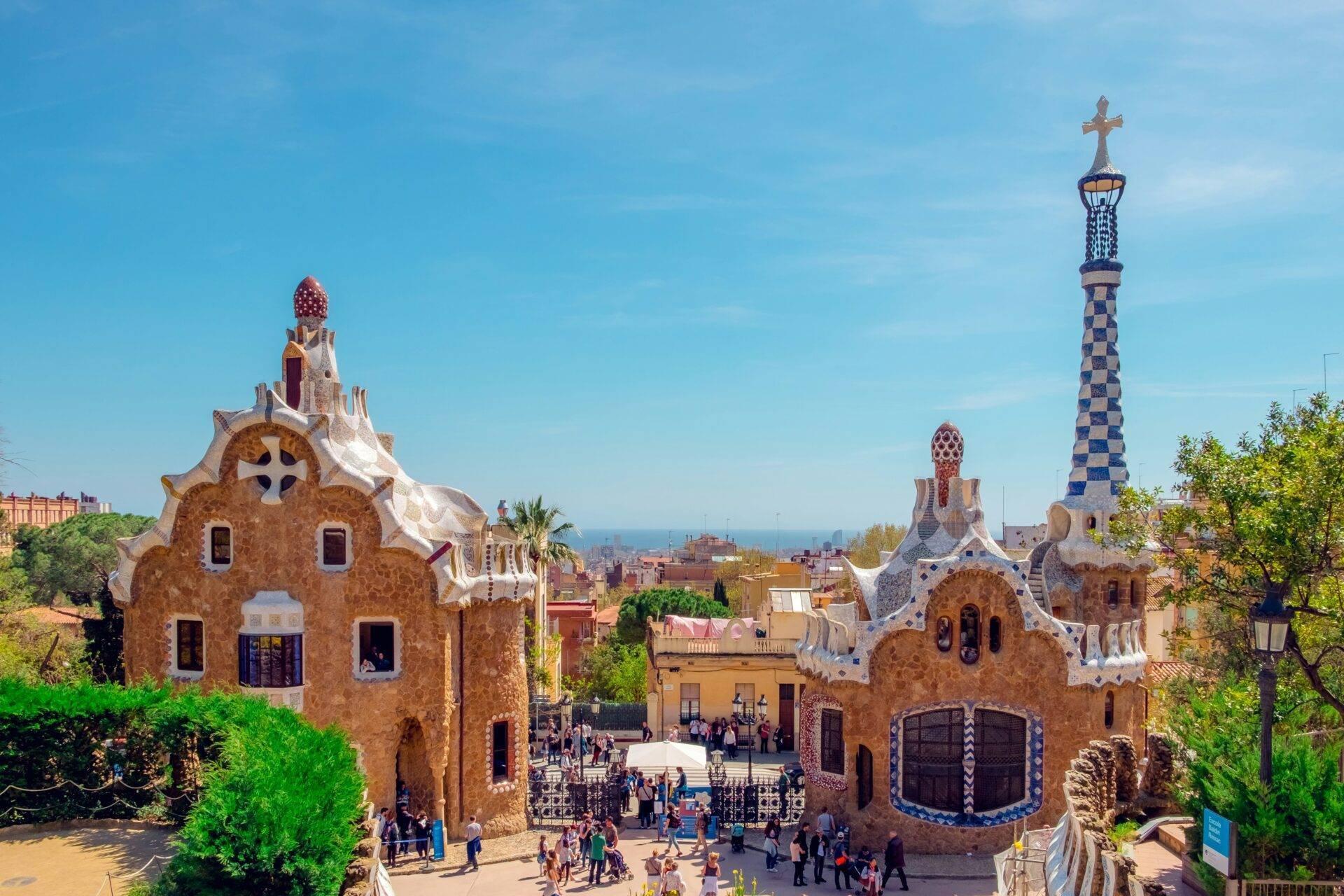
With daytime temperatures between 11°C and 17°C, Barcelona in March is a city made for walking. Park Güell, the Sagrada Família, the Born quarter and the Barceloneta beaches are all accessible without excessive queuing. Terrace cafes are open, and hotel rates remain reasonable.
On 3 March, the Festa de Sant Medir brings the streets of Gràcia to life: riders, floats and volunteers hand out around six tonnes of sweets in a procession rooted deep in Barcelona’s popular traditions. No tourist gimmicks, just a genuine neighbourhood celebration.
To put your days together, our guide Things to do in Barcelona lists the must-sees and the addresses worth the detour.
Lisbon: calm, affordable and very much European in March
Alfama, Mouraria, the miradouros overlooking the Tagus: in March, Lisbon is yours to wander without the crowds. Historic trams climb steep cobbled lanes, tavernas serve generous meals at still-honest prices. Spring settles quietly over the city without triggering the summer surge.
It is also one of the most affordable European capitals of the season: accommodation, restaurants, museums, everything is within easy reach before the May-June peak.

The Galápagos Islands: warm water and marine life at its peak
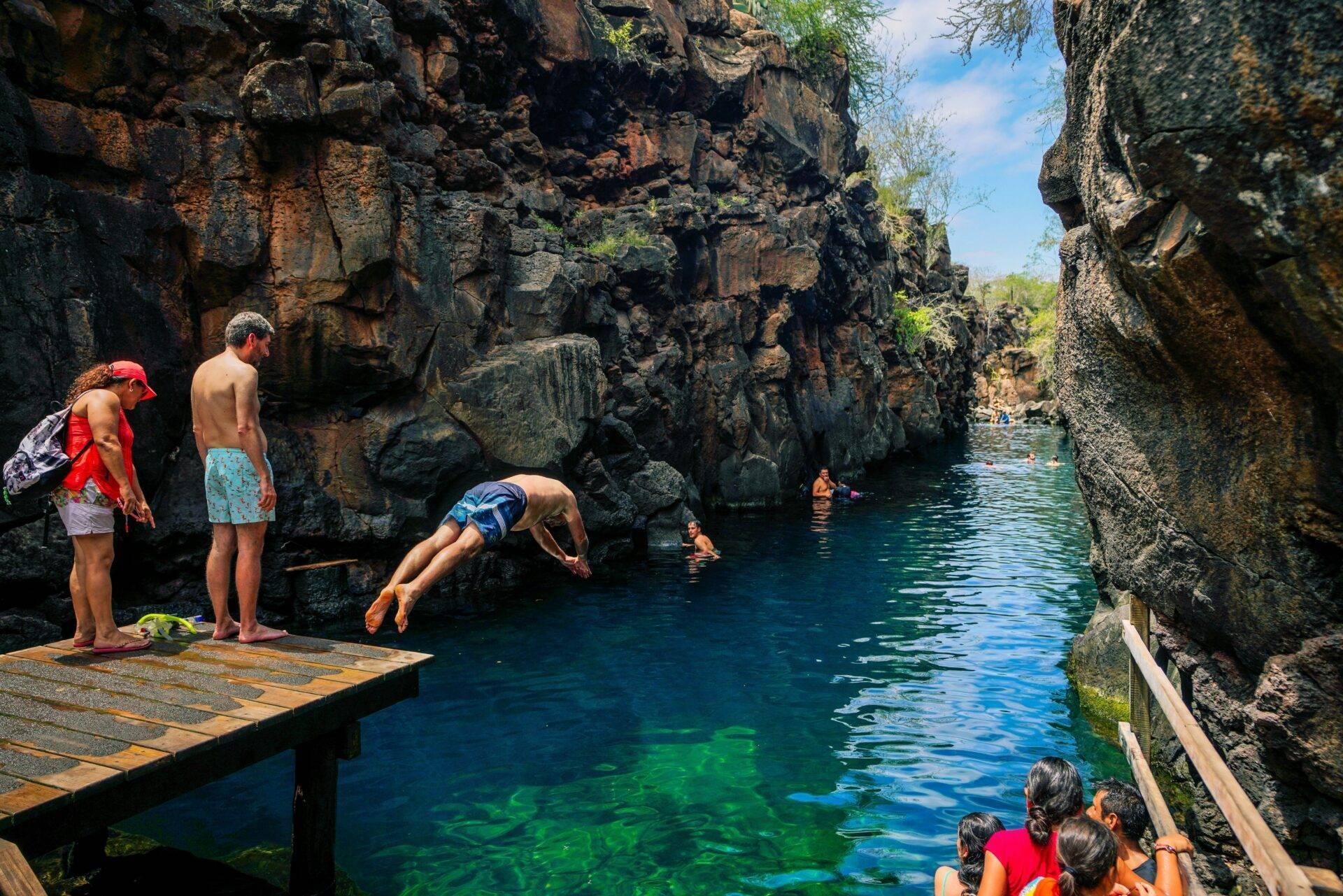
March falls squarely in the warm season in the Galápagos (December to May). Water temperatures reach around 25°C, ideal conditions for snorkelling. Giant sea turtles, sea lions, marine iguanas and hammerhead sharks come in close. On land, Darwin’s finches and land iguanas are particularly active as the vegetation is lush.
Some short, warm tropical showers are to be expected, but they clear quickly and do little to diminish the experience.
Zanzibar: tropical sunshine, but watch the rainy season
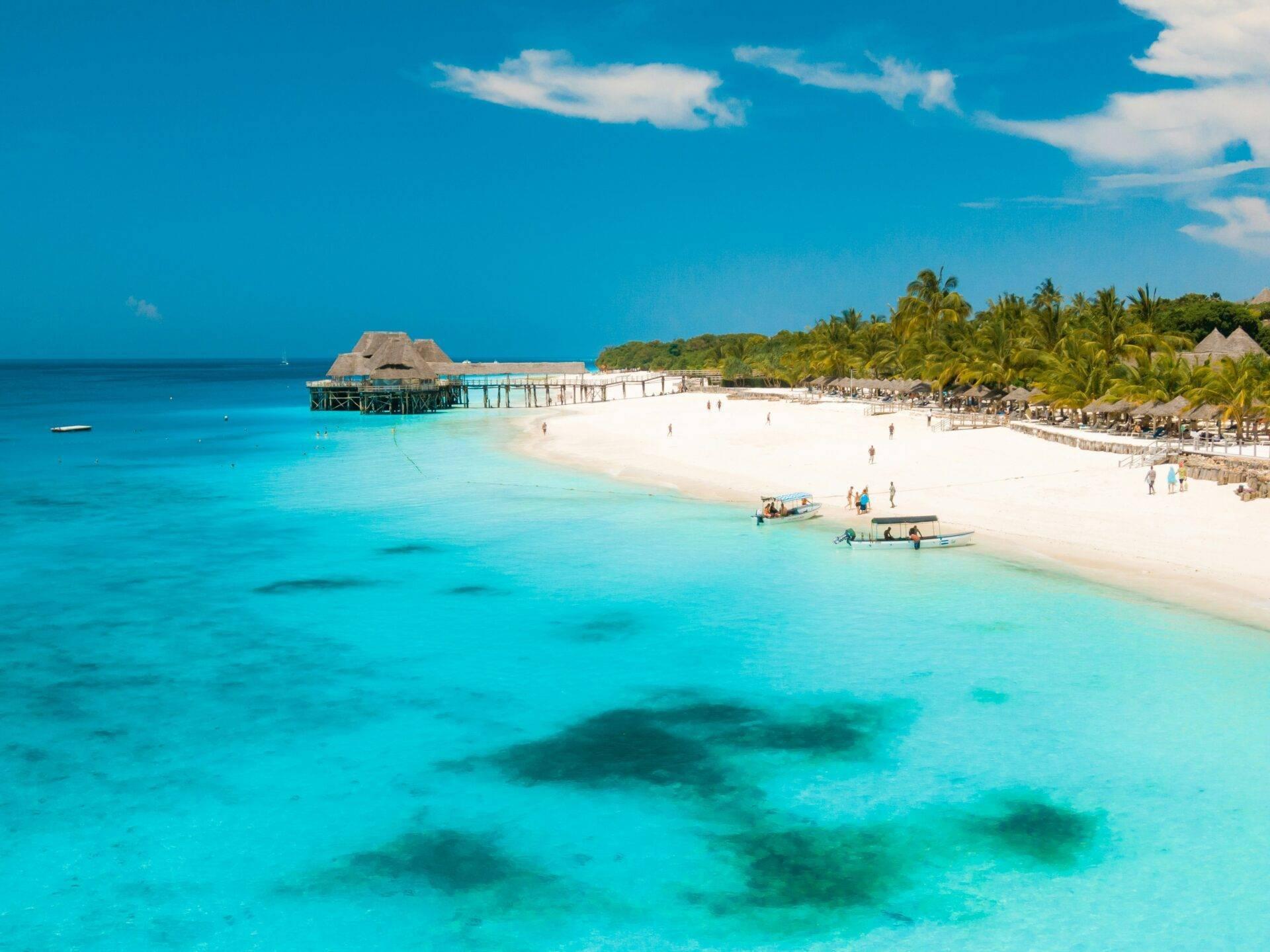
Zanzibar offers turquoise waters and an idyllic setting, with air temperatures ranging from around 25°C at night to 31°C during the day in March. Stone Town is well worth the visit, the spice markets are among the most vibrant in East Africa, and the white-sand beaches are every bit as real as the photographs suggest.
What you need to know before booking: March marks the start of the long rainy season (masika), which runs from March to May. Downpours can be heavy and last several days in a row. For a beach break with more reliable weather, January-February or July-October are safer bets. If you are combining Zanzibar with a safari on the Tanzanian mainland, it can work as a reasonable compromise, provided you keep a close eye on the forecast before locking in your dates.
Patagonia: southern autumn colours and wide-open spaces
In March, the southern summer gradually gives way to autumn in Argentina and Chile. In Torres del Paine National Park, the Patagonian beeches (lenga) begin turning red and orange. Daytime temperatures hover around 16°C, while nights drop to between 5°C and 8°C. Visitor numbers fall sharply compared to the December-January peak: the trails are quieter, the mountain huts far less stretched.
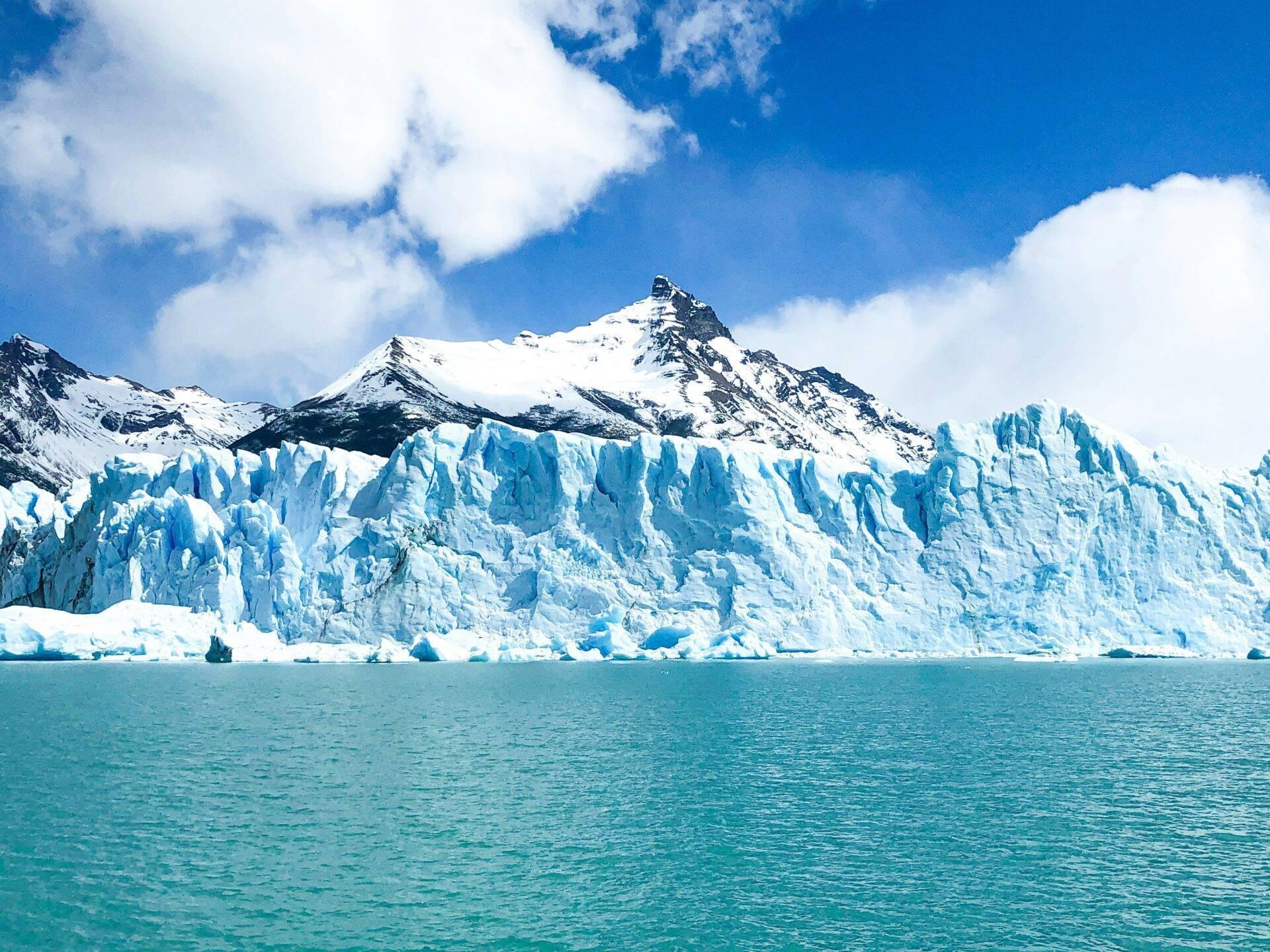
On the Argentine side, the Perito Moreno glacier remains accessible and spectacular year-round. Wind and rain stay unpredictable in Patagonia whatever the season, so waterproof gear and plenty of layers are non-negotiable.
FAQ
When do cherry blossoms bloom in Kyoto in March?
Cherry blossom season in Kyoto typically runs from mid-March to early April, depending on the year and weather conditions. Visiting at the end of March puts you right at the start of hanami: the first buds are opening, and the atmosphere is still calm before the peak crowds of April.
Is March a good time to visit Zanzibar?
With caveats: March falls at the start of the long rainy season (masika, running from March to May) in Zanzibar. Temperatures are high (around 25-31°C) and the water is warm, but showers can be frequent and prolonged. For more reliable beach weather, January-February or July-October are better options. Combining Zanzibar with a mainland Tanzania safari is possible in March, provided you monitor the forecast before confirming your dates.
What is the weather like in Barcelona in March?
Barcelona in March sees daytime temperatures between 11°C and 17°C. Rain is possible on roughly one day in three, but the sun returns regularly. Conditions are pleasant for exploring the city on foot, without the summer heat or the crowds.
Can you hike in Patagonia at Torres del Paine in March?
Yes. March is a fine time to visit for autumn colours and quieter trails. Daytime temperatures average around 16°C, but nights are cool (5-8°C) and rainfall increases. Gear suited to the changeable conditions typical of Patagonia is essential.
Why visit the Galápagos in March?
March falls in the warm season in the Galápagos: water temperatures reach around 25°C, marine wildlife (giant turtles, sea lions, hammerhead sharks) is highly active, and the lush vegetation draws land species out too. It is one of the best periods to make snorkelling and diving the centrepiece of the trip.