
Porto is ideally visited over 3 to 4 days to cover the essentials: the UNESCO-listed Ribeira district, the port wine cellars in Vila Nova de Gaia, Lello Bookshop, the Clérigos Tower, the Bolhão market and the restaurants where you absolutely must order a francesinha. Here are the places and experiences that are genuinely worth your time.
Protect my Porto tripRibeira: getting lost in the district that made Porto’s name
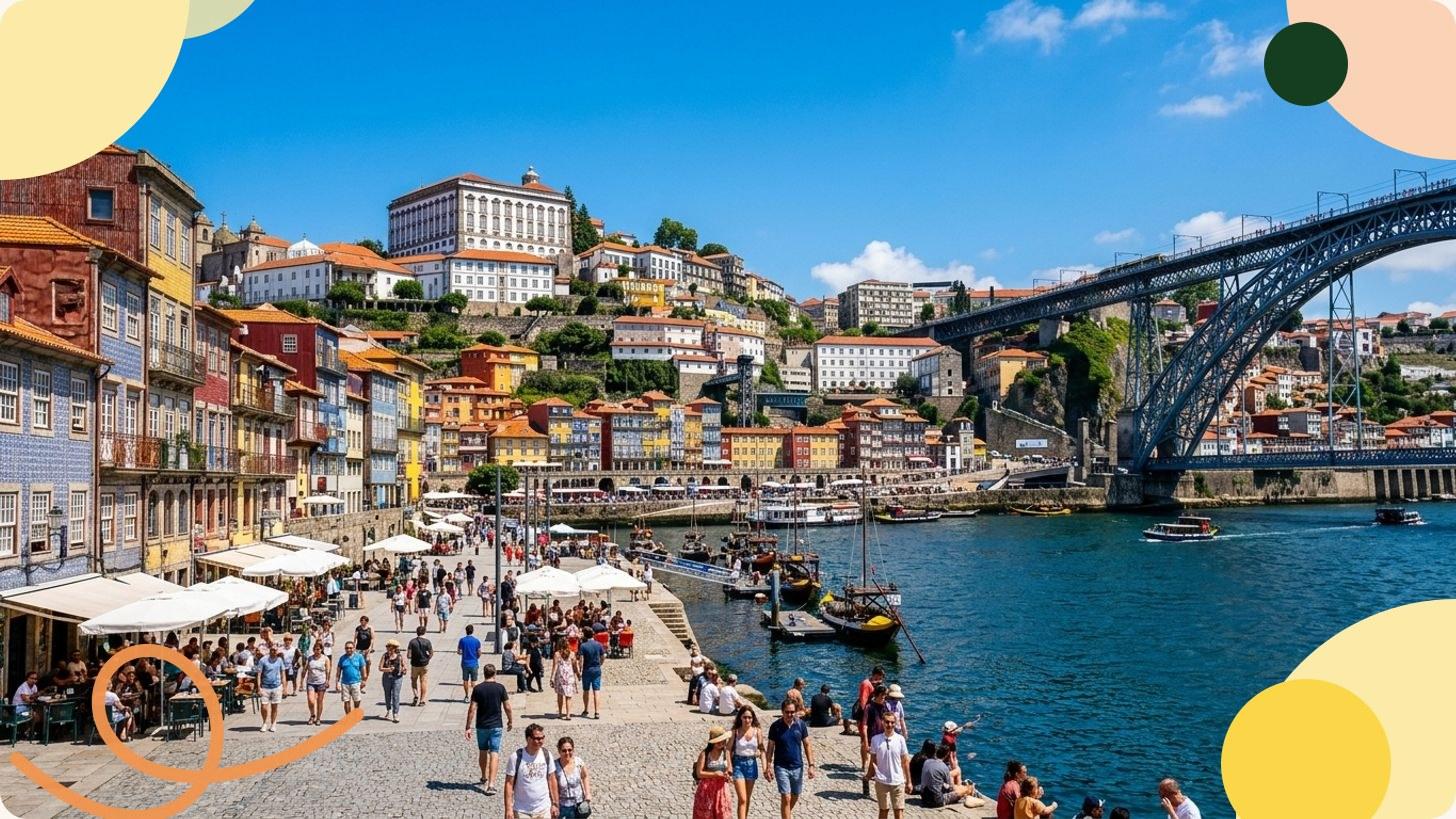
Listed as a UNESCO World Heritage Site since 1996, the Ribeira district follows the Douro along a maze of medieval alleyways, azulejo-clad facades and pavement cafes overlooking the river. This is where Porto feels most authentic: no itinerary needed, just walk and take it all in.
The Dom Luís I Bridge rises at the end of the waterfront. Cross it on foot via the upper deck to reach Vila Nova de Gaia and its port wine cellars on the opposite bank.
Port wine cellars in Vila Nova de Gaia: a tasting well worth the trip
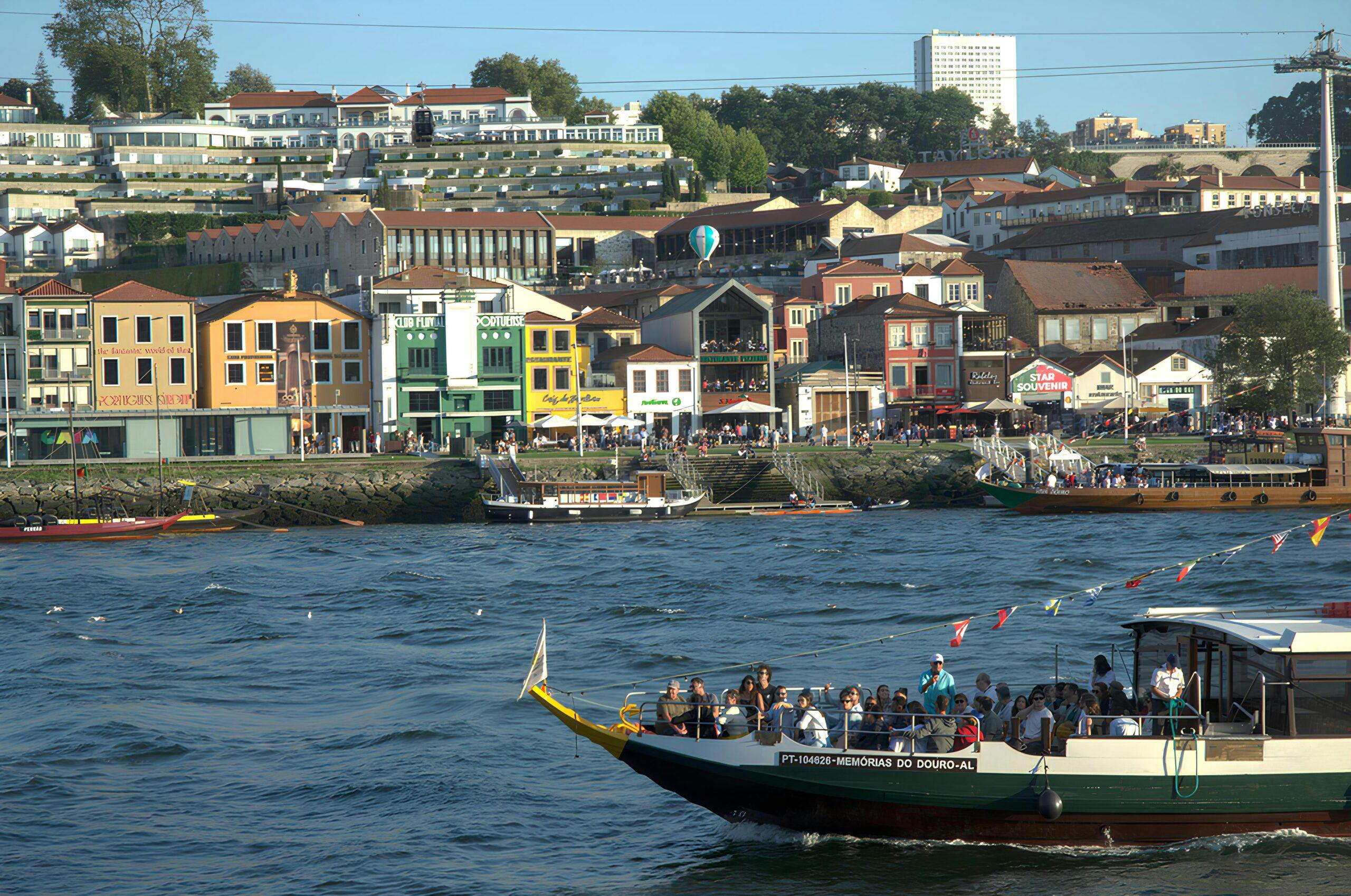
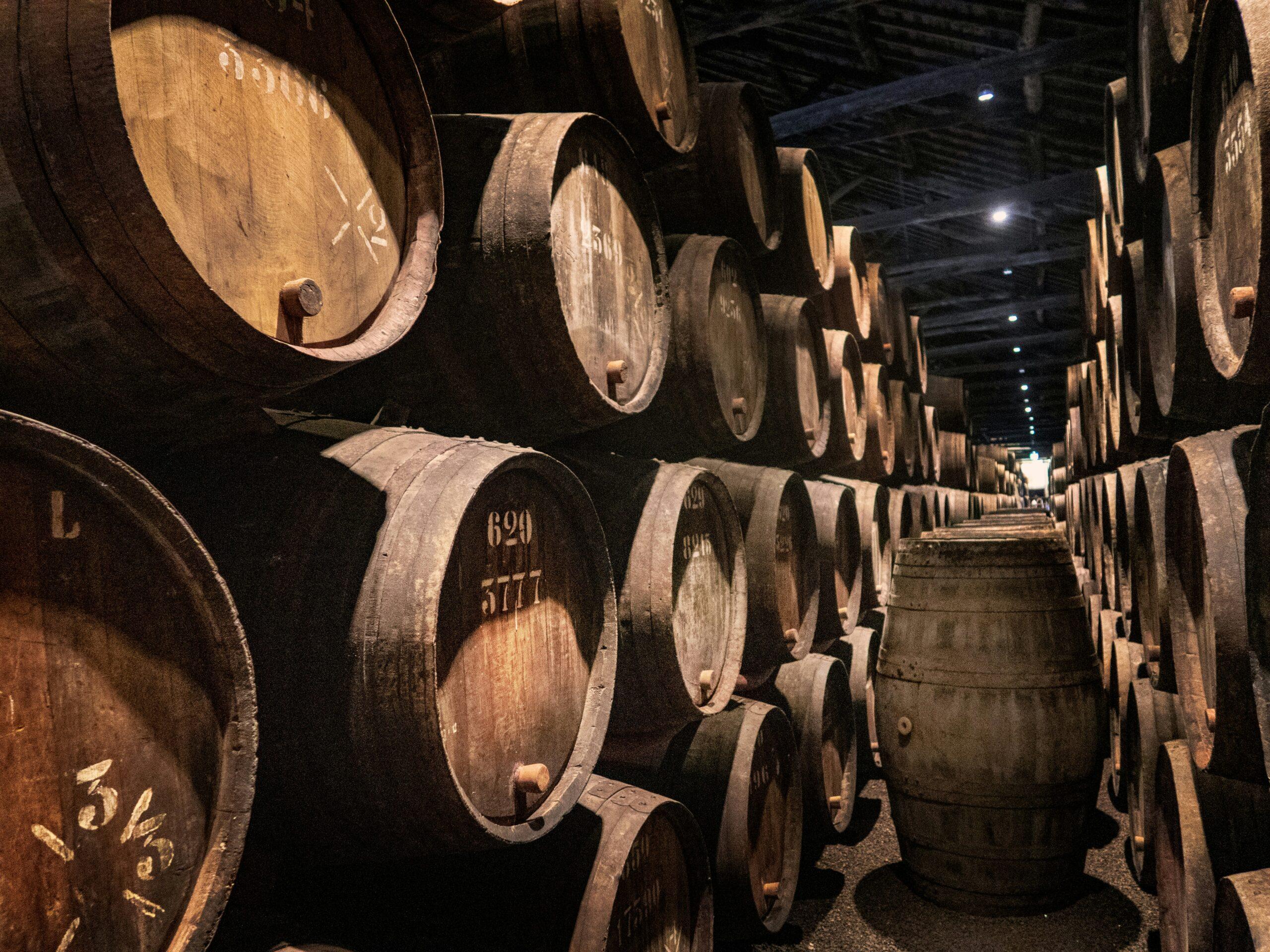
All the great port wine houses have their lodges in Vila Nova de Gaia, on the south bank of the Douro. Most offer guided tours tracing the history of port wine, from the vineyards to the ageing barrels. The tasting of different styles at the end of the tour is the highlight of the morning.
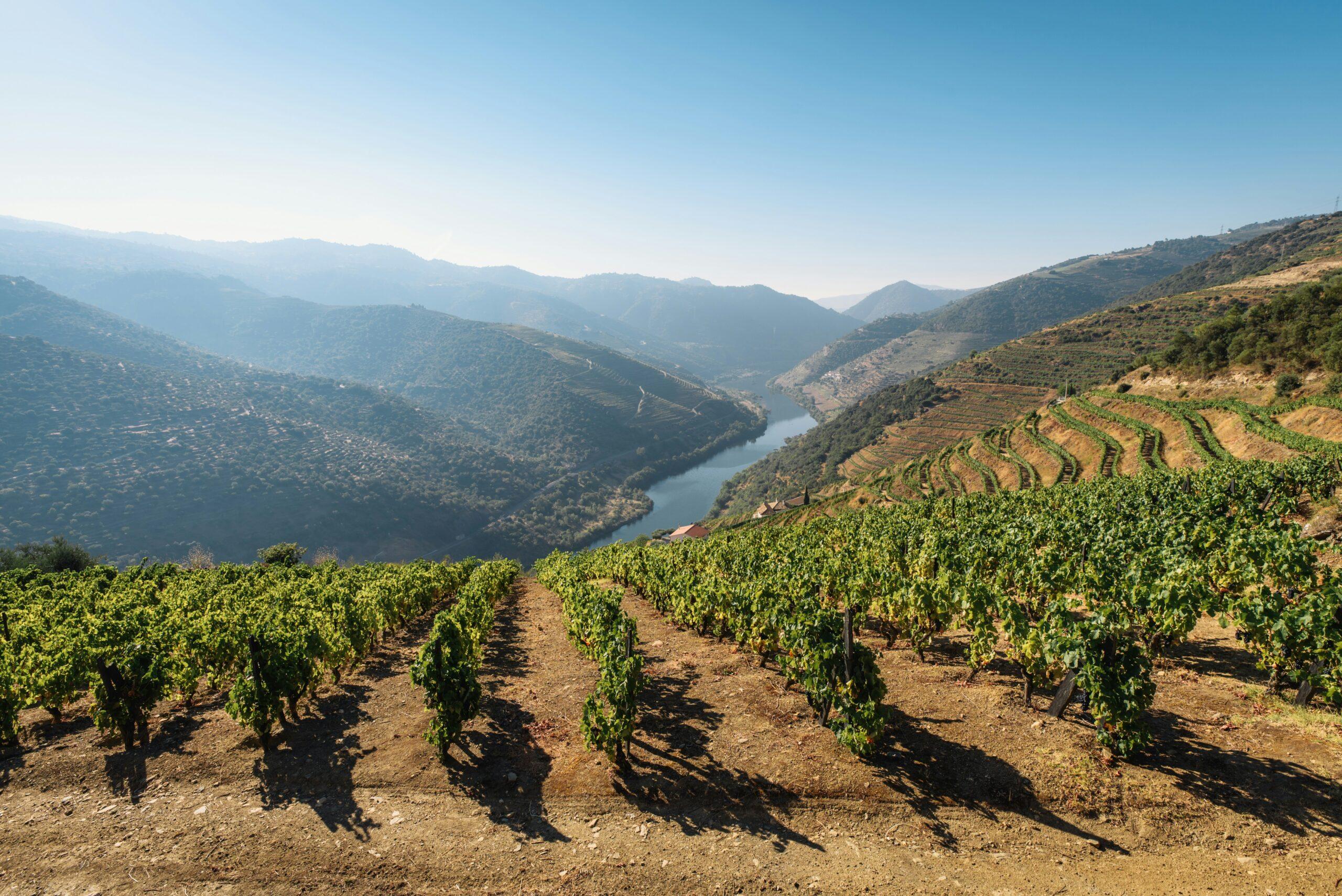
If you want to see the vineyards at source, a day trip to the Douro Valley is a must: the cascading terraced vines covering the hillsides rank among the most spectacular landscapes in Portugal. Our guide things to do in Portugal has plenty more ideas to make the most of your stay.
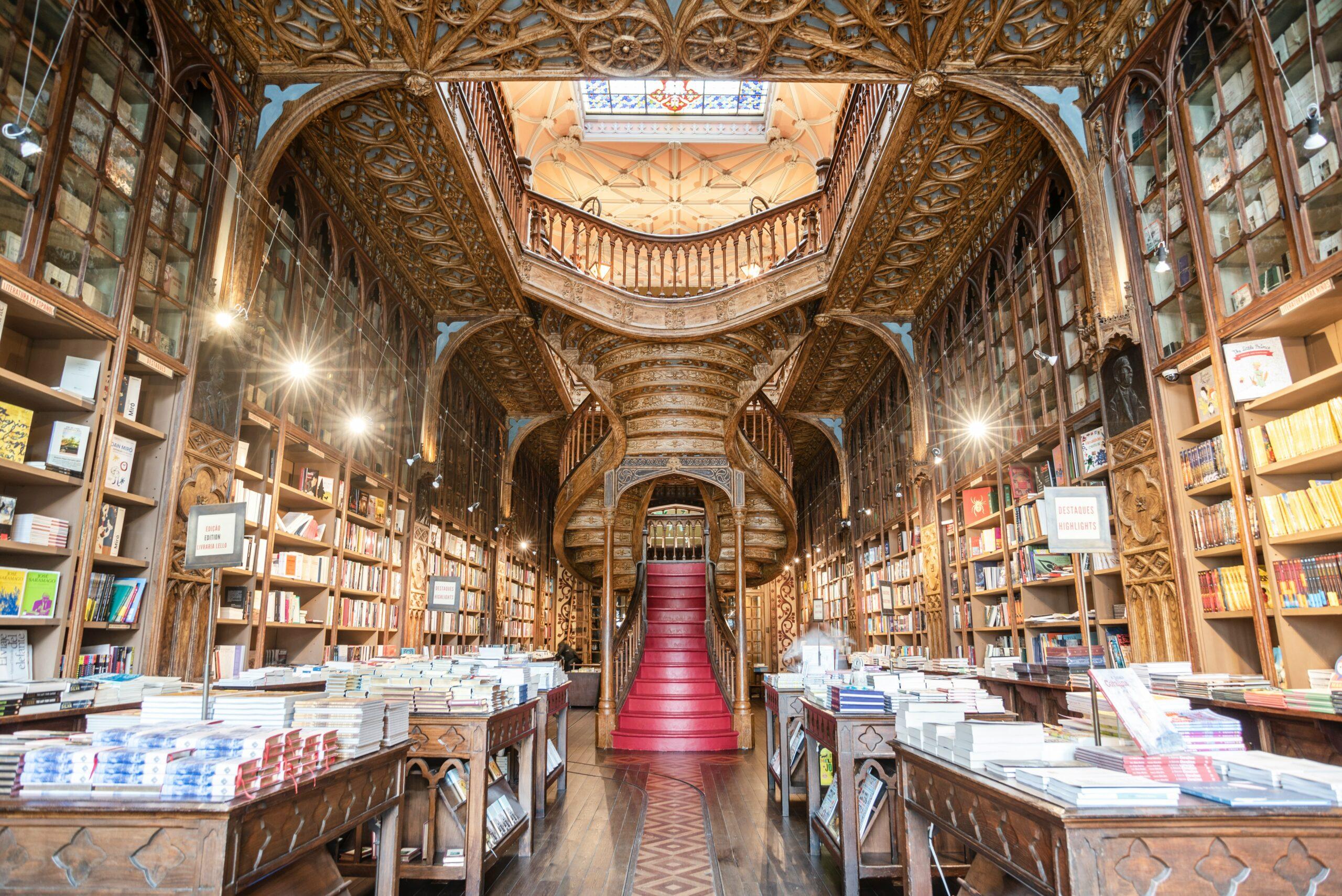
Lello Bookshop: the staircase that justifies the entrance fee
Lello Bookshop regularly features on lists of the world’s most beautiful bookshops. Its sweeping interior staircase, carved woodwork and stained glass make it a building apart. Entry costs €12 (Silver ticket, redeemable against an in-store purchase) and booking online is essential during peak season to avoid waits of over an hour.
J.K. Rowling lived in Porto in the 1990s and was a regular at Lello Bookshop, often cited as one of the inspirations behind the Harry Potter universe, though the bookshop itself is careful to qualify that direct link.
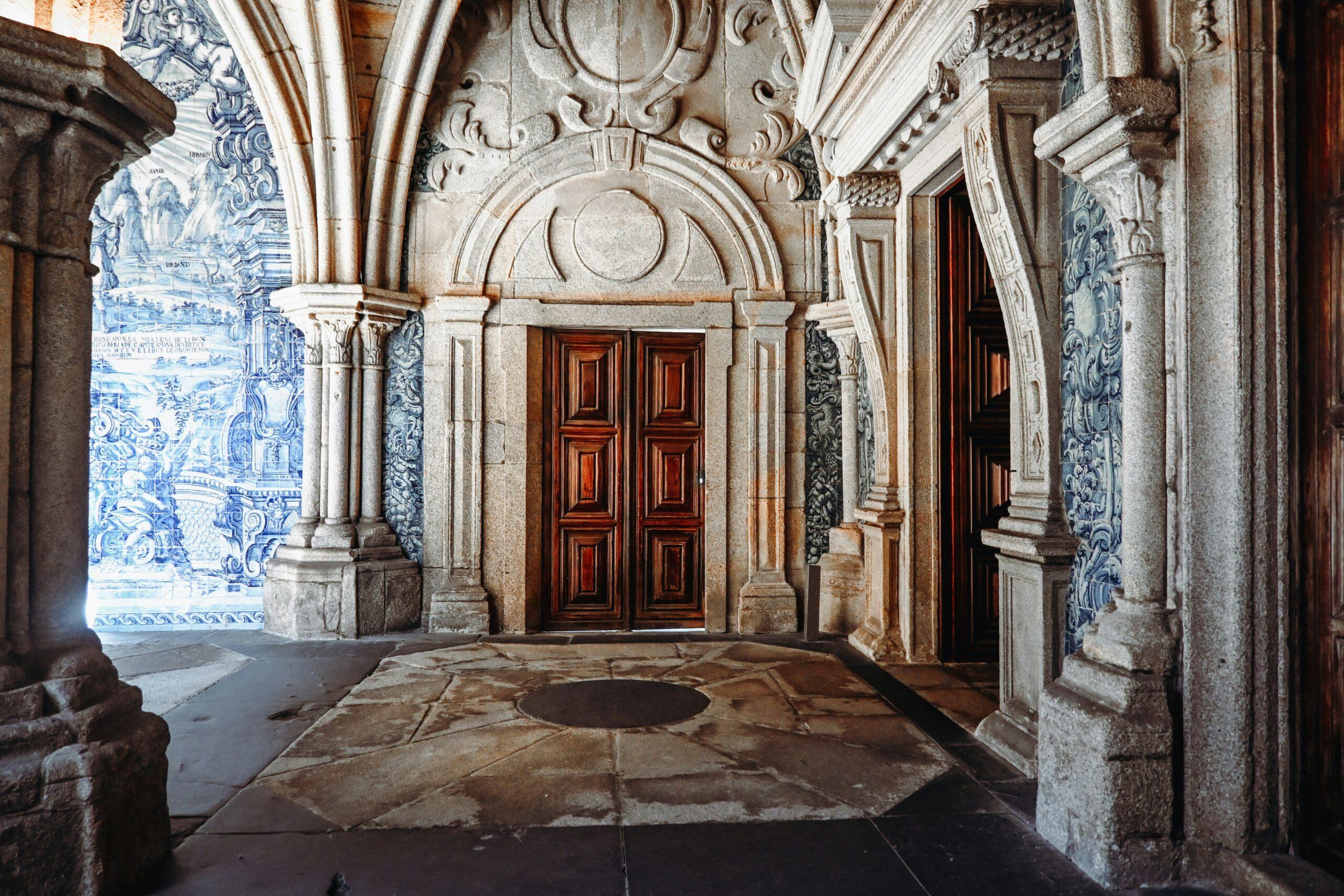
The Sé Cathedral and its baroque azulejos
Perched on the hill, the Sé Cathedral has presided over Porto since the 13th century. It blends Romanesque, Gothic and Baroque styles, and conceals a cloister entirely lined with azulejos that tell the story of Portugal in pictures. It is one of the most striking interiors in the city.
Clérigos Tower: 240 steps for the most iconic panorama
The Clérigos Tower, built between 1754 and 1763 by Italian architect Nicolau Nasoni, is Porto’s defining landmark. From its summit at 75 metres, the 360-degree view sweeps across terracotta rooftops, the Douro, the cathedral and the Atlantic coastline. Your ticket includes access to the tower, the church and the Clérigos Museum. To beat the crowds, arrive before 10 am.
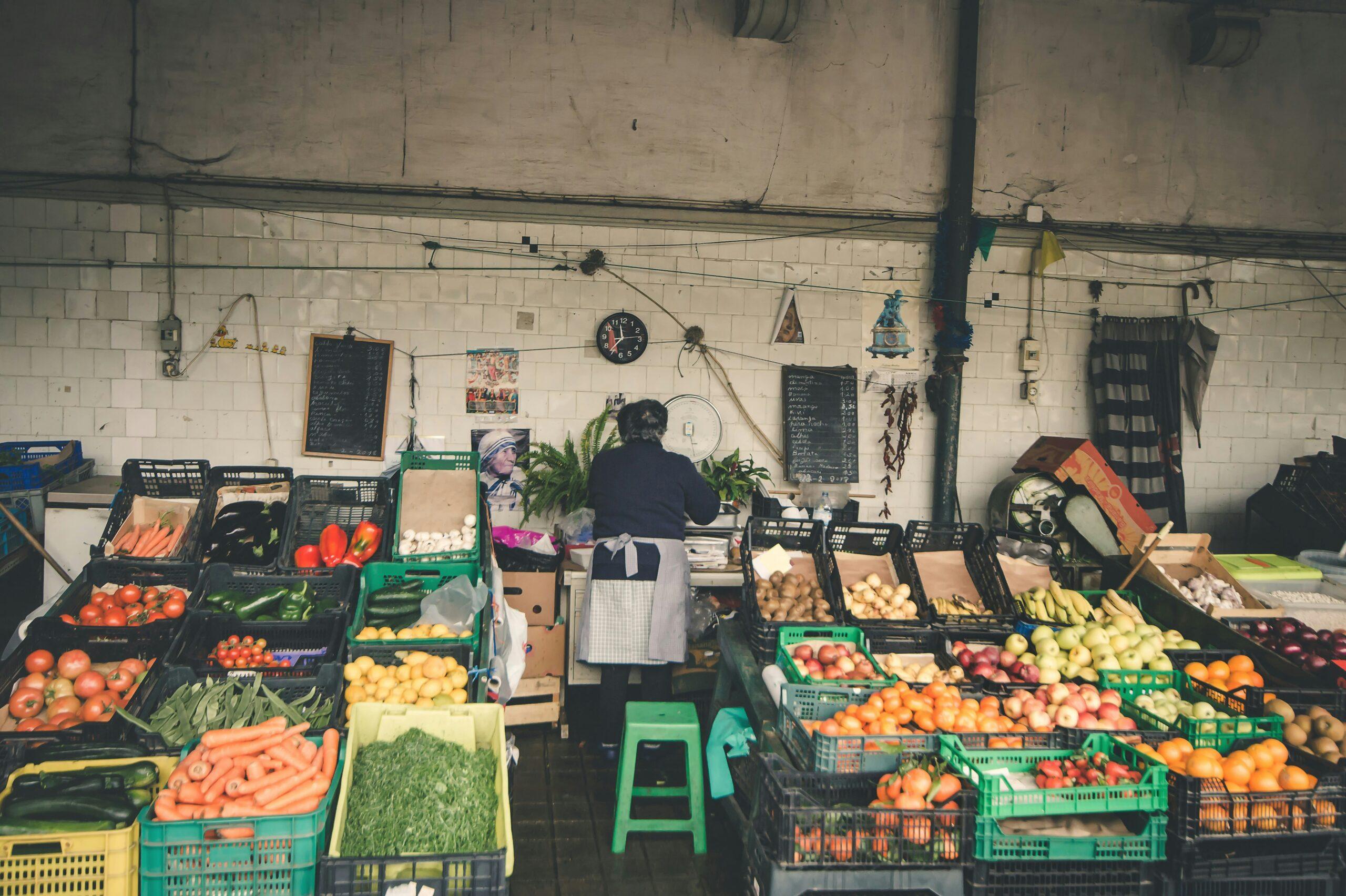
Bolhão Market: neighbourhood life, in full swing
Reopened in September 2022 after four years of renovation work, Bolhão Market has reclaimed its place at the heart of Porto life inside its wrought-iron hall. Stalls offer fruit and vegetables, fish, cheese, flowers and local pastries. A morning stop here sets the tone for the rest of the day.
Serralves Foundation: contemporary art and formal gardens
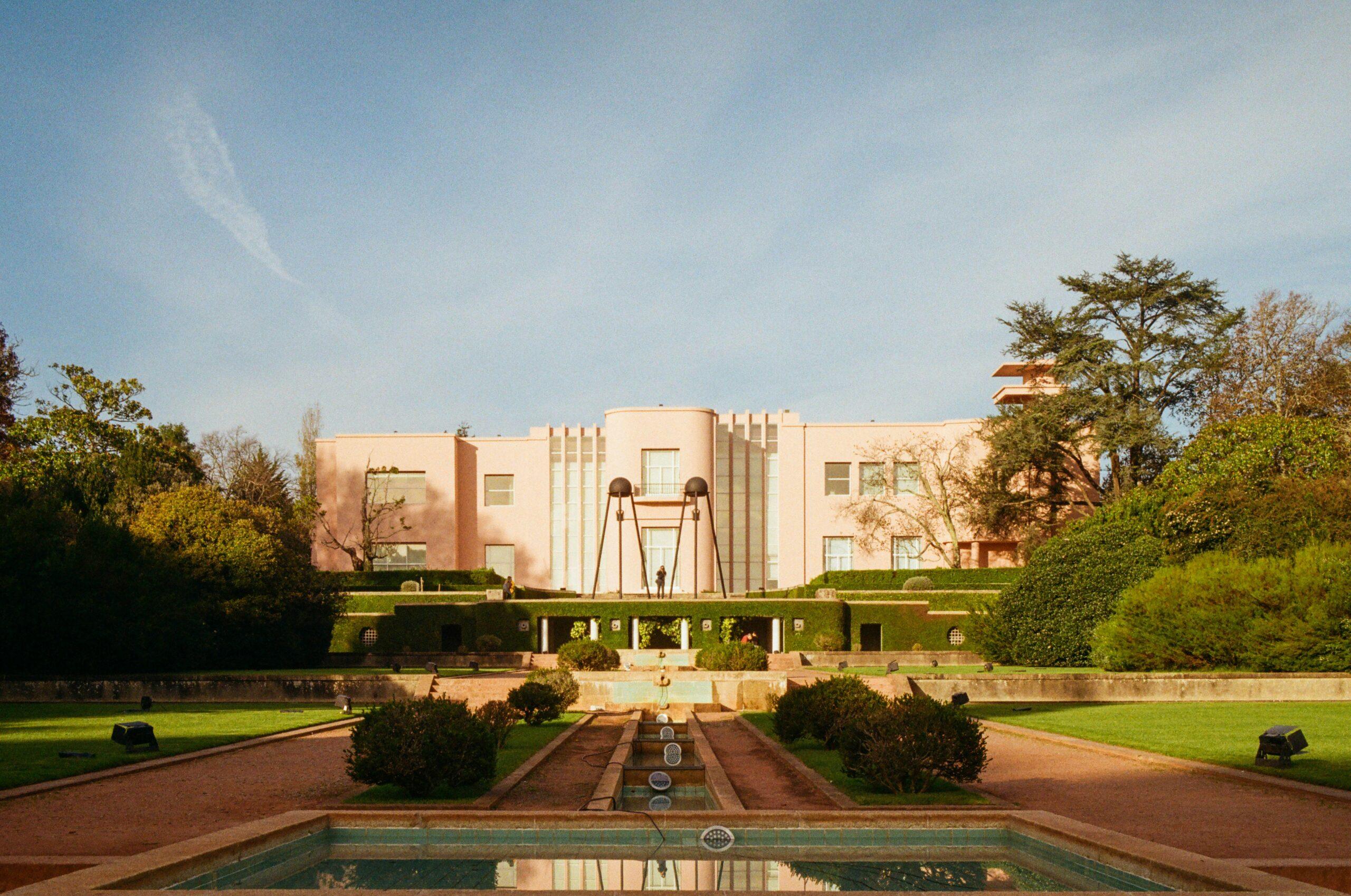
The Serralves Foundation brings together a 1930s Art Deco villa, a contemporary art museum designed by Álvaro Siza, and an 18-hectare park laid out by landscape architect Jacques Gréber. The temporary exhibitions are of international standing. If you are looking for a change of scene away from the historic centre, this is a place with a completely different atmosphere.
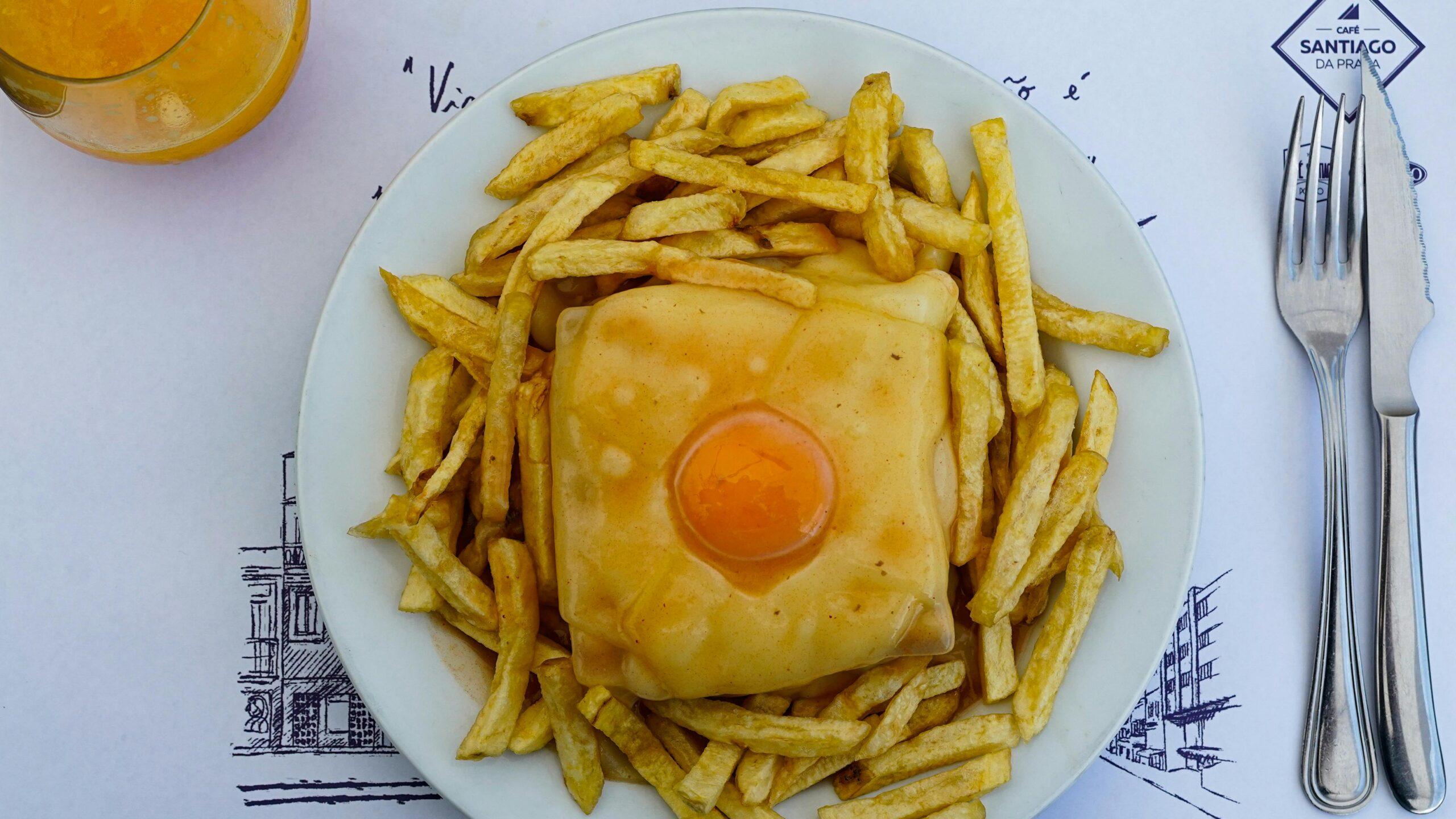
The francesinha: the dish that defines Porto
The francesinha was born in Porto in the 1950s. Inspired by the croque-monsieur by a Portuguese cook returning from France, it has since gone its own way entirely: layers of bread, cured meats, sausage, steak and melted cheese, all drenched in a beer-and-tomato sauce whose recipe every restaurant keeps secret. Served with a fried egg and chips, it is the city’s unmissable lunch.
Porto and Lisbon: two cities, two very different characters
Porto and Lisbon complement each other more than they resemble each other. The capital is larger and more cosmopolitan; Porto is more compact and retains an industrial-maritime charm all of its own. If you have time to visit both, our guide things to do in Lisbon covers all the essentials. And if all of Portugal appeals, our roundup Portugal, Croatia, Norway: where to travel this summer compares several European destinations to help you choose.
FAQ
How many days do you need to visit Porto?
Three days is enough to cover the historic districts, the wine cellars and a half-day trip to the Douro Valley. With 4 or 5 days, you can explore quieter neighbourhoods such as Bonfim or Lordelo do Ouro at a more leisurely pace.
What is the best time of year to visit Porto?
Spring (April to June) and early autumn (September to October) offer mild temperatures and fewer crowds than summer. July and August are still pleasant, but the city draws a growing number of visitors during peak season.
Is Lello Bookshop really connected to Harry Potter?
J.K. Rowling lived in Porto in the 1990s and was a regular at Lello Bookshop, which is often cited as one of the inspirations behind the world of Hogwarts. The bookshop itself is careful to qualify that direct link. The building is well worth visiting for its architecture alone.
How do you get around Porto?
The historic centre is largely walkable, though the hills can be steep. Porto has a metro, a bus network and several historic tram lines. Funiculars and lifts make it easier to move between the lower districts and the upper parts of the city.
Should you book a wine cellar visit in advance?
During peak season, booking a cellar tour a few days ahead is advisable, especially for the more well-known houses. Outside of peak season, most lodges welcome visitors without prior reservation.