
China packs into a landmass the size of Europe some of the most extraordinary places on earth: a wall that rides the ridgelines for hundreds of kilometres, an army of warriors buried for more than 2,000 years, rivers framed by limestone peaks, and Himalayan monasteries perched above 3,500 metres. These 20 experiences sweep across the country’s great regions, from Beijing to Tibet via Jiangnan and Yunnan, to help you build a solid itinerary, whether you are visiting for the first time or going deeper on a return trip.
Insure my trip to ChinaBeijing, capital of the empire
Beijing is home to several of the world’s most visited sites, as rewarding to explore through its listed monuments as through its maze of old alleyways. For a detailed breakdown of the capital, see our full guide things to do in Beijing.
1. Walk the Great Wall
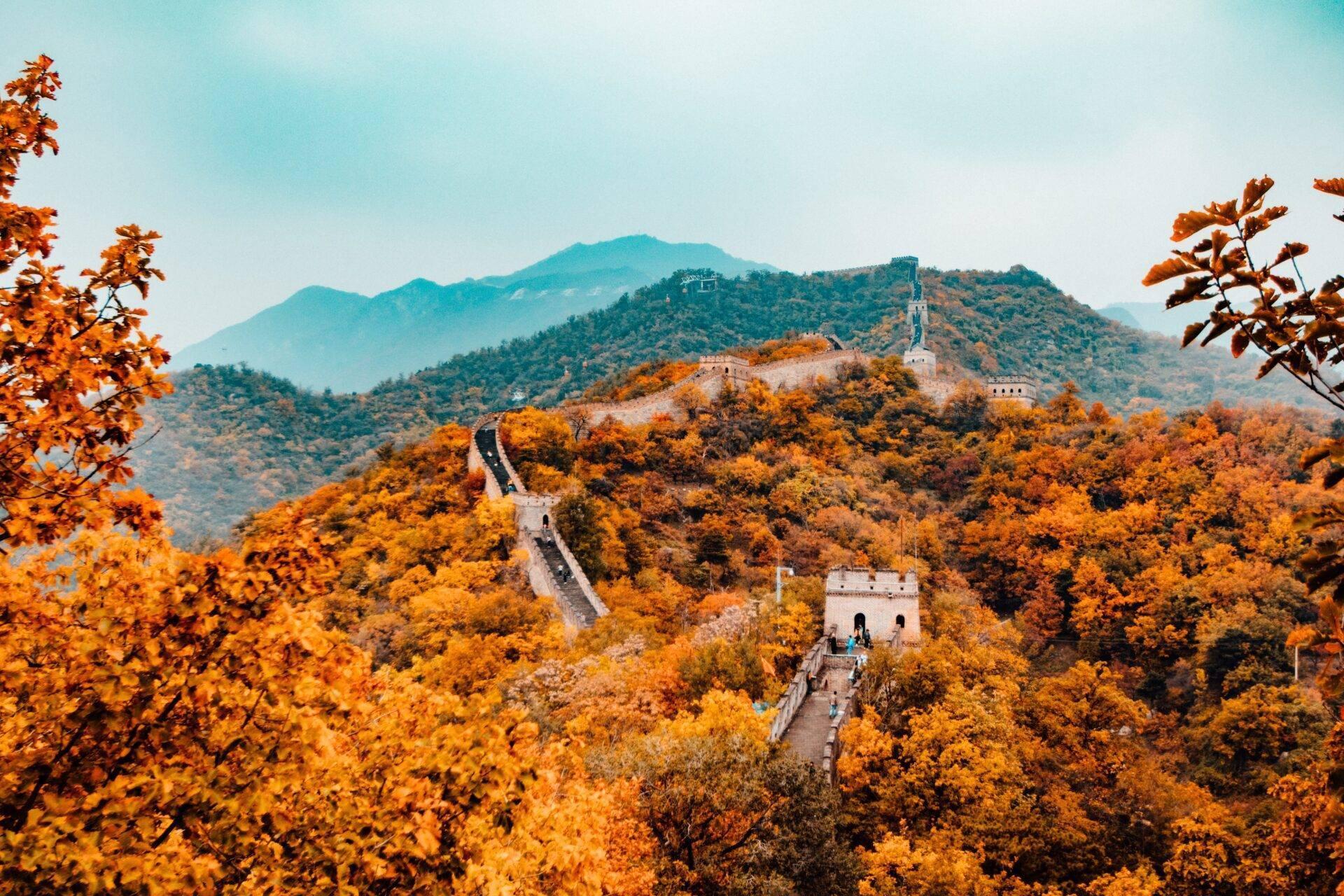
A UNESCO World Heritage Site, the Great Wall is China’s most instantly recognisable symbol. For a visit away from the busiest sections, the Mutianyu and Jinshanling stretches offer sweeping views across wooded ridgelines and make for a genuine hike. Allow a full day: the climbs and descents are stiff, and viewpoints keep appearing around every fortified tower.
2. Explore the Forbidden City
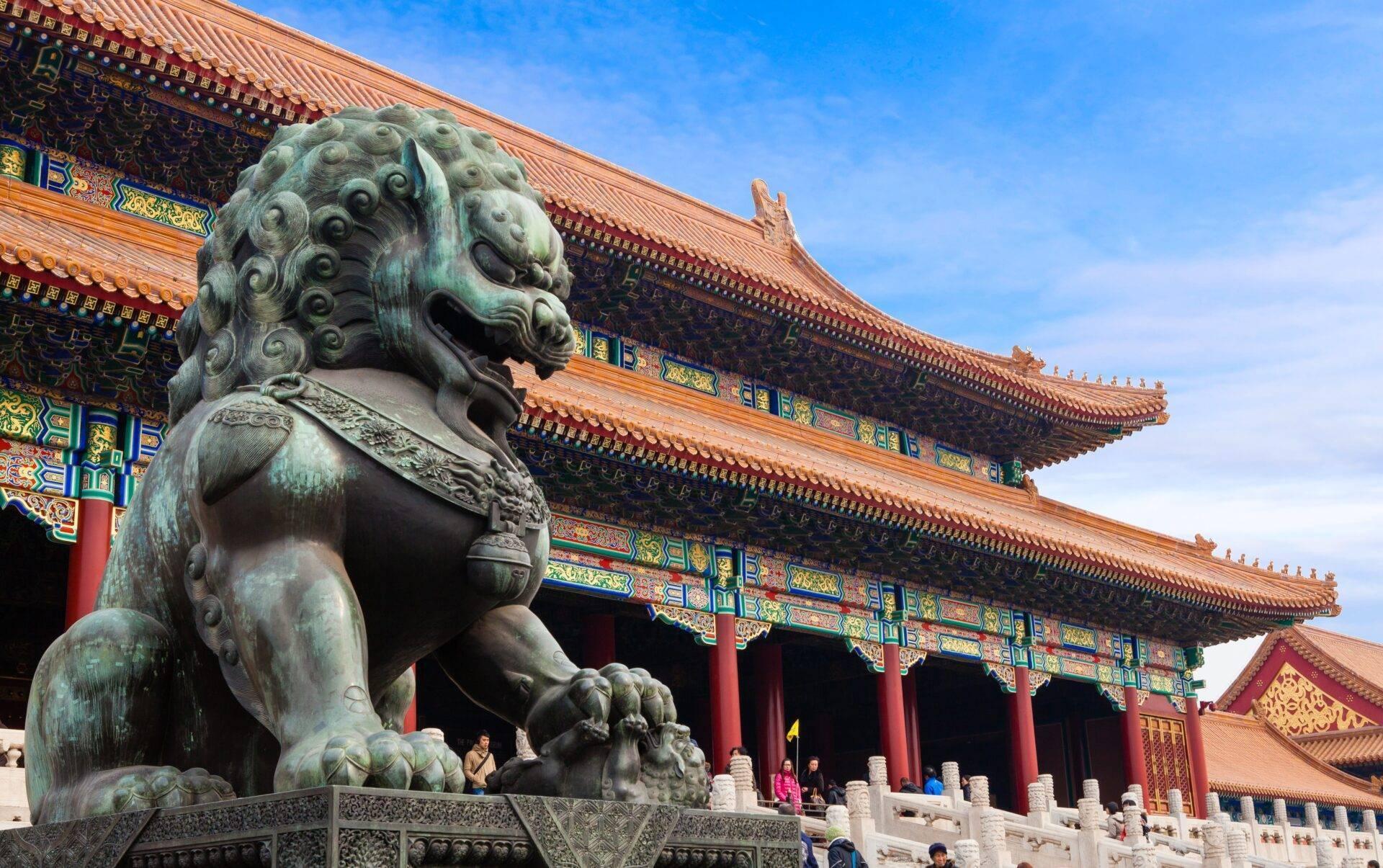
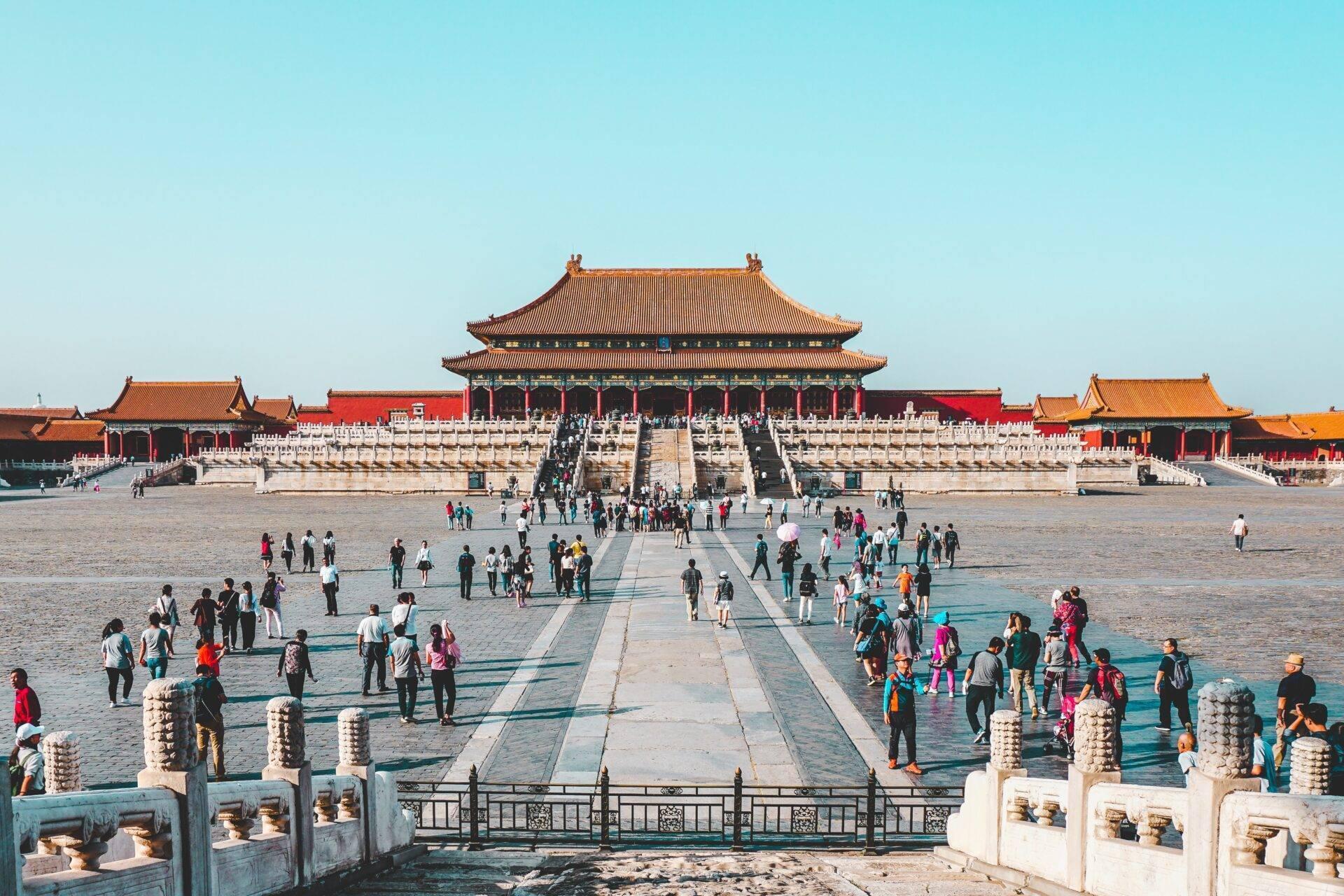
Home to Chinese emperors for nearly five centuries under the Ming and Qing dynasties, the Forbidden City is a UNESCO-listed palace complex. Its vast courtyards, hundreds of halls and imperial art collections take several hours to explore. Tiananmen Square, just outside the Gate of Heavenly Peace, is the symbolic heart of the country.
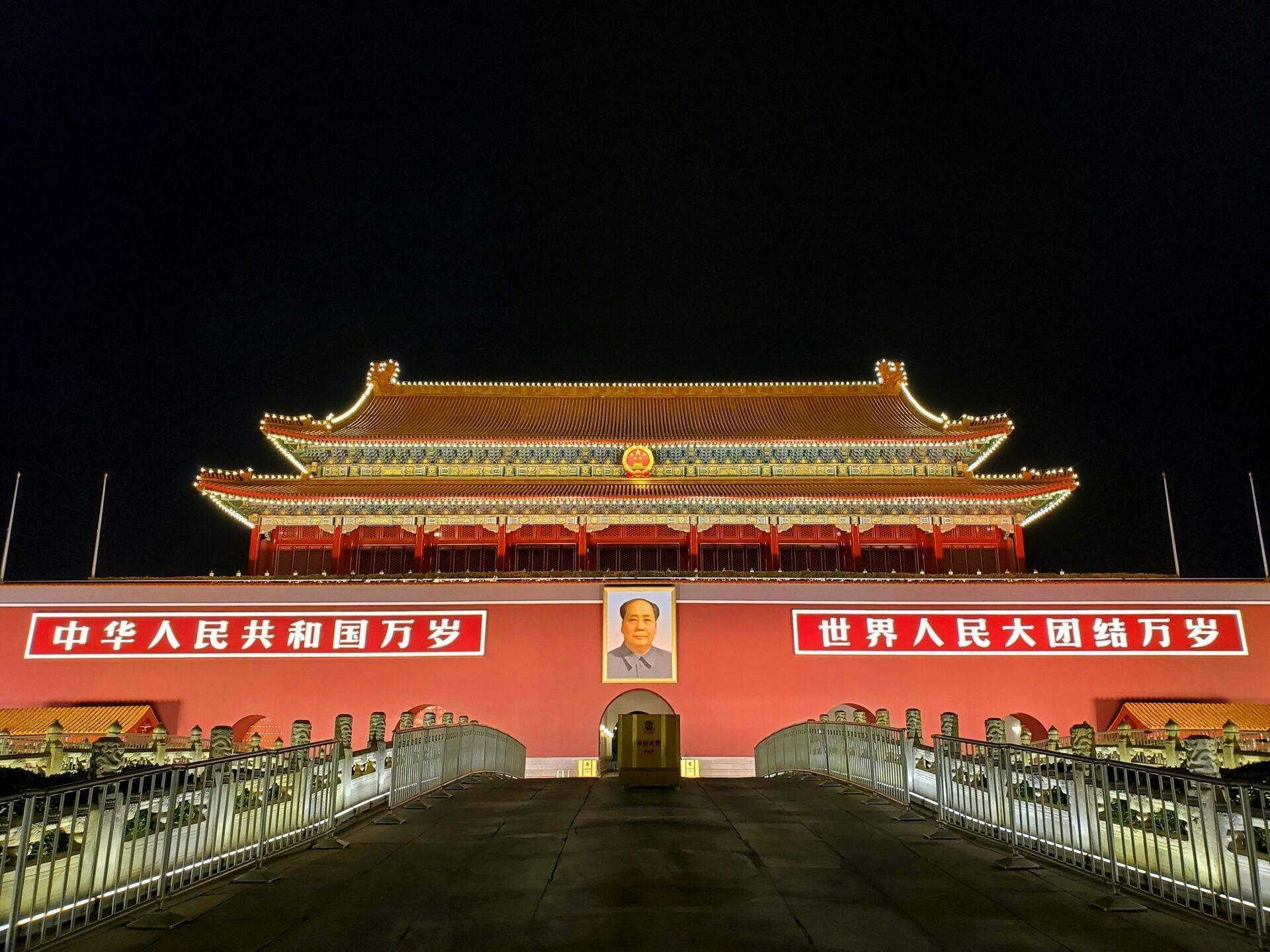
After dark, the illuminated facade of the Gate of Heavenly Peace takes on an entirely different quality: few travellers take the time to linger here once the sites have closed.
3. The Temple of Heaven
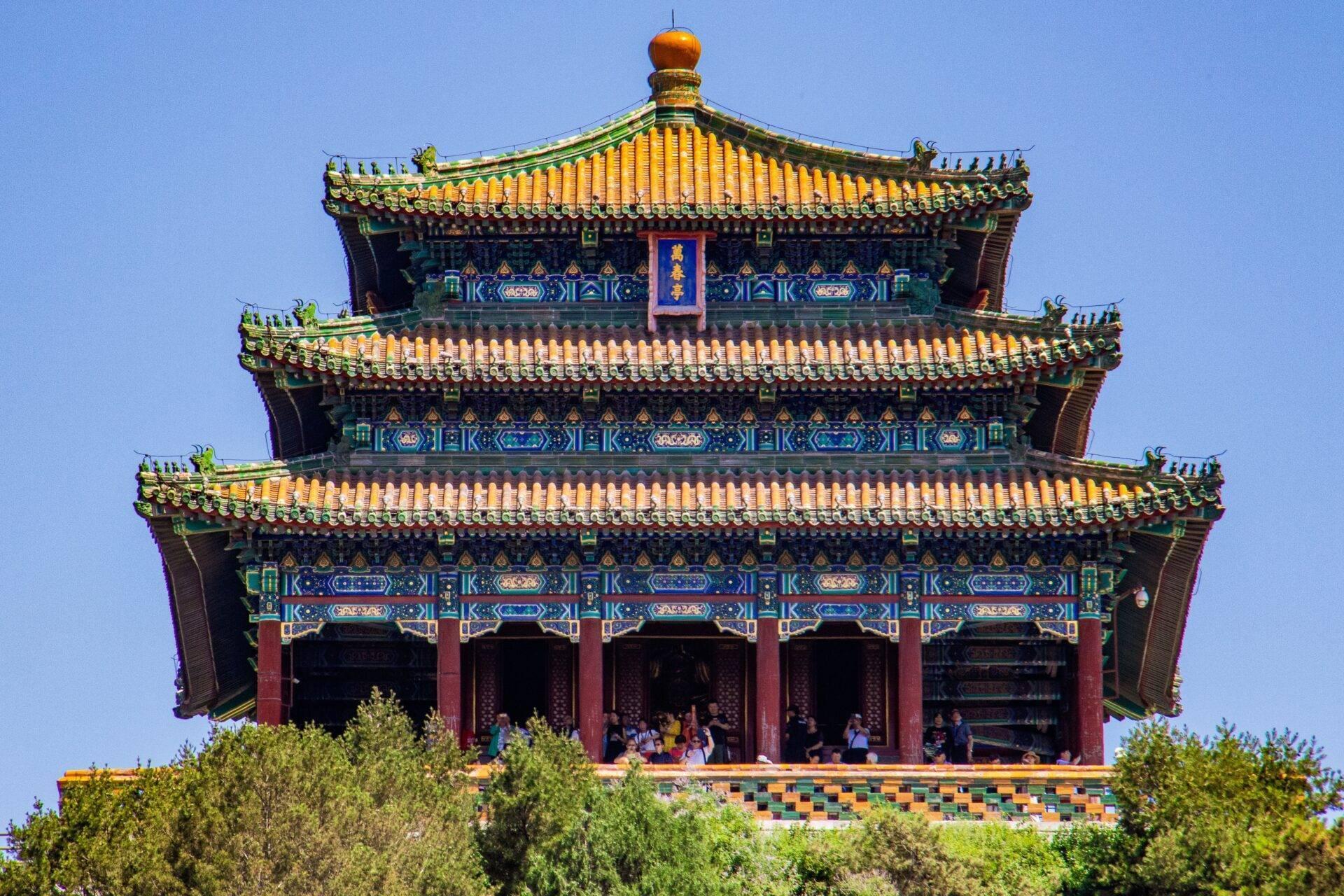
Built in the 15th century, the Temple of Heaven is a UNESCO World Heritage Site where emperors once came to pray for good harvests. Its circular hall with three tiers of eaves, its avenues of ancient pines and its sweeping esplanades make it one of the finest examples of imperial ritual architecture in China.
4. The Summer Palace
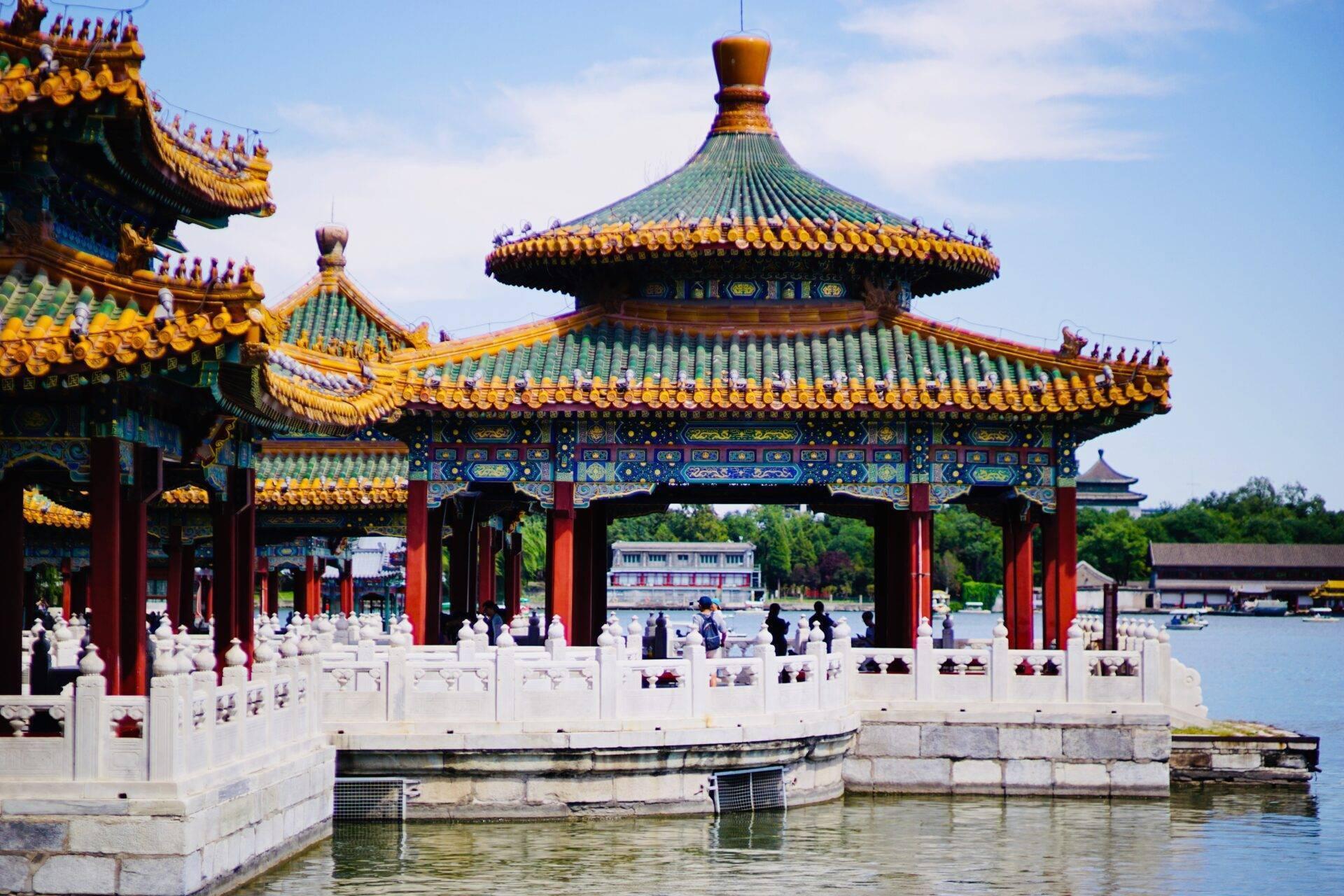
An imperial retreat on the shores of Kunming Lake, the Summer Palace combines landscaped gardens, ornate pavilions and a long covered gallery decorated with paintings. Half a day covers the highlights; a traditional boat ride around the lake adds a pleasant hour before heading back.
5. The hutongs: Beijing’s living soul
The hutongs are the traditional lanes that thread through the old neighbourhoods around the Forbidden City. Cycling between their grey-brick walls, passing locals sitting on their doorsteps and ducking into a cafe set inside a courtyard (siheyuan) reveals a side of Beijing that the grand monuments never show.
Xi’an, guardian of ancient history
Xi’an served as the capital under several Chinese dynasties and was the eastern starting point of the Silk Road. Its treasures unfold both underground and in the open air.
6. The Terracotta Army
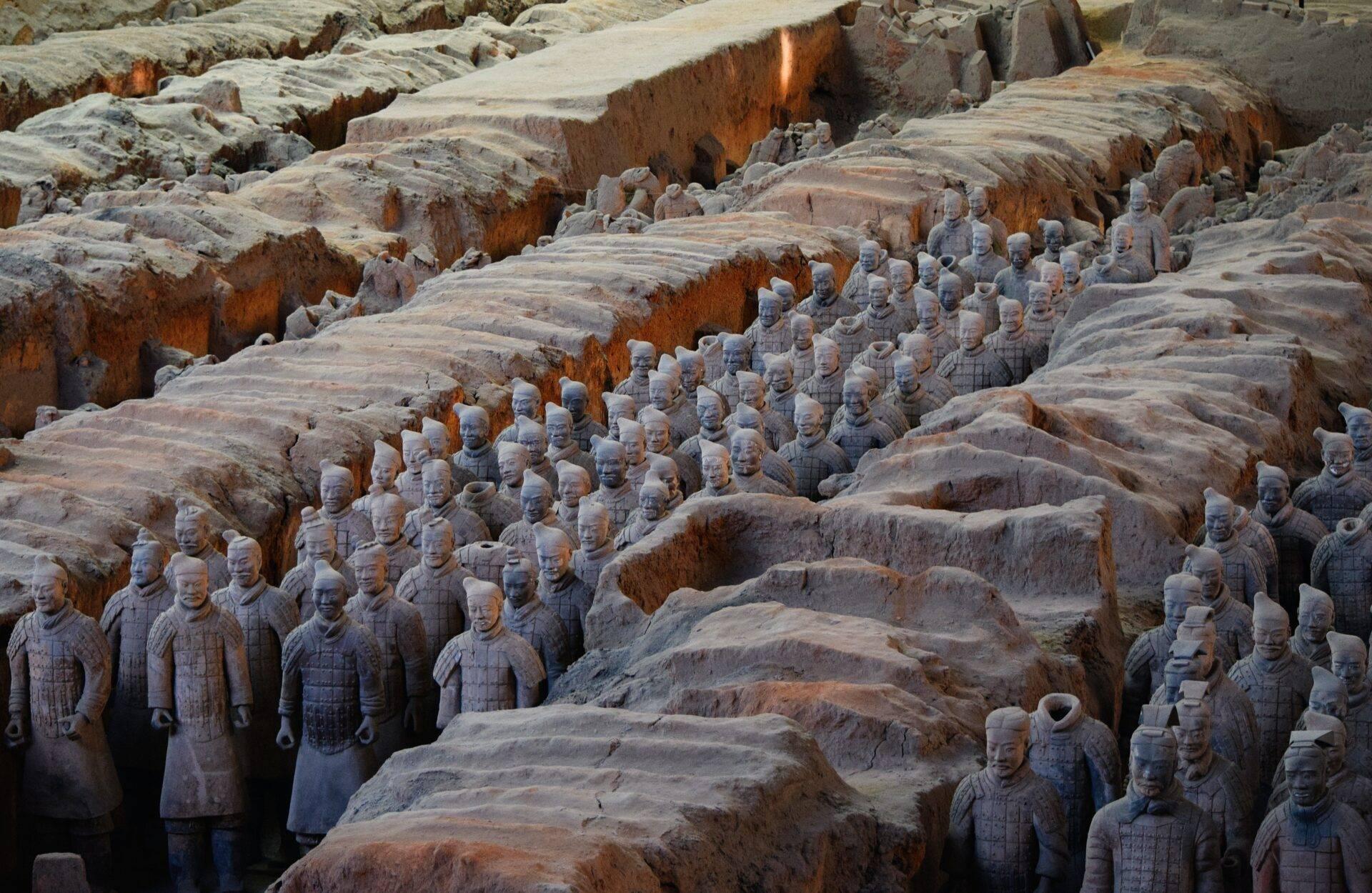
Discovered in 1974, the Terracotta Army comprises several thousand life-size soldiers, horses and chariots, each one unique, buried to accompany Emperor Qin Shi Huang into the afterlife. Excavations are still under way: what you see today represents only a fraction of what the earth still conceals.
7. The city walls and the Drum Tower
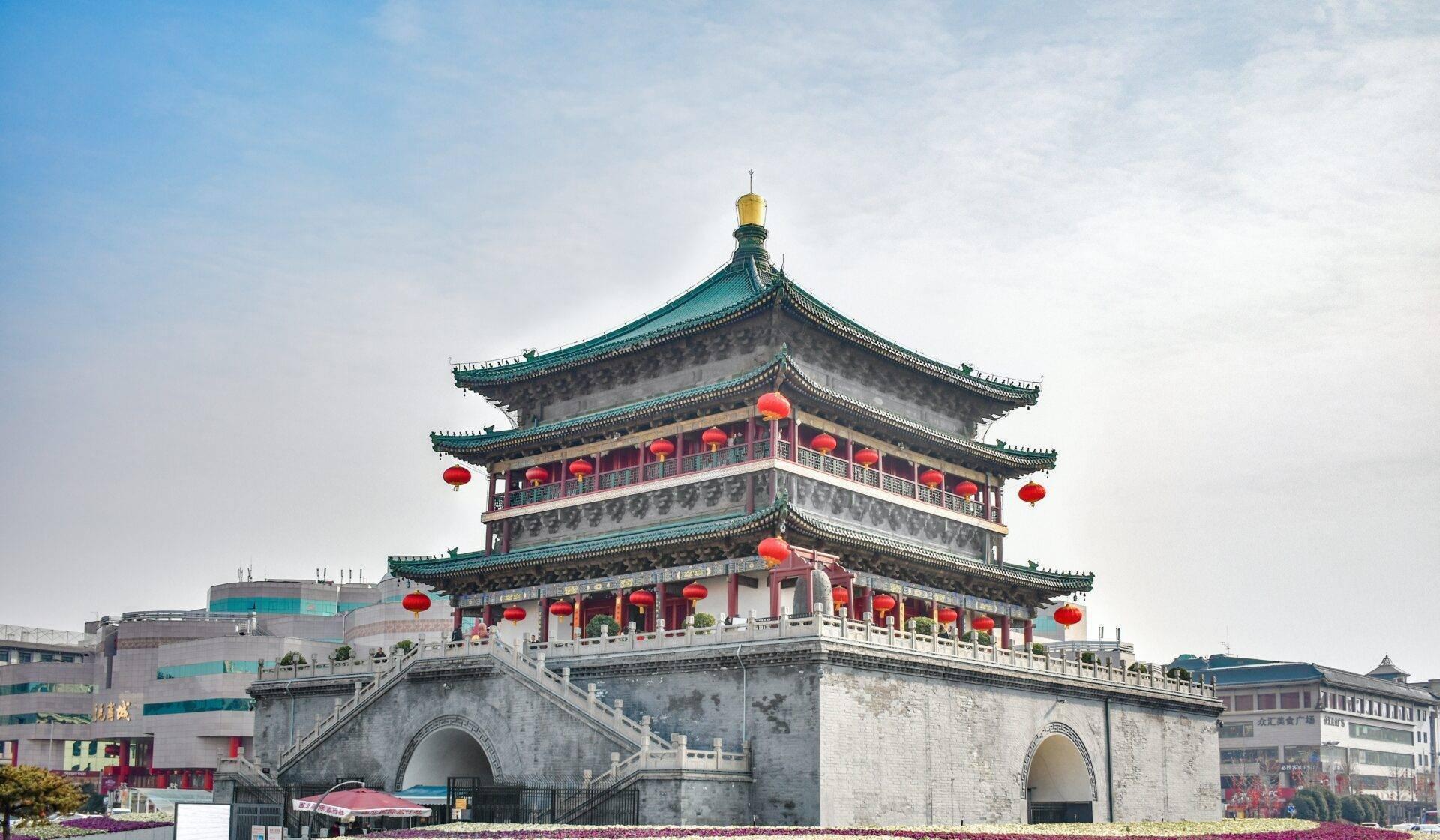
Xi’an’s city walls are among the best-preserved in China. A bicycle ride along the battlements gives a 360-degree view over the old city and its surroundings. The Drum Tower and the Bell Tower, at the heart of the ancient city, anchor the geography of this thousand-year-old capital.
Guilin and Guangxi: landscapes from a Chinese painting
This is where China looks most like the imagination: limestone peaks, morning mist and rivers edged with bamboo.
8. The Li River
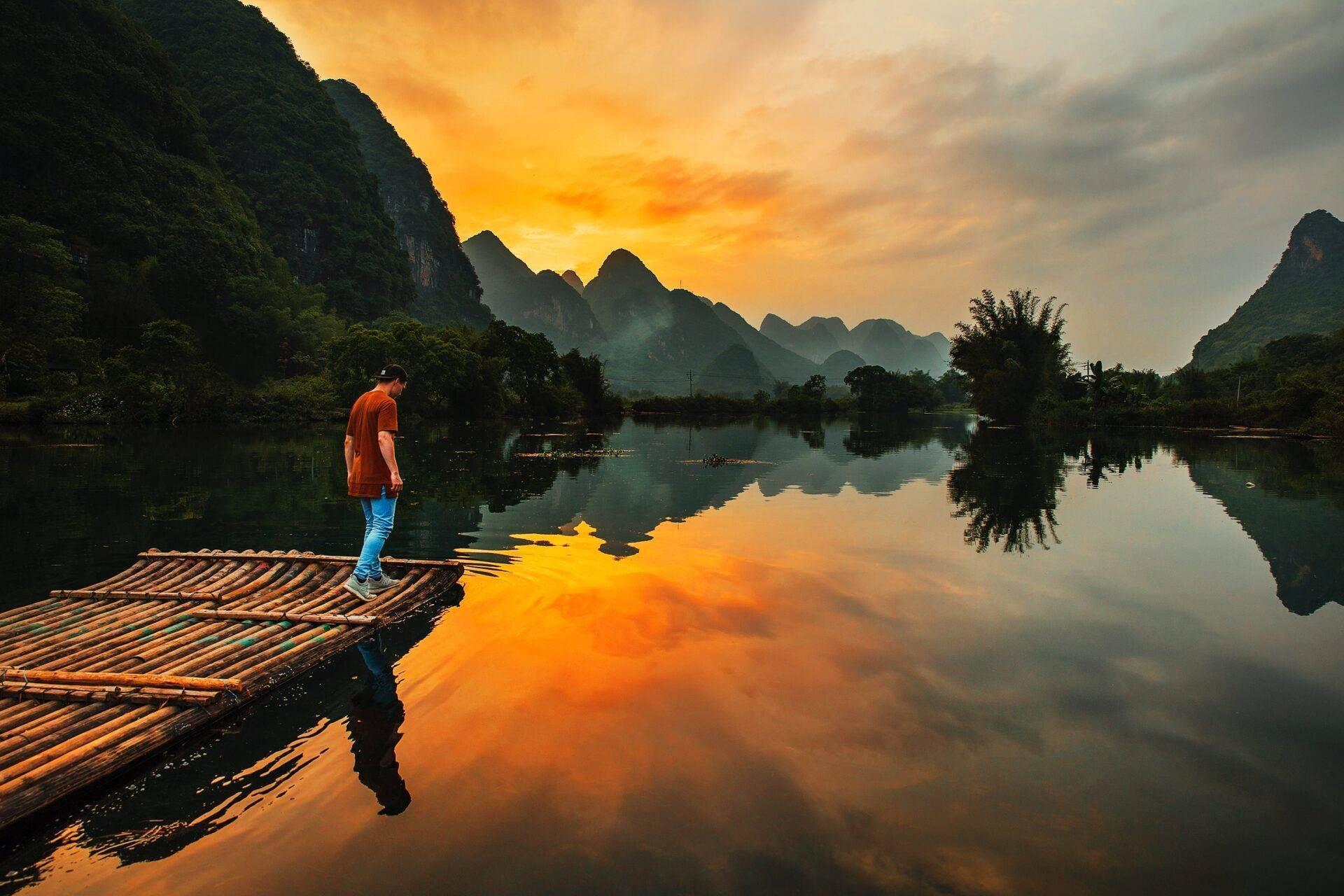
The cruise along the Li River between Guilin and Yangshuo is one of Asia’s most celebrated river journeys. The karst formations mirrored in the water have inspired generations of Chinese painters: this landscape features on the 20-yuan banknote. For the best reflections, set out in the morning before the wind ruffles the surface.
9. The karst formations of Yangshuo
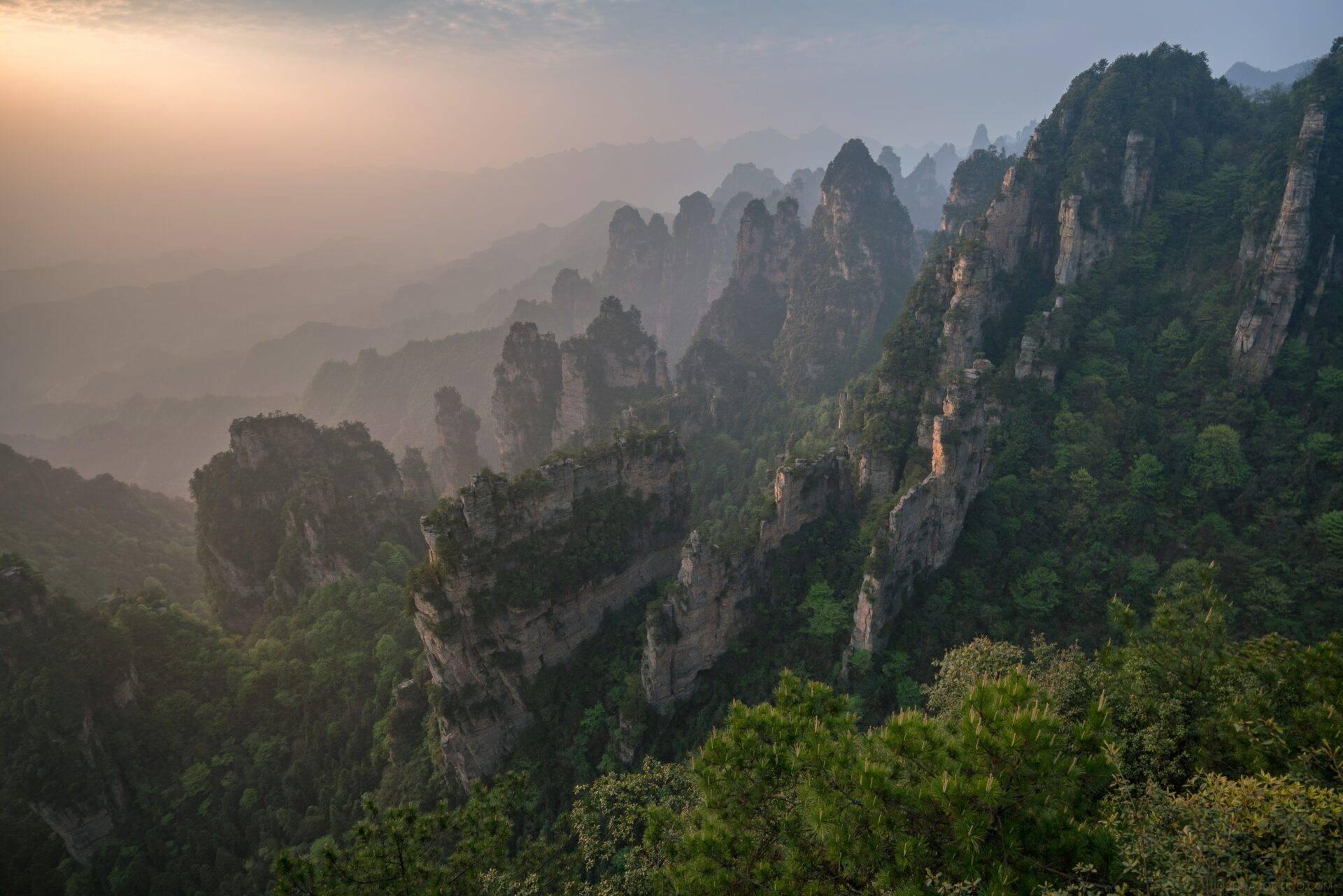
Yangshuo, at the end of the Li River cruise, is the ideal base for cycling through rice paddies and outlying villages. The limestone peaks that ring the town each have their own name. The area rewards two or three days at a leisurely pace.
The mythic mountains
10. Mount Huangshan
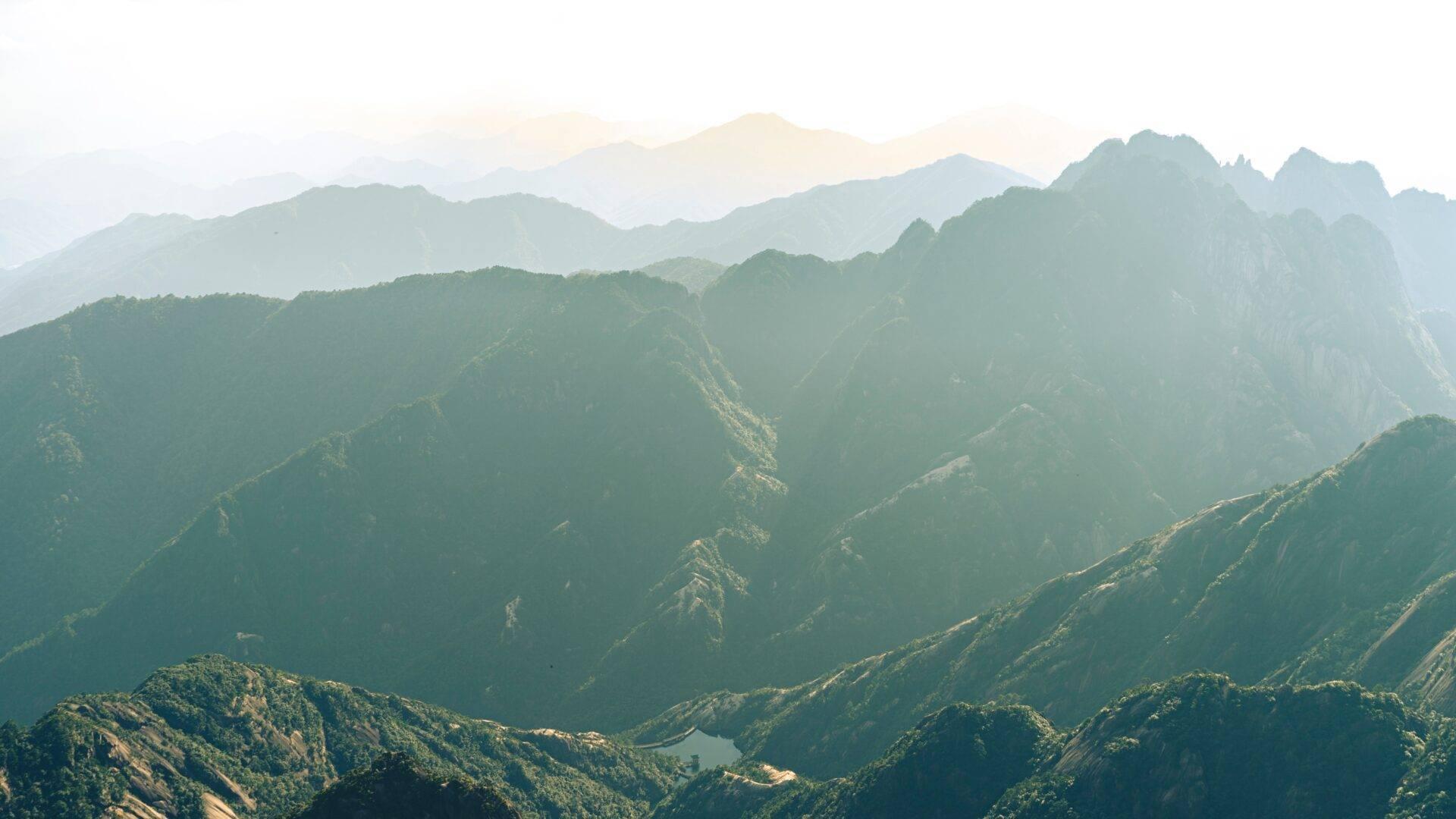
A UNESCO World Heritage Site, Huangshan, the “Yellow Mountain” in Anhui province, is one of the great sources of inspiration for shanshui ink painting. Its granite peaks, wind-sculpted pines and seas of cloud are best experienced with an overnight stay at the summit, to catch sunrise breaking over the ridgelines.
11. Zhangjiajie: the Avatar mountains
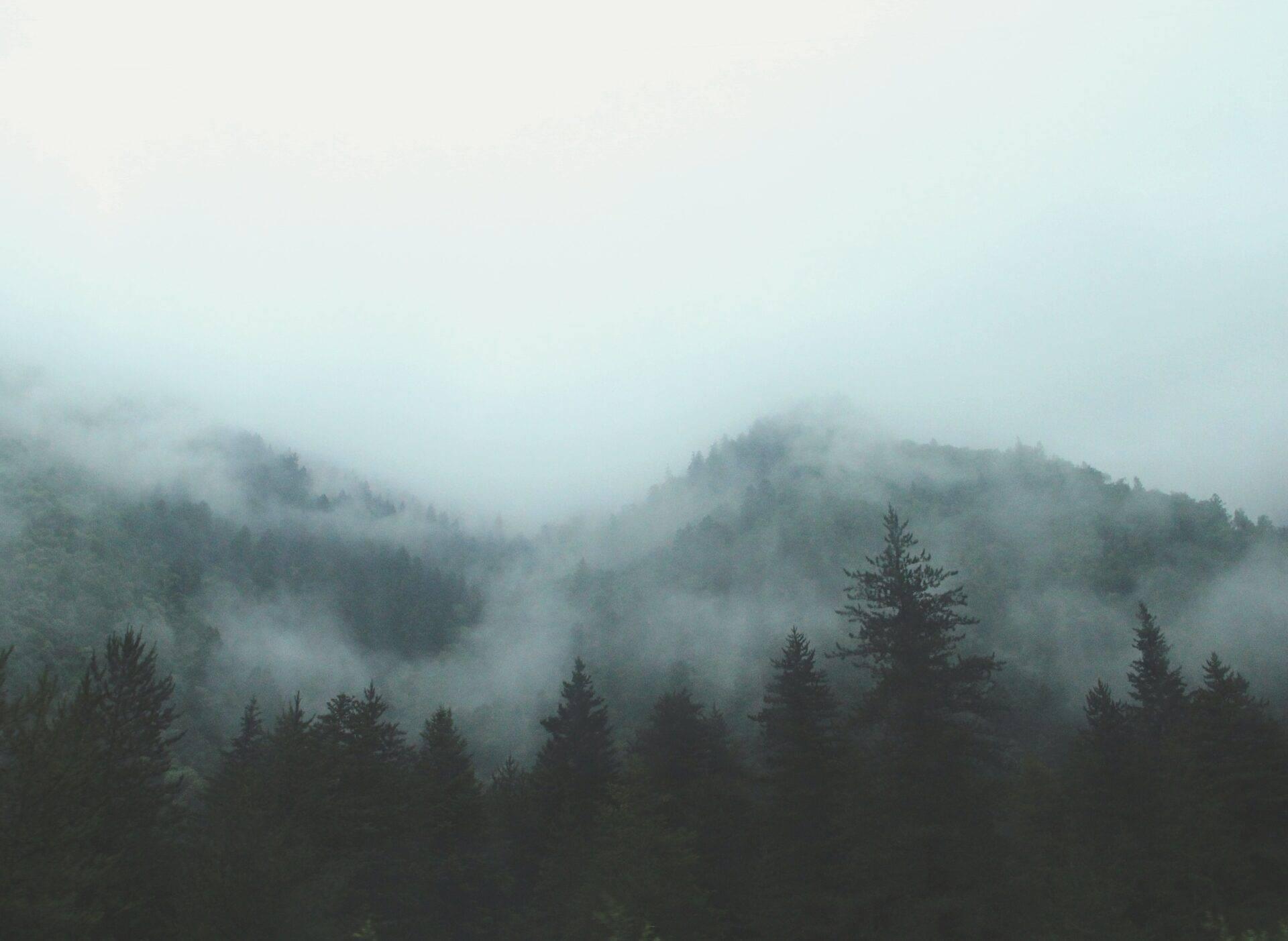
China’s first national forest park, opened in 1982 and awarded UNESCO World Heritage status in 2004, Zhangjiajie is home to quartzite sandstone pillars that rise more than 200 metres in places. In misty conditions these columns appear to float in mid-air: it was this landscape that inspired the floating mountains in the film Avatar. A glass-bottomed bridge suspended at a vertiginous height rounds off the experience for those who enjoy a genuine thrill.
Shanghai and the Jiangnan region
12. Shanghai: the Bund and Pudong
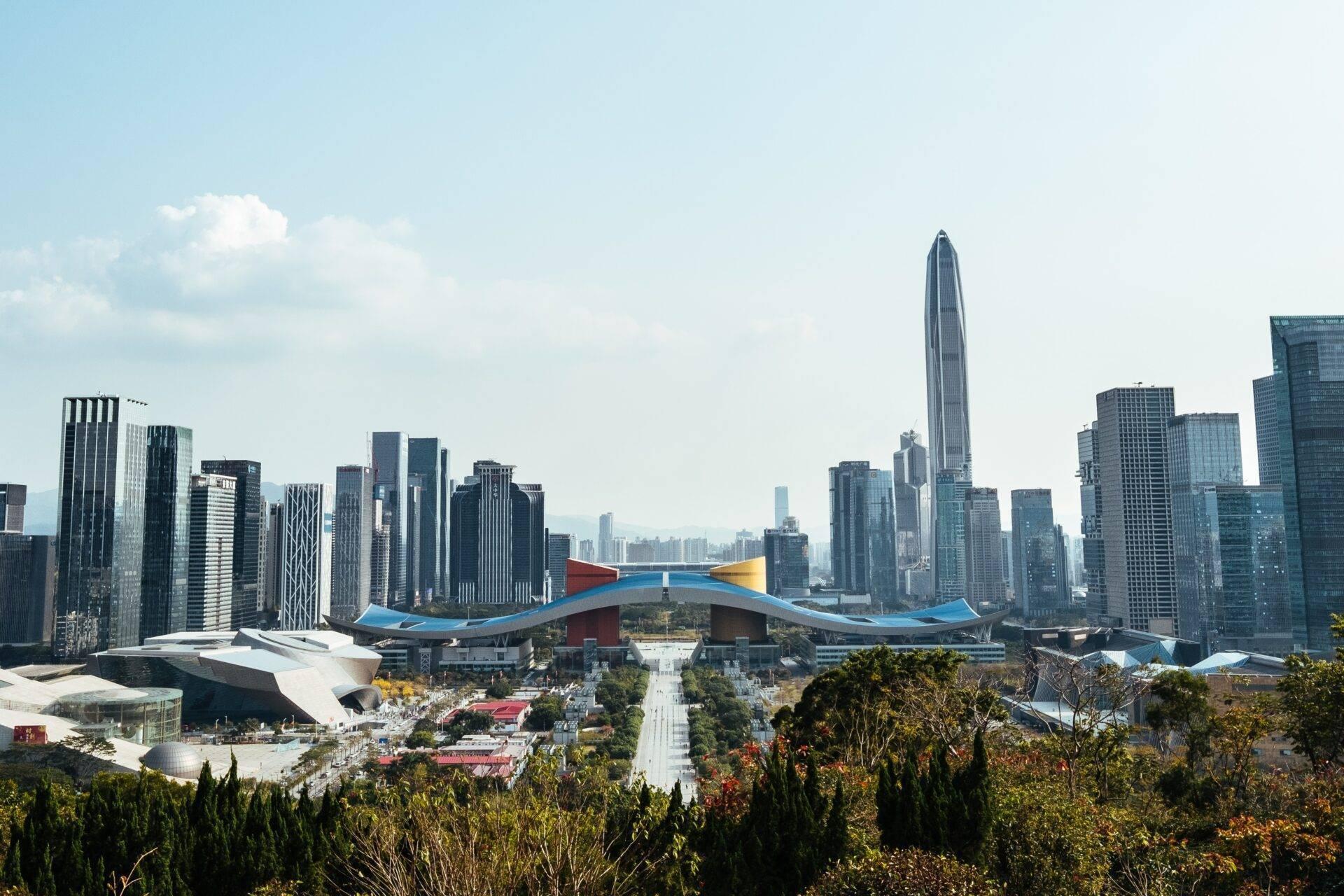
The Bund, lined with Art Deco colonial facades, faces Pudong and its glass towers: the contrast between the two banks of the Huangpu River is the sharpest possible summary of China’s modern transformation. A stroll along the waterfront at sunset, followed by a crossing to ride a panoramic lift on the Pudong side, delivers both faces of the city in a single evening.
13. Yu Garden
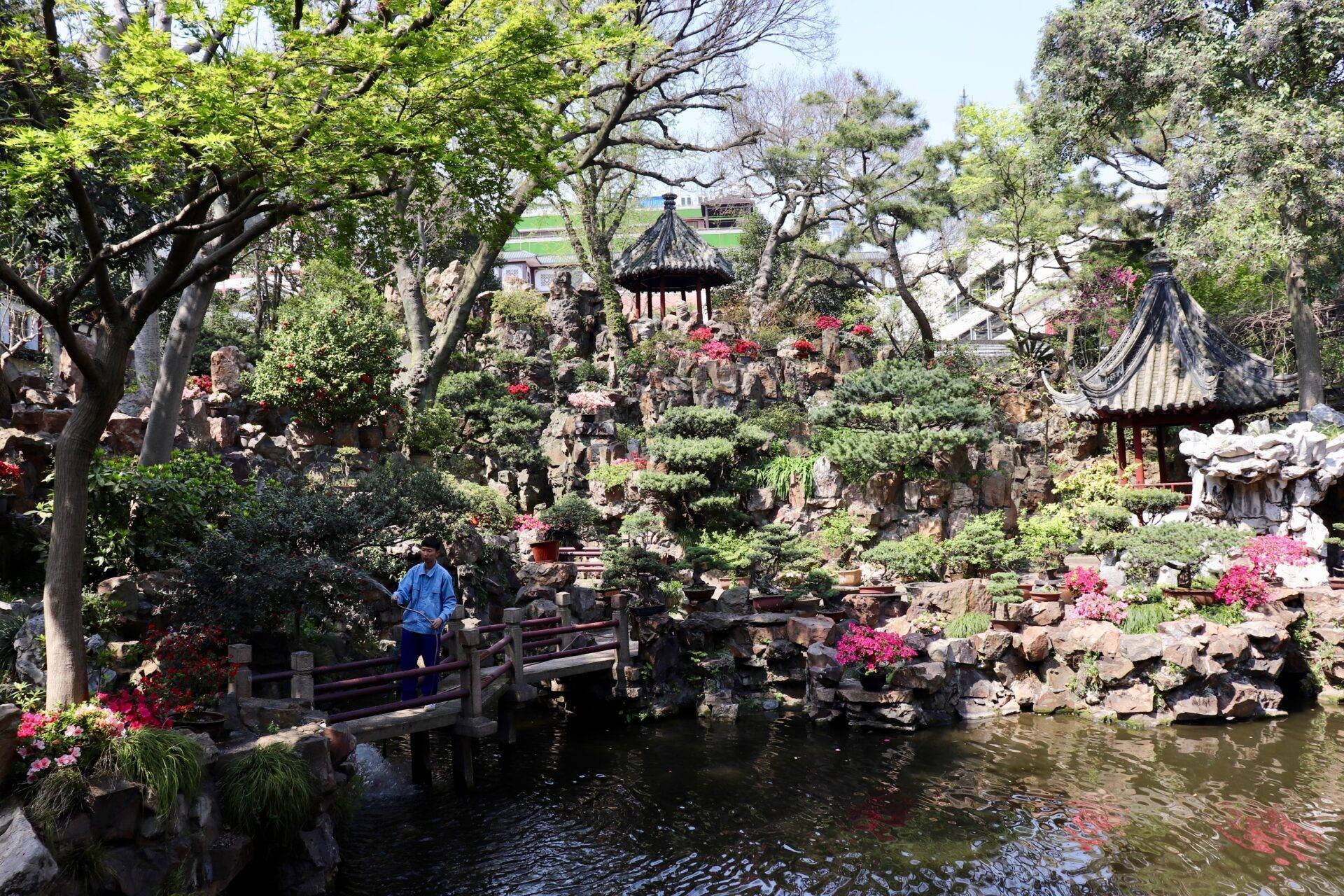
Built in the 16th century at the heart of Shanghai’s old Chinese city, Yu Garden is a concentrated masterpiece of Ming-dynasty architecture and landscape design. Its undulating walls, Taihu lake rocks and pavilions cantilevered over ponds deserve an hour or two of unhurried wandering.
14. Suzhou: gardens and canals
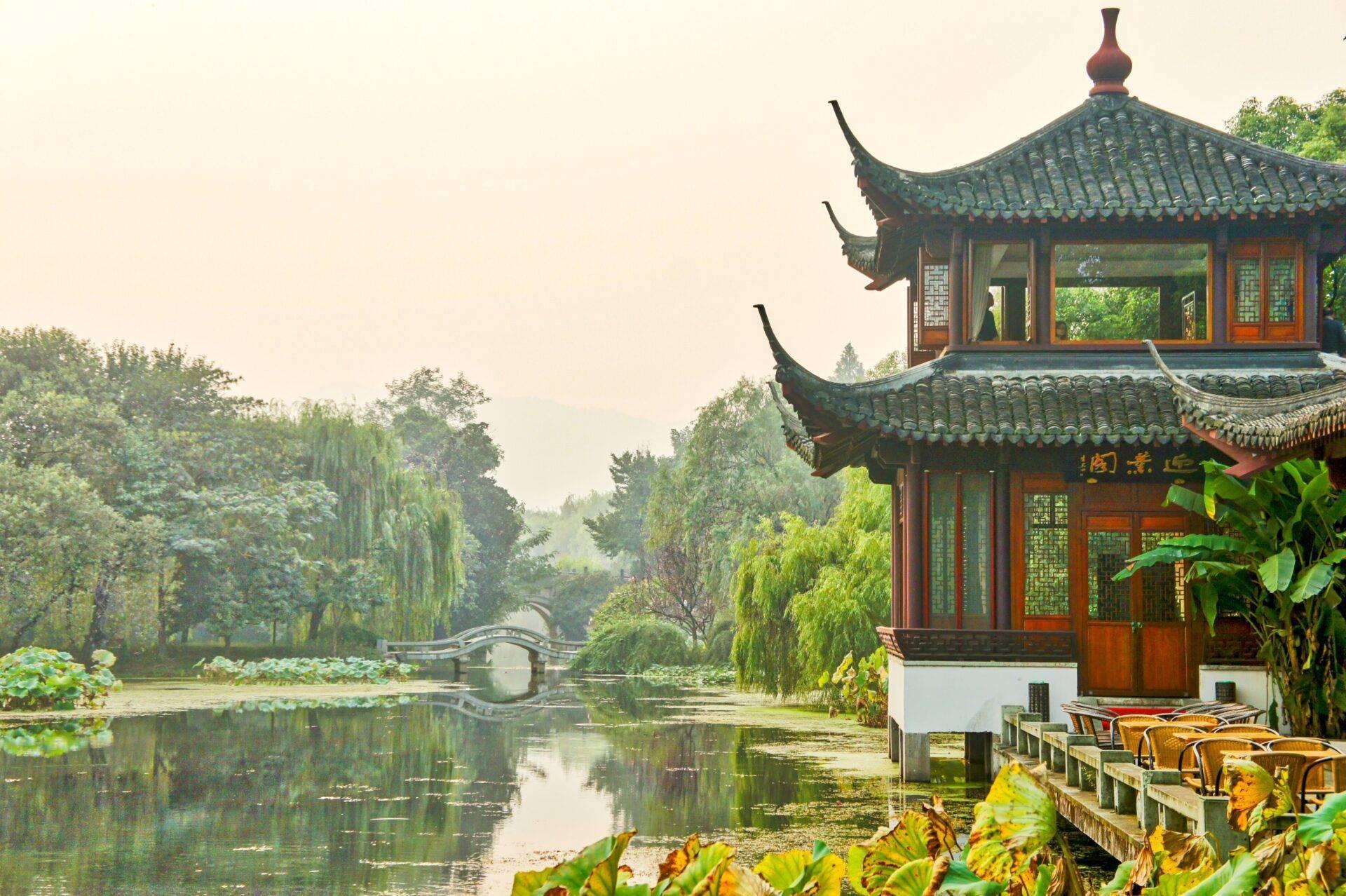
Thirty minutes from Shanghai by high-speed train, Suzhou is celebrated for its UNESCO-listed classical gardens and willow-lined canals. The Humble Administrator’s Garden and the Master of Nets Garden rank among the most refined. The city is best covered by combining a day among the gardens with an evening drifting along the illuminated canals.
15. The old quarters after dark
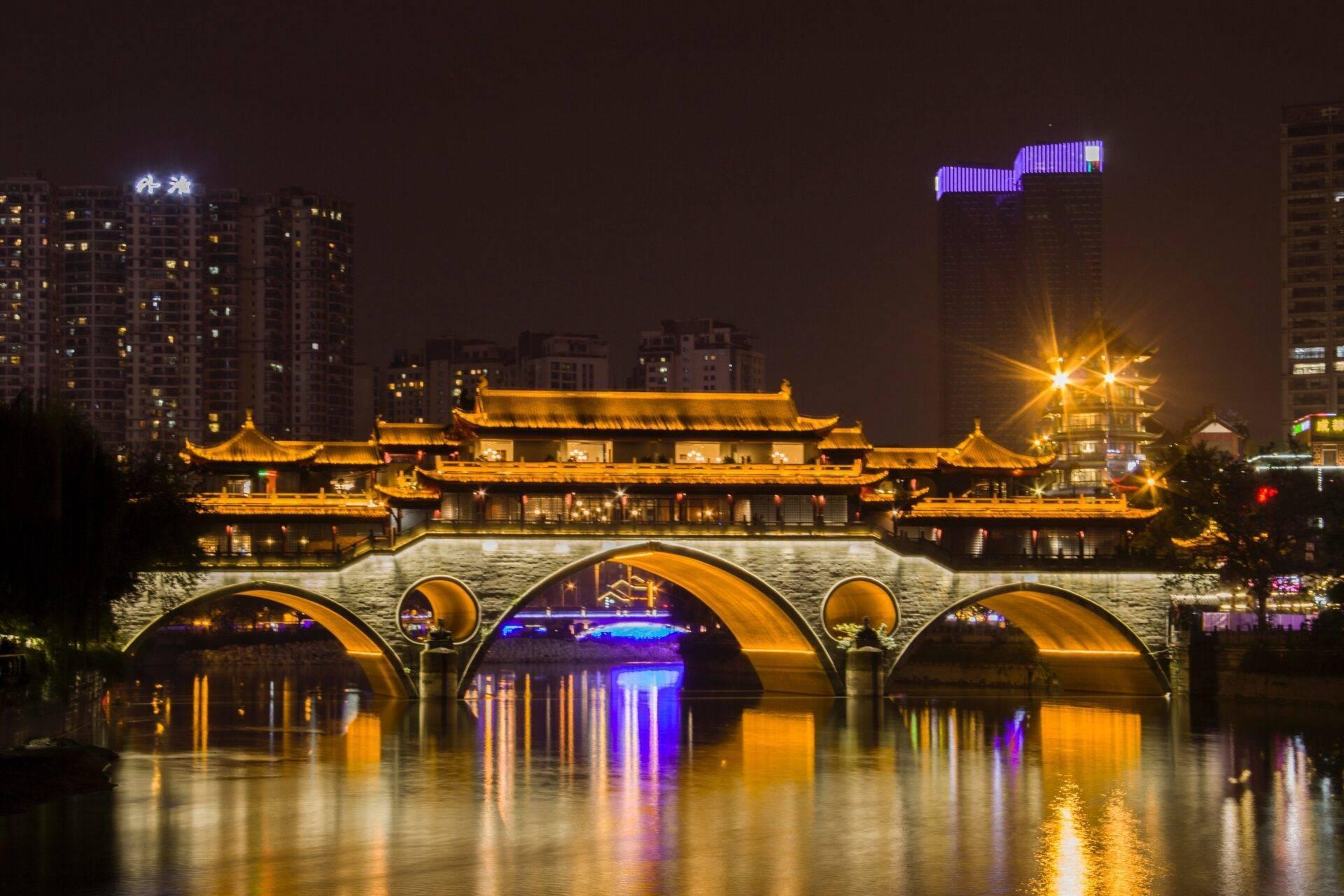
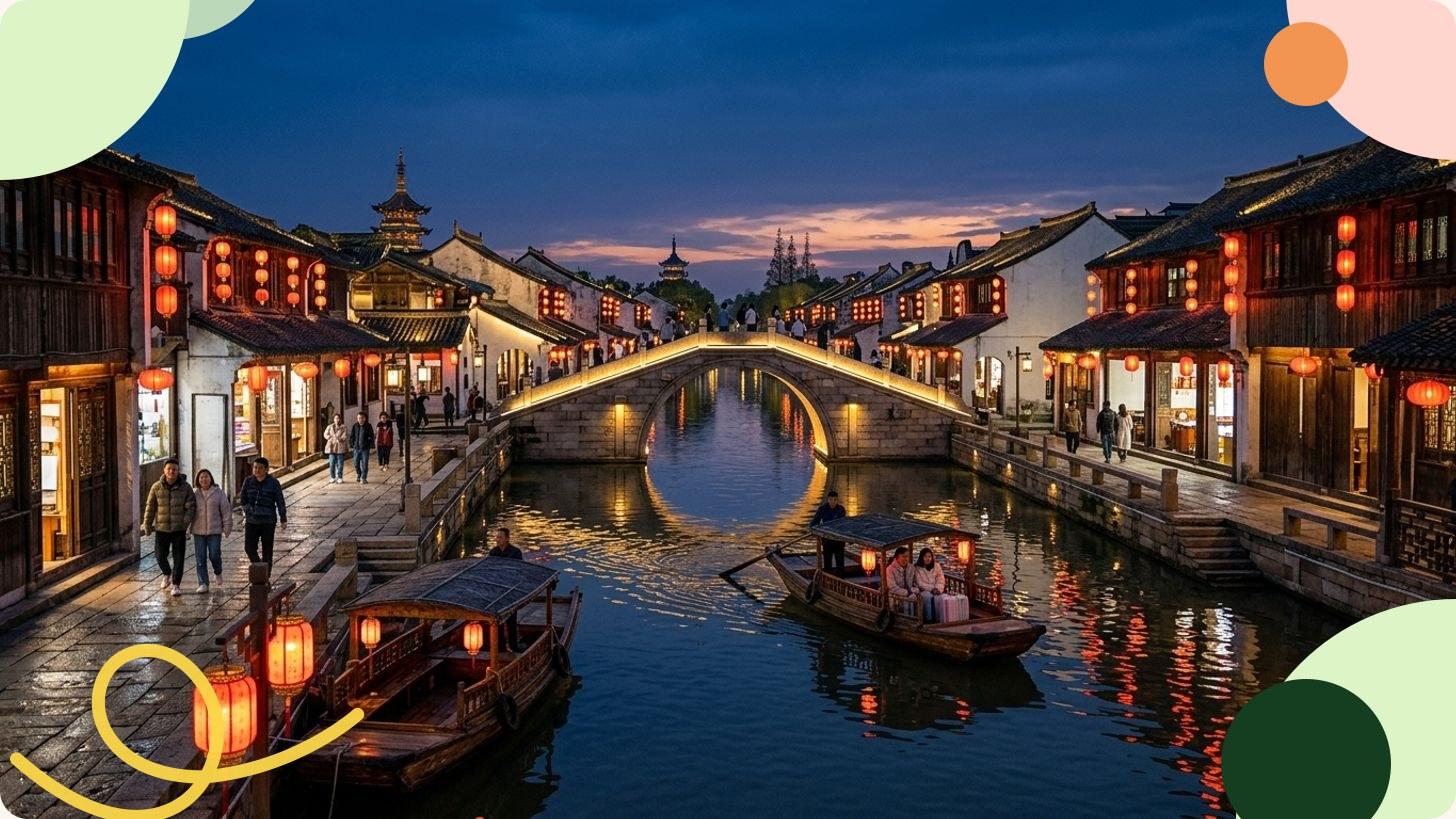
Nightfall reveals a different China: red lanterns, canal reflections, lit-up temples and stone bridges arching over the waterways. Around the Yuyuan Bazaar in Shanghai or in the alleyways of Suzhou, these evening strolls tend to be among the most lasting memories of a trip to the region.
16. The water towns of Jiangnan
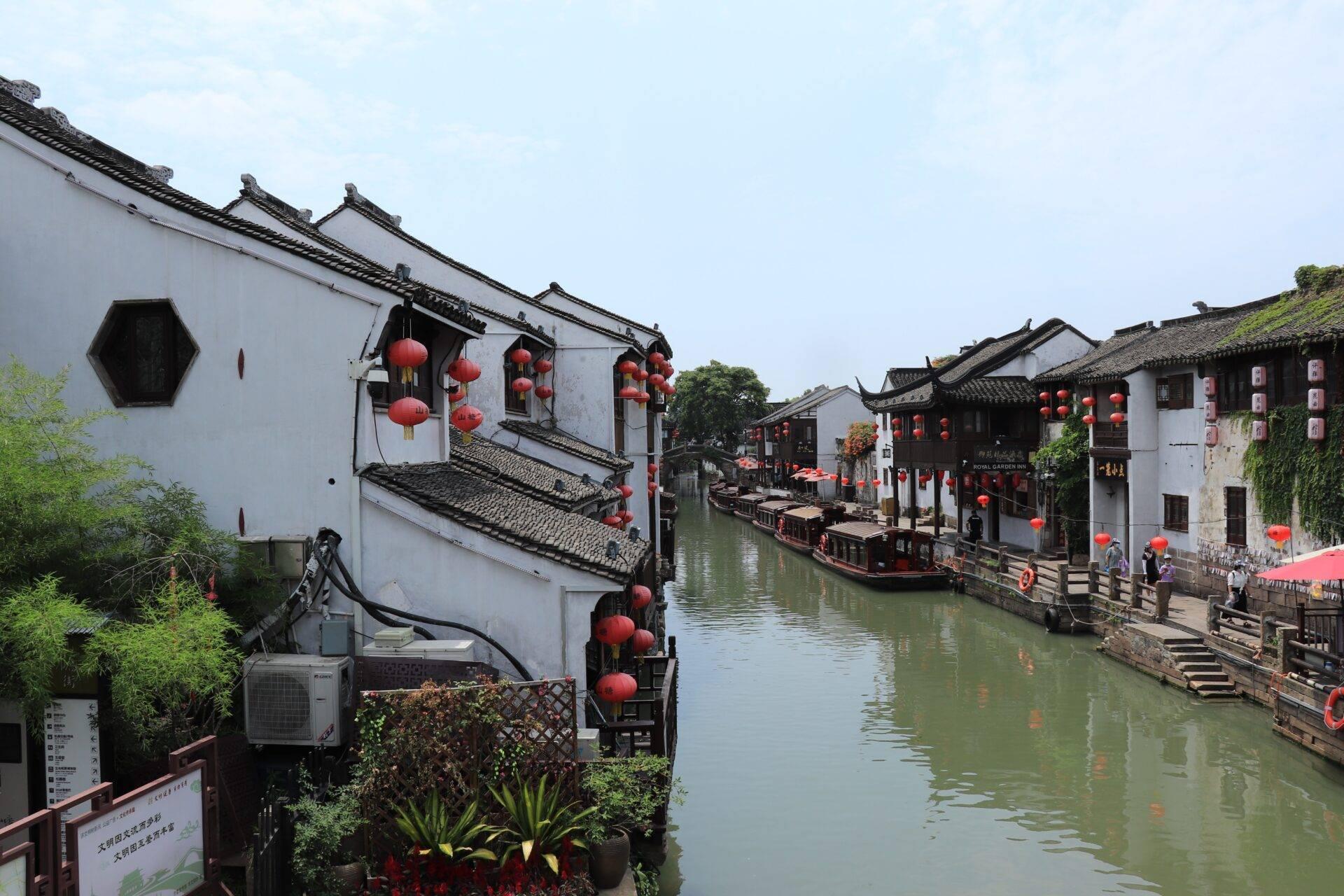
Wuzhen, Zhouzhuang, Xitang: these Jiangnan towns have kept their black-and-white timber-framed houses, stone bridges and canals where wooden barges still glide. Visit on a weekday to avoid weekend crowds, or in the evening when lanterns flicker over the water.
Western China: Tibet, the Yangtze and Yunnan
17. The Potala Palace in Lhasa
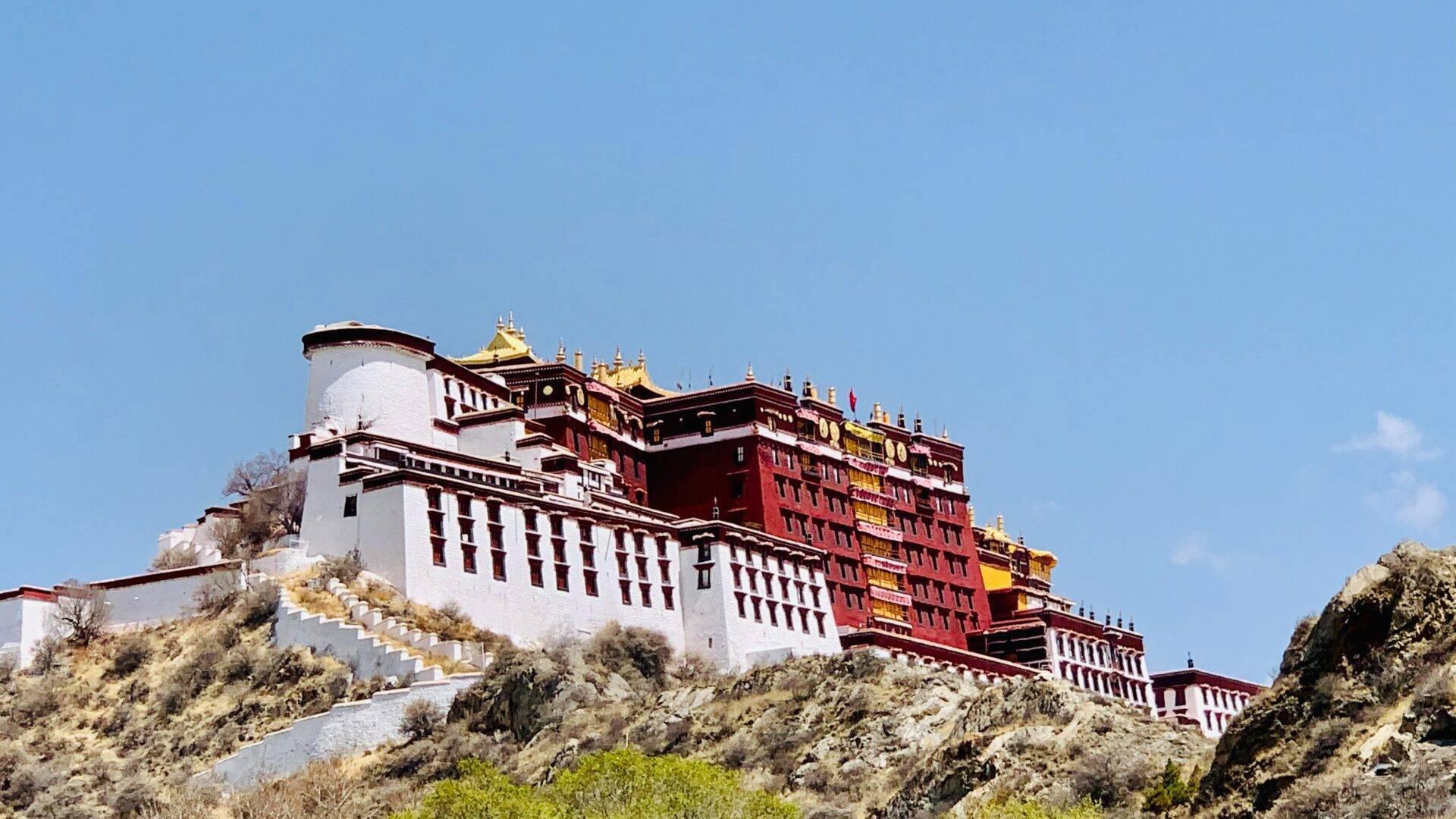
Perched at 3,700 metres above sea level on the Red Hill of Lhasa, the Potala Palace is a UNESCO World Heritage Site. Once the residence of the Dalai Lamas, it houses hundreds of rooms adorned with frescoes, thangkas and ritual objects. Acclimatising to the altitude is essential: allow one or two days of rest in Lhasa on arrival before you begin sightseeing.
18. The Three Gorges cruise
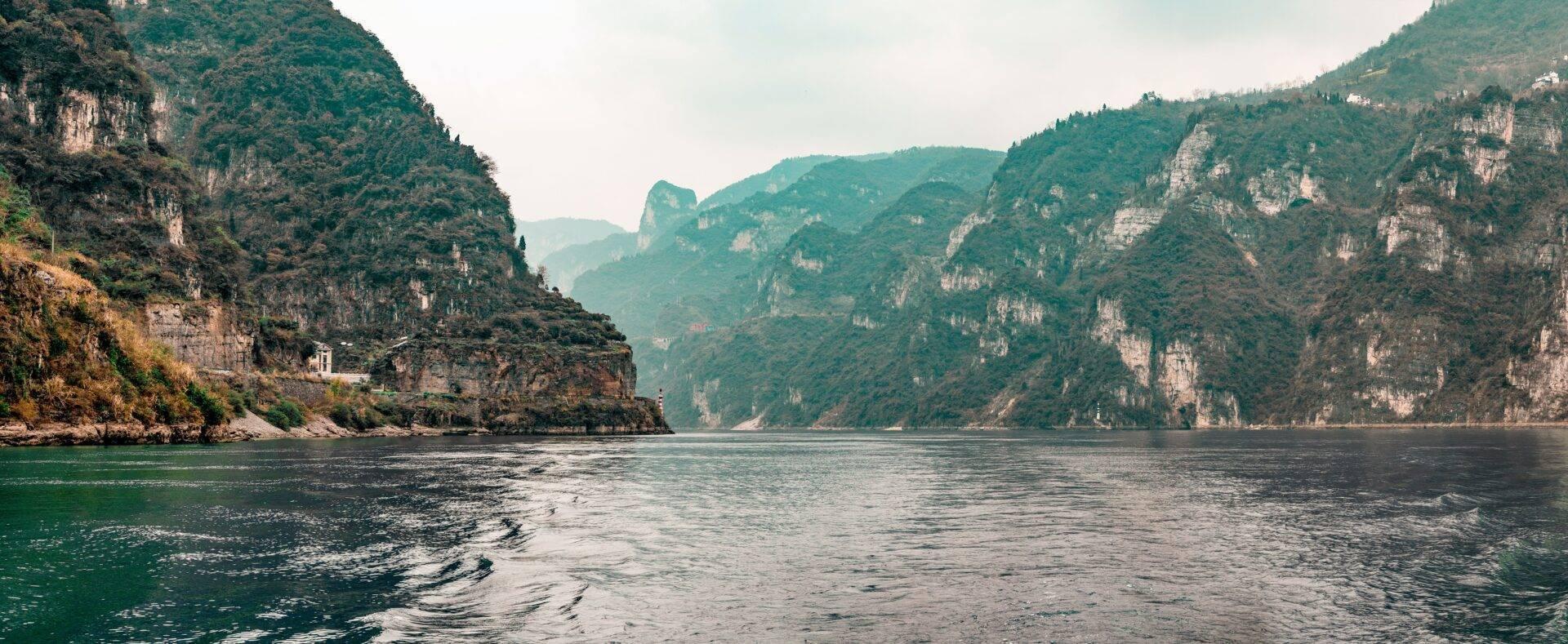
The Three Gorges (Qutang, Wu and Xiling) stretch along the Yangtze between Chongqing and Yichang. A river cruise remains the best way to grasp their scale: vertical limestone walls, villages clinging to the slopes and the deep rumble of the river at the foot of the gorges.
19. Lijiang and Naxi culture
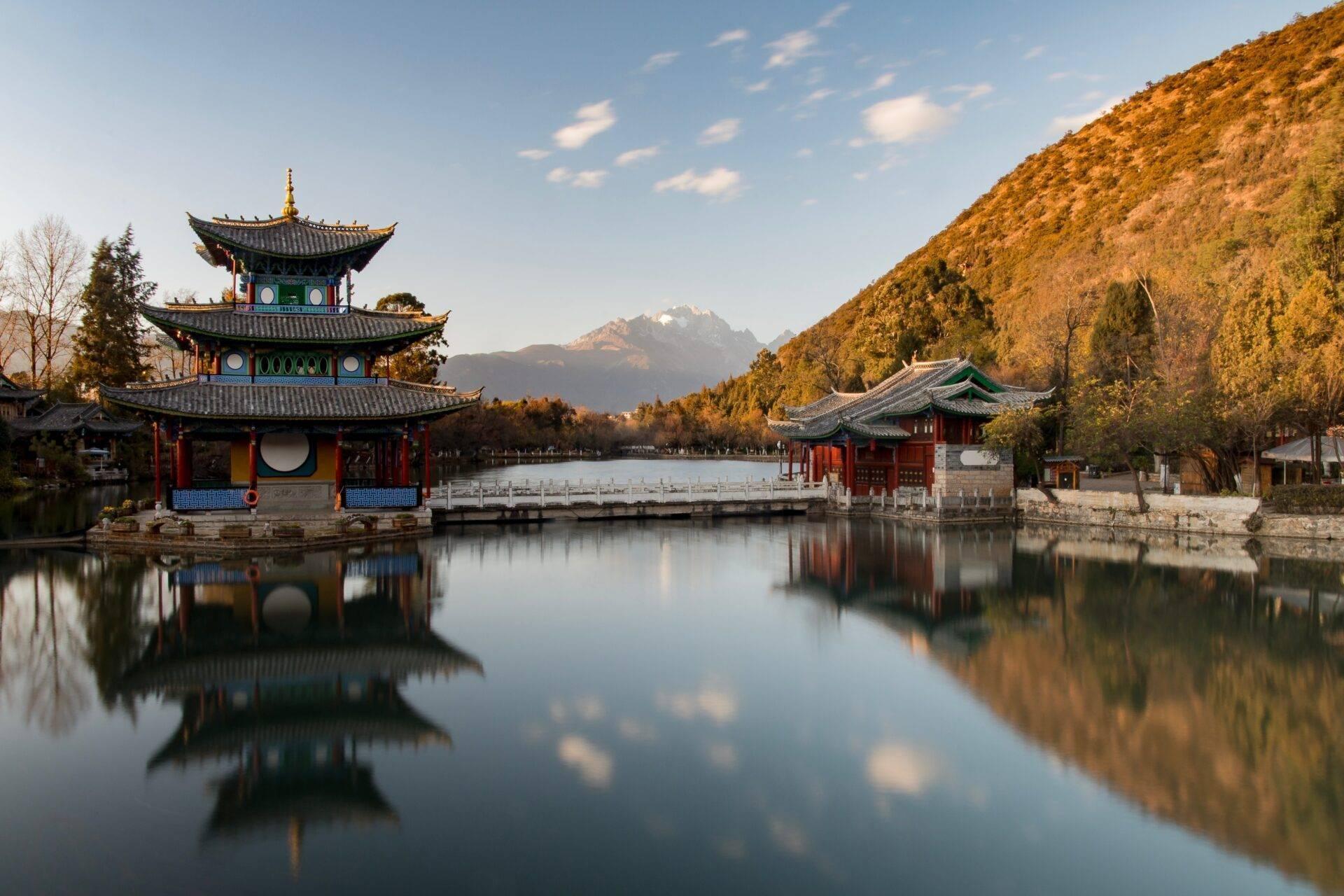
The old town of Lijiang in Yunnan has been a UNESCO World Heritage Site since 1997. It preserves the heritage of the Naxi civilisation: architecture blending Han, Bai and Tibetan influences, the Dongba pictographic script, and a network of streams that still runs through its cobbled lanes. The Jade Dragon Snow Mountain (Yulong Xueshan) and its permanent snowfields dominate the entire valley.
20. Chengdu and the giant panda base
In Sichuan province, Chengdu is the gateway to one of the few giant panda conservation programmes open to the public. The Chengdu Research Base of Giant Panda Breeding allows visitors to observe the animals in a bamboo grove setting. The city also deserves an evening for its historic Jinli Street and Sichuan cuisine, renowned for its bold, numbing and fiery flavours.
When to visit China
Spring (April-May) and autumn (September-October) suit the majority of Chinese destinations: mild temperatures, the landscape at its most vivid and reliably clear skies. Avoid the national holiday periods around 1 May and 1 October, when popular sites reach capacity.
Before you go
China has a dense, punctual high-speed rail network that makes multi-city itineraries straightforward. For visa requirements, travel health cover, recommended vaccinations and all the practical details before departure, see our dedicated China travel insurance page. If the Asia-Pacific region inspires you beyond China, our guides on things to do in Japan and things to do in Taiwan make natural companions.
FAQ
How long do you need to visit China?
A first trip of three weeks allows you to cover four or five regions (Beijing, Xi’an, Guilin and Shanghai, for example). A month opens up the possibility of adding Yunnan or Tibet. China is so vast that a single trip rarely does it justice: it is better to choose a theme or a geographical axis.
What is the best time of year to visit China?
Spring (April-May) and autumn (September-October) suit most destinations. Avoid the national holiday periods around 1 May and 1 October: sites fill to capacity and prices rise. Tibet is open to foreign visitors between April and November.
Can you travel in China independently, without speaking Chinese?
Yes: major cities and key tourist sites have English signage and reliable translation apps. A local guide is nonetheless recommended for the Forbidden City, the Terracotta Army and sites in Tibet, where the historical and spiritual context is layered and dense.
How do you travel between cities in China?
The high-speed rail network is dense and punctual, linking major cities in just a few hours. Flying is more practical for long distances (Shanghai to Lhasa, for instance). The Ctrip or 12306 apps let you book train tickets and flights from abroad.
Do you need travel insurance for China?
Medical costs in China can be significant for foreign visitors, and emergency repatriation carries a hefty price tag. Cover that includes overseas medical treatment and emergency repatriation is strongly recommended. See our China travel insurance page for all the practical details before you depart.