
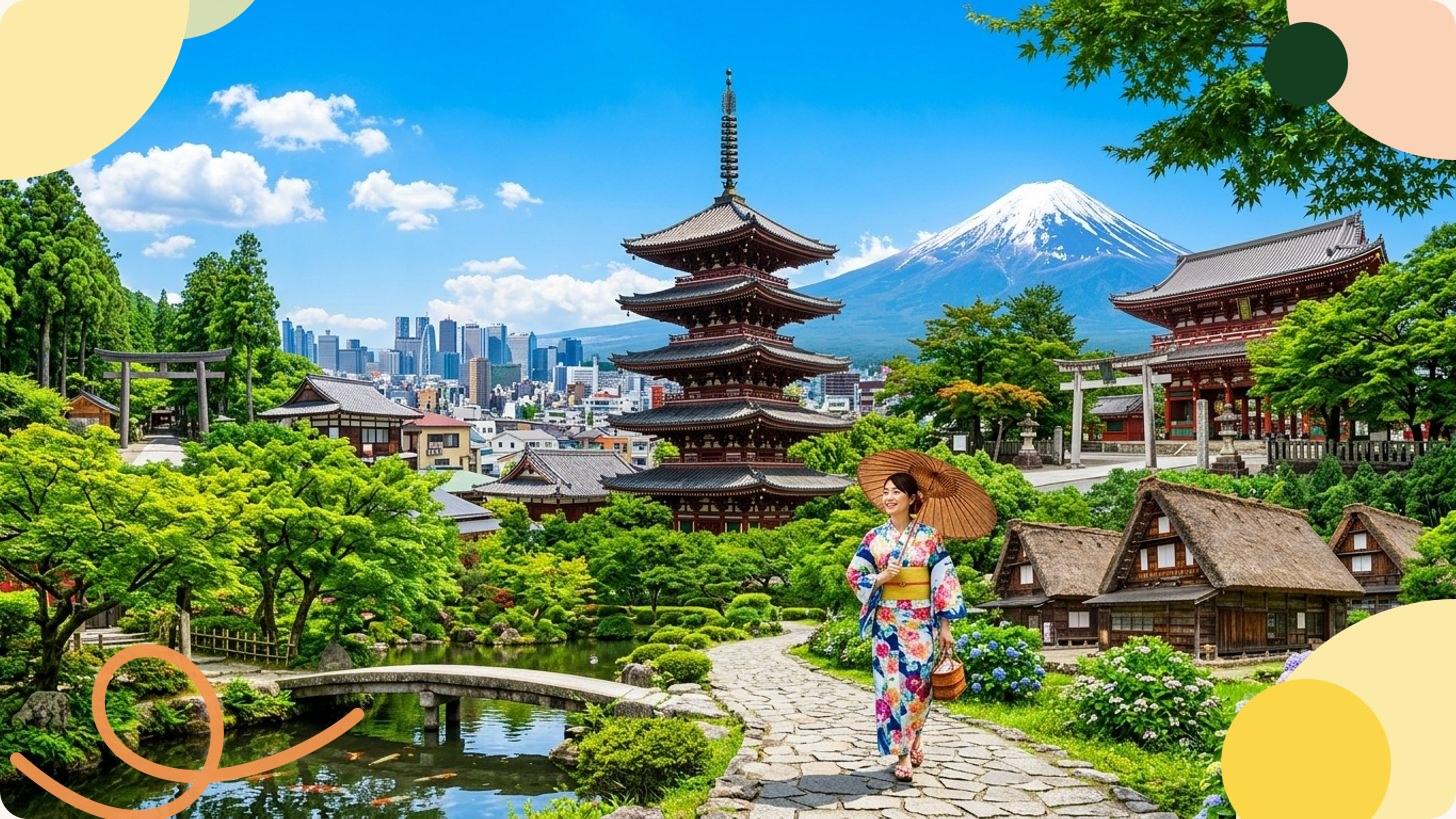

Japan packs a lifetime of experiences into a few weeks: ancient temples and ultra-modern cities, bamboo forests and snow-capped volcanoes, extraordinary cuisine and cherry blossoms in full bloom. For a first trip of two to three weeks, the classic Tokyo-Fuji-Kyoto-Osaka-Hiroshima route gives you more than enough to fill a travel journal. This guide picks out 20 unmissable experiences, from architectural splendour to everyday pleasures, to help you build an itinerary that lives up to your expectations.
Get my travel insurance quoteTokyo: a megacity of a thousand faces
Tokyo defies every cliché: each neighbourhood has its own pace, its own atmosphere and its own unspoken rules. Exploring it on foot, by metro or by bicycle is, in itself, a journey.
1. Iconic neighbourhoods: Shibuya, Asakusa, Harajuku
At Shibuya, the famous pedestrian crossing sees thousands of people surge across in every direction at once – it is the defining image of urban Japan. In Asakusa, streets lined with century-old shops lead to Senso-ji, Tokyo’s oldest temple. Harajuku channels Japan’s boundless pop creativity, while the artisan quarter of Yanaka has preserved the soul of old Tokyo.
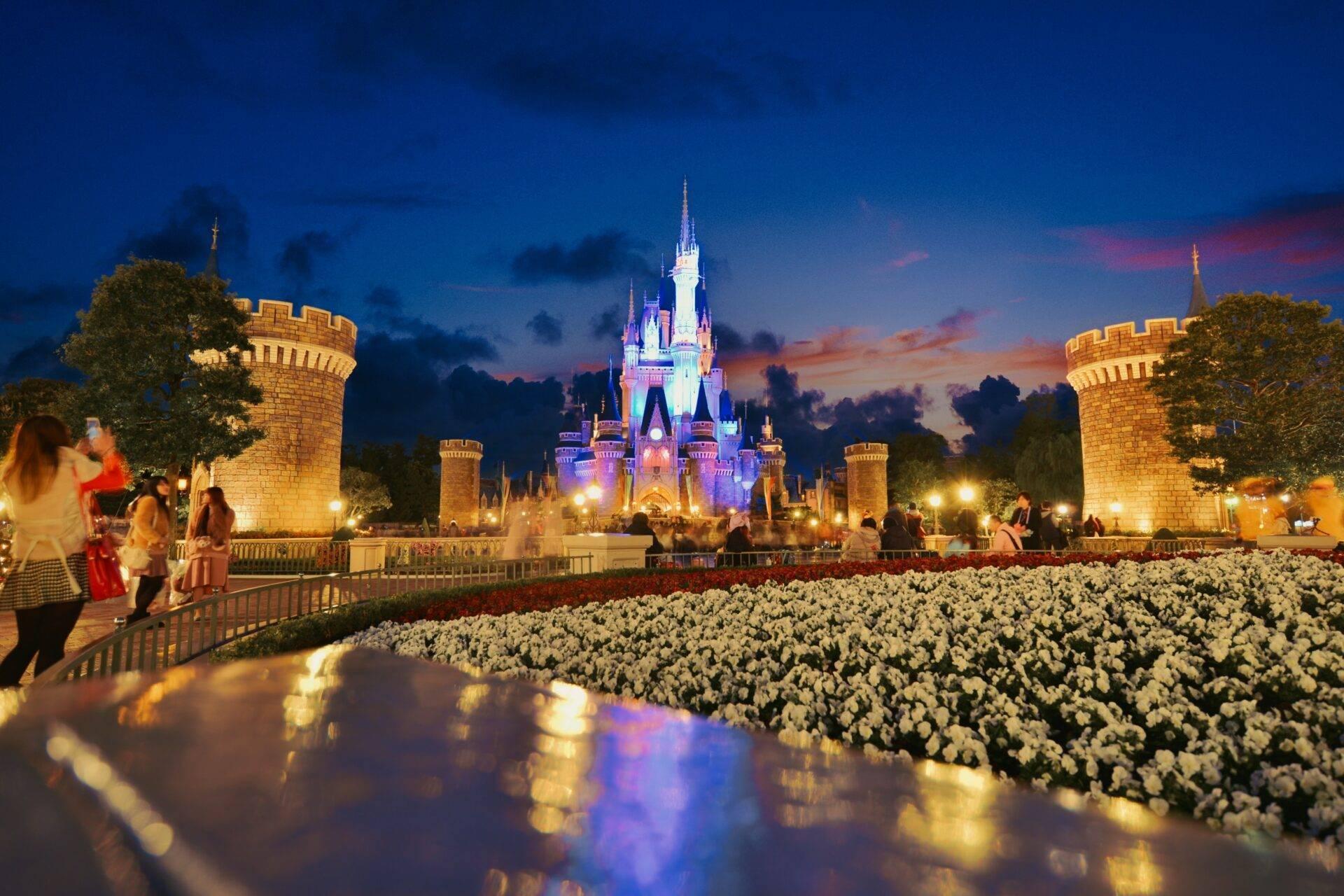
2. Tokyo Disneyland: Disney magic, Japanese style
Tokyo Disneyland is renowned for its exceptionally high standards: impeccable cleanliness, warm hospitality and meticulous upkeep of every attraction and set. The classic lands (Fantasyland, Tomorrowland, Adventureland) are complete in every detail, and the shows are worth catching even on a grey day. Allow a full day to make the most of it.
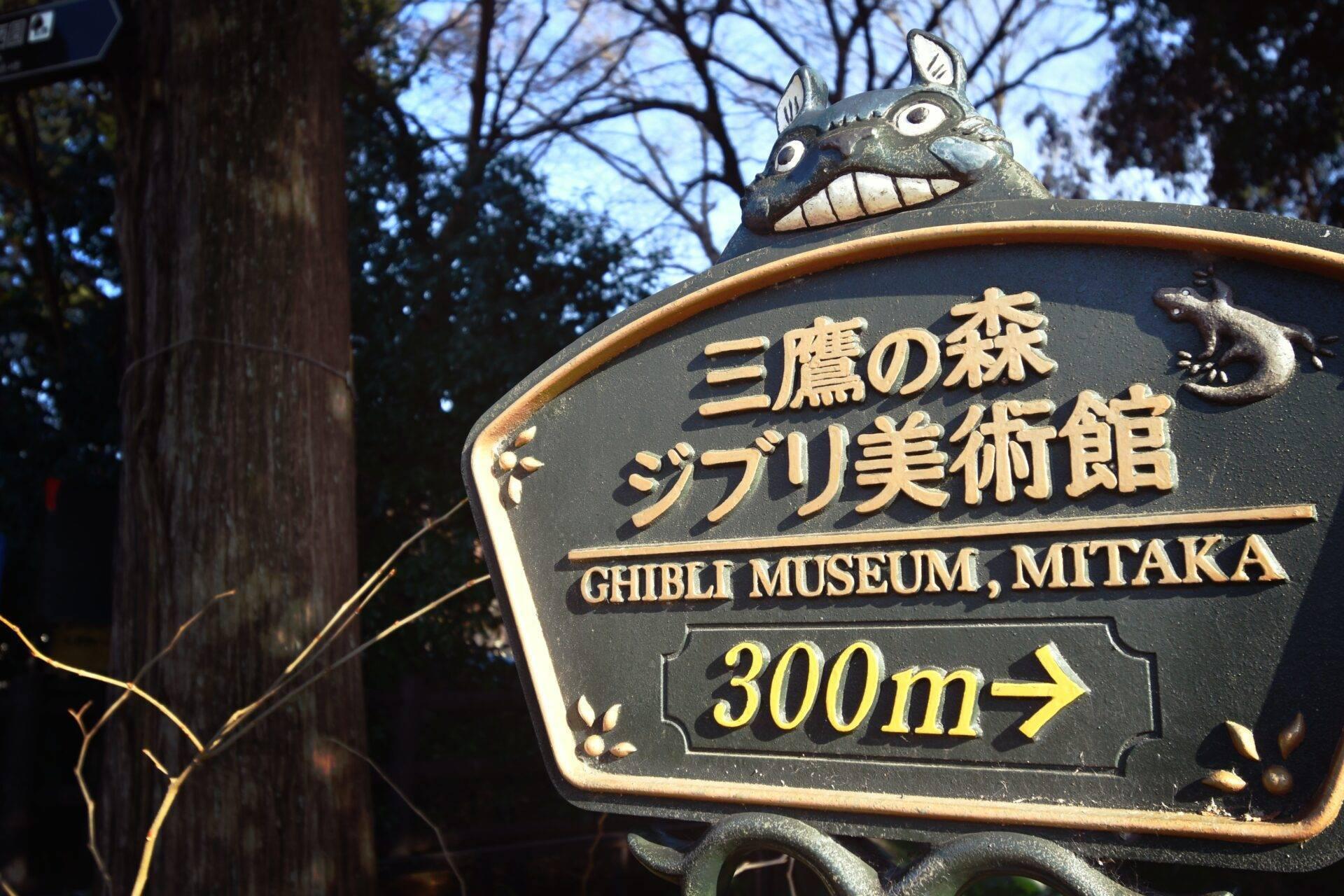
3. The Ghibli Museum in Mitaka: stepping into Miyazaki’s world
In Mitaka, west of Tokyo, the Ghibli Museum immerses visitors in the worlds of Hayao Miyazaki: My Neighbour Totoro, Spirited Away, Howl’s Moving Castle. Unlike theme parks, the atmosphere here is intimate and poetic. Tickets are issued by name and time slots are strictly limited: book through the official website several weeks in advance.
Beyond Tokyo: Mount Fuji, sacred forests and hot springs
Two to three hours by train from the capital, three escapes reveal a more natural and spiritual side of Japan.
4. Mount Fuji: the country’s ultimate icon
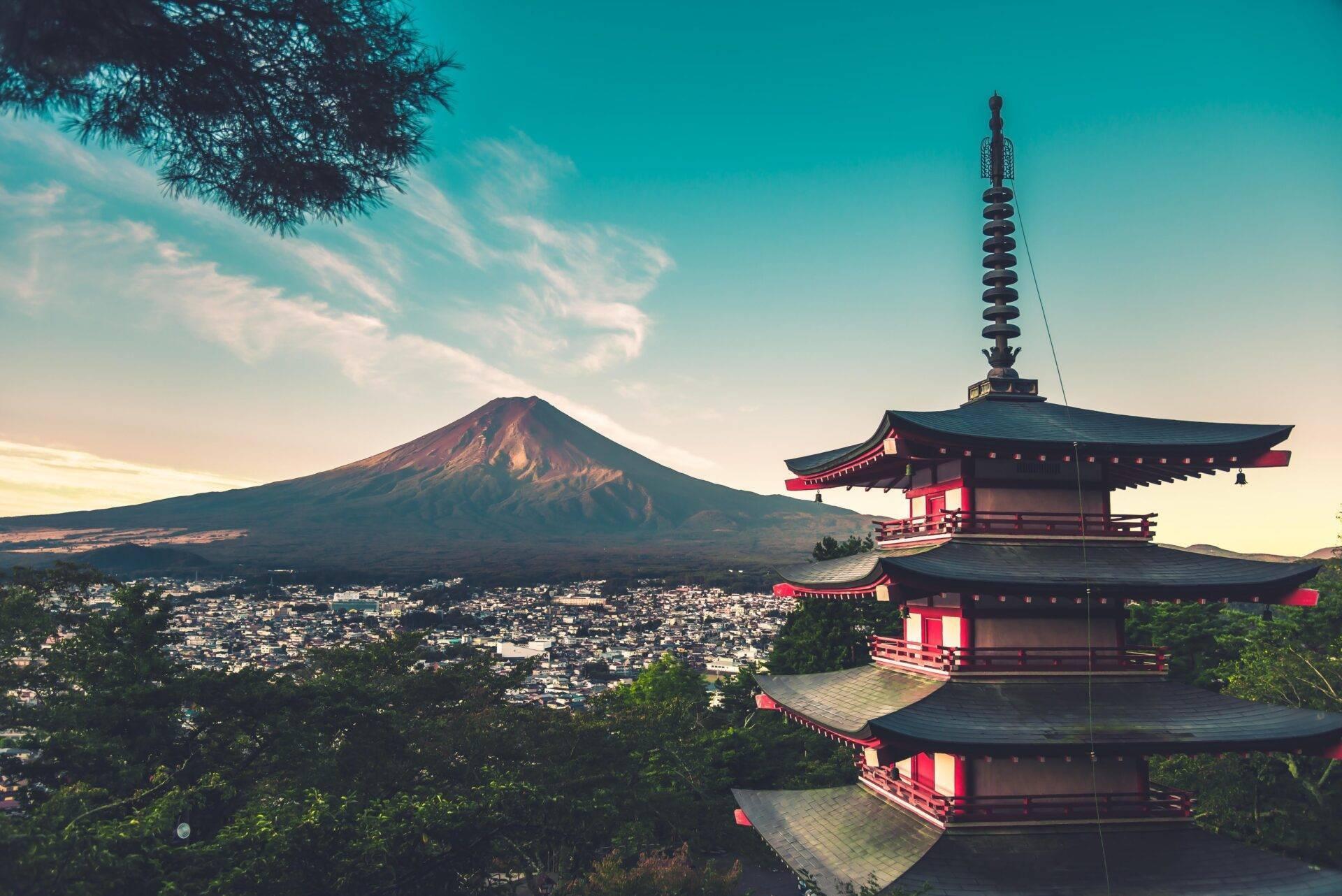
Mount Fuji rises to 3,776 metres and has stood as Japan’s national emblem for centuries. From the lakes that surround it, particularly Lake Kawaguchi, the reflection of the volcano in calm water makes for breathtaking views. The official climbing season generally opens in July; outside that window, the view from Arakura Sengen Shrine and its red pagoda remains spectacular.
5. Nikko: ornate temples in the heart of the forest
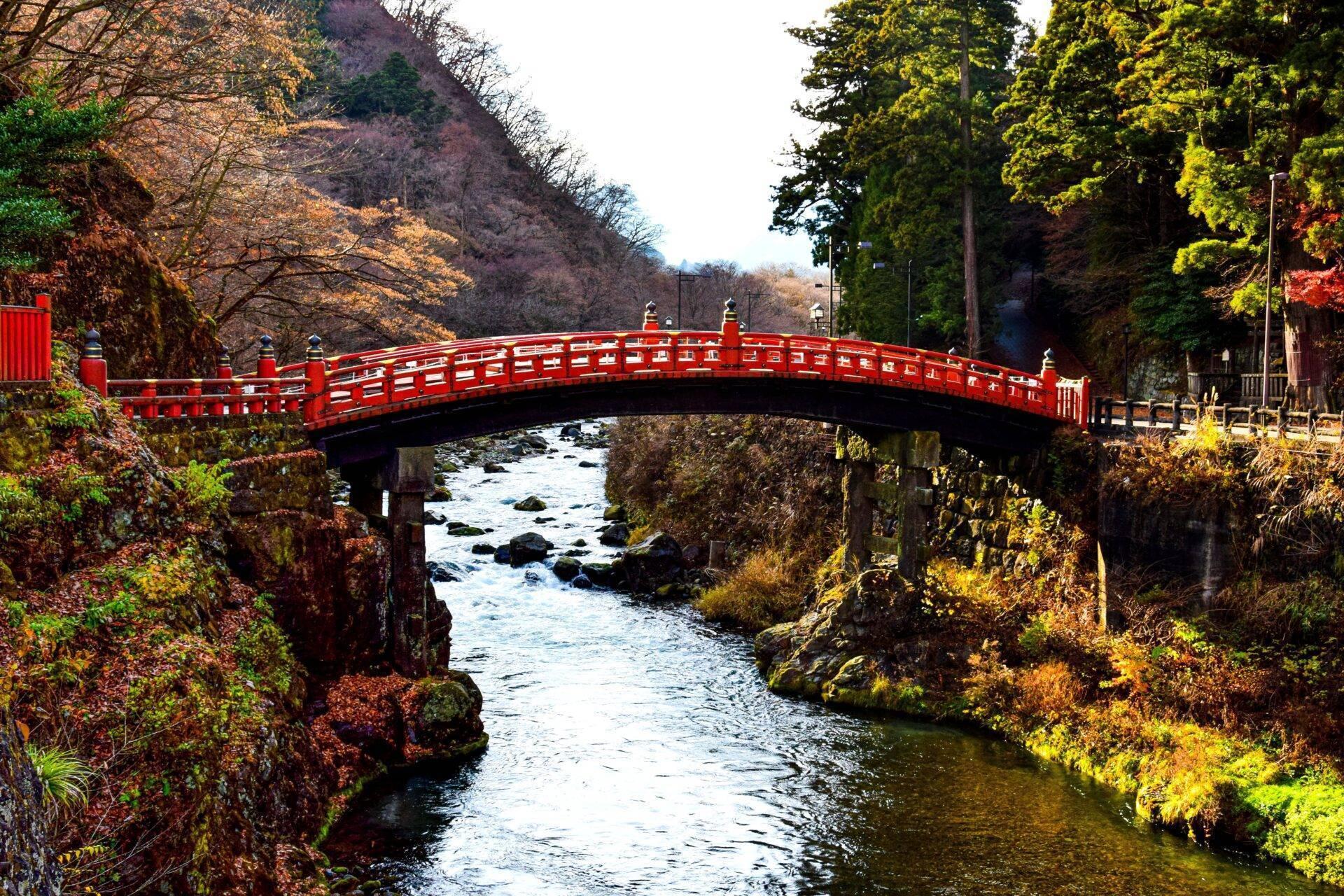
Less than two hours from Tokyo, Nikko is a Unesco World Heritage site that combines ancient forests with some of Japan’s most ornate religious architecture. Century-old Japanese cedars lining the avenues create a deeply solemn atmosphere. In autumn, the maple trees turn the park into a blazing canvas of reds and golds.
6. Hakone: views of Fuji and a soak in the hot springs
Hakone, reached by limited express from Tokyo, is the classic starting point for a hot-spring break. Lake Ashi, ringed by dense forest, offers one of Japan’s most photographed views of Mount Fuji on a clear day. Staying at a ryokan with an outdoor thermal bath (rotenburo) is one of the most restorative experiences the country has to offer.
Kyoto: the soul of traditional Japan
Former imperial capital for more than a thousand years, Kyoto is home to hundreds of Buddhist temples, Shinto shrines and carefully composed Zen gardens. It is the Japanese city that rewards the most time. For a detailed itinerary, our guide things to do in Kyoto covers all the must-see addresses and circuits.
7. Fushimi Inari Shrine: thousands of vermilion torii gates
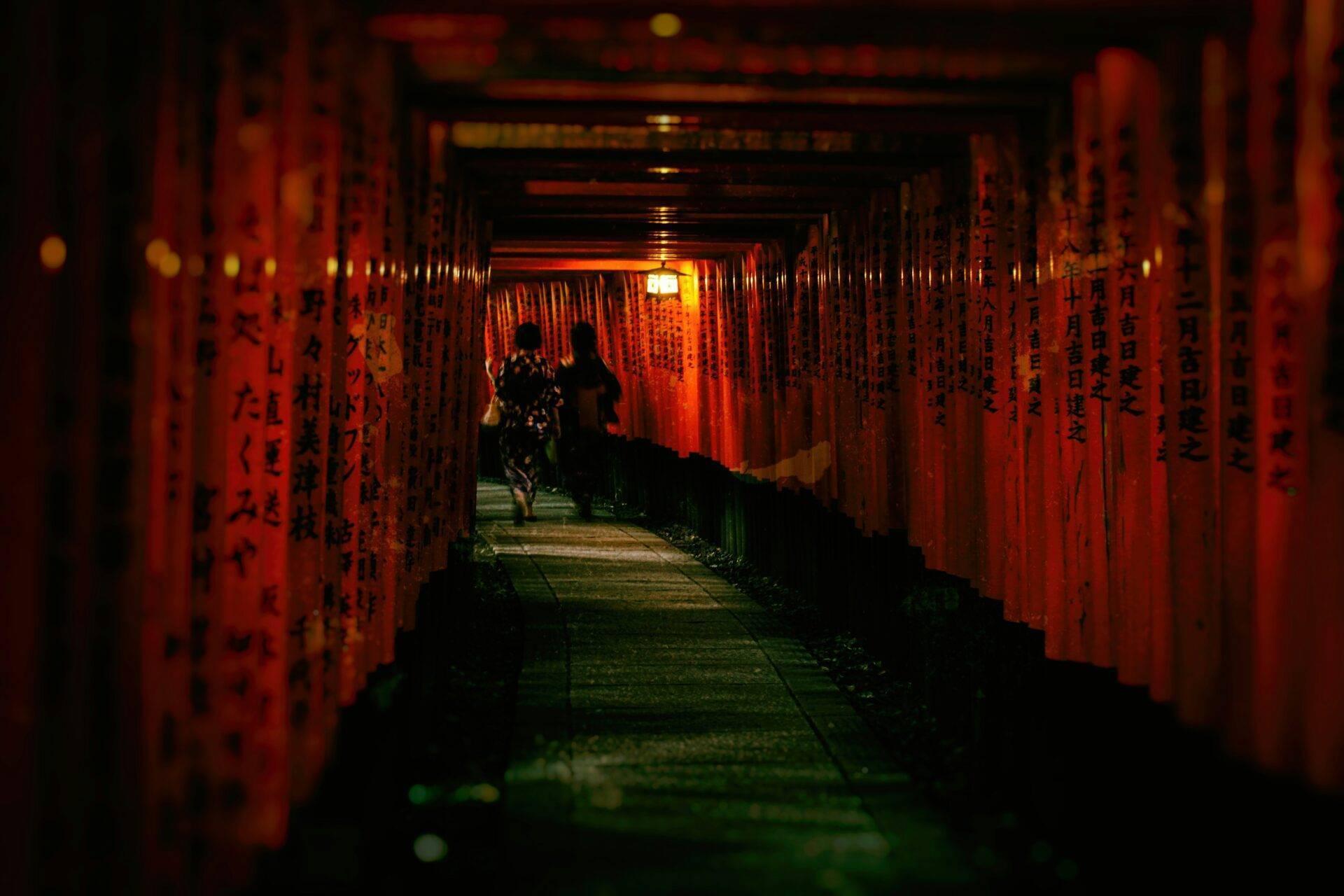
Fushimi Inari is arguably Japan’s most recognisable image after Mount Fuji. Thousands of vermilion torii gates form continuous tunnels through the forest of Mount Inari. Arriving early in the morning or at dusk lets you avoid the crowds and soak up a more contemplative atmosphere.
8. Kinkaku-ji, the Golden Pavilion: Kyoto’s perfect postcard
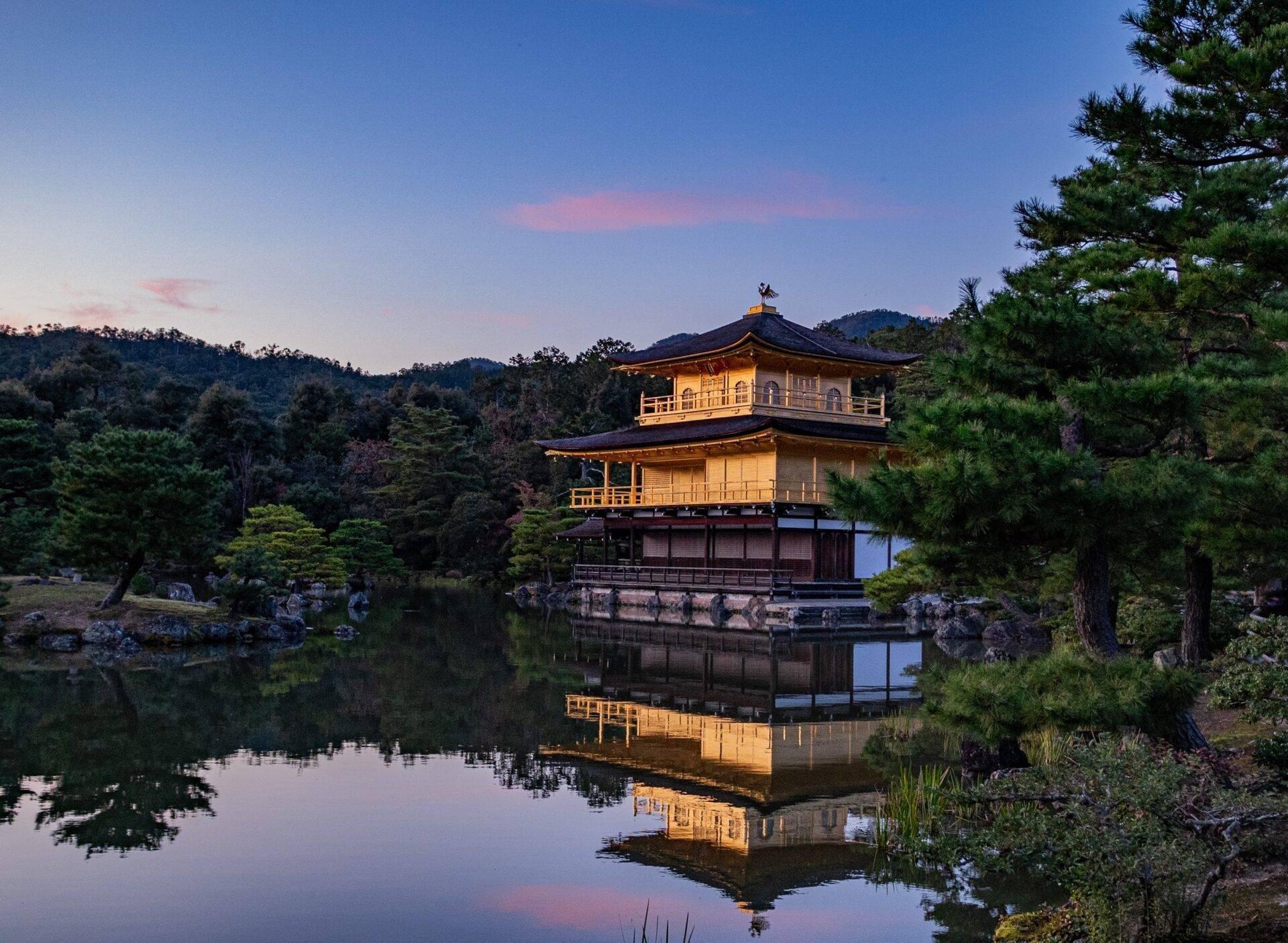
Covered in genuine gold leaf, the Golden Pavilion casts its reflection in the ornamental pond beside it. Among the most reproduced images in the world, it is no less striking in real life. The surrounding garden exemplifies the Japanese strolling garden (kaiyushiki): every angle has been considered and every stone placed with intent.
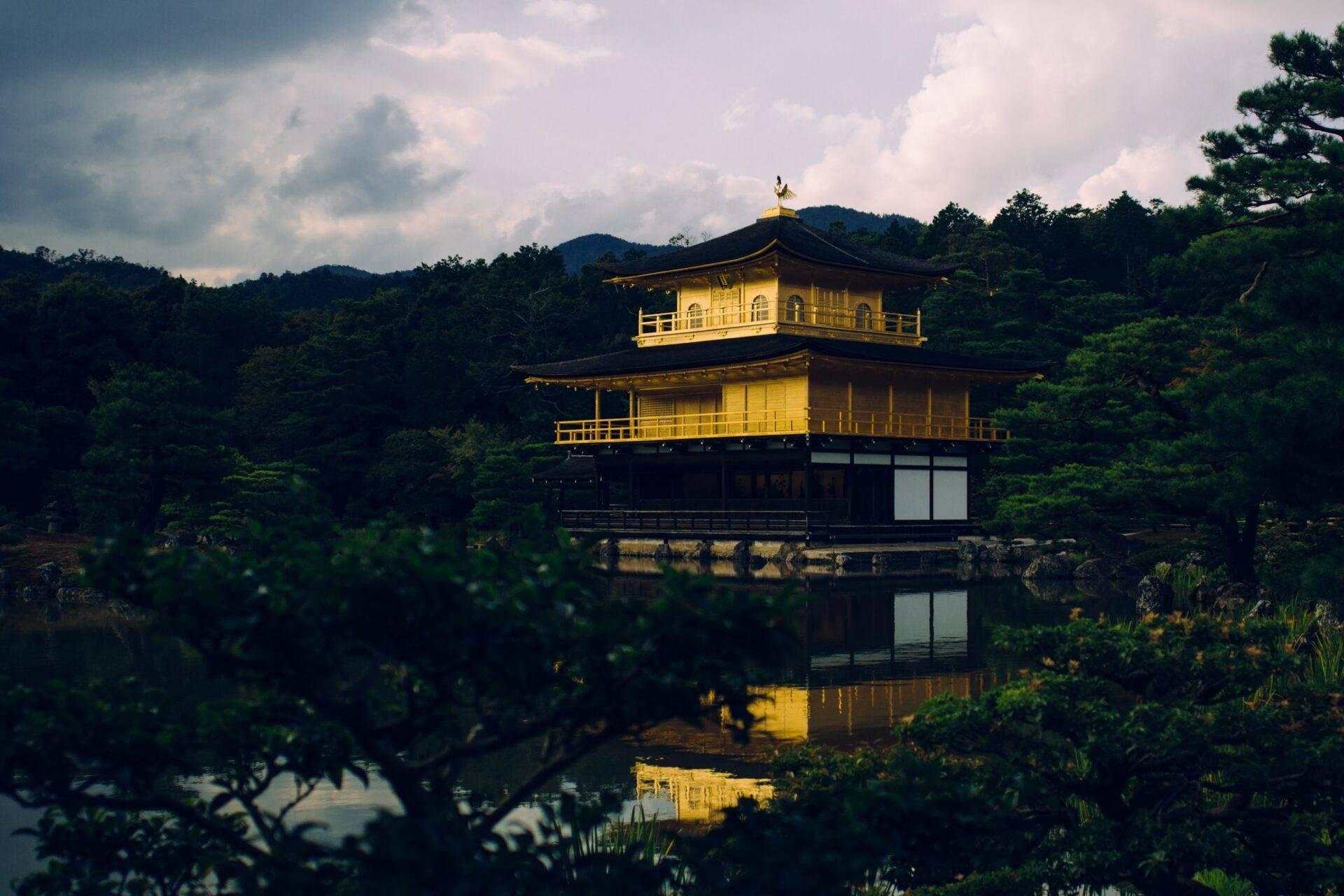
The light transforms the pavilion’s silhouette with the hour: golden in the midday sun, copper-toned at dusk, ghostly beneath the first winter snows.
9. The Arashiyama bamboo grove: an otherworldly path
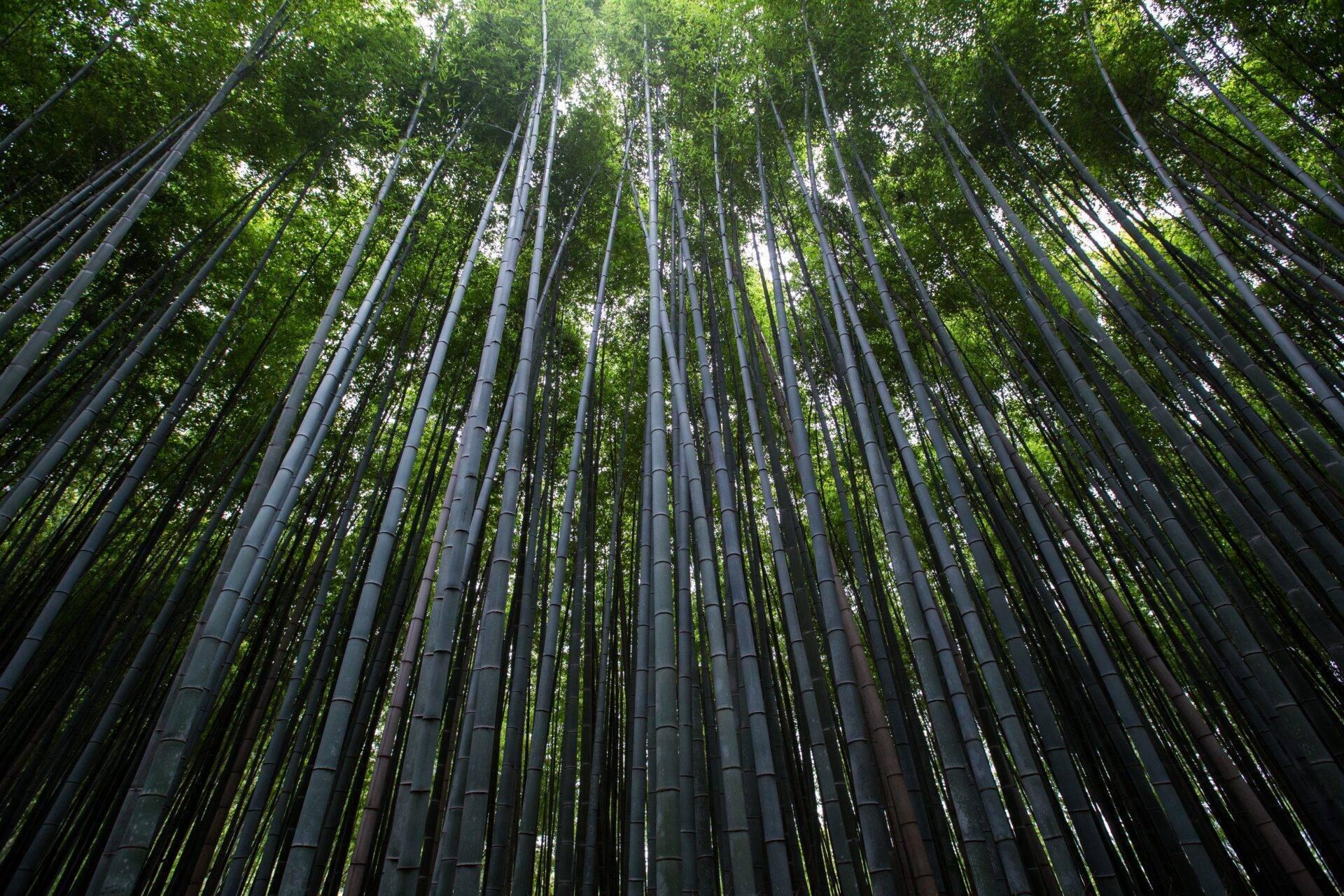
On Kyoto’s western outskirts, Arashiyama is home to a grove of towering bamboo so dense it creates an almost otherworldly atmosphere. The light filtering through the stalks early in the morning makes for extraordinary photographs. The nearby Oi River, lined with cherry trees in spring and maple trees in autumn, extends the enchantment.
10. Ginkaku-ji, the Philosopher’s Path and the Gion district
Kyoto holds quieter treasures too: Ginkaku-ji (the Silver Pavilion) with its raked sand garden, the Philosopher’s Path winding along a cherry-tree-lined canal between two temples, and the Gion district where maiko can still be spotted on evening strolls. These places reveal themselves differently with the seasons: pink in April, golden in November, white in January.
Nara and Osaka: sacred deer, history and pop culture
11. Nara: hand-feeding deer in Japan’s ancient capital
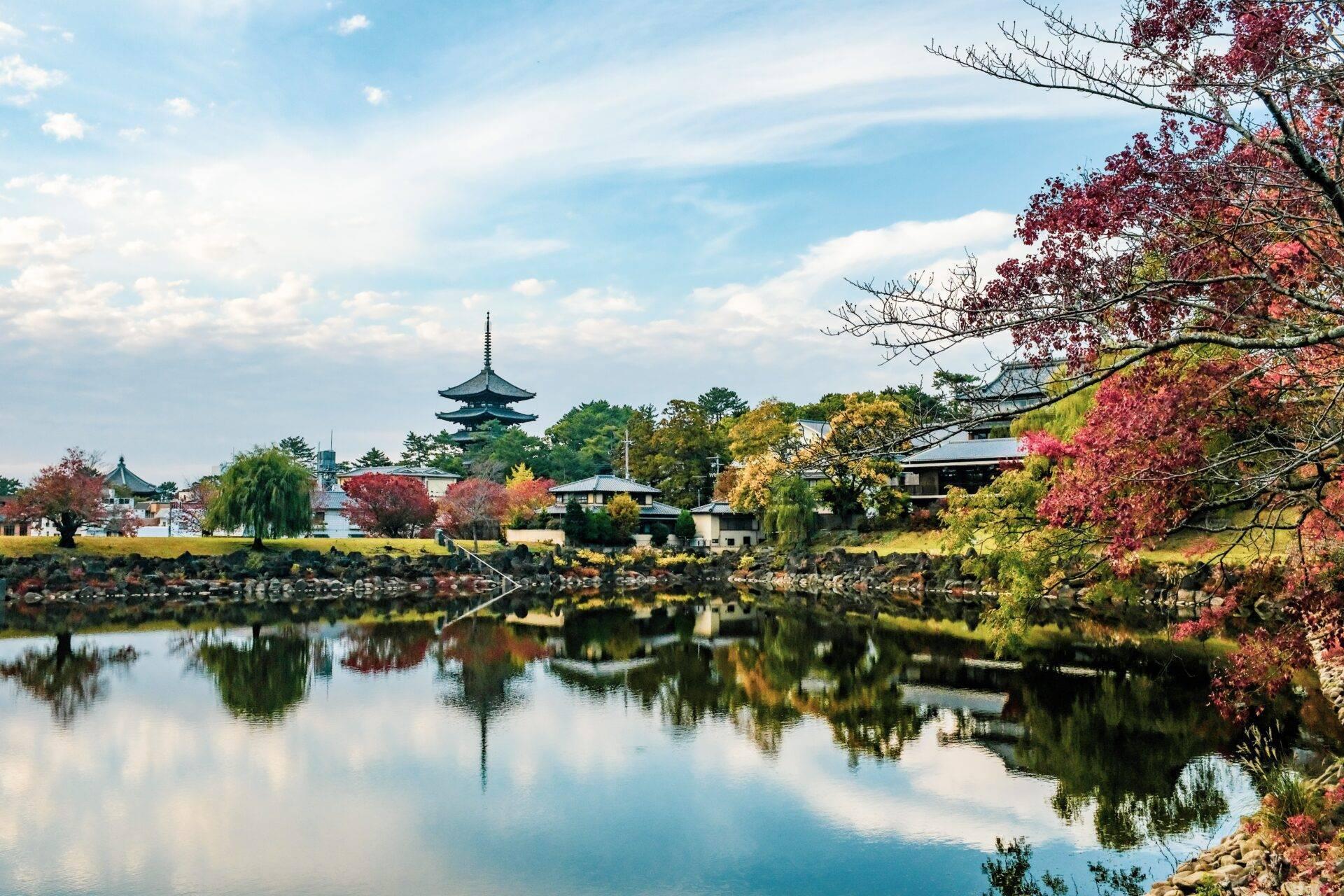
Nara, 45 minutes from Kyoto by train, was Japan’s first permanent capital. Its sika deer, regarded as divine messengers in Shinto tradition, roam freely through the park and around Todai-ji, a temple housing an enormous bronze Buddha. Rice crackers (shika senbei) are sold on site to feed them.
12. Osaka Castle: five centuries of feudal power
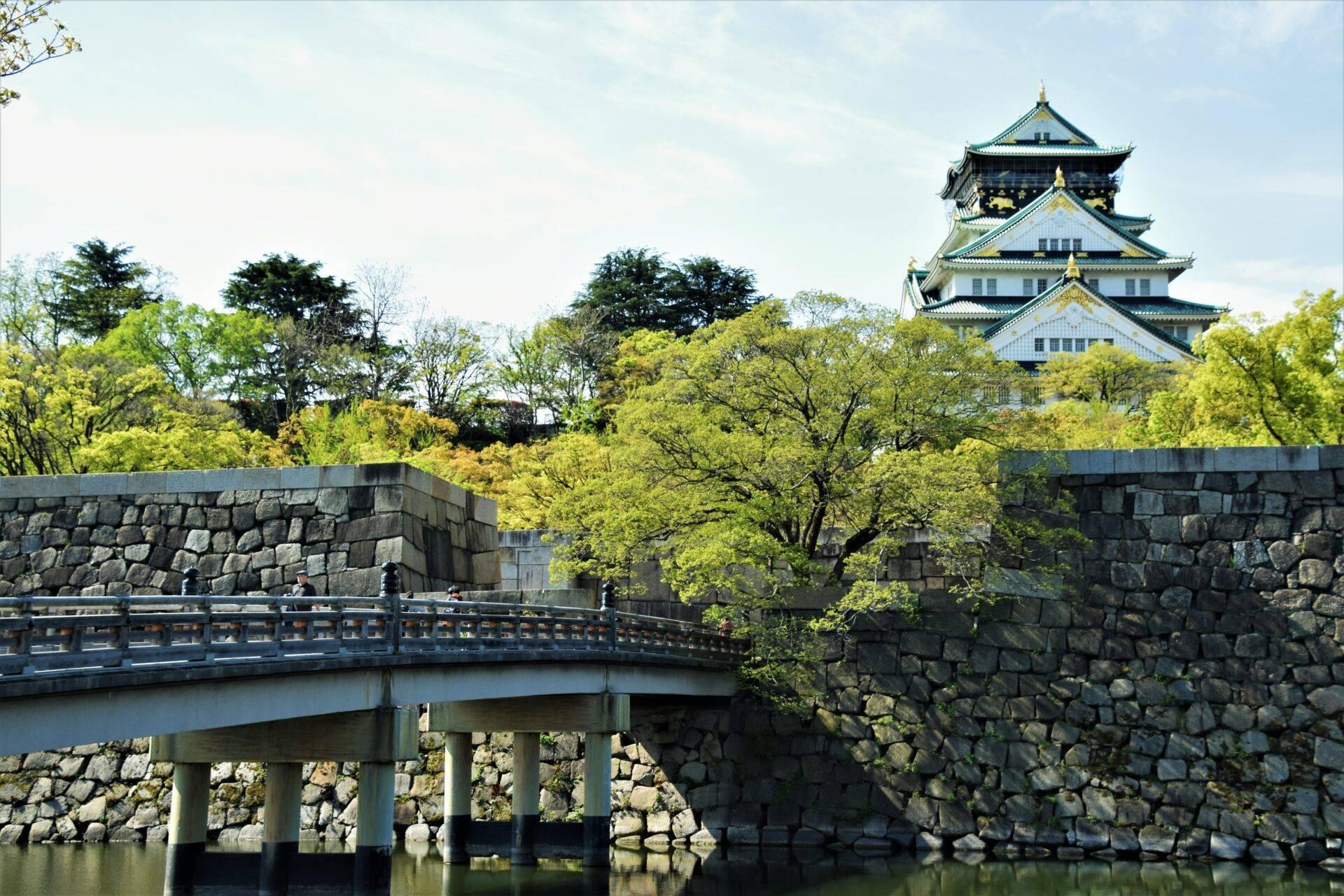
Built in the sixteenth century by the Toyotomi clan, Osaka Castle dominates the city from behind its massive walls. An interior museum traces the history of the feudal period. In spring, the cherry trees surrounding it make it one of the city’s most popular spots for hanami (flower-viewing).
13. Universal Studios Japan: Harry Potter, Nintendo and roller coasters
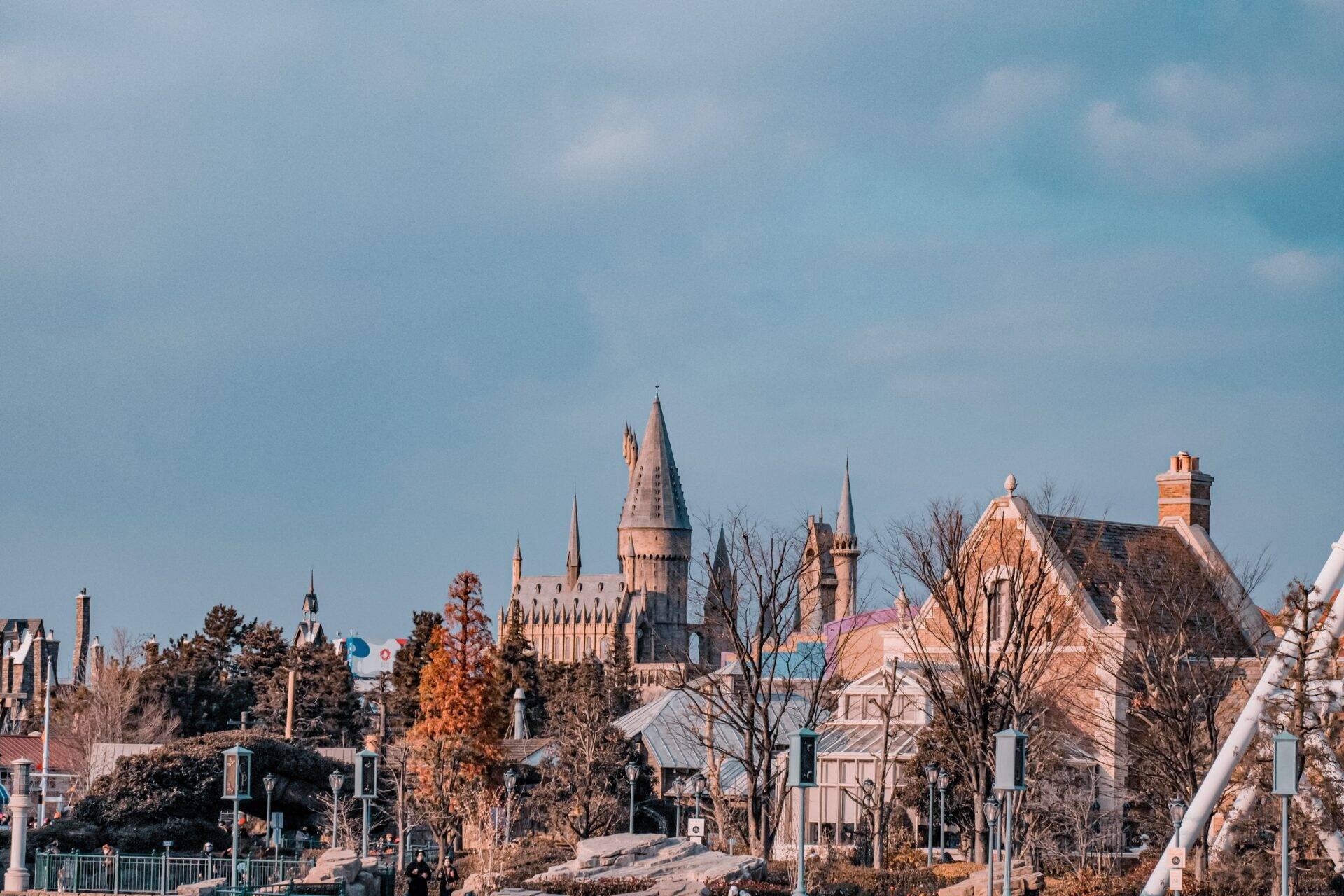
In Osaka, Universal Studios Japan houses some of Asia’s most popular attractions. The Wizarding World of Harry Potter, Nintendo World and Jurassic Park draw visitors from around the globe. Book tickets and time slots in advance, particularly during school holidays. For more, our guide things to do in Osaka covers all the city’s unmissable experiences.
Hiroshima, medieval castles and mountain villages
14. Hiroshima: the City of Peace
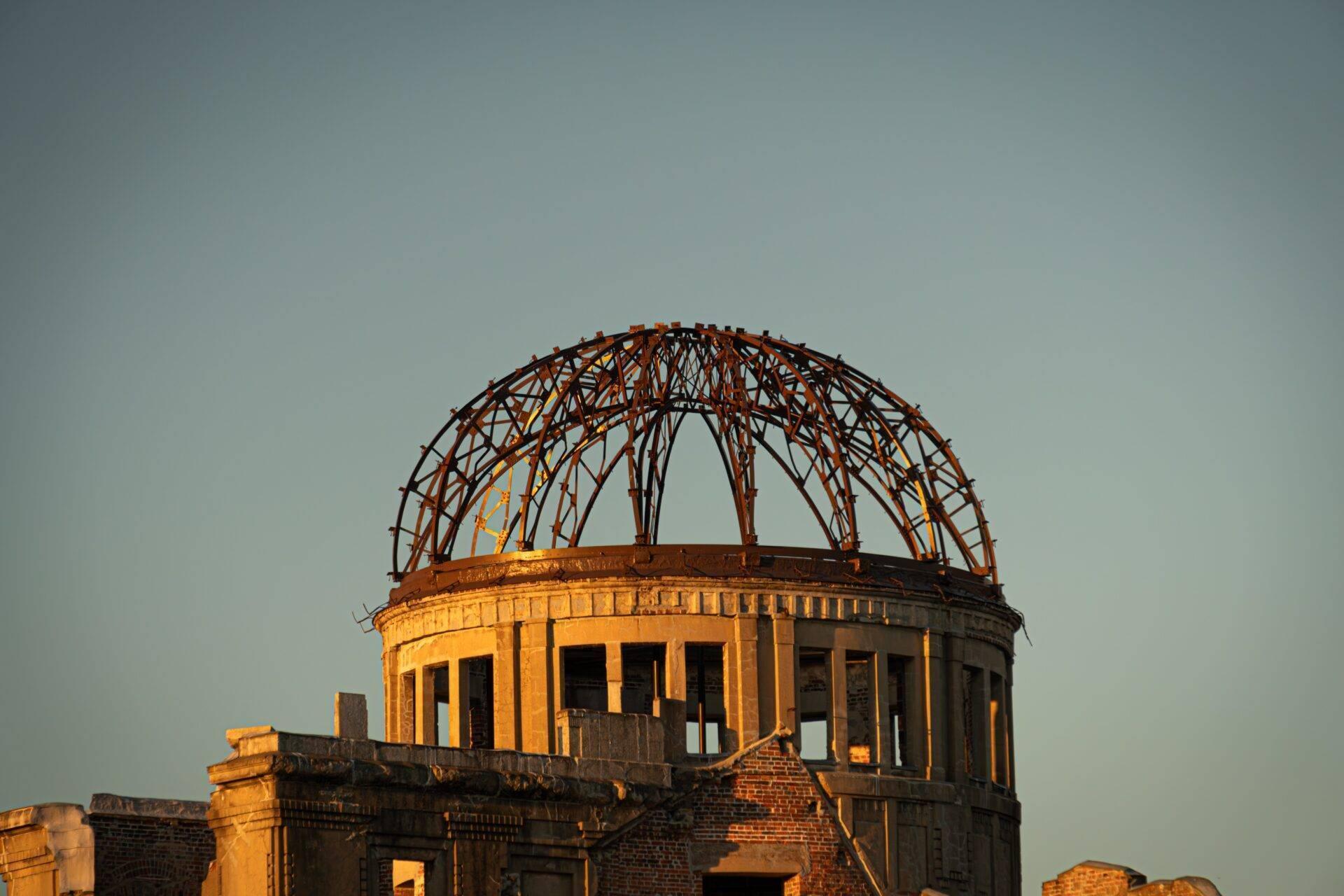
On 6 August 1945, Hiroshima became the first city in history to be struck by a nuclear bomb. The Peace Memorial, with the preserved ruins of the Genbaku Dome and the adjacent museum, is a profoundly moving visit. The city has since rebuilt itself and thrives, but the memorial stands as a powerful reminder of the value of peace.
15. Himeji Castle: the White Heron, a Unesco treasure
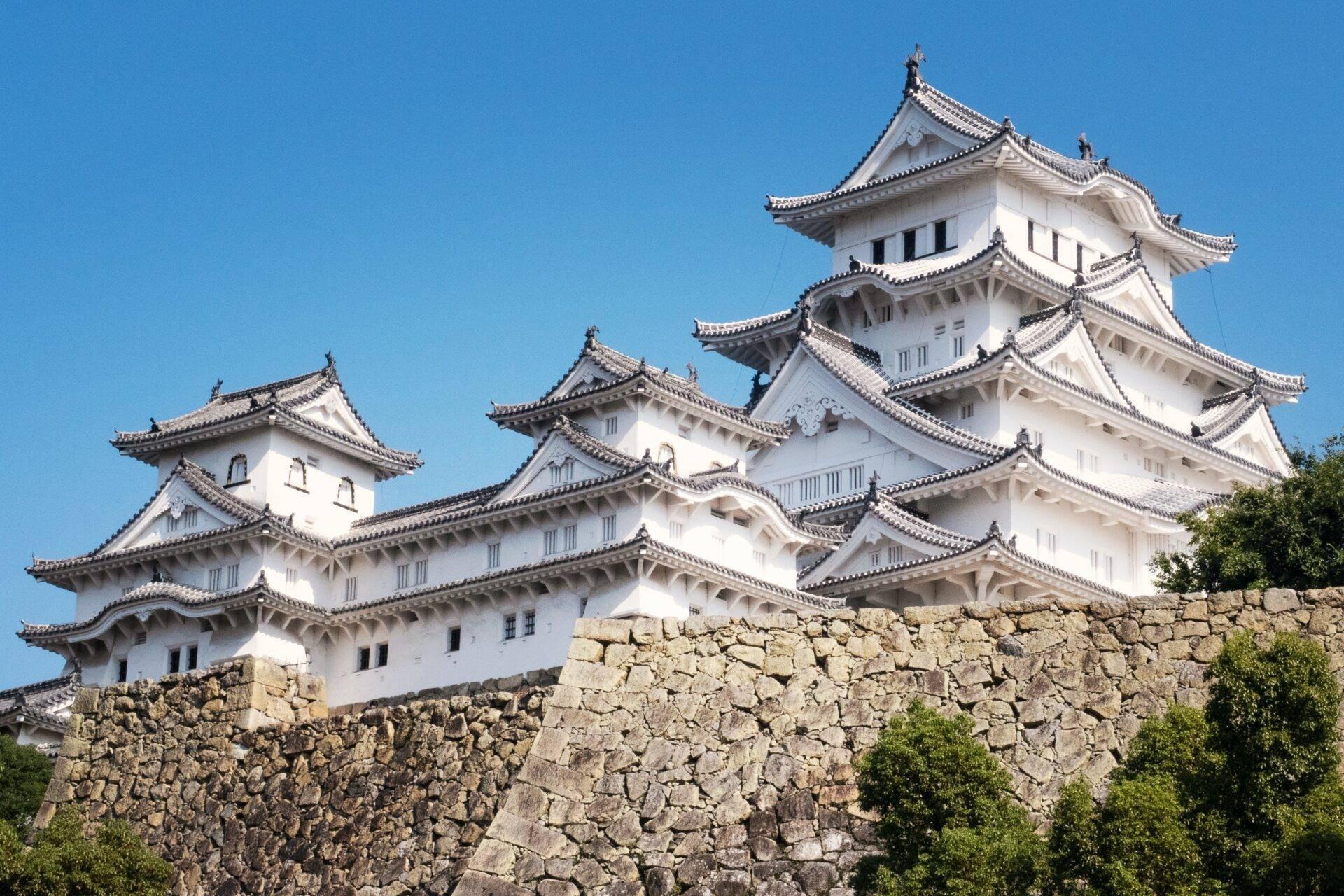
Nicknamed the ‘White Heron’ for its immaculate white walls, Himeji Castle is a Unesco World Heritage site and is considered one of Japan’s best-preserved castles. Its complex defensive architecture, with interlocking towers and labyrinthine passages, showcases the military ingenuity of the feudal era. It is easily visited from Osaka or Kyoto by shinkansen.
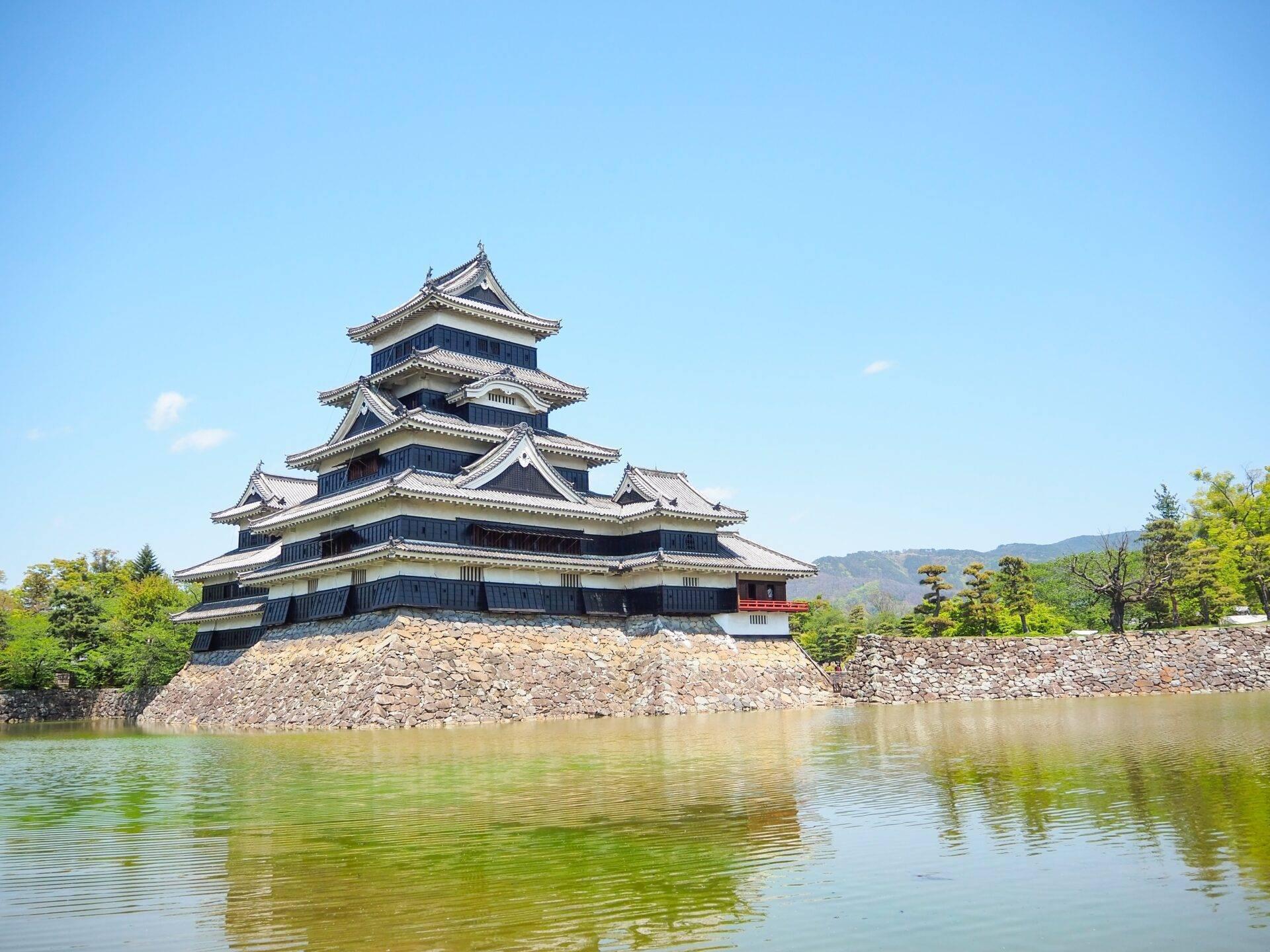
16. Matsumoto Castle: the Black Crow of the Japanese Alps
In the Japanese Alps, Matsumoto Castle impresses with its dark walls and tiered roofline reflected in the surrounding moat. One of the few Japanese castles never to have been rebuilt, it looks out over the city and, from its upper floors, offers views across the snow-capped peaks beyond.
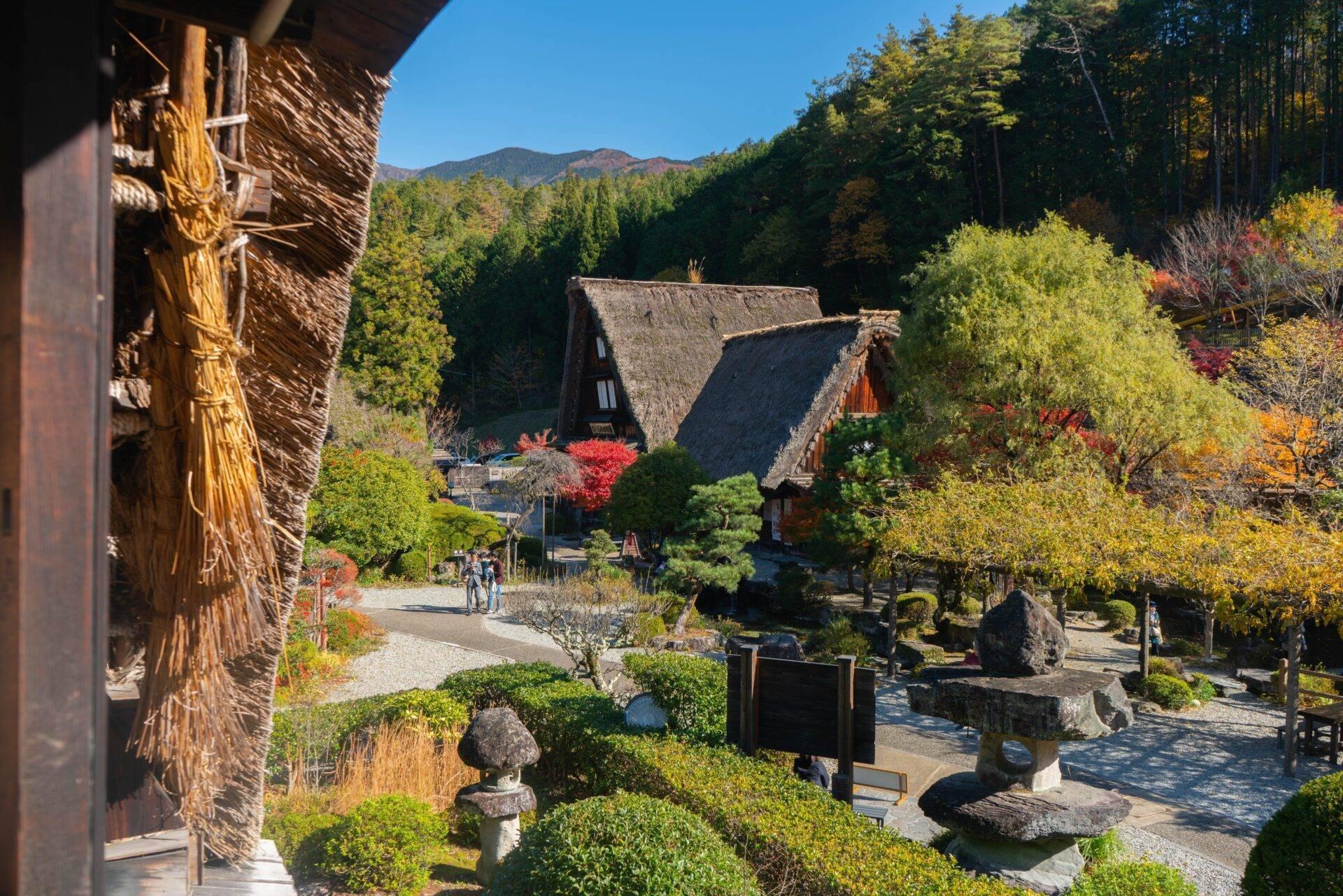
17. Shirakawa-go: a thatched-roof village on the Unesco list
Nestled in the mountains between Nagoya and Kanazawa, Shirakawa-go is a Unesco World Heritage site known for its gasshô-zukuri farmhouses, with their steeply pitched thatched roofs designed to withstand heavy snowfall. It is a living village and deserves an overnight stay: once the tour coaches leave, the quiet and authenticity return.
Experiences worth having at least once
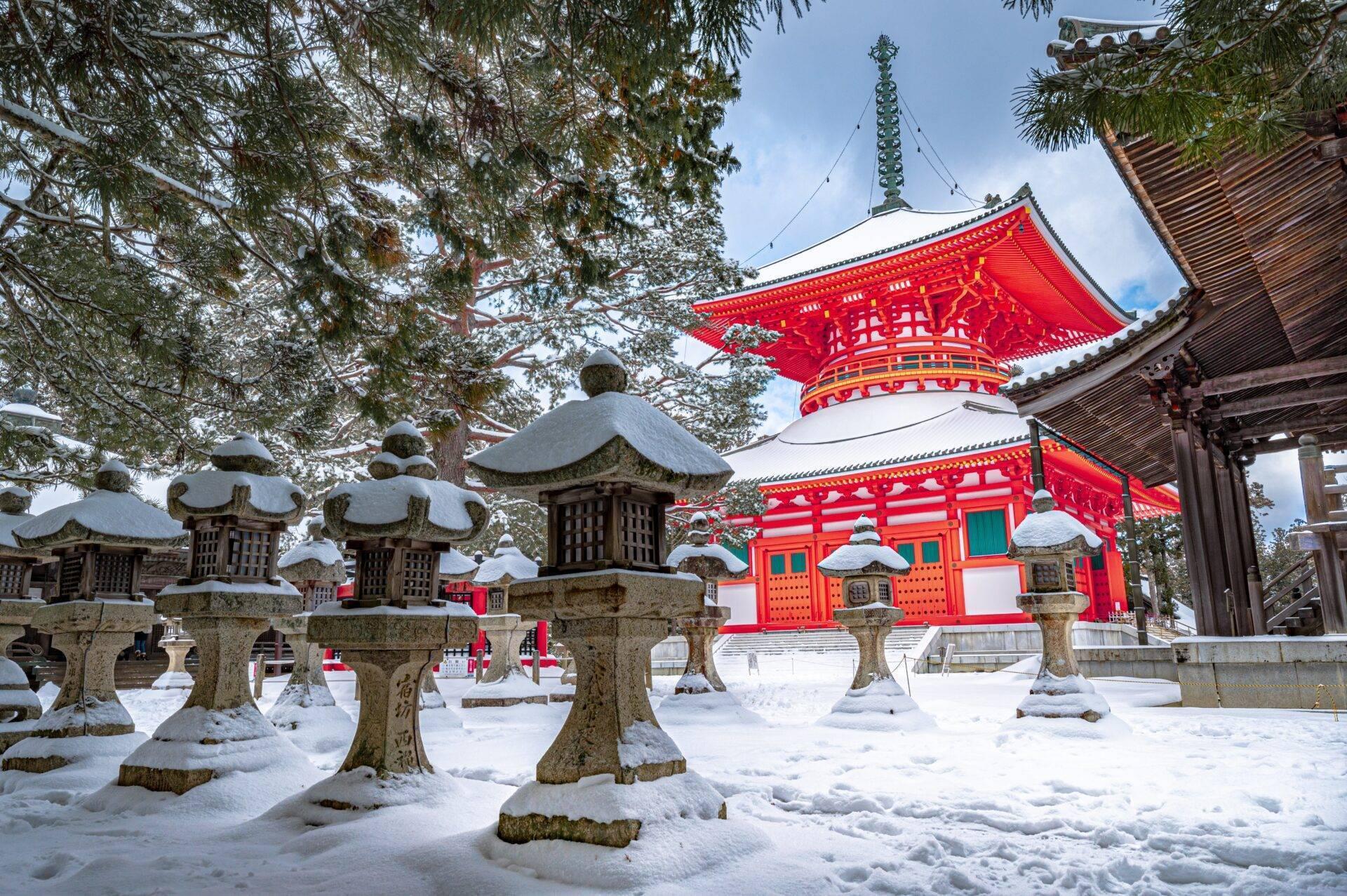
18. Koyasan: sleeping in a Buddhist temple
Mount Koya (Koyasan), in the mountains of Wakayama Prefecture, has been a living Buddhist centre for more than 1,200 years. Many of its temples offer accommodation in shukubo (temple lodgings): guests attend morning prayers, sleep on futons and enjoy the monks’ vegetarian cuisine (shojin ryori). One night up there shifts your perspective on travel for good.
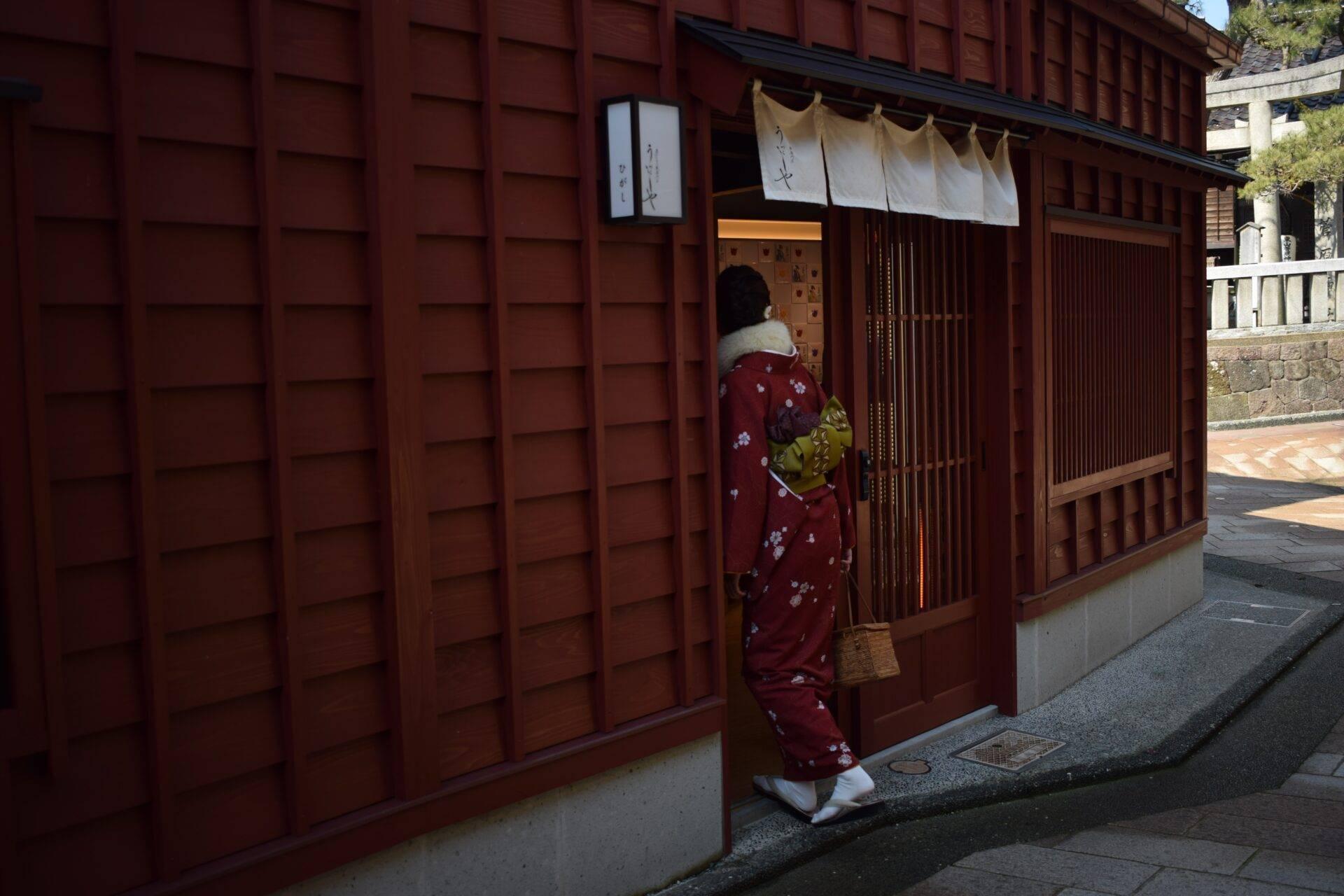
19. Wearing a kimono for a day
In Kyoto, Nara, Kanazawa and virtually every historic city, shops offer kimono rental for the day. Walking through cobbled lanes in a kimono, pausing at a temple or sitting down for tea: it is a tangible way to inhabit Japanese culture rather than simply observe it from a distance.
20. Japanese garden and tea house: the art of slowing down
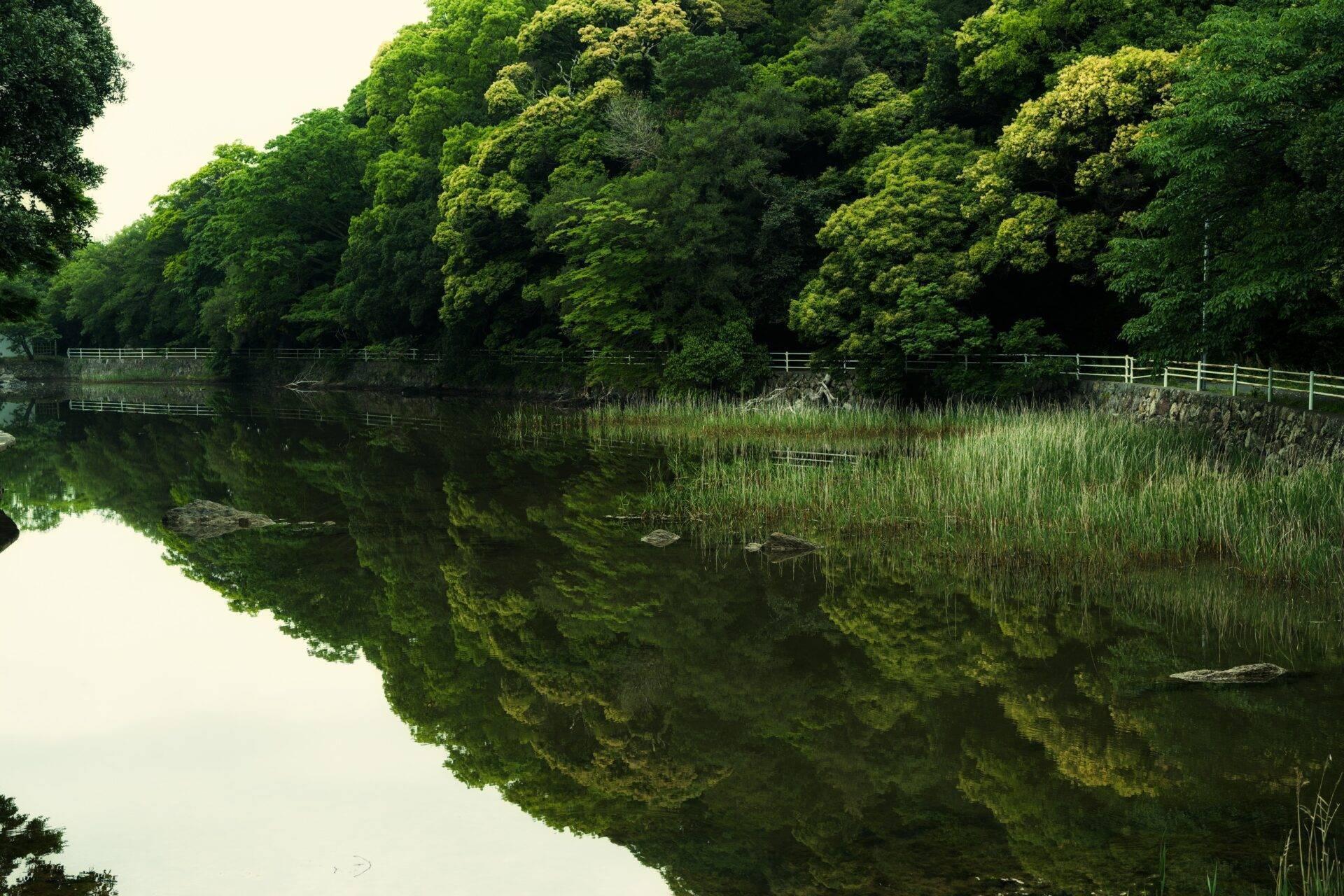
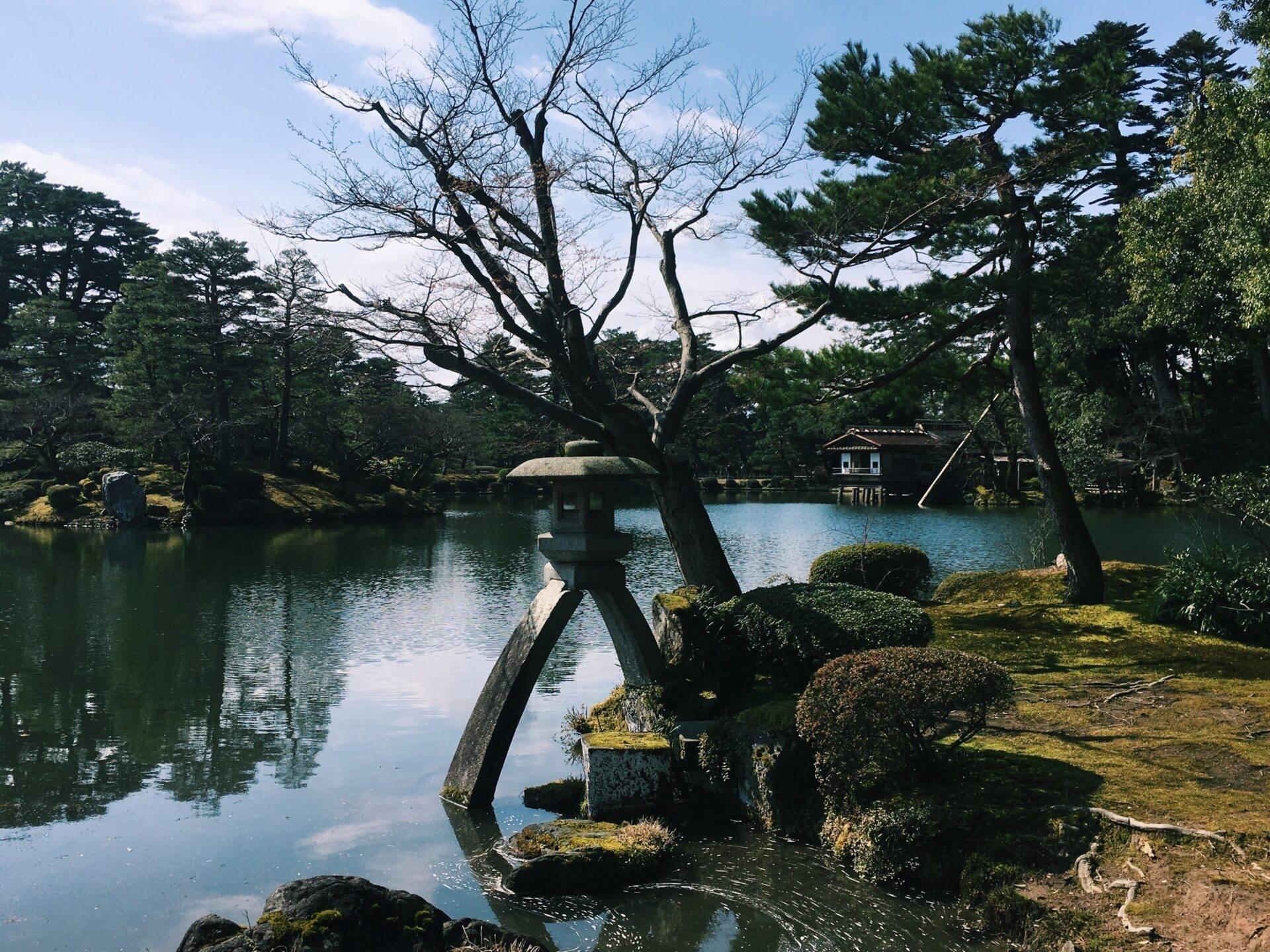
A Japanese garden is not visited; it is traversed slowly, the angle of view shifting with every step. Around a pond where ancient pines cast their reflections, beside a tea house at the water’s edge, the sense of time changes entirely. These gardens exist in nearly every major city: Kenroku-en in Kanazawa, Shinjuku Gyoen in Tokyo and the many gardens of Kyoto.
When to visit Japan
Spring (mid-March to early May) and autumn (mid-November to December) are the most sought-after seasons. Cherry blossom (sakura) and the fiery foliage of the maple trees (momiji) transform the country into a living painting. These seasons are also the busiest: book accommodation and transport as far in advance as possible, ideally several months ahead.
Winter brings striking snowy landscapes, particularly at Koyasan and Shirakawa-go, with noticeably fewer crowds.
Before you go: check your health cover
Medical costs in Japan can be significant for travellers without adequate cover. Before you leave, check your policy: overseas medical expenses, medical repatriation and round-the-clock assistance. Find all the practical information (visa, currency, health formalities) and suitable travel insurance options on our Japan travel insurance page.
Still weighing up the destination? Read why visit Japan for an overview of what makes this country so unlike anywhere else.
FAQ
How long does it take to visit Japan?
Two weeks is enough to cover the classic Tokyo-Kyoto-Osaka-Hiroshima route by shinkansen. Three weeks gives you time to add Nara, Koyasan, Shirakawa-go or a foray into the Japanese Alps.
What is the best time to visit Japan?
Spring (mid-March to early May) for cherry blossom and autumn (mid-November to December) for the maple foliage are the most spectacular seasons. They are also the busiest: book early.
Do I need to speak Japanese to travel in Japan?
No. Major cities, stations, airports and tourist sites have English-language signage. Translation apps with camera functionality make it easy to read local menus and signs.
Is Japan suitable for families with children?
Yes. Tokyo Disneyland, the Ghibli Museum, the deer of Nara and Universal Studios Japan are a hit with children. The country is very safe, public transport is comfortable and distances between sites are easily managed by shinkansen.
What travel insurance do I need for Japan?
Cover for overseas medical expenses and medical repatriation is strongly recommended: hospital bills can be steep for uninsured travellers in Japan. Yupwego covers these guarantees depending on the policy chosen. Find the details on the Japan travel insurance page.