
Taiwan fits into a space roughly twice the size of Wales, yet manages to squeeze in futuristic skyscrapers, marble gorges, mist-covered ancient forests and night markets as dense as they are delicious. Here are 20 places and experiences that deserve a spot in any Taiwan itinerary, from the buzzing north of Taipei to the historic south of Tainan.
Taipei and Beyond: Eight Highlights
The capital alone concentrates a remarkable share of Taiwan’s attractions within a compact area. The green hills and former mining villages on its doorstep round out the picture perfectly. For a deeper dive into each neighbourhood, browse all our picks in our guide to things to do in Taipei.
1. Taipei 101 and the Xinyi District
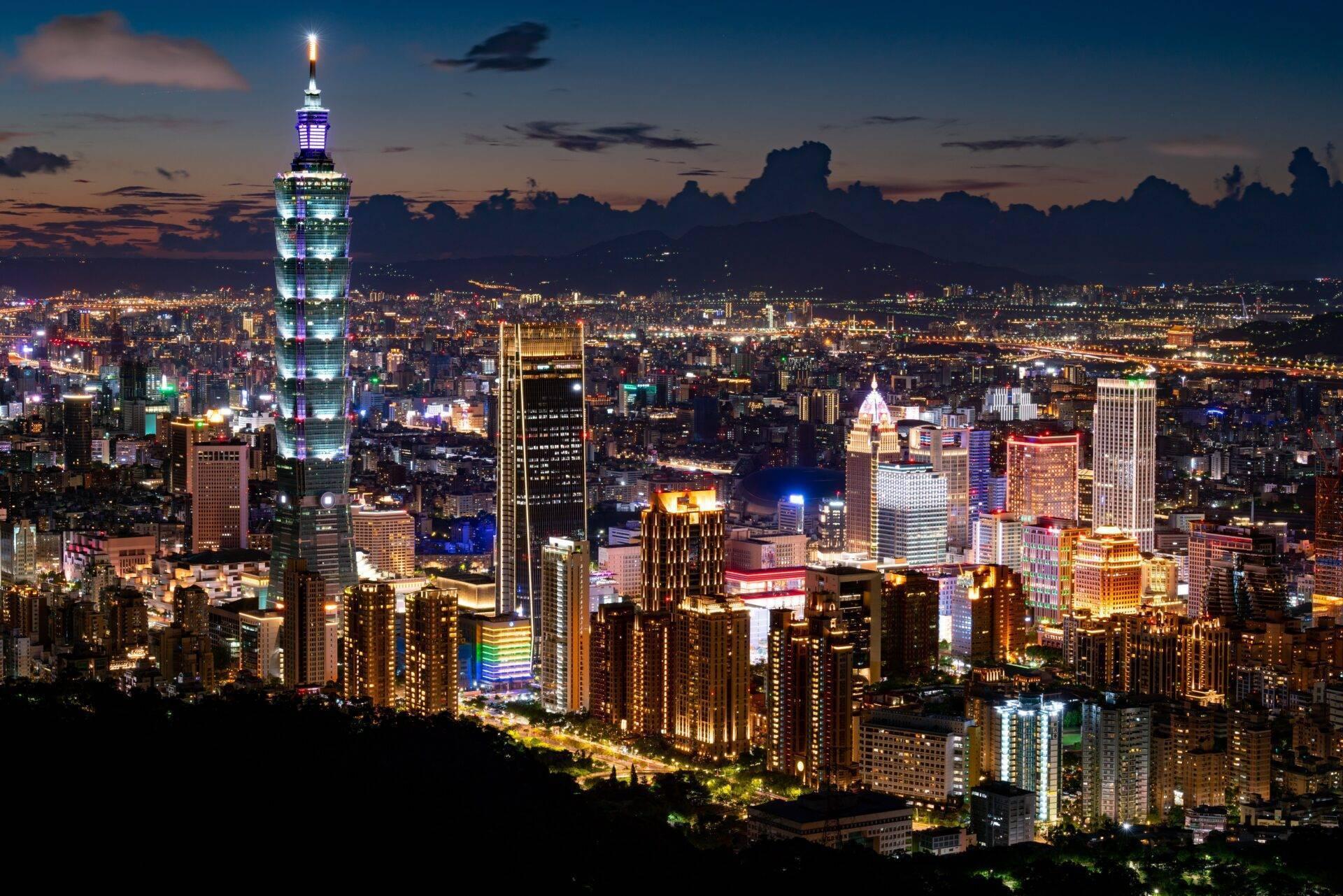
Between 2004 and 2010, Taipei 101, standing at 508 metres, was the tallest building in the world. Its stylised bamboo silhouette still dominates the Xinyi business district, where shops, restaurants and cinemas stay open well past midnight. The observatory on the 89th floor offers a 360-degree view over the city and the mountains that ring it.
2. The National Palace Museum
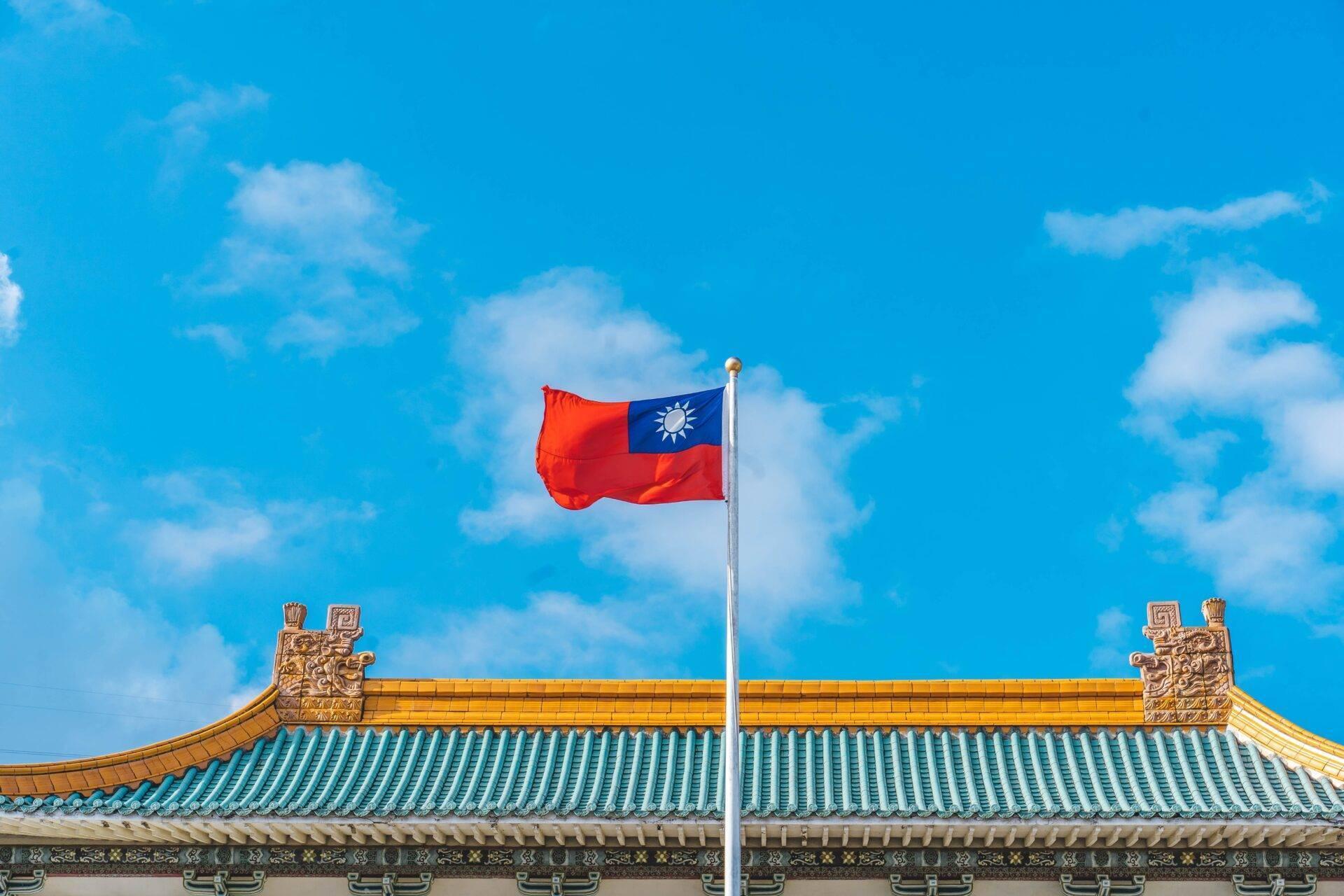
The National Palace Museum houses one of the world’s largest collections of Chinese art, from ancient jades and bronzes to imperial court paintings. These treasures were transported from mainland China during the civil war. For a queue-free visit, opt for weekdays or arrive at opening time.
3. Elephant Mountain: Taipei from Above
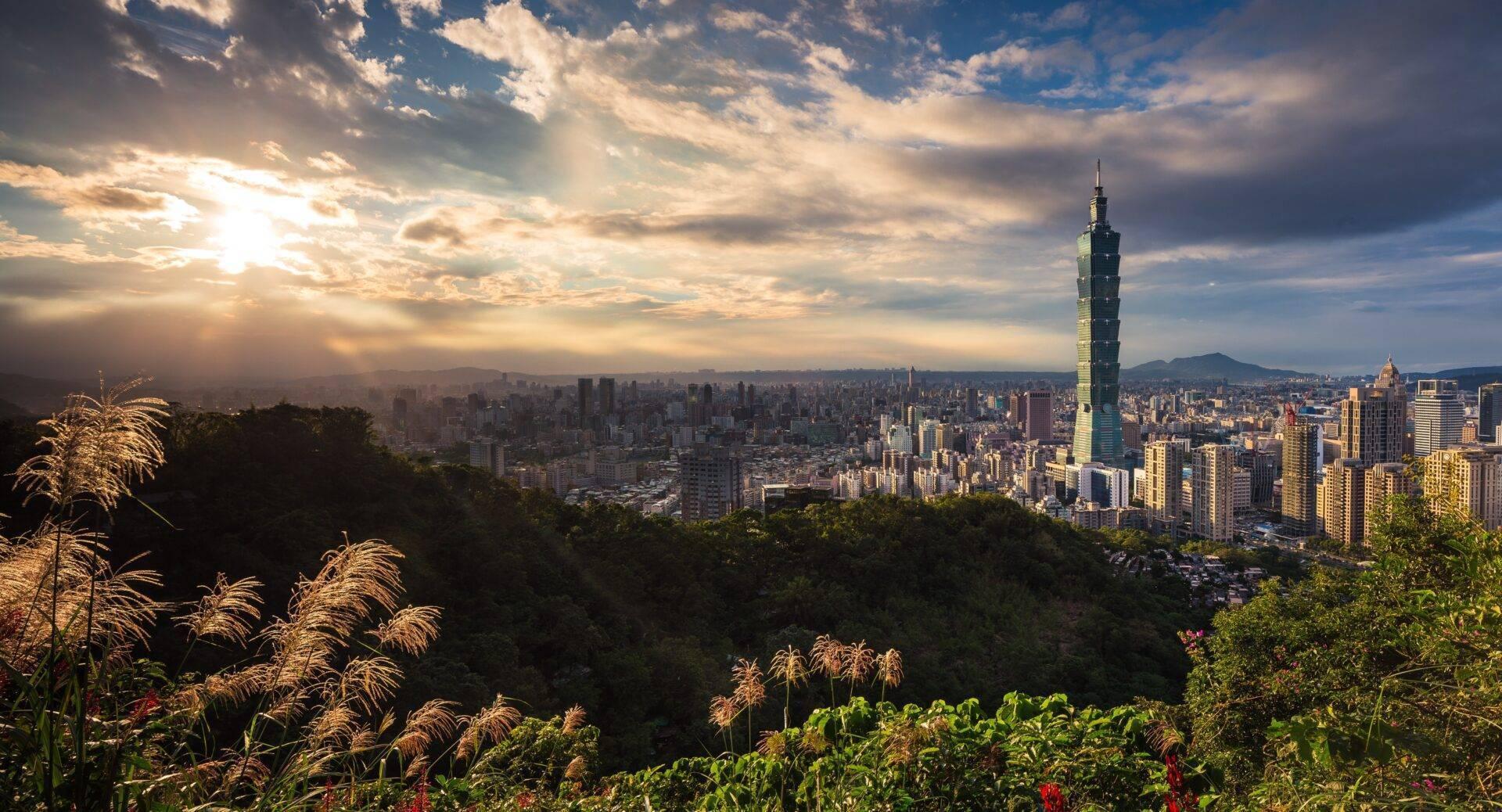
Xiangshan, or Elephant Mountain, can be hiked from the centre of Taipei in under 30 minutes. At the summit, rocky viewing platforms deliver the city’s most iconic panorama: Taipei 101 in the foreground, rolling green hills behind. Worth the climb at sunset or dawn – both moments reward the effort equally.
4. Ximending: The Youth Quarter
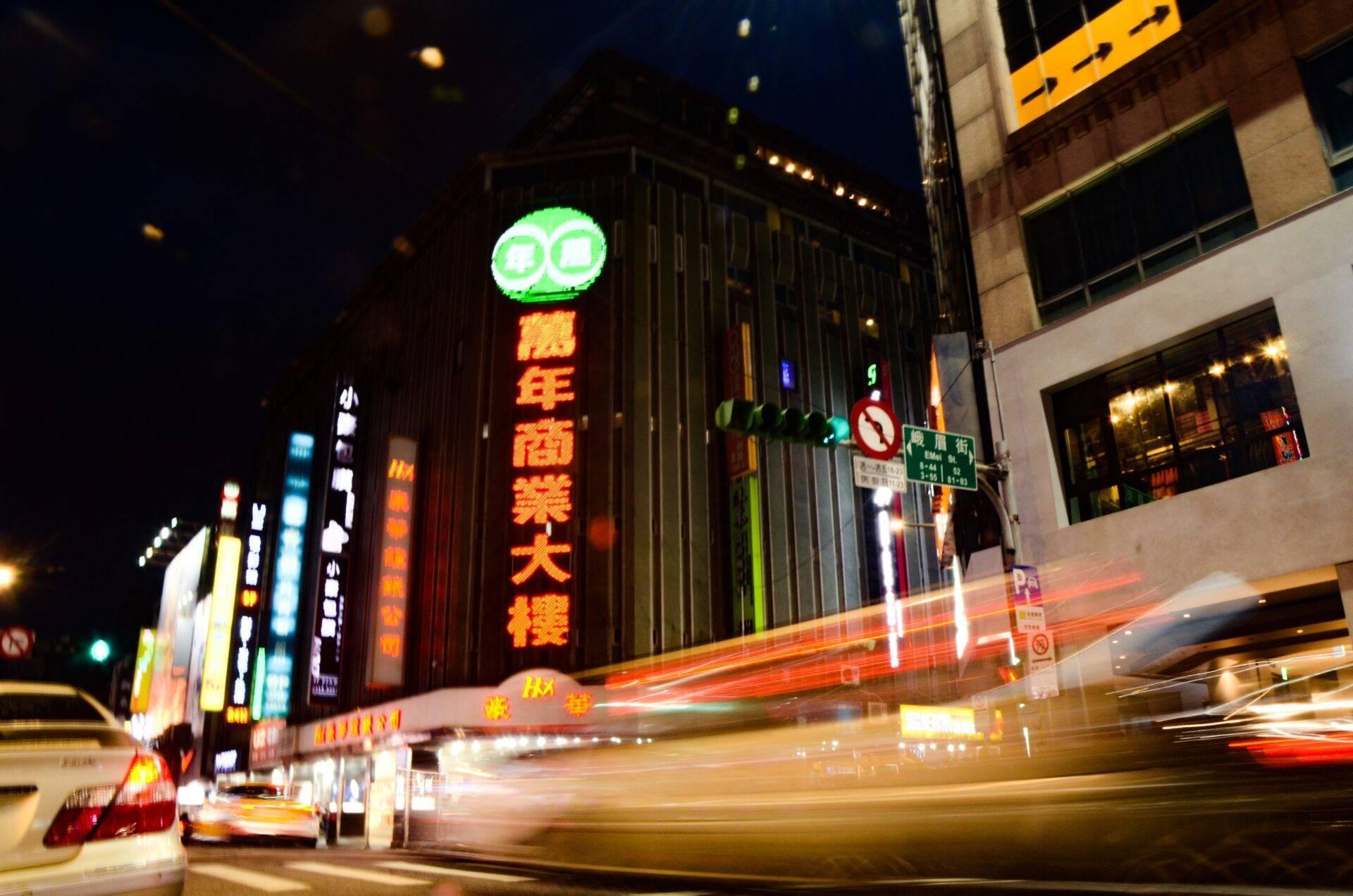
Ximending is where Taiwanese youth congregate: fashion, manga shops, cinemas, tattoo parlours and restaurants open until the small hours. Often compared to Tokyo’s Shibuya, the energy is just as electric. Its pedestrian lanes are lively at all hours, but the atmosphere peaks on weekend evenings from late afternoon onwards.
5. The Maokong Gondola
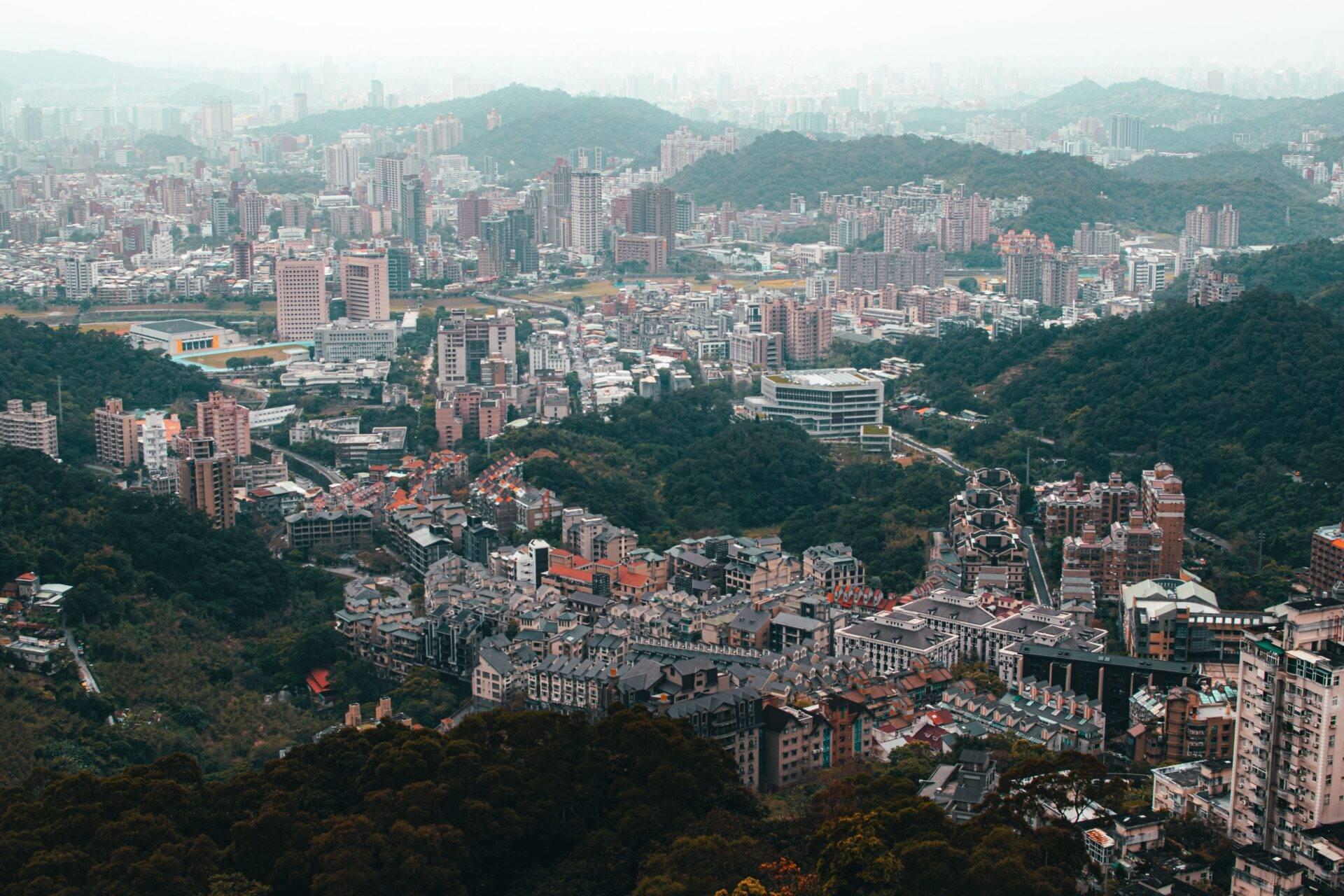
Departing from Taipei Zoo station, the Maokong Gondola glides through wooded hills up to the tea gardens perched on the heights above the city. The view over Taipei and its sea of green is stunning, especially at dusk. At the top, traditional tea houses serve Tie Guanyin grown on the neighbouring slopes, with open-air terraces to linger over a pot.
6. Shilin Night Market
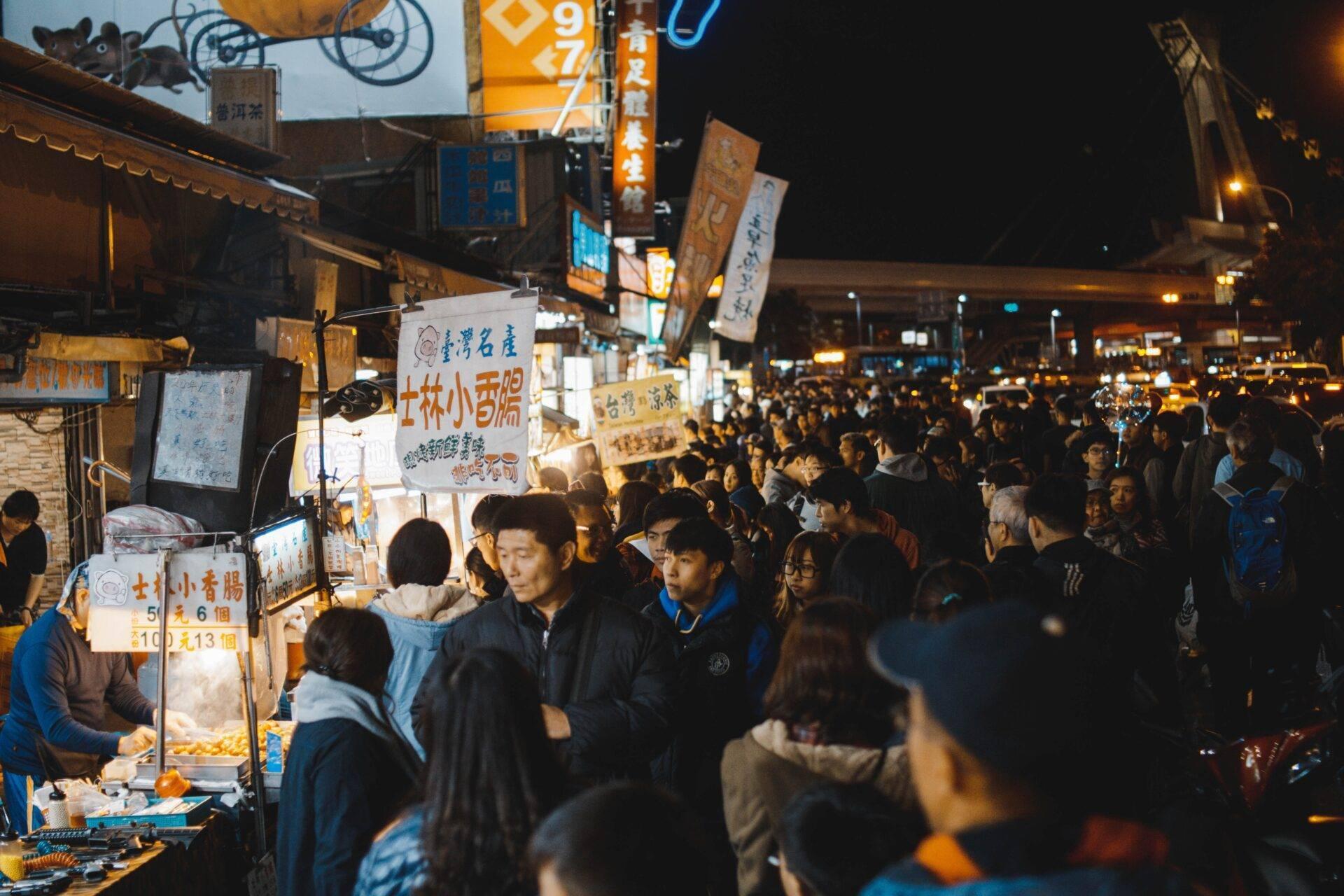
Shilin is the most famous of Taipei’s night markets: hundreds of stalls serve grilled octopus, fried tiger fish, bubble tea, skewers and Taiwanese pastries. Come with a serious appetite and no fixed agenda.
7. Jiufen: Lanterns in the Hills
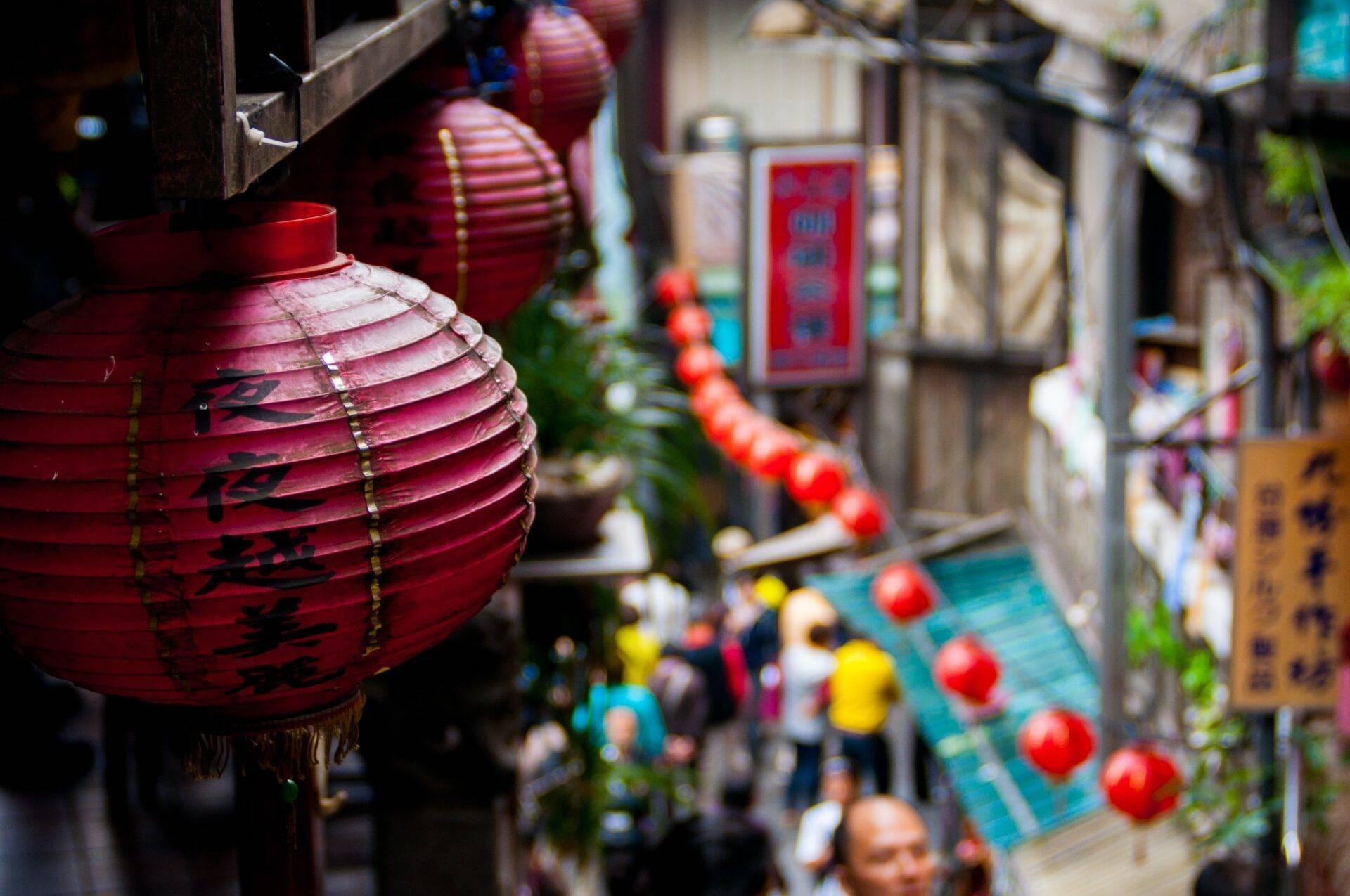
About an hour northeast of Taipei, Jiufen is a former mining village clinging to the hillside above the Pacific. Its steep alleyways, lined with red-fronted tea houses and golden lanterns, are said to have inspired the visual world of the animated film “Spirited Away”. Visit on a weekday to dodge the weekend crowds.
8. The Pingxi Sky Lantern Festival
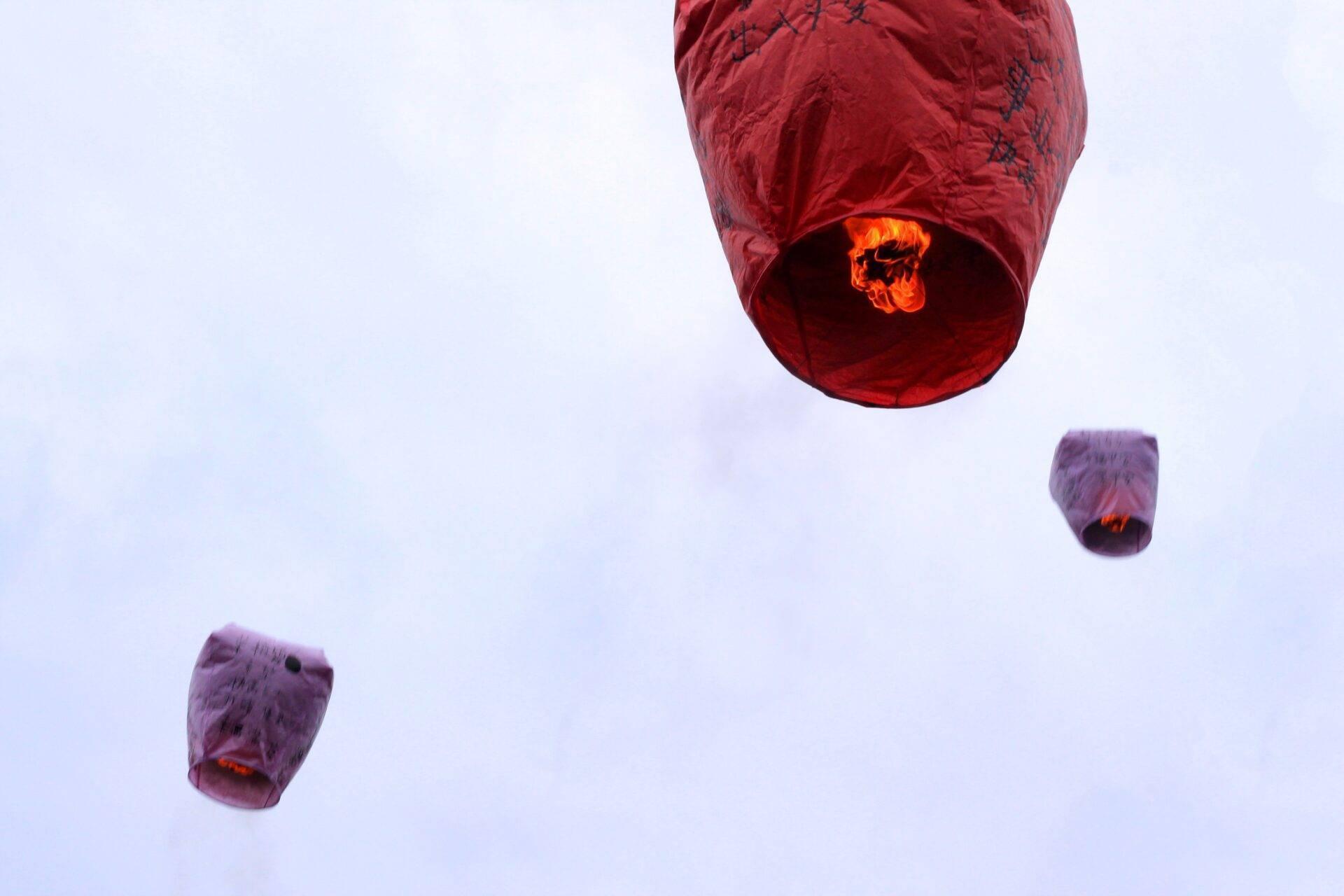
Each year, during the Lantern Festival (usually in February or March, following the lunar calendar), thousands of colourful paper lanterns rise into the sky above Shifen, reachable from Taipei by regional train. National Geographic has ranked the festival among the 10 best winter trips in the world. Outside of the festival period, Shifen offers personalised sky lantern releases year-round, right from the railway tracks.
Protect my trip to TaiwanTaiwan’s Great Outdoors: Six Unmissable Sites
9. Taroko Gorge
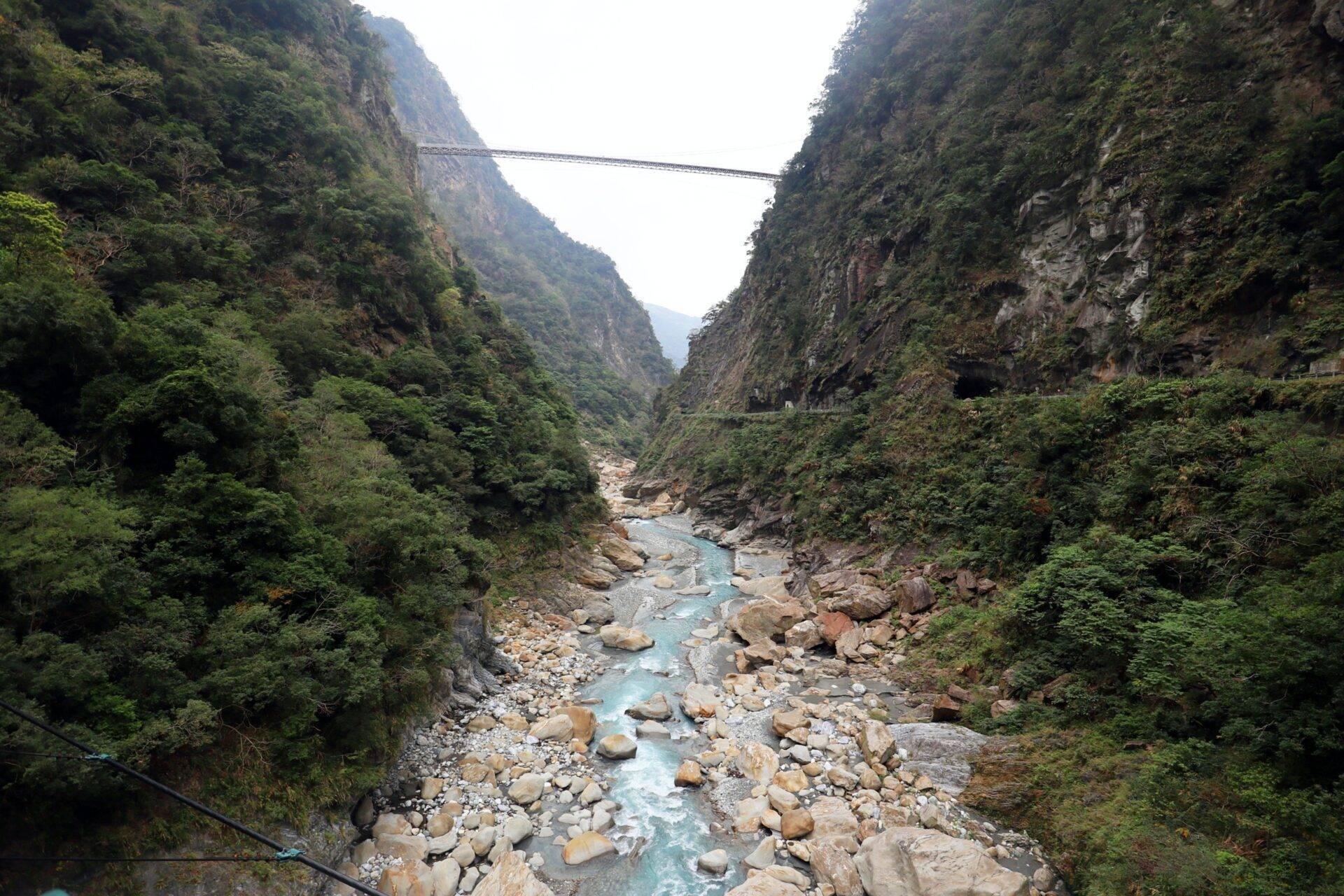
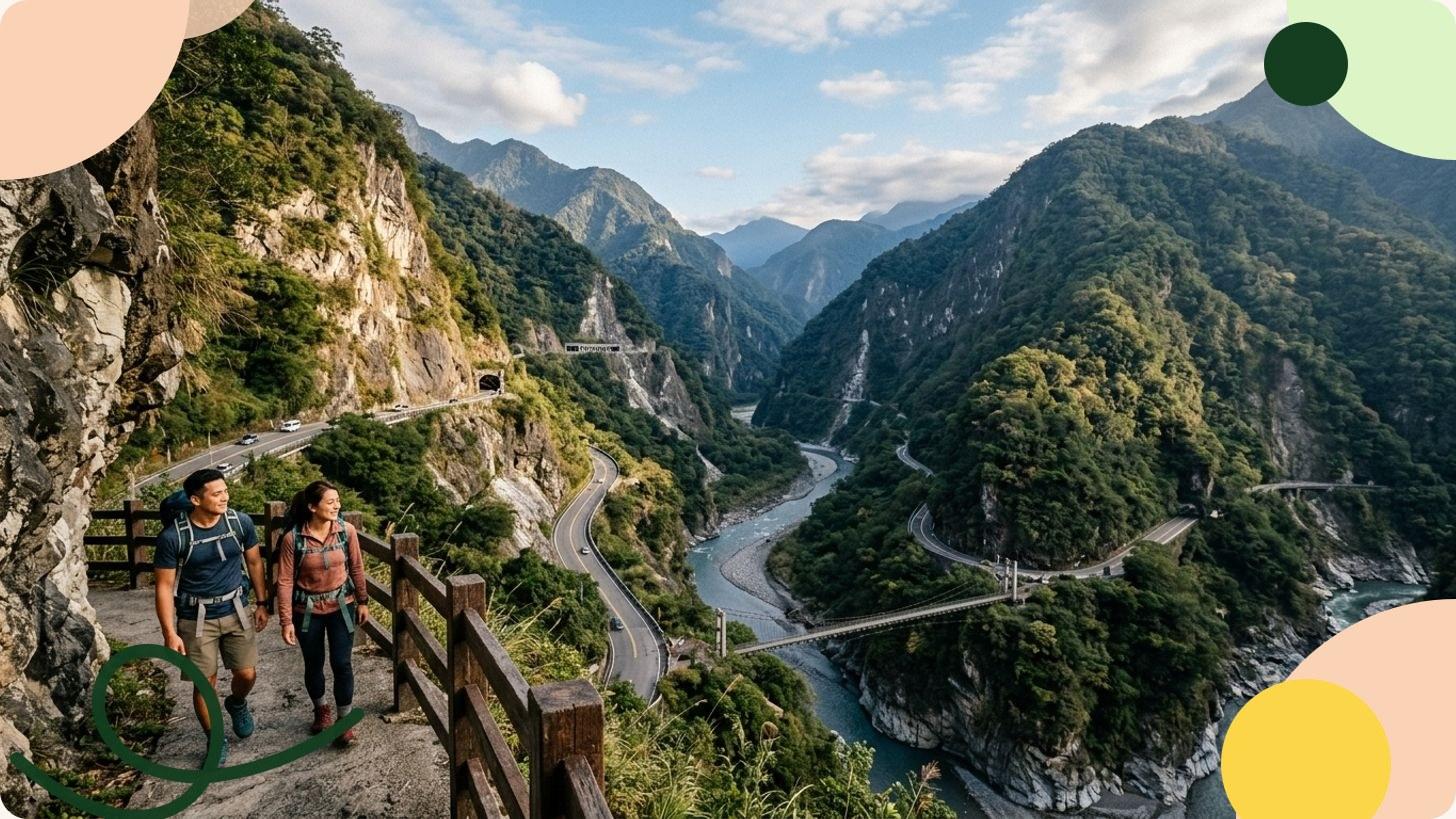
The Liwu River has carved a canyon of gleaming white marble: tunnels bored through rock, suspension bridges, waterfalls and marked trails make Taroko National Park the most visited natural site in Taiwan. Hikes range from flat, accessible paths to demanding ascents toward the peaks. Taroko is about 30 minutes from the centre of Hualien.
10. Alishan: Historic Railway and Misty Forests
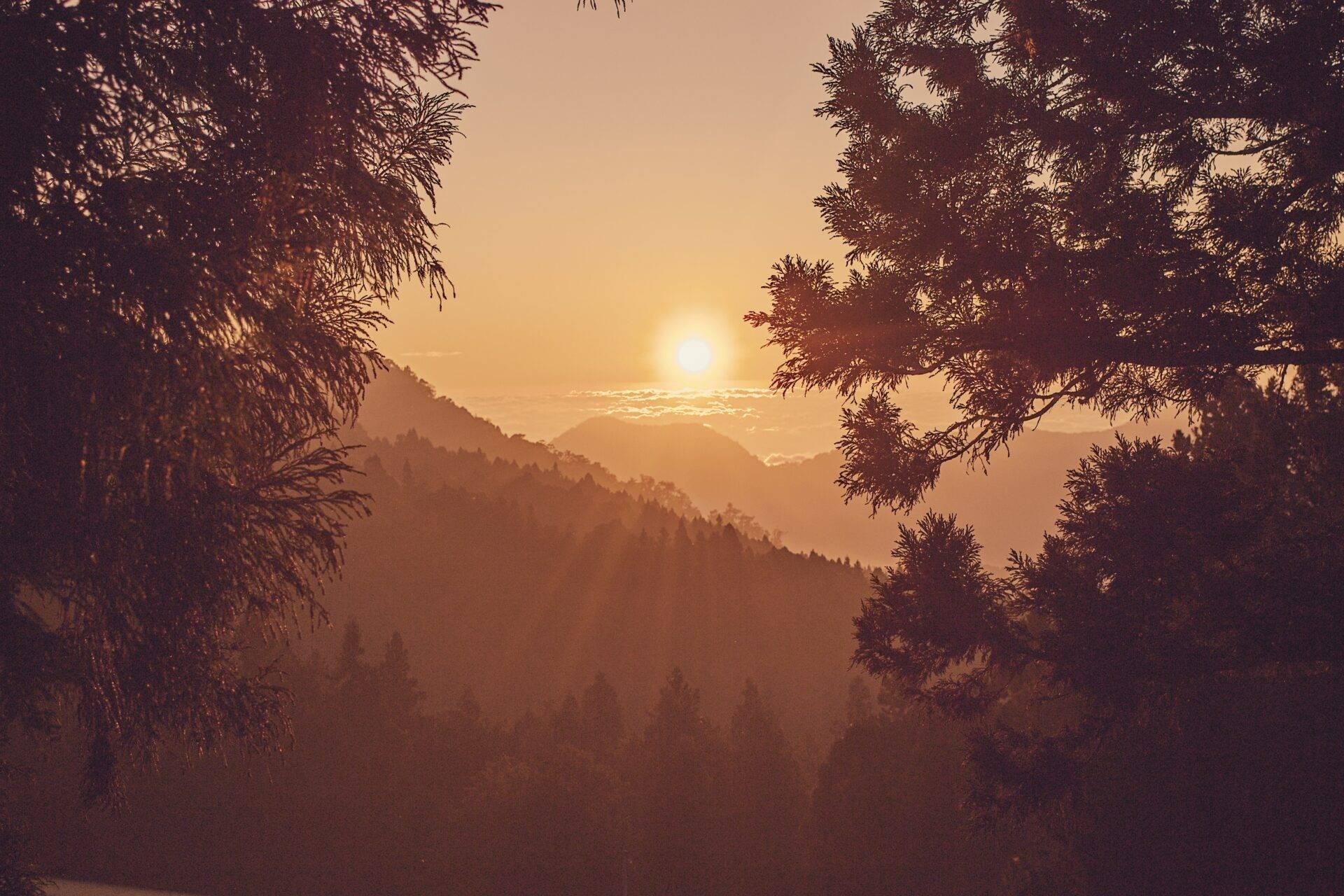
The Alishan Forest Railway, in service since 1912, climbs from Chiayi (30 m above sea level) to Alishan station (2,216 m), passing through three successive climate zones: tropical forest, warm temperate forest, then cool temperate forest. It is one of the only mountain railways in the world to ascend more than 2,000 metres in a single journey. At the top, century-old red cedars and seas of cloud at sunrise are reason enough to make the trip.
11. Kenting National Park
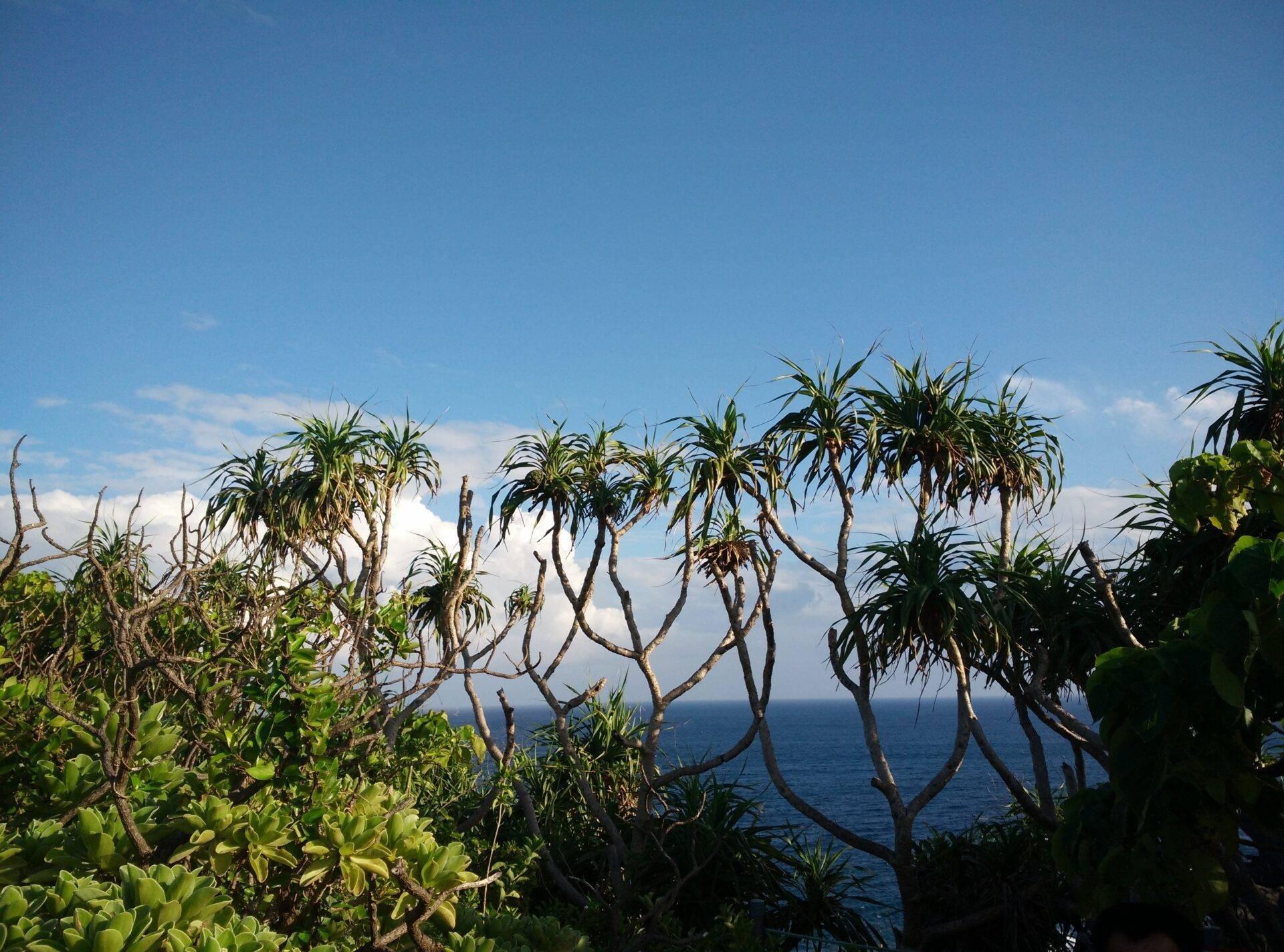
At Taiwan’s southern tip, Kenting brings together white sand beaches, coral reefs, diving spots and tropical forest within a single national park. It is the top destination for water sports and swimming, with pleasant sea conditions from May to September.
12. Yehliu Geopark: Sculptures by the Sea
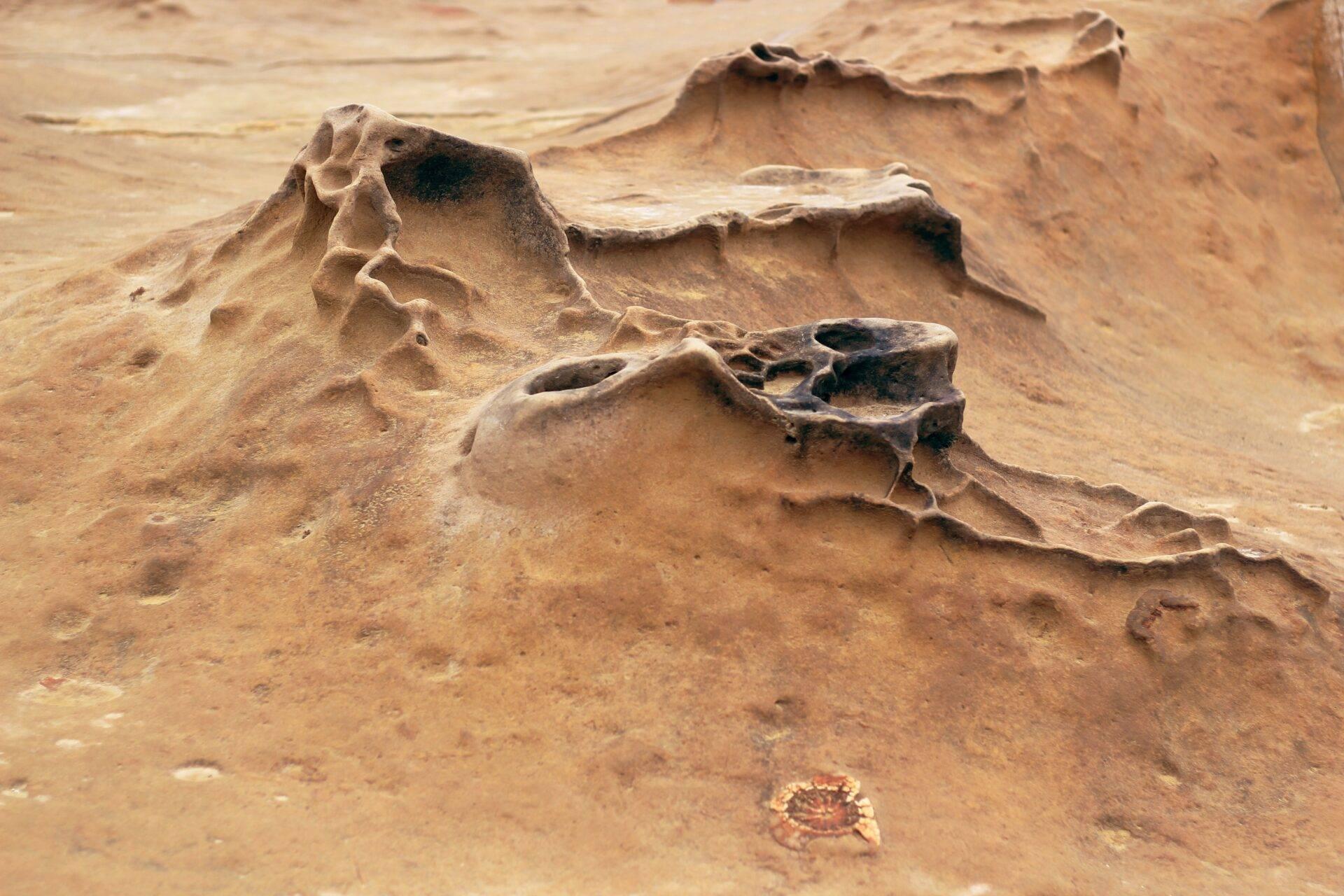
On the north coast, less than an hour from Taipei, waves and wind have shaped rock formations nicknamed mushroom stones and queen’s shoes. The most celebrated of these, the “Queen Nefertiti head”, is the most photographed rock in Taiwan. Yehliu can be visited in half a day and pairs easily with a stop at Jiufen on the way back.
13. Wulai Hot Springs
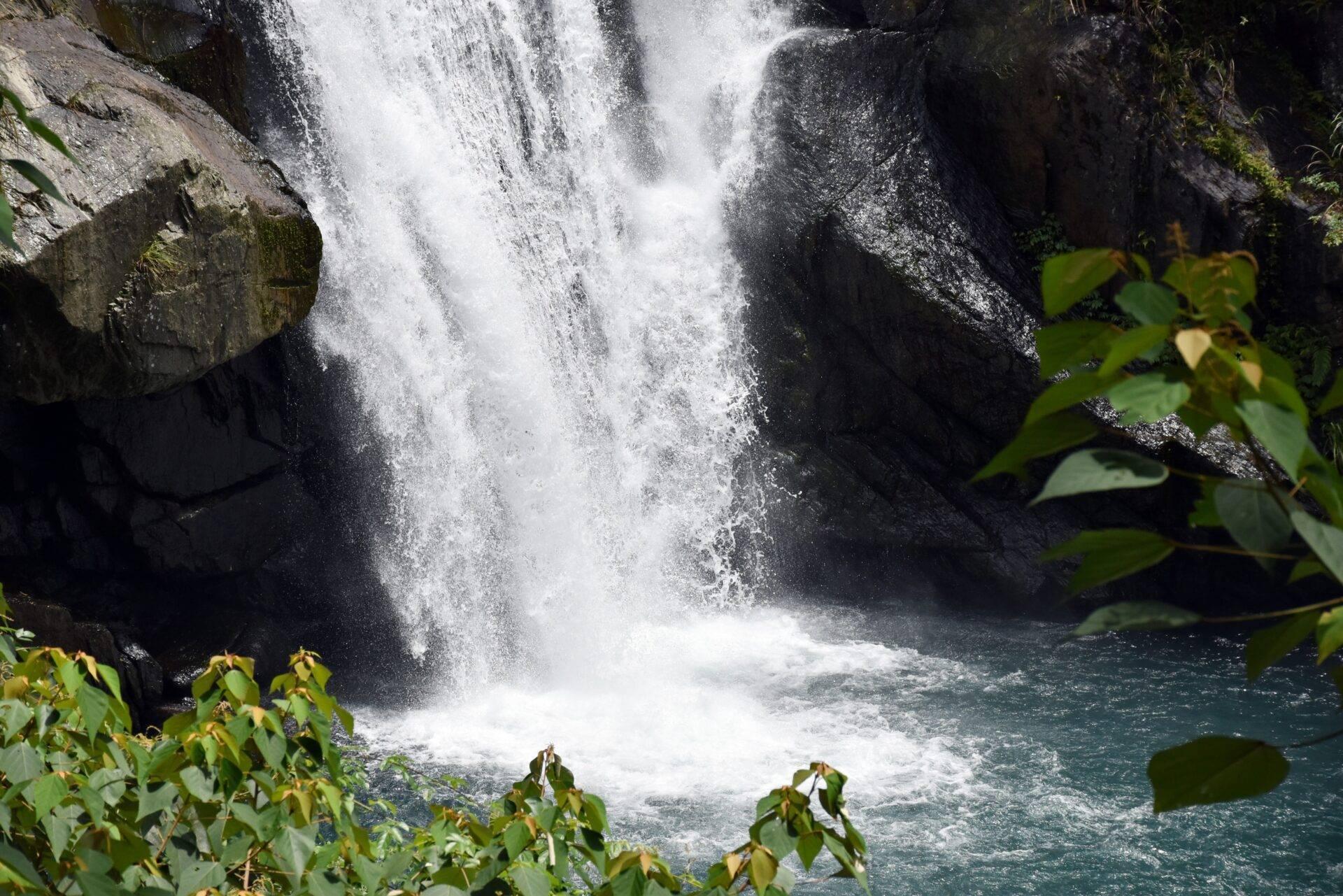
Thirty kilometres south of Taipei, the Wulai valley offers open-air hot springs, a spectacular waterfall and villages of the Atayal people, one of the island’s many indigenous communities. Riverside tubs or private pools at the local hotels: Wulai is the ideal nature escape, just a short drive from the capital.
14. Cingjing Farm: Alpine Meadows and Sheep
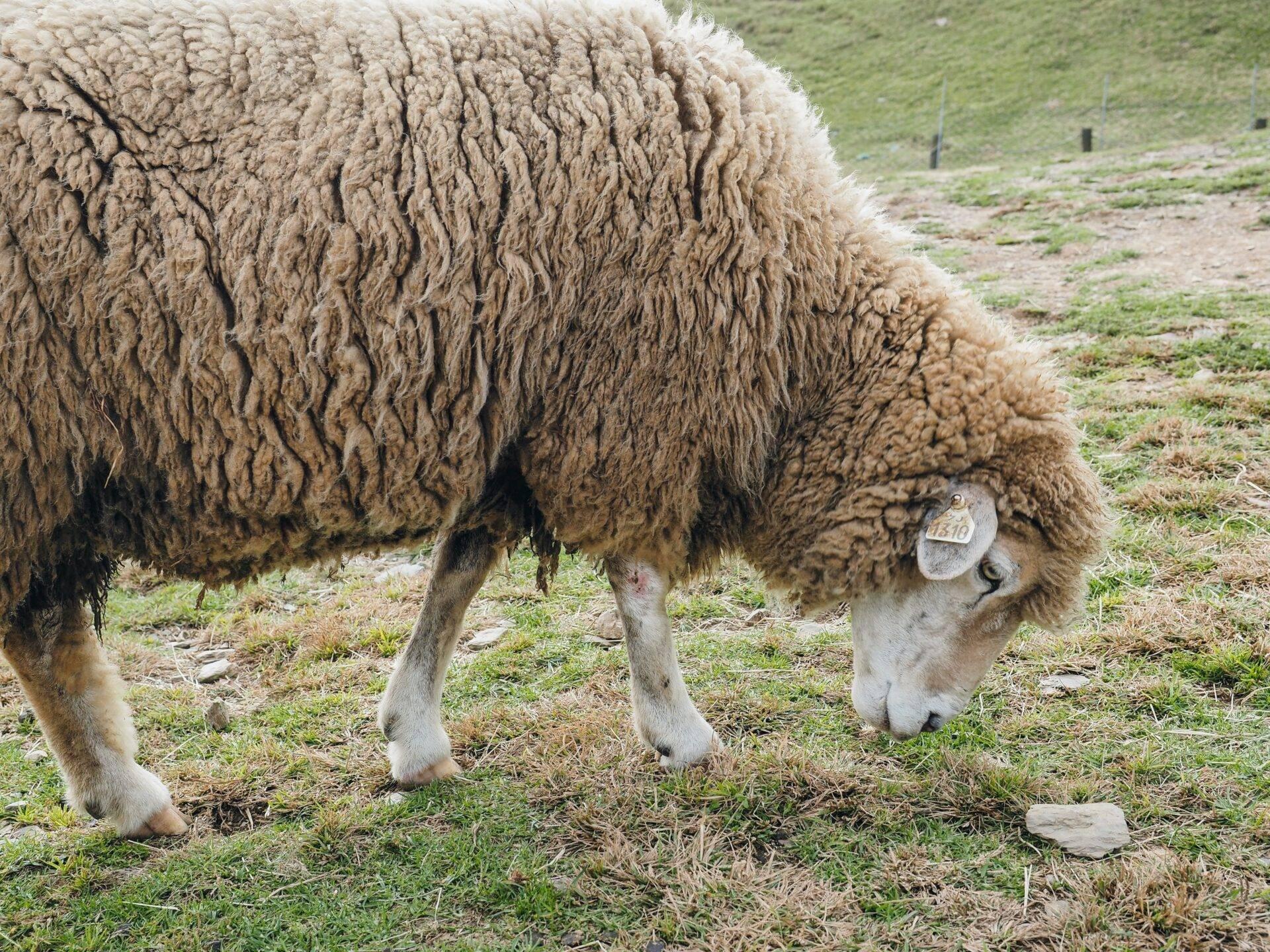
Perched in the mountains of Nantou, Cingjing Farm is known for its rolling green meadows and flocks of sheep. The fresh mountain air, sweeping grassland and views over the central ranges offer a complete contrast to the urban intensity found elsewhere on the island. Buses from Taichung or Puli make it accessible without a hire car.
Lakes and Open Spaces in Central and Eastern Taiwan
15. Sun Moon Lake
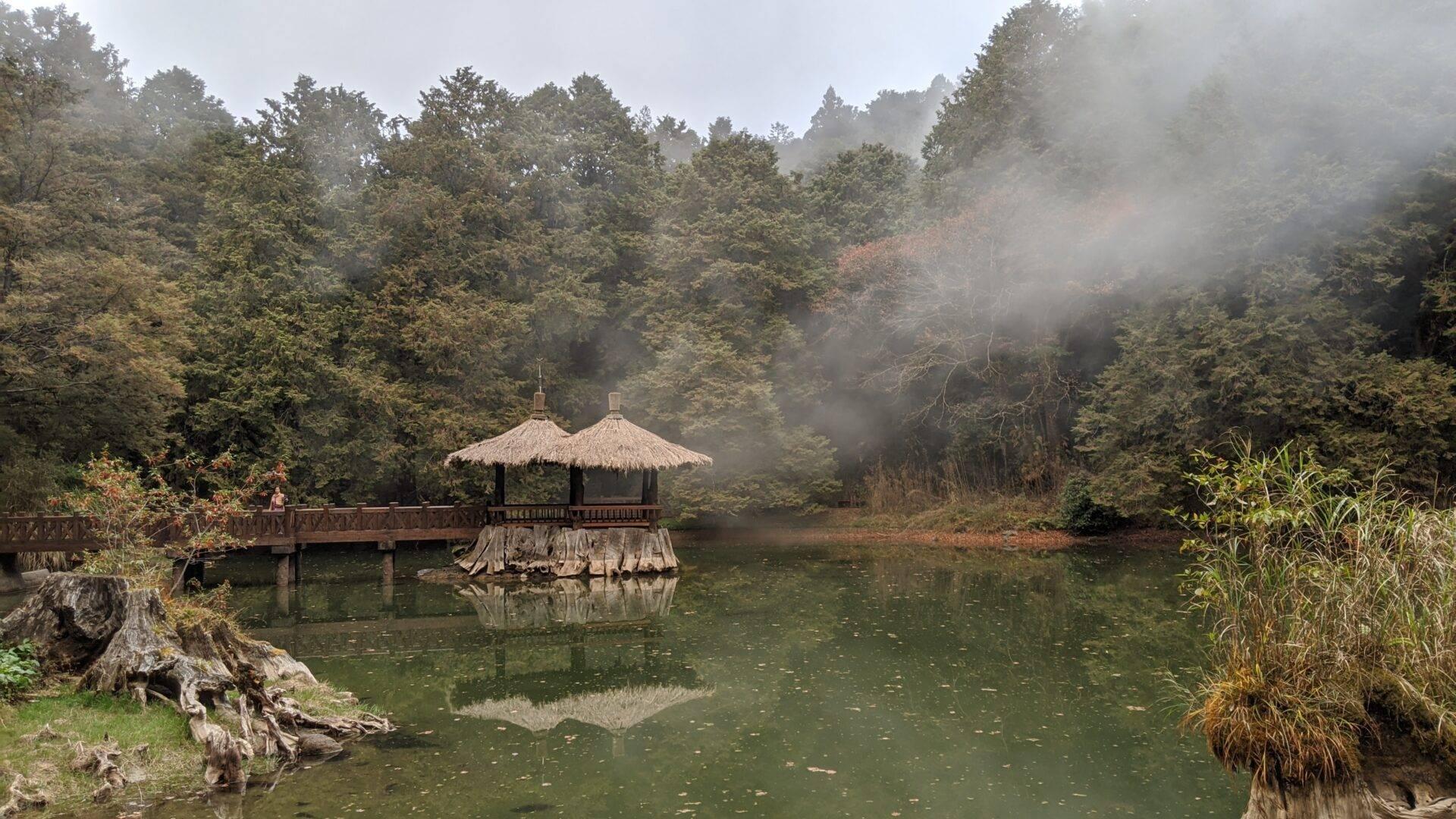
Taiwan’s largest lake takes its name from its shape: the northern section resembles a sun, the southern section a crescent moon. Nestled in the central mountains, surrounded by forested hills and villages of the Thao people, it is best explored by bicycle or rowing boat. In the morning, mist drifting across the water and the lakeside pavilions create a contemplative atmosphere that travel photographs rarely do justice to.
16. Hualien and Liyu Lake
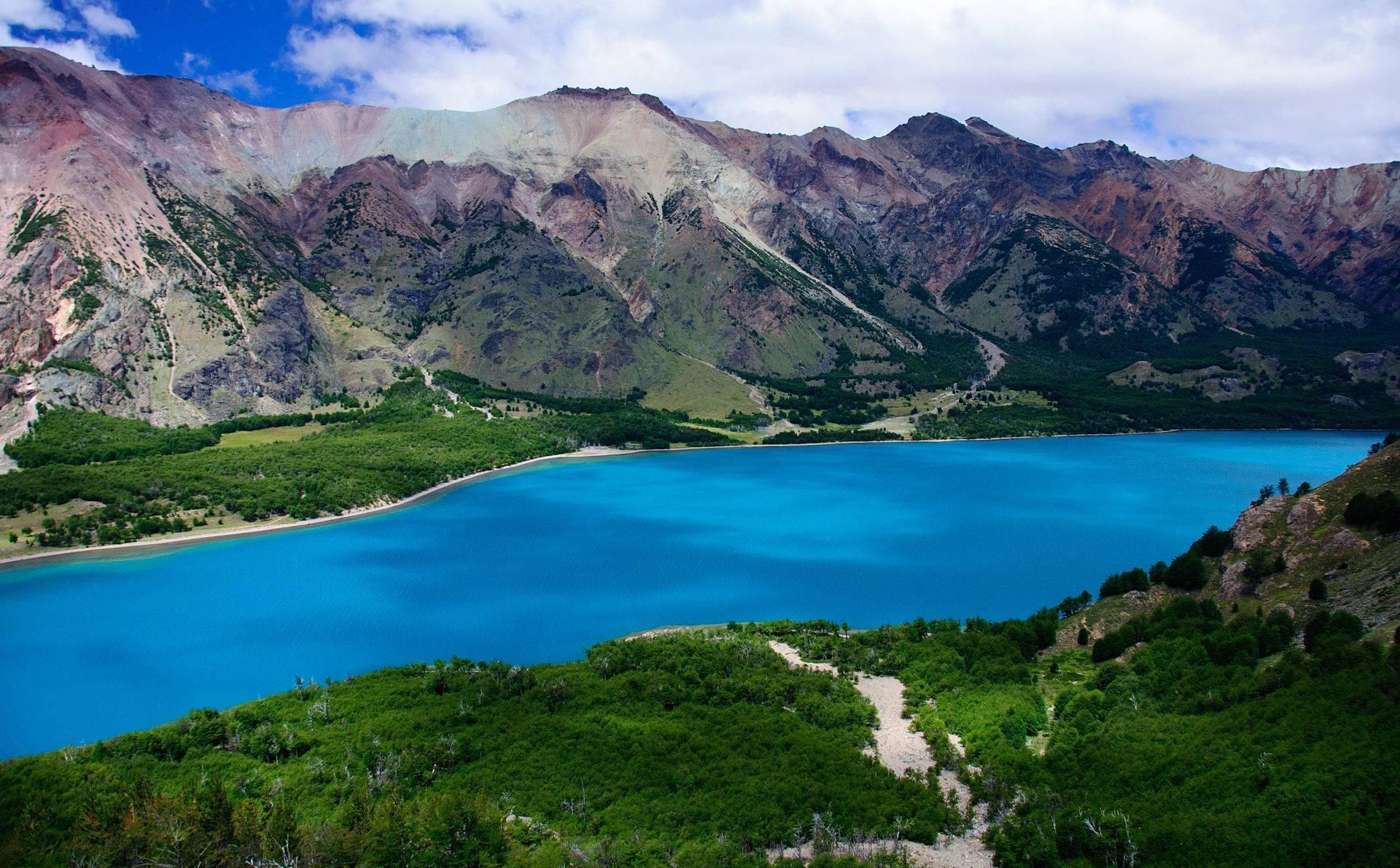
About 30 minutes south of Hualien, Liyu Lake (鯉魚潭) spreads its turquoise waters at the foot of the coastal range. You can cycle the 5-kilometre circuit around the lake, or hire a kayak or pedal boat to explore from the water. Hualien is also the gateway to Taroko National Park and the ideal base for exploring the east coast.
The South: Kaohsiung, Tainan and Their Riches
17. Lotus Pond in Kaohsiung
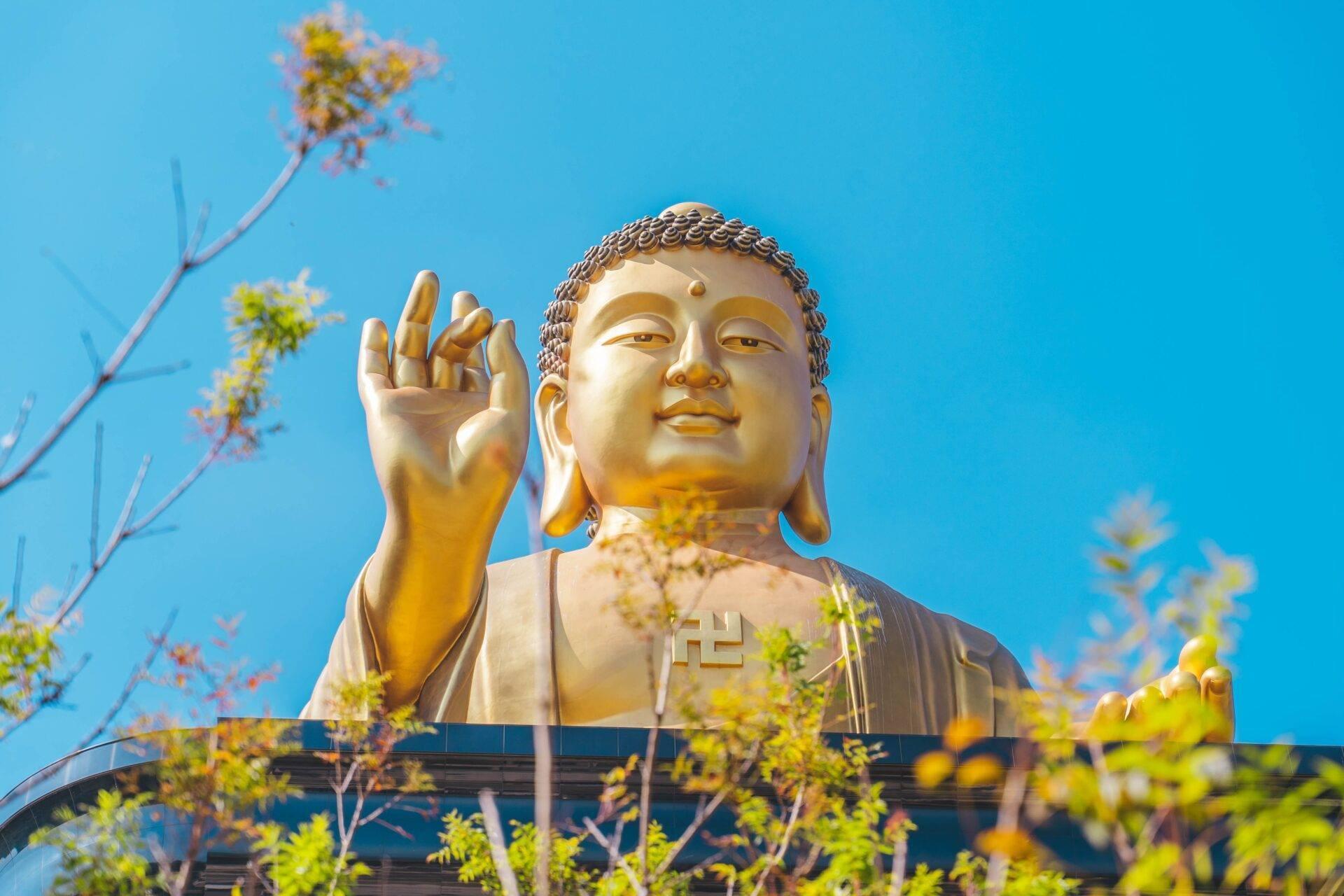
In Kaohsiung, Lotus Pond is an artificial lake fringed with pagodas, pavilions and an imposing golden Buddha statue. The two towers shaped like a dragon and a tiger, the site’s emblems, can be explored from the inside. It is a place of daily devotion as much as a photographic landmark in southern Taiwan.
18. Fo Guang Shan Buddha Museum
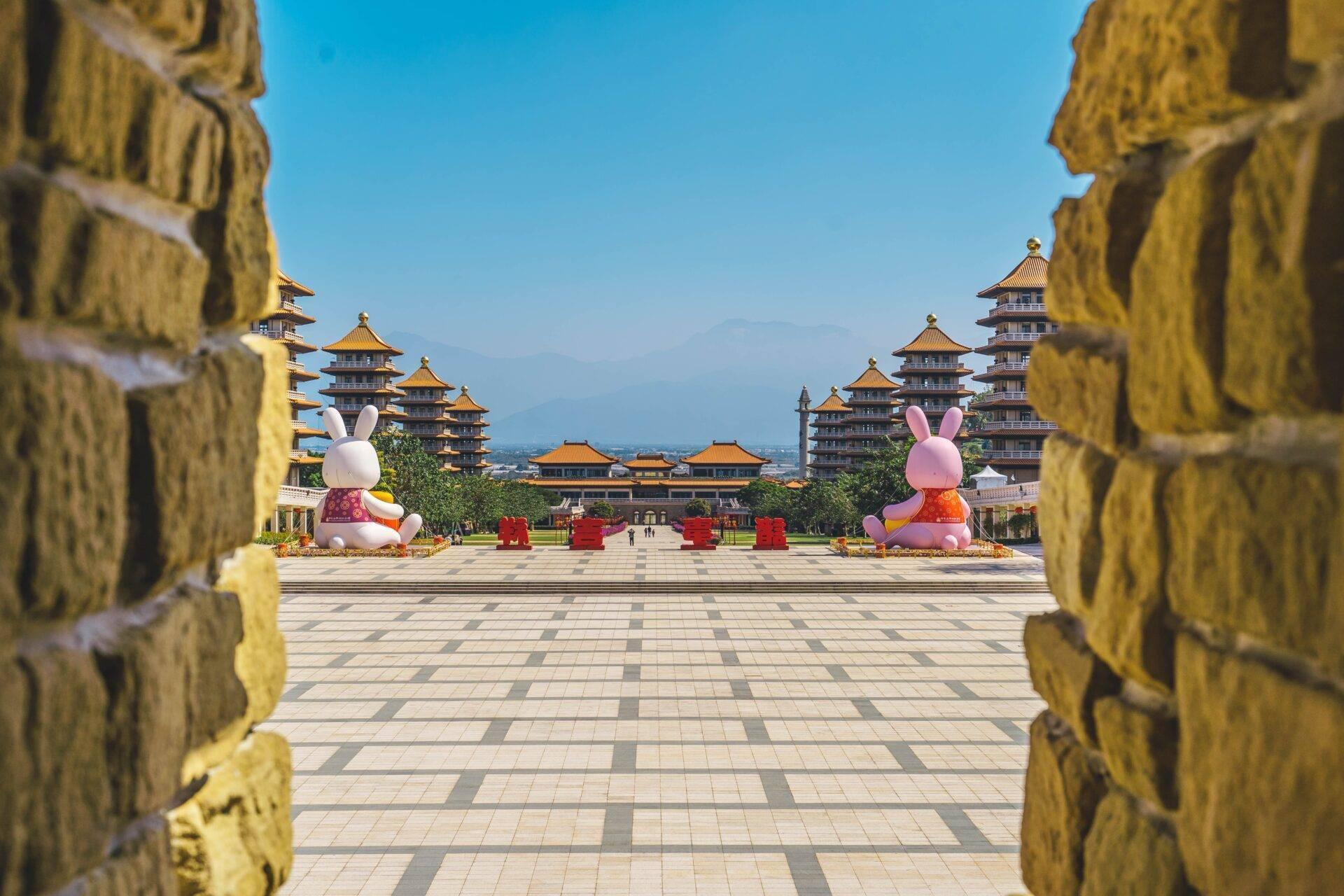
The Fo Guang Shan Buddhist complex in Kaohsiung is one of the largest of its kind in the world. Its eight pagodas, spacious courtyards and exhibitions trace Buddhist philosophy and art through the centuries. An essential stop for understanding the place of Buddhism in Taiwanese culture.
19. Tainan by Night: The Former Capital
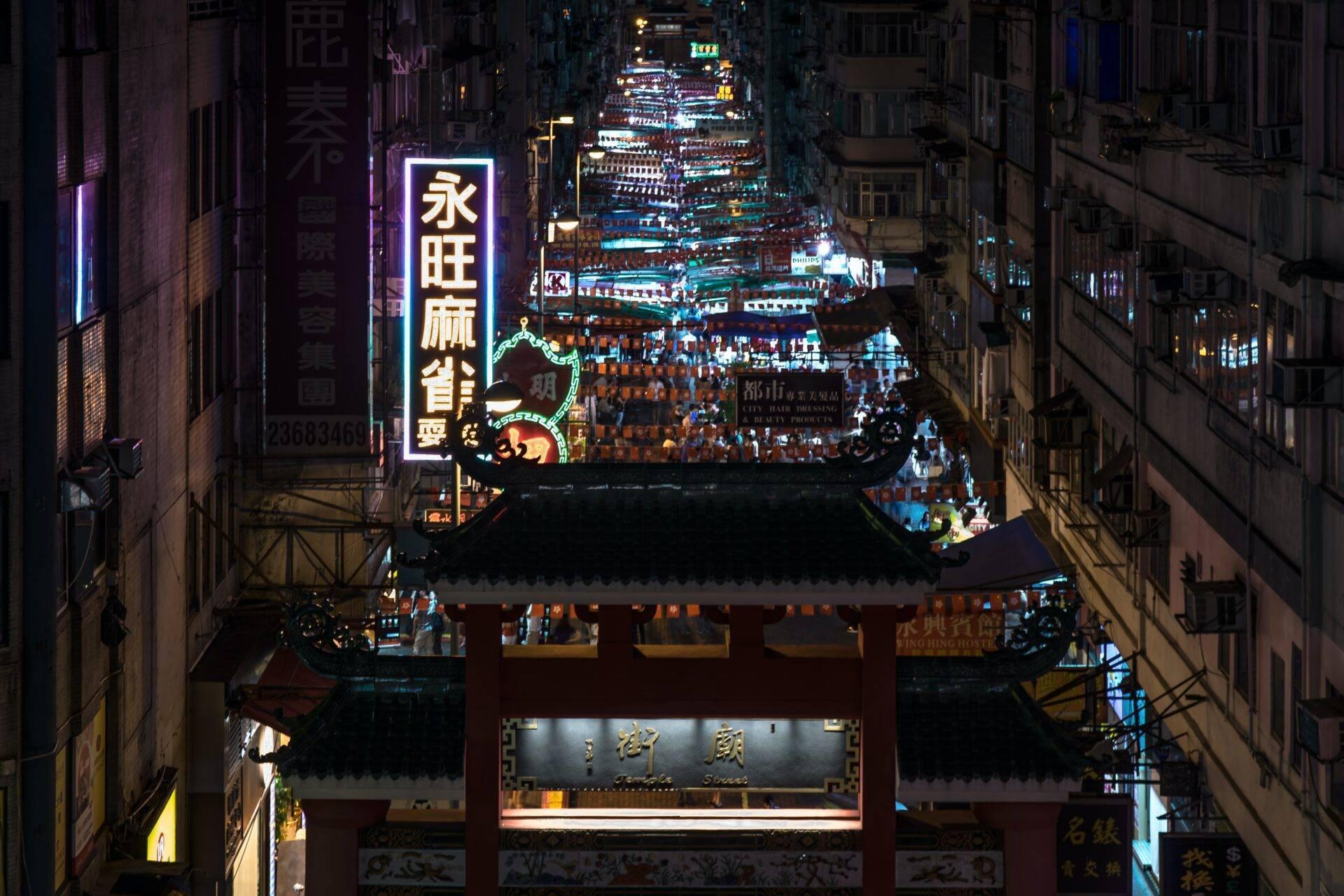
Tainan is Taiwan’s former capital and the city most widely regarded as having the island’s finest local cuisine. In the evening, its historic lanes blend illuminated temples, late-night noodle shops and discreet bars. Wandering its old quarters after dark is an experience in its own right.
20. Anping Fort: Traces of Colonial History
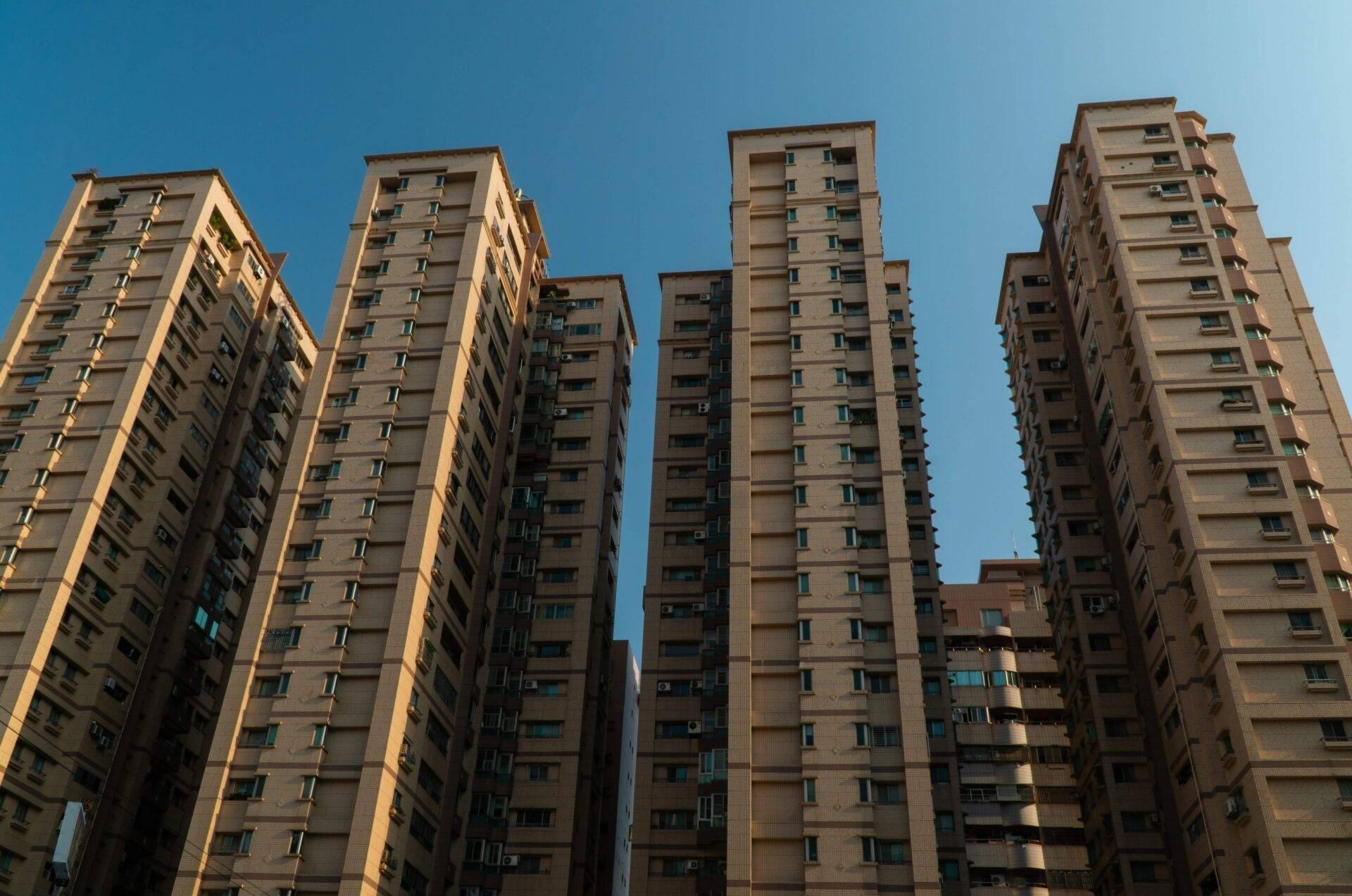
Built by the Dutch in 1624 under the name Fort Zeelandia, Anping Fort is one of Taiwan’s oldest historical sites. After its recapture by Koxinga in 1662, it gave its name to the Anping district, now woven into the modern urban fabric of Tainan. The adjacent museum traces the island’s colonial history and the successive dynasties that governed it.
Before you go, check entry requirements, health conditions and your insurance cover on our Taiwan travel insurance page, which brings all the practical details together in one place.
If your trip also takes you to mainland China, explore our selection of 20 must-sees in China.
FAQ
When is the best time to visit Taiwan?
The most pleasant window runs from October to April: mild temperatures in the north and manageable warmth in the south. Summer (June to September) is hot and humid, with a risk of typhoons in August and September. The cherry blossom season at Alishan typically falls between late March and early April.
How long does it take to see Taiwan?
Two weeks lets you cover the highlights: Taipei and its surroundings (4 to 5 days), Hualien and Taroko (2 days), Sun Moon Lake and Alishan (2 to 3 days), Tainan and Kaohsiung (3 days). With 10 days, you will need to choose between the cultural north and the historic south.
How do you get around Taiwan?
The High Speed Rail (HSR) efficiently connects cities on the west coast, with most journeys taking under an hour. For natural sites like Taroko or Alishan, hiring a scooter or car offers the greatest flexibility. Taipei has a dense, fast and affordable metro network.
Are night markets open every evening?
Most major markets (Shilin, Raohe, Huaxi in Taipei) operate every evening from around 5pm or 6pm. Some regional markets close one or two days a week; check ahead before making the trip.
Do I need travel insurance for Taiwan?
Hiking in Taroko, riding a scooter or being admitted to hospital in Taipei can all lead to significant costs not covered by standard state health schemes when travelling abroad. Travel insurance covering medical expenses and repatriation is strongly recommended. For the right cover and all the practicalities, visit our Taiwan travel insurance page.