
Beijing packs into a single trip what few cities in the world can offer: UNESCO-listed imperial palaces, seven-century-old alleyways and scenes of everyday life that most guidebooks barely skim. A week is the minimum to go beyond the must-sees and genuinely touch the soul of the city.
Get my travel insurance quoteInside the hutongs: the Beijing that endures
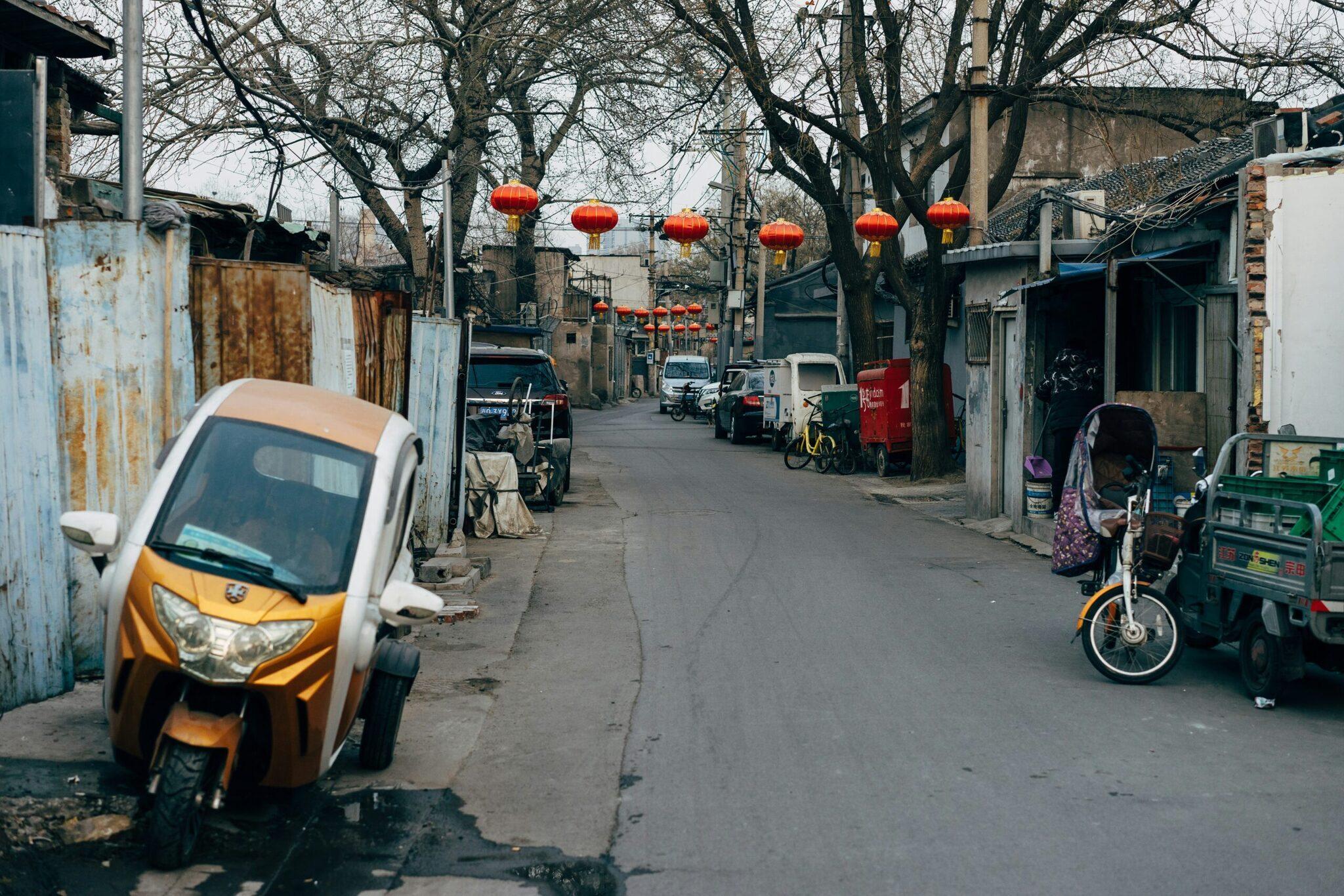
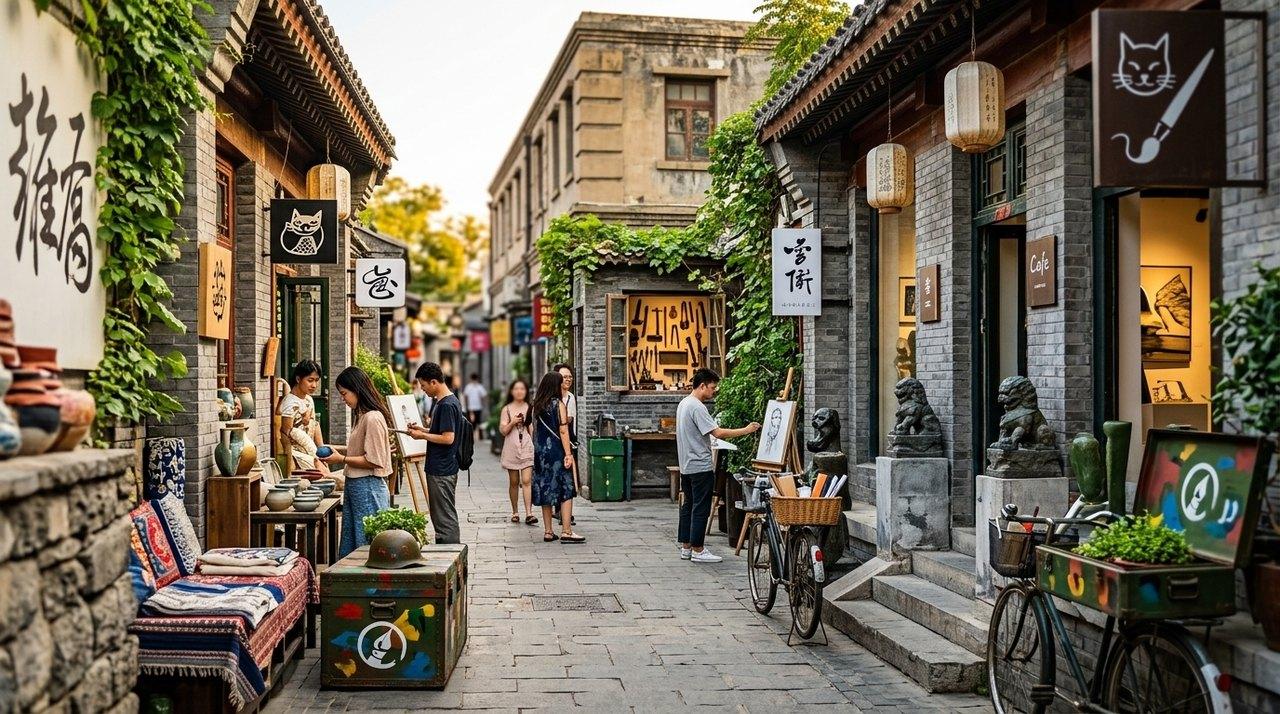
The word hutong comes from Mongolian and originally referred to a well, around which each neighbourhood was organised during the Yuan dynasty (13th century). These narrow lanes, lined with courtyard houses (siheyuan), still form the living fabric of old Beijing.
Shichahai: preserved authenticity
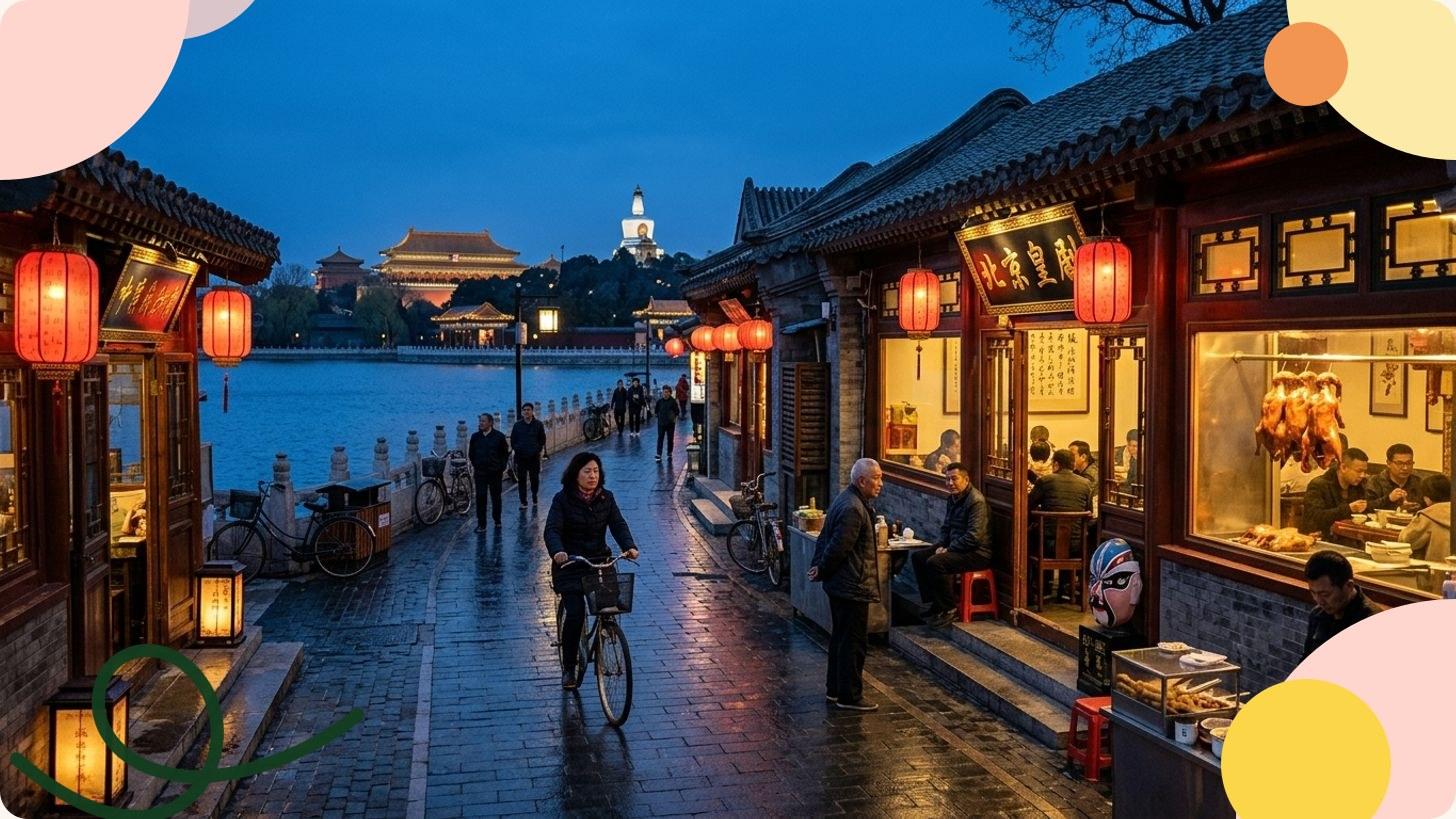
Once the Grand Canal’s northern terminus under the Yuan dynasty and an aristocratic retreat under the Ming and Qing, the Shichahai district (the Back Lakes) is Beijing’s largest protected hutong area. Water glitters between weeping willows. Residents practise tai chi or walk their caged birds from dawn. Prince Gong’s Mansion (Gong Wang Fu) gives a vivid sense of the palatial architecture enjoyed by a great Qing aristocrat. Unlike Nanluoguxiang, Shichahai retains its inhabited siheyuan, its local shops and its street-side mahjong games.
Metro station: Shichahai (Line 8).
Nanluoguxiang: gentrification on display
Nanluoguxiang preserves its original Yuan-dynasty layout, with eight lanes branching off like a fishbone from a central spine. The main street blends design boutiques, cafes and art galleries. The quieter northern courtyards hide gems such as the memorial to painter Qi Baishi. Best visited in the late afternoon for a lively wander, less so for genuine immersion. Come on a weekday, preferably in the morning, to catch something of real neighbourhood life.
Metro station: Nanluoguxiang (Lines 6 and 8).
Wudaoying: former military barracks turned creative quarter
Wudaoying Hutong was once a Qing military camp. Today this corridor is home to independent designer shops, retro cafes and well-considered small restaurants, a short walk from the Lama Temple (Yonghe Gong).
Worth knowing: hutongs are open residential neighbourhoods with free access. Visit on a weekday, in spring or autumn. Early morning is when neighbourhood life truly unfolds and the experience moves well beyond the standard tourist circuit.
Peking opera: why you should go even without a word of Mandarin
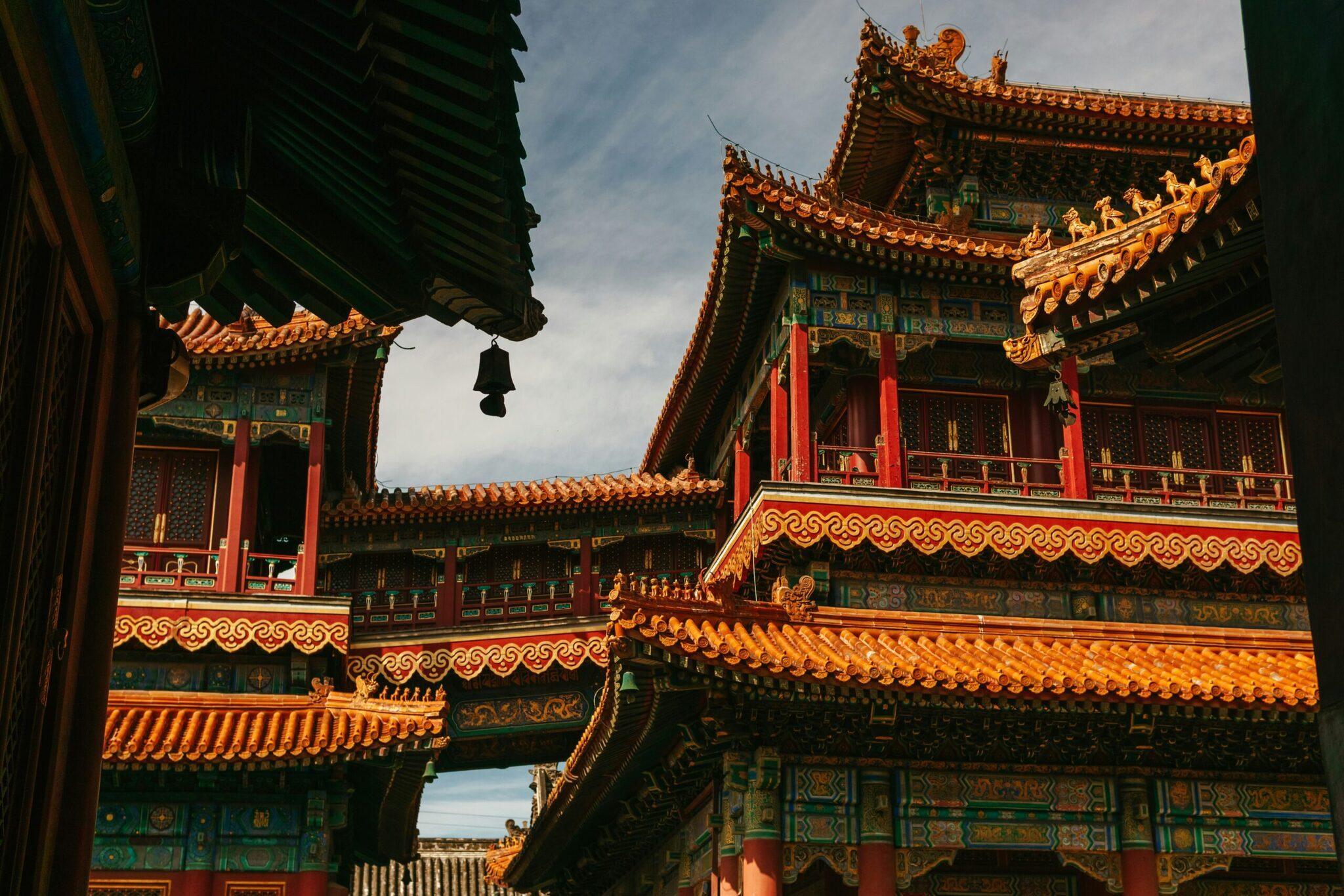
Peking opera (jingju) combines singing, acrobatics, codified martial arts and embroidered costumes into a wholly visual spectacle. Each character is identifiable by the colour of their make-up: red for bravery, white for treachery, black for integrity. The code is perfectly readable even without understanding a single word of Mandarin.
The Liyuan Theatre (Jianguo Qianmen Hotel) stages performances Wednesday to Saturday at 7:30 pm, running around 70 minutes. Arrive 30 minutes early to watch the performers apply their make-up backstage. Tickets start at ¥280 and can be booked online.
For a more demanding experience, the Mei Lanfang Grand Theatre and the Chang’an Grand Theatre offer full-length programmes, longer and more squarely aimed at a knowledgeable local audience.
The Forbidden City: 72 hectares, and a strategy for not burning out
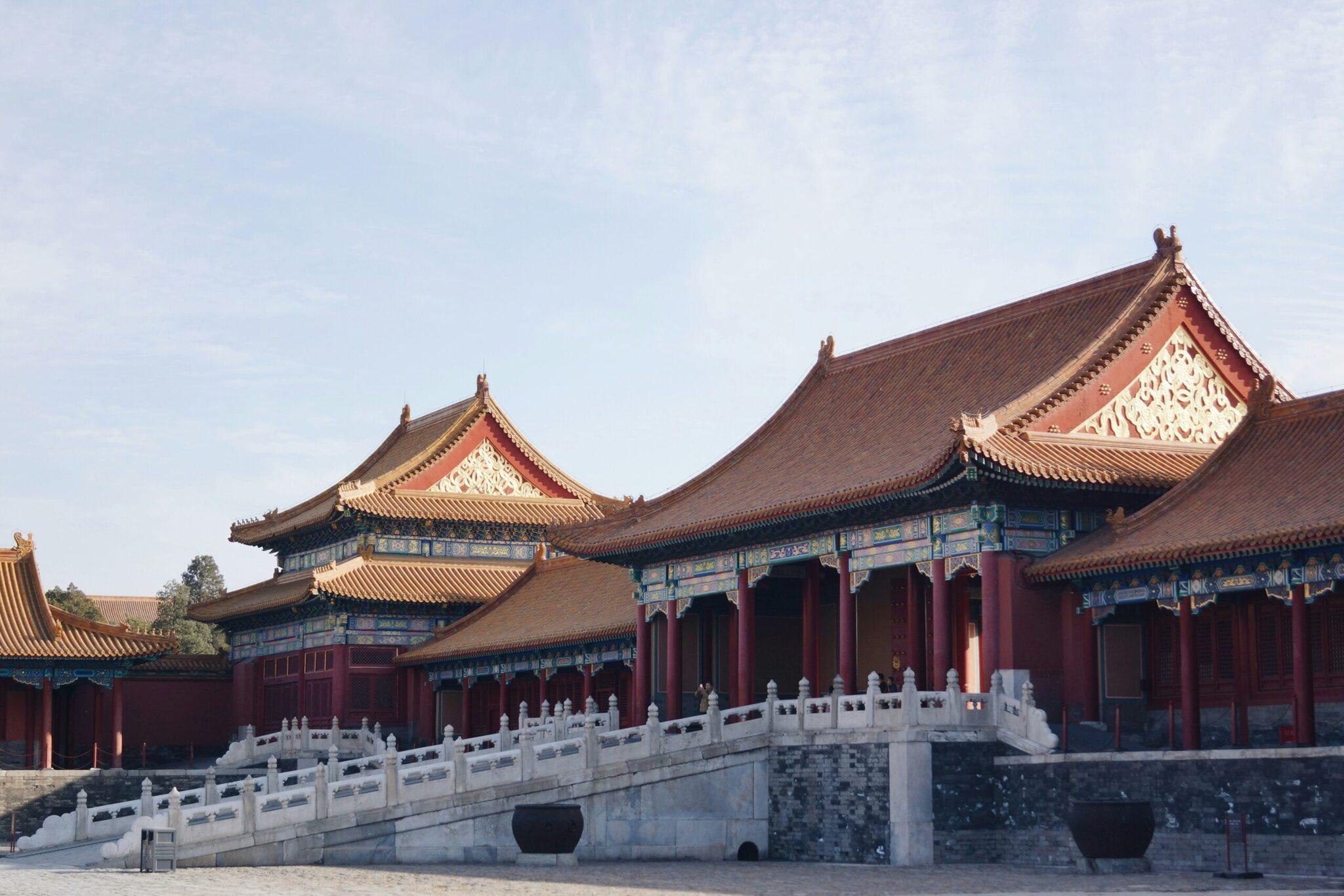
The Forbidden City (Gugong), a UNESCO World Heritage Site, covers 72 hectares and contains over 980 buildings. It served as the residence of Ming and then Qing emperors for five centuries.
Allow at least 3 to 4 hours. Avoid the crowded central axis and explore the quieter side wings, where collections of imperial clocks and ceramics are on display. The Imperial Garden, at the northern end of the complex, offers a calm retreat at the end of your visit. Tickets are sold exclusively online, with a daily visitor quota: book several days ahead during peak season.
To place Beijing within a broader itinerary, our complete guide to things to do in China will help you build your trip.
Tiananmen Square: the flag-raising ceremony
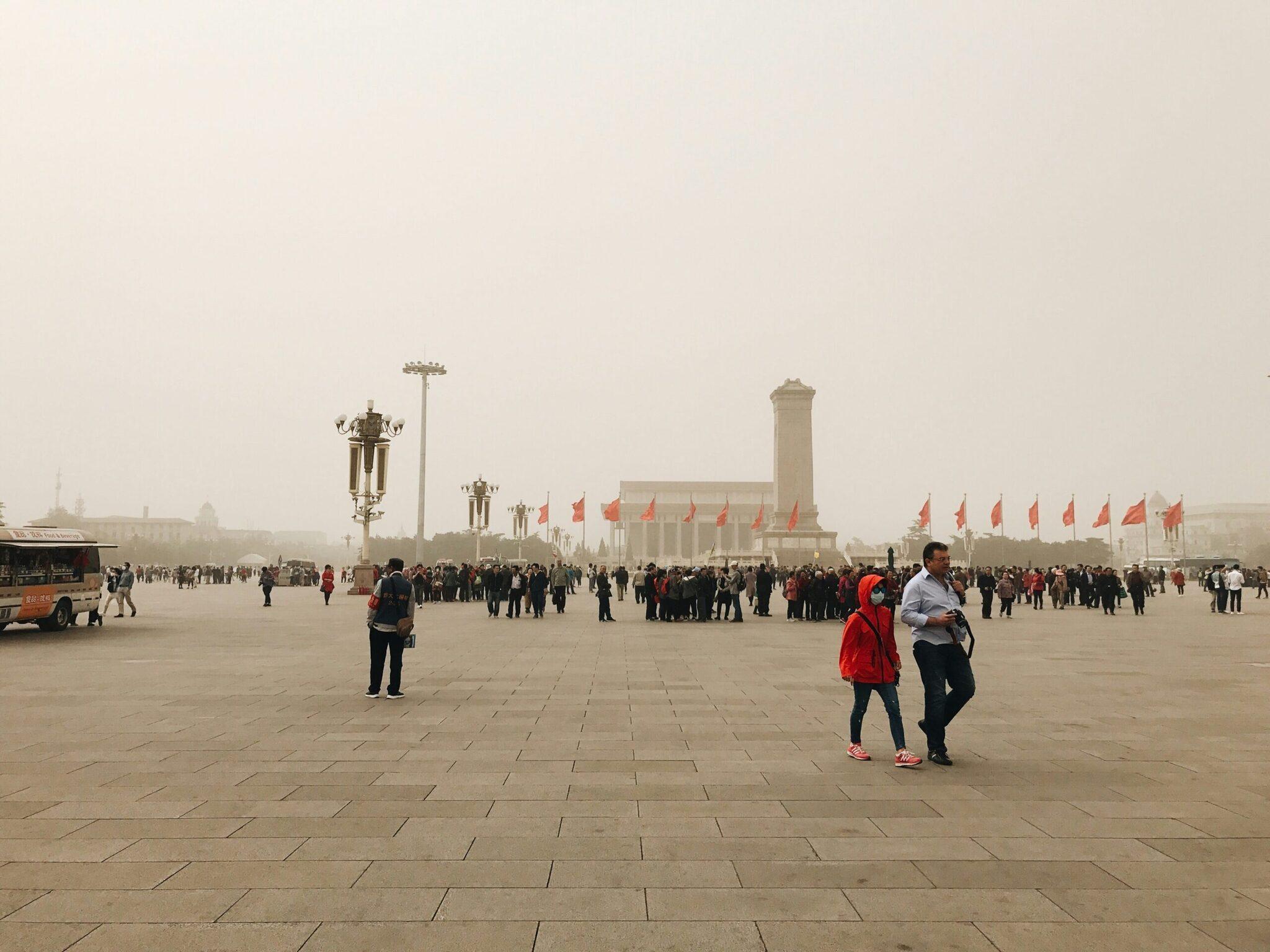
Tiananmen Square is one of the largest public squares in the world. The flag-raising ceremony takes place every morning at the precise moment of sunrise, accurate to the minute. Arrive 30 minutes early. The ceremony lasts just a few minutes, draws hundreds of Chinese visitors and admission is free.
The Great Wall: Mutianyu over Badaling
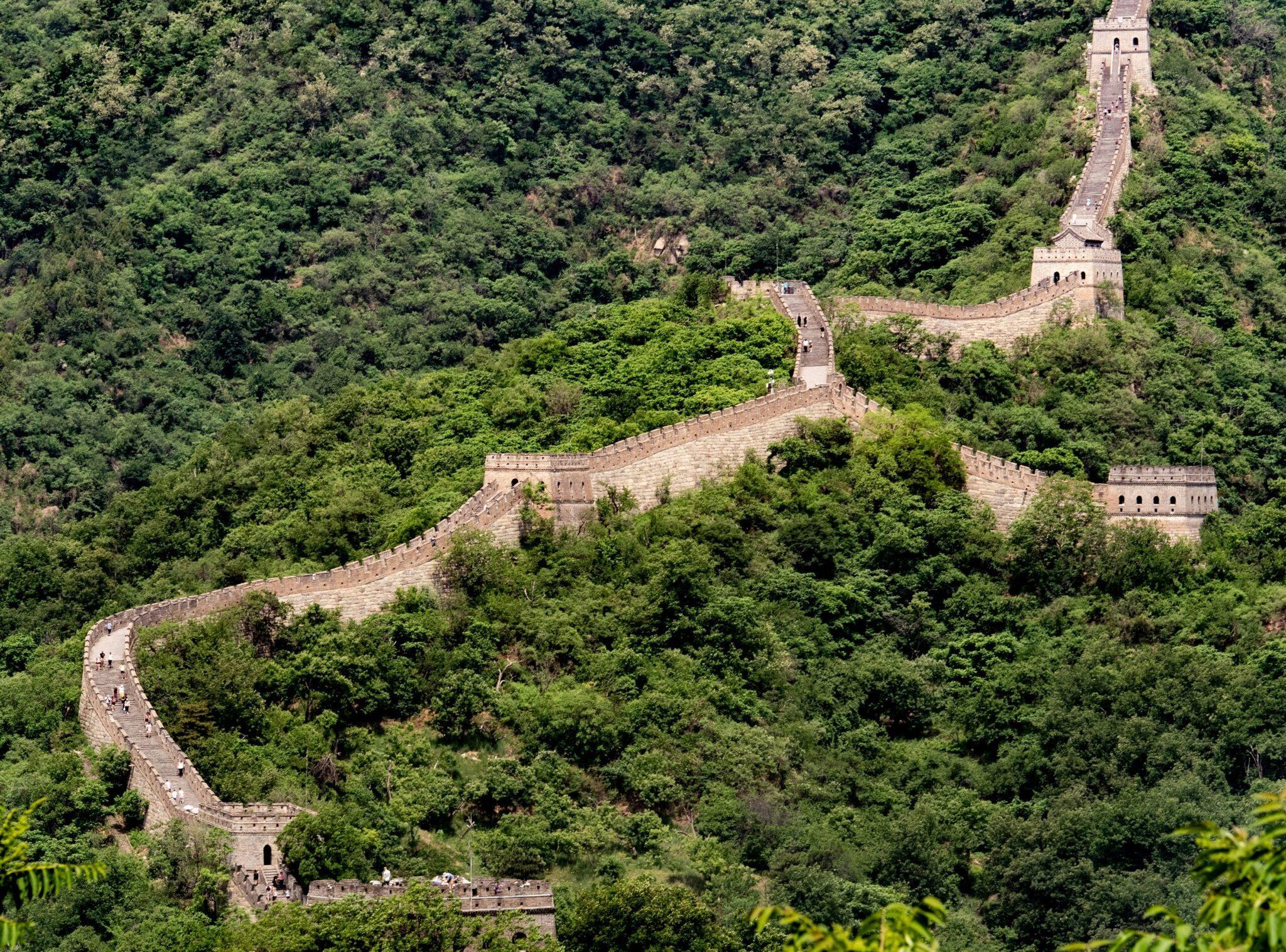
The Badaling section, around 70 km from Beijing, is the most accessible and the most crowded. Mutianyu, a little further out, offers wilder scenery, fewer crowds and a cable car to reach the summit without the effort of climbing on foot. Both sections make for a solid day trip from the capital.
Beijing’s parks: between 6 am and 9 am, the city belongs to itself
A visit to the Temple of Heaven Park or Jingshan Park (Coal Hill, facing the Forbidden City) early in the morning reveals a side of the city that most tourists miss: outdoor dance groups, tai chi practitioners, amateur musicians, mahjong players. These parks are Beijing’s collective living room. Nobody is there to spend money; everyone is there to meet.
Contemporary Beijing: the other face of the capital
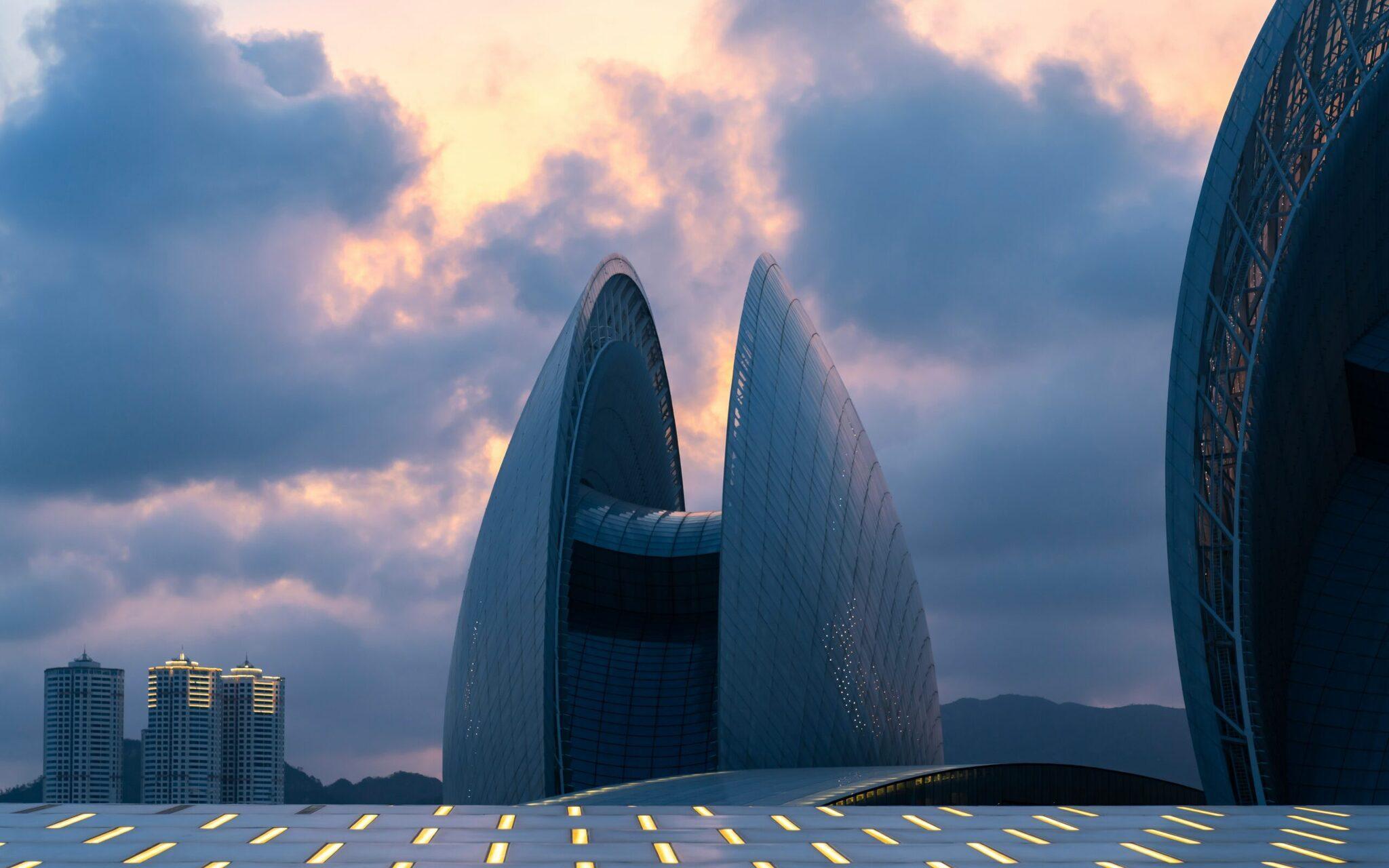
Beijing is far more than its palaces. The Sanlitun district, the area around the 798 Art District (a former military factory turned contemporary art hub) and the CBD show a capital in constant reinvention. This contrast between imperial and contemporary Beijing is one of the city’s defining qualities: the two coexist, neither overwhelming the other.
Peking duck: the address that matters
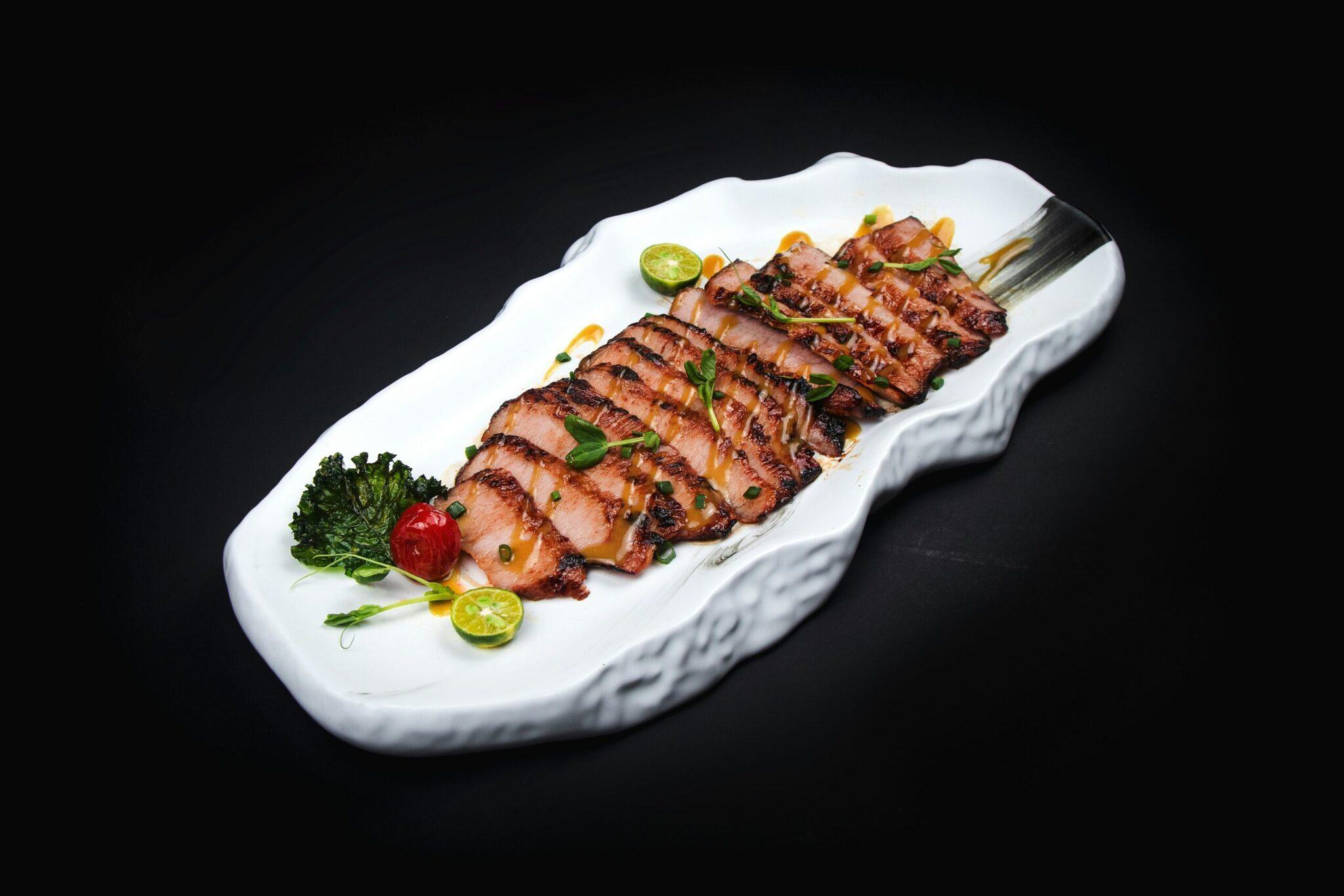
Peking duck (Běijīng kǎoyā) is the city’s signature dish. The lacquered, crispy skin is wrapped in thin pancakes with hoisin sauce, spring onion and cucumber.
- Quanjude, founded in 1864, is the historic institution, renowned for its fruit-wood-fired roasting method.
- Da Dong offers a lighter interpretation, with skin reputed to be even crispier.
In both cases, book ahead for dinner: the queues without a reservation are long.
If you are planning a broader Asian itinerary, our guides to things to do in Tokyo and things to do in Seoul can round out your trip.
FAQ
How many days do you need to visit Beijing?
Allow at least 5 to 7 days to combine the highlights (Forbidden City, Great Wall, Tiananmen Square) with half a day in the hutongs and an evening at the opera. An extra week allows you to explore less touristy neighbourhoods, local markets and neighbourhood parks.
Do you have to pay to visit Beijing’s hutongs?
No. The hutongs are open residential neighbourhoods and entry is free. Rickshaw tours are offered by local operators, but wandering the lanes on your own costs nothing.
Where can tourists see Peking opera in Beijing?
The Liyuan Theatre (Jianguo Qianmen Hotel) is the most accessible venue for foreign visitors: performances Wednesday to Saturday at 7:30 pm, around 70 minutes, tickets from ¥280. Arrive 30 minutes early to watch the performers apply their make-up backstage.
What is the best time to visit Beijing?
Spring (April to May) and autumn (September to October) offer the best conditions. Summer is hot and humid; winter is cold and dry, though the Great Wall under snow is well worth the journey.
How do you get around Beijing?
Beijing’s metro network is extensive, affordable and easy to navigate, with announcements in English. In the hutongs, walking or cycling is the way to go: the lanes are too narrow for cars.