
Peru packs into a single country what others wouldn’t dare promise: Inca cities perched among the clouds, a navigable lake at 3,800 metres, a coastal desert scattered with millennia-old geoglyphs and the world’s largest tropical rainforest. In two weeks, you can take in Machu Picchu, Cusco, the Sacred Valley and Lake Titicaca. In three, add Lima, Nazca, Huacachina and a detour into the Amazon. Here are the 20 stops that make Peru one of the most intense destinations in South America.
Insure my trip to PeruThe Central Andes: Cusco and Its Wonders
1. Machu Picchu
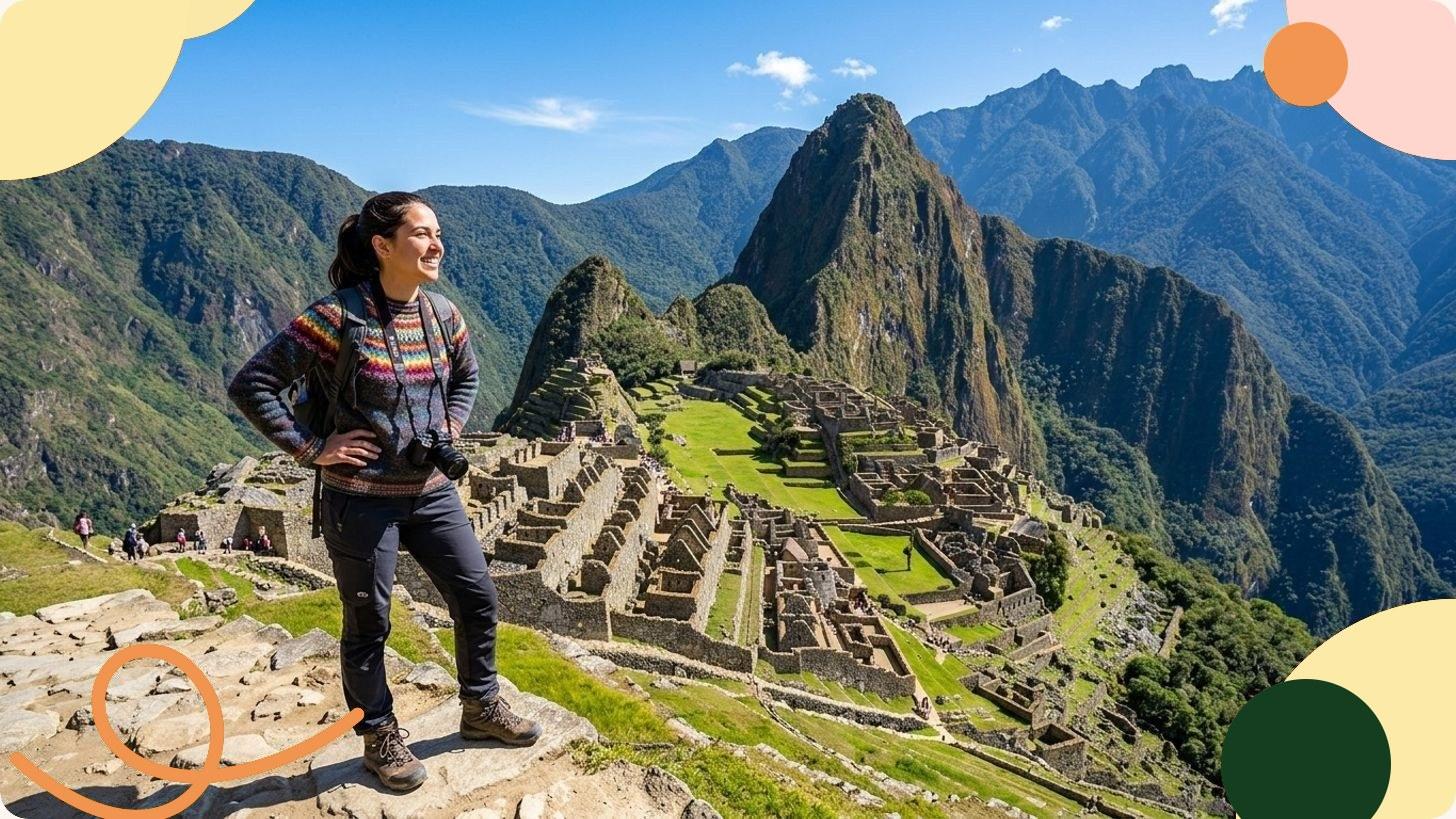
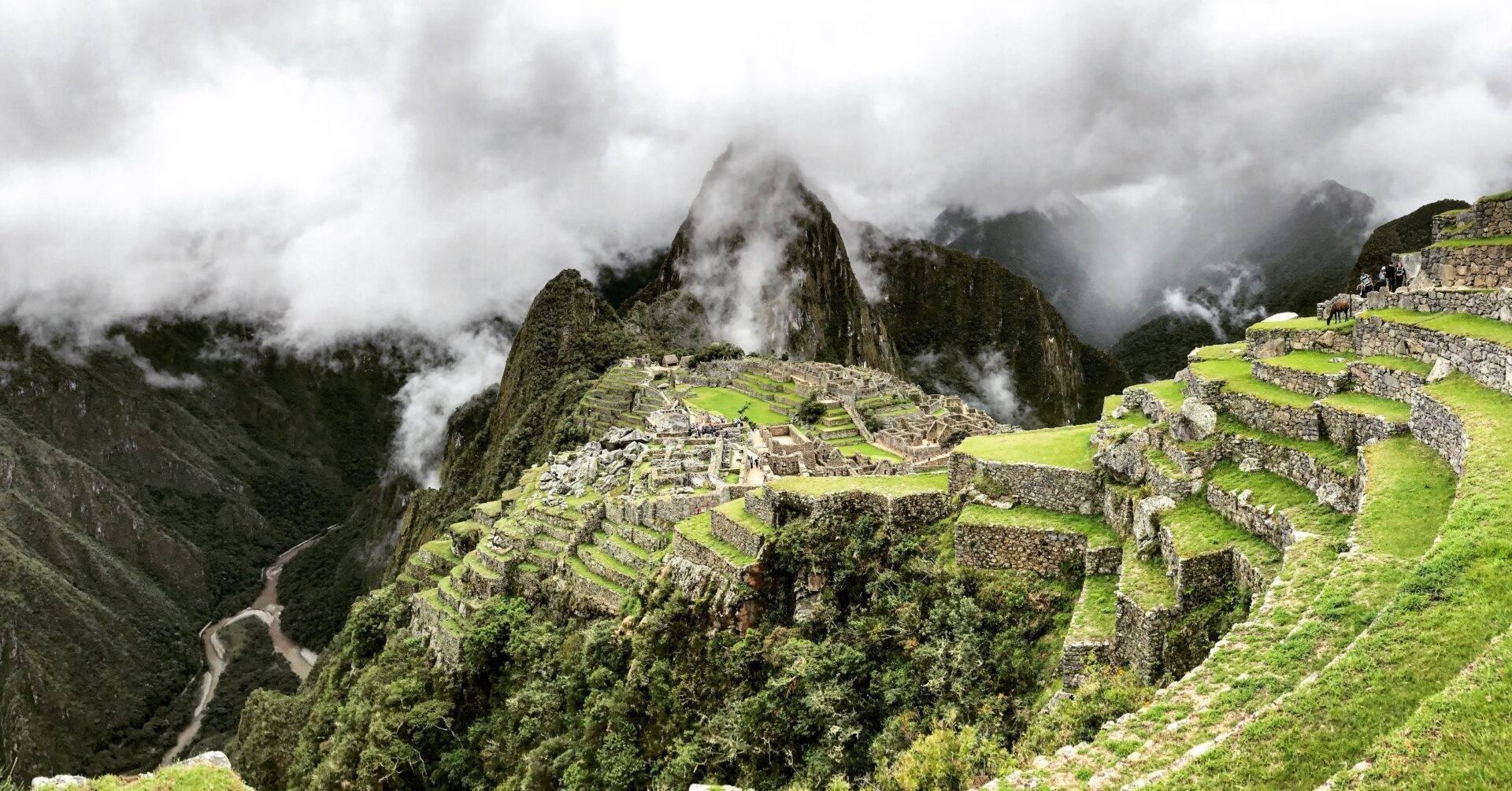
Perched at 2,430 metres in the Andes, the Inca site of Machu Picchu has been a UNESCO World Heritage Site since 1983. Stepped agricultural terraces, sun temples and mortarless stone walls fitted together with extraordinary precision reveal the ingenuity of 15th-century Inca civilisation.
Entry tickets are subject to strict daily quotas. Book through the official platform several weeks in advance. The climb to the Sun Gate (Inti Punku) rewards you with a sweeping panorama over the whole site and the valley below.
2. The Inca Trail
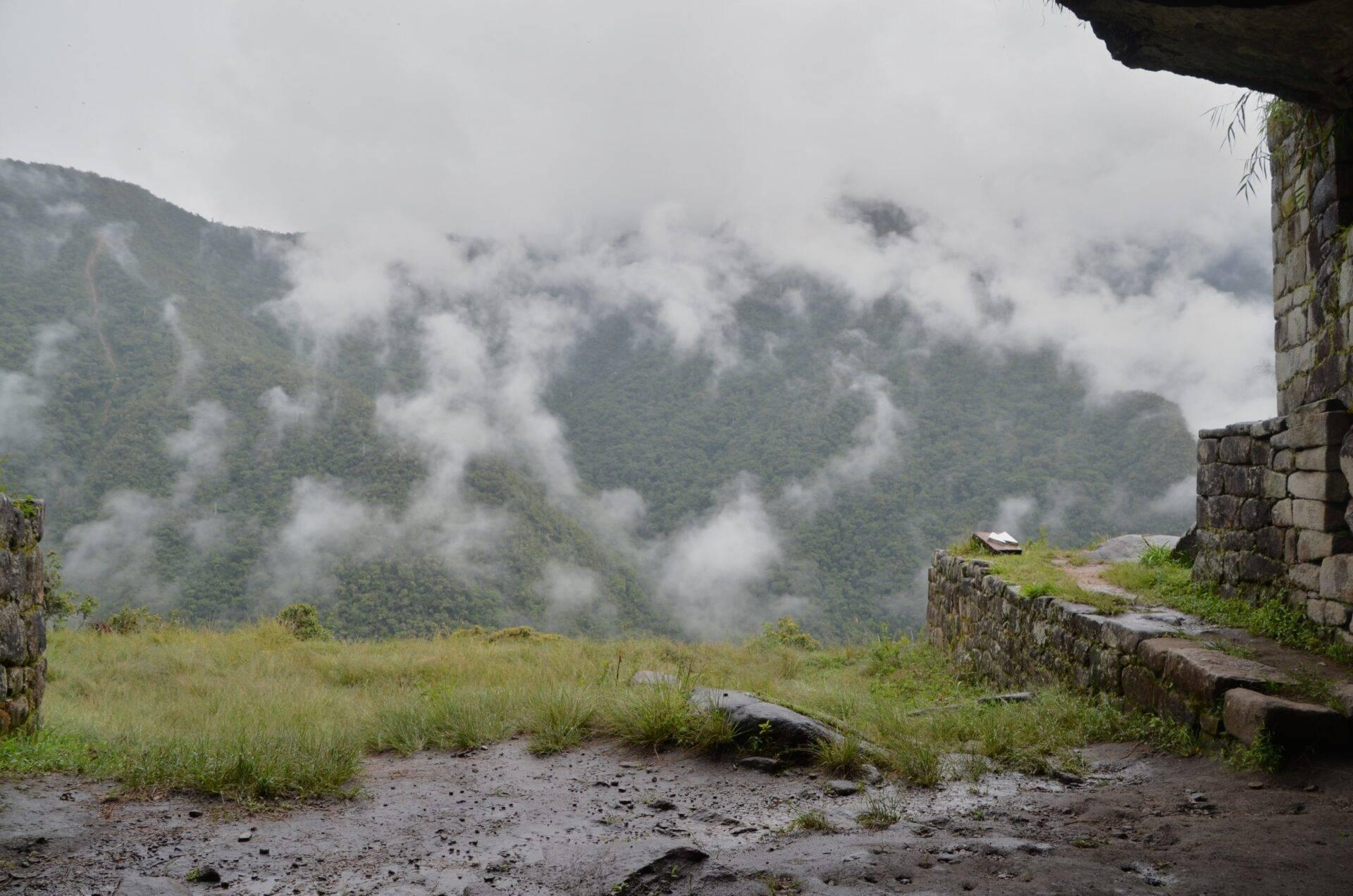
The historic trek linking Ollantaytambo to Machu Picchu (4 days, around 43 km) winds through cloud forests, crosses passes above 4,000 metres and takes in several archaeological sites before arriving at the Sun Gate at sunrise. Permits are limited and must be booked months in advance.
For those who’d rather avoid prolonged altitude, the panoramic train from Cusco to Aguas Calientes remains the most comfortable alternative.
3. Cusco
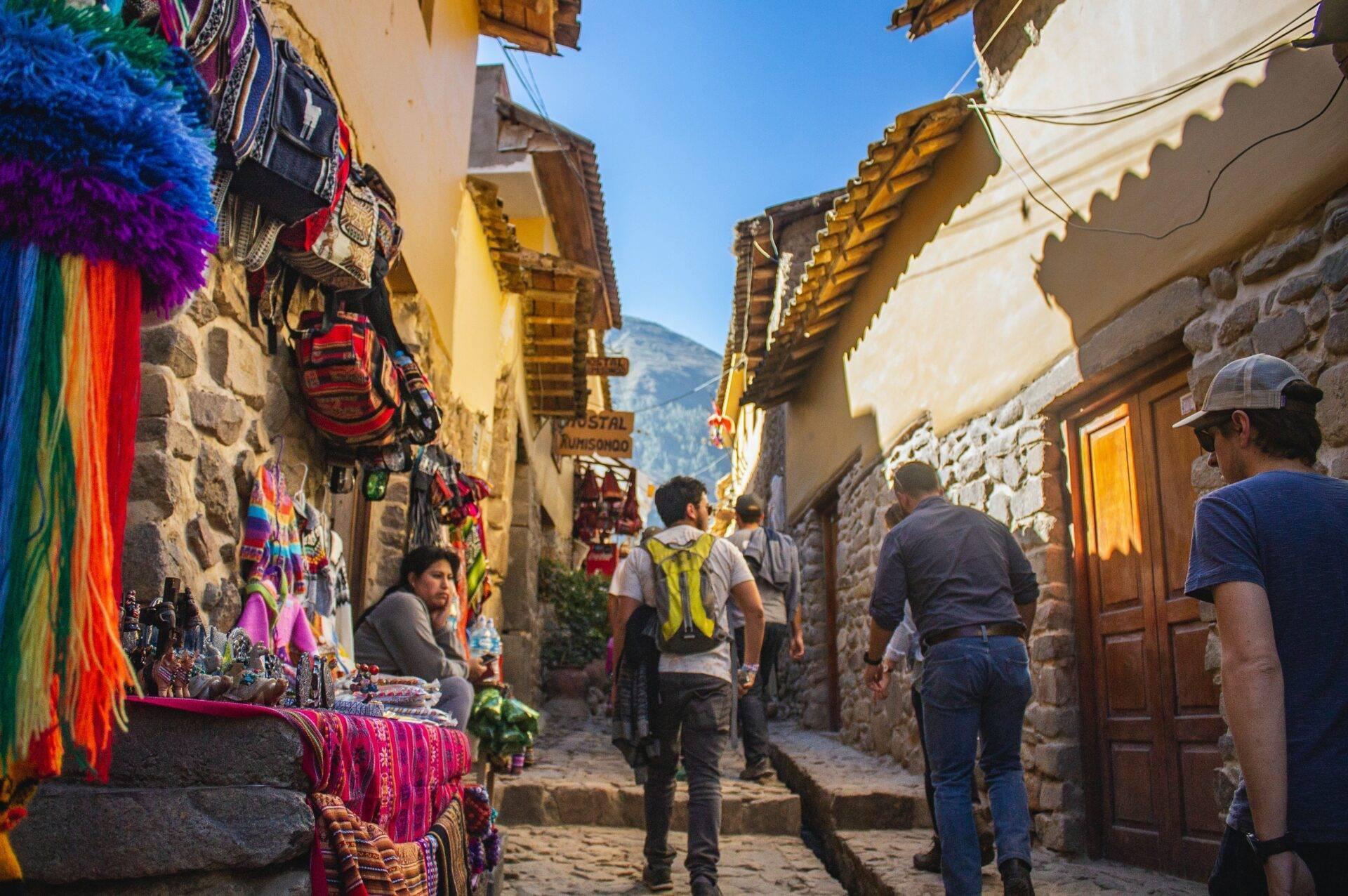
The former capital of the Inca Empire, Cusco sits at 3,400 metres above sea level. Its cobbled lanes conceal intact Inca walls beneath Spanish colonial facades: the Coricancha temple, converted into a convent, is the most striking example.
The San Blas neighbourhood with its artisan workshops, the bustling Plaza de Armas and the ruins of Sacsayhuamán just above the city each deserve half a day. Allow two full days to acclimatise before heading higher. On a day trip, Rainbow Mountain (Vinicunca, above 5,000 metres) reveals mineral layers of red, green and ochre in some of Peru’s most photogenic scenery, though the altitude demands proper acclimatisation beforehand.
For a full immersion in the Inca capital, our guide to things to do in Cusco covers every unmissable highlight.
4. The Sacred Valley of the Incas
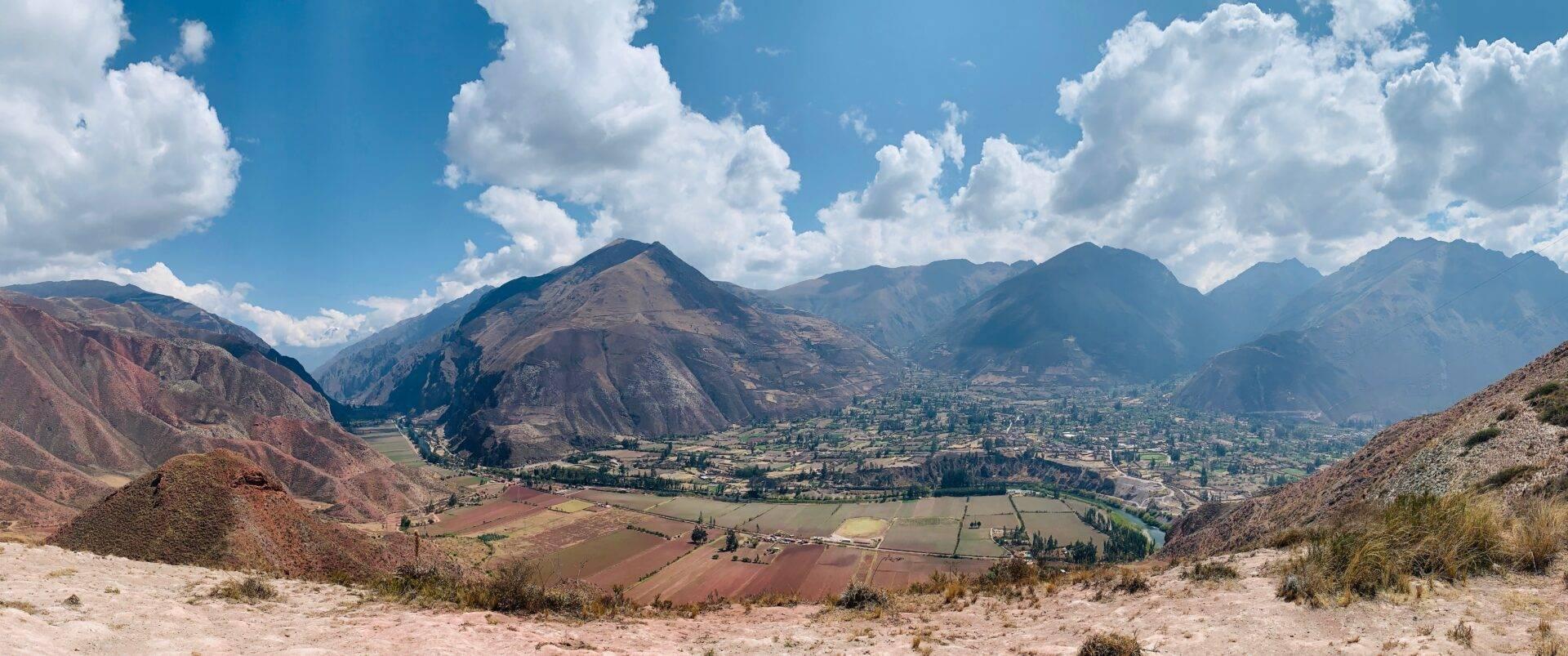
Between Cusco and Machu Picchu, the Sacred Valley holds some of the finest examples of Inca terraced agriculture. Pisac commands the valley from its clifftop ruins and hosts a lively artisan market below. Ollantaytambo, at the far end, retains an Inca fortress with intact ritual fountains and irrigation channels that have been running for five centuries.
The valley served as the breadbasket of the Inca Empire. A full day is enough to explore it from Cusco, but staying overnight in Ollantaytambo lets you catch the night train to Aguas Calientes.
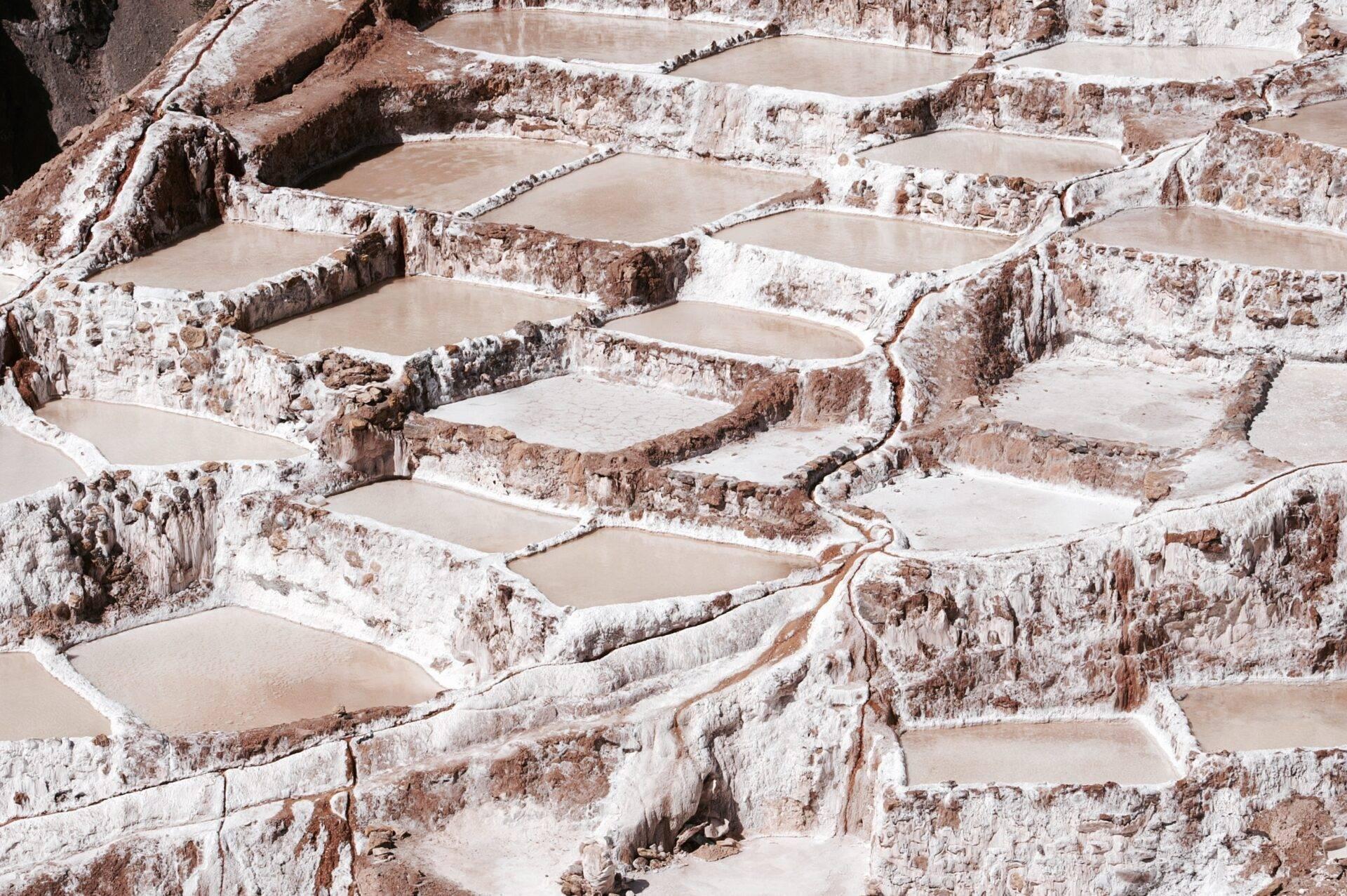
5. The Maras Salt Pans
At 3,400 metres, hundreds of small white and rust-ochre pools cascade down the mountainside: the Maras salt pans have been worked since pre-Inca times to extract salt. Local families still own them and maintain them using ancestral methods.
Nearby, the Moray site features circular terraced amphitheatres believed to have served as an Inca agricultural laboratory for testing crops at different altitudes.
The Altiplano and the Southern Andes
6. Lake Titicaca
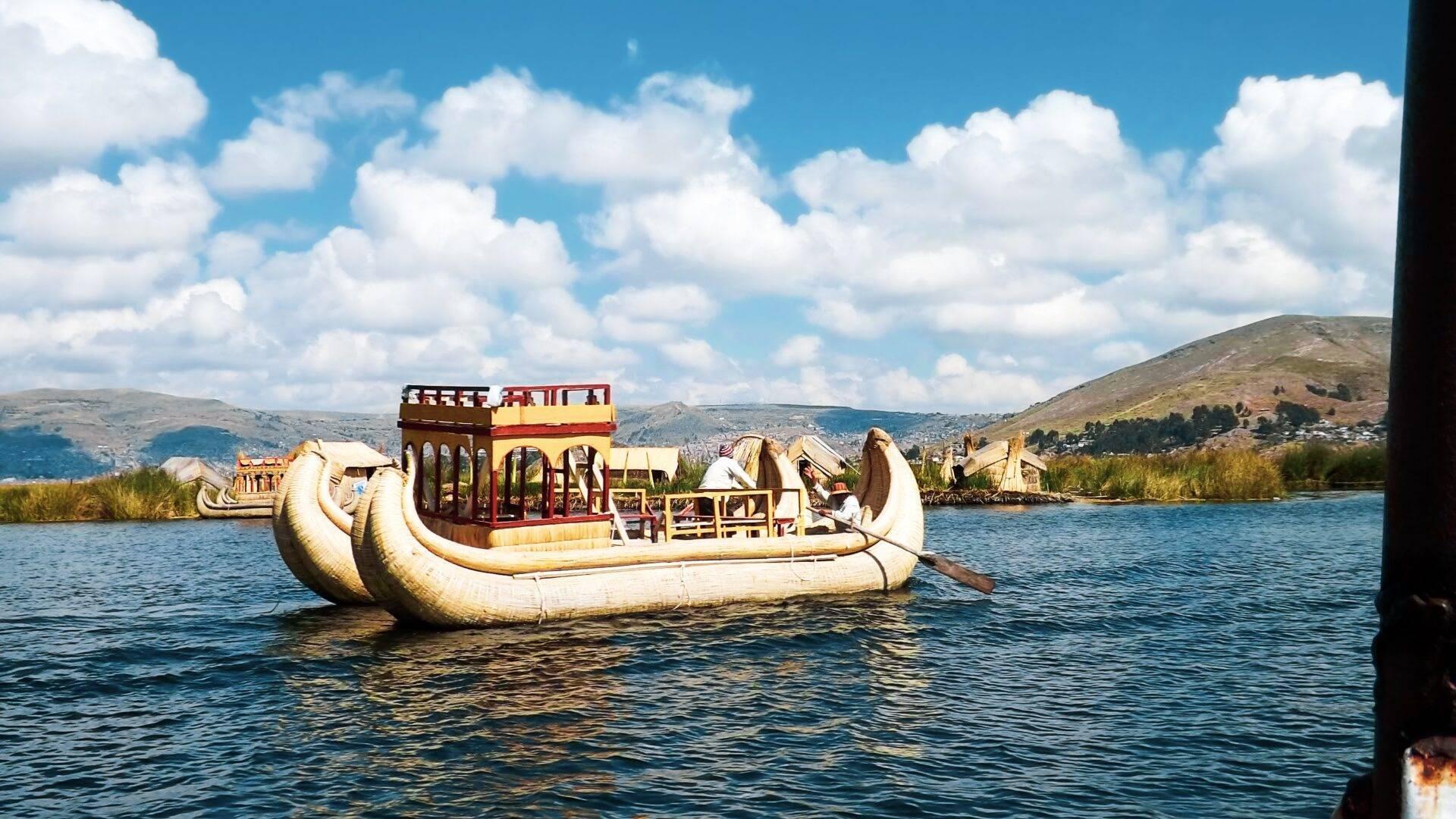
Sitting at over 3,800 metres on the border between Peru and Bolivia, Lake Titicaca is the world’s highest navigable lake, covering 8,400 km². The light here is strikingly clear, heightened by the intense blue of the water and the purity of the high-altitude air.
The Uros Islands, built entirely from floating totora reed, are home to communities preserving an ancient way of life. Further out, Taquile Island offers a deep immersion in Andean textile traditions. The experience can continue on the Bolivian side: our guide to things to do in Bolivia covers the must-sees beyond the border.
7. Arequipa
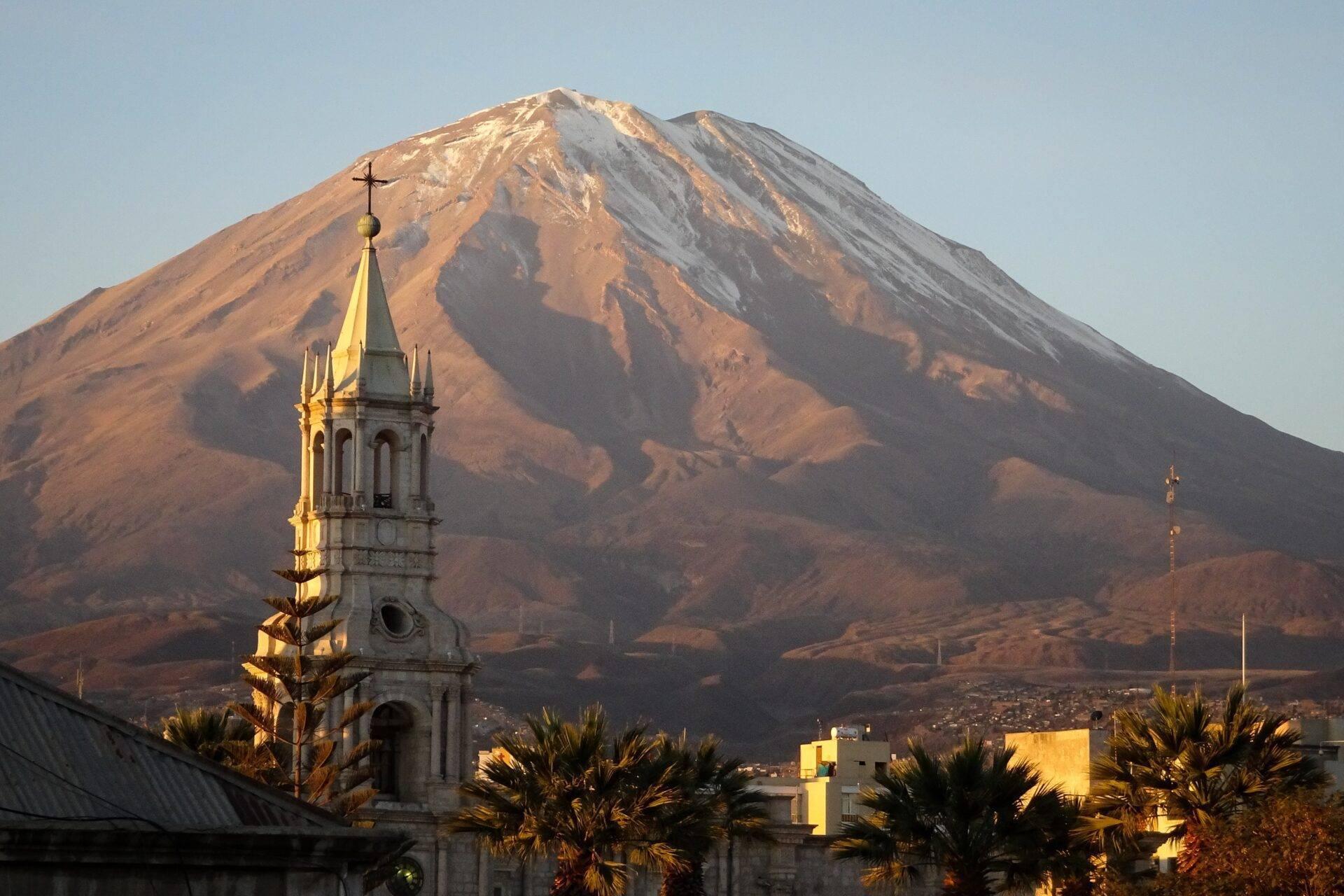
Nicknamed “the White City” for its buildings crafted from white volcanic stone (sillar), Arequipa spreads out at the foot of the Misti volcano. Its historic centre is a UNESCO World Heritage Site. The Santa Catalina Monastery, spanning 20,000 square metres, is a city within a city: lanes, courtyards and convents with ochre and blue walls form an ensemble that deserves a full half-day on its own.
8. Colca Canyon
Twice as deep as the Grand Canyon, Colca Canyon cuts between vertiginous cliff faces. Its main draw: at the Cruz del Cóndor viewpoint, Andean condors glide at eye level, carried on morning thermals. The best sightings are between 9am and 11am.
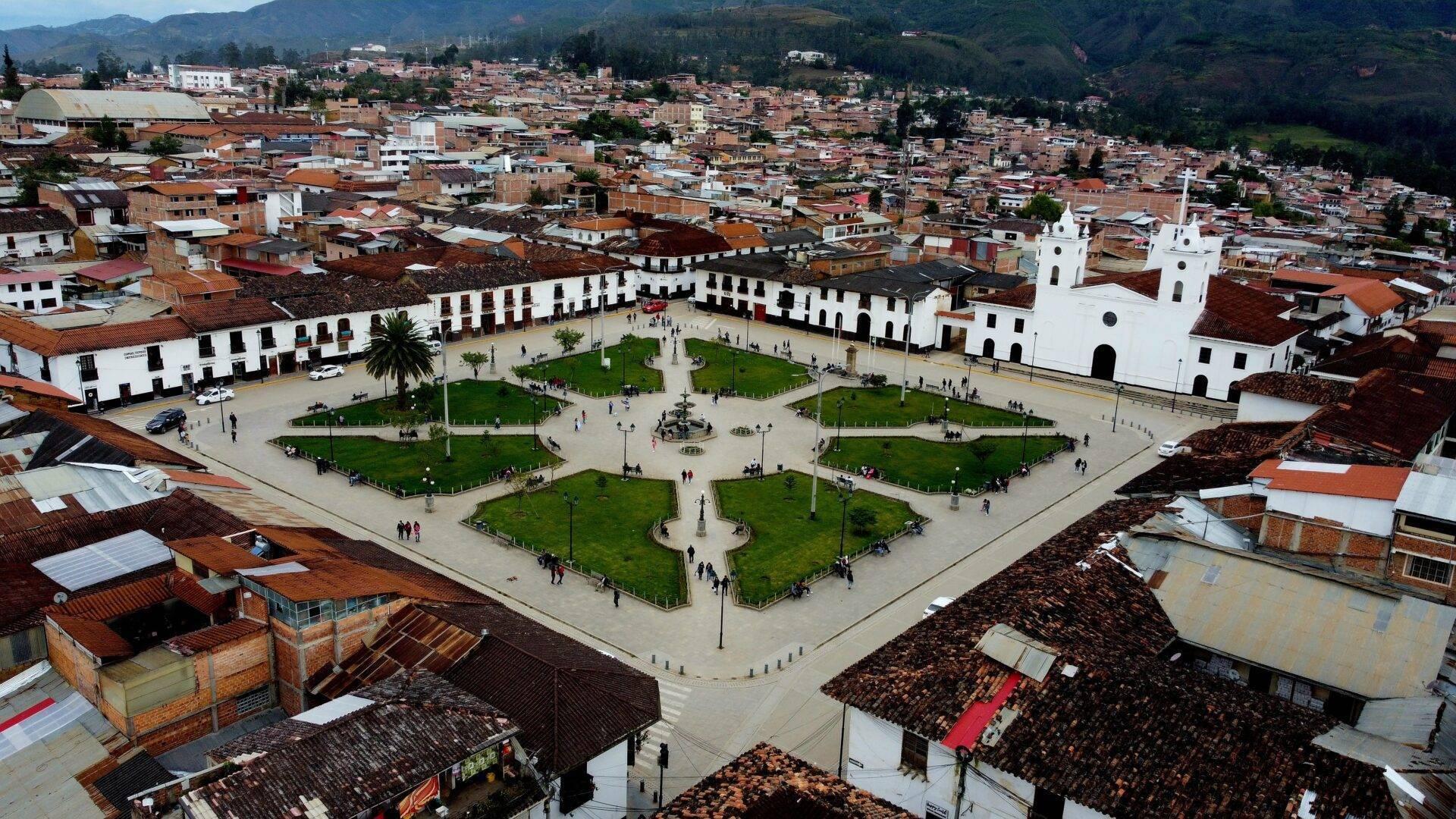
The town of Chivay, at the canyon entrance, makes a good base: lively markets and natural hot springs make it a pleasant stop before heading down into the canyon.
The Cordillera Blanca
9. Huascarán National Park
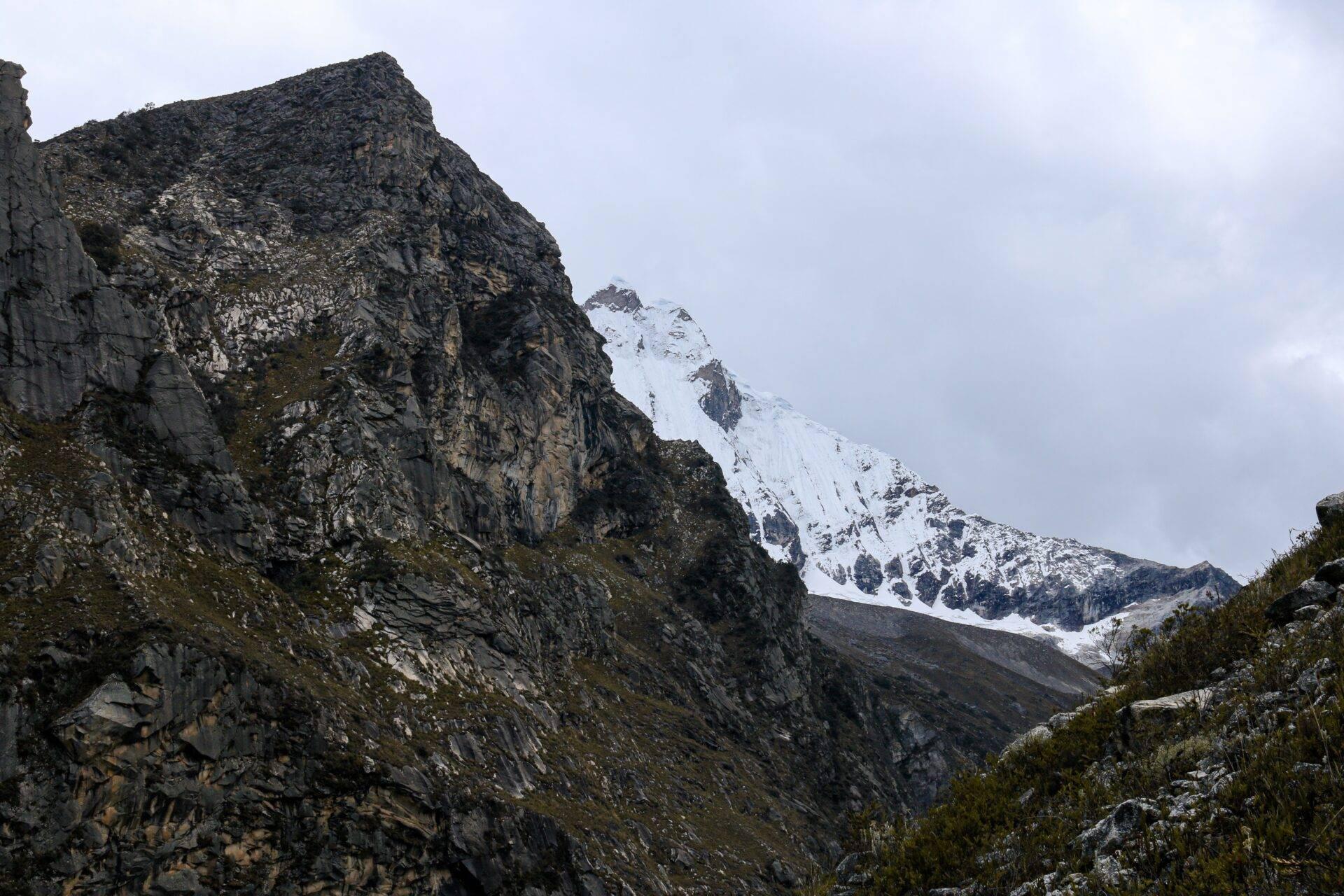
Huascarán National Park takes its name from Peru’s highest peak: Mount Huascarán stands at over 6,700 metres. The surrounding Cordillera Blanca is home to more than fifty peaks above 5,700 metres, gleaming glaciers and valleys strung with turquoise lakes. The city of Huaraz, gateway to the Cordillera, is the place to organise day hikes and multi-day treks.
The Santa Cruz Trek (4 days) crosses the most spectacular scenery in the range, reaching the Punta Unión pass at 4,750 metres with unbroken views of the snow-capped giants.
10. Laguna 69
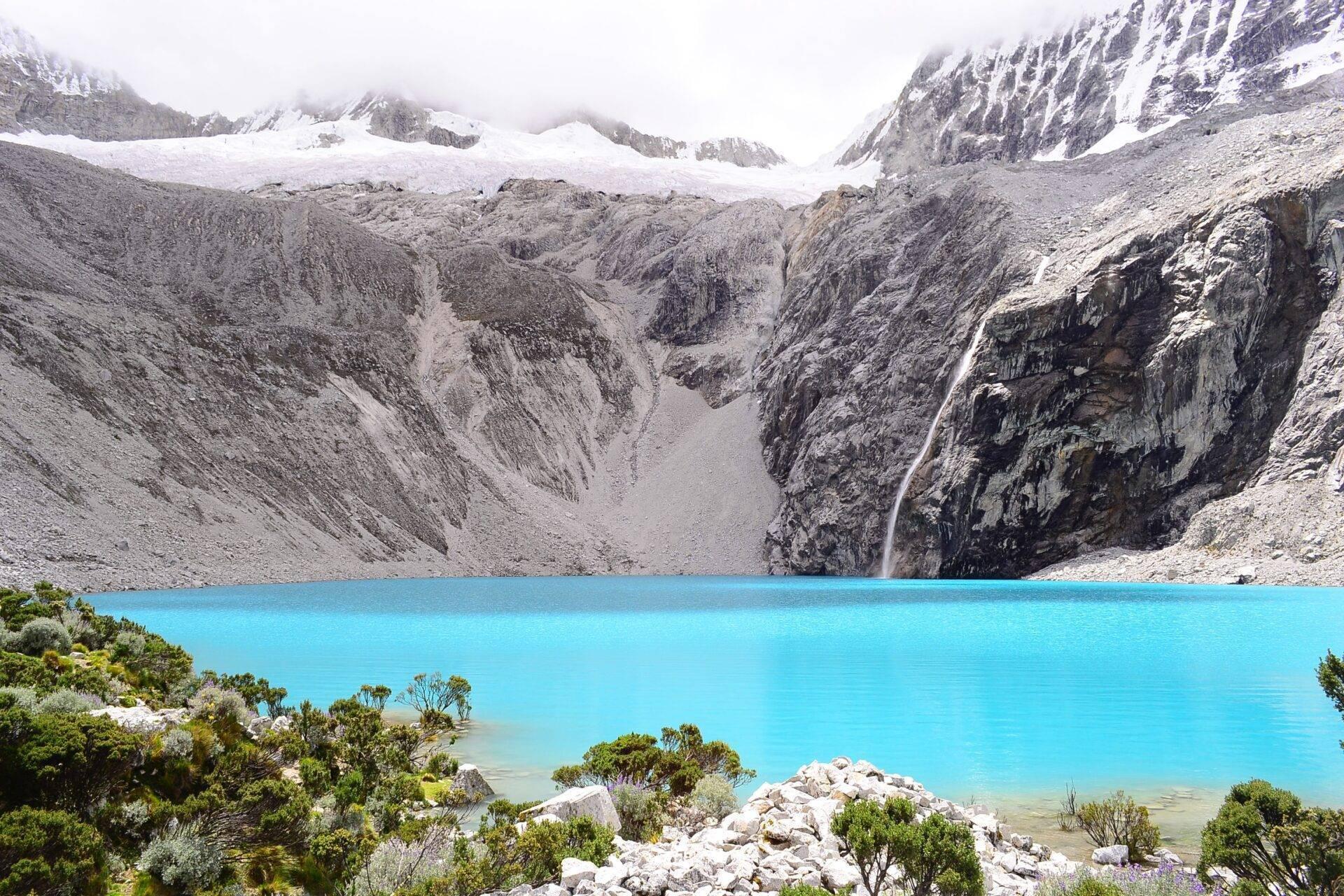
The high-altitude lake of Laguna 69, at 4,600 metres, owes its fame to its intense turquoise blue: fed by an overhanging glacier and a waterfall dropping several dozen metres, it forms one of the most photographed panoramas in the Peruvian Andes. The return hike takes six to seven hours from the trailhead and requires solid acclimatisation beforehand.
Lima and the Pacific Coast
11. Lima
Lima stretches along the Pacific Ocean. Its colonial centre, a UNESCO World Heritage Site, clusters around the cathedral, convents and a Plaza Mayor framed by intricately carved wooden balconies. The city is also recognised as the gastronomic capital of South America, with a culinary scene blending Andean, Chinese, Japanese and African influences.
To explore the Peruvian capital neighbourhood by neighbourhood, our guide to things to do in Lima covers the best spots and museums.
12. Miraflores and Barranco
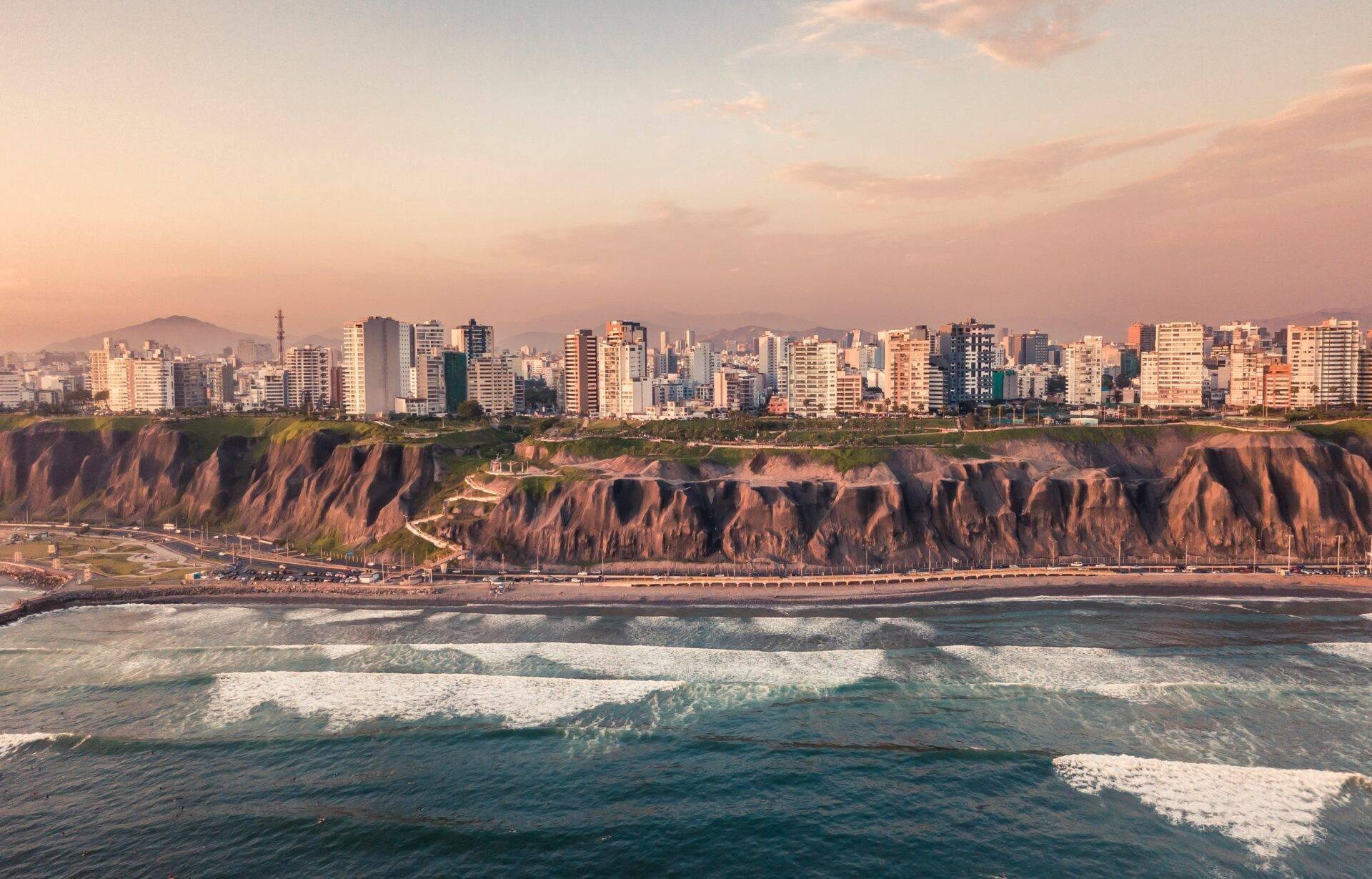
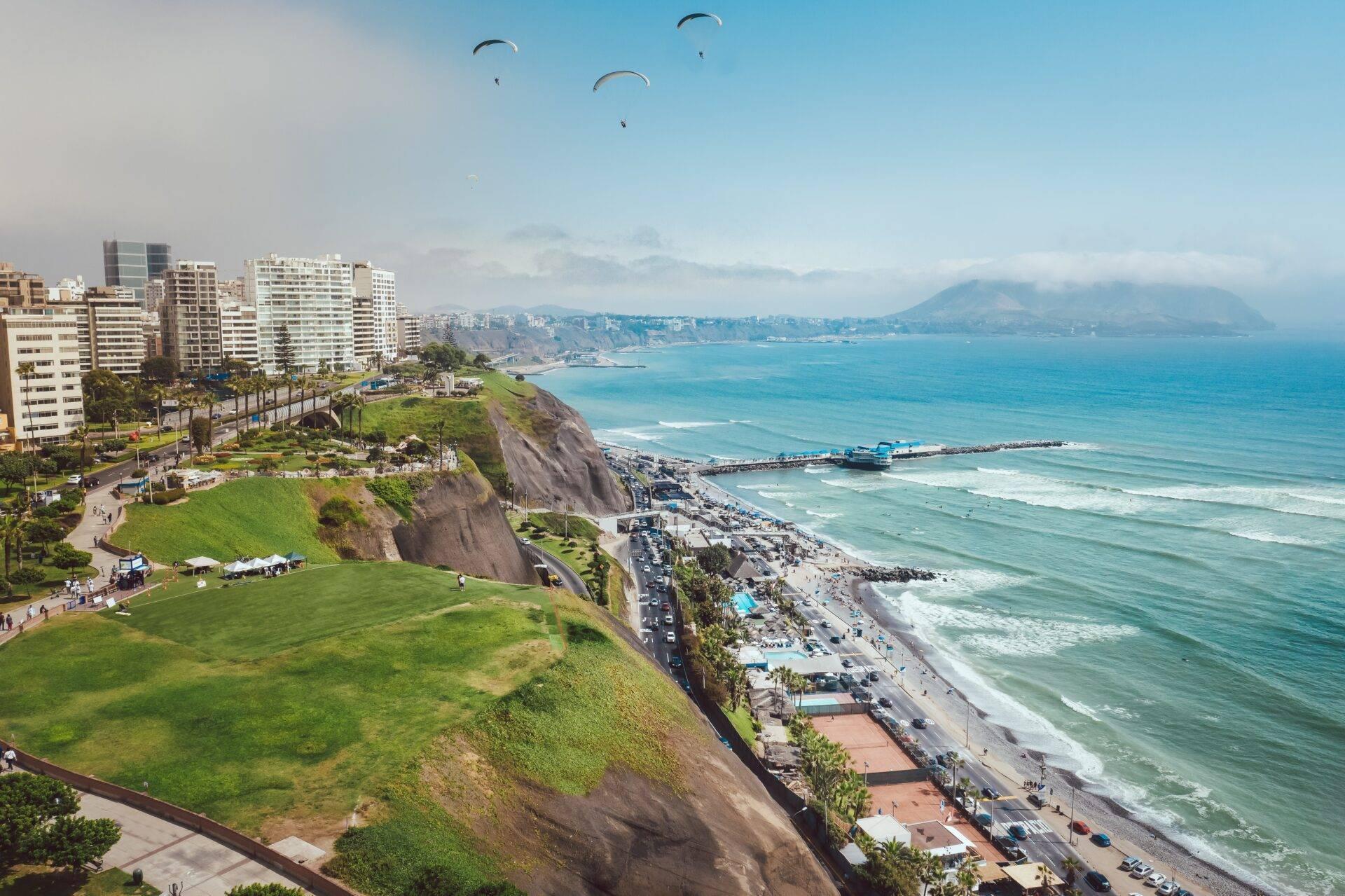
Miraflores runs along the clifftops above the Pacific. Along the malecón, paragliders launch from the cliff edge and soar over the ocean: an experience to try yourself or simply to watch from the clifftop gardens above. Barranco, the neighbouring district, clusters art galleries, cafes and nightlife inside colourful colonial houses.
13. Paracas National Reserve
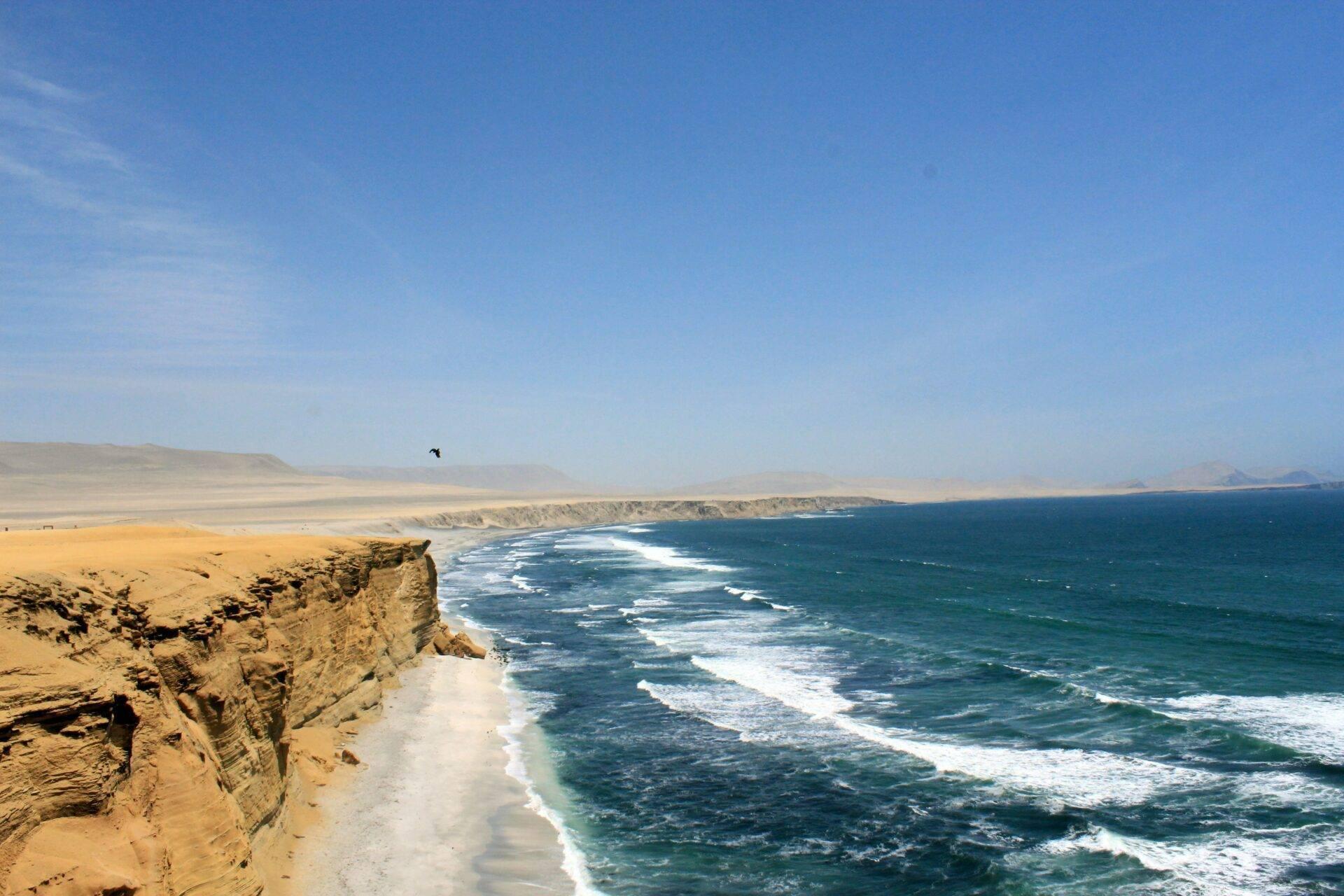
Four hours from Lima, the Paracas Peninsula cuts a distinctive silhouette: rust-coloured desert cliffs dropping straight into a turquoise sea, secluded beaches reachable by 4x4, flamingos wading in coastal lagoons. The national reserve protects one of the richest marine ecosystems on the South Pacific coast.
14. The Ballestas Islands
Off the coast of Paracas, the Ballestas Islands shelter colonies of sea lions, pelicans, cormorants and Humboldt penguins. A boat excursion (around two hours return from the port) lets you observe the marine wildlife up close without landing on the protected islands. They’re often called the “Poor Man’s Galapagos”: the density of marine life is, in any case, remarkable.
15. Huacachina
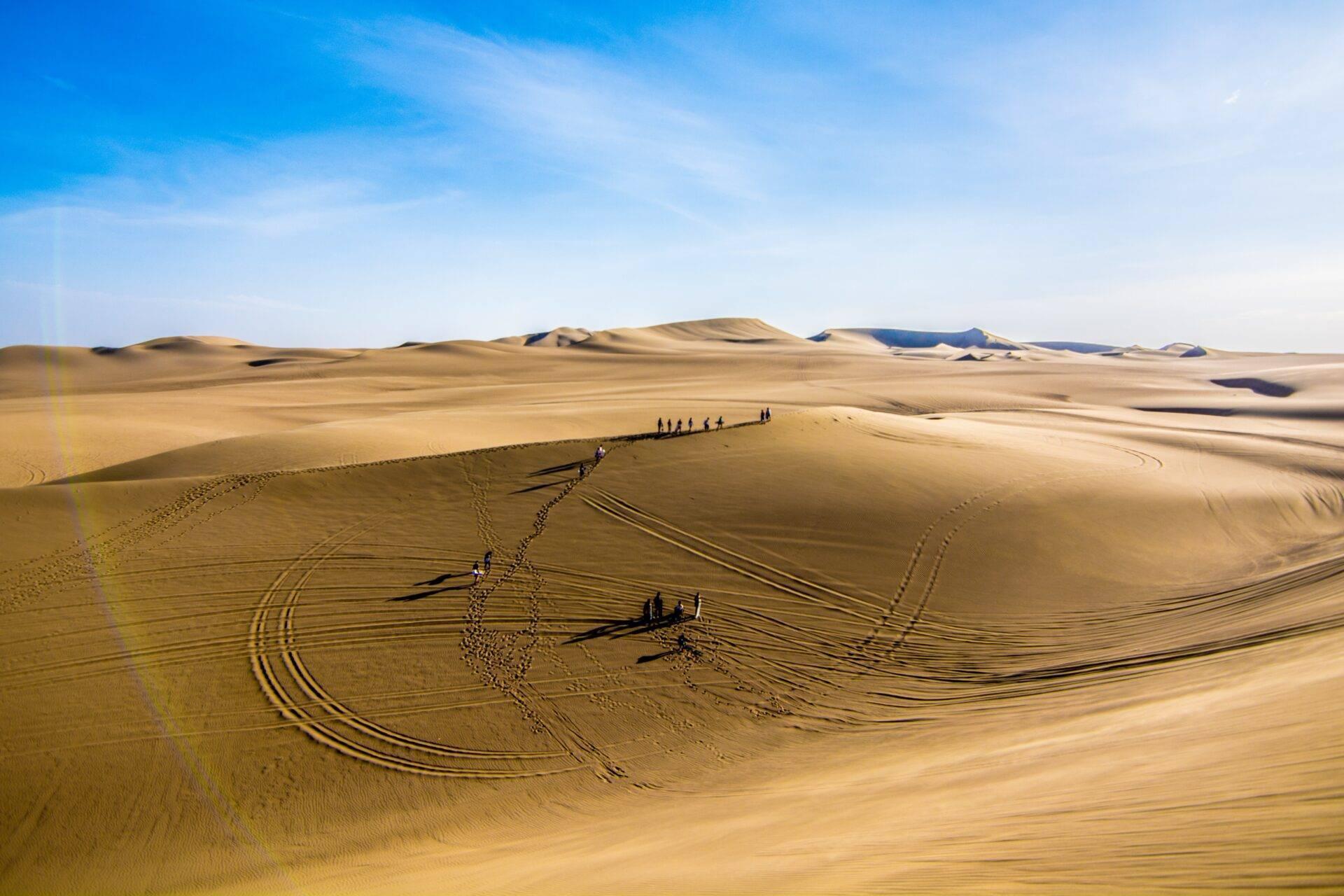
In the heart of the Ica Desert, an emerald-green lagoon is ringed by towering dunes that loom over the oasis. Huacachina is one of the only natural oases on the Peruvian coast. The must-do activities: sandboarding down the dunes and a buggy ride at sunset, when the raking light sculpts the sand into dramatic ridges.
From the Nazca Desert to Northern Peru
16. The Nazca Lines
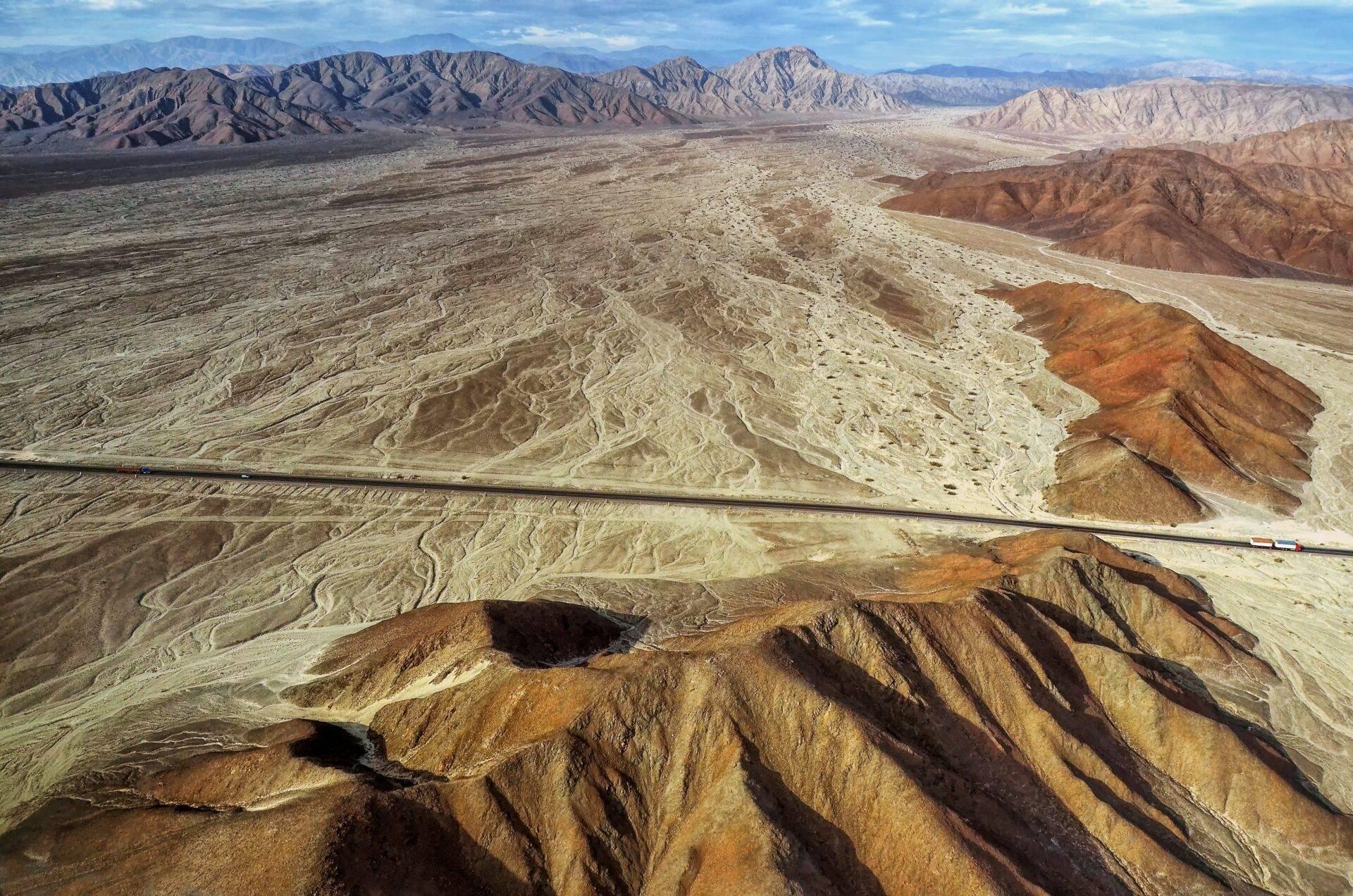
Across the Nazca plateau, hundreds of geoglyphs are etched into the desert floor: a hummingbird, a monkey, a spider, straight lines stretching for several kilometres. Drawn by the Nazca civilisation more than two millennia ago, they can be seen from roadside viewing platforms or by light aircraft from the local airfield. Their meaning continues to be debated among archaeologists.
17. Trujillo and Chan Chan
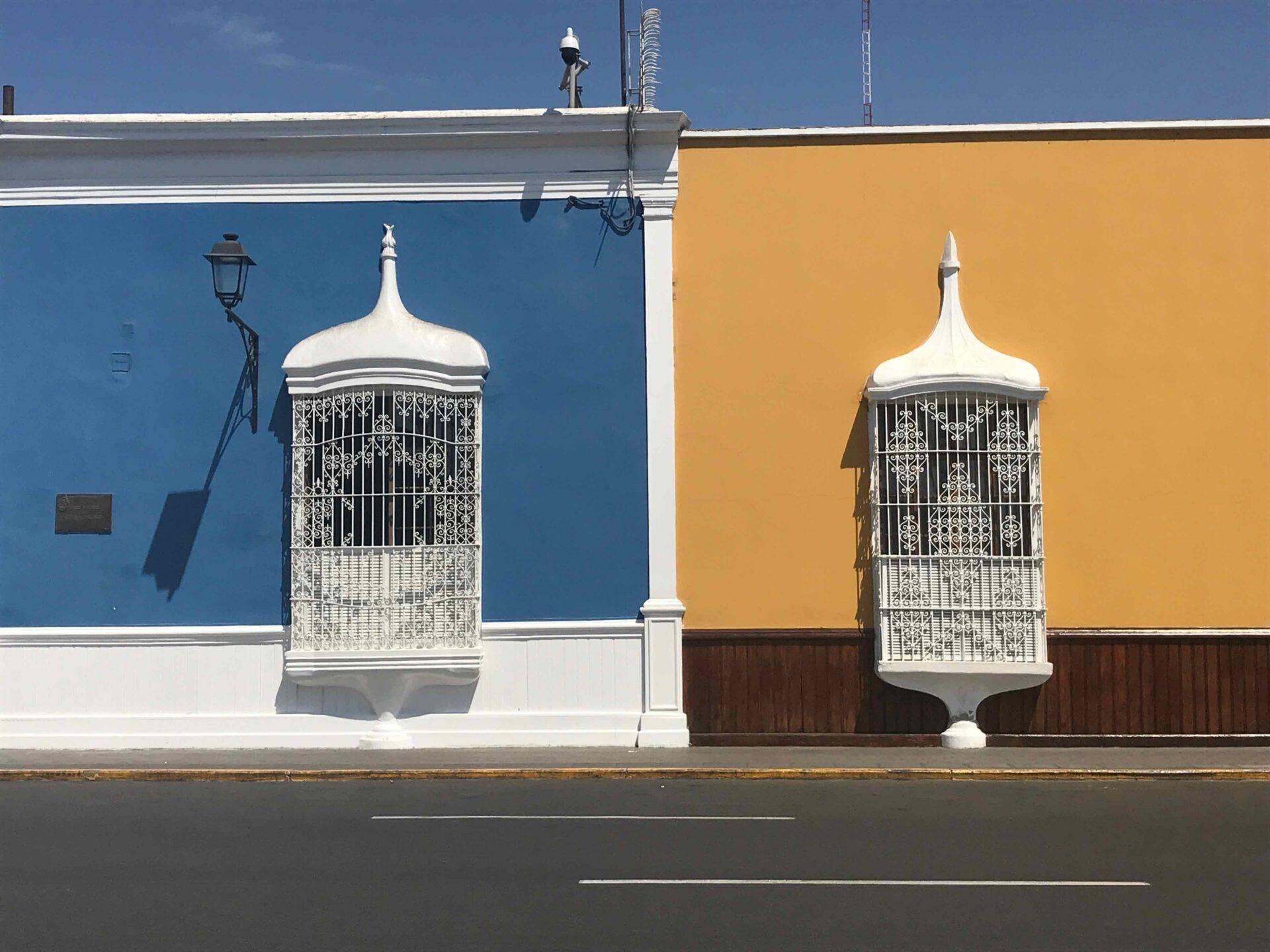
Trujillo, a colonial city of brightly painted facades, is the ideal base for exploring the remains of the Chimú civilisation. Chan Chan, a few kilometres away, was the capital of this empire: its adobe palaces, walls carved with geometric patterns and interior courtyards form one of the most impressive pre-Columbian archaeological complexes in Peru.
At Huanchaco, a fishing village a few kilometres from Trujillo, locals still head out to sea in traditional reed boats (caballitos de totora).
The Peruvian Amazon
18. Iquitos: Gateway to the Amazon
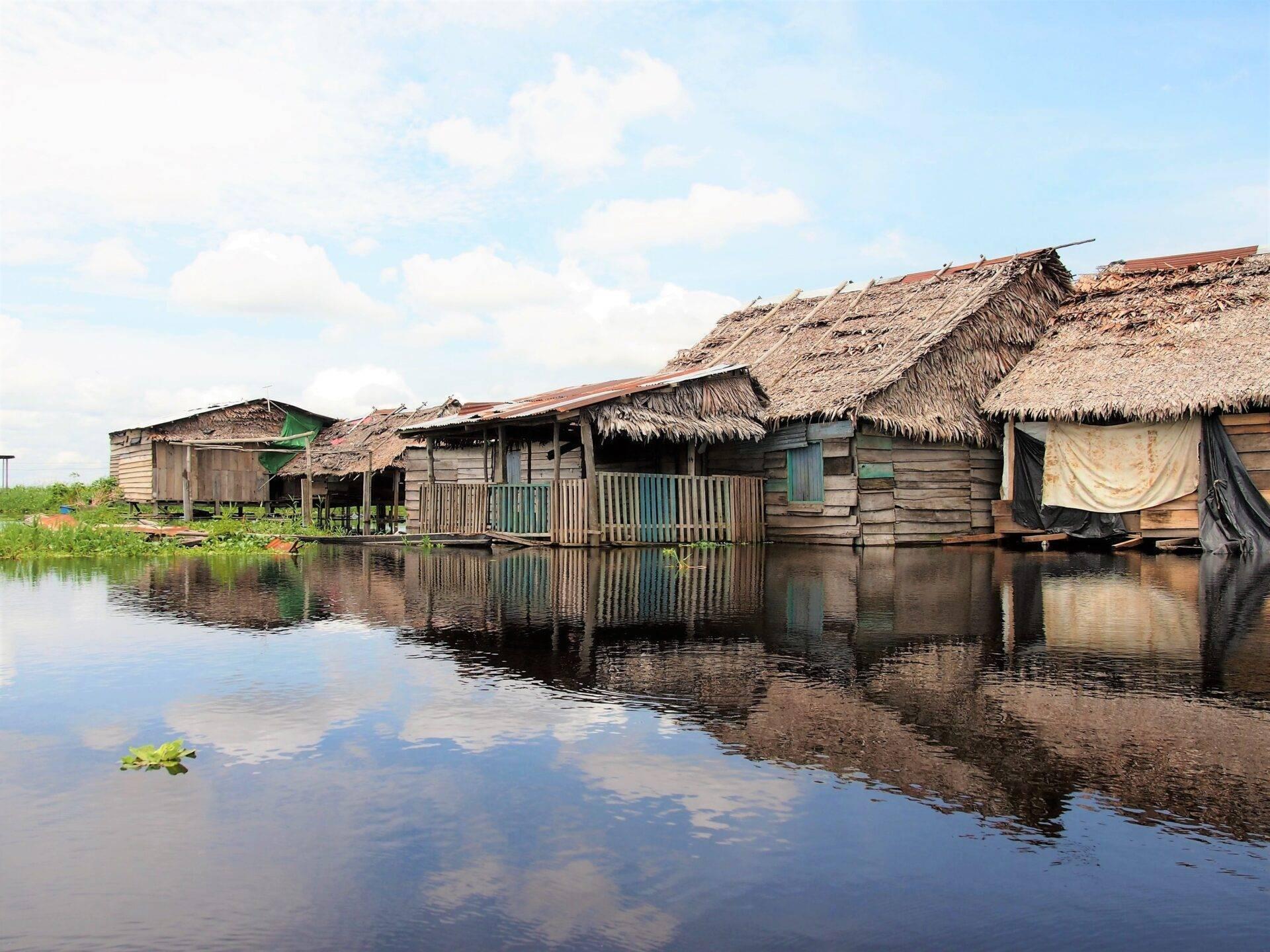
Iquitos is reachable only by plane or boat: no road connects it to the rest of the country. Sitting on the banks of the Amazon, it serves as the base for jungle lodges and multi-day river cruises. The Belén neighbourhood, with its stilted houses and colourful market, is the beating heart of the city.
19. Amazon Rainforest Wildlife
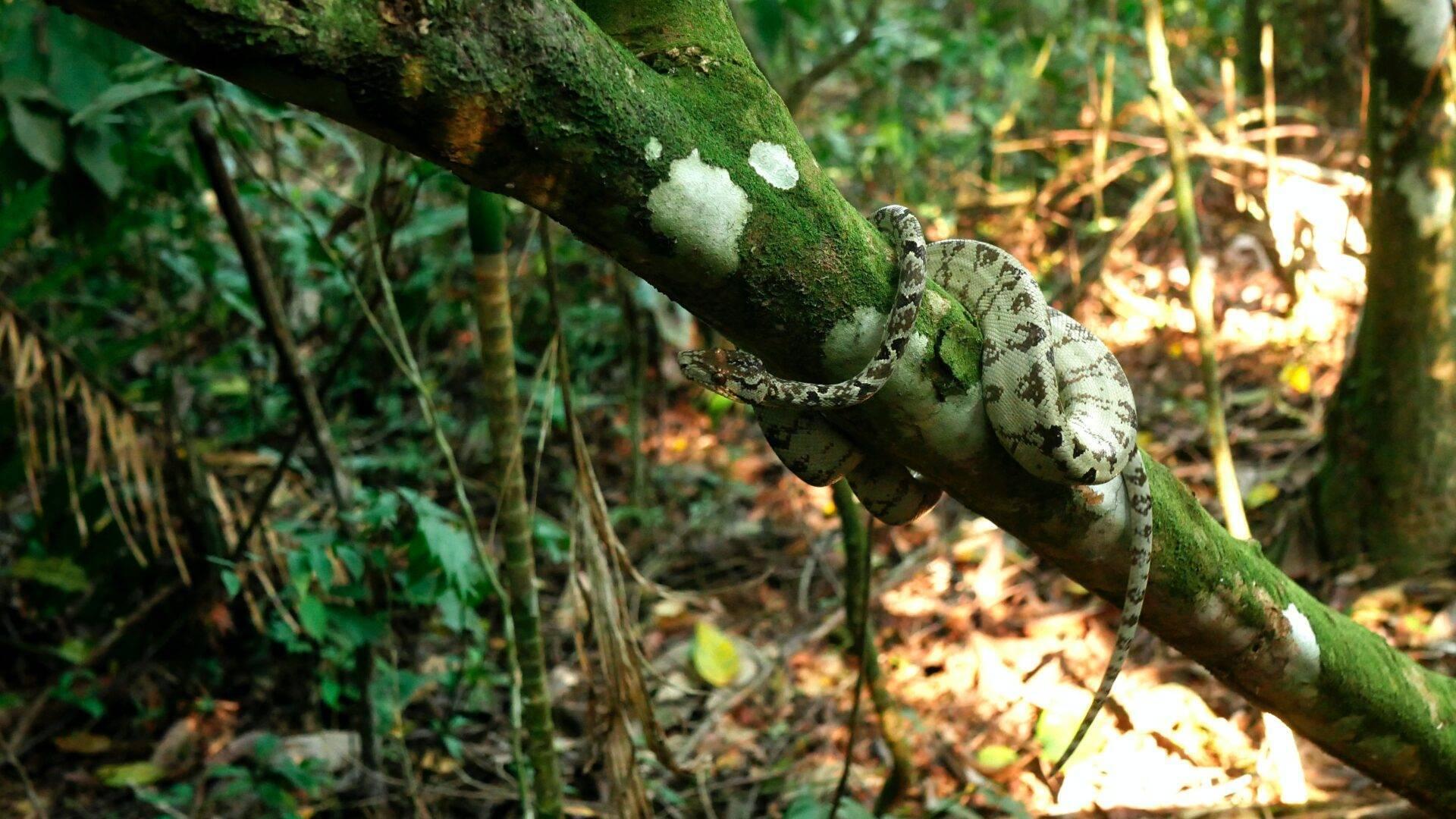
The Peruvian Amazon packs in an unrivalled density of wildlife: macaws, howler monkeys, caimans, pink river dolphins and jaguars inhabit its riverbanks and canopy. Jungle lodges organise guided day and night outings to observe species in their natural environment, with real chances of rare encounters.
20. Navigating the Amazon’s Tributaries
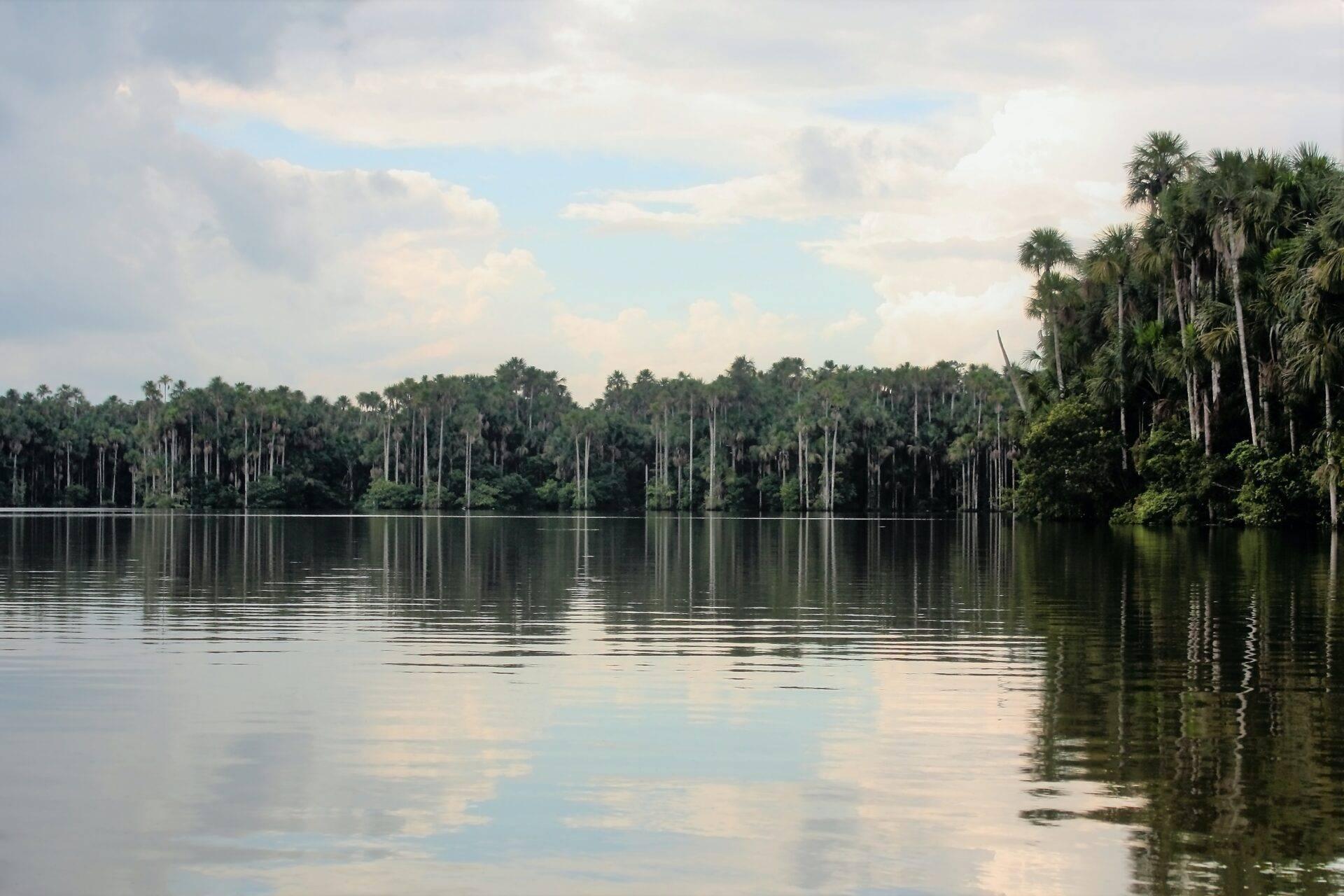
Away from the main waterways, calm channels bordered by palm groves and primary forest are best explored by dugout canoe at sunrise. Some protected areas, such as the Pacaya-Samiria National Reserve accessible from Iquitos, allow you to venture deep into near-pristine wilderness, among pink river dolphins and giant herons.
When to Visit Peru
From May to September (dry season), the Andes and Machu Picchu enjoy clear skies and walkable trails. The Pacific coast is sunny almost year-round. The Amazon is accessible in all seasons: the wet season (November to April) raises river levels, making waterways more navigable and wildlife easier to spot in the flooded forest.
Planning Your Trip to Peru
The practical aspects of travelling to Peru (visas, health, budget, insurance) are covered on the Peru travel insurance page. An accident or illness far from urban centres, whether in the Amazon or high in the Cordillera, can mean a costly medical evacuation. Yupwego covers medical expenses and repatriation worldwide, including from the most remote areas.
FAQ
How long do you need to visit Peru?
Two weeks are enough to cover the classic circuit: Lima, Cusco, the Sacred Valley, Machu Picchu and Lake Titicaca. Three weeks leave time to add Arequipa, Colca Canyon, Nazca and Huacachina. For the Amazon and northern Peru, allow at least four weeks.
What is the best time of year to visit Peru?
From May to September, the dry season brings clear skies across the Andes and ideal conditions for hiking. June, July and August are peak season: book your Machu Picchu tickets and Inca Trail permits several months in advance.
Do you need travel insurance for Peru?
Insurance covering medical costs and repatriation is strongly recommended. Private clinic care is expensive, and an evacuation from a remote area (the Amazon or high Cordillera) can run to several thousand pounds.
How do you get from Lima to Machu Picchu?
The classic route: fly Lima to Cusco (around 1 hour 15 minutes), spend one to two days acclimatising in Cusco, then take the train to Aguas Calientes (2 to 3 hours depending on your departure point), and bus or walk up to the site. Staying overnight lets you visit at opening time, before the tour groups arrive.
Can you visit Peru without trekking?
Yes. Machu Picchu is accessible by train and bus. Lima, Cusco, Arequipa, Lake Titicaca by boat and the Nazca Lines by light aircraft can all be visited without any particular level of fitness. Trekking remains an option for those who want to go deeper into the wilderness.