
Australia packs, into a single continent, world-famous beaches, the planet’s largest coral reef, some of the oldest forests on Earth, a sacred desert inhabited for at least 65,000 years and cities that consistently rank among the world’s most liveable. Here are 20 unmissable experiences, organised to help you build your itinerary whether you’re visiting for the first time or coming back for more.
First trip or returning visitor: two different approaches
Australia covers 7.7 million km² - no single trip can do it justice. The smart approach: choose your route based on how many days you have and what you’ve already seen.
First visit (2 to 3 weeks): Focus on the east coast, the most accessible part of the country. Sydney and its iconic landmarks, the Great Barrier Reef from Cairns, Melbourne and the Great Ocean Road form the classic itinerary. A domestic flight to Uluru makes an ideal addition. Brisbane and the Gold Coast can be slotted in if time allows.
Returning visitor: Head for the destinations that take more effort but reward it handsomely. Tasmania for its wild landscapes, Ningaloo Reef and the Kimberley in Western Australia, the Kakadu wetlands, Daintree Rainforest or the Whitsundays each deserve a dedicated trip.
Get my travel insuranceSydney, the iconic city
1. Sydney Opera House
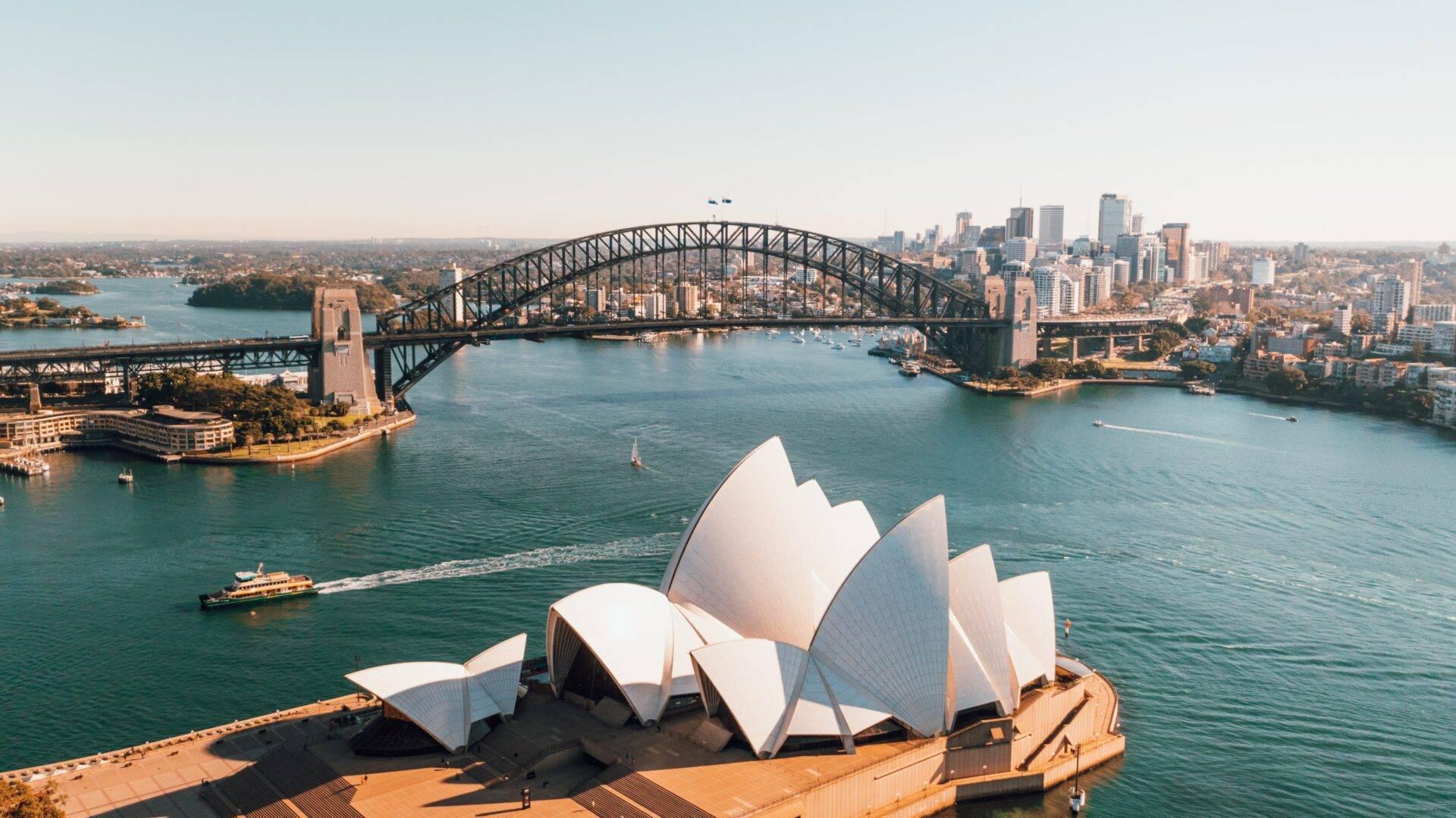
Opened in 1973 and inscribed as a UNESCO World Heritage Site in 2007, the Sydney Opera House is Australia’s most recognisable building. From the Manly ferry or Circular Quay wharf, those white sail-like shells cut against the harbour blue at any hour of the day. The interior can be explored on a guided tour - the backstage areas are genuinely surprising - and the programme of shows (concerts, theatre, opera) runs year-round.
2. Sydney Harbour Bridge
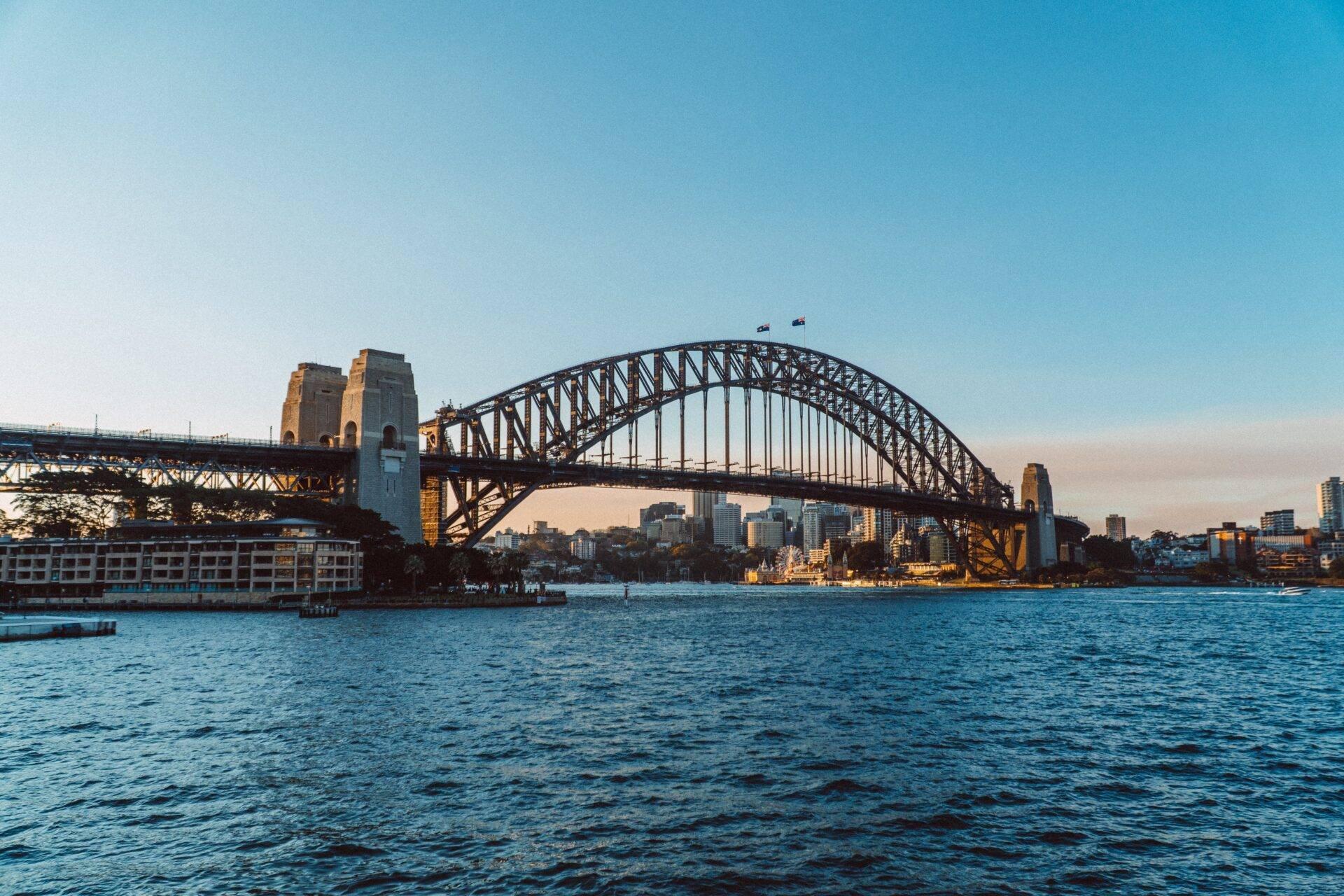
Completed in 1932 and stretching 1,149 metres, the Sydney Harbour Bridge earned its nickname “The Coathanger” from its distinctive arch silhouette. The BridgeClimb guided ascent takes you to the top of the arch for a 360-degree view over the harbour. The pedestrian walkway across the bridge, freely accessible, already delivers great views at no extra cost.
3. Bondi Beach
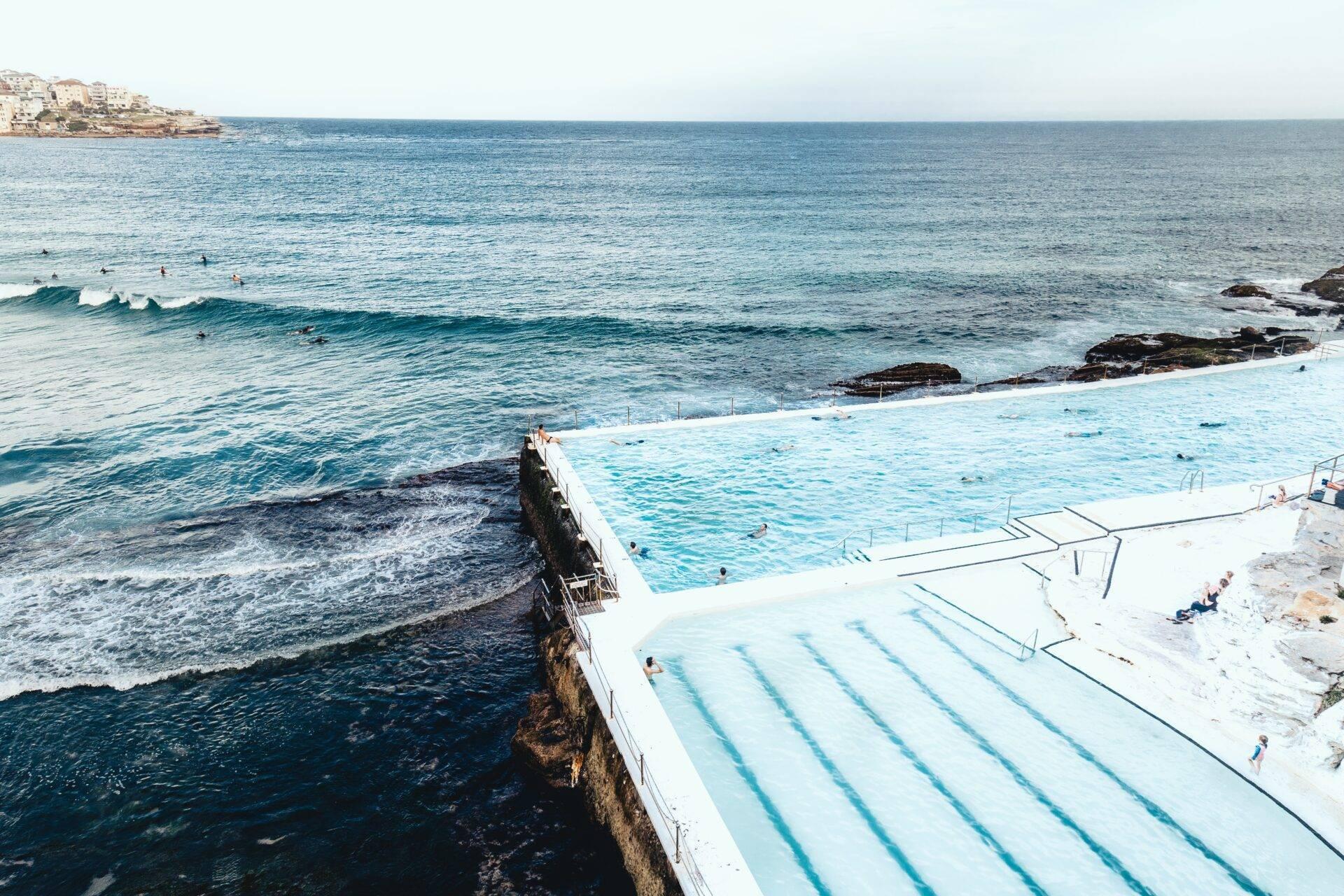
Twenty minutes by bus from central Sydney, Bondi is Australia’s most iconic urban beach. Beyond the surf and swimming, the Bondi to Coogee coastal walk hugs the clifftops, threads through several small coves and passes the famous Bondi Icebergs - seawater pools carved into the rock at the ocean’s edge.
Queensland: sea, rainforest and great beaches
4. The Great Barrier Reef
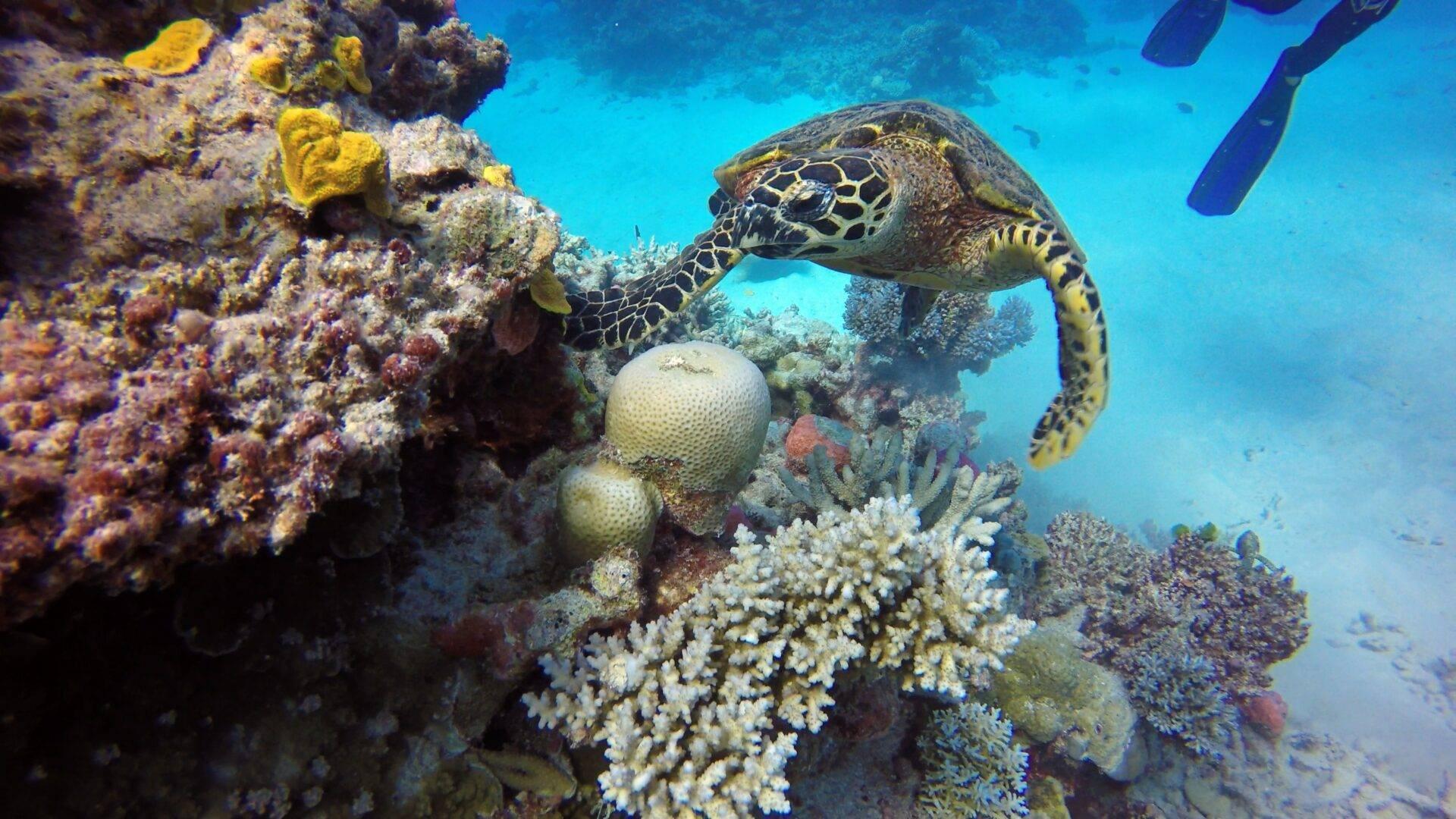
The world’s largest coral reef system stretches for more than 2,300 kilometres off the Queensland coast. Diving or snorkelling alongside green sea turtles, manta rays and hundreds of species of tropical fish remains one of the most extraordinary natural experiences on the planet. Day trips depart mainly from Cairns or Port Douglas to the best-preserved sections of the reef. If you want to compare it with other reef destinations worldwide, our round-up of the best scuba diving destinations covers the sites not to miss.
5. Cairns, gateway to tropical Queensland
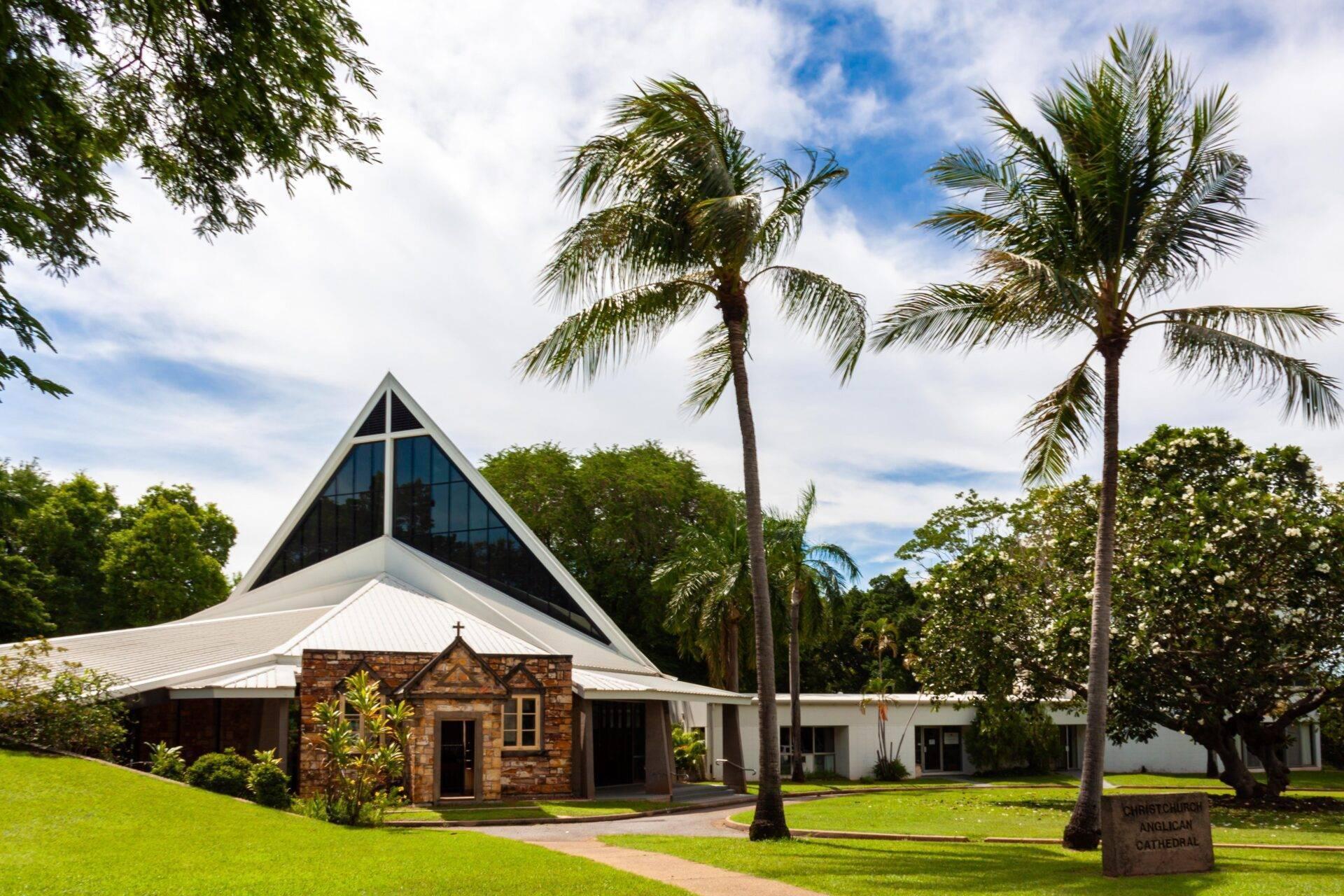
Cairns is the logistical hub of northern Queensland: the Great Barrier Reef, Daintree Rainforest and the Atherton Tablelands are all within a few hours’ reach. The town’s Esplanade features a large free saltwater lagoon surrounded by parkland, perfect for families. The Kuranda Scenic Railway, winding through the rainforest to the village of Kuranda, is one of Australia’s most scenic rail journeys.
6. Daintree Rainforest
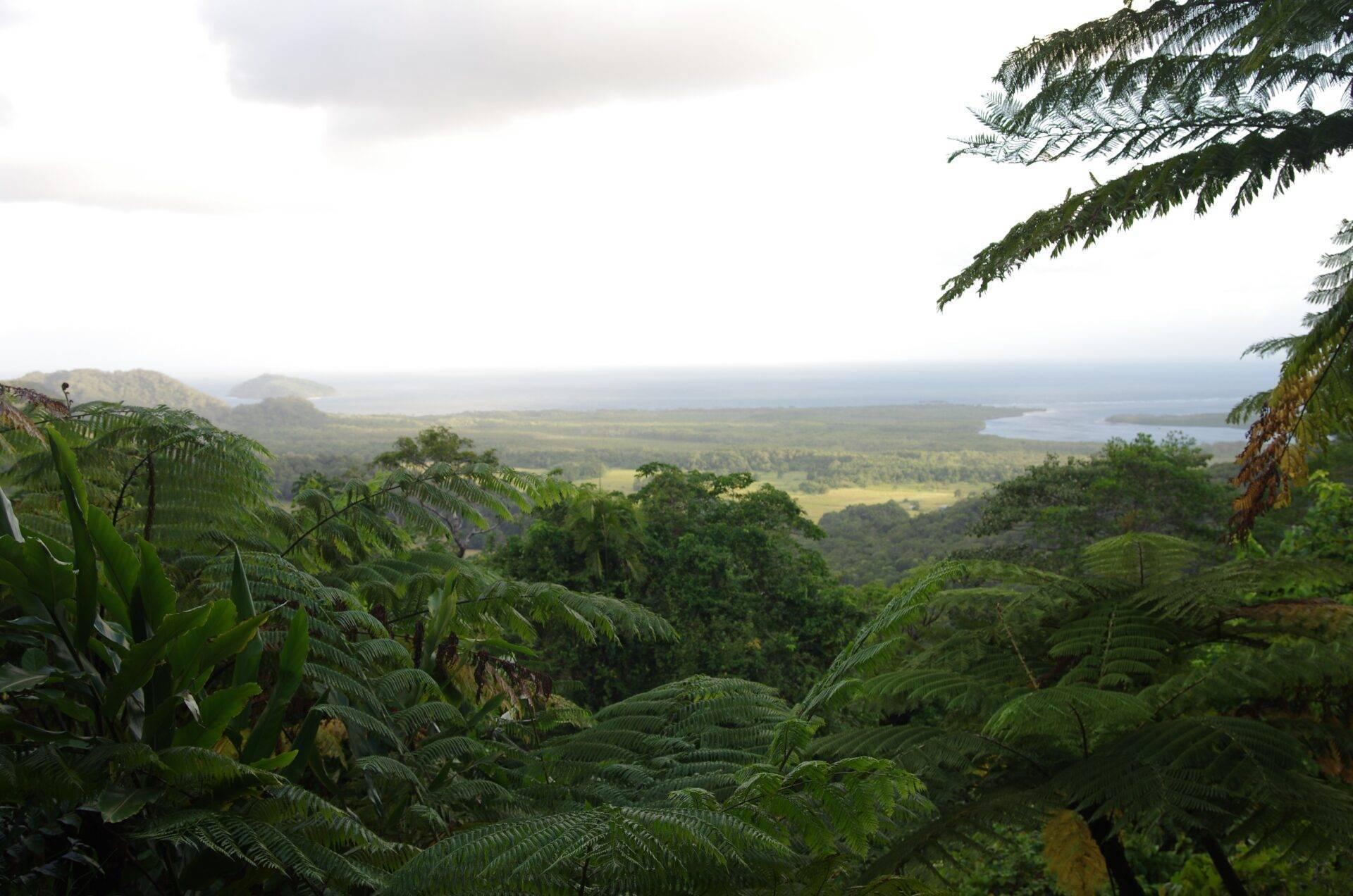
Daintree Rainforest, in the far north of Queensland, is one of the oldest tropical rainforests on Earth. Its wildlife is unlike anything else: it shelters 35% of Australia’s marsupials and reptiles, including Bennett’s tree-kangaroo (one of only two tree-kangaroo species found on the continent), the swamp wallaby and several species of bandicoot. Tree ferns, strangler figs and prehistoric palms make up a landscape that has changed remarkably little over millions of years.
Guided tours led by Kuku Yalanji community guides - the traditional custodians of this land - offer cultural insights that solo hiking simply cannot match.
7. Fraser Island (K’gari), the world’s largest sand island
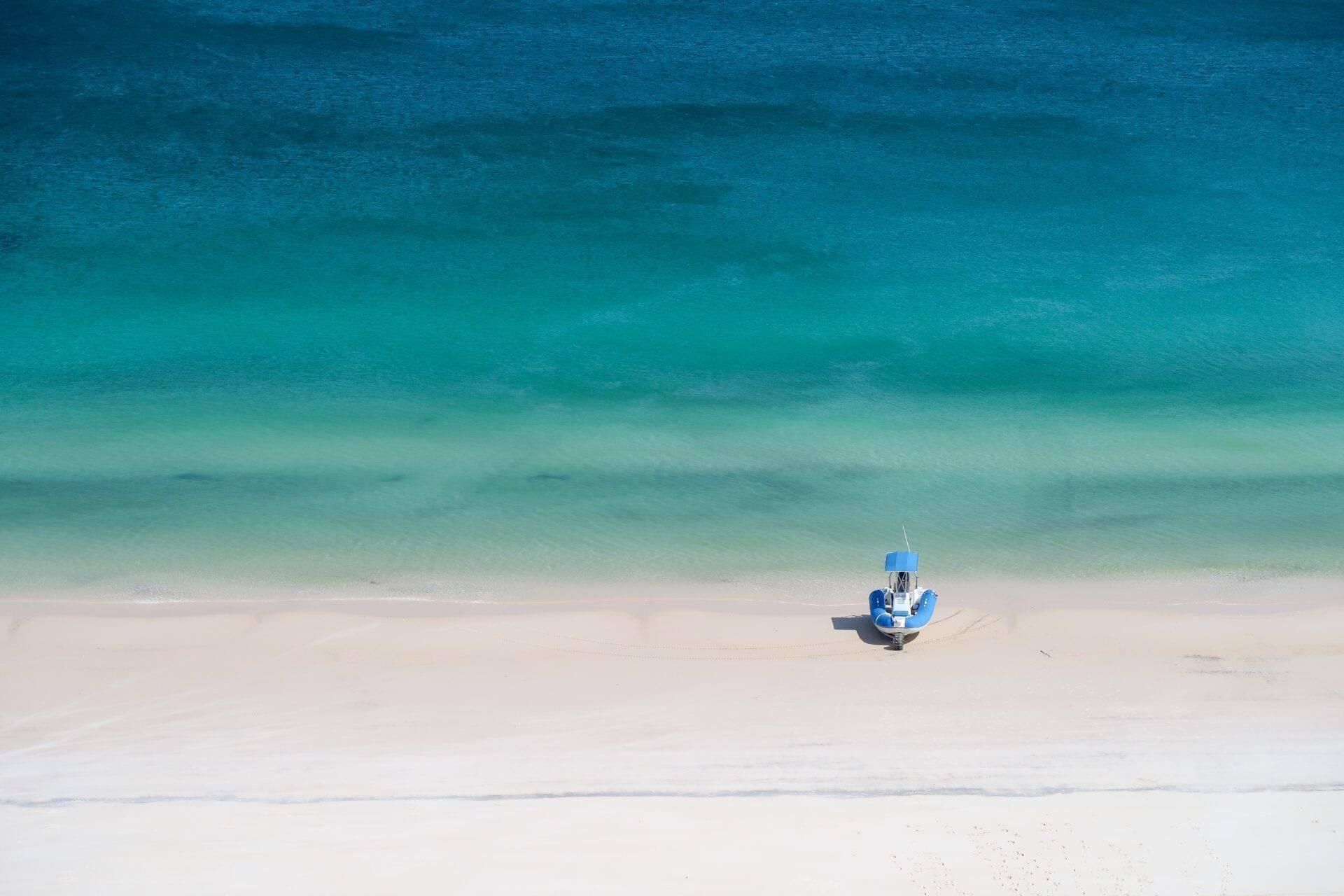
K’gari (its original name, now officially reinstated) is a UNESCO World Heritage Site and the world’s largest sand island. Its remarkable feature: dense forests and crystal-clear freshwater lakes (Lake McKenzie, Lake Boomanjin) grow directly on pure sand. The 75 Mile Beach, running along the eastern coast for more than 100 kilometres, also doubles as a runway for light aircraft.
8. The Gold Coast
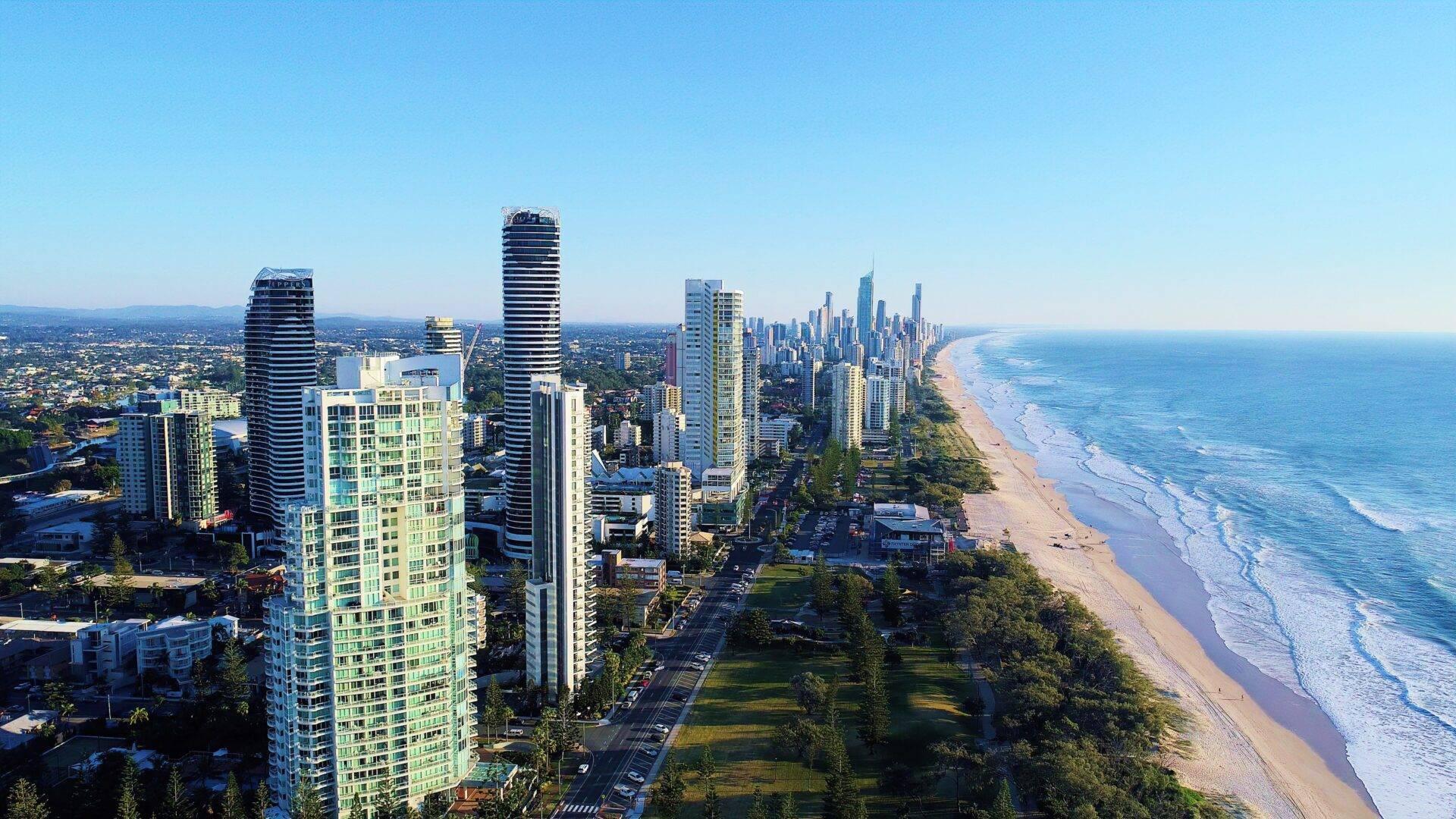
The Gold Coast, south of Brisbane, is Australia’s surf beach capital. Surfers Paradise packs skyscrapers, beaches and waves into a compact urban strip. The hinterland holds a welcome surprise: Lamington and Springbrook national parks, draped in subtropical rainforest and waterfalls, sit less than an hour from the beachfront.
Victoria and New South Wales
9. Melbourne, Australia’s cultural capital
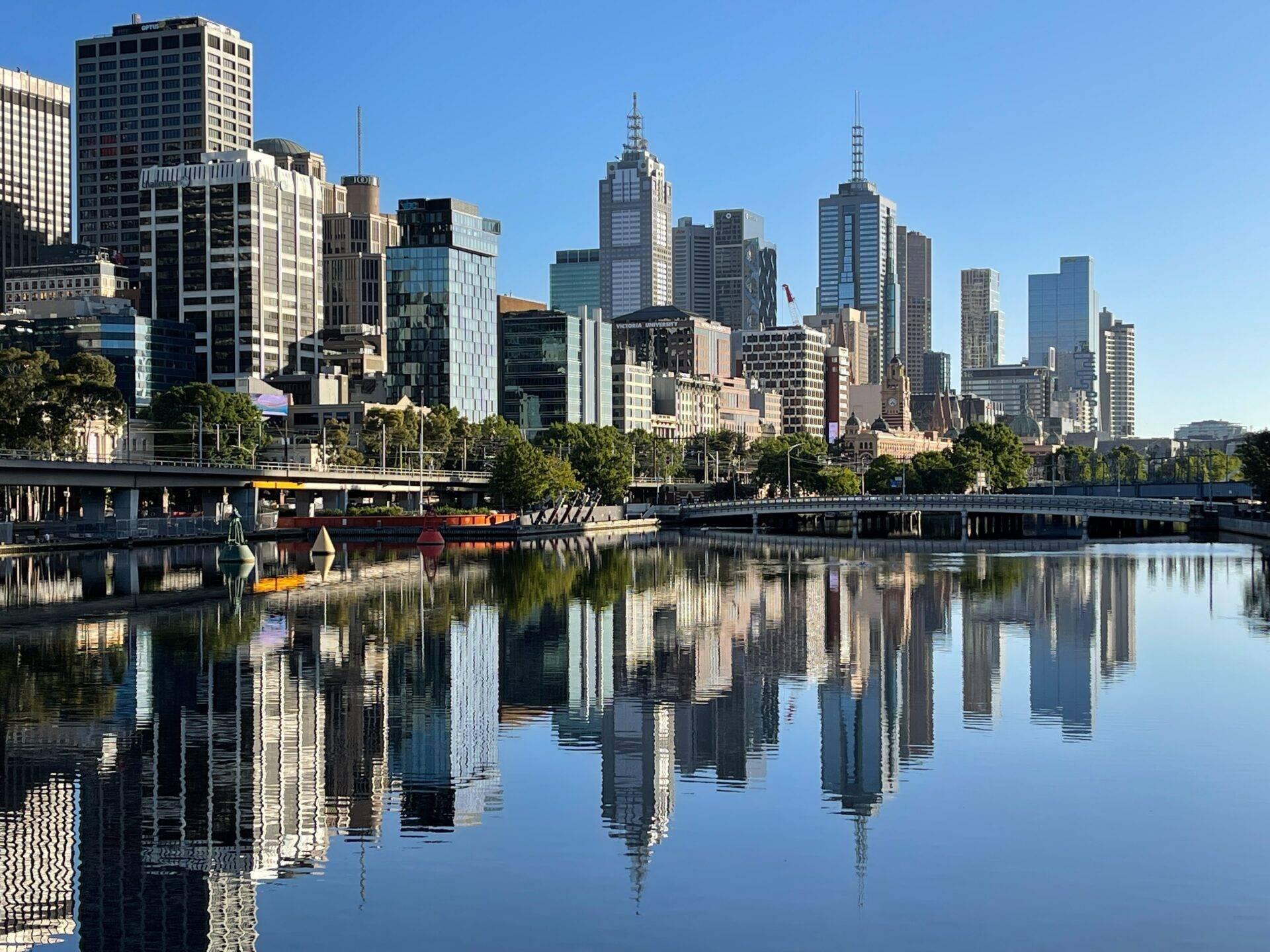
Melbourne consistently ranks among the world’s most liveable cities. Its cultural life is tucked into laneway street art, speciality coffee shops, contemporary galleries and covered markets. The Fitzroy neighbourhood, the National Gallery of Victoria and Melbourne Museum each deserve at least half a day. For a full guide to what the city has to offer, see our article on things to do in Melbourne.
10. The Great Ocean Road and the Twelve Apostles
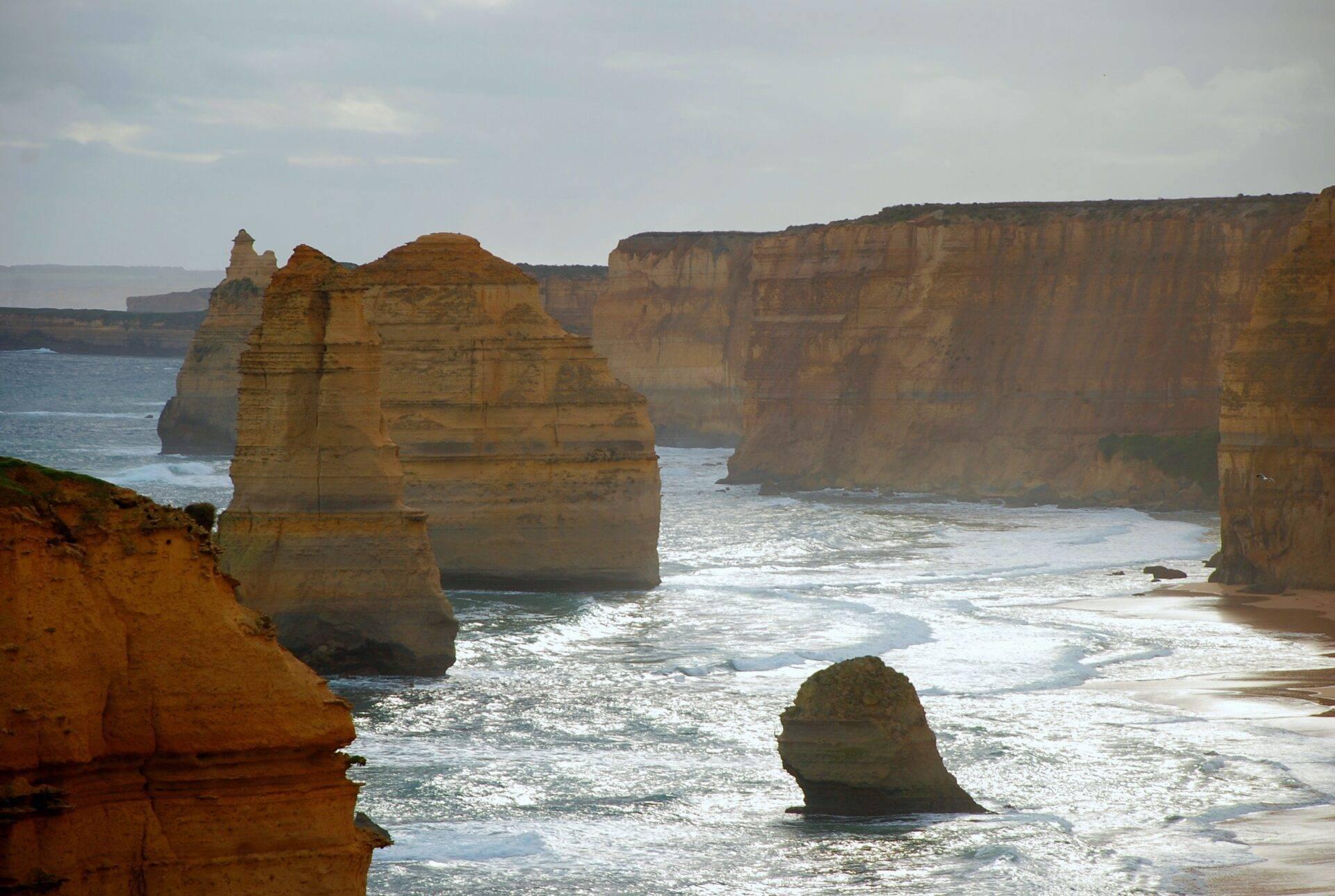
Built after the First World War by returning Australian soldiers, the Great Ocean Road hugs Victoria’s clifftops for 254 kilometres from Torquay. Its headline act: the Twelve Apostles, limestone stacks rising up to 50 metres from the Southern Ocean, sculpted by erosion in Port Campbell National Park. Sunrise over these formations is one of the country’s most striking photographic moments.
11. The Blue Mountains
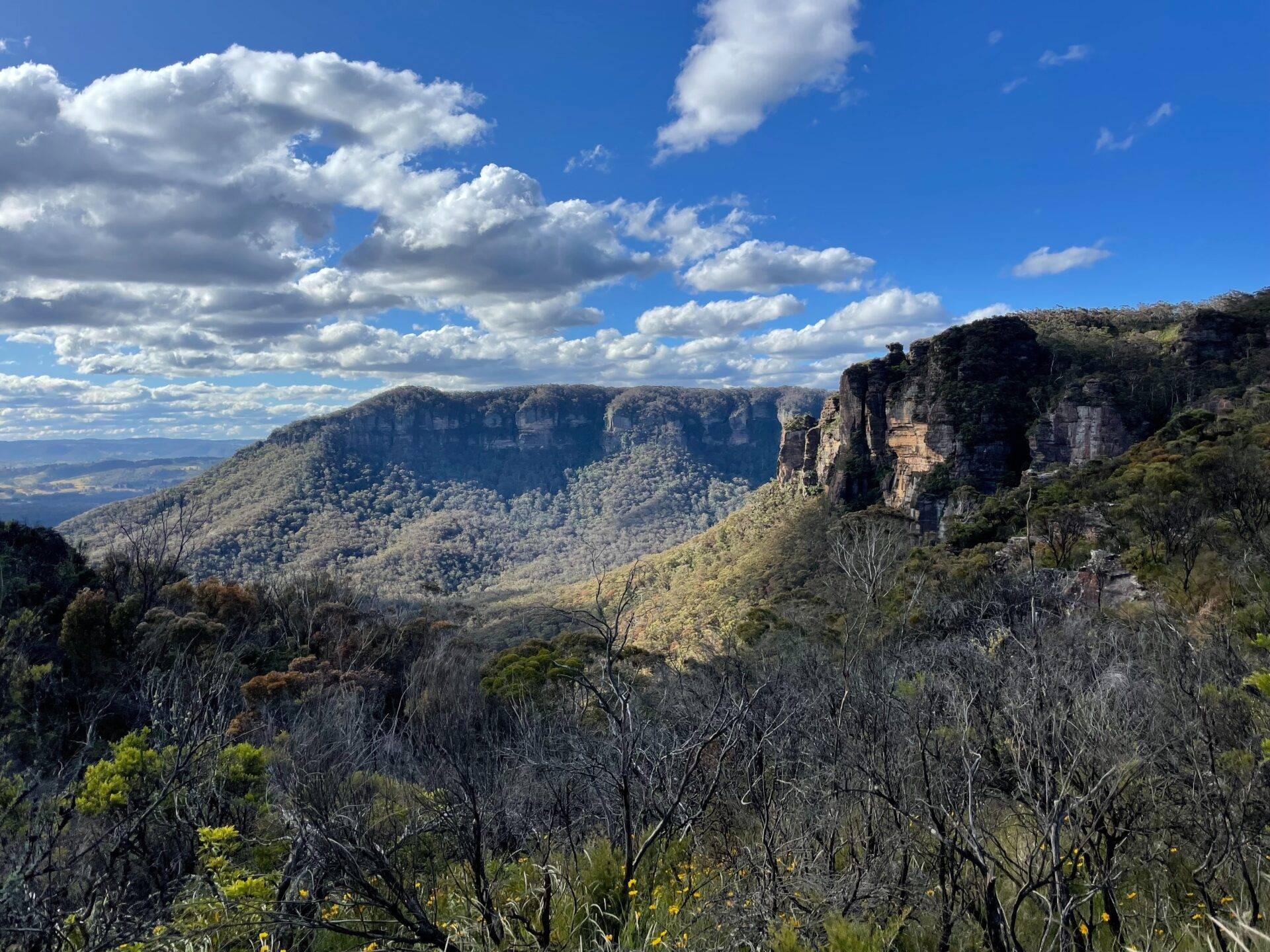
Less than two hours’ drive from Sydney, the Blue Mountains form a sandstone plateau carved by deep gorges. The view from Echo Point over the Three Sisters is the defining image of the region. The blue haze that settles over the landscape is not an optical illusion: essential oils released by eucalyptus trees scatter the light, creating that singular atmosphere. Hikers will find hundreds of kilometres of trails here, including the descent into the Jamison Valley.
Brisbane and central Queensland
12. Brisbane and its South Bank
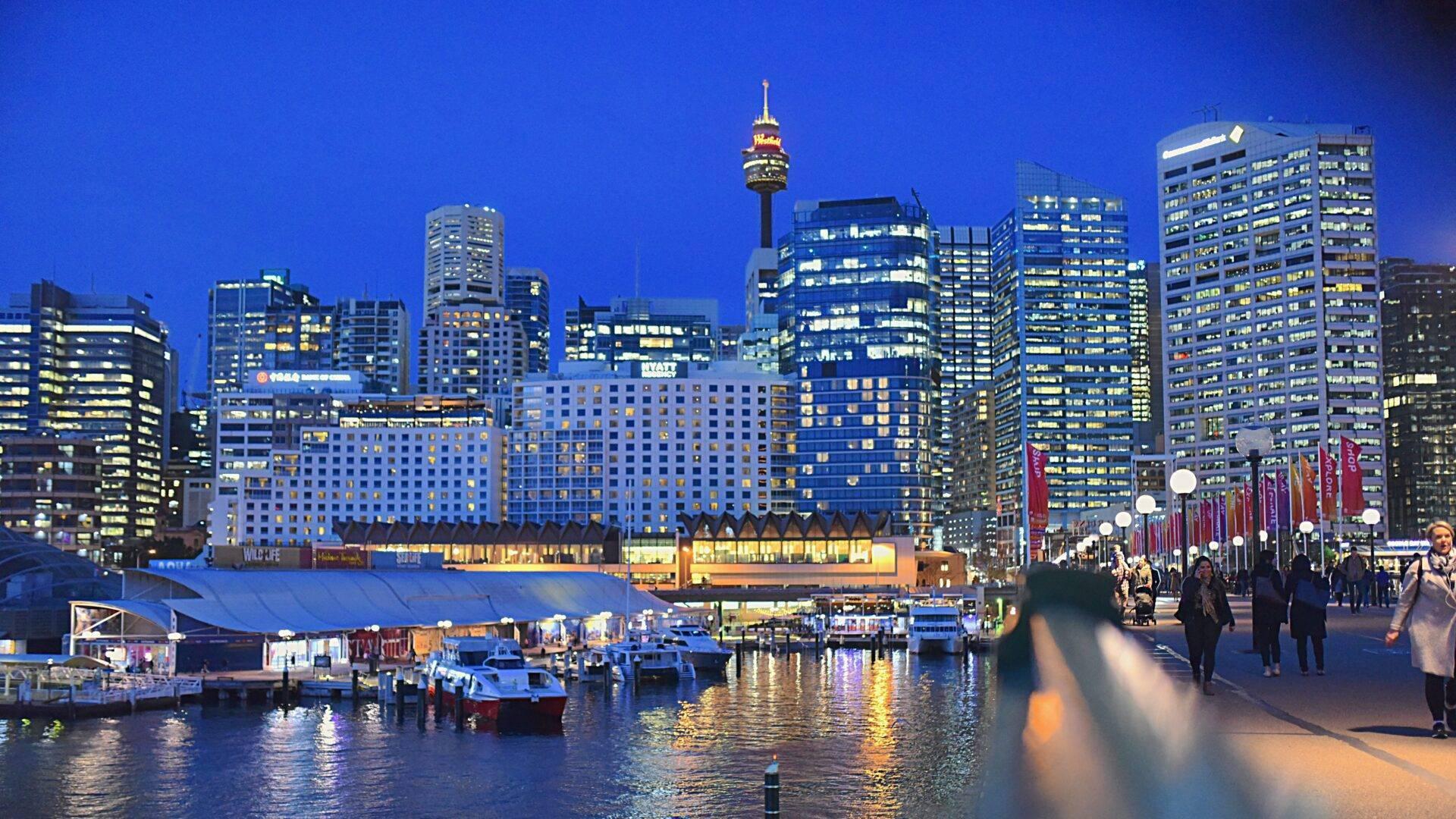
Brisbane has comprehensively reimagined its riverbanks over the past few decades. South Bank Parklands brings together an outdoor pool on the Brisbane River (Streets Beach), restaurants, the Gallery of Modern Art (GOMA) and the State Library in one lively riverside precinct. The city has also established itself as a serious food destination, with some of Queensland’s most active farmers’ markets.
Western Australia
13. Perth, the world’s most isolated major city
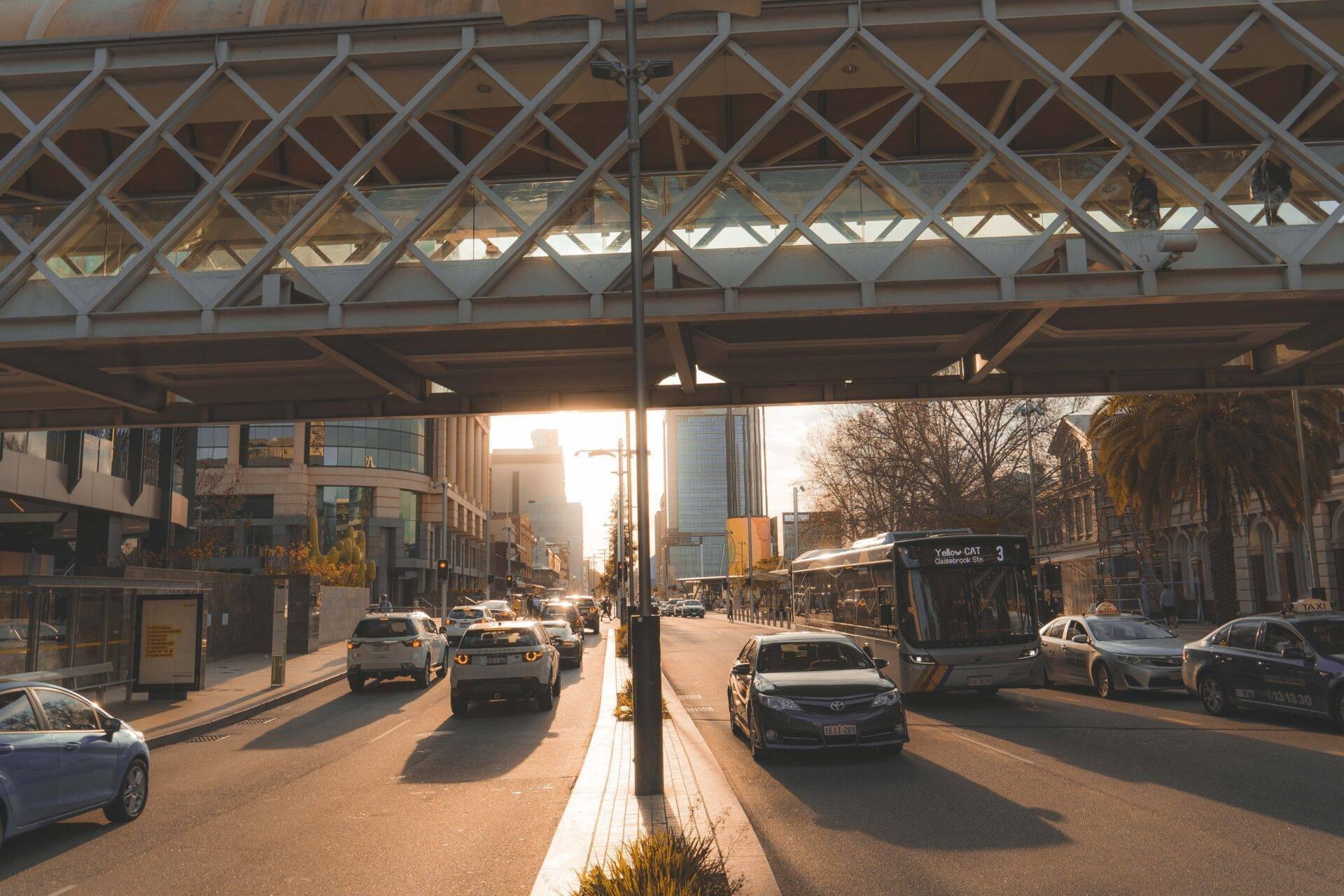
Perth is the most geographically isolated major city in the Western world. That isolation has shaped a character all its own: near-constant sunshine, Indian Ocean beaches (Cottesloe, City Beach) and Kings Park with its botanic gardens overlooking the Swan River. An hour’s drive away, Nambung National Park and its Pinnacles - limestone columns rising from desert sand - offer a landscape unlike anything else on the continent.
14. Ningaloo Reef and the wild Kimberley coast
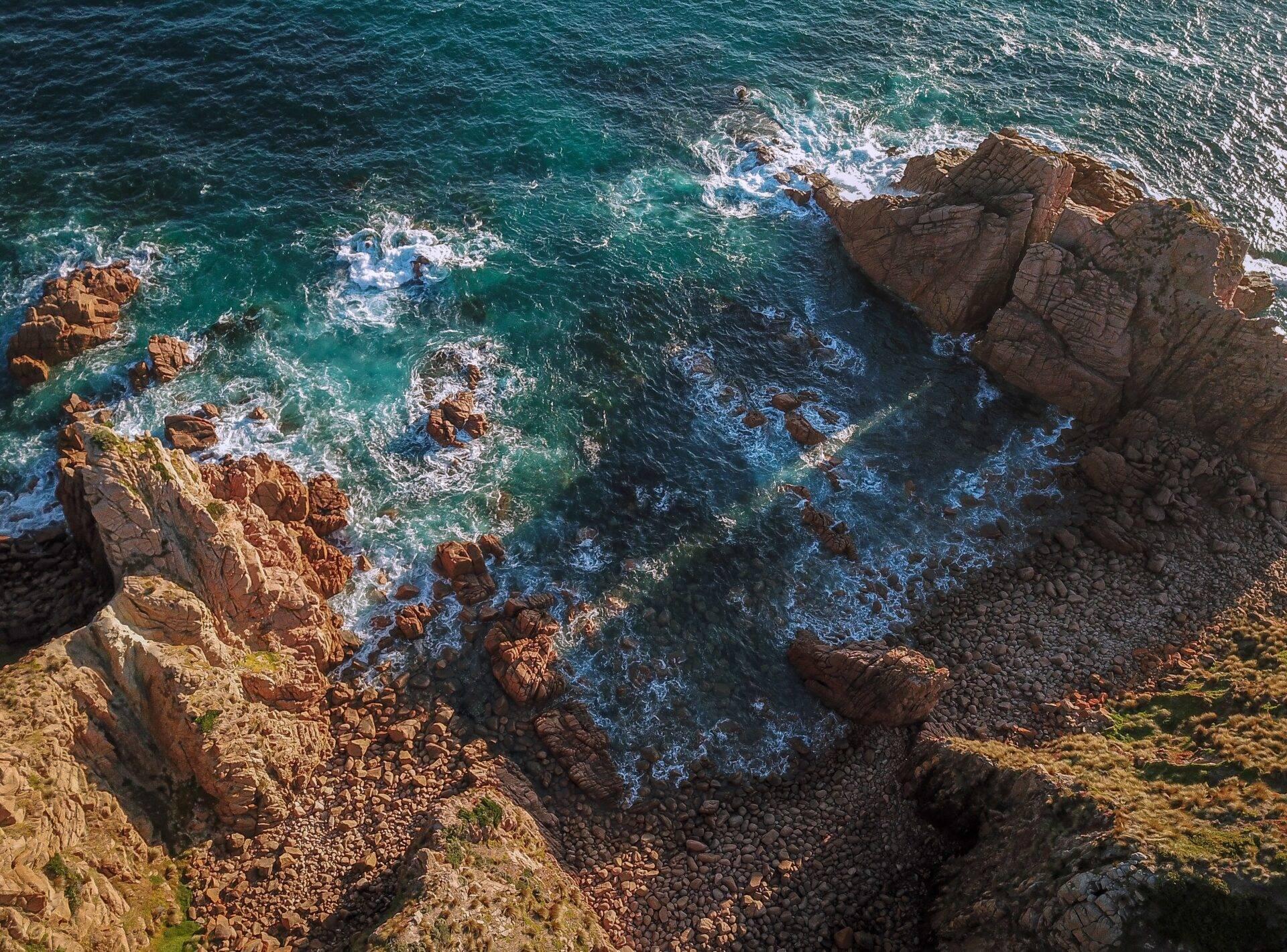
Ningaloo Reef (UNESCO World Heritage Site) has a rare distinction: it can be accessed directly from the beach at Exmouth or Coral Bay, with no boat required. Between March and August, swimming with whale sharks in these waters is possible. Further north, the red sandstone gorges and cliffs of the Kimberley represent one of the last great wildernesses on the continent.
The Northern Territory
15. Uluru and the spirituality of the Red Centre
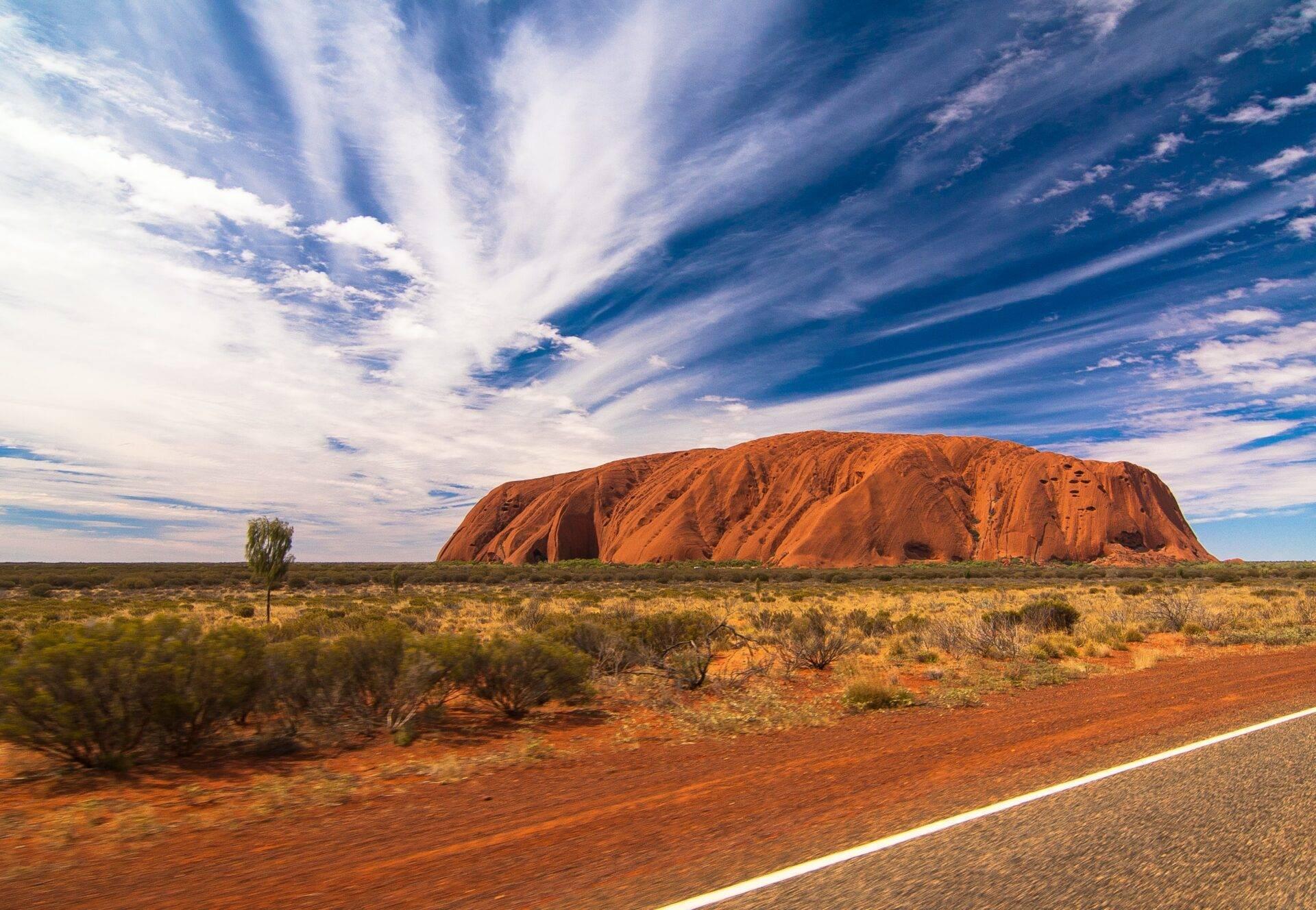
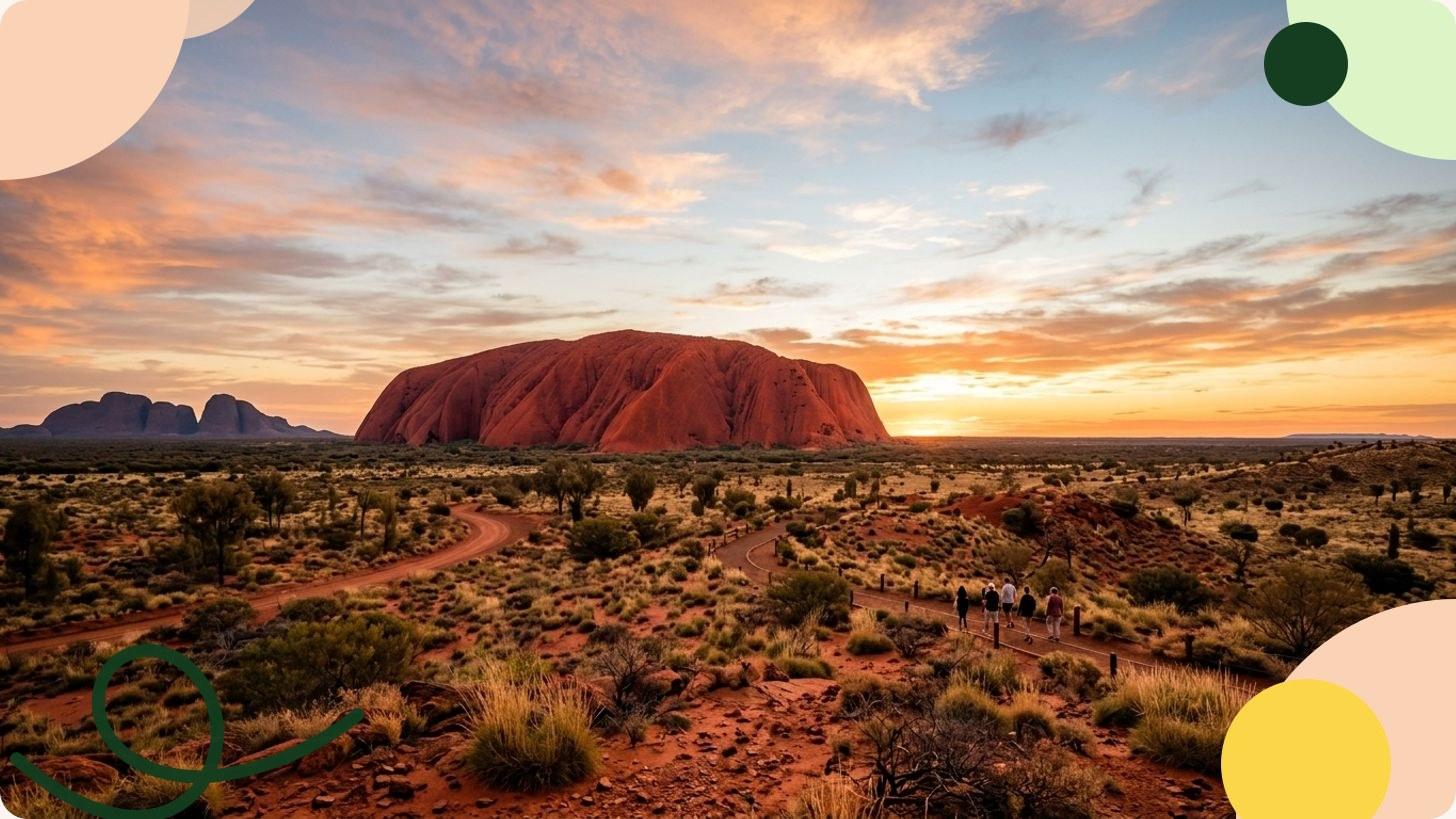
Uluru (also known as Ayers Rock) is a 348-metre sandstone monolith at the heart of Uluru-Kata Tjuta National Park. It shifts colour throughout the day, from ochre yellow to vivid pink at sunset.
Since 26 October 2019, climbing has been permanently banned: Uluru is a sacred site for the Anangu, its traditional custodians. Visits now centre on the base walk around the rock, guided walks led by Anangu rangers and the park’s Cultural Centre, which explains the Tjukurpa - the Anangu’s ancestral law and cosmology. The rock paintings visible on certain faces of the monolith are living spiritual documents; photography of these is not permitted.
16. Kakadu, a natural and cultural sanctuary
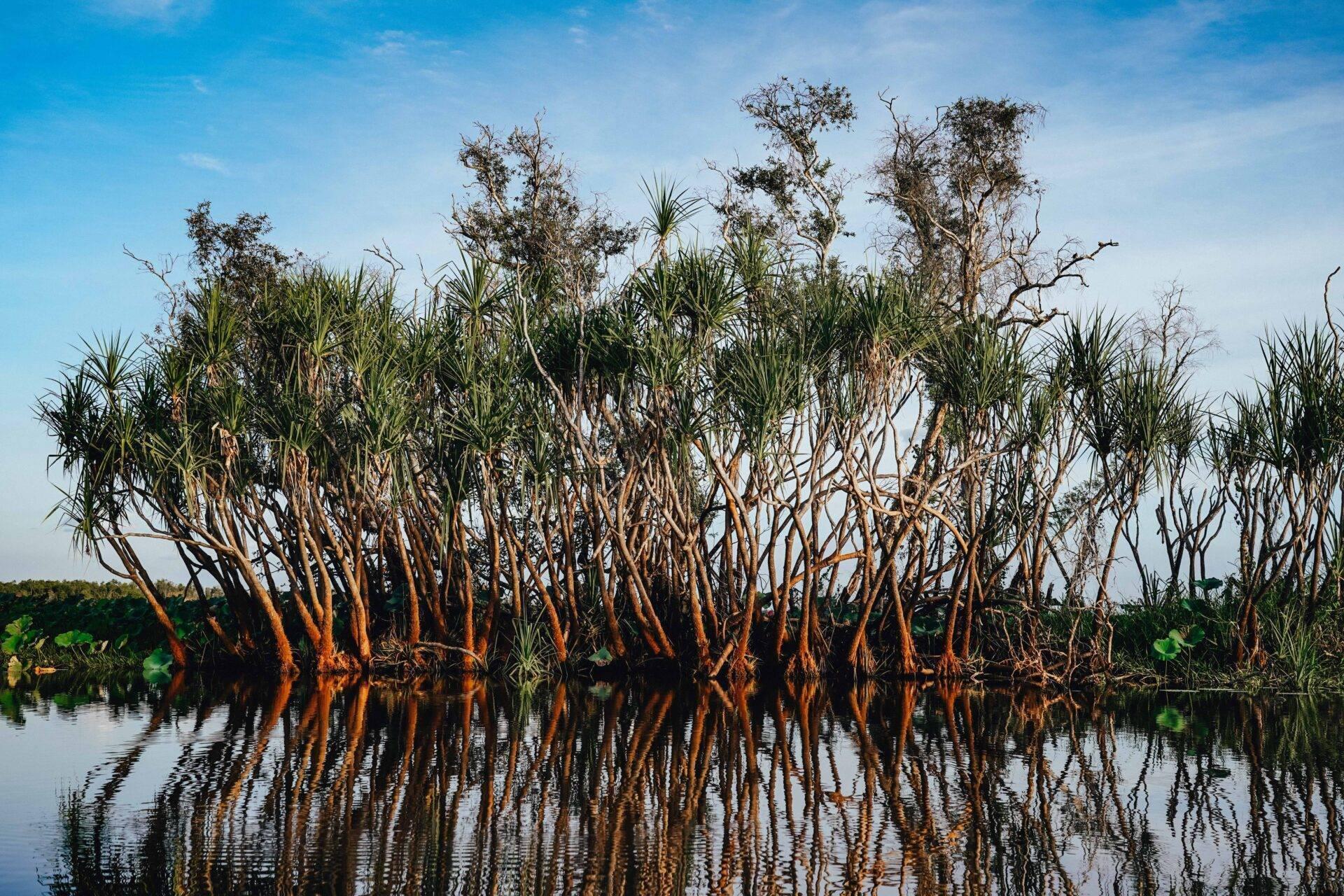
Kakadu, one of Australia’s largest national parks (around 20,000 km²), is the only park in the world listed as a UNESCO World Heritage Site for both its natural and cultural values. The Yellow Water (Cooinda) wetlands, fringed by pandanus and paperbark trees, shelter saltwater crocodiles, jabiru storks and thousands of migratory birds. The park contains around 5,000 rock art sites, including Ubirr and Nourlangie, documenting more than 65,000 years of human presence.
Wildlife, nature and unique experiences
17. Australian wildlife, found nowhere else on Earth
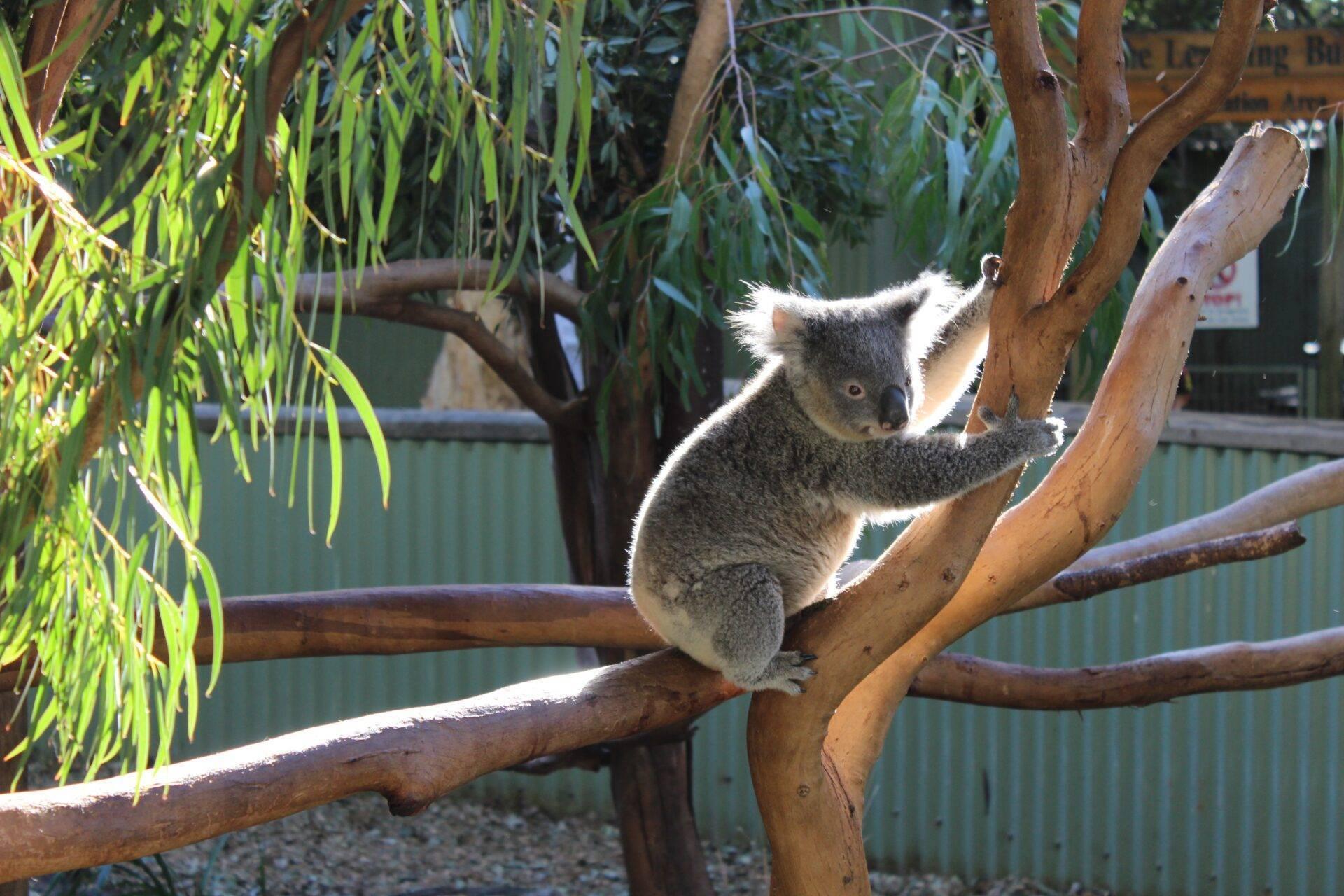
Australia is the only continent where marsupials make up the majority of land mammals. Koalas, kangaroos, wallabies, wombats, Tasmanian devils, quolls: each region has its own species to seek out. For wild koalas: the eucalyptus forests of Great Otway National Park (Victoria), Magnetic Island (Queensland) or Kangaroo Island (South Australia), often dubbed “the Galapagos of Australia”. For kangaroos: virtually every national park, most active at dawn and dusk.
18. Tasmania, Australia’s wild southern frontier
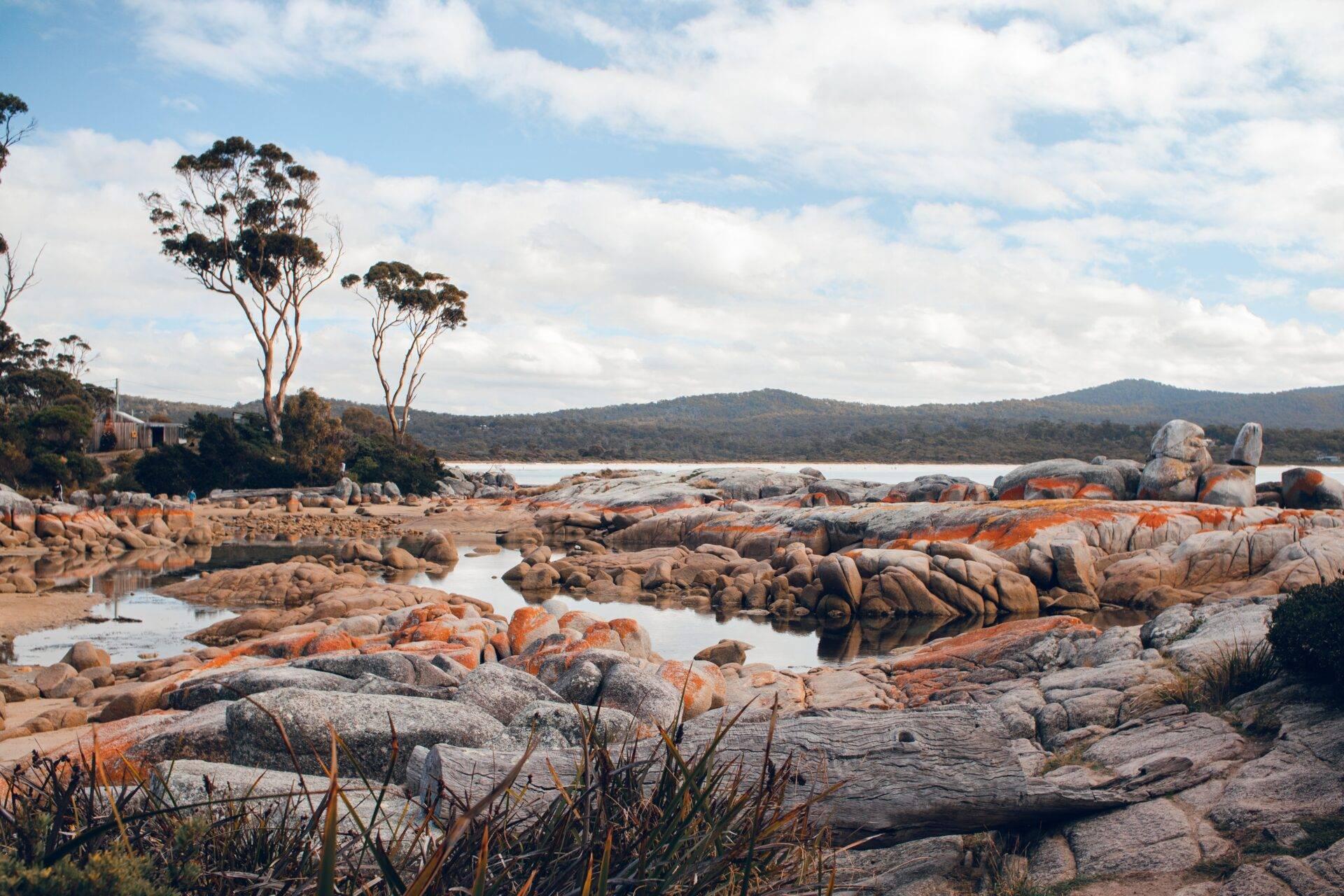
Separated from the mainland by the Bass Strait, Tasmania protects a large share of its territory as national parks and nature reserves. Cradle Mountain and Dove Lake, Bay of Fires with its rust-orange granite boulders, and the South West National Park: three facets of an almost untouched wilderness. The capital Hobart also has a cultural ace up its sleeve: MONA (Museum of Old and New Art), one of the most remarkable private museums in the southern hemisphere.
19. The Whitsundays, the idyllic archipelago
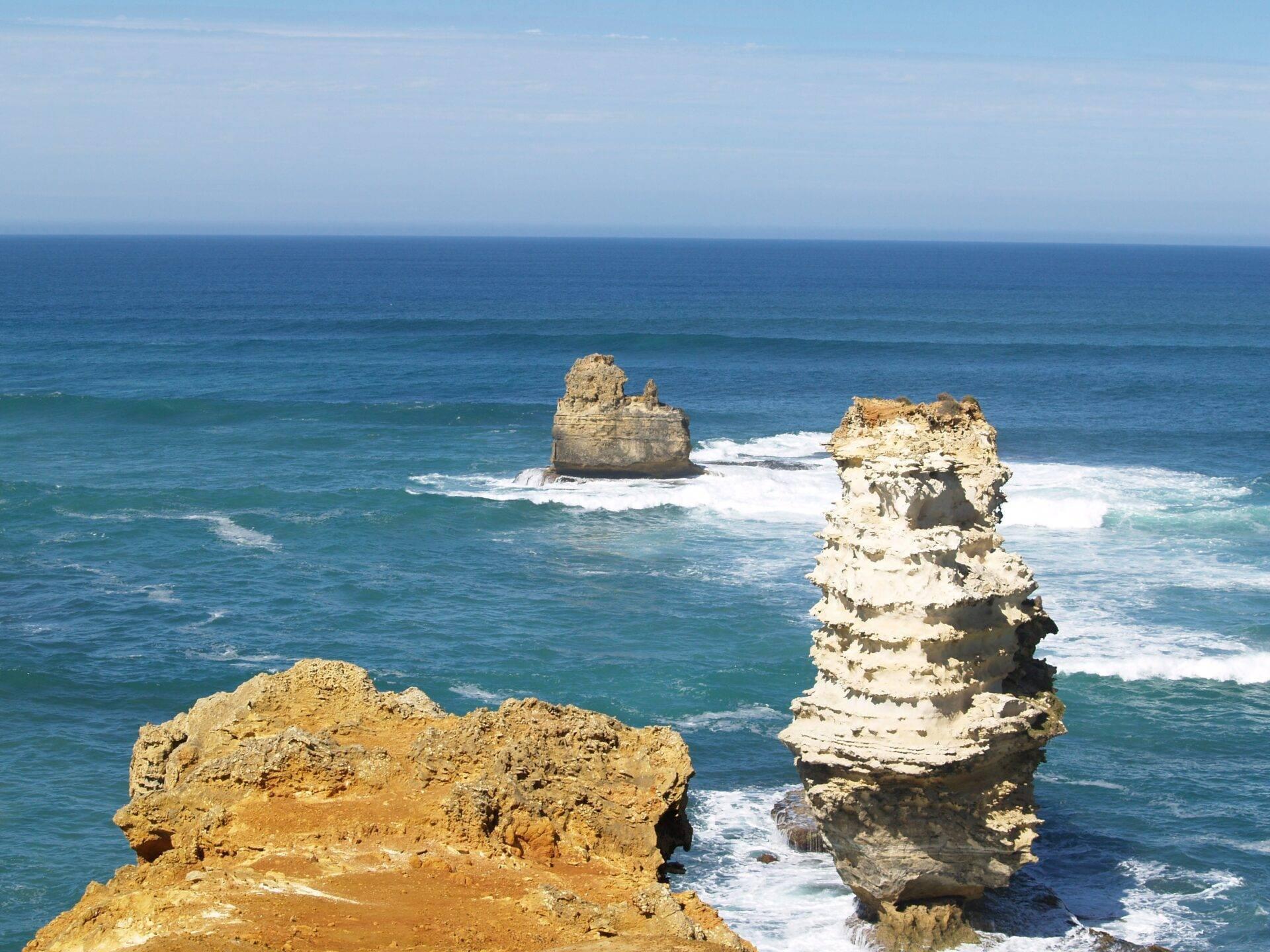
The Whitsunday Islands, off the central Queensland coast, comprise 74 islands, most of them protected within a national park. Whitehaven Beach, with its immaculate silica sand, regularly features among the world’s most beautiful beaches. The jagged coastlines of certain islands contrast with the sheltered waters of inner bays, ideal for sailing, snorkelling and sea kayaking.
20. Living First Nations culture
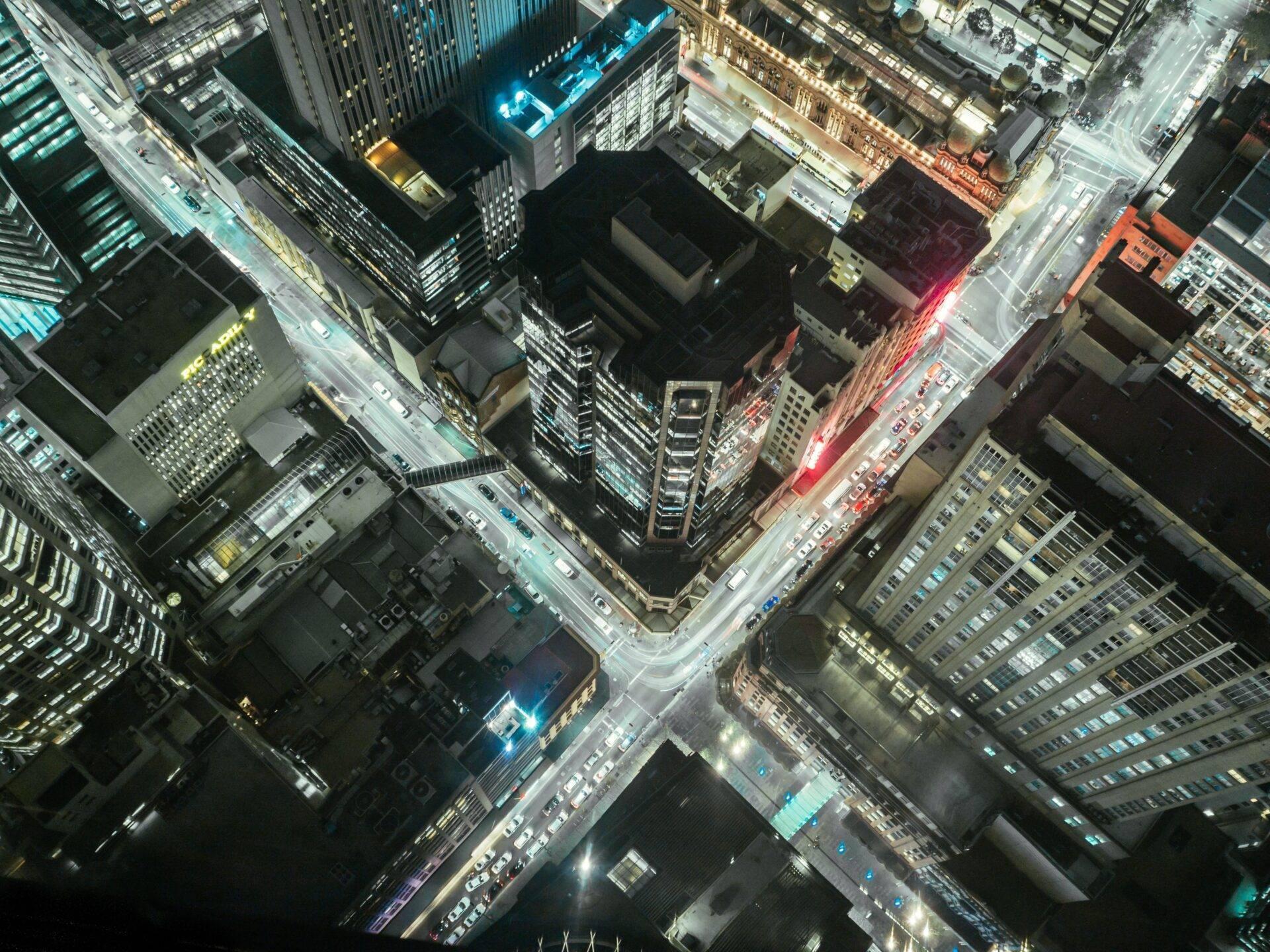
Australia’s First Nations culture is the oldest continuous living culture documented on Earth, with evidence of human presence going back more than 65,000 years. Before European colonisation, there were more than 350 distinct Indigenous nations, each with its own language, territory and worldview.
This culture is alive across Australia, including in its major cities. The Discover Aboriginal Experiences collective lists more than 200 guaranteed-authentic experiences across the country: traditional bush tucker walks, boomerang throwing, dot-painting workshops, dance and didgeridoo performances, and night walks under the Australian sky interpreted through the lens of the Dreamtime.
In Sydney, the Yiribana Gallery at the Art Gallery of NSW holds Australia’s largest public collection of First Nations art. In Melbourne, the Bunjilaka Aboriginal Cultural Centre at Melbourne Museum provides an introduction to the history and cultures of Victoria’s First Nations peoples. Everywhere - at Uluru, Kakadu, Daintree or the Kimberley - Indigenous communities offer tours that transform a landscape into a living story.
Before you go: what you need to know
Australia is a long way from home, and medical care is extremely expensive for foreign visitors. Active pursuits (surfing, diving, hiking) and dangerous wildlife (snakes, spiders, jellyfish) make solid coverage all the more important. Before you leave, visit our dedicated travel insurance for Australia page for practical information on health, visas and entry requirements.
Australia combines naturally with a stop in New Zealand, less than three hours away by plane. Our guide to things to do in New Zealand will help you plan both destinations together.
FAQ
What is the best time of year to visit Australia?
The answer depends on the region. The tropical north (Cairns, Darwin, Kakadu) is most pleasant during the dry season, from May to October. The east coast (Sydney, Melbourne, Brisbane) can be visited year-round. The Outback and Uluru are most manageable in April-May and September-October, when temperatures drop to comfortable levels. For practical guidance on weather and entry requirements, our Australia travel insurance page brings it all together.
How long do you need to visit Australia?
Two to three weeks is enough for an east coast itinerary (Sydney, Cairns and the Great Barrier Reef, Melbourne and the Great Ocean Road). Four weeks allows you to add Uluru, Brisbane and the Gold Coast. To include Western Australia (Perth, Ningaloo) or Tasmania, allow at least a month - or plan a second trip.
What to see in Australia in 2 weeks?
In two weeks: 3 to 4 days in Sydney (Opera House, Harbour Bridge, Bondi), 3 days in tropical Queensland (Great Barrier Reef from Cairns), 3 to 4 days in Melbourne and along the Great Ocean Road, and 1 to 2 days at Uluru by domestic flight. It is a packed itinerary, but very doable.
Is climbing Uluru still allowed?
No. The climb has been permanently closed since 26 October 2019, at the request of the Anangu people. The base walk around the rock, guided tours led by Anangu rangers and the park’s Cultural Centre are the recommended way to experience the site with respect for its spiritual significance.
Can you swim with whale sharks in Australia?
Yes, at Ningaloo Reef in Western Australia, between March and August. The site is accessible directly from the beach, making it one of the few places in the world where this experience is possible without a lengthy boat trip.
Is the Great Barrier Reef still worth visiting?
Yes. While some areas have experienced bleaching events linked to rising sea temperatures, the Great Barrier Reef remains one of the world’s richest and most accessible marine ecosystems, particularly north of Port Douglas and in the Whitsundays.