
Melbourne brings together street art, century-old markets, free museums and beaches less than ten minutes from the city centre. Three days are enough to cover the highlights; a week lets you explore the neighbourhoods (Fitzroy, Collingwood, Richmond) and head out on day trips to the Great Ocean Road or the Yarra Valley.
The CBD Laneways: Hosier Lane and Melbourne’s Laneway Culture
Hosier Lane, a short walk from Federation Square, is the natural starting point for exploring Melbourne’s street art scene. The walls change practically every week, with some artists painting live in front of passers-by. The neighbouring laneways, Degraves Street and Centre Place, layer independent roasters and vinyl record shops into just a few square metres. Melbourne is one of the rare major cities where international coffee chains have never managed to gain a foothold against the locals.
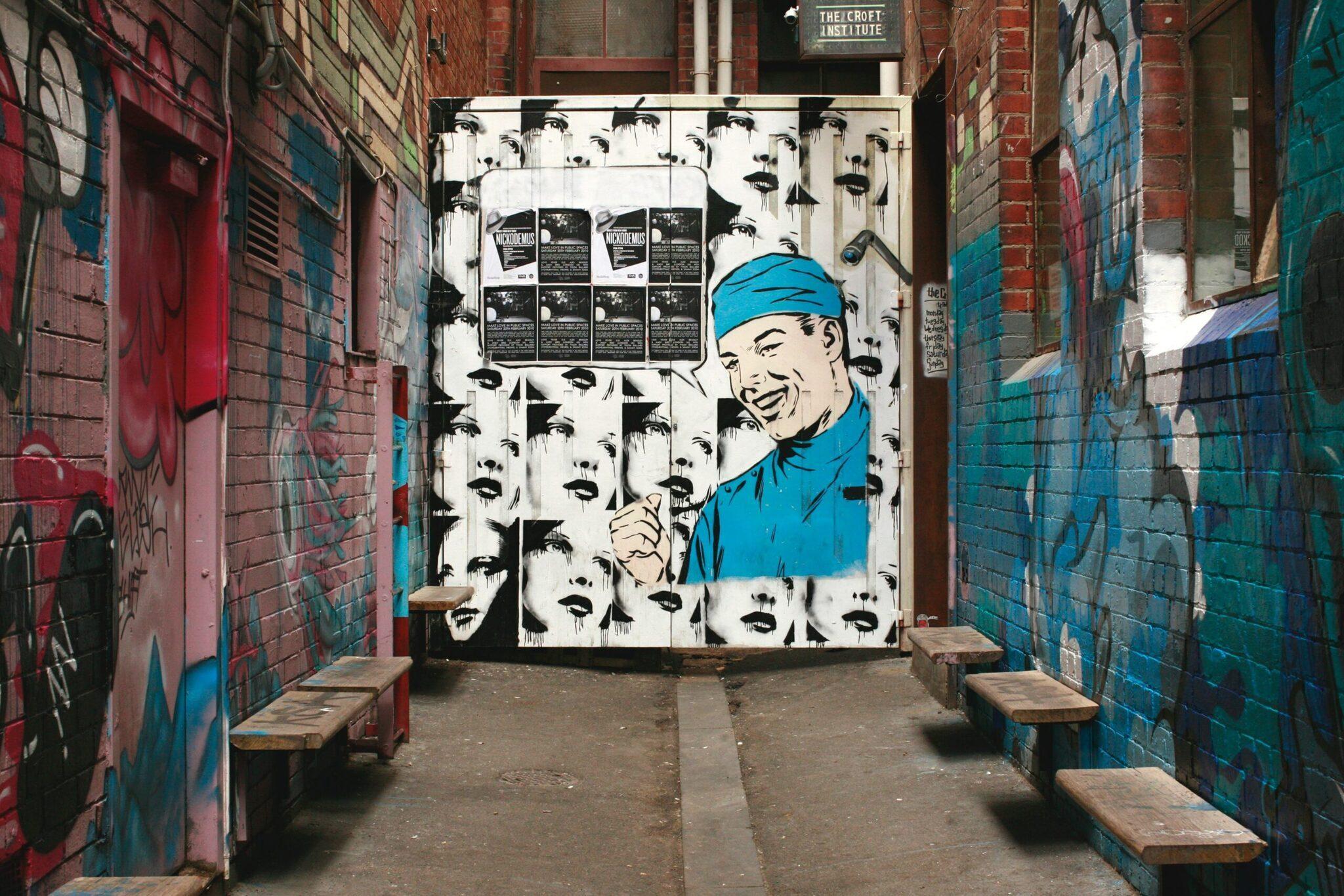
Practical tip: natural daylight brings out the full colour of the murals, but after dark, artificial lighting creates an entirely different atmosphere.
Queen Victoria Market
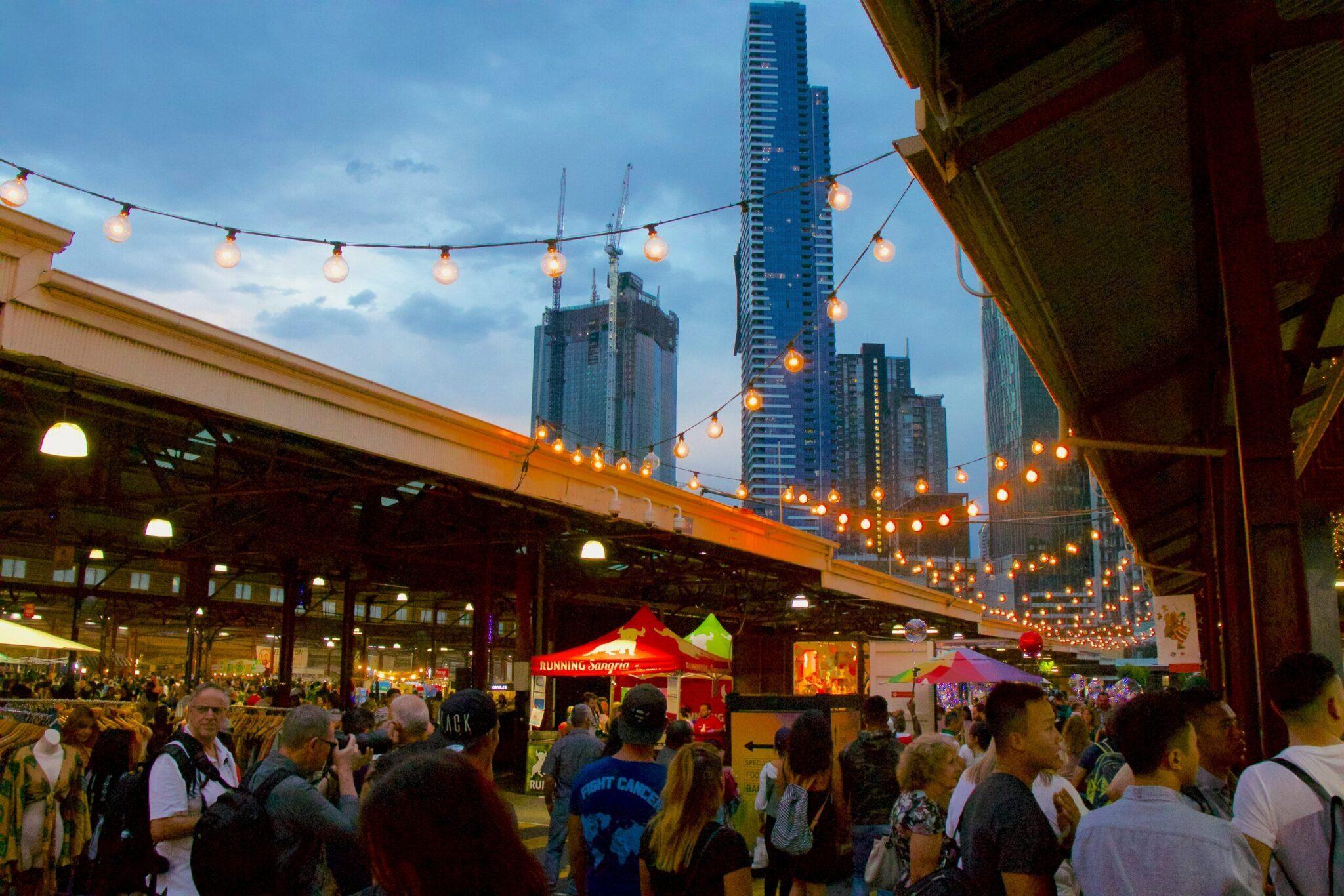
Officially opened on 20 March 1878, Queen Victoria Market is one of the last great open-air markets at the heart of an Australian city. It brings together fresh produce, aged cheeses, seafood, specialty groceries and dozens of street food stalls. On Wednesday evenings in summer, a night market transforms the whole site into a street party, complete with live music and string lights.
Arrive on a weekday at opening time to find the best produce and beat the weekend crowds.
The Yarra River: Walking and Kayaking in the Heart of the City
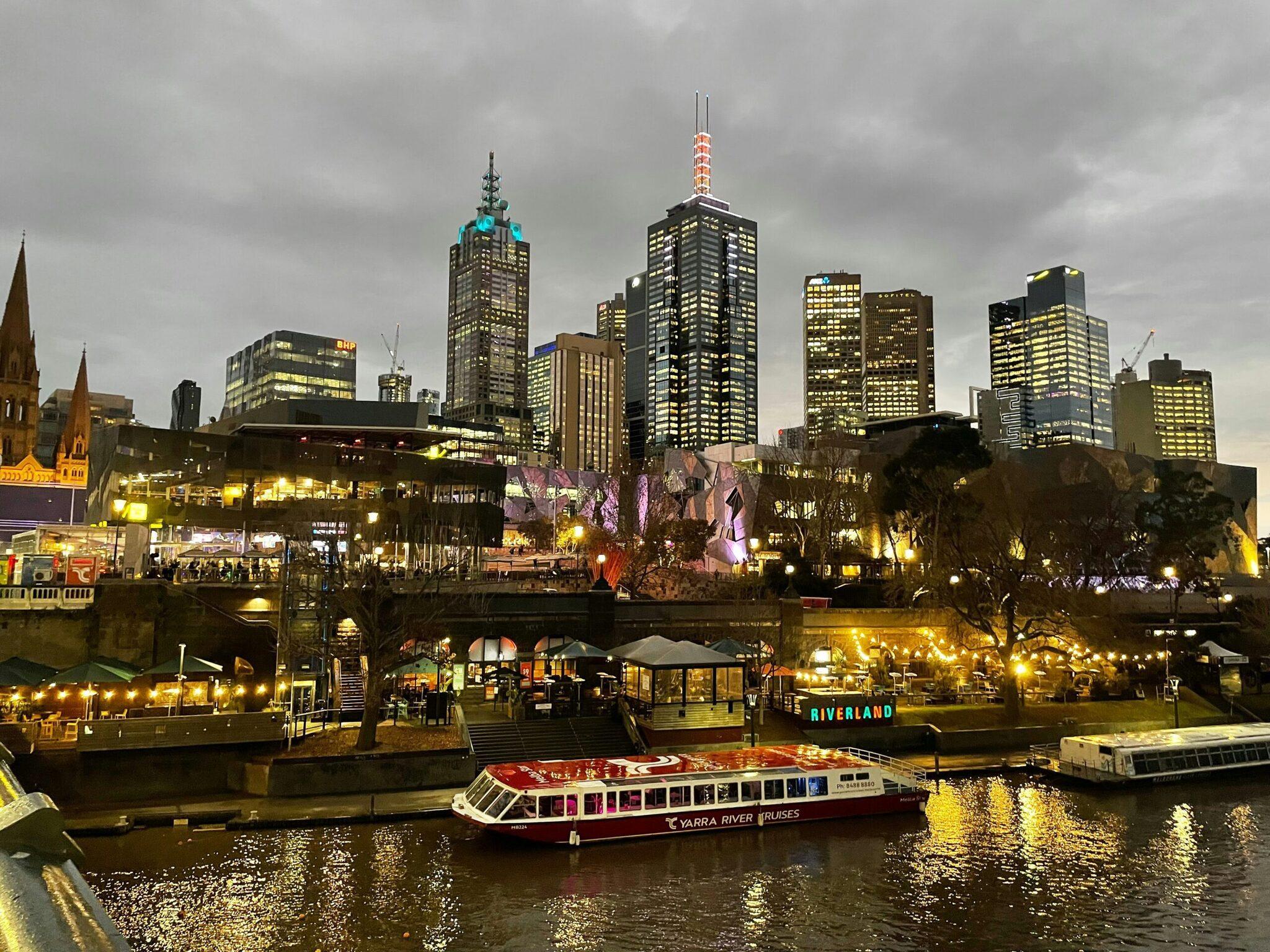
The Yarra flows through the very centre of Melbourne, and its banks form the city’s main promenade. Cycling paths run along both banks for several kilometres, weaving between parks and waterfront cafes. For a different perspective, kayak tours depart from Boathouse Drive, next to Princes Bridge, passing Flinders Street Station before paddling out to the Docklands.
Chinatown: Little Bourke Street
Melbourne’s Chinatown, on Little Bourke Street, is the oldest in the southern hemisphere. It was founded in the 1850s during the Victorian Gold Rush, when tens of thousands of Chinese prospectors settled in the city. Its red arches, restaurants, Asian grocers and herbalist shops stretch across a few hundred metres right in the heart of the CBD.
The Royal Botanic Gardens
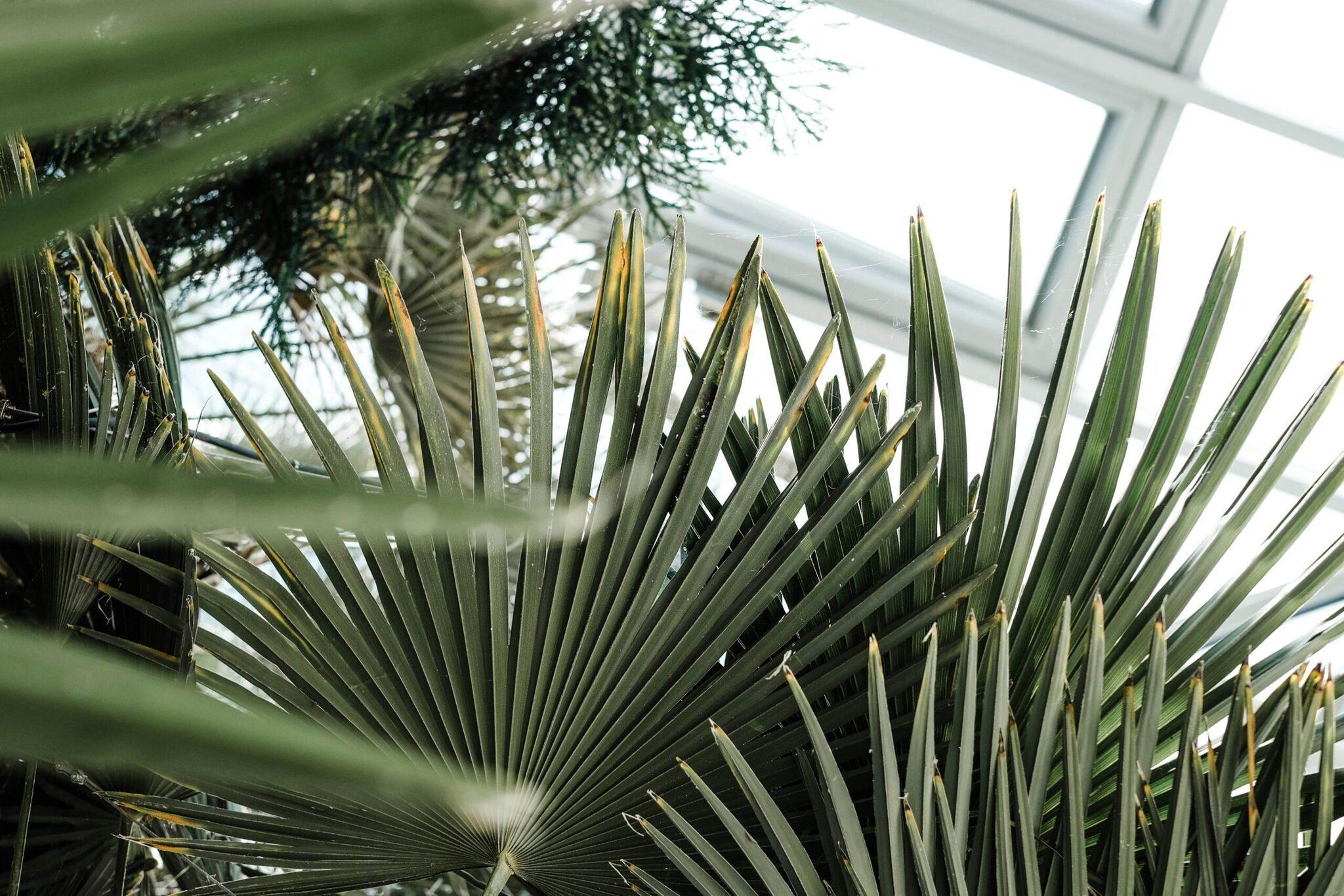
A fifteen-minute walk from the centre, the Royal Botanic Gardens cover 38 hectares and bring together more than 8,500 plant species. Entry is free. The walk around the lake, the Aboriginal Heritage Walk and the indigenous plant collections each give you a good reason to spend half a day here. The gardens also host open-air concerts and evening film screenings.
A note for winter 2026: the gardens close at 3pm from Wednesday to Sunday until 2 August. Plan your visit for the morning.
St Kilda: Beach, Luna Park and Wild Penguins
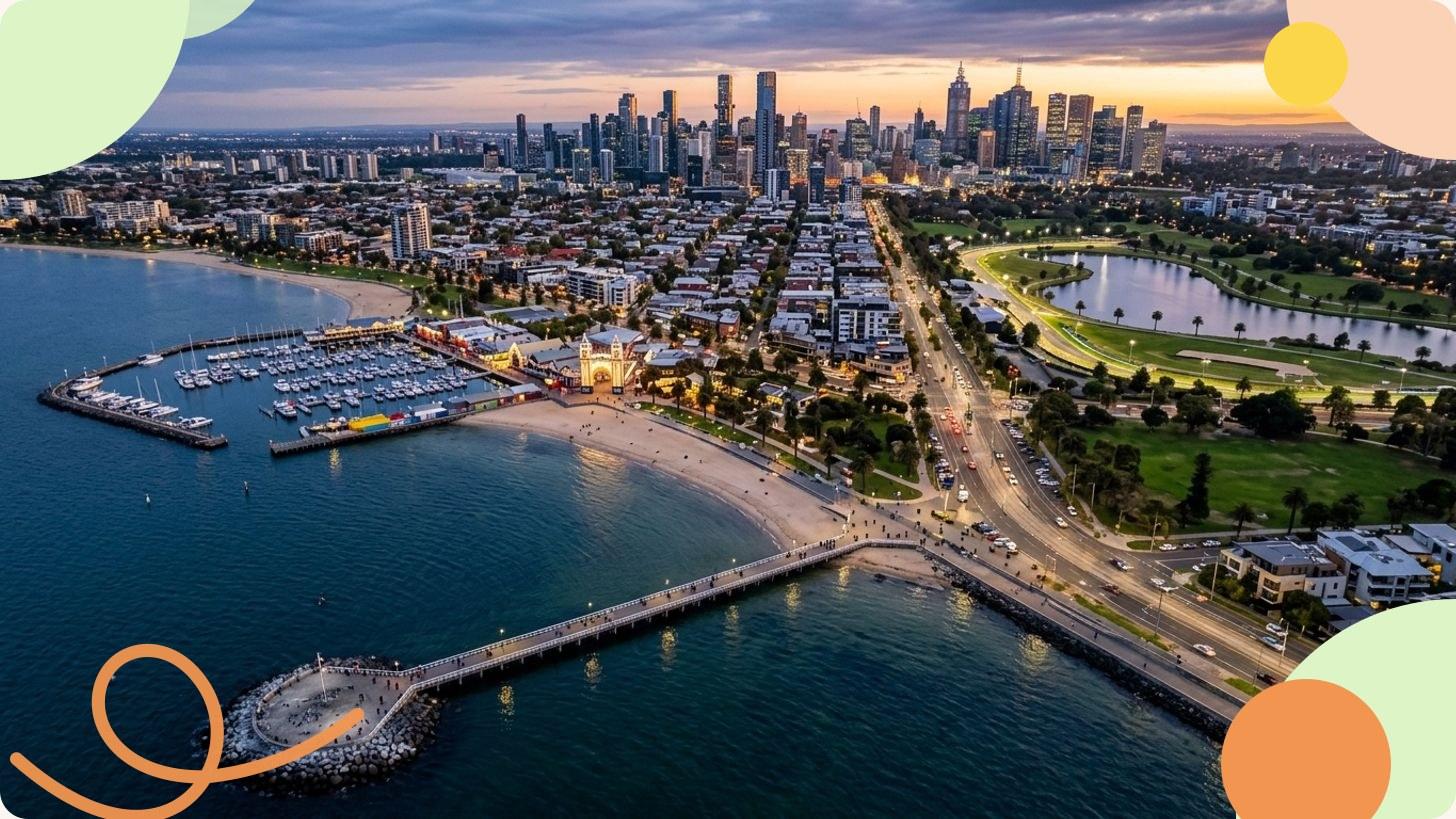
St Kilda sits 6 km from the centre and packs a sandy beach, terrace bars and Luna Park, the neighbourhood’s iconic funfair, into just a few streets. Acland Street is well known for its Central European pastry shops. The real revelation of the area, though, is the pier at sunset.
Since October 2025, Parks Victoria has opened a new penguin observation boardwalk at the end of the pier. The colony is home to around 1,400 little penguins that return to shore each evening after a day out at sea. Viewing sessions are free but require online booking, with slots going quickly. During the Australian winter, the first penguins arrive as early as 5:30pm; in summer, you may need to wait until around 9pm. Flash photography is strictly prohibited.
Eureka Skydeck: Melbourne from Above
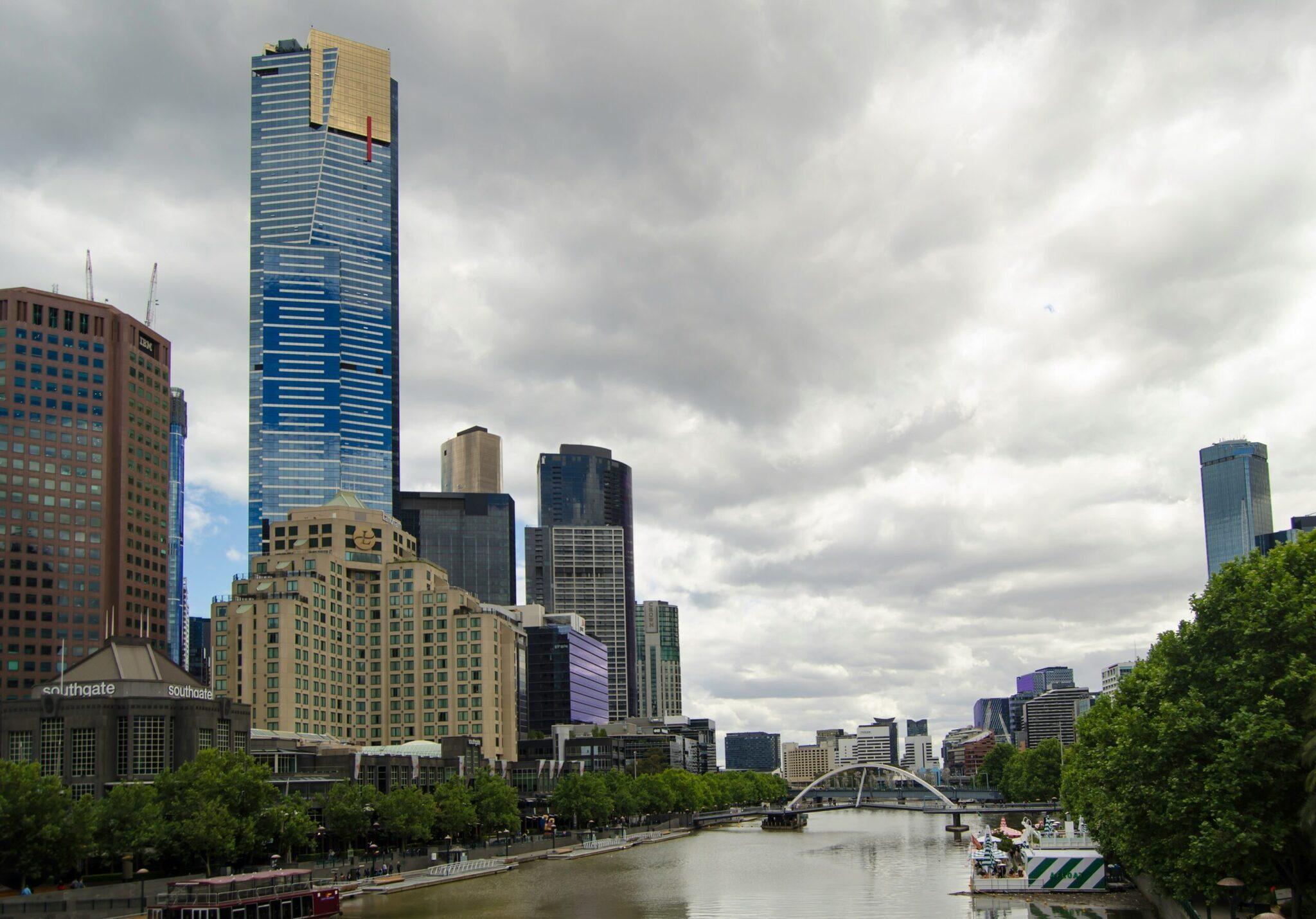
Eureka Skydeck occupies the 88th floor of the Eureka Tower and is the highest public viewing point in the southern hemisphere. The 360-degree view sweeps across Port Phillip Bay, the suburbs and, on a clear day, mountains on the horizon. For those who want a thrill: The Edge is a glass platform that slides out of the building, leaving you suspended over thin air.
Visiting in the late afternoon, just before sunset, gives you the most spectacular light.
The National Gallery of Victoria (NGV)
The NGV, founded in 1861, is Australia’s oldest public gallery. It holds more than 75,000 works spanning First Nations Australian art, European Old Masters and international contemporary design. Entry to the permanent collection is free at both sites, NGV International on St Kilda Road and NGV Australia at Federation Square. Only the major temporary exhibitions carry an admission charge.
Allow at least two hours at the main site, without rushing.
Day Trips from Melbourne: Great Ocean Road and Yarra Valley
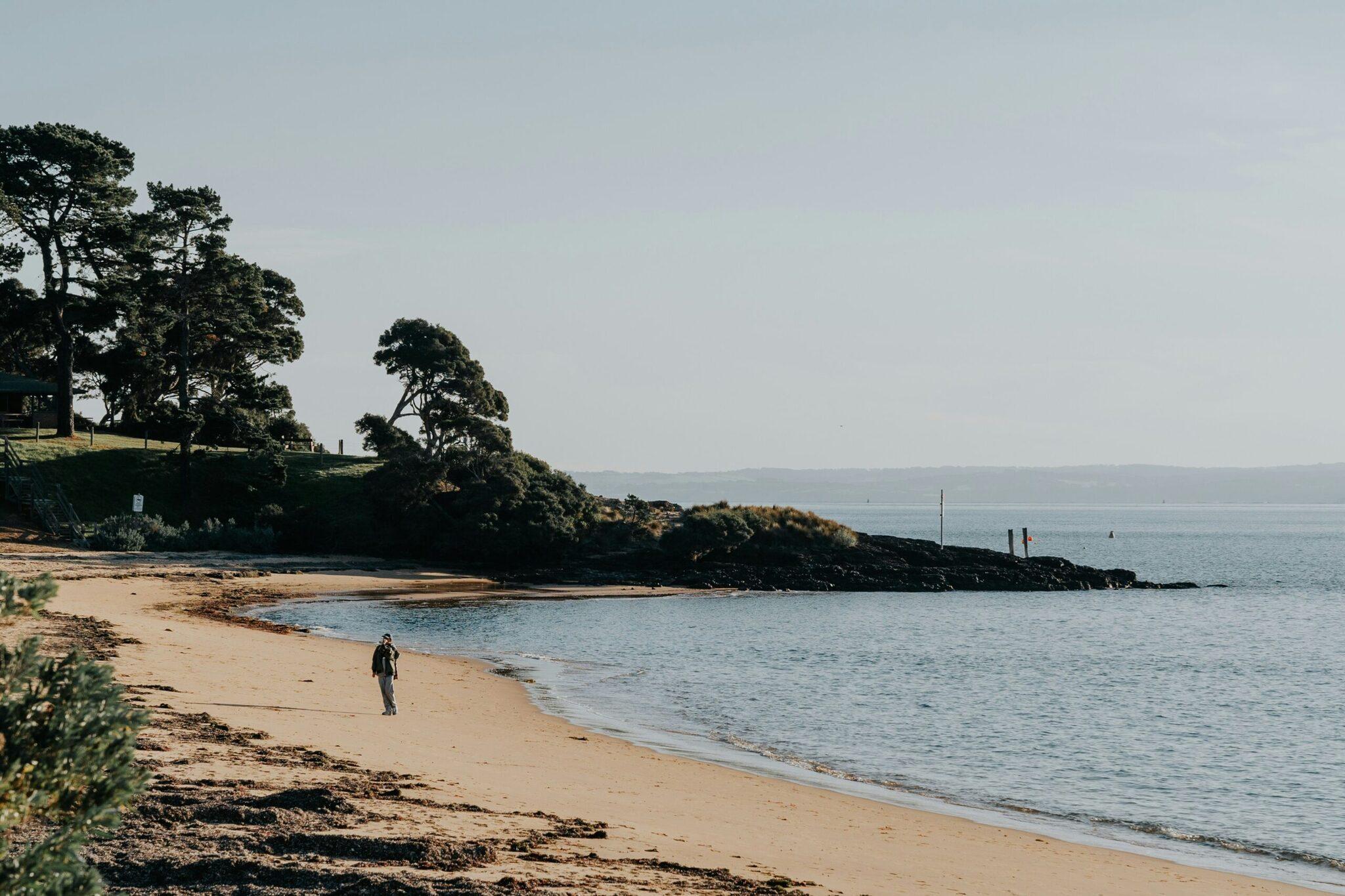
Melbourne makes an ideal base for exploring Victoria. The Great Ocean Road is one of the most spectacular coastal drives in the world, with the Twelve Apostles as the undisputed highlight. Allow a full day from the city. The Yarra Valley, an hour to the east, brings together Pinot Noir and Chardonnay vineyards, chocolatiers and artisan cheese producers.
If you are planning a broader trip around Australia, our guide to 20 things to see and do in Australia covers the continent’s must-sees. Weighing up city break options on the other side of the world? Our guides to things to do in Los Angeles and things to do in New York make for a useful comparison.
FAQ
How many days do you need to visit Melbourne?
Three days cover the major highlights: laneways and street art, Queen Victoria Market, the NGV, St Kilda and Eureka Skydeck. A week lets you explore the neighbourhoods (Fitzroy, Collingwood, Richmond) and do a day trip along the Great Ocean Road.
When is the best time to visit Melbourne?
Australian autumn (March to May) and spring (September to November) offer the most pleasant conditions, with temperatures between 15 and 22°C and fewer crowds. Winter (June to August) is mild but wet. Summer (December to February) is lively and hot.
How do you get around Melbourne?
The tram network covers most of the city centre. For outlying neighbourhoods and suburban trains, the rechargeable Myki card is essential. On foot, most CBD attractions are within easy walking distance without needing public transport.
Can you really see the St Kilda penguins for free?
Yes. The colony of around 1,400 little penguins returns to St Kilda Pier every evening at sunset. Since October 2025, a dedicated boardwalk has offered two free viewing sessions each evening, but online booking is required. Flash photography is prohibited to avoid disturbing the birds.
Do you need travel insurance for Australia?
Australia has no reciprocal healthcare agreement with most countries. In the event of hospitalisation, medical bills can quickly climb into the thousands. Taking out travel insurance covering medical expenses and repatriation before you depart is strongly recommended.