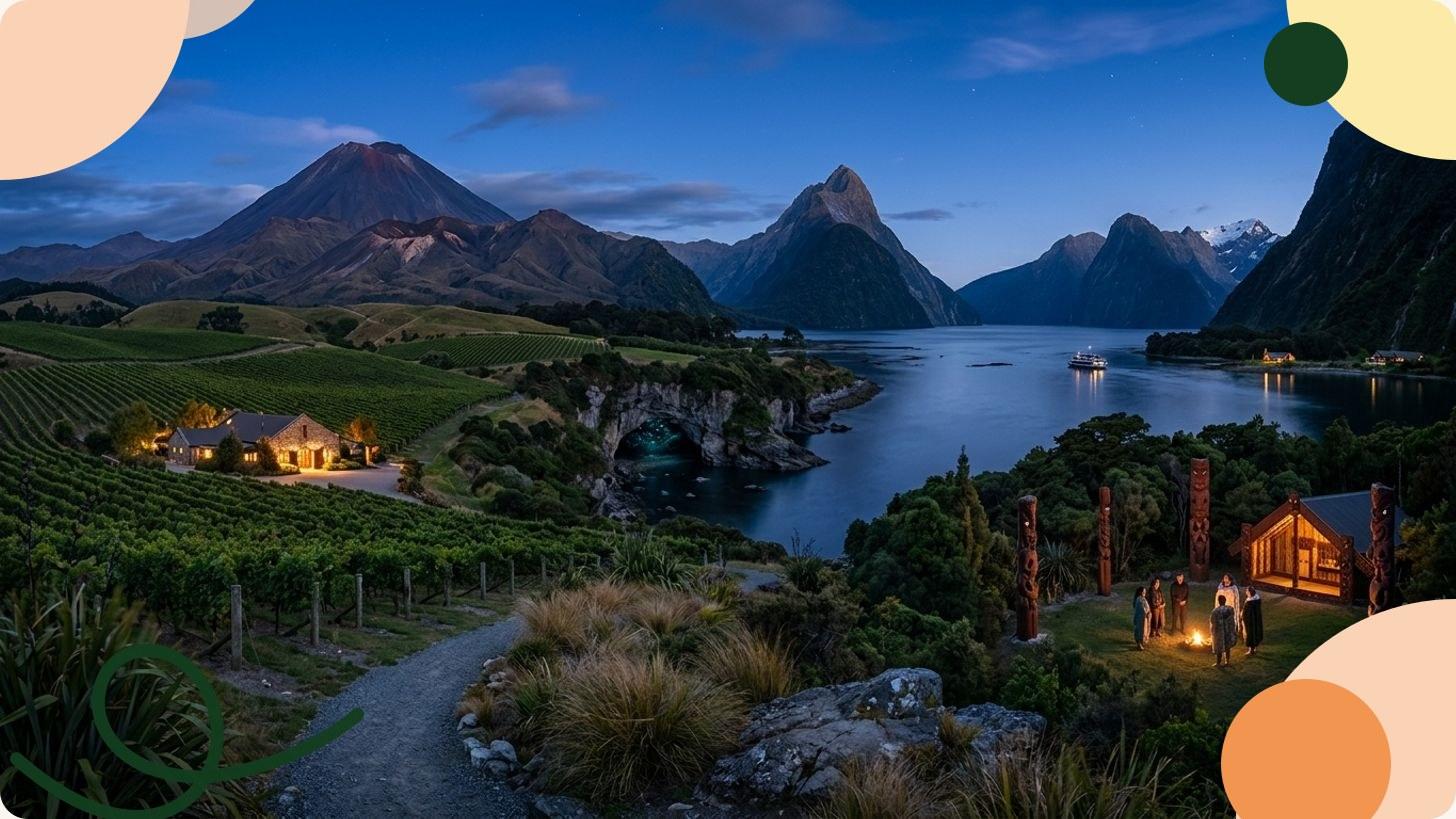

New Zealand packs into two islands what other countries need an entire continent to match: fjords, active volcanoes, bioluminescent caves, award-winning vineyards and a living Maori culture. Two weeks is enough to cover the highlights of one island; allow three to four weeks to explore both properly. Here are the 20 experiences that deserve a place on your itinerary.
Get my travel insurance quoteThe North Island: Volcanoes, Culture and Turquoise Seas
1. Auckland, the City of Sails
New Zealand’s largest city spreads across an isthmus between two harbours. The Sky Tower dominates the skyline and offers a 360-degree view over the Waitematā Harbour. The Viaduct Harbour district gives access to ferries bound for the Hauraki Gulf islands, the lively markets of Ponsonby and the volcanic crater of Mount Eden. Auckland also serves as the natural starting point for exploring the rest of the North Island.
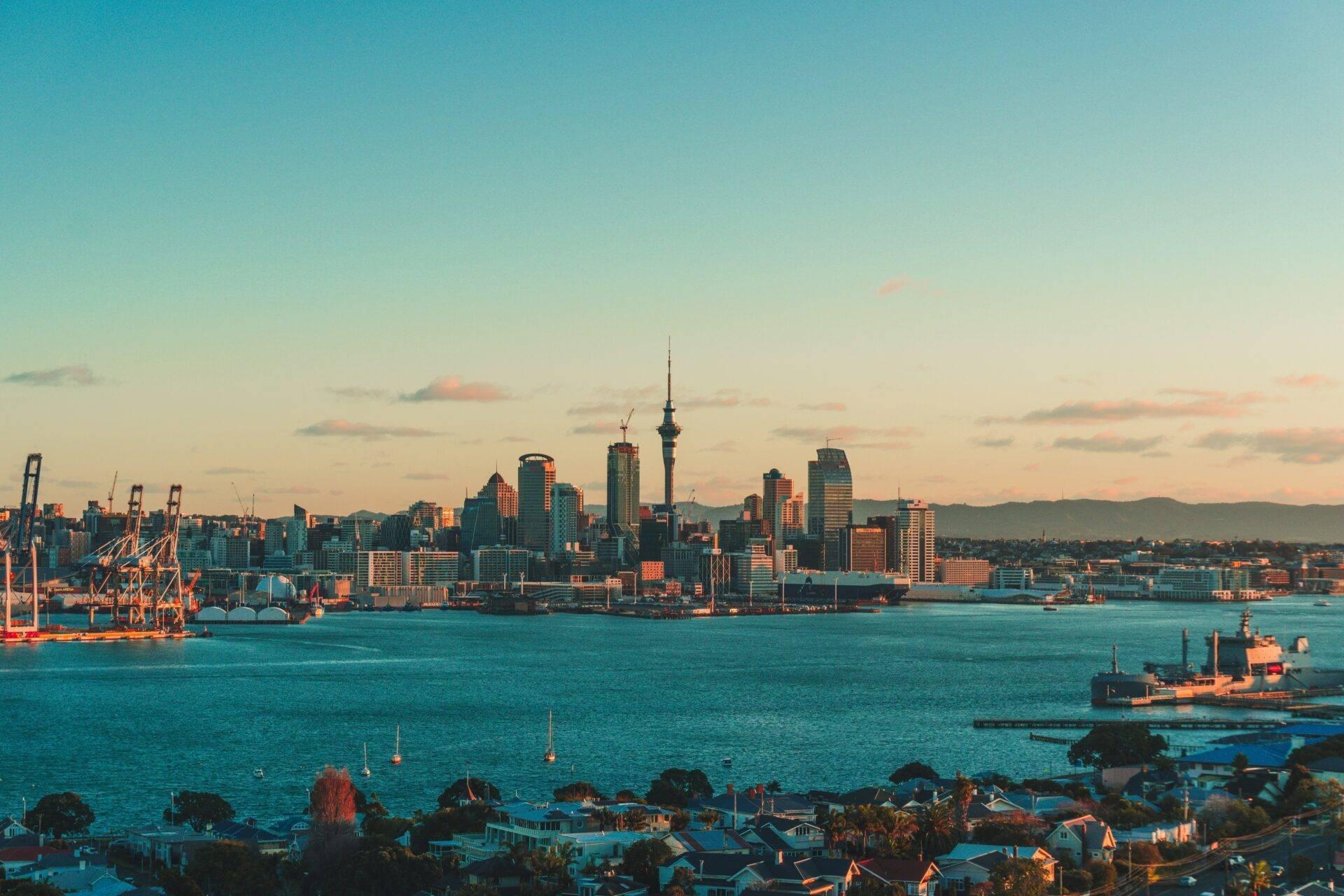
2. Waiheke Island, Vines and Beaches 35 Minutes Away
A 35-minute ferry ride from the city centre, Waiheke Island combines fine sandy beaches, olive groves and around thirty wineries. Aucklanders treat it as their go-to weekend escape, but the island really deserves a night or two to explore its quiet coves at a more leisurely pace.
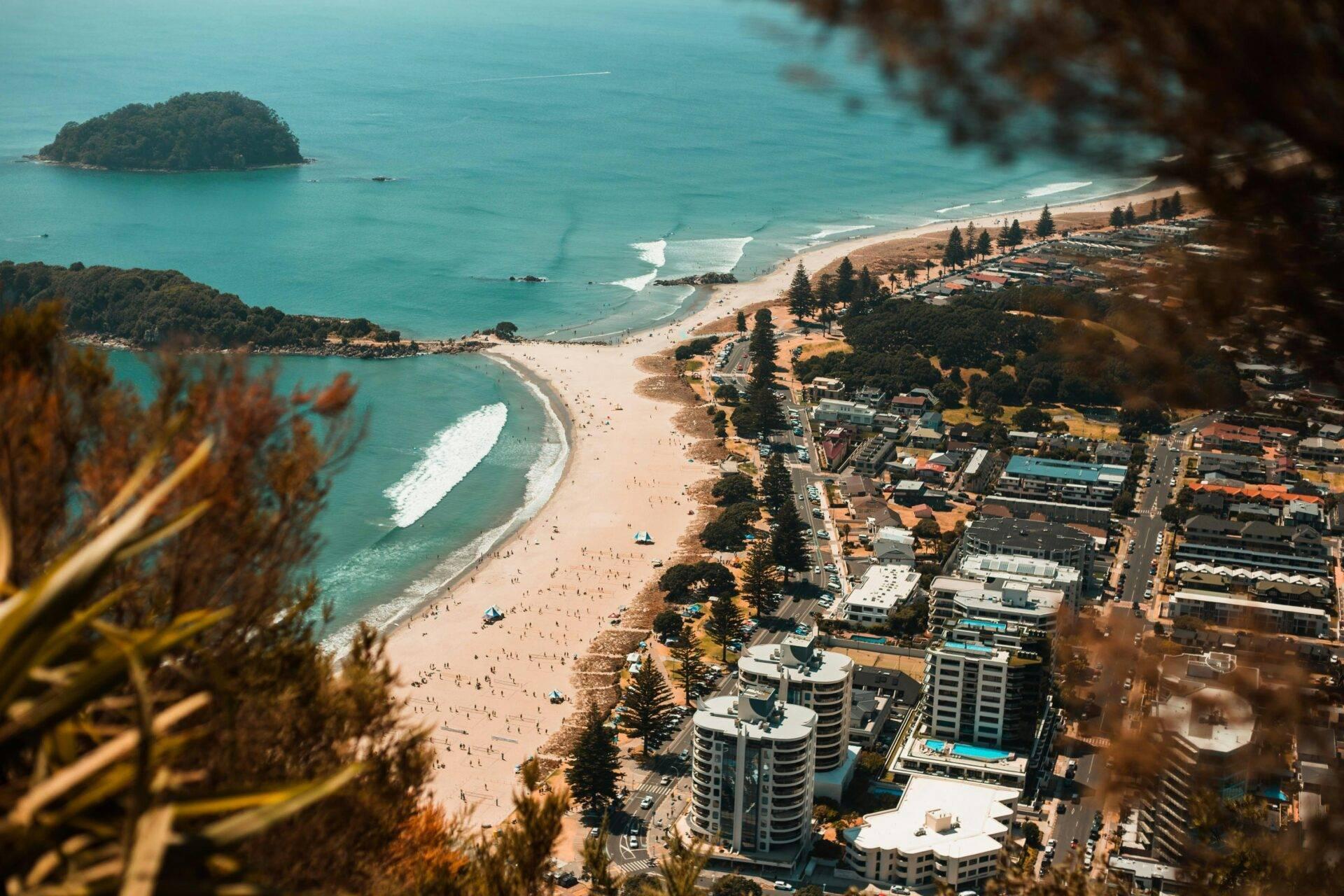
3. Cathedral Cove, the Coromandel’s Sandstone Arch
On the Coromandel Peninsula, Cathedral Cove is reachable on foot from the Hahei car park (around 45 minutes) or by boat from Whitianga. Its natural pink sandstone arch opens onto a sheltered beach: the kind of spot that is genuinely hard to leave once you arrive.
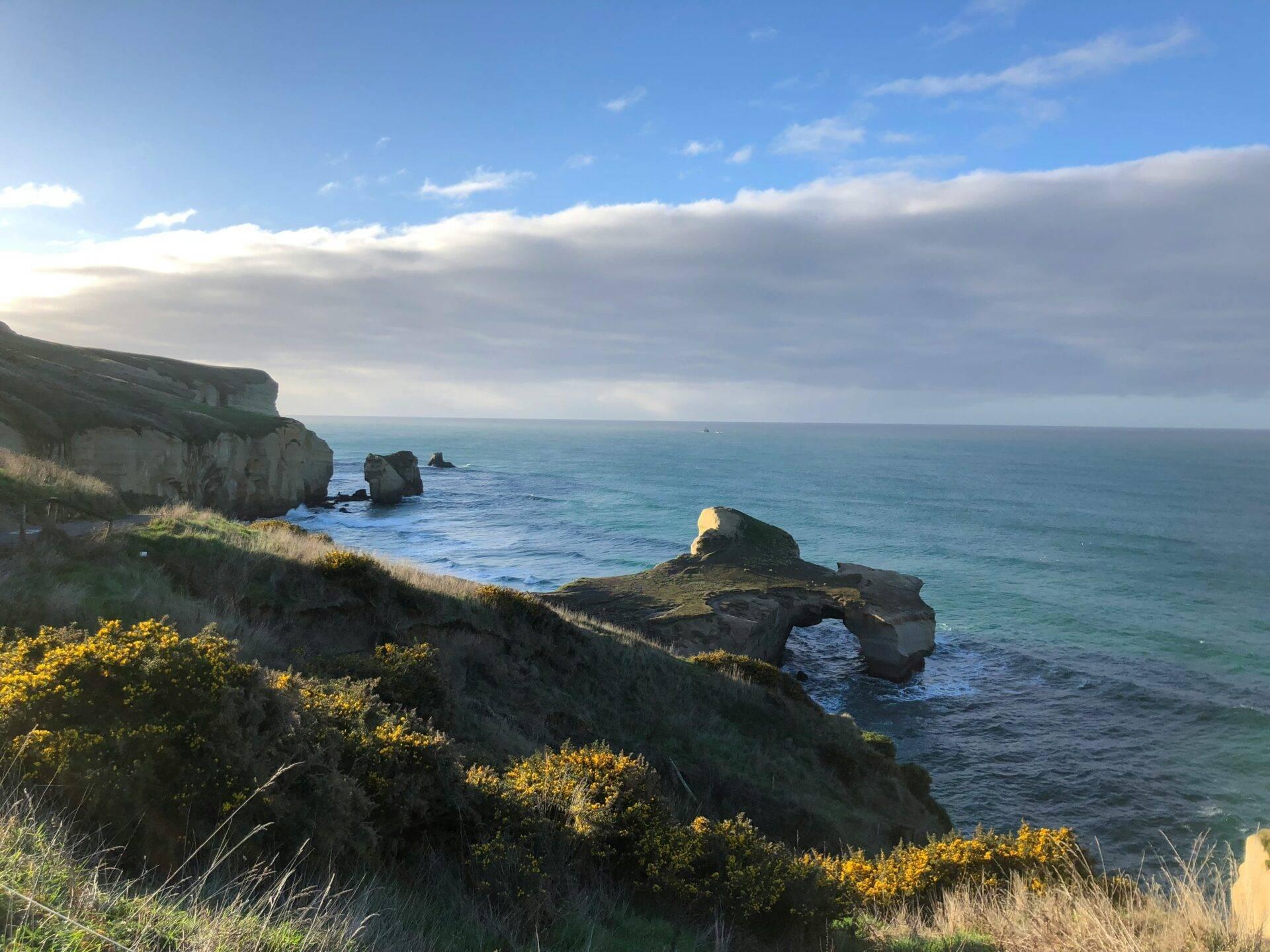
4. Hobbiton, Welcome to the Shire
In Matamata, in the Waikato, the filming location used for The Lord of the Rings and The Hobbit has been permanently preserved on a 5.5-hectare working farm. Guided tours end with a pint at the Green Dragon Inn. Book well ahead: time slots fill up fast.
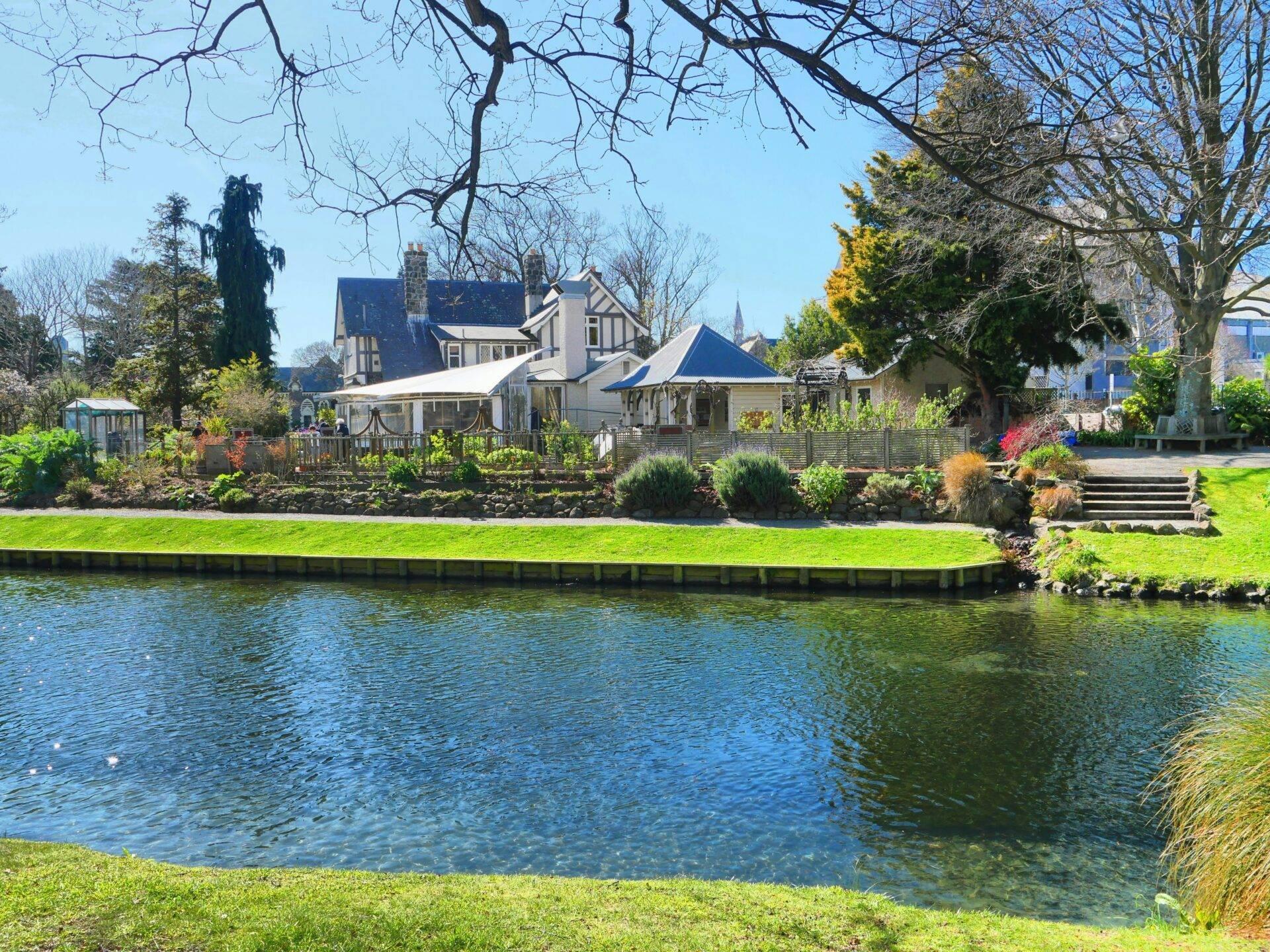
5. The Waitomo Glowworm Caves, a Starry Sky Underground
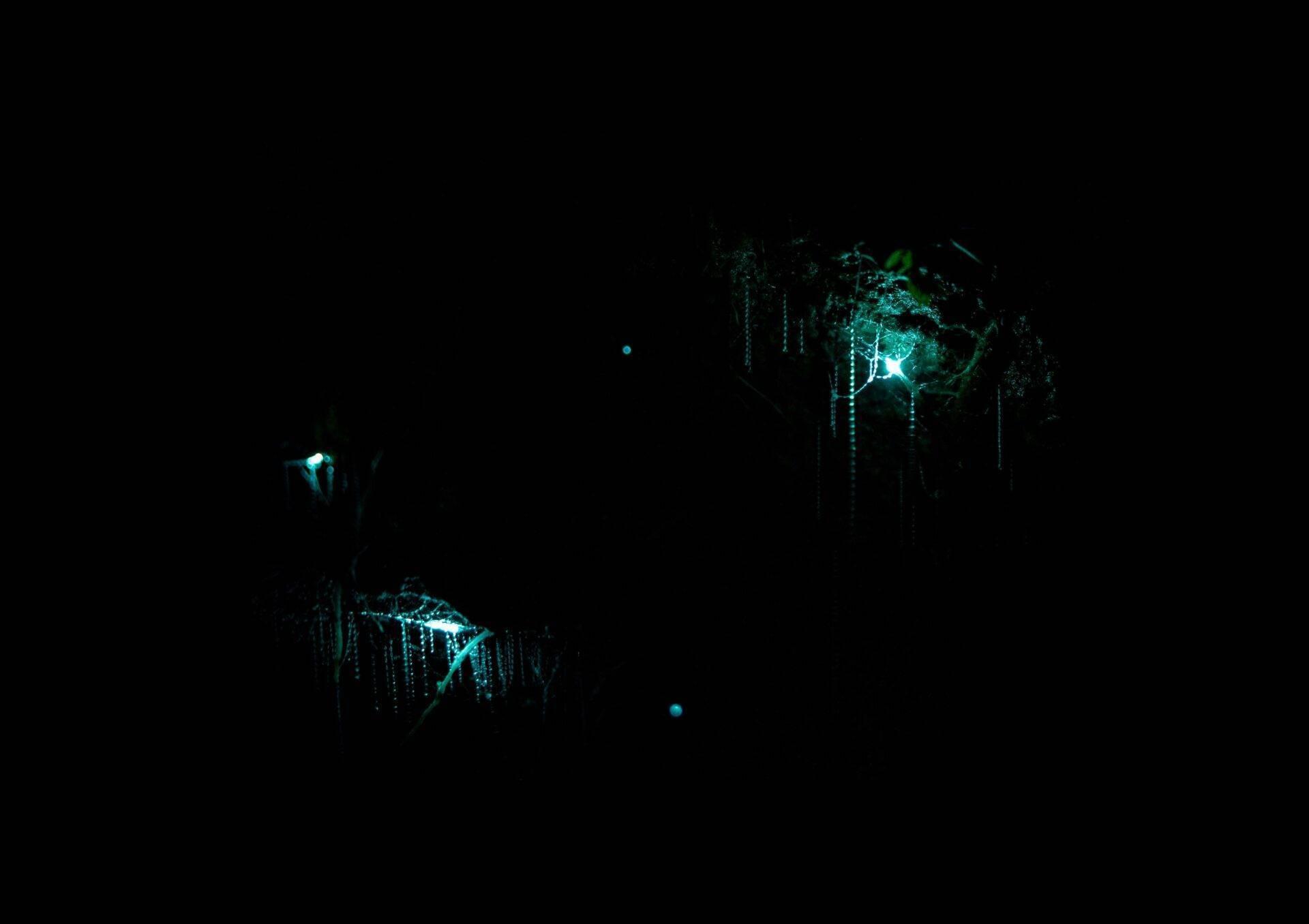
Waitomo takes its name from the Maori words “wai” (water) and “tomo” (hole): an accurate description of this network of more than 300 caves carved through limestone by underground streams. The main attraction is millions of bioluminescent glowworms (Arachnocampa luminosa), a species endemic to New Zealand, whose blue-tinged glow covers the cave ceilings. Visitors drift silently through the darkness by boat, gazing up at what looks for all the world like a natural planetarium.
6. Rotorua, the Breathing Earth
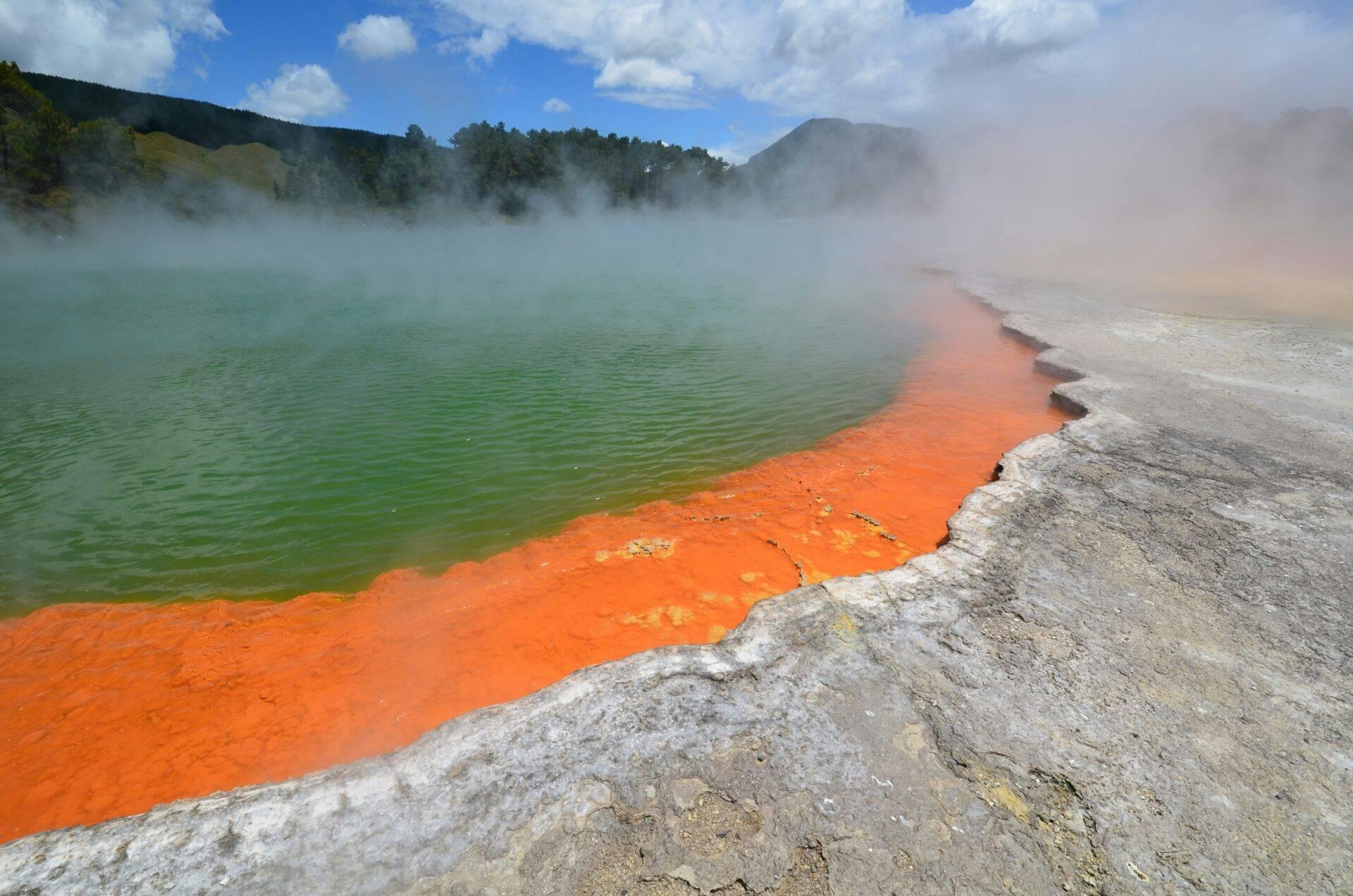
Built on an active volcanic zone, Rotorua smells of sulphur, and that is very much part of its character. The Wai-o-Tapu geothermal park displays pools in improbable colours: emerald green, vivid orange, lilac. Geysers erupt on cue, and mud pools bubble right at the surface. It is a sensory experience that is genuinely difficult to replicate anywhere else on earth.
7. Maori Culture, Alive and Woven In
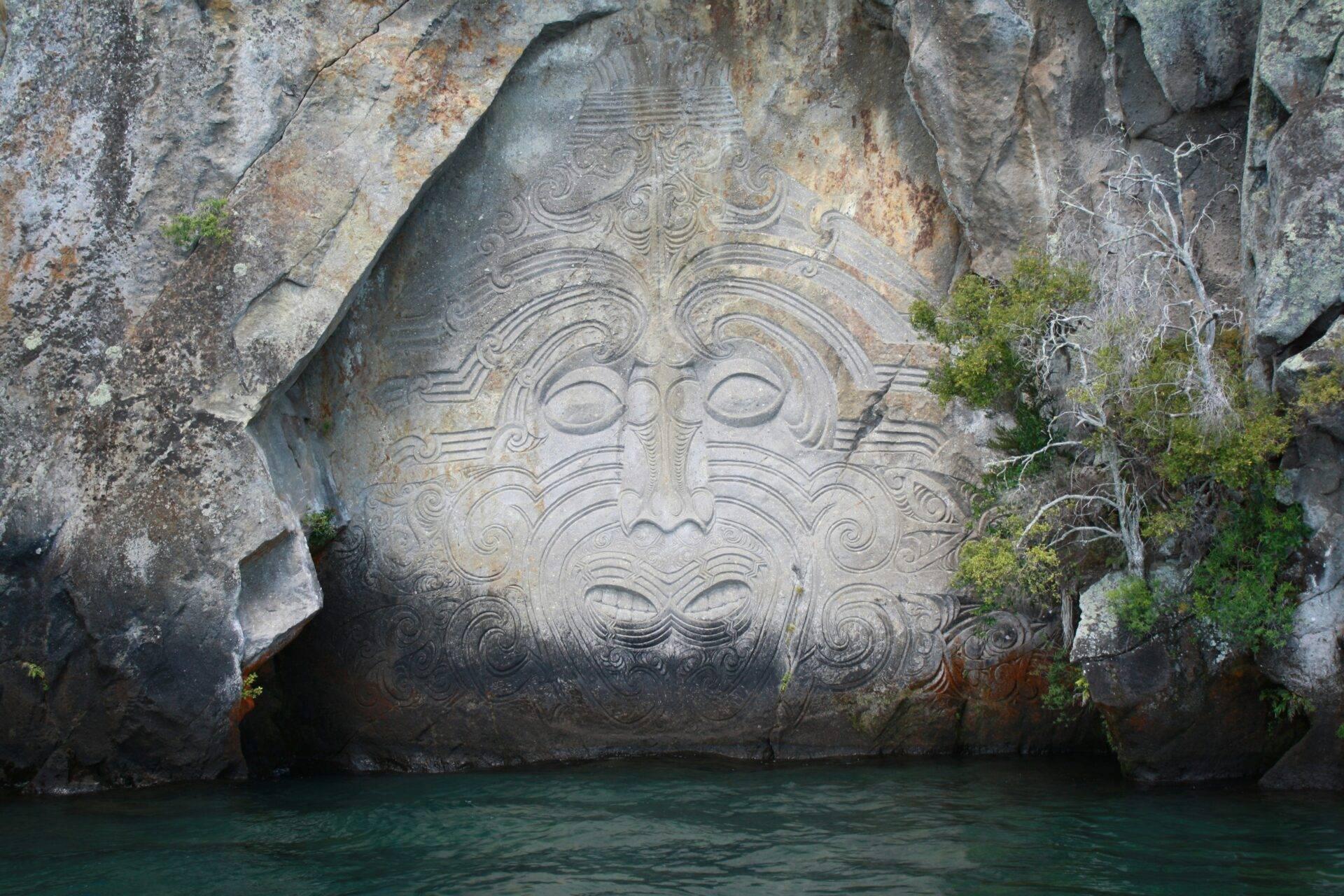
New Zealand is the country where Maori culture is most visible in everyday public life. In Rotorua, at the Te Puia village or the Waitangi marae in the Bay of Islands, visitors can watch the haka, taste hāngī (meat and vegetables slow-cooked in an earth oven) and explore wharenui adorned with intricate carvings. These cultural experiences are usually bookable as half-day sessions.
8. The Bay of Islands, 144 Islands to Explore
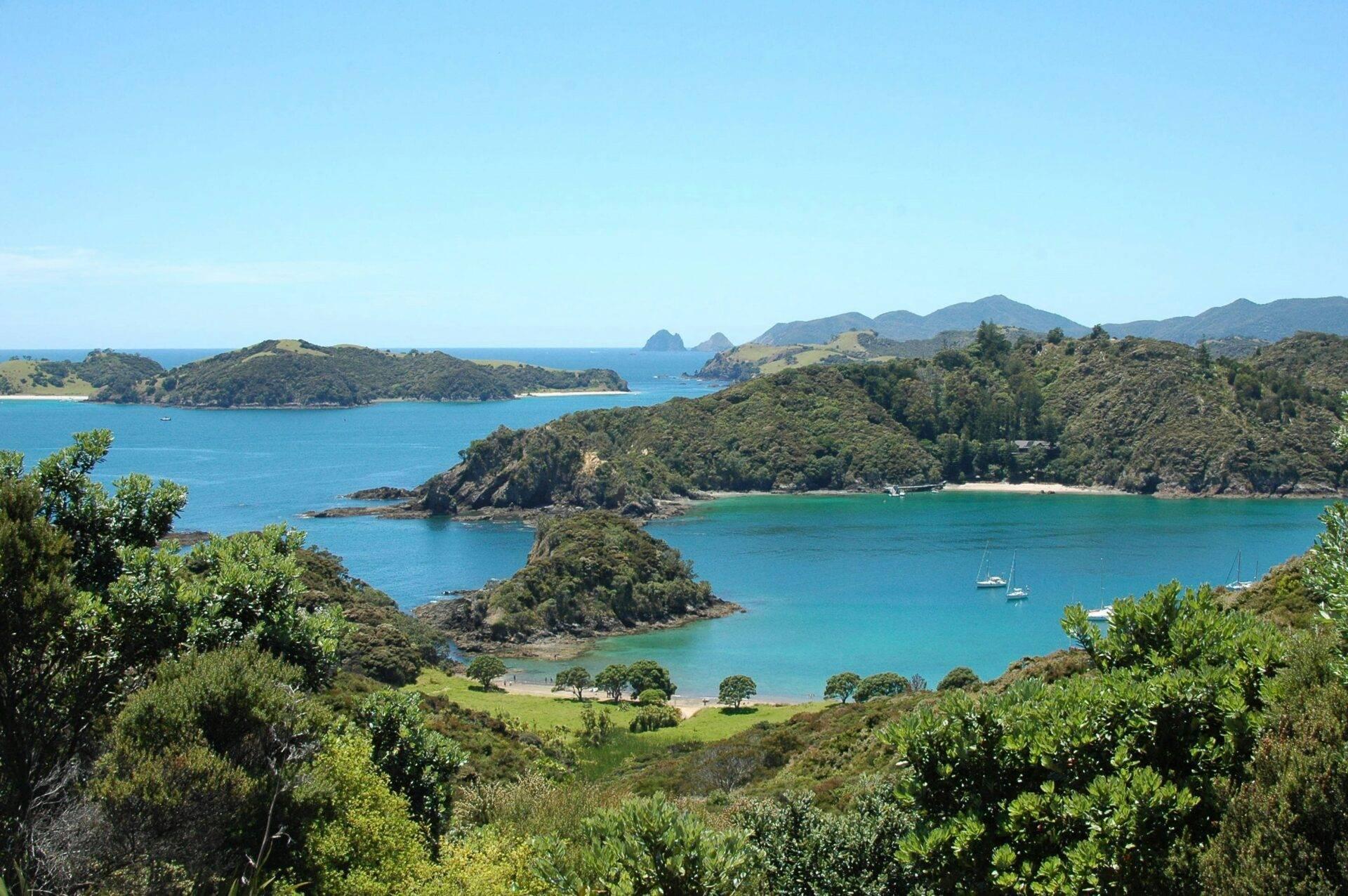
Made up of 144 islands, the Bay of Islands lends itself to sailing, sea kayaking, diving and dolphin watching. The historic Waitangi Treaty Grounds, where the 1840 treaty between the British Crown and Maori chiefs was signed, can be visited from the town of Paihia. The region is also the ideal jumping-off point for exploring Northland, the warmest corner of the country.
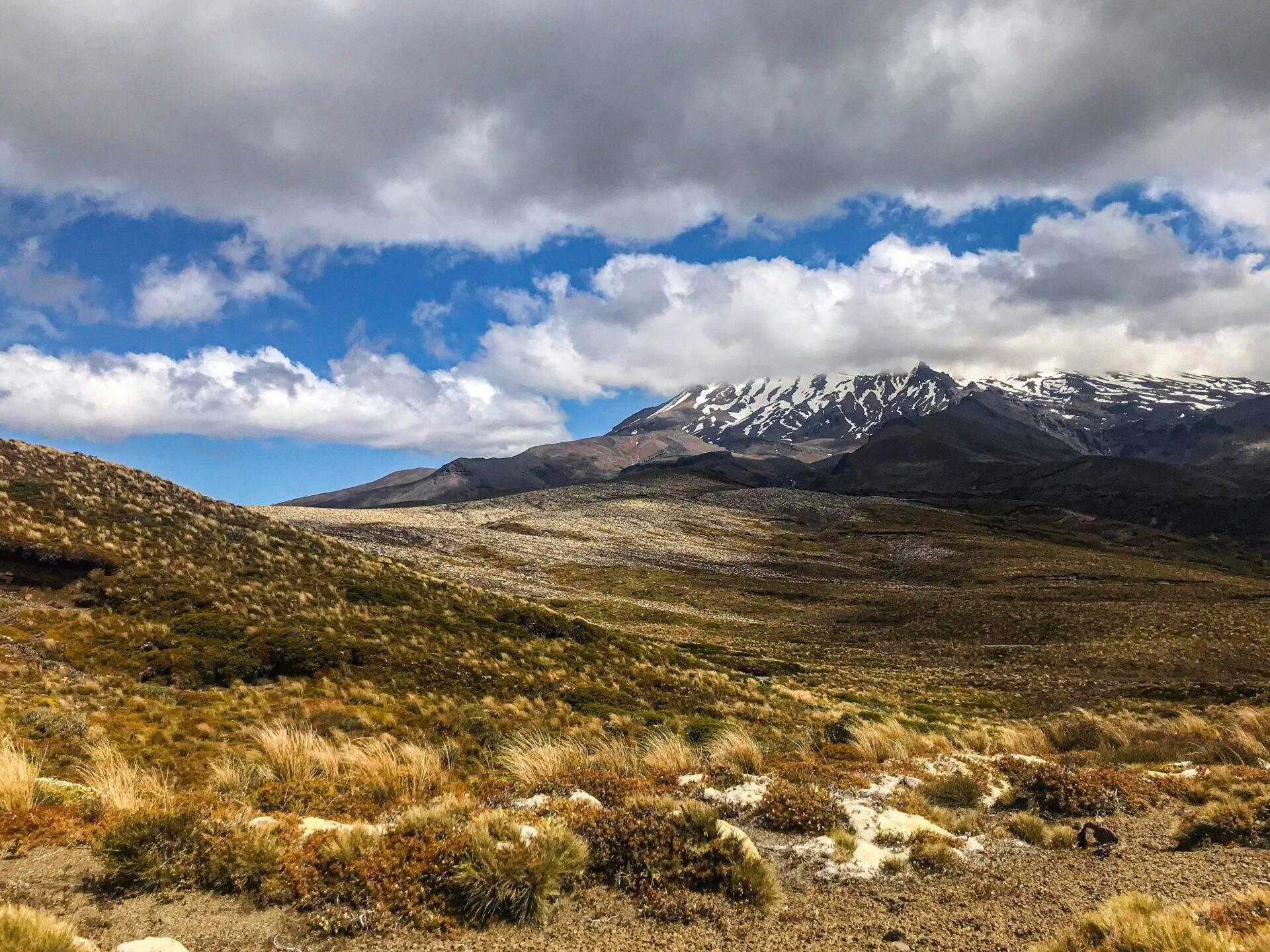
9. The Tongariro Alpine Crossing, 20 km of Volcano
Consistently ranked among the world’s best single-day hikes, the Tongariro Alpine Crossing covers 20.2 km of volcanic landscape as a one-way shuttle route, with 1,196 m of total elevation gain. The trail passes beneath Mount Ngauruhoe (the Mount Doom of the films), skirts steaming craters and takes in crater lakes in vivid acid hues. Allow 7 to 8 hours of walking, bring a good level of fitness and pack a waterproof jacket even on a sunny day: alpine weather changes fast.
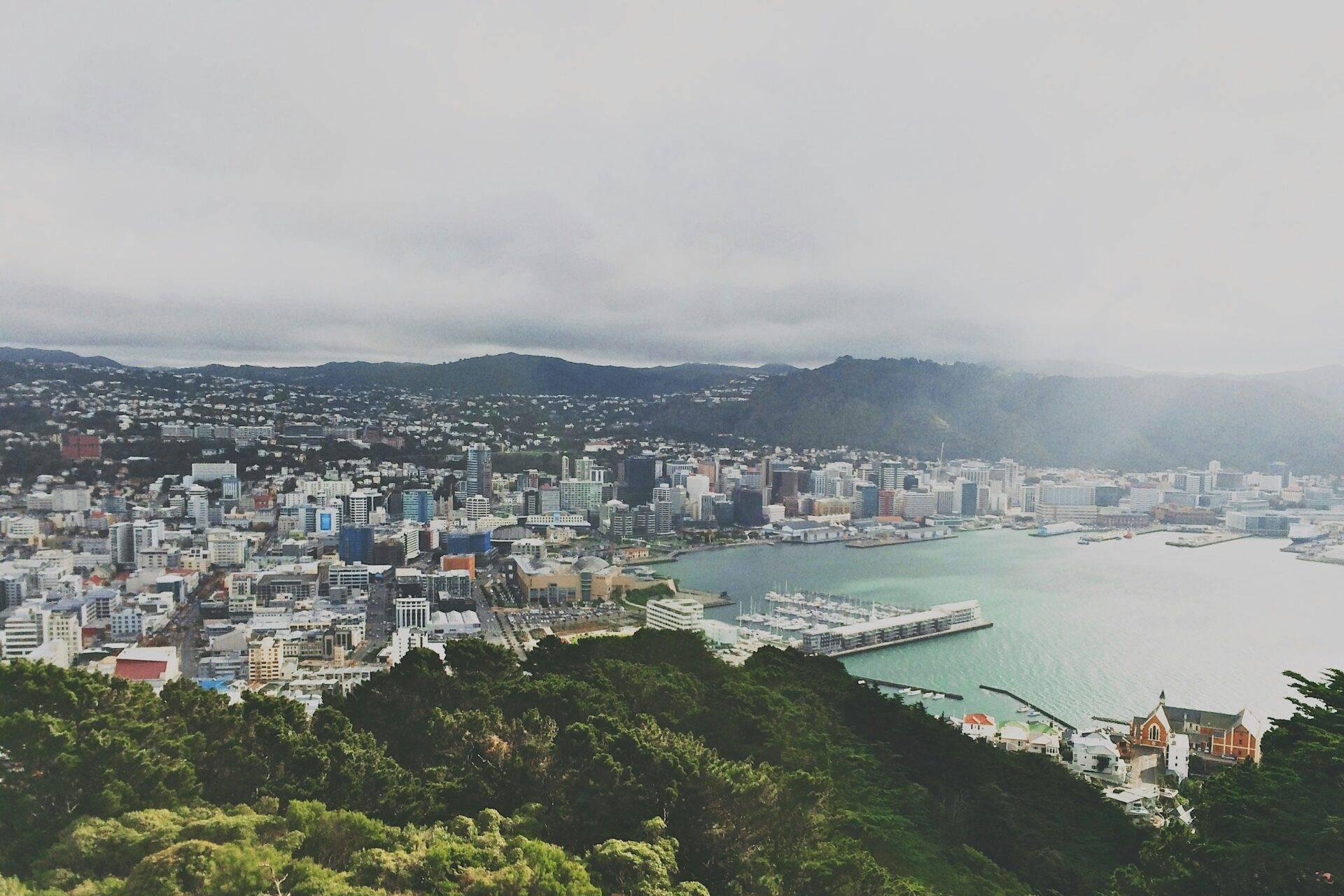
10. Wellington, the Creative Capital
Wellington punches well above its weight culturally for a city of 200,000 people. The national museum Te Papa Tongarewa, right on the waterfront, traces the country’s history and Maori culture across several interactive floors. Cuba Street is lined with independent cafes, galleries and vintage markets. The Kelburn Cable Car climbs up to the botanical gardens with views across the harbour below.
For all the practical details on entry requirements, health and insurance, visit our dedicated page on New Zealand travel insurance.
The South Island: Fjords, Glaciers and Vineyards
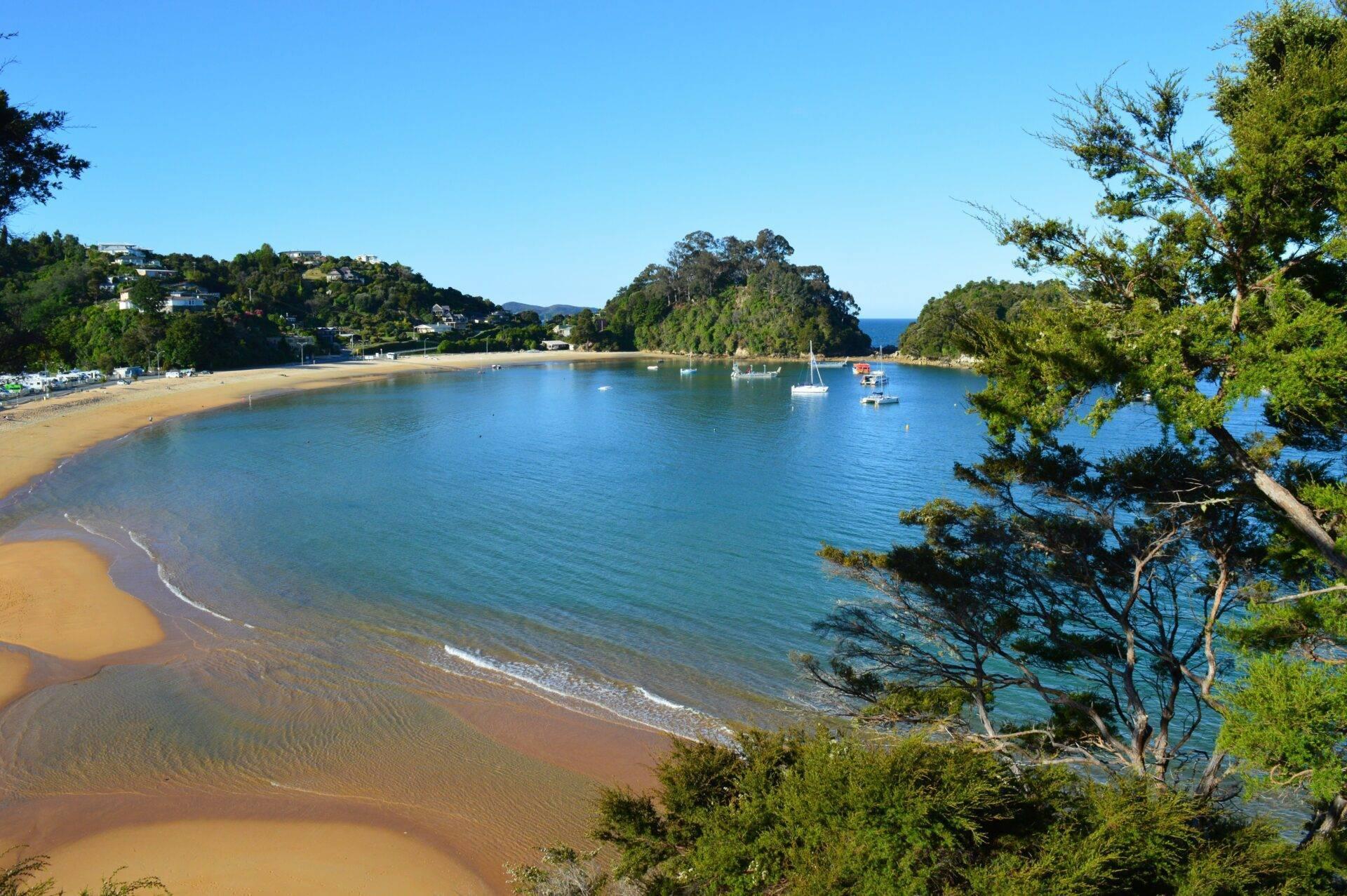
11. Abel Tasman National Park, Kayaking a Golden Coast
New Zealand’s smallest national park is also one of its most photogenic. Its limestone coastline alternates between golden sandy coves, temperate rainforest and water in a translucent blue-green. The classic experience combines sea kayaking with sections of the Abel Tasman Coast Track, one of New Zealand’s official Great Walks, spread over several days. Even a single day here makes for an unforgettable outing.
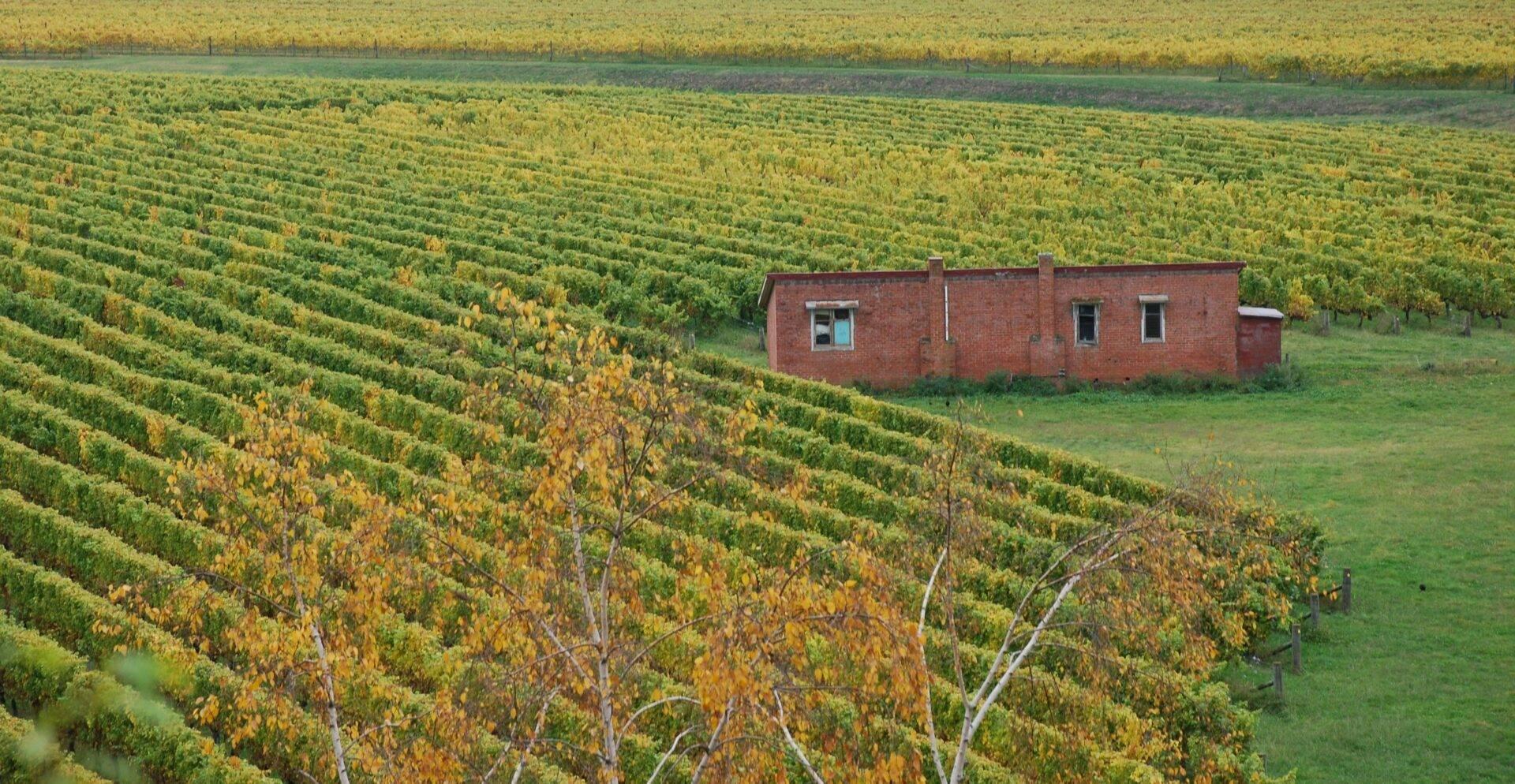
12. The Marlborough Region, Birthplace of Sauvignon Blanc
Two-thirds of New Zealand’s vineyards are concentrated in the Marlborough region at the northern tip of the South Island. The local Sauvignon Blanc has built its global reputation right here. The wine routes between Blenheim and Renwick are best explored by bike, hopping from estate to estate with stops on terraces overlooking the vine rows.
13. Kaikōura, Whales and Mountains in the Same Frame
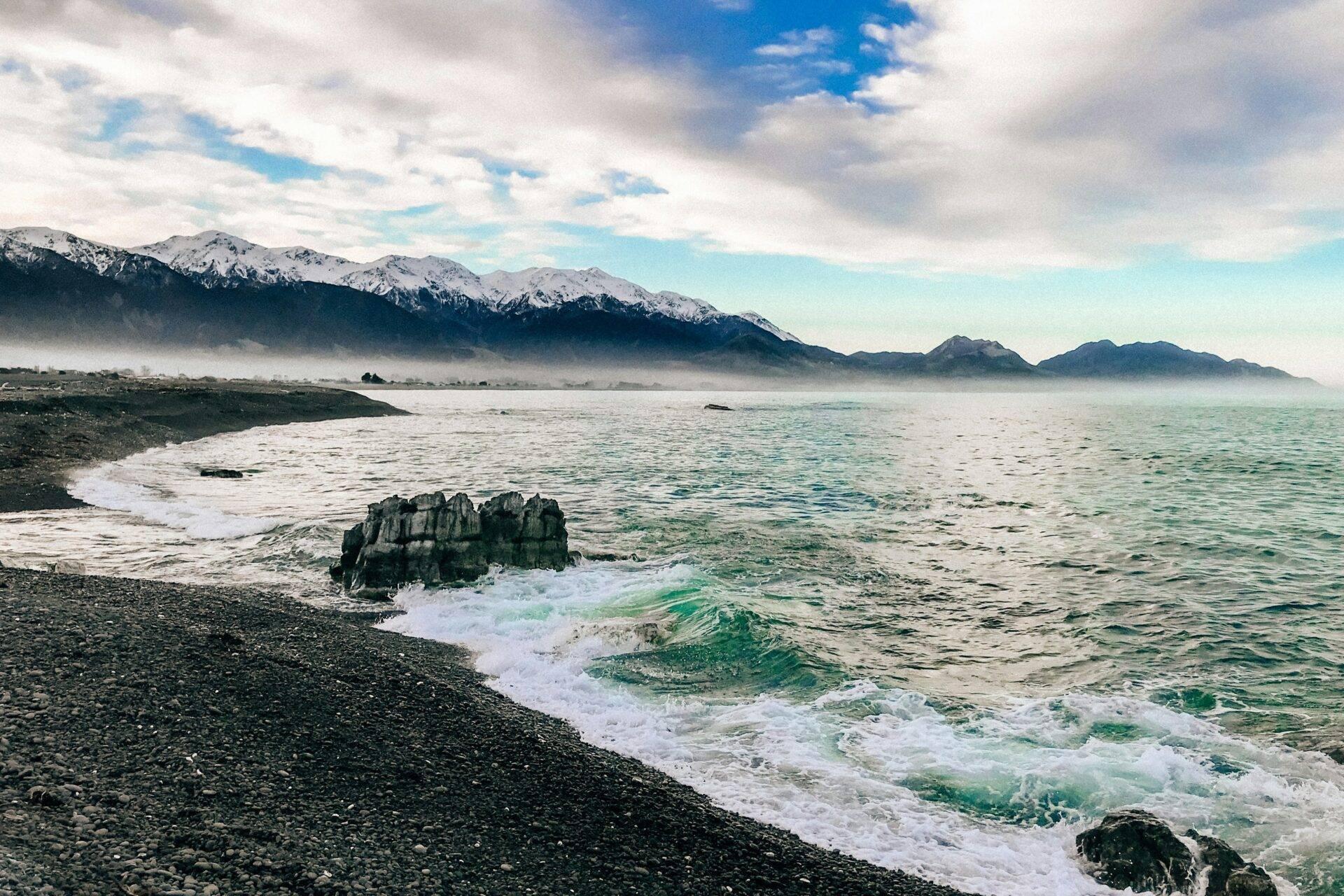
Off Kaikōura, an underwater canyon just a few kilometres from shore attracts sperm whales year-round. Whale-watching tours last around three hours and depart subject to sea conditions. From the shore, the Kaikōura Ranges rise steeply straight from the waves: a striking juxtaposition of mountain and sea that makes the town unlike anywhere else in New Zealand.
14. Franz Josef and Fox Glacier, Walking on Ice
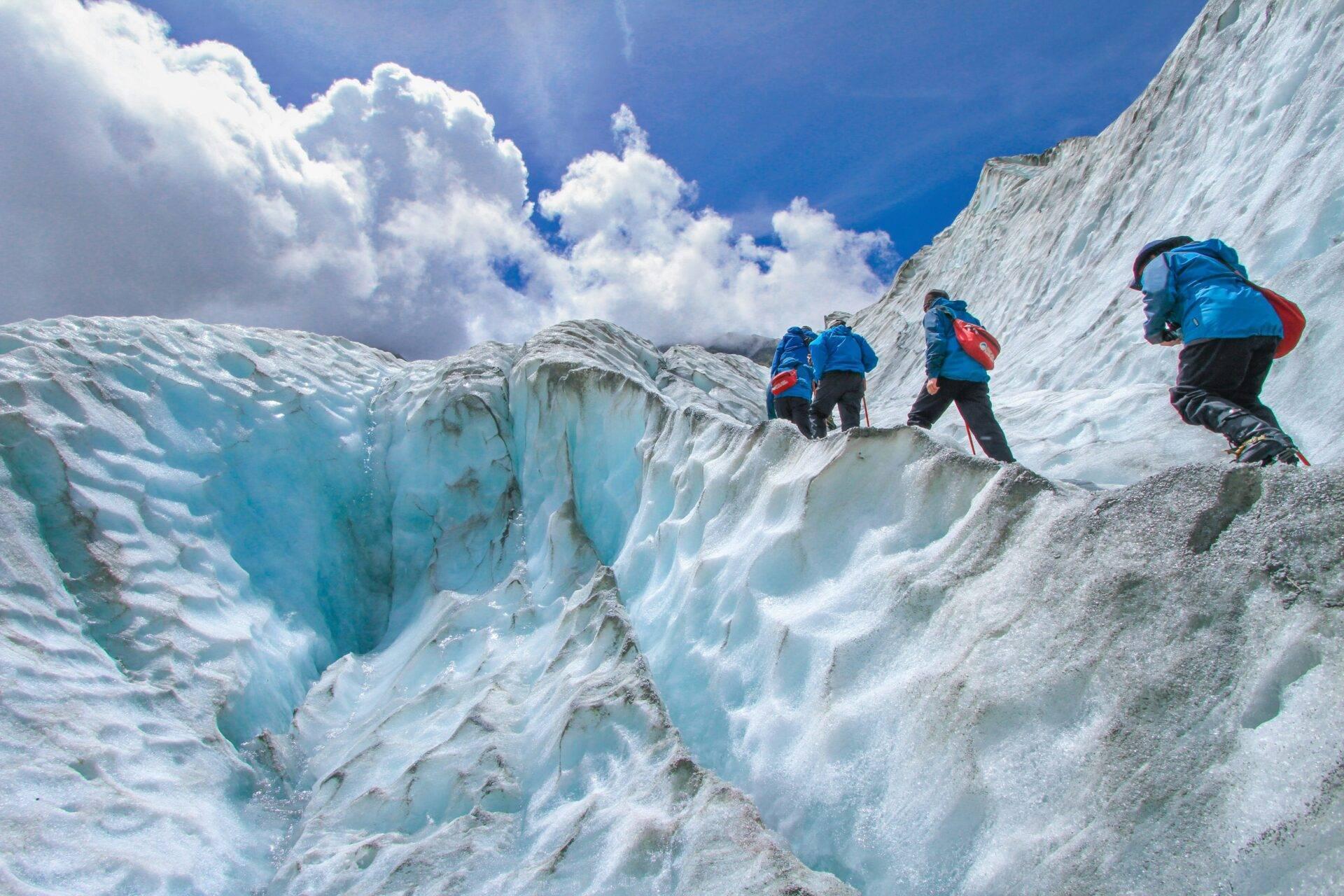
The Franz Josef and Fox glaciers descend from the Southern Alps to a remarkably low altitude, right alongside temperate rainforest: a rare geographical combination anywhere in the world. Access today is primarily via helicopter tours that land directly on the ice (heli-hikes), crampons and all. The view across the blue seracs is worth every penny.
15. Aoraki / Mount Cook, the Roof of New Zealand
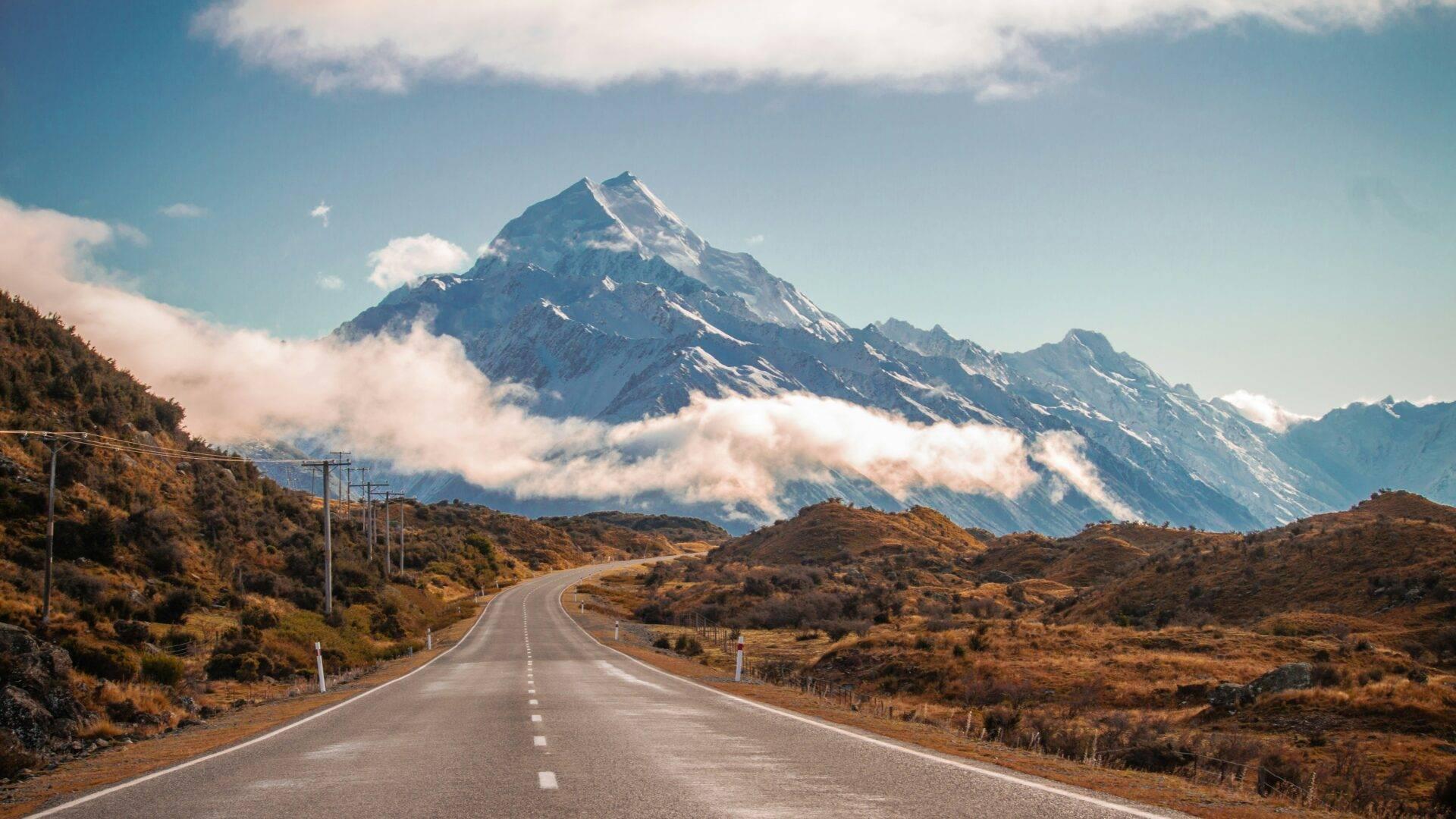
At 3,724 m, Aoraki is the country’s highest peak. Mount Cook Village gives access to several trails that require no mountaineering equipment, including the Hooker Valley Track (10 km return), which ends at a glacial lake with a direct view of the summit. Fixed-wing and helicopter flightseeing tours offer snow landings on the permanent snowfields above.
16. Lake Tekapo and the Mackenzie Dark Sky
Lake Tekapo draws its turquoise colour from glacial flour suspended in the water. It is also the gateway to the Aoraki Mackenzie International Dark Sky Reserve, one of the world’s largest certified dark sky reserves. During the Southern Hemisphere winter, clear nights allow the Milky Way to be seen with the naked eye straight from the lake shore.
17. Queenstown, Adrenaline on Lake Wakatipu
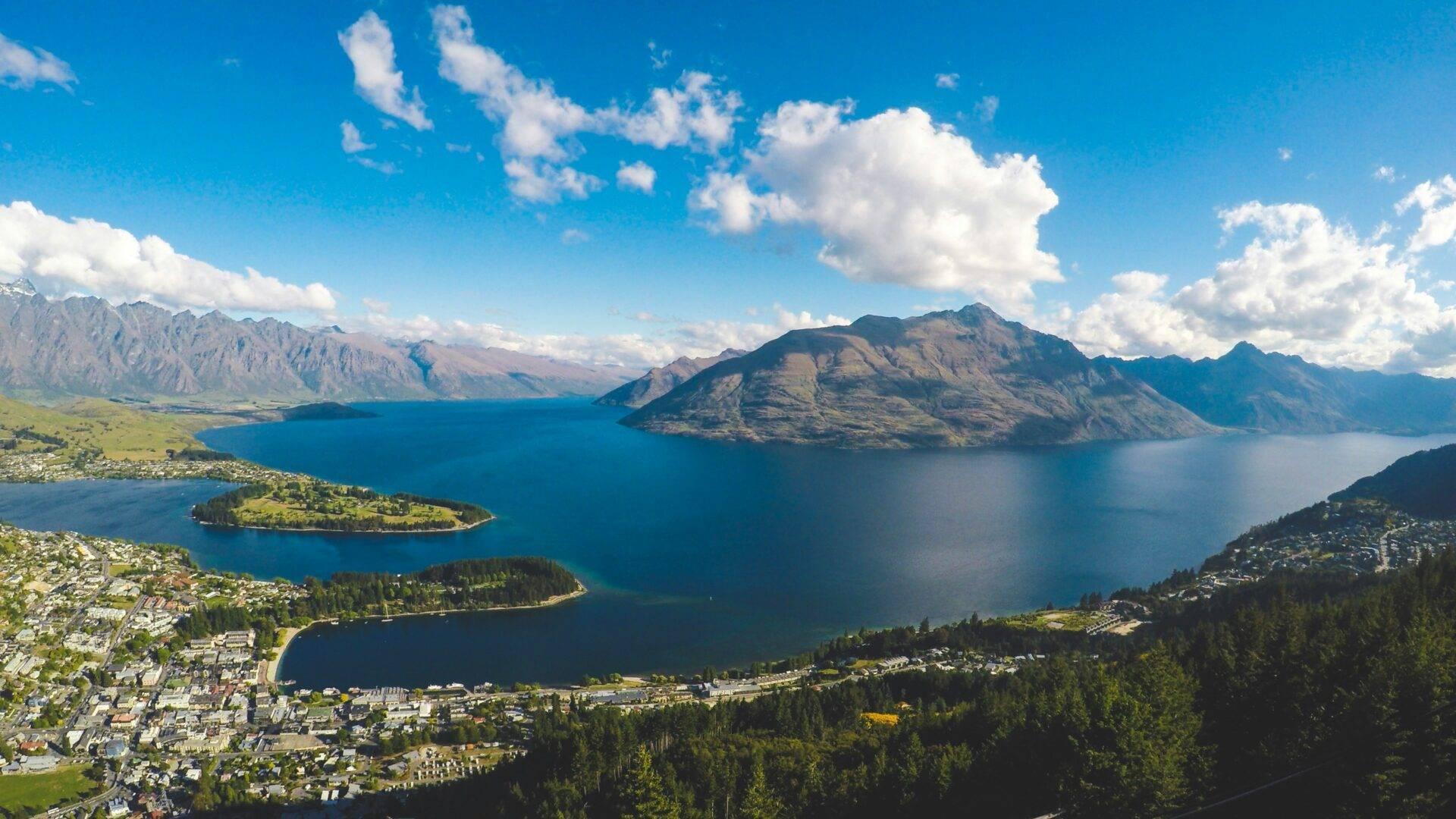
Queenstown bills itself as the adventure capital of the world, and the claim is hard to argue with. Visitors can bungee jump off the Kawarau Bridge (the world’s first commercial bungy site, opened in 1988), jet-boat through the Shotover River gorges, paraglide above Lake Wakatipu and ski at The Remarkables or Coronet Peak. The town buzzes year-round and has a genuinely strong dining scene to match.
Find a more curated selection in our top 10 must-see destinations in New Zealand if you want to prioritise your itinerary.
18. Wanaka, the Same Nature Without the Crowds
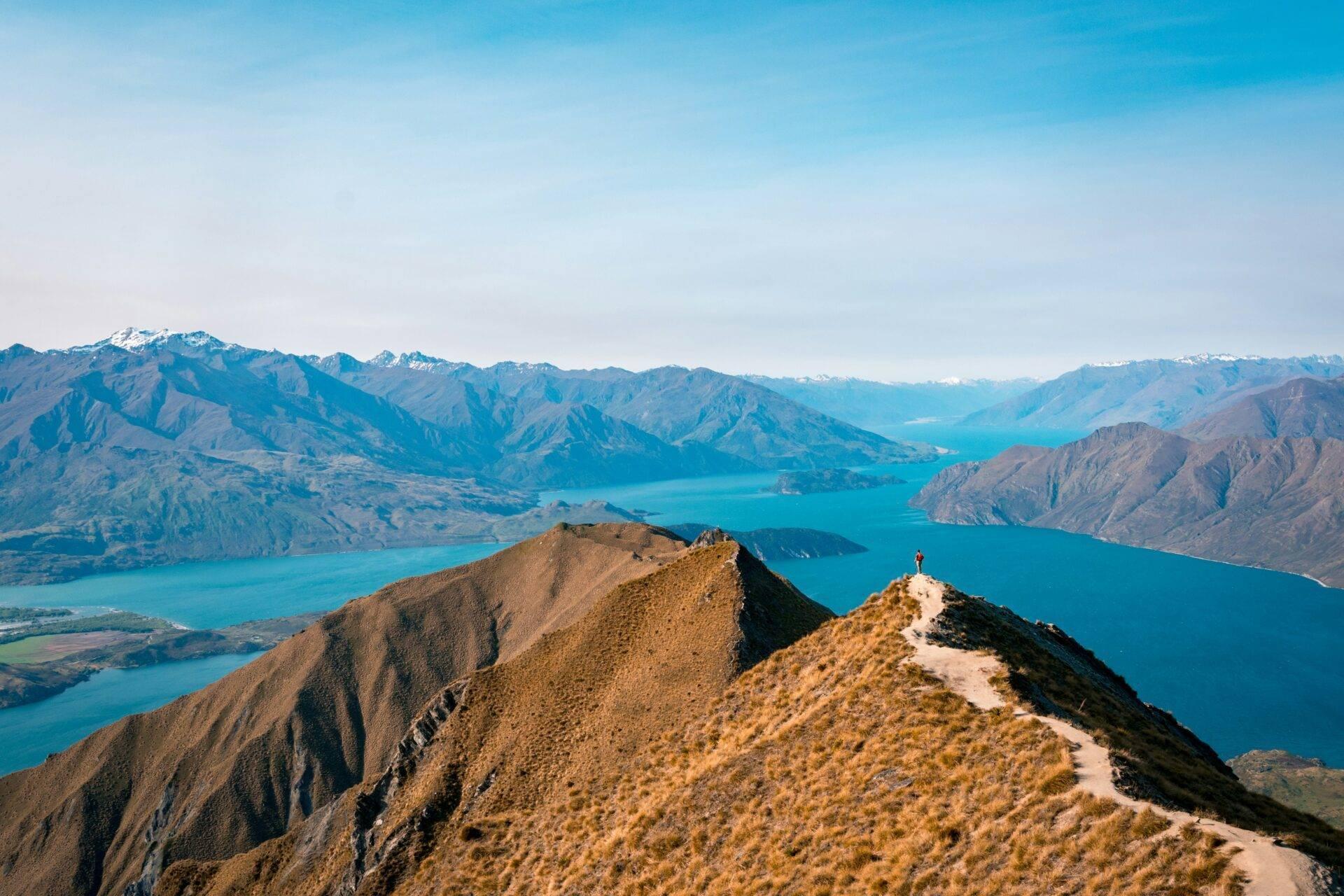
An hour’s drive from Queenstown, Wanaka offers lakes, mountains and hiking trails without its neighbour’s tourist density. The summit of Roys Peak (around 5 hours return) delivers one of the most photographed views in the country: Lake Wanaka and the Southern Alps stretching out below.
19. Milford Sound / Piopiotahi, the Eighth Wonder
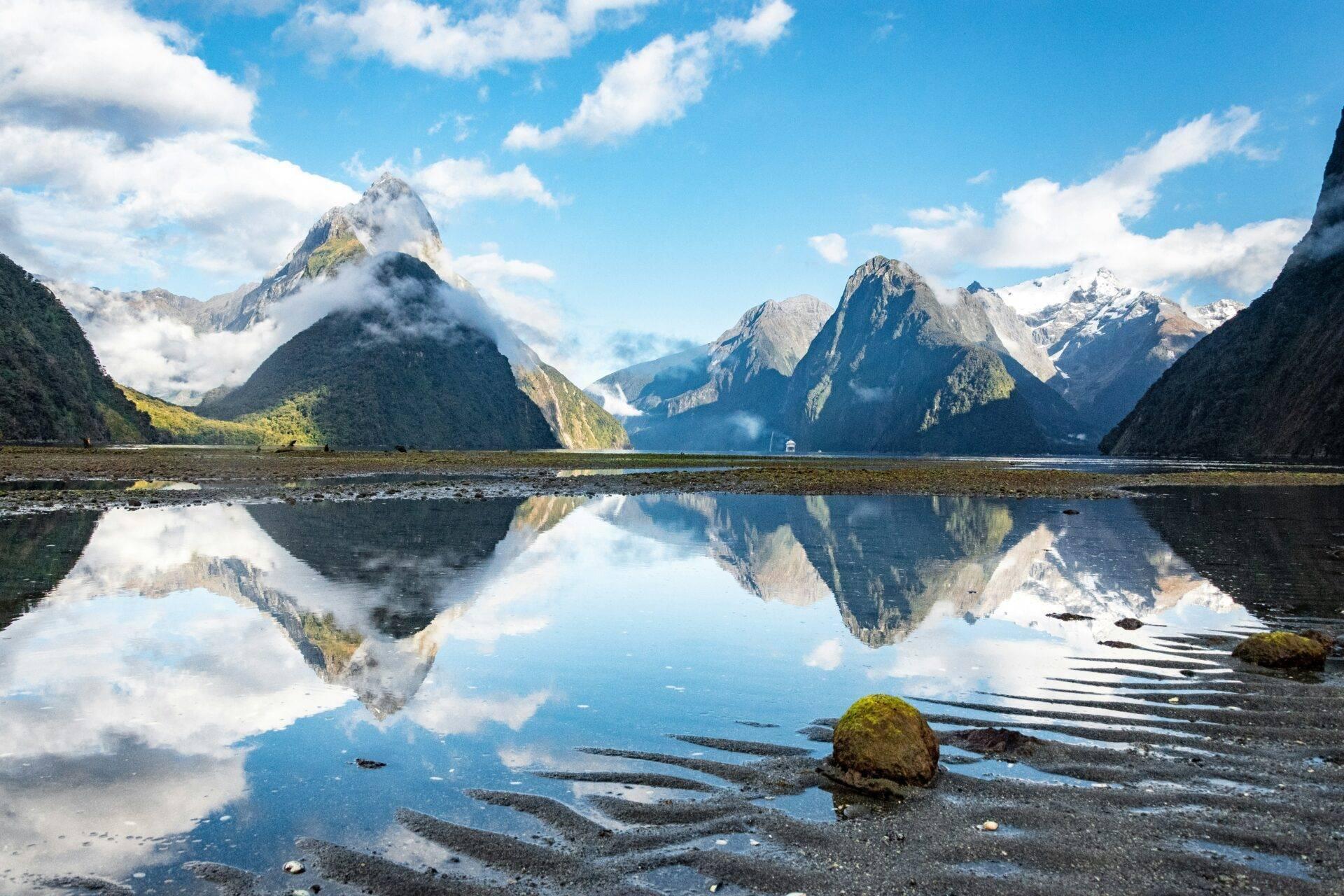
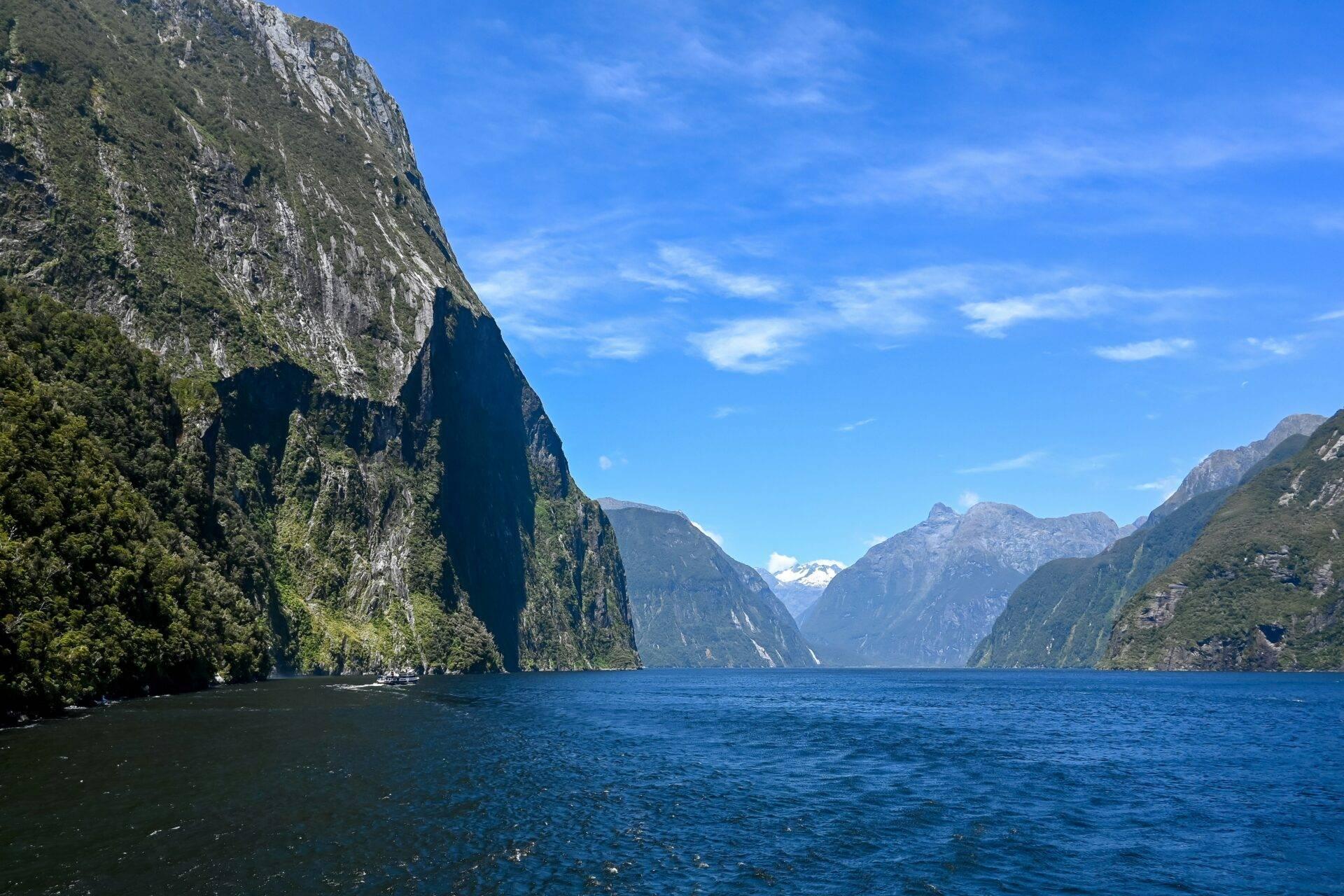
Milford Sound (Piopiotahi in Maori) is frequently cited as one of the most spectacular natural wonders on the planet. Cruises lasting one to three hours run along sheer cliffs that plunge straight into the fjord, pass beneath waterfalls and offer sightings of dolphins, New Zealand fur seals and yellow-eyed penguins. Listed as a UNESCO World Heritage Site, the sound is reached from Te Anau via a breathtaking mountain road.
20. Fiordland National Park, Beyond Milford
New Zealand’s largest national park is far more than Milford Sound alone. It also encompasses Doubtful Sound, more remote and accessible only by boat across Lake Manapouri, which guarantees a rare sense of solitude. The park is home to several of New Zealand’s official Great Walks, including the Milford Track, the Kepler Track and the Routeburn Track: some of the most celebrated multi-day hiking routes anywhere in the world.
When to Visit New Zealand
The Southern Hemisphere summer (December to February) is the high season: long days, warm temperatures and every outdoor activity on offer. Autumn (March to May) suits travellers who prefer fewer crowds while the weather is still pleasant. Spring (September to November) is well suited to hiking and to the lupin blooms around Lake Tekapo in November. Winter (June to August) is ski season in Queenstown and Wanaka, and offers the best conditions for spotting the Southern Lights.
If the Pacific landscapes have you dreaming further afield, our guide on things to do in New Caledonia can add more inspiration for the region.
FAQ
Is New Zealand Worth the Journey Despite the Distance?
Yes, provided you set aside at least two weeks. The distance from Europe (around 23 to 25 hours with a stopover) is more than repaid by the sheer variety of landscapes and the quality of the tourism infrastructure. The time difference (around 12 hours in summer) takes two to three days to adjust to.
What Is the Best Time of Year to Visit New Zealand?
December to February for the Southern Hemisphere summer: long days, warm weather and all outdoor activities available. March to May for fewer crowds while the weather is still mild. Ski season runs June to September in Queenstown and Wanaka.
How Long Do You Need to Visit New Zealand?
Two weeks is enough to cover the highlights of one island. Three to four weeks are needed to explore both islands comfortably without rushing from one place to the next.
Is the Tongariro Alpine Crossing Difficult?
The hike covers 20.2 km with 1,196 m of total elevation gain and takes 7 to 8 hours. No alpine technique is required, but a good level of fitness, proper hiking boots and a waterproof jacket are essential. Alpine weather is unpredictable: turn back if conditions deteriorate along the way.
Are the Waitomo Glowworm Caves Worth It?
Absolutely. Drifting by boat beneath a ceiling covered in millions of bioluminescent glowworms (Arachnocampa luminosa), a species endemic to New Zealand, is an experience that is virtually impossible to replicate anywhere else in the world. The Waitomo network encompasses more than 300 caves in the region.
Do You Need Travel Insurance for New Zealand?
Medical costs abroad can quickly run into tens of thousands of euros: travel insurance covering treatment and repatriation is strongly recommended. For everything you need to know about entry requirements, health cover and the right policy, visit our New Zealand travel insurance page.