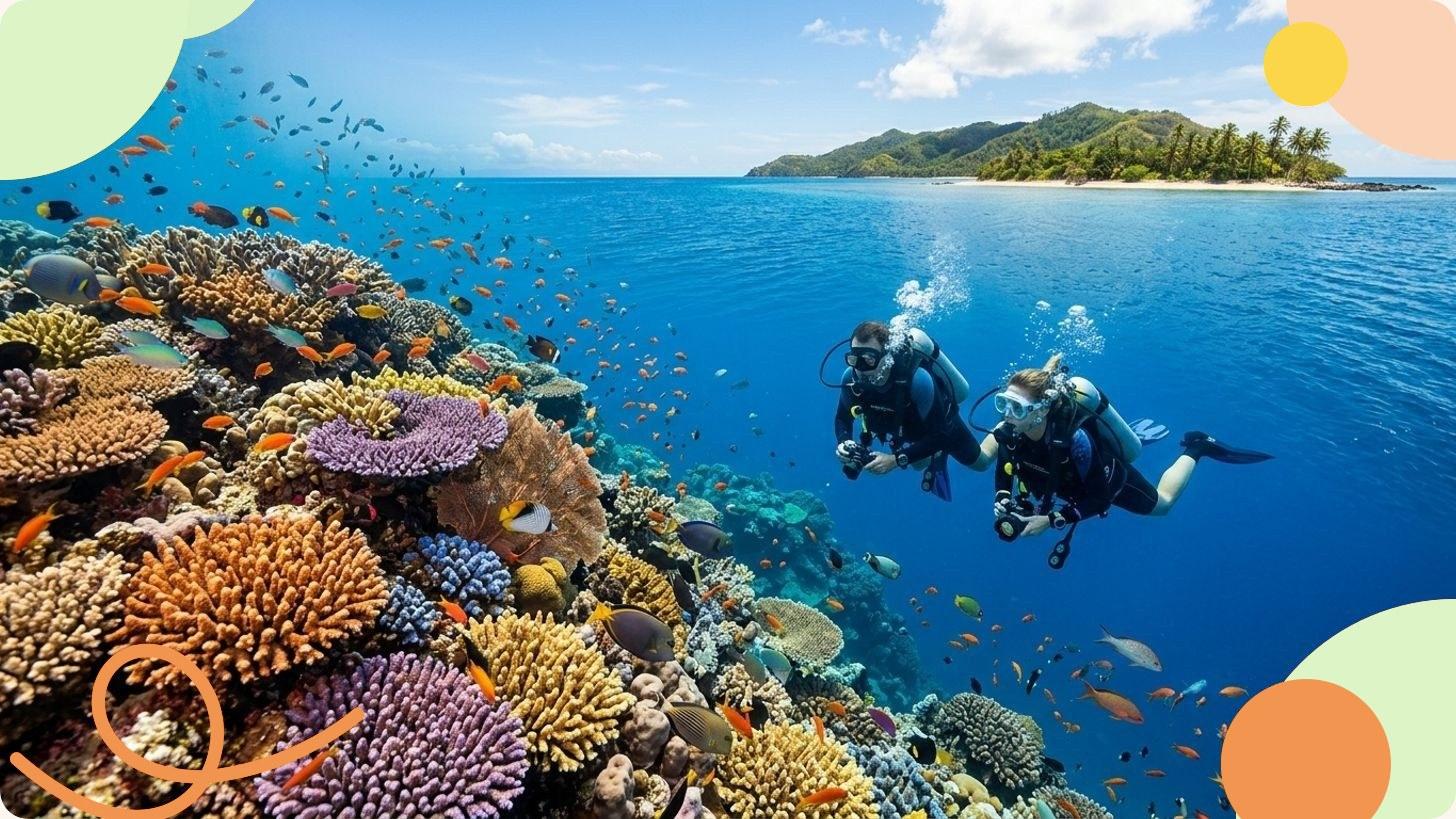

For divers looking to pinpoint their next destination, nine sites consistently top the experts’ lists: the Great Barrier Reef, Maldives, Red Sea, Galápagos, French Polynesia, Philippines, Belize, the Similan Islands and Fiji. Each suits a different diver profile: pristine coral reefs, historically significant wrecks, pelagic dives with sharks, or warm-water introductory dives for first-timers. Dive seasons vary considerably from one site to the next and can shape the experience just as much as the destination itself.
The Great Barrier Reef, Australia
The Great Barrier Reef stretches more than 2,300 kilometres off the coast of Queensland and is home to over 1,600 species of fish, around 400 species of coral and six of the world’s seven species of sea turtle. It is the largest living structure on Earth and the only one visible from space.
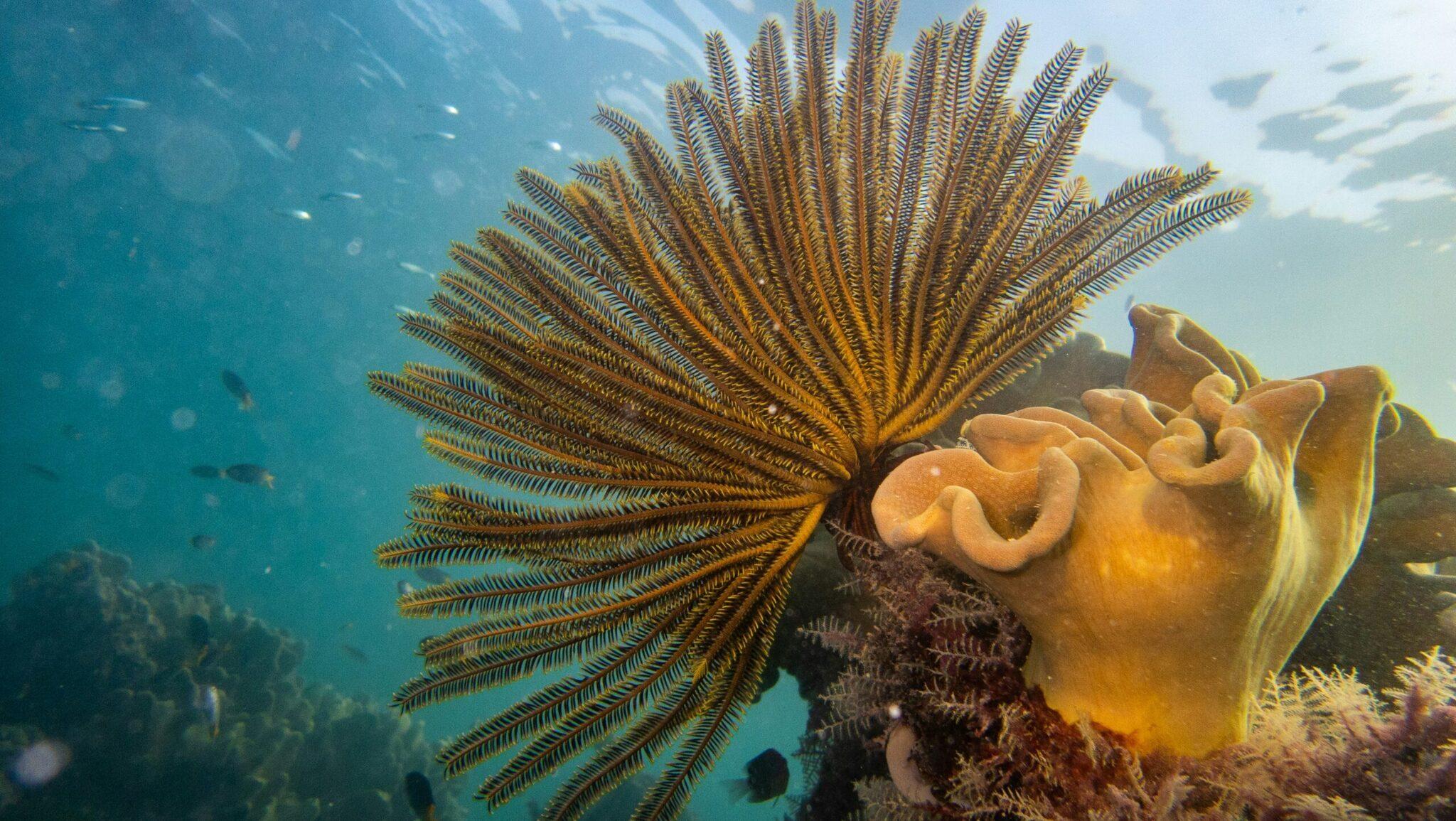
The most sought-after sites, Opal Reef, Cod Hole and the Ribbon Reefs, offer regular encounters with turtles, reef sharks and rays. Visibility commonly reaches 15 to 20 metres in the best-preserved areas.
One important note: since 2016, the reef has experienced six mass bleaching events, including a further episode confirmed in 2025. Check the condition of specific sites before booking and choose operators committed to responsible reef management.
The Maldives
The Maldives archipelago spans 26 atolls across the Indian Ocean, with some of the best underwater visibility in the world. Ari Atoll is the go-to destination for whale shark dives, with sightings year-round at certain sites.
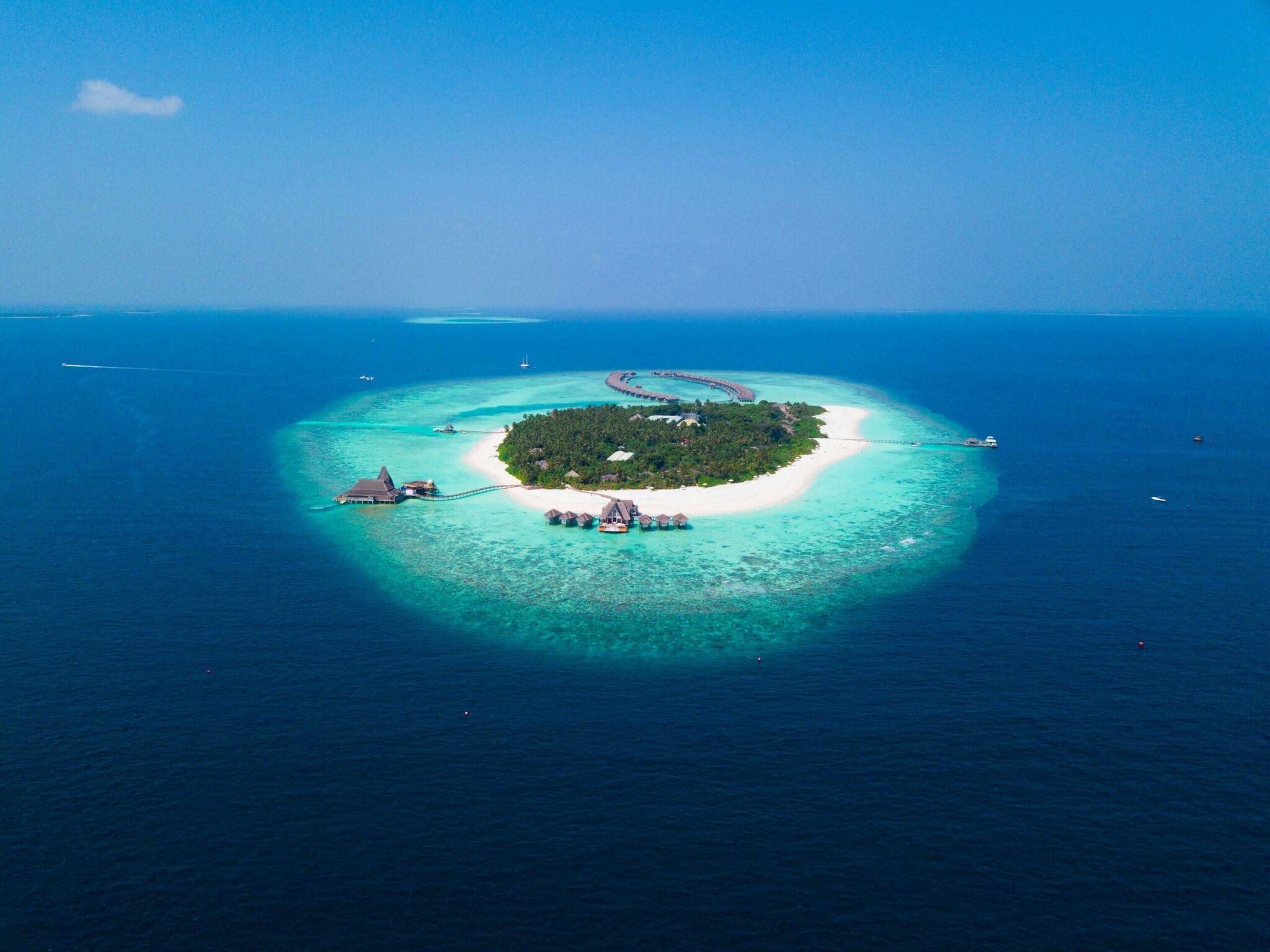
Hanifaru Bay, in Baa Atoll (a UNESCO Biosphere Reserve), hosts gatherings of manta rays between June and November, sometimes hundreds at a time. Important: scuba diving is prohibited here; only supervised snorkelling with a guide is allowed. For scuba dives with mantas, the sites of Ari Atoll and South Malé Atoll are better suited.
The Red Sea, Egypt
The Red Sea combines some of the world’s best-preserved coral reefs with wrecks of outstanding historical significance. Sharm el-Sheikh and Hurghada are the main bases; Ras Mohammed National Park, at the southern tip of the Sinai Peninsula, is home to some of the finest coral walls in the region.
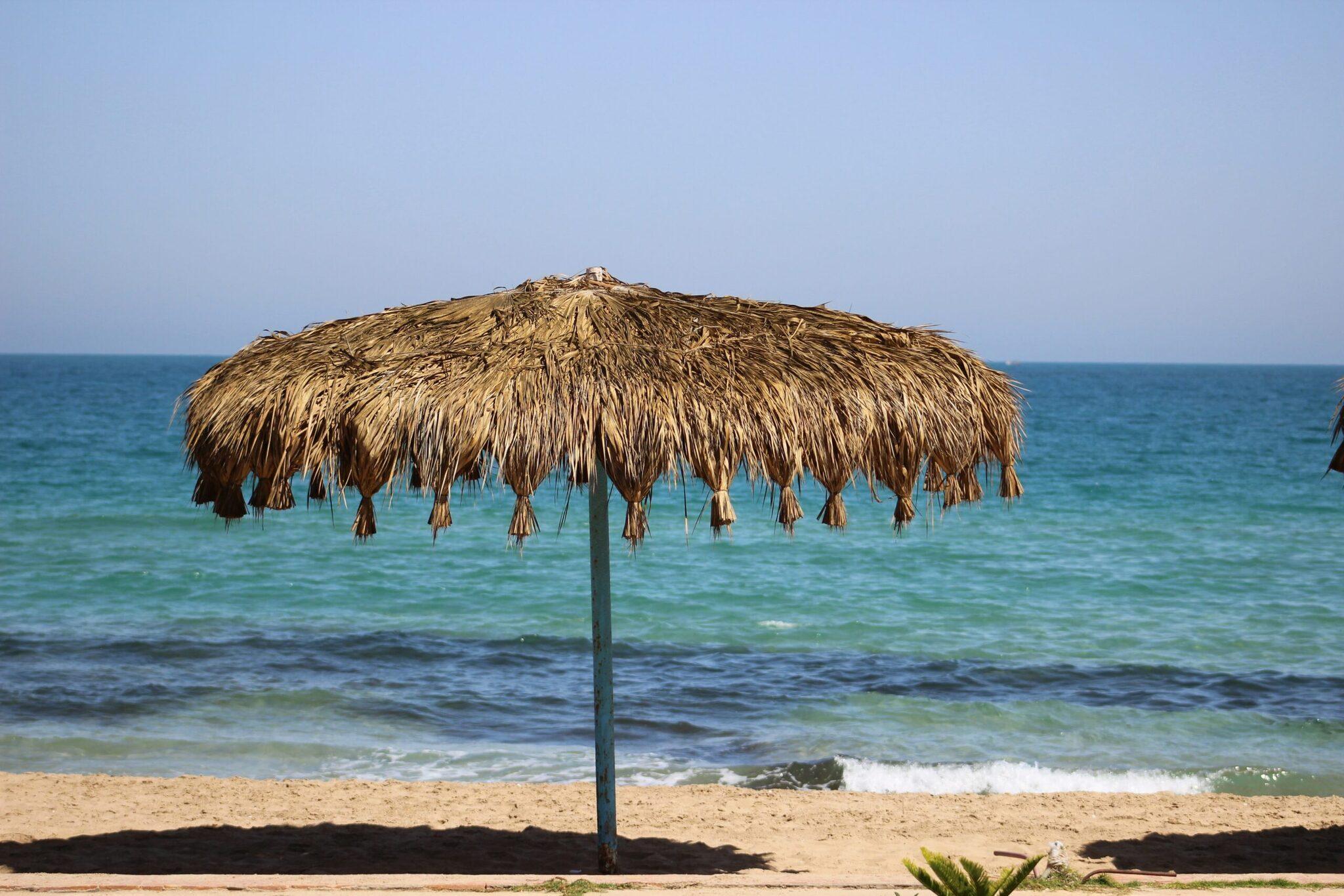
The SS Thistlegorm, a British vessel sunk in 1941, is one of the most celebrated wreck dives in the world: vintage jeeps, motorcycles, railway wagons and ammunition lie between 15 and 32 metres. The Red Sea caters to all levels, from introductory shallow dives at Hurghada to technical wreck diving in the Sinai.
The Galápagos Islands, Ecuador
The Galápagos offer a style of diving found nowhere else on earth: marine iguanas plunging alongside you, Galápagos penguins, playful sea lions, and above all the vast schools of hammerhead sharks at Wolf Island and Darwin Island.
This is not a destination for beginners. Currents can be powerful and unpredictable, visibility shifts quickly, and the water is considerably cooler than in the Caribbean or Polynesia. A PADI Advanced Open Water certification (or equivalent) is recommended for the vast majority of sites. In return, the diving here offers an intensity and scale that very few destinations in the world can match.
French Polynesia
Fakarava and Rangiroa are the benchmark sites for experienced divers in French Polynesia. Fakarava is a UNESCO Biosphere Reserve; in its South Pass, hundreds of grey reef sharks gather each evening to feed, making it one of the most photographed underwater spectacles in the Pacific.
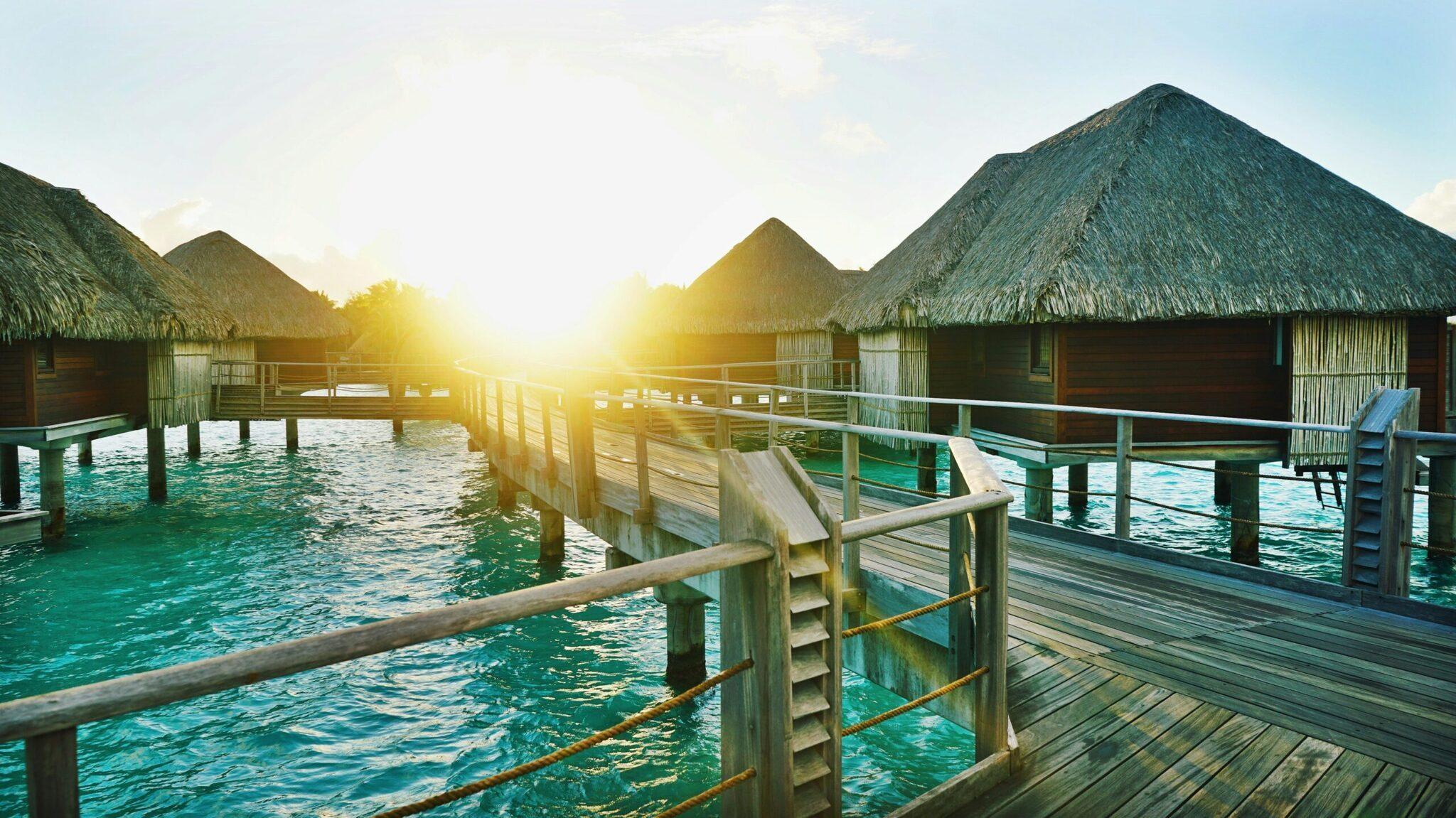
Moorea and Bora Bora offer calmer dives, ideal for beginners: colourful coral gardens and stingrays that glide in without a care. The dry season, from May to October, generally provides the best visibility across Polynesian sites.
The Philippines
With more than 7,000 islands, the Philippines packs an extraordinary range of diving into one country. Palawan (El Nido, Coron) is renowned for its unspoilt reefs and Second World War wrecks. Malapascua is one of the very few places in the world where thresher sharks regularly surface at dawn to be cleaned by small wrasse.
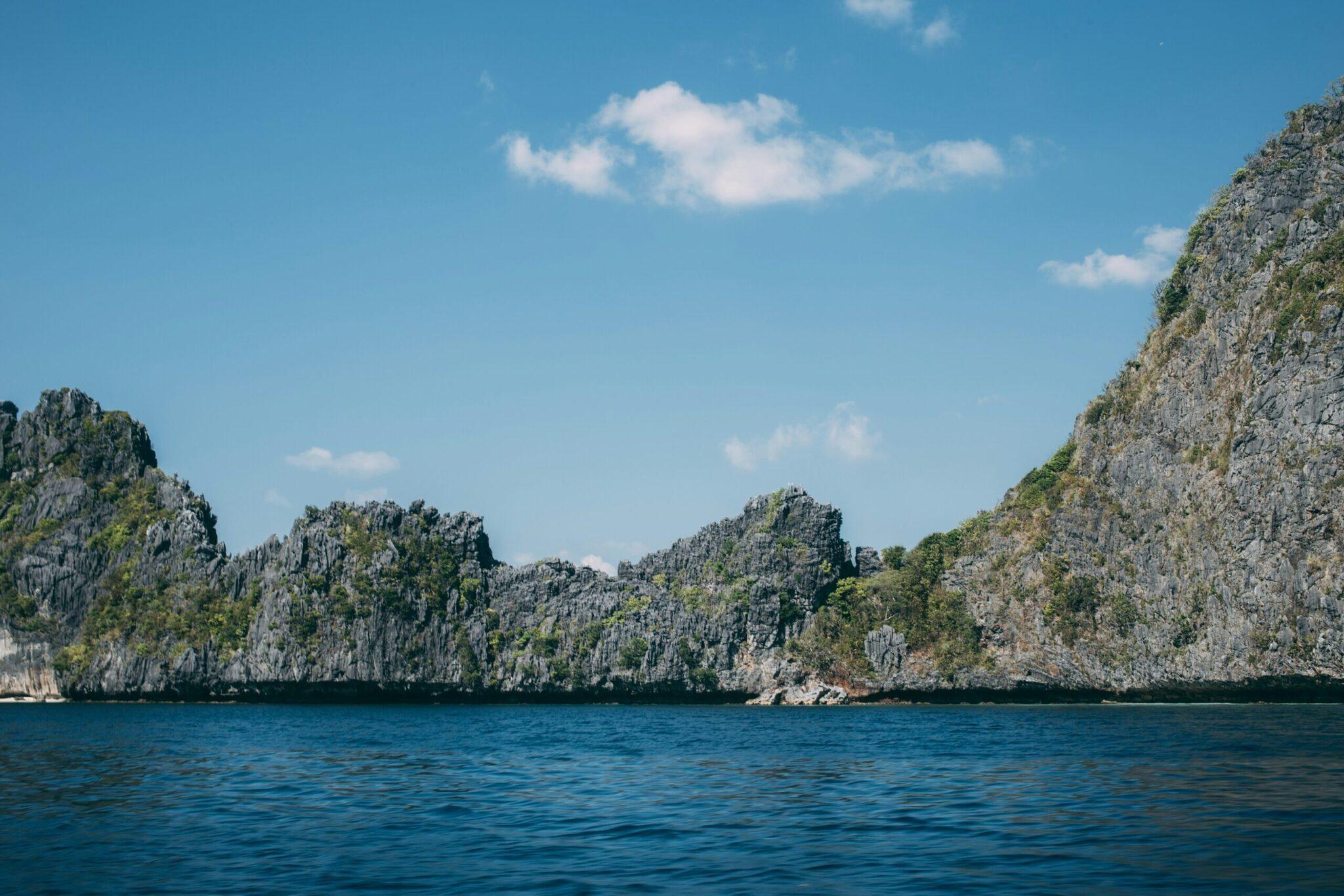
Tubbataha Reefs National Park, in the Sulu Sea, has been a UNESCO World Heritage Site since 1993. It covers 97,030 hectares and harbours more than 600 species of fish and 360 species of coral, with hammerhead and tiger sharks as testament to the ecosystem’s health. Accessible by liveaboard only, from April to mid-June.
If South-East Asia appeals, our guide to Which islands to choose in Indonesia explores Raja Ampat, whose biodiversity rivals that of the Philippines.
Belize and the Great Blue Hole
The Belize Barrier Reef is the second longest in the world. At the heart of Lighthouse Reef Atoll, the Great Blue Hole is a circular underwater sinkhole measuring 318 metres across and 124 metres deep, ranked by Jacques Cousteau among the five most beautiful dive sites on the planet.
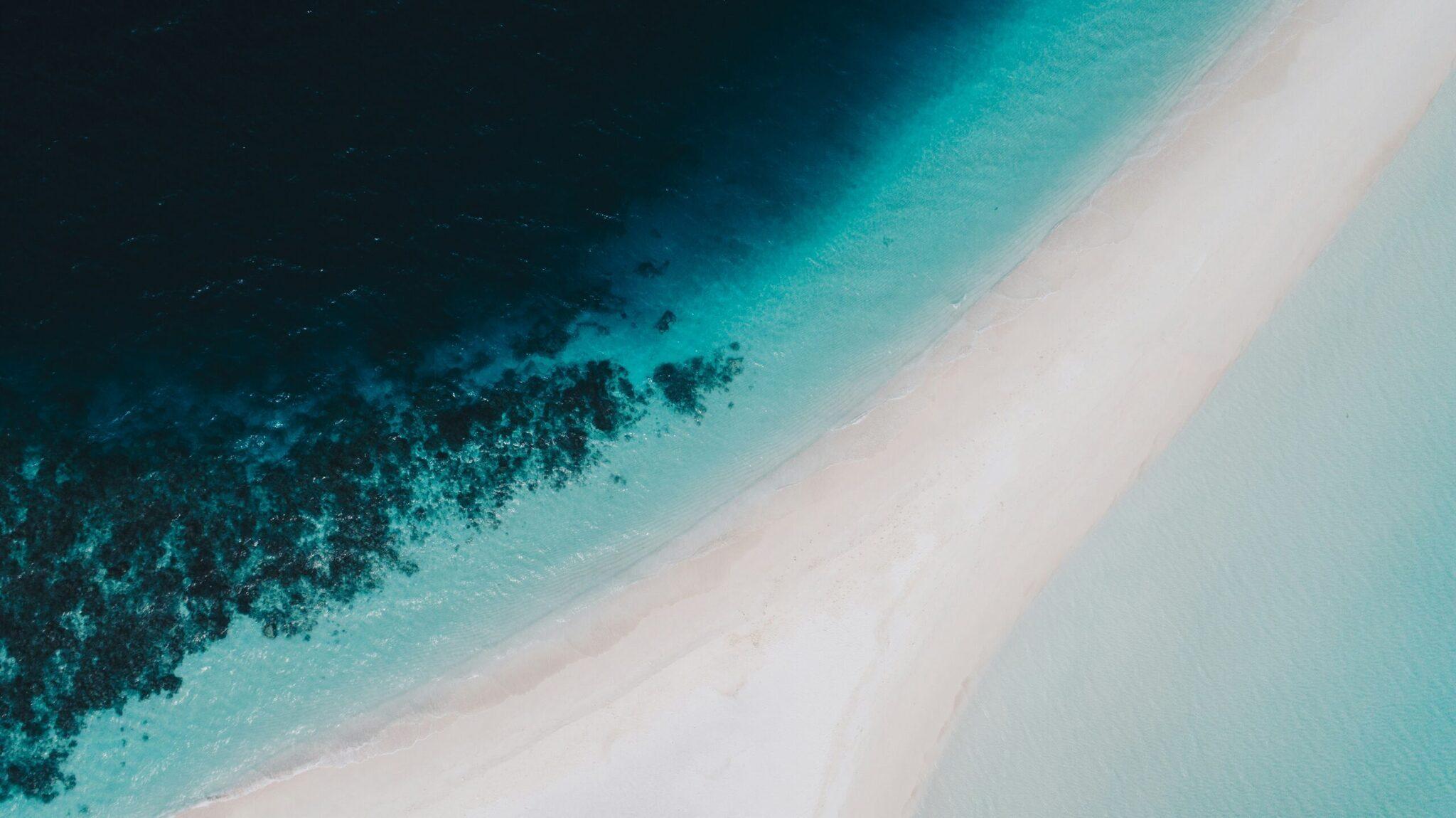
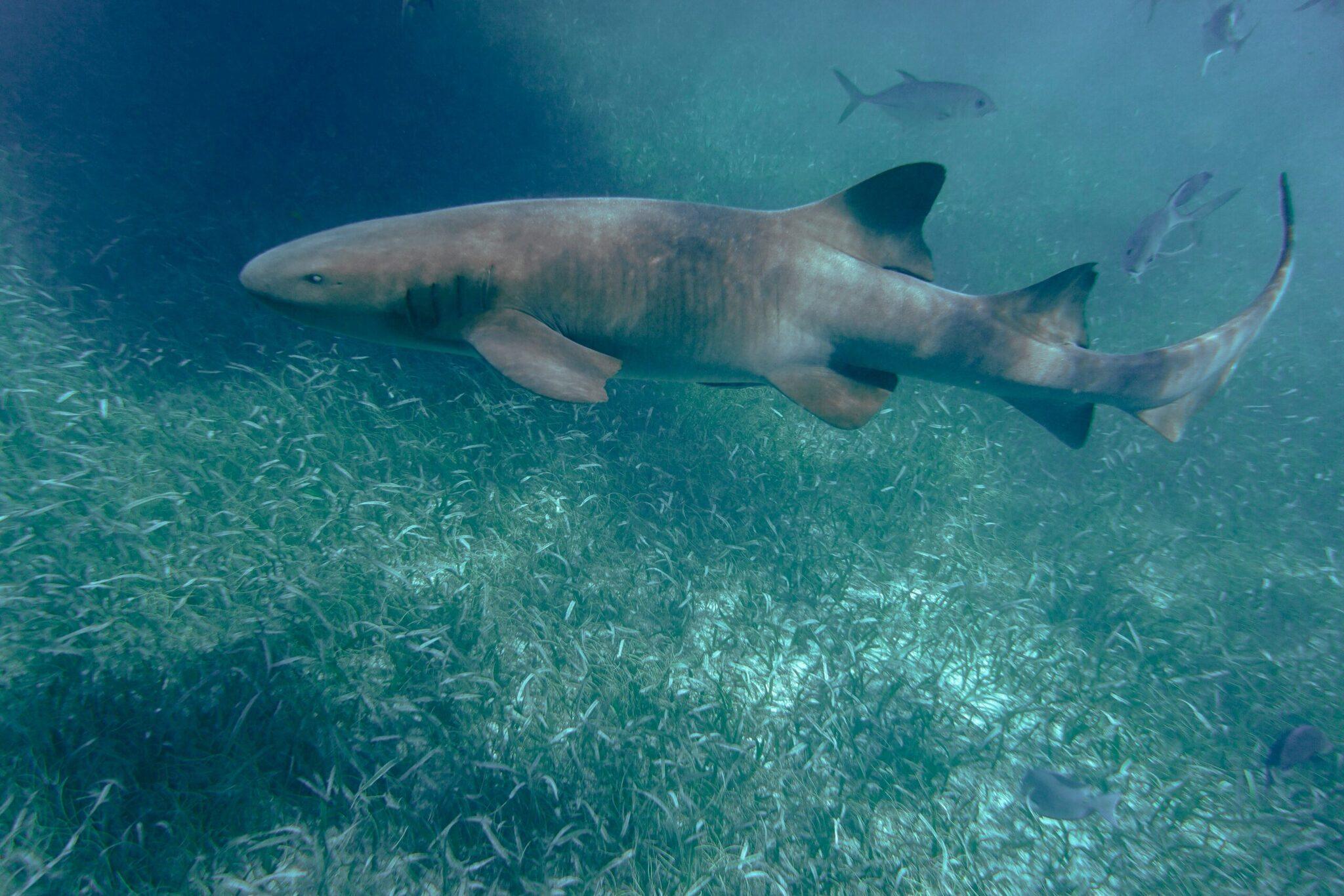
Diving the Blue Hole is not for everyone: the interior is dark and deep, and marine life is sparse in the lower layers (the water becomes anoxic at around 90 metres). It is a technical dive, reserved for divers with advanced certification. Ambergris Caye and Caye Caulker, on the other hand, offer accessible dives with nurse sharks, rays and vibrant reefs.
If the Caribbean draws you beyond Belize, our selection of 7 Caribbean islands you absolutely must visit will round out your exploration of the region.
Get my travel insuranceThe Similan Islands, Thailand
Located in the Andaman Sea, the Similan Islands are open to divers from 15 October to 15 May: the marine park closes during the monsoon to protect the environment. At peak season, visibility reaches 20 to 30 metres, with water temperatures of 27-30°C.
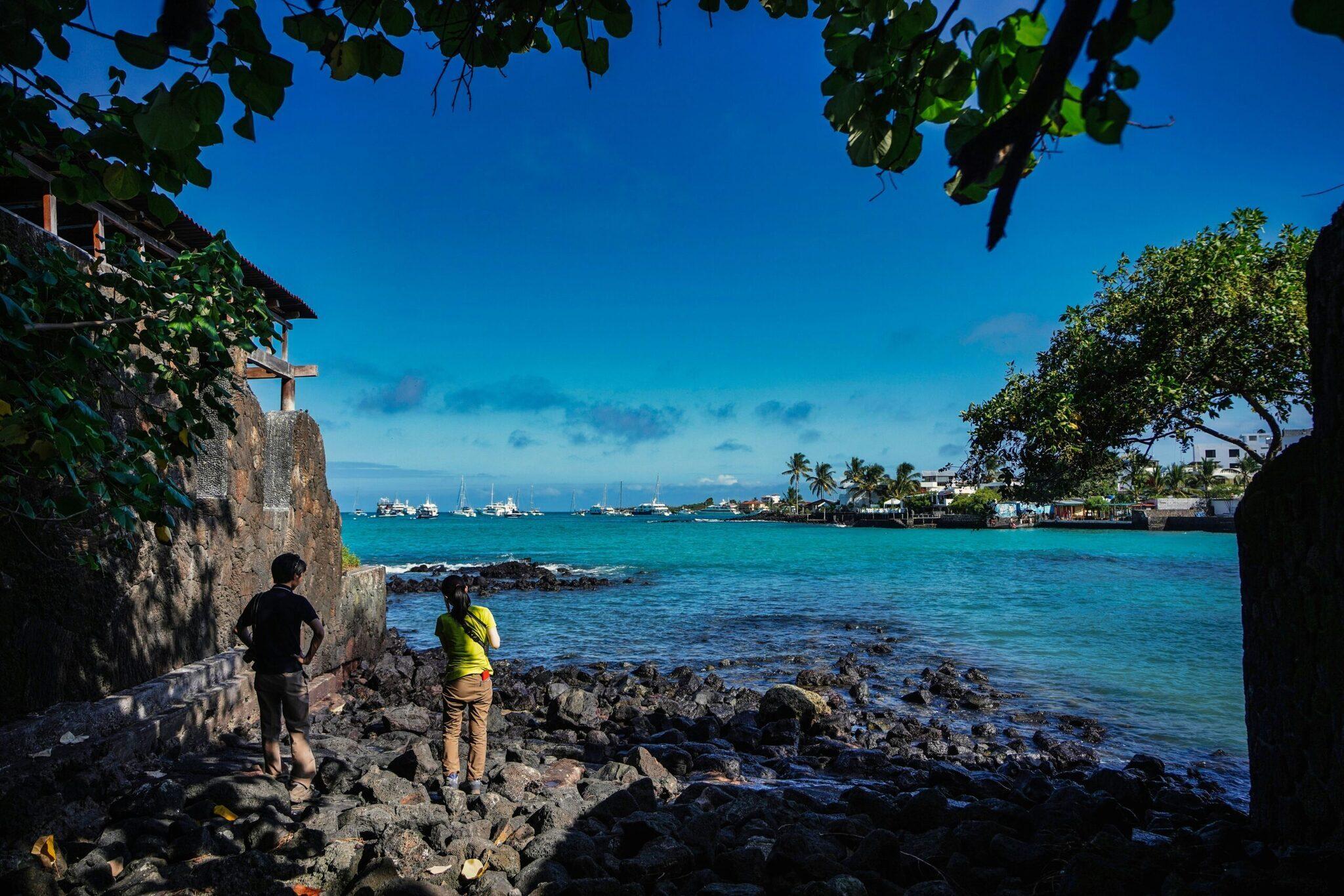
Richelieu Rock, the region’s standout site, is one of the best places in the world to encounter whale sharks, particularly in March. Manta rays frequent the sites of Koh Bon and Koh Tachai between January and April. The vast majority of Similan diving is done on liveaboard cruises departing from Khao Lak.
Fiji
Known as the soft coral capital of the world, Fiji boasts coral formations of exceptional density and colour. The sites around Taveuni, Kadavu and the Yasawa Islands account for most of the standout diving. Rainbow Reef and the Great White Wall, off Taveuni, are the most iconic.
Fiji suits all levels. Beginners find calm waters and vibrant reefs; experienced divers explore walls draped in sea fans, with reef sharks and barracuda for company. Visibility is at its best from April to October, but the water stays warm year-round.
Diving often pairs perfectly with a stop at a stunning beach. Our pick of the 10 most beautiful beaches in the world can help complete your itinerary.
FAQ
Which destination is best for a first dive?
The Red Sea (Egypt) is often recommended for beginners: easy direct connections from Europe, warm water, shallow sites and plenty of dive schools with multilingual instructors. Cebu in the Philippines and the Maldives are equally accessible, with comfortable conditions and experienced guides.
Do I need a certification to dive at these destinations?
Most destinations offer introductory dives (discover scuba experiences requiring no prior certification) led by a qualified instructor. To access more demanding sites such as the Galápagos, Belize’s Great Blue Hole or Tubbataha in the Philippines, a PADI Advanced Open Water certification (or equivalent) is recommended and in some cases required by the operator.
Where can I dive with manta rays?
Ari Atoll in the Maldives (year-round presence), Fakarava in French Polynesia, and the sites of Koh Bon and Koh Tachai near the Similan Islands (January to April) offer the most reliable sightings. At Hanifaru Bay in the Maldives, scuba diving is banned; only supervised snorkelling is permitted.
When is the best time to dive in the Similan Islands?
The Similan Islands are open from 15 October to 15 May. Visibility is at its best from November to April. For the best chance of spotting whale sharks, aim for March, particularly at Richelieu Rock.
What travel insurance do I need for a diving trip?
A decompression accident can require treatment in a hyperbaric chamber. Make sure your travel insurance covers medical repatriation, healthcare costs on the ground and high-risk water sports. With Yupwego, you can take out travel cover tailored to the sporting activities you plan to practise abroad.