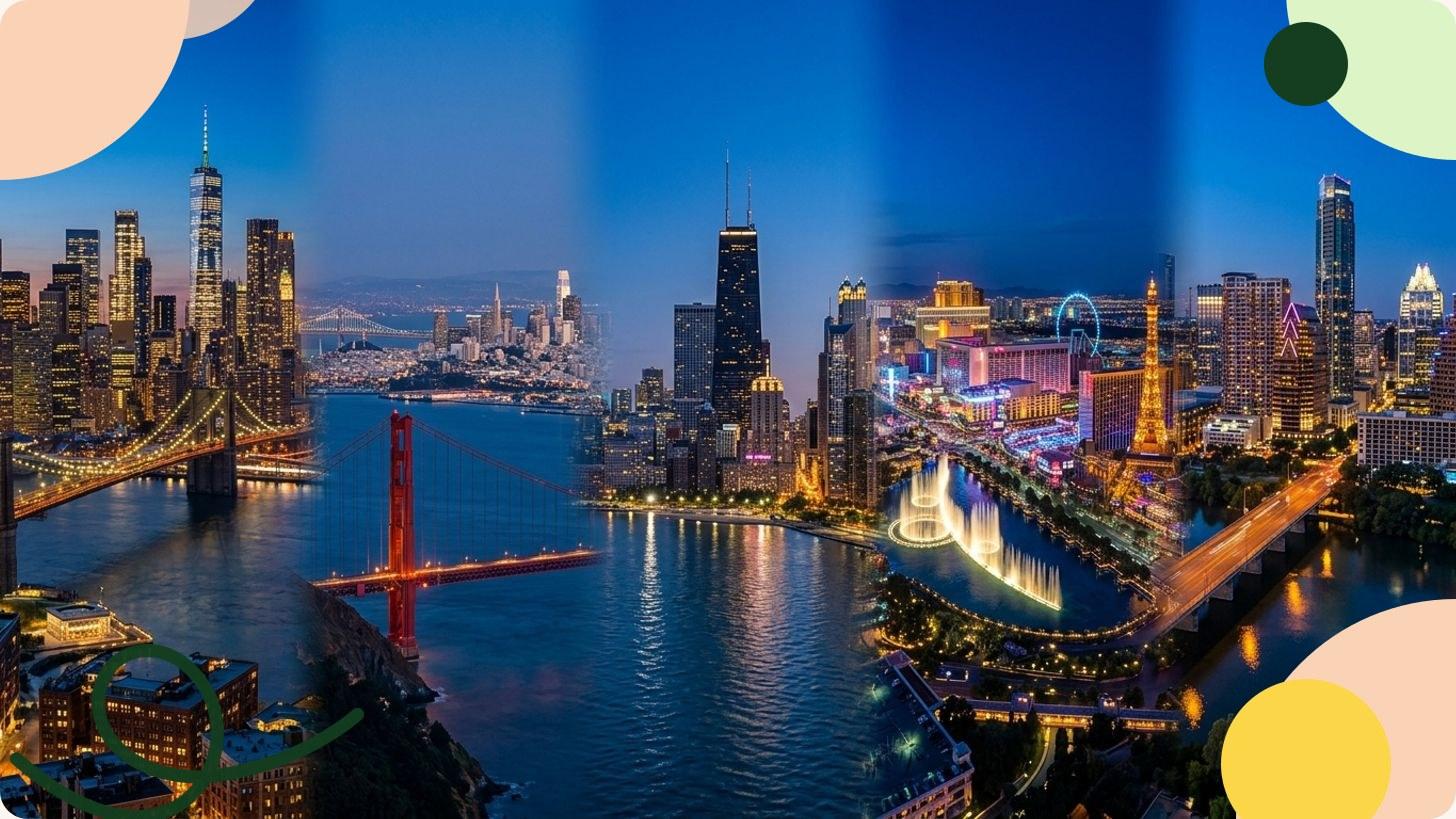

For a first big trip to the United States, ten cities capture the very best the country has to offer. Some have been on your radar for years: New York, Los Angeles, Las Vegas. Others deserve a place on the list without question: New Orleans, Austin, Seattle. Every one of them has a character all its own. Here, city by city, is what genuinely makes each worth the journey.
Wondering whether 2026 is still a good time to go, check out our feature USA: should you still visit in 2026?.
New York: the city that rewrites your idea of America
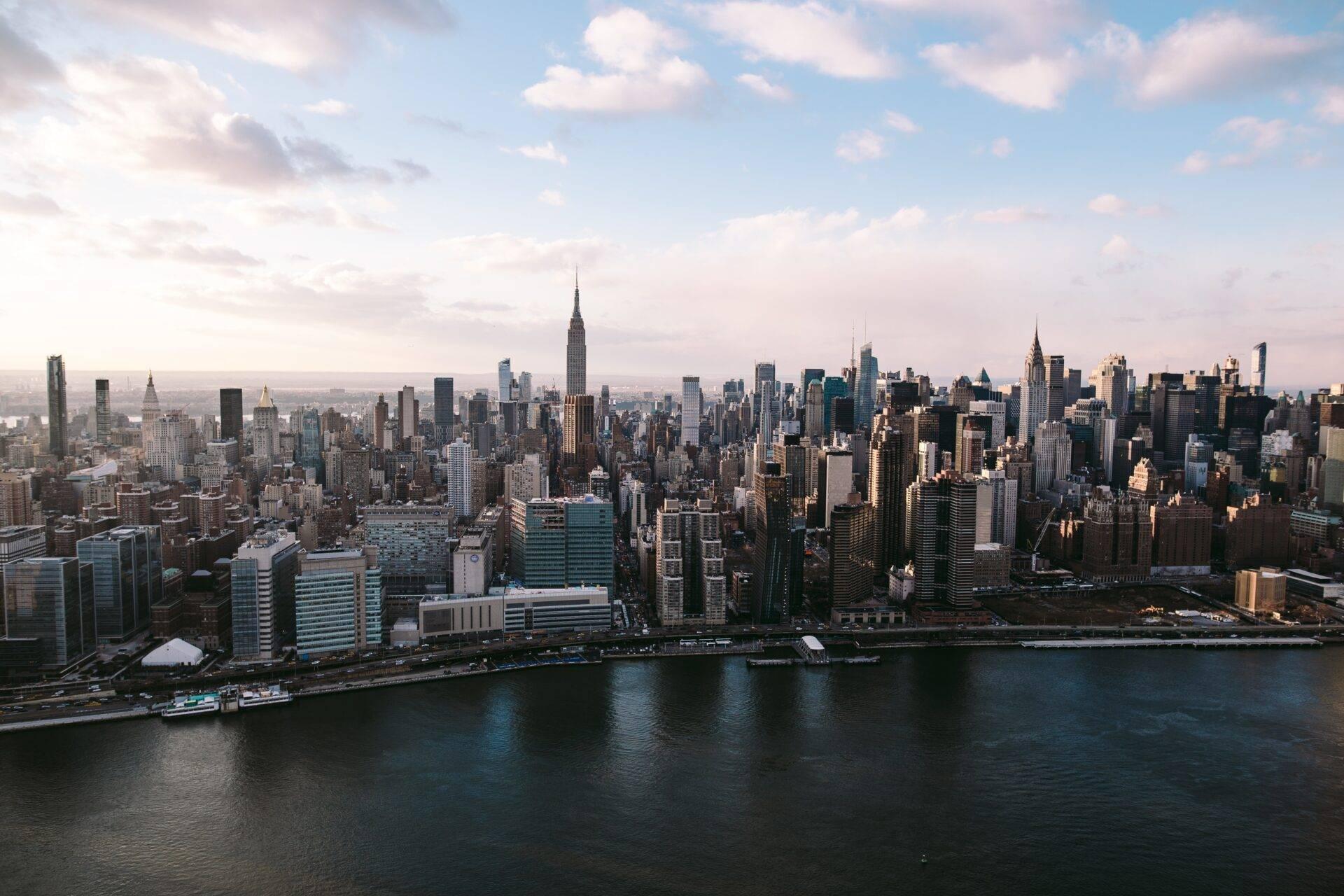
New York is unlike any other American city. Manhattan packs radically different experiences into just a few city blocks: the tranquillity of Central Park right next to the chaos of Times Square, the galleries of Chelsea just a short walk away. First-time visitors are often struck by the sheer scale of it all: the skyscrapers are more vertiginous than any photograph suggests, the subway more labyrinthine, and the neighbourhoods – Brooklyn, Harlem, the Village – more distinct from one another than you ever imagined.
The museums alone can fill several days: the Metropolitan Museum of Art and MoMA rank among the finest in the world. The Statue of Liberty, the Empire State Building and Brooklyn Bridge are all unmissable, but the real joy of New York often lies in its side streets. Our guide on things to do in New York covers the key neighbourhoods and the visits you should not skip.
San Francisco: an atmosphere you will not find anywhere else
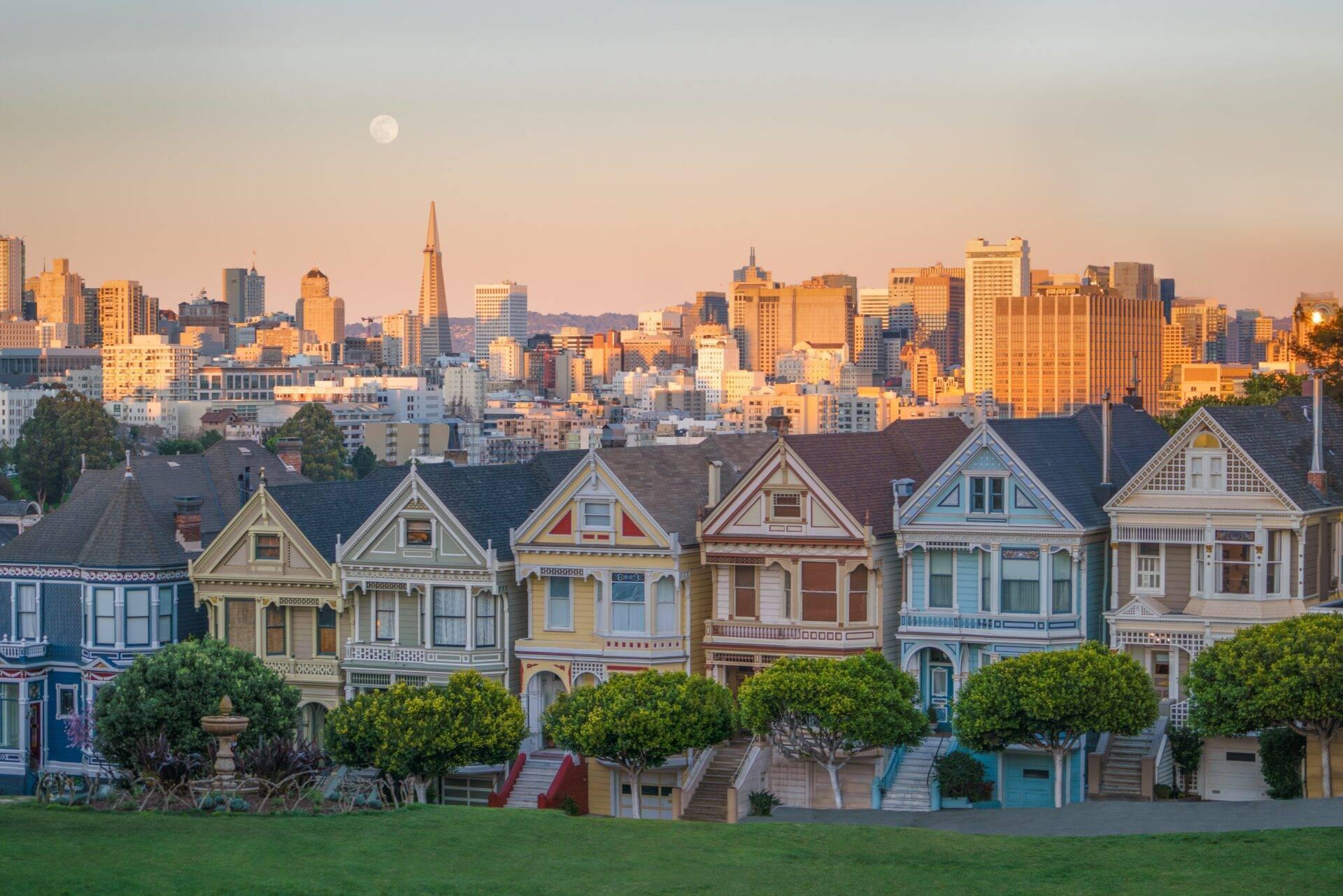
San Francisco is perhaps the American city that surprises European visitors the most. Its steep hills, its colourful Victorian houses and its morning fog give it a personality that is worlds apart from Los Angeles or New York. The Golden Gate Bridge remains the city’s defining symbol, but the real experience happens at neighbourhood level: the Castro, the Mission District, Haight-Ashbury – each one tells a distinct chapter of American history.
Alcatraz, sitting in the middle of the bay, is well worth the ferry crossing. The Ferry Building hosts a regular farmers’ market, and Pier 39 is home to a colony of sea lions that lounge freely on the pontoons. San Francisco is best explored on foot, one neighbourhood at a time.
Chicago: the city that reinvented American architecture
Chicago is often left off American itineraries, and that is a mistake. The city is home to some of the most influential skyscrapers in the history of modern architecture: Chicago is where the contemporary high-rise was born. The Willis Tower and its neighbours in the Loop make the city an international reference point for anyone with a passion for architecture.
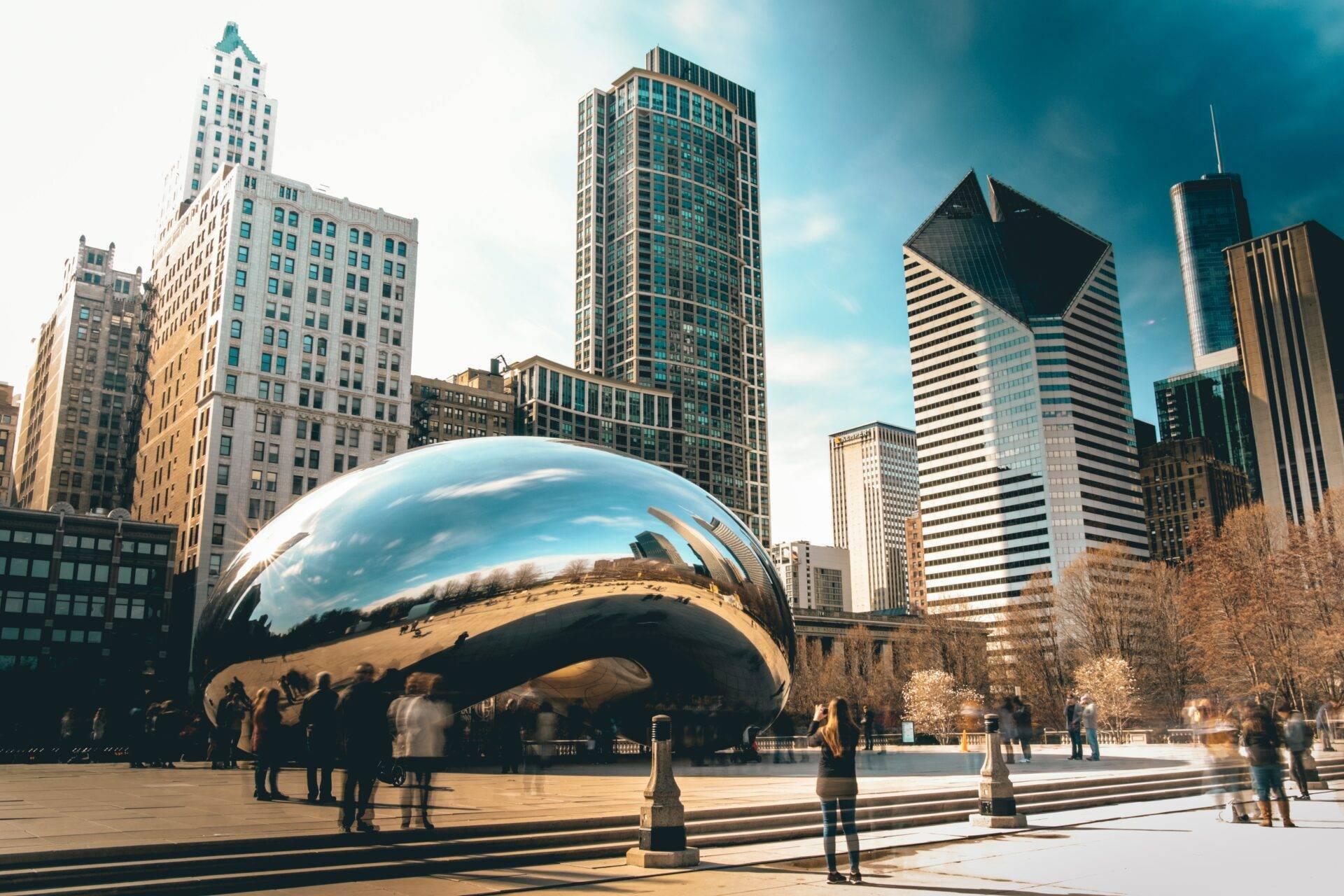
Millennium Park, right in the heart of the city, is free to enter and houses Cloud Gate, the polished steel sculpture nicknamed “The Bean,” whose distorted reflections of the sky and surrounding buildings have become a symbol of Chicago. The Art Institute of Chicago, adjacent to the park, holds one of the largest collections in North America. And the deep-dish pizza – thick, generous and deeply satisfying – is reason enough to visit on its own.
Washington D.C.: American history, free of charge
The federal capital is the only major American city where you can spend several days visiting world-class museums without paying a penny in admission: the Smithsonian Institution’s sites – including the National Museum of Natural History and the National Air and Space Museum – are all free. The National Mall, the broad central axis linking the Capitol to the Lincoln Memorial, contains a concentration of historic monuments unmatched anywhere else in the United States.
Washington is particularly well suited to first-time visitors to America: the city is more human in scale than New York or Los Angeles, the Metro is efficient, and the neighbourhoods of Georgetown and Dupont Circle offer a genuine sense of local life, with independent cafes, bookshops and restaurants.

Los Angeles: beyond the Hollywood clichés
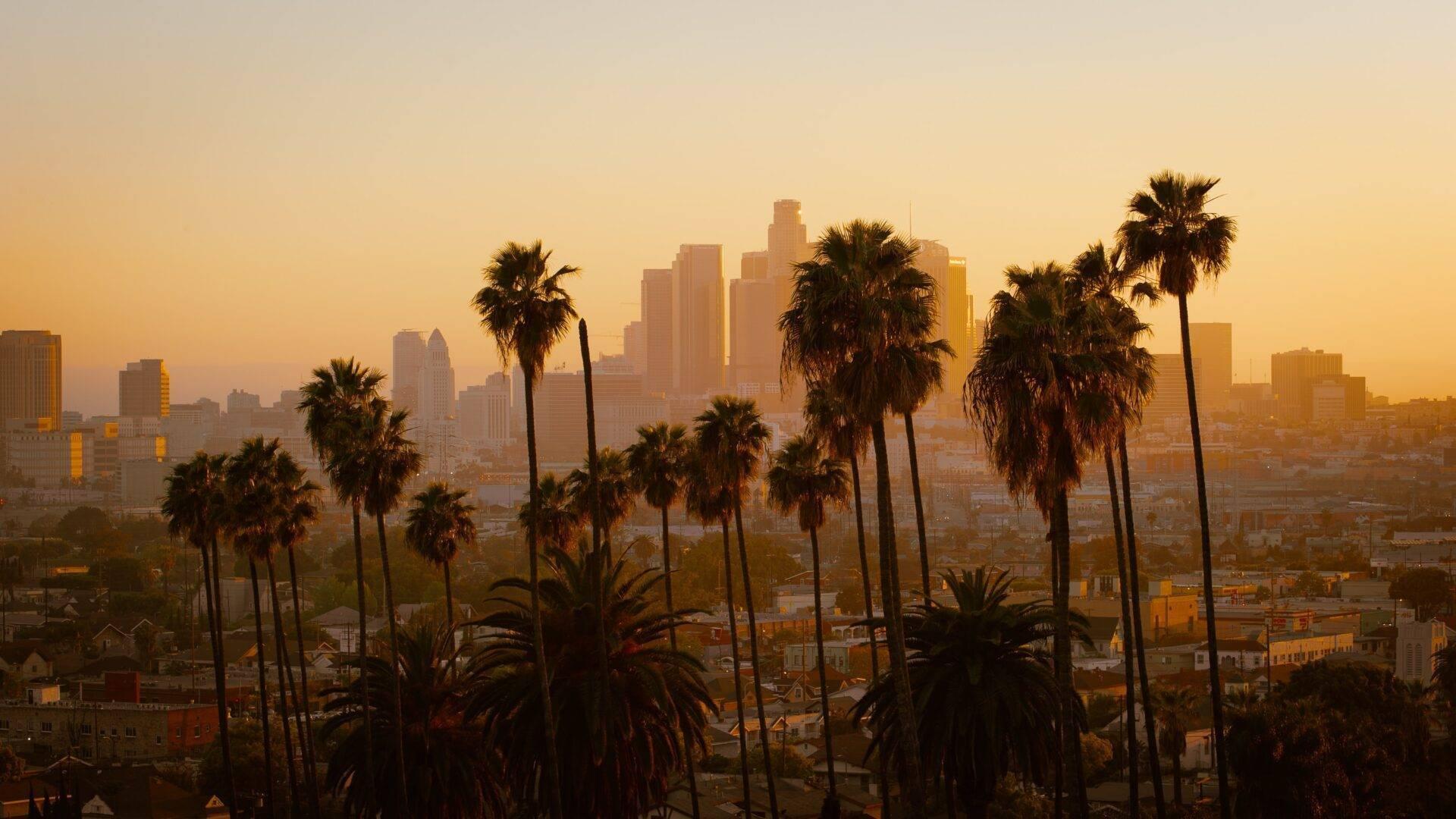
Los Angeles is a city that can disorient you, because it is not quite a city in the conventional sense: it is a sprawling archipelago of neighbourhoods spread across dozens of kilometres, with no real centre. But that is precisely what makes it so fascinating. Hollywood, Malibu, Venice Beach, Silver Lake, Koreatown – each neighbourhood has its own rhythm entirely.
The museums are outstanding: the Getty Center (free admission, online booking recommended, with a sweeping panoramic view over the city) and LACMA each deserve half a day. The beaches of Santa Monica and Venice are the perfect antidote to the intensity of the previous days’ urban exploring.
Las Vegas: entertainment capital and gateway to the national parks
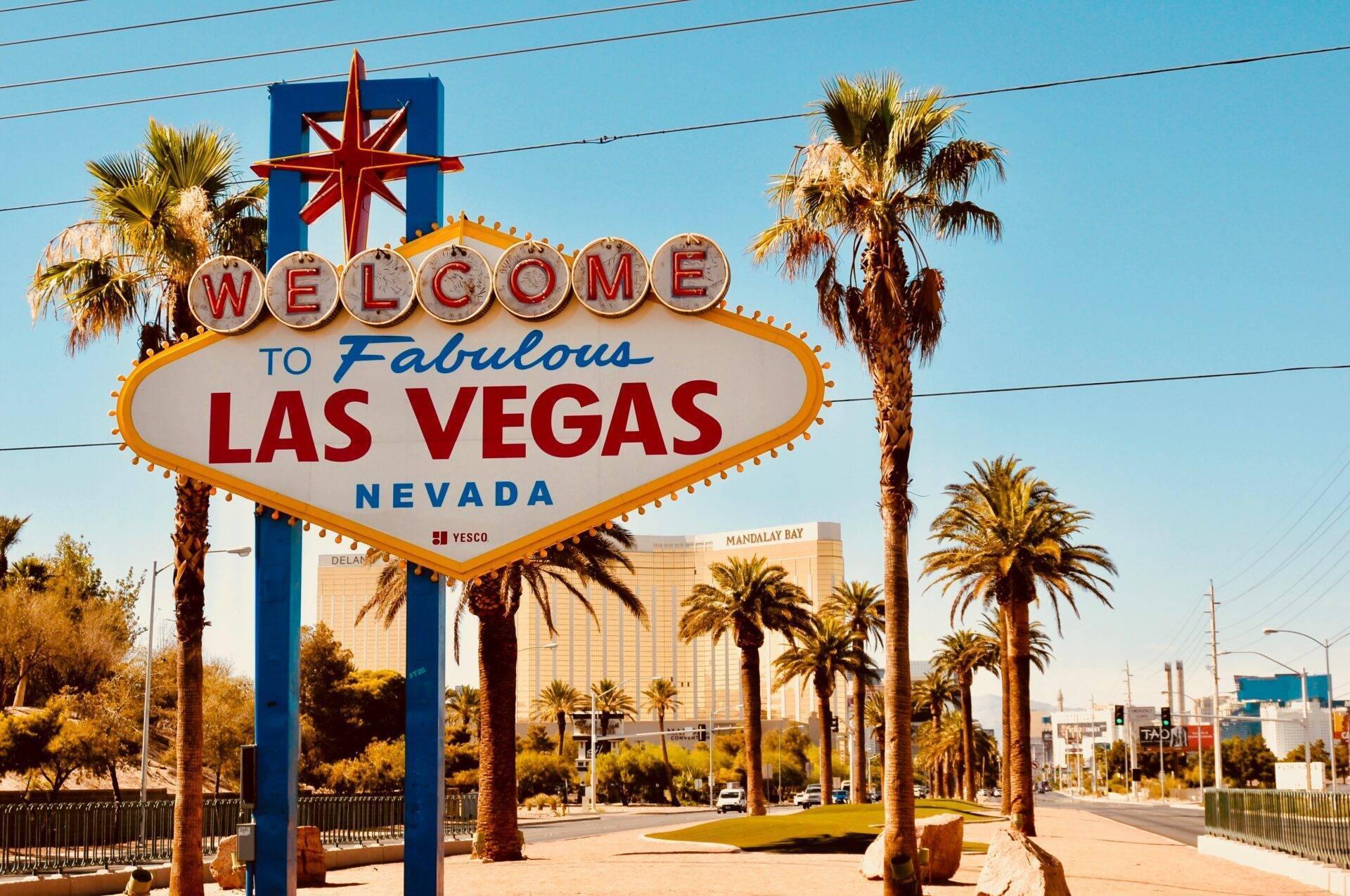
Las Vegas has no equal anywhere on earth: a city that rose out of the Nevada desert, built entirely for entertainment. The Strip lines up over six kilometres of hotel-casinos on a staggering scale – full-size replicas of the Eiffel Tower, an Egyptian pyramid and Venetian gondolas among them.
But Las Vegas is also an ideal base for exploring the national parks of the American Southwest: Zion National Park, Bryce Canyon and the Grand Canyon are all within reach of a multi-day road trip from the city. For anyone looking to combine urban spectacle with vast, wild open spaces, this is one of the best entry points the United States has to offer.
New Orleans: a city out of time
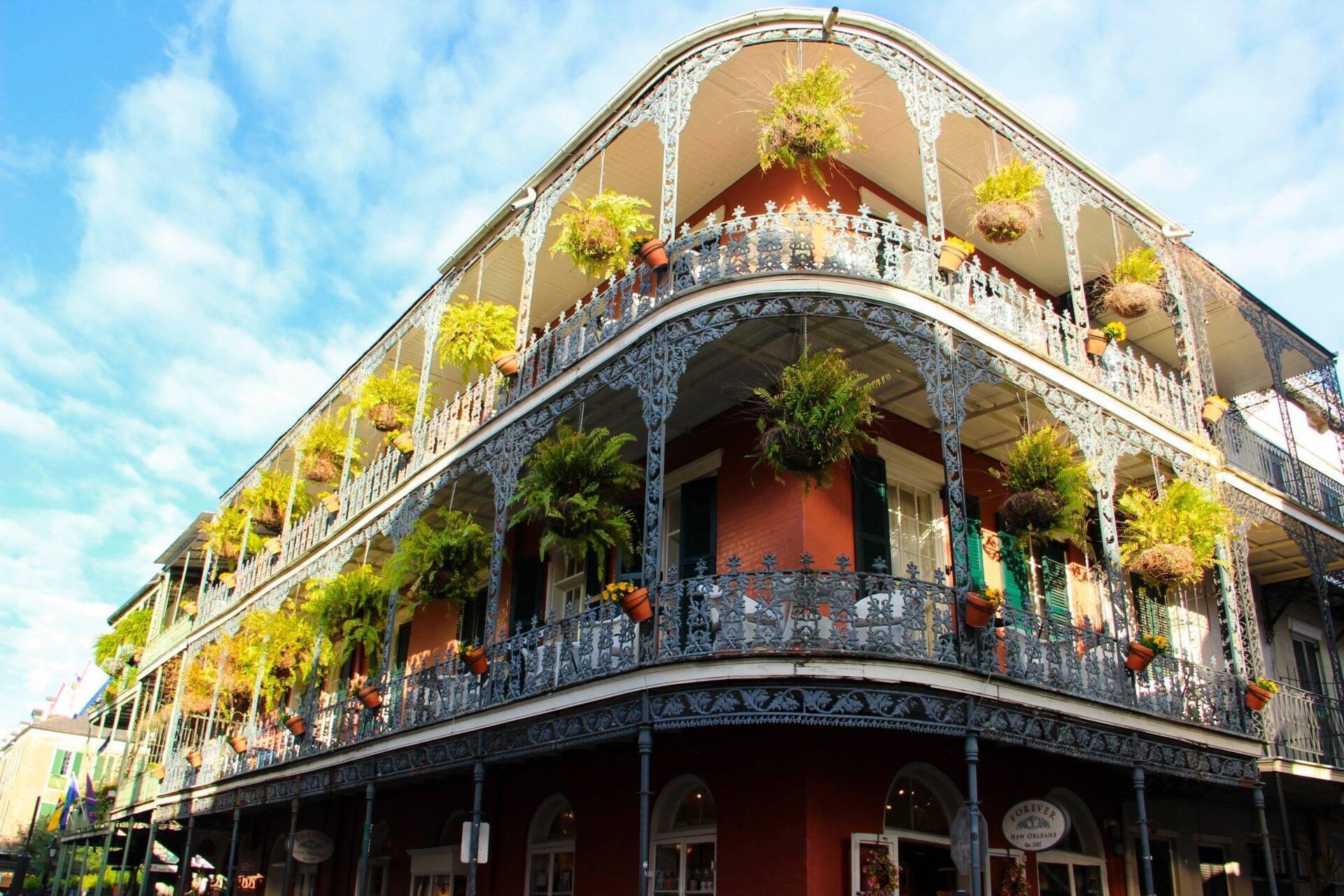
New Orleans is the American city that least resembles the rest of America. Its French and Spanish colonial architecture, its Creole cuisine, its ever-present jazz and its festive spirit make it a destination in a category of its own. The French Quarter is the beating heart of the city: narrow streets lined with ornate wrought-iron balconies, Cajun and Creole restaurants, and jazz clubs where the music spills straight out onto the pavement.
Mardi Gras (in February, the exact dates vary each year according to the liturgical calendar) is one of the most spectacular celebrations in the United States. But the city rewards a visit at any time of year: the historic cemeteries, the Garden District with its Victorian mansions, and the Mississippi riverboat cruises are there year-round.
Boston: America at its oldest
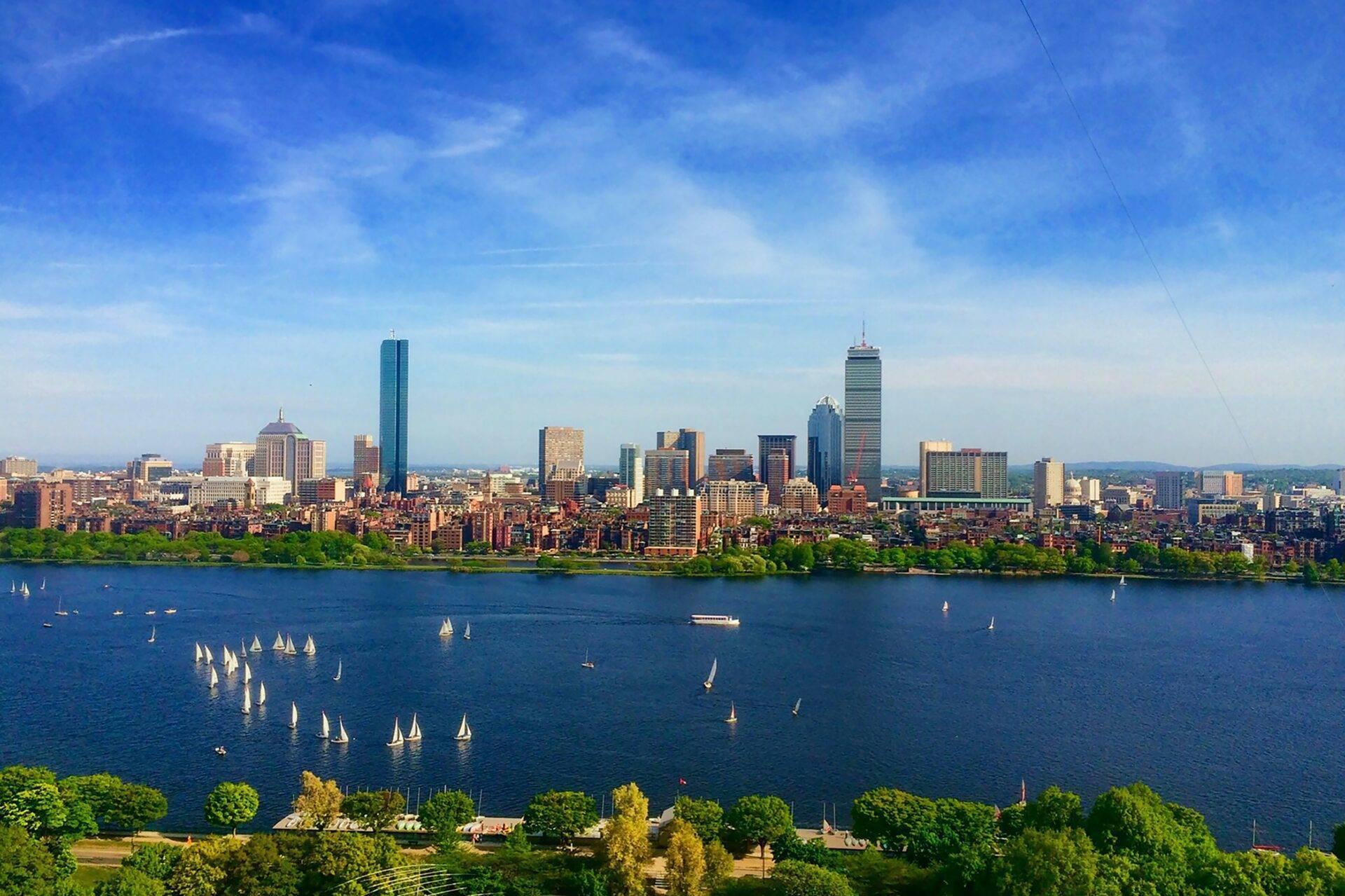
Boston is the American city that retains the most visible traces of its origins. The Freedom Trail, a signposted 4 km walking route through the city streets, connects 16 sites tied to the American Revolution: the Massachusetts State House, the Old South Meeting House, the site of the Boston Tea Party. It is a concrete and immersive way to understand how the United States came to be.
Harvard University, in neighbouring Cambridge, is around fifteen minutes from Downtown Boston on the Red Line of the MBTA subway. The historic campus is open to visitors in its common spaces. The North End neighbourhood is packed with excellent Italian restaurants, and Boston Harbor – with its sailing boats and ferries – lends the city a gentleness that few American cities can match.
Seattle: nature, tech and musical legacy
Seattle is a city of contrasts: home base of Microsoft, Amazon and Boeing on one hand; birthplace of a musical movement that changed rock worldwide on the other. This is where grunge emerged in the late 1980s, built around the Sub Pop record label and bands like Nirvana, Pearl Jam, Soundgarden and Alice in Chains, who dominated the rock scene well into the mid-1990s.
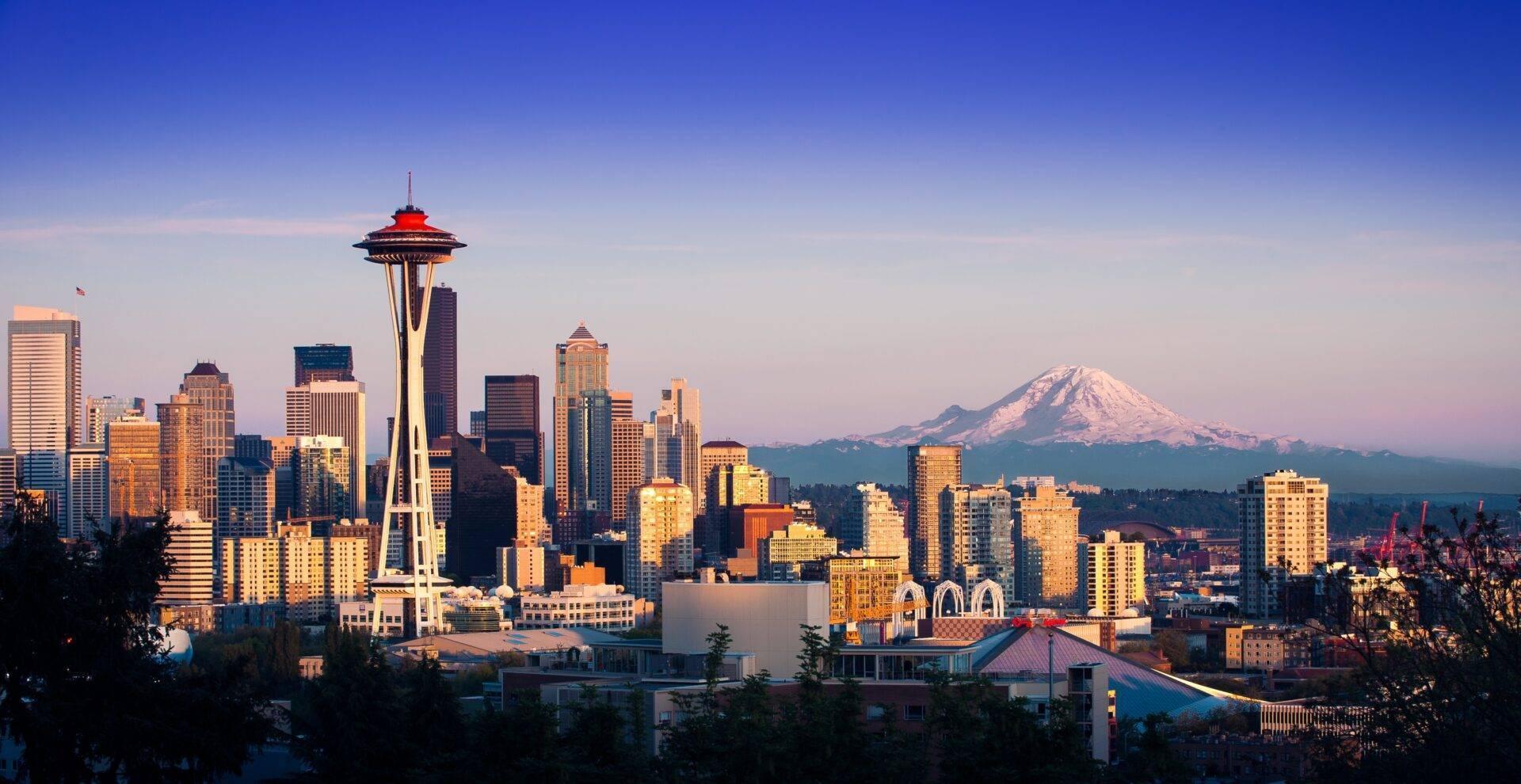
The Space Needle offers a 360-degree view over the city, Puget Sound and, on a clear day, the snow-capped peak of Mount Rainier. Pike Place Market, one of the oldest continuously operating public markets in the United States, is the place to sample Pacific salmon and coffee from local roasters. Seattle is also the gateway to the Olympic Mountains and Olympic National Park.
Austin: the city that defies Texas stereotypes
Austin is the capital of Texas, but it bears little resemblance to the rest of the state: university-shaped, creative, musical, it has carved out its own identity summed up by its unofficial motto, “Keep Austin Weird.” South by Southwest (SXSW), the annual music, film and technology festival held every March, turns Austin into one of the most creatively charged cities on the planet for around ten days each year.
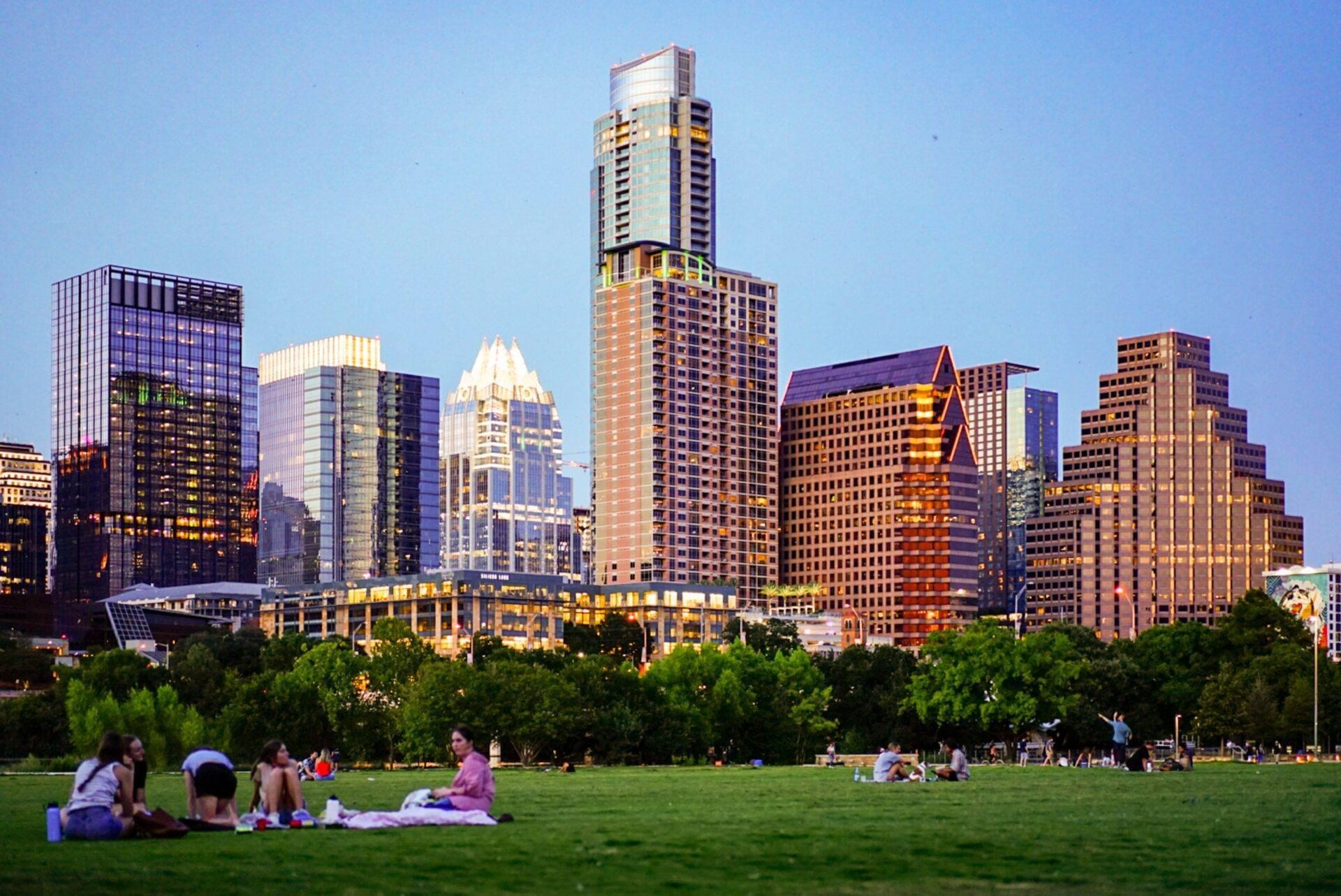
For the rest of the year, life gravitates around Lady Bird Lake and Zilker Park, a vast green space where locals run, picnic and kayak. 6th Street and Rainey Street are lined with live music bars and restaurants where Tex-Mex is always on the menu. Austin is also one of the fastest-growing cities in the country, its skyline changing noticeably from one year to the next.
How to build your American itinerary
Ten cities is a lot for a single trip. Travellers discovering the United States for the first time usually settle on two or three destinations along a geographical axis: East Coast (New York, Boston, Washington D.C.), West Coast (San Francisco, Los Angeles, Las Vegas) or the South (New Orleans, Austin). Our guide on things to do in the USA helps you prioritise based on your interests and how much time you have.
If your curiosity stretches beyond the US border, our guide to must-see destinations in North America gives a broader view of the continent.
FAQ
Which city is the best starting point in the USA for a first visit?
New York consistently tops the list for first-time visitors to the United States: unmatched cultural density, easy public transport links and an extraordinary variety of neighbourhoods. Chicago, Washington D.C. and San Francisco are equally compelling depending on your interests – architecture, history or nature.
How many cities can you realistically visit in two weeks in the USA?
Two weeks is enough to explore two to three cities properly. Trying to squeeze in five or six means an exhausting pace and expensive domestic flights. You are far better off picking a coherent geographical axis – East, West or South – and giving yourself the time to actually experience each city.
Do you need a hire car to visit the major American cities?
In the big cities – New York, Chicago, Washington D.C., Boston, San Francisco – a car is unnecessary and often more trouble than it is worth: the subway and public transport are more than adequate. That said, for getting from Las Vegas to the nearby national parks, or for exploring Austin and the Texas countryside beyond, a car is essential.
Are there any lesser-known cities worth adding to an American itinerary?
New Orleans, Austin and Seattle are frequently underestimated by first-time visitors who head straight for New York and Los Angeles. Yet they are three of the most distinctive destinations in the country. Nashville (Tennessee) and Portland (Oregon) are also well worth putting on the radar for a second trip.
Do you need travel insurance for the USA?
Yes – and it is not optional. Medical costs in the United States rank among the highest in the world: a single hospital stay can result in a bill running into tens of thousands of pounds or dollars. Travel insurance covering medical expenses and repatriation is something to arrange before you leave, regardless of how long you are going for. Yupwego offers a straightforward online sign-up, with medical cover and assistance active from the moment you depart.