
New York packs some of the world’s greatest museums, a perpetually evolving gallery scene and neighbourhoods with sharp, distinct identities into just a few square kilometres. This selection is for travellers who want to explore the city through the lens of culture, architecture and neighbourhood atmosphere, rather than simply ticking off a checklist.
MoMA: a Century of Modern Art in the Heart of Midtown
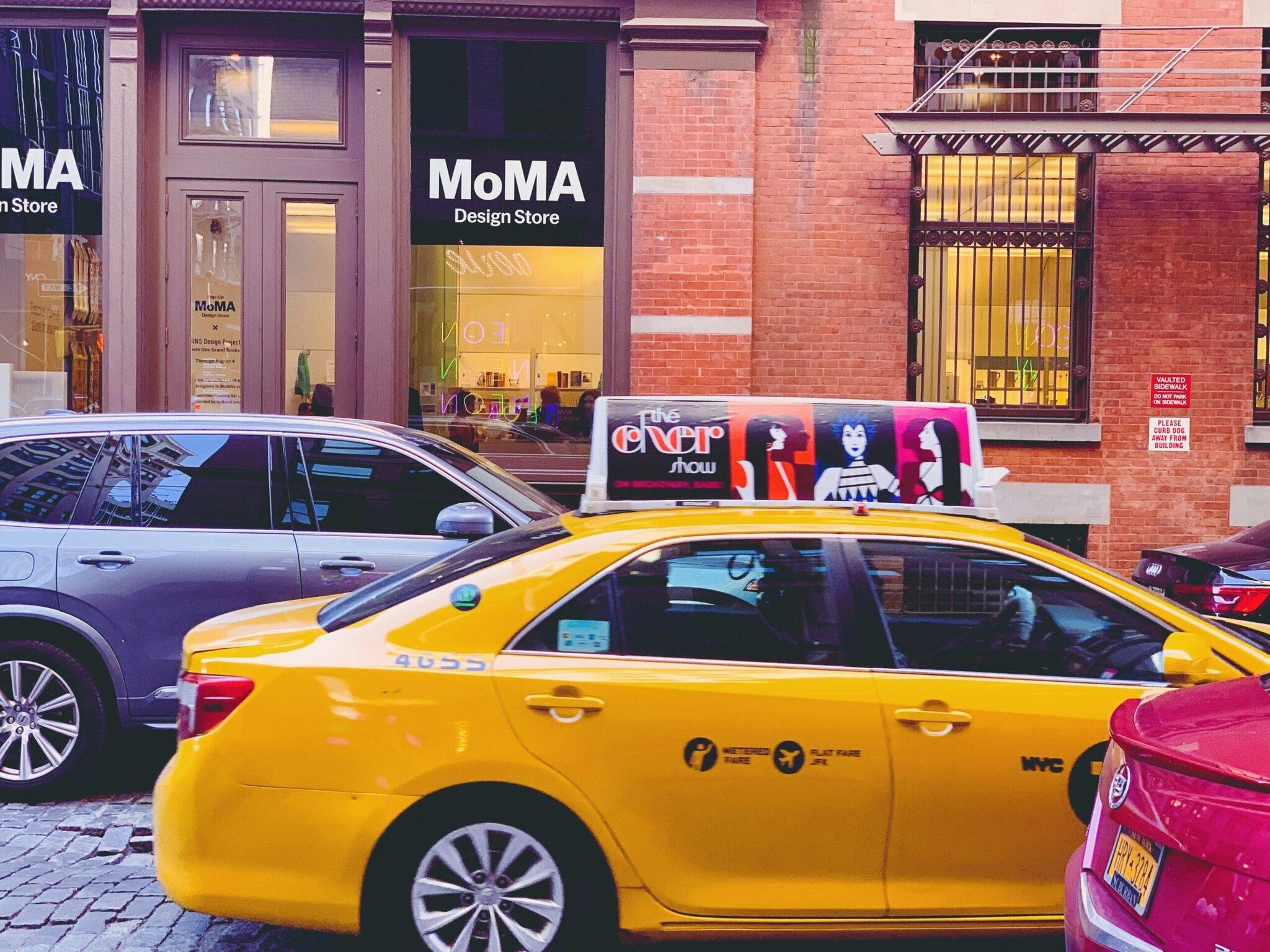
The Museum of Modern Art holds one of the most important contemporary art collections in the world. Its permanent collection spans more than a century: Picasso and Matisse canvases hang alongside Warhol silkscreens and Brancusi sculptures. Photography, industrial design and cinema are treated with the same rigour as painting.
Current admission: $30 for adults ($28 when booked online), $20 for over-65s, $15 for students, free for under-16s. New York State residents enjoy free entry every Friday between 5:30 pm and 8:30 pm. Your ticket also grants access to MoMA PS1 in Queens within 14 days of your visit.
Protect my New York tripThe Metropolitan Museum of Art: Five Millennia Under One Roof
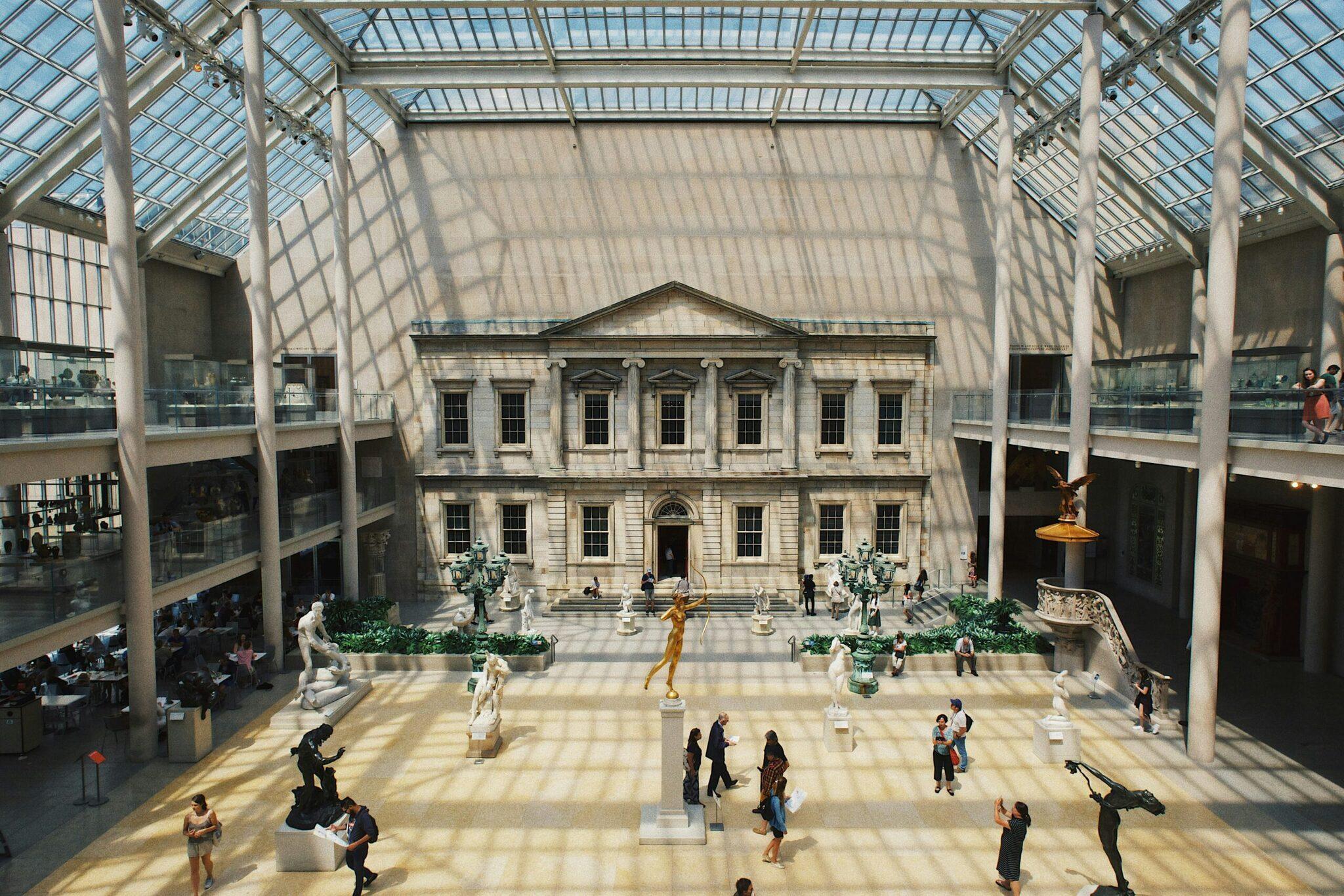
The Metropolitan Museum of Art sits on Fifth Avenue facing Central Park, at 82nd Street. Its collections span 5,000 years of history and bring together more than two million works: Pharaonic Egypt, ancient Greece, Islamic art, Dutch Old Masters of the 17th century, 19th-century American painting. The Temple of Dendur, relocated from Egypt and reassembled stone by stone inside an entirely glazed wing, is one of the museum’s most spectacular centrepieces.
Admission: $30 for adults, $22 for seniors, $17 for students, free for children under 12. New York State residents pay what they wish on presentation of proof of residence. The museum is open Thursday to Monday from 10 am to 5 pm, closed Tuesday and Wednesday.
The High Line: a Former Railway Turned Art Walkway
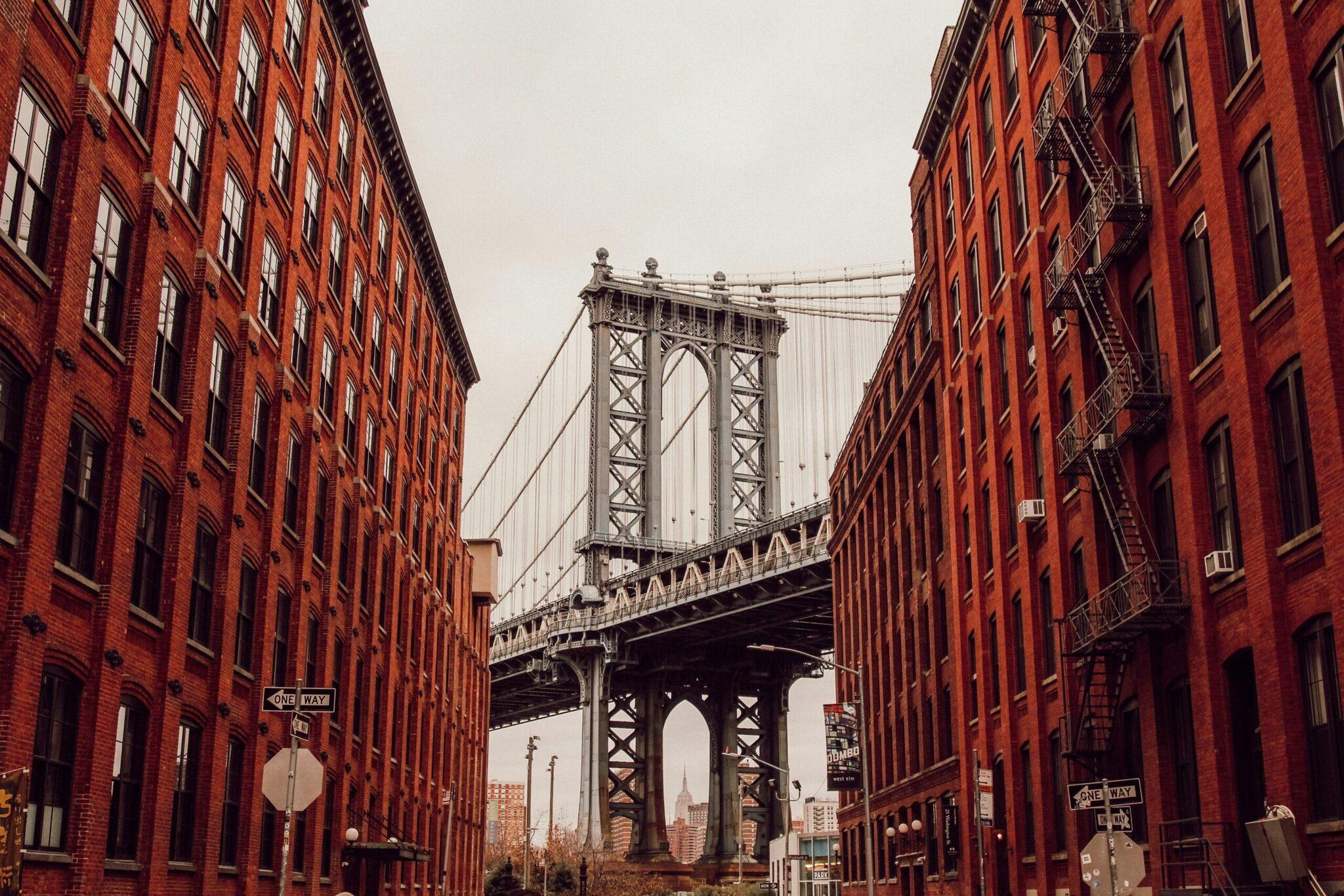
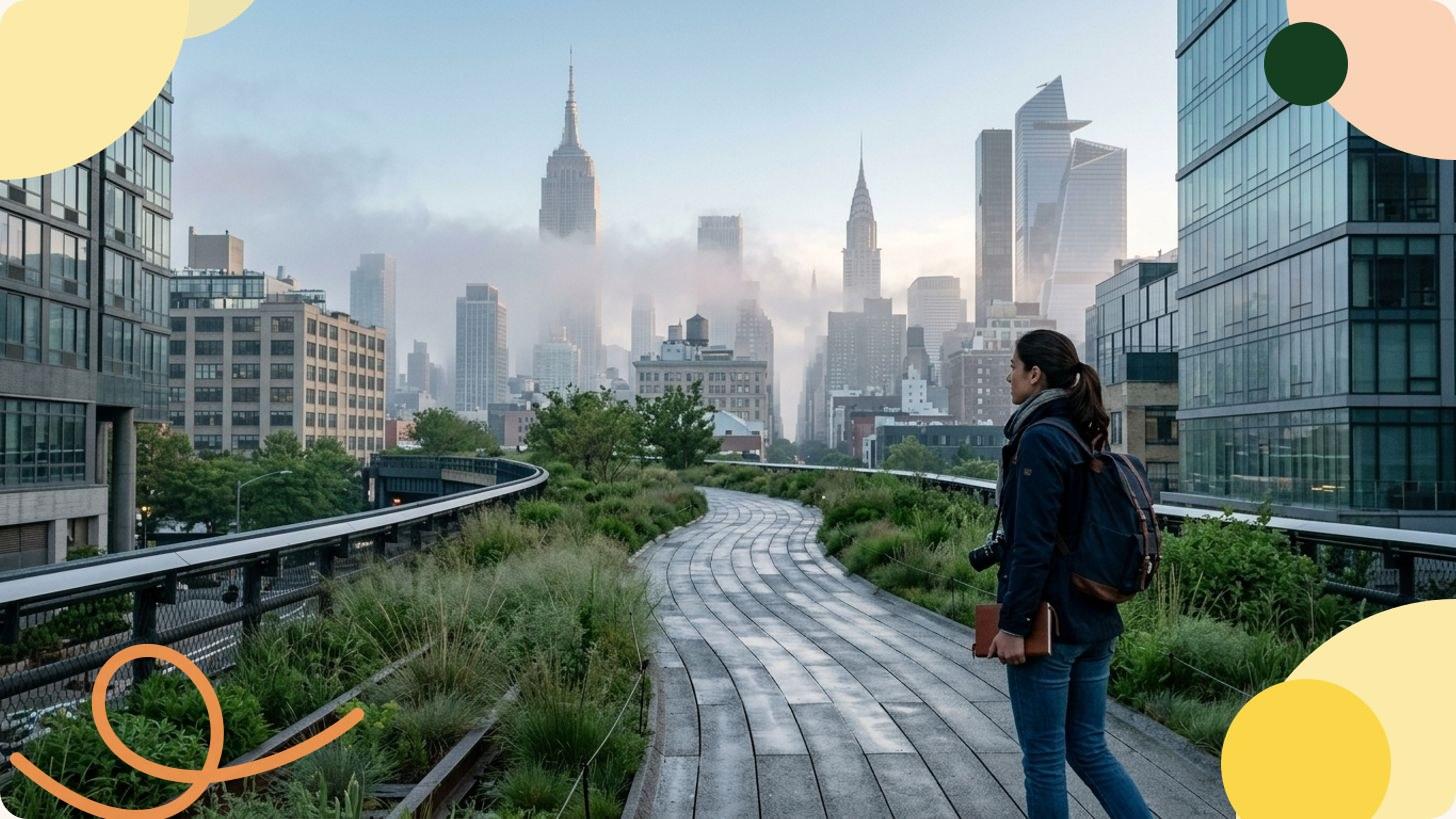
The High Line is a 2.3-kilometre walkway built along a former elevated railway, suspended above the rooftops of Chelsea and Hudson Yards. The route winds through gardens planted with local wildflower species, passes alongside regularly refreshed public art installations and opens up views across the Hudson River.
Entry is free, with no booking required. Seasonal hours: 7 am to 11 pm from June to September, 7 am to 10 pm in April and May, 7 am to 7 pm from December to March. Twelve access points and five lifts are spaced along the route.
Chelsea: Contemporary Art Galleries Within Easy Reach of the High Line
The High Line runs alongside Chelsea, the neighbourhood with the highest concentration of contemporary art galleries in the United States. Between West 18th and 29th Streets, dozens of spaces showcase an international art scene, almost always with free admission. An afternoon on the High Line followed by a wander through Chelsea’s galleries is one of the city’s most rewarding cultural combinations.
Brooklyn: DUMBO, Williamsburg and the Bridge
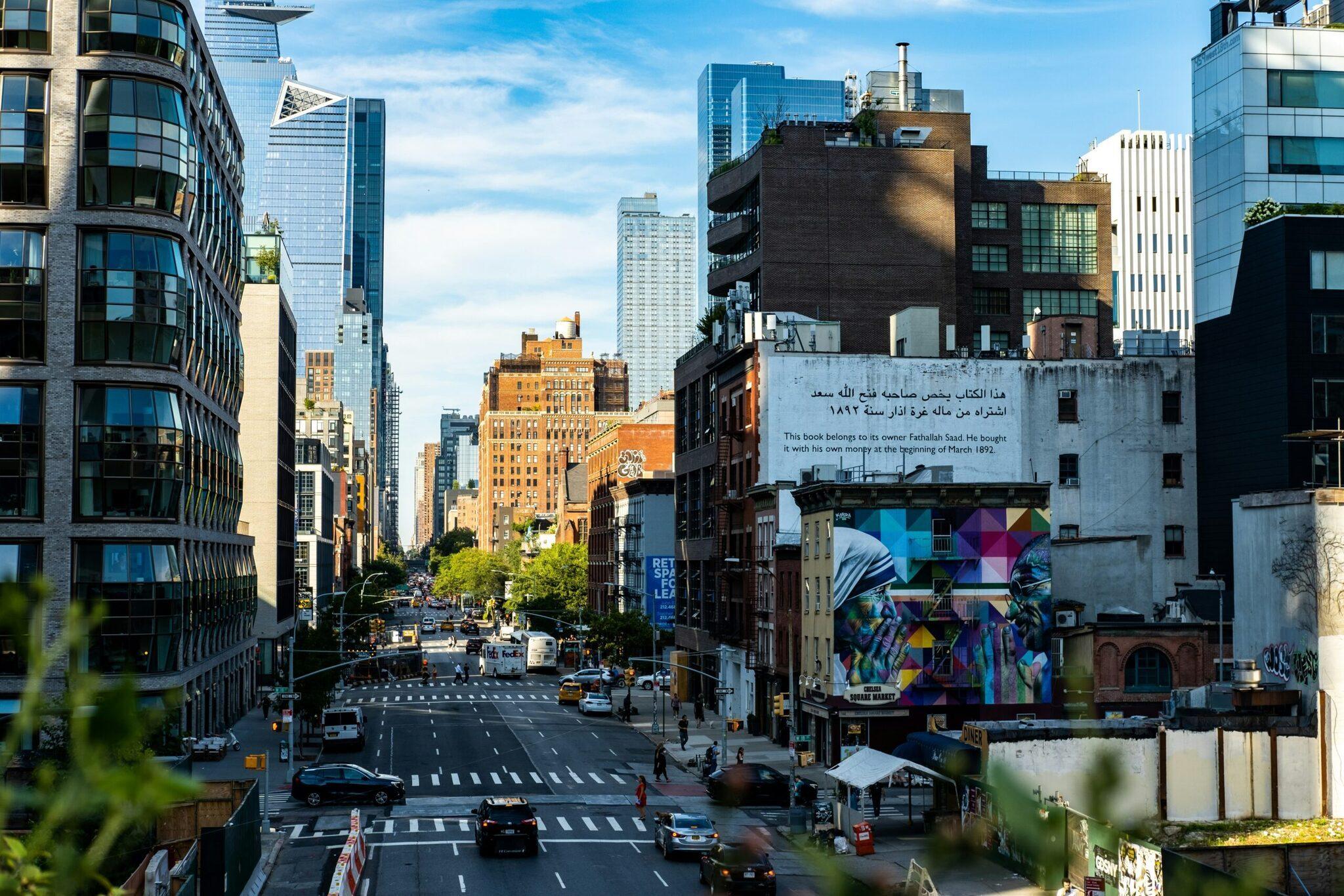
Brooklyn is not a neighbourhood – it is a city within a city. Each area has its own logic and its own energy.
DUMBO (Down Under the Manhattan Bridge Overpass) is home to more than 150 artists’ studios and a dense gallery scene. Its walls on Water Street, near the arches of the Manhattan Bridge, have hosted the DUMBO Walls programme since 2012: large-scale murals commissioned from international artists. The view of Manhattan framed by the bridge arch is one of the most photographed in the city.
Williamsburg has an independent art and music scene built up over several decades. Eduardo Kobra’s mural depicting Andy Warhol and Jean-Michel Basquiat, on the corner of Bedford Avenue and North 9th Street, is one of its most recognisable landmarks.
Walking across Brooklyn Bridge takes around 30 minutes and offers sweeping views of both shores.
For travellers planning a broader itinerary, our guide Things to Do in the United States has ideas for other American cities.
Times Square: Midtown’s Permanent Spectacle
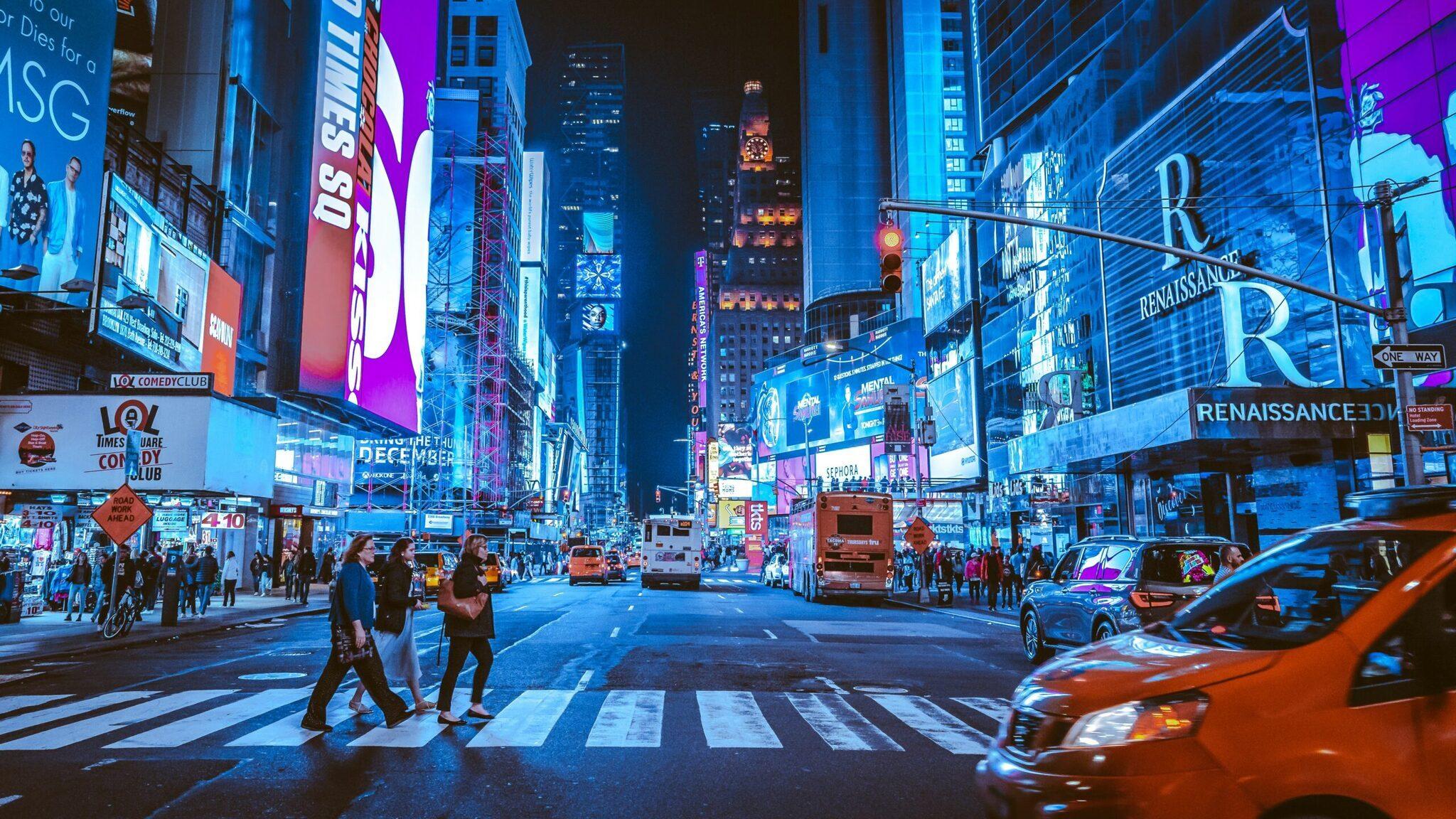
Times Square is somewhere to pass through rather than linger in. The luminous billboards and moving advertisements create a spectacle of their own, particularly striking after 9 pm. It is also the heart of the Broadway theatre district: for a culture-focused trip, booking a Broadway show well in advance is one of the best decisions you can make.
Fifth Avenue: Manhattan’s Architectural Spine
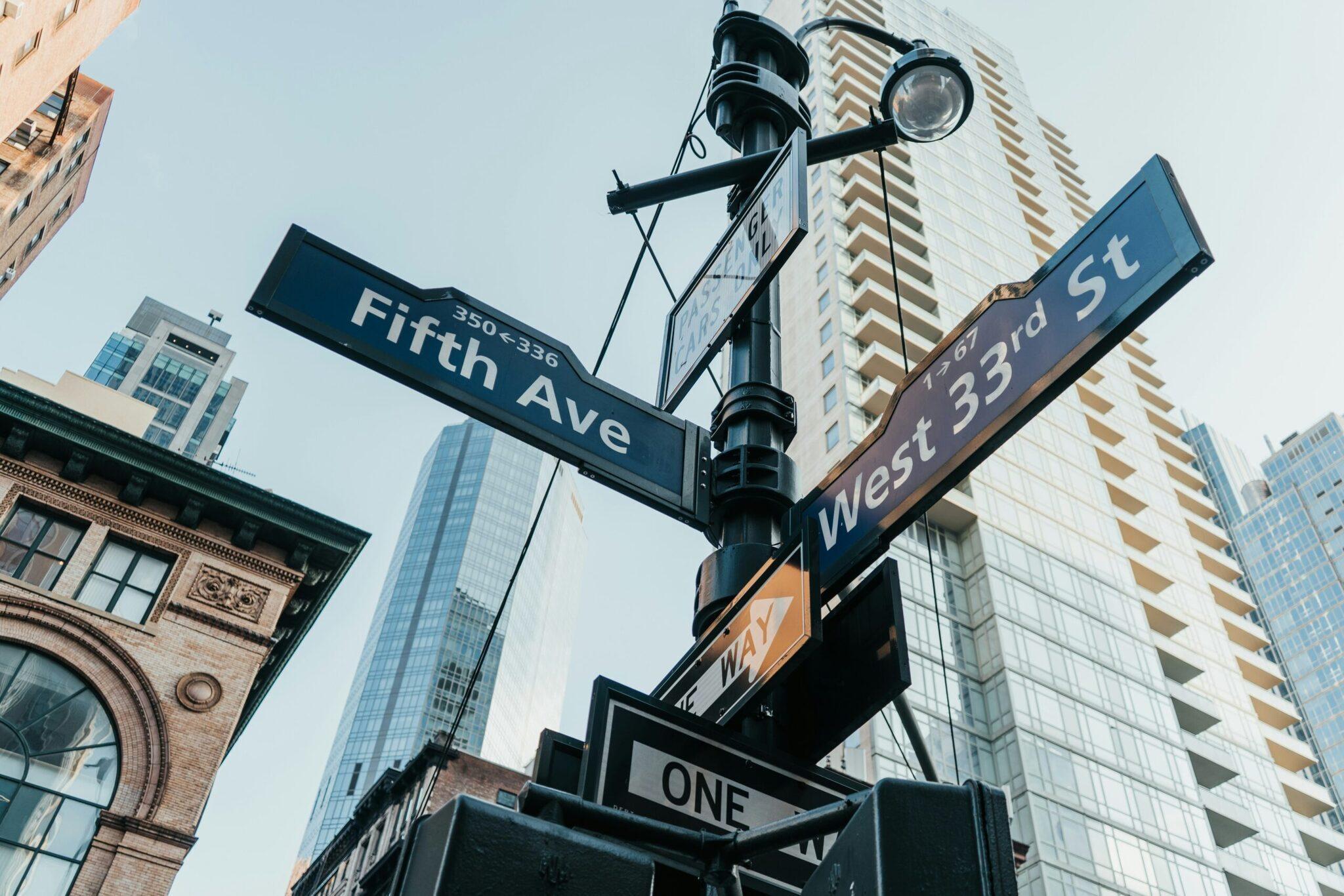
The stretch of Fifth Avenue between 33rd and 59th Streets brings together several generations of New York architecture. The Empire State Building (between 33rd and 34th Streets), St Patrick’s Cathedral and Rockefeller Center – an Art Deco complex from the 1930s – form an architectural trail that walking reveals far better than a taxi ride ever could.
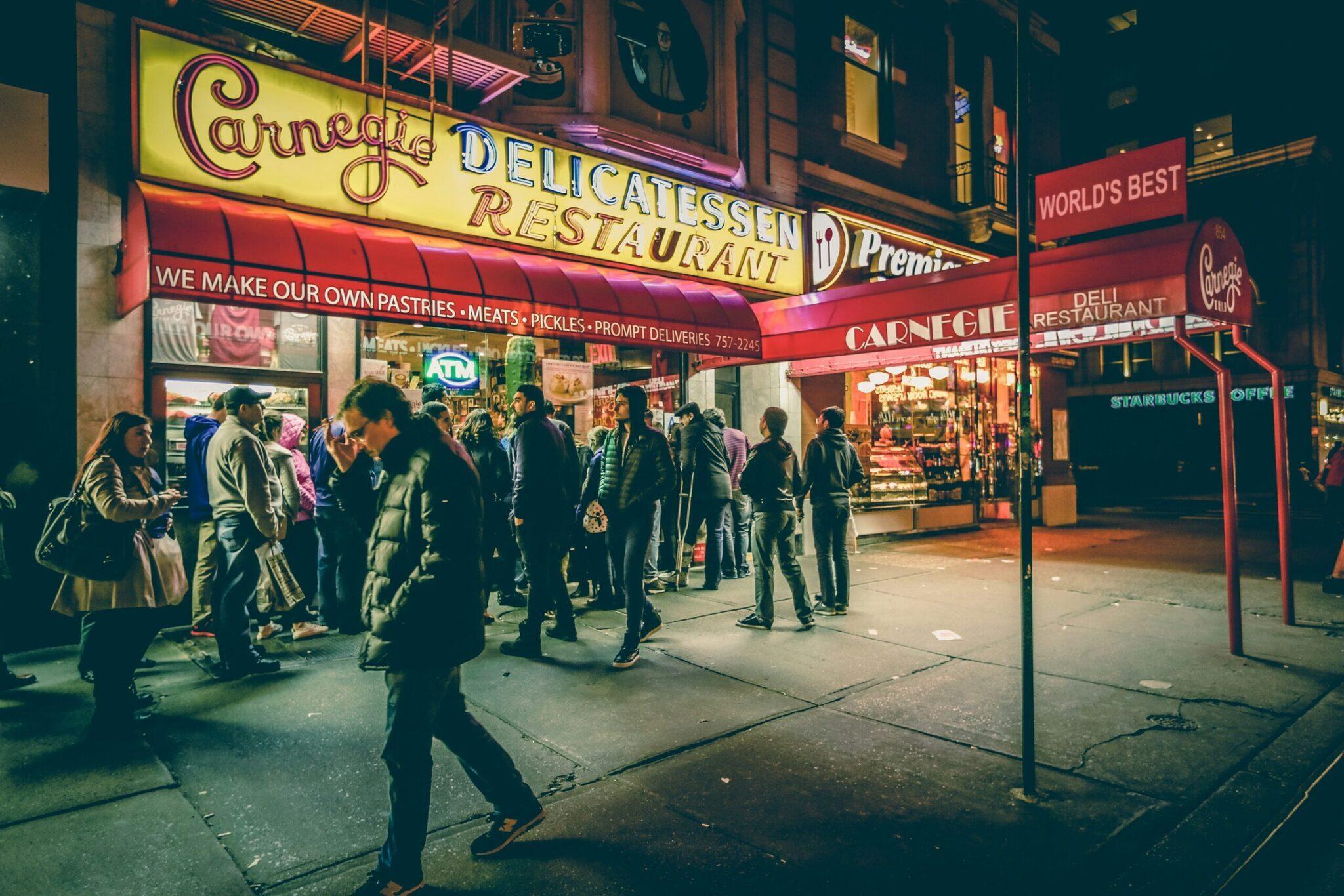
In the evening, the adjacent avenues (Madison Avenue, Lexington Avenue) take on a different character: less saturated than Times Square, yet still very much alive.
The 9/11 Memorial and Museum
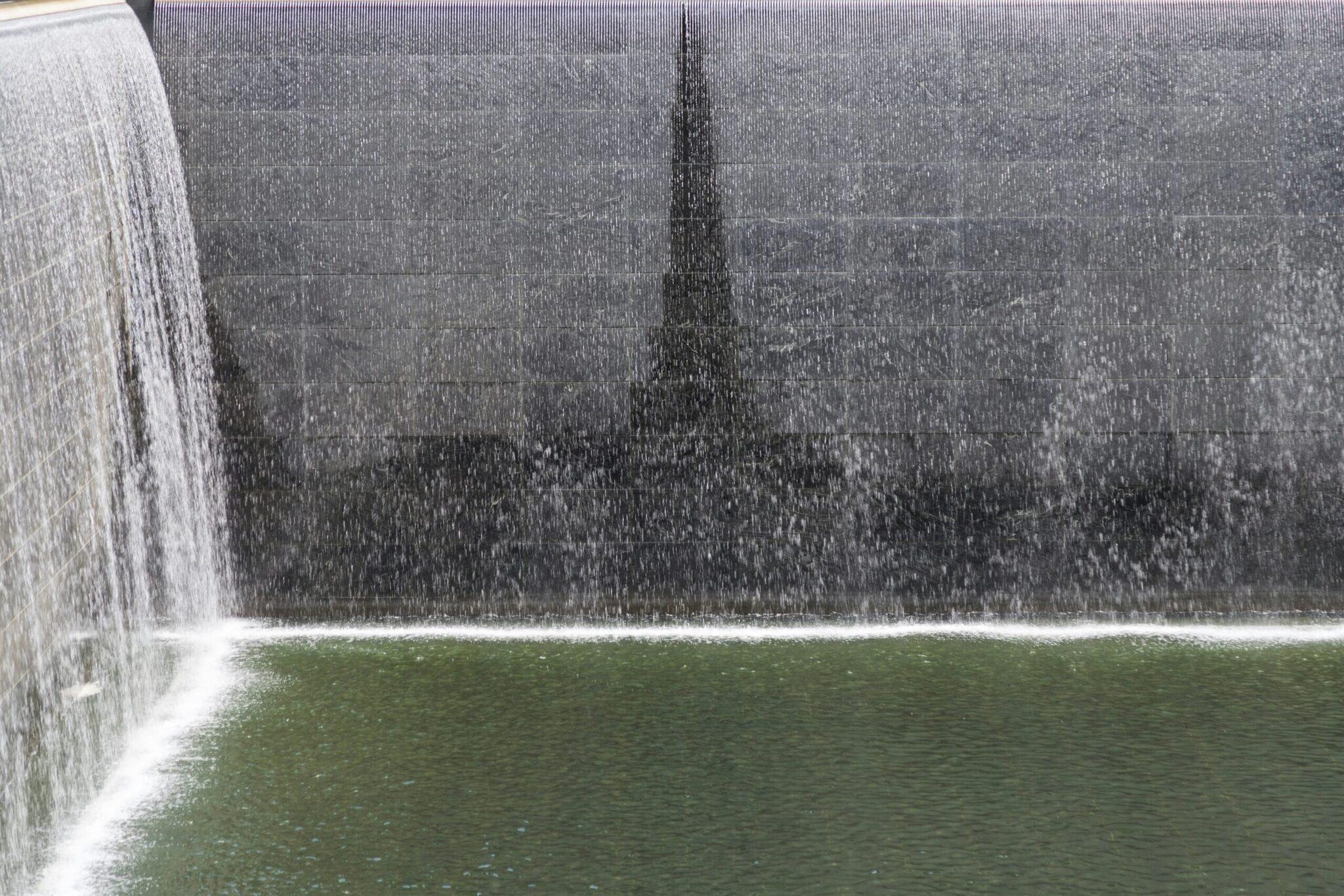
The 9/11 Memorial stands on the exact footprint of the Twin Towers. Two large reflecting pools, their edges inscribed in bronze with the names of the victims of the 2001 attacks and the 1993 bombing, mark the site. The underground Museum holds original artefacts, video testimonies and extensive documentation on the events and their aftermath. It is a place that calls for time and a certain emotional readiness.
Central Park: 341 Hectares of Breathing Space at Manhattan’s Heart
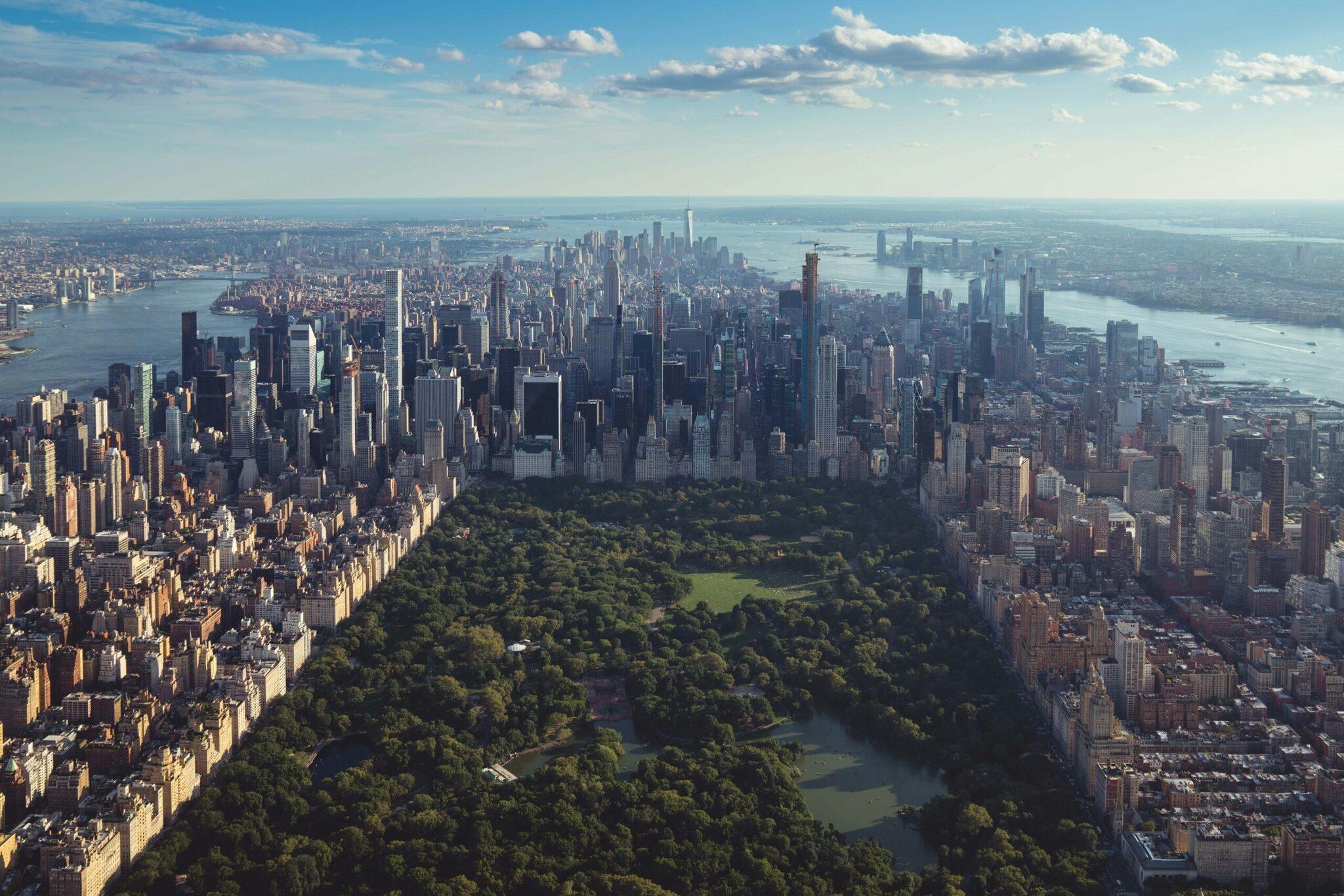
Central Park covers 341 hectares at the heart of Manhattan. Beyond walking and cycling, the park contains Central Park Zoo, Belvedere Castle, Strawberry Fields (the John Lennon memorial) and the Ramble, a wooded area popular with birdwatchers. As the Metropolitan Museum has an entrance opening directly onto the park, the two visits pair together naturally.
The Statue of Liberty and Ellis Island
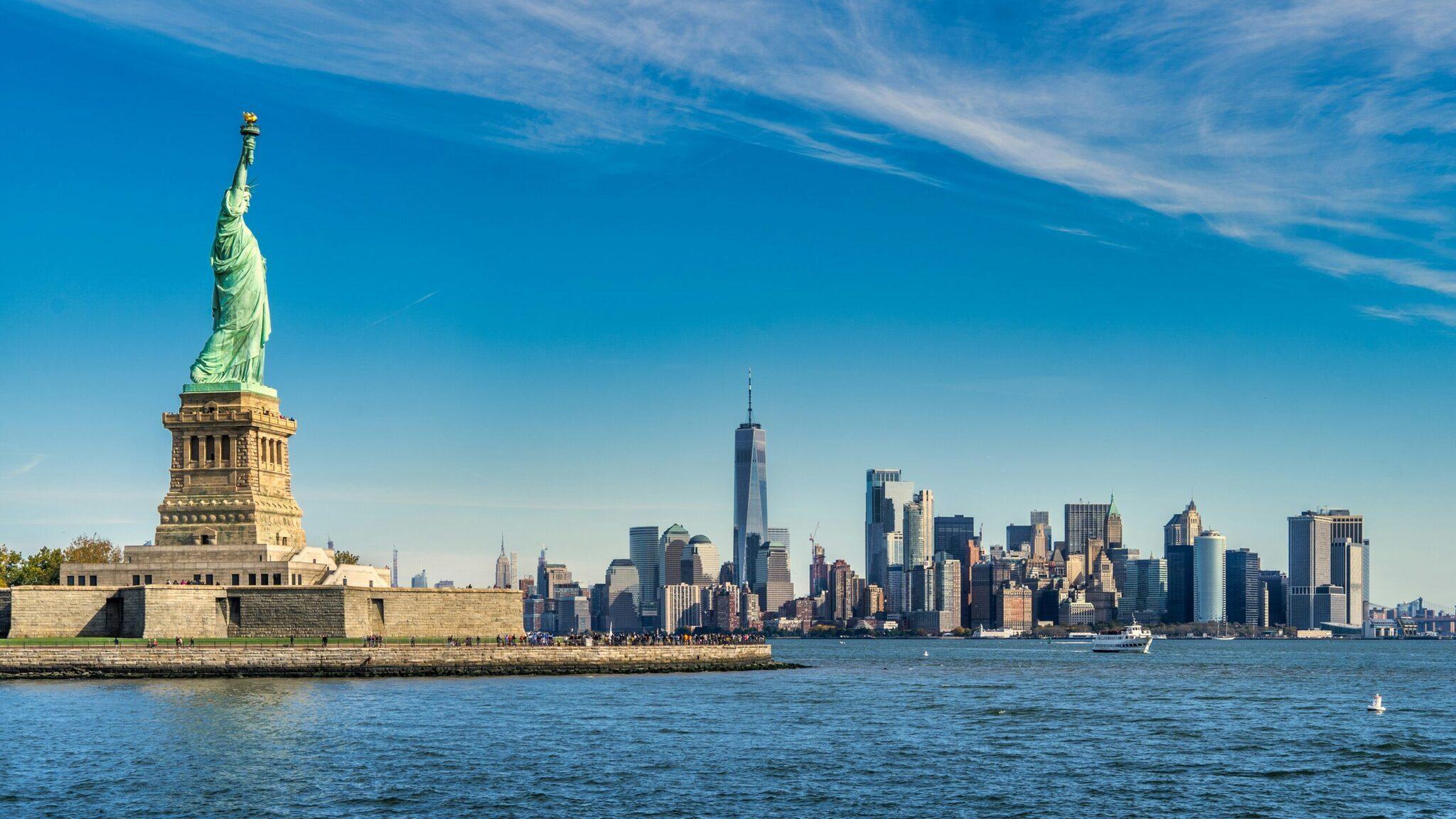
The Statue of Liberty, a gift from France inaugurated in 1886, is reached by ferry from Battery Park. Ellis Island, accessible on the same ferry, houses the National Museum of Immigration and bears witness to the role the island played as a gateway for millions of migrants. It is one of the most historically resonant visits the city has to offer.
If New York has inspired you to explore other great American cities, our overview of the Top 10 Cities in the United States will point you in the right direction for the rest of your trip.
FAQ
Is MoMA expensive? Is there free admission?
Admission to MoMA costs $30 for an adult ($28 when booked online), $20 for over-65s and $15 for students. Under-16s enter free. New York State residents enjoy free entry every Friday between 5:30 pm and 8:30 pm.
Is the High Line free to visit?
Yes, the High Line is entirely free and open year-round without booking. Hours vary by season: until 11 pm in summer (June to September) and until 7 pm in winter (December to March).
How long should I allow for the Metropolitan Museum?
Allow at least three hours for the must-see highlights (the Temple of Dendur, European painting galleries, the American Wing). A full day lets you explore several wings and any temporary exhibitions. The museum is open Thursday to Monday from 10 am to 5 pm.
Is it better to visit DUMBO or Williamsburg in Brooklyn?
The two neighbourhoods complement each other well. DUMBO is ideal for its views of Manhattan and the large-scale murals along Water Street. Williamsburg is better suited to an immersion in the independent art and music scene, with galleries and cafes to explore on foot.
Do I need travel insurance for a trip to New York?
Medical costs in the United States are among the highest in the world. A visit to the emergency room can run to several thousand dollars. Travel insurance covering medical expenses and repatriation is strongly recommended, whatever the length of your stay.