


North America brings together some of the world’s most captivating cities, natural parks of an almost unreal scale, and landmarks that have become part of the universal imagination. Whether you have ten days or three weeks, here are the destinations worth anchoring your itinerary around, from Canada to the United States.
New York: Manhattan’s Energy, Neighbourhood by Neighbourhood
New York is one of those cities that actually lives up to the hype. Central Park, the Empire State Building, MoMA, the Met: the list of landmarks is long, but it is the sheer variety of neighbourhoods that gives NYC its unique texture. From Chinatown to Harlem, Greenwich Village to Brooklyn, every block tells a different story. The Statue of Liberty, visible from Manhattan or up close on Liberty Island, remains the symbolic centrepiece of a city shaped by successive waves of immigration.

For more inspiration, our New York City travel guide covers all the activities and addresses you should not miss in the city.
Get my travel insurance quoteBanff National Park: The Rockies in Their Wildest Form
Located in Alberta, Banff is Canada’s first national park and one of the largest protected natural areas on the continent. Lake Louise, with its intense turquoise waters, Lake Moraine and the snow-capped peaks of the Canadian Rockies combine to create panoramas found nowhere else on earth. The park offers marked trails for all abilities, from gentle valley walks for families to more demanding high-altitude hikes.
Wildlife is everywhere: grizzly bears, black bears, elk, coyotes and bighorn sheep are regularly spotted along the park’s roads and trails.

In winter, the Sunshine Village and Lake Louise ski resorts turn Banff into a top-tier ski destination. To get there, Calgary International Airport sits 128 km to the east of the park.
New Orleans: Jazz, Creole Flavours and Colonial Architecture
New Orleans stands apart in the American landscape. Its festive atmosphere, Creole cuisine and musical heritage make it a destination unlike any other. The French Quarter, or Vieux Carré, is home to the bulk of the city’s colonial architecture: wrought-iron balconies, colourful facades, private courtyards and flower-filled patios.
Jackson Square, St. Louis Cathedral, the oldest continuously operating cathedral in the United States, and the French Market set the stage for your first hours of exploration. After dark, Bourbon Street and Preservation Hall become the beating heart of a living jazz culture that never goes quiet.

Niagara Falls: A Spectacle Shared Between Two Countries
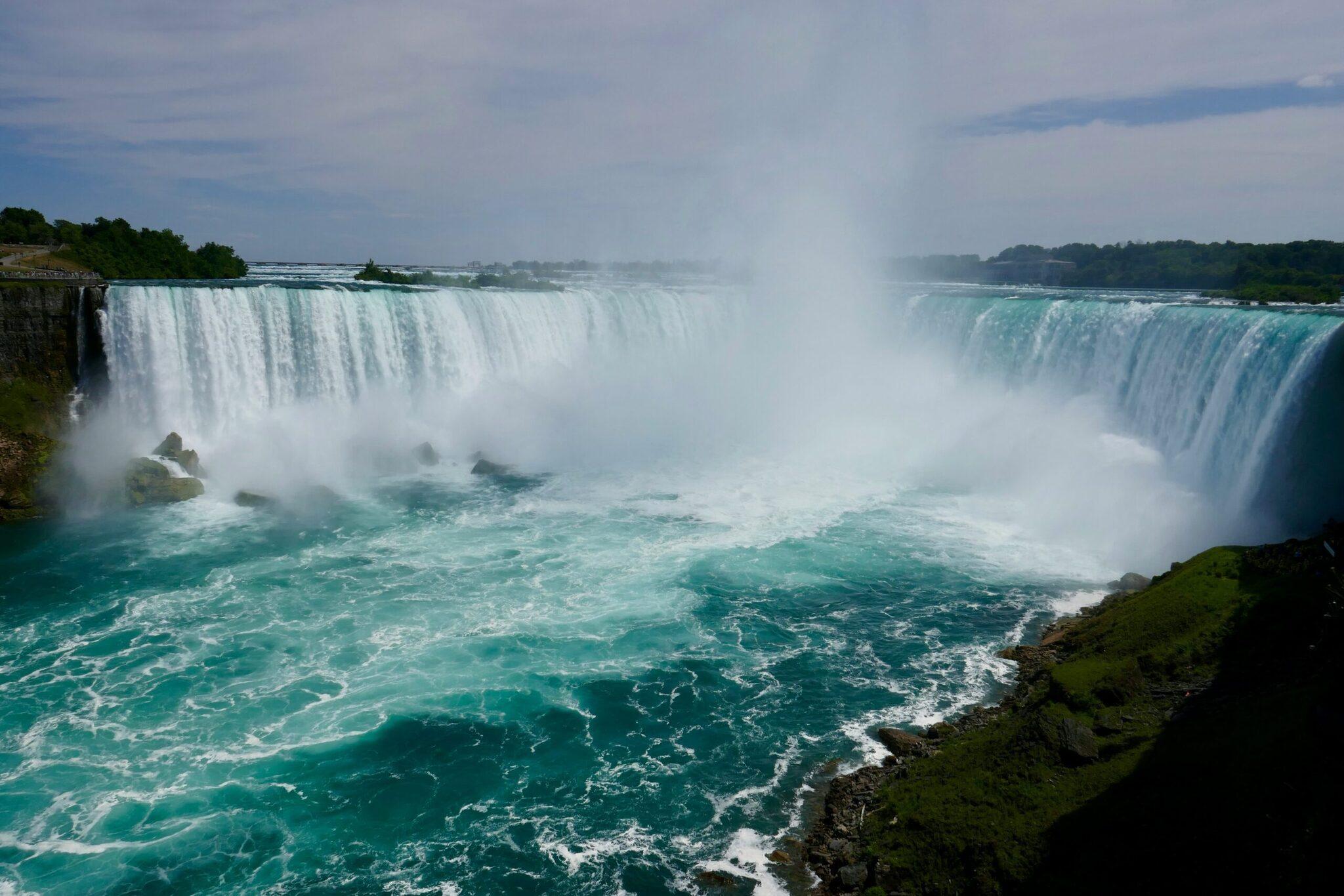
Straddling the border between Canada and the United States, Niagara Falls is made up of three distinct cascades: Horseshoe Falls on the Canadian side, and American Falls and Bridal Veil Falls on the American side. Ranked among the most powerful waterfalls in North America, they draw millions of visitors every year. The most breathtaking overall view is from the Canadian shore, particularly from the Table Rock Center facing the Horseshoe Falls, or aboard a boat cruise that takes you right to the foot of the falls.
On the American side, Niagara Falls State Park offers a quieter, more natural experience, with the islands and green spaces surrounding the cascades.
Other Destinations to Build Into Your Itinerary
San Francisco and the California Coast
The Golden Gate Bridge, Alcatraz, the steep streets of Nob Hill and a tapestry of distinct neighbourhoods make San Francisco one of the most distinctive cities on the continent. The Big Sur coastline to the south delivers spectacular cliffs along the Pacific Ocean. A road trip along the Pacific Coast Highway, between San Francisco and Los Angeles, is one of the most remarkable drives in the United States.
The Grand Canyon and the National Parks of the American West
The Grand Canyon in Arizona is one of the most awe-inspiring natural wonders on the planet: a gorge carved by the Colorado River over hundreds of kilometres, plunging to vertiginous depths. Bryce Canyon, Zion and Monument Valley complete a circuit through the West that alternates ochre colours, sandstone arches and boundless horizons.
For help planning your trip, our selection of the best American cities to visit will help you refine your route. And if you are still on the fence, our article United States: is it still worth going in 2026 addresses the questions travellers are asking right now.
Montreal and Quebec City: Francophone Canada
Montreal and Quebec City offer a genuine immersion into French-speaking North America. Quebec City, with its Chateau Frontenac, its fortifications and its distinctly European architecture; Montreal, with its International Jazz Festival, its markets and its thriving food scene: a cultural counterpoint that enriches any great North American journey.
FAQ
What is the best time to visit North America?
It depends on your destination. For New York, spring (April-May) and autumn (September-October) are the most pleasant seasons. For Banff, June to September is ideal for hiking. New Orleans is most comfortable from November to May, before the intense heat sets in. For Niagara Falls, summer (June-August) offers the best conditions. For the national parks of the American West (Grand Canyon, Bryce Canyon), spring and autumn help you avoid the peaks of heat and crowds.
Which site is absolutely unmissable for a first trip to North America?
New York is often the first choice: its accessibility, concentration of iconic landmarks and cultural diversity make it the ideal starting point. For a first encounter with North American wilderness, Banff National Park in the Canadian Rockies offers scenery without equal.
How long should you allow for a grand tour of North America?
Three weeks is enough to take in New York, the parks of the American West and a coastal city such as San Francisco or Los Angeles. Adding Banff, New Orleans and Niagara Falls requires at least four weeks, or separate trips spread over time. North America also lends itself perfectly to themed travel: a road trip through the West, a city circuit along the East Coast, or a deep dive into the Canadian wilderness.
Which side of Niagara Falls is better to visit?
The most complete panoramic view is found on the Canadian side, from the Table Rock Center facing the Horseshoe Falls. The American side, with Niagara Falls State Park, offers a quieter experience closer to nature. If your itinerary allows, visiting both sides in a single day is easily doable.
Do you need travel insurance for North America?
Yes, and it is especially important in the United States and Canada. A hospital stay in the United States without adequate cover can run to tens of thousands of dollars. Yupwego offers travel insurance with medical cover and repatriation, tailored to the North America zone, with no upfront payment required in the event of a medical emergency.