
Tokyo is best explored neighbourhood by neighbourhood: each has its own distinct character, sometimes just a few metro stops from the next. In three to five days, you can take in Asakusa’s historic backstreets, Shibuya’s iconic crossing, Harajuku, Akihabara and Ueno without ever feeling the pace drag. If you’re planning a wider trip to Japan, our guide to why Japan belongs on your travel list will give you the building blocks for your itinerary.
Asakusa and Senso-ji Temple: the historic soul of Tokyo
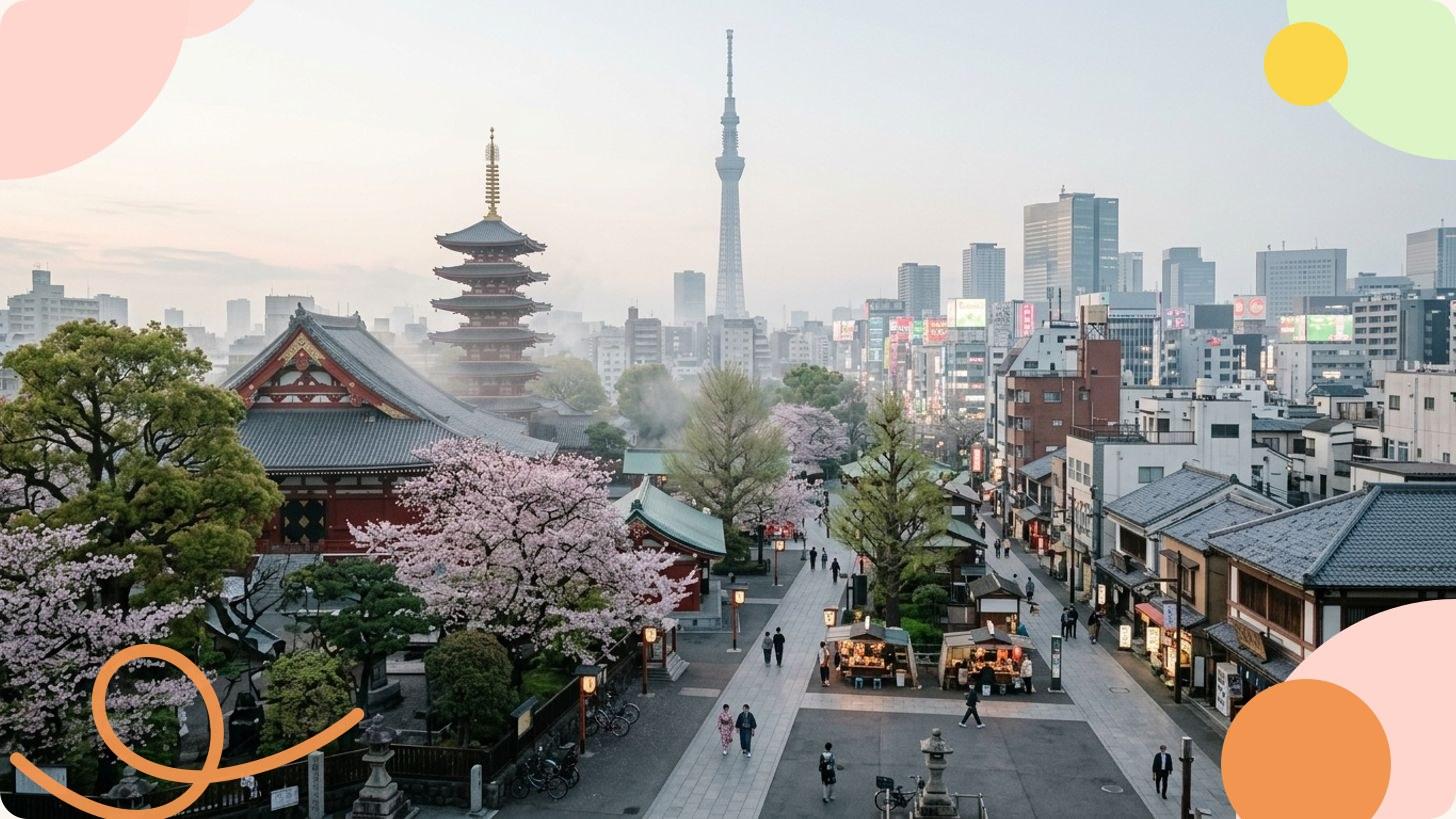
Senso-ji Temple, founded in the 7th century, is Tokyo’s oldest place of worship. The outer grounds are accessible 24 hours a day and admission is free. The main hall opens at 6am from April to September (6.30am for the rest of the year) and closes at 5pm.
Arrive early in the morning to find Nakamise-dori almost deserted: this covered shopping lane of around ninety stalls leads up to the temple, lined with painted fans, ningyo dolls and traditional sweets. In the evening, the site is illuminated until 11pm and takes on a completely different atmosphere.
The Kaminarimon gate and its great red lantern mark the entrance to the complex. It’s also the best gateway into old Tokyo’s crafts and traditional architecture.
Shibuya: the most filmed crossing in the world
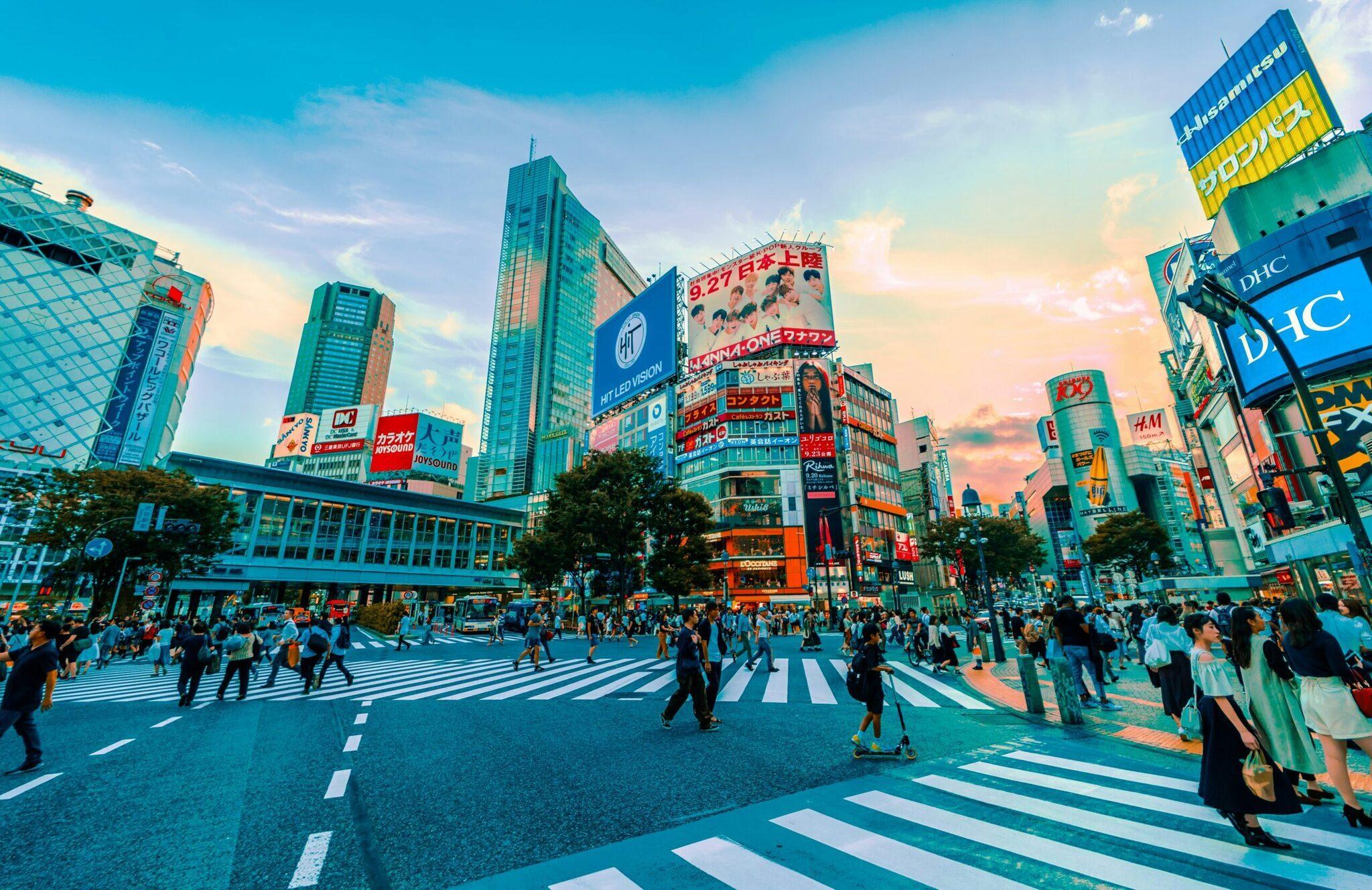
Shibuya Crossing is one of the busiest pedestrian intersections on the planet: thousands of people cross simultaneously when the lights turn green. The best vantage point is from above, looking down from the upper floors of the buildings that flank the junction.
The statue of Hachiko, the Akita dog famous for his loyalty, stands just outside the station exit and serves as a popular meeting point. Nearby, Shibuya 109 and the surrounding streets are the heartland of youth fashion; bars and clubs keep the neighbourhood buzzing until the early hours.
Ueno Park: museums, cherry blossoms and the zoo
Ueno Park is home to the Tokyo National Museum (Japan’s largest), the National Museum of Nature and Science and Ueno Zoo, the oldest zoo in Japan. Depending on your interests, you could easily spend a full day here.
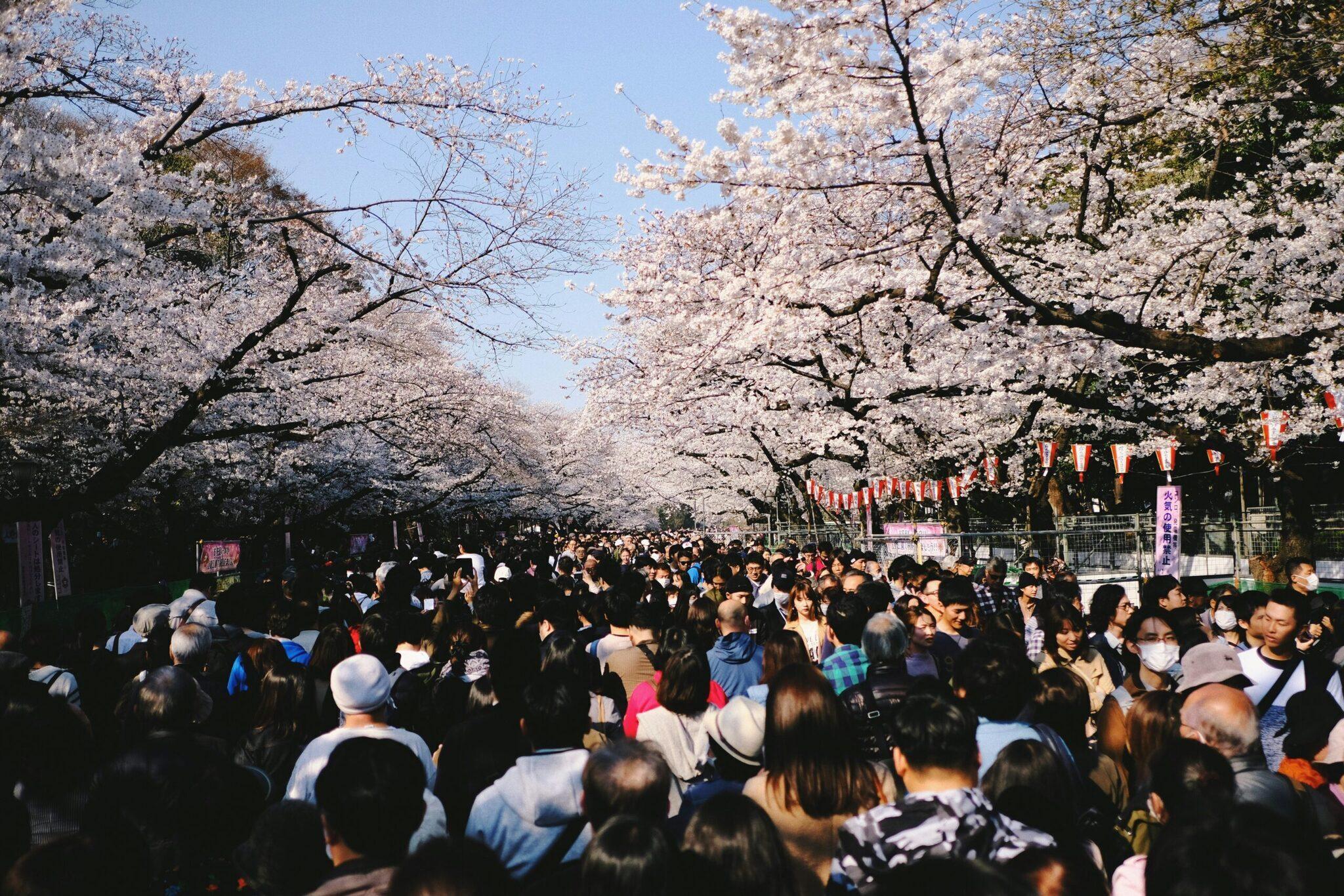
In spring, the park becomes one of the capital’s premier hanami destinations. Cherry blossom in Tokyo is generally expected around 21 March, reaching full bloom in the following week. The Ueno Sakura Matsuri festival draws thousands of visitors beneath the flowering avenues.
Another outstanding hanami spot: the banks of the Meguro River at Nakameguro, where 800 cherry trees form a pink tunnel illuminated by lanterns each evening.
Food and drink: what you’ll eat in Tokyo
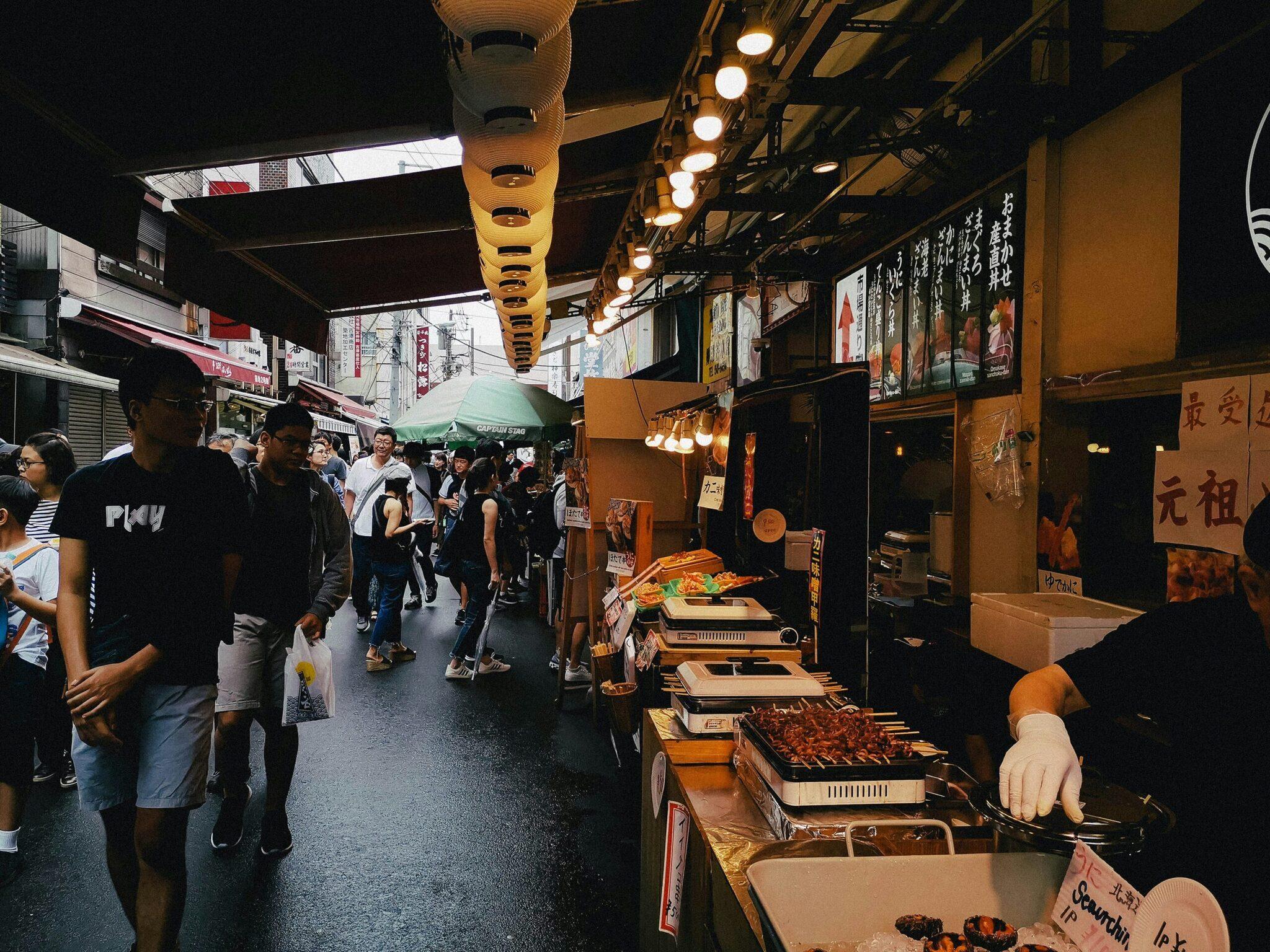
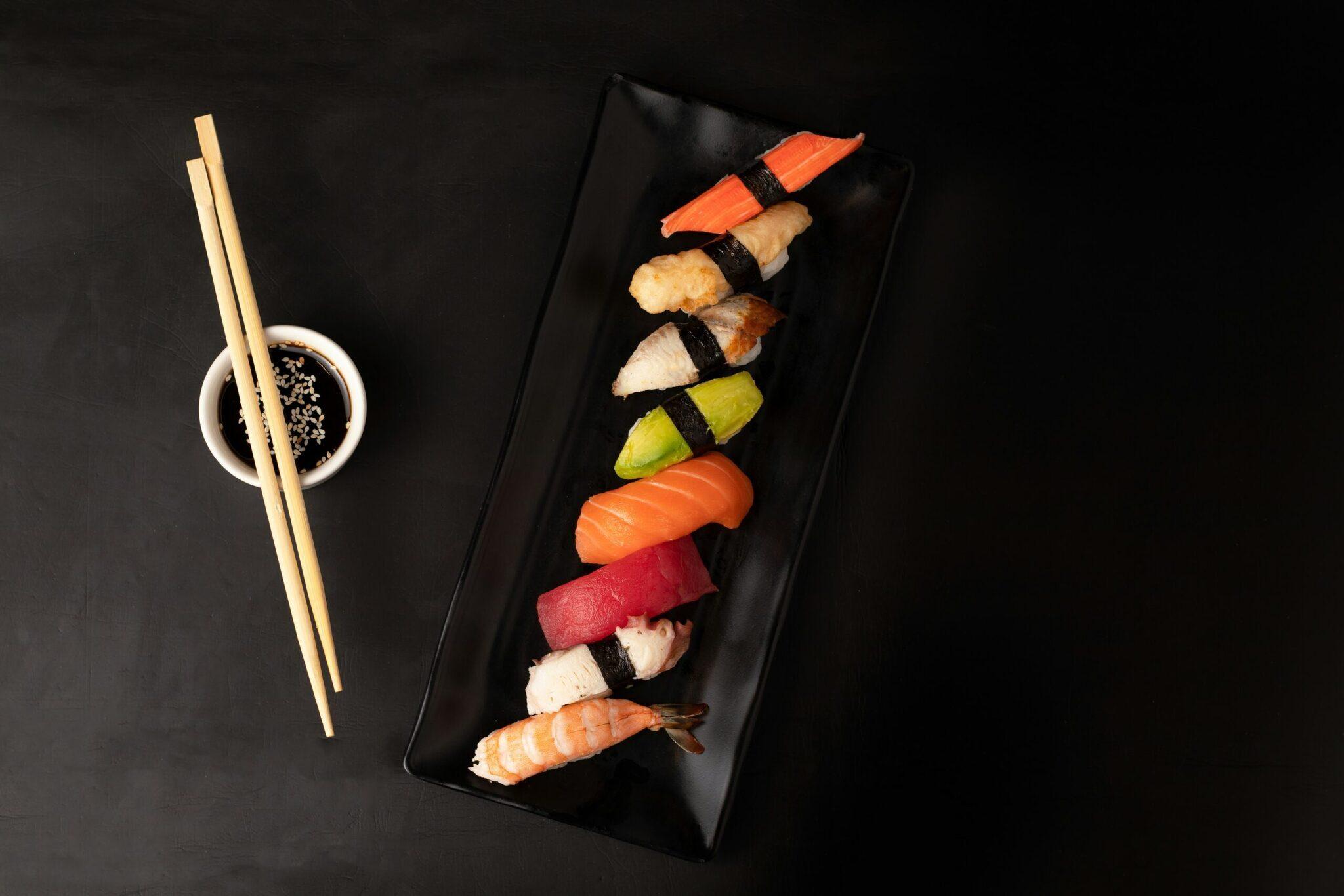
Tsukiji’s outer market remains busy despite the wholesale market’s move to Toyosu: stalls serve freshly rolled sushi, tamagoyaki and grilled seafood from early morning. Ameya-Yokocho Street, near Ueno, is another popular market for grazing on the go between stalls.
In the evening, an izakaya is the most convivial way to experience Japanese table culture: you order dish by dish, share everything, and wash it down with sake or Japanese beer. Ramen, yakitori and tempura round out the picture in neighbourhood restaurants that are often tiny and packed.
Tokyo after dark: Shinjuku and its glowing backstreets
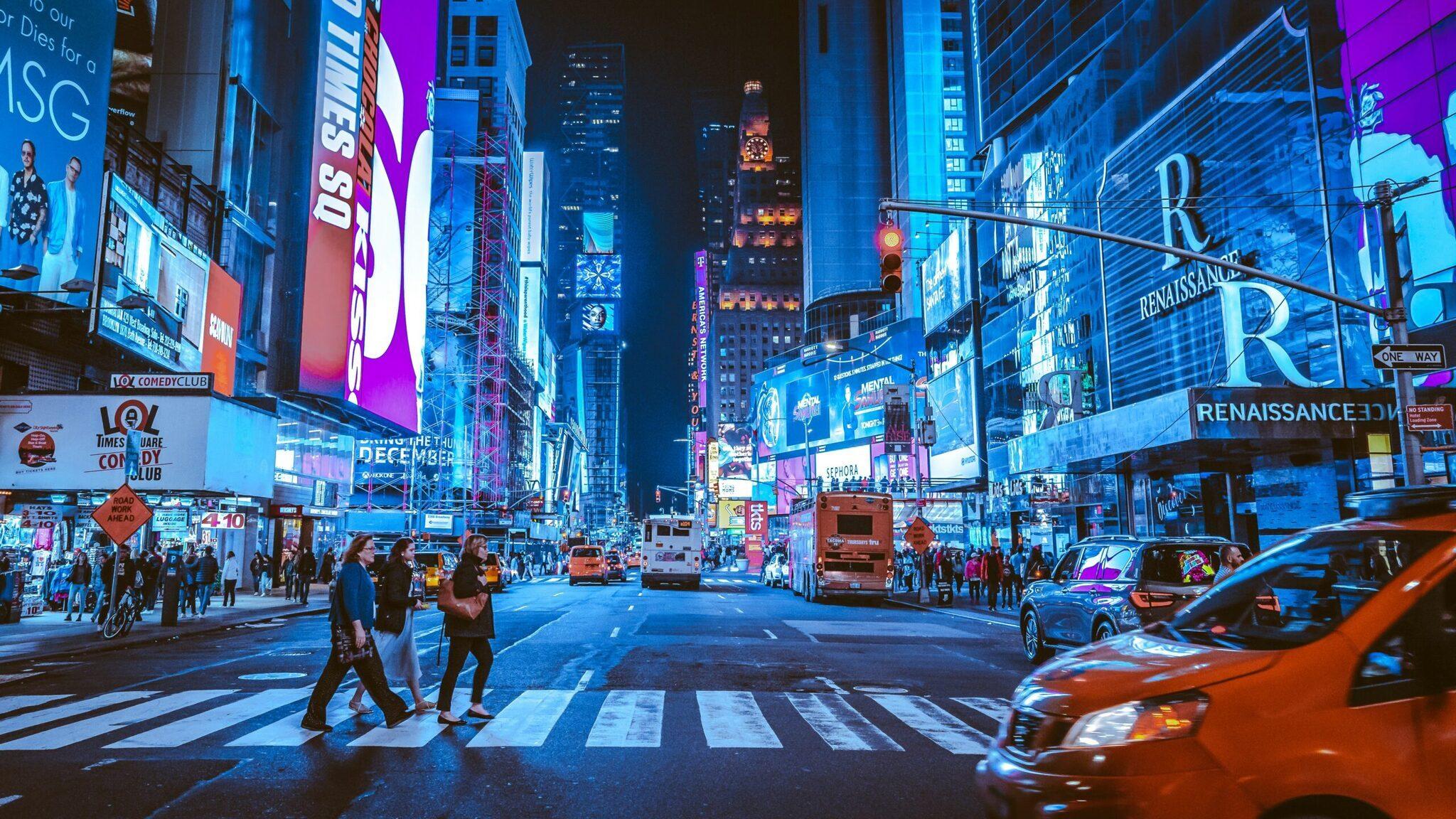
Shinjuku Kabukicho packs bars, restaurants, karaoke spots and arcade halls into just a few city blocks. The neon signs transform the neighbourhood into something straight out of a science-fiction film once the sun goes down. A short walk away, Golden Gai offers dozens of tiny themed bars, often run by a single bartender.
Omoide Yokocho (“Memory Lane”) is another iconic passage: a row of small yakitori restaurants dating from the 1950s, thick with smoke and a uniquely nostalgic atmosphere.
Tokyo Skytree: the city from 450 metres up
At 634 metres, Tokyo Skytree is Japan’s tallest tower. It has two observation decks: the Tembo Deck at 350m (adult ticket ¥2,100) and the Tembo Galleria at 450m (¥1,000 supplement), which offers views as far as Mount Fuji on a clear day. Winter mornings are renowned for the best visibility.
The tower also houses shops, restaurants and an aquarium. Book online: tickets purchased in advance let you skip the queue. Prices can be checked on the official site tokyo-skytree.jp.
The Imperial Palace and its gardens
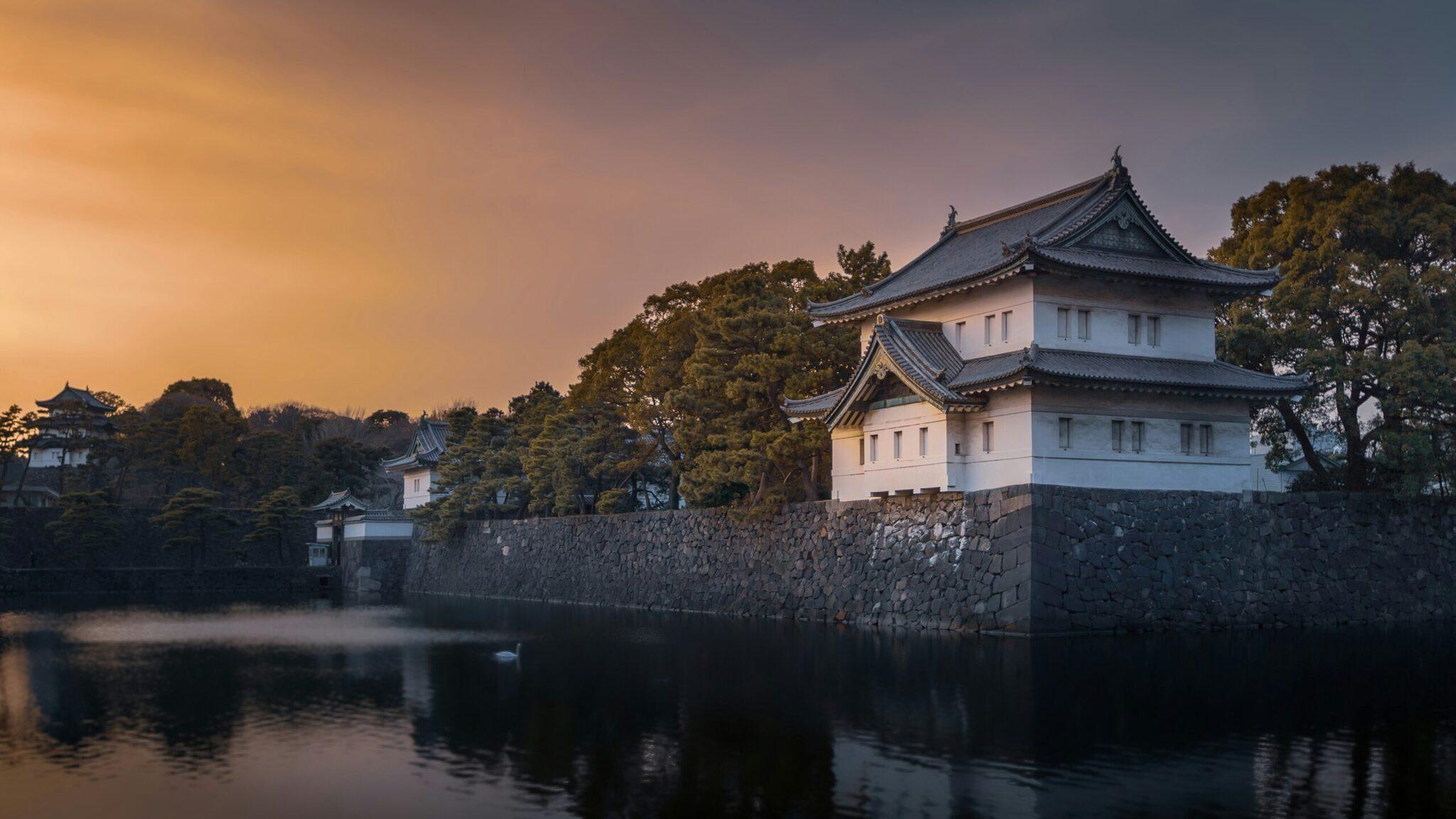
The Imperial Palace stands on the foundations of the former Edo Castle. Interior access is highly restricted, but the East Gardens (Higashi Gyoen) are free and open on most days.
The Chidorigafuchi path, along the northern bank of the moat, forms a 700-metre cherry blossom tunnel in spring: one of the most photographed springtime vistas in the city.
Harajuku and Omotesando: eccentric fashion and elegant avenues
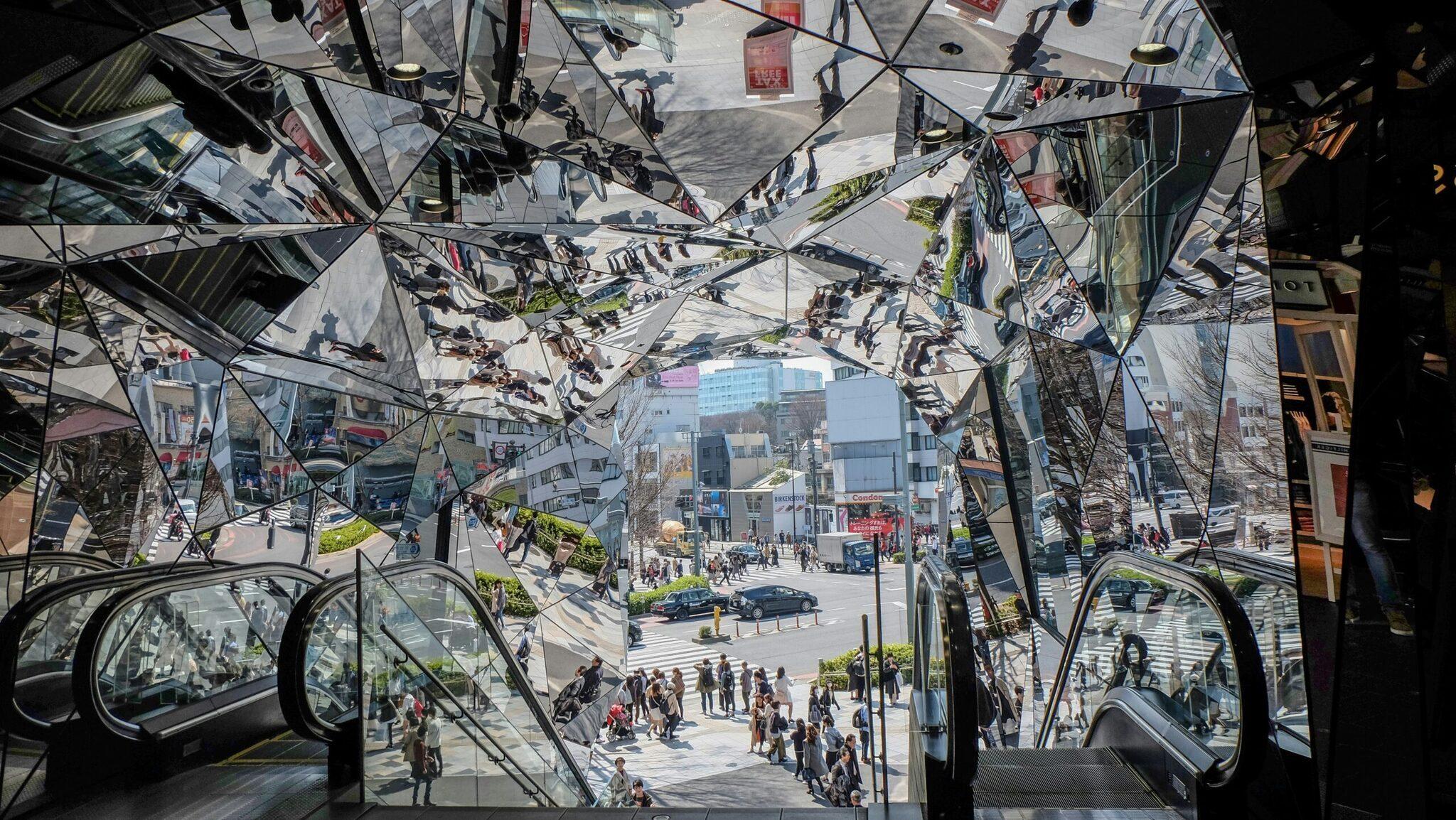
Takeshita-dori is Tokyo’s street for young, eccentric fashion: Japanese crêpes, vintage shops and quirky accessories follow one after another along a few hundred metres. The atmosphere changes completely on Omotesando, a broad avenue lined with architect-designed flagship stores and art galleries. Omotesando Hills is worth a visit for its spiralling interior architecture.
Meiji Shrine: finding stillness in the heart of the city
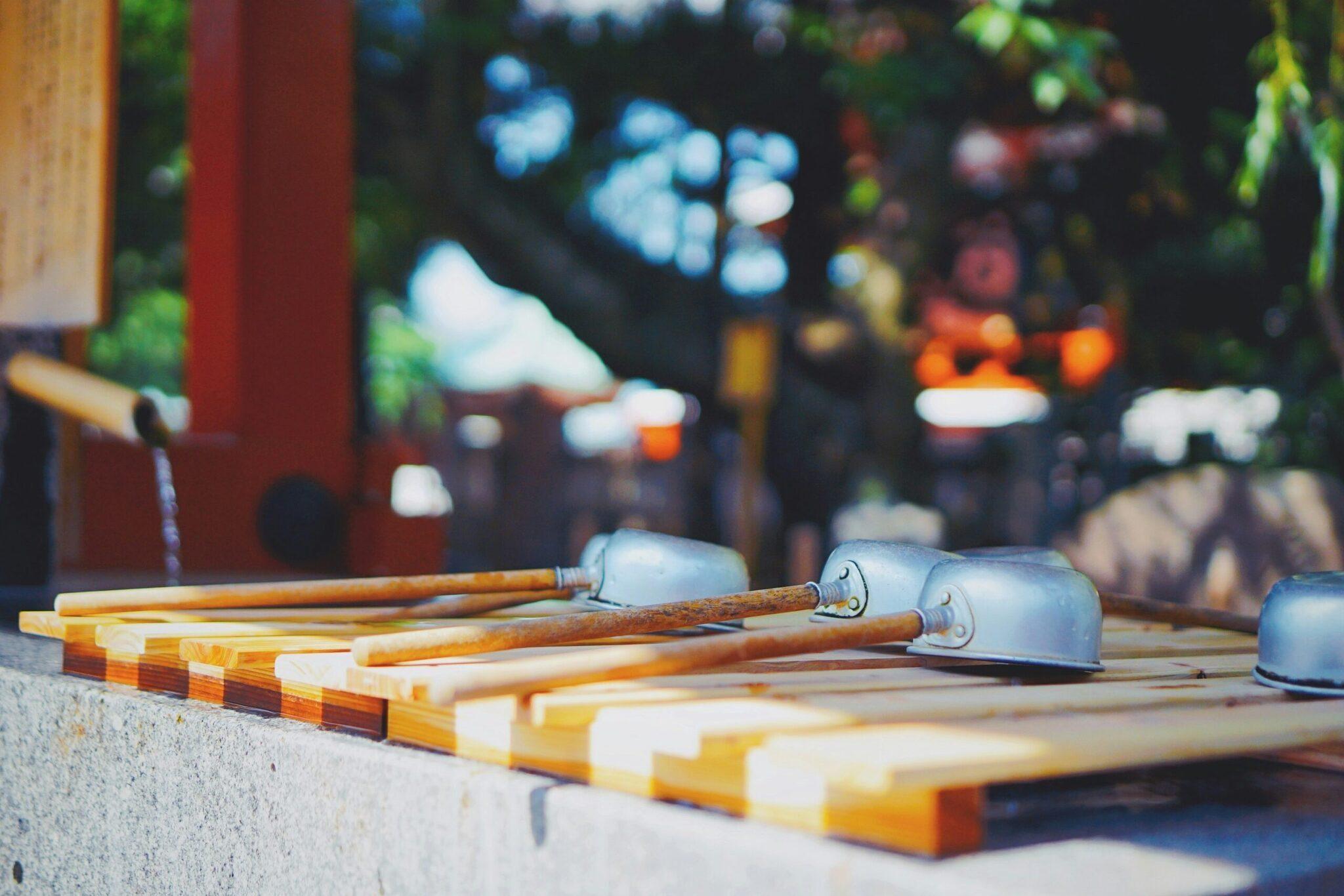
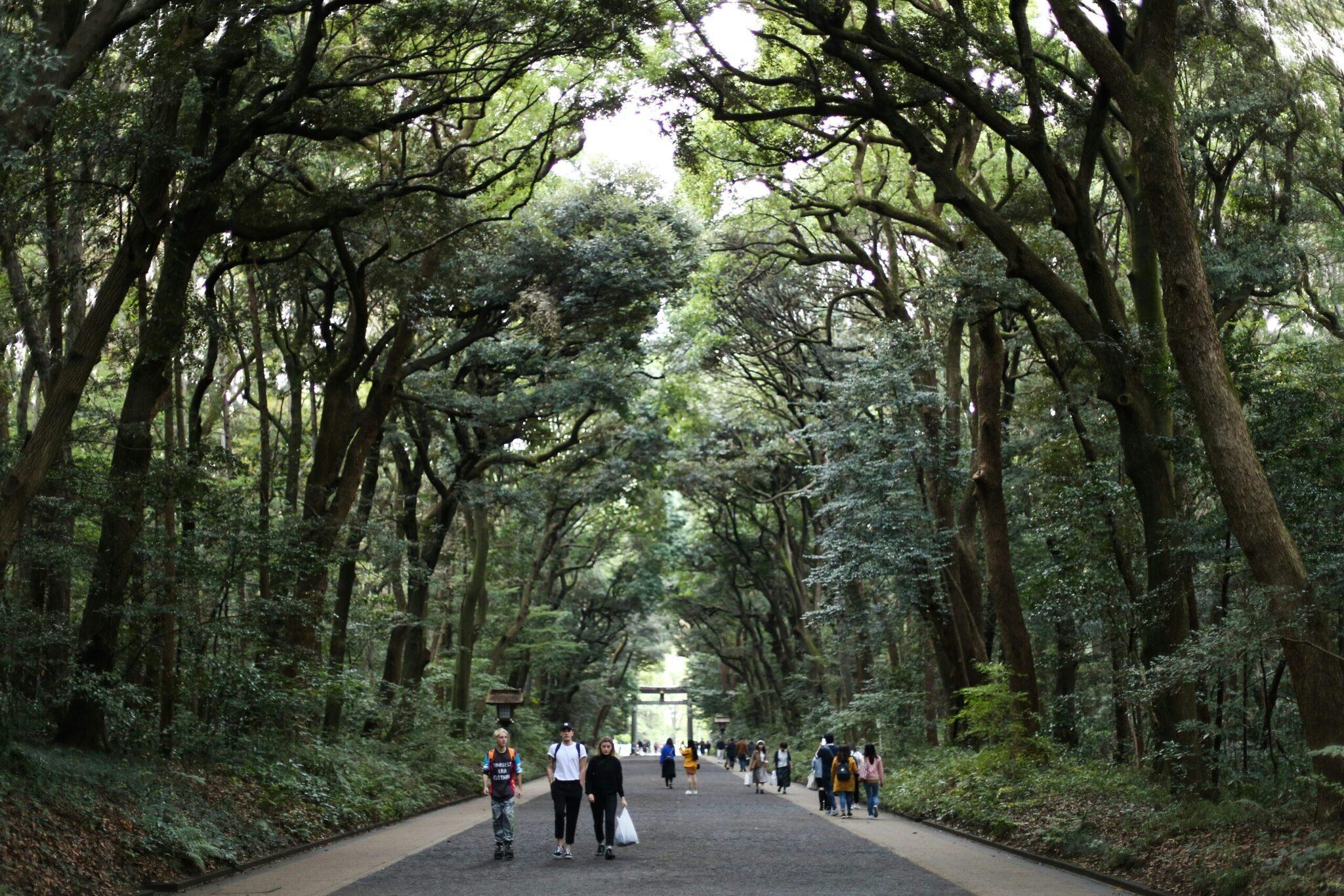
Meiji Shrine, dedicated to Emperor Meiji and Empress Shoken, is wrapped in a vast forest right in the heart of Harajuku. Once you step through the great wooden torii gate, the bustle of the neighbourhood falls away.
The shrine regularly hosts traditional Shinto weddings at weekends: if you happen to come across one, you’re welcome to watch from the paths in the calm of the surroundings.
Akihabara: manga, video games and electronics
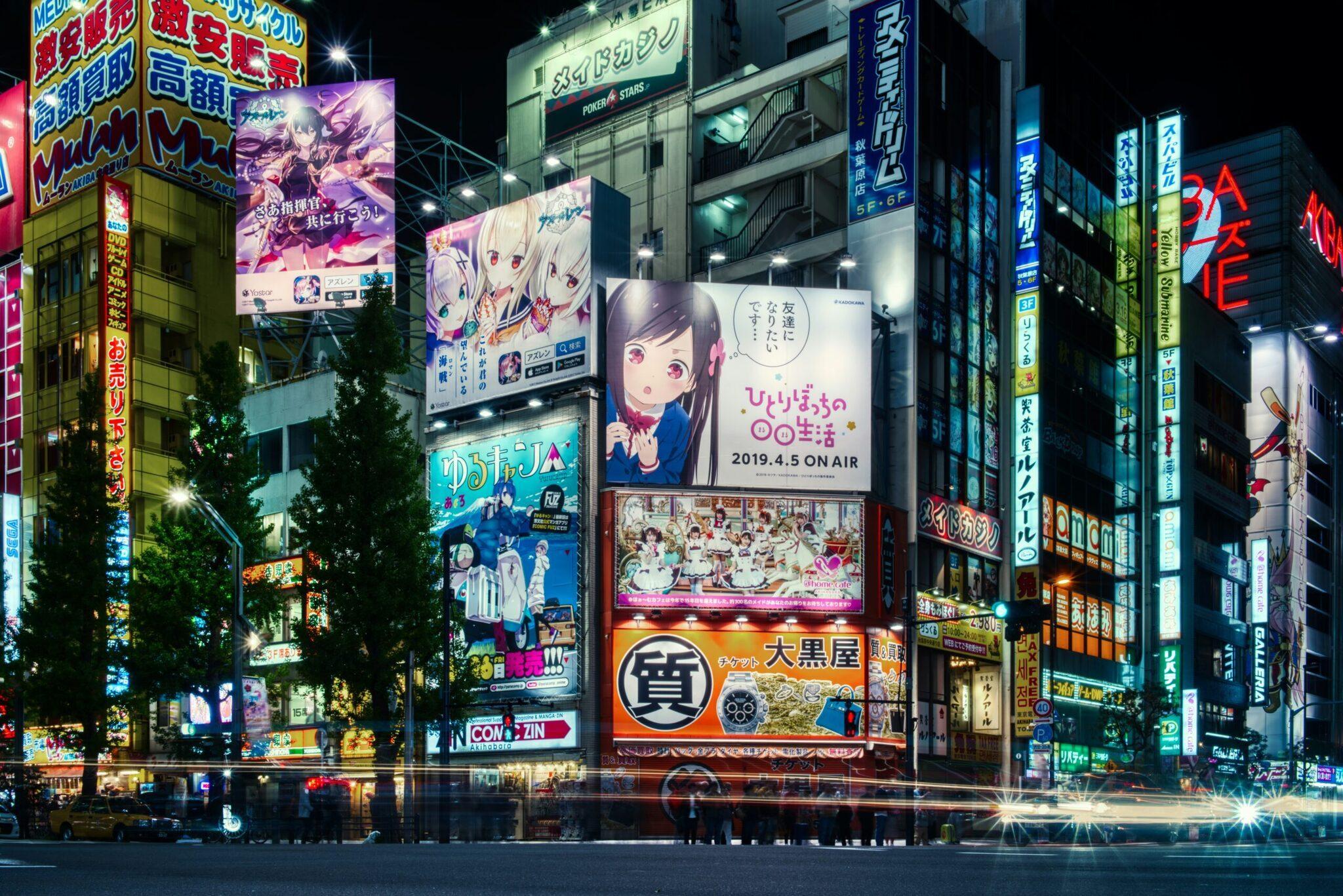
Akihabara is the home of otaku culture: manga, anime, video games, collectible figurines and consumer electronics share floor space across multiple storeys. Maid cafés, where staff in maid costumes welcome customers in a role-play setting, are one of the neighbourhood’s best-known quirks.
Specialist shops stock limited editions and retro gaming finds that are hard to come by elsewhere. Even without buying anything, a wander through the illuminated streets is well worth the trip.
When to visit Tokyo
Two seasons stand out:
- Spring (late March to early April): this is hanami season. Blossom is expected around 21 March in Tokyo, reaching full bloom in the days that follow. It’s the most festive time of year, and the busiest.
- Autumn (November): red foliage (koyo), mild temperatures and fewer crowds make this a serious alternative.
Summer (July to August) is hot and humid; winter (December to February) is cold but dry, with temples that are often far less crowded.
To plan a wider trip, explore 20 essential things to do in Japan or plan a stop in Kyoto, reachable by Shinkansen from Tokyo.
FAQ
How many days do you need to visit Tokyo?
Three days is enough to cover the main neighbourhoods (Asakusa, Shibuya, Harajuku, Akihabara). Five to seven days lets you explore Tokyo in depth and add in Meiji Shrine, the Imperial Palace and Tokyo Skytree.
Is Senso-ji Temple free to enter?
Yes, admission is free. Only the omikuji (fortune slips drawn at random) cost 100 yen. The outer grounds are accessible around the clock; the site is illuminated until 11pm.
Which neighbourhood is best for staying in Tokyo?
Shinjuku and Shibuya are the most central and best connected. Asakusa suits those who prefer a more traditional atmosphere. As the metro network is very dense, where you stay has little bearing on your freedom to get around.
Can you visit Kyoto from Tokyo as a day trip?
Yes. The Shinkansen connects the two cities in under three hours. A day trip is perfectly feasible, though an overnight stay is preferable if you want to visit temples at opening time. See what to do in Kyoto to plan your stop.
When is cherry blossom season in Tokyo?
Blossom is generally expected around 21 March in Tokyo, reaching full bloom in the following week. The best spots: Ueno Park (Ueno Sakura Matsuri festival), the banks of the Meguro River at Nakameguro (800 cherry trees) and Chidorigafuchi (700m of cherry trees) near the Imperial Palace.