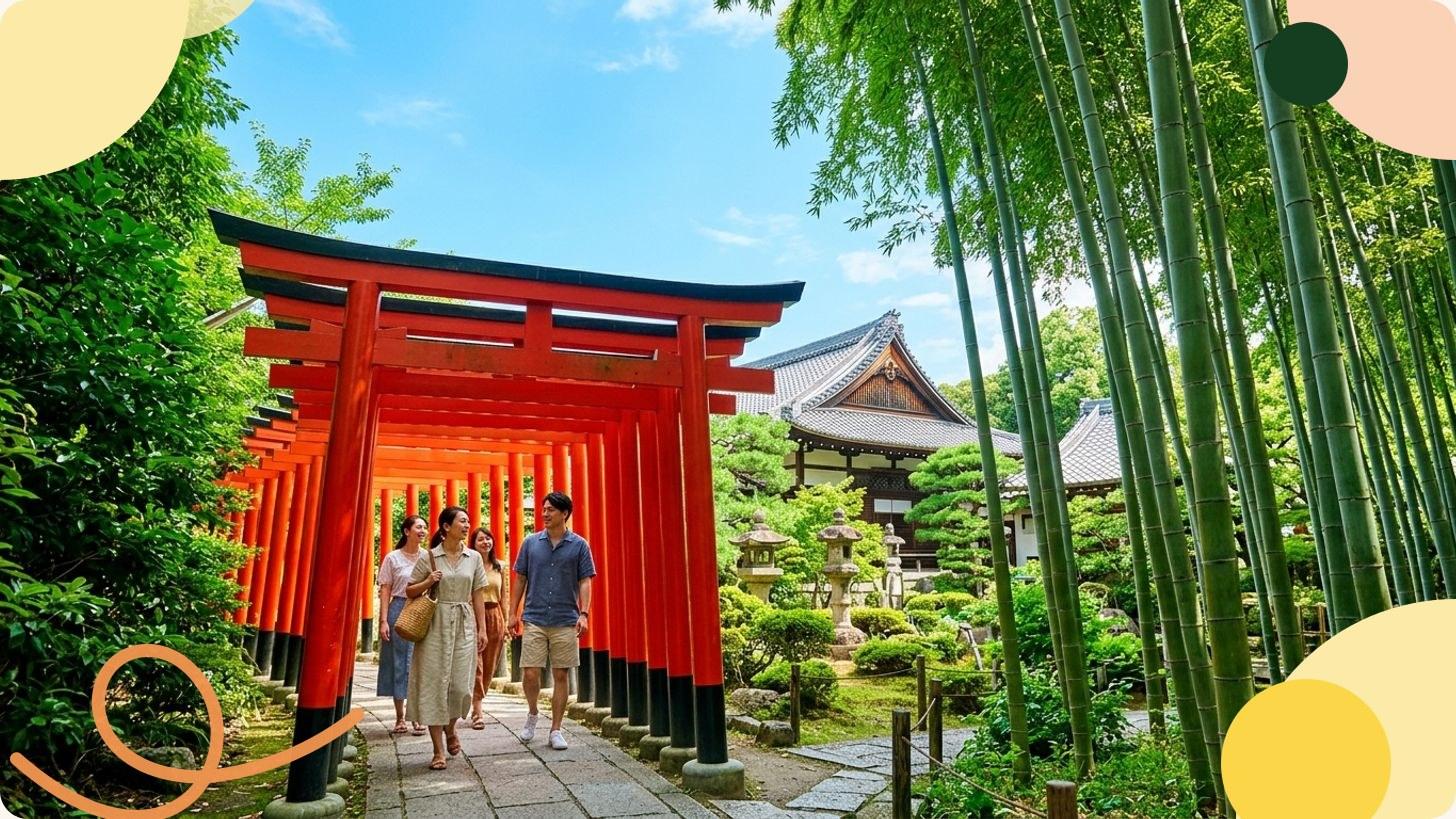

Kyoto distils everything Japan does best into a single city: golden temples, tunnels of vermilion torii gates, gardens where silence is a practice, and lanes where time seems to stand still. To take it all in properly, plan on at least four days and structure each day around a geographic zone (east, south, north-west and west) to avoid unnecessary back-and-forth.
Protect my trip to JapanKinkaku-ji: the Golden Pavilion across every season
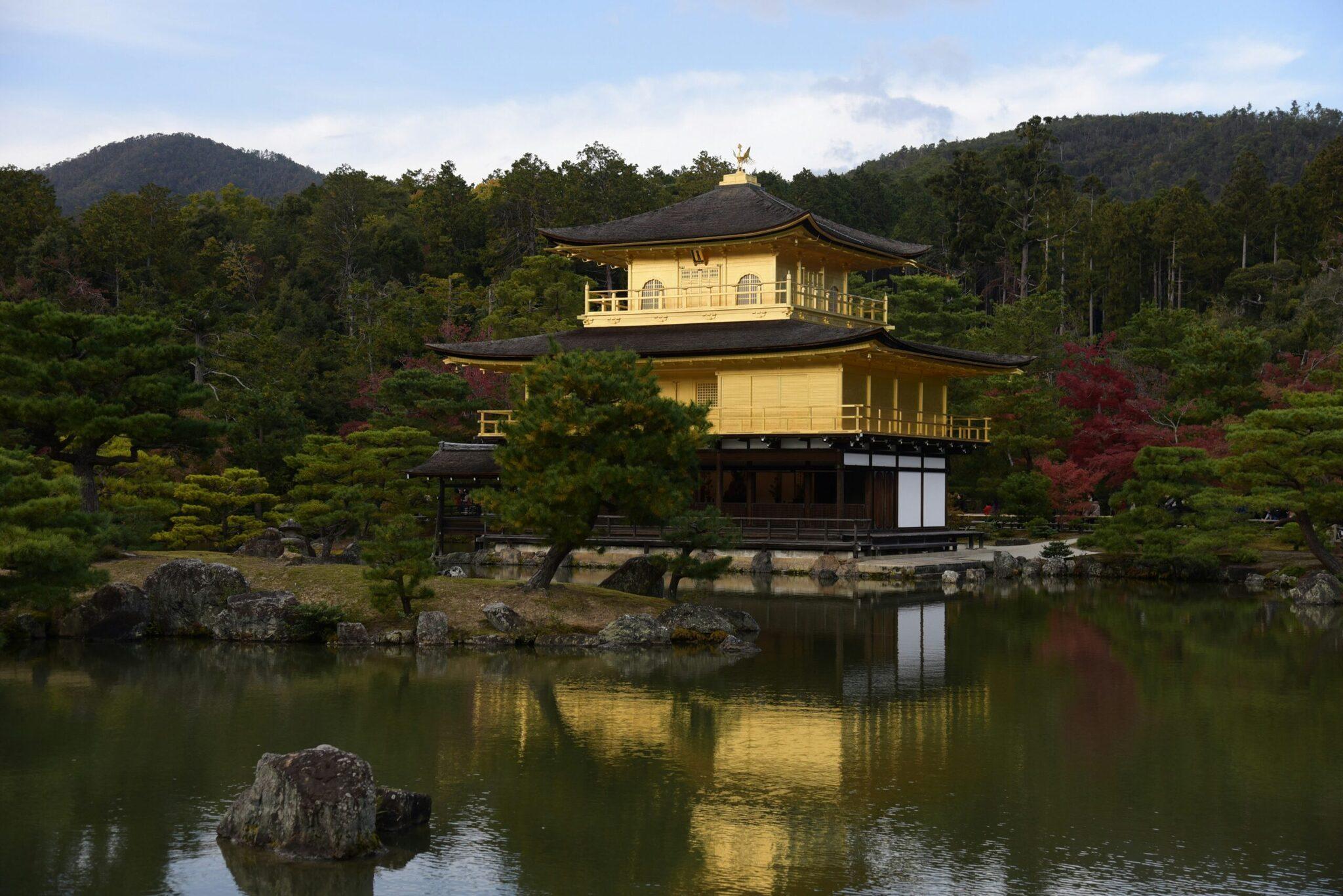
Kinkaku-ji is arguably Japan’s most photographed landmark. This three-storey Zen pavilion, its top two floors clad in gold leaf, mirrors itself in Kyōkochi Pond in all weathers. Built in the late 14th century as a retirement villa for Shogun Ashikaga Yoshimitsu, it burned down in 1950 and was rebuilt to the original design five years later. The surrounding landscape garden shifts with every season: ethereal under snow, radiant against cherry blossoms in spring, ablaze alongside the maples in autumn.
Arrive at opening time (usually 9 am) to catch the reflection on the pond before the tour groups descend.
Gion: getting lost in the geisha district after dark
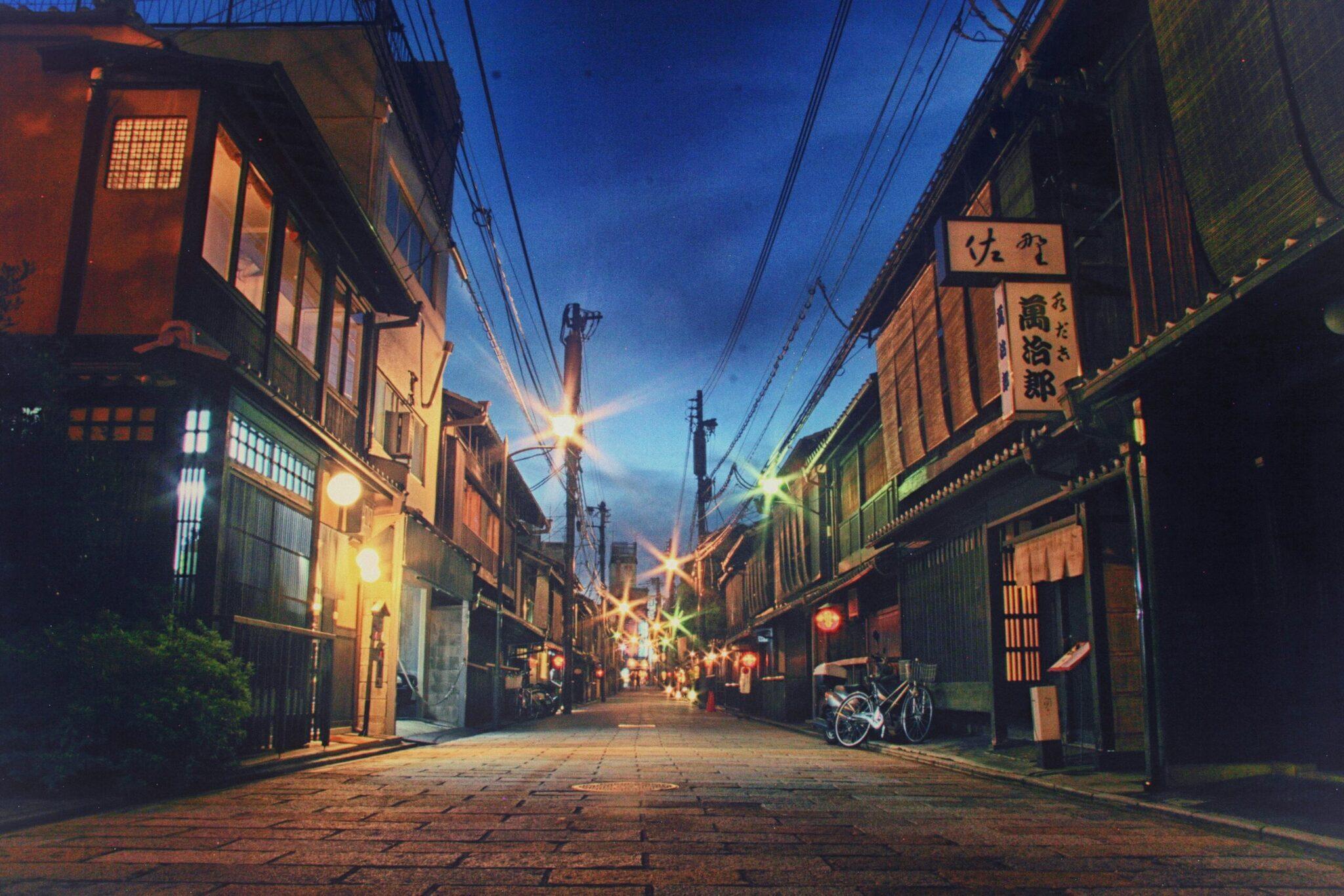
Gion is the neighbourhood that shaped Kyoto’s image around the world: machiya townhouses with latticed wooden facades, cobbled lanes, oil lanterns. In the early evening, between 5 pm and 7 pm, it is still possible to spot geiko (geishas) or maiko (apprentices) making their way to engagements. Hanamikoji-dori remains the best-preserved street in the district. The Minamiza theatre, the oldest kabuki venue in Japan, sits here too.
A kaiseki dinner at a traditional Gion restaurant rounds off the evening perfectly: this multi-course style of dining, native to Kyoto, captures the city’s refined aesthetic better than almost anything else.
Fushimi Inari-taisha: walking through thousands of vermilion torii
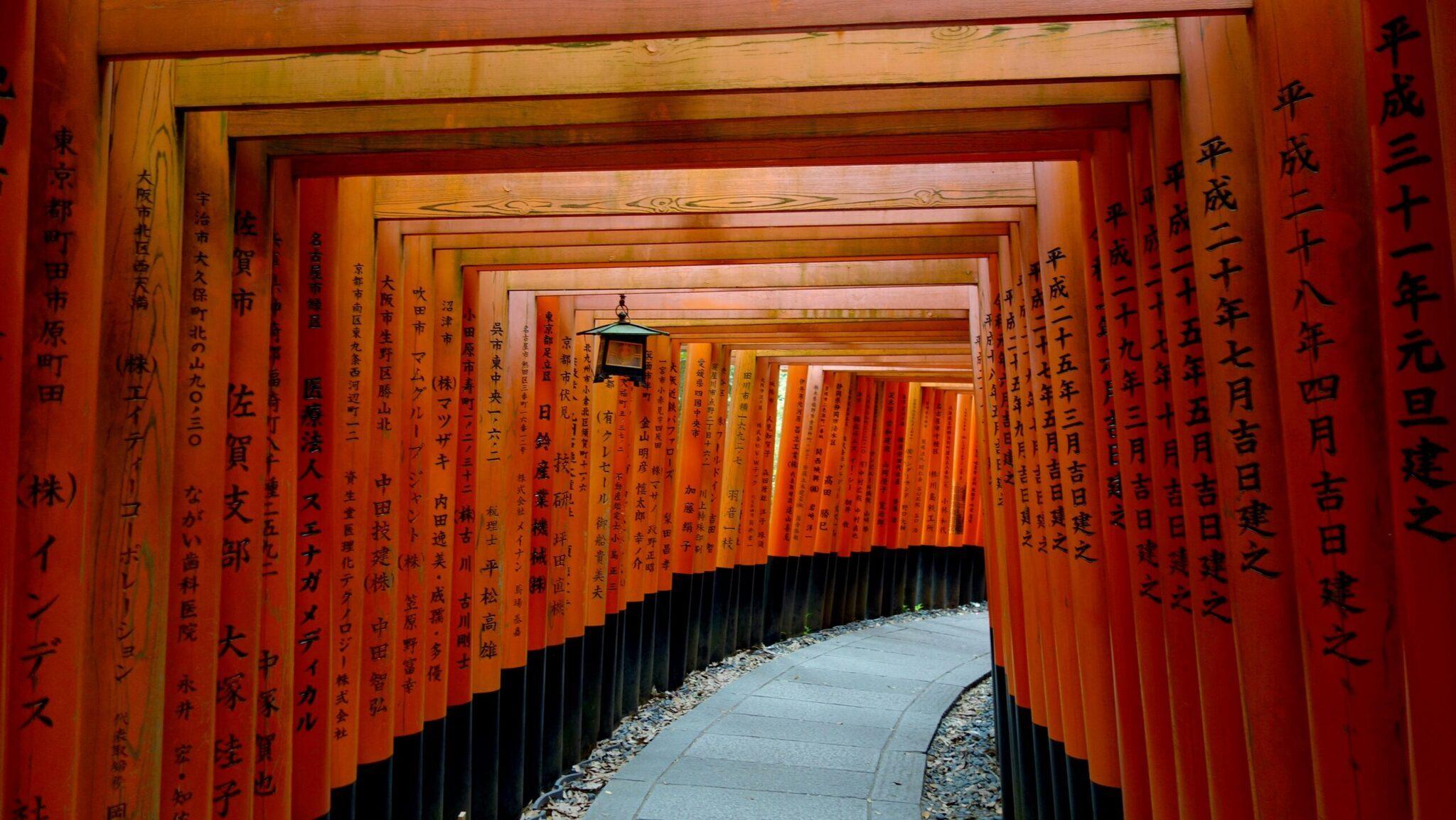
Fushimi Inari-taisha is one of the most spectacular Shinto shrines in Japan. Thousands of vermilion torii gates, donated by individuals and businesses over the centuries, form tunnels that wind their way up the four kilometres of Mount Inari. The shrine is dedicated to Inari, the deity of rice and prosperity, and is open at all hours with no admission fee.
The full climb to the summit (233 m) takes two to three hours return. Short on time? Head up to Yotsutsuji, the crossroads roughly halfway: the view over Kyoto is already impressive, and the crowds thin out noticeably from there.
Ryoan-ji garden: sitting with what you cannot quite grasp
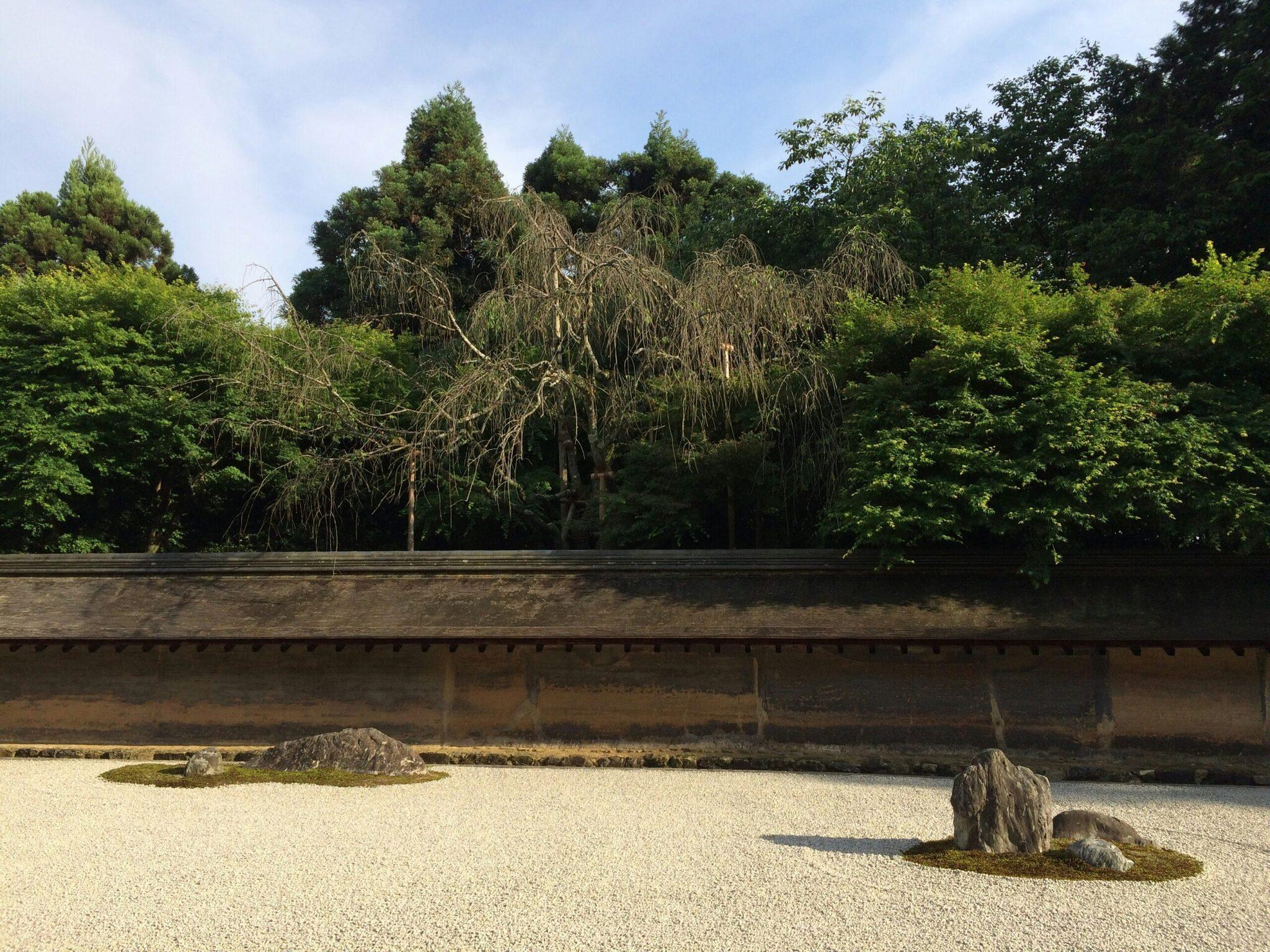
The dry stone garden (karesansui) at Ryoan-ji is among the most famous in the world. Fifteen rocks arranged on a sea of raked gravel, within a rectangle measuring 25 metres by 10: from no single vantage point can you see all of them at once. This feature, never officially explained, naturally draws attention inward and invites contemplation.
The temple also has a large tree-lined pond that many visitors hurry past on their way to the dry garden. Take the time to walk around it: it is one of the quietest strolls in the north-west district, and one of the least crowded.
The tea ceremony: slowing down in a different way
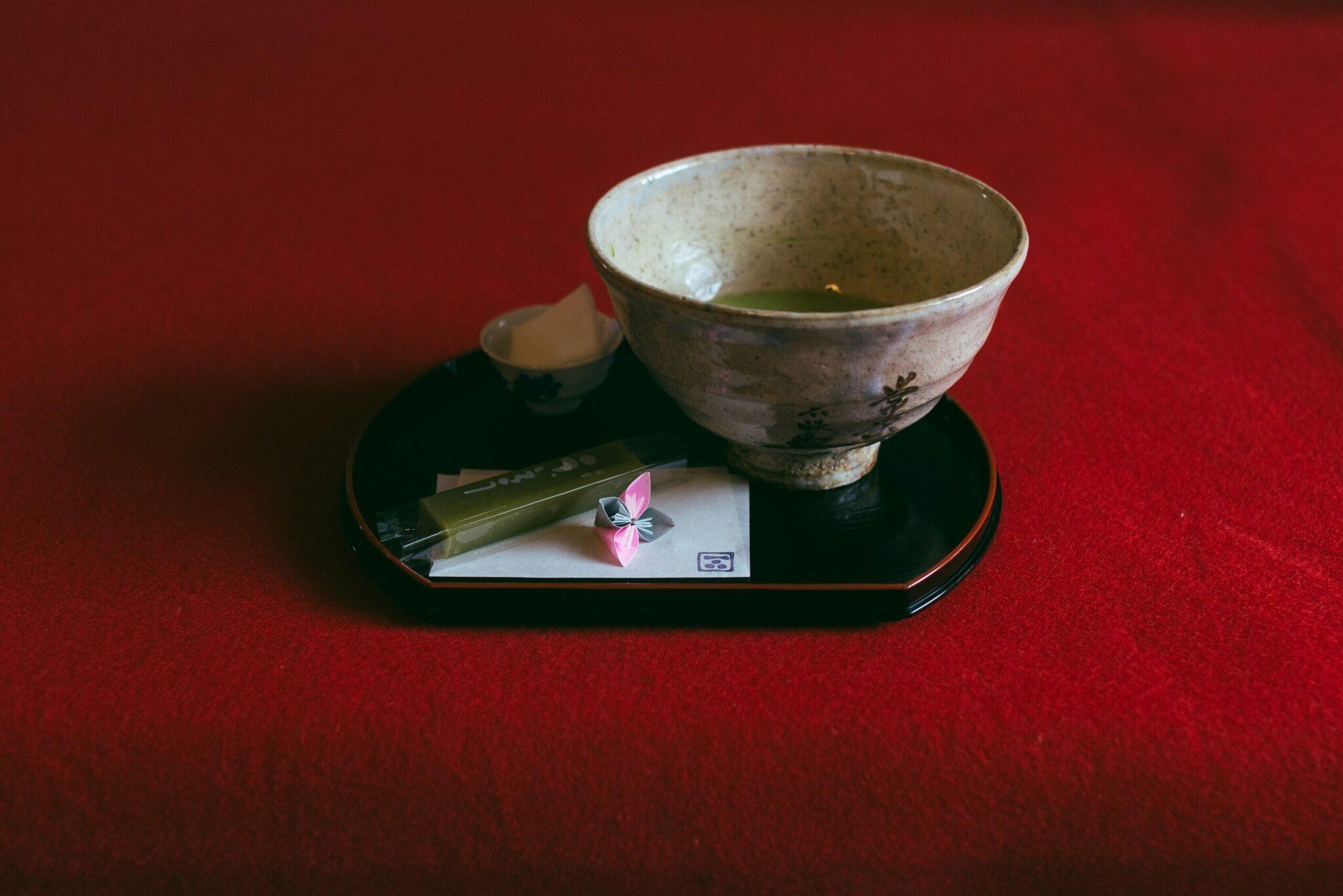
Kyoto is the heartland of the Japanese tea ceremony. Taking part in a session at a tearoom or temple means learning to notice every movement: how the bamboo whisk is held, the silence between gestures, the posture on the tatami. Hosts explain the symbolic meaning behind each utensil.
Sessions typically last between 45 minutes and an hour and a half. Teahouses connected to historic schools such as Urasenke or Omotesenke offer a particularly authentic setting. Booking online in advance is recommended, especially during peak season.
Arashiyama: bamboo, a UNESCO temple and mountain monkeys
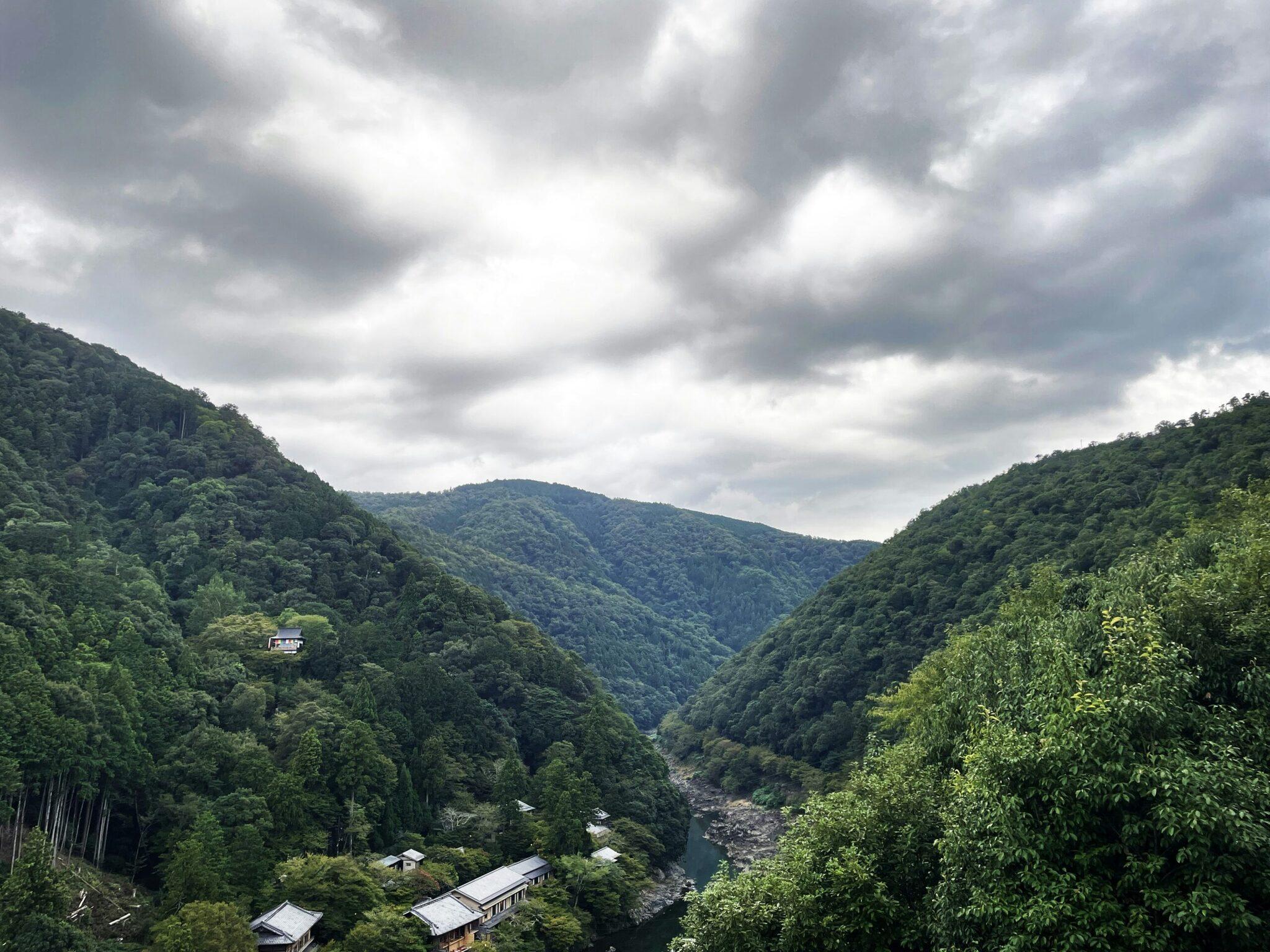
On Kyoto’s western edge, Arashiyama packs several worthwhile sites into half a day. The Sagano Bamboo Grove takes only a few minutes to walk through: the stalks, more than ten metres tall, filter the light and create a distinctive ambient sound that photographs simply cannot convey. Nearby, Tenryu-ji, a UNESCO World Heritage Zen temple, has an elegant garden with a central pond and views over the wooded hills.
The Togetsukyo Bridge over the Ōi River frames the valley, which is particularly beautiful in autumn. Further along the bank, the Iwatayama Monkey Park (paid entry, a 20-minute uphill walk) lets you watch Japanese macaques roaming freely from a dedicated viewing area.
Nishiki and the surrounding lanes: eating your way through Kyoto
Known as “Kyoto’s Kitchen,” Nishiki Market stretches for 400 metres through a covered lane in the city centre. Around a hundred stalls sell yuba (tofu skin), tsukemono (pickled vegetables), seafood skewers and wagashi (traditional sweets). It is the most accessible spot to sample Kyoto cuisine without a reservation.
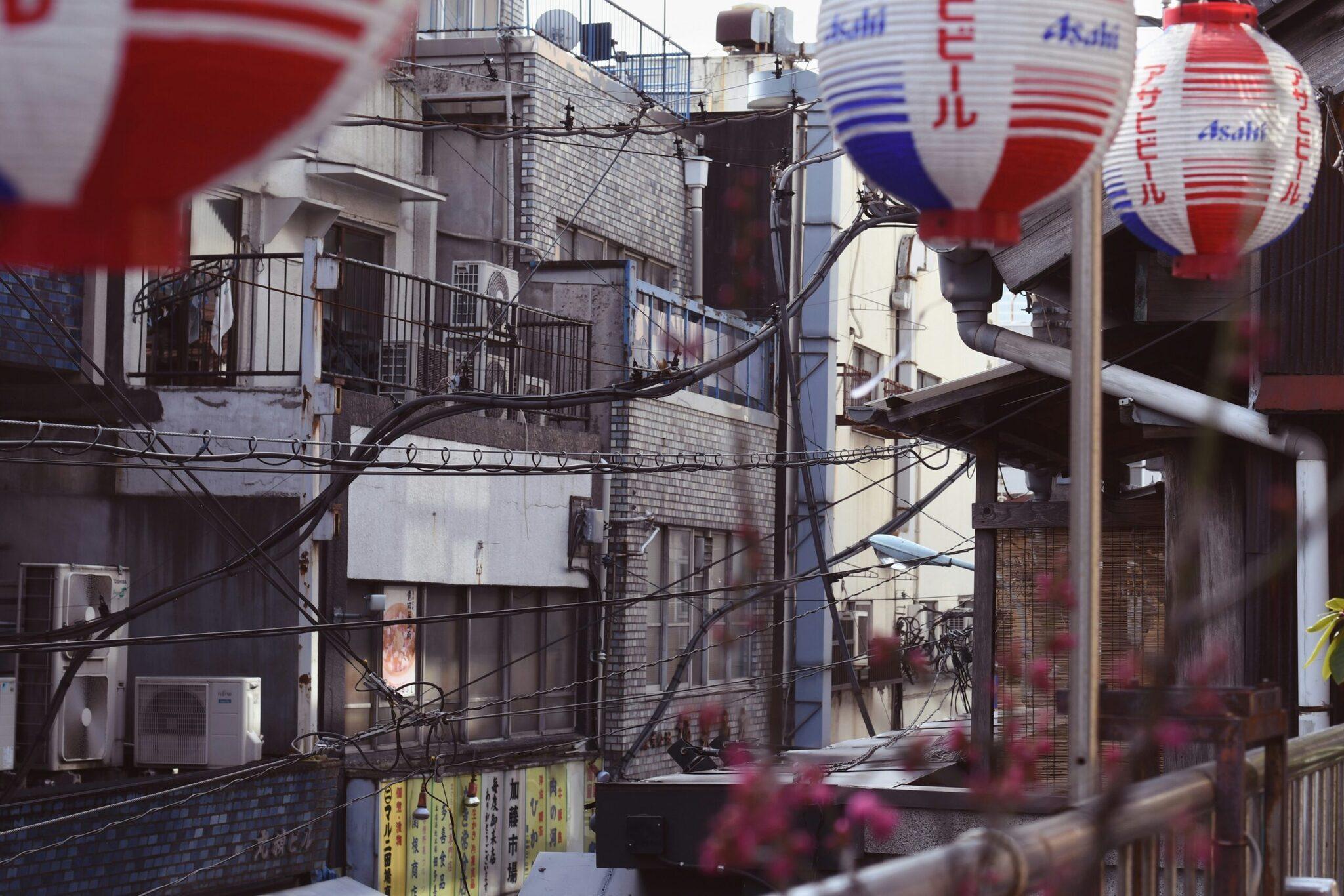
The surrounding streets, including the Pontocho district, have the intimate feel of narrow lanes that come alive in the evening: lanterns, izakayas and counter seats for just a handful of guests. An hour’s wander around this area gives a sense of everyday Kyoto life that the grand temples cannot.
More not-to-miss experiences
Kiyomizu-dera, perched above the maple forest
Clinging to the Higashiyama hillside, Kiyomizu-dera is one of Japan’s most visited Buddhist complexes. Its wooden stage, built without a single nail, juts out over a forest of maples and delivers a sweeping panoramic view of Kyoto. On the walk back down to the city, the cobbled lanes of Sannenzaka and Ninenzaka, lined with traditional shops, are worth an hour of unhurried wandering.
The Philosopher’s Path, between cherry trees and quiet temples
This two-kilometre footpath follows a canal through eastern Kyoto, running between Ginkaku-ji (the Silver Pavilion) and Nanzen-ji, past unassuming temples such as Honen-in. Lined with cherry trees in blossom in spring, it takes its name from philosopher Nishida Kitaro, who walked it every morning to think.
TeamLab Biovortex Kyoto, open since October 2025
Opened on 7 October 2025, TeamLab Biovortex is Japan’s largest digital art museum: four floors, more than 10,000 square metres and over fifty immersive interactive installations. It sits a ten-minute walk west of the south exit (Hachijo) of Kyoto Station. Open 9 am to 9 pm (last entry 7:30 pm), closed on certain Tuesdays. The place to head for anyone who wants to experience Kyoto from a thoroughly contemporary angle, without leaving the city.
When to go and how to plan your trip
The best times to visit
Mid-May, October and early December strike the best balance: pleasant temperatures and noticeably fewer visitors than during the cherry blossom season (late March to early April) or the red maple peak (mid-November). For those high-demand windows, book flights and accommodation several months ahead.
How many days do you need?
A minimum of four days to cover the essentials. A week gives you time to explore quieter neighbourhoods at a more relaxed pace and to make day trips to Nara or Osaka, both less than an hour from Kyoto.
Getting around without the bus pass
Since March 2024, the 700-yen day bus pass is no longer accepted on Kyoto’s public transport. In its place, the city offers the Subway & Bus One-Day Pass at 1,100 yen per adult, valid across all municipal metro and bus lines. A bicycle remains an efficient option for the eastern districts and for reaching Arashiyama.
To plan your wider Japan trip, our guide on things to do in Japan covers the country’s unmissable highlights. If you are combining Kyoto with the capital, things to do in Tokyo offers the same kind of practical overview. And if you are still deciding whether Japan is the right destination, why visit Japan sets out the real reasons to go.
FAQ
How long does it take to visit Kyoto?
A minimum of four days to cover the essential sites without feeling rushed. A week allows you to explore quieter neighbourhoods too and to make day trips to Nara or Osaka.
Do you need to book tickets in advance for Kyoto’s temples?
Most temples and shrines require no reservation. Kinkaku-ji, Fushimi Inari and Arashiyama are all accessible without advance tickets. For a tea ceremony at a well-regarded tearoom, online booking is recommended, especially in high season.
How do you get around Kyoto in 2025-2026?
The day bus pass was discontinued in March 2024. The best option is the Subway & Bus One-Day Pass (1,100 yen per adult), valid on all municipal metro and bus lines. A bicycle works well for the eastern districts and for reaching Arashiyama.
When is the best time to visit Kyoto with fewer crowds?
Mid-May, October and early December offer the best conditions: good weather and lighter visitor numbers than during the cherry blossom season (late March to early April) or the autumn foliage peak (mid-November).
Can you visit Kyoto as a day trip from Tokyo?
Technically possible (roughly 2 hours 15 minutes by Shinkansen), but it severely limits the experience. Staying at least one night, ideally in a traditional ryokan, transforms the feel of the city entirely and lets you enjoy Gion in the evening or reach Fushimi Inari at dawn.
What is there to do in Kyoto in the evening?
Gion comes alive with lantern light after dark and remains the best district for an evening stroll. Nishiki Market generally closes in the late afternoon. TeamLab Biovortex Kyoto is open until 9 pm (last entry 7:30 pm): a solid option for evenings, whatever the weather.