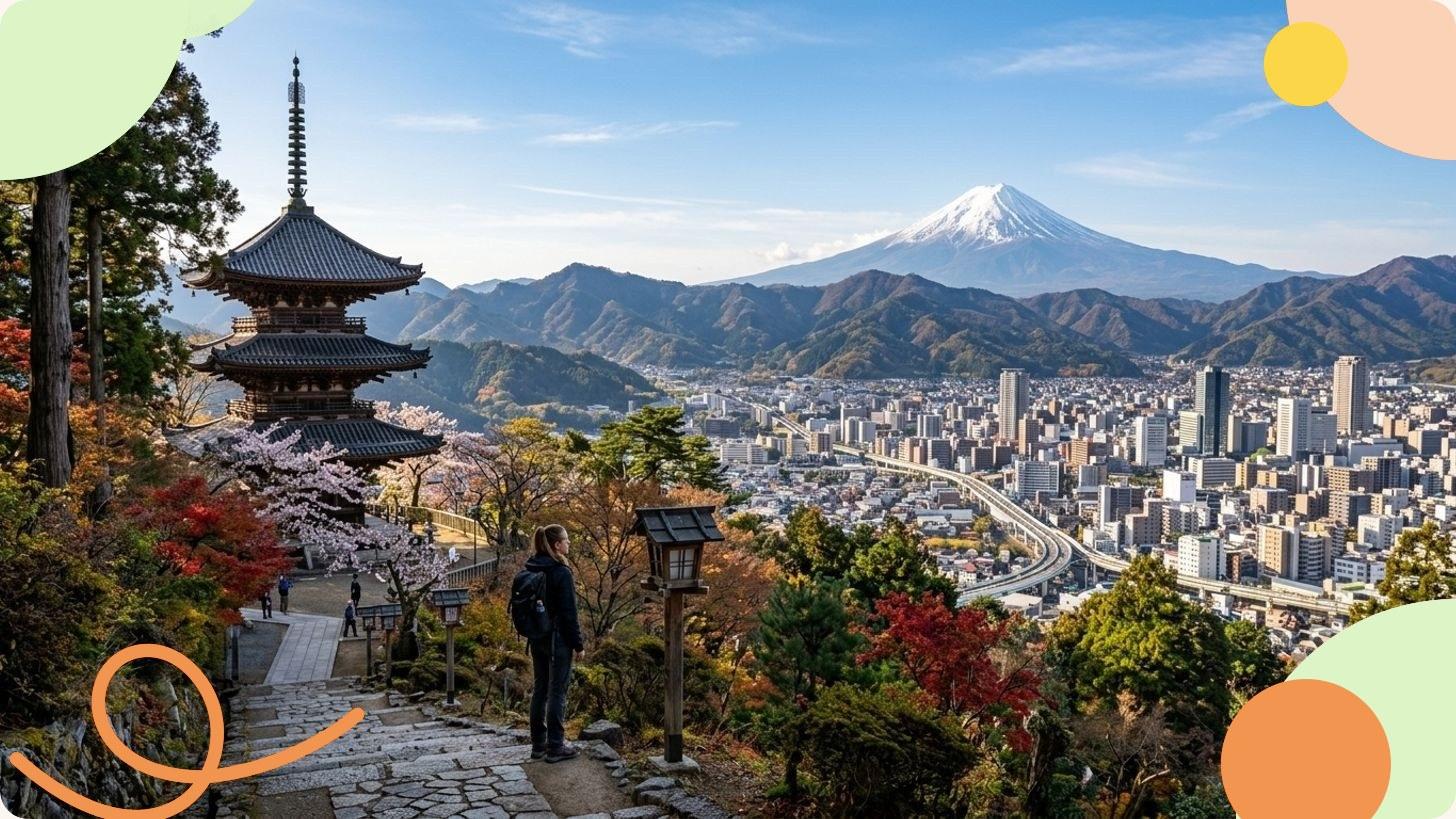

Japan delivers in a single trip what few countries can offer together: futuristic cities, centuries-old temples, extraordinary food at every turn and a landscape that reinvents itself with the seasons. Whether this is your first major trip to Asia or a return visit, the sense of discovery runs deep and lasts long.
To go straight to what you can see and do, browse our selection of the 20 must-sees of Japan.
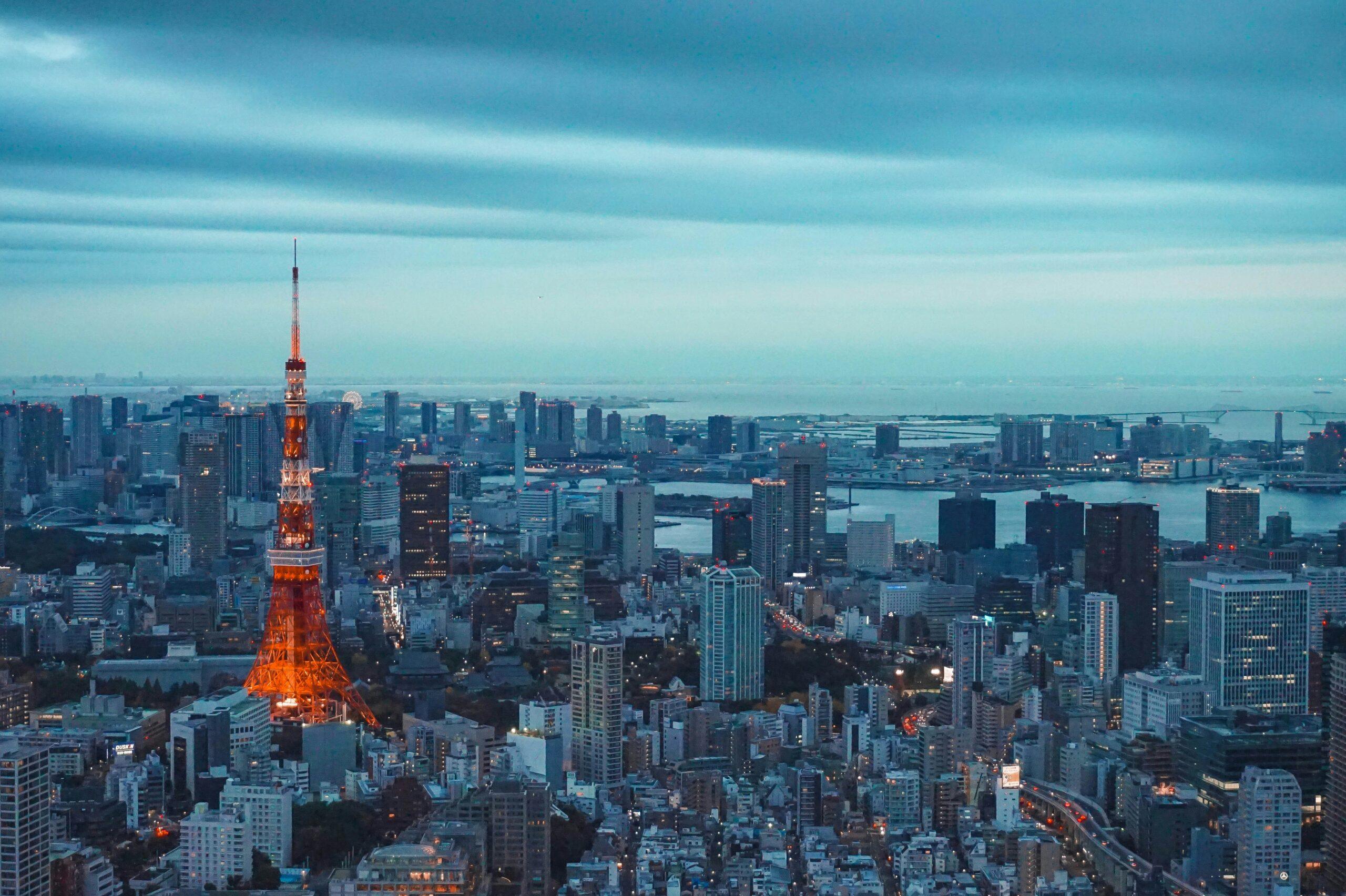
Tokyo: The Energy of a Megalopolis Unlike Any Other
Tokyo defies easy labels. The city is vast and relentlessly alive, yet runs with remarkable precision. In the space of a few hours you can drift from the neon blur of Shibuya to the temple grounds of Asakusa, then on to the hushed gardens of the Imperial Palace. Each neighbourhood has its own character: Harajuku for flamboyant street fashion, Yanaka for timeworn alleyways, Akihabara for pop-culture enthusiasts.
Food is a destination in itself. From neighbourhood izakayas to Michelin-starred dining rooms, Tokyo consistently ranks among the world’s great culinary capitals. To plan your days in the city, see our guide to the best things to do in Tokyo.
A trip to Japan often spans several weeks and multiple regions far apart from one another. If you run into a health problem while you are there, medical costs fall on you. Yupwego covers your care and arranges your repatriation if needed: you pay nothing upfront.
Get my travel insuranceMount Fuji: A Volcano That Commands Silence
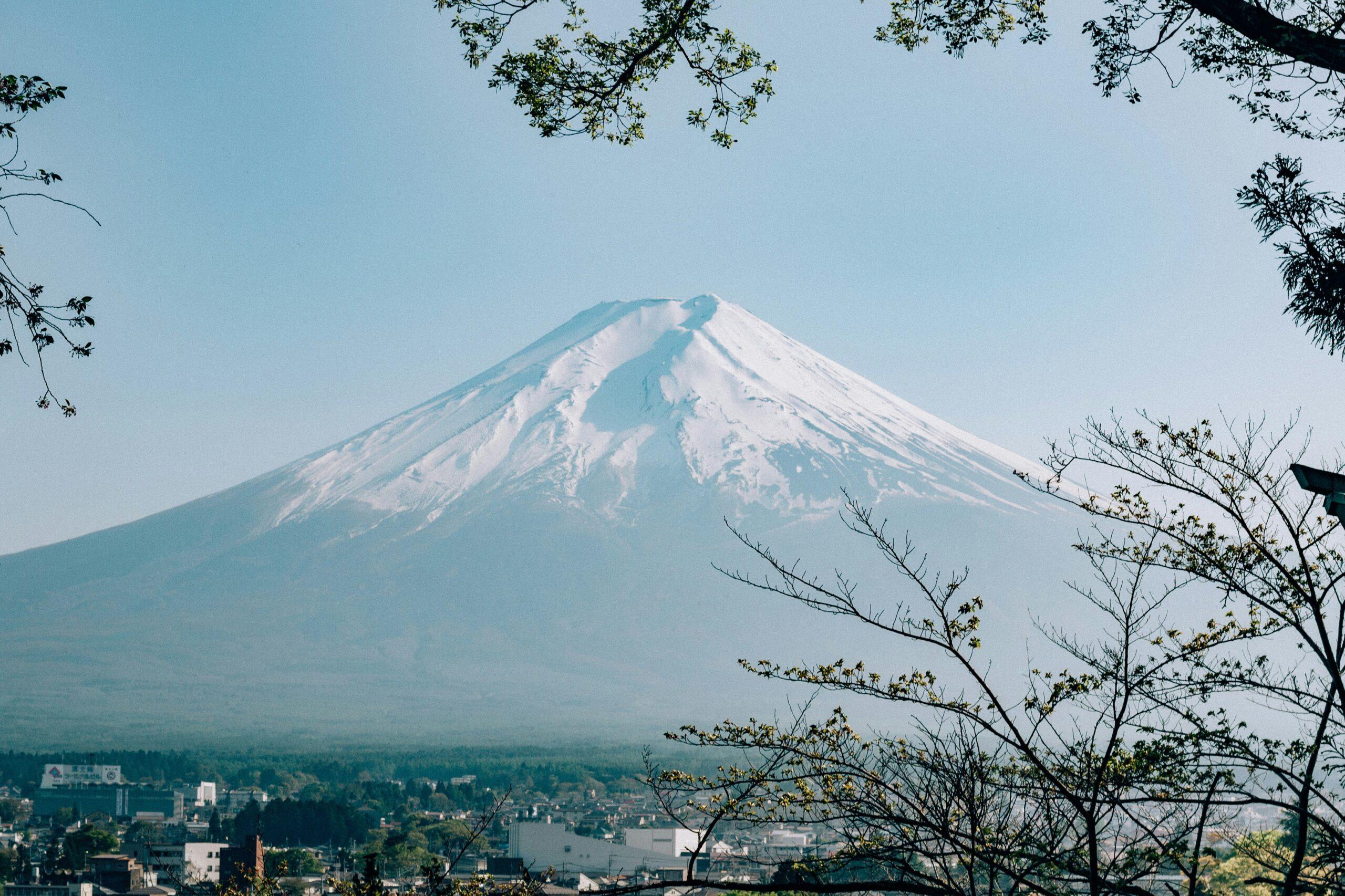
About two hours from Tokyo, Mount Fuji announces itself long before you reach it. Its perfectly symmetrical, snow-capped cone (3,776 m) watches over lakes Kawaguchi and Yamanaka, and on a clear day its reflection in the water is one of Japan’s most iconic images.
In summer, the trail to the summit draws hikers from around the world. For the rest of the year, the hot spring resorts nearby offer a front-row view of the mountain. Worth noting: Mount Fuji is an active volcano, last erupting in 1707.
Takayama: Old Japan Preserved in the Japanese Alps
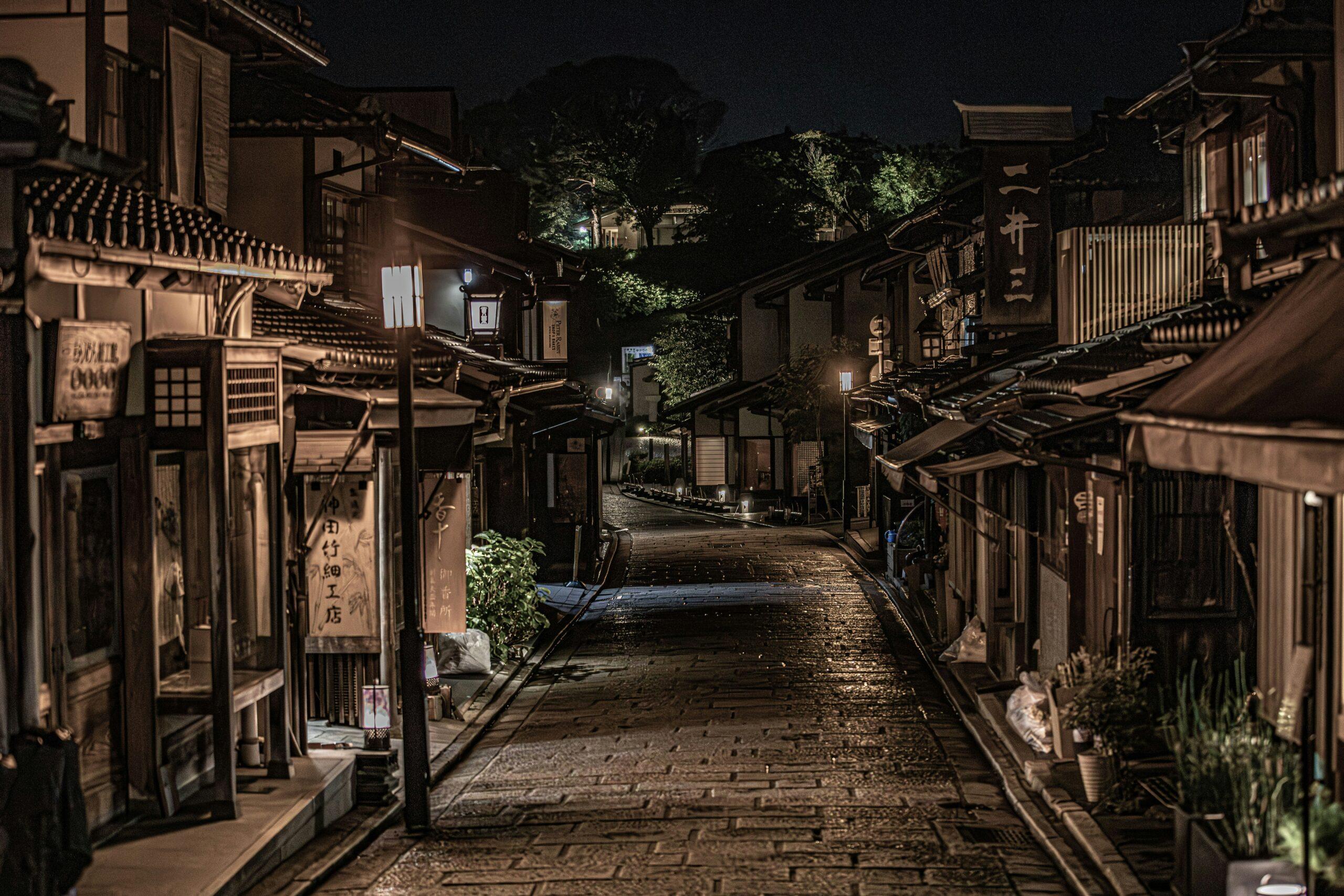
Takayama sits deep in the Japanese Alps, in Gifu Prefecture. The mood here is worlds away from the big cities: impeccably preserved wooden streetscapes, sake breweries and a morning market along the Miyagawa River. The historic Sanmachi Suji district feels like Japan held in amber.
From Takayama, the Unesco-listed village of Shirakawa-go is roughly 50 minutes away by Nohi Bus. Its steeply thatched farmhouses (gassho-zukuri) are especially striking buried under snow in winter.
The Kiso Valley: Walking the Ancient Samurai Road
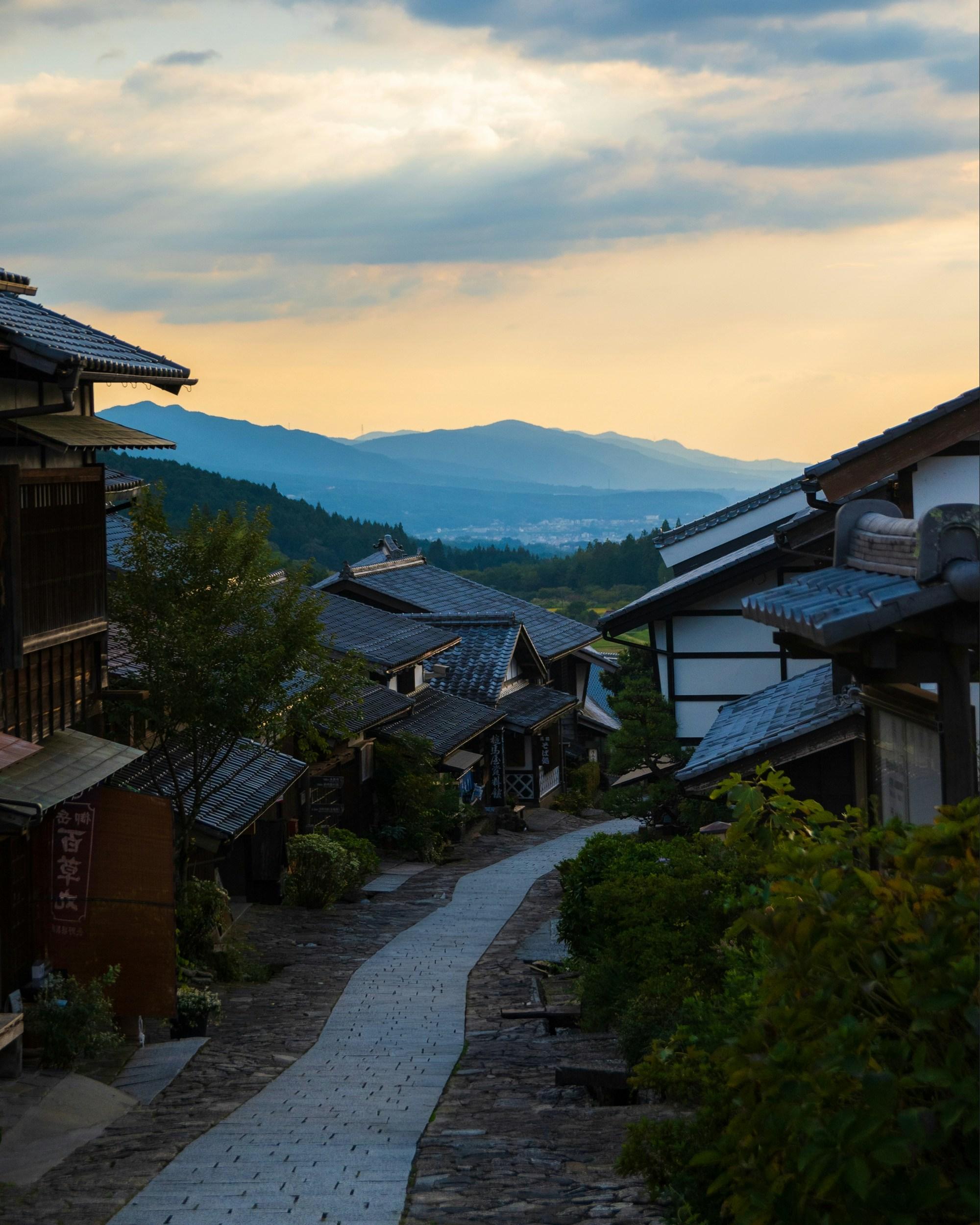
Between Tokyo and Kyoto, the Kiso Valley preserves a stretch of the old Nakasendo road, one of the great highways of the Edo period. The villages of Magome and Tsumago are connected by a forest walking trail. Wooden houses, stone-paved paths, nature pressing in from every side: the immersion is complete, the pace deliberately slow.
It is a stage that hurried travellers tend to skip, and often regret.
Osaka: The City That Proves Eating Is a Philosophy
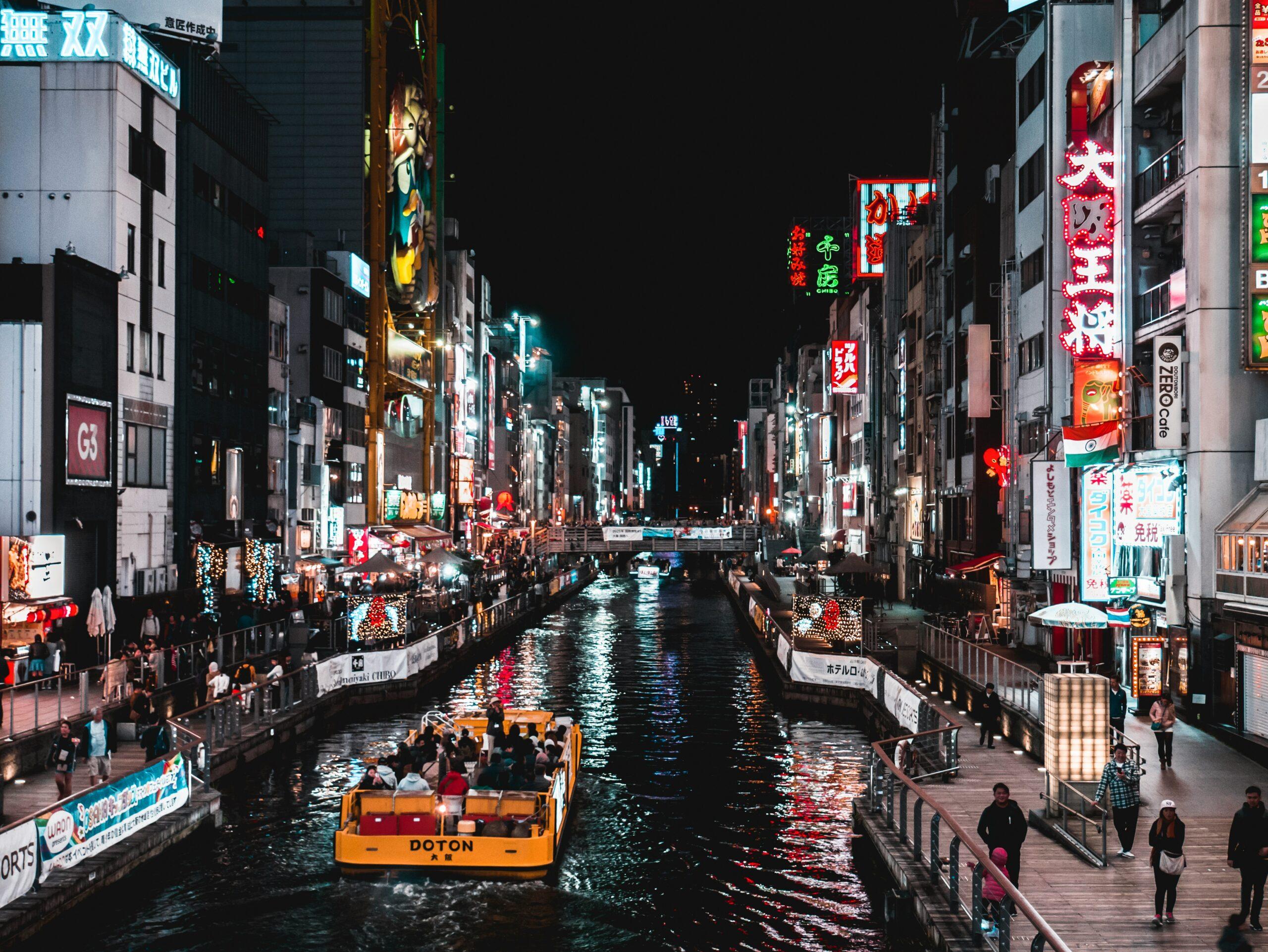
Osaka is Tokyo’s more relaxed, unabashedly food-obsessed counterpart. Life plays out on the streets here: takoyaki (octopus balls), okonomiyaki (savoury pancakes), kushikatsu (deep-fried skewers). The Dotonbori district, with its neon signs mirrored in the canal below, is the emblem of a city that knows how to have a good time.
Osaka Castle and its surrounding gardens are well worth an afternoon, especially in spring. To plan your time there, see our guide to the must-sees of Osaka.
Itsukushima Shrine: The Torii Gate That Floats on the Sea
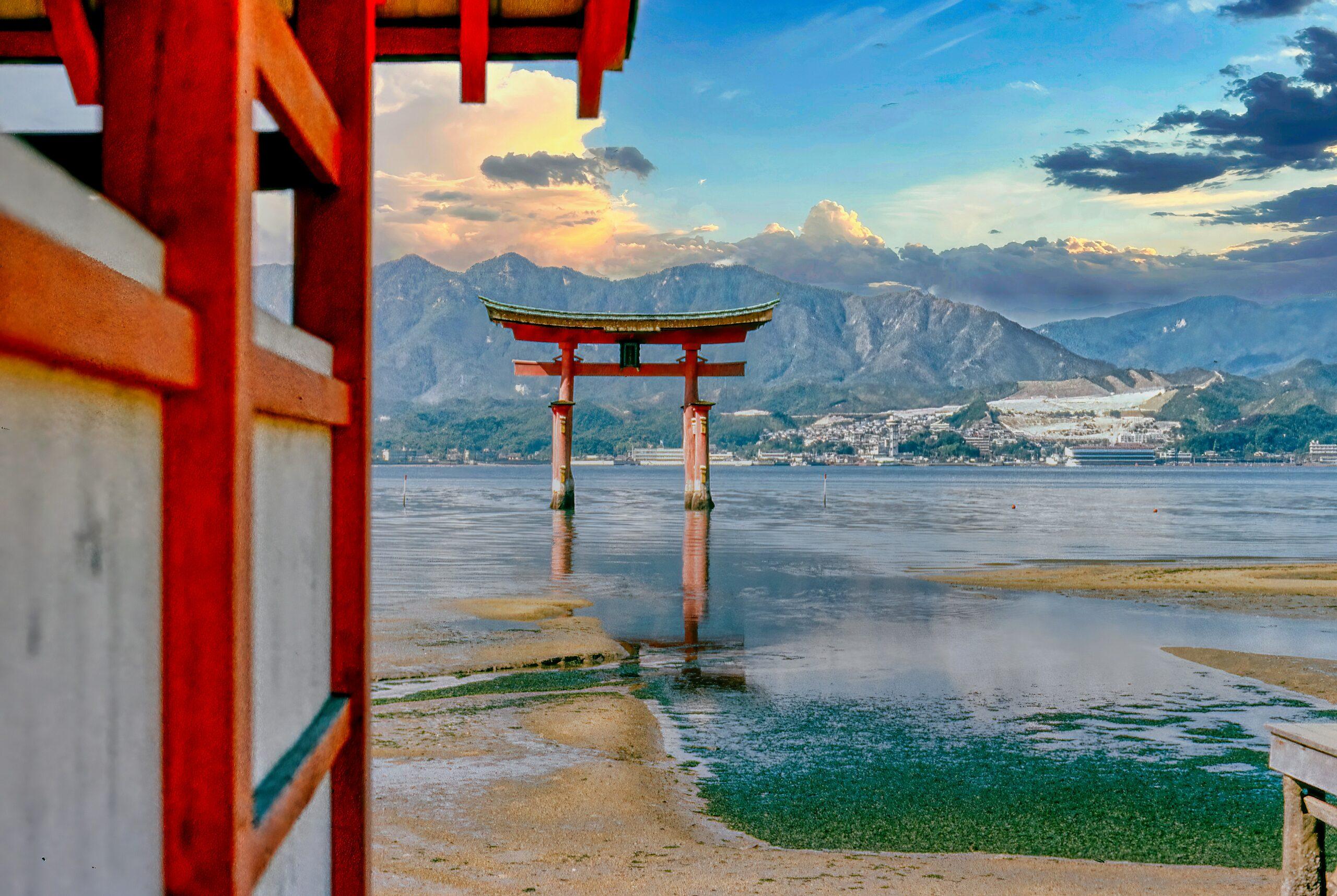
A short ferry ride from Hiroshima, the island of Miyajima is home to one of Japan’s most photographed shrines. At high tide, the great vermilion torii gate appears to rise straight out of the water against a backdrop of forested hills. At low tide, you can walk right up to it. Both views are striking, each in their own way.
On the island, deer roam freely among visitors, and Mount Misen offers a sweeping panorama over the Seto Inland Sea.
Kyoto: A Thousand Years as Capital, Days on End to Explore
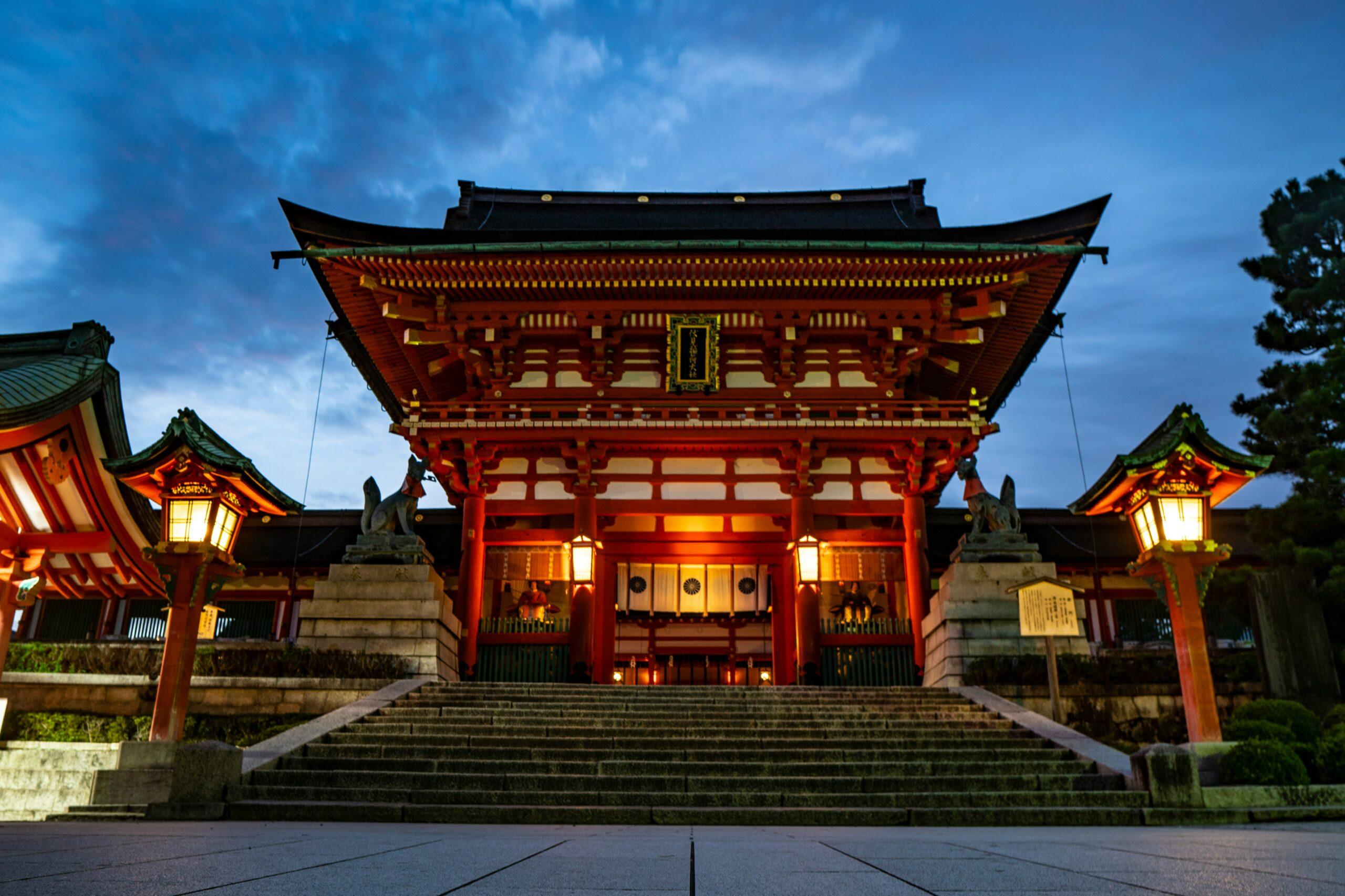
Kyoto served as Japan’s capital for over a thousand years, and that history surfaces at every turn. Kinkaku-ji (the Golden Pavilion), the thousands of torii gates at Fushimi Inari and the Gion district each tell a different chapter of old Japan.
Cycling is the best way to move between temples, and the atmosphere shifts with the hour. For practical travel information, including health cover, medical care and entry requirements, the Japan travel insurance page covers everything you need to know before you go.
When to Visit Japan
Japan works in every season, and each has its devotees.
- Spring (March-April): cherry blossom season (hanami). Parks turn pink and picnics unfold beneath the trees. This is peak season: book well in advance.
- Summer (July-August): hot and humid, but also the season of Japan’s great festivals (matsuri) and the Mount Fuji climbing season.
- Autumn (October-November): maples blaze red and gold. Ideal conditions for Kyoto and the national parks.
- Winter (December-February): skiing in Hokkaido, snowside onsens and Shirakawa-go’s thatched farmhouses buried under a heavy white blanket.
FAQ
Is Japan Really Worth Visiting?
Japan consistently ranks among the most highly rated destinations in the world by travellers who have been. The combination of culture, food, varied landscapes and a high level of safety is hard to match anywhere else.
What Is the Best Time to Visit Japan?
Spring (March-April) for the cherry blossoms and autumn (October-November) for the maple foliage are the two most popular periods. Summer opens the climbing season on Mount Fuji and the season of major festivals. Winter is ideal for skiing in Hokkaido and soaking in an onsen.
How Long Do You Need to Visit Japan?
Two weeks is enough to combine Tokyo, Mount Fuji, Kyoto and Osaka with a few secondary stops such as Takayama or Hiroshima. Three weeks gives you more breathing room to explore the countryside, Hokkaido or the island of Kyushu.
Is Japan a Good Destination for Solo Travel?
Yes. The country is safe, public transport is reliable and easy to navigate, and solo travel culture is well established. Capsule hotels and hostels regularly cater to lone travellers.
Do You Need Travel Insurance for Japan?
Medical care in Japan is excellent but comes at a cost for foreign visitors. In the event of hospitalisation or repatriation, the bills can be very high. Travel insurance covering medical expenses and repatriation is strongly recommended. Find all the practical details on our Japan travel insurance page.