
Within just a handful of districts, Taipei manages to distil everything that makes East Asia so compelling: 18th-century temples standing shoulder to shoulder with futuristic skyscrapers, night markets buzzing every evening, and nature reachable in under an hour by metro. Whether you have two days or a full week, here are the places and experiences that are genuinely worth your time.
Taipei 101: above it all
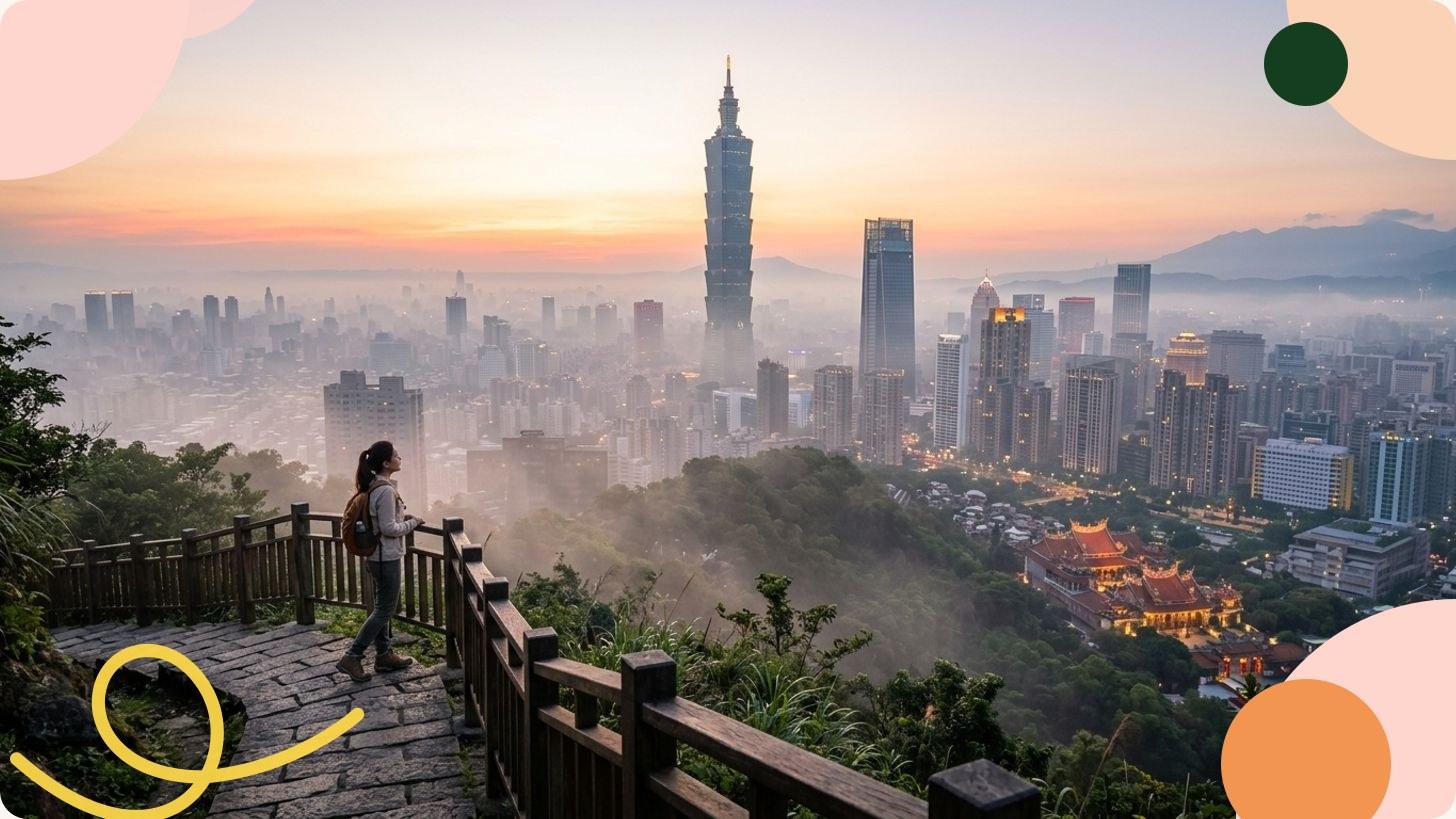
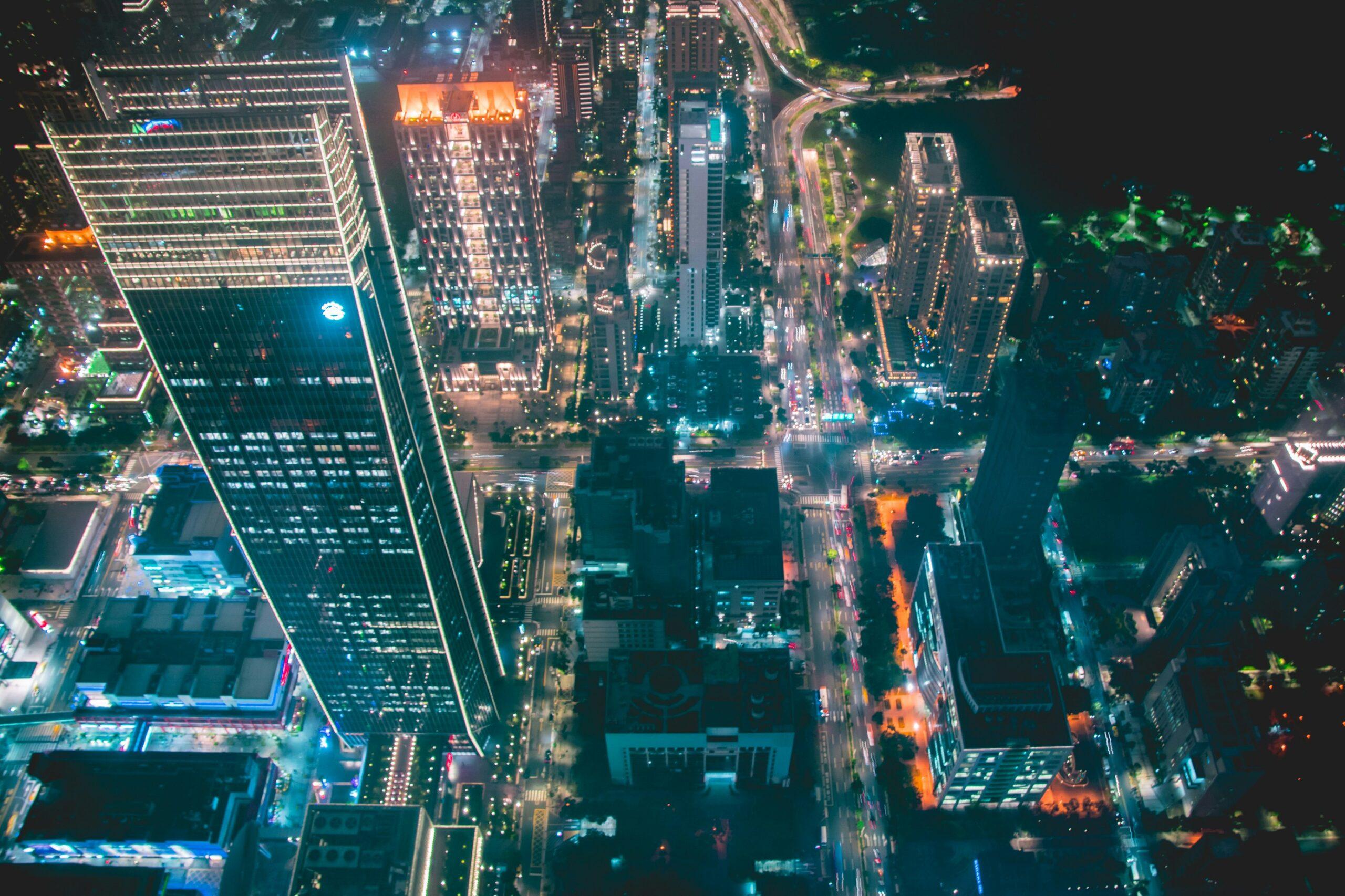
For six years (2004-2010), Taipei 101 held the title of the world’s tallest building. At 508 metres, its design – evoking sections of bamboo stacked skyward – still dominates every skyline in the city. A pressurised lift whisks visitors to the 89th-floor observatory in 37 seconds flat, delivering a 360-degree view over Taipei and its green mountain backdrop that looks just as spectacular at dusk as it does in the middle of the day.
The tower also houses shops and restaurants, including a branch of Din Tai Fung, widely regarded as one of the world’s best places to eat xiaolongbao (soup dumplings). It makes for a convenient pairing: tick off the view, then sit down for one of Taiwan’s most celebrated meals without crossing town.
Longshan Temple: where Buddhism meets Taoism
Founded in 1738, Longshan Temple is one of Taipei’s most revered places of worship. Dedicated to Guanyin, the goddess of mercy, while also sheltering a host of Taoist deities, it perfectly captures the syncretic richness of Taiwanese spiritual life. Dragon-carved columns, glazed ceramic rooftiles in vivid colours and fresh flower offerings placed every morning make this a genuinely living place of faith, not a museum piece dressed up for tourists.
Three chanting ceremonies take place daily, at 6:00, 8:00 and 15:45. Arriving at opening time to watch worshippers at prayer is the kind of experience most organised tours never get to.
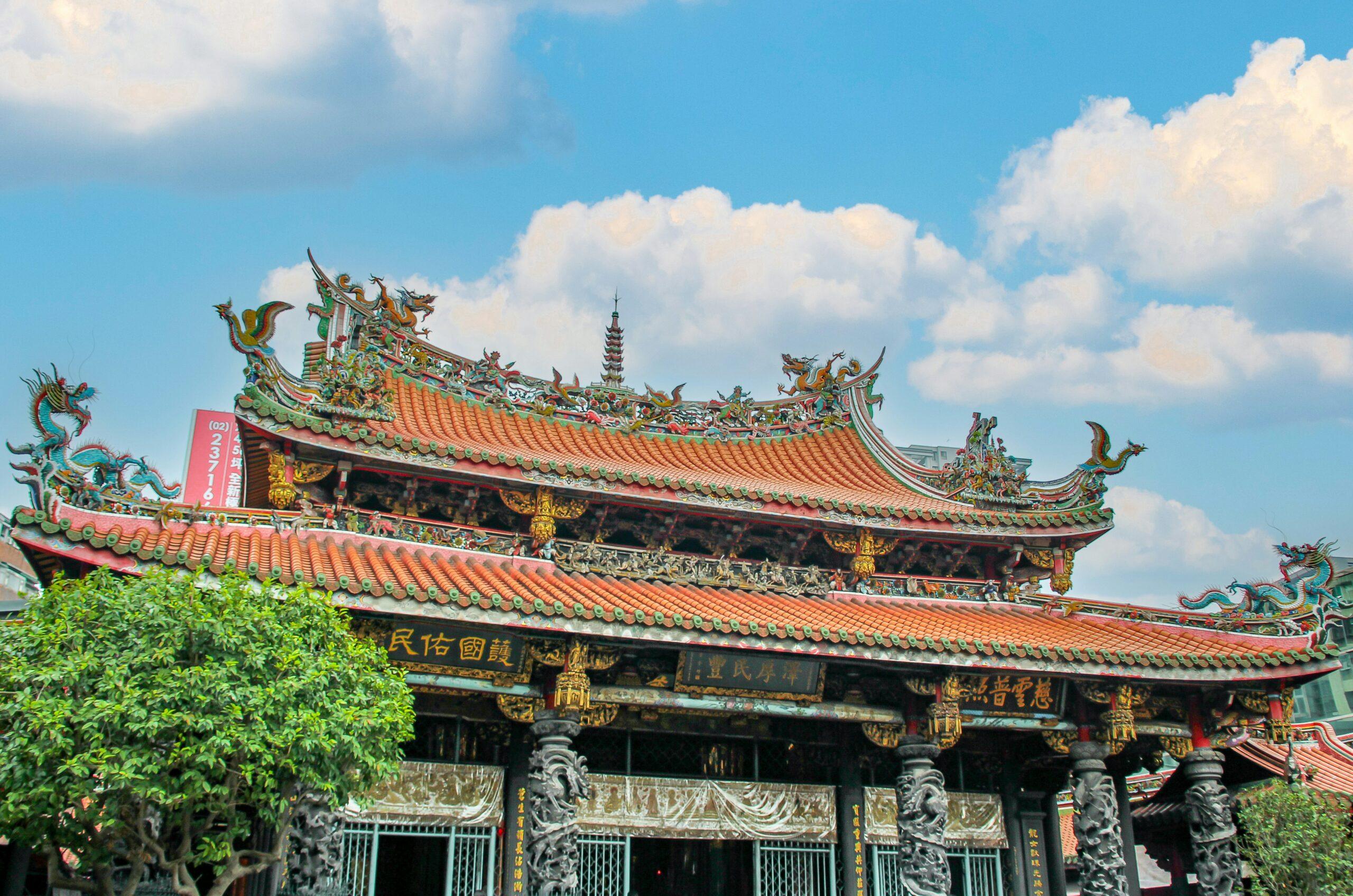
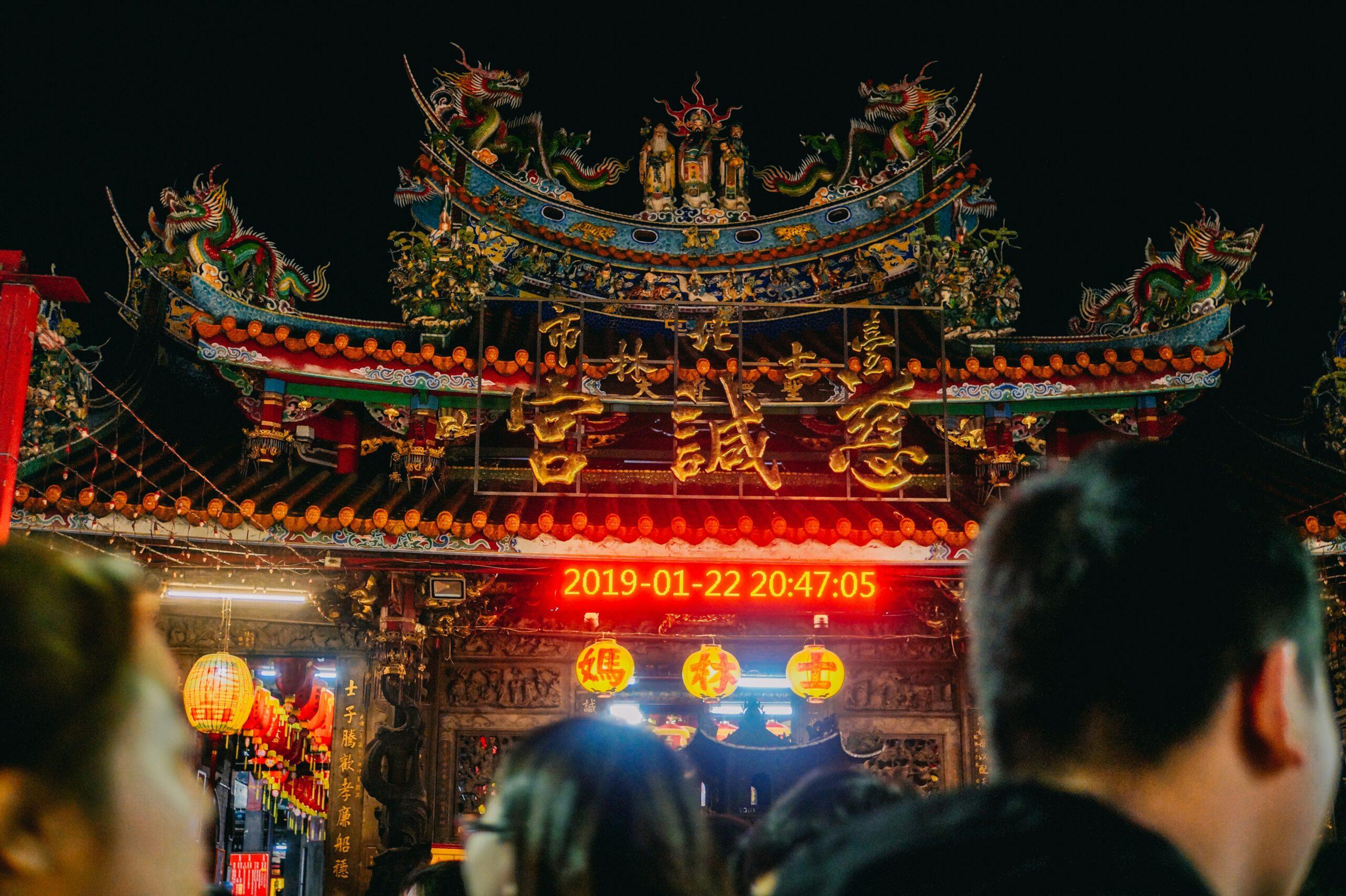
After dark, the golden lanterns framing the facade transform the atmosphere entirely.
Night markets: a living institution
Taipei’s night markets were never built for tourists. They have been the everyday social fabric of Taiwanese life for generations – oyster omelettes, grilled squid, braised beef with spices, bubble tea – each stall typically a family business passed down through the years.
Shilin: Taipei’s biggest night market
Shilin is the most visited market in Taiwan. Its underground food hall, fully renovated, reopened in April 2025 with dozens of street food stalls in air-conditioned comfort, making it a solid choice even at the height of summer.
Raohe: the locals’ favourite for eating
Less frequented by tourists, Raohe has a reputation for the quality of its street food. A Buddhist temple marks its entrance and lends the market a character that Shilin simply does not have.
Chiang Kai-shek Memorial Hall and Liberty Square
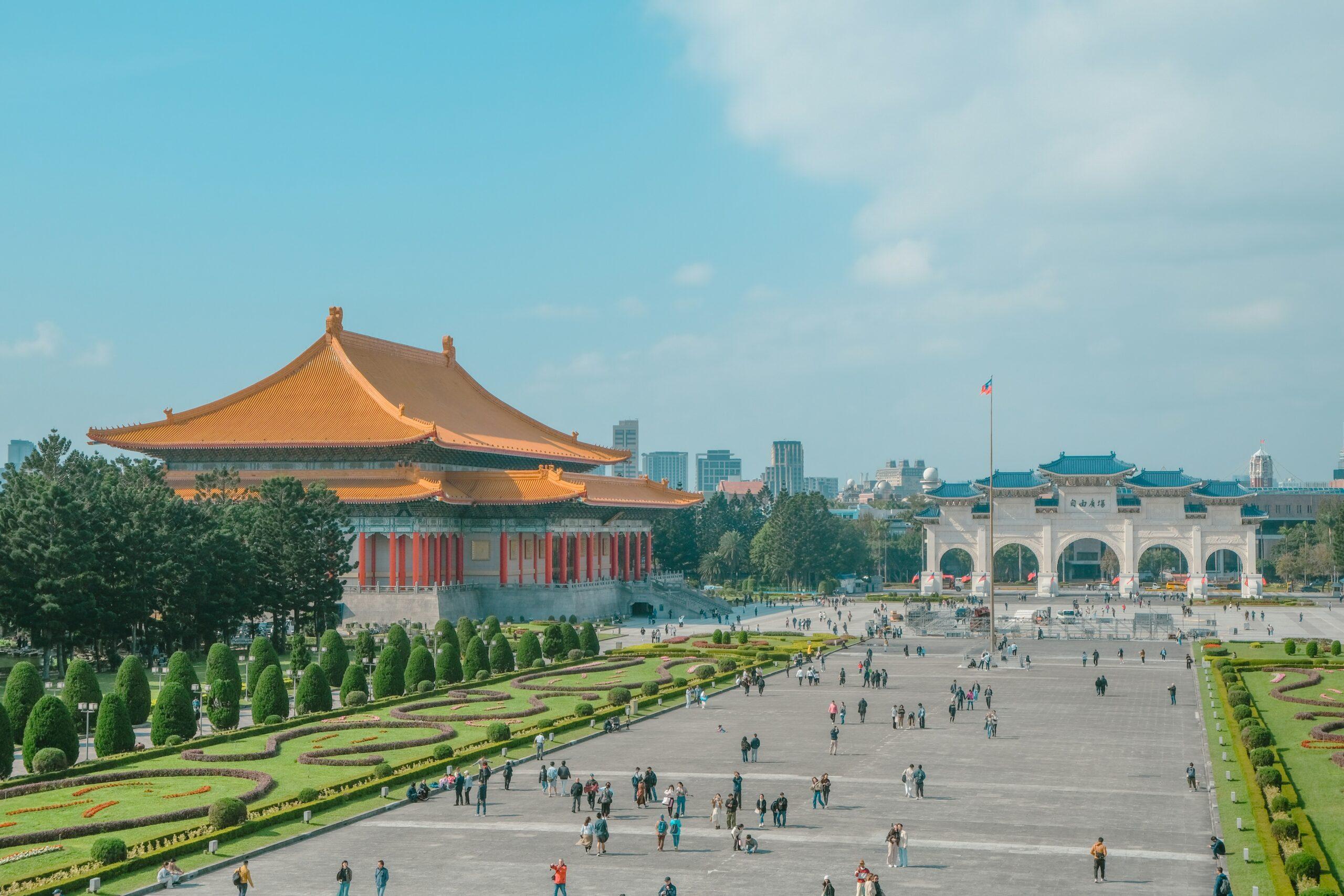
This sweeping architectural complex at the heart of Taipei houses a monumental statue of the former President of the Republic of China, a museum tracing his role in Taiwanese history, and two national theatres with gilded rooftops flanking a vast open plaza. The changing of the guard ceremony – precise, unhurried and carried out in near silence – draws visitors from around the world.
Beitou hot springs
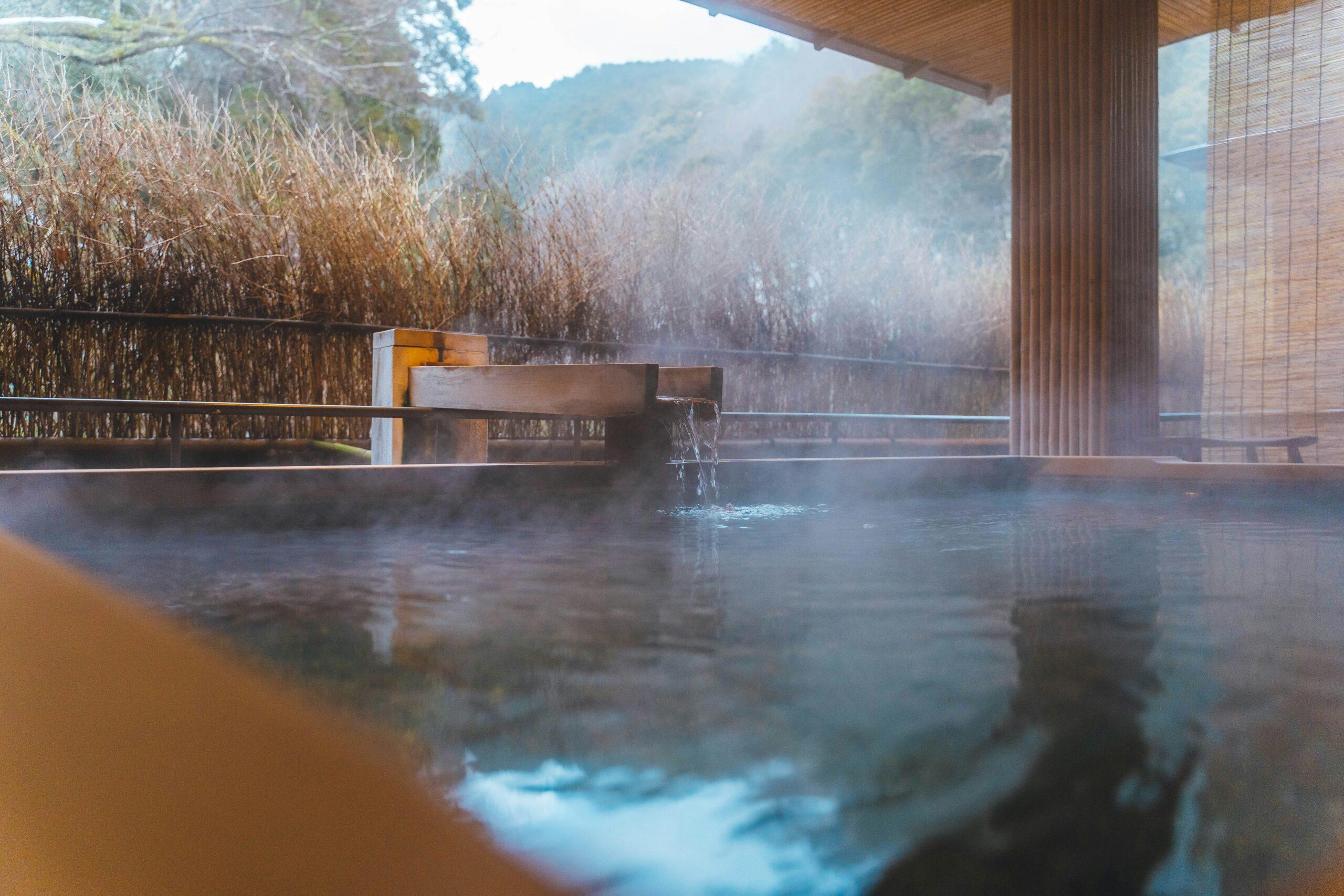
Thirty minutes north of central Taipei by metro, the Beitou district is home to sulphurous thermal springs whose temperatures vary considerably depending on the site: between 37 and 40°C for the public bathing pools, and above 80°C in the geothermal Hell Valley (best admired safely from the viewing terrace). The Xinbeitou Hot Spring Museum, housed in a former Japanese bathhouse, traces the history of these mineral waters back to the colonial era.
Elephant Mountain: Taipei’s best viewpoint
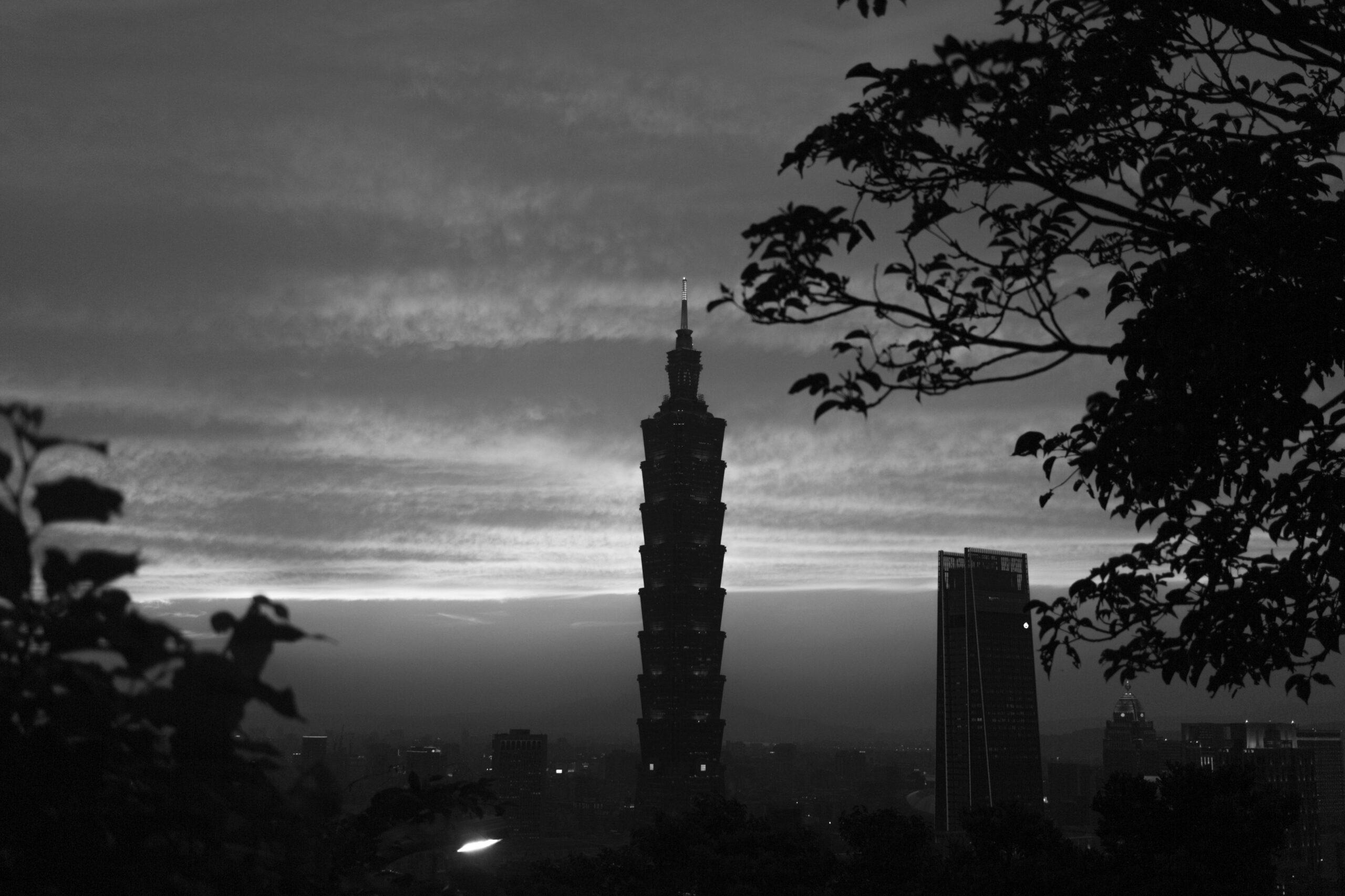
The Xiangshan trail – better known as Elephant Mountain – delivers Taipei’s most photographed view in just 20 to 30 minutes of walking from Xiangshan metro station: Taipei 101 framed by forested hills. The path climbs nearly 200 metres over 2.2 kilometres, much of it on stone steps cut directly into the rock. Difficulty is moderate; closed-toe shoes are strongly recommended.
The ideal time to make the climb is late afternoon, just before sunset, to watch the tower gradually light up against the darkening sky.
National Palace Museum: three thousand years of Chinese art
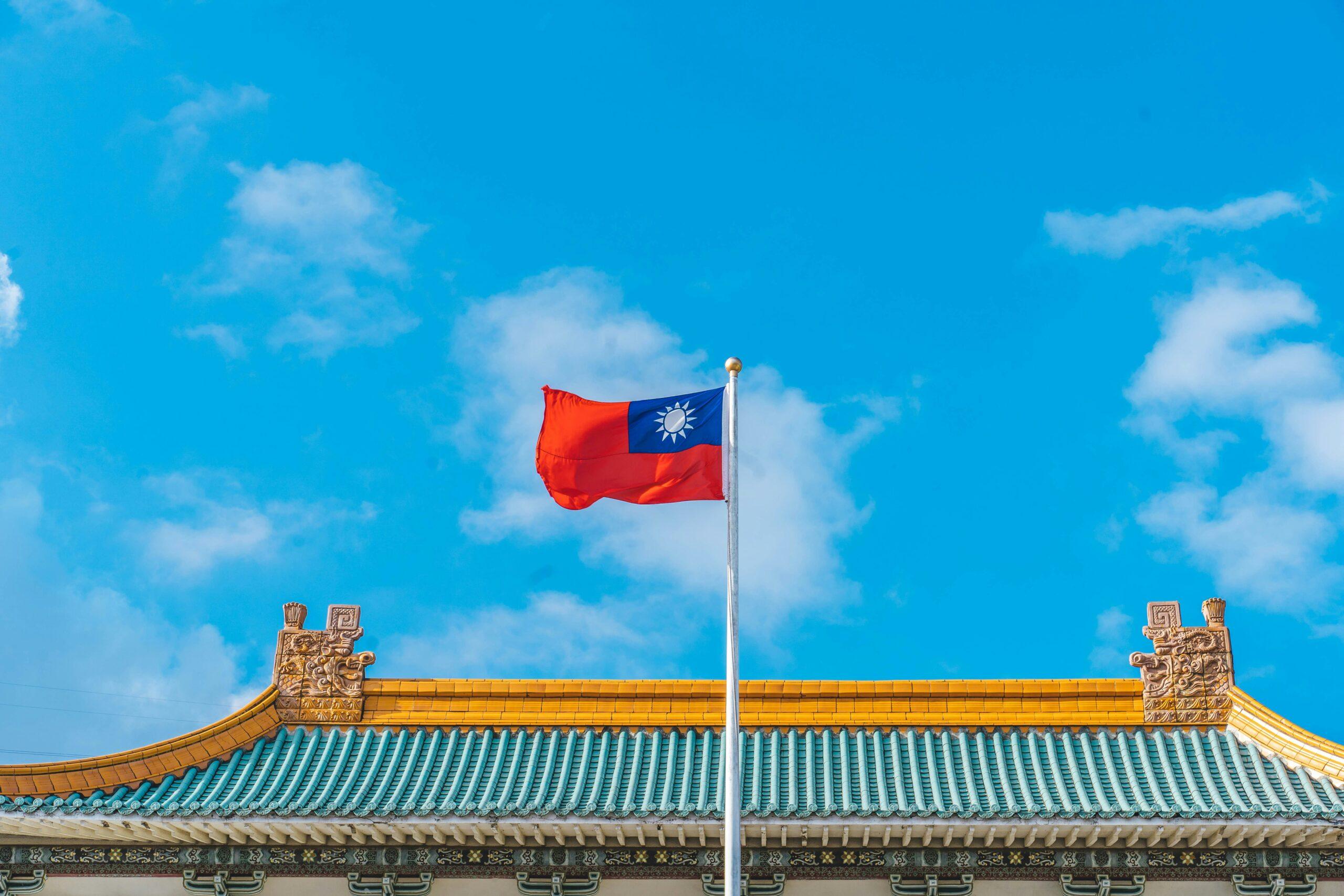
The National Palace Museum holds one of the largest collections of Chinese art and artefacts anywhere in the world – close to 700,000 pieces in total, of which only 3,000 to 5,000 are on display at any one time on a rotating basis. The three pieces every visitor goes looking for are the Jadeite Cabbage (a minutely detailed sculpture carved from a single stone), the Meat-Shaped Stone (a piece of agate worked to look indistinguishable from a cut of braised pork belly) and the bronze vessel known as the Mao Gong Ding. Exhibitions rotate regularly, so check the official website before your visit.
Ximending: Taipei’s coolest neighbourhood
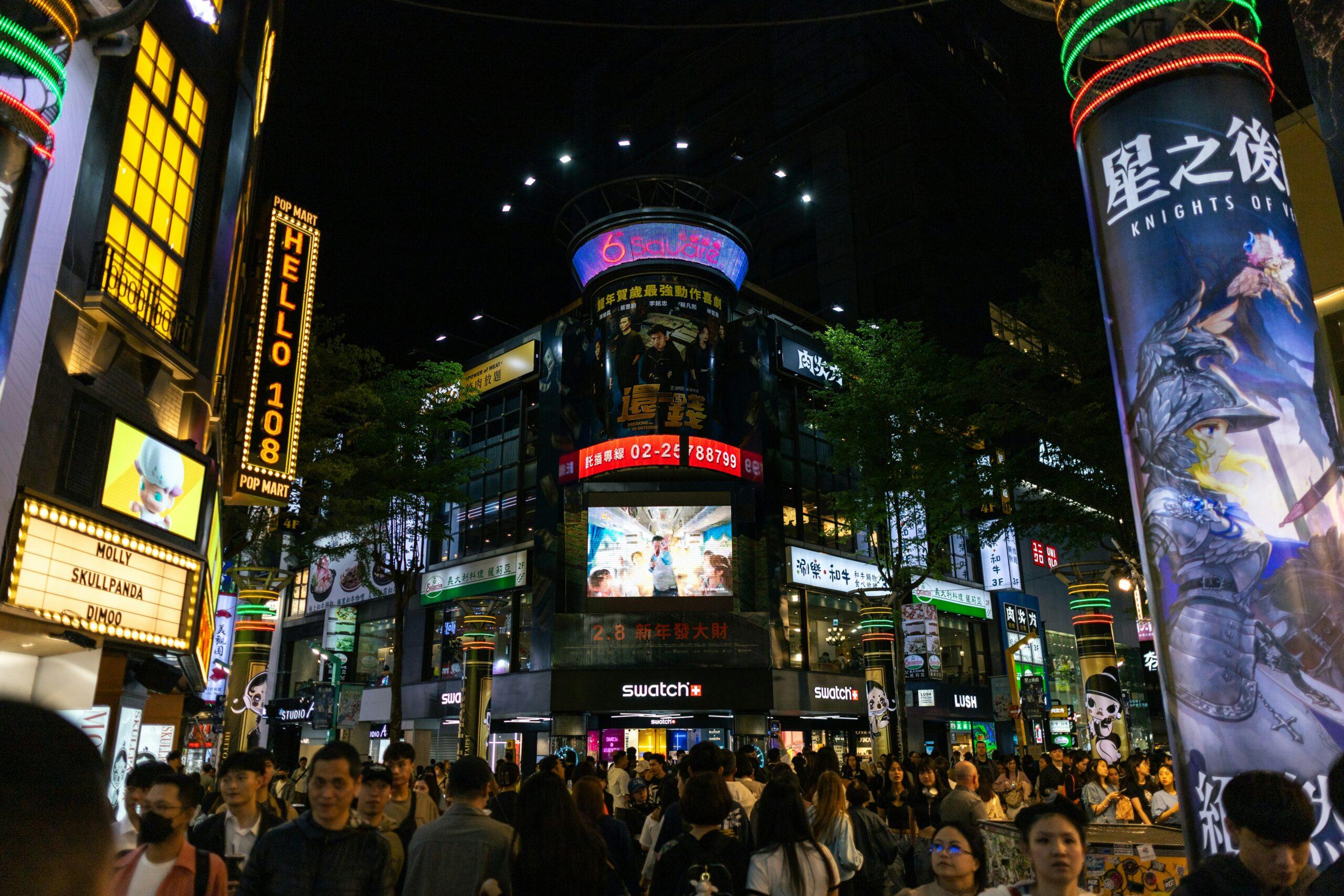
Ximending is Taiwan’s answer to Harajuku or Seoul’s Hongdae: a pedestrianised district devoted to fashion, subcultures and street desserts. Its lanes stay lively well into the night, with vintage boutiques, themed cafes and street performers improvising on cobbled squares.
Taipei makes an ideal base for exploring Taiwan as a whole. To venture further across the island, take a look at our guide to the 20 must-do experiences across Taiwan. If you love great Asian capitals, you will find the same blend of tradition and modernity – each with its own unmistakable character – in Tokyo and Seoul.
FAQ
How many days do you need to see Taipei?
Three to four days is enough to cover the main highlights: Taipei 101, Longshan Temple, one or two night markets, Elephant Mountain and a half-day in Beitou. A full week gives you time to explore neighbourhoods on foot and make a day trip outside the city.
What is the best time of year to visit Taipei?
Autumn (October to November) is the most pleasant season, with mild temperatures and lower rainfall. Spring (March to May) is also an excellent time to visit. Summer (June to September) falls within typhoon season and can bring heavy, sustained rainfall.
How do you get around Taipei?
The MRT metro network is efficient, clean and easy to navigate: all signage is in English. A rechargeable transport card (the EasyCard) simplifies travel on the metro, buses and several local services.
Are Taipei’s night markets open every night?
The main markets, including Shilin and Raohe, generally open every evening. The busiest hours are between 19:00 and 22:00.
Is Taipei a good destination for solo travellers?
Taipei is consistently ranked among the most accessible destinations in Asia: a reliable transport network, English-language signage throughout, and locals widely recognised for their warmth towards visitors.