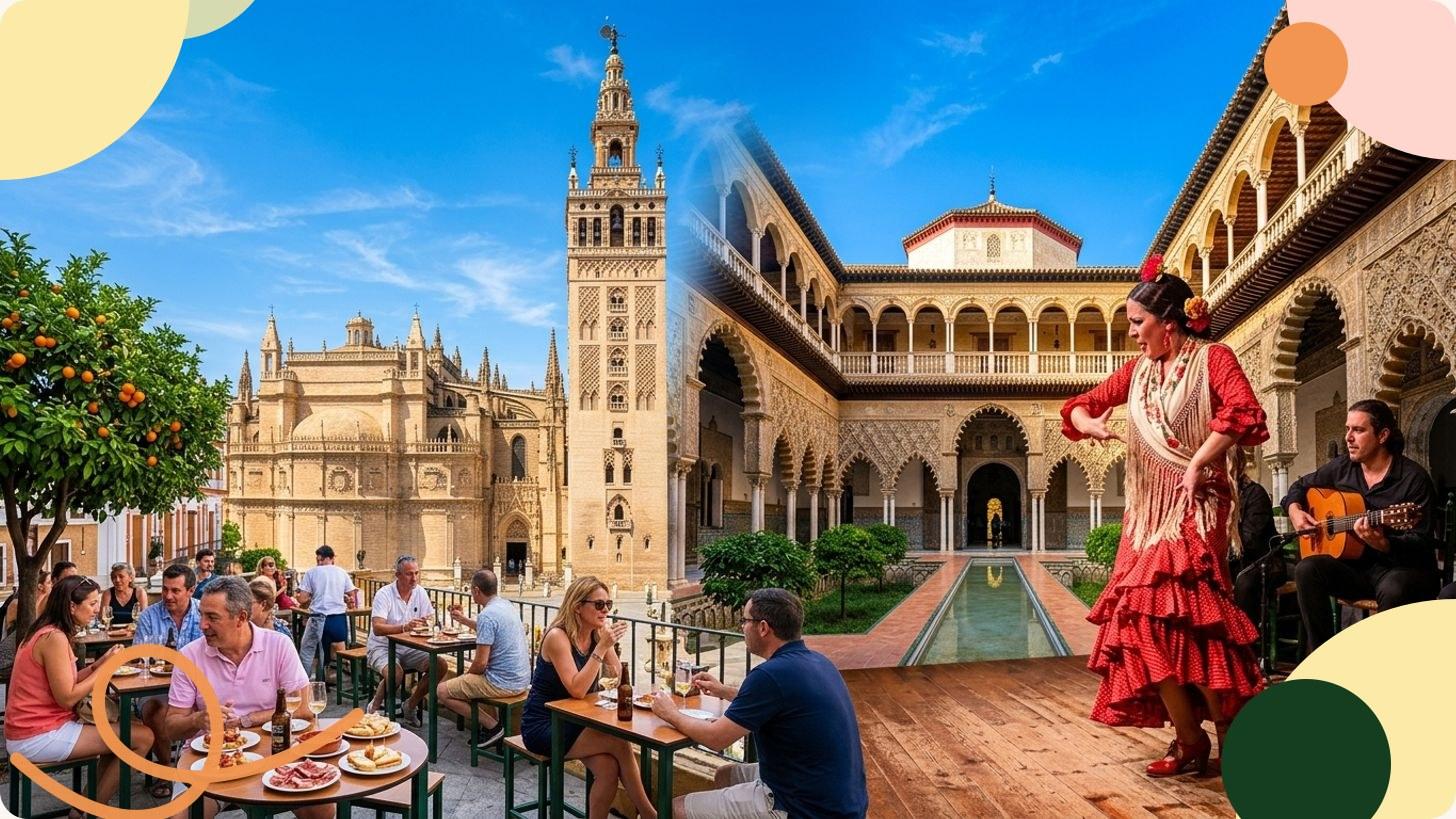

Seville packs the very best of Andalusia into an area you can cross on foot: a UNESCO-listed palace, one of the world’s largest Gothic cathedrals, flower-filled alleyways, living flamenco and outstanding food. Three to four days is enough to hit the highlights, provided you book your tickets online before you travel.
Get my travel insurance for SpainThe Alcázar: Seville’s Palace That Never Stopped Being Used
Built from the 10th century as an Almohad fortress, the Alcázar of Seville has remained a working royal palace: the Spanish royal family still uses it today. Seven centuries of successive alterations have produced a unique architectural blend of Mudéjar, Gothic and Renaissance styles, with marble-columned courtyards, fountains, intricately carved stucco and labyrinthine gardens that leave no visitor unchanged. A UNESCO World Heritage Site, it also served as a filming location for Game of Thrones.
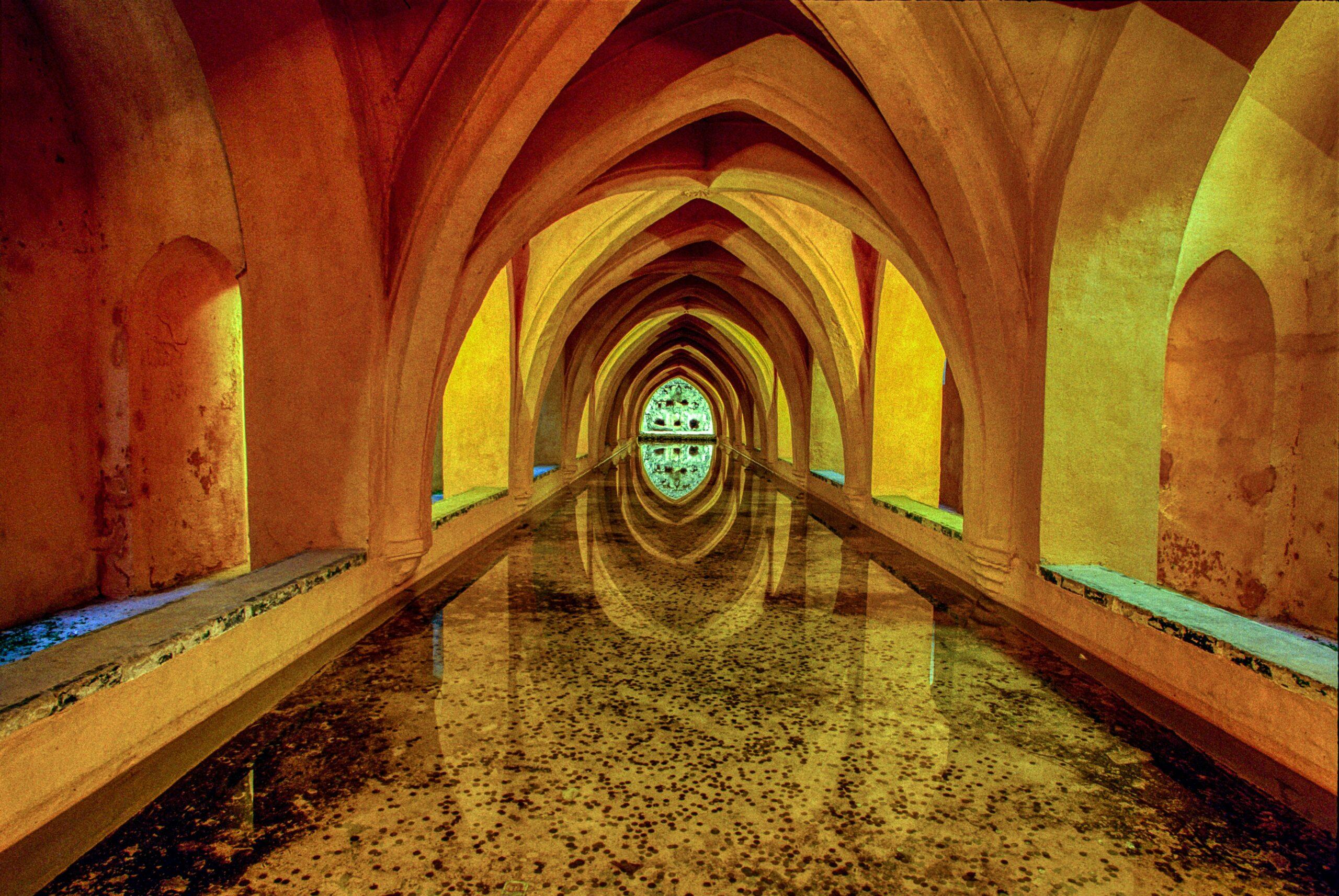
The underground chambers hold a surprise: the Baños de Doña María de Padilla, a vaulted medieval gallery where water still pools at floor level, casting a striking reflection of the successive Gothic arches overhead.
Practical info: adult entry (ages 14-64) costs 21 EUR, reduced rate (students and seniors) 12.50 EUR, children 1 EUR. Access to the royal apartments on the first floor costs an additional 5.50 EUR. Open 9.30am to 7pm (April to September) and 9.30am to 5pm (October to March). Capacity is limited to 750 simultaneous visitors: book online, as slots disappear quickly on busy days.
Seville Cathedral and the Giralda
The Cathedral of Saint Mary of the See is one of the largest cathedrals in the world. Inside, the tomb of Christopher Columbus, carried symbolically by four kings, and the gilded high-altar retable rank among the most breathtaking treasures in Spain.
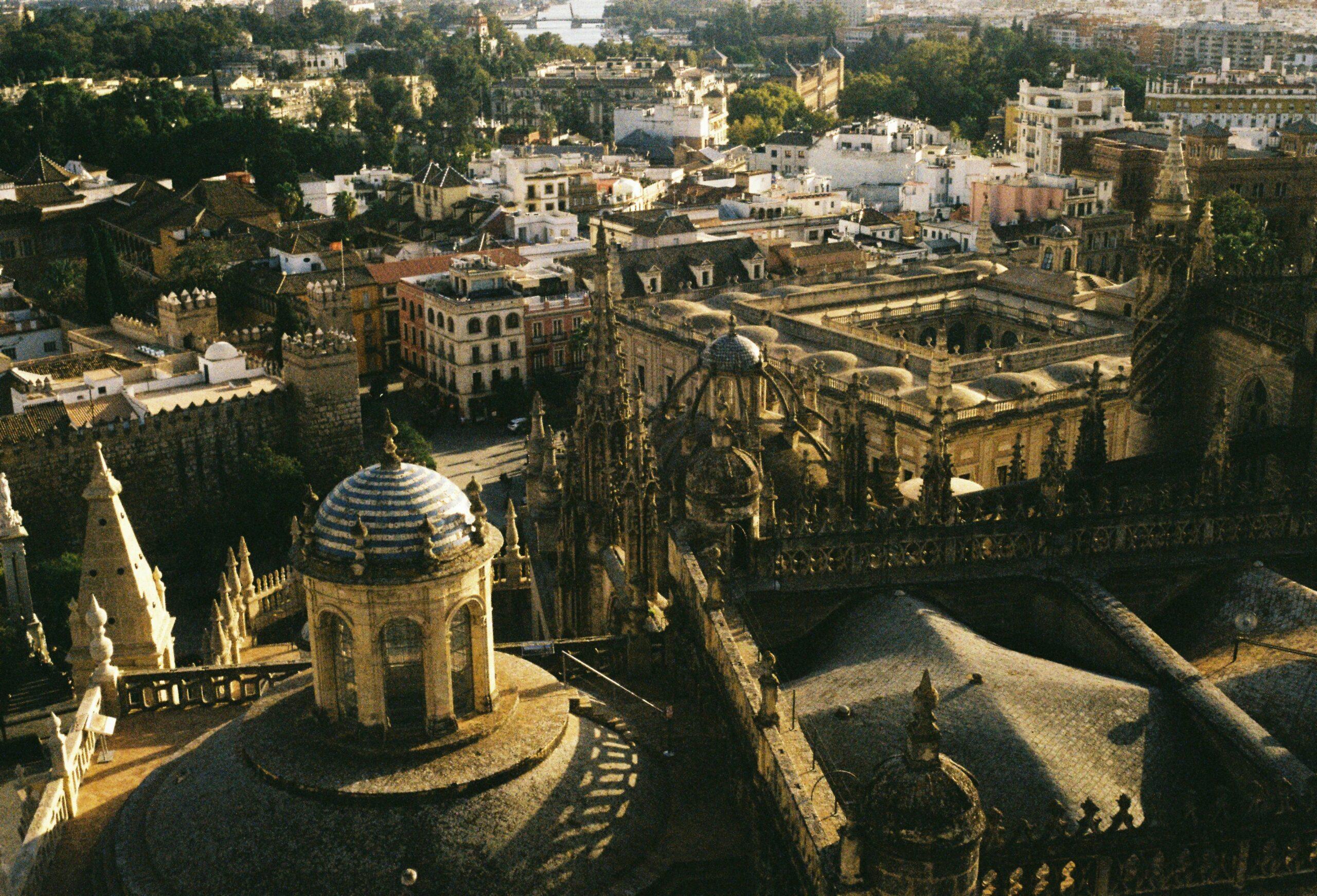
The experience that stays with you is climbing the Giralda: this 12th-century Almohad minaret, converted into a bell tower, features a gently sloping ramp (no steps at all) rising to 70 metres. The view over Seville’s rooftops alone makes the climb worthwhile.
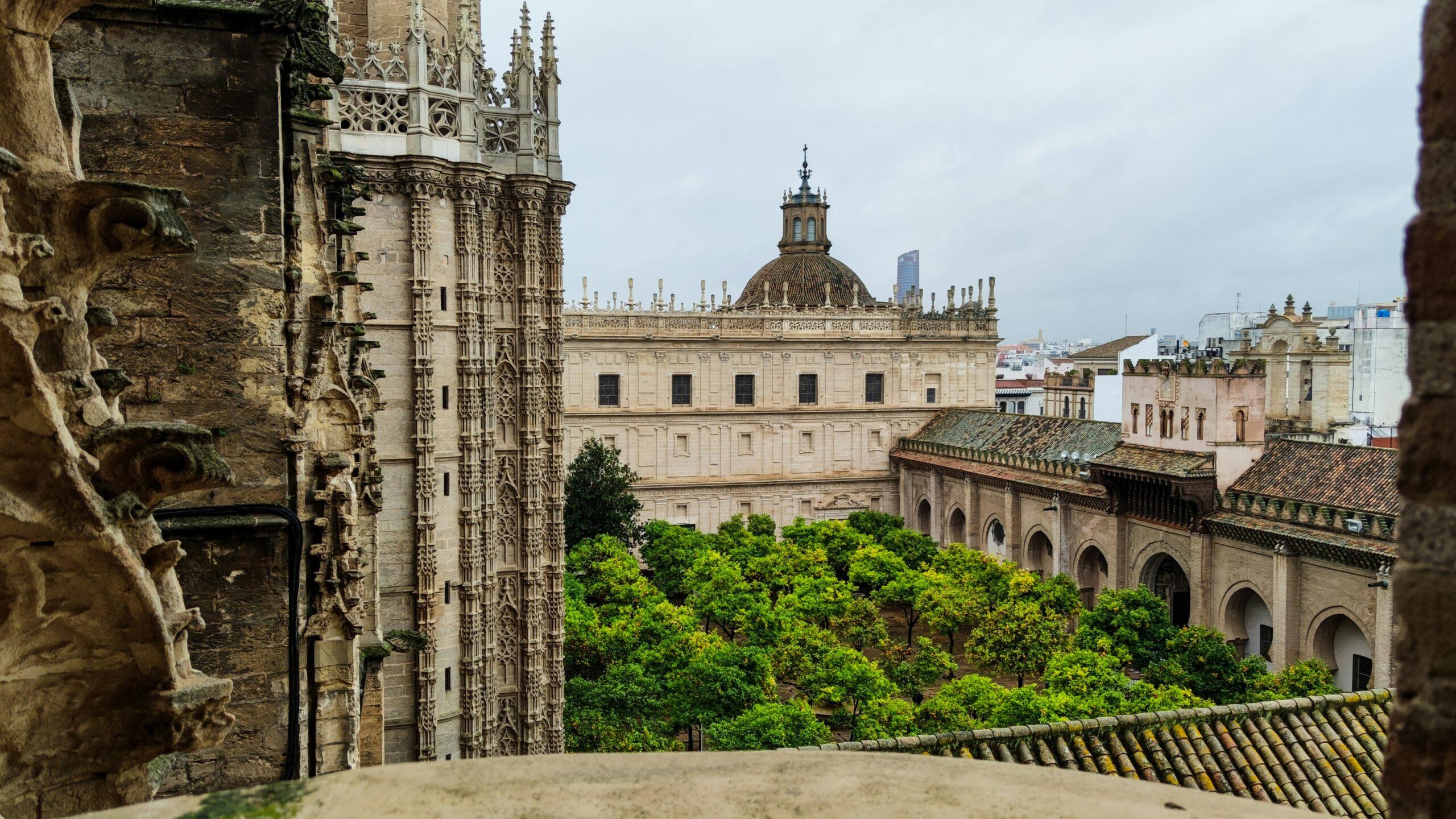
Practical info: online tickets cost 14 EUR (15 EUR at the door), reduced 7 EUR online (8 EUR at the door). The ticket includes the Giralda climb and access to the Iglesia del Salvador, and is valid for 7 days. Box offices often sell out by 11am: book online.
Santa Cruz and Triana: Two Neighbourhoods, Two Atmospheres
Santa Cruz, the Former Jewish Quarter
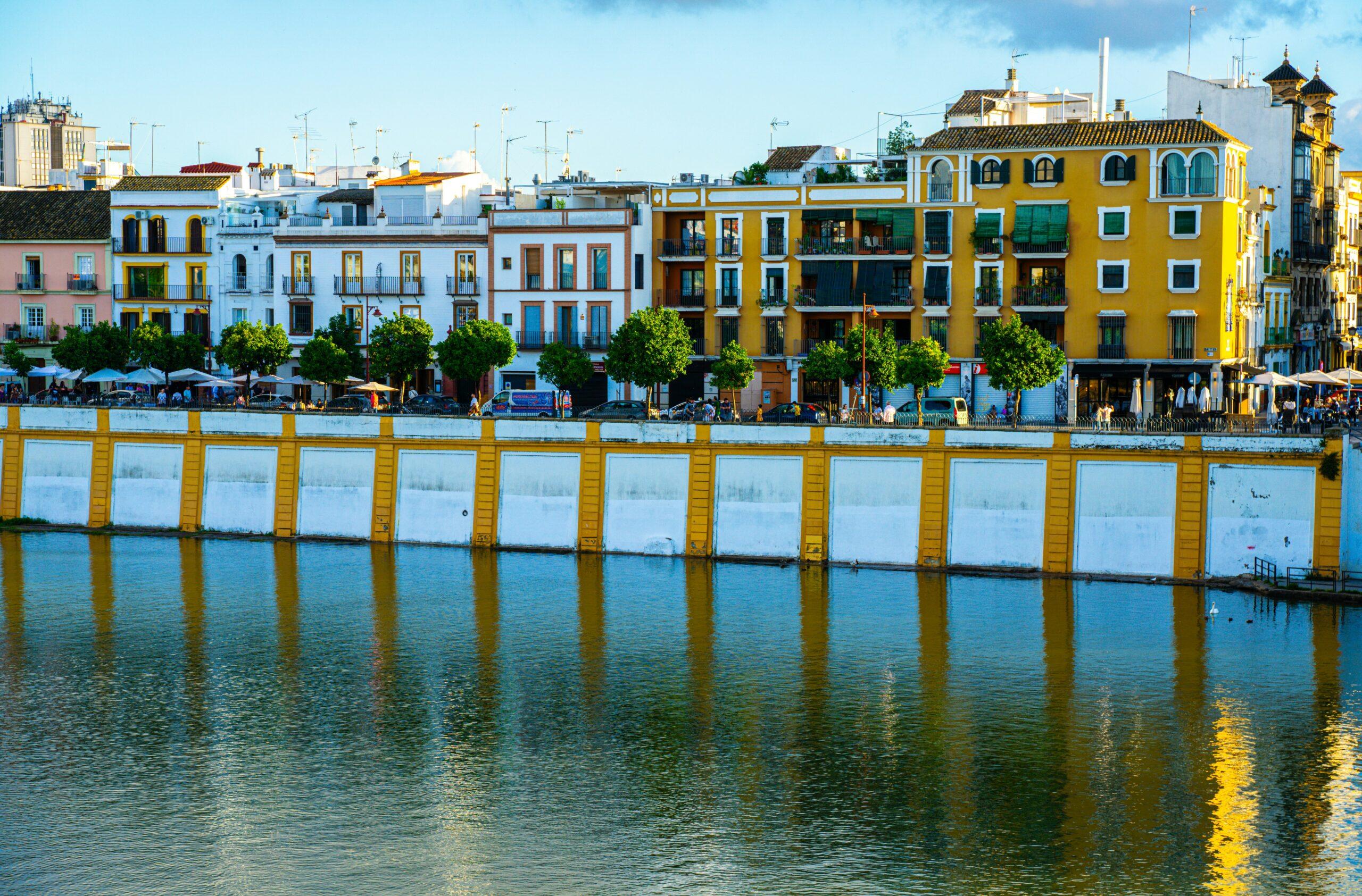
Santa Cruz is a maze of cobbled alleyways, flower-filled patios and small shaded squares. Get lost in its winding streets and you will stumble upon tapas bars with no sign and no English menu: that is where the soul of the neighbourhood hides. In the evening, the light on the whitewashed facades and the music drifting out of the bars turn the quarter into a living stage, perfect for an unhurried wander.
Triana, the Home of Potters and Flamenco
Cross the Triana Bridge to reach this artisan and musician quarter on the left bank of the Guadalquivir. Triana has historically been the cradle of Sevillian ceramics, and its pottery workshops are still going strong. Stroll through the covered Triana Market, have a drink in a local bar and soak up an atmosphere that sits halfway between bohemian and deeply traditional.
The Plaza de España: a Photogenic Must
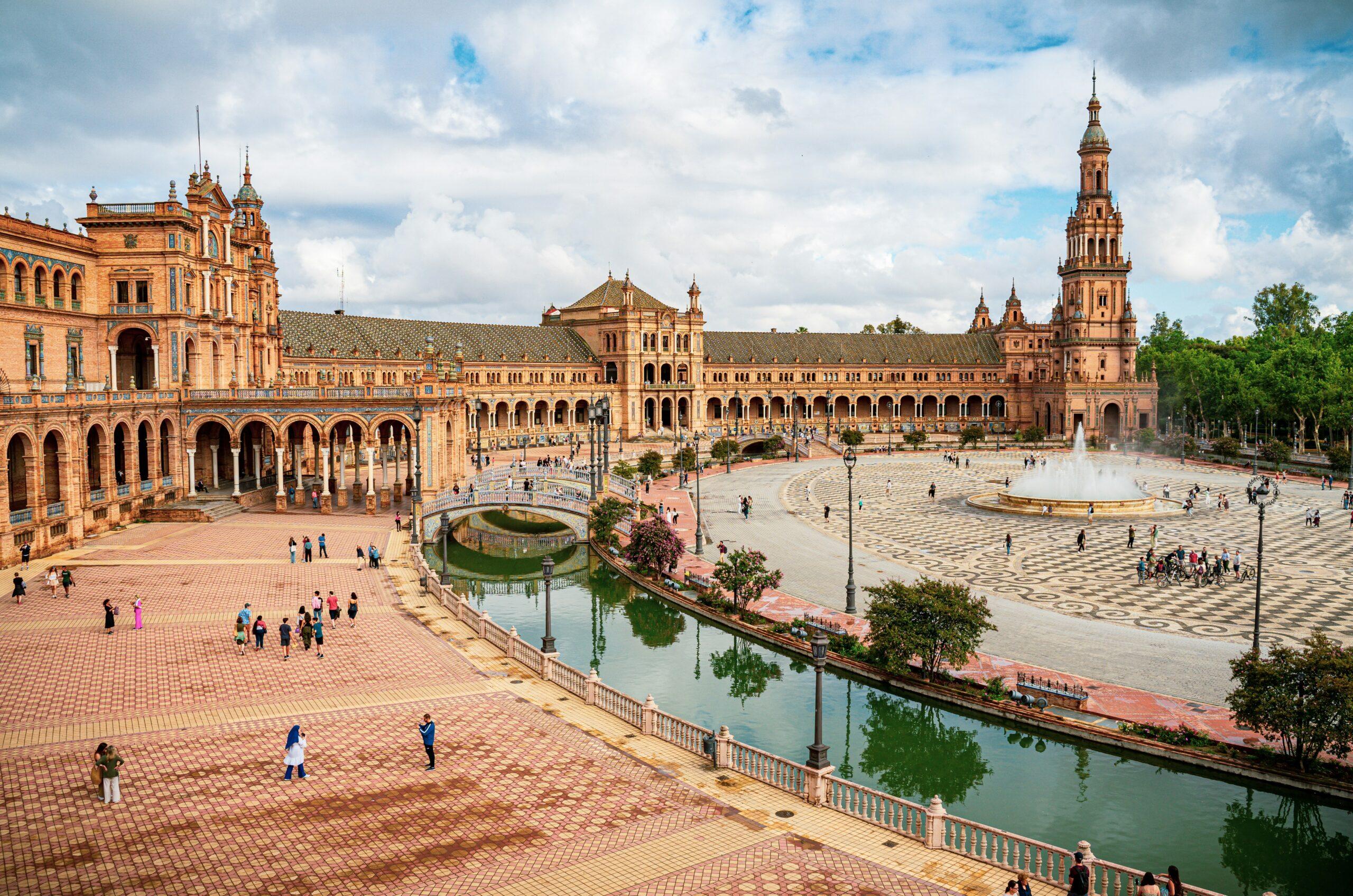
Built in 1929 for the Ibero-American Exposition, the Plaza de España is a sweeping semicircle of ochre brick, hand-painted tiles and small canals. Each Spanish province has its own azulejo panel: find yours. A boat ride along the little canals is a hit with children. The square opens onto the María Luisa Park, one of the city’s most pleasant green spaces for escaping the midday heat.
The Metropol Parasol (Las Setas): Seville’s Other Side
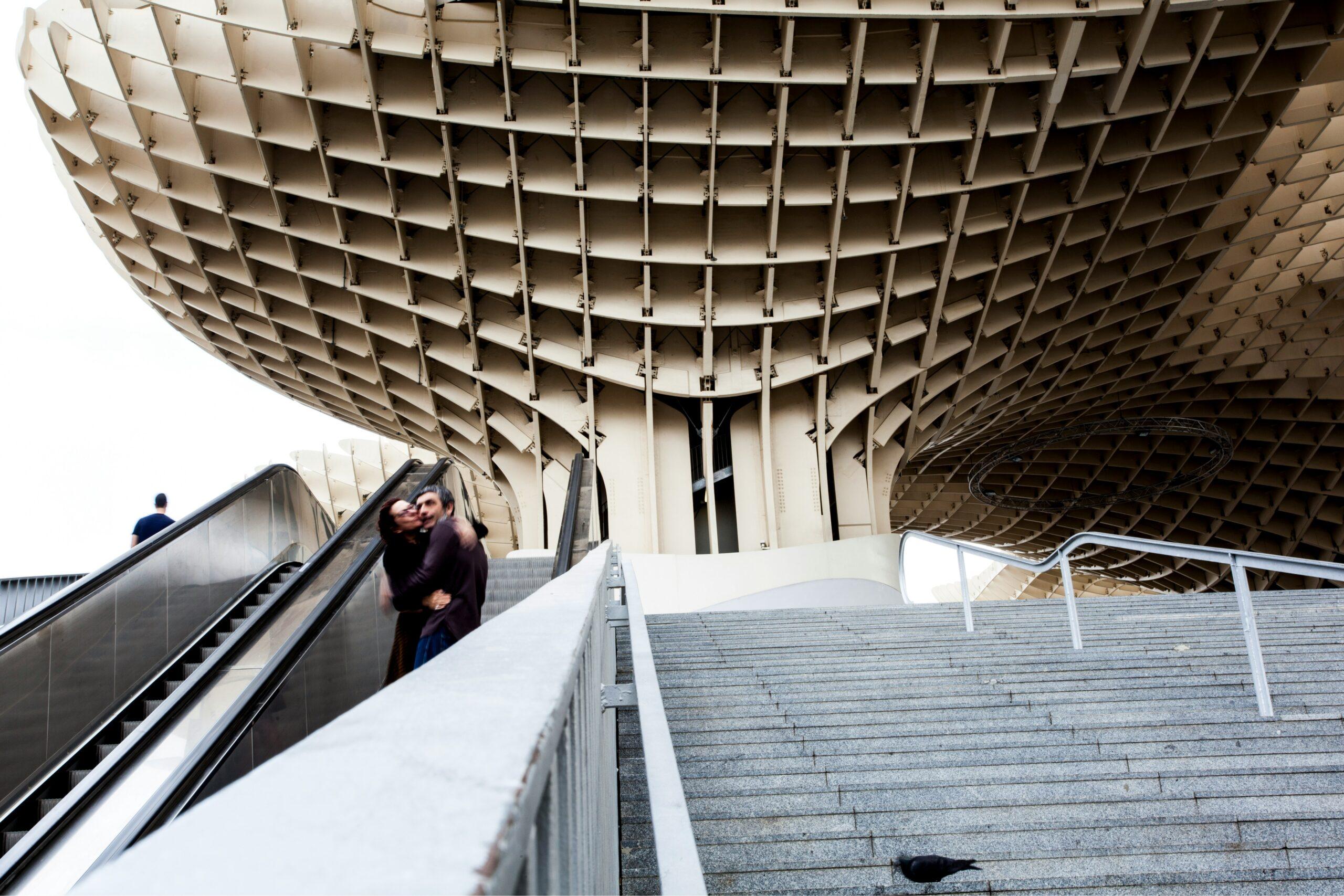
Nicknamed Las Setas (the mushrooms), this glulam timber structure inaugurated in 2011 on the Plaza de la Encarnación feels like a contemporary spacecraft that has landed in the middle of the old town. Head up to the panoramic walkway for sweeping views across Seville’s rooftops. Underneath, the Antiquarium archaeological museum displays Roman and medieval remains uncovered during the foundations dig: a striking contrast spanning two thousand years of history.
Flamenco in Seville: How to Catch the Real Thing
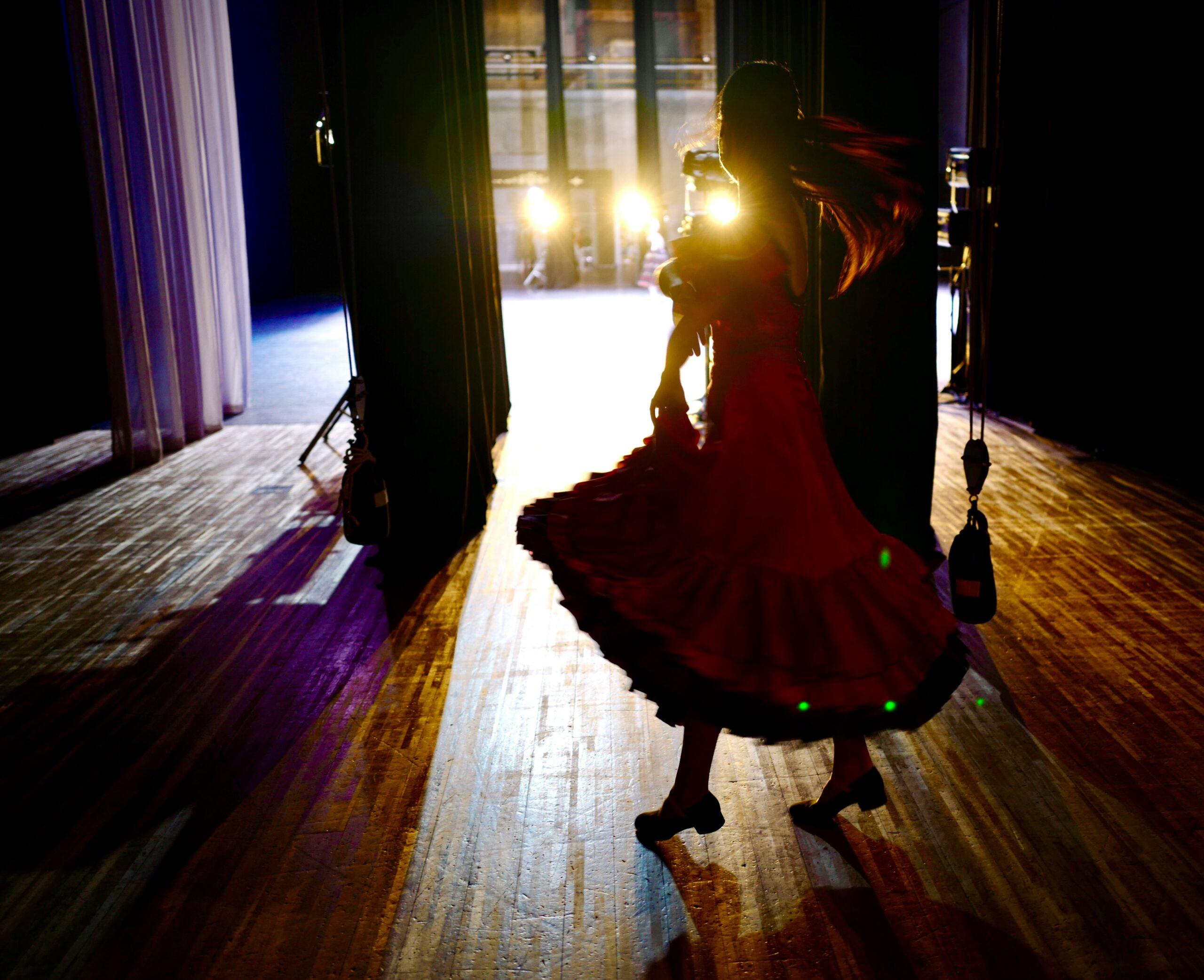
Seville is the birthplace of flamenco, and a show at a traditional tablao is an experience hard to match. A good tablao brings together professional artists in an intimate setting, far removed from the formatted tourist show. The Casa de la Memoria, in the Santa Cruz quarter, is widely recognised for the quality of its performers. Book your seat in advance: evenings often sell out at weekends.
Sevillian Food: Tapas, Jamón and Salmorejo
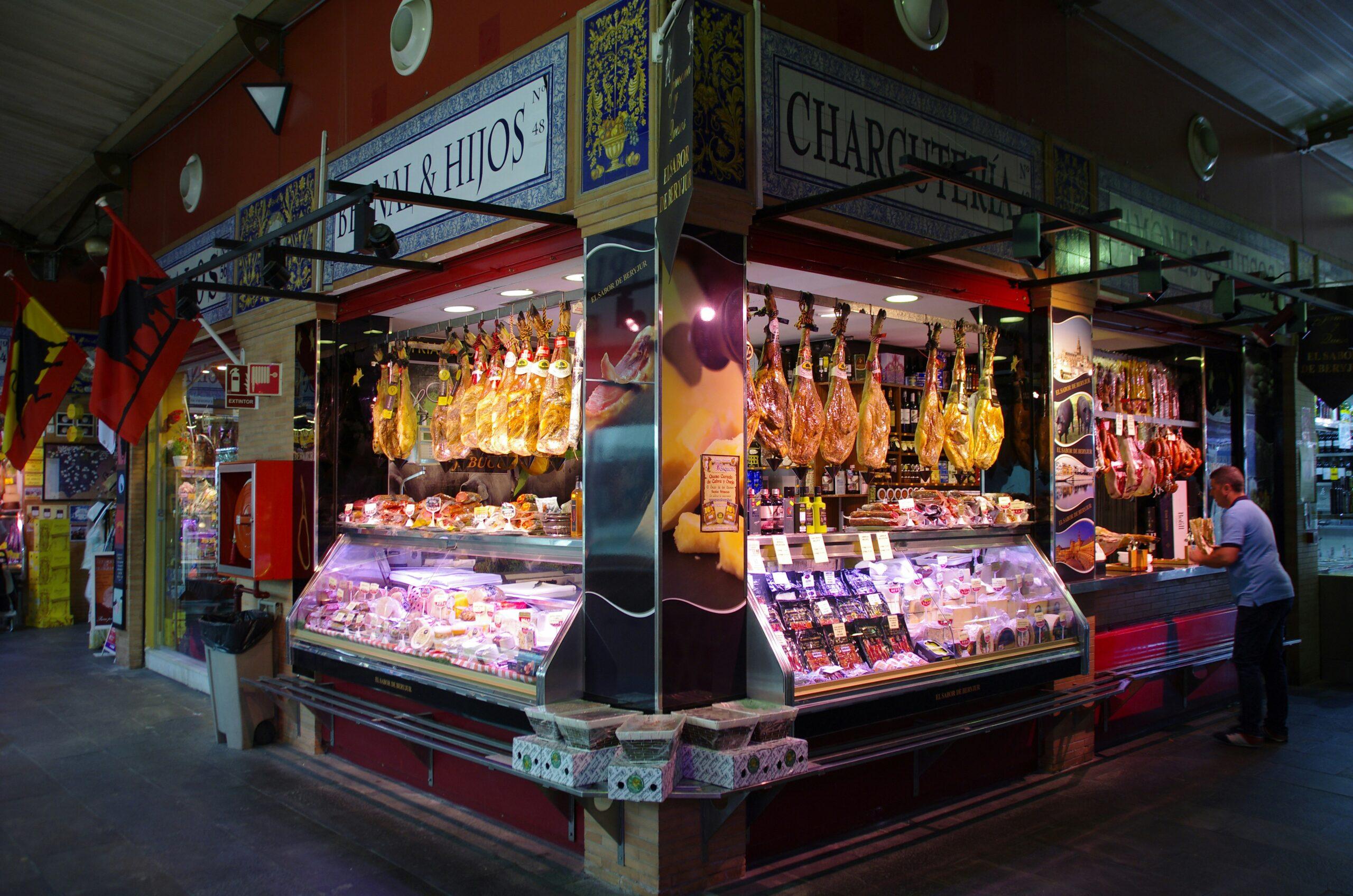
The tapas culture is an institution in Seville: you do not order a full meal, you graze standing up, drink in hand, moving from bar to bar. Try the salmorejo (a cold tomato soup thicker than gazpacho, topped with hard-boiled egg and jamón), gambas al ajillo (prawns sautéed in garlic) and jamón ibérico de bellota. The Triana Market is a must-stop for fresh produce and regional specialities.
When to Visit Seville
Spring (March to May) is the best time: temperatures between 15 and 25 °C, the city in bloom and lively local life. A word of warning: Holy Week (Semana Santa) and the Feria de Abril draw millions of visitors, making accommodation and ticket reservations even more urgent.
Autumn (September to November) is an excellent alternative: bearable heat, smaller crowds and more affordable prices. If you are weighing up your options, our pick of the best destinations in November might help you decide.
Summer (June to August) remains punishing: temperatures regularly top 35 °C.
For more to explore in Spain, our guide on things to do in Spain rounds up the country’s unmissable highlights, and our Madrid guide covers the capital for a combined trip. Looking for another great European city break? Our Florence guide has plenty of inspiration.
FAQ
How many days do you need in Seville?
Three to four days is enough to see the main landmarks (Alcázar, Cathedral, Plaza de España) and still have time to wander through Santa Cruz and Triana. For a short two-day weekend, focus on the Alcázar and Cathedral on day one, then explore the neighbourhoods and catch a flamenco show on day two.
Do you need to book tickets in advance?
Yes, it is essential in 2026. The Alcázar is limited to 750 simultaneous visitors and fills up quickly, especially in spring. Cathedral box offices often sell out by 11am. Book everything online before you travel.
What is the best neighbourhood to stay in Seville?
Santa Cruz is ideal if you want to be within walking distance of all the main sights. El Centro is livelier in the evenings, with plenty of bars and restaurants. Triana suits those looking for a more authentic atmosphere, on the other side of the Guadalquivir.
Where can you see a flamenco show in Seville?
The most reputable tablaos are concentrated in Santa Cruz and El Centro. The Casa de la Memoria is recognised for its intimate setting and the quality of its artists. Book your seat in advance: shows are often sold out at weekends.
Can you visit Seville with children?
Absolutely. The boat ride at the Plaza de España, the Alcázar gardens and the climb up the Giralda (a ramp with no steps) are all very family-friendly. Children up to 14 enter the Alcázar for just 1 EUR.