
Florence packs the very best of the Italian Renaissance into just a few square kilometres. The Duomo, the Uffizi, the Ponte Vecchio, Piazzale Michelangelo: each site deserves a solid half-day. Booking museum tickets online before you travel makes all the difference, particularly from May to September.
The Duomo: Florence’s Defining Landmark
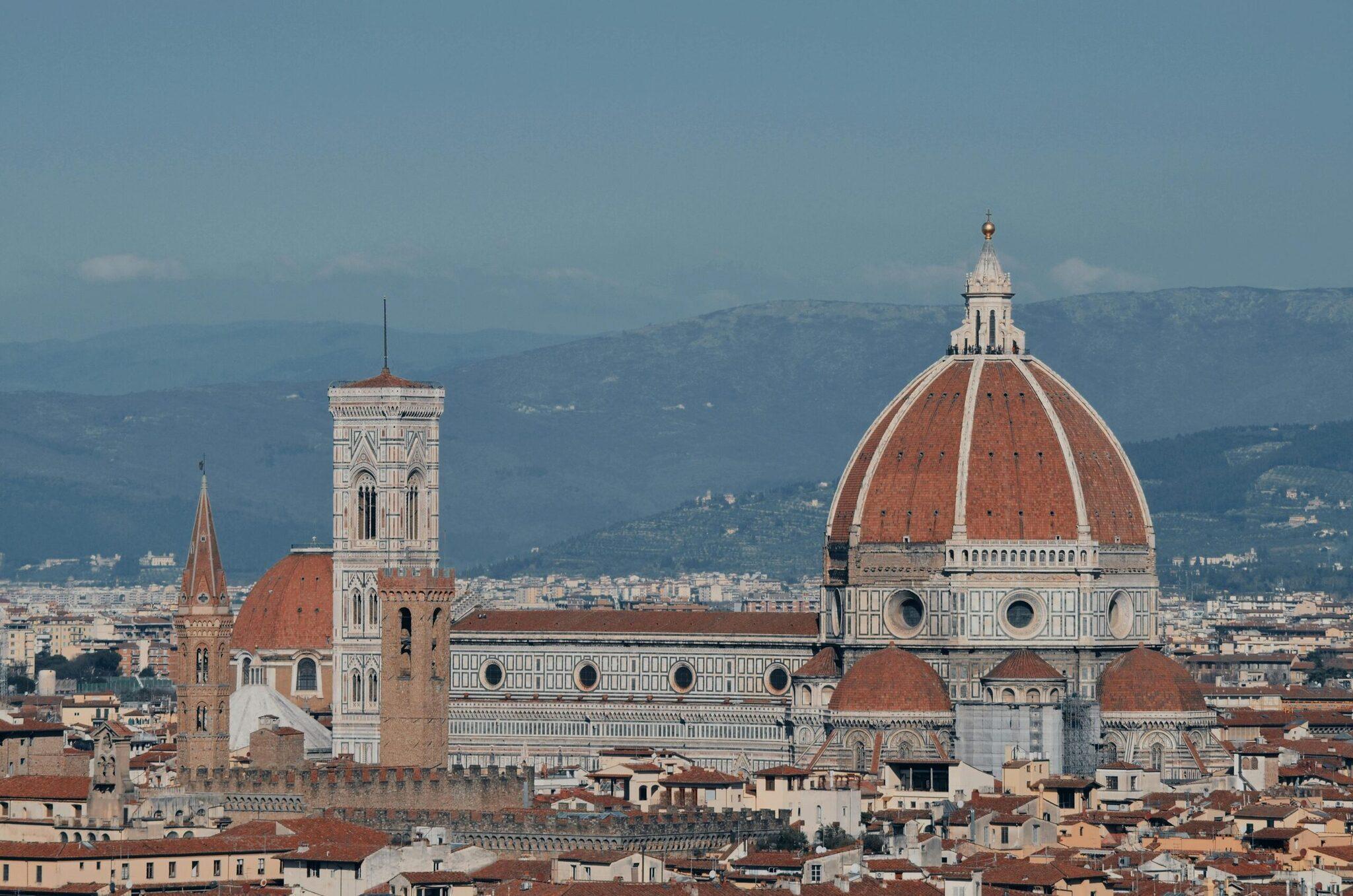
The Cathedral of Santa Maria del Fiore dominates every sightline in central Florence. Its terracotta dome, designed by Filippo Brunelleschi in the early 15th century, remains the largest masonry dome ever built. The tricolour marble facade (white, pink and green) and Giotto’s Campanile complete an architectural ensemble that stands in a class of its own.
The Duomo complex ticket covers the dome, the campanile, the museum and the Baptistery of St John. Climbing the dome means tackling 463 steps, rewarded at the top with a sweeping panorama over the Florentine rooftops. Time slots fill up quickly during high season, so online booking is strongly recommended.
The Baptistery, directly opposite the cathedral, houses the celebrated Gates of Paradise, sculpted by Ghiberti in the 15th century. Give yourself time to study them up close.
The Uffizi Gallery and the Galleria dell’Accademia
Two museums, two unmissable artistic encounters, each extraordinary in its own right.
The Uffizi Gallery
One of the greatest museums in the world, the Uffizi is anchored by Botticelli’s The Birth of Venus and Primavera, though Leonardo da Vinci, Michelangelo and Raphael each command entire rooms of their own. Entry is free for under-18s (EU nationals); adult tickets range from €28 to €39 depending on where you book. The view of the Ponte Vecchio from the windows of the Vasari Corridor is an unexpected bonus.
Do not turn up without a ticket: queues can stretch beyond two hours in summer.
The Galleria dell’Accademia and Michelangelo’s David
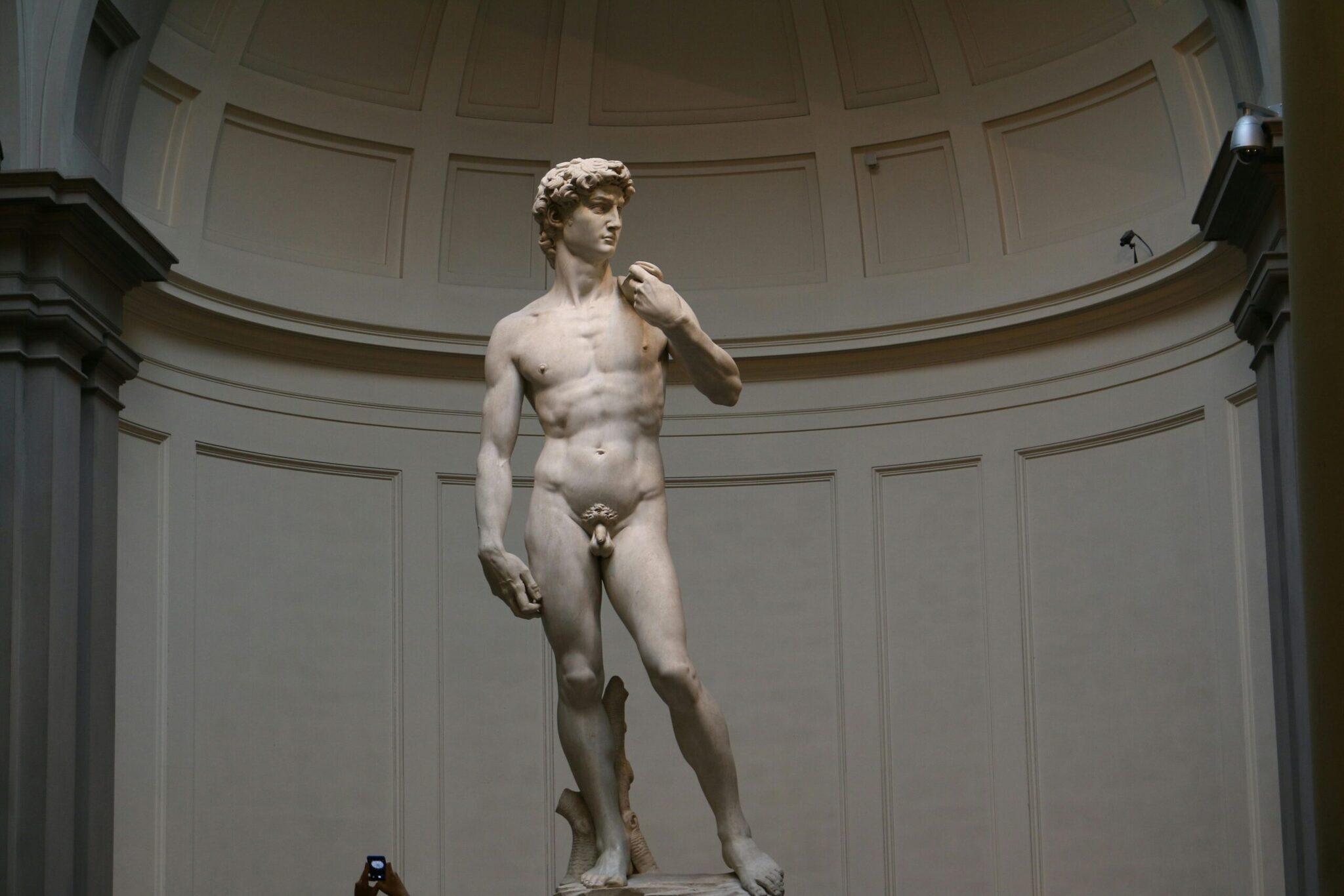
A ten-minute walk from the Uffizi, the Accademia houses the original David in a rotunda built expressly for it. Standing before the original, every replica you have seen around the city immediately fades from memory. Walk-up entry costs €16, or €20 when booked online in advance (booking fee included). From March 2026, a combined Accademia and Museo Nazionale del Bargello ticket is available at €26 (plus booking fee), valid for 48 hours. Under-18s enter free.
Book 2 to 4 weeks ahead: morning slots (from 8.15 am) are the first to sell out.
The Ponte Vecchio and the Oltrarno Quarter
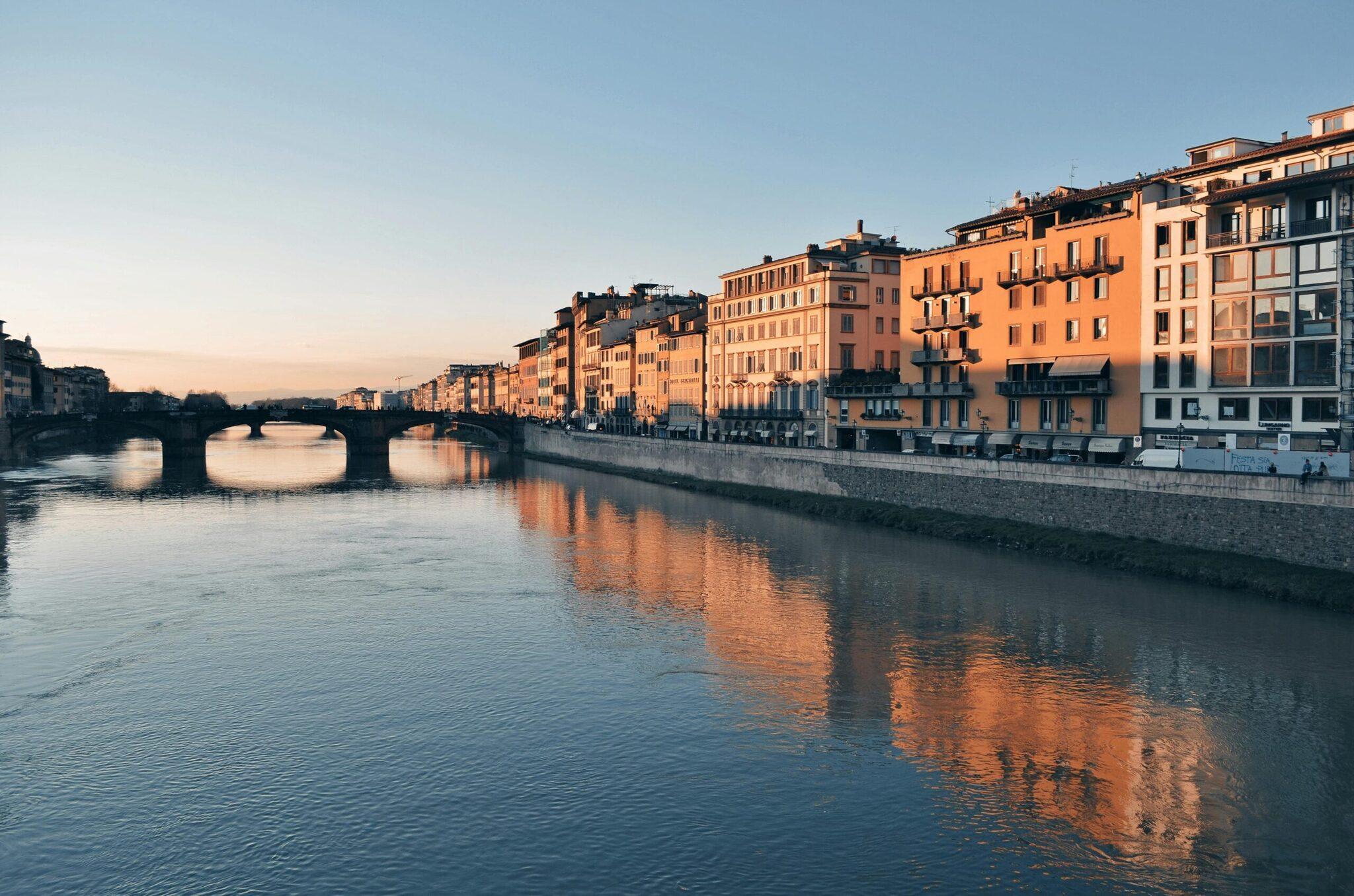
The Ponte Vecchio is Florence’s most iconic bridge. Its jewellers’ and goldsmiths’ shops, perched above the Arno since the 16th century, give it a silhouette unlike any other in the world.
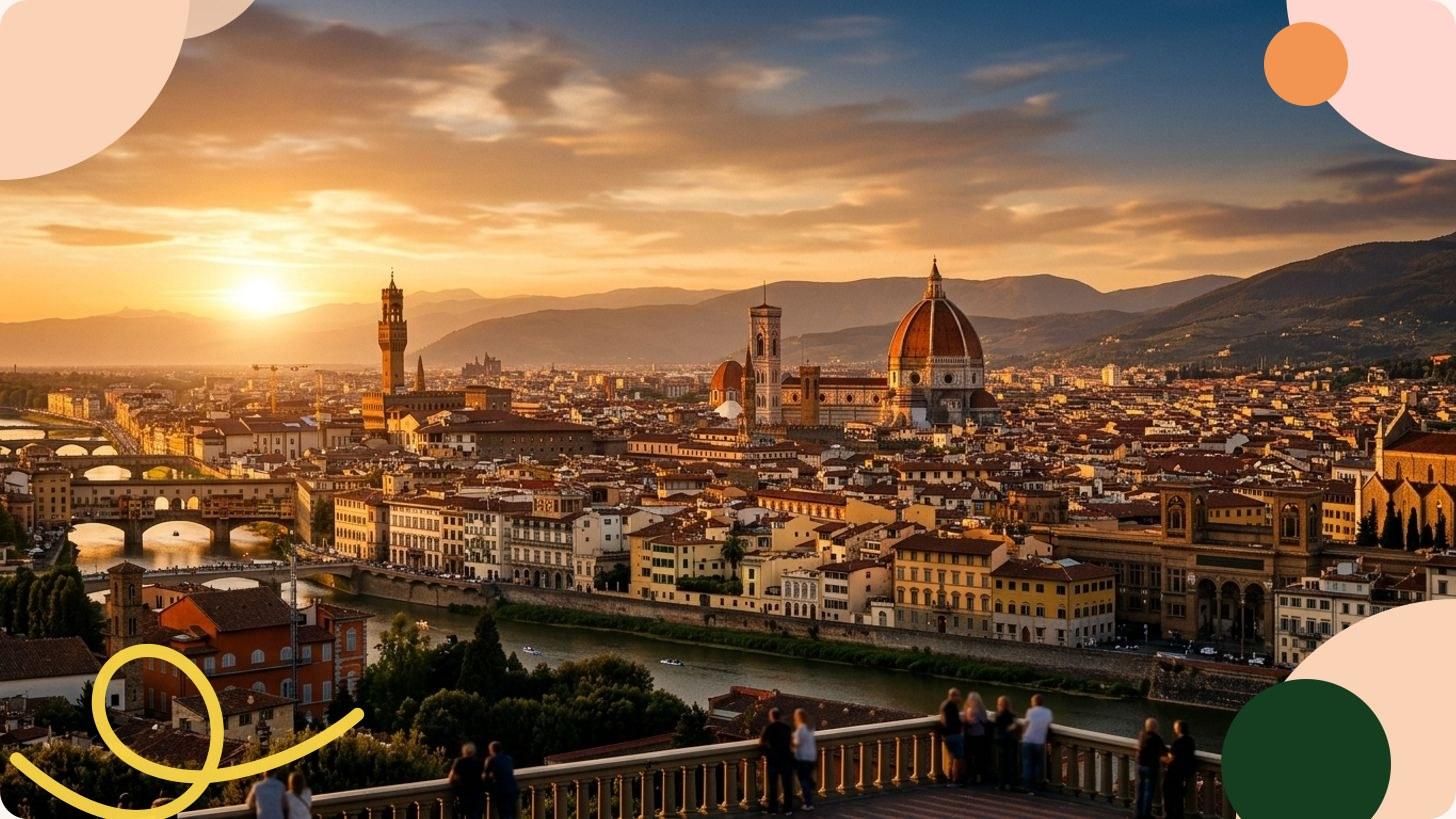
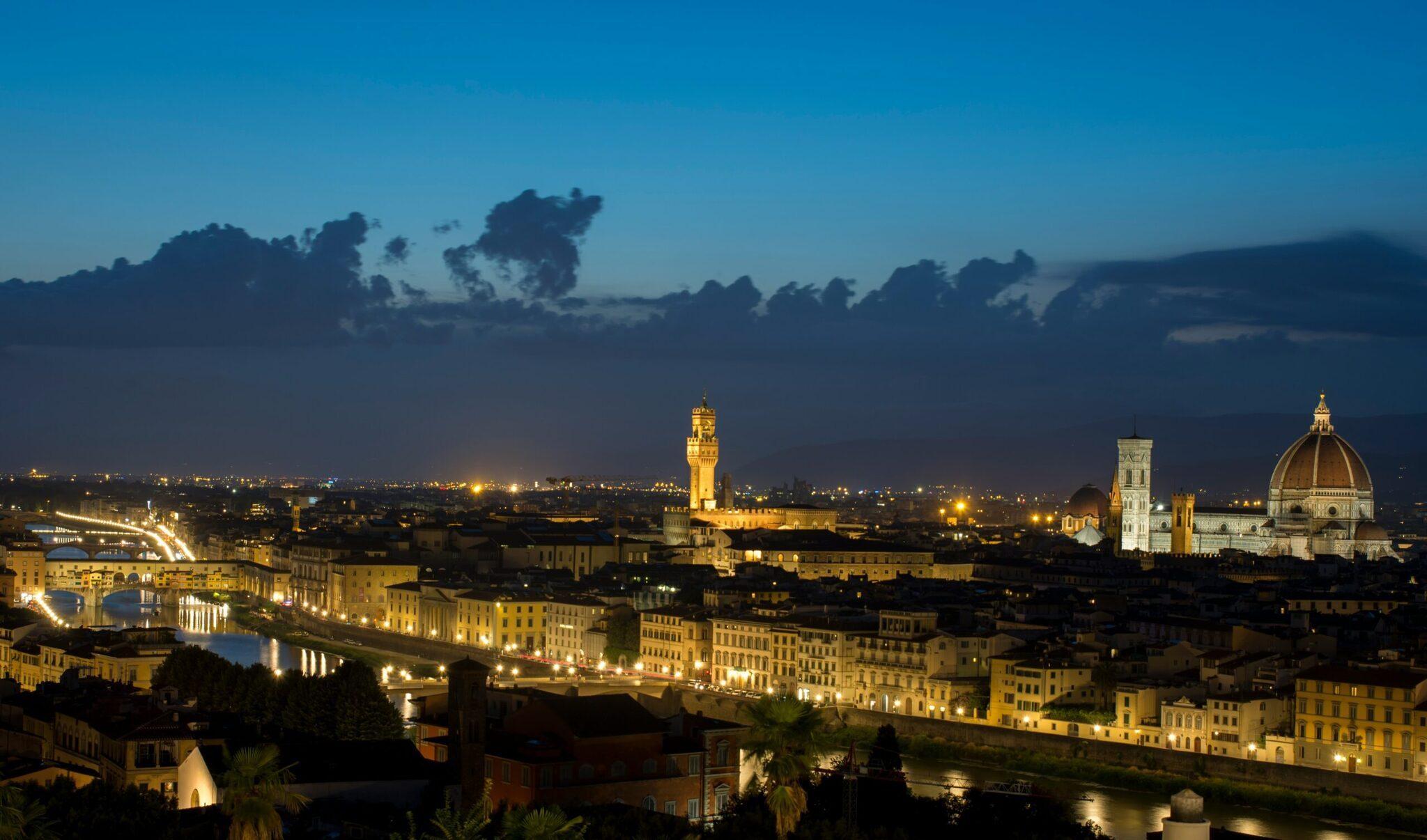
At dusk, the light turns the ochre facades a deep amber and shimmers on the water below. Cross early in the morning to enjoy it crowd-free, or return at golden hour for photographs. The Oltrarno quarter on the south bank offers a distinctly more local Florence: craftsmen’s workshops, neighbourhood trattorias and an atmosphere far removed from the tourist centre.
The Pitti Palace and the Boboli Gardens
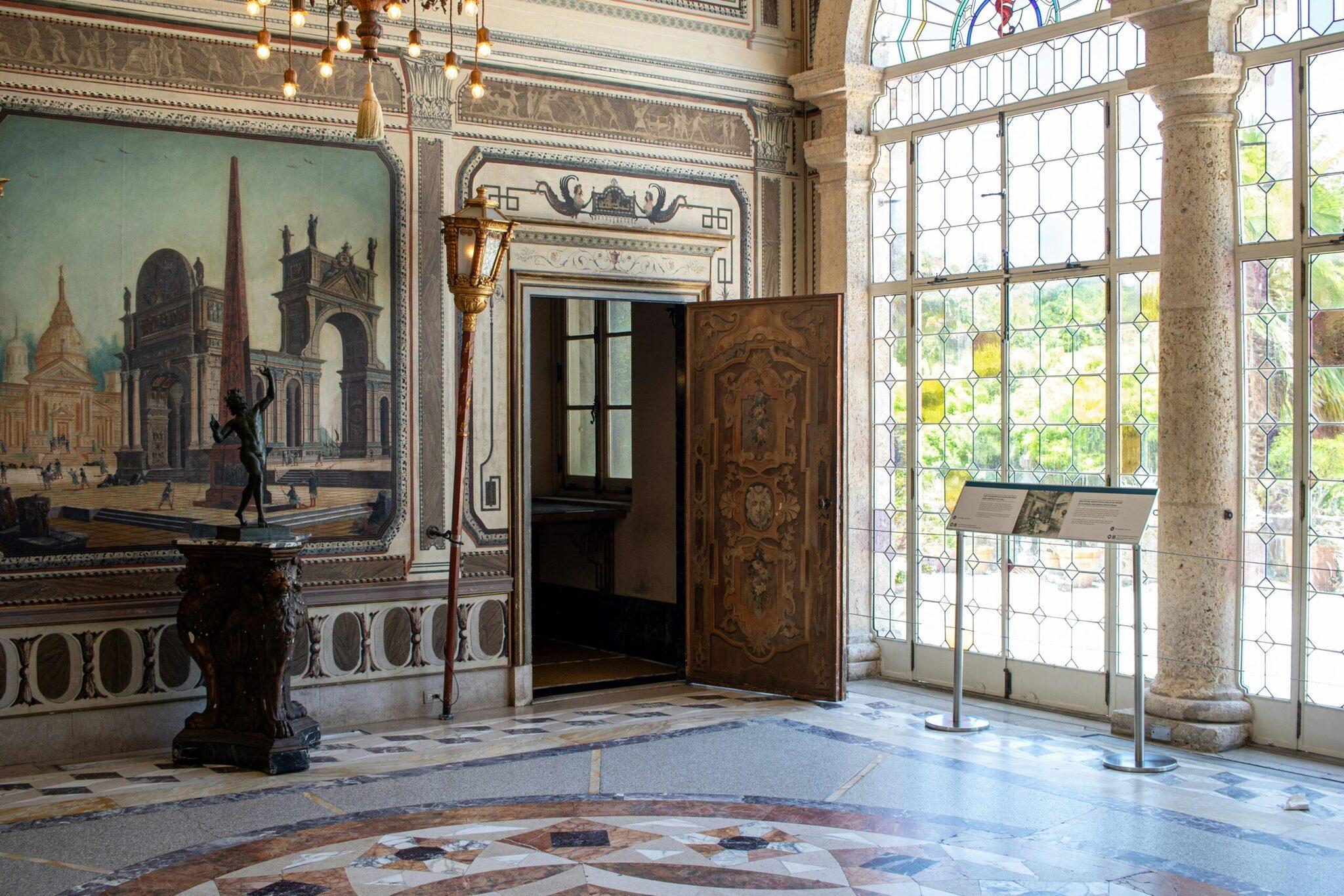
The former Medici residence impresses above all by its sheer scale. The Palatine Gallery inside displays Raphaels and Titians in their original hanging arrangements, as though the Medicis had simply stepped out for the afternoon.
Behind the palace, the Boboli Gardens climb the hillside in a succession of fountains, statues and cypress-lined avenues. Admission to the gardens alone costs around €18 for adults; under-18s enter free. Opening hours vary by season: gates open at 8.15 am and close at 4.30 pm in winter, extending to 7.10 pm from June to August. The gardens are closed on the first and last Monday of each month and on 25 December.
Piazza della Signoria: Florence’s Open-Air Drawing Room
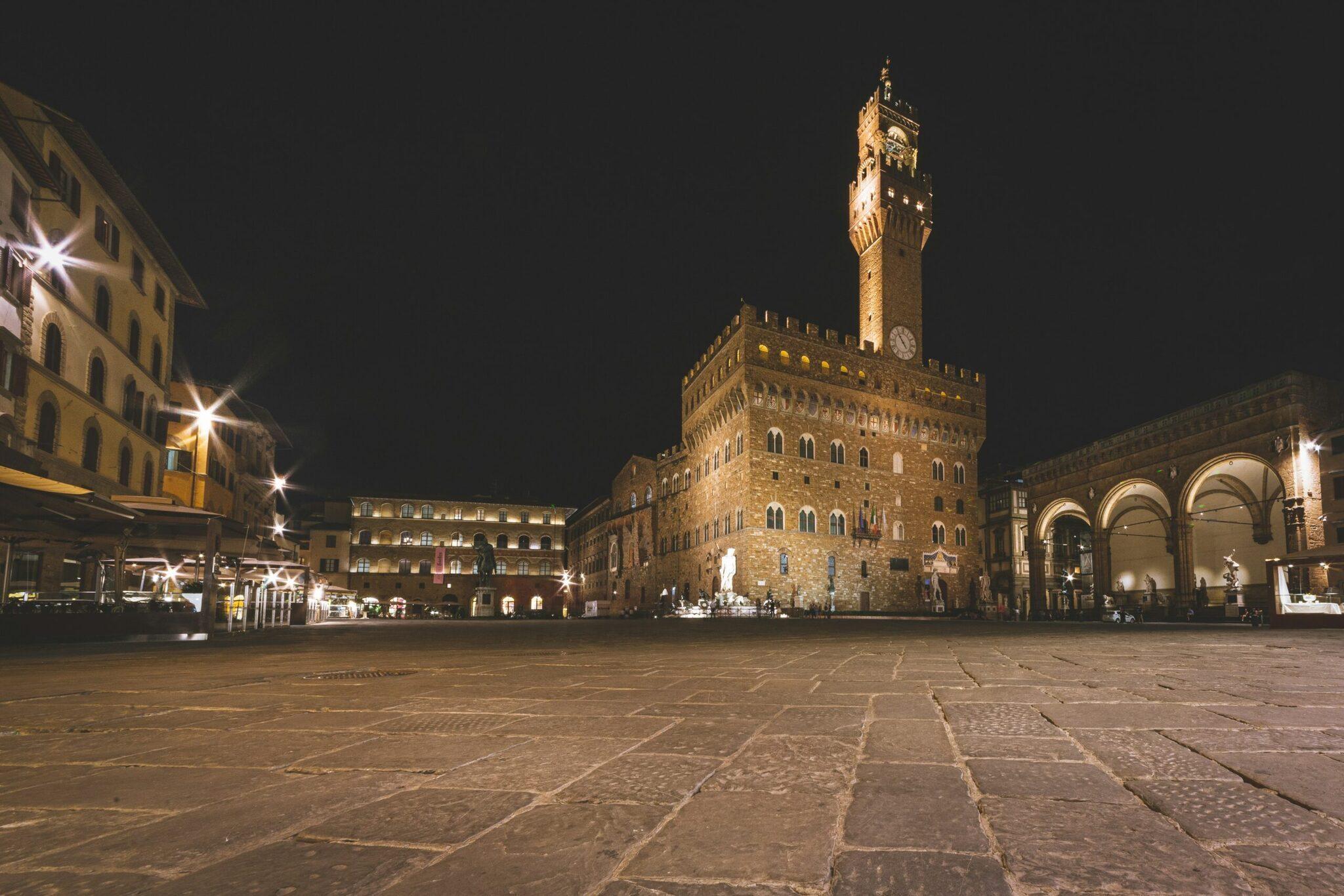
This square condenses seven centuries of Florentine history into a single space. The Palazzo Vecchio, with its crenellated tower presiding over the whole piazza, is the centrepiece. Under the Loggia dei Lanzi, Cellini’s Perseus with the Head of Medusa and other monumental sculptures are displayed in the open air, free to view without a ticket.
It is the perfect spot to settle at a terrace café between museum visits, catch your breath and watch Florentine life unfold.
The Basilica of Santa Croce: Florence’s Pantheon
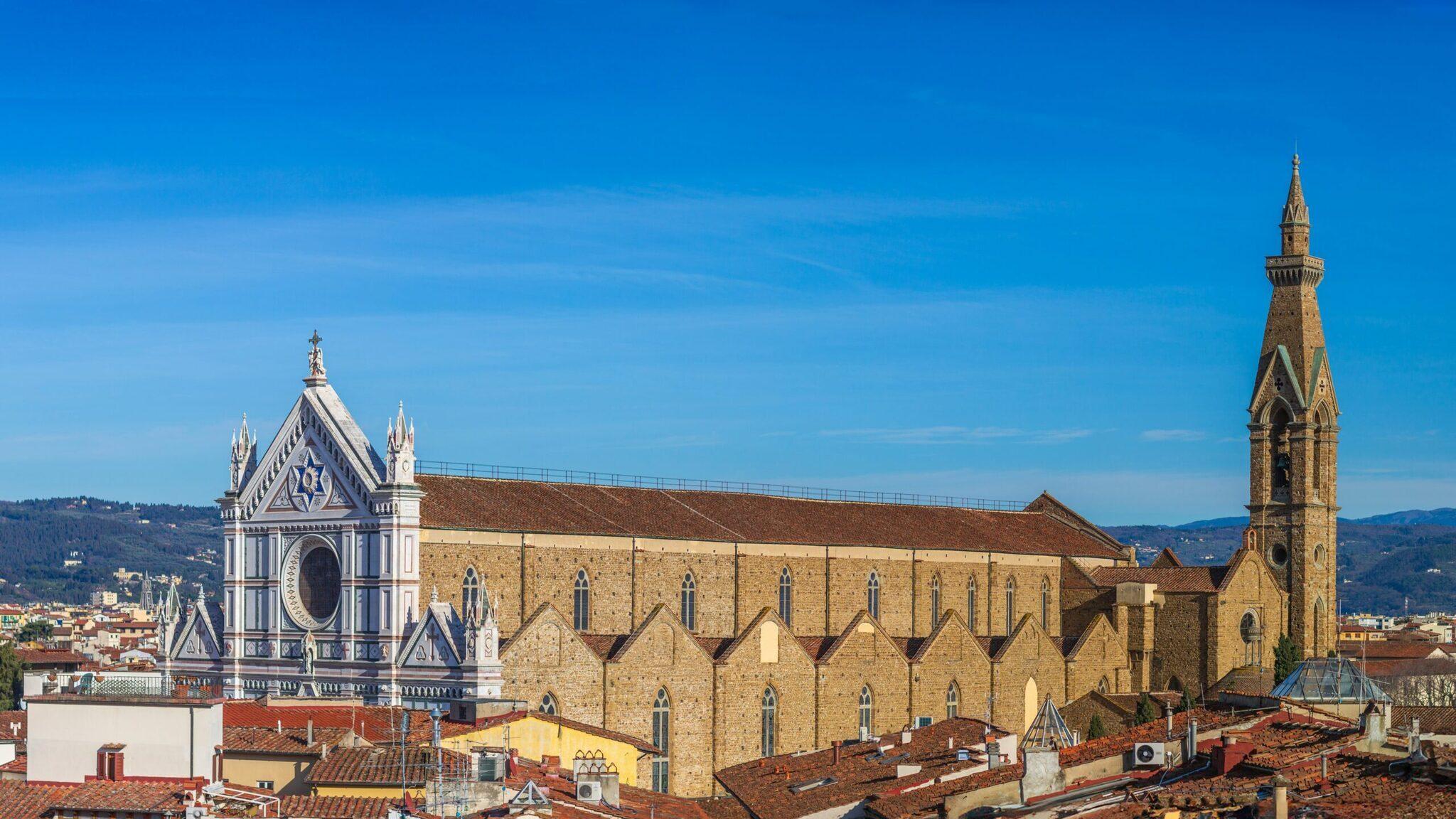
Santa Croce houses the tombs of Michelangelo, Galileo and Machiavelli, among other figures who shaped Italian history. The Gothic building itself is a masterpiece: Giotto’s frescoes in the Bardi Chapel date from the early 14th century. The adjoining cloister offers a welcome moment of calm in the middle of a packed day.
For a broader exploration of Italy, our guide to the 20 must-see things to do in Italy offers excellent ideas beyond Florence.
The Mercato Centrale: A Taste of Tuscan Cuisine
The Mercato Centrale di San Lorenzo operates on two levels. The ground floor brings together local producers: cured meats, cheeses, vegetables and fresh pasta. It is open Tuesday to Saturday from 7 am to 2 pm (closed on Sundays). The upper floor, converted into a permanent food court, runs daily from 9 am to midnight with stalls run by artisan producers: lampredotto, ribollita, Tuscan charcuterie and a fine selection of Chianti.
Entry is free. It is one of the most affordable and authentic spots to have lunch surrounded by the best of Tuscan produce.
Piazzale Michelangelo: The View That Makes Florence Make Sense
Perched on a hillside south of the Arno, this terrace offers the panoramic view that suddenly makes the geography of Florence click into place: Brunelleschi’s dome, Giotto’s Campanile, Santa Croce, the Palazzo Vecchio, and the Arno winding between the surrounding hills. Access is free at any hour. You can reach it by bus (line 13) or on foot in around twenty minutes from the Ponte Vecchio.
Arrive 30 minutes before sunset to secure a good spot on the steps.
Day Trips from Florence: Pisa, Siena and the Tuscan Coast
Florence makes an ideal base for exploring Tuscany. Pisa is easily reached by train from Santa Maria Novella station; the Piazza dei Miracoli and its Leaning Tower are well worth a half-day trip. Siena, reachable by coach or car, unfolds its intact medieval centre around the Piazza del Campo. The Tuscan coast, stretching between Livorno and the Maremma, offers a refreshing seaside escape after several days of museum-going.
If you are planning a wider tour of Italy, our guides to things to do in Rome and things to do in Milan are useful additions to your itinerary.
FAQ
How many days do you need to visit Florence?
Three to four days is enough to cover the main sites (the Duomo, the Uffizi, the Accademia, Santa Croce and Piazzale Michelangelo) without feeling rushed. Two days can work for a tighter selection, provided you book everything in advance.
Do you need to book tickets in advance?
Yes, it is essential for the Uffizi and the Galleria dell’Accademia. From May to September, slots fill up 2 to 4 weeks in advance. Booking online saves you from queuing for several hours on site.
What is the best time of year to visit Florence?
Spring (April to May) and autumn (September to October) offer pleasant temperatures and smaller crowds than July and August. Summer is very hot and very busy; winter allows you to visit the museums in relative peace, with tickets often available at short notice.
Is Piazzale Michelangelo free to visit?
Yes, access to Piazzale Michelangelo is completely free at any time of day. The only cost is a standard bus ticket if you take line 13 to get there.
Are the Boboli Gardens worth visiting?
Absolutely, especially when combined with a visit to the Pitti Palace. Admission costs around €18 for adults; under-18s enter free. The gardens are far less crowded than the museums and offer lovely views over the surrounding hills.