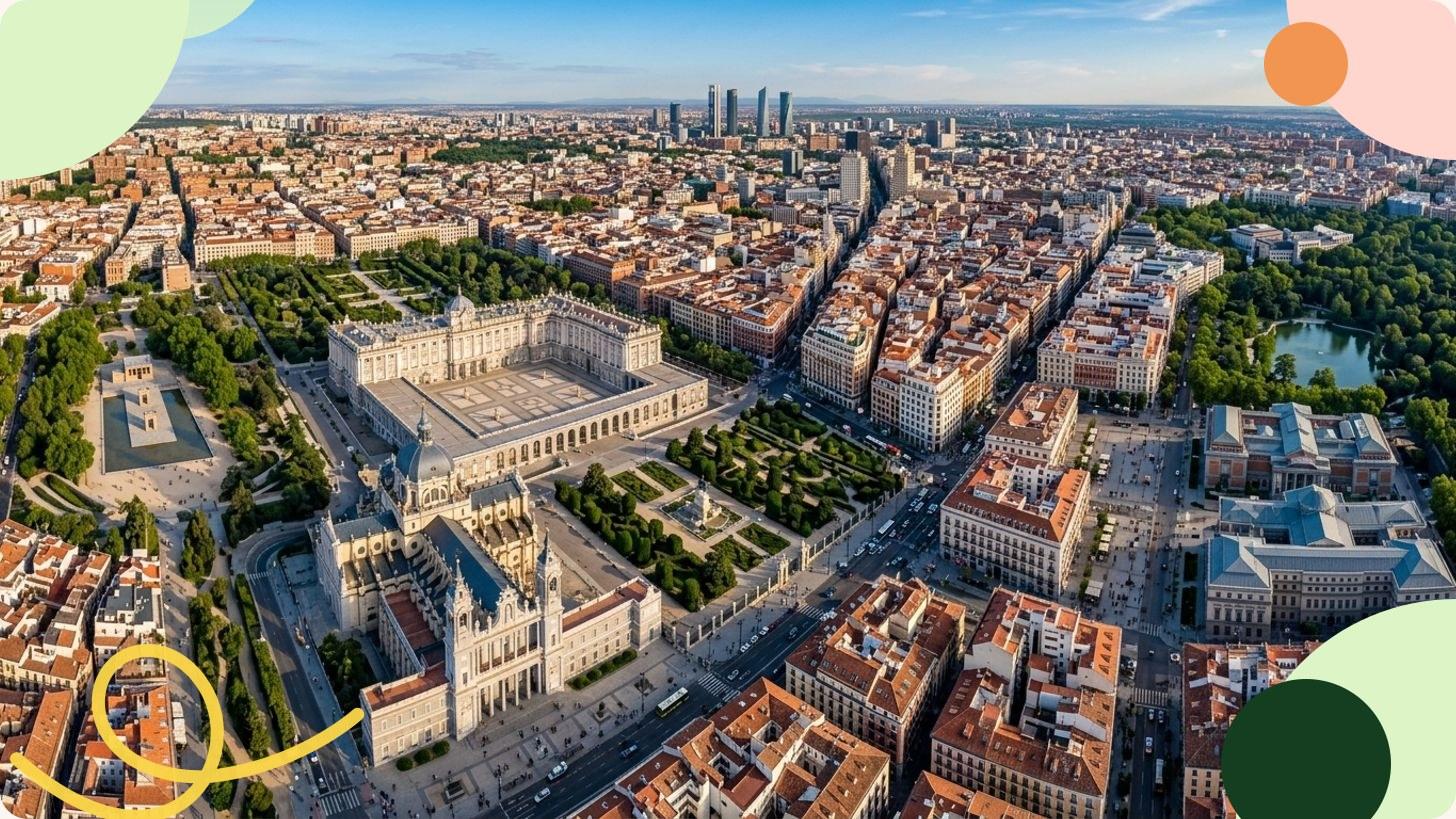

Madrid packs a royal palace, Spain’s largest urban park and a triumvirate of world-class museums into just a few square kilometres. Three to four days is all you need to take in the essentials without feeling rushed.
The Royal Palace: a Monument to Spanish Monarchy
The Royal Palace of Madrid is the official residence of the Spanish monarchy, though the royal family rarely lives there. It serves mainly as a venue for state ceremonies and diplomatic receptions. What draws visitors is the sheer profusion of 18th-century royal architecture: a Throne Room adorned with Tiepolo frescoes, state apartments, a Royal Armoury with one of Europe’s finest collections of armour, a historic pharmacy and the Royal Chapel.
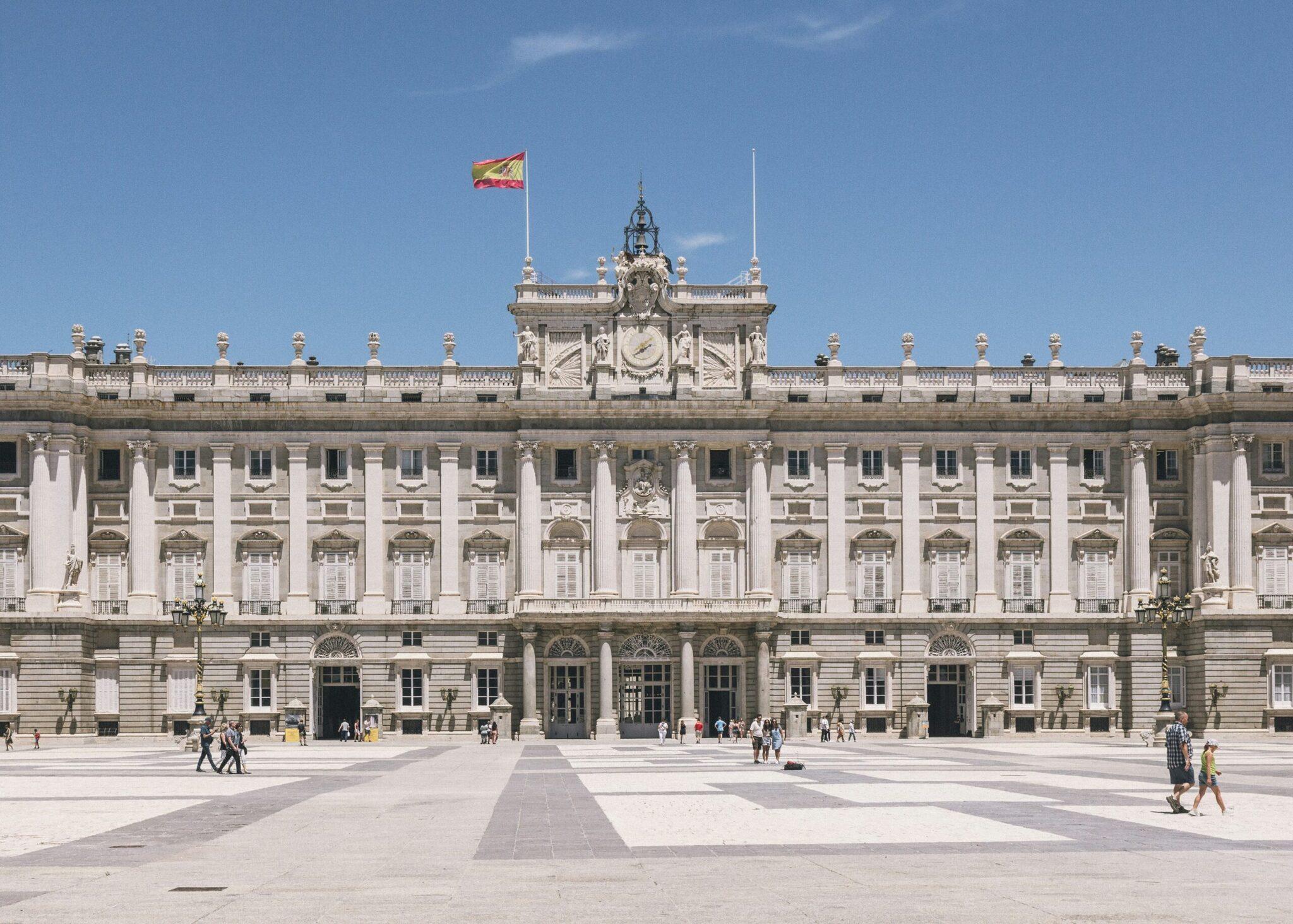
Entry is paid; free slots are available on certain weekday evenings. Check the exact conditions on the official Patrimonio Nacional website before you go.
The Golden Triangle of Art: Three Museums, One Full Day
Madrid has three major museums within a ten-minute walk of one another along the Paseo del Prado: the Prado, the Reina Sofía and the Thyssen-Bornemisza. Together they span nine centuries of Western art. Along with the neighbouring Retiro park, this cultural corridor was inscribed as a UNESCO World Heritage Site in July 2021.
Prado Museum: Six Centuries of European Painting
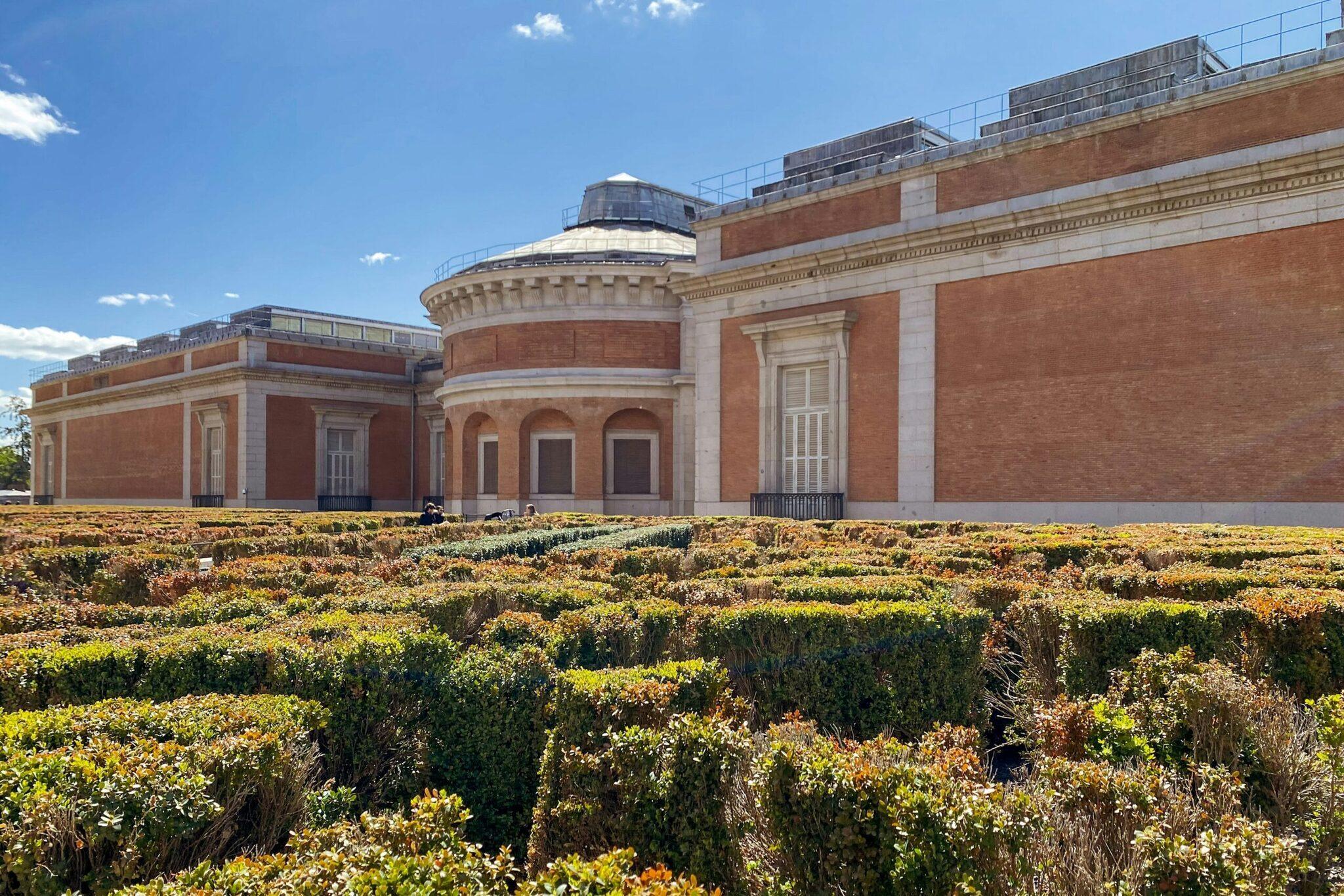
The Prado holds more than 8,600 paintings in its total collection, around 1,700 of which are on permanent display. Velázquez (Las Meninas), Goya (The Third of May 1808), Bosch (The Garden of Earthly Delights), Rubens: the visit sweeps across six centuries of painting from the 14th to the 19th century. Allow at least two hours, four if you want to go beyond the most visited galleries.
Reina Sofía Museum: From Picasso to the Spanish Avant-Garde
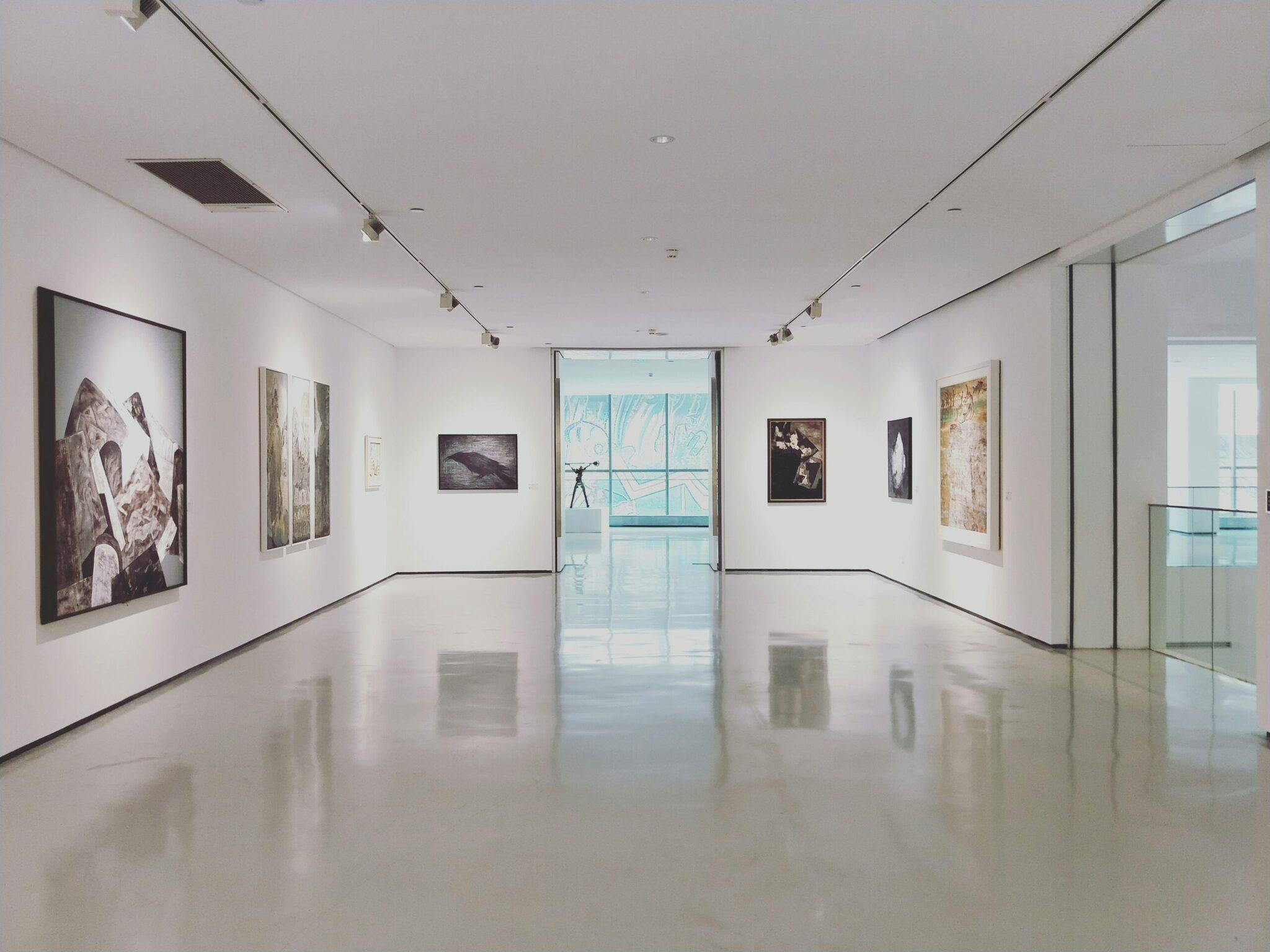
The Reina Sofía is the national museum of modern and contemporary art. Its centrepiece, Picasso’s Guernica, occupies an entire room and commands silence. Around it, works by Dalí, Miró and the Spanish avant-garde movements of the 20th century form a rich and dense collection. The Jean Nouvel extension, with its glazed galleries overlooking the city, adds a striking architectural contrast.
Thyssen-Bornemisza Museum: From Medieval Painting to Pop Art
Facing the Prado, the Thyssen-Bornemisza covers what the other two miss: medieval painting, Impressionism, Expressionism and pop art. Caravaggio, Van Gogh, Hopper and Lichtenstein hang in well-organised galleries. If you only have time for two museums, this is the one offering the broadest chronological range.
Insure my trip to MadridRetiro Park: 125 Hectares of Green in the Heart of Madrid
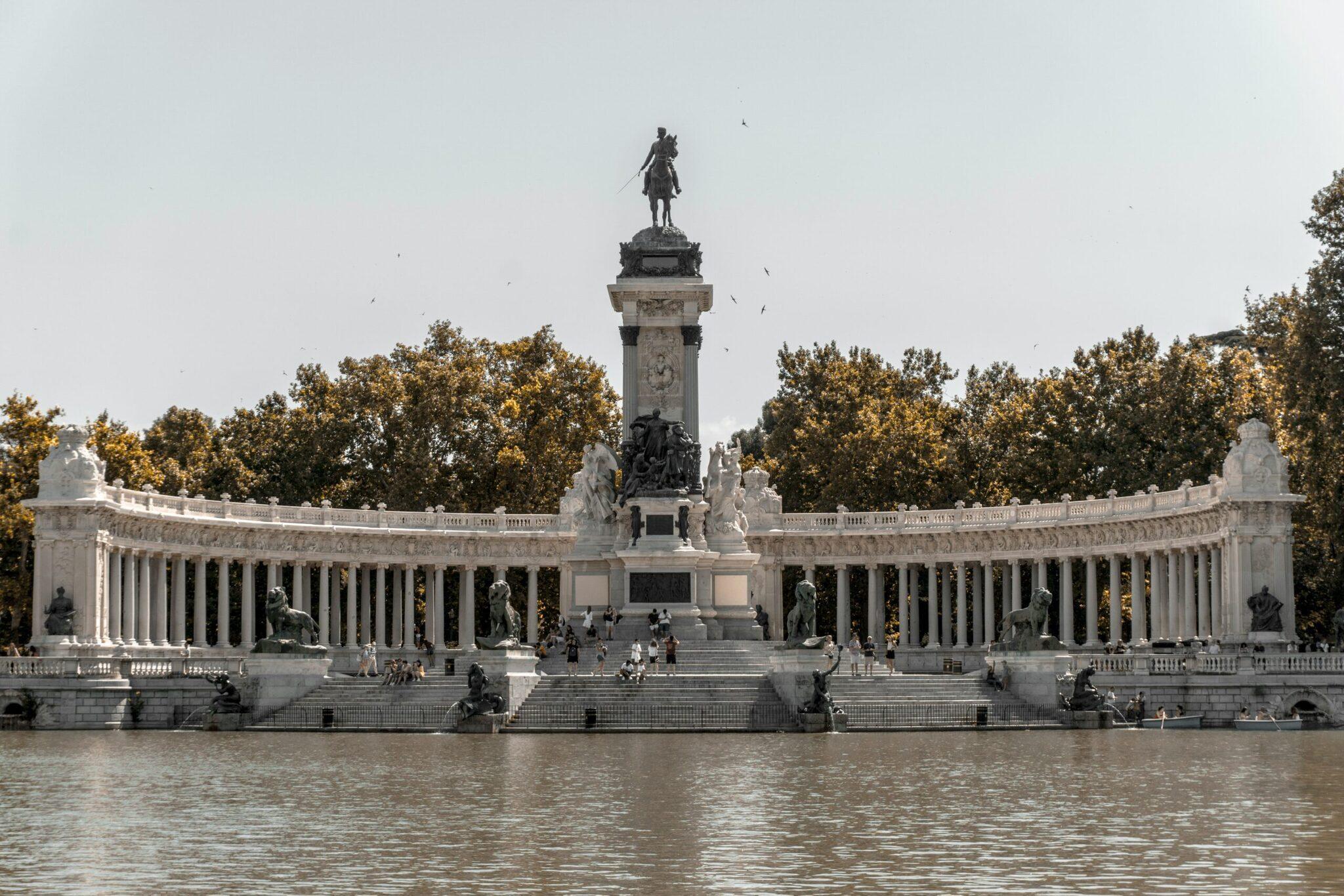
A former royal estate opened to the public in the 19th century, Retiro is Madrid’s green lung. Across its 125 hectares, the central lake welcomes rowing boats for hire at weekends; the Palacio de Cristal, a glass and cast-iron pavilion, hosts temporary contemporary art exhibitions. On Sunday mornings the park fills with families, joggers and street musicians: the perfect time to wander through at your own pace.
Plaza Mayor and its Surrounding Streets
The Plaza Mayor is a rectangular square entirely framed by 17th-century brick buildings with arcaded ground floors. Built under Philip III, it once hosted royal bullfights and popular markets.
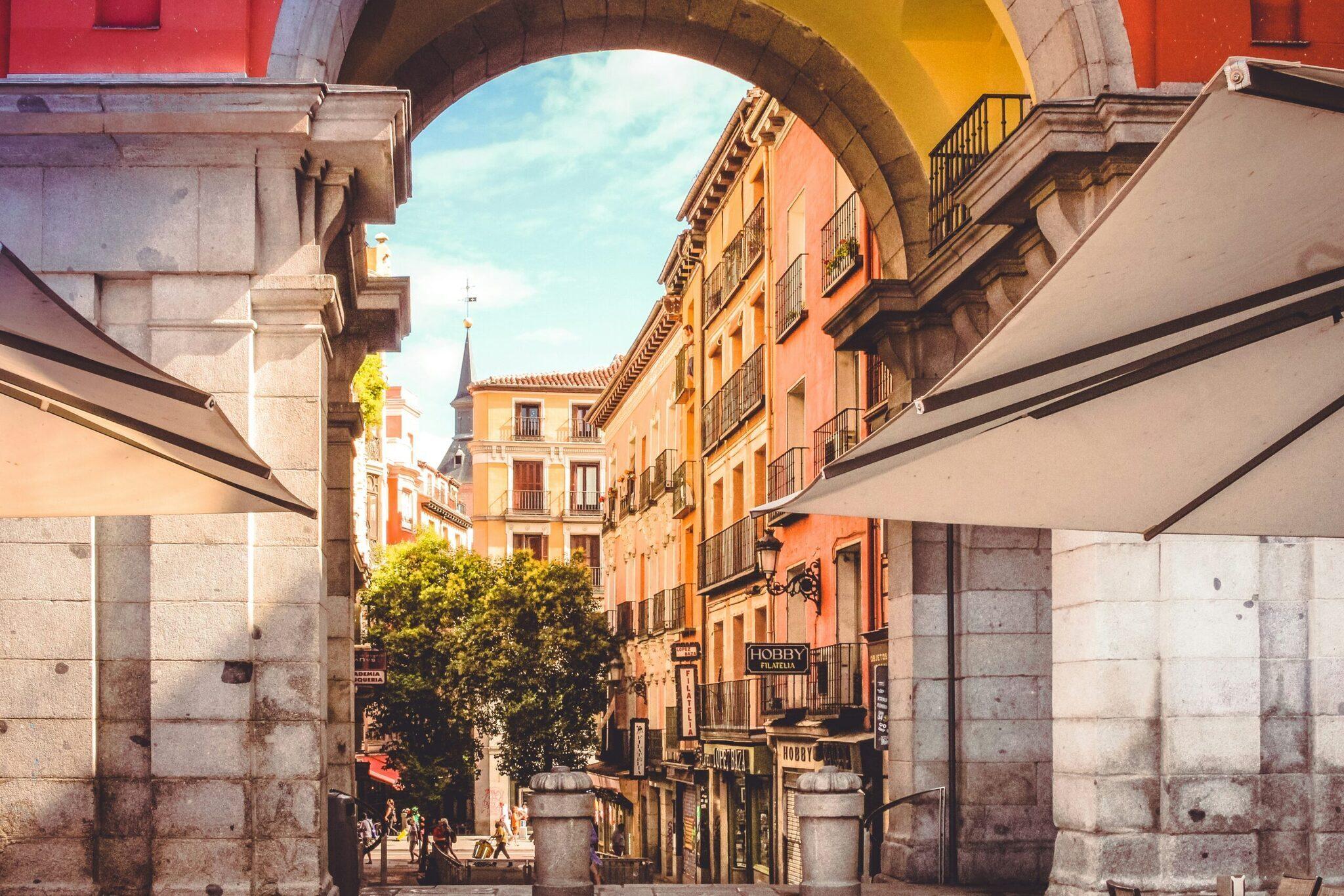
Today it makes an ideal starting point for exploring the surrounding streets on foot: the Cava Baja for tapas, the Mercado de San Miguel for a standing bite beneath an early-20th-century wrought-iron and glass roof, and the Arco de Cuchilleros leading down towards La Latina.
La Latina: the Soul of Madrid
La Latina is one of Madrid’s oldest neighbourhoods. Its cobbled lanes are densely packed with tapas bars, most of them frequented more by locals than tourists.
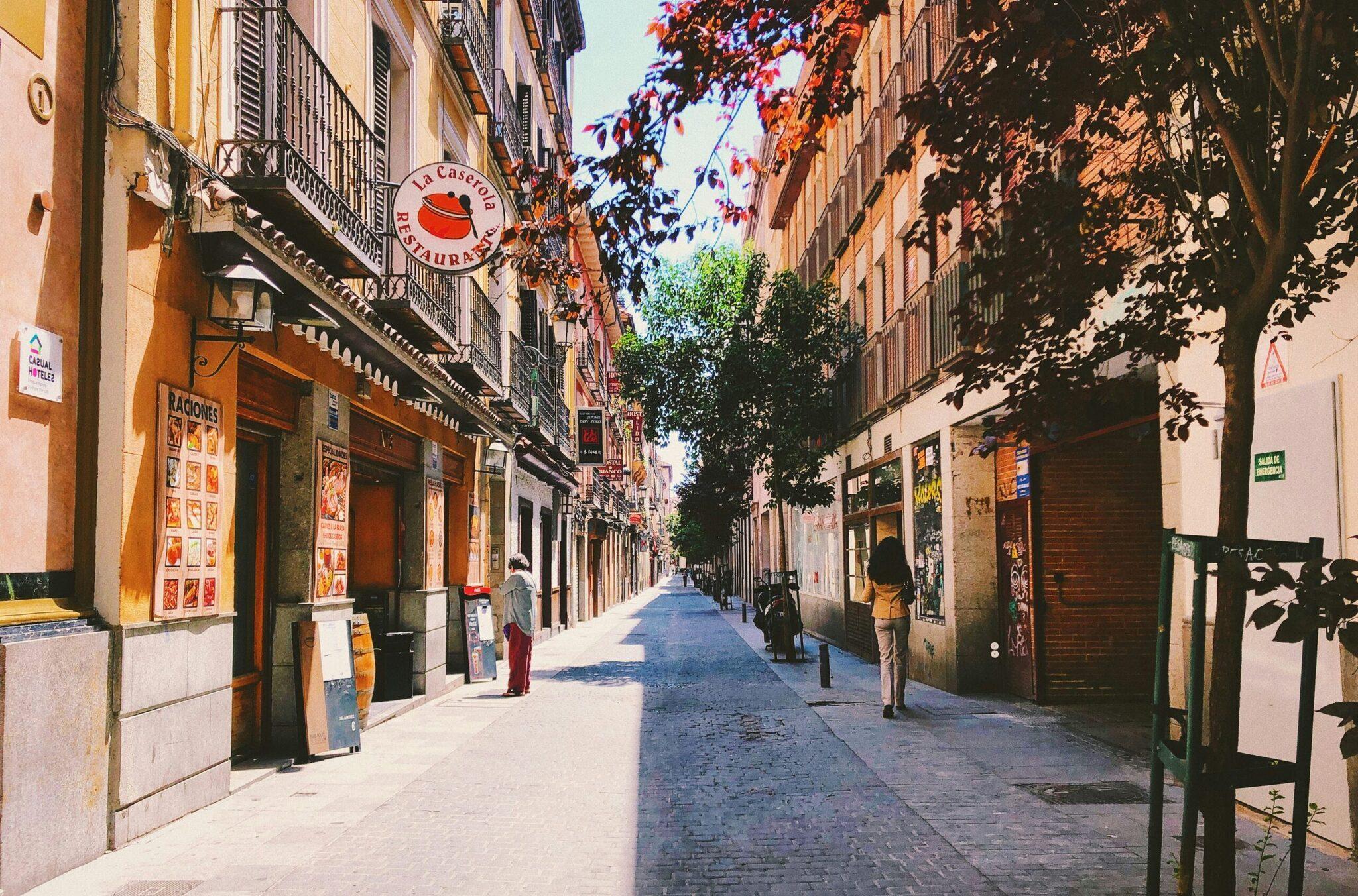
On Sundays, the El Rastro flea market takes over the streets around the Ribera de Curtidores: old books, vinyl records, clothing, antiques. Arrive before 11am to beat the worst of the crowds. Lunch on a La Latina terrace after the market is a Madrid ritual in itself.
Atocha Station and its 7,000 Tropical Plants
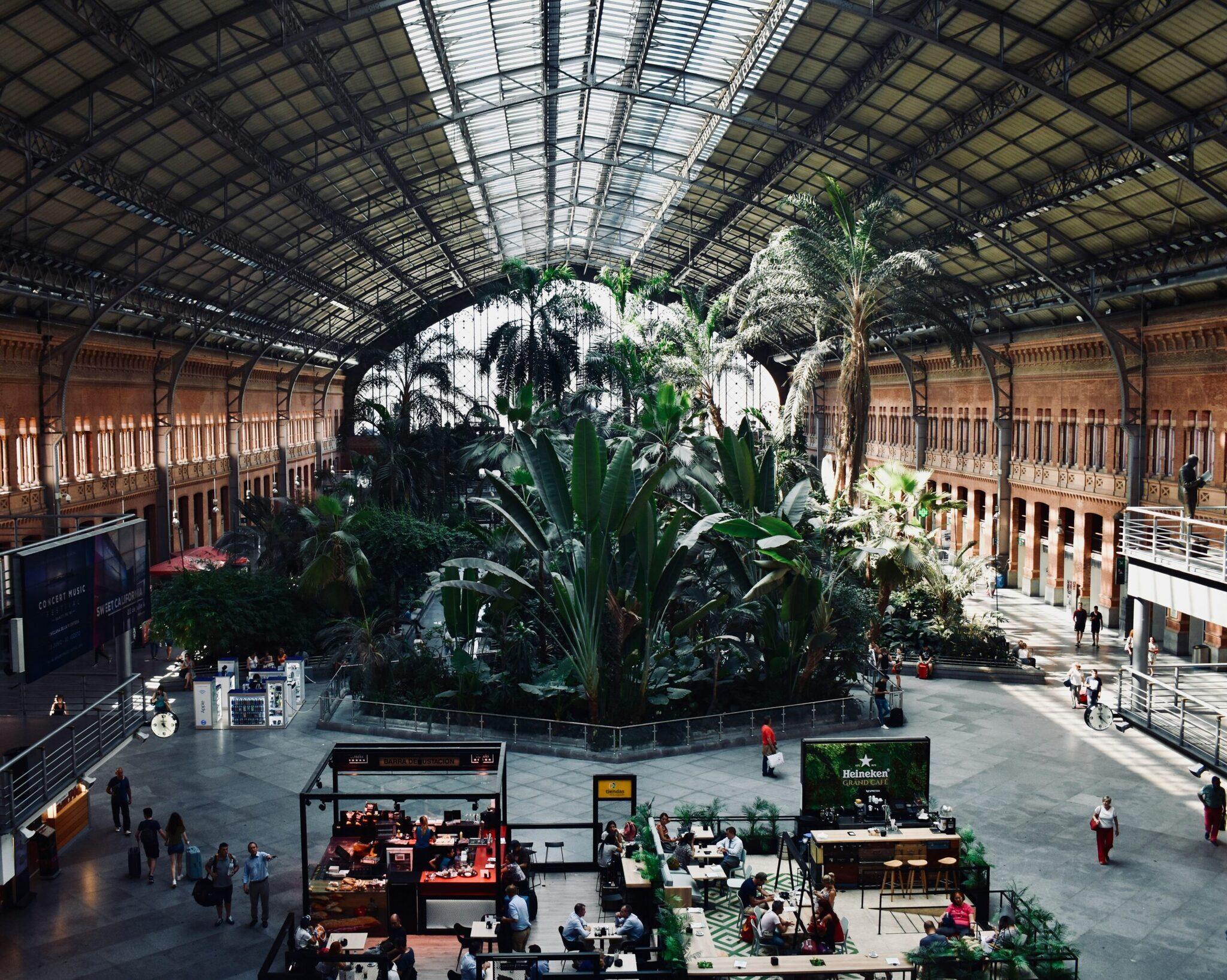
Atocha is Madrid’s main railway terminus. What sets it apart from every other station in Europe is the tropical jungle installed in its former departure hall: 7,000 plants of more than 260 species thrive beneath a Victorian red-brick glass roof, including Cuban palms, African coffee plants and a Polynesian fig tree. Entry is free during opening hours, and the station is just steps from the Reina Sofía.
The Temple of Debod: Ancient Egypt in the Heart of Madrid
In the Parque del Oeste, north of the city centre, stands an authentic Egyptian temple more than 2,000 years old: the Temple of Debod. Egypt gifted it to Spain in 1968 as a gesture of thanks for Spain’s involvement in saving Nubian temples threatened by the Aswan Dam. Dismantled stone by stone, it was rebuilt in Madrid and opened to the public in 1972. It is one of the few genuine Egyptian monuments on display outside Egypt, and entry is free.
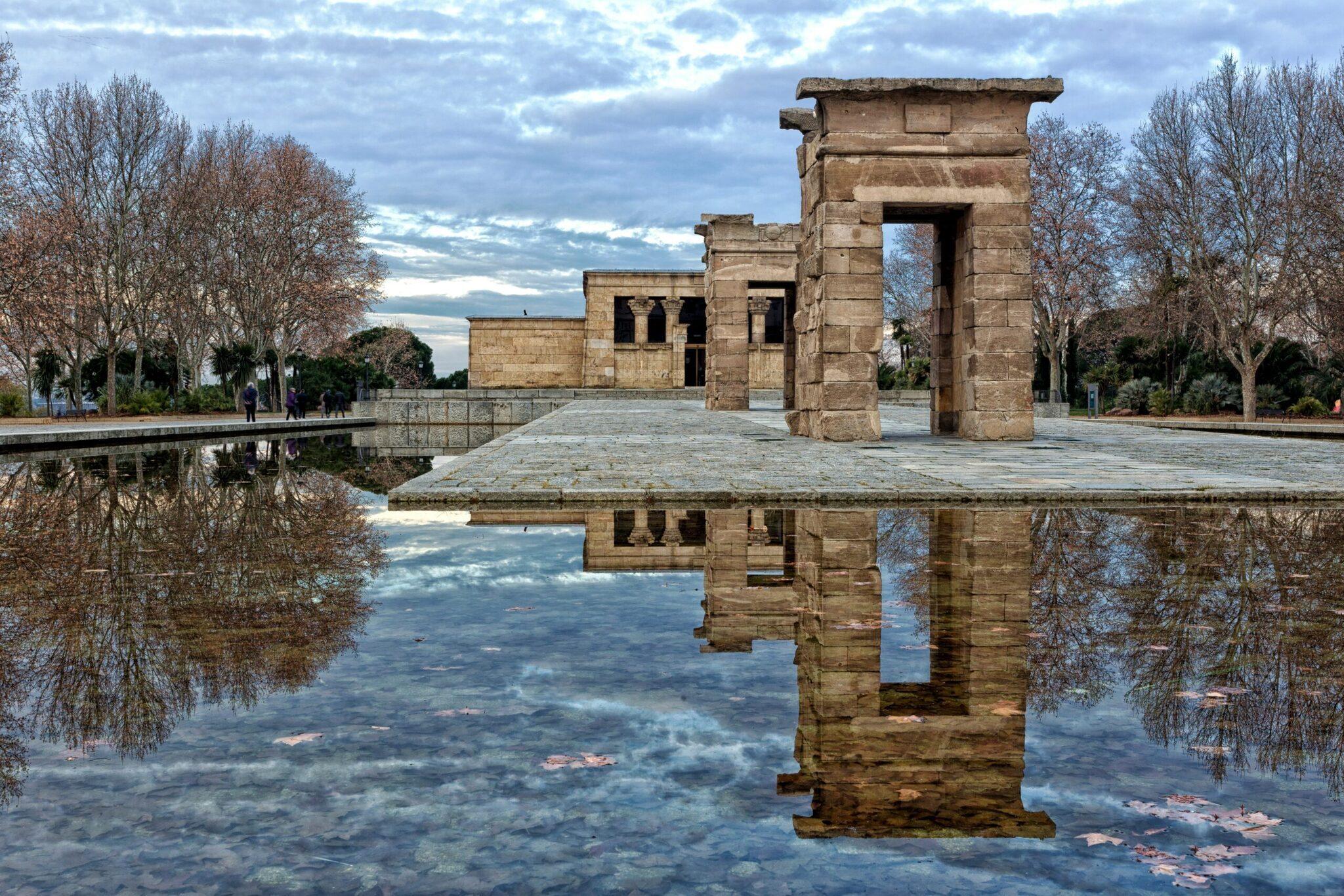
The site is particularly popular at sunset, when the light filters through the temple’s monumental gateways.
The Gran Vía: an Art Deco Boulevard at the Blue Hour
The Gran Vía is Madrid’s central boulevard: shops, cinemas, hotels and Art Deco theatres line three kilometres of pavement. Built between 1910 and 1931, it reflects the architectural ambition of early-20th-century Madrid.
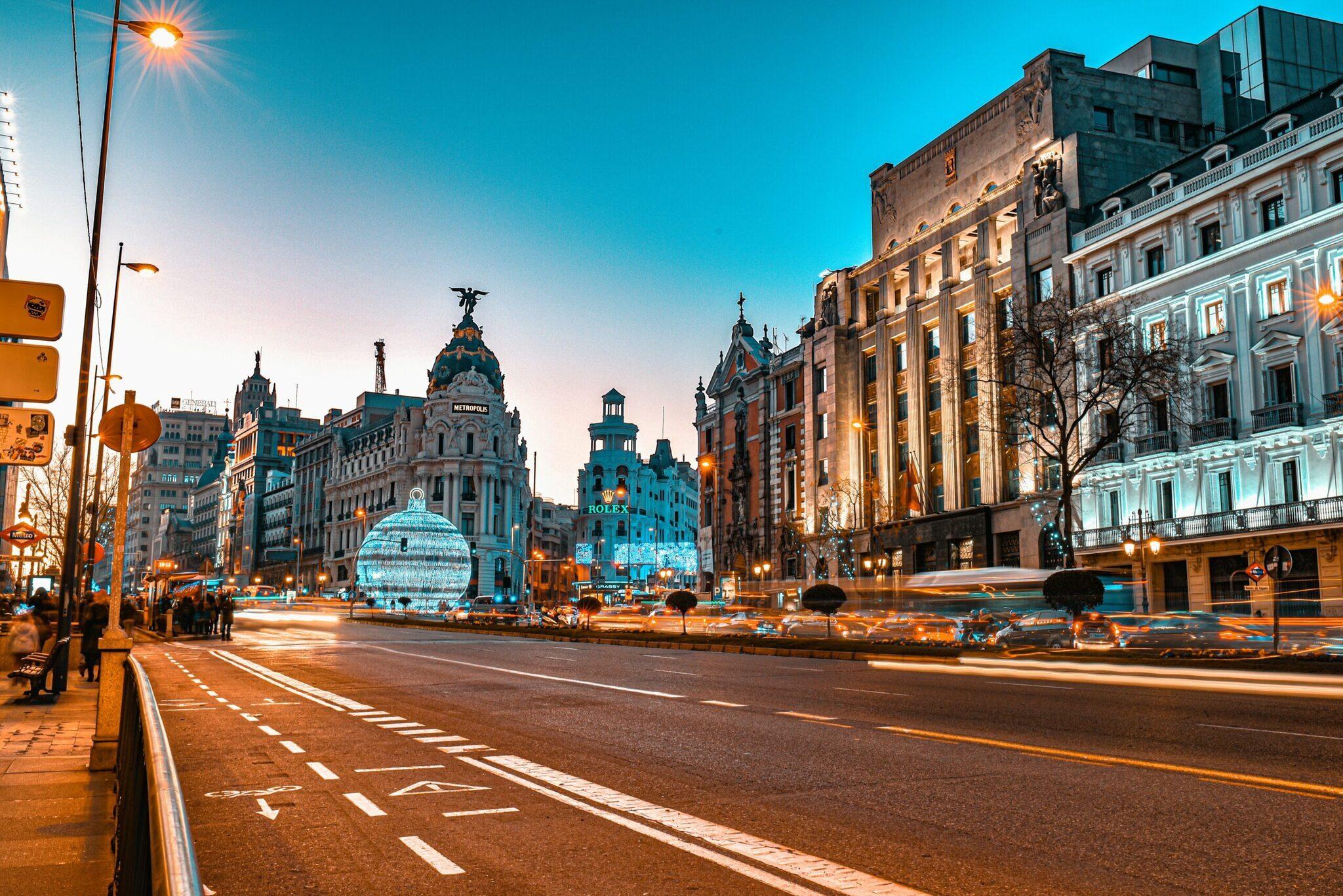
It comes alive at the blue hour, when the neon signs flicker on and the terraces fill up. Allow an hour to walk it from Calle de Alcalá to Plaza de España and watch the facades reveal themselves in a completely different light.
If Madrid makes you want to extend your trip and explore the rest of the country, our guide on things to do in Spain rounds up the twenty national must-sees.
Malasaña: Madrid After Dark
Malasaña is Madrid’s bohemian neighbourhood: cocktail bars, live music venues and vintage cafés keep going until dawn. Madrid starts late even on weekdays, with dinners stretching to 10pm and bars getting going around midnight. The street art on every corner reveals a side of the city that no museum can show.
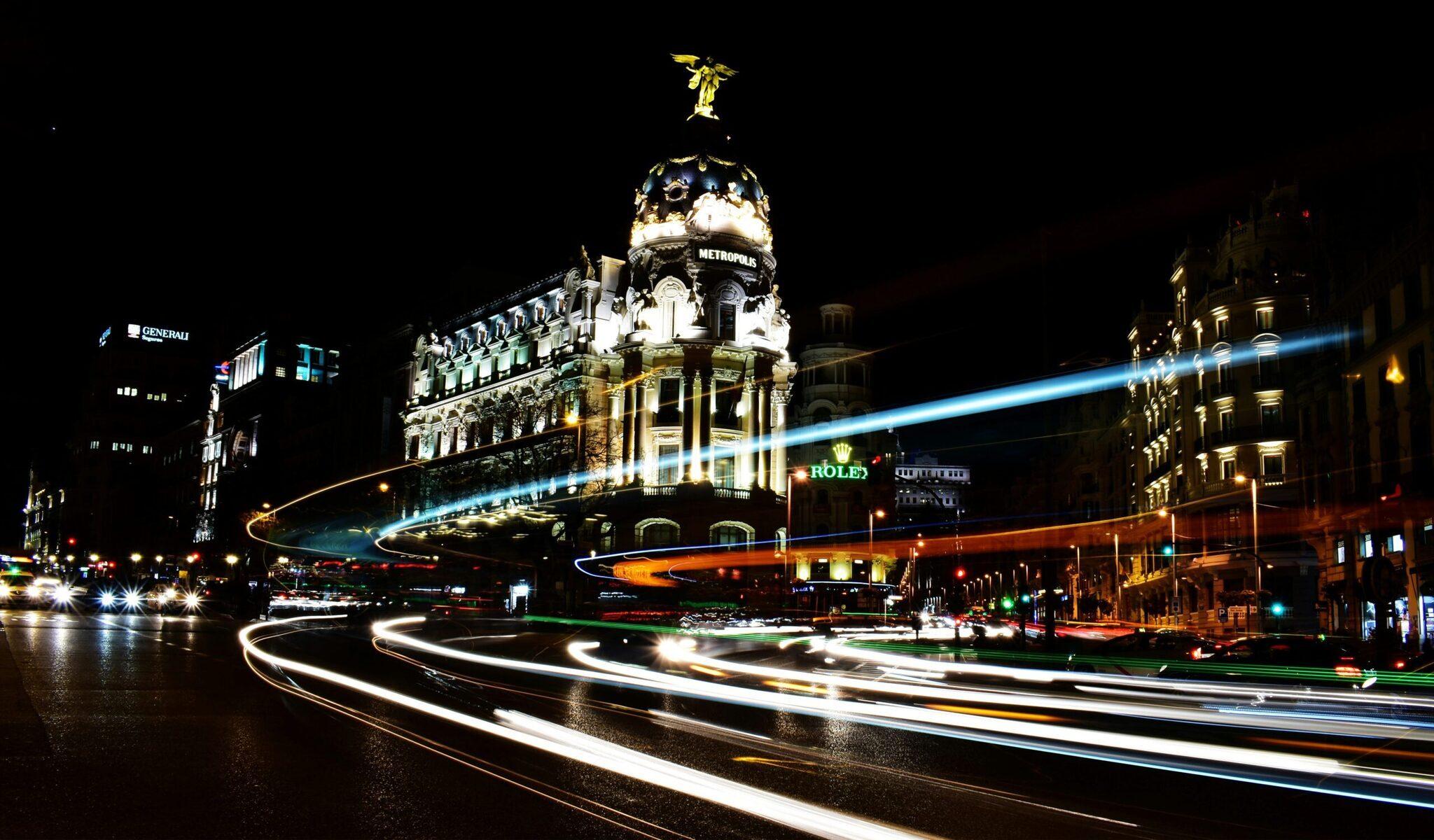
Those who love a capital with a vibrant nightlife will find a comparable energy in other major cities around the world, such as Seoul, whose night scene is equally celebrated.
FAQ
How Many Days Do You Need to Visit Madrid?
Three to four days is enough to cover the highlights: the Royal Palace, the golden triangle of museums, Retiro park, Plaza Mayor, La Latina and the evening neighbourhoods. With two days, you will need to choose between the museums and exploring on foot.
What is the Best Time to Visit Madrid?
Spring (April to May) and autumn (September to October) offer pleasant temperatures and fewer crowds than summer. In July and August the air-conditioned museums remain a welcome refuge, but outdoor walks can be tough with temperatures regularly topping 35°C.
Is the Royal Palace of Madrid Worth Visiting?
Yes, especially if you have an interest in the history of the Spanish monarchy and 18th-century decorative arts. Free slots are available on certain weekday evenings; check the exact conditions on the official Patrimonio Nacional website.
How Do You Get Around Madrid?
Madrid’s metro covers the entire city and its suburbs across several lines. The main central attractions (Prado, Retiro, Plaza Mayor, La Latina) are all reachable on foot from Puerta del Sol in under 30 minutes.
Is the Prado Museum Free?
Entry is paid during the day. Free slots are available on certain evenings and on Sunday late afternoons: check the exact conditions directly on the Prado’s official website (museodelprado.es).
What is the Temple of Debod in Madrid?
It is an authentic Egyptian temple dating from the 2nd century BC, gifted by Egypt to Spain in 1968 and opened to the public in Madrid in 1972. It stands in the Parque del Oeste, near Plaza de España, and entry is free.